Hard Plastic Cases
Protect your valuable electronics with our selection of hard plastic cases. Designed to provide durable and reliable protection, these cases are perfect for safeguarding your devices against everyday wear and tear, accidental drops, and scratches. With a variety of sizes and styles to choose from, you can find the perfect hard plastic case to suit your needs and keep your gadgets safe and secure wherever you go.
Sort

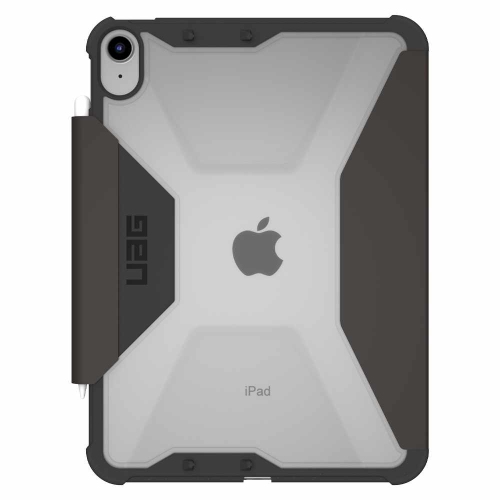
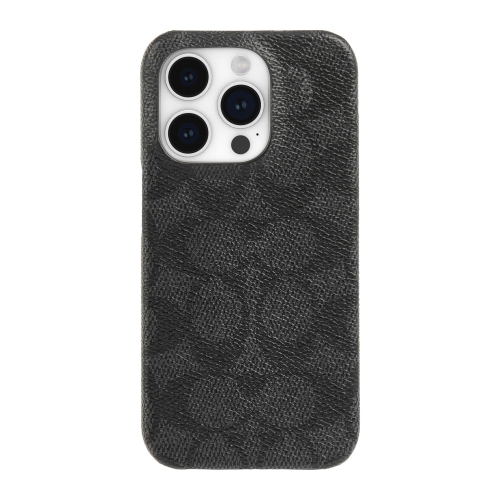
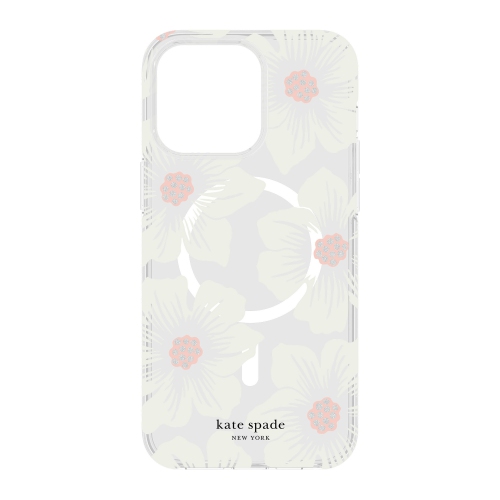
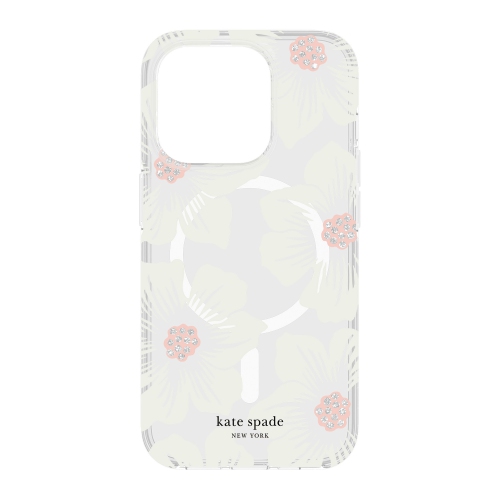












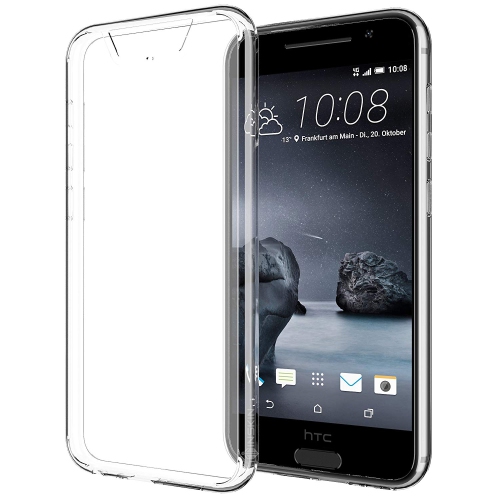
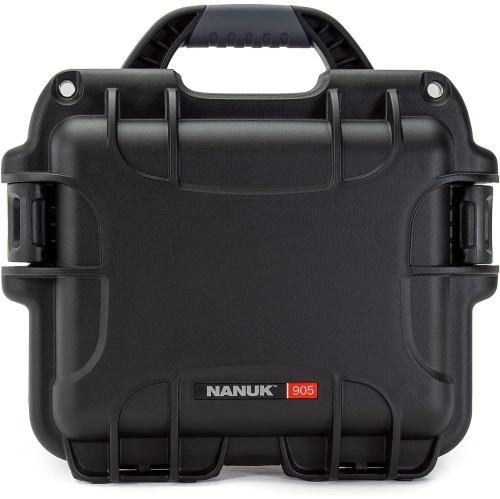










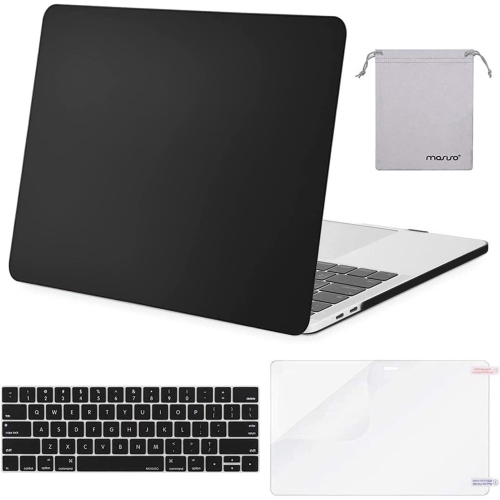

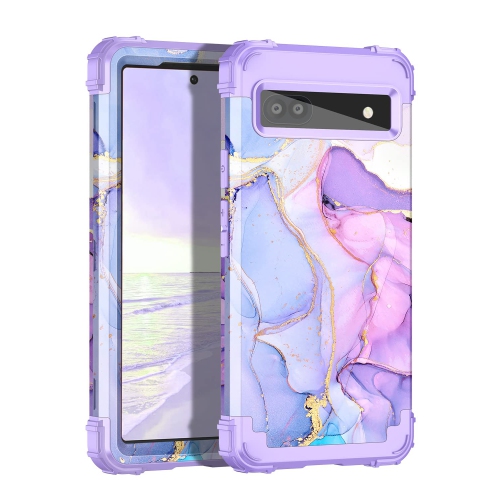

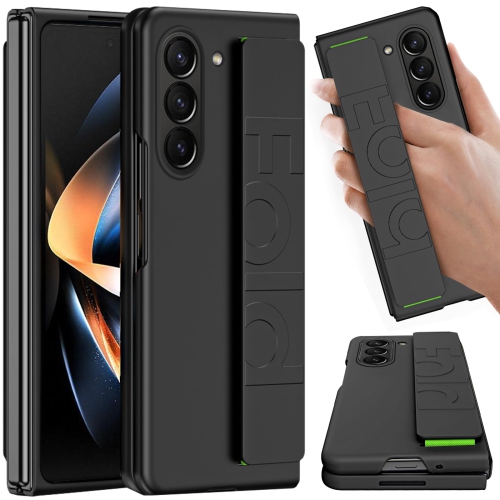
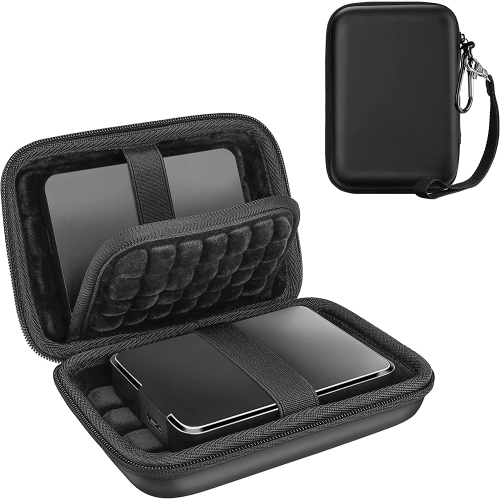
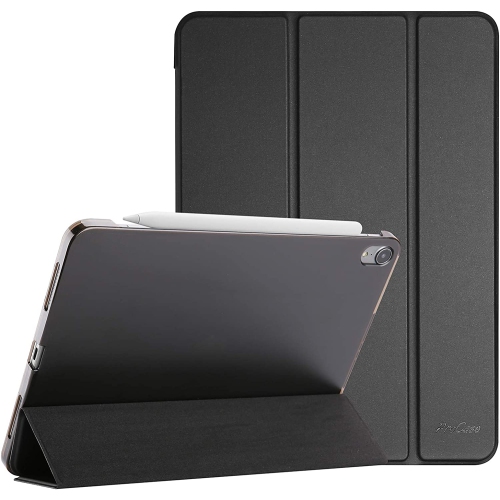
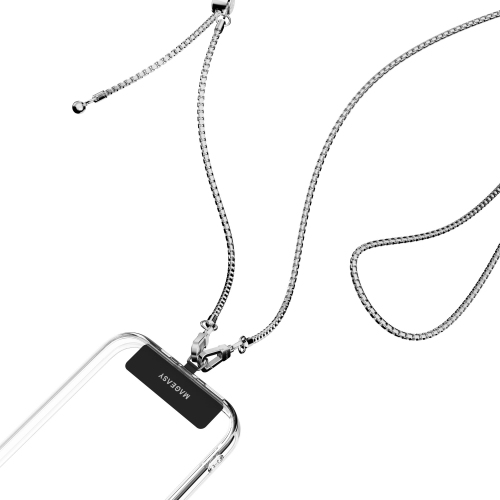

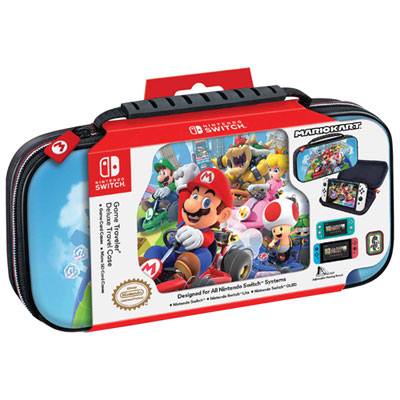
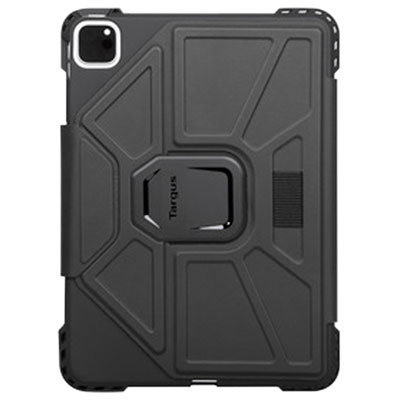





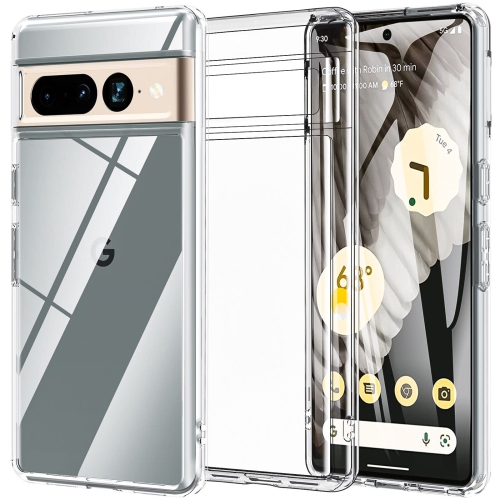
![GENERIC [Clear Hard] Case for Iphone Xr, Shockproof [Hard PC + Soft Tpu Frame] Lightweight Transparent Bumper Cover](https://multimedia.bbycastatic.ca/multimedia/products/500x500/195/19584/19584322.jpeg)
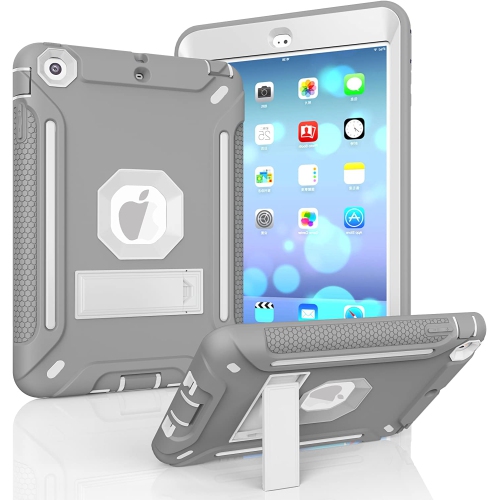

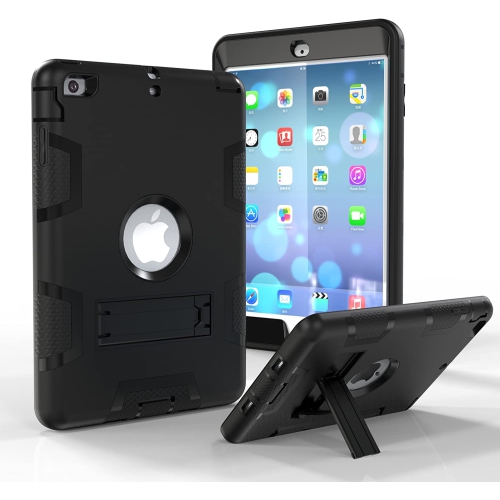


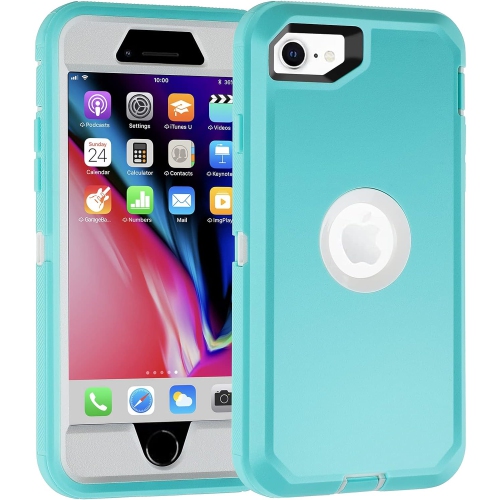
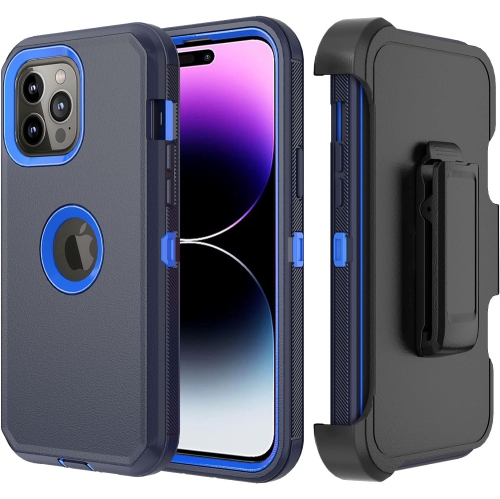
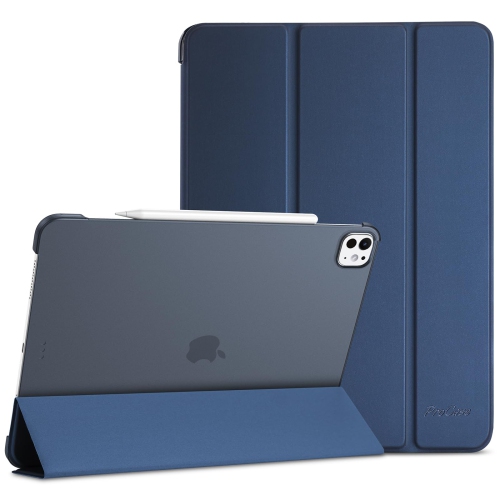


![UNKNOWN Case for Ipad Mini 1/2/3 Retina Case, Ipad Mini Case, Ipad Mini 2 Case, Ipad Mini 3 Case, 3 In 1 Hybrid [Soft&hard]](https://multimedia.bbycastatic.ca/multimedia/products/500x500/182/18212/18212648.jpeg)
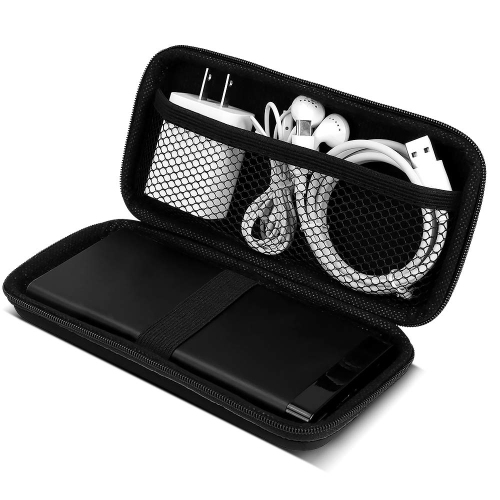
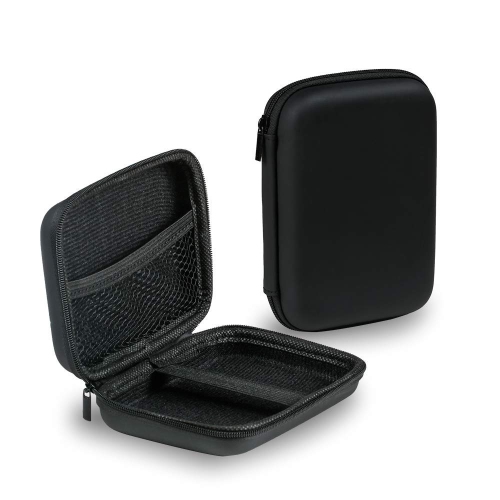
Equipment protection starts with more than a rigid shell
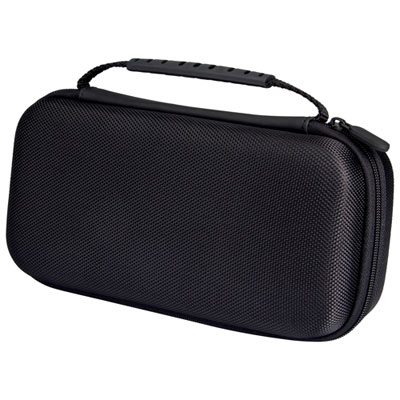
Hard plastic cases are rigid storage and carrying containers designed to help protect their contents from knocks, abrasion, and pressure during transport or storage. They are commonly made from polymers such as polypropylene, ABS, or polycarbonate, with the shell, hinges, latches, and interior working together to keep equipment secure. Unlike a fabric pouch, a hard shell holds its shape and creates a firm barrier around delicate surfaces, controls, and components. That makes these cases useful for photographers carrying lenses, technicians transporting test equipment, musicians organizing audio accessories, and hobbyists keeping small tools together. A case can also bring order to everyday electronics, with room for a handheld device, charging cables, and adapters in separate compartments. Material alone does not determine performance: shell thickness, reinforced corners, hinge construction, and the way the lid meets the base all influence how a case handles regular use. Polypropylene is often chosen for its toughness and relatively low weight, while ABS offers rigidity and polycarbonate is known for impact resistance. Actual protection depends on the finished design and any testing stated by the manufacturer, rather than the plastic name alone. A textured exterior can make scuffs less noticeable, while a smooth surface is generally easy to wipe clean. Handles should feel comfortable with the case fully loaded, and latches should close positively without requiring the lid to be forced into place. For frequent carrying, the empty case weight matters almost as much as its capacity; a generously sized shell can become awkward once equipment and padding are added. Compact cases suit small accessories and delicate instruments, while deeper formats can accommodate bulkier equipment with cushioning above and below. For a broader view of protective containers, Hard Storage Cases includes related options for organizing and transporting equipment. The most useful format is one that matches both the contents and the journey, whether that means a short trip between workspaces or repeated loading into a vehicle.
A good fit begins with usable interior dimensions, not the outside measurements of the shell. Equipment needs space for its widest points, including protruding knobs, attached brackets, lens hoods, or connectors that remain in place during transport. Lid depth and rounded interior corners can reduce the space available for a rectangular object, and foam takes up part of the stated capacity. An appropriately fitted case leaves enough room for cushioning without allowing the contents to slide from side to side. For example, a camera body should rest securely without its weight bearing on a dial, and a measuring instrument should not sit with its display pressed against a latch recess. Customizable foam helps create individual spaces for equipment, reducing movement and keeping hard objects from touching one another. Pick-and-pluck foam uses small removable sections to form a shaped recess, while solid foam can be cut for a more tailored fit. Leaving supportive foam between compartments helps prevent narrow sections from tearing or collapsing. Adjustable padded dividers offer a different advantage: they can be rearranged when the contents change, making them practical for shared equipment or a kit that grows over time. An empty interior may suit sturdy supplies, but fragile contents generally benefit from padding selected for their weight and shape. The lid should close without compressing equipment, and loose accessories should have their own space so they cannot work underneath a larger object. Interior colour can also affect everyday convenience; small dark fittings may be easier to spot against a lighter lining. For someone who carries the same kit repeatedly, a consistent layout makes missing pieces obvious before leaving a workspace. Cases given as gifts are most useful when the recipient’s equipment dimensions and storage habits are known. A well-matched case can support a photography interest, a repair hobby, or a portable gaming setup without leaving the recipient to solve an awkward fit.
Protection claims deserve attention because not all hard plastic cases offer the same resistance to impact, dust, or water. A rigid shell does not automatically make a case waterproof, and a tight-looking lid is not a substitute for a stated rating. Where specified, an IP67 rating indicates a dust-tight enclosure and protection against temporary immersion in water under defined test conditions, typically up to one metre for 30 minutes. It does not mean unlimited underwater protection, and the manufacturer’s limits and closure requirements still apply. A continuous gasket around the opening helps seal the lid, but trapped grit, damaged seals, or an incompletely fastened latch can compromise that barrier. Cases with pressure equalization valves can balance internal and external air pressure during altitude changes, helping prevent the lid from becoming difficult to open after a flight. The valve design and operating instructions vary, so this feature should not be assumed on every sealed case. Likewise, descriptions such as impact-resistant or crush-resistant should be considered alongside any published testing; no case makes its contents immune to damage. Practical details often matter just as much in daily use. Reinforced padlock points can support an added lock, wheels can make heavier loads easier to move, and stable stacking features can help keep multiple cases organized when used as intended. For air travel, exterior dimensions include handles and wheels, and airline baggage rules still determine whether a loaded case can travel in the cabin. Routine care is straightforward: remove loose debris, wipe the shell with a soft cloth and mild soap when permitted, and let the interior and padding dry fully before closing it. Solvents and abrasive cleaners can damage some plastics or seals. Hinges, latches, foam, and gaskets benefit from occasional checks for wear, especially after a drop or a demanding trip. Keeping the closure channel clean and replacing worn padding helps a hard plastic case remain dependable for repeated packing, carrying, and storage.
A good fit begins with usable interior dimensions, not the outside measurements of the shell. Equipment needs space for its widest points, including protruding knobs, attached brackets, lens hoods, or connectors that remain in place during transport. Lid depth and rounded interior corners can reduce the space available for a rectangular object, and foam takes up part of the stated capacity. An appropriately fitted case leaves enough room for cushioning without allowing the contents to slide from side to side. For example, a camera body should rest securely without its weight bearing on a dial, and a measuring instrument should not sit with its display pressed against a latch recess. Customizable foam helps create individual spaces for equipment, reducing movement and keeping hard objects from touching one another. Pick-and-pluck foam uses small removable sections to form a shaped recess, while solid foam can be cut for a more tailored fit. Leaving supportive foam between compartments helps prevent narrow sections from tearing or collapsing. Adjustable padded dividers offer a different advantage: they can be rearranged when the contents change, making them practical for shared equipment or a kit that grows over time. An empty interior may suit sturdy supplies, but fragile contents generally benefit from padding selected for their weight and shape. The lid should close without compressing equipment, and loose accessories should have their own space so they cannot work underneath a larger object. Interior colour can also affect everyday convenience; small dark fittings may be easier to spot against a lighter lining. For someone who carries the same kit repeatedly, a consistent layout makes missing pieces obvious before leaving a workspace. Cases given as gifts are most useful when the recipient’s equipment dimensions and storage habits are known. A well-matched case can support a photography interest, a repair hobby, or a portable gaming setup without leaving the recipient to solve an awkward fit.
Protection claims deserve attention because not all hard plastic cases offer the same resistance to impact, dust, or water. A rigid shell does not automatically make a case waterproof, and a tight-looking lid is not a substitute for a stated rating. Where specified, an IP67 rating indicates a dust-tight enclosure and protection against temporary immersion in water under defined test conditions, typically up to one metre for 30 minutes. It does not mean unlimited underwater protection, and the manufacturer’s limits and closure requirements still apply. A continuous gasket around the opening helps seal the lid, but trapped grit, damaged seals, or an incompletely fastened latch can compromise that barrier. Cases with pressure equalization valves can balance internal and external air pressure during altitude changes, helping prevent the lid from becoming difficult to open after a flight. The valve design and operating instructions vary, so this feature should not be assumed on every sealed case. Likewise, descriptions such as impact-resistant or crush-resistant should be considered alongside any published testing; no case makes its contents immune to damage. Practical details often matter just as much in daily use. Reinforced padlock points can support an added lock, wheels can make heavier loads easier to move, and stable stacking features can help keep multiple cases organized when used as intended. For air travel, exterior dimensions include handles and wheels, and airline baggage rules still determine whether a loaded case can travel in the cabin. Routine care is straightforward: remove loose debris, wipe the shell with a soft cloth and mild soap when permitted, and let the interior and padding dry fully before closing it. Solvents and abrasive cleaners can damage some plastics or seals. Hinges, latches, foam, and gaskets benefit from occasional checks for wear, especially after a drop or a demanding trip. Keeping the closure channel clean and replacing worn padding helps a hard plastic case remain dependable for repeated packing, carrying, and storage.
Top selling and popular products
-
 Your price for this item is $59.99
 -
 Your price for this item is $59.99
 -
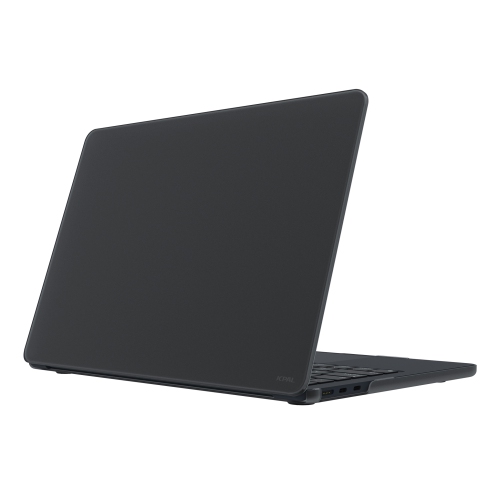 Your price for this item is $54.99
 -
 Your price for this item is $22.95
 -
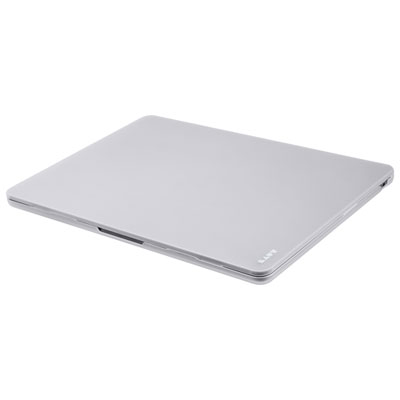 Your price for this item is $34.99
 -
 Your price for this item is $88
 -
 Your price for this item is $21.99
 -
 Your price for this item is $40
Discover more categories related to Hard Plastic Cases
Top Collections:
Pokemon Centers, Kindle Devices, Best Budget Office Chairs, Apple iPhones 16, Best Laptops for Writers, iPhone 15 Apple, Canon G7X Cameras, Refurbished Apple Laptops, Alarm Clock, Motorola Razr Phones
Some products may be subject to Environmental Handling Fees
(EHF) depending on your province.
Learn more about EHFs.