Power Banks for iPads
Stay charged on-the-go with our selection of power banks for iPads. Never worry about running out of battery while using your iPad with these portable and convenient power solutions. Whether you're traveling, working remotely, or simply need a reliable power source, these power banks are designed to keep your iPad powered up whenever and wherever you need it. Explore our range of power banks specifically tailored for iPads and stay connected without interruptions.
Sort










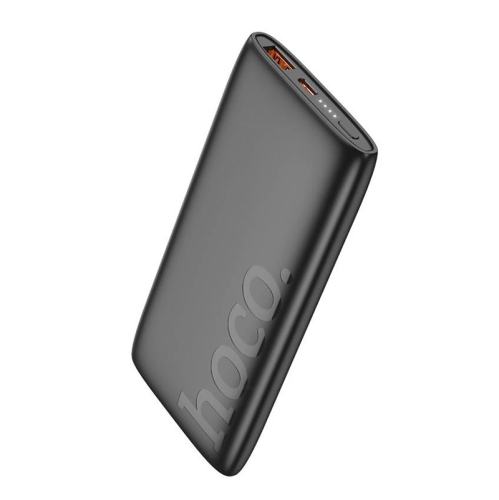
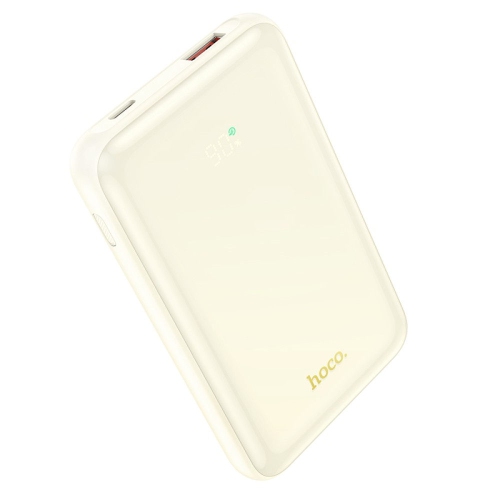

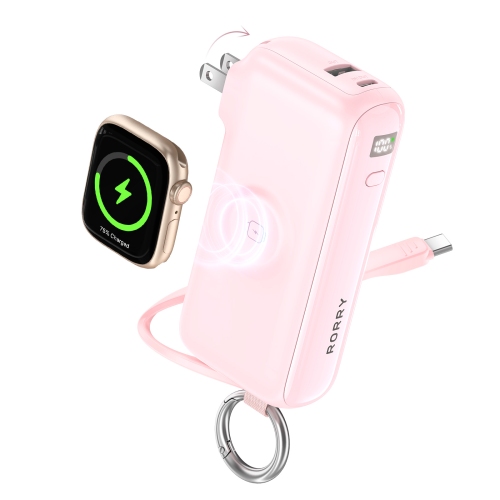

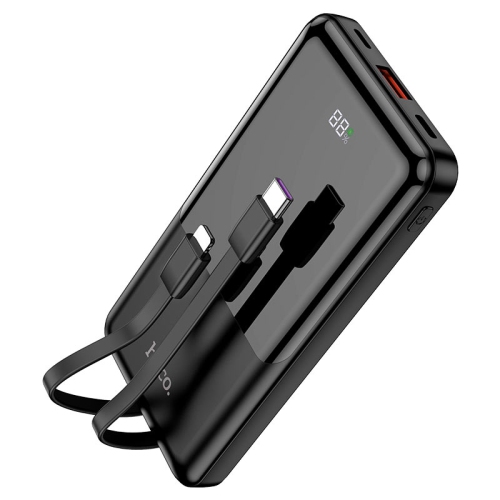





















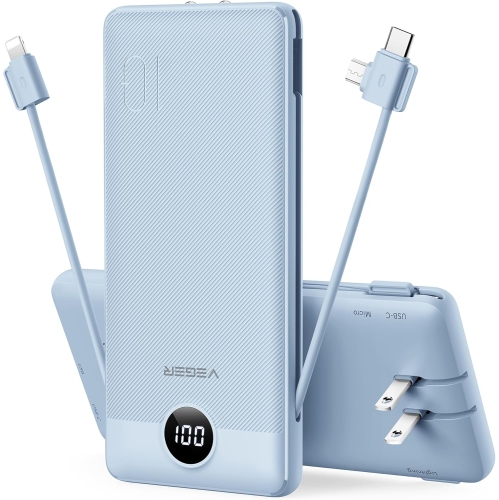
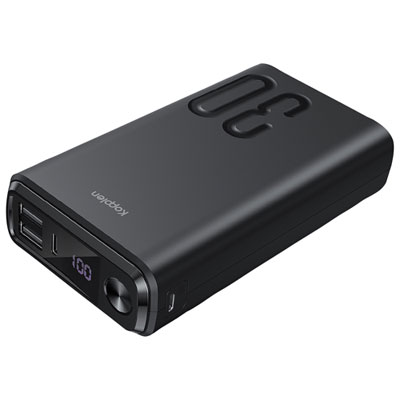
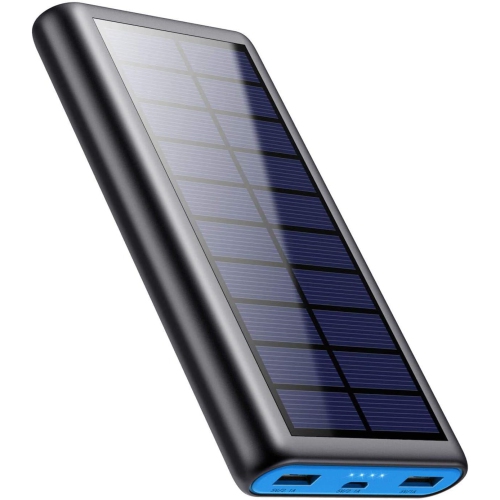

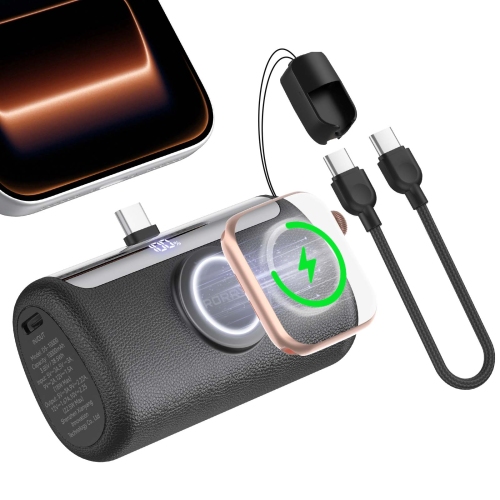
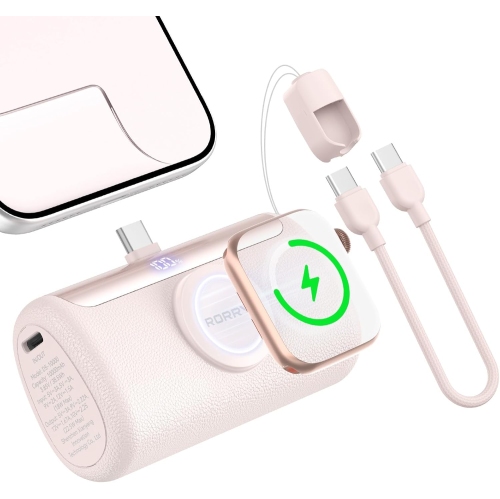
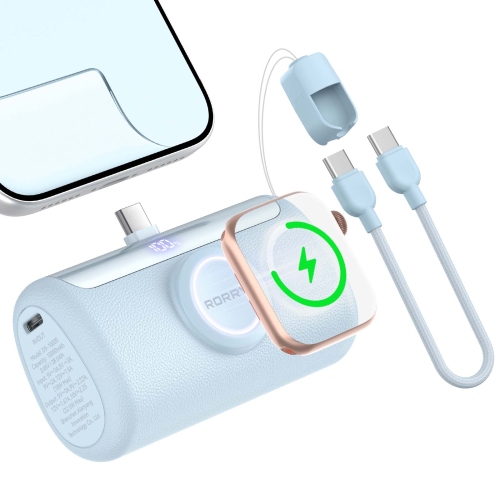
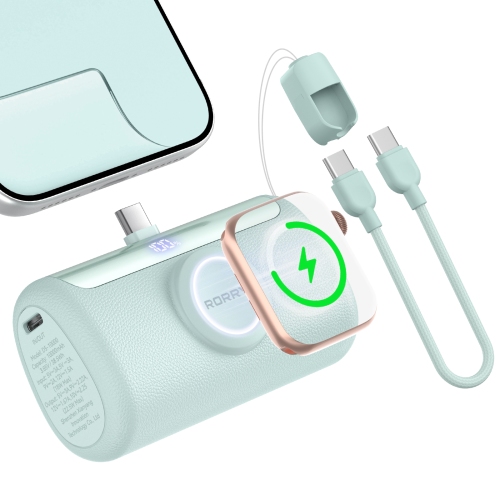
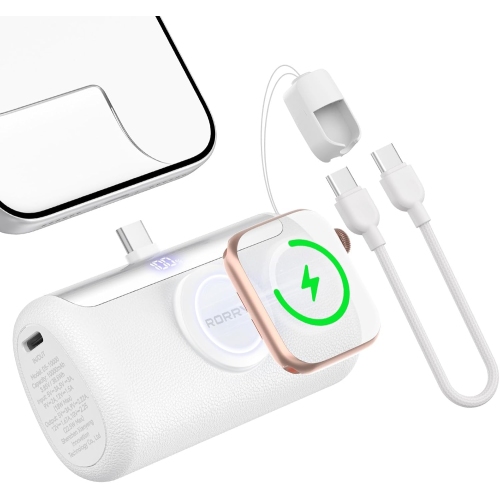












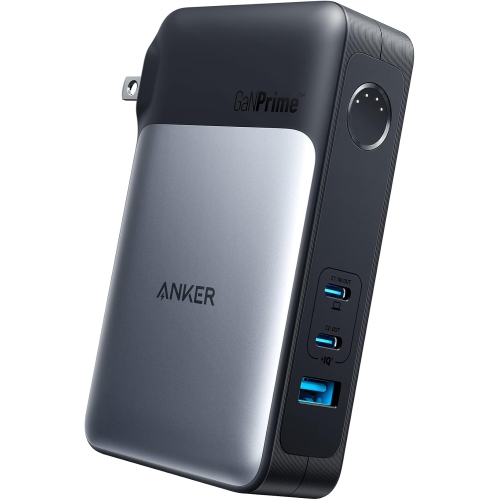
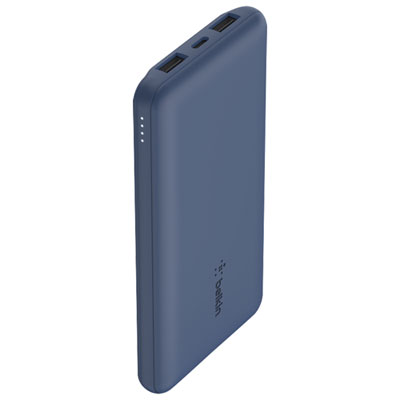


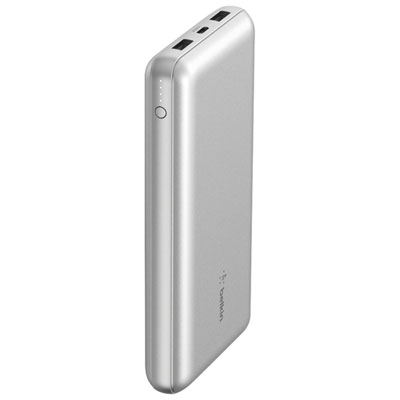
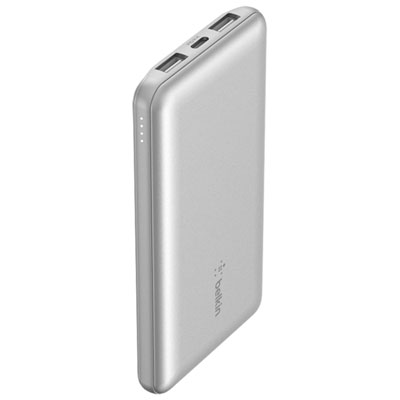
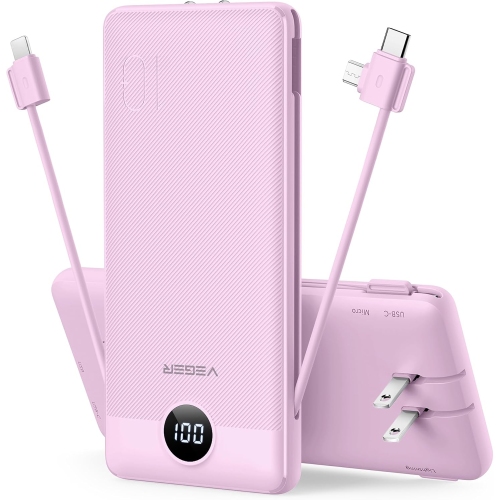

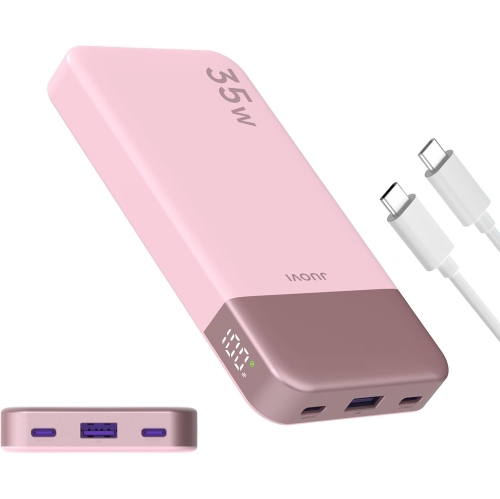
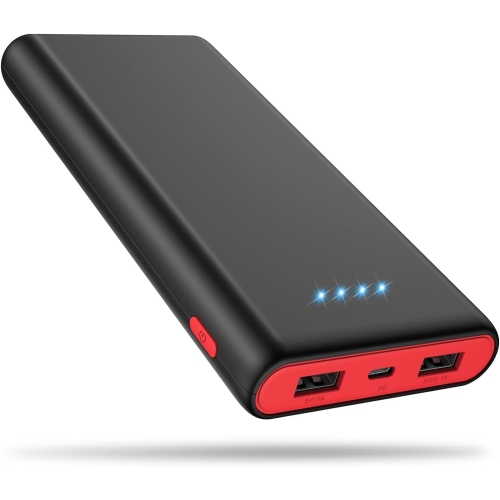


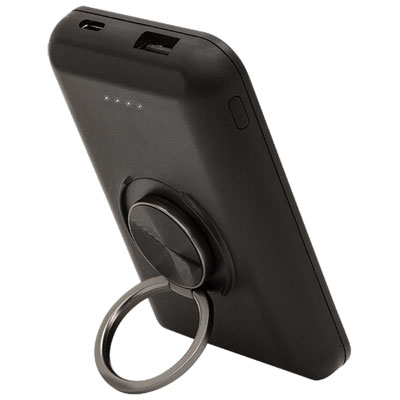








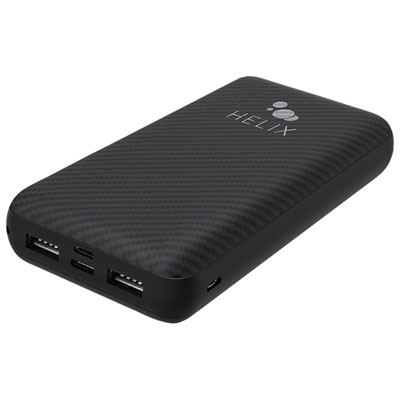


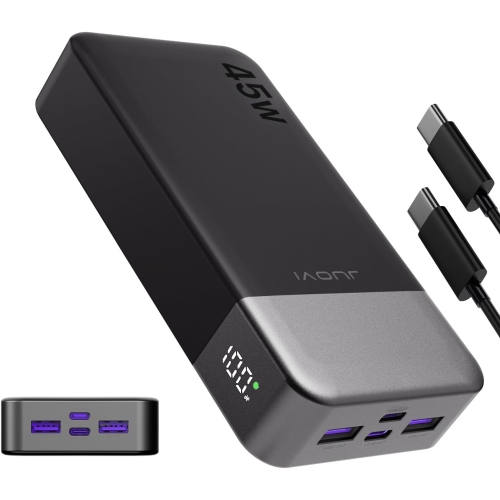

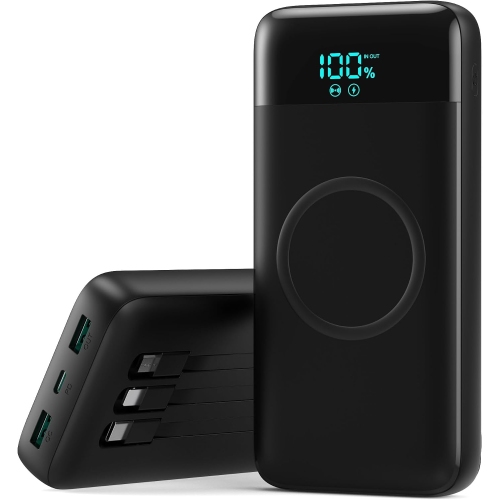
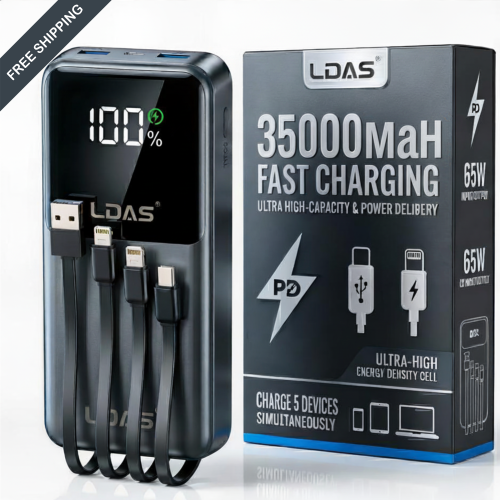
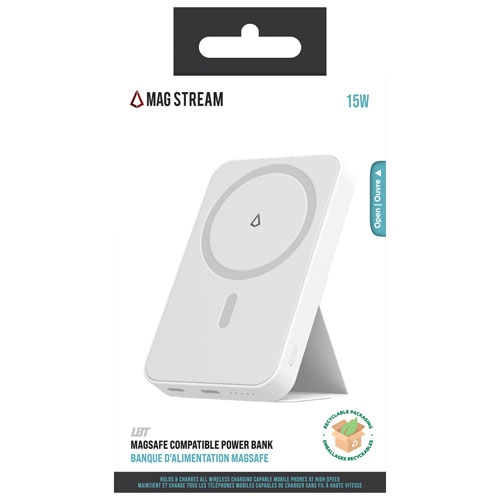


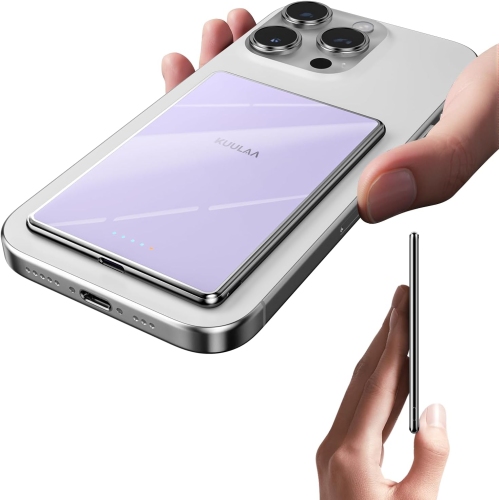



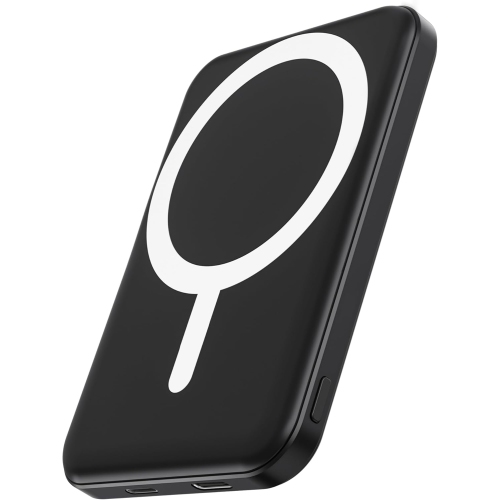
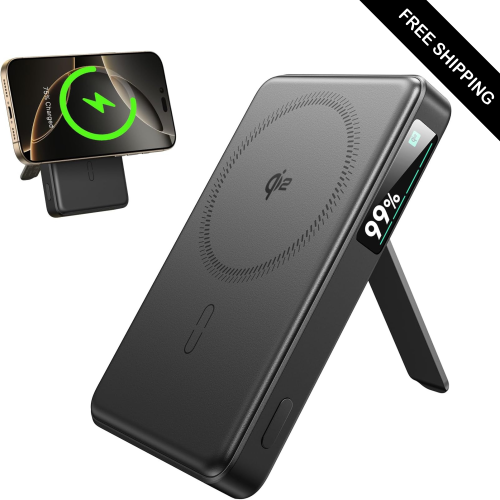

Portable iPad charging is about more than capacity
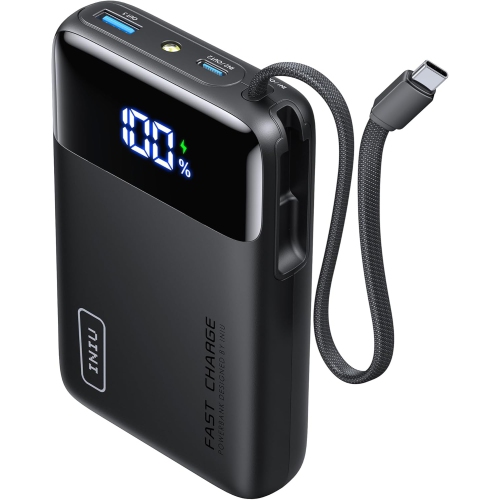
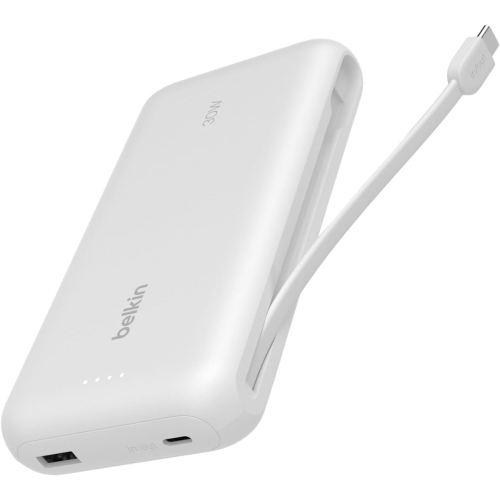
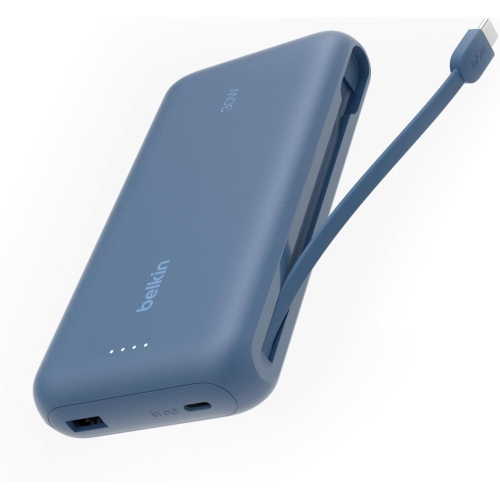
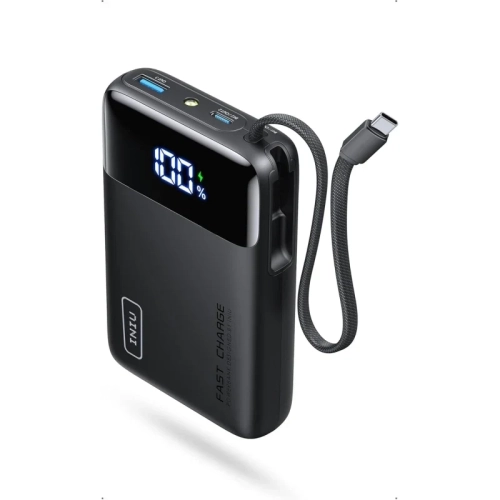
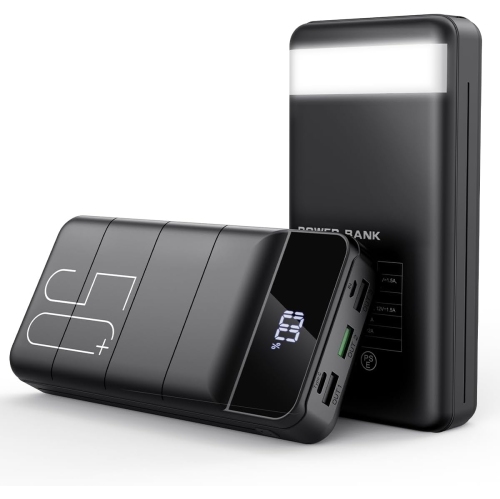
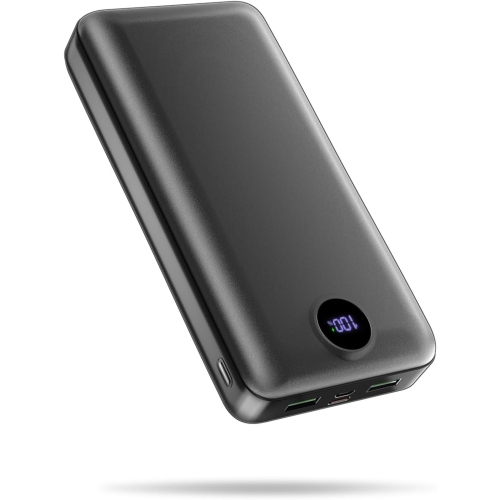
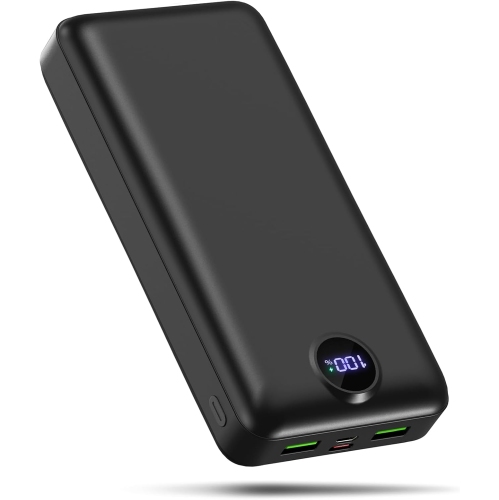
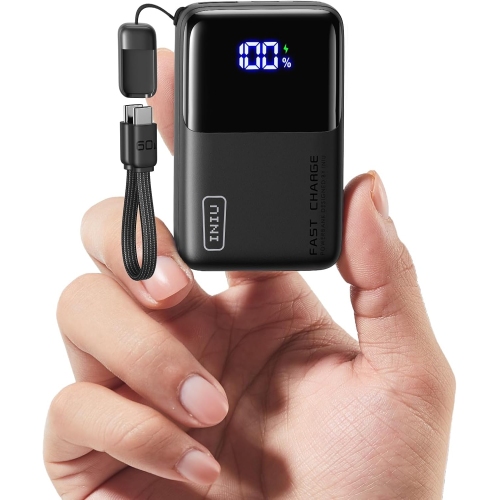
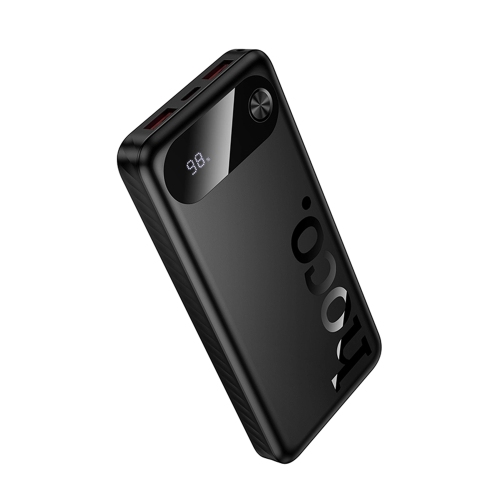
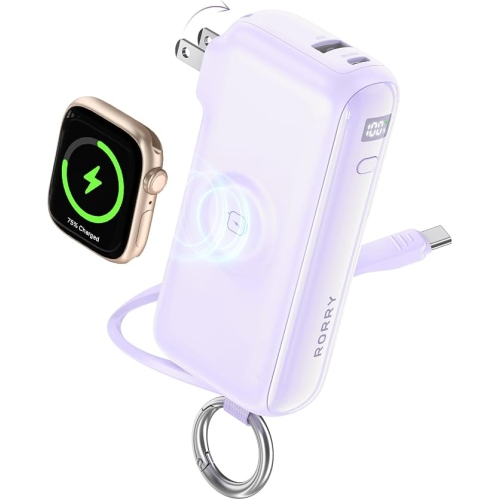
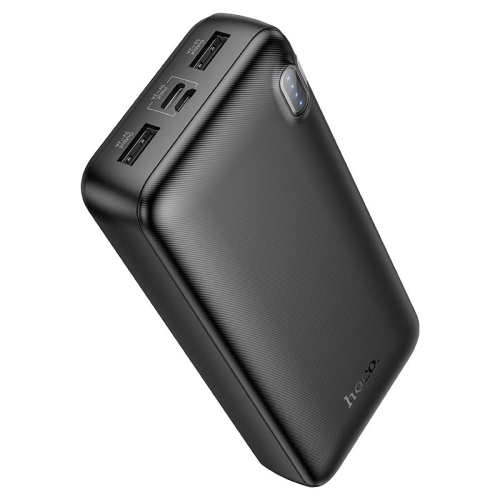
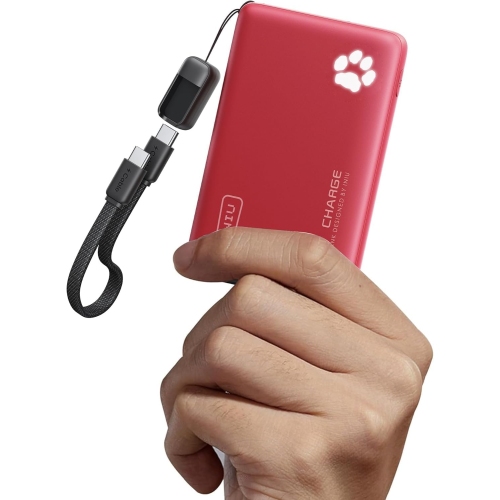
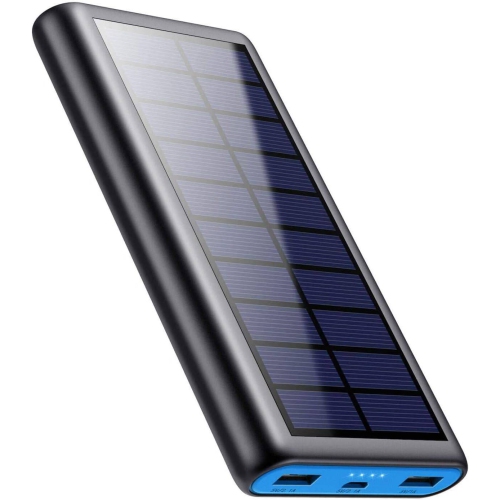
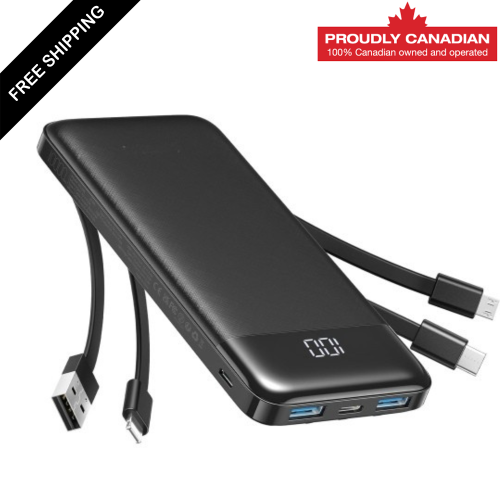
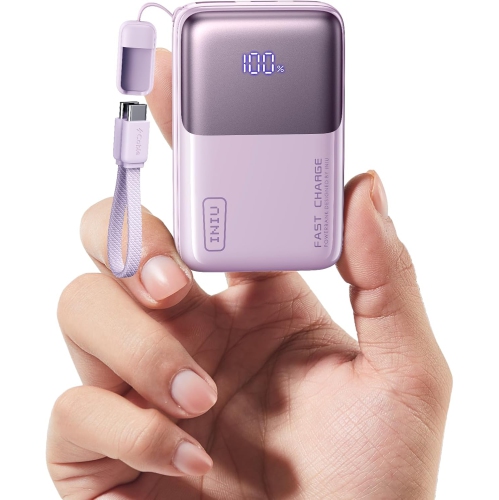
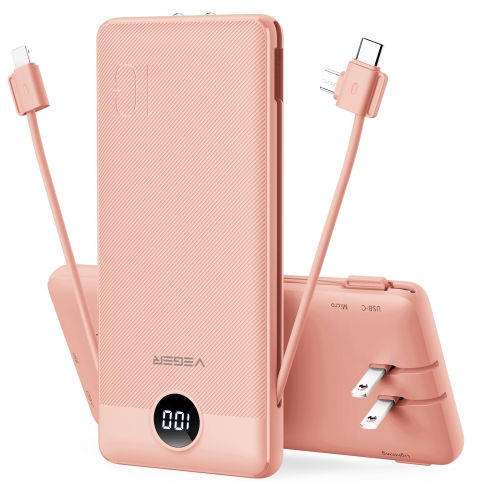
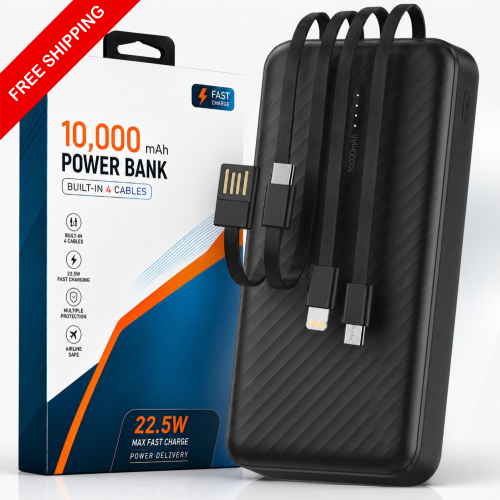
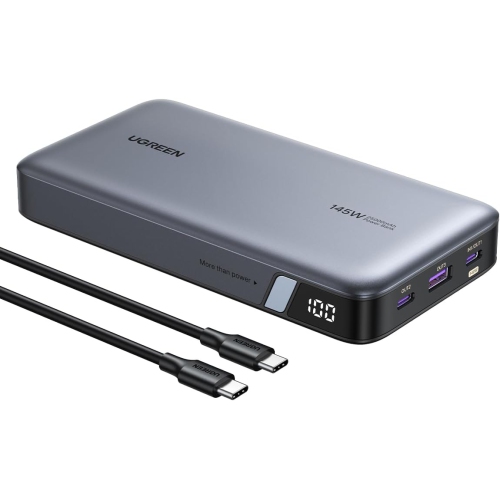
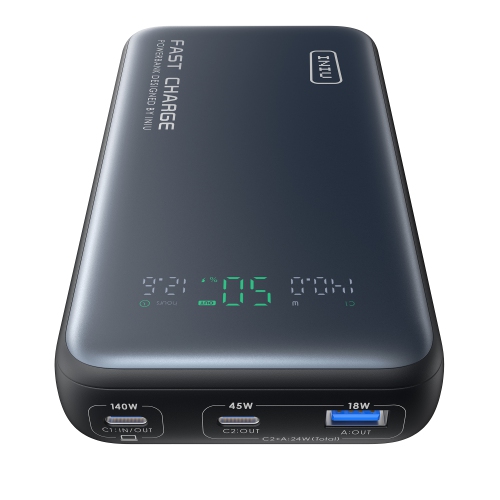
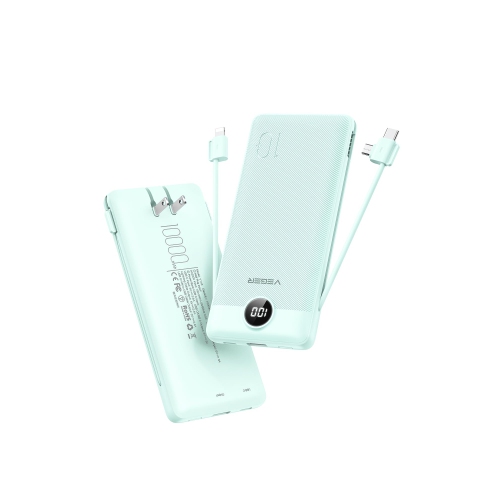
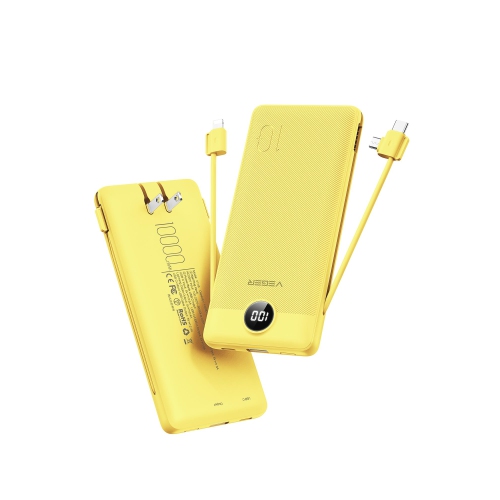
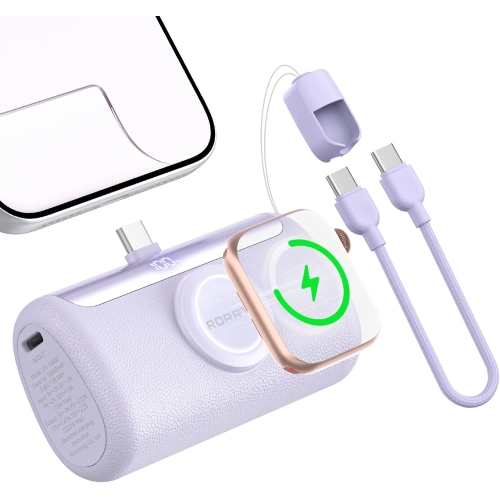
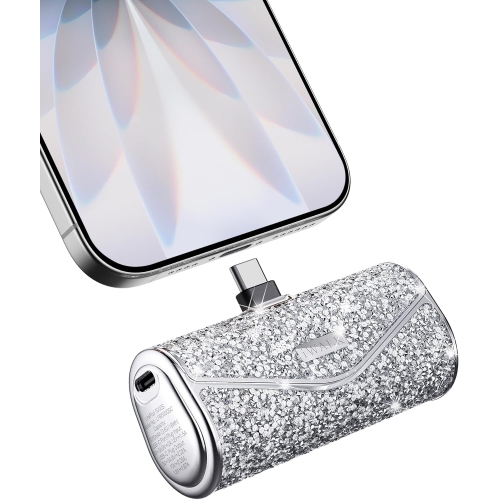
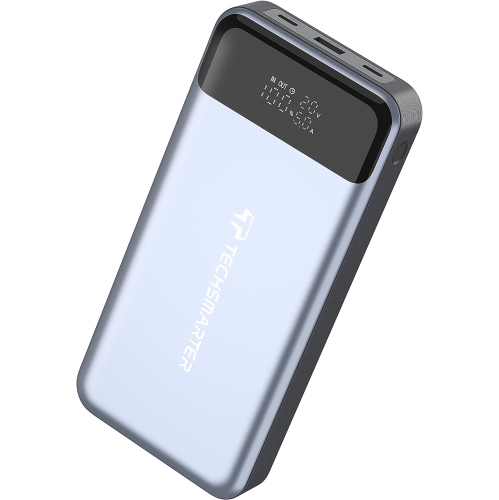
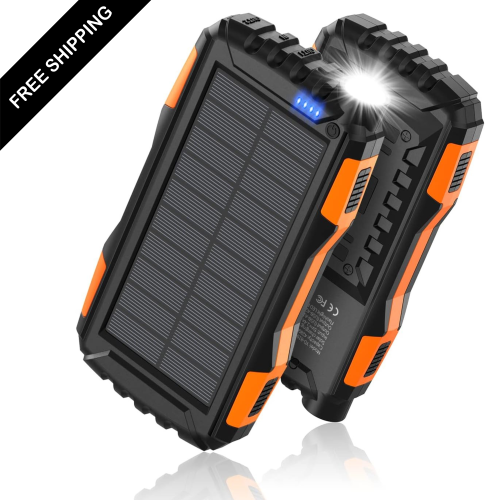
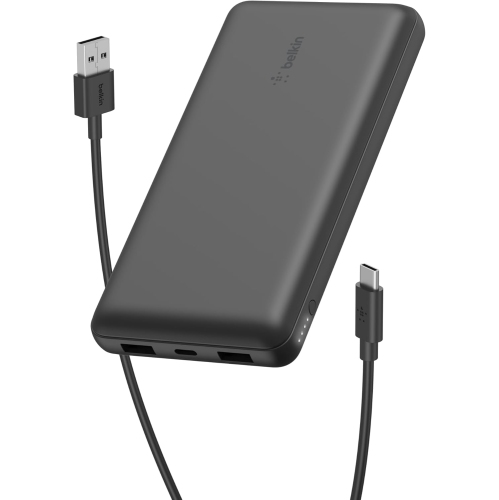
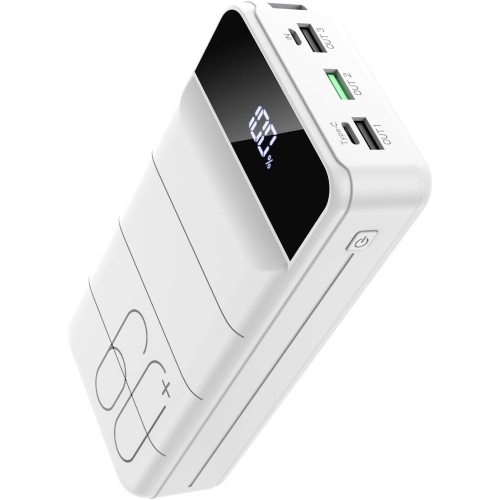
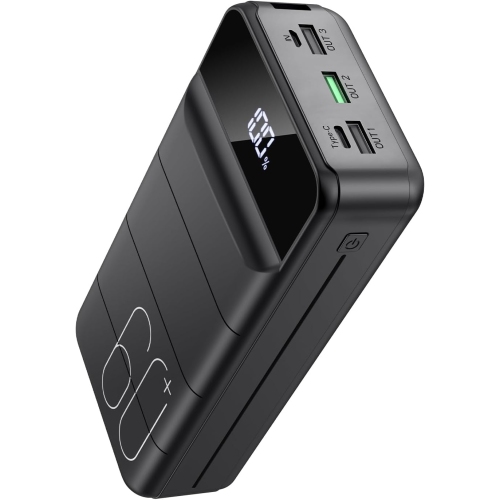
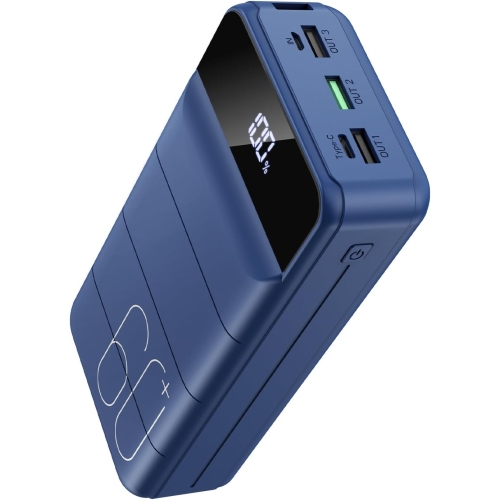
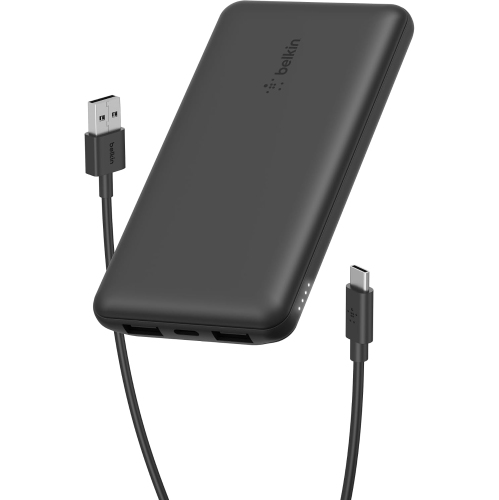
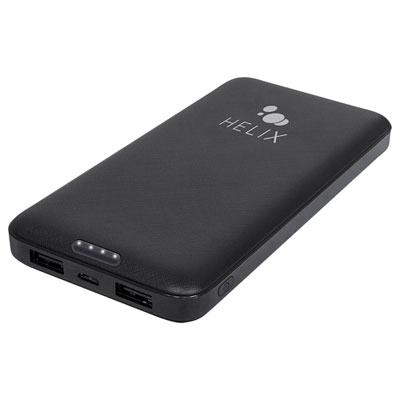
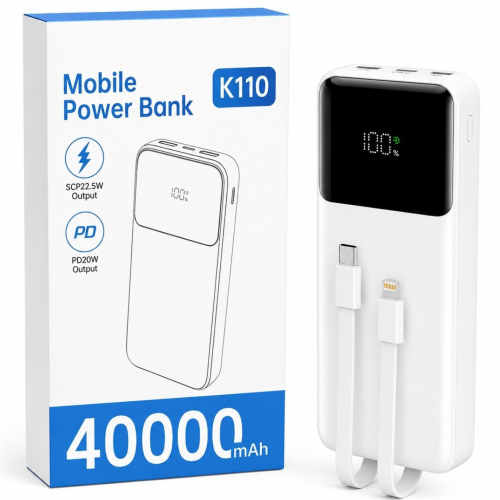
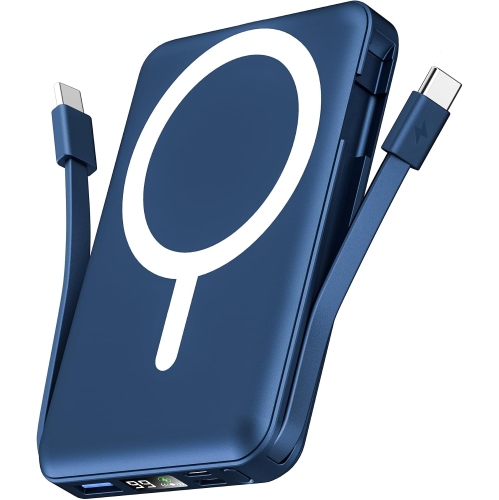
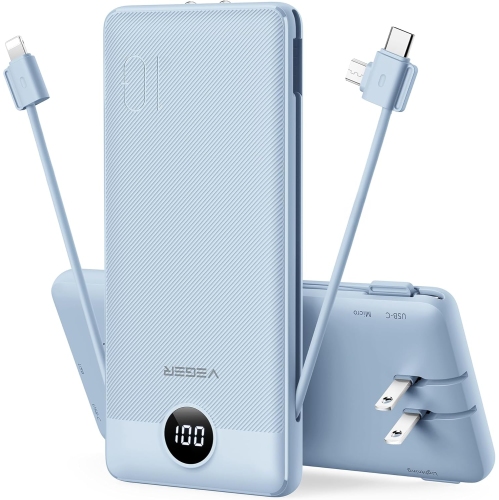
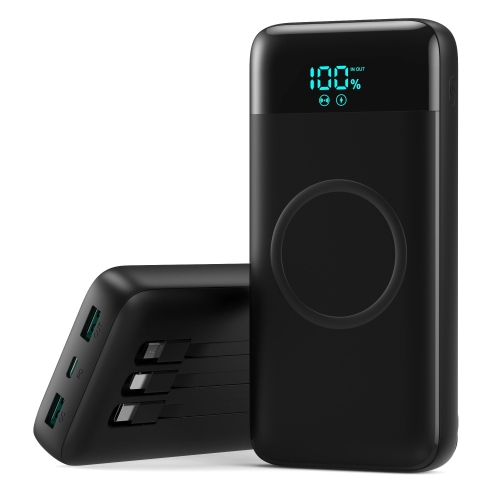
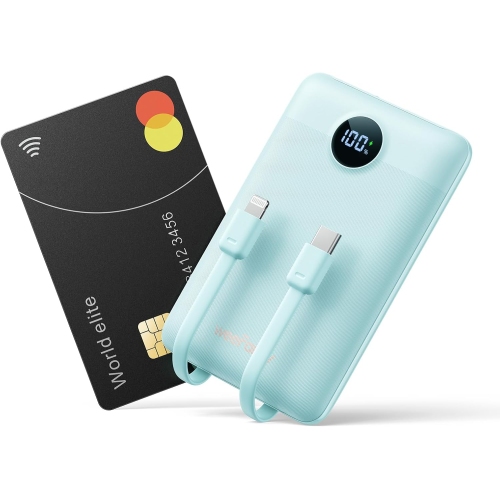
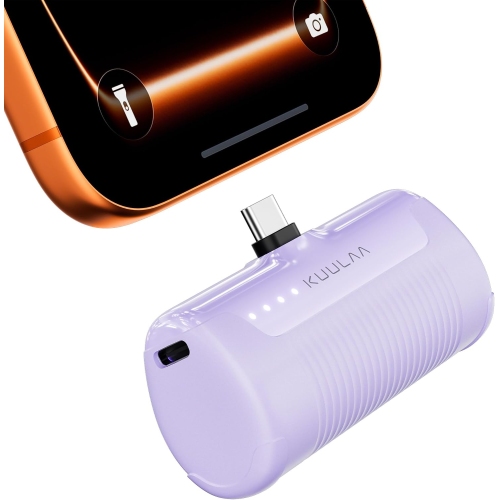
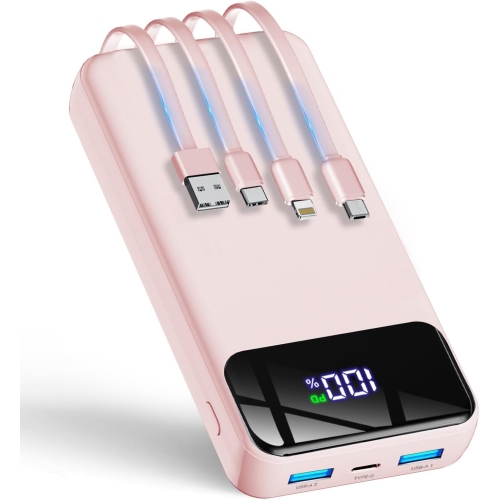
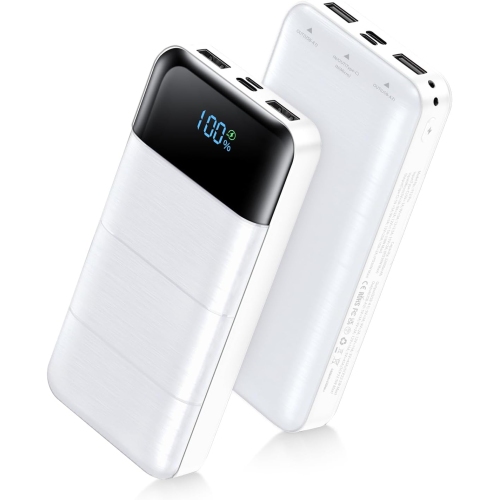
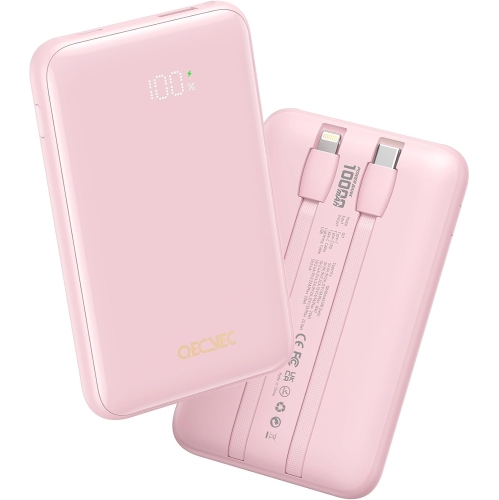
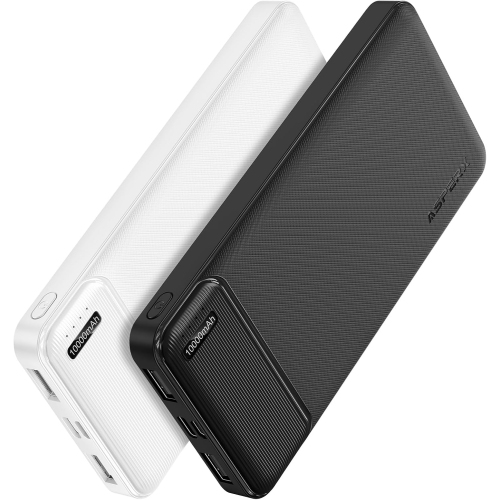
Power banks for iPads provide portable battery power for the places where a wall outlet is out of reach: a lecture hall seat, a train carriage, a client’s meeting room, or the middle of a long travel day. They can keep a tablet running through handwritten notes, video calls, digital drawing, and downloaded films without tying it to a fixed charging spot. The main considerations are charging output, battery capacity, connection type, and how much weight feels practical to carry. For many iPads, a power bank with a USB-C Power Delivery output of 20W to 30W is a useful starting point for efficient charging. A compatible higher-output charger may benefit some models, but the iPad determines how much power it accepts; a larger wattage number does not guarantee a shorter charging time. Lower-output power banks may still charge a compatible tablet, though more slowly, particularly when its screen is on and demanding apps are running. Battery capacity describes how much energy the power bank can store, while output wattage describes how quickly it can deliver power. A 10,000mAh capacity suits portable top-ups and lighter daily use, whereas 20,000mAh offers a larger reserve for extended study sessions, shared charging, or time away from outlets. Neither figure guarantees a particular number of full iPad charges. Power bank capacity is usually stated at the voltage of its internal cells, and voltage conversion, charging losses, the tablet’s battery size, and active use all affect the result. A 10,000mAh bank should not automatically be treated as one complete tablet recharge, nor should a 20,000mAh bank be assumed to provide several. Where specifications include watt-hours, that figure offers a clearer basis for comparing stored energy across batteries with different voltages. Someone topping up between meetings has different needs from a student annotating textbooks all afternoon, and the most suitable balance is enough usable capacity without carrying more bulk than the day requires.
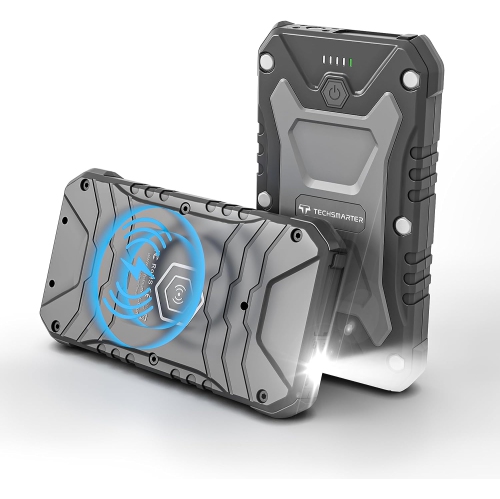
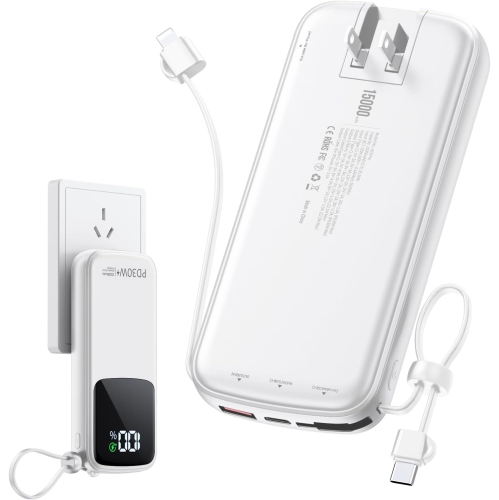
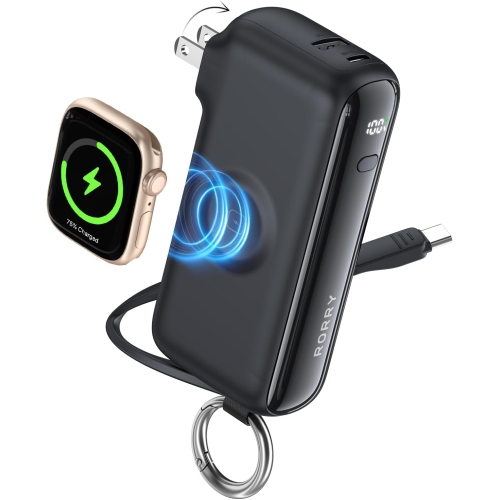
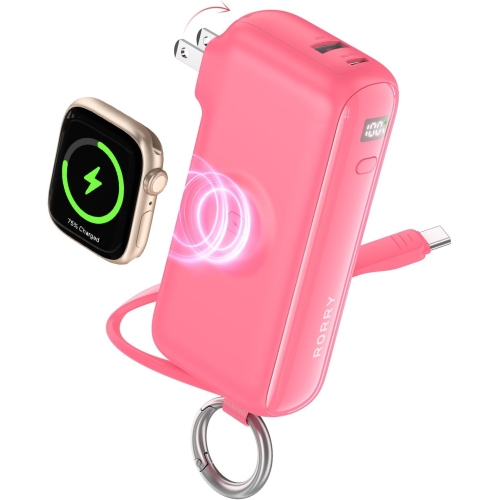
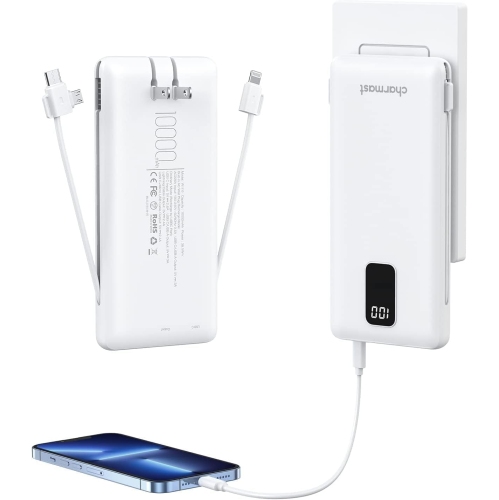
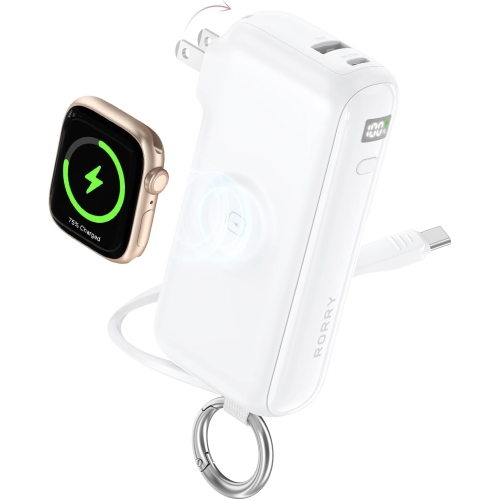
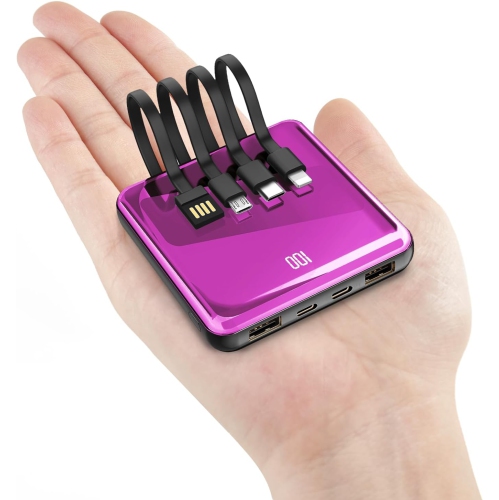
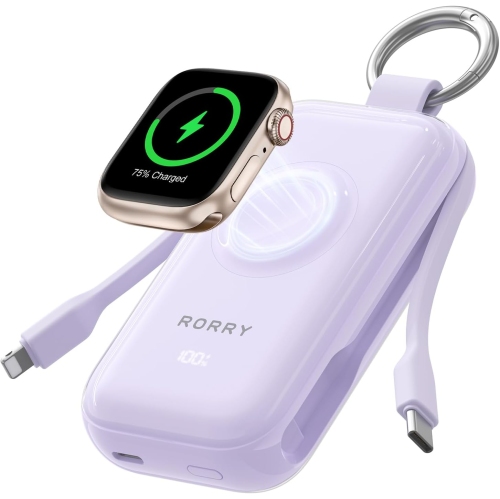
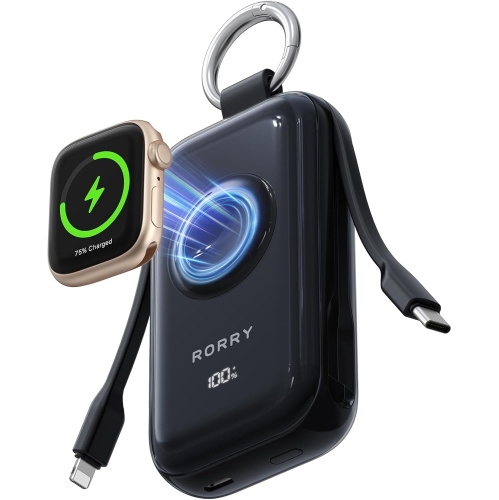
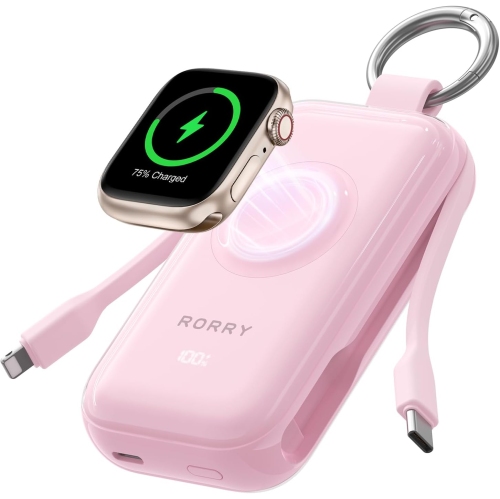
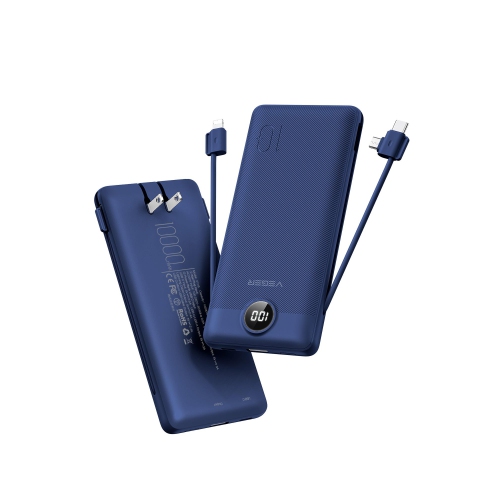
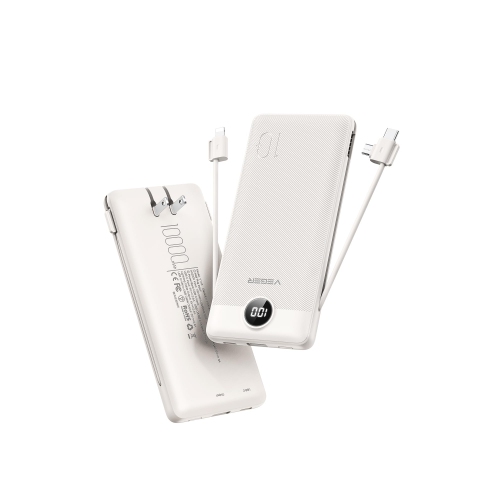
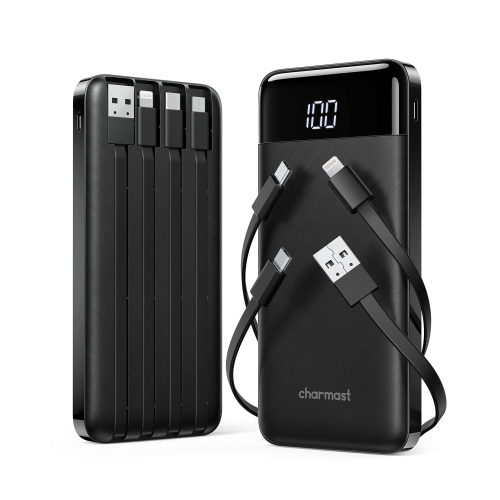
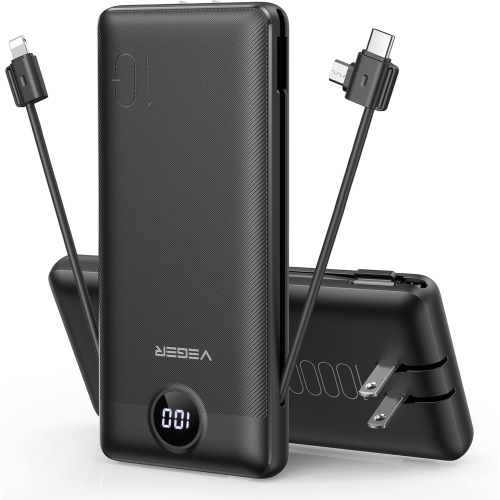
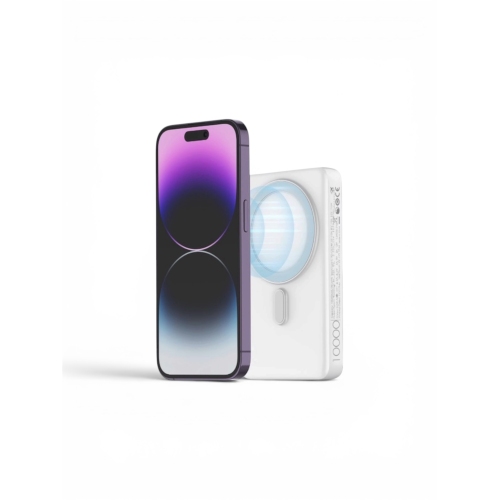
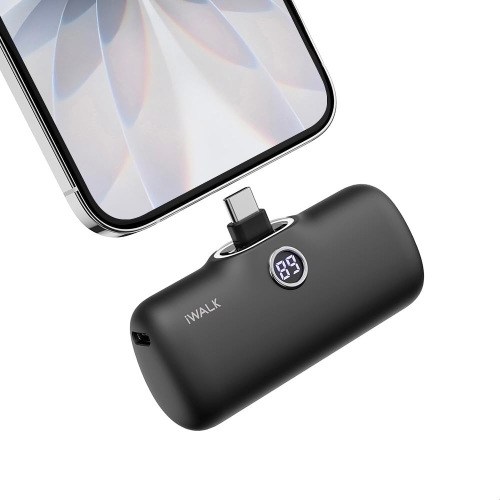
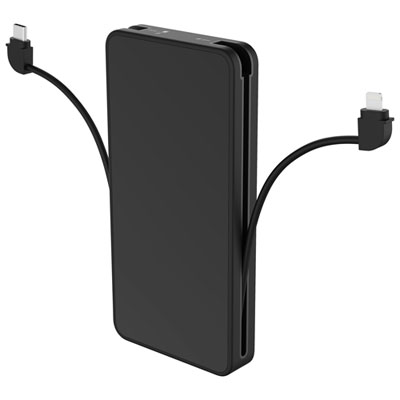
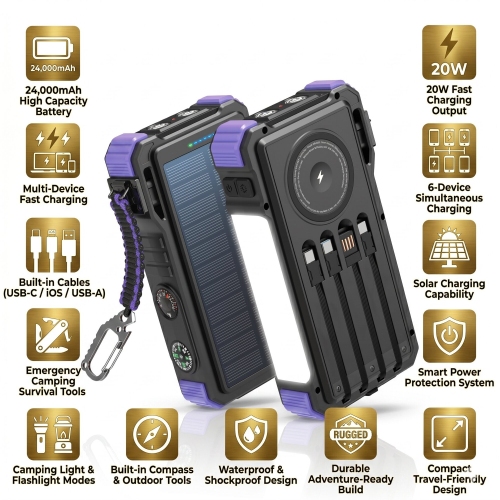
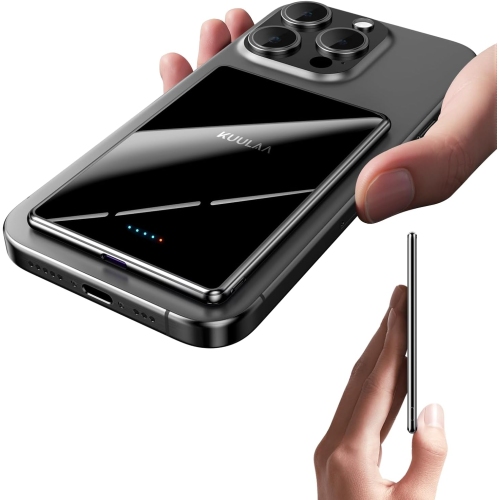
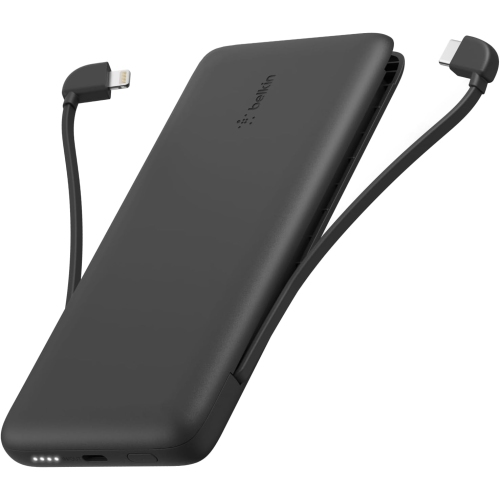
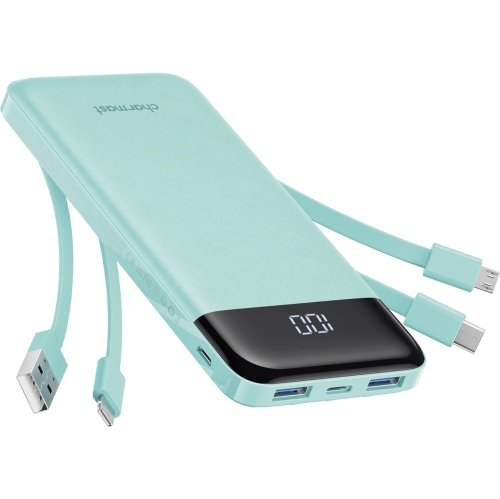
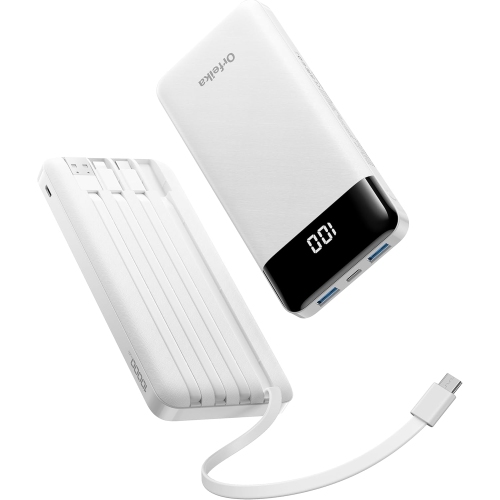
Compatibility depends on both the iPad’s charging connection and the power bank’s output ports. An iPad with a USB-C charging port typically connects to a USB-C Power Delivery power bank using a USB-C to USB-C cable. Models with a Lightning port need a compatible cable, with USB-C to Lightning supporting faster charging on models that accept it. The connector shape alone does not establish charging performance: a USB-C port may support input, output, or both, and its listed wattage matters. Input is the power the bank accepts when refilling its own battery; output is the power it supplies to the tablet. These ratings can differ substantially. A bank advertised with a high total output may also divide that power among several ports, so the single-port rating is particularly relevant for an iPad. When a phone or another device is plugged in alongside the tablet, the available charging power may change. For a commuter who charges a tablet and phone together, clearly specified simultaneous output can be more useful than an impressive maximum that applies only to one connection. Cable quality and power rating also affect the charging setup. A cable suited to the required output, with intact insulation and connectors that fit securely, helps maintain a reliable connection. Built-in cables reduce the number of loose accessories in a bag, while detachable cables offer flexibility in length and can be replaced separately if worn. Short cables keep a desktop tidy, but a longer cable may be easier to position when the tablet is on a stand and the battery sits beside it. Case fit deserves attention, too: a thick protective cover or a recessed charging opening can interfere with a bulky connector. Wireless charging surfaces designed for phones generally do not charge an iPad, so a compatible wired output remains the relevant feature. For households charging more than one type of tablet, a Rechargeable Power Bank for Tablets can offer useful flexibility when its connections and output match each device. That flexibility is especially practical at a shared study table, where one portable battery may support different devices throughout the day.
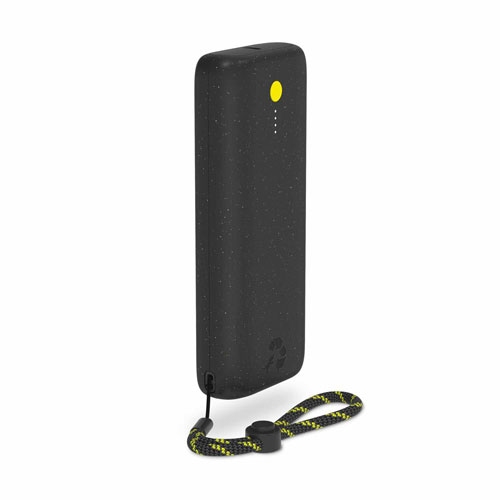
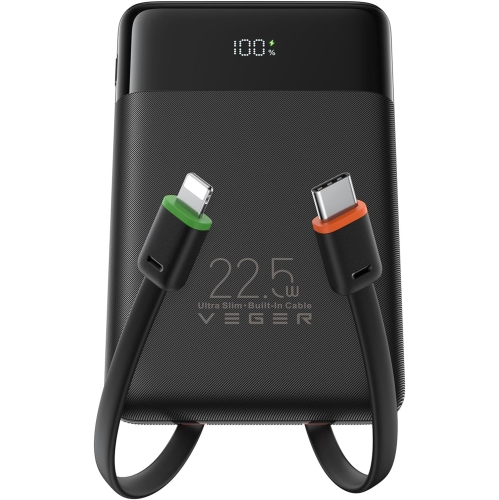
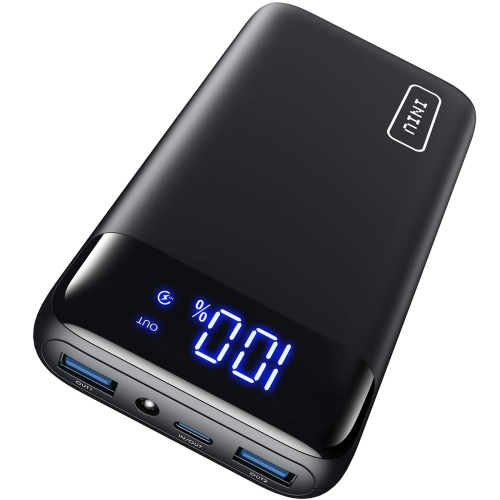
The physical design of an iPad power bank makes a noticeable difference in daily use. Compact housings can slip into an organizer pouch, while larger-capacity designs usually take up more space and add weight to a shoulder bag. Plastic housings can help keep weight down, and metal housings may provide a firm, substantial feel; neither material alone establishes how well a battery will withstand drops or repeated travel. Secure ports, well-fitted casing, and a shape that sits steadily beside a tablet are useful details. Rounded edges are less awkward against other bag contents, and a textured finish can make the bank easier to grip. A percentage display gives a more precise view of remaining charge than a few indicator lights, which can help when planning a full day away from an outlet. Recharging time also matters: a large-capacity bank with limited input can take considerable time to refill, and a compatible wall charger may be needed to reach its stated input rate. Pass-through charging, where the bank charges another device while being charged itself, should only be used when the manufacturer explicitly supports it. For care, keep ports dry and clear of debris, avoid pulling the bank by its cable, and protect it from crushing inside tightly packed luggage. A swollen, cracked, or otherwise damaged battery should not remain in use. For air travel, power banks are generally carried in cabin baggage rather than checked luggage, with airline rules governing watt-hour limits, quantity, storage, and onboard use. A clearly marked watt-hour rating makes those requirements easier to check before departure. As a gift, a power bank can be useful for students, frequent travellers, mobile professionals, or someone who uses an iPad for recipes, reading, and creative projects around the home. Matching the recipient’s charging port, usual routine, and preferred bag size helps make it an accessory that earns its place beside the tablet rather than staying in a drawer.
Top selling and popular products
-
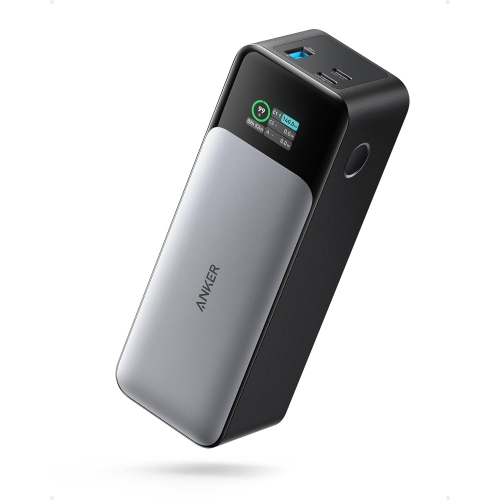 Your price for this item is $234
-
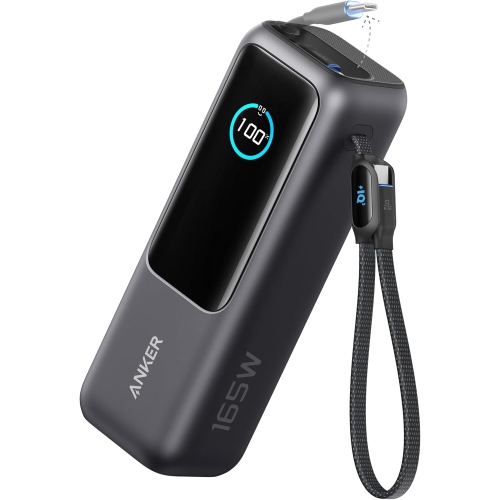 Your price for this item is $238.9
-
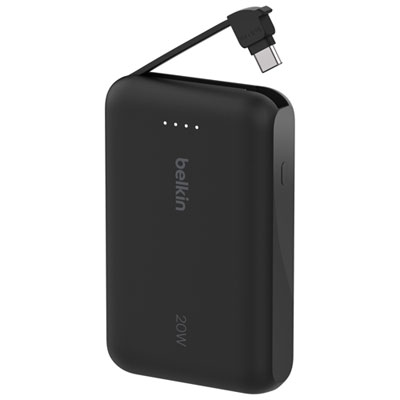 Your price for this item is $49.99
-
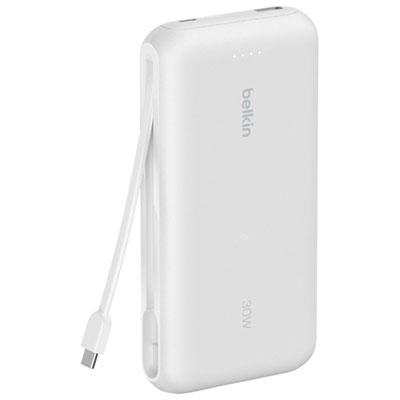 Your price for this item is $69.99
-
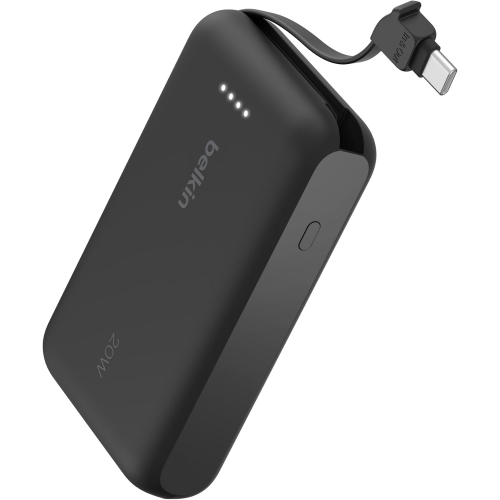 Your price for this item is $74.99
-
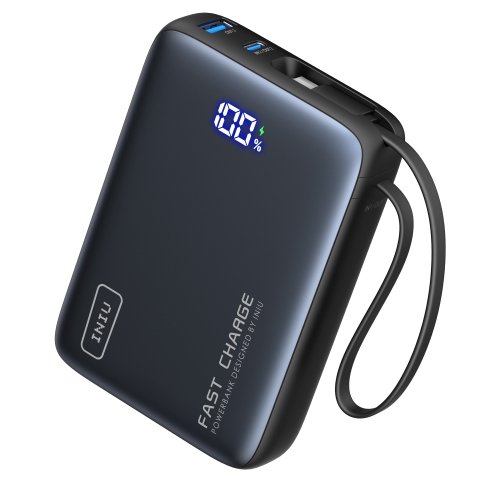 Your price for this item is $54.99
-
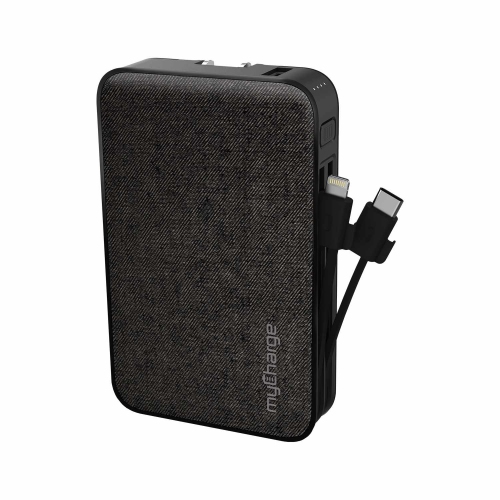 Your price for this item is $79.99
-
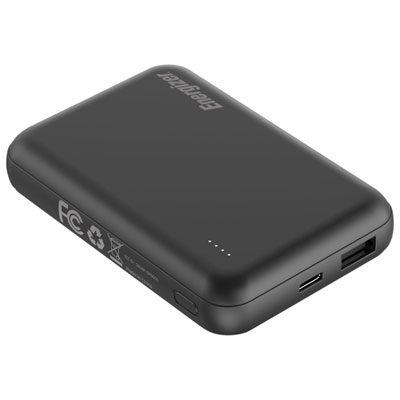 Your price for this item is $34.95
Discover more categories related to Power Banks for iPads

Top Collections:
Pokemon Centers, Best Budget Office Chairs, Kindle Devices, Best Cameras for Sports Photography, Pokémon 30th Celebration Cards, Best Laptops for Writers, Apple iPhones 16, Laptops for Business Work, Canon G7X Cameras, iPhone 15 Apple
Some products may be subject to Environmental Handling Fees
(EHF) depending on your province.
Learn more about EHFs.