Screen Repair Tools
Screen repair tools are essential for anyone looking to restore their devices to pristine condition. Whether you're a seasoned repair technician or a DIY enthusiast, having the right tools can make all the difference in achieving professional-quality results. From precision screwdrivers to specialized pry tools, these instruments are designed to help you tackle various screen repair challenges with ease and confidence. Discover a wide range of options that cater to different device types and repair needs, ensuring you have everything necessary to keep your screens looking flawless. Explore our collection and find the perfect tools to enhance your repair toolkit today.
Sort



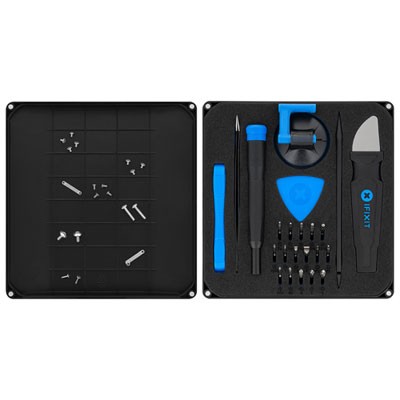


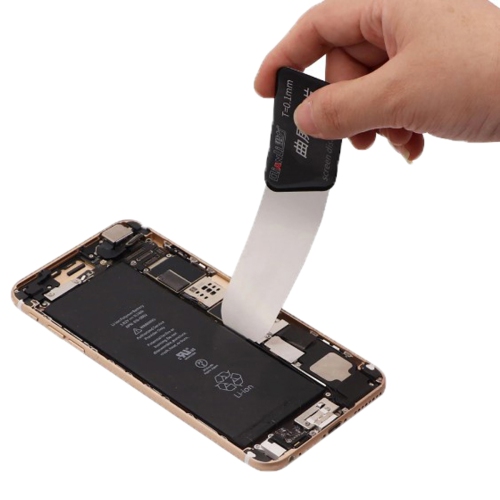

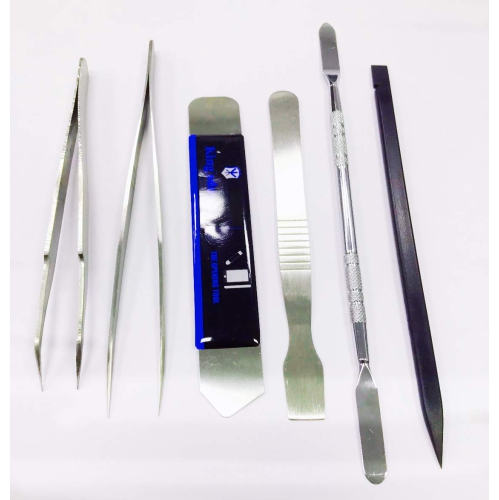
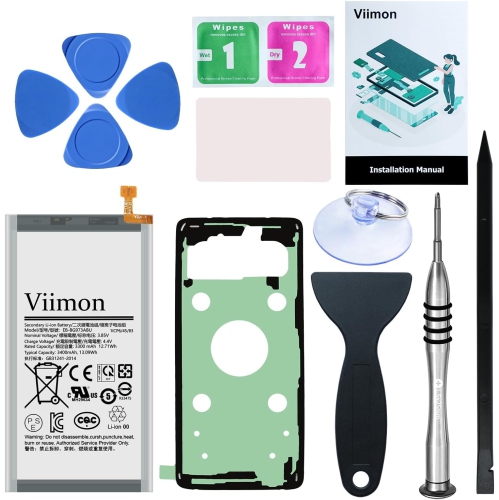













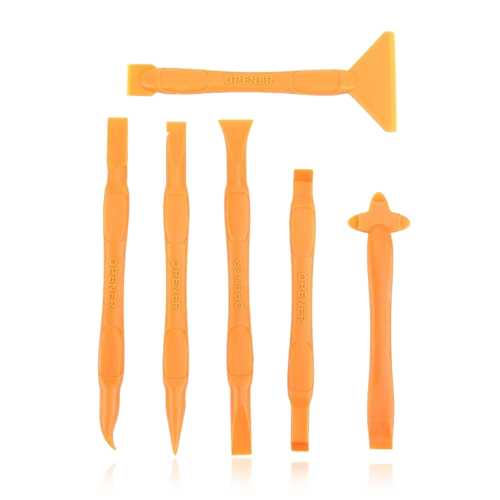
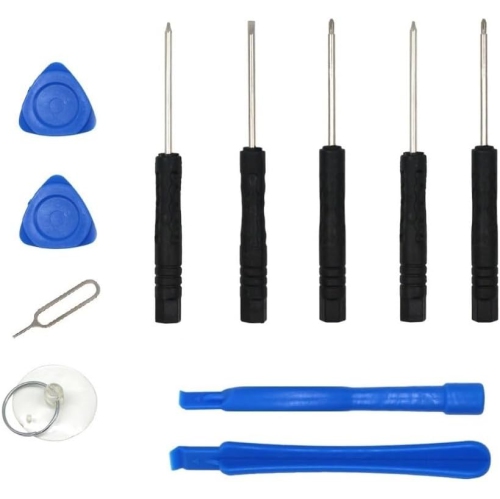

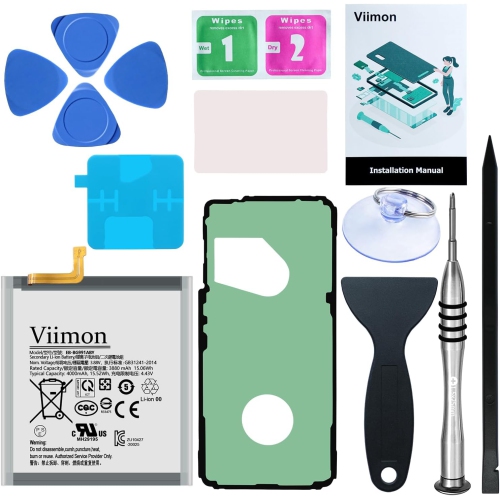












Why spline roller fit matters for window screens
Screen repair tools are designed to help restore the mesh panels fitted to windows, patio doors, and other screened openings. For this type of repair, the central tool is usually a spline roller: a handheld implement with a narrow wheel that presses the retaining cord, called spline, into the groove around a screen frame. That cord holds the mesh in place, creating a secure edge while allowing air and light through the panel. Many rollers have two different wheel profiles. A convex wheel helps seat suitable mesh in the frame channel, while a concave, or grooved, wheel rides over the spline as it is pressed into position. The appropriate wheel shape and width depend on the frame, mesh, and spline being used, so compatibility matters more than the size of the tool alone. Other screen repair tool categories include removal hooks for lifting old spline, cutting tools for trimming excess mesh, and clamps that help keep the frame steady on a work surface. Together, these tools support tasks ranging from replacing a weathered window screen to refitting the mesh in a frequently used sliding door. They serve a different purpose from tools meant for cracked phone displays or tablet glass; shoppers working on electronic devices can explore Mobile Repair Tools for that separate type of work. For household window and door screens, the right selection depends on how the mesh is attached and how much of the panel needs attention. A small puncture may suit a compatible mesh patch, while a long split or frayed perimeter may call for replacement mesh and tools for working around the full frame. Understanding that distinction helps keep the selection focused on the repair rather than adding tools that have little use for the task. A roller is useful for spline-retained screens, but it is not a universal solution for every screen construction.
Materials and fit make a noticeable difference in how screen repair tools handle. Roller wheels may be metal or plastic, with each suited to particular combinations of mesh and frame. A smooth plastic wheel can be a practical choice for delicate fibreglass mesh, while some metal wheels are intended for forming or seating tougher screening materials. The tool and mesh specifications remain important, since a sharp edge, rough wheel, or unsuitable profile can damage the material instead of seating it neatly. Wheel alignment also matters: a wheel that turns freely and tracks consistently is easier to control along a narrow channel than one that wobbles or drags. Handles may be made from wood, rigid plastic, or materials with a cushioned grip. A comfortable shape is especially helpful on a tall patio-door panel, where the long edges involve more repeated movement than a small window insert. Grip texture and handle clearance can also affect control when working close to a raised frame edge. Spline itself varies in diameter and profile, and the original frame groove determines the appropriate fit. A cord that is too narrow may not hold the mesh securely; one that is too thick may be difficult to seat and can put unnecessary strain on the frame. Mesh thickness also affects that fit, particularly when changing from standard screening to a heavier material. Removal picks benefit from a fine, controlled tip that can reach worn spline without gouging the channel. Cutting tools need a secure grip and a suitable blade for clean trimming, rather than a dull edge that catches and pulls the mesh. Clamps or retaining aids should hold the work without crushing lightweight frame sections. These details become particularly relevant with older panels, where brittle spline, accumulated dirt, and slightly distorted corners can make an otherwise straightforward repair less predictable. Tools can assist with replacing mesh, but they cannot correct a badly bent rail, a broken corner connector, or a frame that no longer fits its opening.
The most useful screen repair tool selection reflects both the scale of the work and the person doing it. A homeowner refreshing a single removable window panel may need a compact set of compatible hand tools, while someone maintaining several screened doors or a rental property may place more value on durable construction, comfortable grips, and storage that keeps small accessories together. A screen repair set can also be a thoughtful practical gift for a handy person who enjoys maintaining a cottage or tackling household repairs, especially when their projects involve conventional spline-retained frames. Intended use deserves close attention: window insect screening is not a fall barrier, and ordinary replacement mesh should not be treated as a child guard or a means of containing pets. Heavier mesh may offer greater resistance to wear, but it still needs to suit the frame and its retention system. For a neat result, the finished mesh should sit evenly without visible sagging or enough tension to pull a lightweight frame out of square. That balance is one reason controlled handling and a stable work surface matter more than force. A broad, flat surface gives a removed panel support, while good lighting makes loose strands, damaged corners, and debris in the groove easier to spot. Care and storage help preserve the tools between projects. Mesh fragments and grit can collect around roller axles, so clean, freely turning wheels are worth checking before use. Metal parts benefit from dry storage, cutting edges need appropriate guards, and pointed picks should be kept where they cannot cause an accidental injury. A divided case or pouch keeps these smaller tools from getting lost among larger household equipment. During the cooler months, stored screen panels may reveal tears or loose edges that were less obvious while they were installed. Having suitable tools organized for those maintenance jobs makes it easier to address damage before the panels are needed again. Whether the task involves one loose edge or several worn panels, compatibility, controlled handling, and sound frame condition are the foundations of a tidy, functional screen repair.
Materials and fit make a noticeable difference in how screen repair tools handle. Roller wheels may be metal or plastic, with each suited to particular combinations of mesh and frame. A smooth plastic wheel can be a practical choice for delicate fibreglass mesh, while some metal wheels are intended for forming or seating tougher screening materials. The tool and mesh specifications remain important, since a sharp edge, rough wheel, or unsuitable profile can damage the material instead of seating it neatly. Wheel alignment also matters: a wheel that turns freely and tracks consistently is easier to control along a narrow channel than one that wobbles or drags. Handles may be made from wood, rigid plastic, or materials with a cushioned grip. A comfortable shape is especially helpful on a tall patio-door panel, where the long edges involve more repeated movement than a small window insert. Grip texture and handle clearance can also affect control when working close to a raised frame edge. Spline itself varies in diameter and profile, and the original frame groove determines the appropriate fit. A cord that is too narrow may not hold the mesh securely; one that is too thick may be difficult to seat and can put unnecessary strain on the frame. Mesh thickness also affects that fit, particularly when changing from standard screening to a heavier material. Removal picks benefit from a fine, controlled tip that can reach worn spline without gouging the channel. Cutting tools need a secure grip and a suitable blade for clean trimming, rather than a dull edge that catches and pulls the mesh. Clamps or retaining aids should hold the work without crushing lightweight frame sections. These details become particularly relevant with older panels, where brittle spline, accumulated dirt, and slightly distorted corners can make an otherwise straightforward repair less predictable. Tools can assist with replacing mesh, but they cannot correct a badly bent rail, a broken corner connector, or a frame that no longer fits its opening.
The most useful screen repair tool selection reflects both the scale of the work and the person doing it. A homeowner refreshing a single removable window panel may need a compact set of compatible hand tools, while someone maintaining several screened doors or a rental property may place more value on durable construction, comfortable grips, and storage that keeps small accessories together. A screen repair set can also be a thoughtful practical gift for a handy person who enjoys maintaining a cottage or tackling household repairs, especially when their projects involve conventional spline-retained frames. Intended use deserves close attention: window insect screening is not a fall barrier, and ordinary replacement mesh should not be treated as a child guard or a means of containing pets. Heavier mesh may offer greater resistance to wear, but it still needs to suit the frame and its retention system. For a neat result, the finished mesh should sit evenly without visible sagging or enough tension to pull a lightweight frame out of square. That balance is one reason controlled handling and a stable work surface matter more than force. A broad, flat surface gives a removed panel support, while good lighting makes loose strands, damaged corners, and debris in the groove easier to spot. Care and storage help preserve the tools between projects. Mesh fragments and grit can collect around roller axles, so clean, freely turning wheels are worth checking before use. Metal parts benefit from dry storage, cutting edges need appropriate guards, and pointed picks should be kept where they cannot cause an accidental injury. A divided case or pouch keeps these smaller tools from getting lost among larger household equipment. During the cooler months, stored screen panels may reveal tears or loose edges that were less obvious while they were installed. Having suitable tools organized for those maintenance jobs makes it easier to address damage before the panels are needed again. Whether the task involves one loose edge or several worn panels, compatibility, controlled handling, and sound frame condition are the foundations of a tidy, functional screen repair.
Top selling and popular products
-
 Your price for this item is $59.99
 -
 Your price for this item is $59.99
 -
 Your price for this item is $89.99
 -
 Your price for this item is $52
 -
 Your price for this item is $49.99
 -
 Your price for this item is $14.68
 -
 Your price for this item is $52.49
 -
 Your price for this item is $16.79
Discover more categories related to Screen Repair Tools
Top Collections:
Pokemon Centers, Kindle Devices, Best Budget Office Chairs, Apple iPhones 16, Best Laptops for Writers, iPhone 15 Apple, Canon G7X Cameras, Refurbished Apple Laptops, Alarm Clock, Motorola Razr Phones
Some products may be subject to Environmental Handling Fees
(EHF) depending on your province.
Learn more about EHFs.