Travel Phone Plans
Whether you're a frequent traveler or planning your next adventure, staying connected while on the go is essential. Our selection of travel phone plans offers flexibility and convenience to keep you connected wherever your journey takes you. From international roaming options to local SIM cards, find the perfect solution to ensure you can stay in touch with loved ones, access maps, and share your experiences seamlessly while exploring new destinations. Discover a range of travel phone plans tailored to suit your needs and make your travels worry-free.
Sort
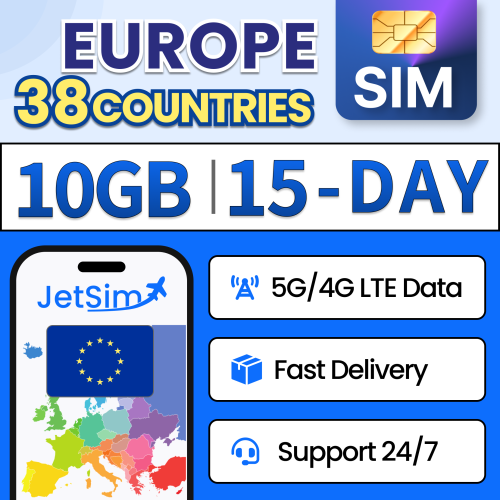
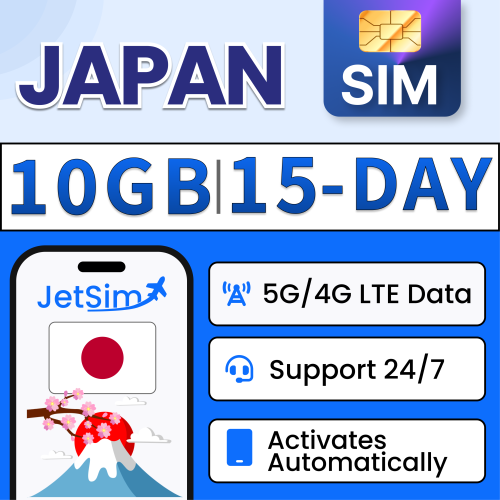
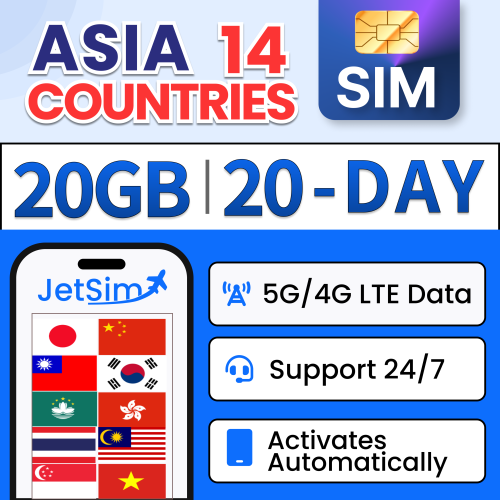
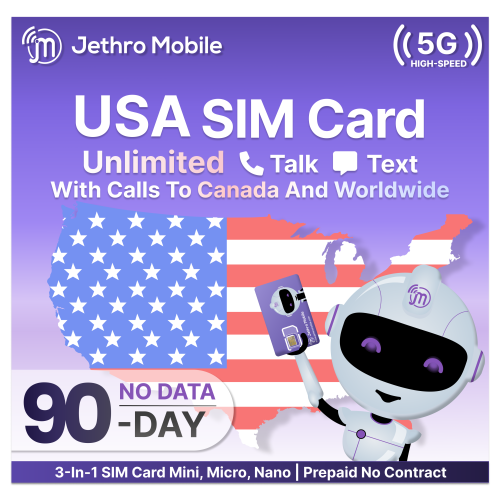
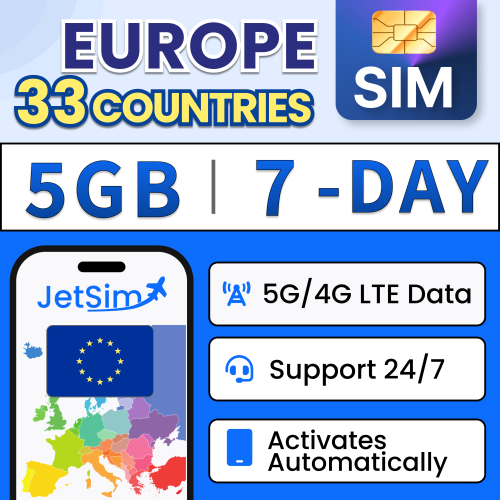
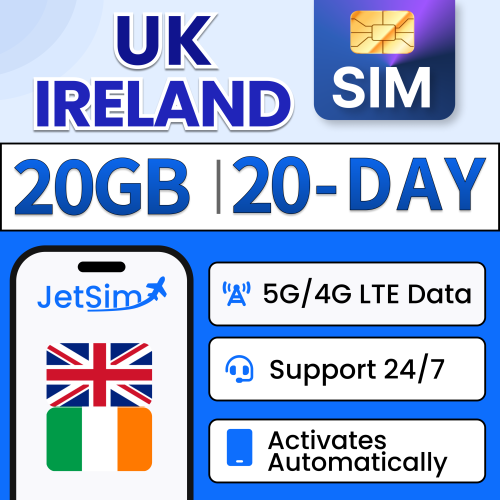
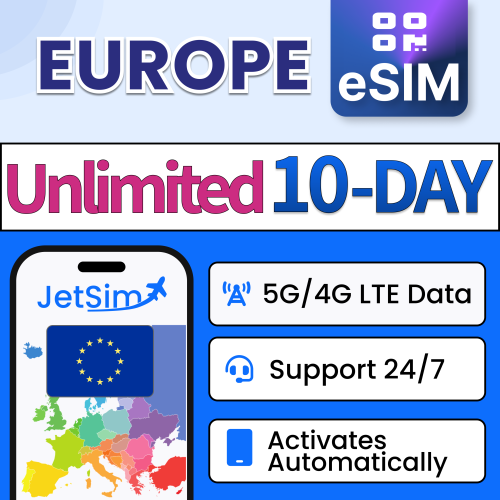
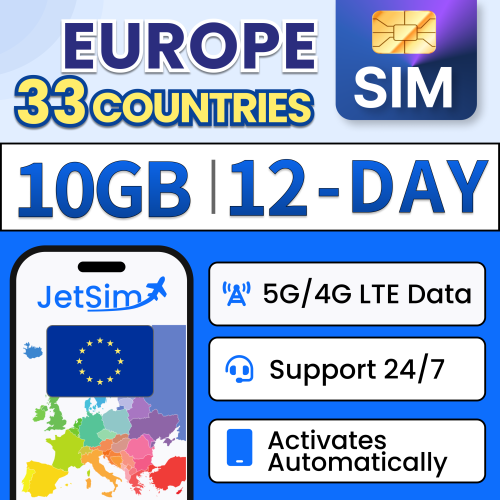
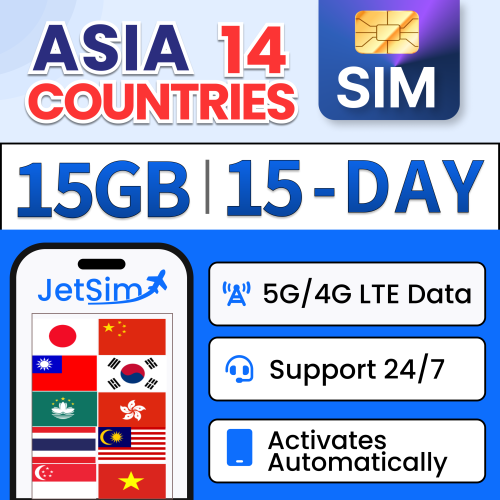
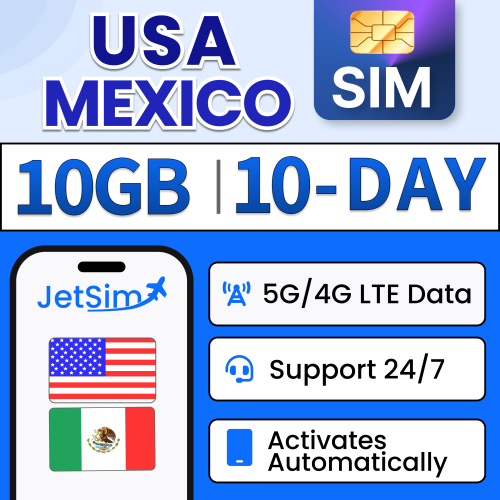
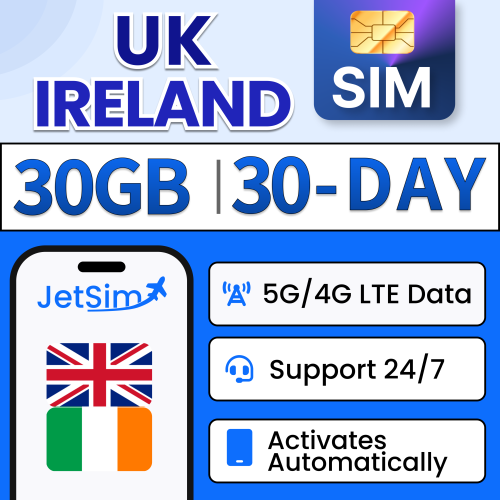
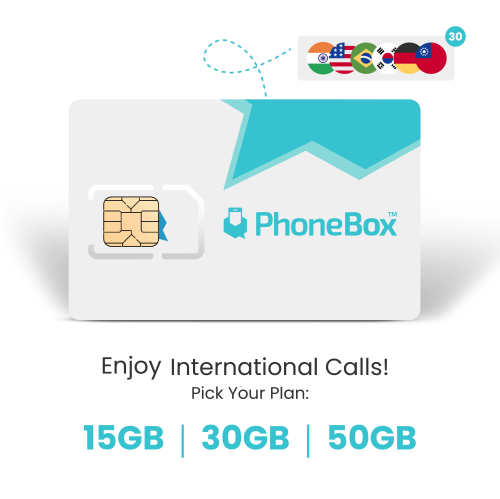
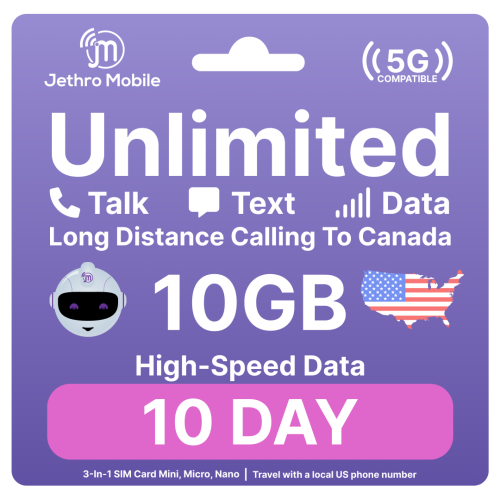
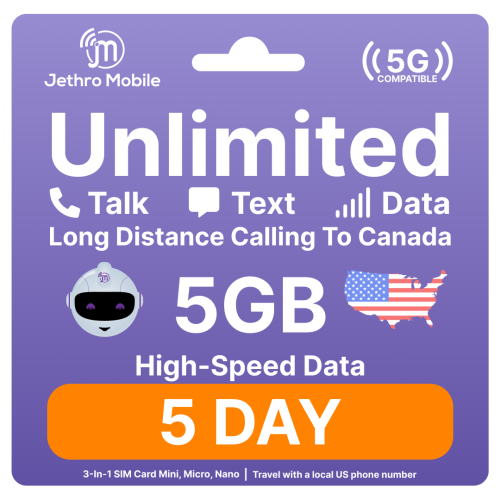
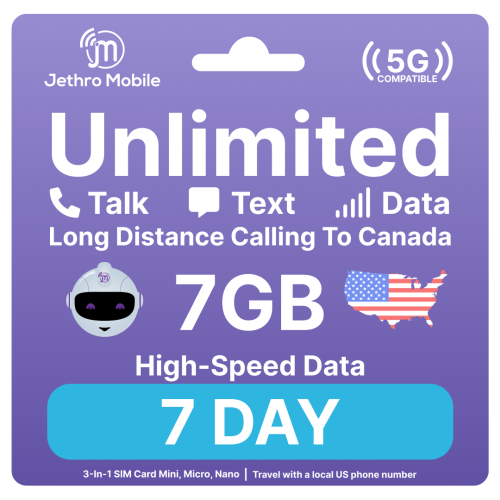
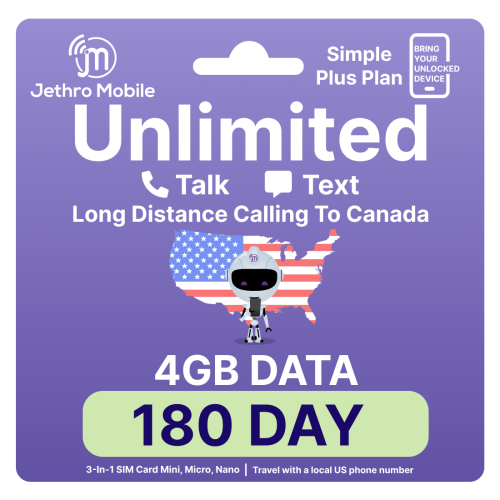
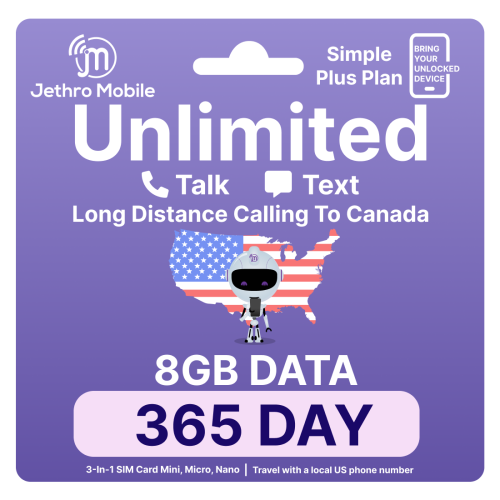
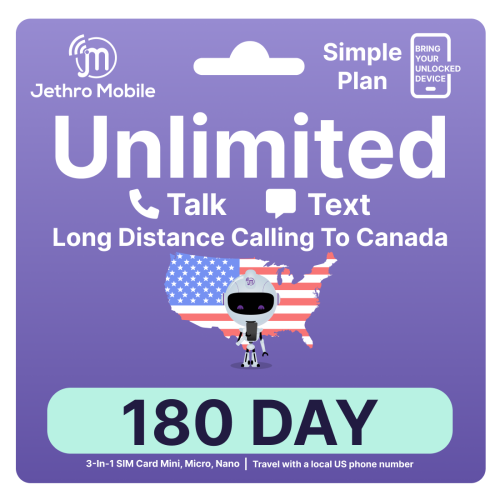
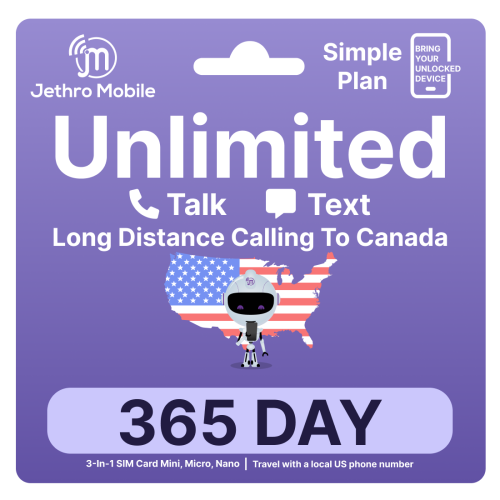
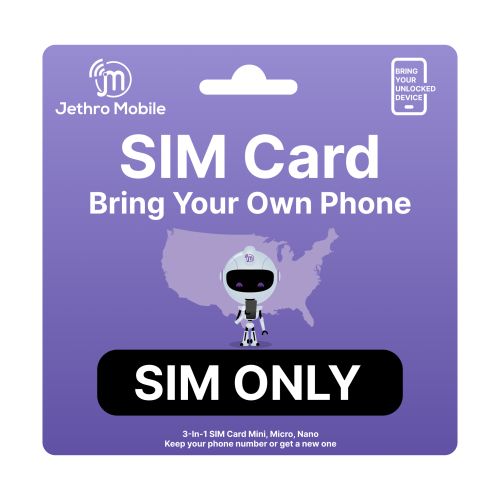
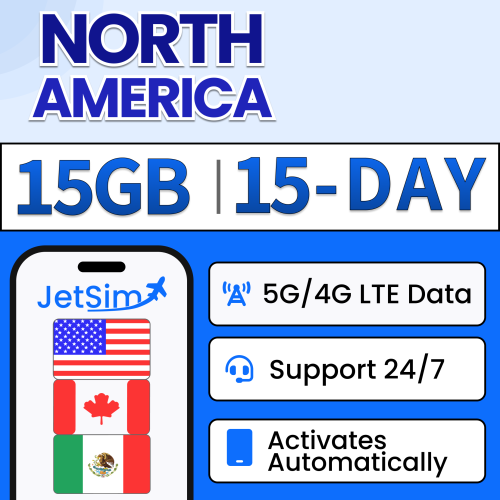
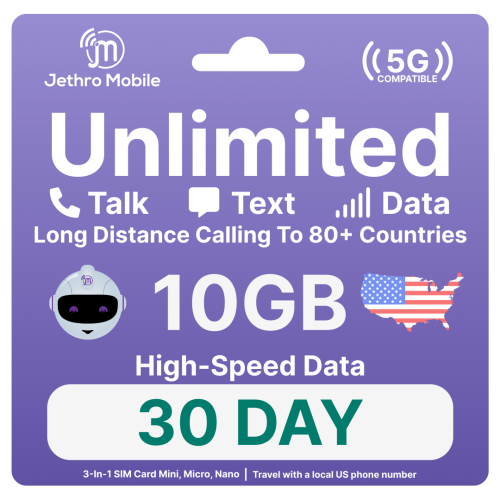
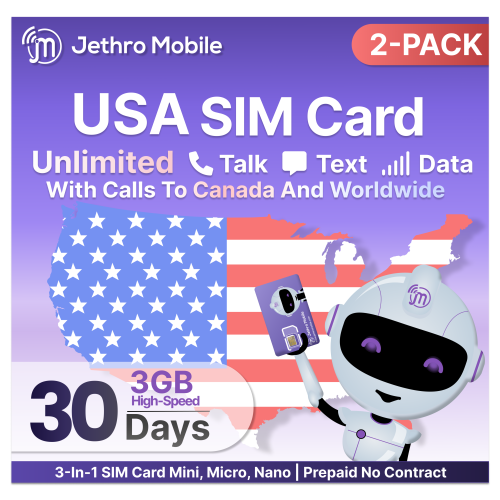
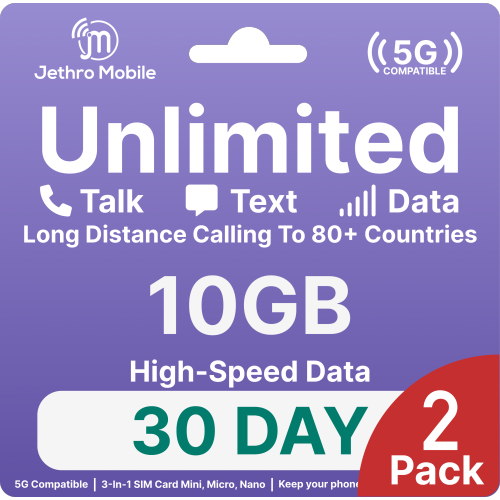
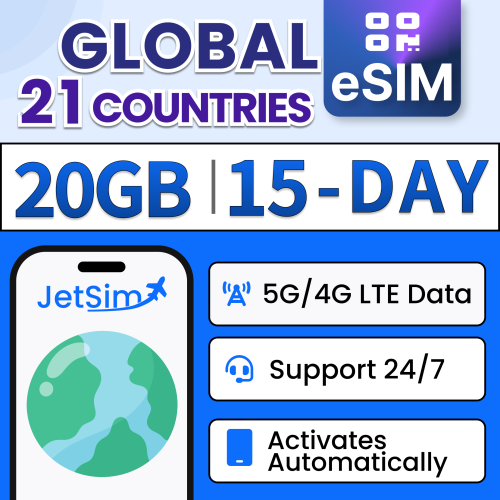
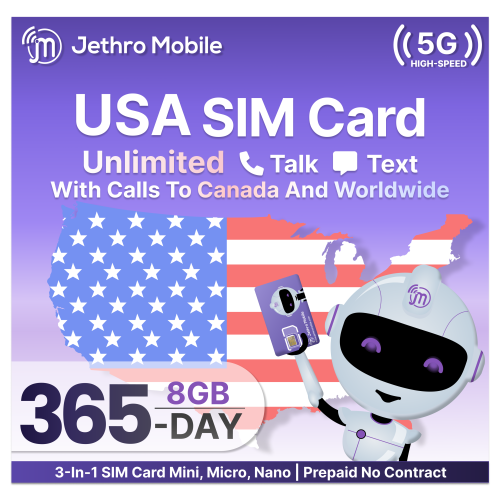
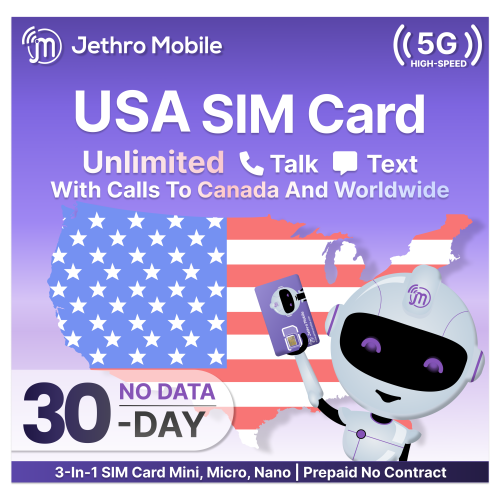
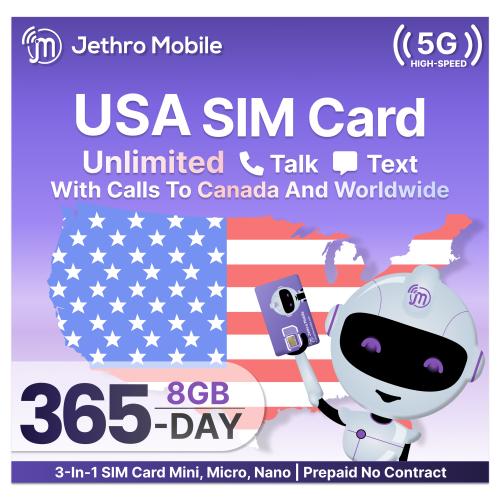
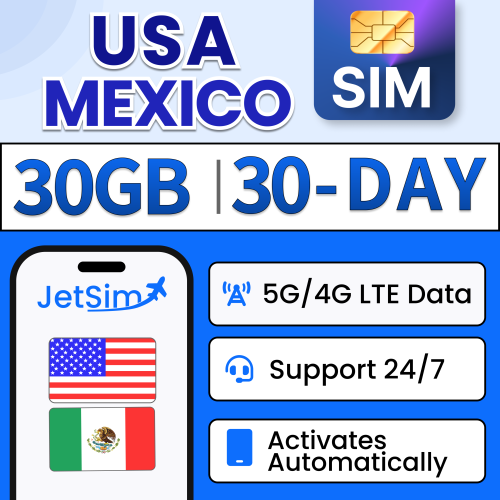
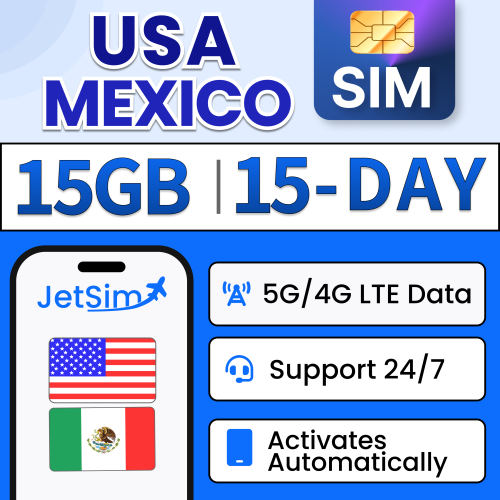
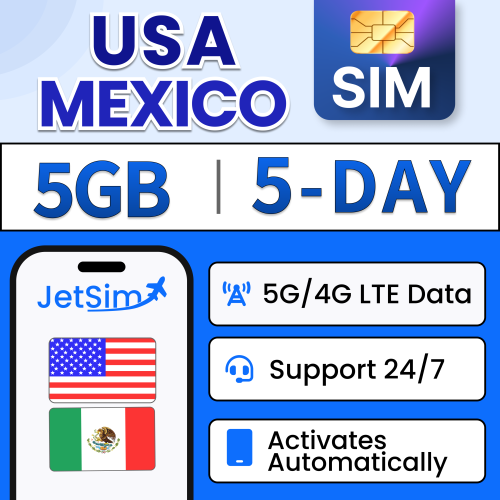
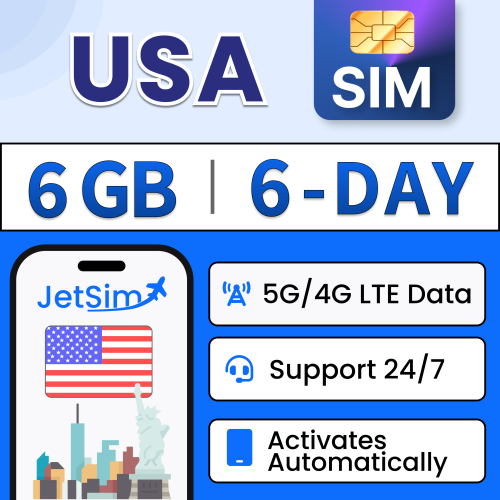
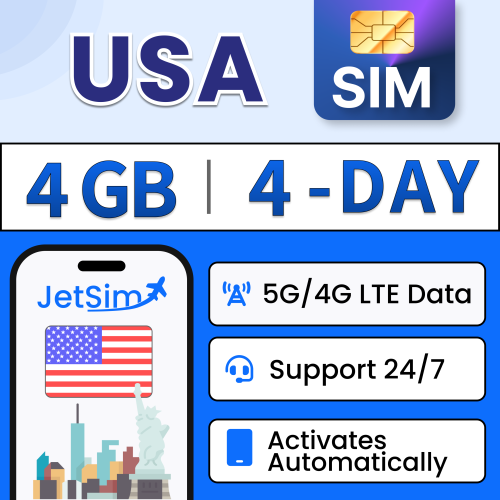
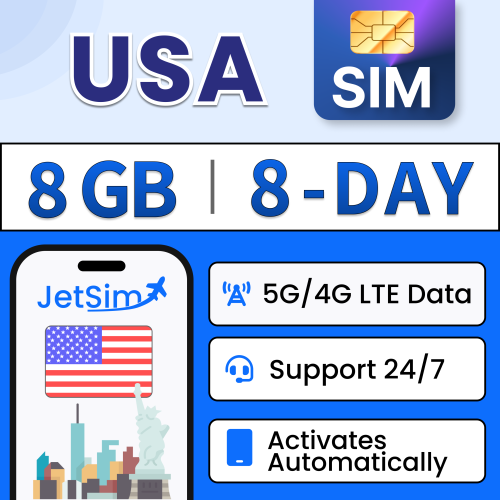
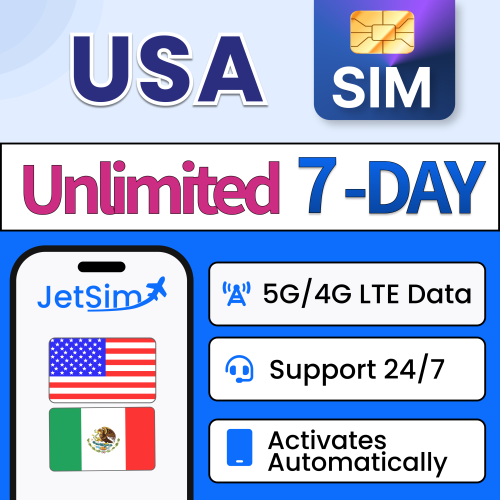
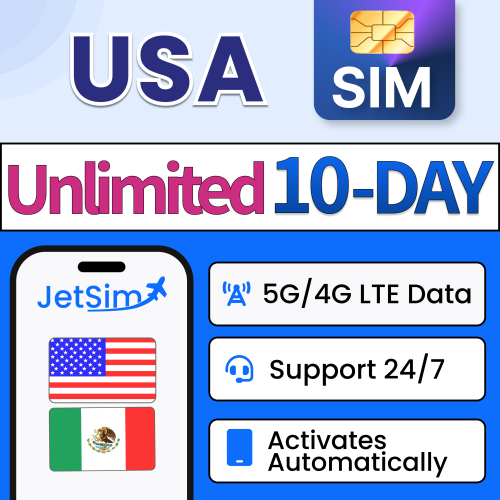
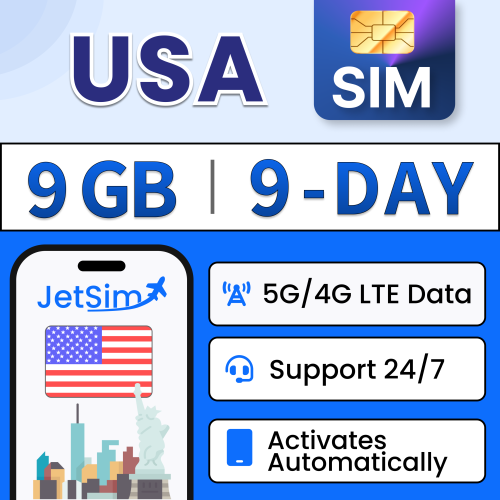
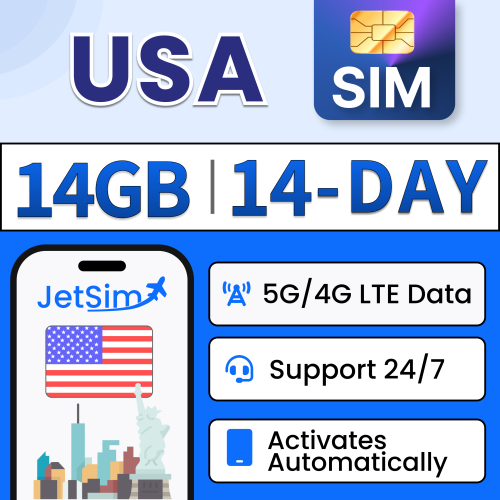
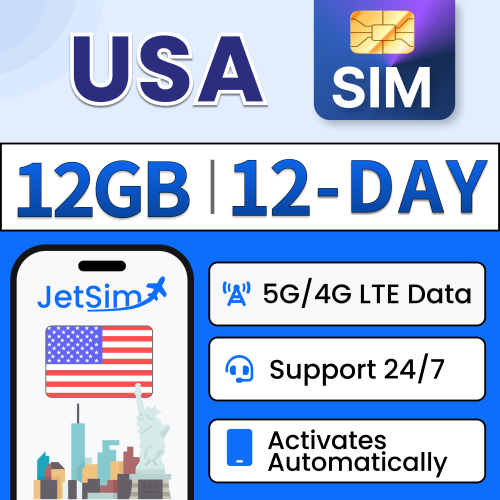
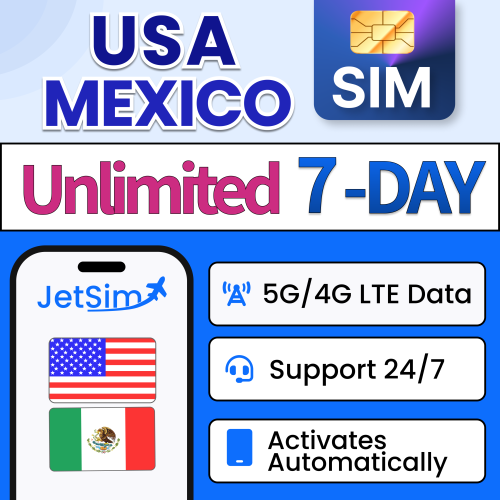
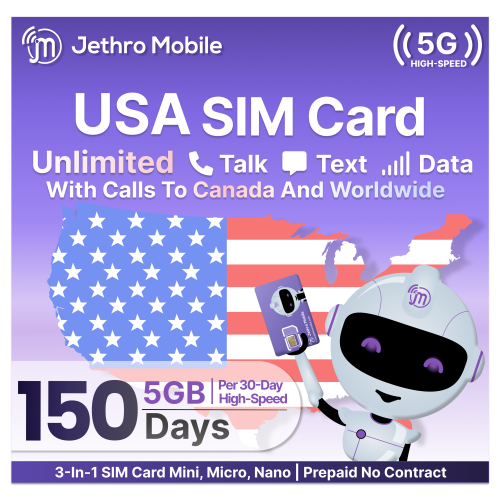

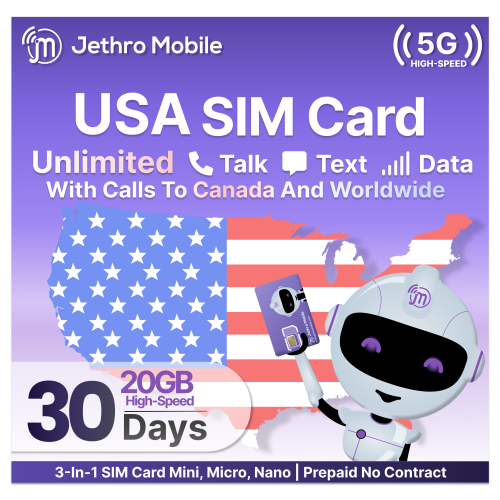
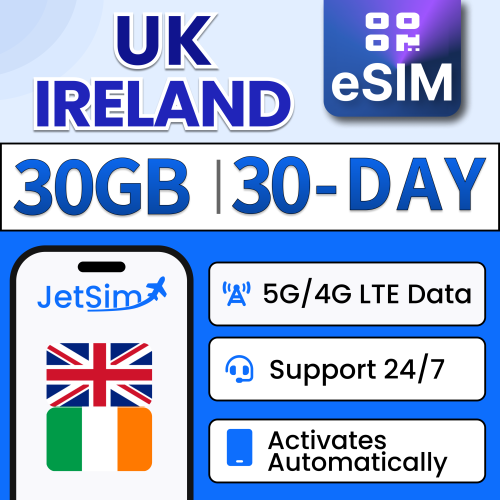
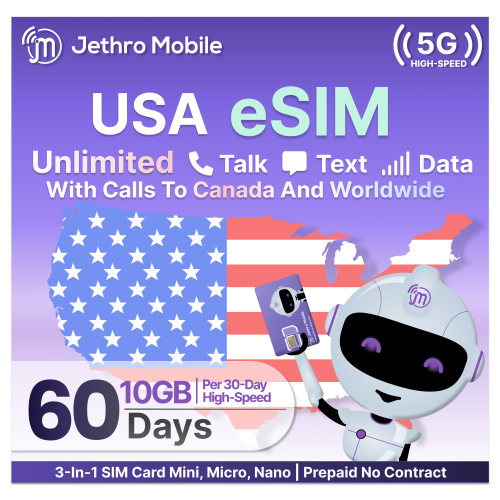
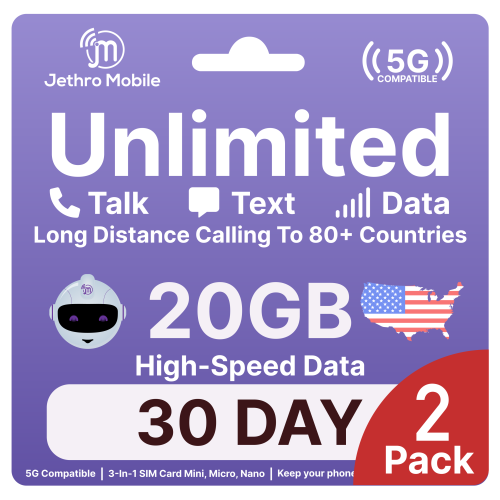
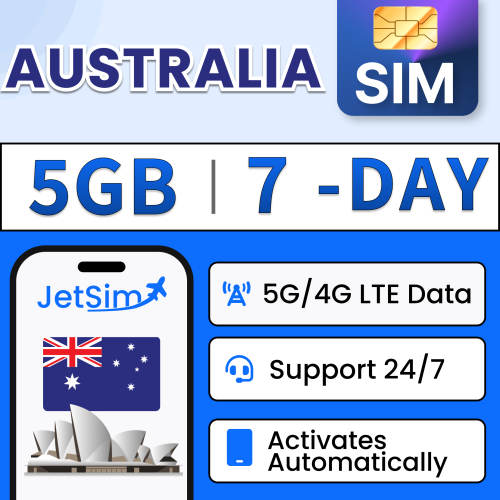
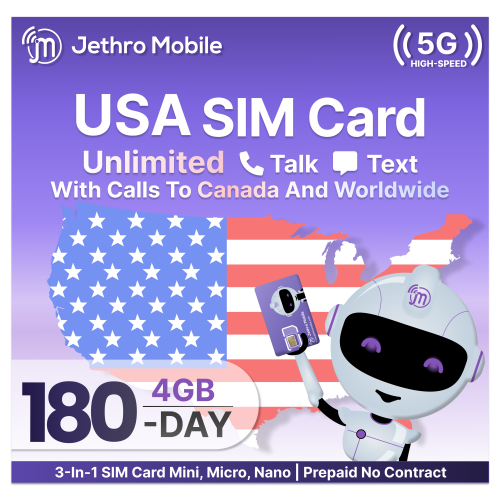
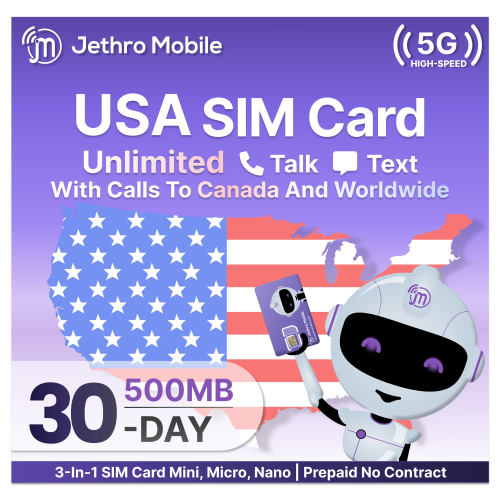
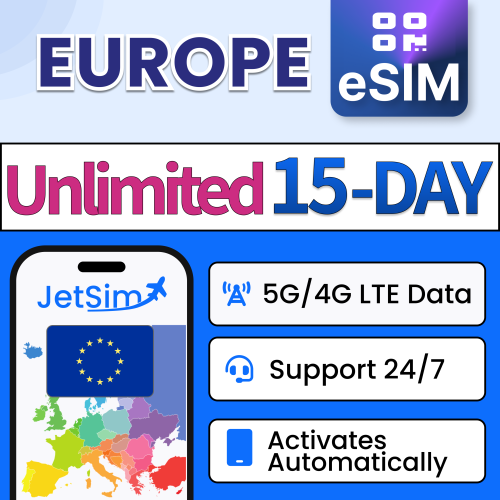
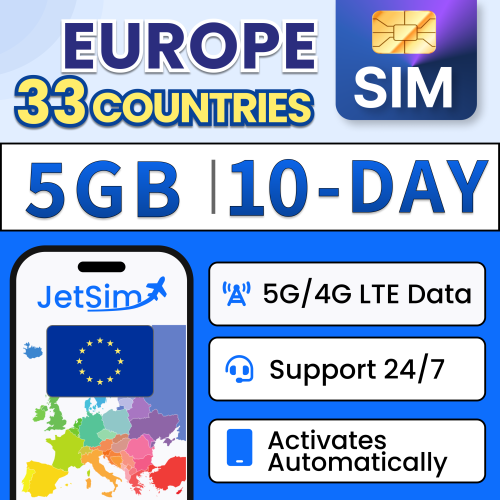
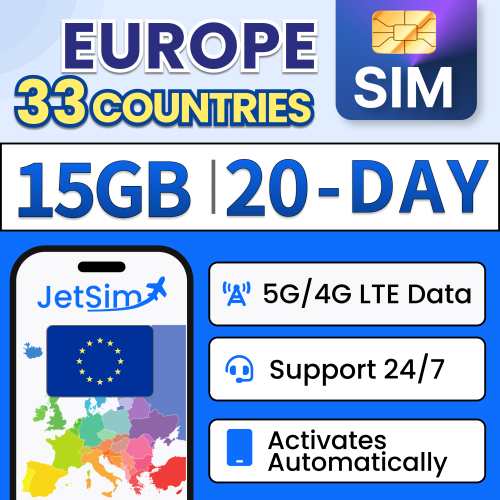
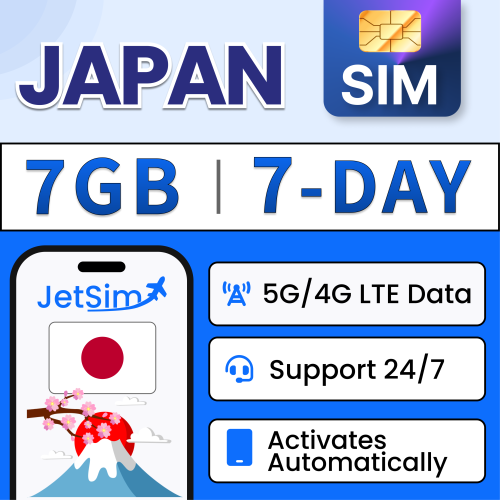
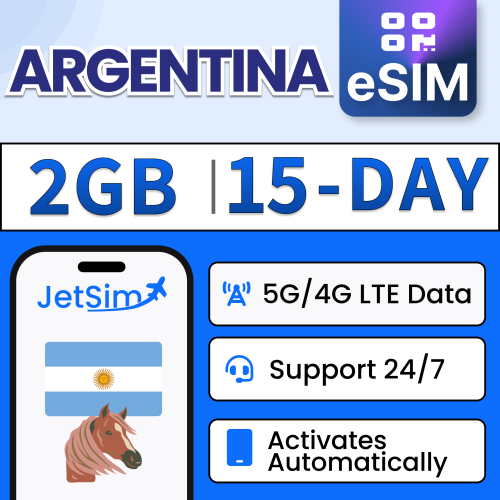
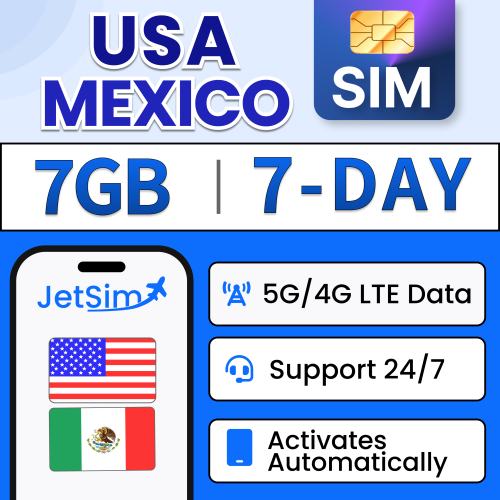
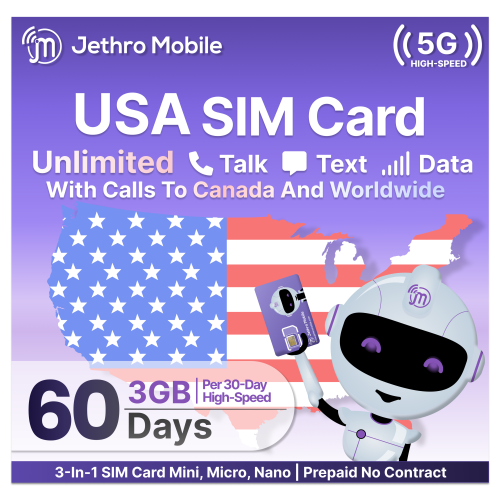

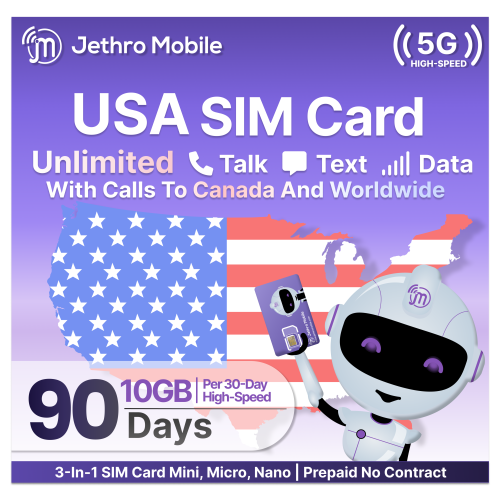
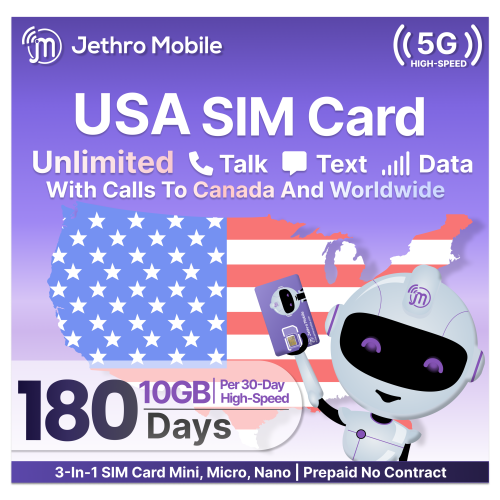
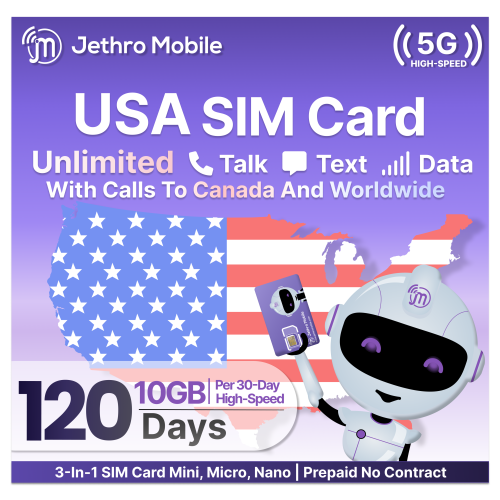
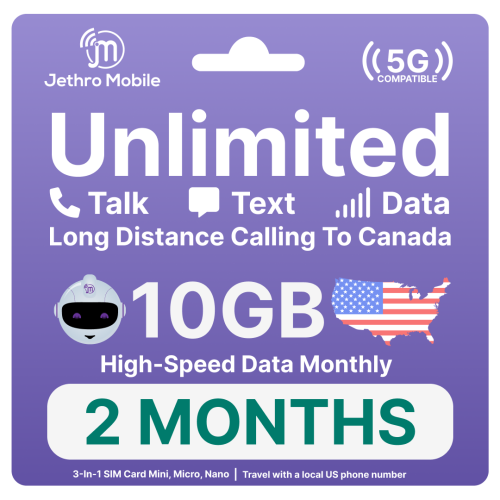
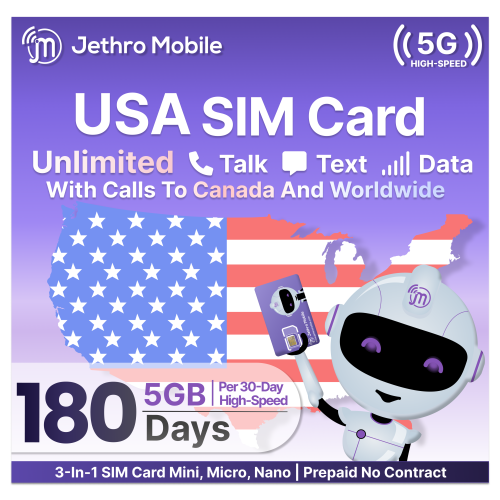
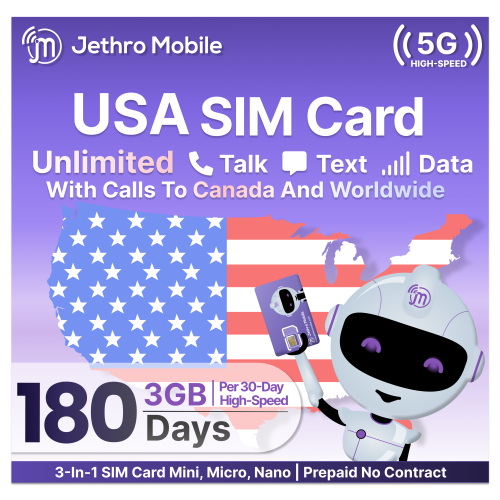
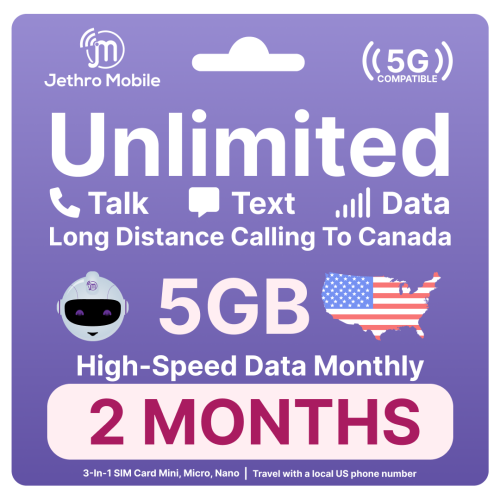
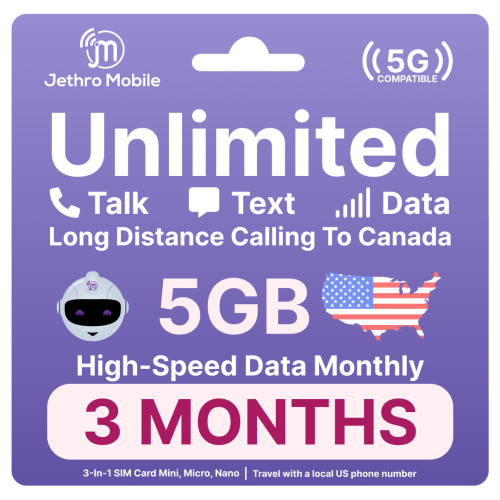
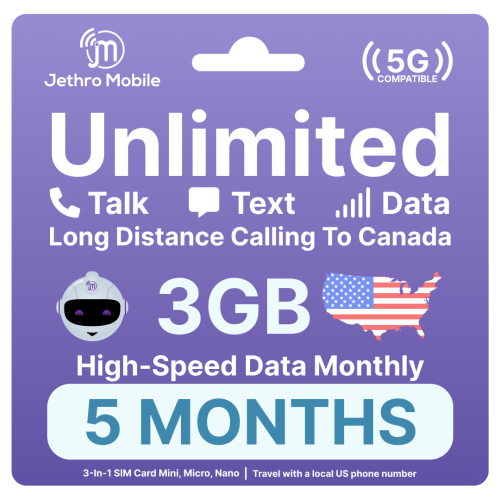
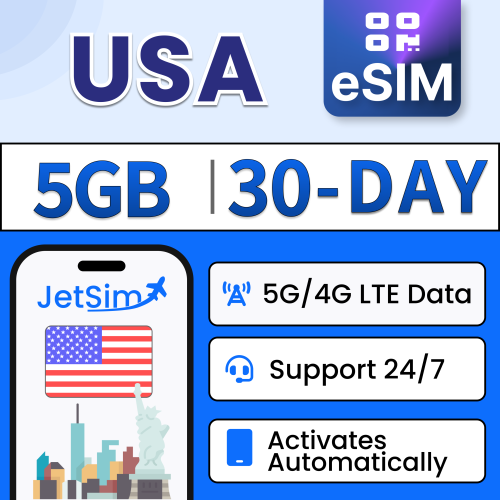
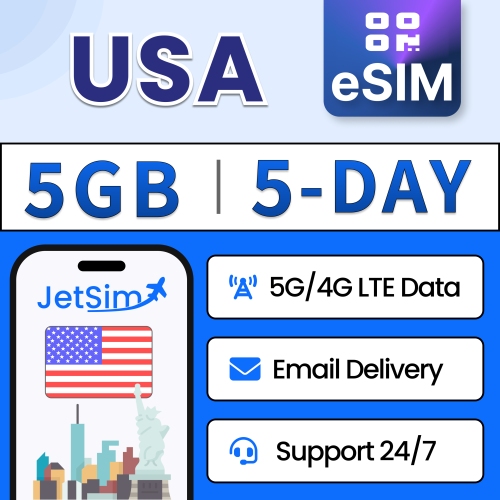
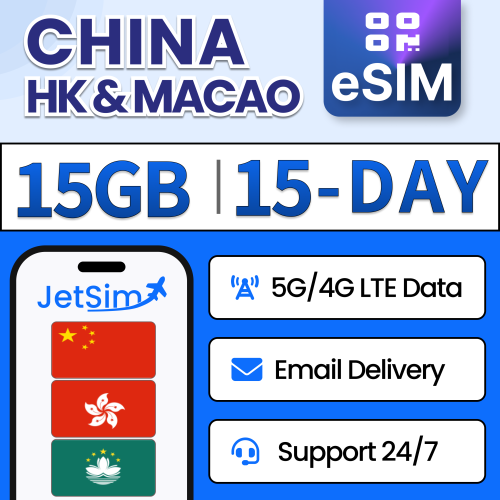
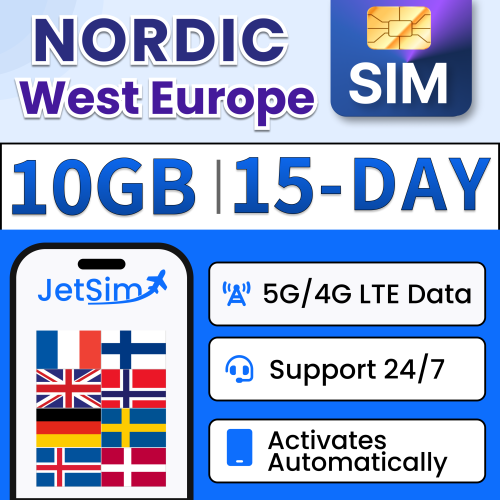
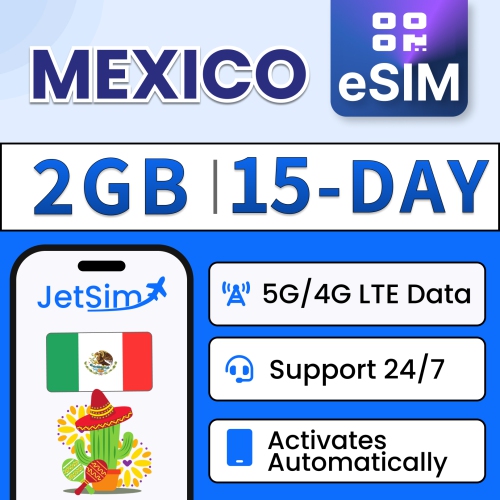
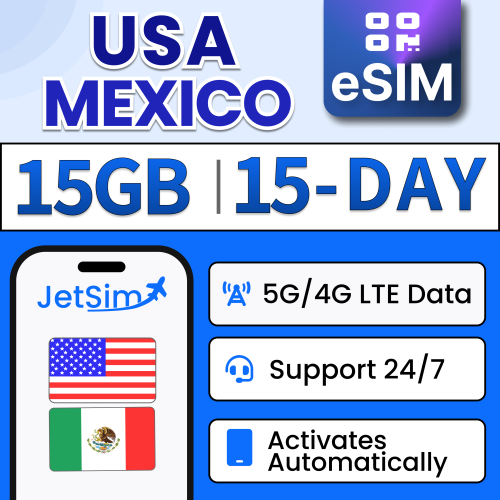
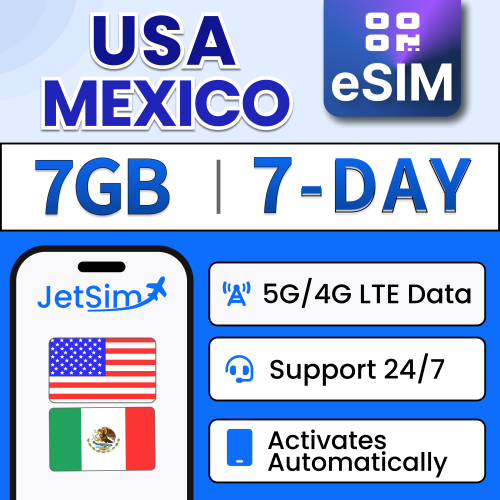
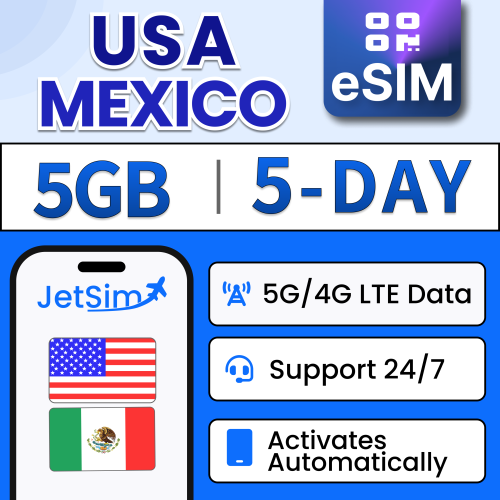
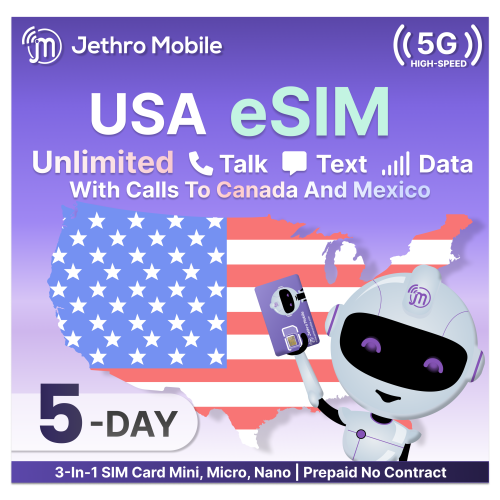
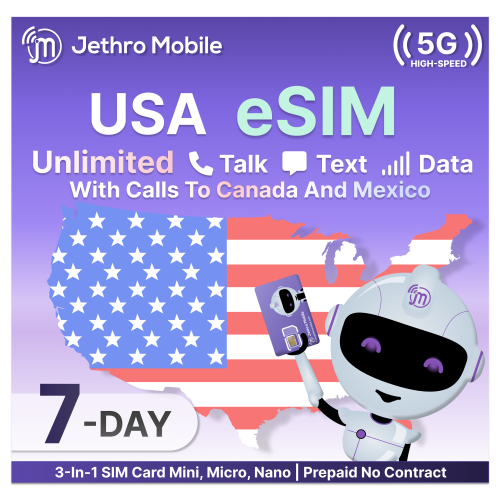
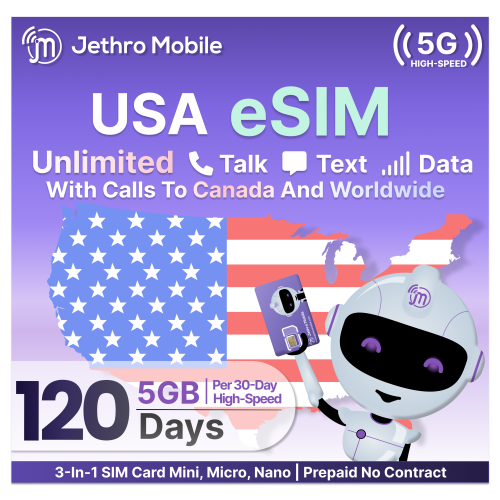
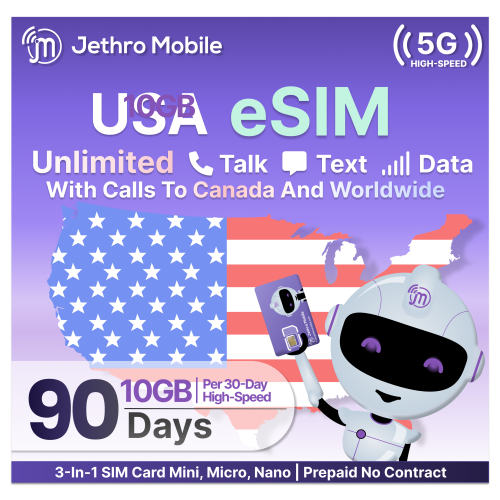
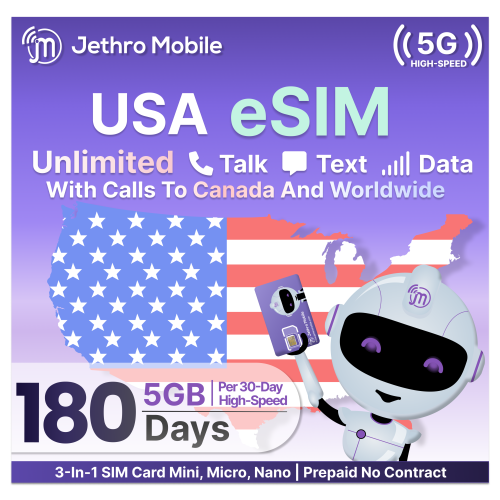
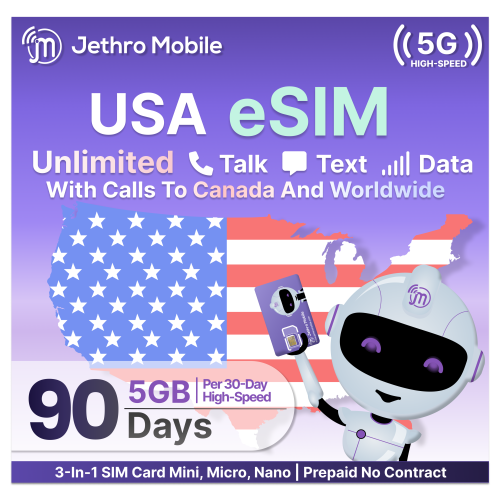
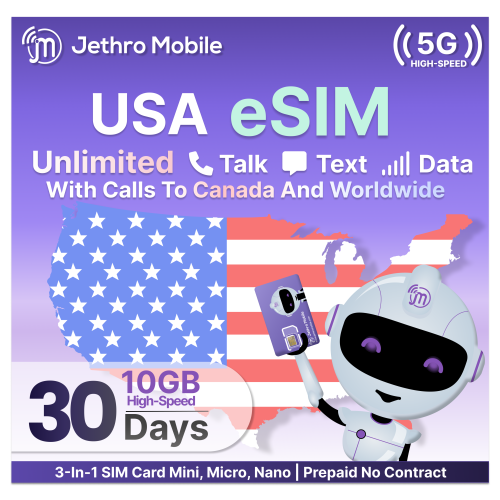
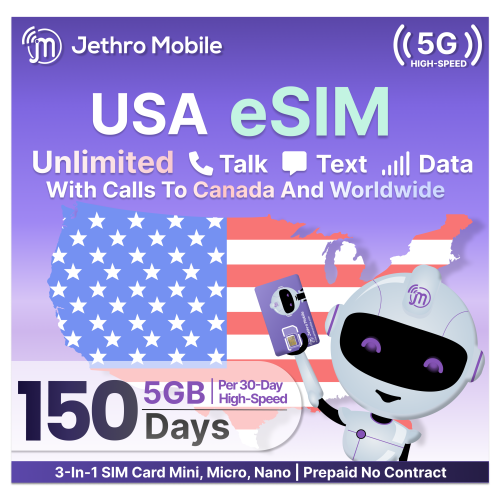
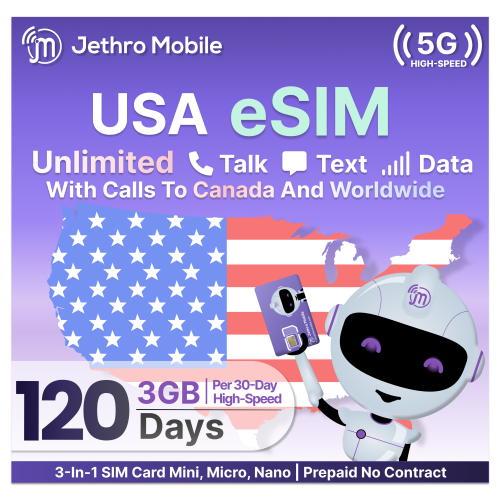
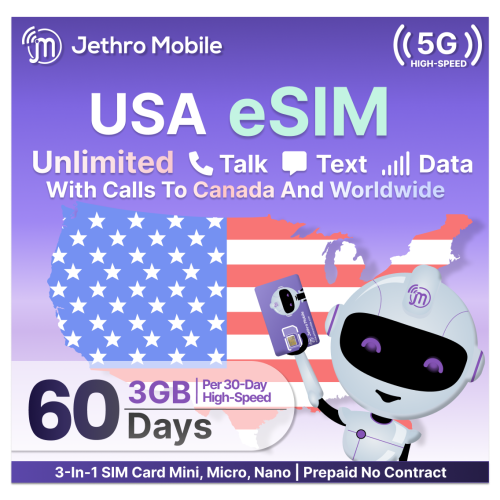
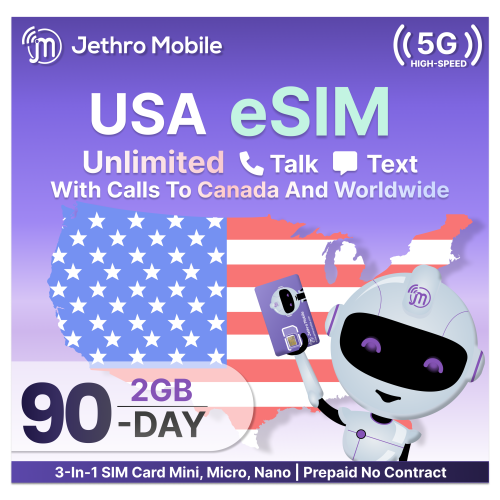
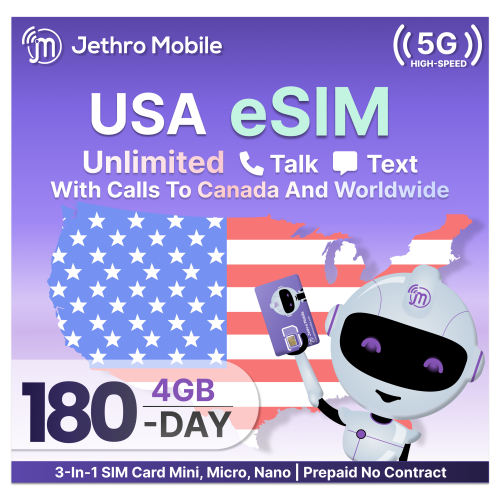
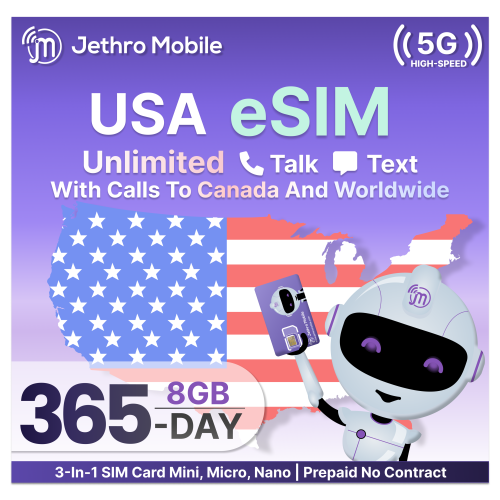
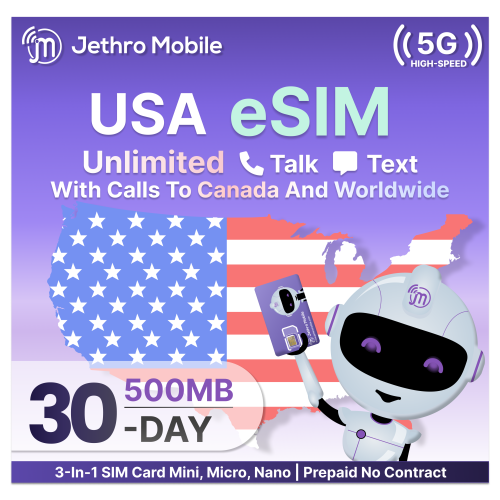
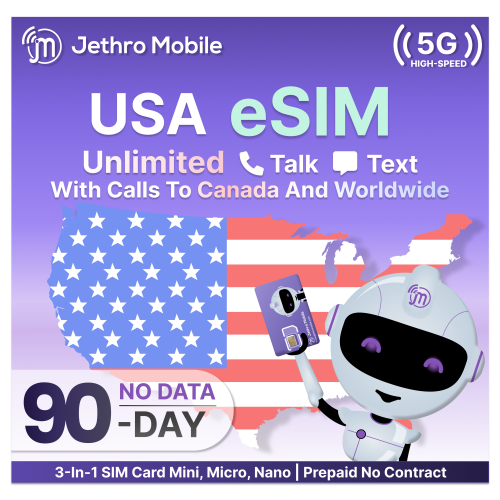
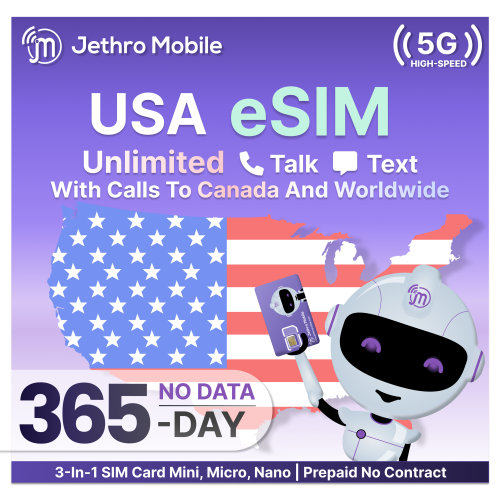
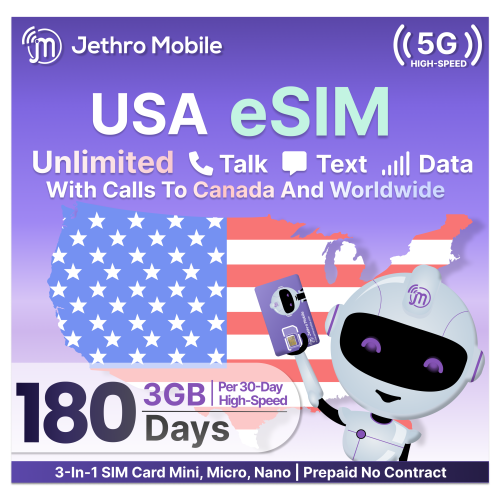
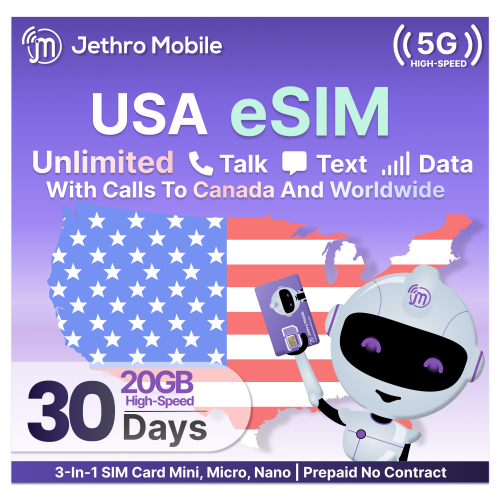
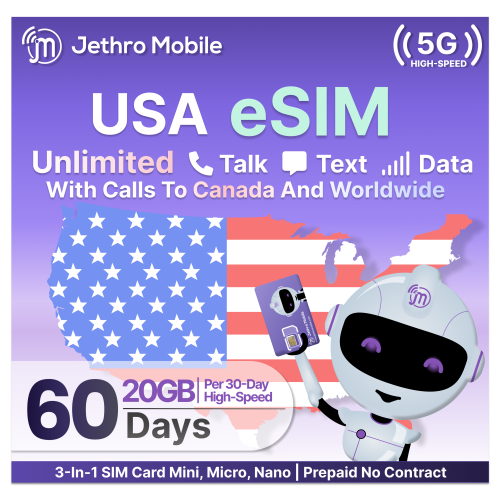
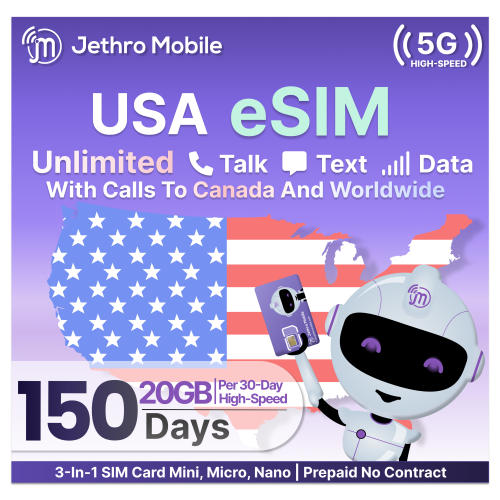
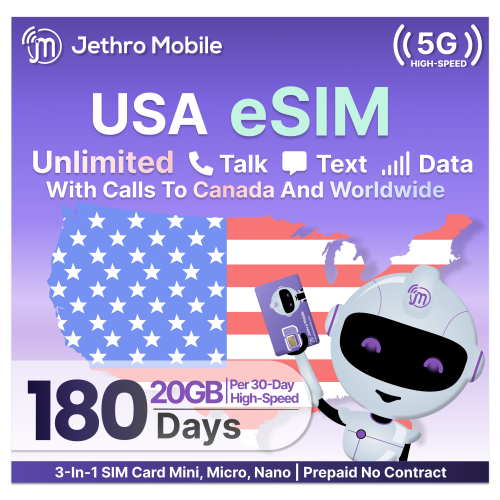
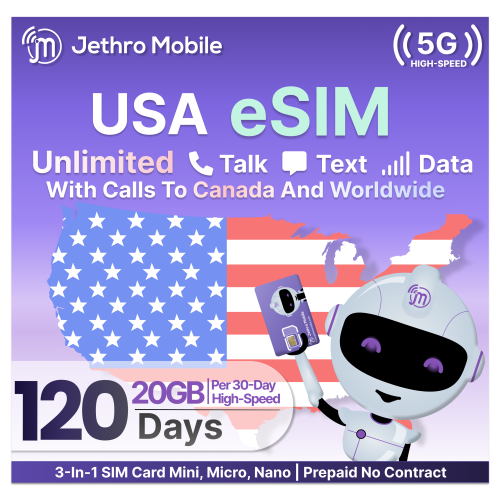
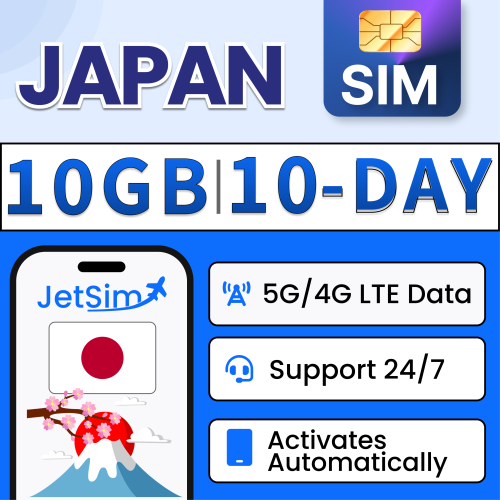
What separates roaming from travel SIMs and eSIMs
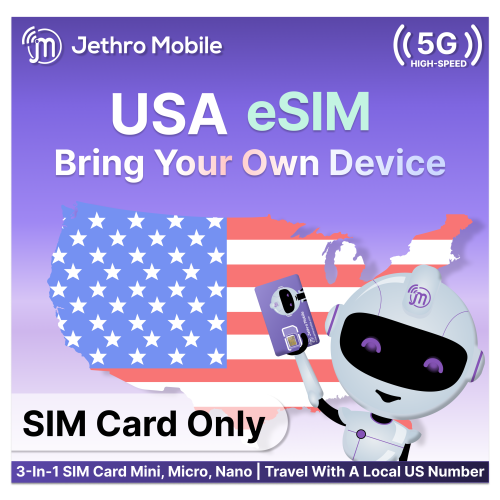
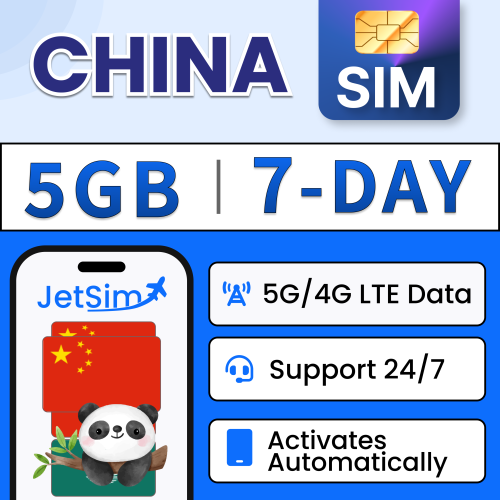
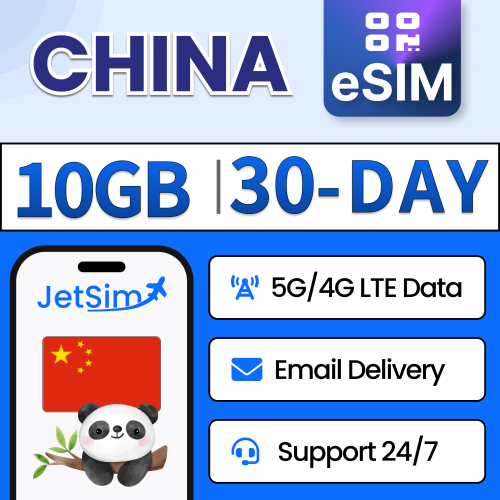
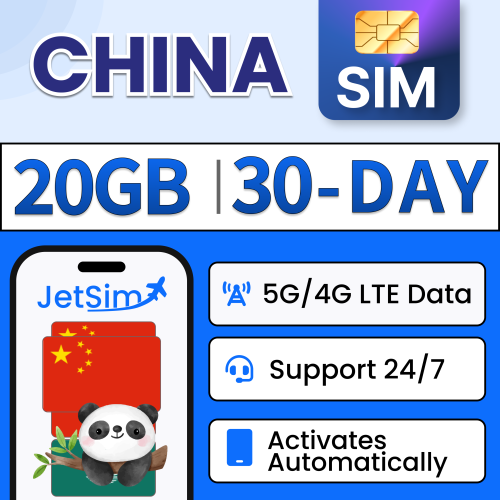
Travel phone plans provide mobile connectivity away from home, helping travellers use maps, exchange messages, make calls, and manage everyday details while visiting another country. For travellers leaving Canada, the main options include roaming features attached to a Canadian mobile plan, prepaid travel SIM or eSIM plans, and ongoing plans that include use in specified countries. Each option serves a different kind of trip. Carrier roaming can be a straightforward fit for someone who wants to continue using their Canadian number for regular calls and texts, with service governed by their carrier’s roaming terms. A travel eSIM is a digital SIM profile installed on a compatible phone, often used to add a separate data connection for a particular destination or region. A physical travel SIM serves a similar purpose but requires a compatible SIM slot and may replace the card normally used at home. Some travel plans provide data only, while others include a phone number with calling and text messaging. That distinction matters when a hotel needs to call back, a restaurant takes reservations by phone, or a workplace relies on standard text messages rather than chat apps. Plans that include use across specified countries can suit people who regularly cross borders, visit family abroad, or divide their time between Canada and another destination. Travellers considering how an international service fits with their everyday connection can also explore Mobile Cell Phone Plans for broader context on talk, text, and data services. The most useful travel phone plan is one whose destination coverage, validity period, data allowance, and communication features match the itinerary. A brief city break, a lengthy family visit, and a work trip spanning several countries can place very different demands on the same phone. Keeping a familiar number may be central to one trip, while reliable access to navigation, translation, and accommodation messages may be enough for another.
Coverage and timing are central considerations because a plan’s geographic scope is not always as broad as its name suggests. A single-country plan applies to its stated destination, while regional and international plans cover a defined list of countries or territories. For a journey involving a connecting airport, a border crossing by train, or a side trip outside the main destination, each stop needs to fall within that coverage list if cellular service is needed there. Included destinations also do not guarantee an identical signal everywhere: service depends on partner networks, local infrastructure, terrain, building construction, and network congestion. A phone may work well on a busy downtown street yet have a weaker connection along a mountain road or inside a thick-walled rental apartment. Cruise ships, aircraft, and maritime networks typically have separate connectivity arrangements and should not be assumed to fall within ordinary land-based roaming coverage. Plan duration deserves equally close attention. Some services begin their validity period when installed or activated, while others begin when they first connect to an eligible network; the stated terms determine which applies. A plan described in days may expire before a late-night return flight if its timing does not match the trip. Data needs also vary with habits rather than trip length alone. Messaging, checking departure times, and looking up directions generally use less data than streaming video, joining lengthy video meetings, or uploading a day’s worth of photos. Downloaded maps and saved booking details can reduce dependence on a live connection, particularly during the first stretch between the airport and accommodation. Personal hotspot support is important for anyone planning to connect a laptop or share data with a travelling companion, but tethering permissions and limits differ by service. Plans described as unlimited may still have fair-use conditions or reduced speeds after a usage threshold. Those details can affect whether a connection remains practical for a video call, cloud-based work, or several devices sharing one phone’s data.
Device compatibility and line settings shape how smoothly a travel phone plan works once the trip begins. A phone generally needs to be unlocked to use a SIM or eSIM from a different provider, and eSIM support depends on the exact device model and, sometimes, the market for which it was made. Support for local network bands also matters, especially when travelling with an older handset. Dual-SIM capability can allow a Canadian line and a travel line to remain on the same device, although the number of profiles that can be active at once varies. This arrangement can be helpful for someone who wants travel data while retaining access to their familiar number, but the two lines have separate settings and service terms. Selecting the travel line for mobile data, reviewing automatic data switching, and checking roaming settings on the home line help prevent unintended use of the wrong connection. Some travel eSIMs require data roaming to be enabled on the travel line itself because they connect through partner networks. Keeping the Canadian line active for authentication texts does not guarantee that every message will arrive, and incoming calls, outgoing messages, voicemail, or other activity may be treated differently under the home carrier’s terms. App-based calls work over a suitable data connection, but a data-only plan does not itself include conventional voice calling or SMS service. For business travellers, that can make the difference between reaching colleagues through a meeting app and being reachable through a regular telephone number. For families, separate connections may be more practical than a shared hotspot when one person heads to a museum and another returns to the hotel. Setup is often easier over a trusted Wi-Fi connection before departure, provided installation will not start the plan’s validity period prematurely. Saving activation details and checking support contact methods can also make troubleshooting less disruptive. With the right service type and settings, a travel phone plan supports the ordinary moments that keep a trip moving: finding the correct station exit, messaging a host about a delayed arrival, or letting family in Canada know the journey went smoothly.
Coverage and timing are central considerations because a plan’s geographic scope is not always as broad as its name suggests. A single-country plan applies to its stated destination, while regional and international plans cover a defined list of countries or territories. For a journey involving a connecting airport, a border crossing by train, or a side trip outside the main destination, each stop needs to fall within that coverage list if cellular service is needed there. Included destinations also do not guarantee an identical signal everywhere: service depends on partner networks, local infrastructure, terrain, building construction, and network congestion. A phone may work well on a busy downtown street yet have a weaker connection along a mountain road or inside a thick-walled rental apartment. Cruise ships, aircraft, and maritime networks typically have separate connectivity arrangements and should not be assumed to fall within ordinary land-based roaming coverage. Plan duration deserves equally close attention. Some services begin their validity period when installed or activated, while others begin when they first connect to an eligible network; the stated terms determine which applies. A plan described in days may expire before a late-night return flight if its timing does not match the trip. Data needs also vary with habits rather than trip length alone. Messaging, checking departure times, and looking up directions generally use less data than streaming video, joining lengthy video meetings, or uploading a day’s worth of photos. Downloaded maps and saved booking details can reduce dependence on a live connection, particularly during the first stretch between the airport and accommodation. Personal hotspot support is important for anyone planning to connect a laptop or share data with a travelling companion, but tethering permissions and limits differ by service. Plans described as unlimited may still have fair-use conditions or reduced speeds after a usage threshold. Those details can affect whether a connection remains practical for a video call, cloud-based work, or several devices sharing one phone’s data.
Device compatibility and line settings shape how smoothly a travel phone plan works once the trip begins. A phone generally needs to be unlocked to use a SIM or eSIM from a different provider, and eSIM support depends on the exact device model and, sometimes, the market for which it was made. Support for local network bands also matters, especially when travelling with an older handset. Dual-SIM capability can allow a Canadian line and a travel line to remain on the same device, although the number of profiles that can be active at once varies. This arrangement can be helpful for someone who wants travel data while retaining access to their familiar number, but the two lines have separate settings and service terms. Selecting the travel line for mobile data, reviewing automatic data switching, and checking roaming settings on the home line help prevent unintended use of the wrong connection. Some travel eSIMs require data roaming to be enabled on the travel line itself because they connect through partner networks. Keeping the Canadian line active for authentication texts does not guarantee that every message will arrive, and incoming calls, outgoing messages, voicemail, or other activity may be treated differently under the home carrier’s terms. App-based calls work over a suitable data connection, but a data-only plan does not itself include conventional voice calling or SMS service. For business travellers, that can make the difference between reaching colleagues through a meeting app and being reachable through a regular telephone number. For families, separate connections may be more practical than a shared hotspot when one person heads to a museum and another returns to the hotel. Setup is often easier over a trusted Wi-Fi connection before departure, provided installation will not start the plan’s validity period prematurely. Saving activation details and checking support contact methods can also make troubleshooting less disruptive. With the right service type and settings, a travel phone plan supports the ordinary moments that keep a trip moving: finding the correct station exit, messaging a host about a delayed arrival, or letting family in Canada know the journey went smoothly.
Top selling and popular products
-
 Your price for this item is $9.99
 -
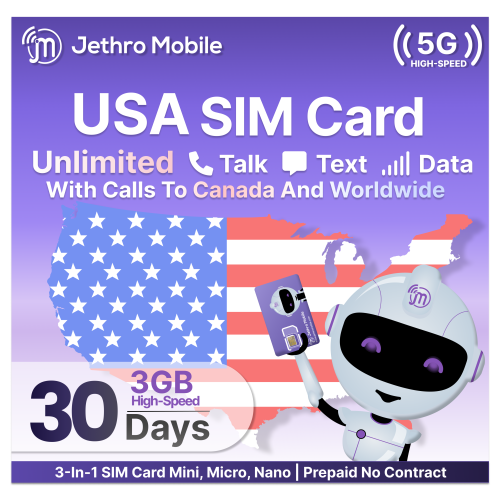 Your price for this item is $26.6
 -
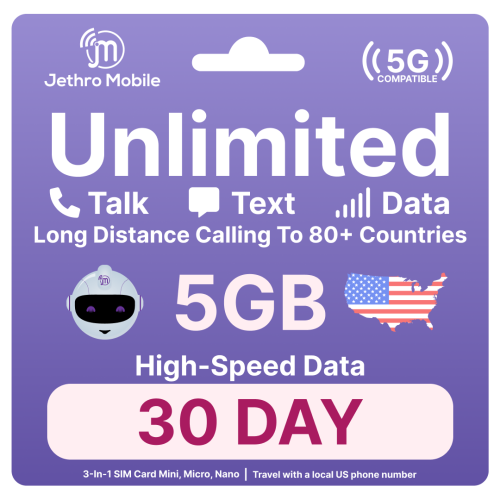 Your price for this item is $32.3
 -
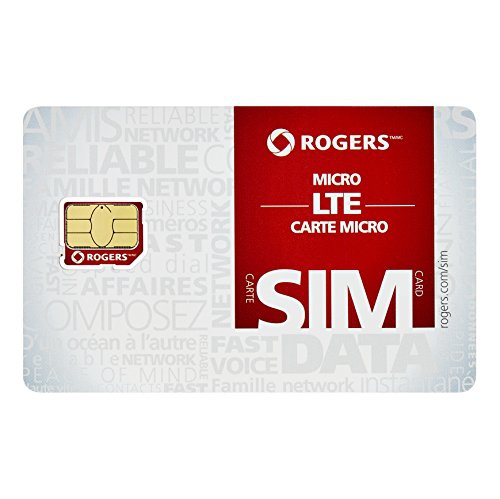 Your price for this item is $11.99
 -
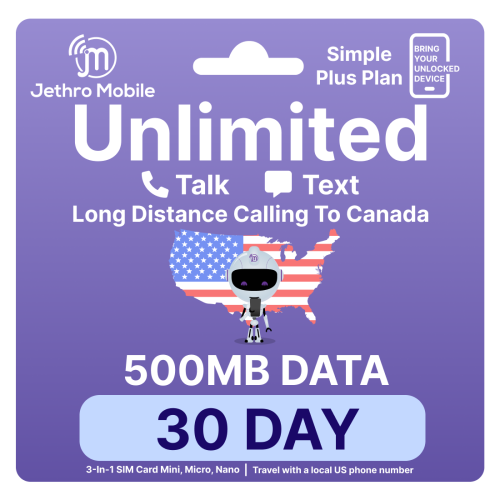 Your price for this item is $20
 -
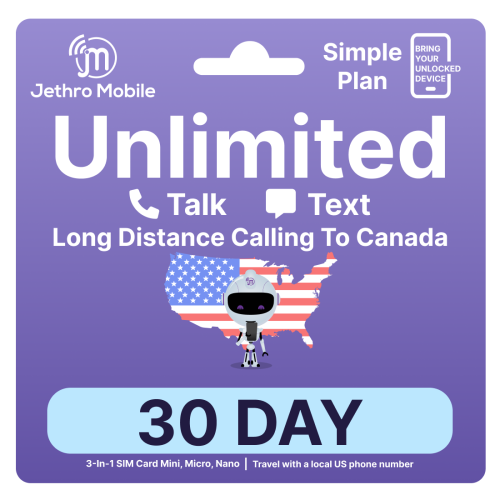 Your price for this item is $14
 -
 Your price for this item is $9.99
 -
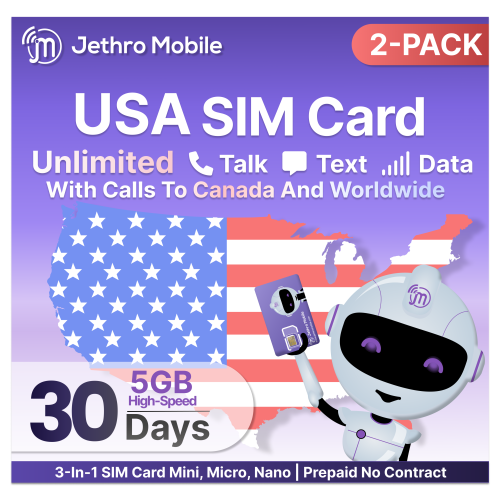 Your price for this item is $64.6
Discover more categories related to Travel Phone Plans

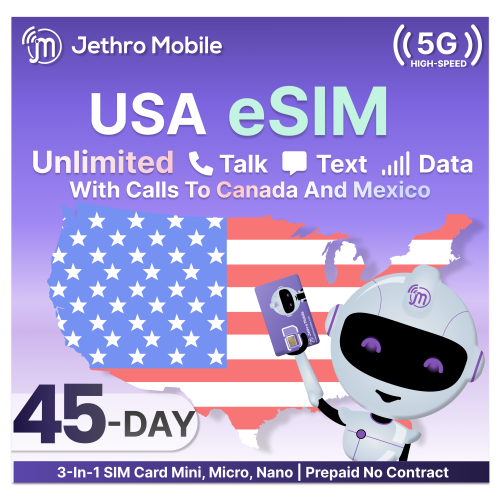
Top Collections:
Pokemon Centers, Budget 4K TVs, Best Budget Office Chairs, Kindle Devices, Canon G7X Cameras, Apple iPhones 16, iPhone 15 Apple, Laptops for Business Work, Xiaomi Phones, Flip Phones
Some products may be subject to Environmental Handling Fees
(EHF) depending on your province.
Learn more about EHFs.