Unlocked Phones Under $200
Discover the perfect blend of affordability and freedom with our selection of unlocked phones under $200. Ideal for those seeking flexibility without breaking the bank, these budget-friendly devices allow you to choose your carrier and plan, making it easier than ever to stay connected on your terms. Whether you're looking for a reliable backup phone, a starter device for a family member, or simply want to explore cost-effective options, you'll find a range of choices that cater to your needs. Dive into our collection and find an unlocked phone that fits your lifestyle and budget seamlessly.
Sort







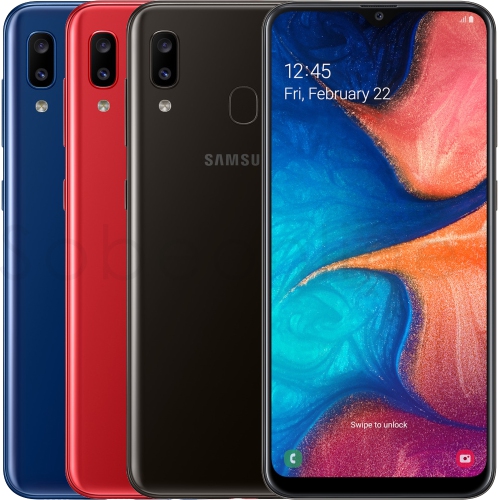
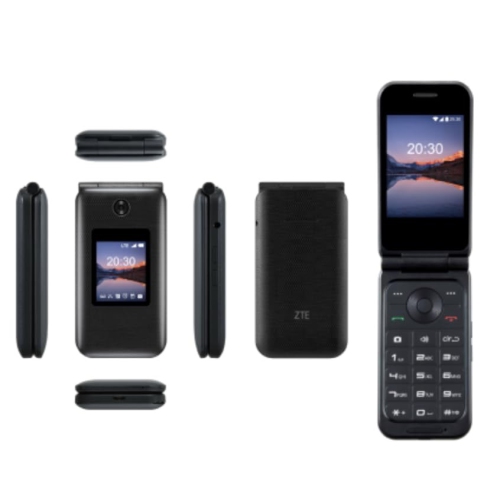
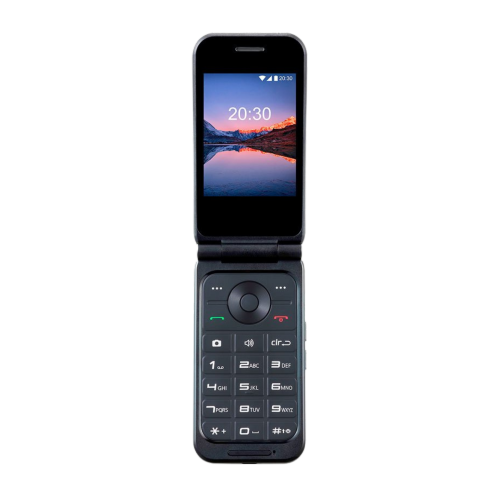

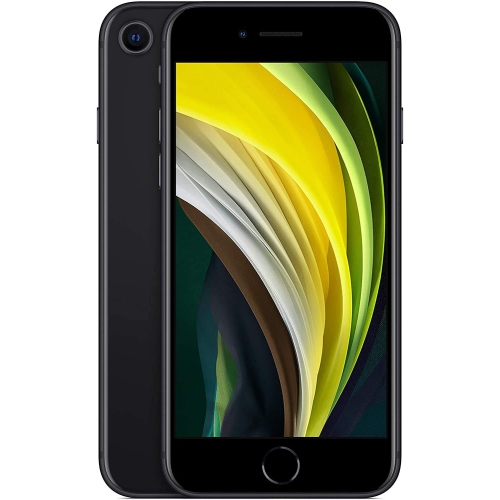
Carrier flexibility depends on more than an unlocked label
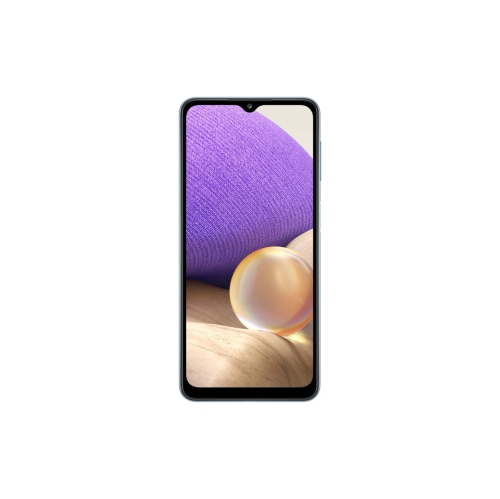
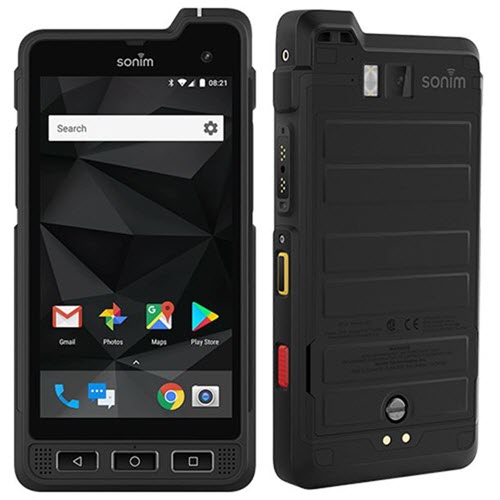
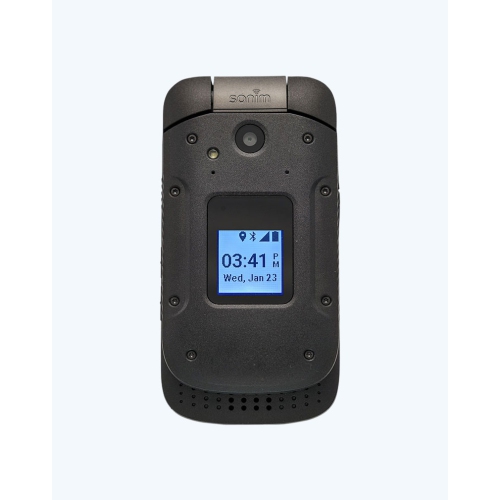
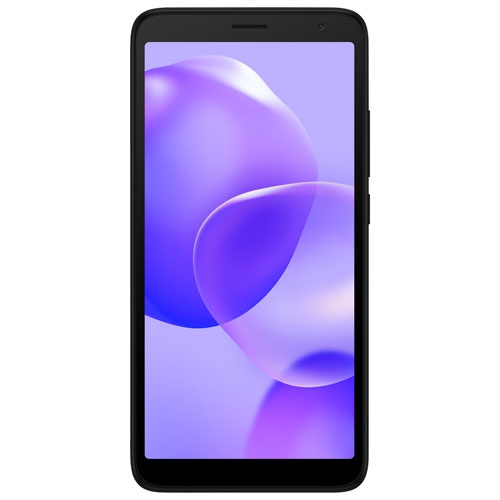
Unlocked phones keep the device separate from a particular carrier, giving people more flexibility over how they connect for calls, texts, and mobile data. An unlocked handset is not restricted to one carrier’s service, although it still needs compatible network technology and an appropriate plan to work as intended. The Unlocked Cell Phones Under $200 collection centres on this everyday flexibility, whether a phone is intended for regular use, a teenager’s first mobile connection, or a separate line for work. For someone whose routine revolves around messaging family, checking transit directions, reading email, and making appointments, straightforward operation can matter more than advanced camera effects or demanding gaming performance. A familiar layout, readable text, and comfortable handling help make these everyday tasks feel natural. Carrier compatibility remains important because being unlocked does not mean a phone works with every network or supports every carrier feature. Supported frequency bands, voice calling technology, and carrier requirements all affect the experience. A handset may connect to mobile data yet still need carrier support for features such as voice over LTE or Wi-Fi calling. Checking compatibility with the intended Canadian carrier helps establish whether those essentials will work. Physical SIM cards and embedded SIMs are also different ways of activating service, and support varies by device. Dual-SIM capability can be useful for keeping personal and work numbers on one handset, but the way two lines operate depends on the phone and service providers. For travel, an unlocked device may accept a compatible local SIM, although network support and activation requirements still apply. These practical distinctions make unlocked phones useful for people who want control over their mobile service without treating every phone specification as a priority. They also make a handset a thoughtful gift when the recipient’s carrier, preferred screen size, and comfort with touch controls are already understood.
Daily comfort comes from the combination of screen size, shape, weight, and controls rather than any single specification. A larger display gives maps, video calls, and on-screen keyboards more room, while a narrower body can be easier to hold during a commute or slip into a small bag. Display resolution affects the clarity of text and images, and brightness influences readability when light reflects off the screen. Adjustable font sizes, screen magnification, and other accessibility settings can be especially helpful for someone who prefers a less crowded interface. A phone’s dimensions are worth considering with a protective case in mind, since the added thickness can change how securely it rests in the hand. Construction varies, but plastic backs and frames can keep weight manageable, while glass surfaces benefit from protection against scratches and accidental drops. A textured case offers a firmer grip when taking a photo or answering a call with one hand; raised edges can help keep the screen and camera lenses from touching a flat surface. Performance depends on the processor, working memory, software, and the demands of installed apps. Basic communication and browsing generally place different demands on a phone than graphically intensive games or frequent switching between several large apps. Storage is a separate consideration: the advertised capacity includes space used by the operating system, so the room left for photos, messages, and downloads will be smaller. Memory card support, where included, can provide extra room for certain files, but it does not necessarily allow every app to move off internal storage. For a student saving class notes, a parent collecting family photos, or someone downloading music for a commute, those distinctions affect everyday convenience. Software compatibility matters too, particularly for banking, transit, authentication, and workplace apps that may require a minimum operating system version. An uncomplicated phone still needs to run the services its owner relies on.
Battery life, camera quality, and long-term care round out the everyday experience of an unlocked phone. Battery capacity is useful context, but it does not establish how long a handset will last between charges on its own. Screen brightness, video playback, navigation, weak reception, and background activity all influence power use. Someone who checks messages occasionally will have a different charging routine from someone who uses maps and streams audio throughout the day. Charging connector type, supported charging speed, and compatibility with existing cables also affect convenience at a bedside table or shared charging station. Camera specifications deserve similar context: a higher megapixel count does not automatically produce sharper portraits or clearer indoor pictures. Focus, image processing, lens quality, and steady handling all contribute to the result. For everyday use, capturing a readable document, scanning a QR code, and joining a clear video call can be just as important as photographing a family gathering. Microphone performance, speaker clarity, and headphone connectivity matter for calls and listening, especially when a handset doubles as an alarm clock, music player, and contact point for relatives. Durability depends partly on construction and partly on care. A protective case and correctly fitted screen protector can help reduce everyday wear, but neither makes a phone immune to impact. Water resistance should never be assumed, and any stated rating has limits. Routine cleaning with a soft, lint-free cloth, following the manufacturer’s directions, helps remove fingerprints without exposing openings to excess moisture. Security updates, a strong screen lock, and regular backups are equally important parts of ownership because phones often hold personal photos, account access, and private conversations. For a previously owned or refurbished handset, documented condition, battery information, remaining software support, and warranty terms help clarify what ownership may involve. Whether the phone becomes a primary device, a family contact line, or a backup handset, comfortable handling and dependable access to essential apps are what give it lasting everyday value.
Top selling and popular products
-
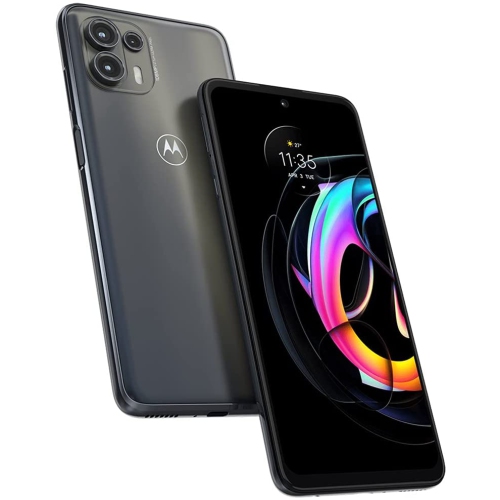 Your price for this item is $139
-
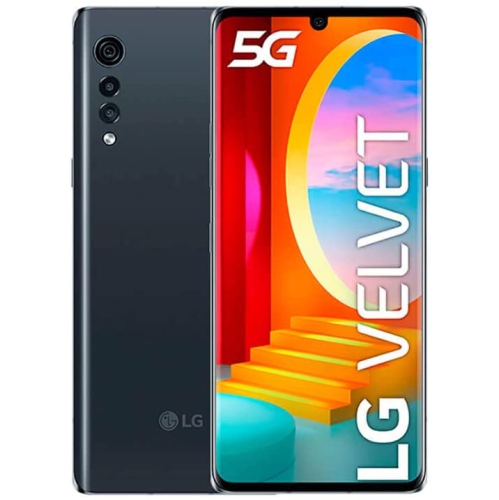 Your price for this item is $292.99
-
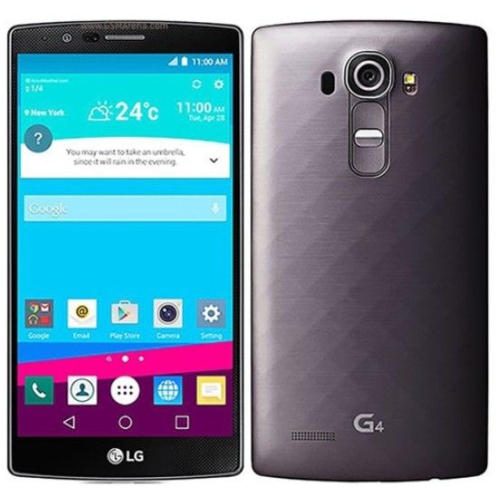 Your price for this item is $120
-
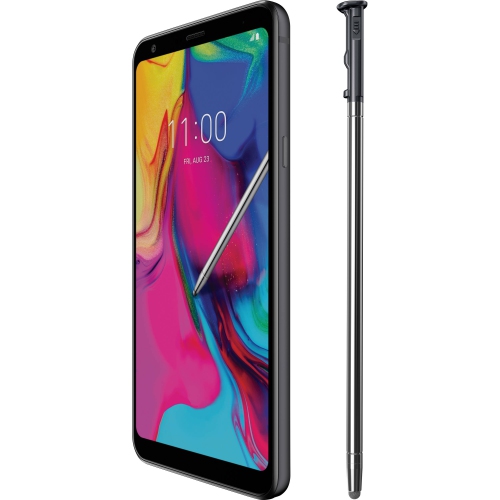 Your price for this item is $221.01
-
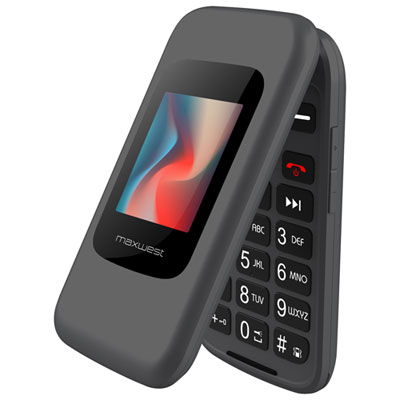 Your price for this item is $89.99
-
 Your price for this item is $184.99
-
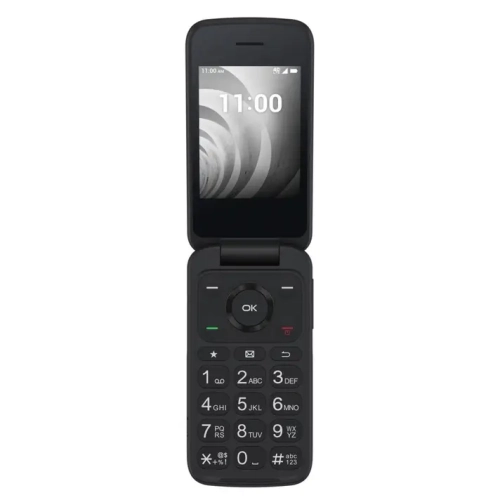 Your price for this item is $219
-
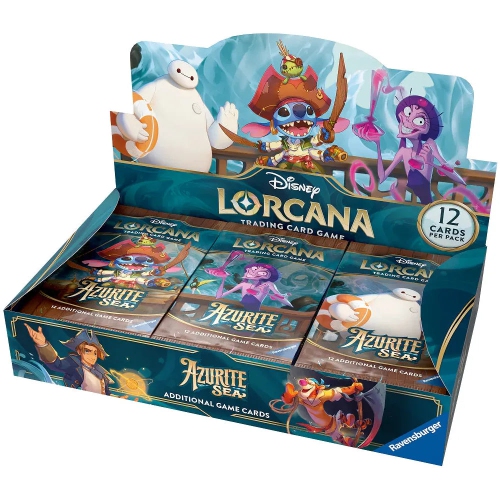 Your price for this item is $177.1
Discover more categories related to Unlocked Phones Under $200
Top Collections:
Pokemon Centers, Kindle Devices, Best Cameras for Sports Photography, Best Budget Office Chairs, Pokémon 30th Celebration Cards, Apple iPhones 16, Canon G7X Cameras, iPhone 15 Apple, Flip Phones, Samsung Galaxy Phones
Some products may be subject to Environmental Handling Fees
(EHF) depending on your province.
Learn more about EHFs.