Travel SIM Cards
Stay connected wherever your adventures take you with travel SIM cards, the convenient solution for keeping in touch while abroad. Whether you're exploring new cities, working remotely from another country, or staying in contact with family and friends, travel SIM cards make it easy to access data, calls, and texts on the go. Discover a range of options designed to help you enjoy seamless communication and peace of mind during your travels.
Sort
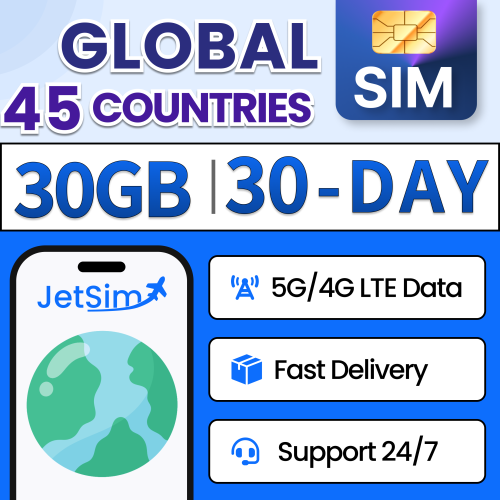
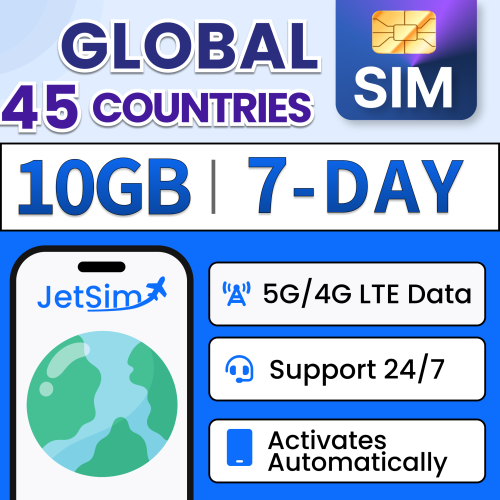
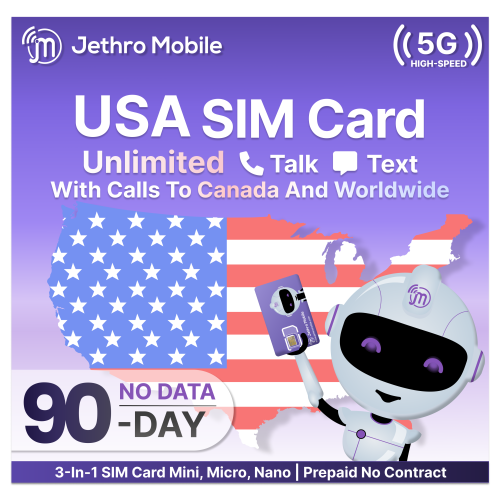
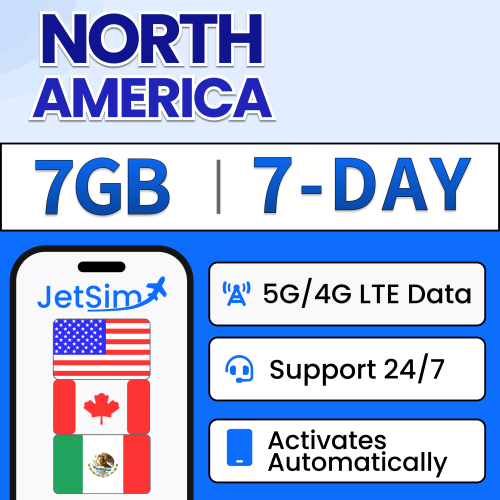
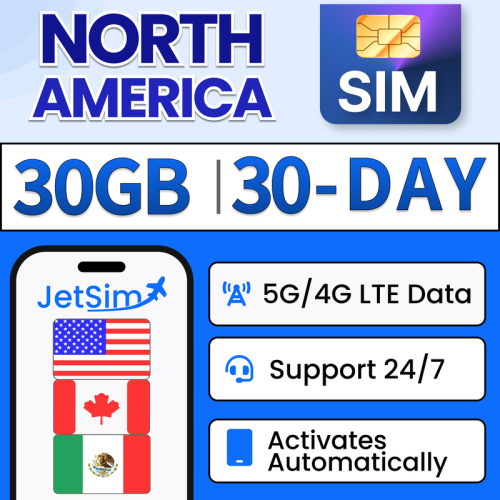
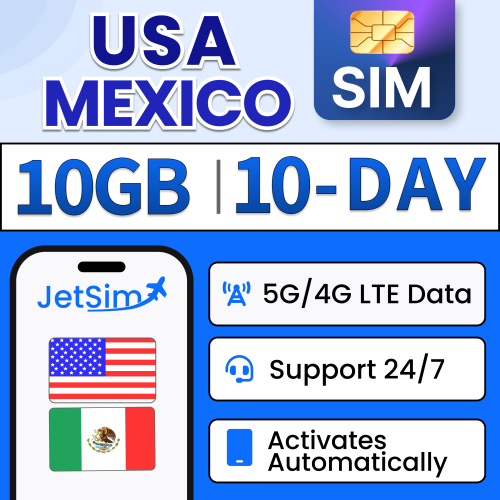
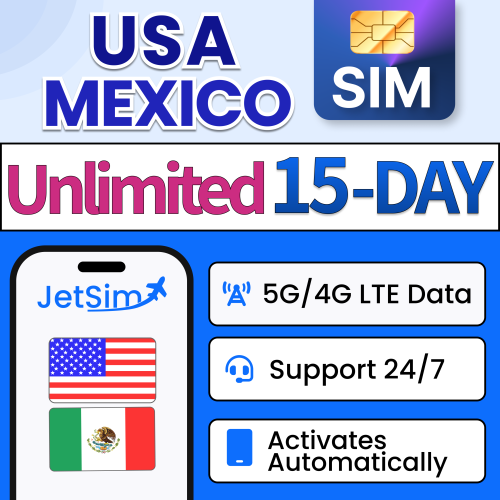
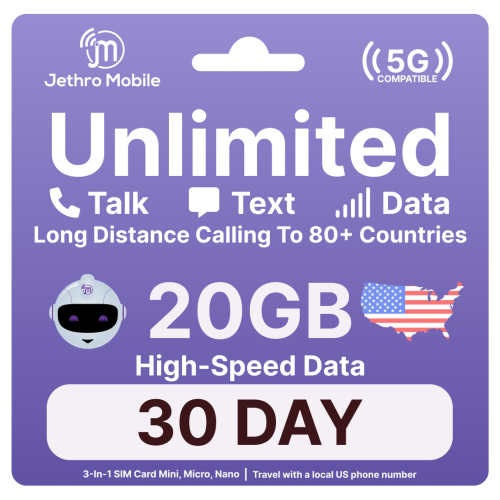
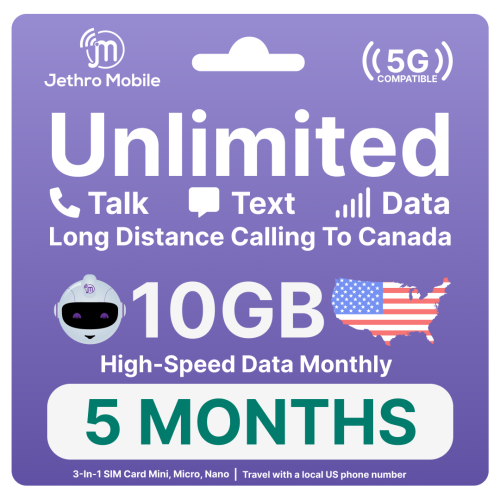
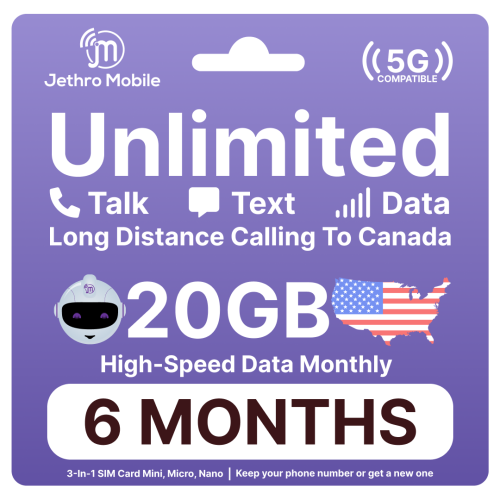
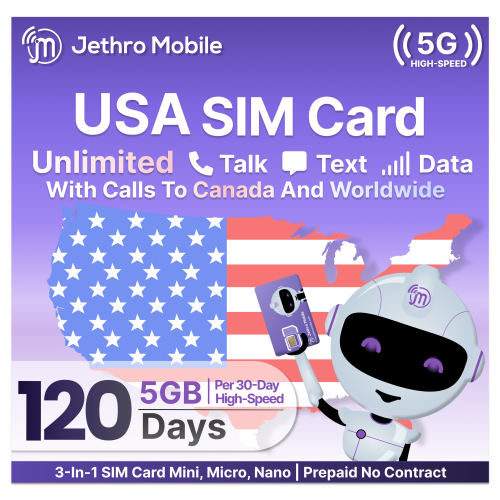
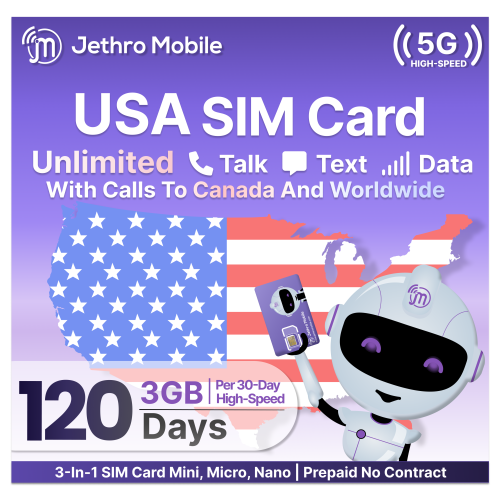
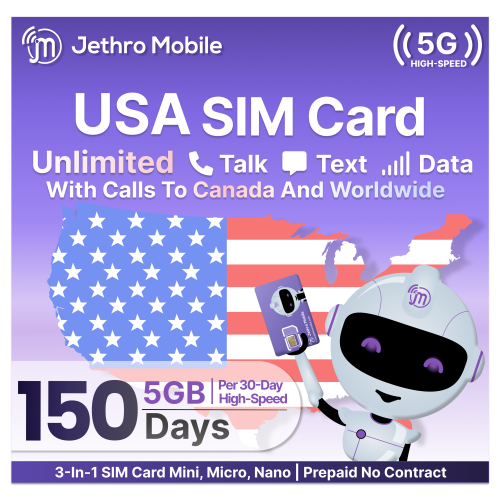
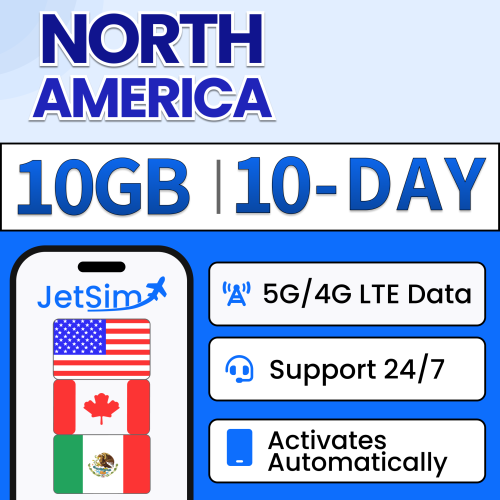
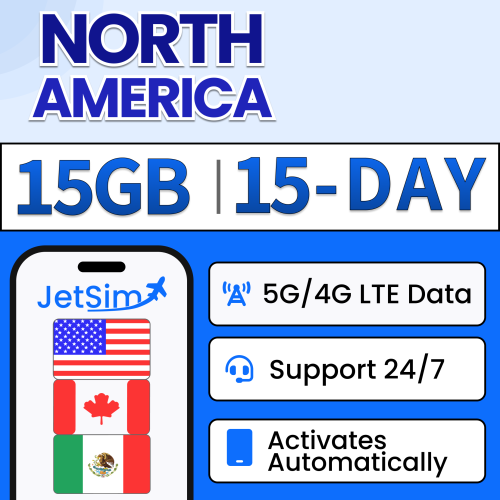
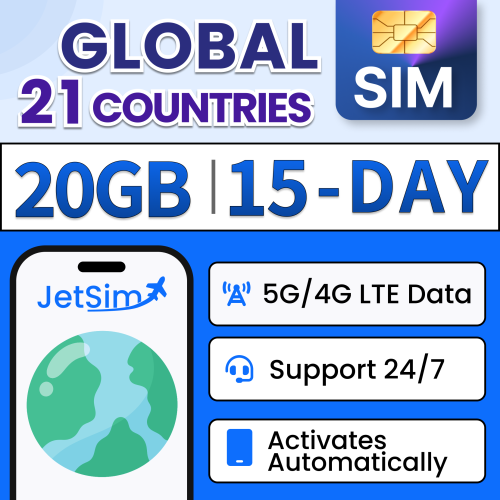
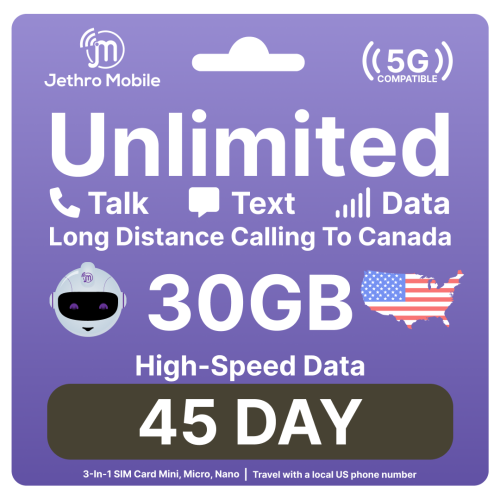
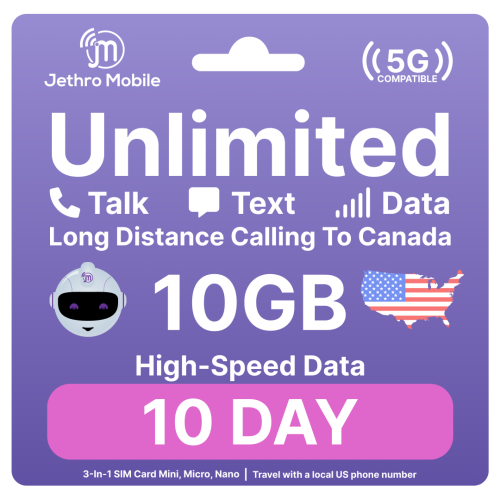
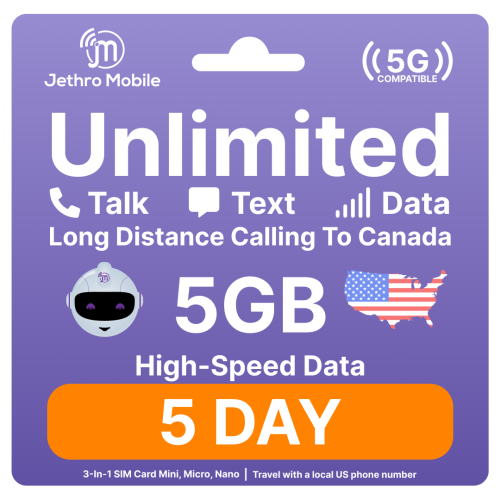
Data access and coverage matter when travelling abroad
Travel SIM cards help travellers stay connected abroad without relying solely on their home carrier’s international roaming service. Depending on the option selected, a travel SIM may provide mobile data, calling, texting, or a combination of these services for a set period and destination. Data access can be useful for checking maps while walking through an unfamiliar neighbourhood, translating signs at a train station, confirming accommodation details, booking a ride, or keeping in touch with family and friends. Travellers heading overseas during the cooler months may also appreciate dependable access to weather updates, airline notifications, digital boarding passes, and directions while moving between airports, hotels, and attractions. A travel SIM card can be a practical choice for holidays, business trips, study-abroad stays, cruises with international ports, and visits with family in another country. It may also make a thoughtful gift for someone preparing for a long-awaited trip, especially when the destination, travel dates, and phone compatibility are already known. The right choice depends on where the traveller is going, how long the trip will last, how much data they expect to use, and whether they need voice and text services in addition to internet access. Short trips with light use may only require enough data for messaging, navigation, and occasional browsing, while longer journeys or frequent video calls can call for a larger allowance. Travellers who plan to stream entertainment, upload photos, use video conferencing, or share a mobile hotspot should review the plan’s data amount and any restrictions before purchasing. Coverage can vary by destination, so check the supported countries and network access rather than assuming that a plan designed for one region will work everywhere. Multi-country plans can be convenient for itineraries that cross borders, while a country-specific option may be better suited to a focused visit.
Travel SIM cards generally come in two formats: a physical SIM card and a digital eSIM. A physical SIM is a small plastic card that replaces the SIM already installed in a compatible phone. It may be a straightforward option for travellers whose devices do not support eSIM technology, although it requires opening the SIM tray and keeping the original card somewhere safe during the trip. An eSIM is downloaded directly to a compatible phone, often by scanning a QR code or following digital activation instructions, so there is no physical card to insert or remove. This can be convenient before departure or after landing, and it allows some phones to keep a Canadian line available while using the travel plan for data. Before choosing an eSIM, confirm that the phone supports eSIM functionality and is unlocked for use with another carrier. It is also important to check whether the eSIM must be installed before travelling, whether activation begins at installation or when it first connects to a supported network, and how long the plan remains valid. Physical SIM users should confirm the required SIM size and bring a tool for opening the tray if needed. Most phones provide settings that let users choose which line handles mobile data, calls, and messages, but the exact process differs by device. Turning off data roaming on the primary Canadian line can help prevent unexpected roaming charges, while leaving the line enabled for incoming messages may be useful for account verification. Travellers should read the activation steps carefully, save any confirmation details, and complete setup while connected to Wi-Fi when possible. For options focused on faster everyday browsing, navigation, messaging, and media use, explore Travel SIM Cards With High-Speed Data and compare the included data, destination coverage, validity period, and activation requirements.
When comparing travel SIM cards, look beyond the advertised data allowance to understand how the plan fits the full trip. A plan measured in gigabytes may be suitable for browsing and messaging, but navigation, social media, photo backups, music, and video can use data quickly. Connecting to hotel, café, or airport Wi-Fi can help conserve the allowance, although travellers should use trusted networks and avoid entering sensitive information on unsecured connections. Review whether hotspot use is permitted if a laptop, tablet, or travel companion may share the connection. Calling and texting features deserve equal attention: some plans are data-only and rely on messaging or calling apps, while others include a local number or traditional voice and text service. Check the activation window, expiry date, renewal terms, top-up process, and support options before leaving Canada. A plan that expires after a fixed number of days should cover the complete itinerary, including travel days at both ends. Travellers visiting several countries should verify that every stop is included, particularly when crossing between regions or spending time in areas with limited coverage. Devices used for work should also be checked for compatibility with required apps, authentication messages, and mobile hotspot needs. Keeping the original SIM or eSIM details stored securely makes it easier to restore the regular Canadian service after returning home. With the destination, trip length, phone type, expected usage, and desired features in mind, travellers can select a travel SIM card that keeps essential communication and travel tools within reach from the first airport connection to the journey home.
Travel SIM cards generally come in two formats: a physical SIM card and a digital eSIM. A physical SIM is a small plastic card that replaces the SIM already installed in a compatible phone. It may be a straightforward option for travellers whose devices do not support eSIM technology, although it requires opening the SIM tray and keeping the original card somewhere safe during the trip. An eSIM is downloaded directly to a compatible phone, often by scanning a QR code or following digital activation instructions, so there is no physical card to insert or remove. This can be convenient before departure or after landing, and it allows some phones to keep a Canadian line available while using the travel plan for data. Before choosing an eSIM, confirm that the phone supports eSIM functionality and is unlocked for use with another carrier. It is also important to check whether the eSIM must be installed before travelling, whether activation begins at installation or when it first connects to a supported network, and how long the plan remains valid. Physical SIM users should confirm the required SIM size and bring a tool for opening the tray if needed. Most phones provide settings that let users choose which line handles mobile data, calls, and messages, but the exact process differs by device. Turning off data roaming on the primary Canadian line can help prevent unexpected roaming charges, while leaving the line enabled for incoming messages may be useful for account verification. Travellers should read the activation steps carefully, save any confirmation details, and complete setup while connected to Wi-Fi when possible. For options focused on faster everyday browsing, navigation, messaging, and media use, explore Travel SIM Cards With High-Speed Data and compare the included data, destination coverage, validity period, and activation requirements.
When comparing travel SIM cards, look beyond the advertised data allowance to understand how the plan fits the full trip. A plan measured in gigabytes may be suitable for browsing and messaging, but navigation, social media, photo backups, music, and video can use data quickly. Connecting to hotel, café, or airport Wi-Fi can help conserve the allowance, although travellers should use trusted networks and avoid entering sensitive information on unsecured connections. Review whether hotspot use is permitted if a laptop, tablet, or travel companion may share the connection. Calling and texting features deserve equal attention: some plans are data-only and rely on messaging or calling apps, while others include a local number or traditional voice and text service. Check the activation window, expiry date, renewal terms, top-up process, and support options before leaving Canada. A plan that expires after a fixed number of days should cover the complete itinerary, including travel days at both ends. Travellers visiting several countries should verify that every stop is included, particularly when crossing between regions or spending time in areas with limited coverage. Devices used for work should also be checked for compatibility with required apps, authentication messages, and mobile hotspot needs. Keeping the original SIM or eSIM details stored securely makes it easier to restore the regular Canadian service after returning home. With the destination, trip length, phone type, expected usage, and desired features in mind, travellers can select a travel SIM card that keeps essential communication and travel tools within reach from the first airport connection to the journey home.
Top selling and popular products
-
 Your price for this item is $9.99
 -
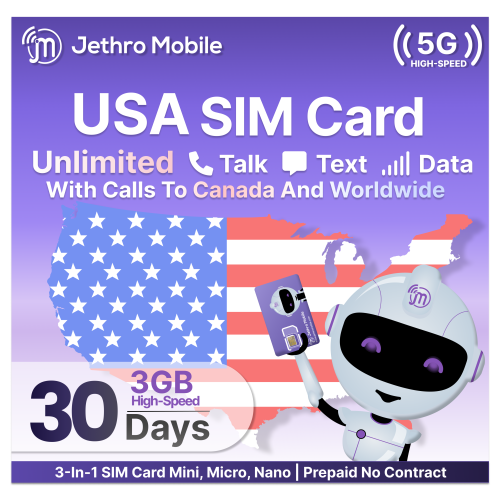 Your price for this item is $26.6
 -
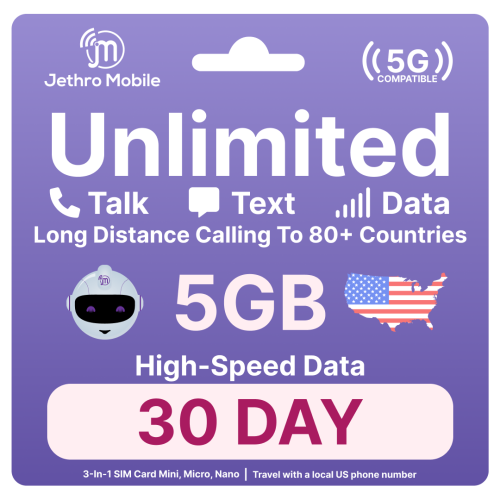 Your price for this item is $32.3
 -
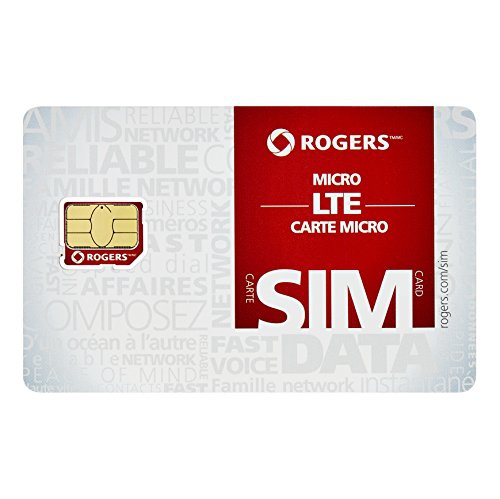 Your price for this item is $11.99
 -
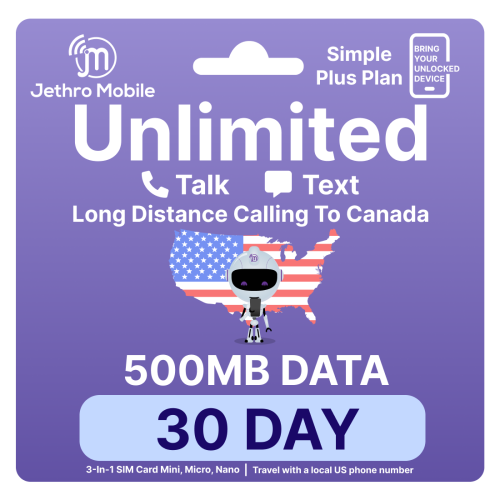 Your price for this item is $20
 -
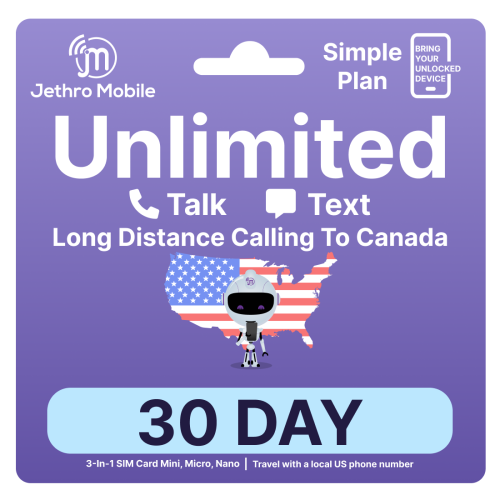 Your price for this item is $14
 -
 Your price for this item is $9.99
 -
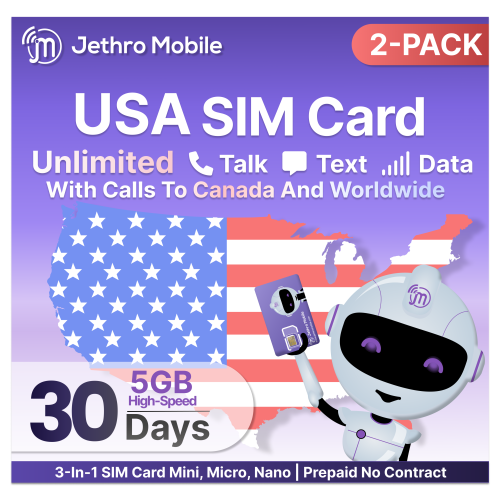 Your price for this item is $64.6
Discover more categories related to Travel SIM Cards
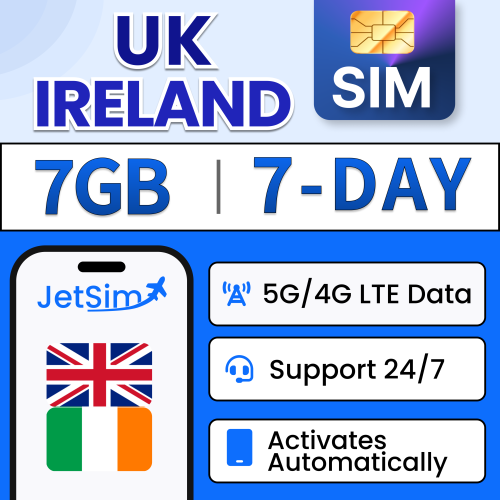
Top Collections:
Pokemon Centers, Budget 4K TVs, Best Budget Office Chairs, Kindle Devices, Canon G7X Cameras, Apple iPhones 16, iPhone 15 Apple, Laptops for Business Work, Xiaomi Phones, Flip Phones
Some products may be subject to Environmental Handling Fees
(EHF) depending on your province.
Learn more about EHFs.