Fun Advent Calendars
Get ready to count down the days to the holiday season with our exciting selection of fun Advent Calendars. From traditional chocolate-filled calendars to unique and creative options, these advent calendars are sure to add a touch of joy and anticipation to your December mornings. Whether you're a kid or a kid at heart, there's something for everyone in this collection. Explore our assortment of Advent Calendars and make the countdown to the holidays even more memorable this year.
Sort


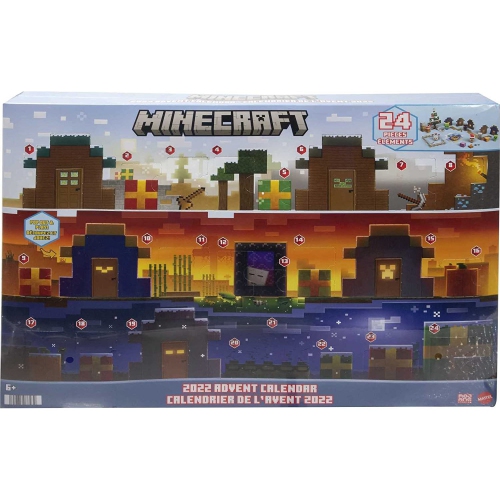
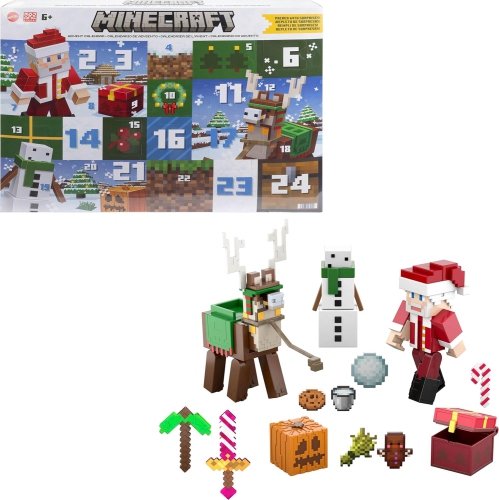
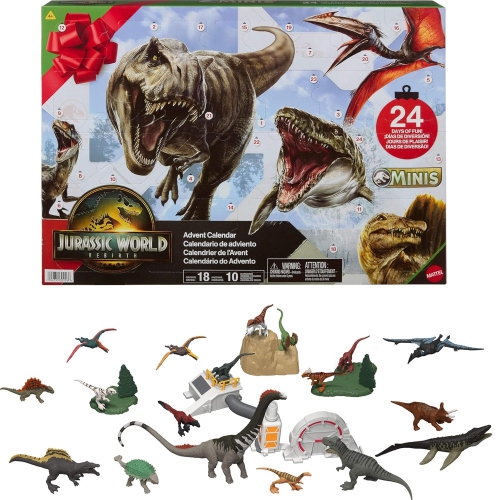
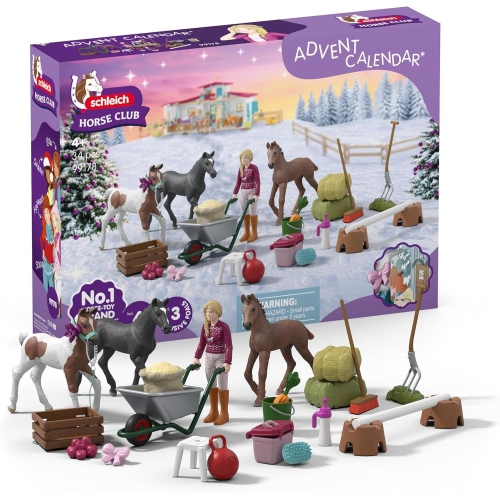

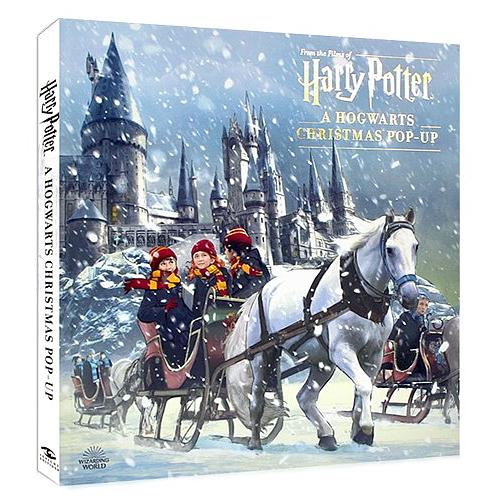
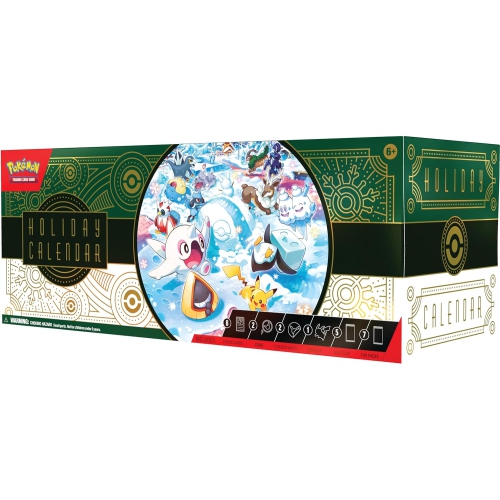
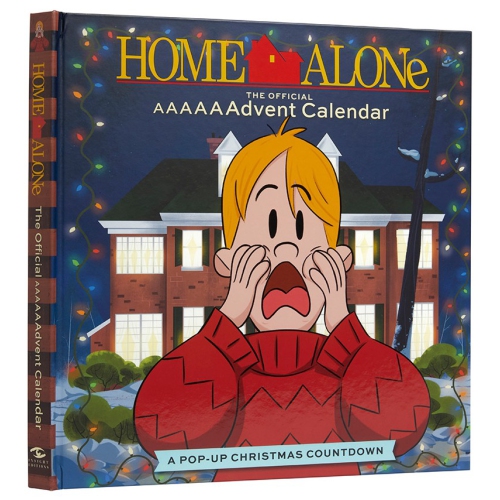
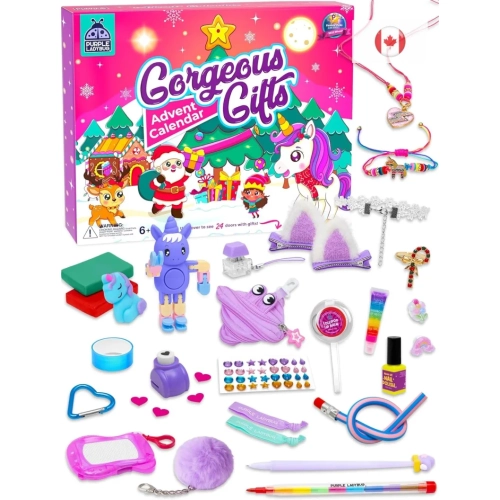
![HASBRO Clue: Advent Calendar - Secrets Under Snowfall [Board Game, 2-4 Players]](https://multimedia.bbycastatic.ca/multimedia/products/500x500/198/19814/19814740.jpeg)
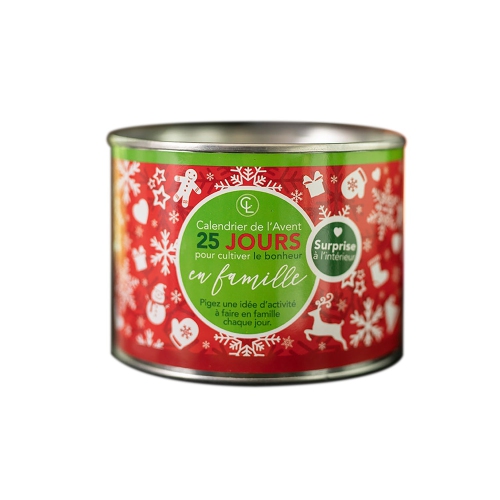
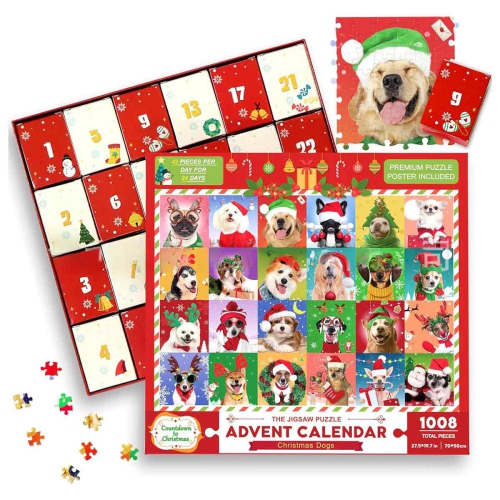
Small daily surprises turn Christmas countdowns into shared rituals
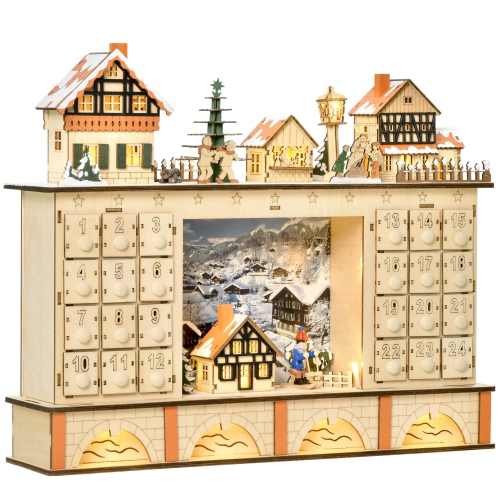
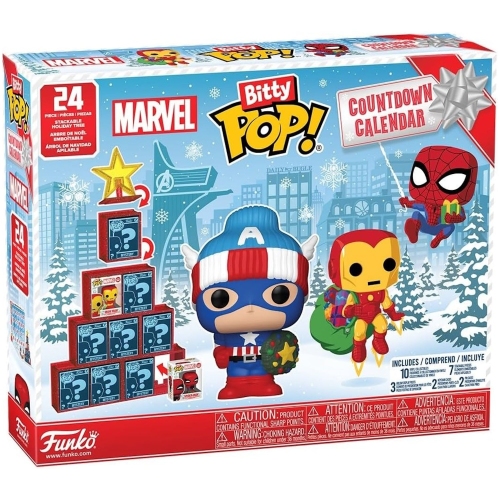
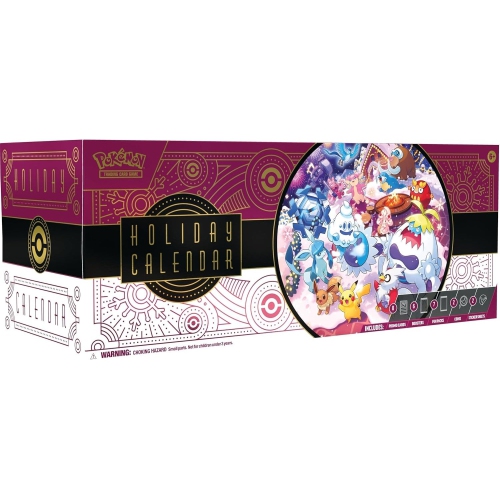
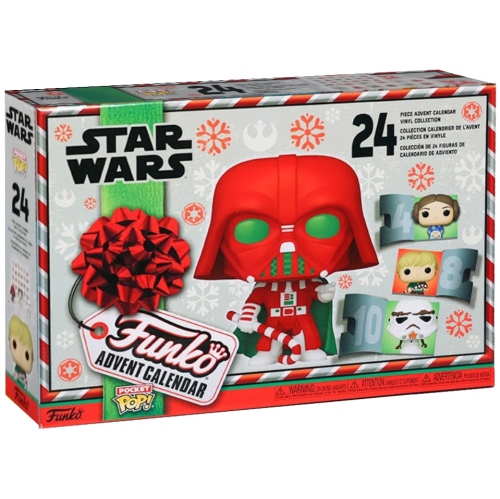
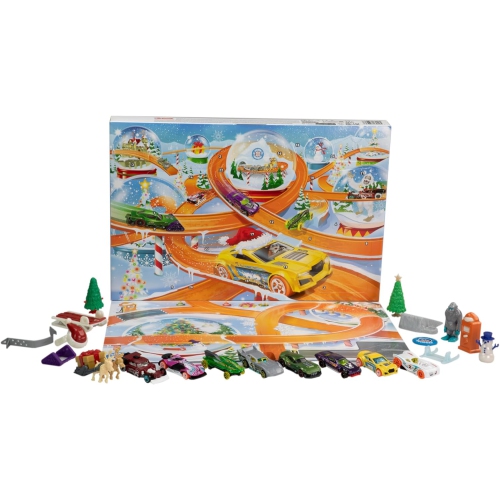
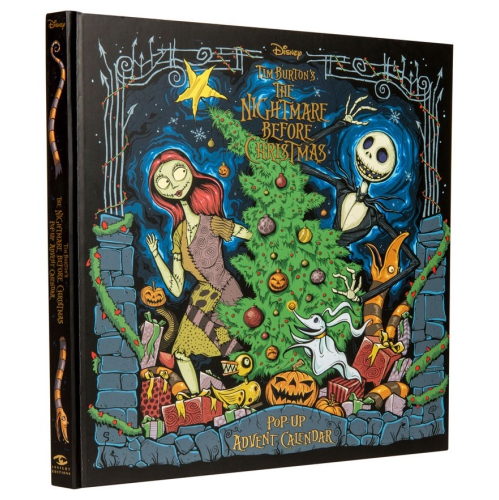
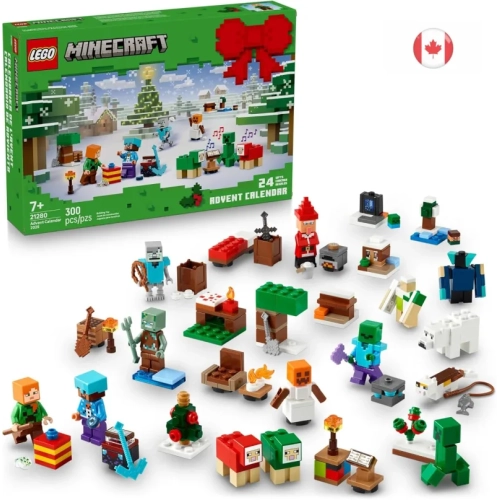
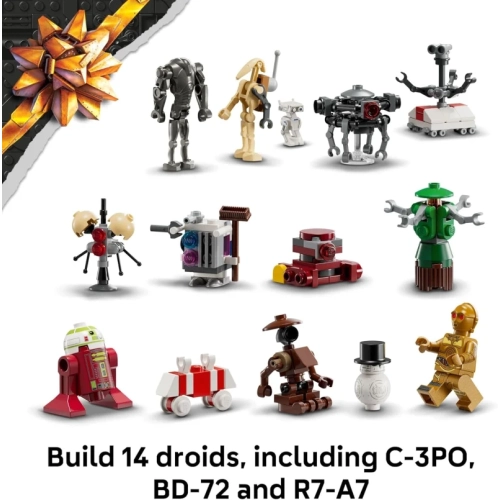
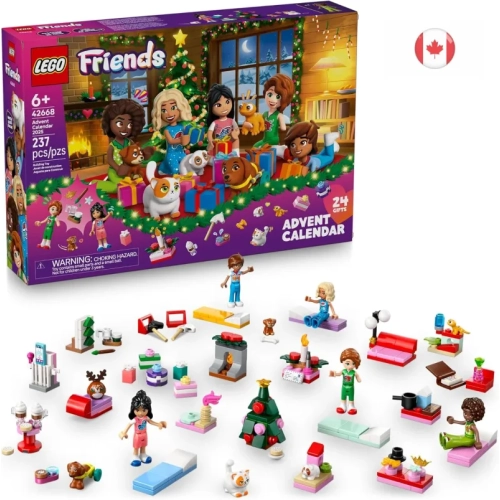
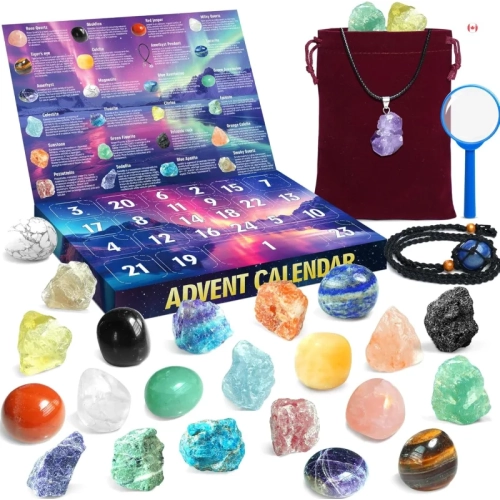
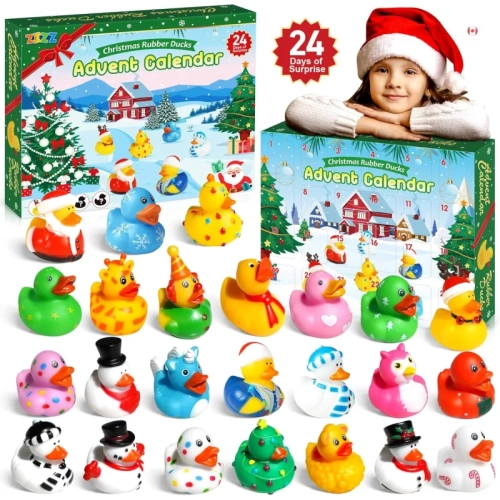
Fun advent calendars turn the countdown to Christmas into a series of small surprises, with numbered doors, drawers, pockets, or boxes that reveal something new each day. Many have 24 compartments, although shorter countdowns and other layouts also exist, so the number of openings helps establish how a calendar is meant to be used. The appeal goes beyond the final gift: opening a little door before breakfast or gathering around a new puzzle after dinner can become a familiar part of the holiday routine. Themes range from building toys, characters, and games to sweet treats, specialty drinks, crafts, and personal care, giving children, teenagers, and adults different ways to join in. A playful design might appeal to someone who enjoys collecting miniatures, while a hands-on format suits someone who would rather make something than simply unwrap it. Puzzle-based calendars can turn each opening into a shared challenge, and craft-themed formats offer the satisfaction of gradually assembling a finished creation. Food and drink themes bring a tasting element to the countdown, while pampering themes offer small additions to an everyday routine. The most enjoyable match usually reflects an interest the recipient already has, whether that is building, drawing, solving clues, or trying different flavours. A familiar character can make the ritual especially engaging for a child, but an appealing illustration alone does not establish whether the contents suit their age or abilities. For adults, the difference between a cheerful novelty and a genuinely enjoyable gift often lies in how useful or engaging the daily contents feel. Some calendars contain separate surprises that can be enjoyed in any order; others follow a sequence, with each day adding to a scene, project, or story. That distinction matters for anyone who may miss a day or share the calendar between households. A self-contained daily surprise is easy to enjoy whenever there is time, while a connected activity gives the recipient something to return to and develop throughout the countdown.
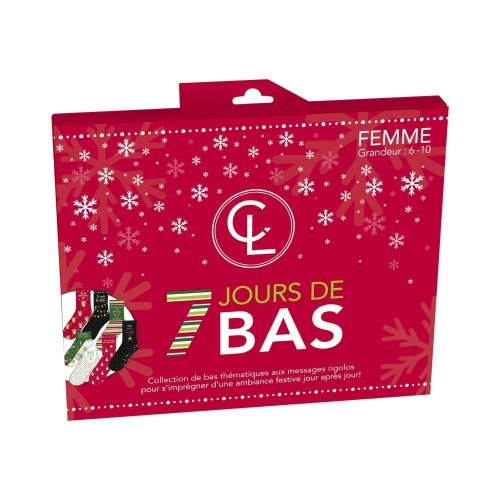
The construction of a calendar shapes both its appearance and its everyday practicality. Printed cardboard formats are often lightweight and easy to place on a shelf, while drawer-style boxes, wooden structures, and fabric pocket designs offer different ways to display and retrieve the contents. Firm partitions help keep surprises in their intended spaces, and doors or drawers that open cleanly make the daily ritual less frustrating for small hands or anyone with limited dexterity. A reusable design benefits from securely attached pockets, smooth edges, sturdy seams, and compartments that can withstand repeated opening. Size deserves attention beyond the overall height and width: drawers need clearance to slide out, fold-out panels need room to spread, and a hanging calendar needs an appropriate support for its filled weight. On a narrow mantel or crowded sideboard, a broad base and stable placement matter more than an elaborate shape. Keep heavier designs where they cannot be pulled down, and keep edible contents away from heat sources and direct sunlight according to their storage instructions. Age ratings and warnings apply to the contents as well as the outer calendar, particularly when small parts, magnets, or batteries are involved. A child who enjoys an older sibling’s hobby may still need a different age-appropriate format. For food themes, ingredient lists, allergen statements, serving sizes, and individual packaging deserve a close look, especially when several people will share the surprises. Personal care contents also need to suit the recipient’s sensitivities and preferences; a small format does not make a formula suitable for every skin type. Where wearable contents are included, sizing can matter just as much as the theme. Care depends on the materials: cardboard generally needs dry storage, wood should be cleaned according to its finish, and fabric should only be washed as directed. After the countdown, allowing reusable parts to dry fully before packing them away helps prevent damage. Keeping the outer structure protected from crushing also makes it easier to bring out again with its doors, corners, and details intact.
Advent Calendars can make thoughtful gifts for children, partners, friends, or relatives because the experience unfolds over time rather than ending with a single unwrapping. The intended setting helps distinguish a good fit. A calendar opened during a busy morning works well when each surprise can be enjoyed quickly or set aside safely, while one saved for an evening together can accommodate a longer build or a more involved challenge. For siblings, sharing works best when the format allows clear turns or a genuinely joint activity; a single tiny keepsake behind each door may be harder to divide than a puzzle everyone can help solve. A family calendar can become a gathering point without requiring an elaborate celebration every day. Picture a child finding the next number while an adult steadies the box, or two people comparing the latest addition to a growing miniature scene. Those modest, repeatable moments are often what make the countdown memorable. Fill-your-own calendars offer another approach, with empty compartments that let the giver shape the contents around the recipient’s interests and dietary needs. Pocket and drawer dimensions determine what will fit, and delicate contents may need a little protection so they do not shift or break. Numbered notes can introduce simple holiday activities alongside physical surprises, creating variety without making every opening a lengthy commitment. A clear sequence also helps if several surprises contribute to one finished project. For a recipient who travels over the holidays, a compact format or individually contained portions may be easier to manage than a large display that needs to stay assembled. Someone who likes to keep the contents will appreciate a theme with lasting play, display, or practical use, while someone who prefers fewer possessions may enjoy a countdown centred on activities or consumable treats. The balance between presentation and contents is worth considering: an impressive outer box sets the mood, but the daily experience carries the gift. A well-matched advent calendar brings together an appealing theme, manageable activities, suitable contents, and a format that fits naturally into the recipient’s home and routine.
The construction of a calendar shapes both its appearance and its everyday practicality. Printed cardboard formats are often lightweight and easy to place on a shelf, while drawer-style boxes, wooden structures, and fabric pocket designs offer different ways to display and retrieve the contents. Firm partitions help keep surprises in their intended spaces, and doors or drawers that open cleanly make the daily ritual less frustrating for small hands or anyone with limited dexterity. A reusable design benefits from securely attached pockets, smooth edges, sturdy seams, and compartments that can withstand repeated opening. Size deserves attention beyond the overall height and width: drawers need clearance to slide out, fold-out panels need room to spread, and a hanging calendar needs an appropriate support for its filled weight. On a narrow mantel or crowded sideboard, a broad base and stable placement matter more than an elaborate shape. Keep heavier designs where they cannot be pulled down, and keep edible contents away from heat sources and direct sunlight according to their storage instructions. Age ratings and warnings apply to the contents as well as the outer calendar, particularly when small parts, magnets, or batteries are involved. A child who enjoys an older sibling’s hobby may still need a different age-appropriate format. For food themes, ingredient lists, allergen statements, serving sizes, and individual packaging deserve a close look, especially when several people will share the surprises. Personal care contents also need to suit the recipient’s sensitivities and preferences; a small format does not make a formula suitable for every skin type. Where wearable contents are included, sizing can matter just as much as the theme. Care depends on the materials: cardboard generally needs dry storage, wood should be cleaned according to its finish, and fabric should only be washed as directed. After the countdown, allowing reusable parts to dry fully before packing them away helps prevent damage. Keeping the outer structure protected from crushing also makes it easier to bring out again with its doors, corners, and details intact.
Advent Calendars can make thoughtful gifts for children, partners, friends, or relatives because the experience unfolds over time rather than ending with a single unwrapping. The intended setting helps distinguish a good fit. A calendar opened during a busy morning works well when each surprise can be enjoyed quickly or set aside safely, while one saved for an evening together can accommodate a longer build or a more involved challenge. For siblings, sharing works best when the format allows clear turns or a genuinely joint activity; a single tiny keepsake behind each door may be harder to divide than a puzzle everyone can help solve. A family calendar can become a gathering point without requiring an elaborate celebration every day. Picture a child finding the next number while an adult steadies the box, or two people comparing the latest addition to a growing miniature scene. Those modest, repeatable moments are often what make the countdown memorable. Fill-your-own calendars offer another approach, with empty compartments that let the giver shape the contents around the recipient’s interests and dietary needs. Pocket and drawer dimensions determine what will fit, and delicate contents may need a little protection so they do not shift or break. Numbered notes can introduce simple holiday activities alongside physical surprises, creating variety without making every opening a lengthy commitment. A clear sequence also helps if several surprises contribute to one finished project. For a recipient who travels over the holidays, a compact format or individually contained portions may be easier to manage than a large display that needs to stay assembled. Someone who likes to keep the contents will appreciate a theme with lasting play, display, or practical use, while someone who prefers fewer possessions may enjoy a countdown centred on activities or consumable treats. The balance between presentation and contents is worth considering: an impressive outer box sets the mood, but the daily experience carries the gift. A well-matched advent calendar brings together an appealing theme, manageable activities, suitable contents, and a format that fits naturally into the recipient’s home and routine.
Top selling and popular products
-
 Your price for this item is $19.99
 -
 Your price for this item is $17.25
 -
![MATTEL Jurassic World: Roarin' Super Colossal Tyrannosaurus Rex [Toys, Ages 4+]](https://multimedia.bbycastatic.ca/multimedia/products/500x500/151/15136/15136683.jpg) Your price for this item is $189.99
Your price for this item is $189.99 -
 Your price for this item is $59.95
 -
 Your price for this item is $59.95
 -
 Your price for this item is $39.99
 -
 Your price for this item is $517.44
 -
 Your price for this item is $34.55
Discover more categories related to Fun Advent Calendars
Top Collections:
Pokemon Centers, Budget 4K TVs, Best Budget Office Chairs, Kindle Devices, Canon G7X Cameras, Apple iPhones 16, iPhone 15 Apple, Laptops for Business Work, Xiaomi Phones, Flip Phones
Some products may be subject to Environmental Handling Fees
(EHF) depending on your province.
Learn more about EHFs.