Skinny Tree Christmas
Get into the festive spirit with our collection of skinny tree Christmas decorations. These slim and sleek trees are perfect for adding a touch of holiday charm to any space, whether you're looking to spruce up your living room, office, or dorm room. With their slender profile, these trees are ideal for smaller rooms or for those who prefer a minimalist aesthetic. Explore our selection of skinny tree Christmas options to find the perfect one to brighten up your holiday season.
Sort

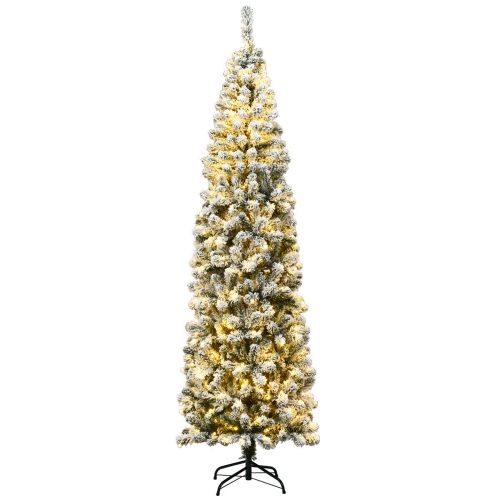
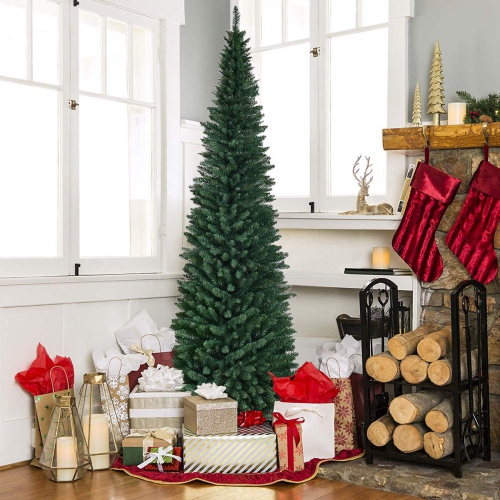
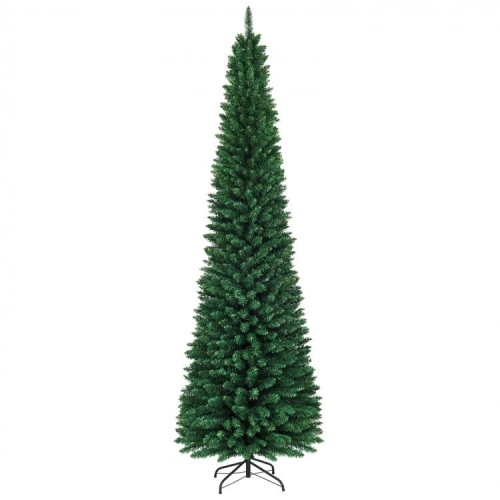

Skinny Tree Christmas
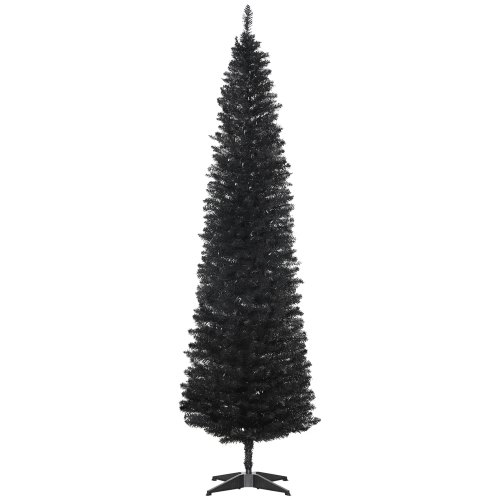
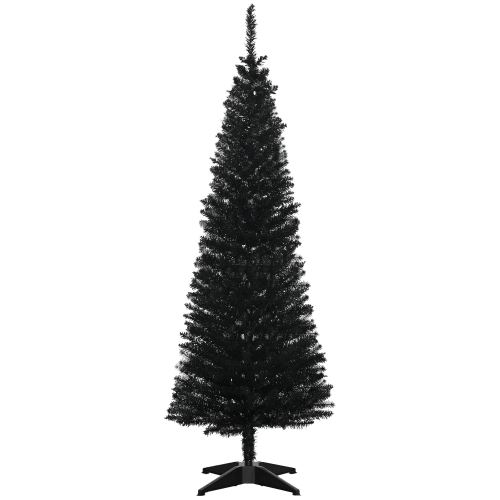
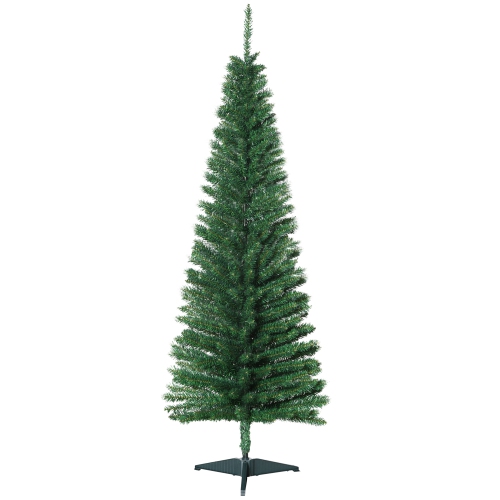
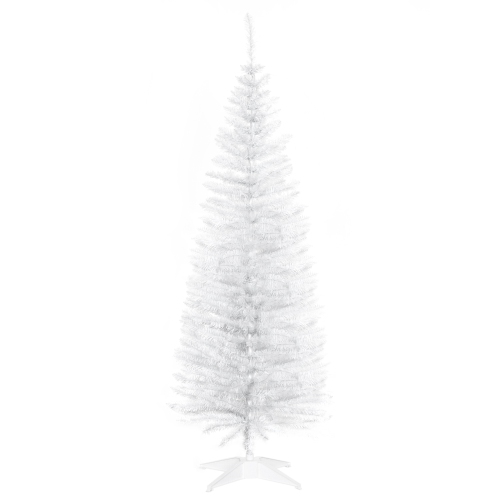
Skinny Christmas trees bring the warmth and sparkle of a traditional holiday display to spaces where a full-width tree may not be practical. Often called slim, pencil, or narrow Christmas trees, these tall, compact designs are made for corners, entryways, apartment living rooms, home offices, bedrooms, dining areas, and other spots where floor space is limited. Their narrow profile makes it easier to maintain a clear walkway while still creating a memorable focal point, whether the tree stands beside a console table, near a fireplace, or in a front window where its lights can be enjoyed from indoors and out. When choosing a skinny tree, consider both its height and its widest diameter rather than judging size by height alone. A taller narrow tree can add a graceful, room-height look, while a shorter design may suit a tabletop, children’s room, or compact sitting area. Measure the intended location from floor to ceiling, allowing extra space for a tree topper, and check the available width at the base as well as at the fullest branches. It is also helpful to account for nearby furniture, electrical outlets, heating vents, curtains, and door swings. A slim silhouette can make a small room feel more open, but the right proportions will help the tree look intentional rather than squeezed into place. For shoppers comparing styles, Tall and Thin Christmas Trees offer a useful direction for creating a vertically focused display. These trees can be especially appealing to people furnishing a condo, townhouse, dorm-style space, or first home, as well as families who want a second tree for a foyer, basement, playroom, or guest room. They also make thoughtful seasonal gifts for someone who has recently moved, enjoys decorating, or would appreciate a festive centrepiece without taking over their living area.
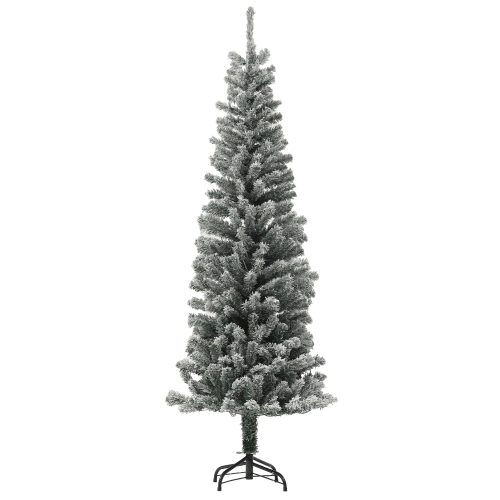
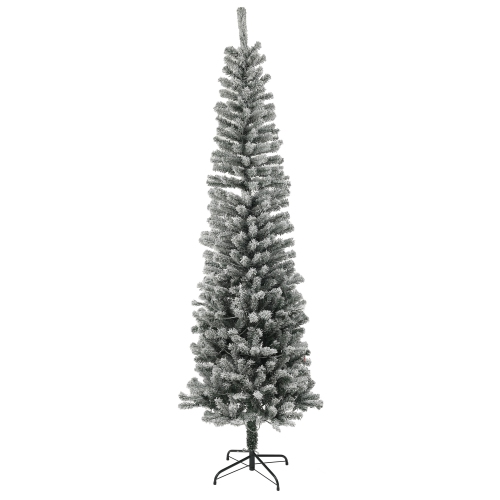
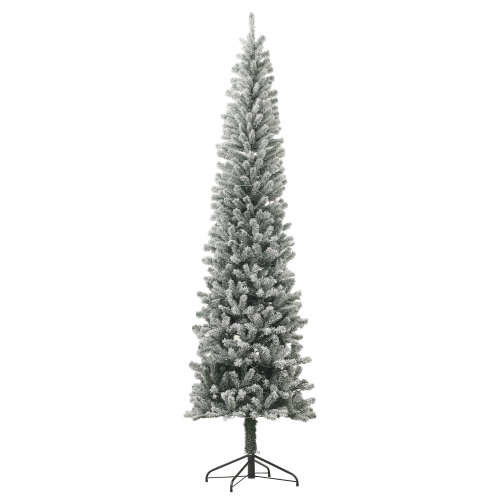
The branch style and finish can shape the entire mood of a skinny Christmas tree. A classic green finish blends easily with traditional ornaments and warm white lights, while a flocked design adds the soft, snow-dusted appearance associated with a woodland setting. Pencil-shaped trees have an especially narrow outline and work well in tight corners or beside built-in shelving, whereas fuller slim trees provide a little more room for ornaments while remaining more compact than standard designs. Pre-lit trees can simplify setup by placing lights evenly through the branches, which is useful for anyone who prefers a quicker decorating routine or has limited time for arranging strands. When evaluating a pre-lit design, look for information about the lighting colour, number of bulbs, cord placement, and whether the branches can be shaped to conceal connecting wires. Unlit trees offer more freedom to choose the colour, brightness, and style of lighting, making them a good fit for households that change their theme from year to year. Hinged branches and a sectional construction can make assembly more manageable, particularly when the tree will be carried up stairs or stored in a closet between seasons. Shape the branches patiently after setup; narrow trees often arrive compressed, and carefully separating each tip can make the silhouette look noticeably fuller. For decorating, smaller and medium-sized ornaments usually suit the scale of the branches and help prevent the tree from appearing crowded. Place a few larger decorations deeper inside the tree to create depth, then layer smaller pieces toward the tips. More lights than expected can give a slim tree a richer glow, especially when the branches are spaced far enough apart to show the central pole. Ribbon, garland, and flexible filler branches can soften gaps and add dimension, while smaller floral stems are less likely to extend awkwardly beyond the narrow outline. If a favourite decoration is too large, positioning it lower or closer to the trunk can keep the overall shape balanced.
Skinny Christmas trees are also convenient for seasonal storage, but planning for the end of the decorating season is just as important as planning the initial setup. Before taking the tree apart, remove ornaments carefully and allow any branches or fabric finishes to dry if they have been exposed to moisture. Labeling sections or photographing the assembled tree can make the next setup faster, particularly when the tree has several similar pieces. A storage bag or sturdy container should be large enough to avoid crushing the branch tips, and the tree should be kept in a dry area away from sharp objects that could damage wiring or finishes. For a home with young children or pets, place the tree on a stable, level surface and keep cords secured along the wall or behind furniture. A narrow base does not automatically mean a tree is difficult to steady, but checking the stand, keeping heavier decorations lower, and avoiding overloading one side can improve stability. The same practical details matter when giving a skinny tree as a gift: consider the recipient’s ceiling height, storage space, decorating habits, and preferred look before choosing a style. Someone who enjoys a polished display may appreciate a pre-lit or flocked finish, while a creative decorator may prefer an unlit tree that can be styled from scratch. During the cooler months, a slim tree can make a quiet reading corner feel inviting, brighten a small gathering space, or add a touch of holiday character to an entryway without obstructing everyday routines. With the right height, branch shape, lighting, and ornament scale, a skinny Christmas tree can provide the atmosphere of a larger holiday display while fitting comfortably into the way people actually live.
The branch style and finish can shape the entire mood of a skinny Christmas tree. A classic green finish blends easily with traditional ornaments and warm white lights, while a flocked design adds the soft, snow-dusted appearance associated with a woodland setting. Pencil-shaped trees have an especially narrow outline and work well in tight corners or beside built-in shelving, whereas fuller slim trees provide a little more room for ornaments while remaining more compact than standard designs. Pre-lit trees can simplify setup by placing lights evenly through the branches, which is useful for anyone who prefers a quicker decorating routine or has limited time for arranging strands. When evaluating a pre-lit design, look for information about the lighting colour, number of bulbs, cord placement, and whether the branches can be shaped to conceal connecting wires. Unlit trees offer more freedom to choose the colour, brightness, and style of lighting, making them a good fit for households that change their theme from year to year. Hinged branches and a sectional construction can make assembly more manageable, particularly when the tree will be carried up stairs or stored in a closet between seasons. Shape the branches patiently after setup; narrow trees often arrive compressed, and carefully separating each tip can make the silhouette look noticeably fuller. For decorating, smaller and medium-sized ornaments usually suit the scale of the branches and help prevent the tree from appearing crowded. Place a few larger decorations deeper inside the tree to create depth, then layer smaller pieces toward the tips. More lights than expected can give a slim tree a richer glow, especially when the branches are spaced far enough apart to show the central pole. Ribbon, garland, and flexible filler branches can soften gaps and add dimension, while smaller floral stems are less likely to extend awkwardly beyond the narrow outline. If a favourite decoration is too large, positioning it lower or closer to the trunk can keep the overall shape balanced.
Skinny Christmas trees are also convenient for seasonal storage, but planning for the end of the decorating season is just as important as planning the initial setup. Before taking the tree apart, remove ornaments carefully and allow any branches or fabric finishes to dry if they have been exposed to moisture. Labeling sections or photographing the assembled tree can make the next setup faster, particularly when the tree has several similar pieces. A storage bag or sturdy container should be large enough to avoid crushing the branch tips, and the tree should be kept in a dry area away from sharp objects that could damage wiring or finishes. For a home with young children or pets, place the tree on a stable, level surface and keep cords secured along the wall or behind furniture. A narrow base does not automatically mean a tree is difficult to steady, but checking the stand, keeping heavier decorations lower, and avoiding overloading one side can improve stability. The same practical details matter when giving a skinny tree as a gift: consider the recipient’s ceiling height, storage space, decorating habits, and preferred look before choosing a style. Someone who enjoys a polished display may appreciate a pre-lit or flocked finish, while a creative decorator may prefer an unlit tree that can be styled from scratch. During the cooler months, a slim tree can make a quiet reading corner feel inviting, brighten a small gathering space, or add a touch of holiday character to an entryway without obstructing everyday routines. With the right height, branch shape, lighting, and ornament scale, a skinny Christmas tree can provide the atmosphere of a larger holiday display while fitting comfortably into the way people actually live.
Top selling and popular products
-
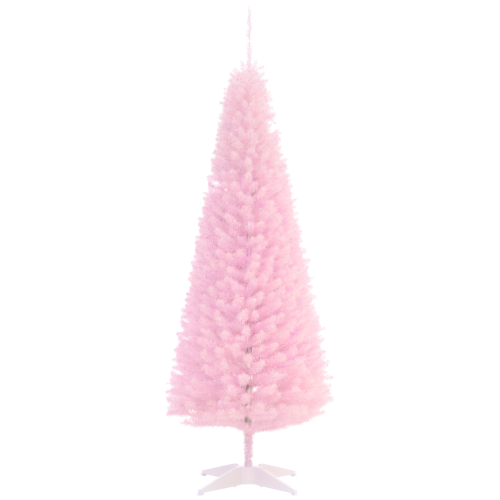 Your price for this item is $49.99
 -
 Your price for this item is $79
 -
 Your price for this item is $54.99
 -
 Your price for this item is $49.99
 -
 Your price for this item is $52
 -
 Your price for this item is $137.99
 -
 Your price for this item is $141.99
 -
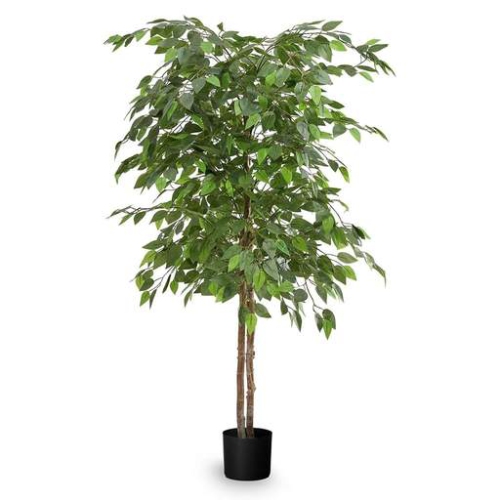 Your price for this item is $116.99
Discover more categories related to Skinny Tree Christmas
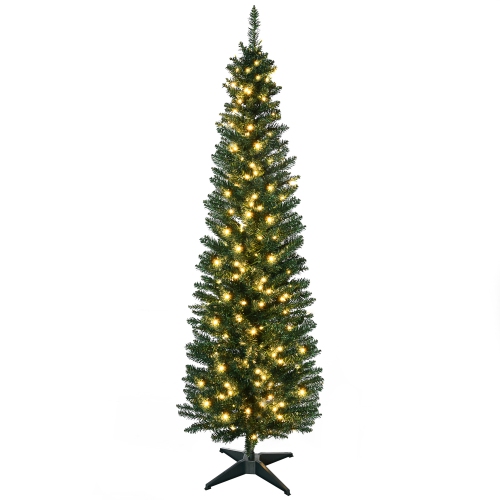
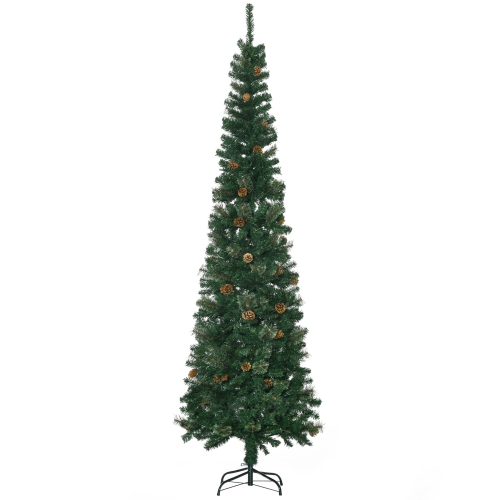
Top Collections:
Pokemon Centers, Kindle Devices, Budget Smartphones, Budget 4K TVs, Apple iPhones 16, Canon G7X Cameras, iPhone 15 Apple, Alarm Clock, Budget-Friendly Wireless Earbuds, iPhone 14 256GB
Some products may be subject to Environmental Handling Fees
(EHF) depending on your province.
Learn more about EHFs.