Clear-Lens Smart Glasses
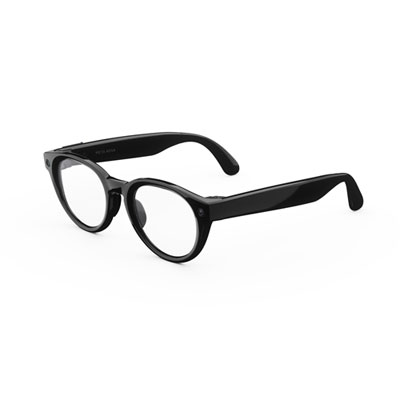
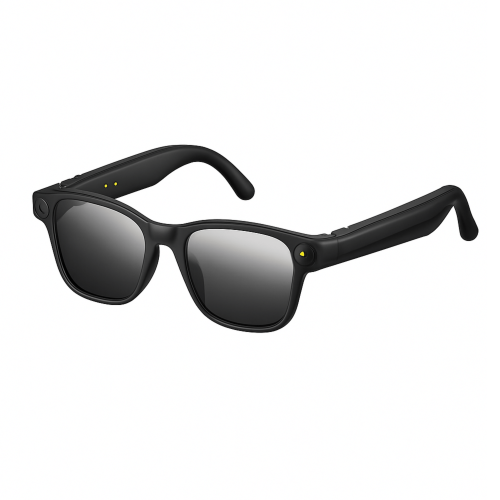
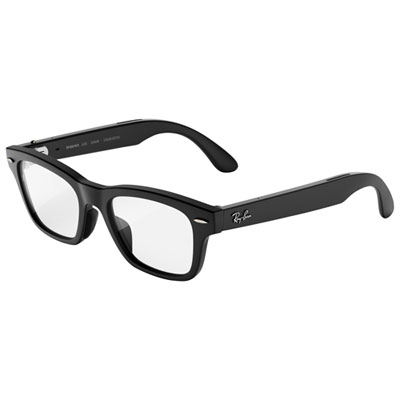
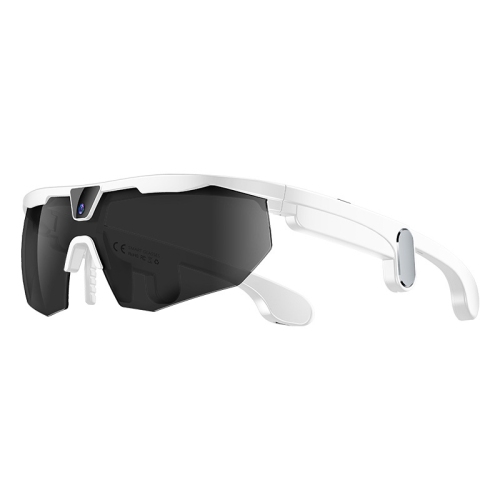
Explore clear-lens smart glasses for connected eyewear with untinted lenses. Compare frame styles, fit, device compatibility, and each model’s listed smart features to find a pair that suits your daily routine.


















































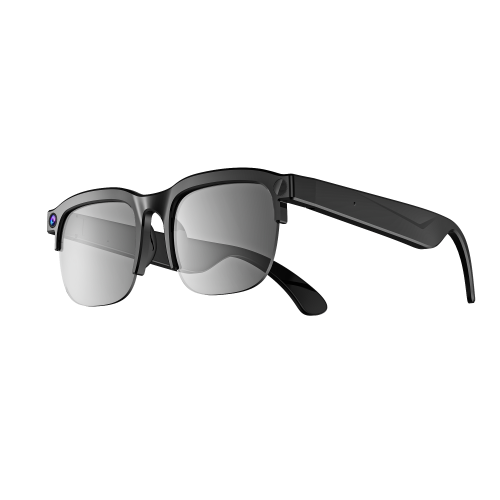
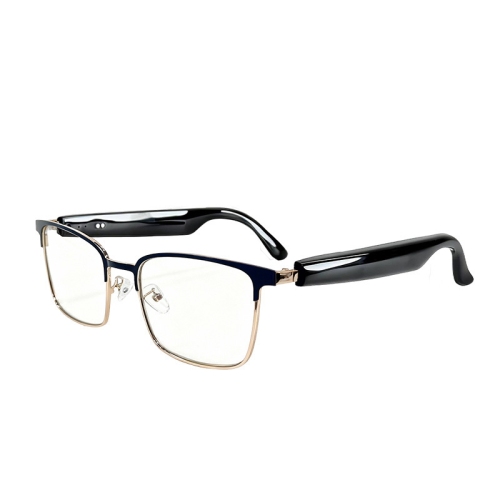
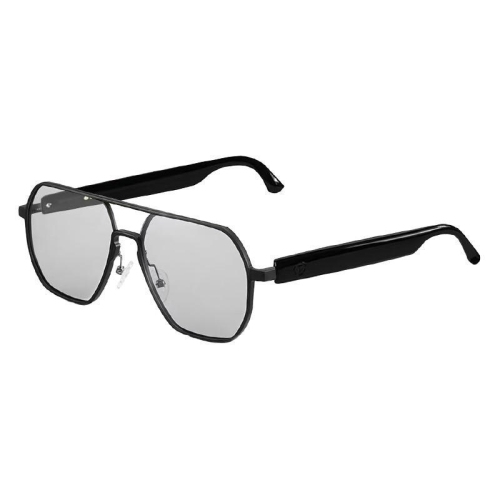
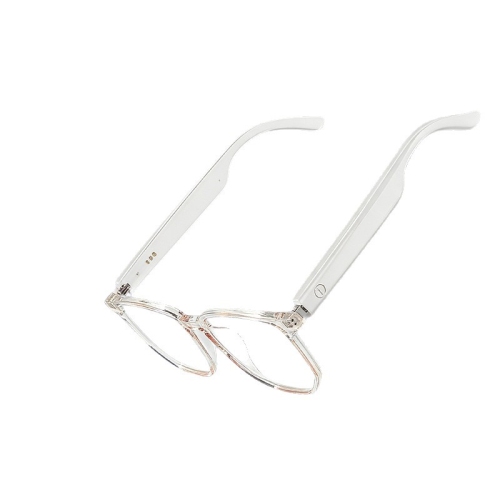

FAQ
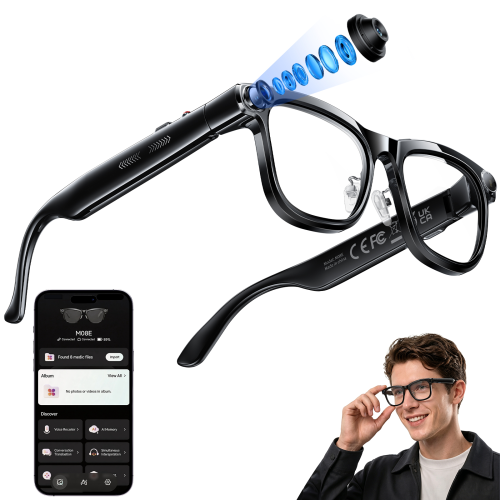
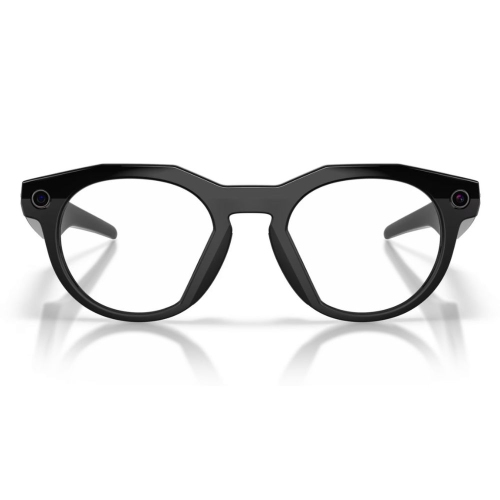
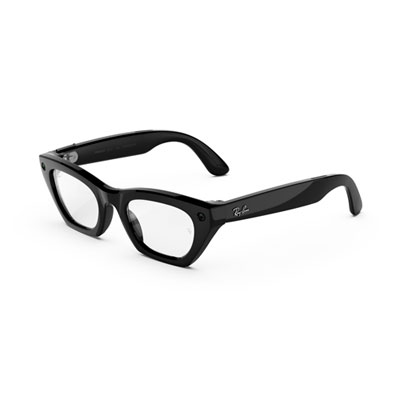
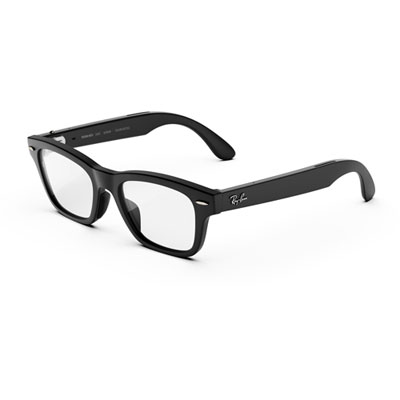
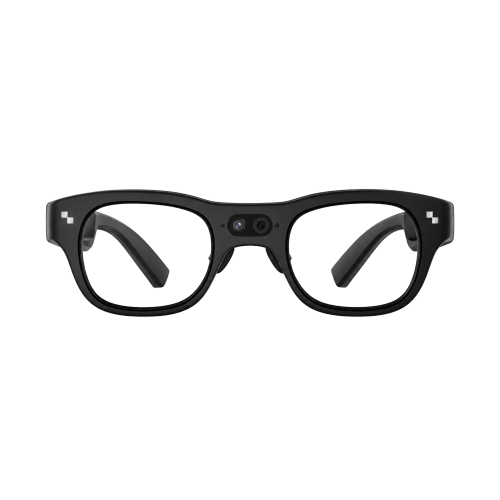
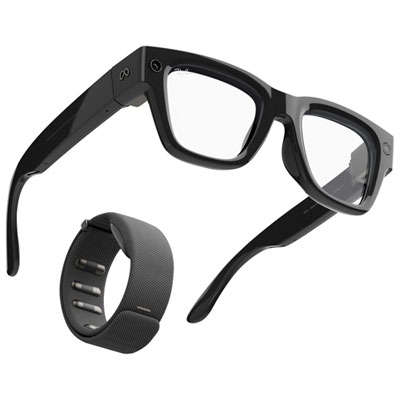
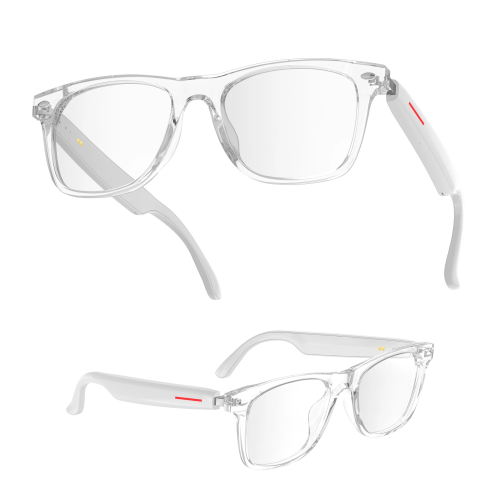
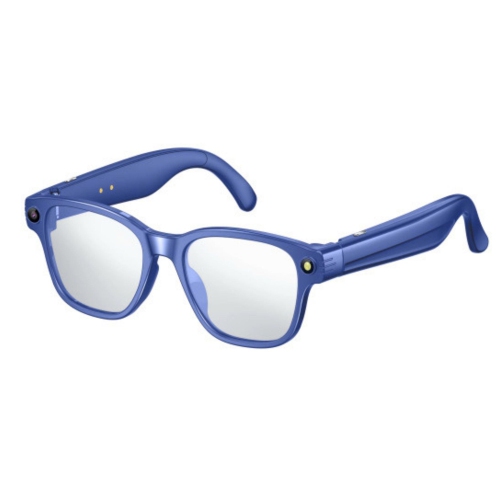
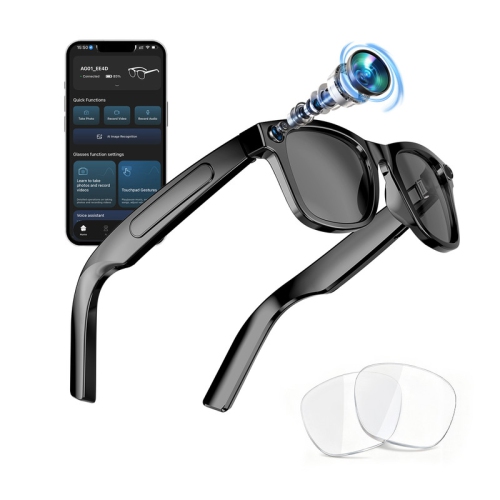
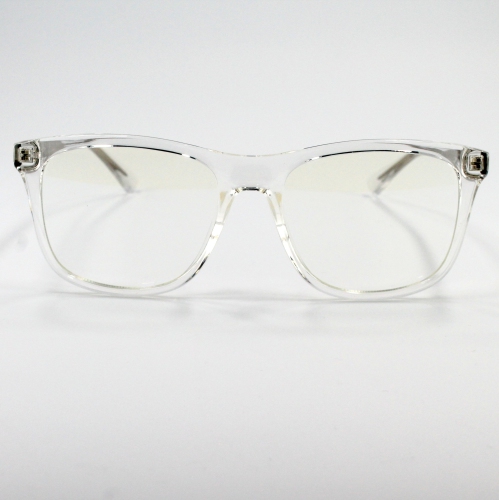
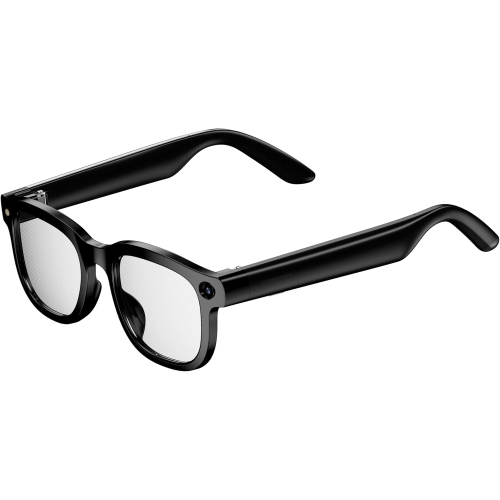
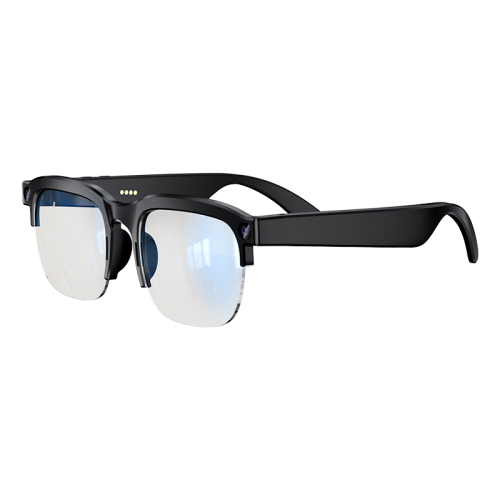
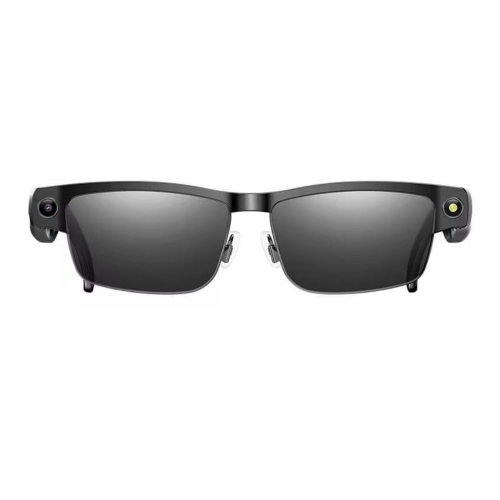
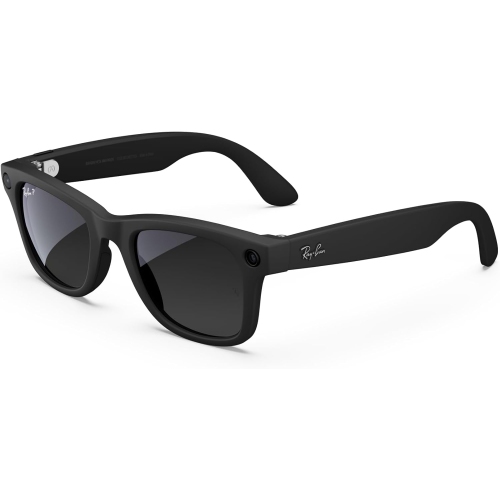
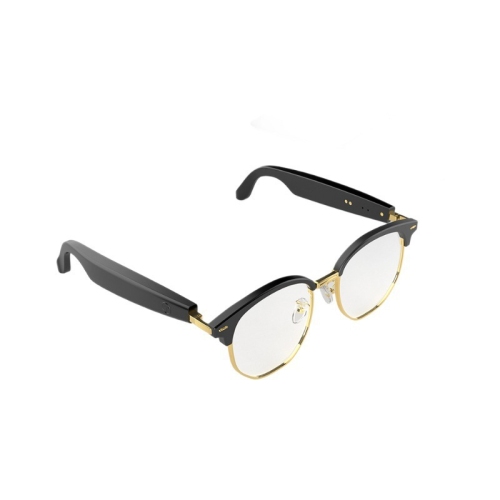
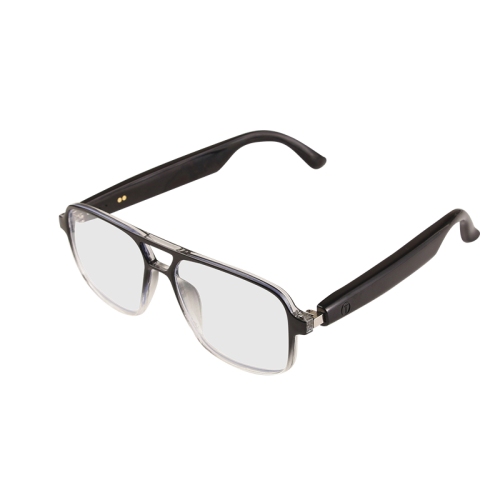
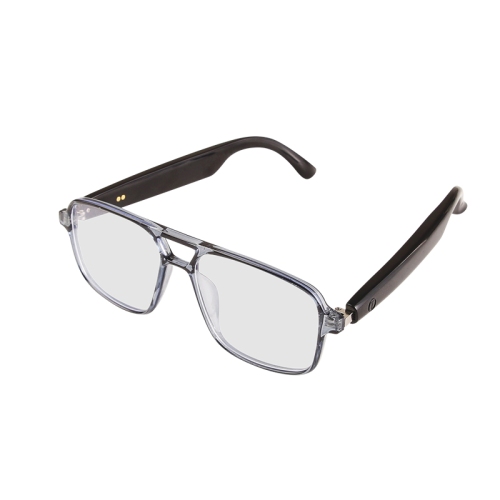
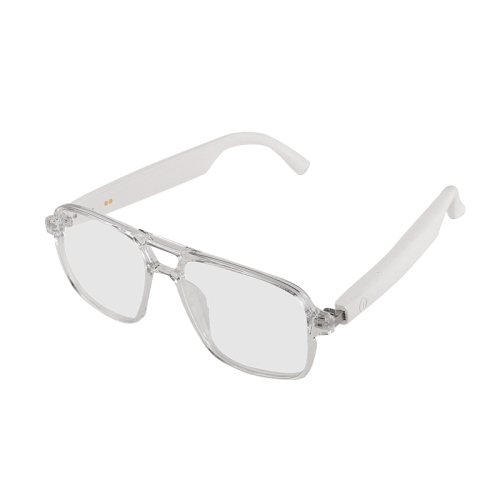
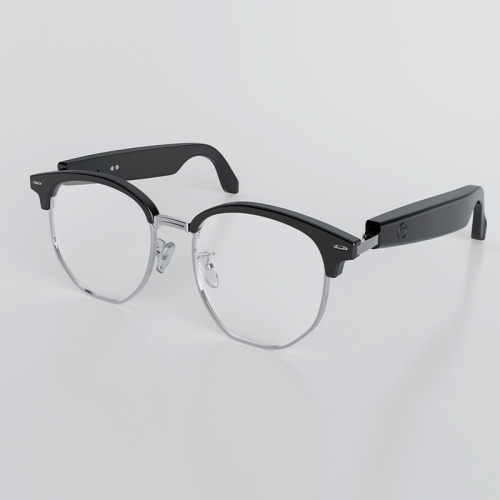
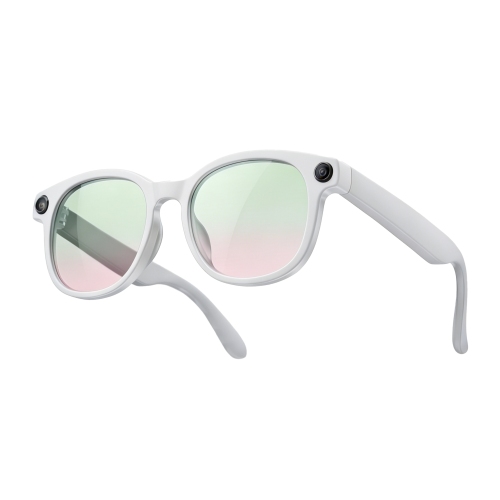
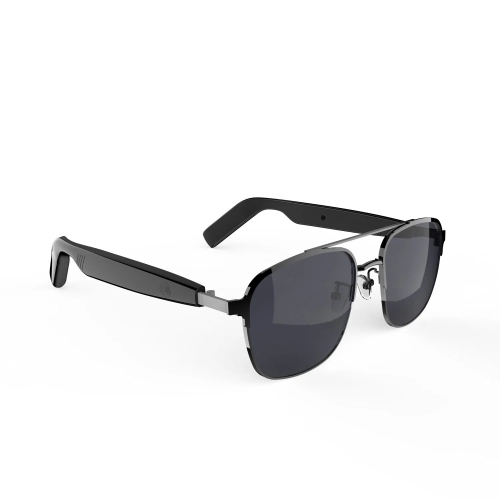
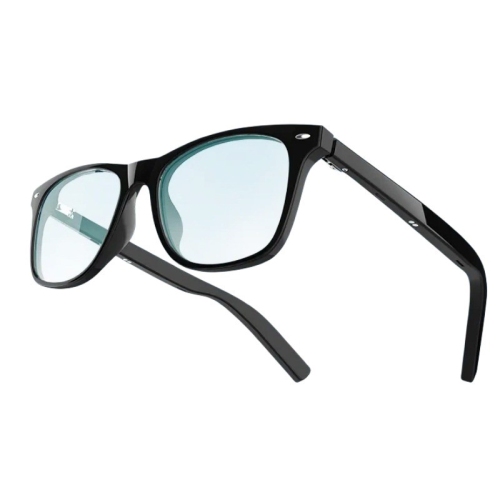
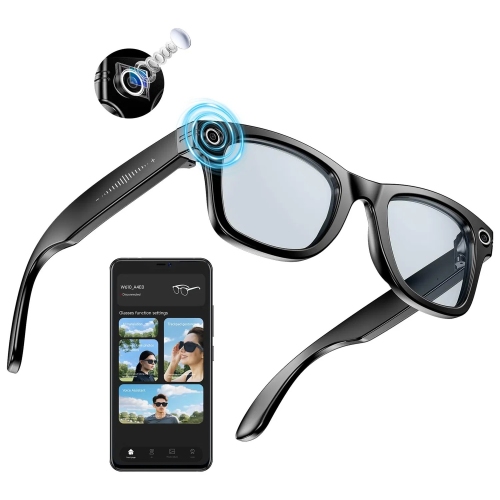
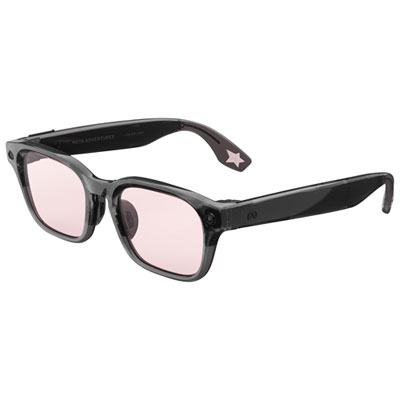
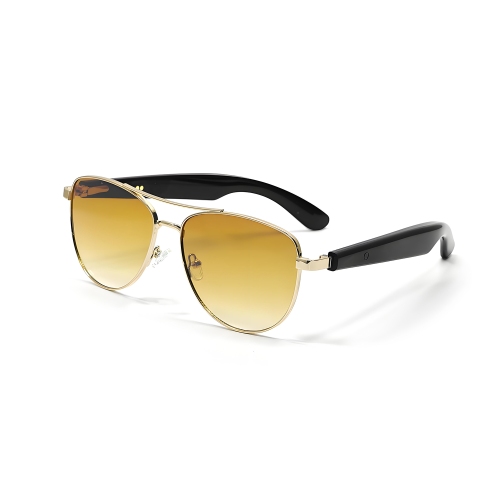
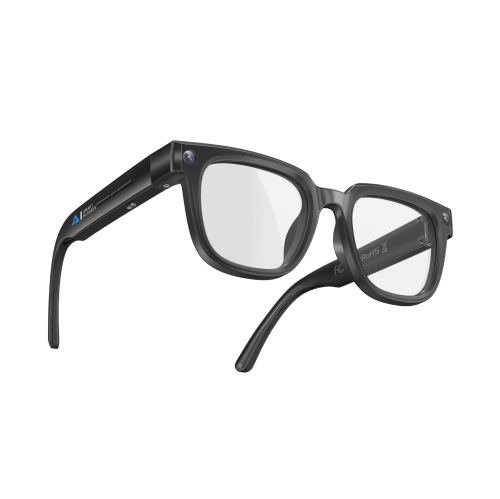
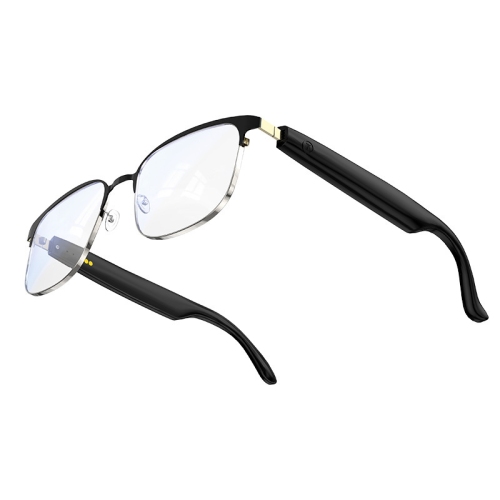
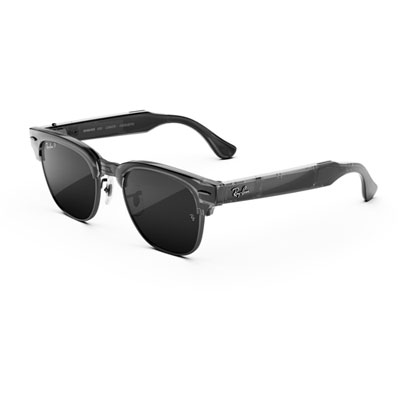
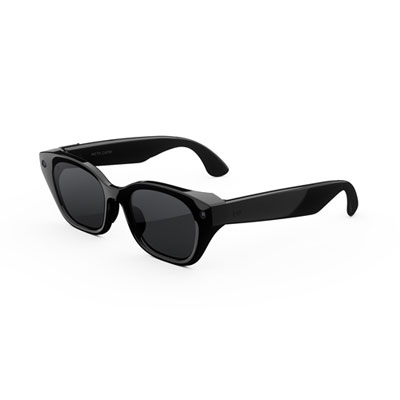
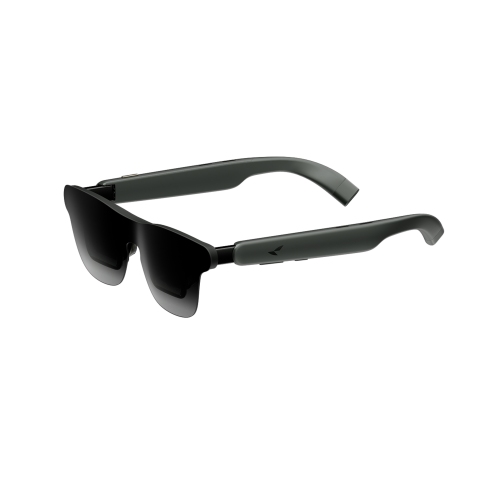
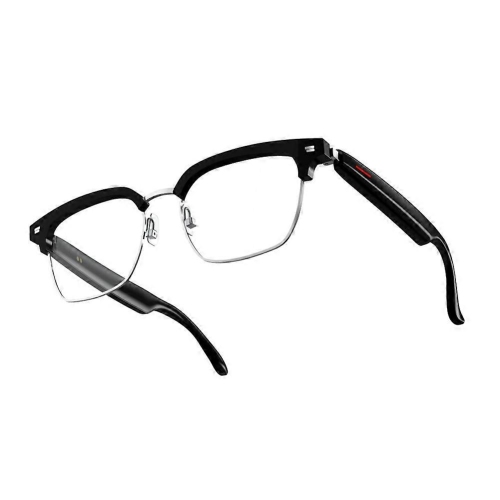
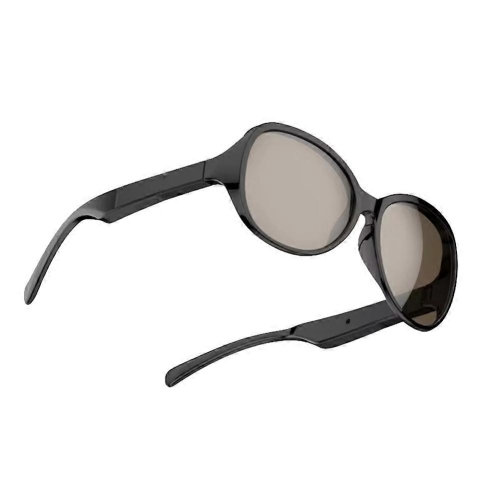
Clear-lens smart glasses combine transparent lenses with connected features built into the frames. Depending on the model, these features may include speakers, microphones, a camera, voice controls or a built-in display. Clear lenses do not necessarily mean the glasses have a screen.
Many clear-lens smart glasses pair with a compatible smartphone through Bluetooth and use a companion app for setup and settings. Some models also use Wi-Fi for tasks such as transferring photos or installing updates. Phone and operating system compatibility varies by model.
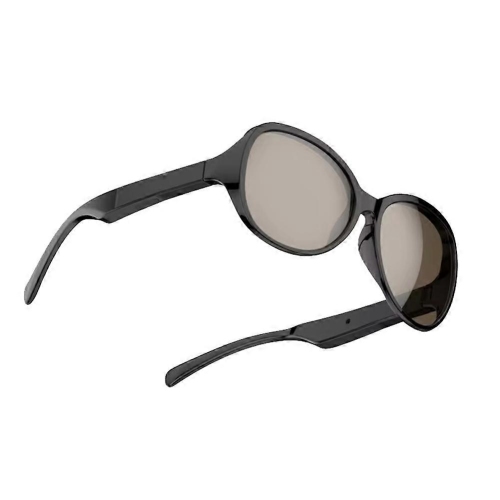
Models with built-in speakers and microphones may support music, podcasts and phone calls through a connected smartphone. Audio-focused designs often use open-ear speakers, so you can listen without placing earbuds in your ears. Playback and call controls may use buttons, touch controls or voice commands.
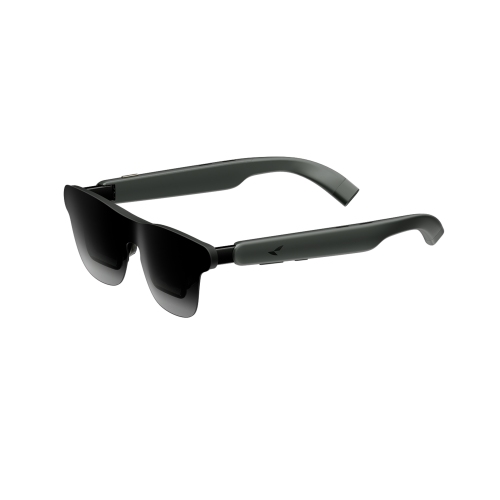
Only models with a built-in display can show visual information, such as notifications or navigation prompts, in your field of view. Models without a display may provide supported alerts through audio instead. Notification options depend on the glasses, connected phone and compatible apps.
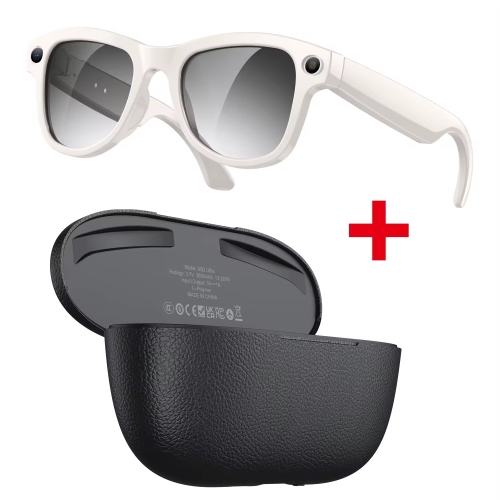
Clear-lens smart glasses typically have a rechargeable battery built into the frames. Depending on the design, they may charge in a case, on a dock or through a dedicated cable. Charging time and battery life vary with the model and the features you use.
Top selling and popular products
Discover more categories related to Clear-Lens Smart Glasses


Some products may be subject to Environmental Handling Fees (EHF) depending on your province. Learn more about EHFs.