Digital Dual Alarm Clock
If you're looking for a dual alarm clock, we've got you covered. These digital dual alarm clocks are made for people having difficulties waking up on time. These are convenient for people who like setting multiple alarms. Here are some of the top choices for digital dual alarm clocks available today.
Sort
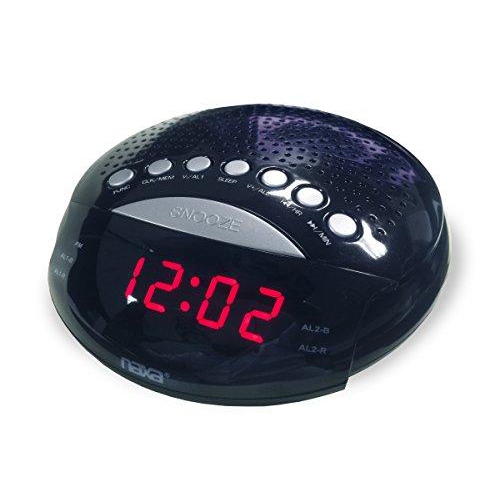
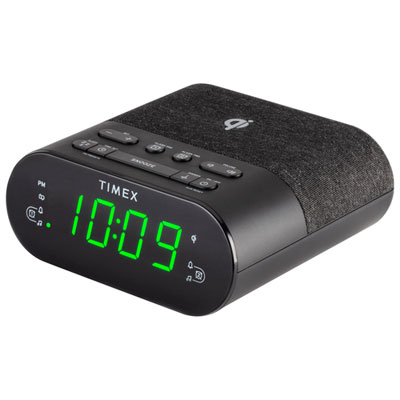
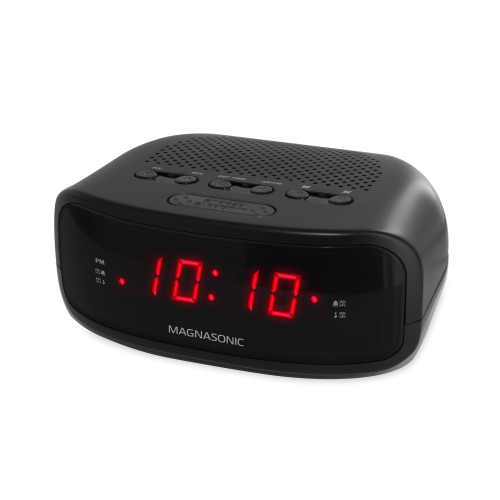
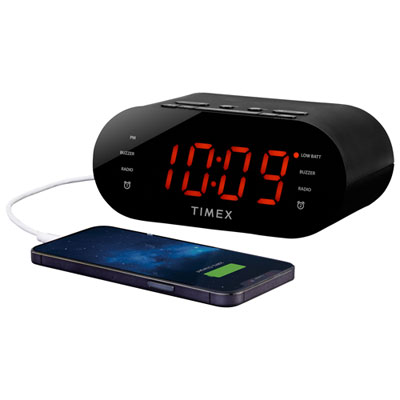
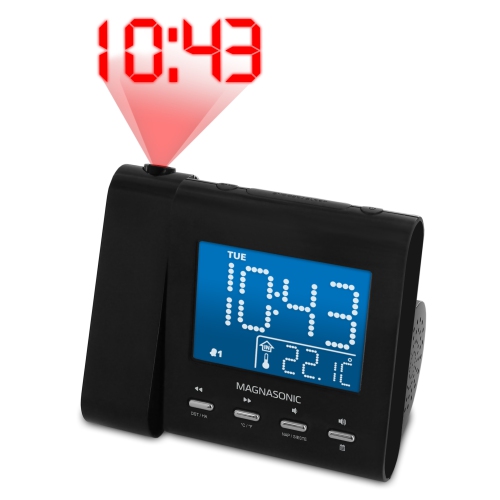
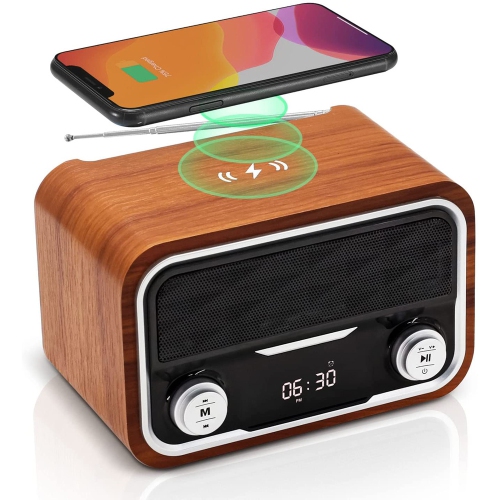
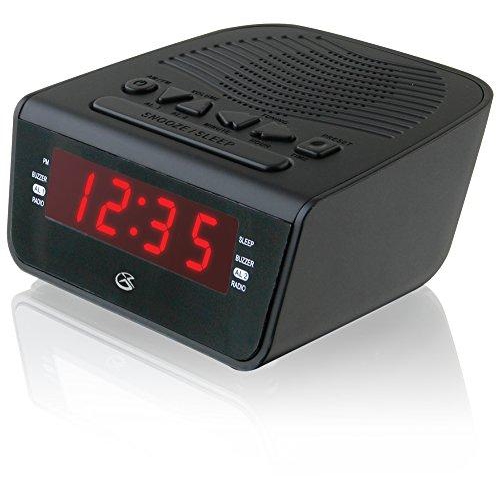
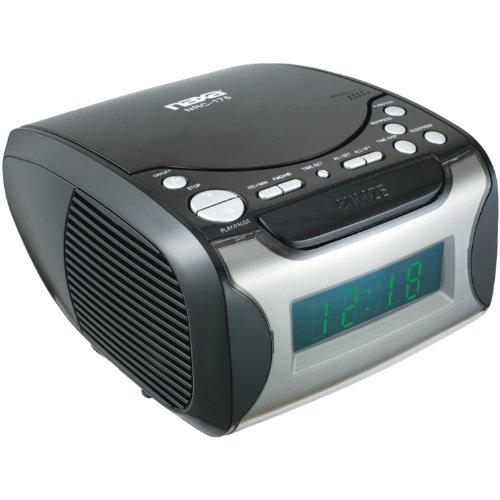

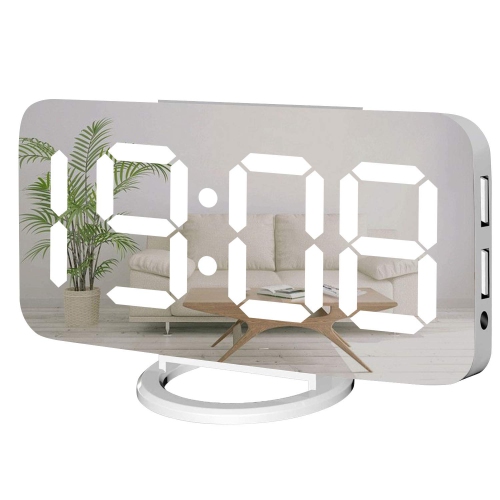
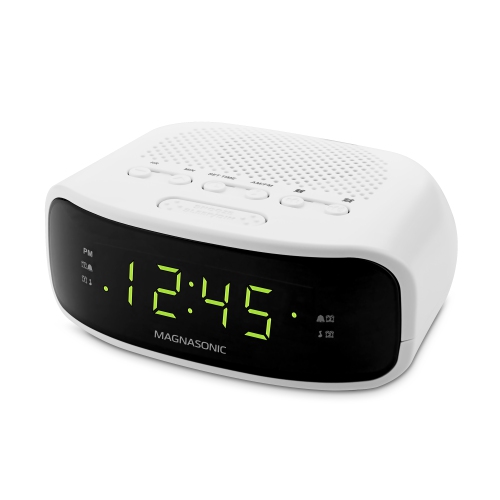
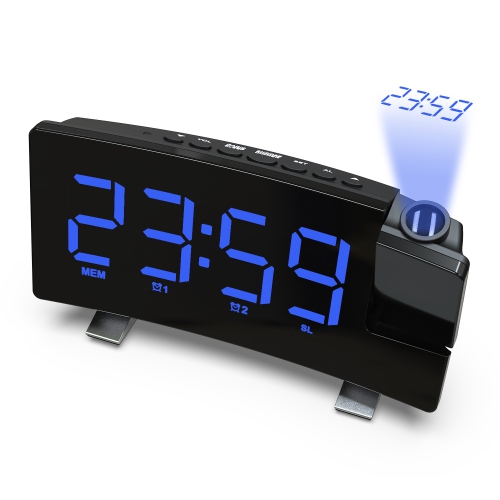
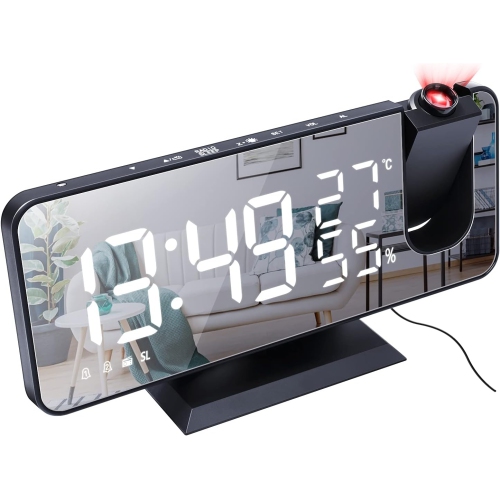
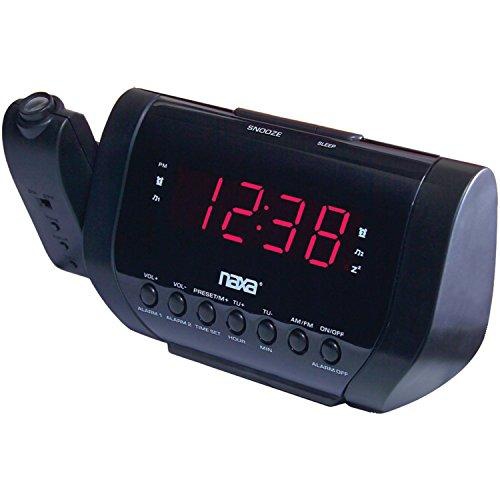
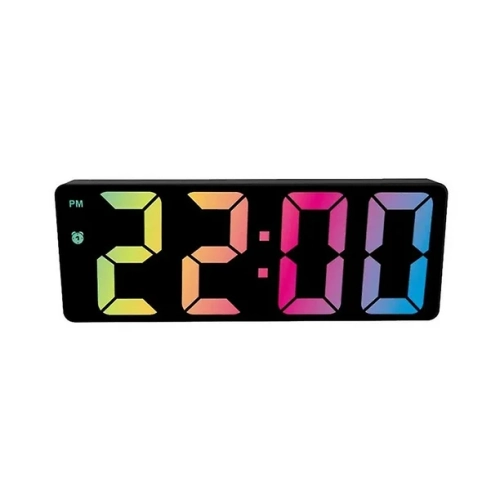
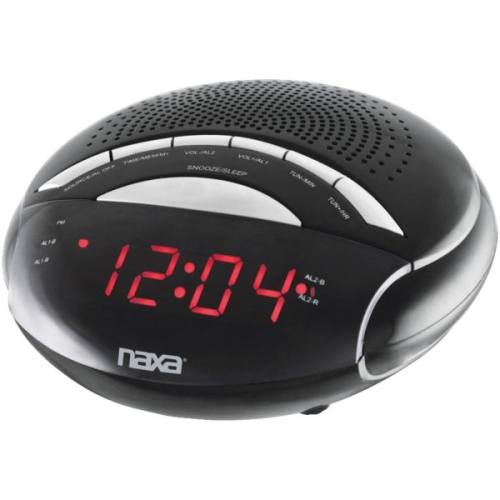
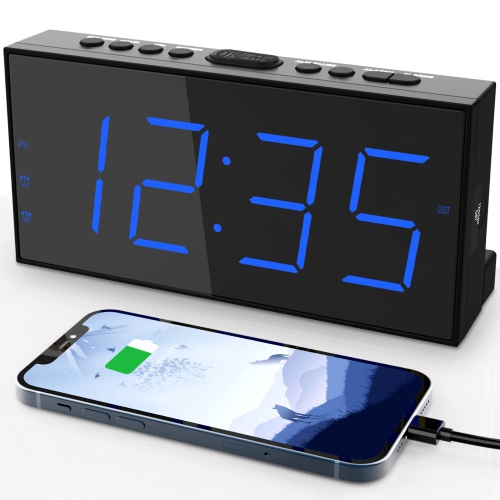
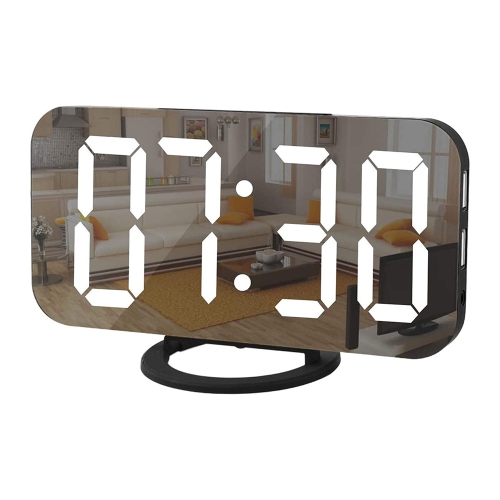
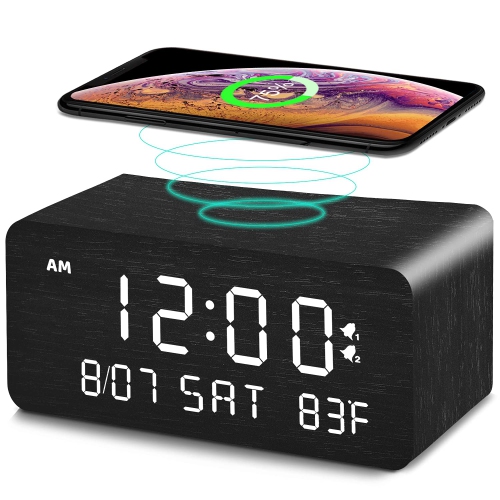
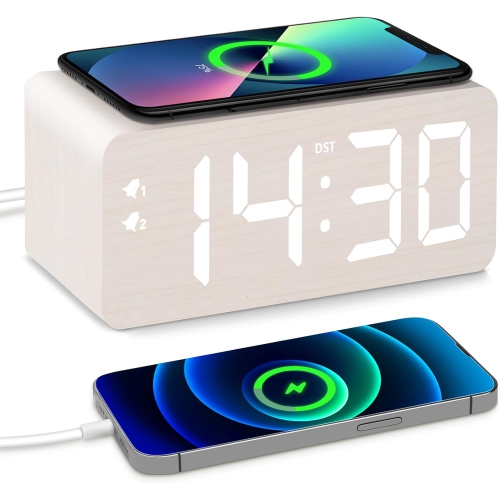
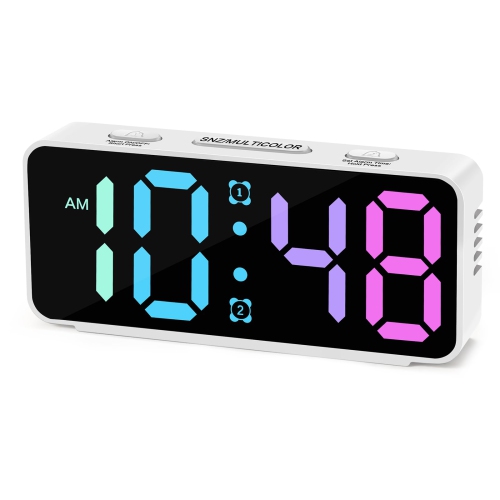
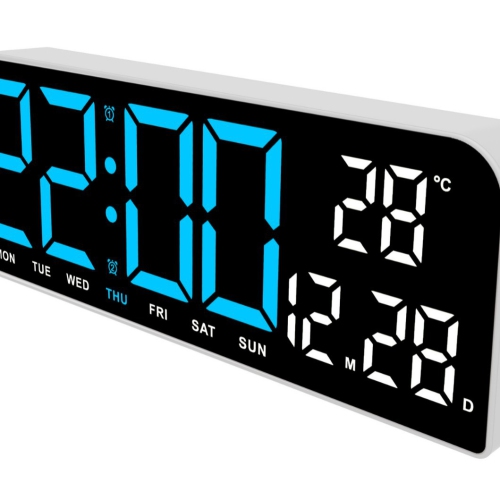
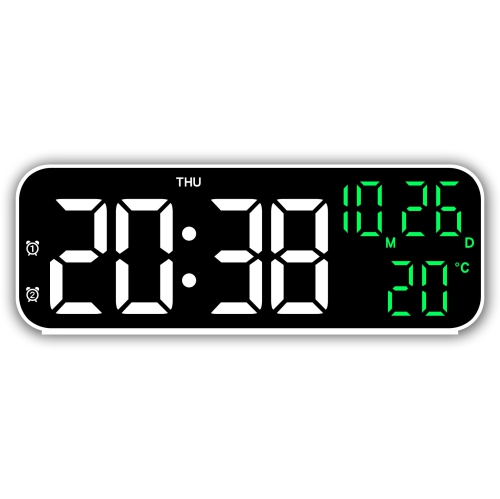
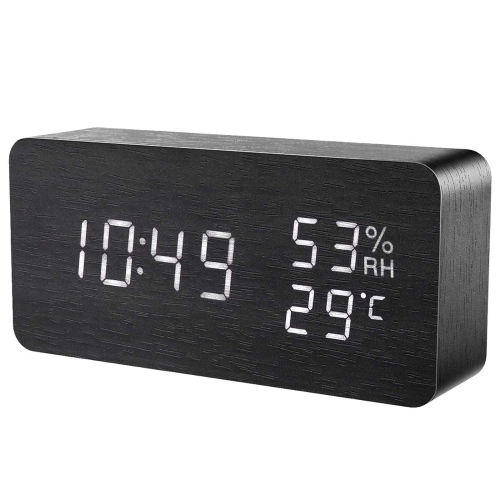
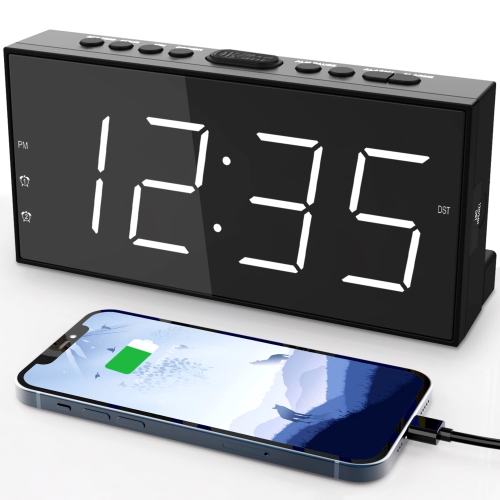
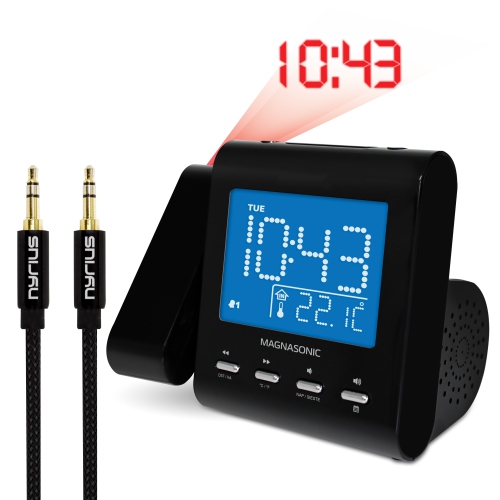
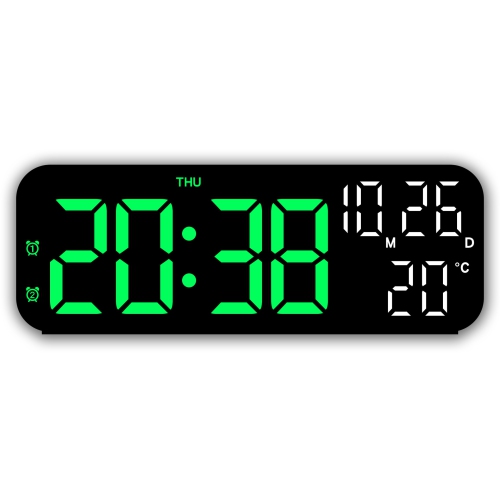
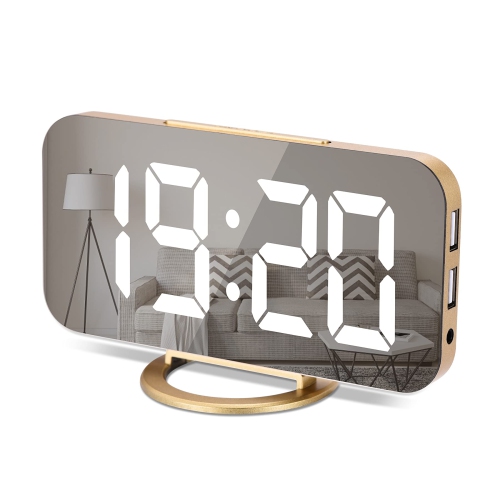
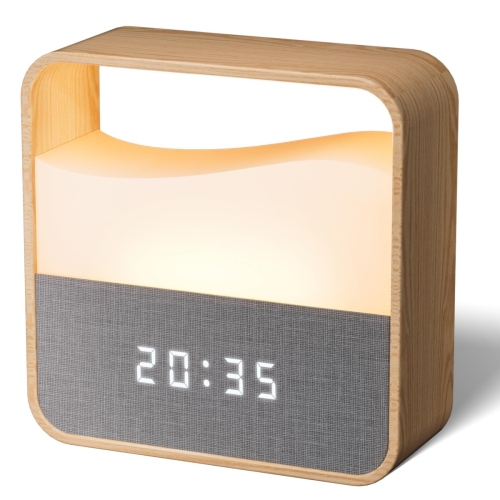
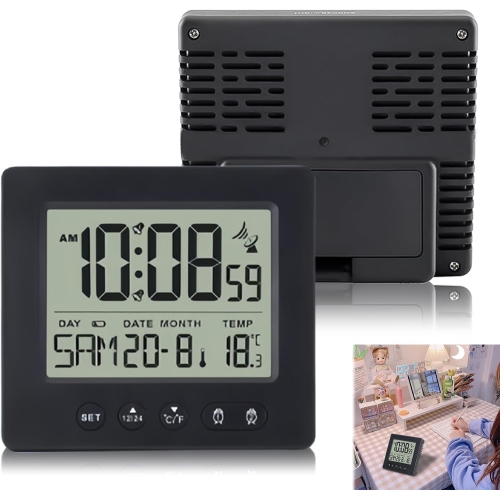
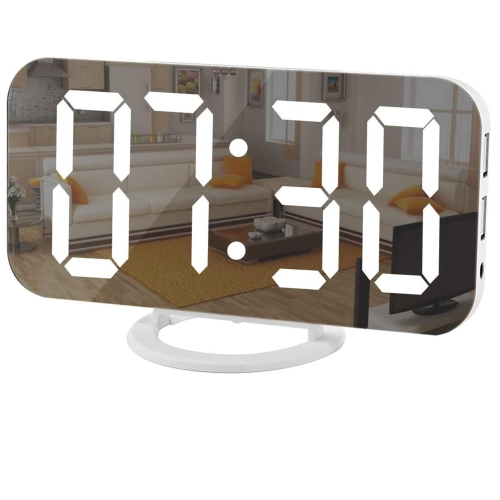
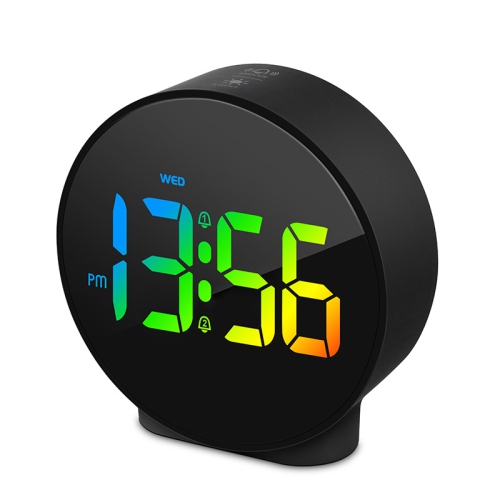
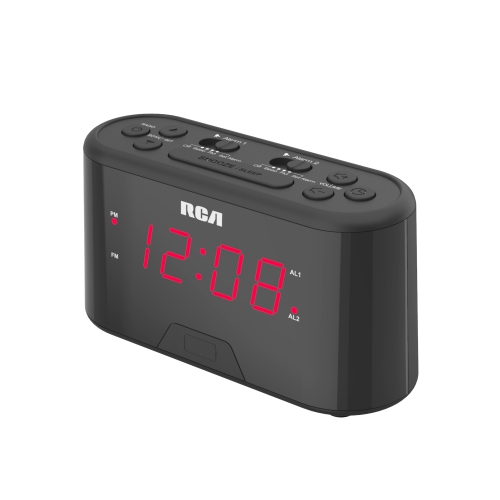
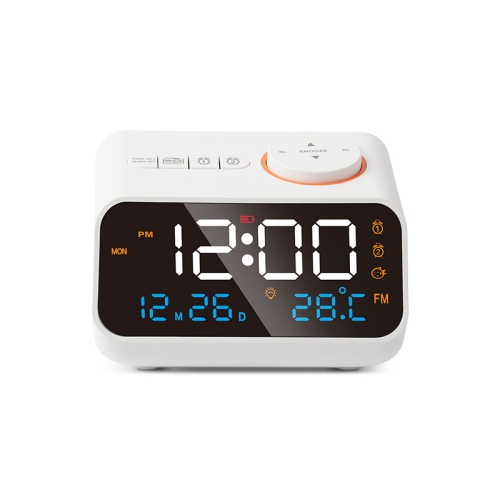
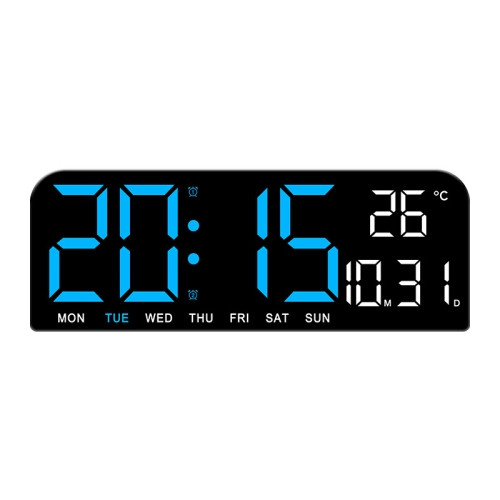
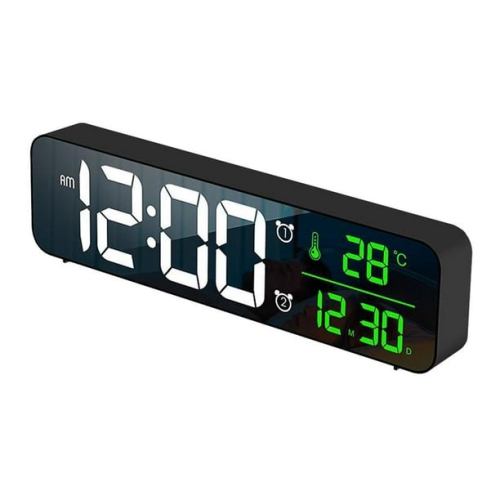
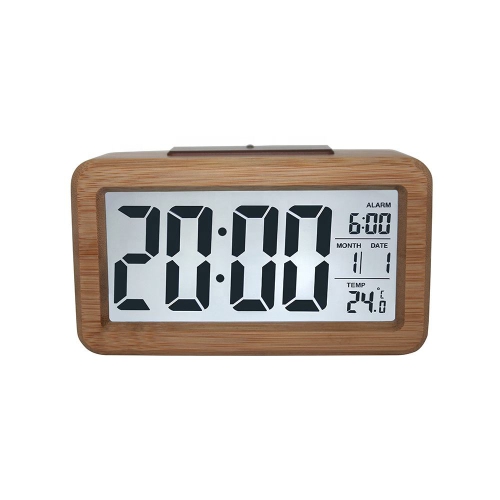
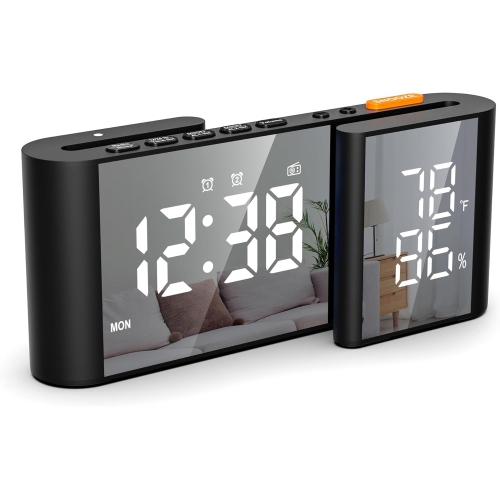

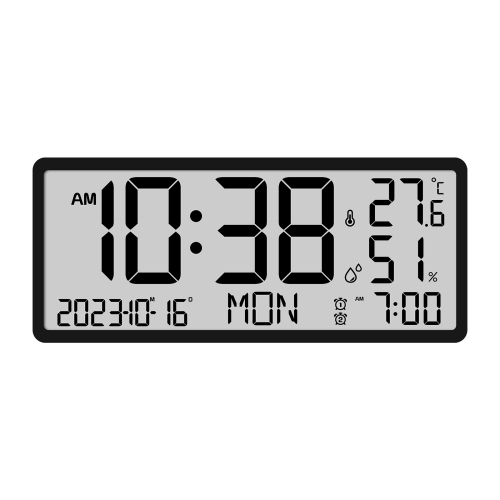
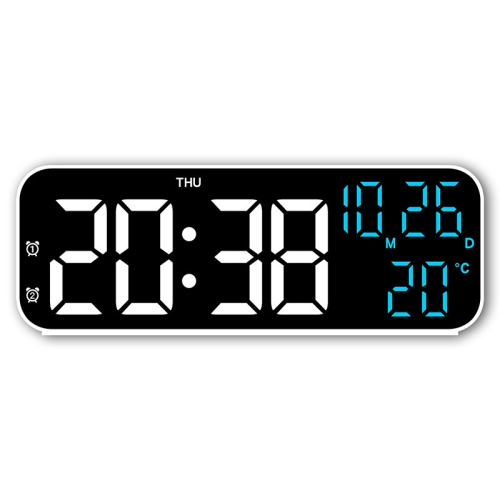
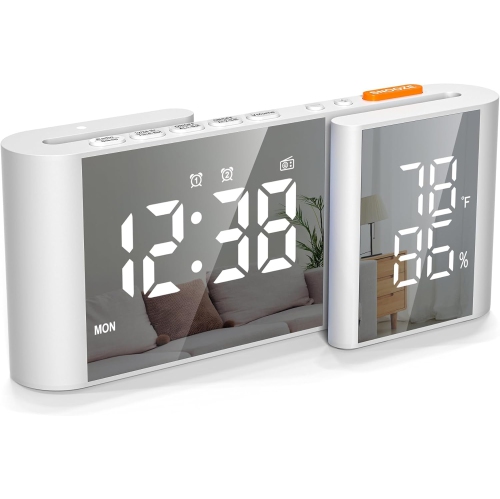
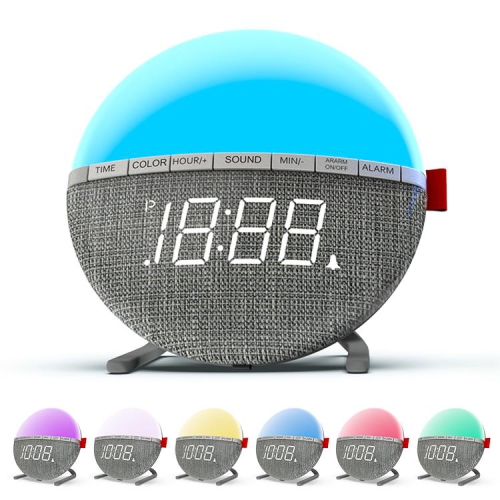
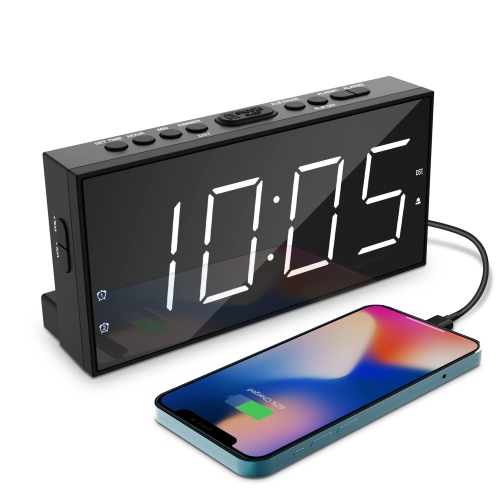
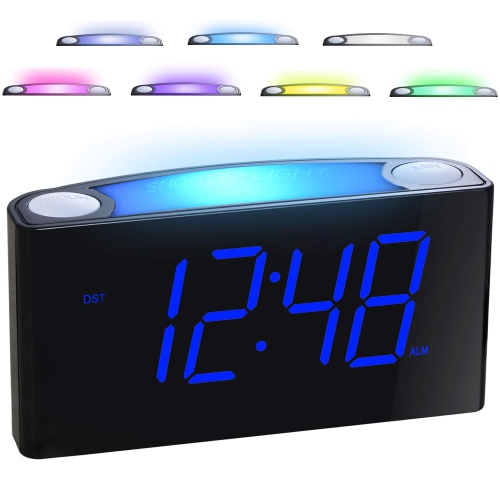
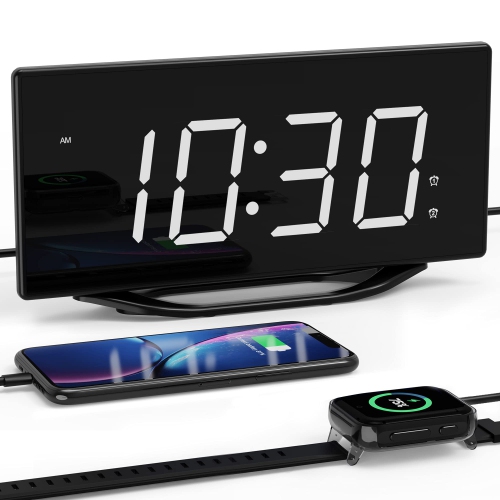
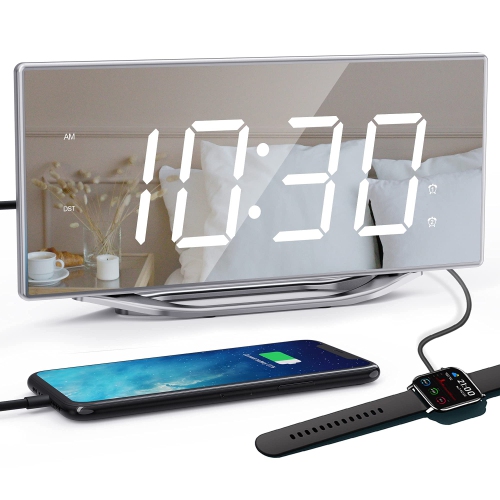
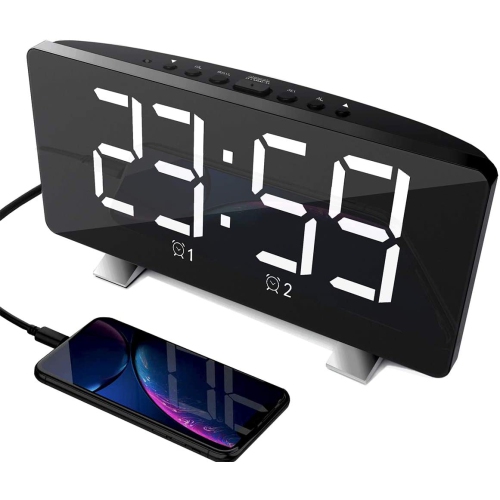
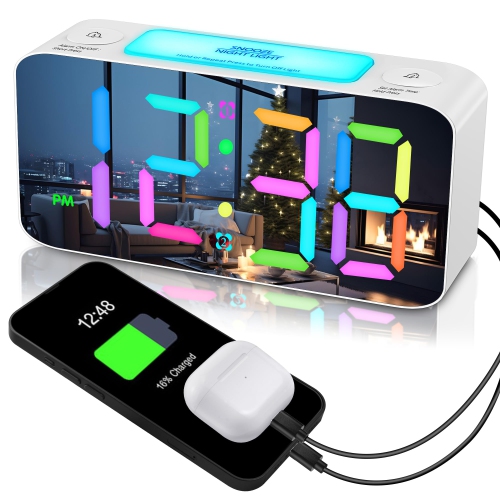
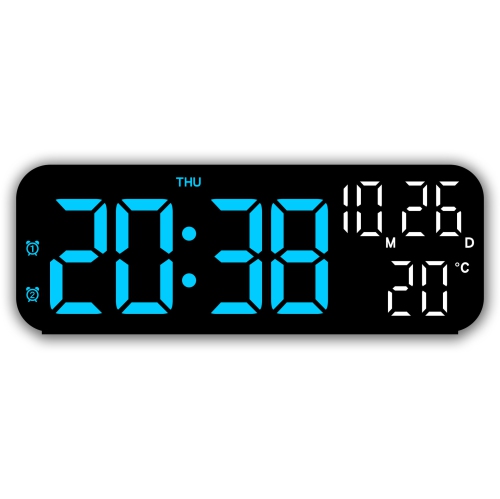
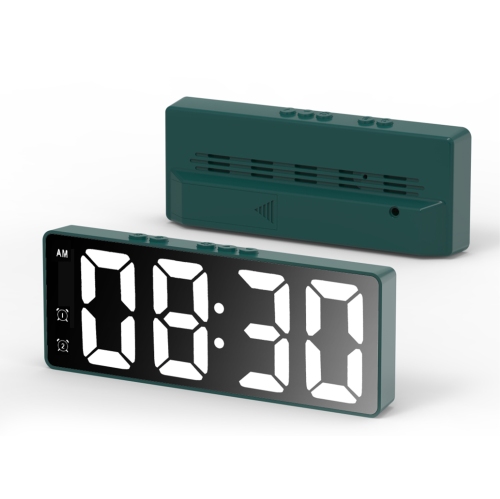
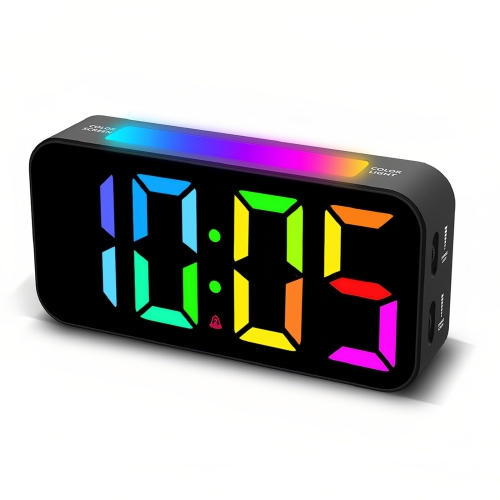
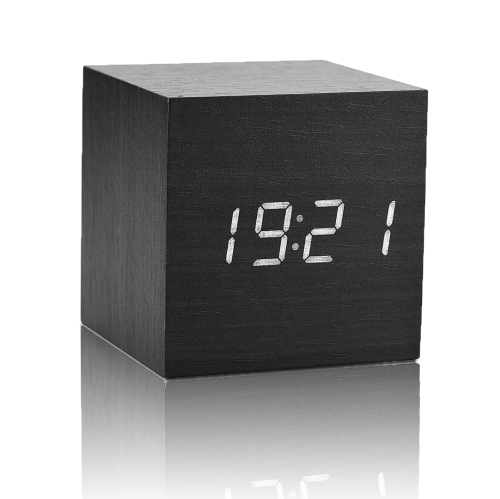

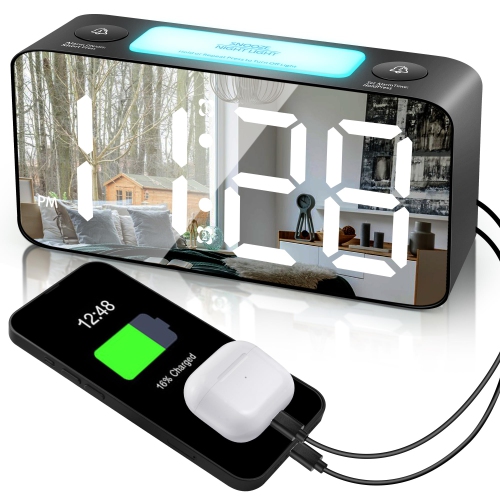
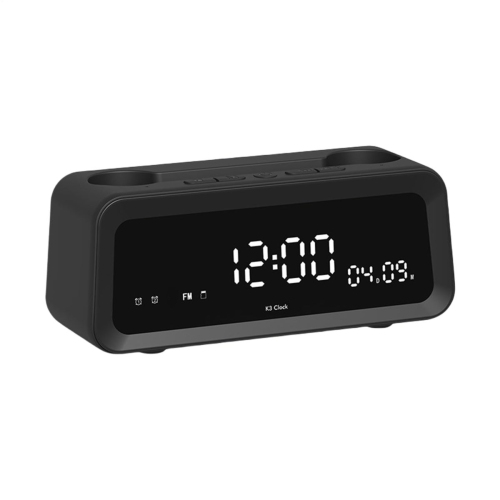
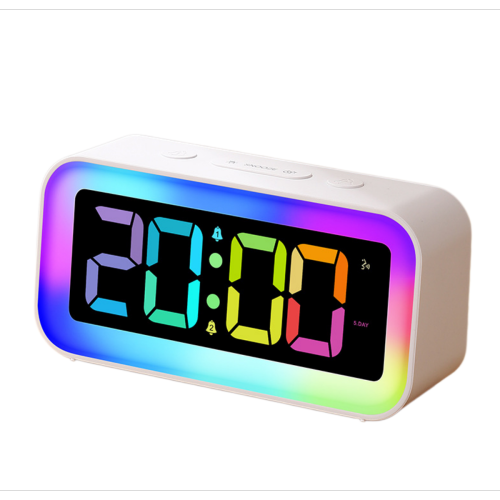
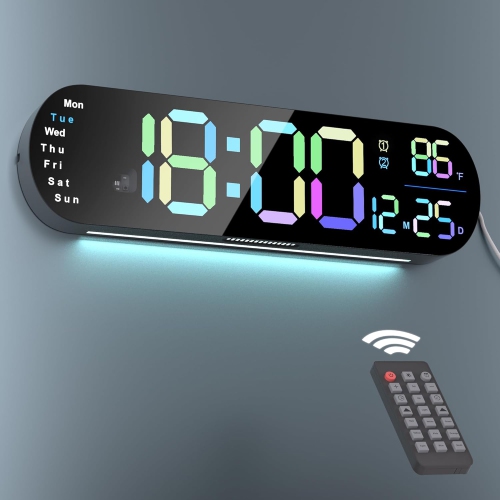
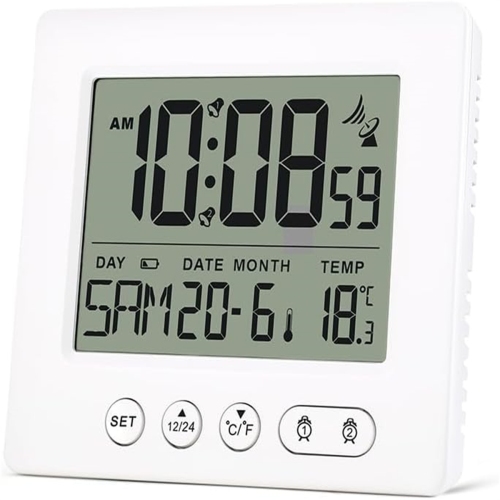
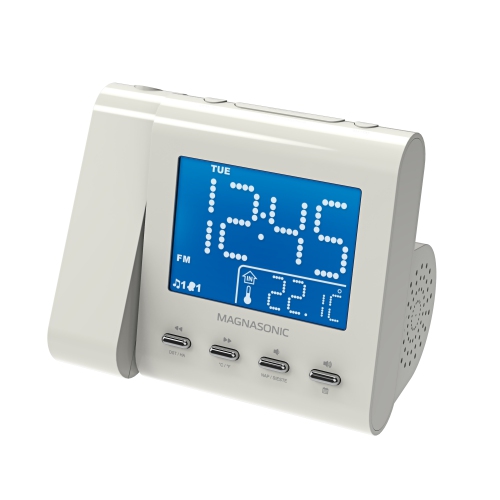
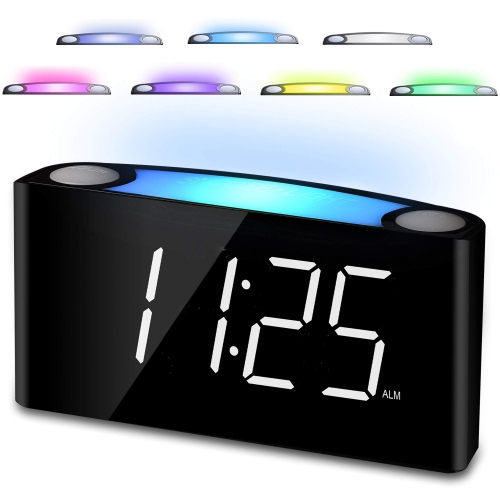
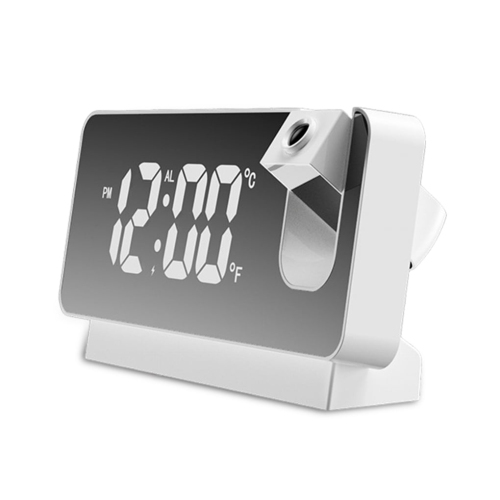
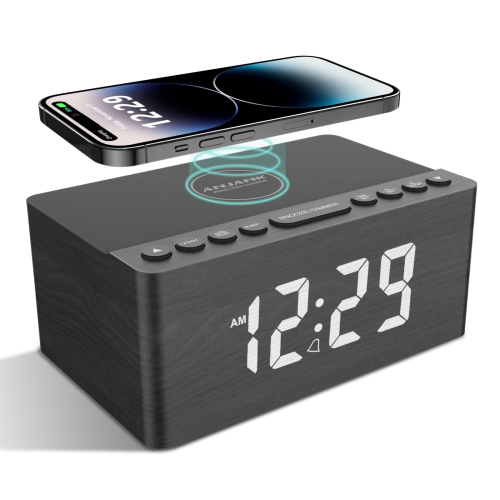
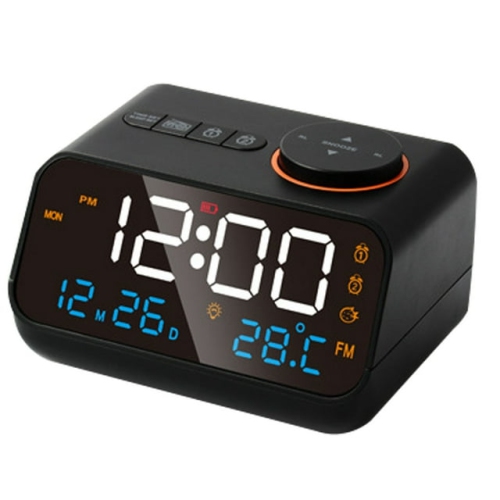
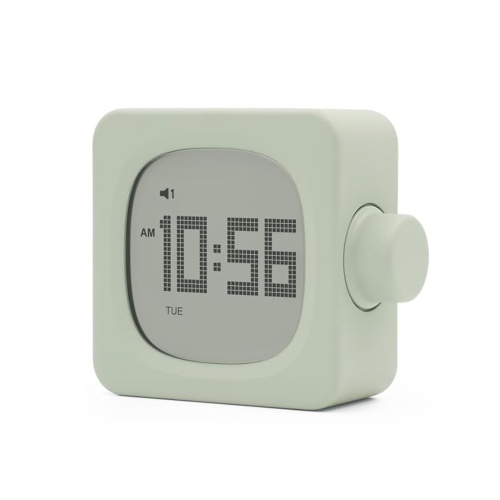
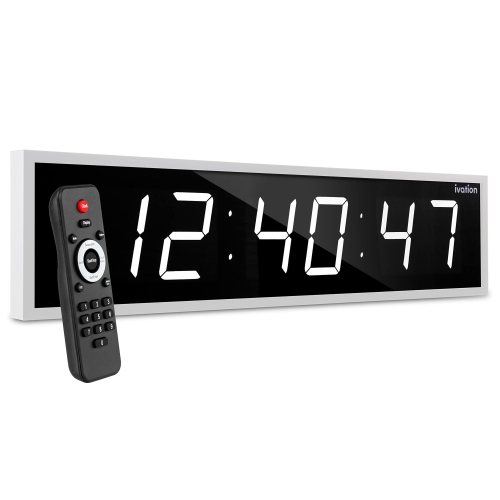
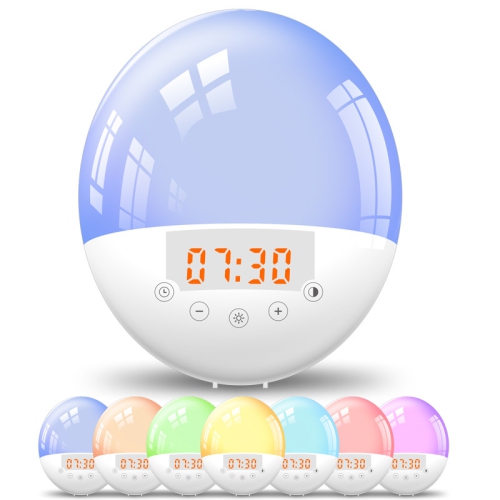
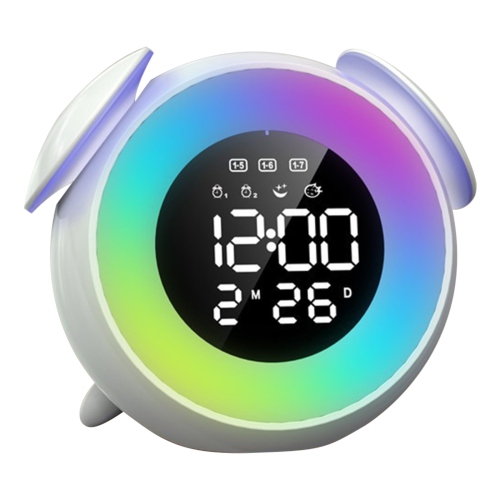
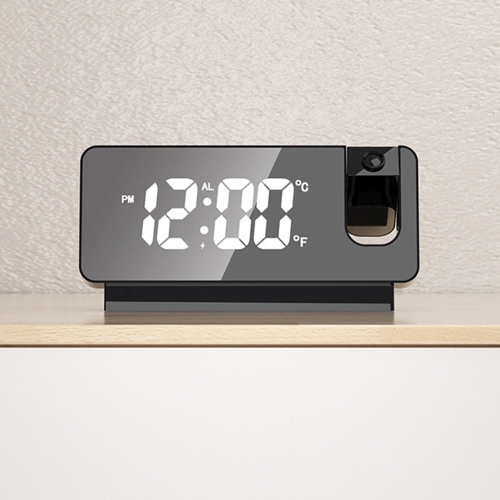
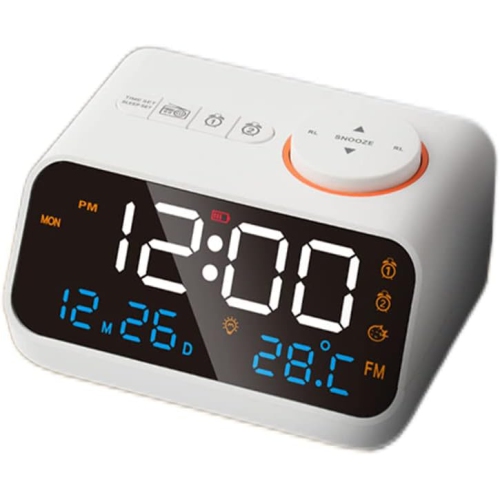
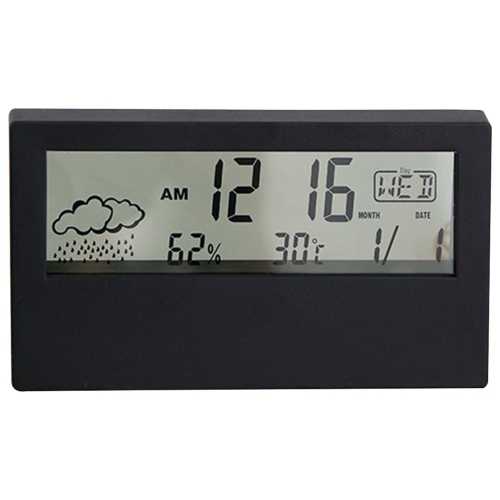
Two separate alarms for mornings that start differently
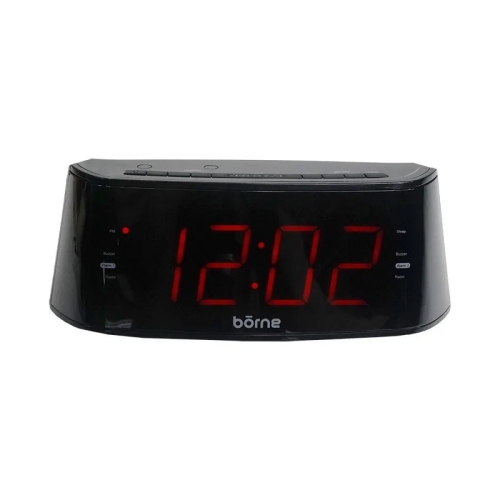
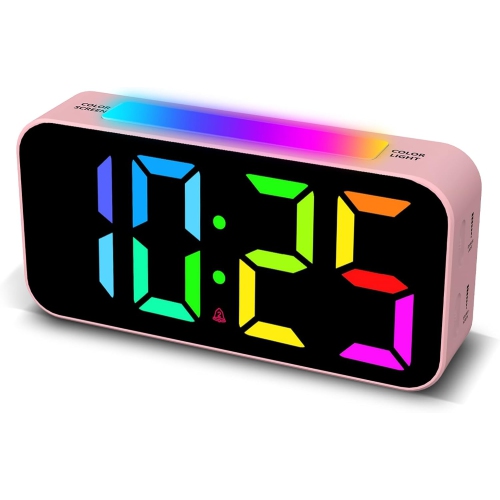
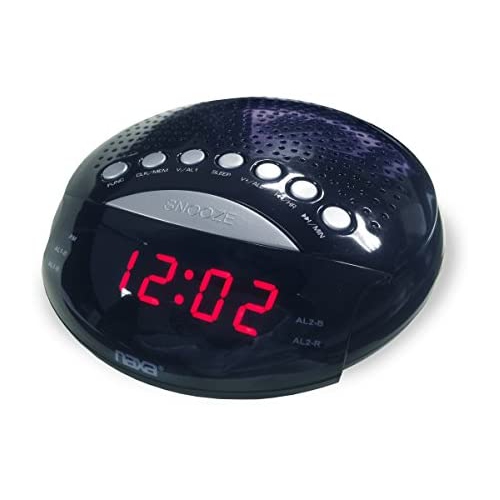
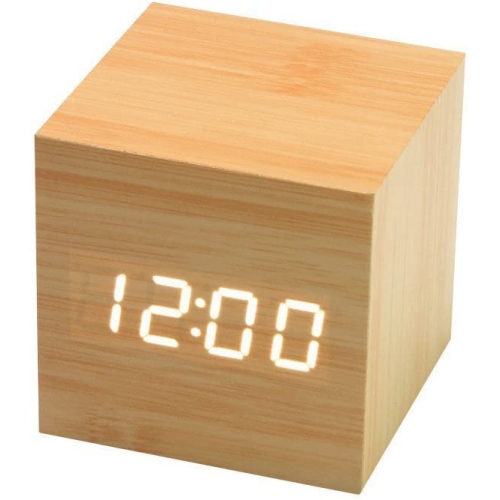
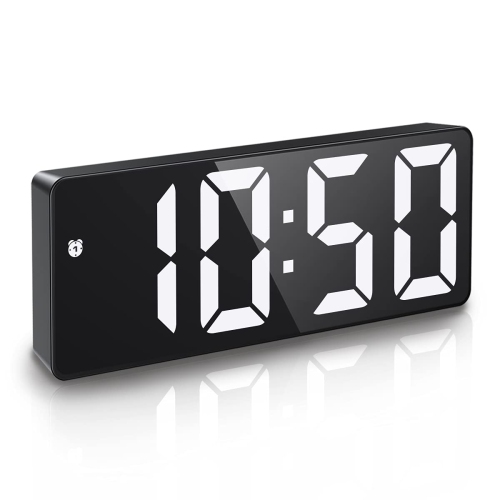
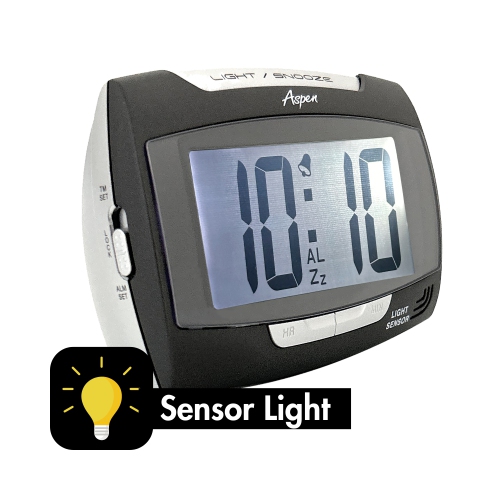
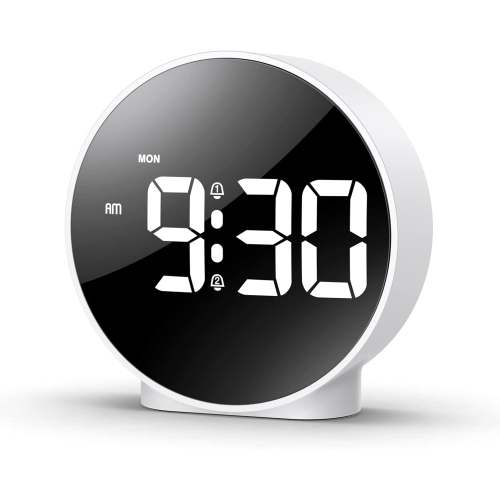
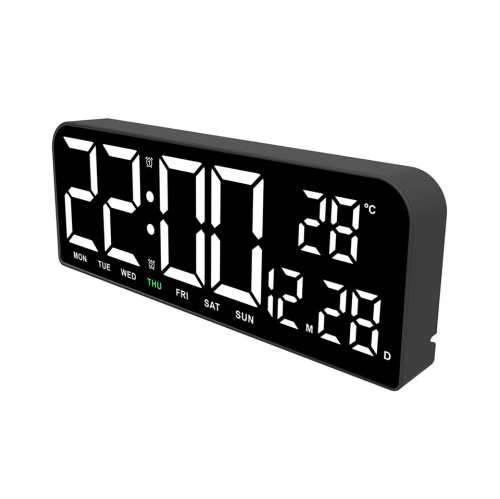
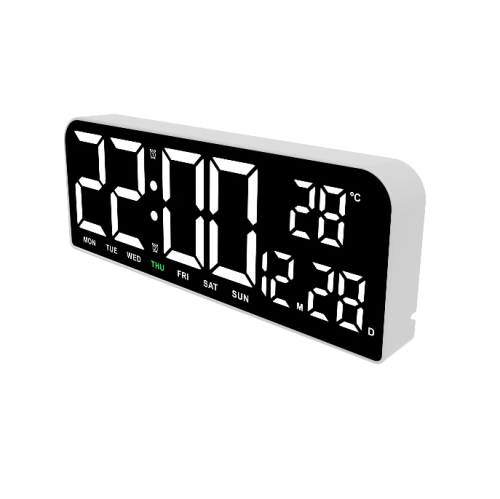
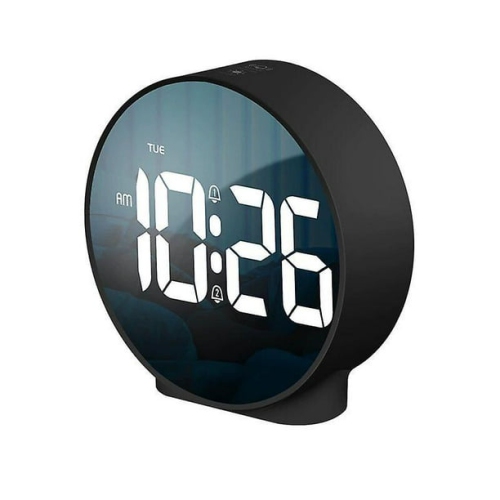
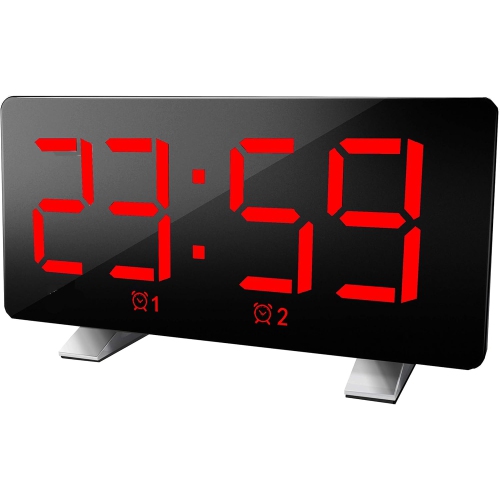
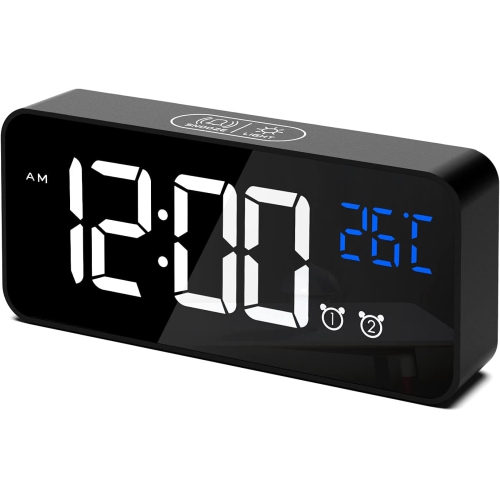
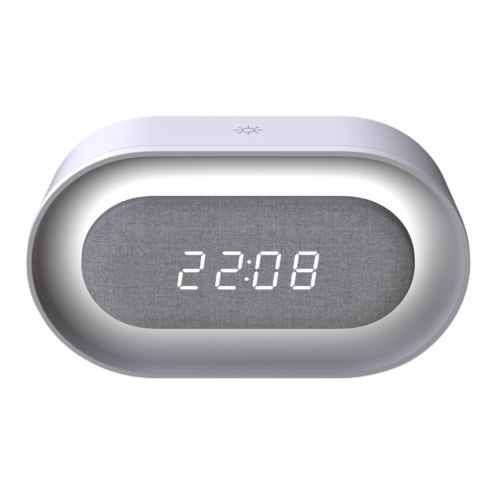
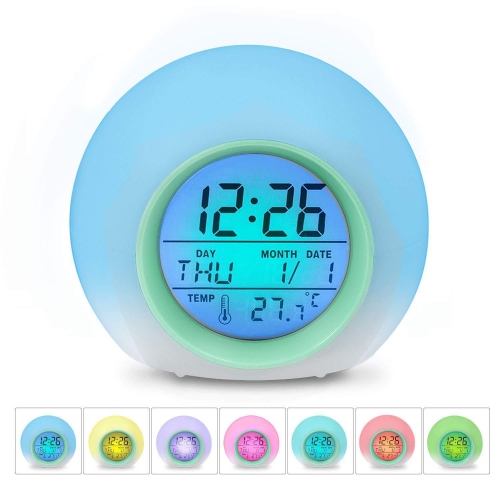
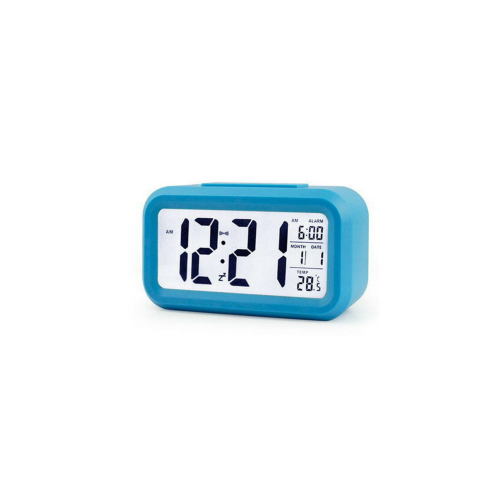
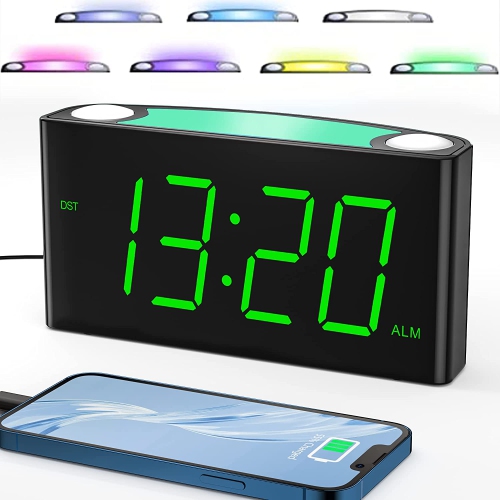
A digital dual alarm clock displays the time in easy-to-read numerals and lets you set two separate alarms on one device. Those independent settings suit a shared bedroom where one person starts work earlier, a student balancing morning lectures with a part-time job, or anyone who wants a wake-up alarm followed by a separate reminder to get moving. Unlike snooze, which repeats an alarm after a short interval, a dual alarm function stores two distinct alarm times. Depending on the design, each alarm may have its own sound, volume, or repeat schedule. Weekday and weekend scheduling can make a noticeable difference to everyday use: compatible clocks can sound an alarm on selected days without requiring the same setting changes every evening. Other designs provide two alarms that must be switched on or off manually, so the meaning of “dual alarm” does not automatically include calendar-based scheduling. A clear display with separate alarm indicators makes it easier to see which wake-up times are active before turning out the light. Physical buttons can also be useful for anyone who prefers a dedicated bedside device rather than opening a phone app at bedtime. A broad snooze button is easier to find by touch, while a separate alarm-off control helps distinguish a brief pause from stopping the sound for the day. For couples, independent alarms offer flexibility, although both sleepers may still hear either alarm in the same room. For someone living alone, the two settings can support different parts of a morning routine without keeping multiple clocks on the bedside table. A dedicated clock also keeps the time visible while a phone is charging elsewhere, tucked in a bag, or set aside for the night. The most useful layout is often one that makes the essentials obvious at a glance: the current time, the active alarms, and whether the display is showing morning or evening.
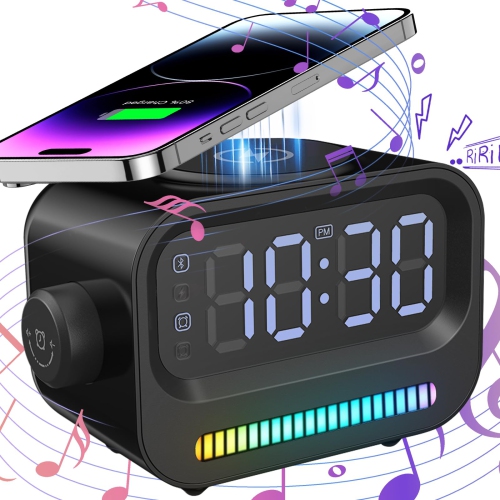
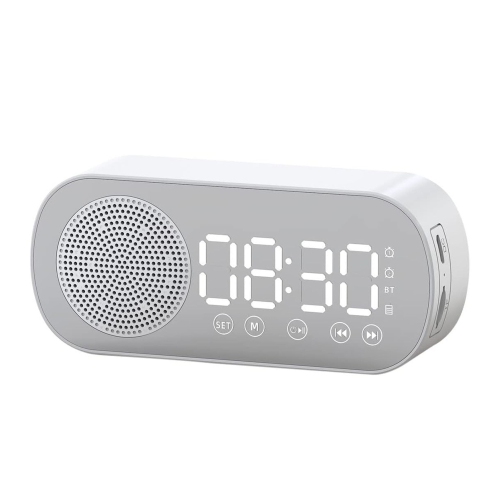
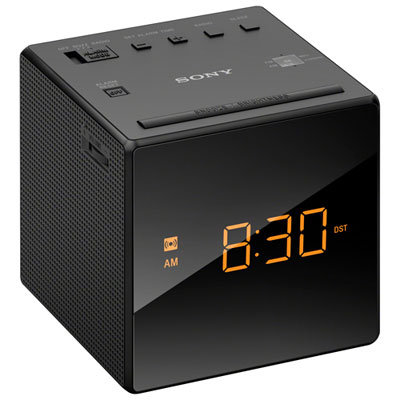
Display comfort matters as much as the number of alarm settings, especially when a clock sits close to the bed. LED and illuminated LCD displays vary in brightness, digit size, colour, and viewing angle. Large numerals can be easier to read from across a bedroom, but the contrast between the digits and their background also affects legibility. A mirrored face can have a sleek appearance on a dresser, while a matte surround may show fewer reflections beside a reading lamp. Adjustable dimming allows the display to remain readable without casting more light than desired. Some clocks offer a few brightness levels; others provide a wider adjustment range or let the display turn off while the alarms remain active. An automatic dimming feature may follow a schedule or respond to surrounding light, depending on the design. For a light-sensitive sleeper, the lowest brightness setting can matter more than the maximum. Sound is another important distinction. A basic buzzer keeps the function straightforward, while selectable tones, adjustable volume, and gradually increasing sound offer more control over the waking experience. An ascending alarm starts softly and grows louder, though its starting level and maximum output vary. A louder alarm may suit someone who sleeps deeply, but loudness alone is not a substitute for accessibility features when hearing is a concern; clocks with compatible vibration accessories or visual alerts serve different needs. Radio-equipped designs add the option of waking to a station rather than a tone, where supported. The Dual Radio Alarm Clock collection brings together the related clock-radio category for those who value that combination. Reception depends on the tuner, antenna placement, and local signal, and AM and FM support should not be assumed to be identical across designs. Similarly, Bluetooth audio playback does not necessarily mean a clock can use streamed music as an alarm. Separate alarm-source controls, a sleep timer for audio, and an adjustable snooze interval are distinct features that can shape how a clock fits into bedtime and waking routines.
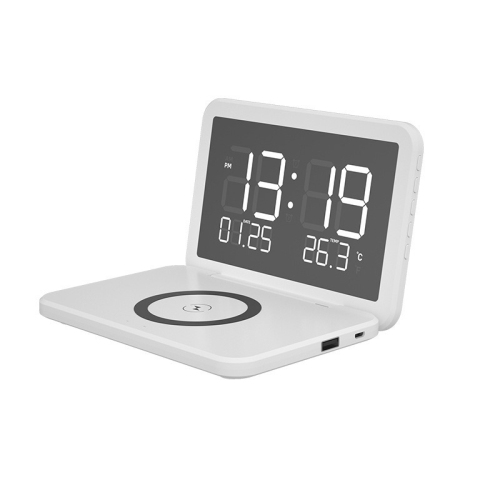
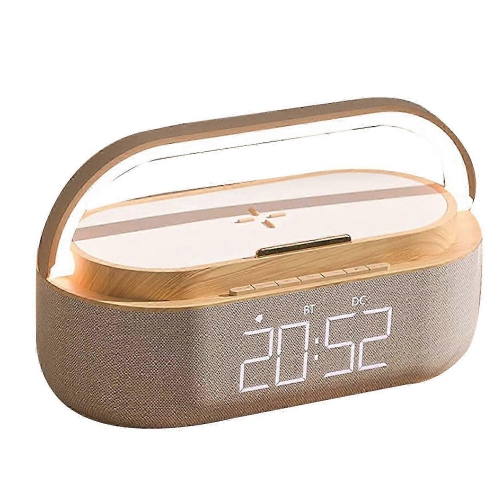
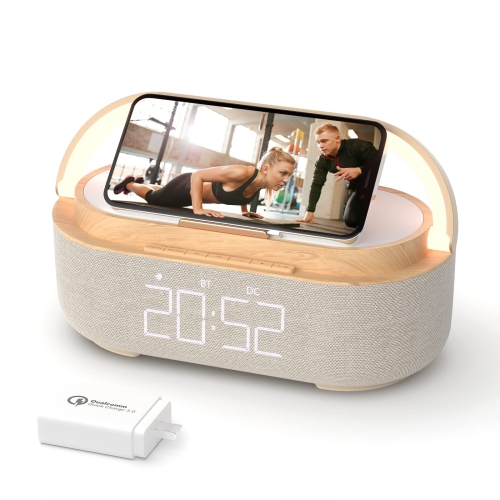
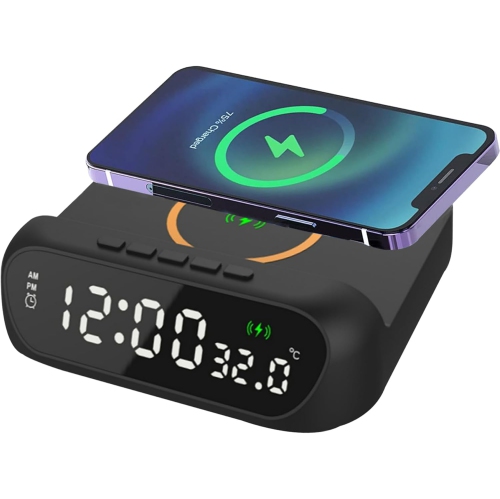
The size, construction, and power arrangement of a digital dual alarm clock influence how comfortably it fits into daily life. A compact plastic housing is typically light and easy to reposition, while metal accents or a wood-look finish can coordinate with bedroom furniture without changing the core alarm function. Finish descriptions matter: a wood-look surface is not necessarily solid wood, and a metallic finish does not always indicate a metal case. On a narrow bedside table, a stable base and reachable controls can be more useful than a larger screen surrounded by extra functions. Space behind the clock is worth allowing for power connectors, an antenna, or charging cables, particularly when furniture sits close to the wall. Mains-powered clocks provide continuous operation while connected to power, but battery backup needs careful interpretation. In some designs, backup batteries preserve the time and alarm settings while the display goes dark during an outage; in others, they also allow the alarm to sound. Backup capability is not the same as full battery-powered operation, and a travel-friendly clock needs power options suited to use away from an outlet. A USB power input supplies the clock itself, whereas a USB charging output is intended to charge another device. Charging speed and connector compatibility vary, and an integrated wireless charging surface requires a compatible phone and suitable positioning. For long-term use, firmly fitted buttons, a stable stand, and accessible battery compartments are practical details. Routine care is usually simple: disconnect external power before cleaning, wipe the housing with a soft, dry cloth, and follow the supplied care directions rather than spraying cleaner onto the display or into openings. Backup batteries should be checked and replaced as directed, and removed before extended storage when recommended by the manufacturer. Straightforward controls and readable digits can make this type of clock a thoughtful gift for a student moving into residence, someone furnishing a first apartment, or a family member who prefers familiar bedside controls. The lasting appeal lies in having two clearly managed alarms, a comfortable display, and dependable operation in a device that earns its place beside the bed.
Display comfort matters as much as the number of alarm settings, especially when a clock sits close to the bed. LED and illuminated LCD displays vary in brightness, digit size, colour, and viewing angle. Large numerals can be easier to read from across a bedroom, but the contrast between the digits and their background also affects legibility. A mirrored face can have a sleek appearance on a dresser, while a matte surround may show fewer reflections beside a reading lamp. Adjustable dimming allows the display to remain readable without casting more light than desired. Some clocks offer a few brightness levels; others provide a wider adjustment range or let the display turn off while the alarms remain active. An automatic dimming feature may follow a schedule or respond to surrounding light, depending on the design. For a light-sensitive sleeper, the lowest brightness setting can matter more than the maximum. Sound is another important distinction. A basic buzzer keeps the function straightforward, while selectable tones, adjustable volume, and gradually increasing sound offer more control over the waking experience. An ascending alarm starts softly and grows louder, though its starting level and maximum output vary. A louder alarm may suit someone who sleeps deeply, but loudness alone is not a substitute for accessibility features when hearing is a concern; clocks with compatible vibration accessories or visual alerts serve different needs. Radio-equipped designs add the option of waking to a station rather than a tone, where supported. The Dual Radio Alarm Clock collection brings together the related clock-radio category for those who value that combination. Reception depends on the tuner, antenna placement, and local signal, and AM and FM support should not be assumed to be identical across designs. Similarly, Bluetooth audio playback does not necessarily mean a clock can use streamed music as an alarm. Separate alarm-source controls, a sleep timer for audio, and an adjustable snooze interval are distinct features that can shape how a clock fits into bedtime and waking routines.
The size, construction, and power arrangement of a digital dual alarm clock influence how comfortably it fits into daily life. A compact plastic housing is typically light and easy to reposition, while metal accents or a wood-look finish can coordinate with bedroom furniture without changing the core alarm function. Finish descriptions matter: a wood-look surface is not necessarily solid wood, and a metallic finish does not always indicate a metal case. On a narrow bedside table, a stable base and reachable controls can be more useful than a larger screen surrounded by extra functions. Space behind the clock is worth allowing for power connectors, an antenna, or charging cables, particularly when furniture sits close to the wall. Mains-powered clocks provide continuous operation while connected to power, but battery backup needs careful interpretation. In some designs, backup batteries preserve the time and alarm settings while the display goes dark during an outage; in others, they also allow the alarm to sound. Backup capability is not the same as full battery-powered operation, and a travel-friendly clock needs power options suited to use away from an outlet. A USB power input supplies the clock itself, whereas a USB charging output is intended to charge another device. Charging speed and connector compatibility vary, and an integrated wireless charging surface requires a compatible phone and suitable positioning. For long-term use, firmly fitted buttons, a stable stand, and accessible battery compartments are practical details. Routine care is usually simple: disconnect external power before cleaning, wipe the housing with a soft, dry cloth, and follow the supplied care directions rather than spraying cleaner onto the display or into openings. Backup batteries should be checked and replaced as directed, and removed before extended storage when recommended by the manufacturer. Straightforward controls and readable digits can make this type of clock a thoughtful gift for a student moving into residence, someone furnishing a first apartment, or a family member who prefers familiar bedside controls. The lasting appeal lies in having two clearly managed alarms, a comfortable display, and dependable operation in a device that earns its place beside the bed.
Top selling and popular products
-
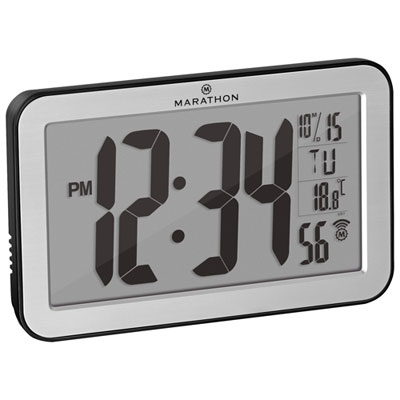 Your price for this item is $44.99
 -
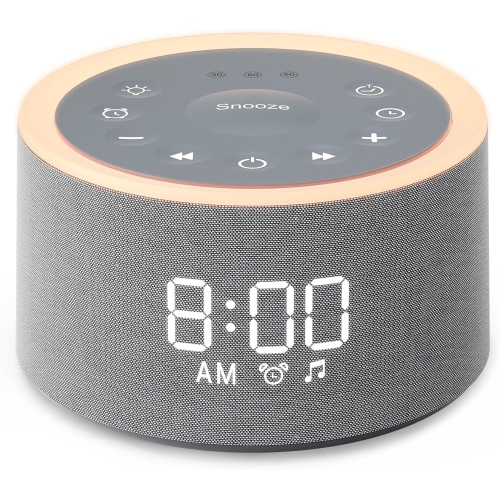 Your price for this item is $44.99
 -
 Your price for this item is $89.99
 -
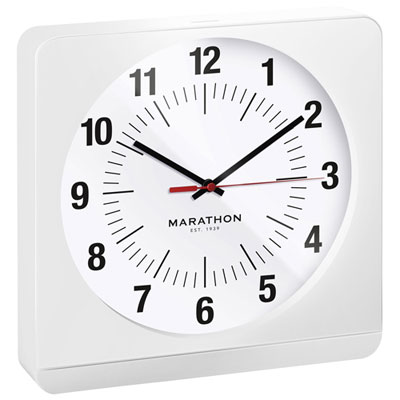 Your price for this item is $114.99
 -
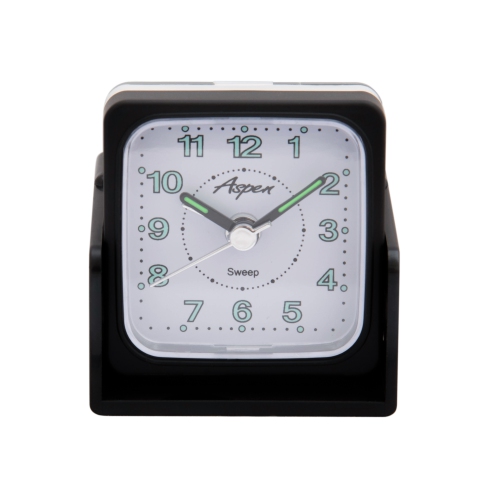 Your price for this item is $19.95
 -
 Your price for this item is $907.16
 -
 Your price for this item is $79.99
 -
 Your price for this item is $19.99
Discover more categories related to Digital Dual Alarm Clock
Top Collections:
Pokemon Centers, Kindle Devices, Best Budget Office Chairs, Apple iPhones 16, Best Laptops for Writers, iPhone 15 Apple, Canon G7X Cameras, Refurbished Apple Laptops, Alarm Clock, Motorola Razr Phones
Some products may be subject to Environmental Handling Fees
(EHF) depending on your province.
Learn more about EHFs.