15 Foot Extension Cords
When you need a little extra reach for your electronic devices, 15-foot extension cords are the perfect solution. With their versatile length, these extension cords provide added flexibility and convenience in powering up your appliances, electronics, and more. Whether you're setting up a home office, rearranging your living room layout, or simply needing to plug in devices further away from outlets, these extension cords offer a practical and efficient way to stay connected.
Sort
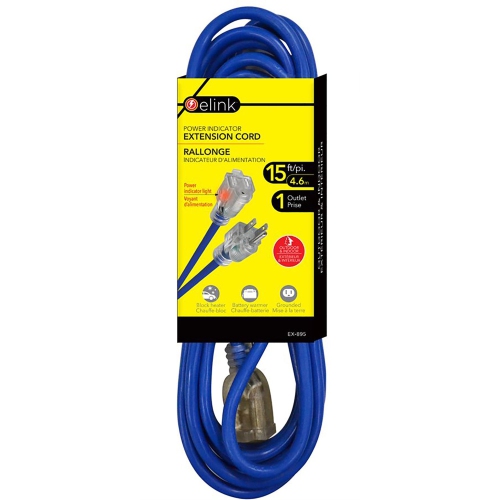
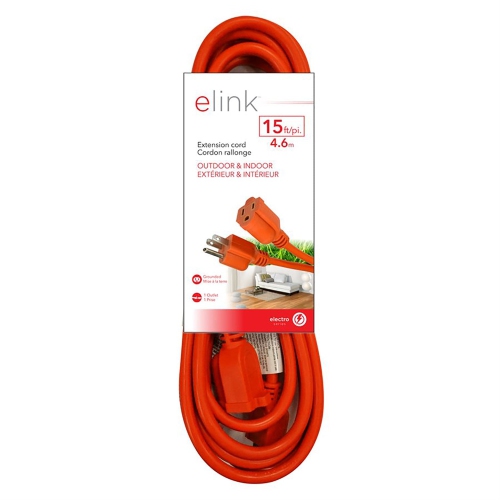
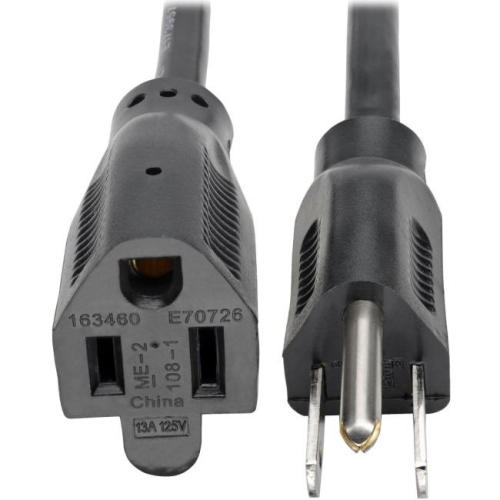

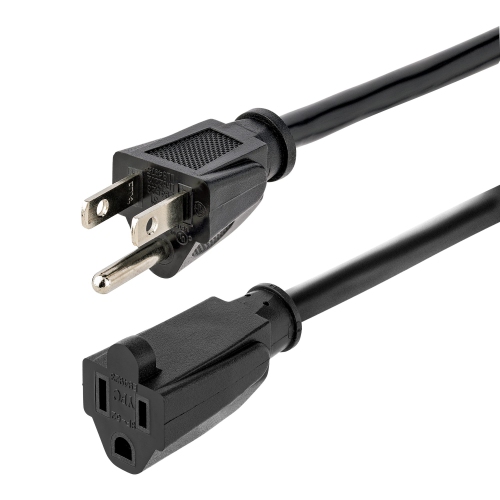

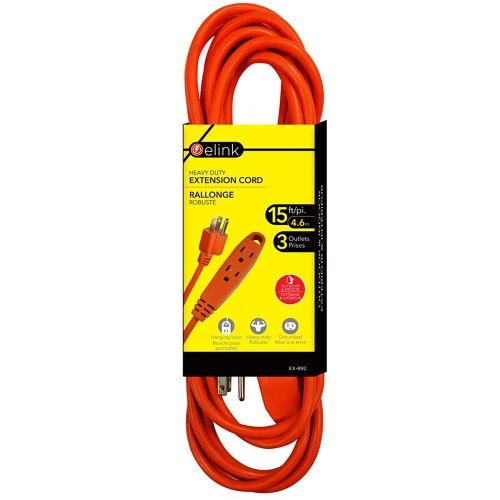
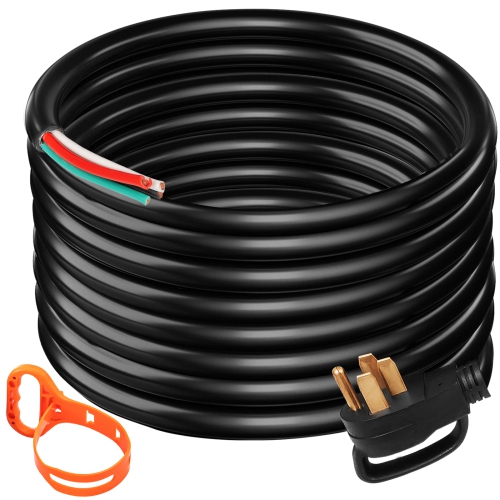
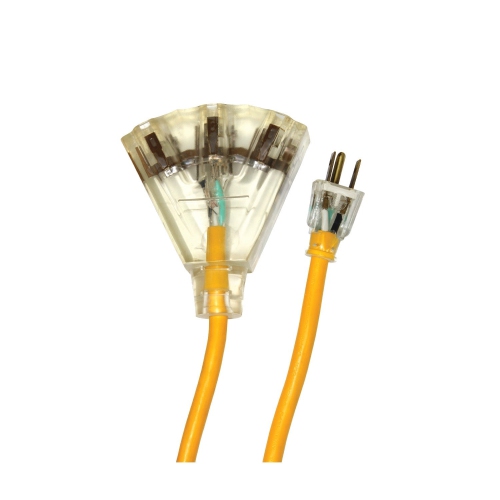
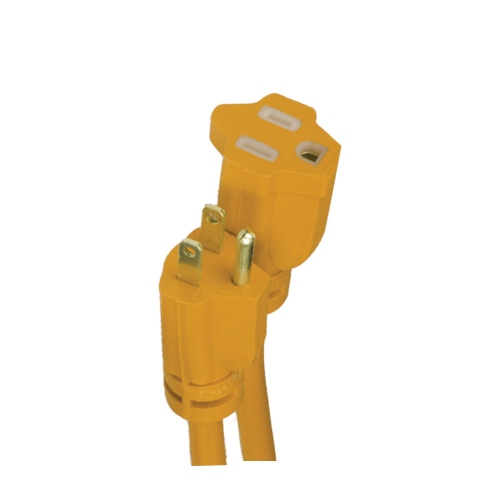
Useful reach without unnecessary loops of spare cable
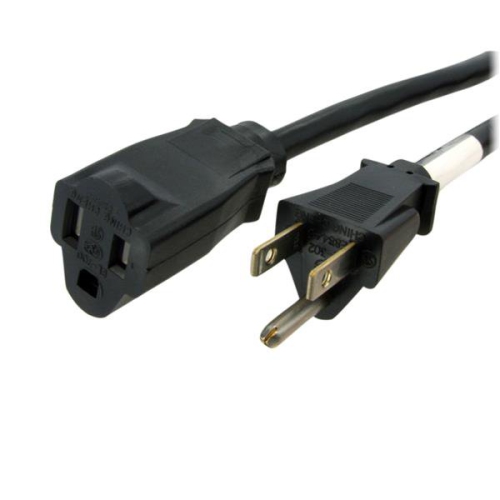
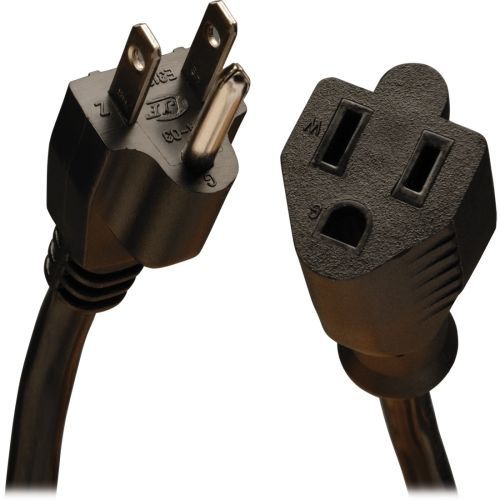
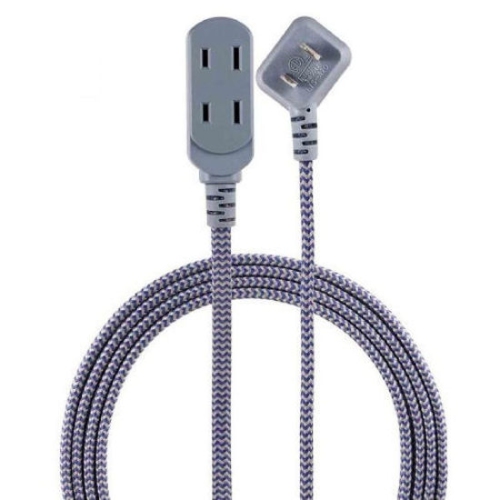
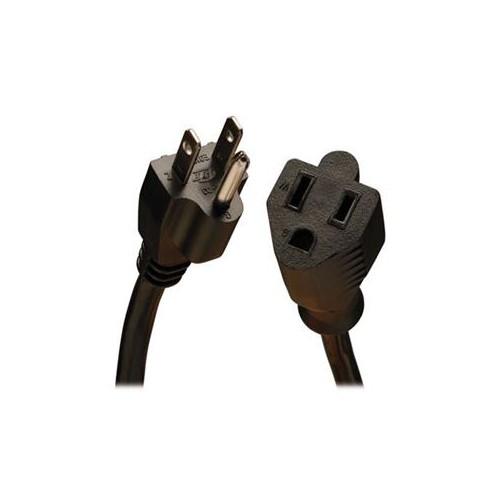
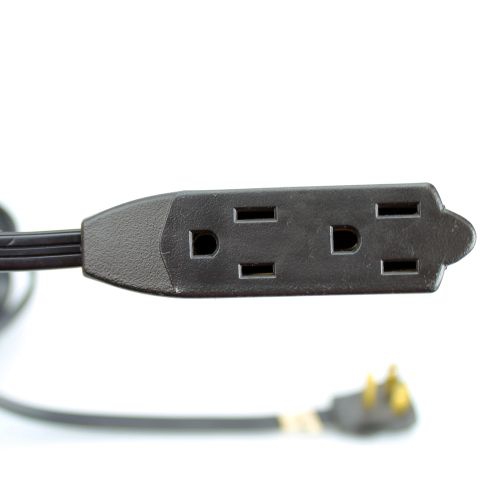
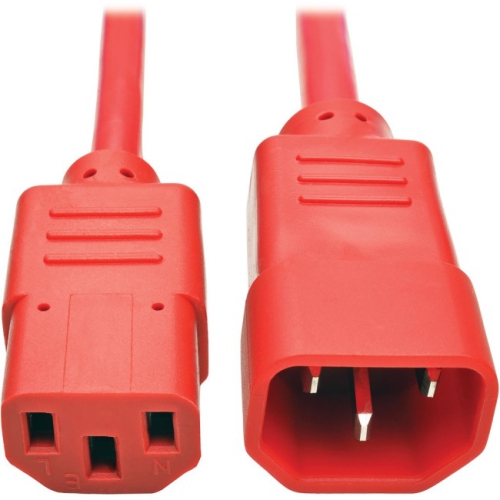
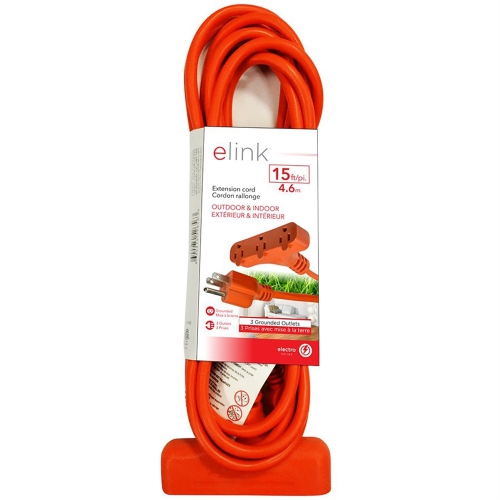
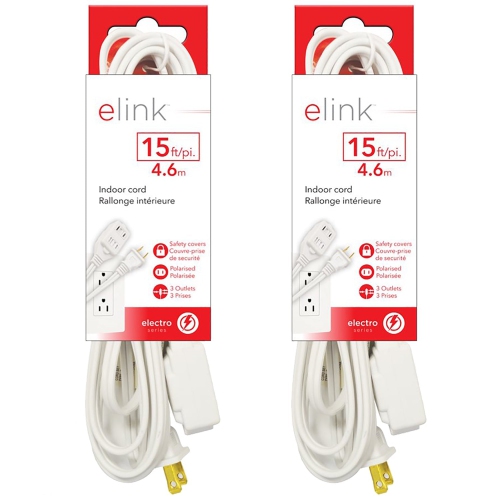
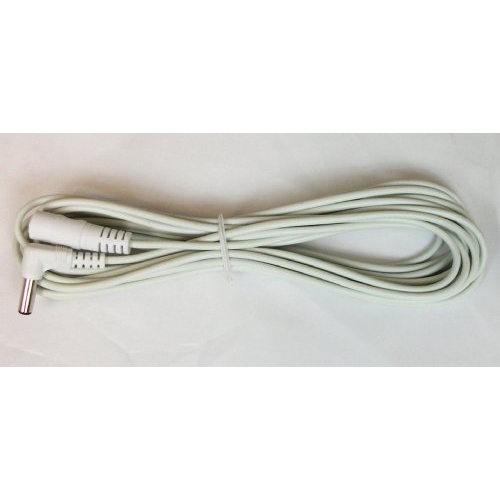
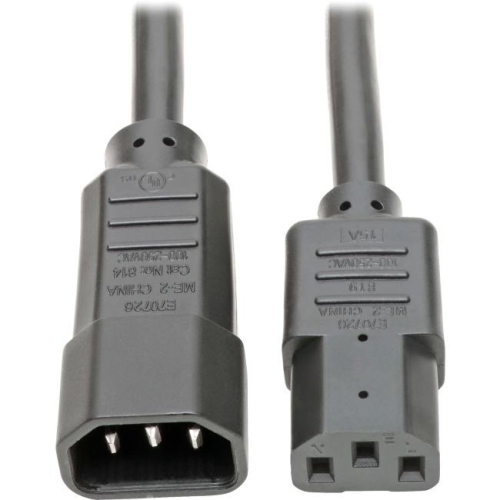
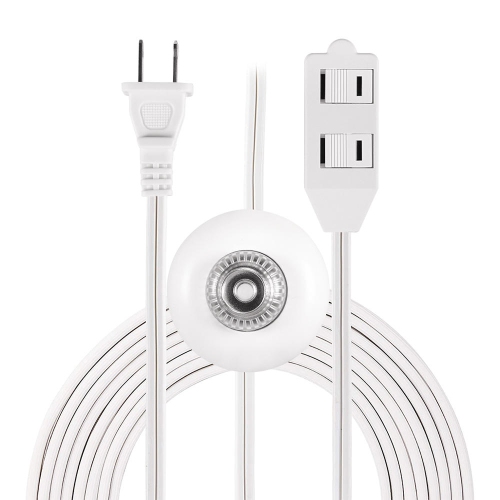
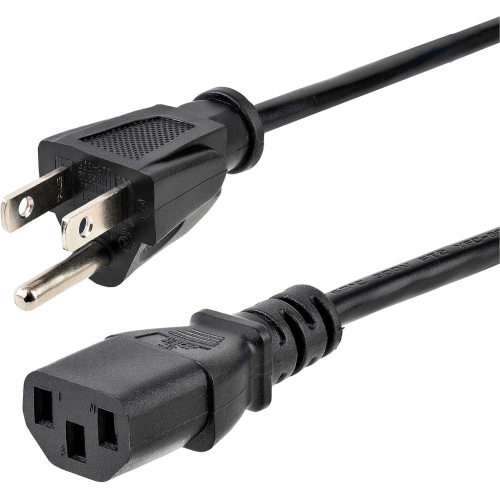
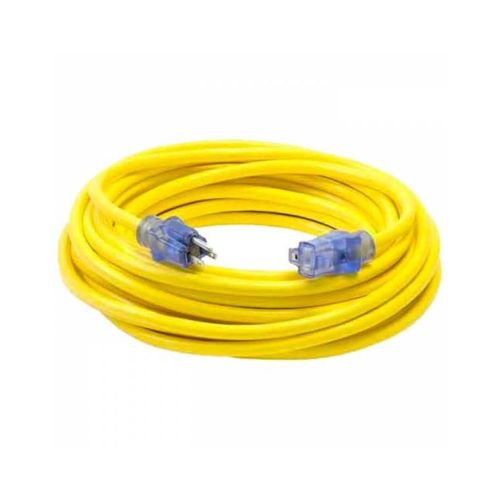
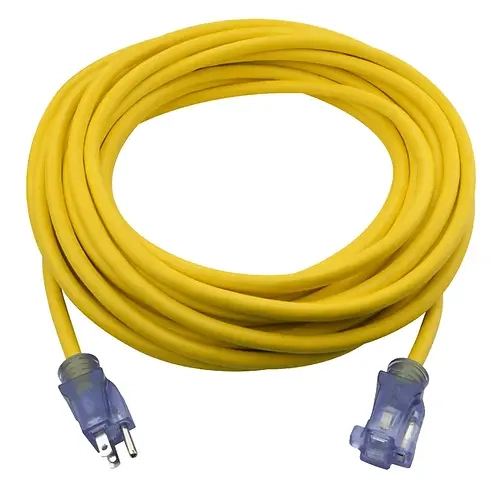
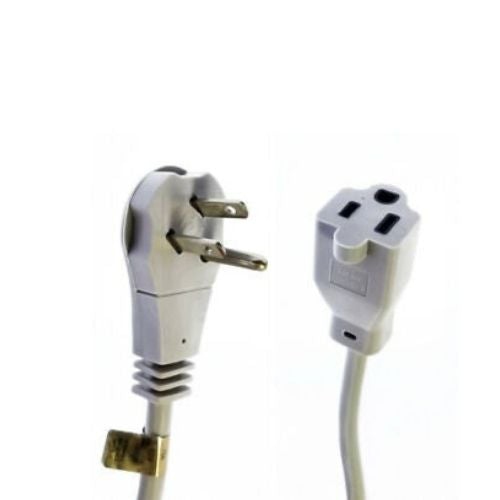
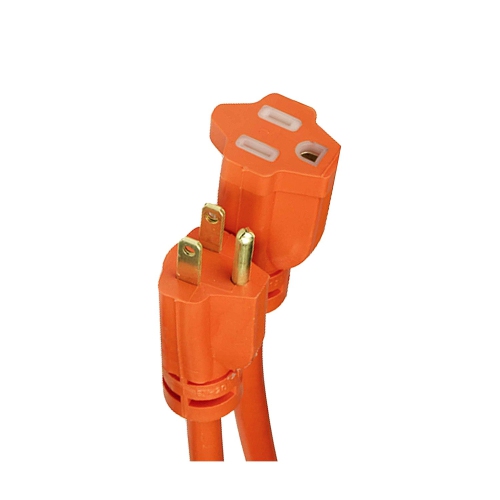
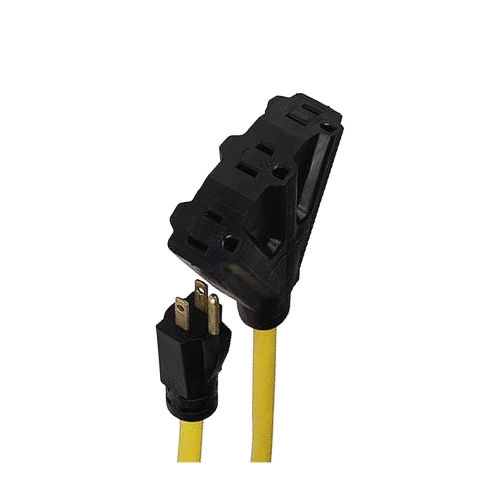
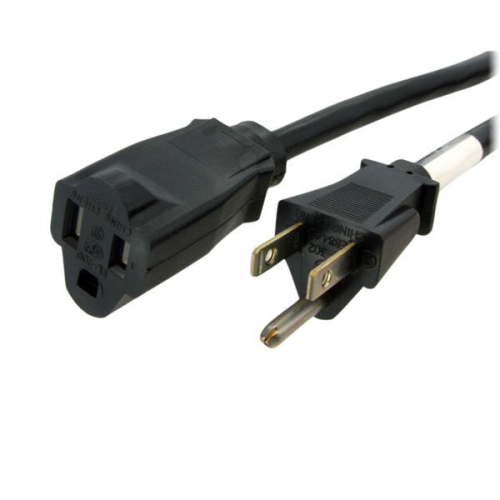
A 15-foot extension cord adds approximately 4.57 metres of reach between a wall outlet and compatible electrical equipment, making it a practical length for temporary power connections around a home, workspace, or garage. It can bridge the gap between a receptacle and a lamp on a project table, bring power to a tool at a workbench, or support a temporary presentation setup without leaving the large loops of spare cable that a longer cord might create. The length describes reach, not electrical capacity: cords of the same length can have different wire gauges, amperage limits, plug styles, and indoor or outdoor ratings. Those differences matter more than appearance when matching a cord to its intended use. Lightweight indoor designs suit compatible, lower-demand equipment, while heavier-duty constructions may support more demanding applications within their marked ratings. Indoor-only cords belong in dry indoor locations; outdoor use requires a cord specifically marked for that purpose. A single-outlet end keeps the connection straightforward for one device, while a multi-outlet end can accommodate several compatible devices, provided their combined electrical demand stays within the cord’s total rating. Multiple sockets do not increase the amount of power the cord can safely carry. Plug configuration also affects compatibility. A two-prong cord may suit equipment designed for that connection, whereas equipment with a three-prong grounded plug requires a suitable grounded cord and receptacle. A polarized plug has one blade wider than the other and must fit the outlet in its intended orientation. Neither a grounding pin nor a polarized blade should be removed or altered to make a connection fit. For renters, homeowners, hobbyists, and people setting up shared work areas, a well-matched 15-foot cord offers useful flexibility for occasional tasks. It is a temporary connection, however, rather than a substitute for adding a properly located outlet where power is needed regularly. The most useful choice balances sufficient reach with the correct electrical rating and a layout that keeps the cable out of the way.
Construction influences how a 15-foot extension cord handles, bends, and holds up to repeated use. Many designs use stranded copper conductors inside an insulating jacket, with jacket materials such as PVC or rubber compounds chosen for different handling and durability requirements. A slim, flexible cord can be easier to position for a light-duty indoor task, while a thicker jacket may offer greater resistance to abrasion in a utility area. Jacket thickness alone does not establish electrical capacity or suitability for outdoor use; the printed markings and manufacturer’s specifications provide that information. Wire size is commonly expressed in American Wire Gauge, or AWG, with a lower gauge number indicating a thicker conductor. A 14 AWG conductor is thicker than a 16 AWG conductor, for example, but the safe load still depends on the rating of the complete cord assembly. Voltage, amperage, wattage limits, and equipment requirements all need to be compatible. Power tools can draw extra current when starting, so a tool’s stated extension-cord requirements are especially important. High-demand appliances, including many portable heaters and air conditioners, commonly require a direct wall connection and should not be paired with an extension cord when their instructions prohibit it. For suitable equipment, moulded plugs, firmly seated outlet ends, and strain relief where the cable enters each connector help support everyday durability. A flat wall plug can reduce how far the connector projects from a receptacle, although furniture must not press against it or pinch the cable. Right-angle designs can direct the cord to one side, with the best orientation depending on the outlet position and surrounding space. Colour has a practical role as well: a bright jacket is easier to notice in a work area, while a neutral colour is less visually prominent in a living space. Visibility does not replace safe routing, and a discreet cord should never be hidden beneath a rug. A recognized Canadian certification mark, such as CSA or cUL, provides another useful point of comparison when assessing whether a cord has been evaluated to applicable electrical safety standards.
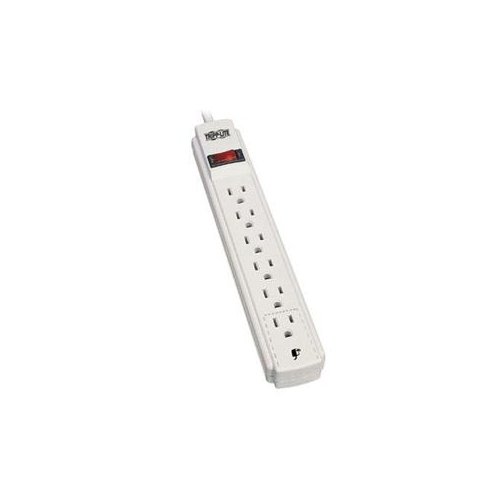
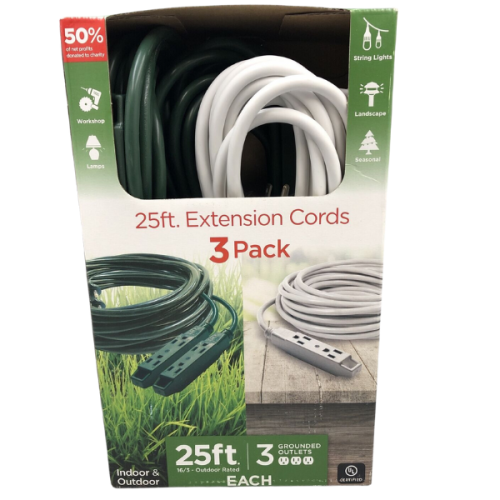
Fit is as much about the route as the distance between two points. A wall outlet and a work surface may appear close enough, yet the cable needs additional length to follow a safe path without stretching tightly, pulling on a plug, or crossing a busy doorway. A 15-foot length often provides a manageable middle ground for nearby tasks, with enough reach to move beyond the immediate outlet area without an unnecessarily long cable to gather afterward. Where the intended route requires more distance, 25 Ft Extension Cords offer a longer-length option, though electrical ratings and equipment compatibility still need to be checked rather than assumed. One appropriately rated cord of sufficient length is preferable to joining extension cords together. During use, the cable should remain uncovered, free from tight coils, and clear of sharp edges, moving parts, and places where it could be crushed. Outdoor-rated construction does not make a connection suitable for submersion; plugs and sockets still need protection from water, and outdoor applications require appropriate ground-fault protection. An ordinary extension cord also does not provide surge protection unless that feature is specifically stated. Features such as an illuminated connector can indicate that power is present, but they do not confirm that the connected load is safe or that the outlet is correctly wired. Regular inspection helps preserve reliability: cuts, cracked insulation, exposed wires, loose contacts, discolouration, or unusual heat are reasons to stop using a cord. Damaged cords should be replaced rather than patched with tape. Disconnecting by holding the plug instead of pulling the cable reduces stress on the connection, and storing the cord in loose loops helps prevent kinks. Any cleaning should take place while it is unplugged, following the manufacturer’s care directions. These details distinguish a useful temporary power connection from a cable that merely reaches: the right length, suitable materials, compatible connectors, and clearly stated ratings all contribute to a cord that fits the task.
Construction influences how a 15-foot extension cord handles, bends, and holds up to repeated use. Many designs use stranded copper conductors inside an insulating jacket, with jacket materials such as PVC or rubber compounds chosen for different handling and durability requirements. A slim, flexible cord can be easier to position for a light-duty indoor task, while a thicker jacket may offer greater resistance to abrasion in a utility area. Jacket thickness alone does not establish electrical capacity or suitability for outdoor use; the printed markings and manufacturer’s specifications provide that information. Wire size is commonly expressed in American Wire Gauge, or AWG, with a lower gauge number indicating a thicker conductor. A 14 AWG conductor is thicker than a 16 AWG conductor, for example, but the safe load still depends on the rating of the complete cord assembly. Voltage, amperage, wattage limits, and equipment requirements all need to be compatible. Power tools can draw extra current when starting, so a tool’s stated extension-cord requirements are especially important. High-demand appliances, including many portable heaters and air conditioners, commonly require a direct wall connection and should not be paired with an extension cord when their instructions prohibit it. For suitable equipment, moulded plugs, firmly seated outlet ends, and strain relief where the cable enters each connector help support everyday durability. A flat wall plug can reduce how far the connector projects from a receptacle, although furniture must not press against it or pinch the cable. Right-angle designs can direct the cord to one side, with the best orientation depending on the outlet position and surrounding space. Colour has a practical role as well: a bright jacket is easier to notice in a work area, while a neutral colour is less visually prominent in a living space. Visibility does not replace safe routing, and a discreet cord should never be hidden beneath a rug. A recognized Canadian certification mark, such as CSA or cUL, provides another useful point of comparison when assessing whether a cord has been evaluated to applicable electrical safety standards.
Fit is as much about the route as the distance between two points. A wall outlet and a work surface may appear close enough, yet the cable needs additional length to follow a safe path without stretching tightly, pulling on a plug, or crossing a busy doorway. A 15-foot length often provides a manageable middle ground for nearby tasks, with enough reach to move beyond the immediate outlet area without an unnecessarily long cable to gather afterward. Where the intended route requires more distance, 25 Ft Extension Cords offer a longer-length option, though electrical ratings and equipment compatibility still need to be checked rather than assumed. One appropriately rated cord of sufficient length is preferable to joining extension cords together. During use, the cable should remain uncovered, free from tight coils, and clear of sharp edges, moving parts, and places where it could be crushed. Outdoor-rated construction does not make a connection suitable for submersion; plugs and sockets still need protection from water, and outdoor applications require appropriate ground-fault protection. An ordinary extension cord also does not provide surge protection unless that feature is specifically stated. Features such as an illuminated connector can indicate that power is present, but they do not confirm that the connected load is safe or that the outlet is correctly wired. Regular inspection helps preserve reliability: cuts, cracked insulation, exposed wires, loose contacts, discolouration, or unusual heat are reasons to stop using a cord. Damaged cords should be replaced rather than patched with tape. Disconnecting by holding the plug instead of pulling the cable reduces stress on the connection, and storing the cord in loose loops helps prevent kinks. Any cleaning should take place while it is unplugged, following the manufacturer’s care directions. These details distinguish a useful temporary power connection from a cable that merely reaches: the right length, suitable materials, compatible connectors, and clearly stated ratings all contribute to a cord that fits the task.
Top selling and popular products
-
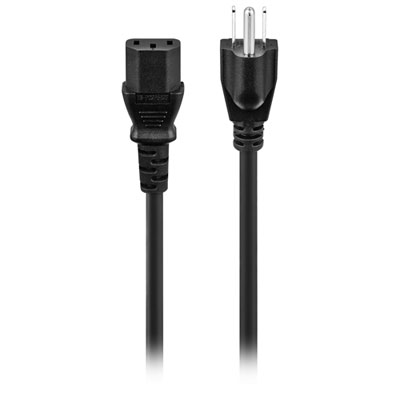 Your price for this item is $9.99
 -
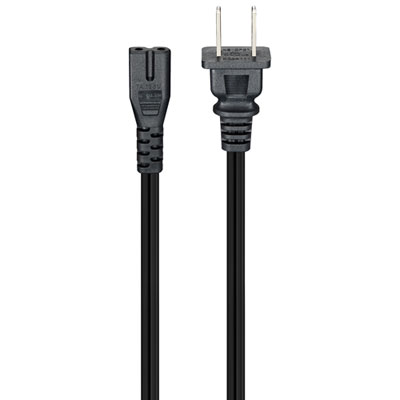 Your price for this item is $12.99
 -
 Your price for this item is $276.68
 -
 Your price for this item is $29.99
 -
 Your price for this item is $10
 -
 Your price for this item is $12.99
 -
 Your price for this item is $10
 -
 Your price for this item is $24.99
Discover more categories related to 15 Foot Extension Cords
Top Collections:
Pokemon Centers, Kindle Devices, Best Budget Office Chairs, Apple iPhones 16, Best Laptops for Writers, iPhone 15 Apple, Canon G7X Cameras, Refurbished Apple Laptops, Alarm Clock, Motorola Razr Phones
Some products may be subject to Environmental Handling Fees
(EHF) depending on your province.
Learn more about EHFs.