Barcode Scanner Products
Looking to streamline your business operations and enhance efficiency? Look no further than our extensive selection of barcode scanner products. Whether you're in retail, warehousing, or logistics, these innovative devices are designed to effortlessly capture and decode barcodes, helping you keep track of inventory, improve accuracy, and expedite checkout processes. With a range of features and capabilities to suit different needs, our barcode scanner products are the perfect solution for businesses looking to optimize their workflow. Explore our diverse collection today and discover the power of seamless barcode scanning technology.
Sort

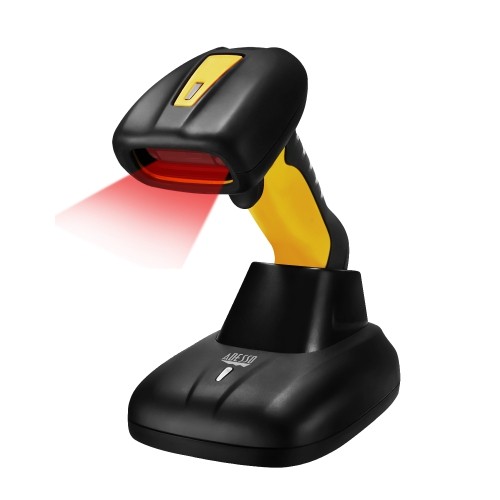
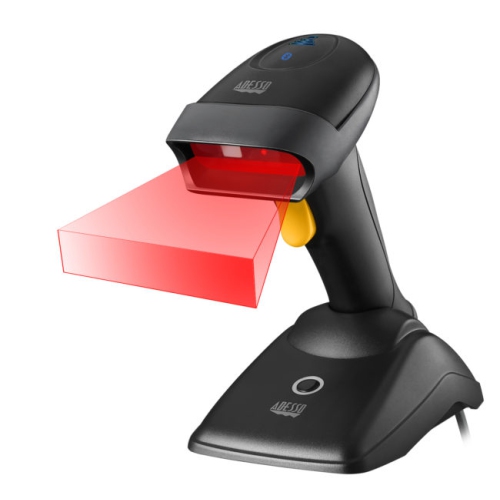
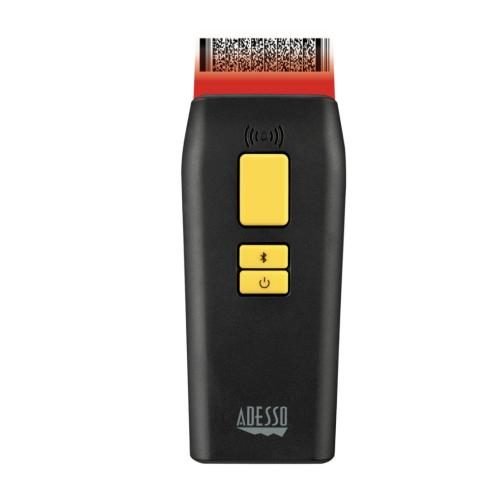
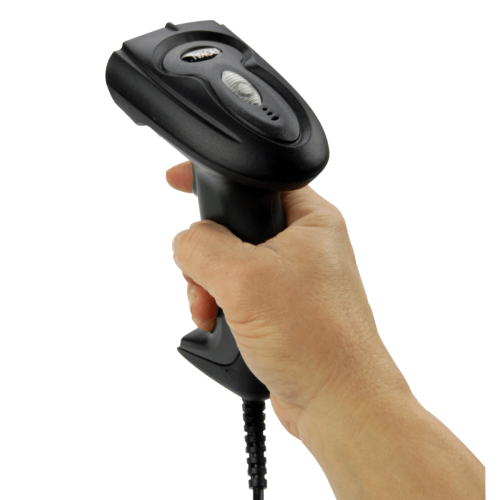
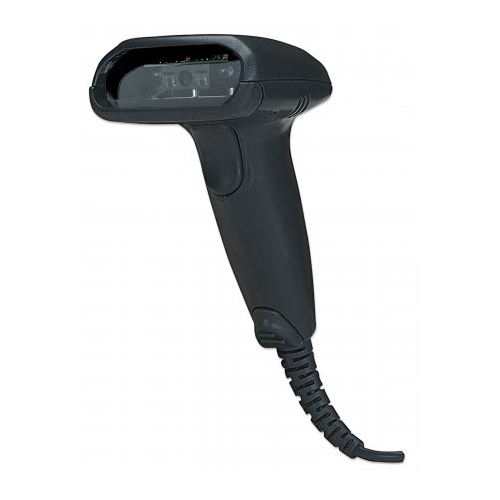
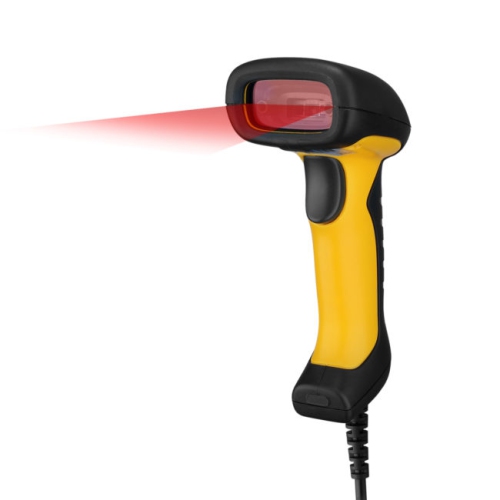
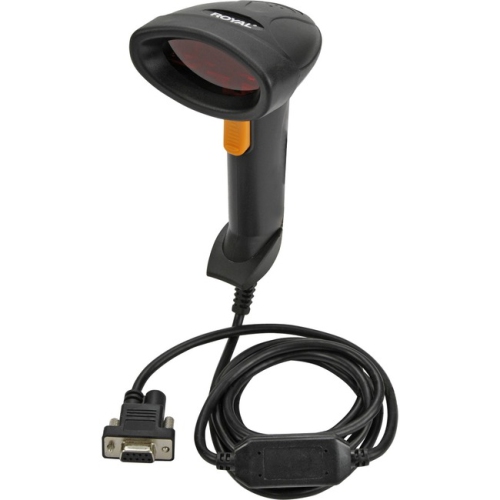
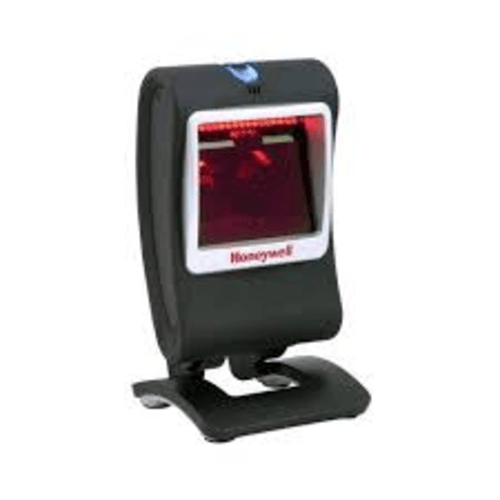
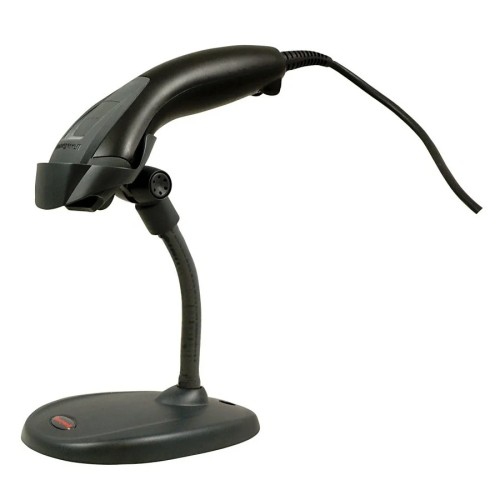
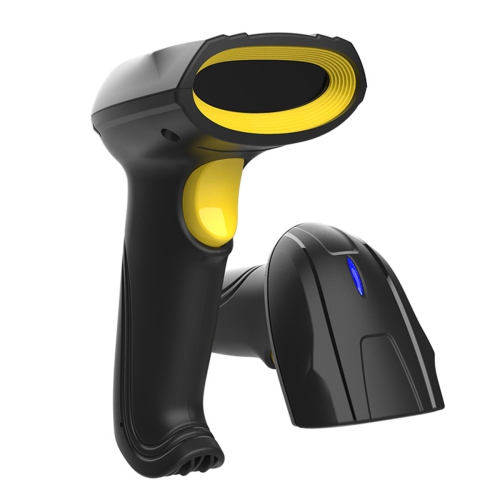
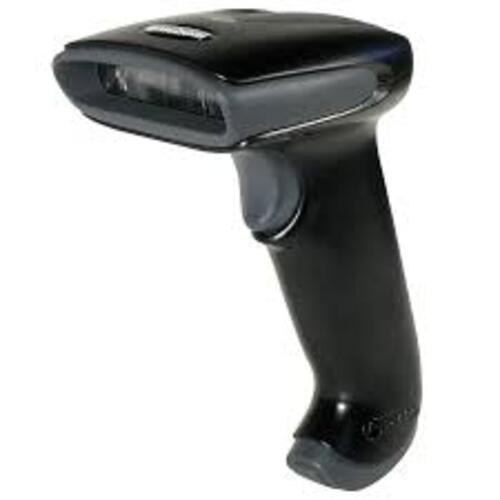


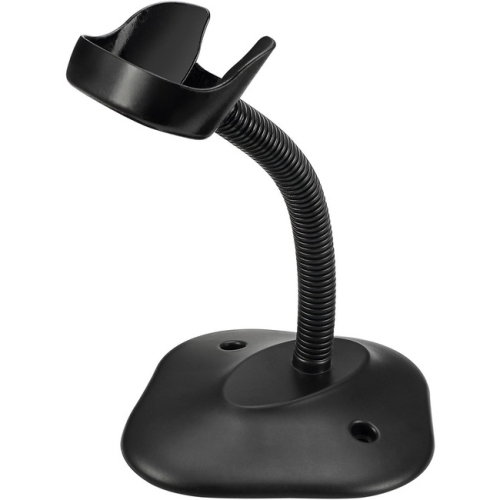

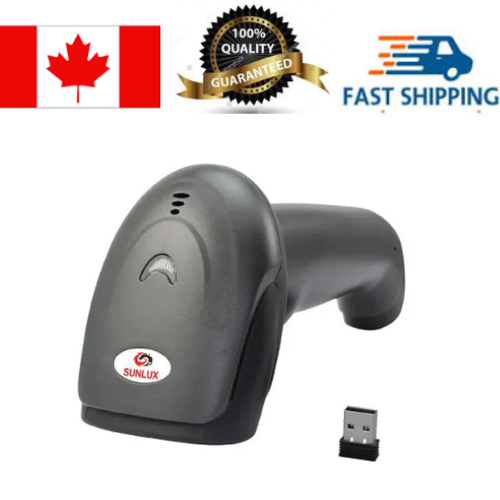
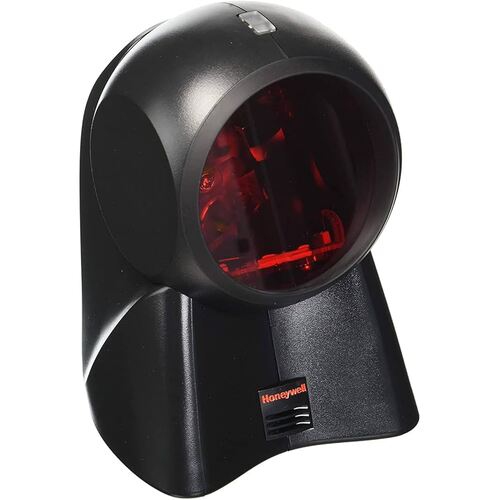
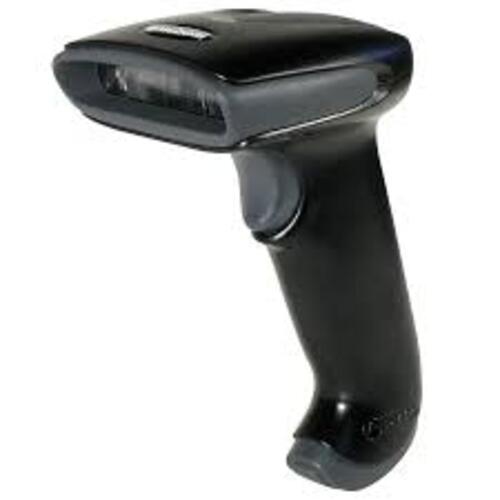
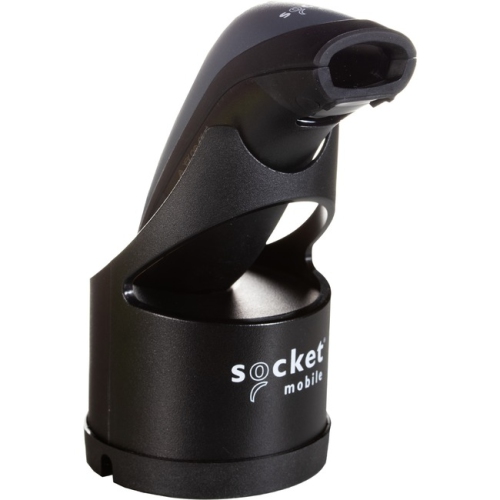
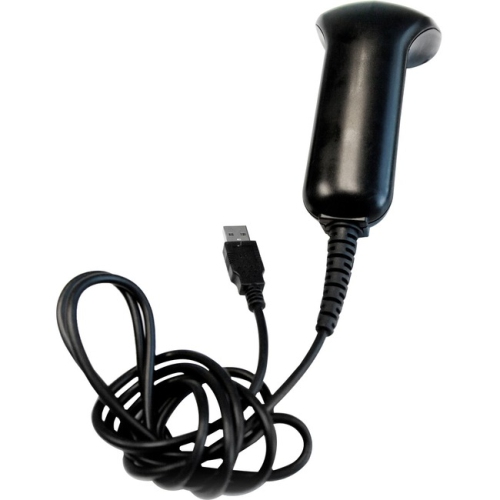
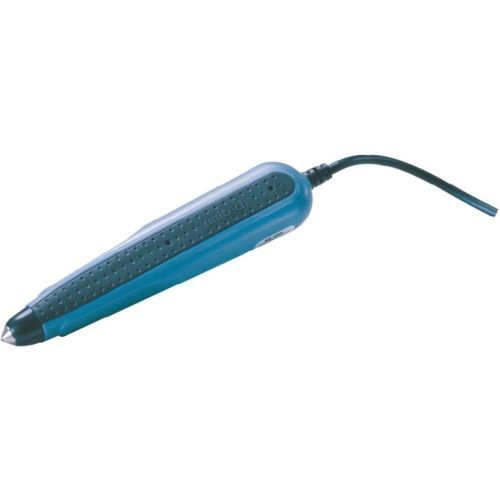
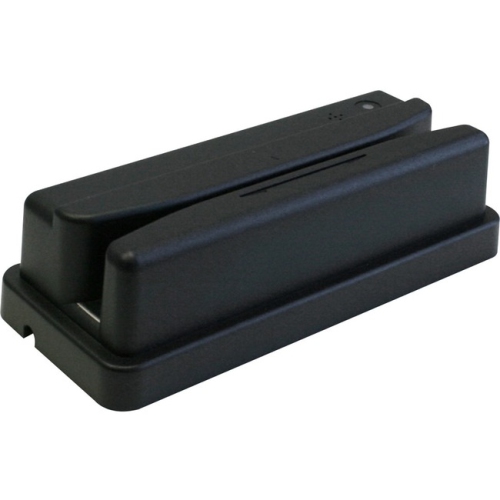
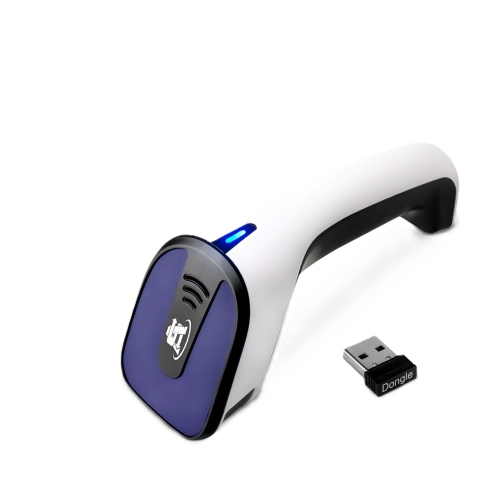
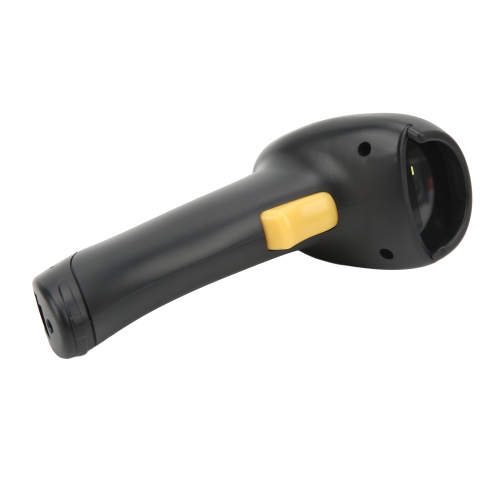
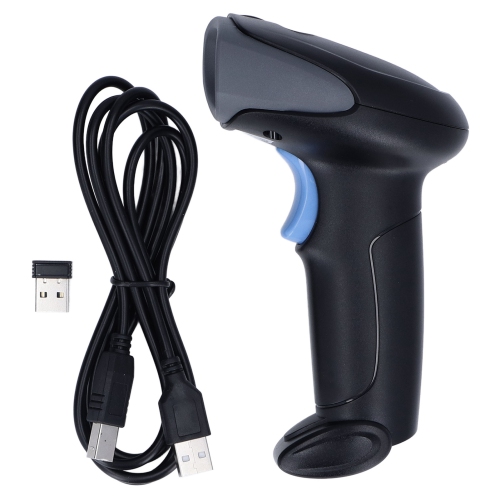
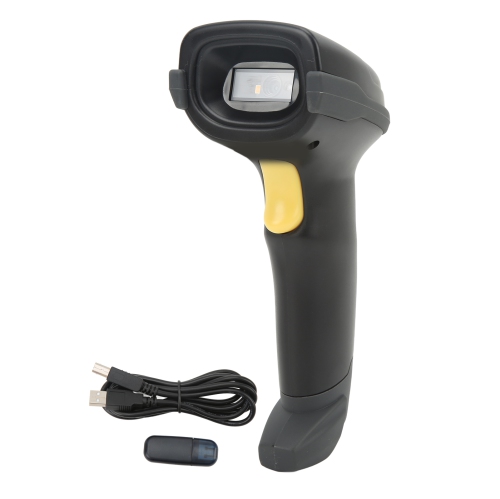
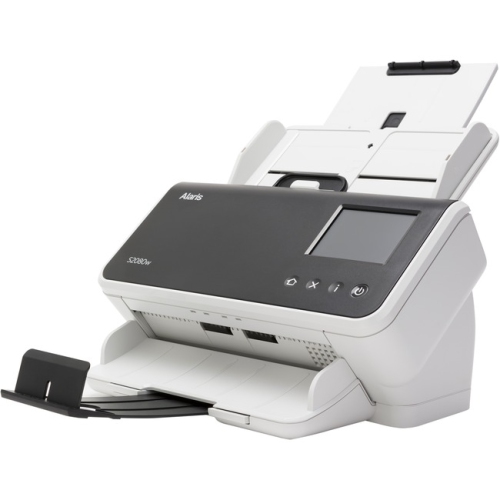
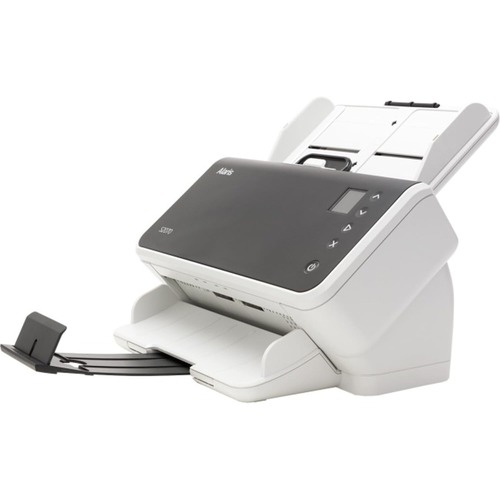
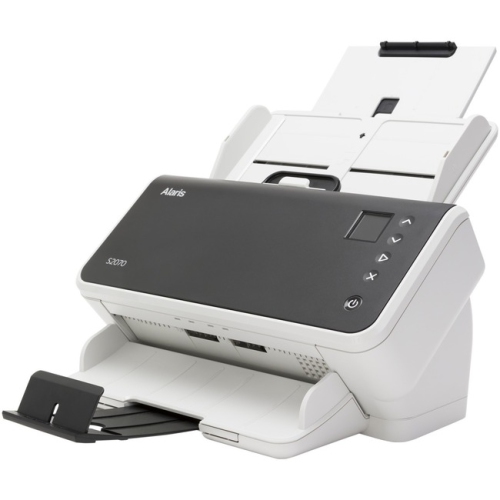

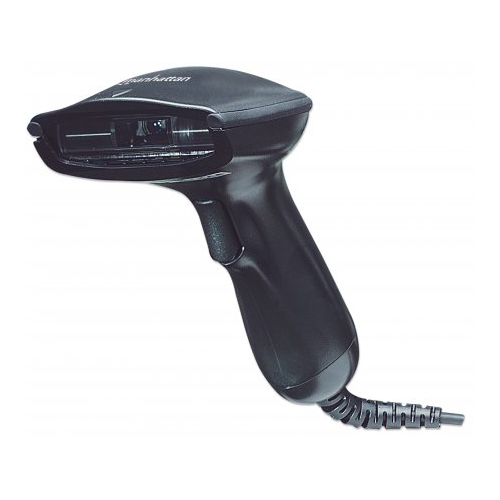
Barcode compatibility and work environment shape the right setup
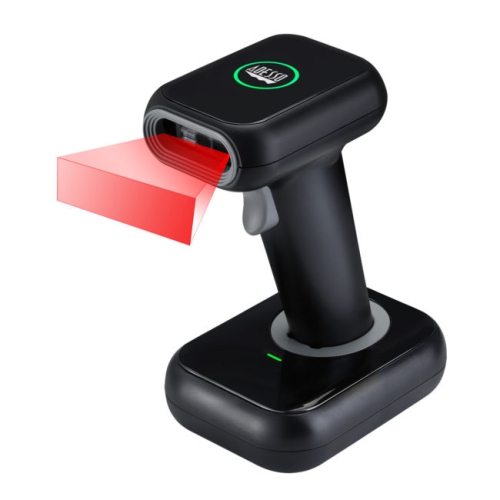
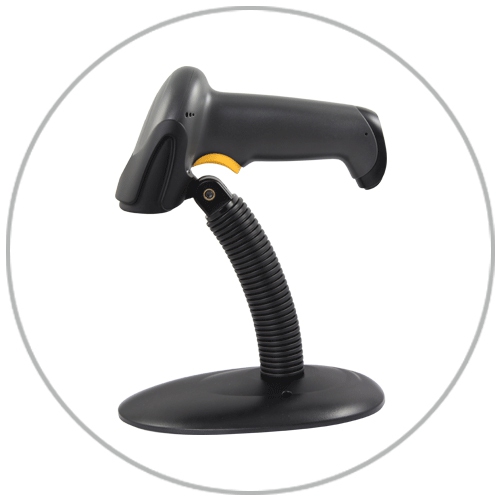
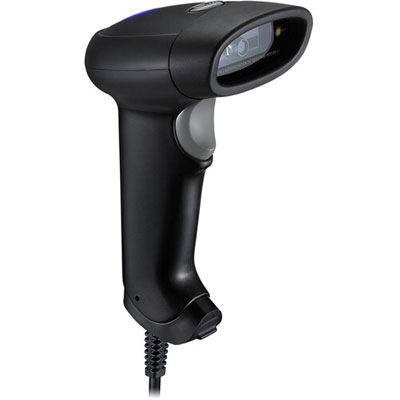
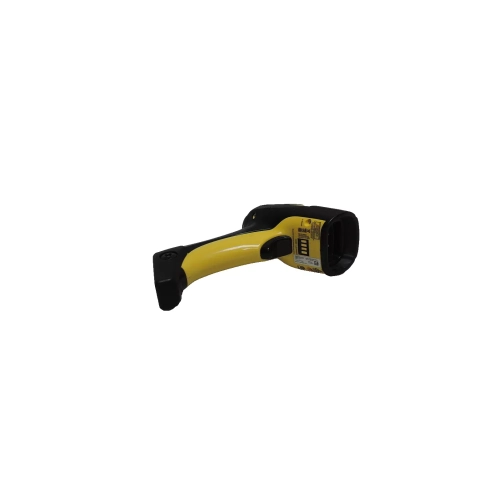
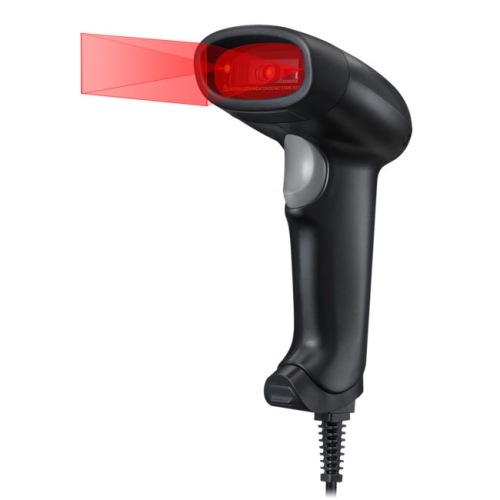
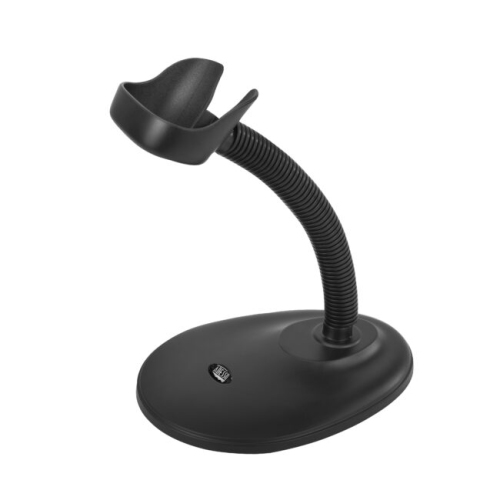
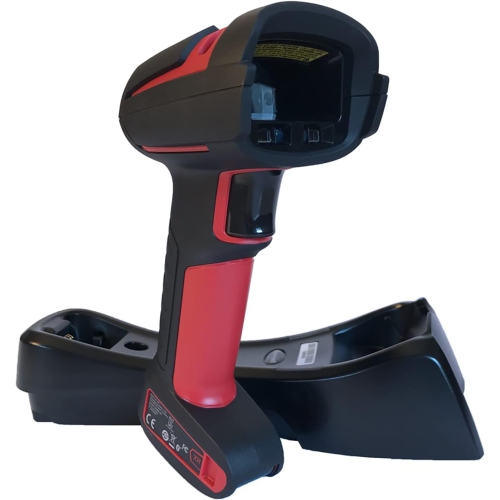
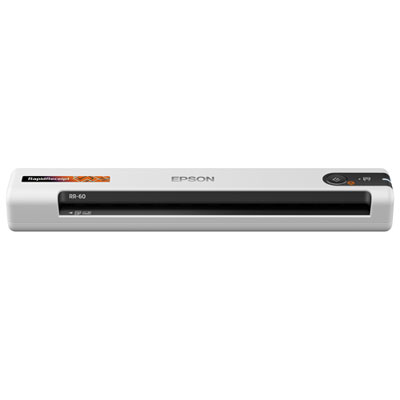
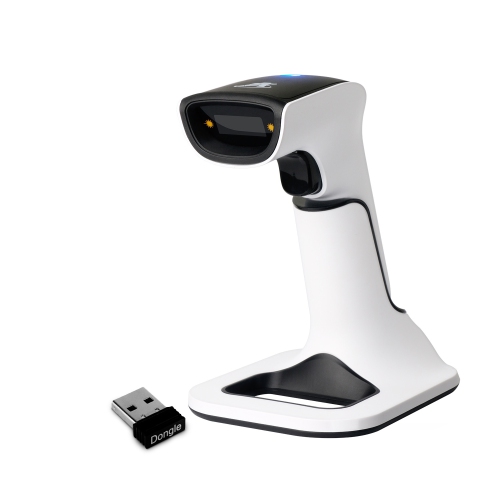
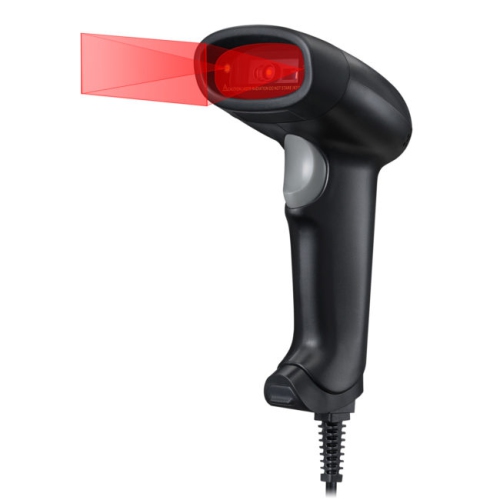
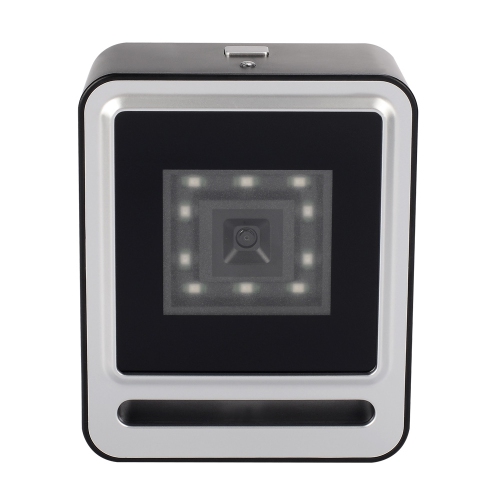
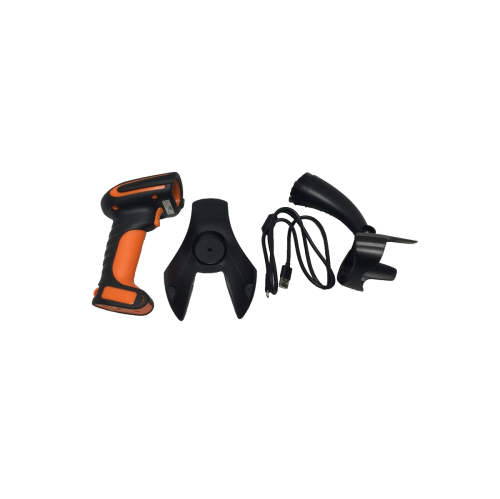
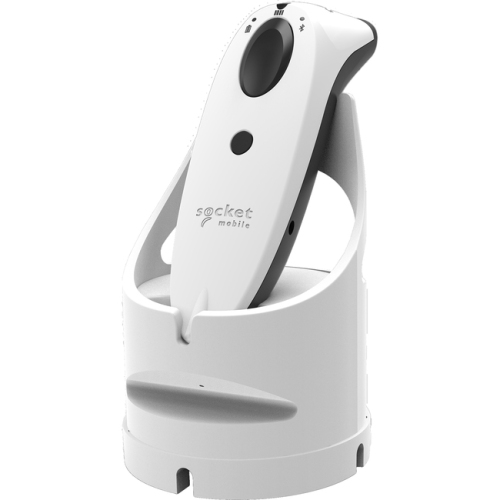
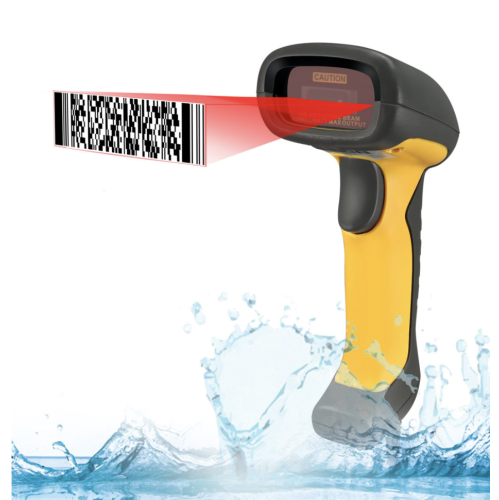
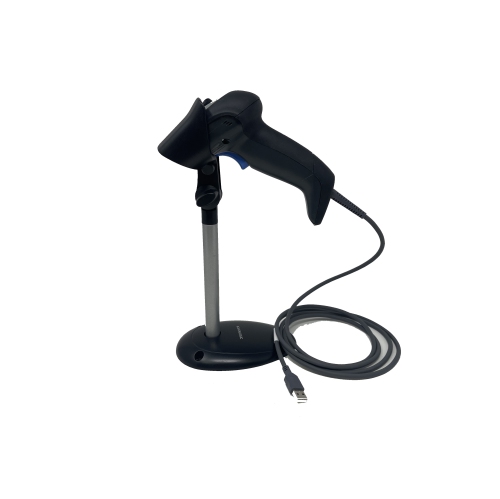
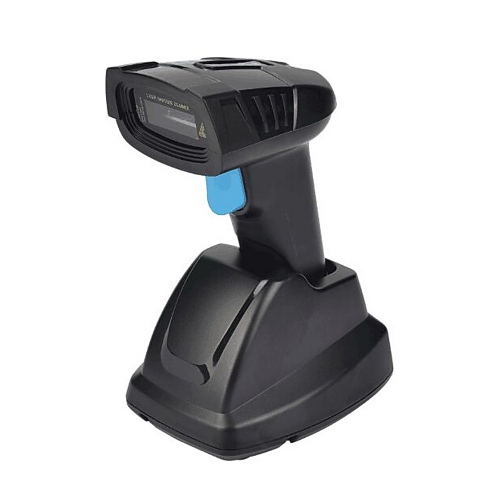
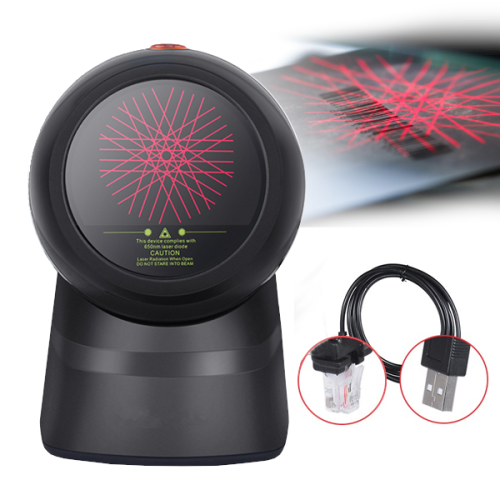
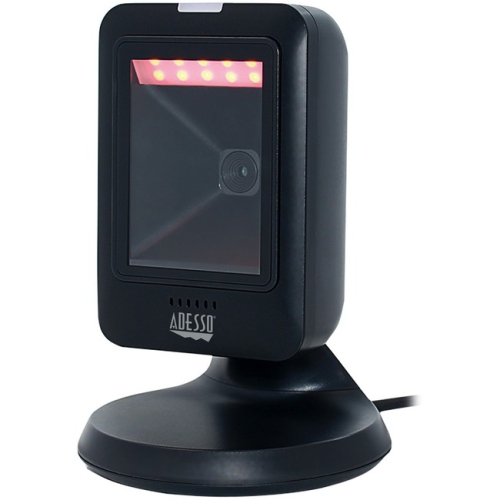
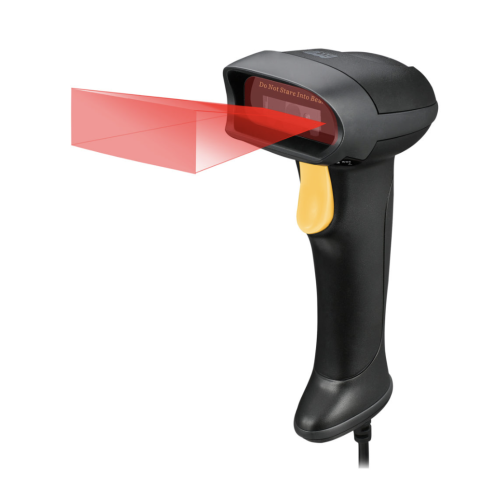
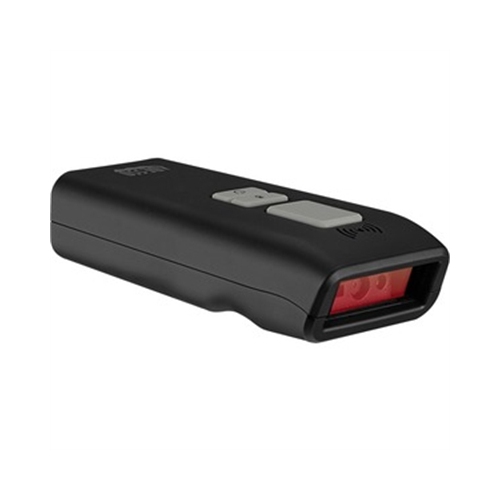
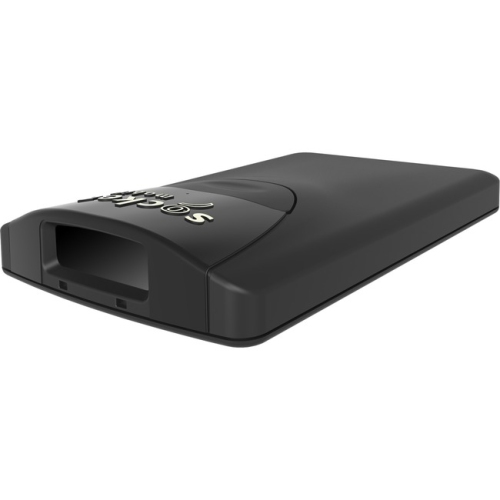
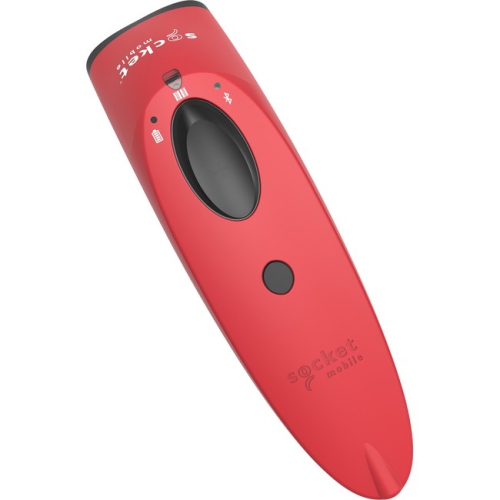
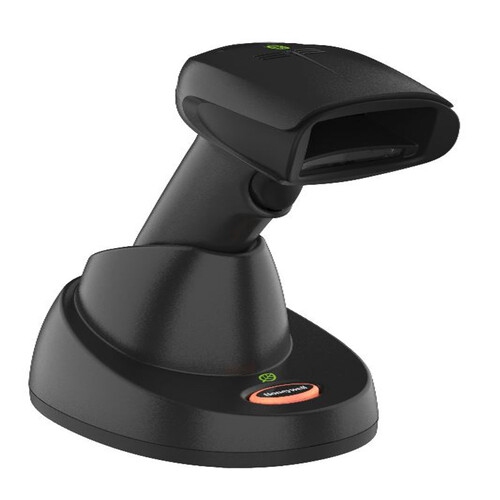
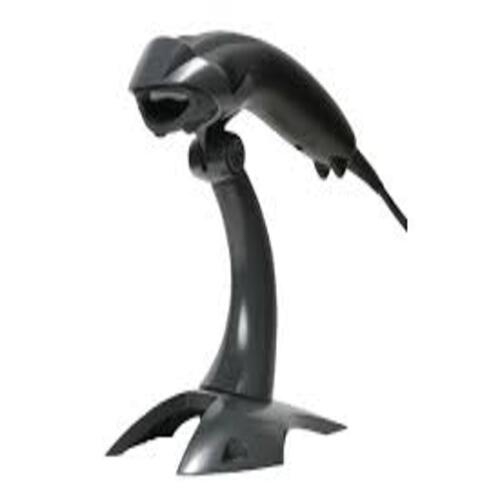
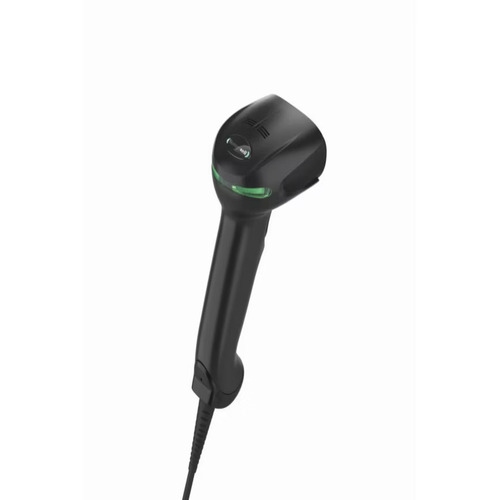
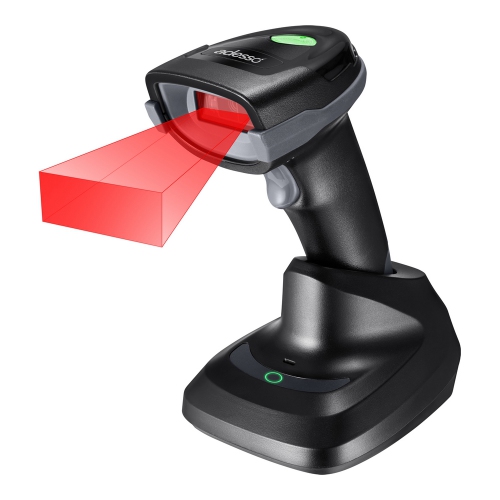
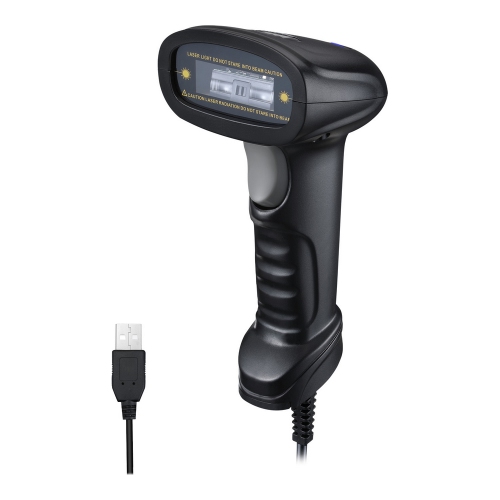
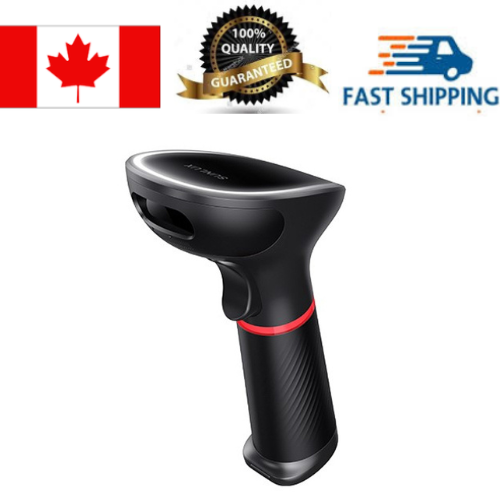
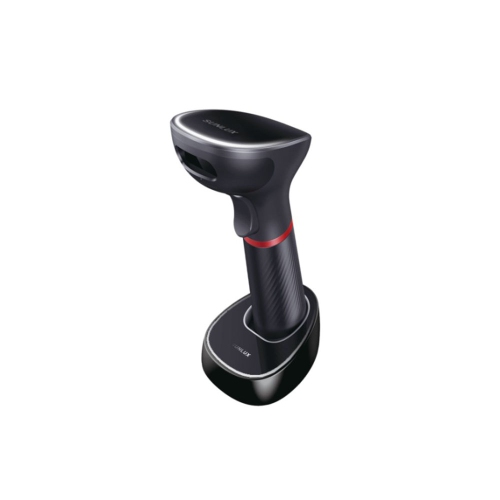
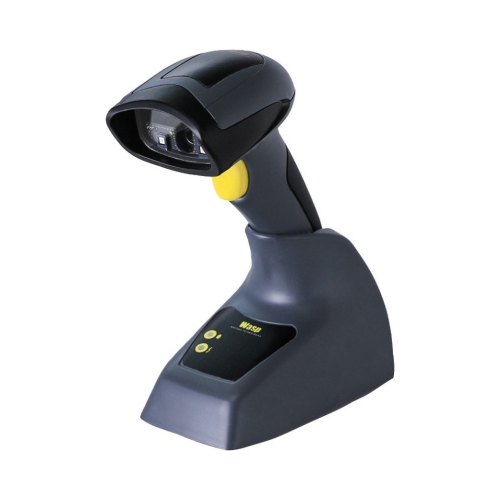
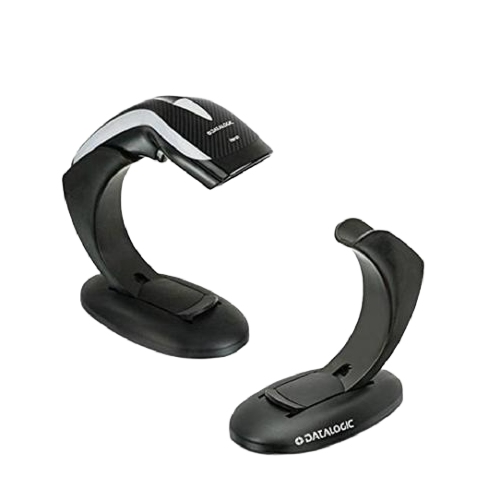
Barcode scanner products help businesses capture information quickly and accurately, whether that information is printed on a retail package, attached to an incoming shipment, displayed on a phone screen, or placed on an office asset. They are commonly used at checkout counters, stockrooms, warehouses, shipping stations, libraries, clinics, schools, and small businesses that need a dependable way to identify products and track movement. A handheld scanner can be carried from shelf to shelf for receiving and inventory counts, while a presentation scanner can remain on a counter for fast, hands-free scanning at a point-of-sale station. Fixed-mount scanners are suited to conveyor lines, kiosks, and other areas where items pass through a defined scanning point. Some models connect directly to a computer or cash register with a cable, while wireless options allow staff to move around a sales floor, stockroom, or loading area without being tied to a desk. For businesses comparing complete setups, the selection of Barcode Scanner Systems can also be considered alongside scanners, stands, cradles, and compatible equipment. The right choice depends on how often scanning takes place, how far employees need to move, how much counter space is available, and whether the scanner will be used in a clean office, a busy retail environment, or a more demanding warehouse.
One of the first purchase considerations is barcode compatibility. Traditional one-dimensional, or 1D, barcodes use a series of vertical lines and remain common on product packaging, shipping labels, membership cards, and inventory tags. Two-dimensional, or 2D, scanners can read more complex patterns, including QR codes, and are often a practical choice for businesses that need to scan digital tickets, mobile coupons, online order details, serial numbers, or labels containing more information in a compact space. If customers may present barcodes on a phone or tablet, look for a scanner designed to capture codes from bright or dim screens as well as from paper. Scan speed and reading range also matter. A scanner with a broad field of view can make it easier to capture codes from different angles, while strong motion tolerance can help when staff are processing a steady stream of items. For a busy checkout or shipping desk, a hands-free unit can reduce repetitive lifting and repositioning. A handheld unit may be more versatile when products vary in size or when workers need to scan cartons on a pallet. Wireless models are useful in larger spaces, although battery life, charging time, connection range, and the availability of a charging cradle deserve close attention. Wired scanners can be a straightforward option for a permanent workstation, with no battery to maintain and a consistent connection to the host device. Before ordering, confirm that the scanner supports the operating system, point-of-sale software, inventory platform, or computer connection being used. USB is common for plug-and-play setups, while Bluetooth can suit mobile devices and workstations where cable-free movement is helpful. It is also worth checking whether the scanner supports the keyboard language and data formatting required by the business, particularly when information must be entered into a specific field or followed by an automatic tab or return command.
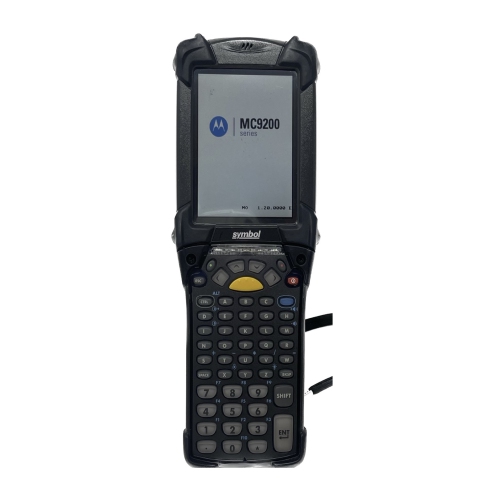
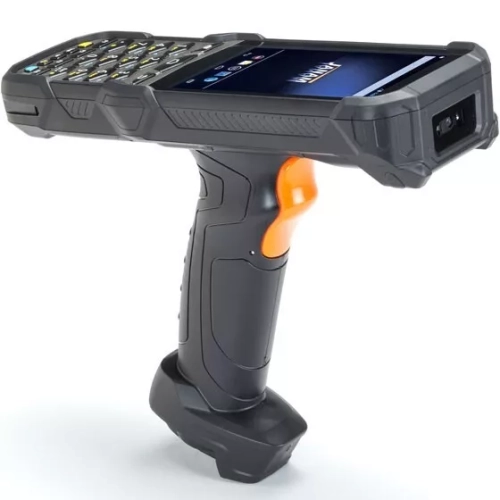
The work environment should guide the physical design and durability you choose. A scanner used occasionally at an office reception desk may only need a comfortable grip and simple setup, while a warehouse unit may benefit from a shock-resistant housing, sealed controls, and a design that can handle frequent drops or contact with dust. A long, coiled cable can provide flexibility at a counter, but a wireless scanner may be more convenient for checking shelves, counting stock, and confirming incoming deliveries. For retail, presentation scanners are designed to read items as they are passed across a counter, helping keep transactions moving during busy periods and reducing the need to aim at every barcode. In inventory control, a handheld scanner can support cycle counts, shelf replenishment, receiving, returns, and order picking. Shipping teams can use scanners to confirm labels and reduce manual data entry, while offices and schools may use them to track equipment, books, files, or event registrations. Rugged mobile computers combine scanning with a screen and computing functions, which can be useful when employees need to view product details, update quantities, check orders, or communicate while moving through a facility. For a small shop, a simple scanner may be an approachable addition to an existing computer and receipt setup; for a growing operation, it may be more useful to choose equipment that can scale across several stations and support future 2D scanning needs. Barcode scanner products can also be a practical gift for someone starting a small online shop, reselling business, craft operation, or home-based inventory service, particularly when accurate order handling is taking up valuable time. As the weather warms and during the cooler months, businesses often adjust stock, prepare seasonal merchandise, or manage increased shipping activity, making dependable scanning equipment useful well beyond a single busy period. Look for a comfortable shape, clear setup instructions, suitable accessories, and the scanning features that match the codes and tasks used every day; a well-matched scanner should make routine work feel smoother without adding unnecessary complexity.
One of the first purchase considerations is barcode compatibility. Traditional one-dimensional, or 1D, barcodes use a series of vertical lines and remain common on product packaging, shipping labels, membership cards, and inventory tags. Two-dimensional, or 2D, scanners can read more complex patterns, including QR codes, and are often a practical choice for businesses that need to scan digital tickets, mobile coupons, online order details, serial numbers, or labels containing more information in a compact space. If customers may present barcodes on a phone or tablet, look for a scanner designed to capture codes from bright or dim screens as well as from paper. Scan speed and reading range also matter. A scanner with a broad field of view can make it easier to capture codes from different angles, while strong motion tolerance can help when staff are processing a steady stream of items. For a busy checkout or shipping desk, a hands-free unit can reduce repetitive lifting and repositioning. A handheld unit may be more versatile when products vary in size or when workers need to scan cartons on a pallet. Wireless models are useful in larger spaces, although battery life, charging time, connection range, and the availability of a charging cradle deserve close attention. Wired scanners can be a straightforward option for a permanent workstation, with no battery to maintain and a consistent connection to the host device. Before ordering, confirm that the scanner supports the operating system, point-of-sale software, inventory platform, or computer connection being used. USB is common for plug-and-play setups, while Bluetooth can suit mobile devices and workstations where cable-free movement is helpful. It is also worth checking whether the scanner supports the keyboard language and data formatting required by the business, particularly when information must be entered into a specific field or followed by an automatic tab or return command.
The work environment should guide the physical design and durability you choose. A scanner used occasionally at an office reception desk may only need a comfortable grip and simple setup, while a warehouse unit may benefit from a shock-resistant housing, sealed controls, and a design that can handle frequent drops or contact with dust. A long, coiled cable can provide flexibility at a counter, but a wireless scanner may be more convenient for checking shelves, counting stock, and confirming incoming deliveries. For retail, presentation scanners are designed to read items as they are passed across a counter, helping keep transactions moving during busy periods and reducing the need to aim at every barcode. In inventory control, a handheld scanner can support cycle counts, shelf replenishment, receiving, returns, and order picking. Shipping teams can use scanners to confirm labels and reduce manual data entry, while offices and schools may use them to track equipment, books, files, or event registrations. Rugged mobile computers combine scanning with a screen and computing functions, which can be useful when employees need to view product details, update quantities, check orders, or communicate while moving through a facility. For a small shop, a simple scanner may be an approachable addition to an existing computer and receipt setup; for a growing operation, it may be more useful to choose equipment that can scale across several stations and support future 2D scanning needs. Barcode scanner products can also be a practical gift for someone starting a small online shop, reselling business, craft operation, or home-based inventory service, particularly when accurate order handling is taking up valuable time. As the weather warms and during the cooler months, businesses often adjust stock, prepare seasonal merchandise, or manage increased shipping activity, making dependable scanning equipment useful well beyond a single busy period. Look for a comfortable shape, clear setup instructions, suitable accessories, and the scanning features that match the codes and tasks used every day; a well-matched scanner should make routine work feel smoother without adding unnecessary complexity.
Top selling and popular products
-
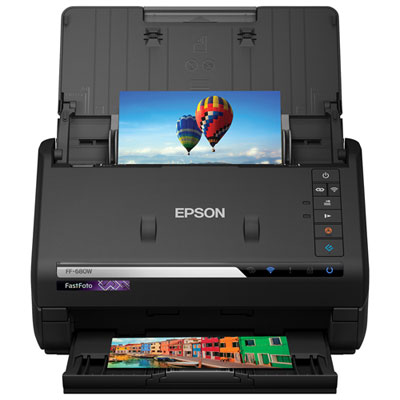 Your price for this item is $849.99
 -
 Your price for this item is $107.99
 -
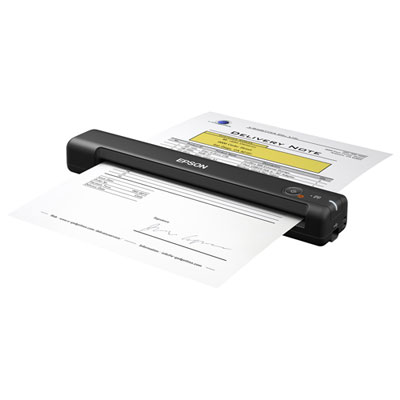 Your price for this item is $149.99
 -
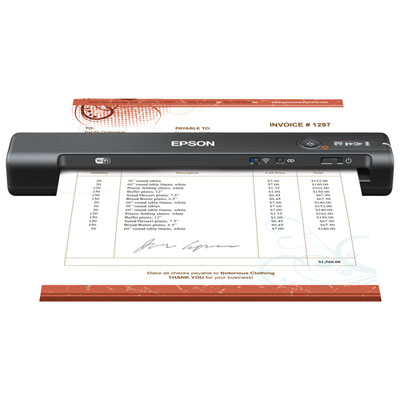 Your price for this item is $239.99
 -
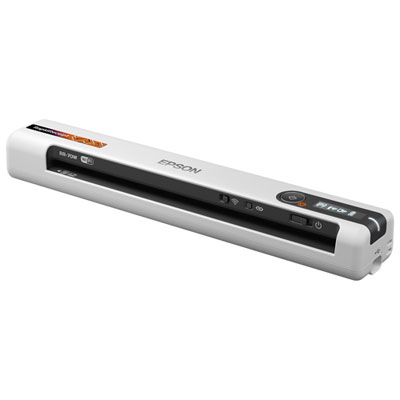 Your price for this item is $369.99
 -
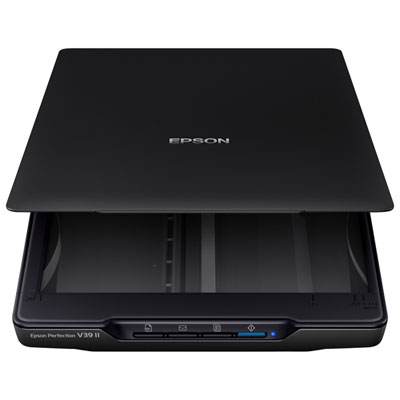 Your price for this item is $129.99
 -
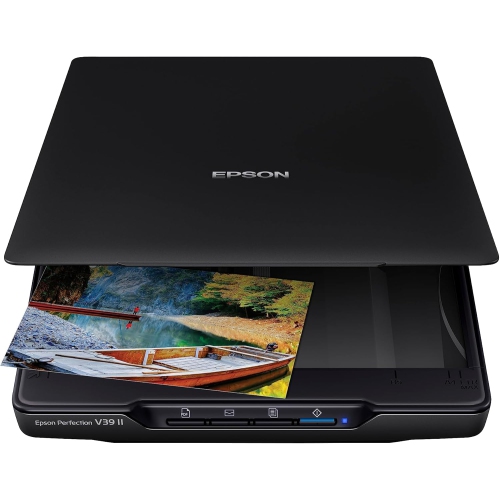 Your price for this item is $228.99
 -
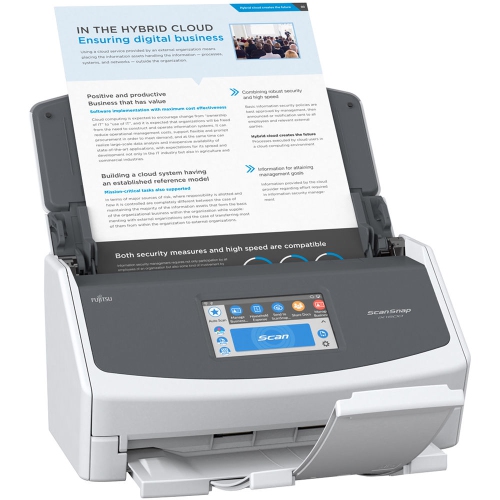 Your price for this item is $804
Discover more categories related to Barcode Scanner Products
Top Collections:
Pokemon Centers, Kindle Devices, Best Budget Office Chairs, Apple iPhones 16, Best Laptops for Writers, iPhone 15 Apple, Canon G7X Cameras, Refurbished Apple Laptops, Alarm Clock, Motorola Razr Phones
Some products may be subject to Environmental Handling Fees
(EHF) depending on your province.
Learn more about EHFs.