C13 Power Cords
Power up your devices with the reliable and versatile C13 power cord, a must-have accessory for ensuring seamless connectivity in any setup. Designed to provide a secure and efficient connection between your electronic devices and power sources, these cords are perfect for a wide range of applications, from home offices to entertainment systems. Whether you're setting up a new computer, upgrading your home theater, or simply replacing an old cable, the C13 power cord offers durability and compatibility to keep your equipment running smoothly. Explore our selection to find the ideal solution that meets your power needs with ease.
Sort






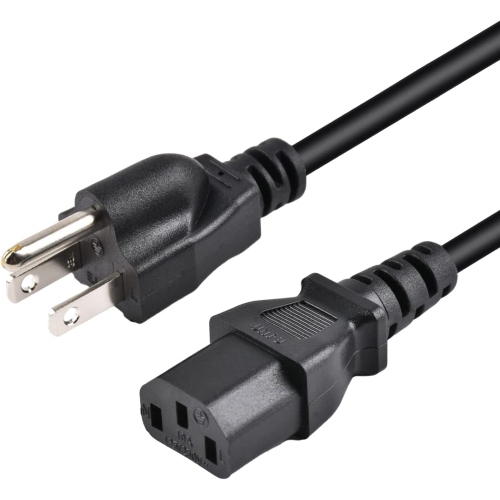
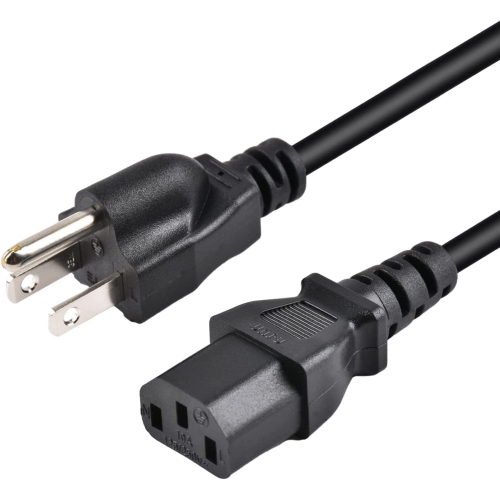
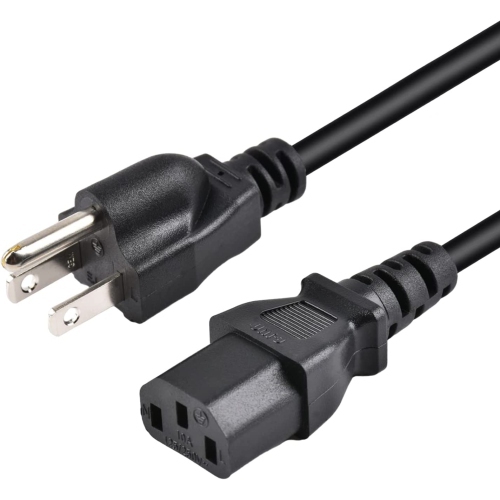
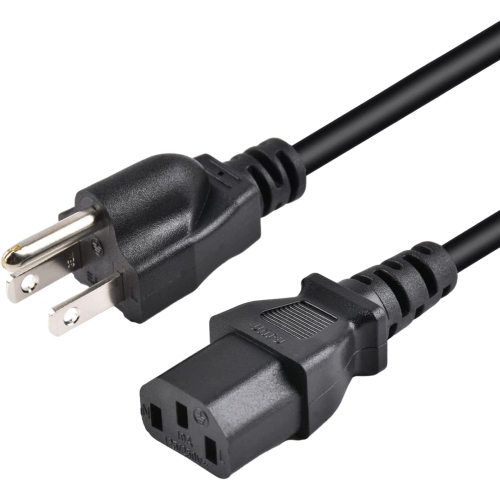
![DELIPPO [Ul Listed] Us Plug Ac Power Cord 5 Ft 3 Prong Power Cable Lead C13 for Fully Molded Laptop & Plasma Tv's & Computer](https://multimedia.bbycastatic.ca/multimedia/products/500x500/142/14201/14201135.jpg)
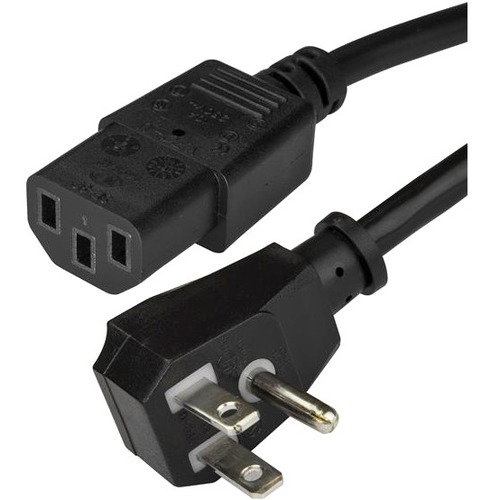
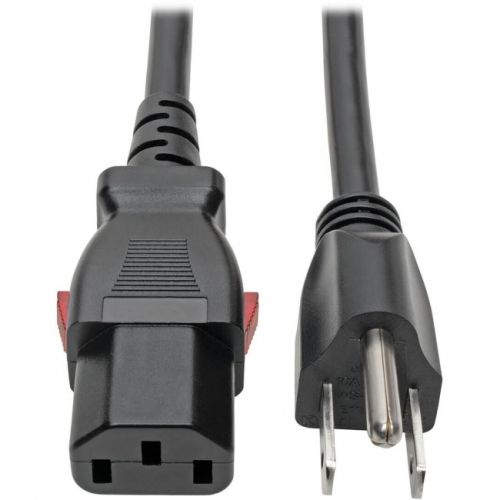
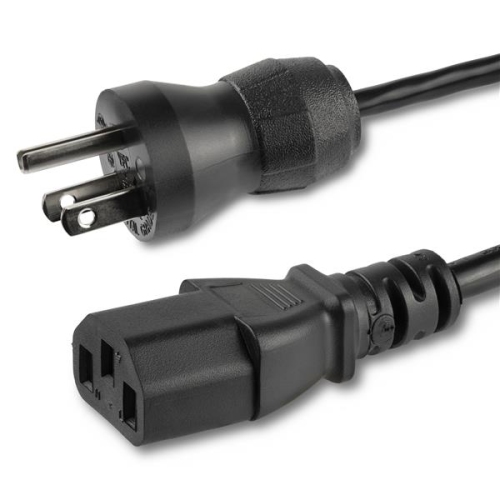
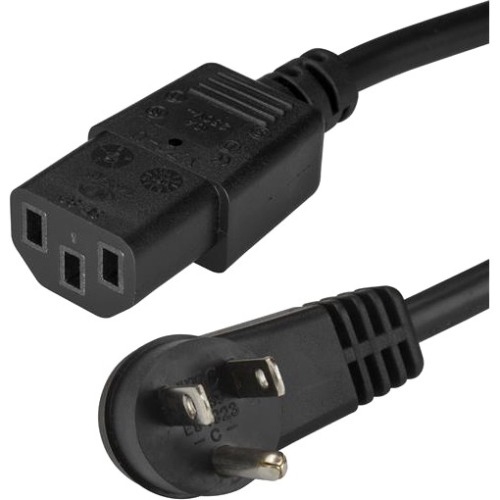

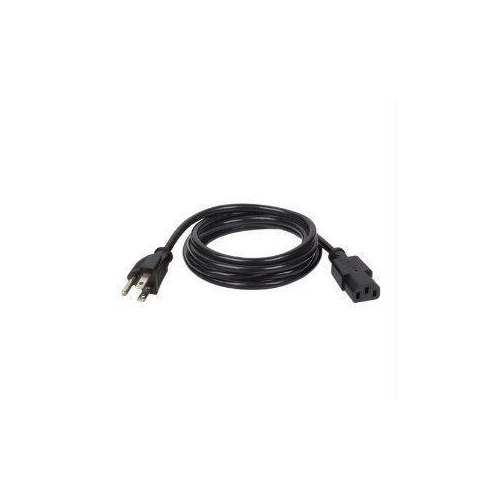
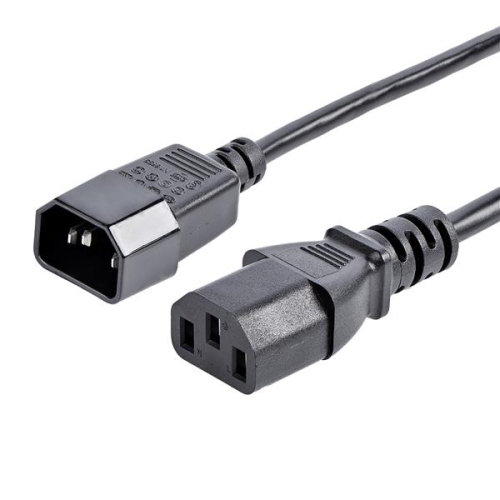
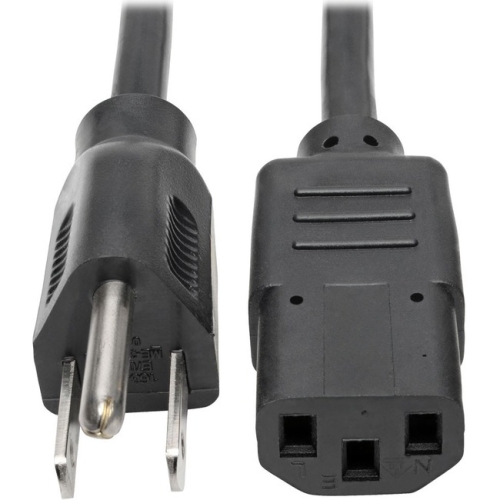
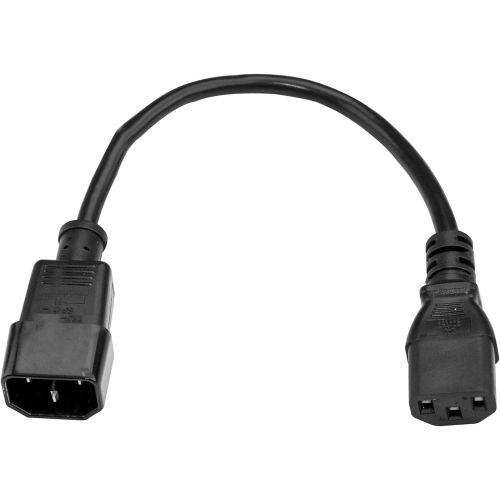


Reliable connections for computers, monitors, and more
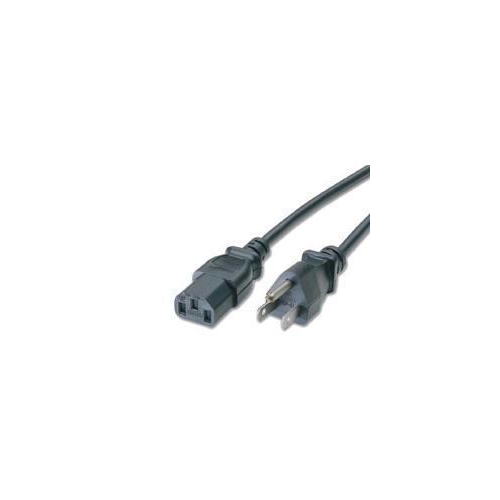
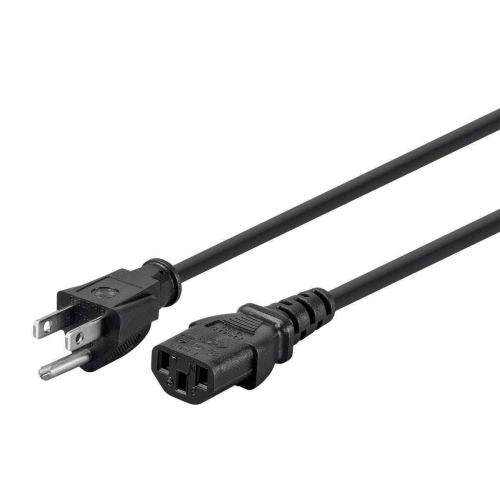
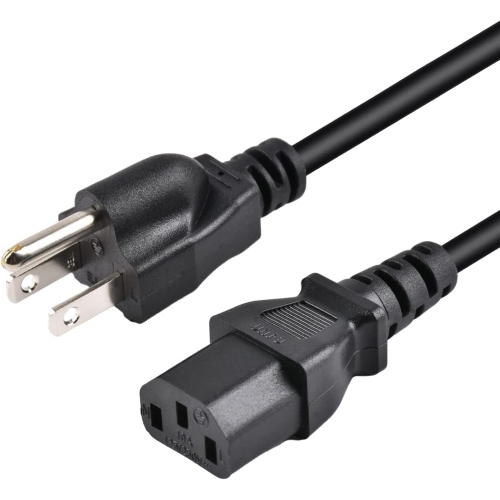
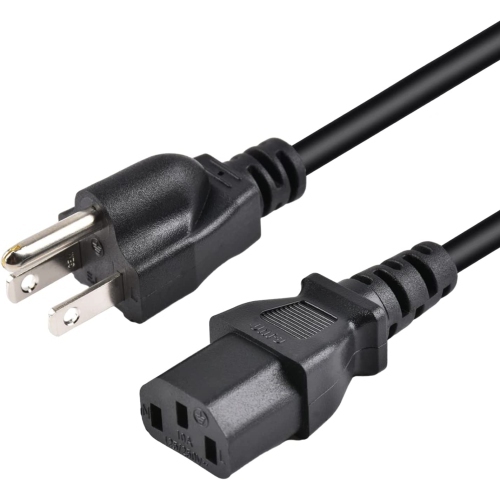
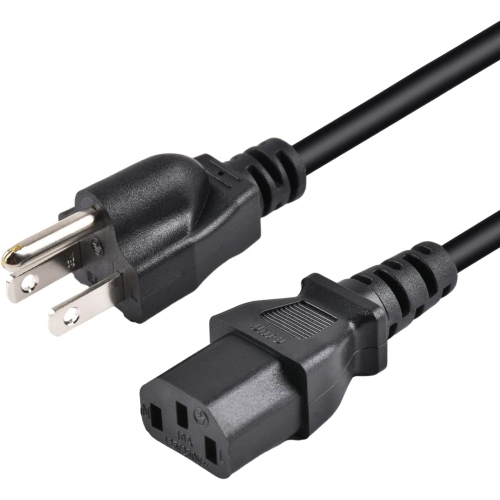
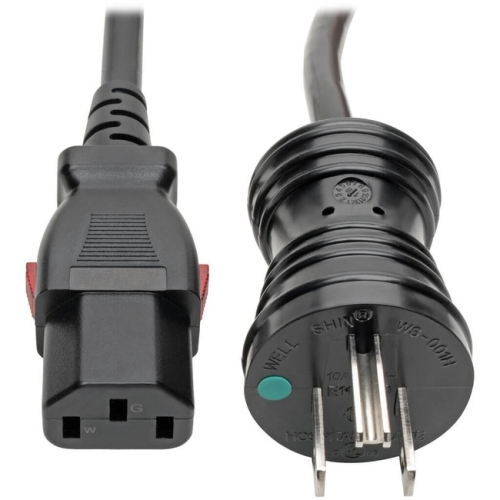
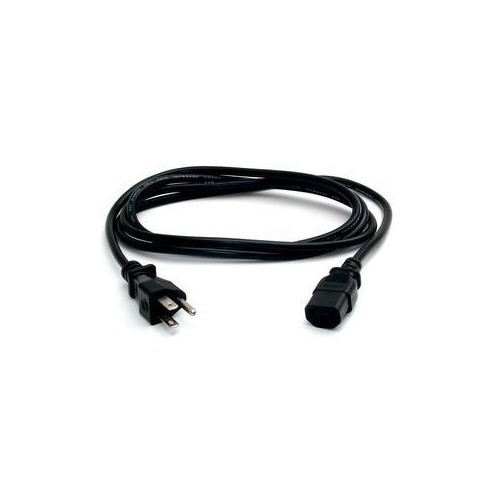
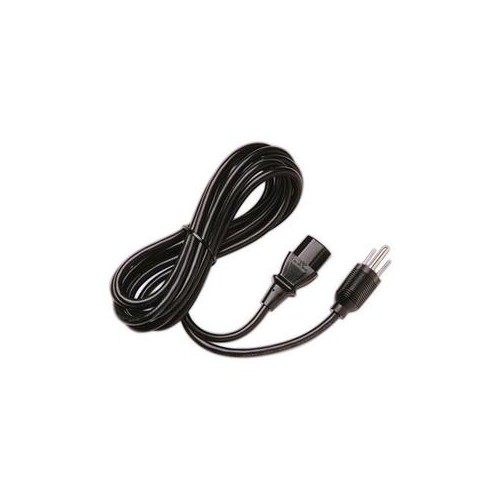
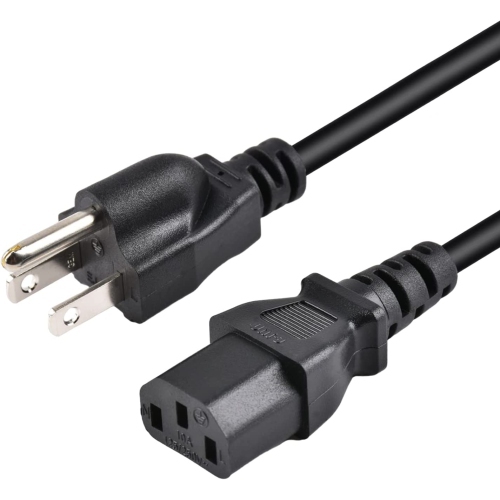
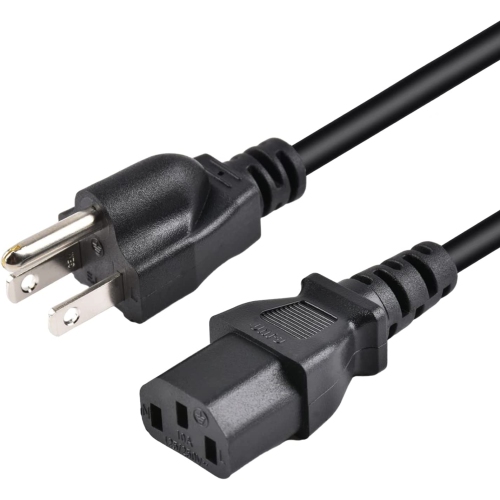
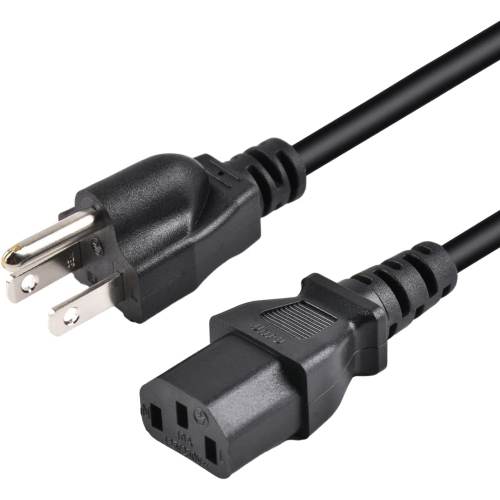
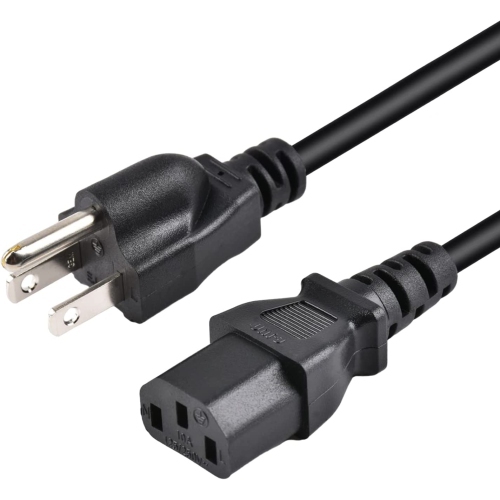
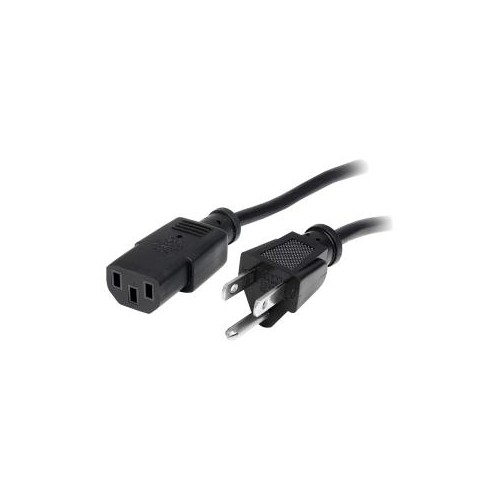
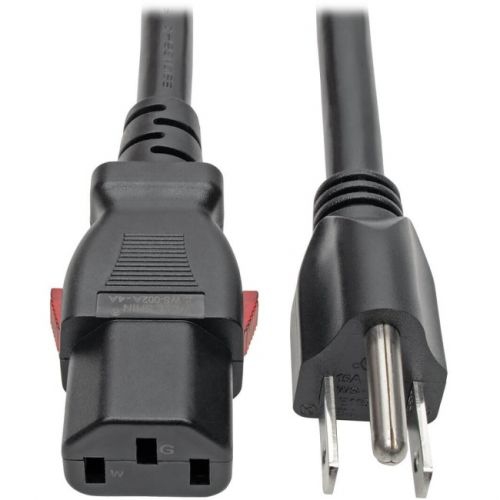
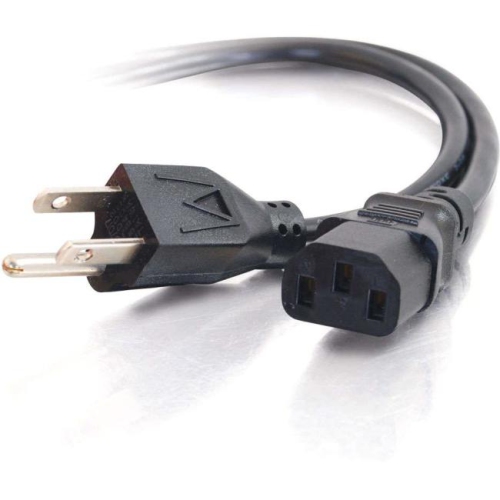
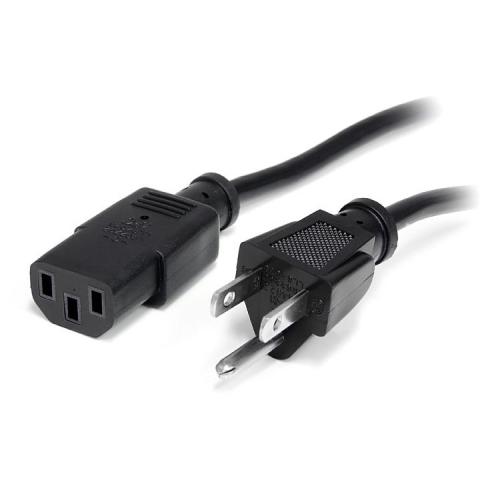
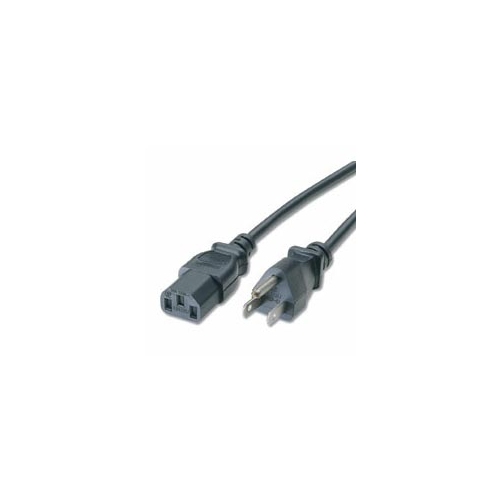
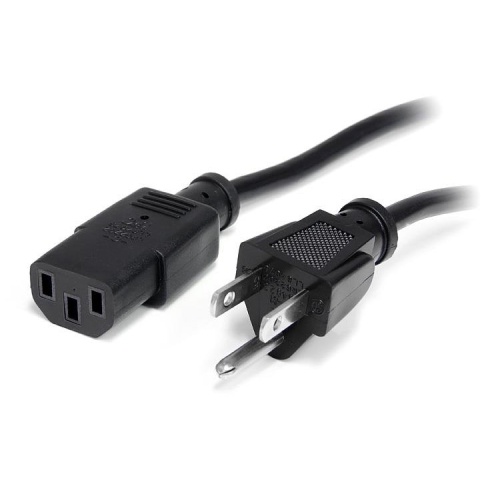
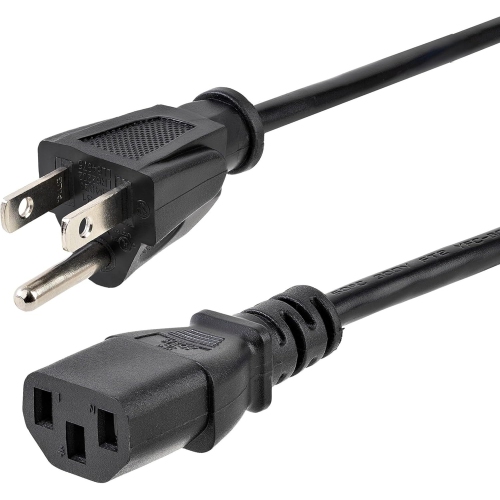
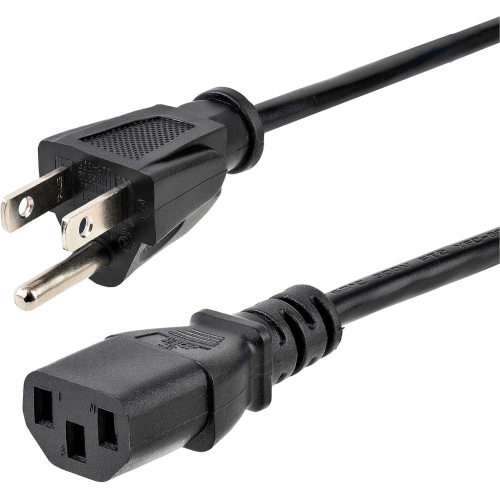
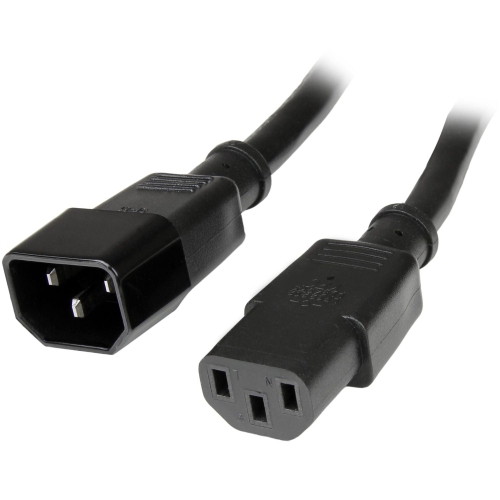
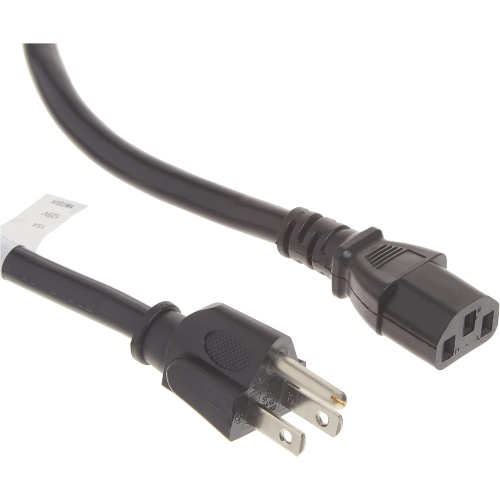
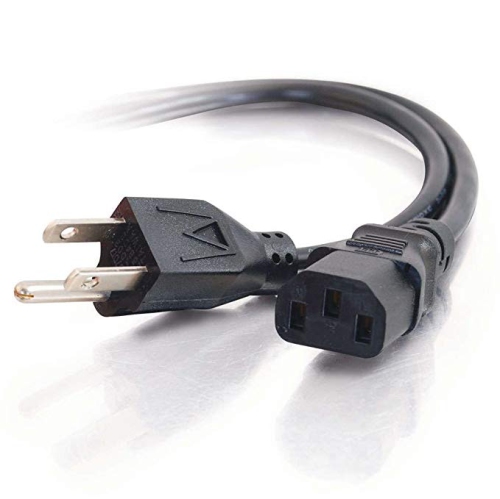
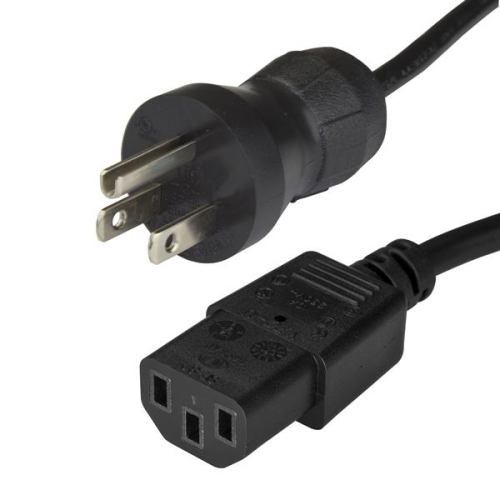
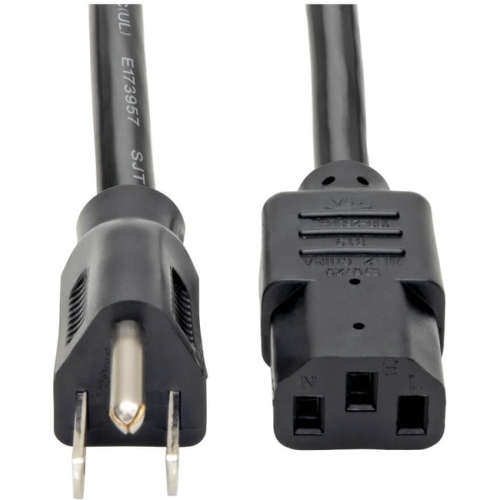
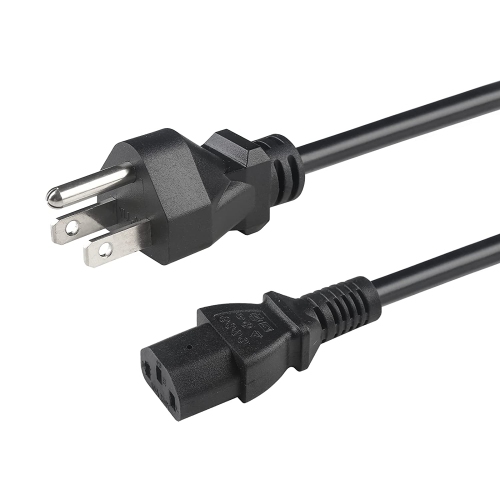
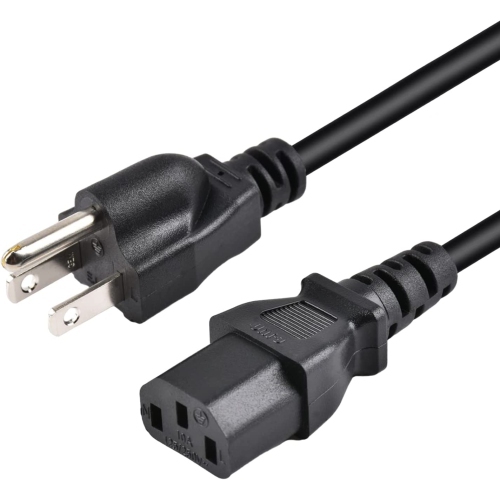
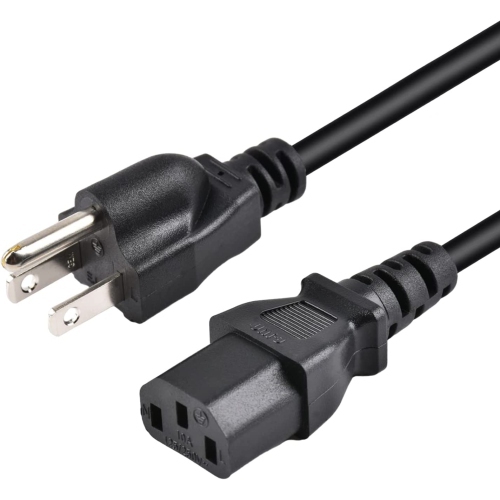
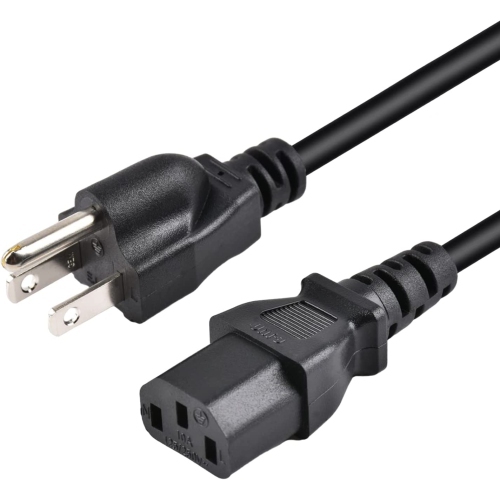
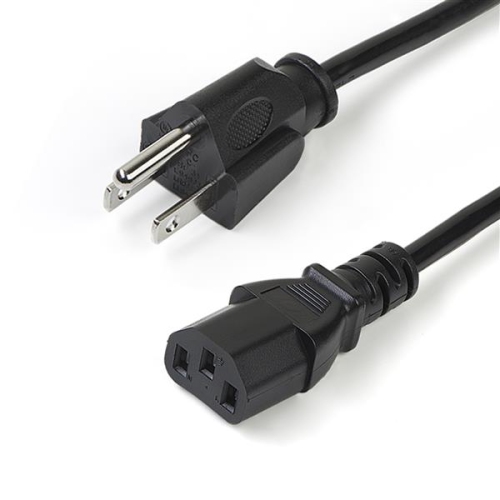
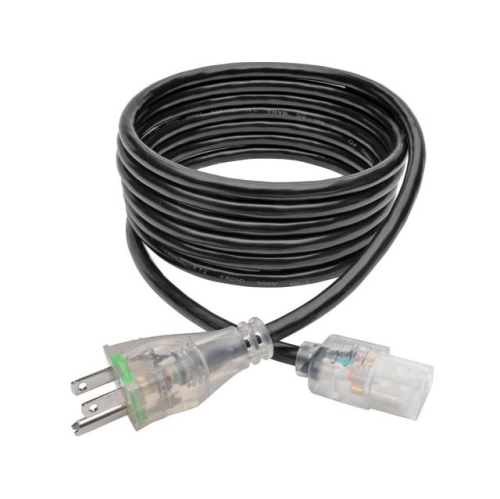
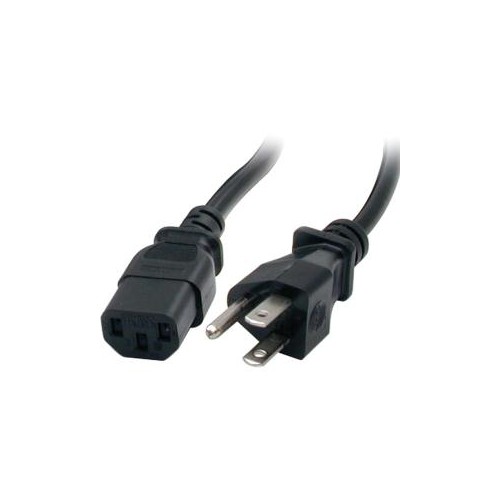
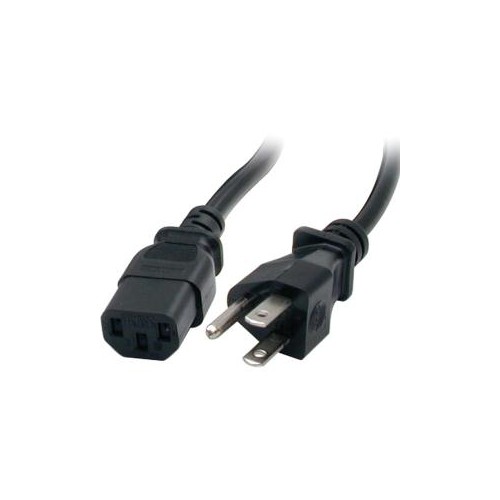
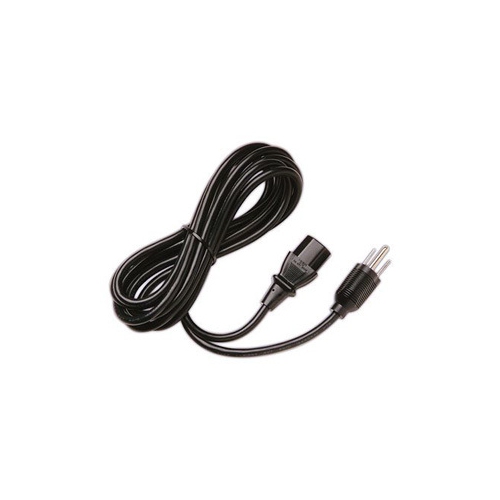
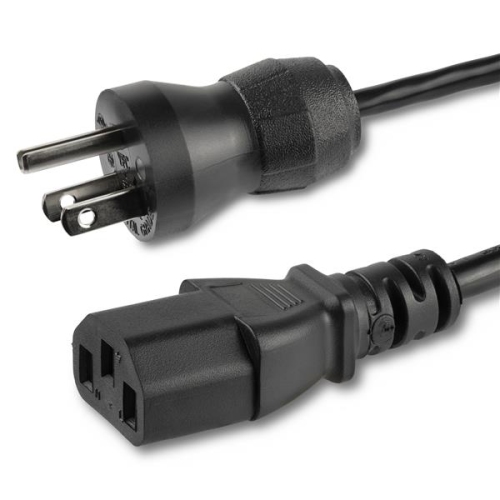
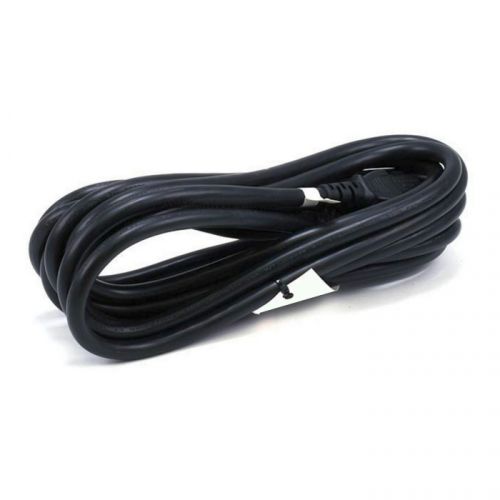
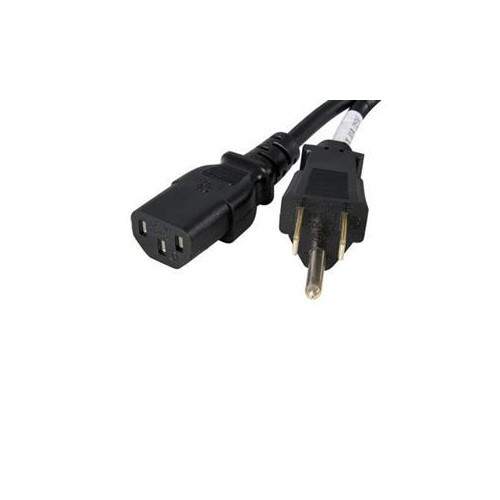
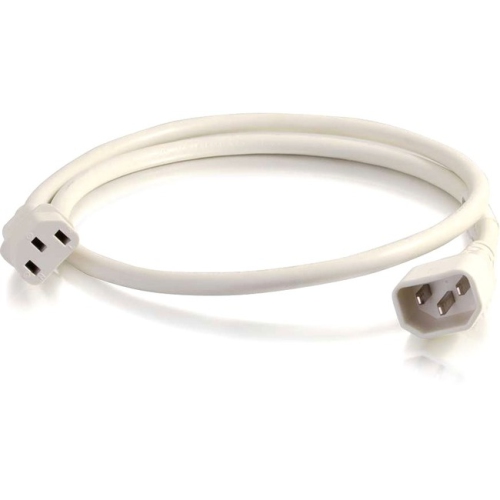
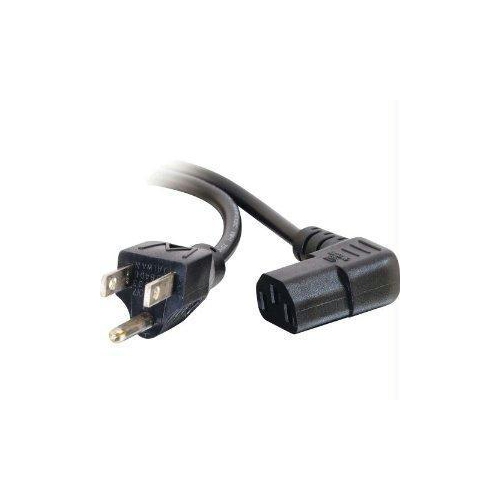
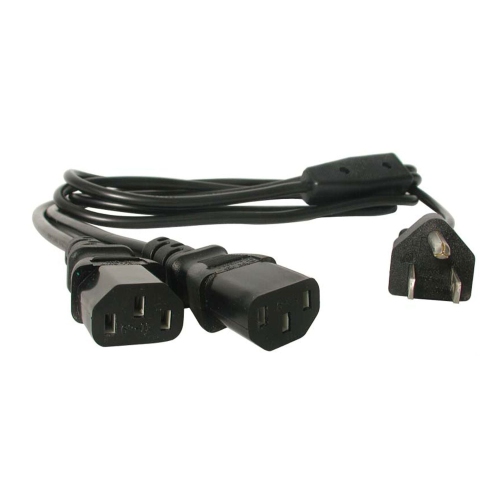
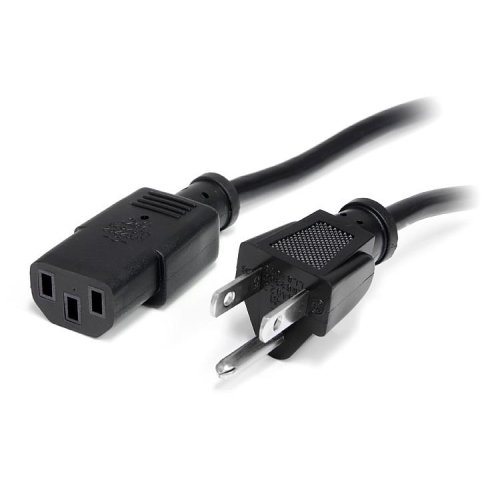
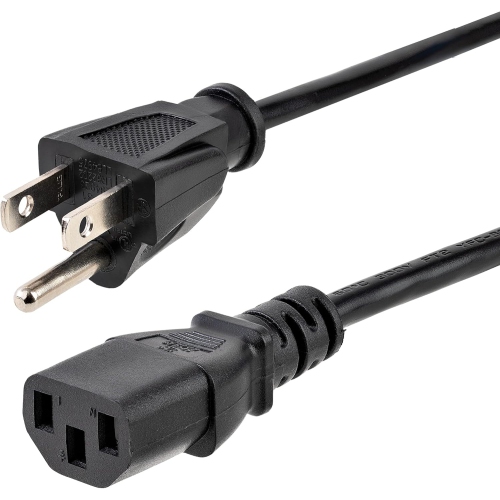
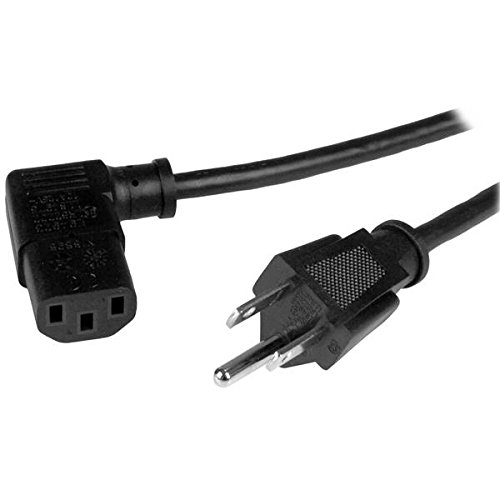
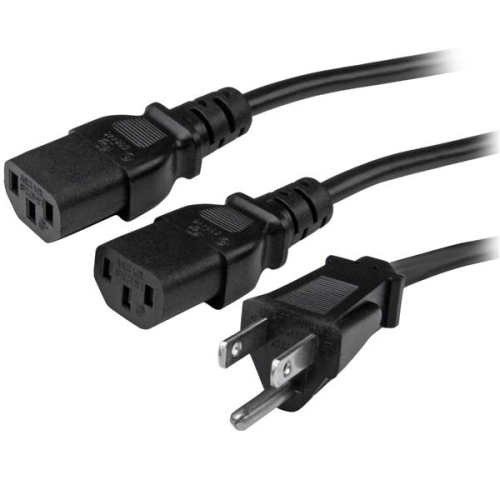
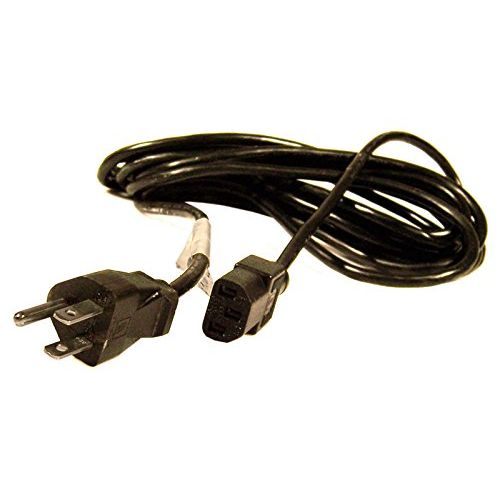
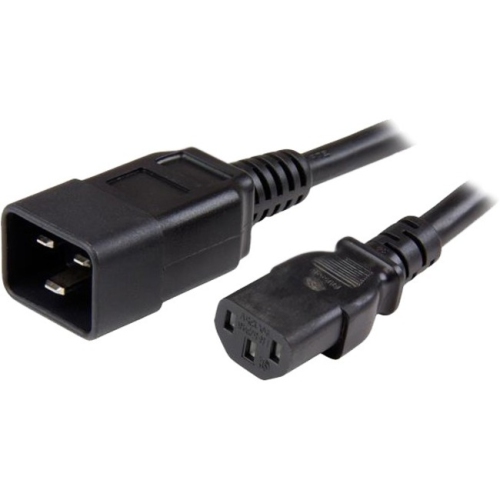
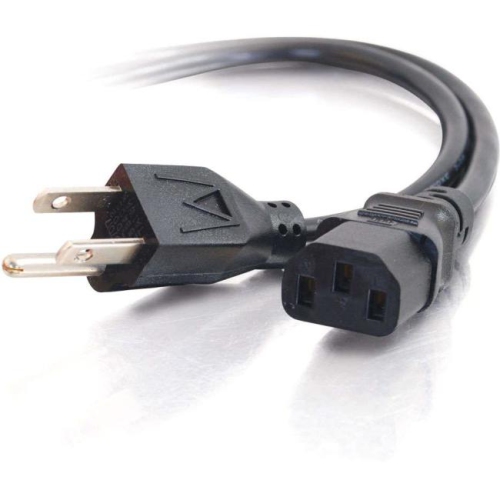
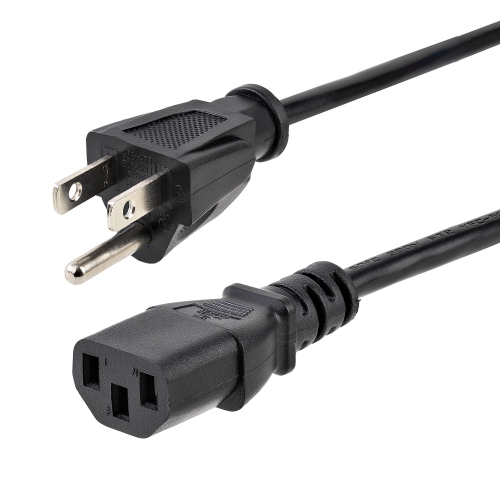
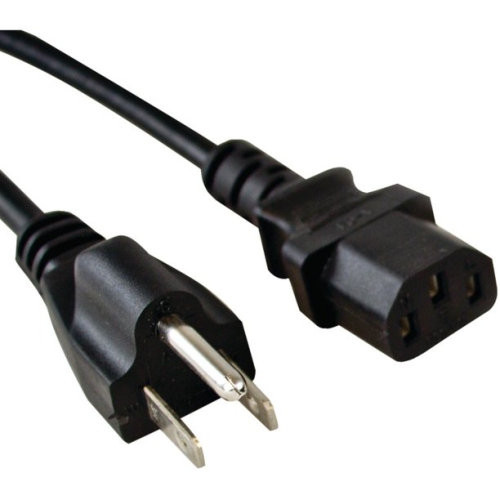
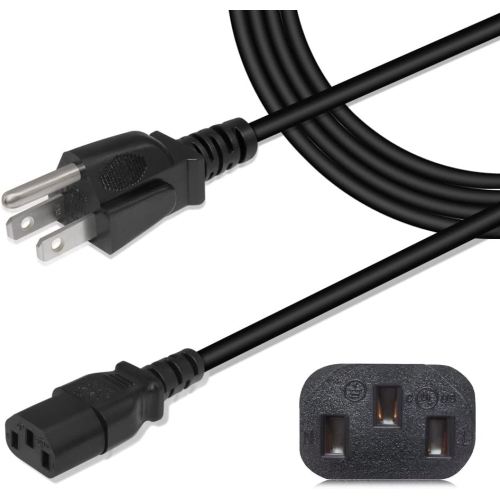
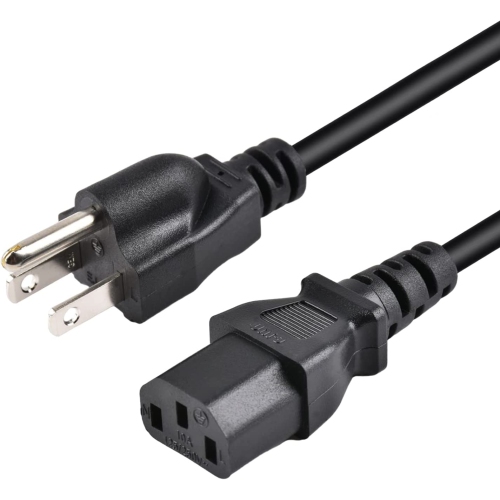
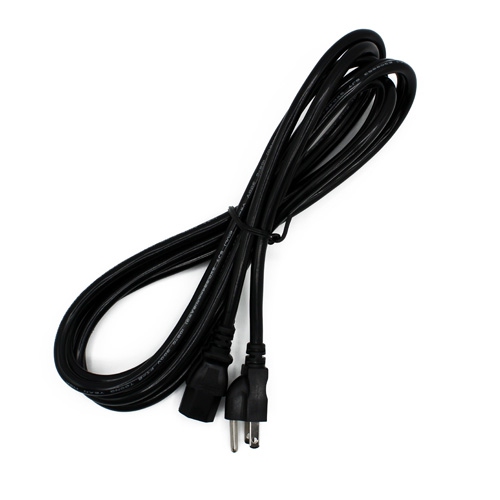
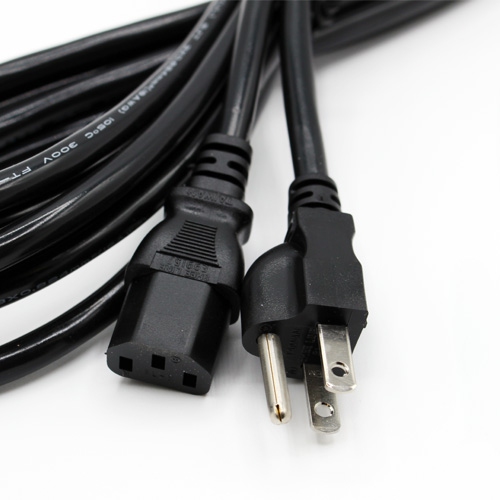
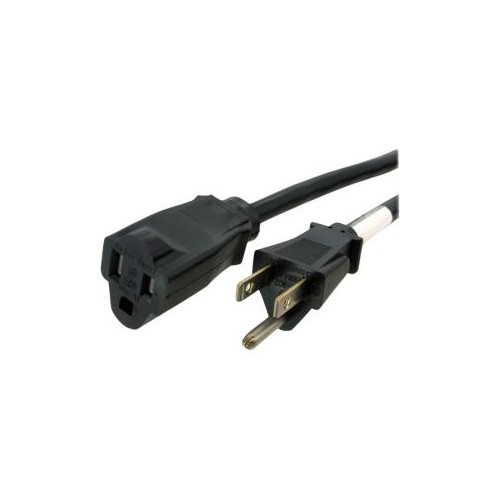
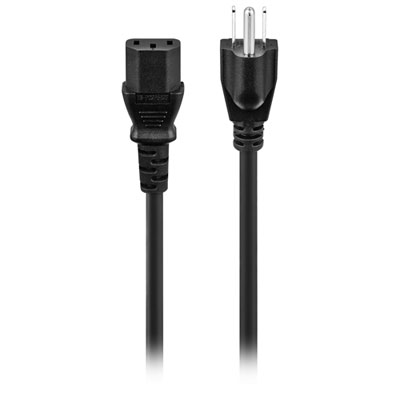
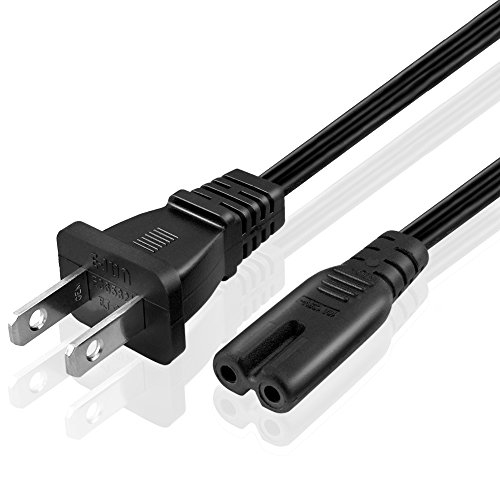
C13 power cords are a practical choice for connecting many everyday electronic devices to a wall outlet, power bar, uninterruptible power supply (UPS), or rack-mounted power distribution unit (PDU). A typical C13 power cord has a rectangular, female IEC C13 connector on one end and a grounded North American wall plug, commonly a NEMA 5-15P, on the other. The C13 end fits into the matching power inlet found on desktop computers, monitors, printers, audio equipment, displays, networking hardware, and other equipment that uses a standard IEC connection. This familiar design makes C13 cords useful in home offices, classrooms, studios, workshops, reception areas, and server rooms alike. They can replace a misplaced or worn cable, provide extra reach when equipment has been rearranged, or help keep a new workspace organized without relying on an inconveniently short original cord. Before choosing one, check the connector shape on the equipment and confirm that the cord is intended for the required voltage and current. Standard C13 power cords are often rated for up to 10 amps, with voltage ratings commonly listed for 125V or 250V applications depending on the specific cord and plug configuration. The device’s own requirements should always take priority, and a cord should never be used with equipment that exceeds its rated capacity. A grounded three-prong plug is also important for compatible equipment, particularly computers, monitors, printers, amplifiers, and other devices with metal housings or sensitive internal components.
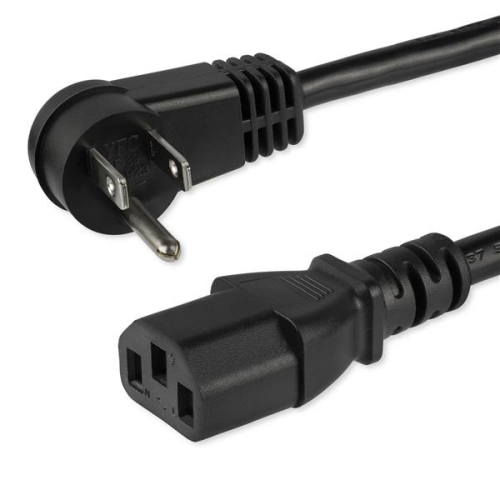
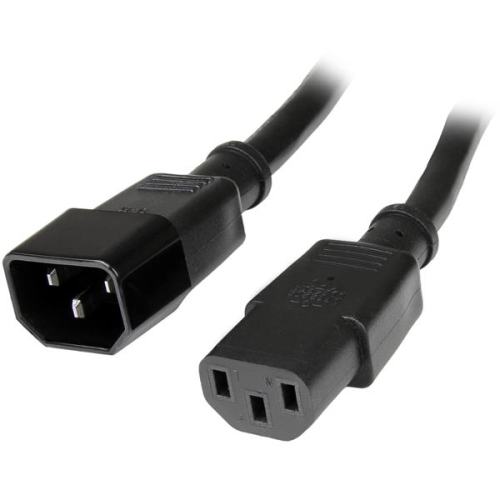
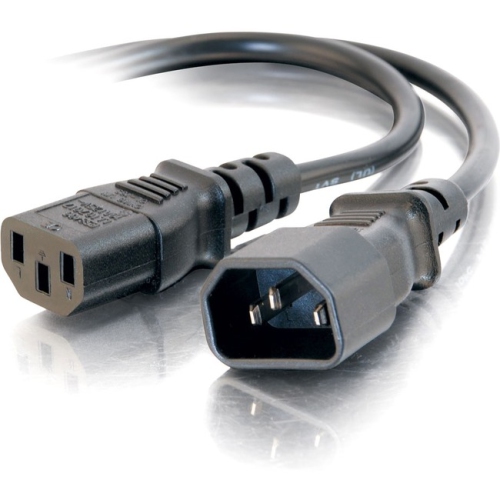
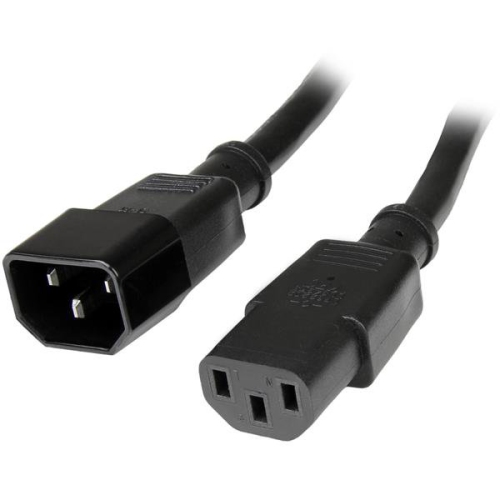
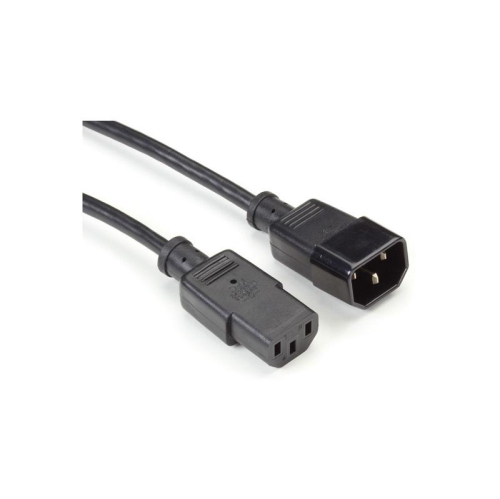
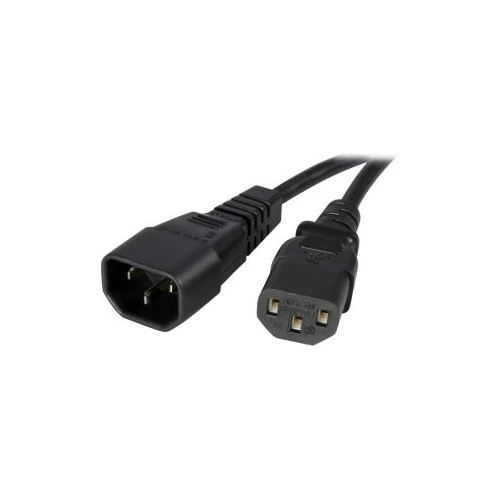
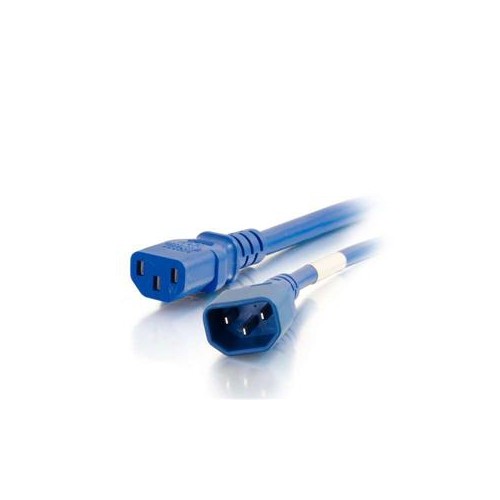
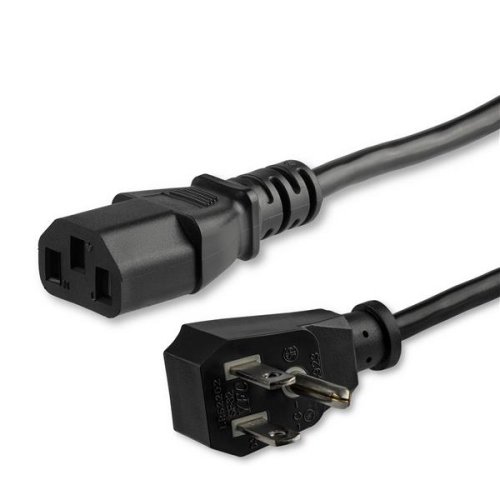
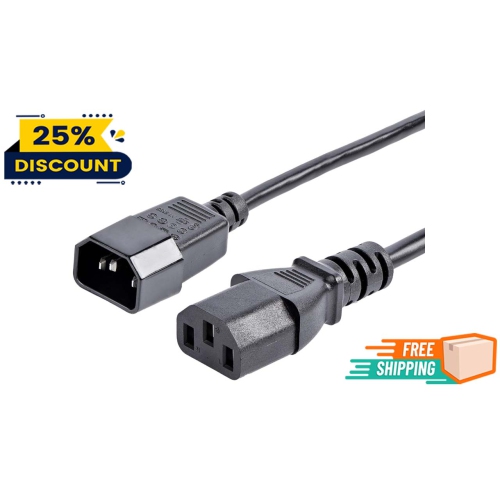
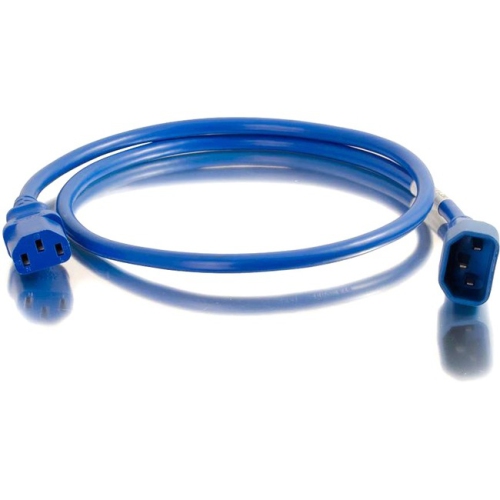
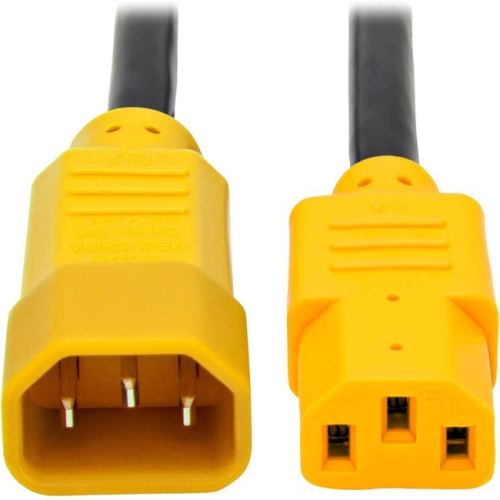
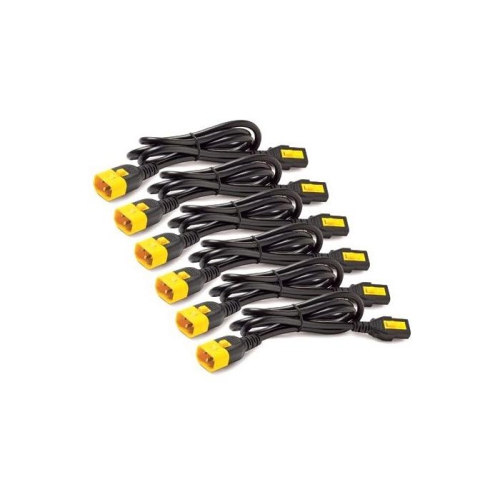
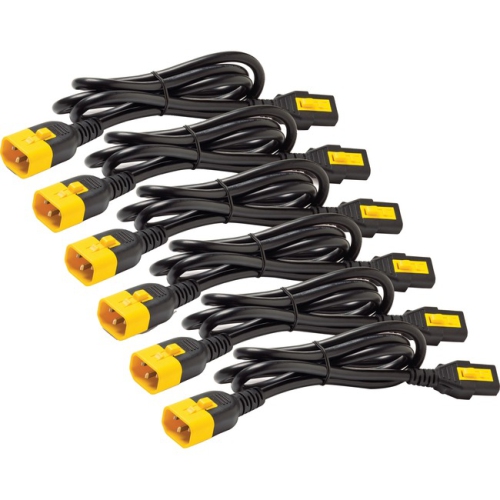
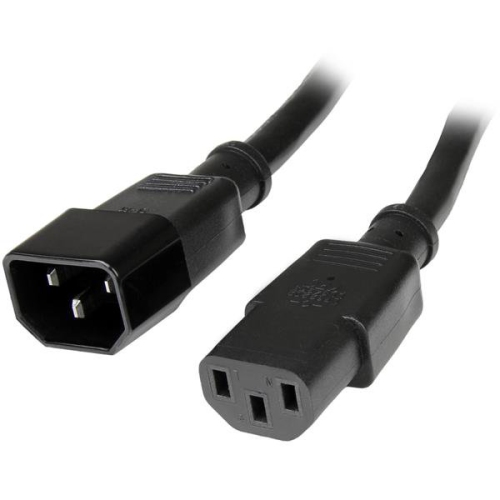
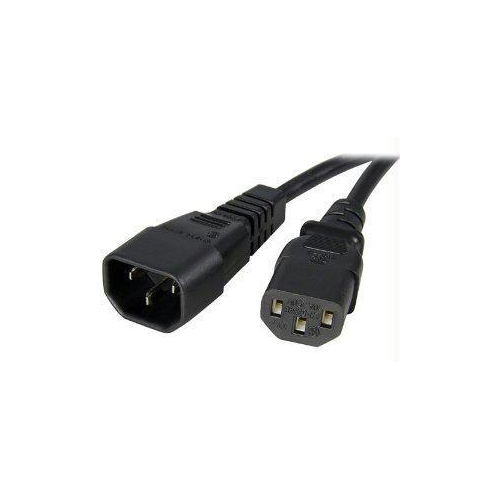
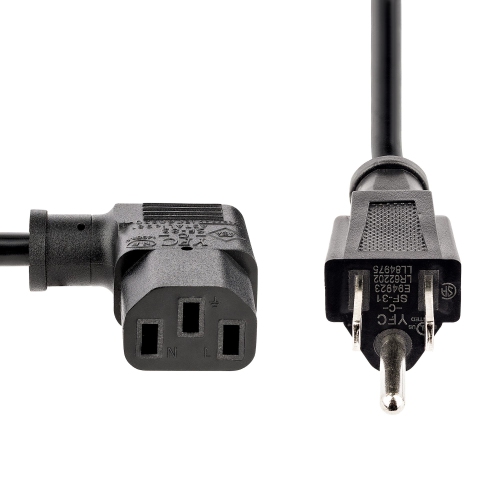
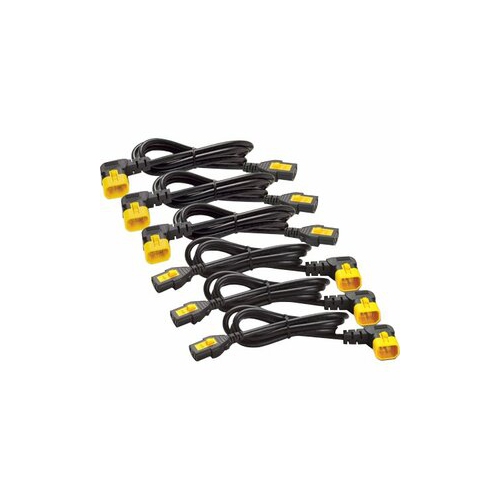
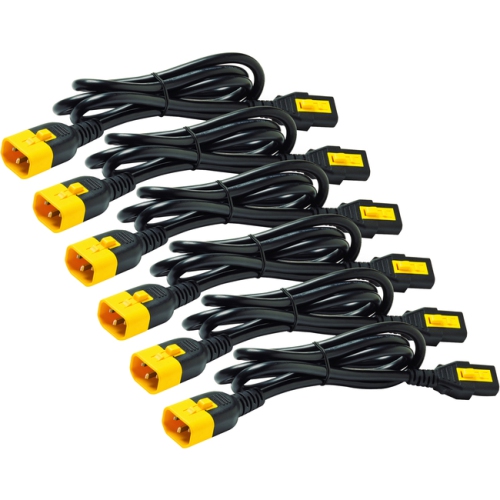
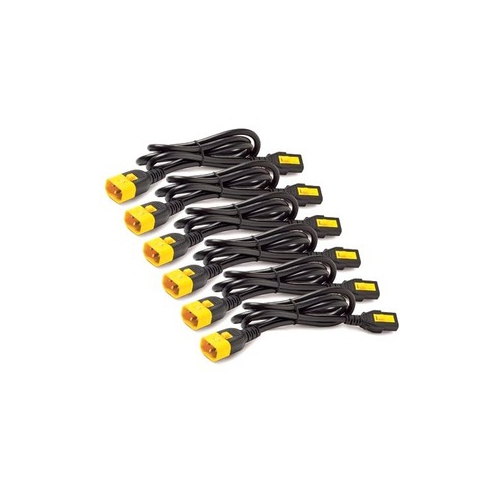
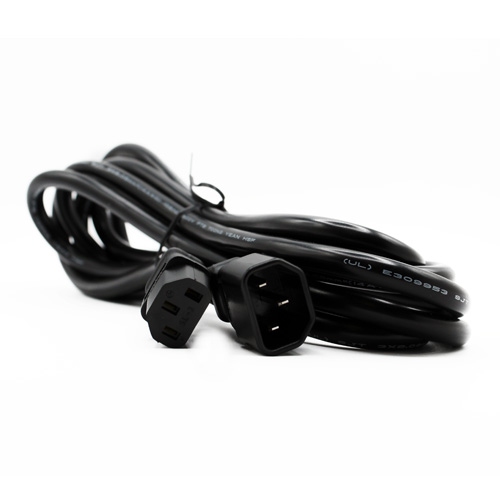
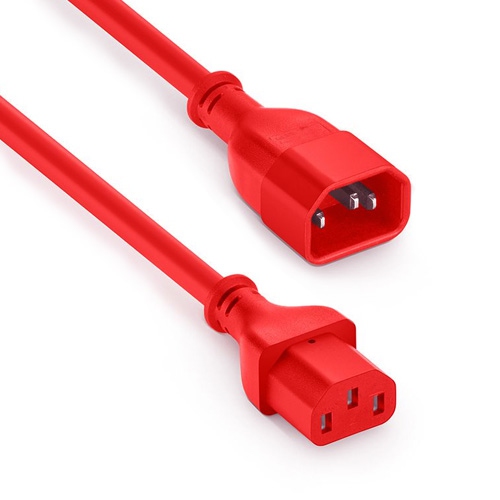
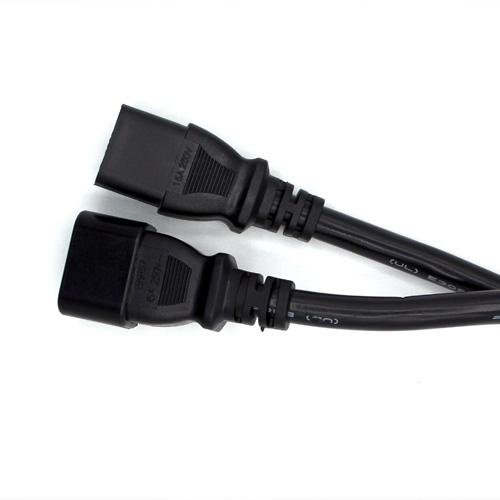
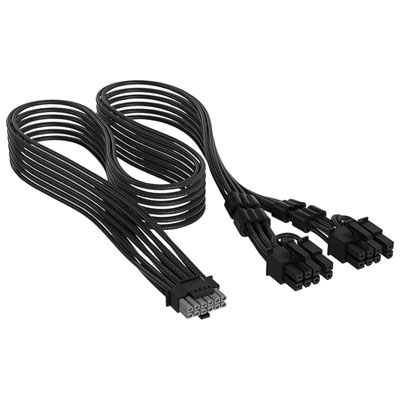
Length is one of the simplest details to overlook when selecting a C13 power cord. A shorter cable can reduce slack behind a desk or help create a neat connection between equipment positioned close to a power bar. A longer cable can be useful when an outlet is behind furniture, a monitor is mounted away from the desk, or a piece of equipment needs to be placed on a separate shelf. Avoid choosing a cable that is so long that excess length becomes tangled underfoot or behind a cabinet; instead, consider how the cord will travel from the outlet to the device and leave enough room for gentle bends. Wire gauge is another useful consideration. Many standard cords use 18 AWG conductors and are suitable for common computer, monitor, printer, and office equipment loads. For longer runs or equipment that draws more power, a heavier-gauge option, such as 14 AWG, may be more appropriate when supported by the equipment and electrical setup. A right-angle C13 connector can be especially helpful in tight spaces, allowing the cable to sit closer to the back of a monitor, desktop tower, amplifier, or rack-mounted device instead of projecting straight out. This can make a noticeable difference when furniture is close to the wall or when several cables share a narrow cable-management channel. If the goal is to connect equipment to a UPS or PDU rather than directly to a wall outlet, look for a C14-to-C13 jumper cable. This style has a C14 male connector on one end and a C13 female connector on the other, making it suitable for compatible rack and power-distribution arrangements. A standard wall-to-C13 cable and a C14-to-C13 jumper cable serve different purposes, so identifying the connection point before ordering helps prevent an incompatible fit.
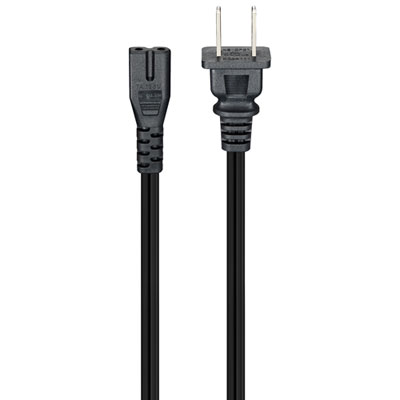
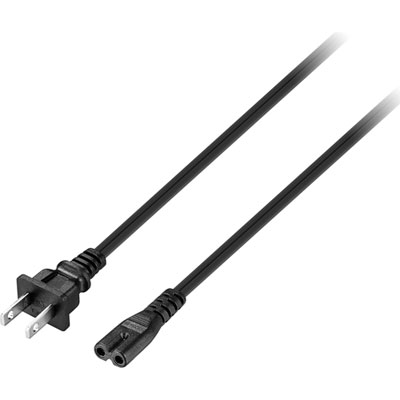
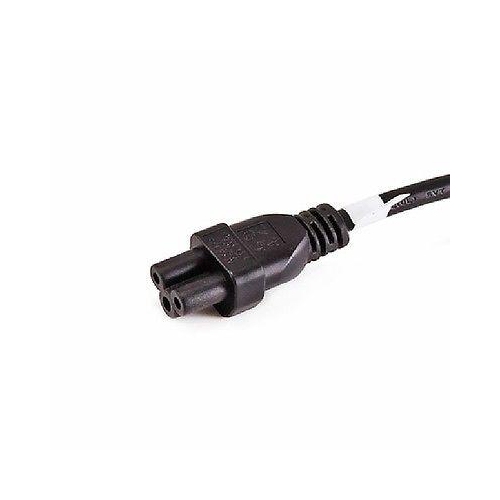
C13 power cords are often purchased by people setting up or refreshing a home office, replacing cables during a move, expanding a computer workstation, or organizing equipment in a media room. They are also useful for small businesses, schools, libraries, rehearsal spaces, repair benches, and IT departments that need dependable replacement or spare cables on hand. A spare can be convenient when a cable is accidentally packed away with another device, damaged during a move, or simply too short for a revised layout. They may also make a thoughtful practical gift for a student building a study station, a remote worker improving a home office, a musician arranging recording equipment, or someone assembling a desktop computer setup. When comparing options, consider the number of devices being connected, the distance to the outlet or PDU, the available space behind the equipment, and whether a straight or right-angle connector would be easier to manage. Inspect the cable jacket and connectors for visible damage before use, keep cords away from heat and pinch points, and avoid running them where they can become a tripping hazard. Connections should be fully seated without force, and a loose, frayed, cracked, or overheated cord should be replaced rather than repaired for continued use. For smaller electronic equipment that uses the compact cloverleaf-style connection instead of the rectangular C13 inlet, explore C5 Power Cords instead. With the right connector, length, gauge, and plug configuration, a C13 power cord can provide a clean, reliable connection for equipment used through the warmer season, during the cooler months, and throughout everyday work, study, entertainment, and technical setups.
Length is one of the simplest details to overlook when selecting a C13 power cord. A shorter cable can reduce slack behind a desk or help create a neat connection between equipment positioned close to a power bar. A longer cable can be useful when an outlet is behind furniture, a monitor is mounted away from the desk, or a piece of equipment needs to be placed on a separate shelf. Avoid choosing a cable that is so long that excess length becomes tangled underfoot or behind a cabinet; instead, consider how the cord will travel from the outlet to the device and leave enough room for gentle bends. Wire gauge is another useful consideration. Many standard cords use 18 AWG conductors and are suitable for common computer, monitor, printer, and office equipment loads. For longer runs or equipment that draws more power, a heavier-gauge option, such as 14 AWG, may be more appropriate when supported by the equipment and electrical setup. A right-angle C13 connector can be especially helpful in tight spaces, allowing the cable to sit closer to the back of a monitor, desktop tower, amplifier, or rack-mounted device instead of projecting straight out. This can make a noticeable difference when furniture is close to the wall or when several cables share a narrow cable-management channel. If the goal is to connect equipment to a UPS or PDU rather than directly to a wall outlet, look for a C14-to-C13 jumper cable. This style has a C14 male connector on one end and a C13 female connector on the other, making it suitable for compatible rack and power-distribution arrangements. A standard wall-to-C13 cable and a C14-to-C13 jumper cable serve different purposes, so identifying the connection point before ordering helps prevent an incompatible fit.
C13 power cords are often purchased by people setting up or refreshing a home office, replacing cables during a move, expanding a computer workstation, or organizing equipment in a media room. They are also useful for small businesses, schools, libraries, rehearsal spaces, repair benches, and IT departments that need dependable replacement or spare cables on hand. A spare can be convenient when a cable is accidentally packed away with another device, damaged during a move, or simply too short for a revised layout. They may also make a thoughtful practical gift for a student building a study station, a remote worker improving a home office, a musician arranging recording equipment, or someone assembling a desktop computer setup. When comparing options, consider the number of devices being connected, the distance to the outlet or PDU, the available space behind the equipment, and whether a straight or right-angle connector would be easier to manage. Inspect the cable jacket and connectors for visible damage before use, keep cords away from heat and pinch points, and avoid running them where they can become a tripping hazard. Connections should be fully seated without force, and a loose, frayed, cracked, or overheated cord should be replaced rather than repaired for continued use. For smaller electronic equipment that uses the compact cloverleaf-style connection instead of the rectangular C13 inlet, explore C5 Power Cords instead. With the right connector, length, gauge, and plug configuration, a C13 power cord can provide a clean, reliable connection for equipment used through the warmer season, during the cooler months, and throughout everyday work, study, entertainment, and technical setups.
Top selling and popular products
-
 Your price for this item is $9.99
 -
 Your price for this item is $12.99
 -
 Your price for this item is $276.68
 -
 Your price for this item is $29.99
 -
 Your price for this item is $10
 -
 Your price for this item is $12.99
 -
 Your price for this item is $10
 -
 Your price for this item is $24.99
Discover more categories related to C13 Power Cords
Top Collections:
Pokemon Centers, Kindle Devices, Best Budget Office Chairs, Apple iPhones 16, Best Laptops for Writers, iPhone 15 Apple, Canon G7X Cameras, Refurbished Apple Laptops, Alarm Clock, Motorola Razr Phones
Some products may be subject to Environmental Handling Fees
(EHF) depending on your province.
Learn more about EHFs.