Database Servers
Looking for reliable and efficient database servers to enhance your business operations? Look no further than our selection of high-quality database servers designed to meet the demands of modern computing environments. Whether you are a small business looking to streamline your data management or a large corporation in need of robust server solutions, we have a range of options to suit your needs. From scalable server configurations to advanced security features, our database servers offer the performance and reliability you need to keep your operations running smoothly.
Sort
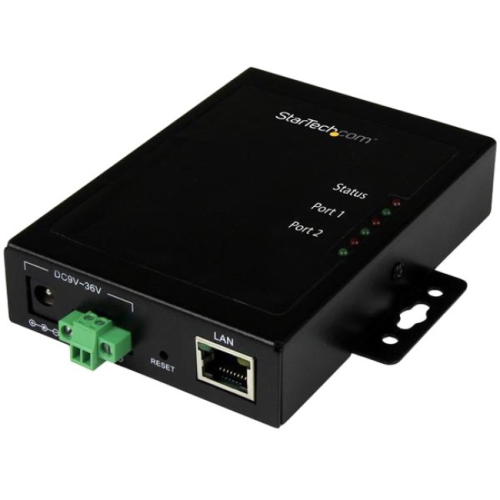
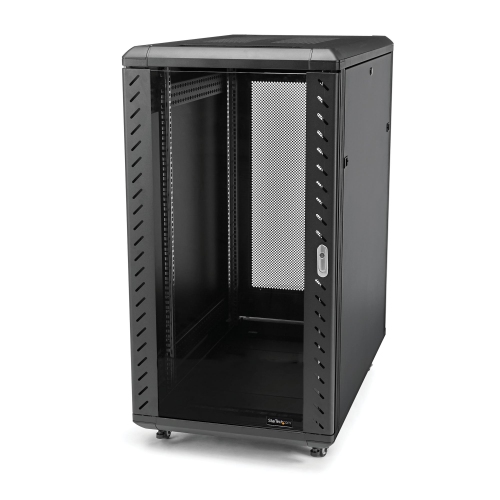
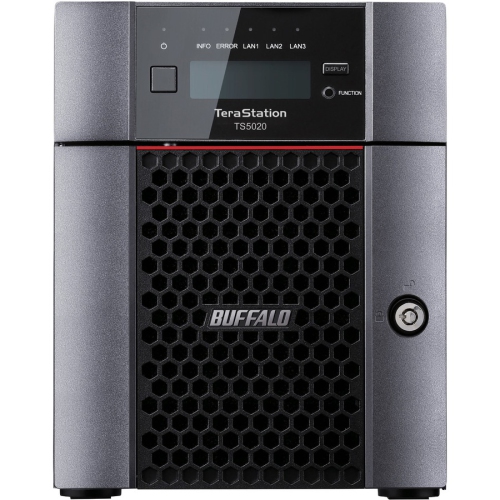
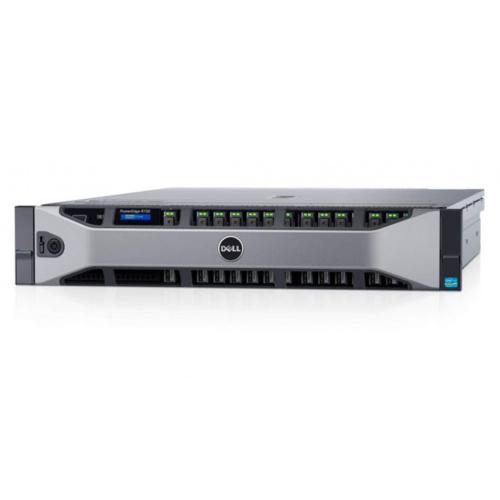


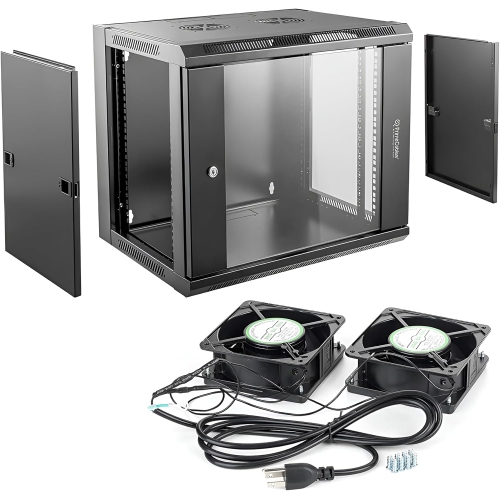
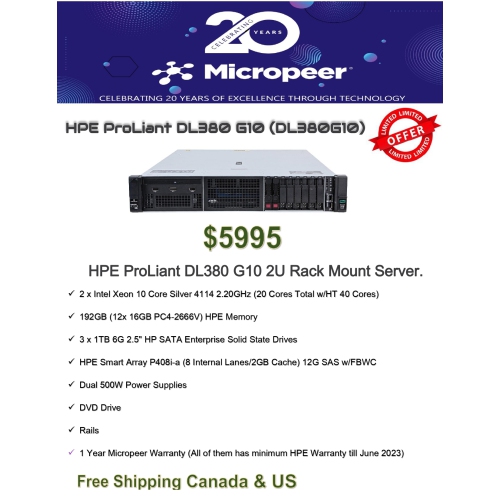
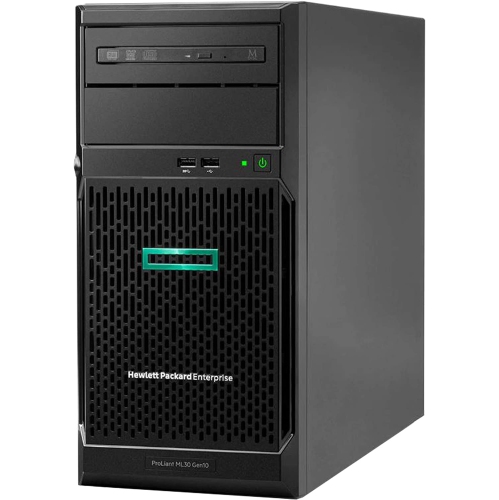



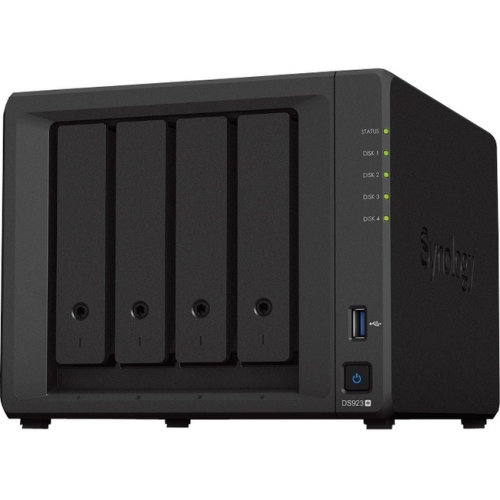


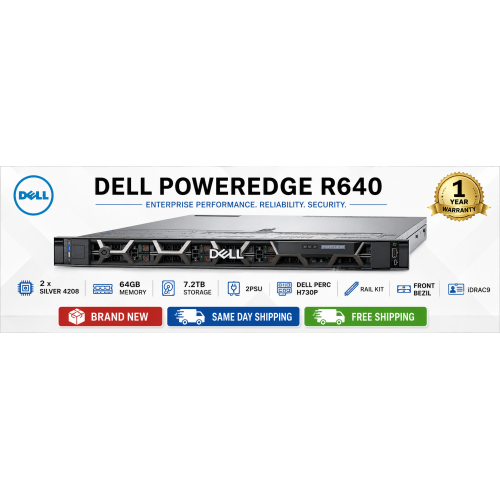
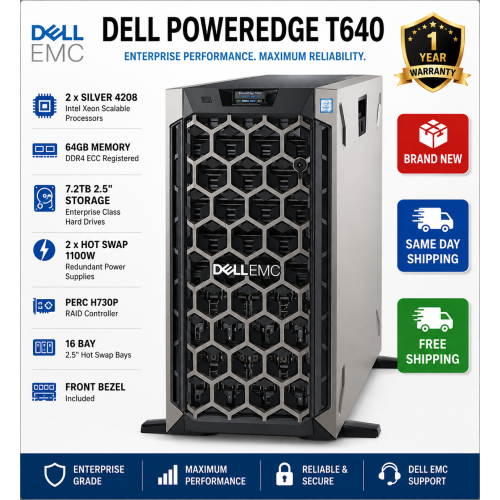
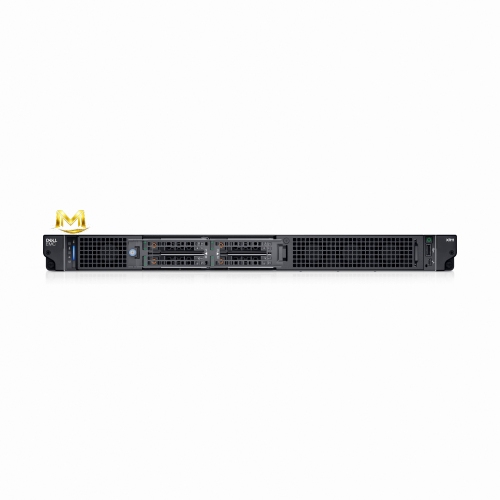
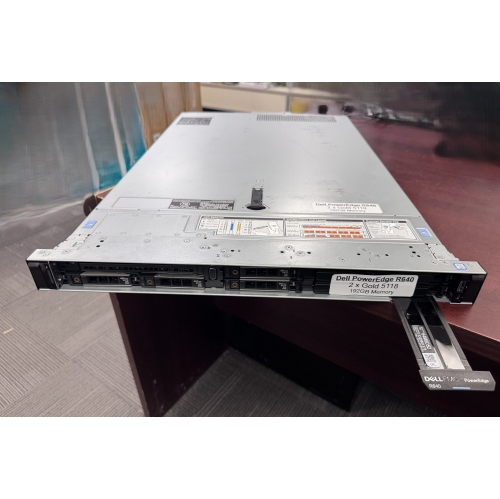




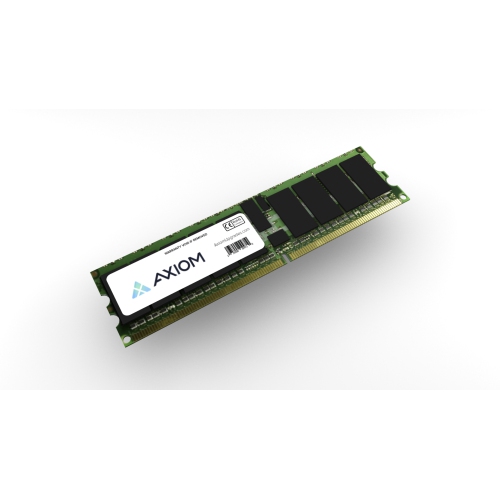
Reliable systems for secure, shared data management
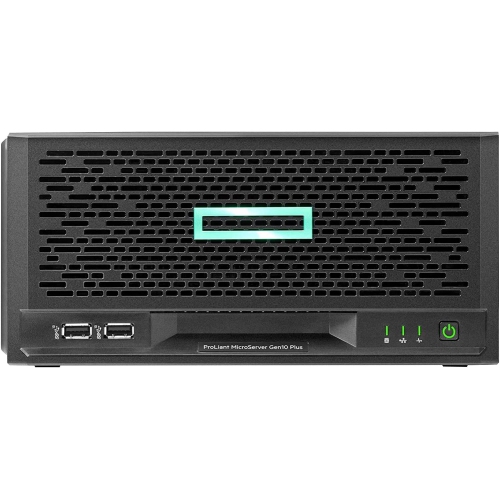
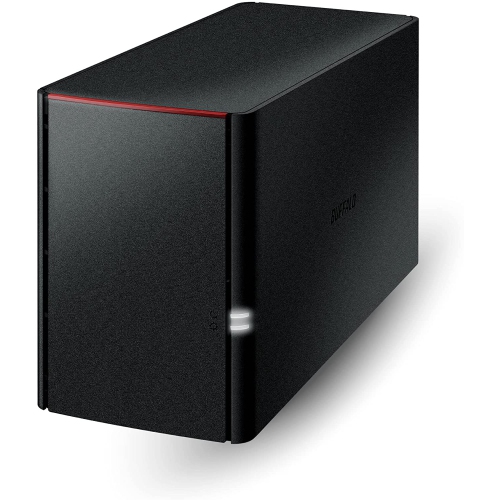
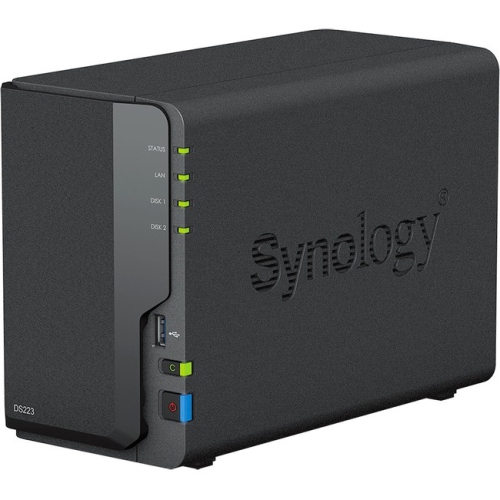
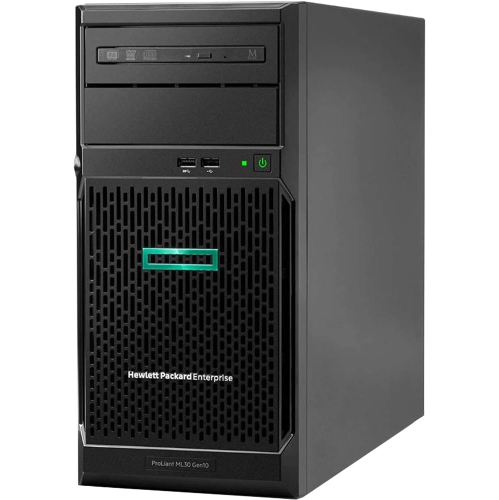
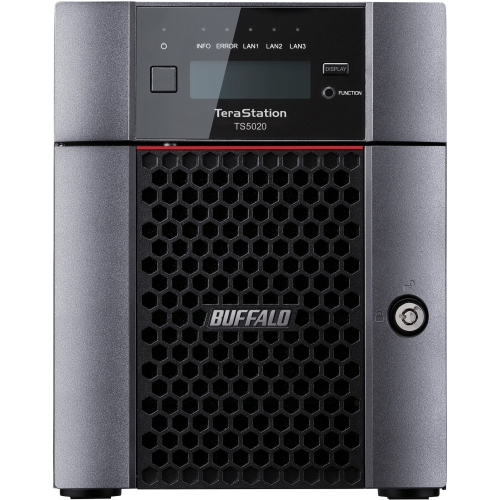
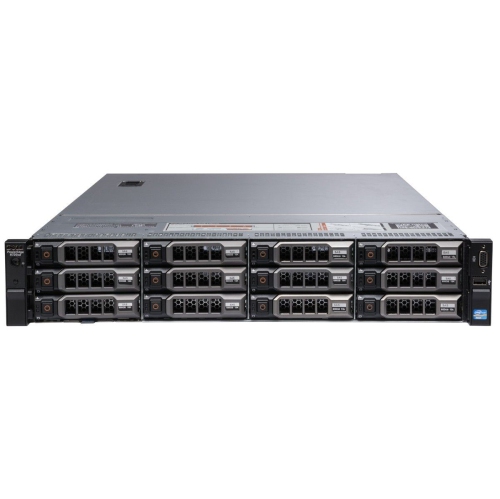
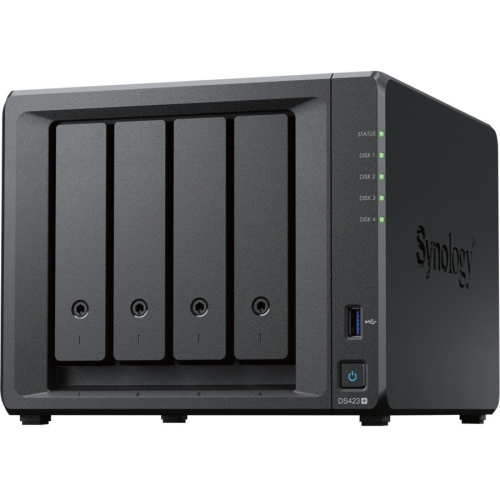
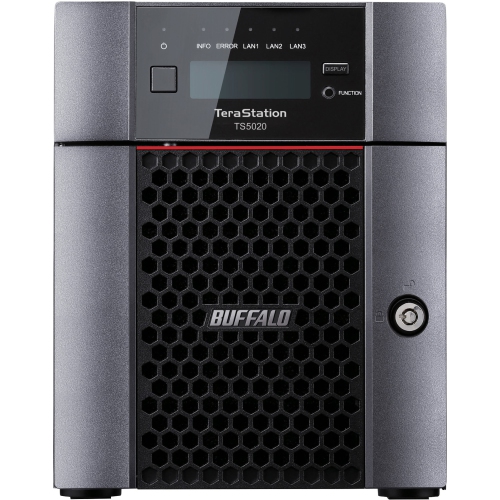
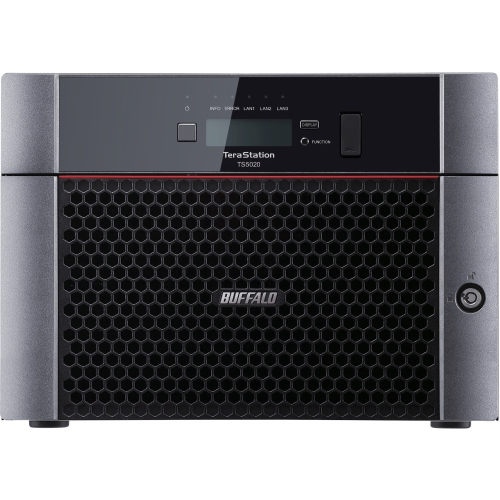
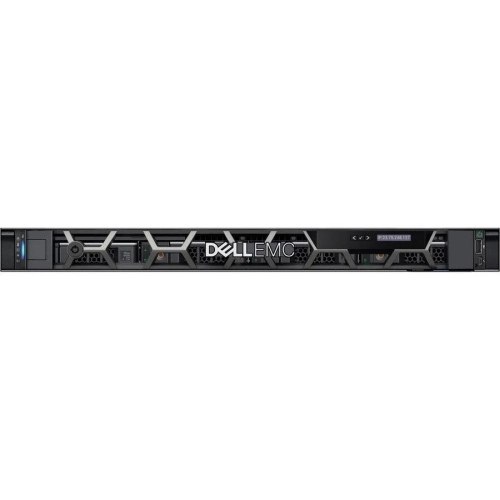
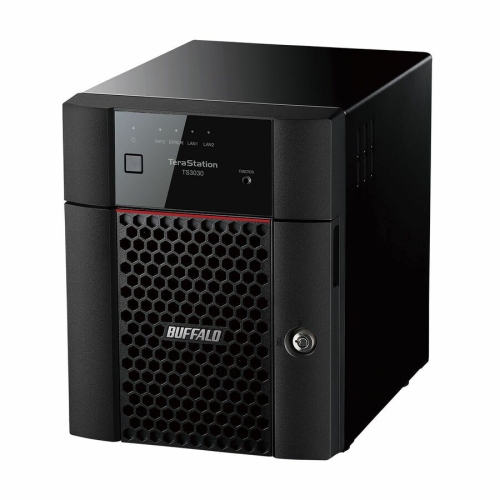
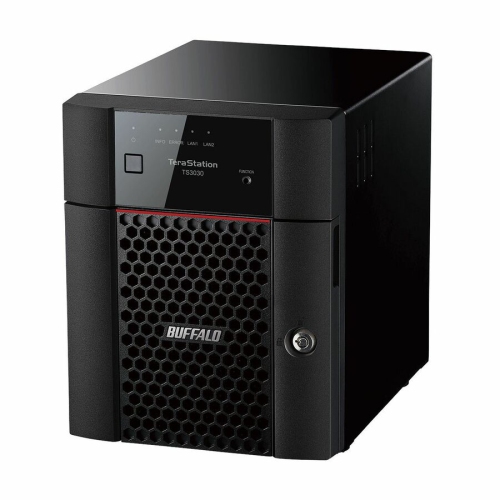
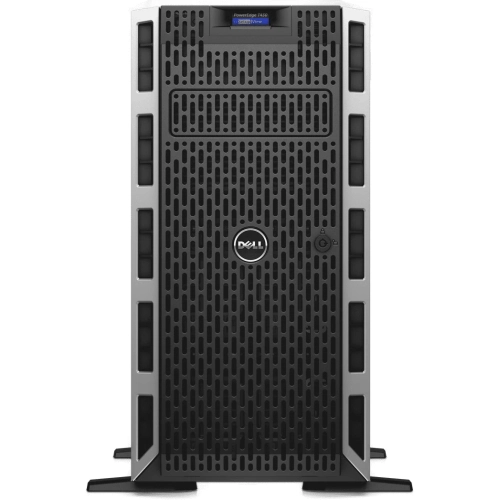
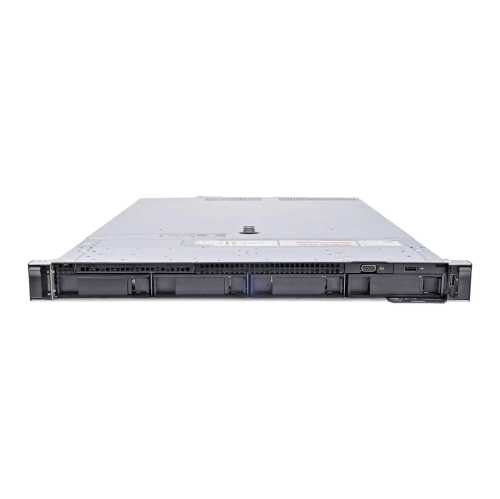
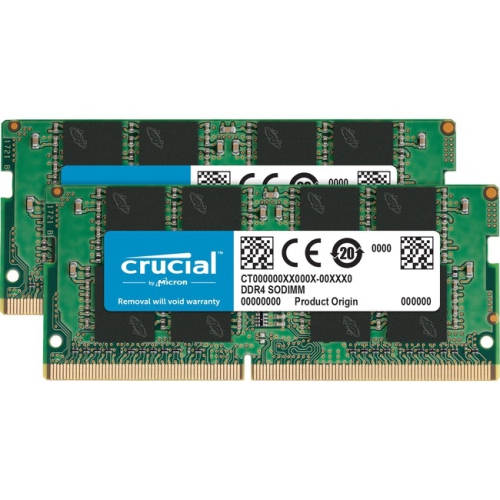
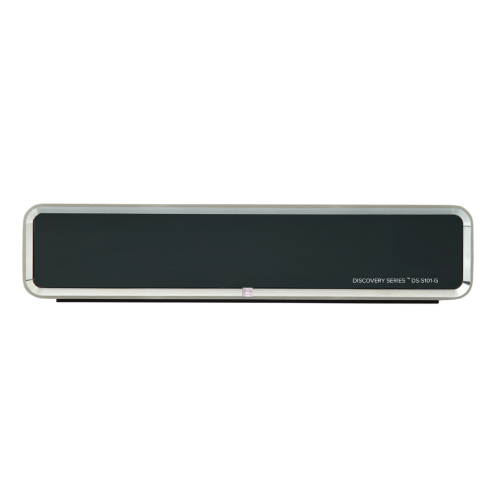
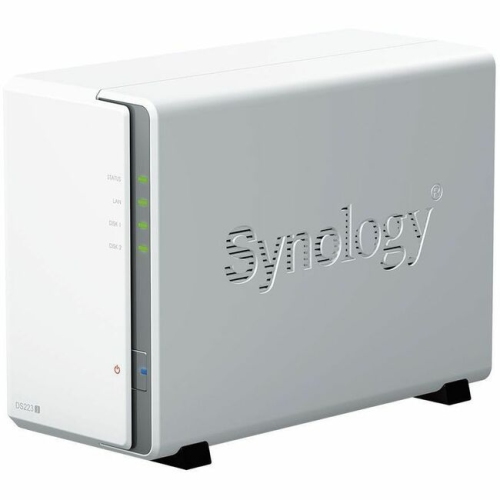
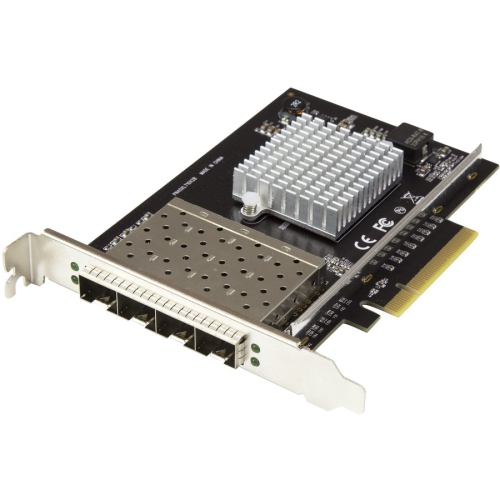
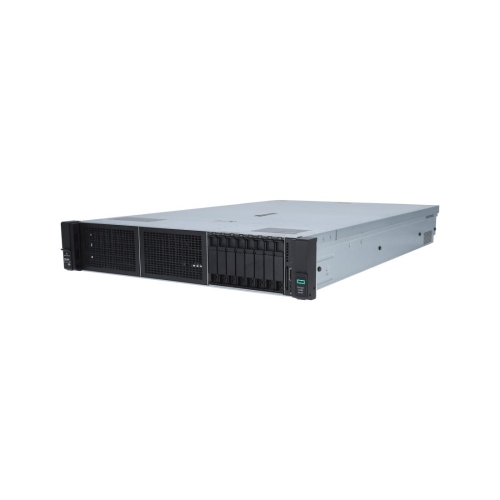
Database servers are dedicated computers or server systems designed to run database management software, store information centrally, and make that information available to approved users and applications. Instead of keeping important records scattered across individual computers, a database server provides a shared home for customer details, inventory, financial records, schedules, files, website content, and other structured or unstructured data. It receives requests from connected applications, processes database queries, and returns the requested results quickly and accurately. It also manages simultaneous activity, allowing many people or services to read, add, and update information without overwriting one another. This makes database servers useful for businesses, schools, healthcare offices, retailers, creative studios, professional practices, laboratories, and home users with advanced storage or computing needs. A small business may use one to keep point-of-sale information and stock levels synchronized across several workstations, while a growing company may rely on a more powerful system to support customer portals, internal applications, analytics, and online transactions. When a team is choosing a database server, the first consideration is the expected workload. Processor speed and core count affect how efficiently the server can handle queries and background tasks, while memory is especially important because databases often use available RAM to keep frequently requested information close at hand. Storage capacity matters, but storage performance and reliability are just as important. Solid-state storage can help applications respond quickly, while larger hard disk arrays may be useful for extensive archives and backup copies. Many database environments benefit from a combination of fast primary storage and higher-capacity secondary storage. Look for support for RAID configurations when redundancy is needed, since a properly configured array can help keep data available if one drive encounters a problem. Network connectivity also deserves close attention. Fast wired networking can help applications exchange data with less delay, particularly when several users or devices access the server at the same time. If your setup includes other infrastructure equipment, exploring Networking Servers can help provide useful context when planning how the database system will connect to the rest of the network.
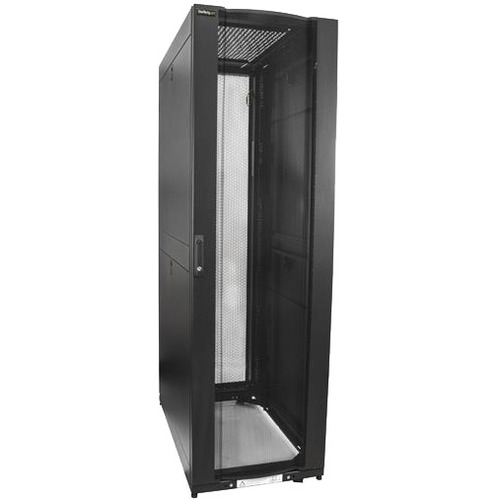
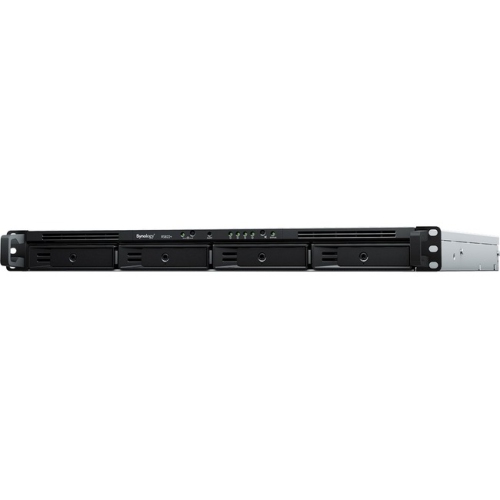
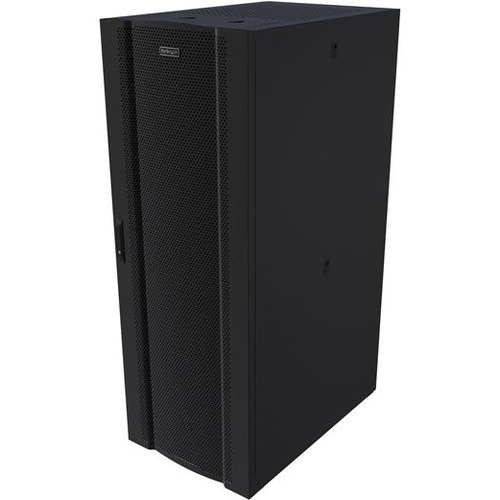
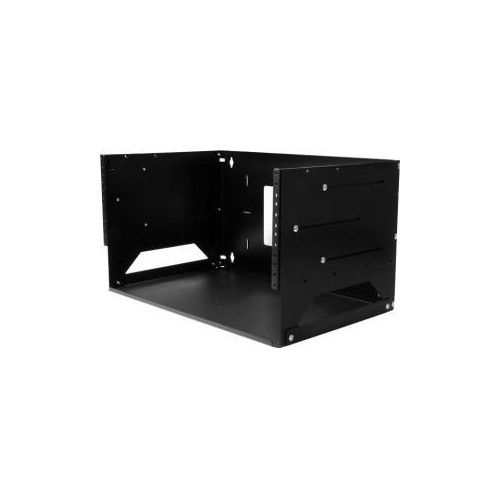
The right database server should also fit the way data is managed, protected, and expected to grow. Check compatibility with the operating system and database management software your organization plans to use, along with support for virtualization, remote administration, monitoring, and scheduled maintenance. Access control is a central part of the experience: administrators should be able to assign permissions so that each person, application, or department can access only the information it needs. Encryption, secure authentication, audit logs, and regular software updates can further protect sensitive records. Data integrity features are equally important. A dependable system helps complete transactions properly, reduces the risk of conflicting changes, and supports backups that can be restored after accidental deletion, hardware failure, or another disruption. Before selecting a server, consider how much downtime your organization can tolerate. Features such as redundant power supplies, hot-swappable drives, hardware monitoring, and remote management may be worthwhile for systems that need to remain available beyond regular business hours. Physical design can influence installation as well. Tower servers are often easier to place in an office or dedicated room, whereas rack servers are suited to organized equipment racks and larger server rooms. Pay attention to dimensions, cooling requirements, noise levels, power connections, and the available space around the unit for maintenance. Database servers are generally purchased for practical work rather than as gifts, but they can be an excellent investment for a technically skilled family member, student, entrepreneur, or community organization building a serious application or private data environment. Picture a busy office at the start of the day: staff members sign in, orders arrive, reports refresh, and several applications request information at once. A well-matched database server quietly handles those requests in the background, keeping records organized while people focus on their work. During busier periods or as an organization expands, extra memory, additional drives, faster networking, or a more capable processor can help extend the system’s usefulness. Reviewing current needs alongside likely growth makes it easier to choose a balanced configuration instead of paying for capacity that will sit unused or selecting hardware that will soon feel constrained. With the right combination of processing power, memory, reliable storage, network performance, security controls, and expandability, a database server can provide a stable foundation for applications and data that people depend on every day.
The right database server should also fit the way data is managed, protected, and expected to grow. Check compatibility with the operating system and database management software your organization plans to use, along with support for virtualization, remote administration, monitoring, and scheduled maintenance. Access control is a central part of the experience: administrators should be able to assign permissions so that each person, application, or department can access only the information it needs. Encryption, secure authentication, audit logs, and regular software updates can further protect sensitive records. Data integrity features are equally important. A dependable system helps complete transactions properly, reduces the risk of conflicting changes, and supports backups that can be restored after accidental deletion, hardware failure, or another disruption. Before selecting a server, consider how much downtime your organization can tolerate. Features such as redundant power supplies, hot-swappable drives, hardware monitoring, and remote management may be worthwhile for systems that need to remain available beyond regular business hours. Physical design can influence installation as well. Tower servers are often easier to place in an office or dedicated room, whereas rack servers are suited to organized equipment racks and larger server rooms. Pay attention to dimensions, cooling requirements, noise levels, power connections, and the available space around the unit for maintenance. Database servers are generally purchased for practical work rather than as gifts, but they can be an excellent investment for a technically skilled family member, student, entrepreneur, or community organization building a serious application or private data environment. Picture a busy office at the start of the day: staff members sign in, orders arrive, reports refresh, and several applications request information at once. A well-matched database server quietly handles those requests in the background, keeping records organized while people focus on their work. During busier periods or as an organization expands, extra memory, additional drives, faster networking, or a more capable processor can help extend the system’s usefulness. Reviewing current needs alongside likely growth makes it easier to choose a balanced configuration instead of paying for capacity that will sit unused or selecting hardware that will soon feel constrained. With the right combination of processing power, memory, reliable storage, network performance, security controls, and expandability, a database server can provide a stable foundation for applications and data that people depend on every day.
Top selling and popular products
-
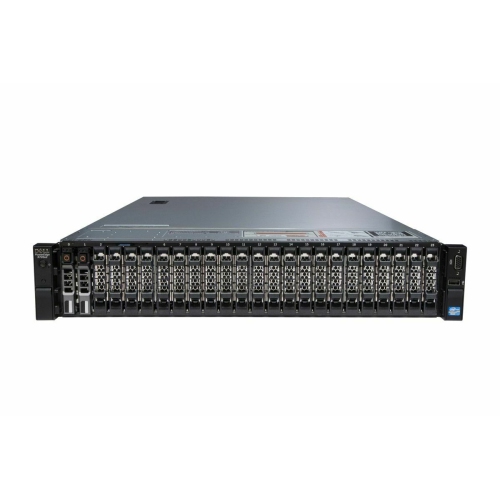 Your price for this item is $3000
 -
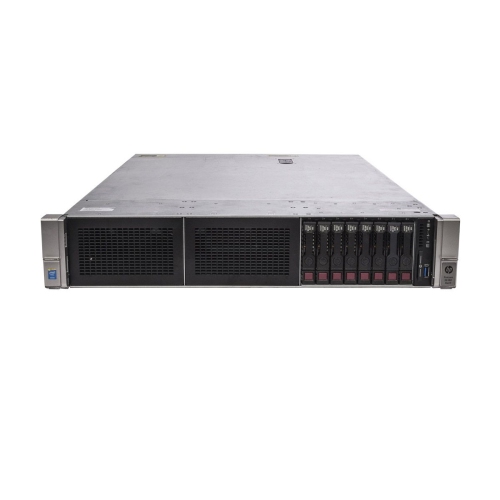 Your price for this item is $4350
 -
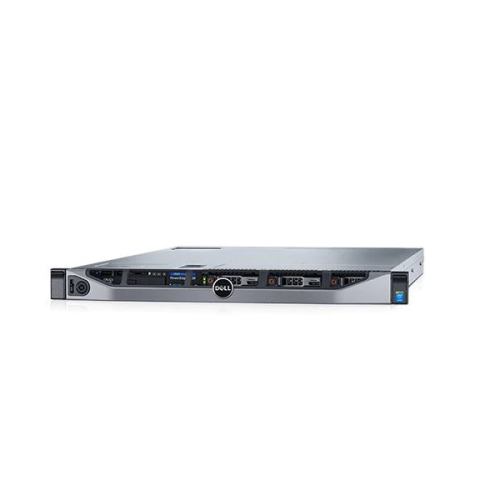 Your price for this item is $2895
 -
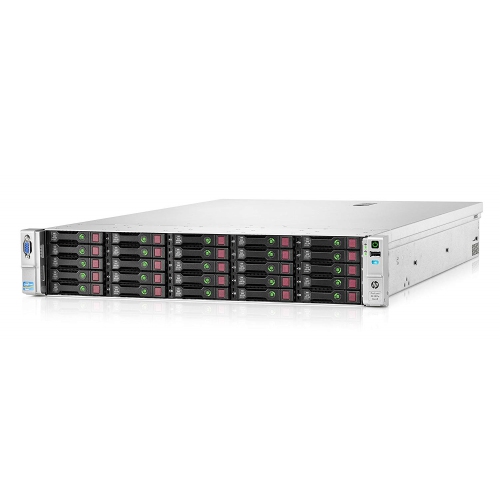 Your price for this item is $1065
 -
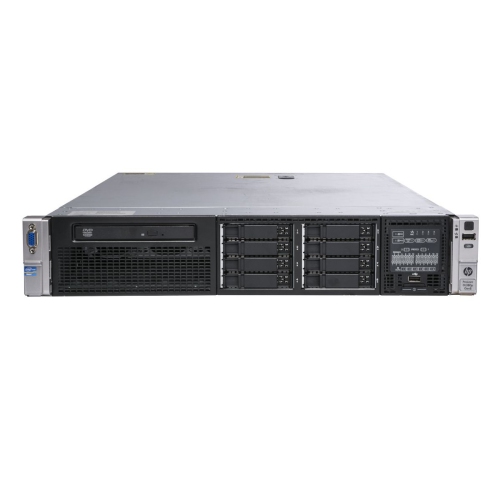 Your price for this item is $1395
 -
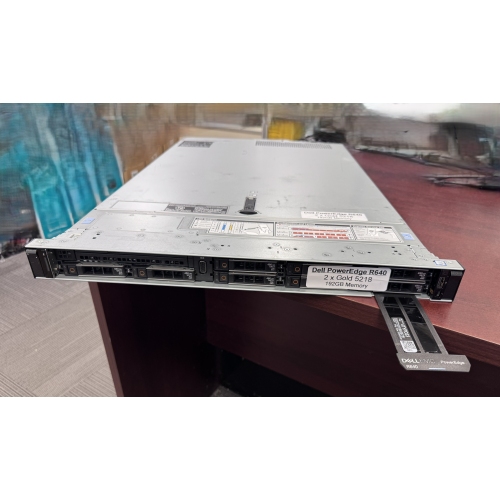 Your price for this item is $1649.99
 -
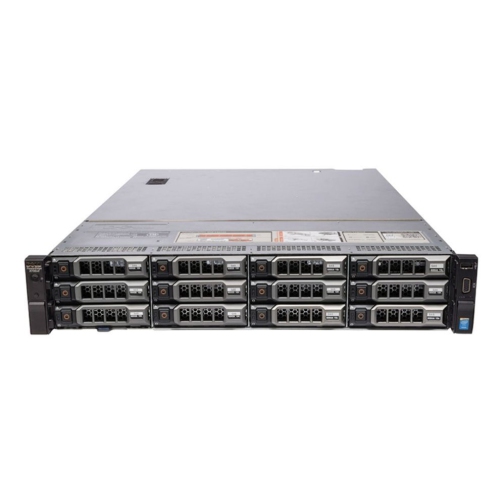 Your price for this item is $9995
 -
 Your price for this item is $4200
Discover more categories related to Database Servers

Top Collections:
Pokemon Centers, Kindle Devices, Best Budget Office Chairs, Apple iPhones 16, Samsung Galaxy Phones, Canon G7X Cameras, iPhone 15 Apple, Flip Phones, Best Laptops for Writers, Alarm Clock
Some products may be subject to Environmental Handling Fees
(EHF) depending on your province.
Learn more about EHFs.