Electrical Outlet Protectors
Protect your little ones and keep your home safe with our selection of Electrical Outlet Protectors. These essential safety devices are designed to prevent curious fingers or objects from coming into contact with electrical outlets, reducing the risk of accidents and ensuring peace of mind for parents and caregivers. Easy to install and durable, these outlet protectors are a must-have for any household with young children or pets. Browse our range of options to find the right solution for your home today.
Sort
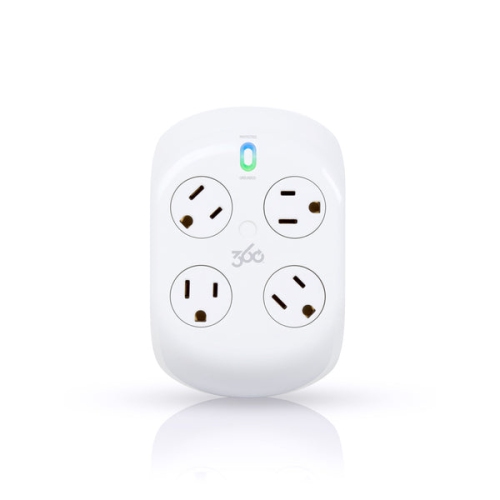
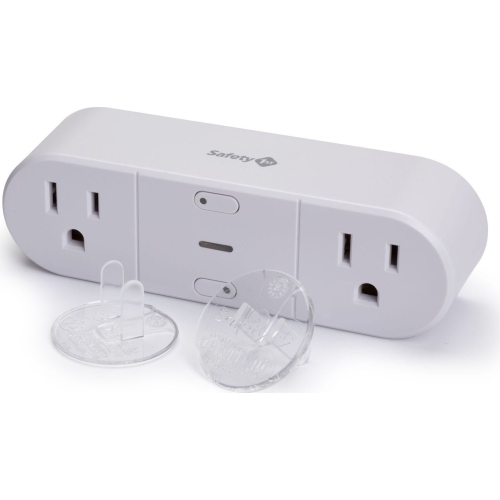
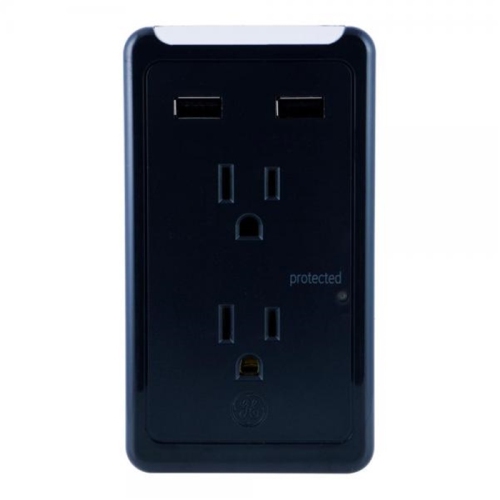

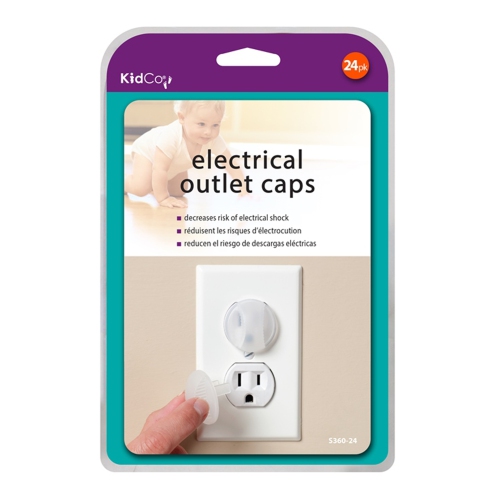
Why unused sockets and connected plugs need different barriers
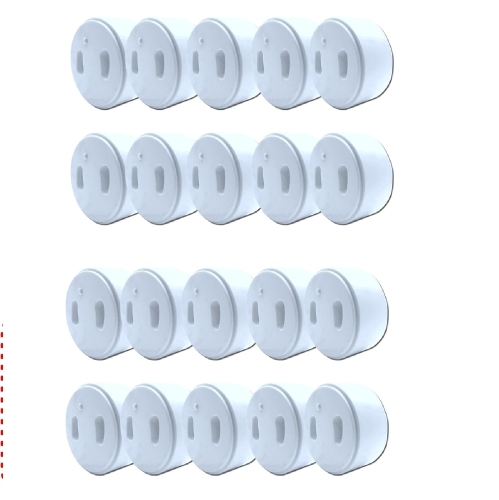
Electrical outlet protectors are childproofing accessories designed to help limit access to electrical receptacles, particularly where babies and toddlers can reach them. They are different from surge protectors: their purpose is to create a physical barrier around an unused socket or a connected plug, not to protect electronics from changes in voltage. The main types include removable plug caps, self-closing outlet plates, and outlet cover boxes. Each suits a different situation, from an unused receptacle beside a play mat to the outlet that keeps a table lamp plugged in behind a sofa. Plug caps fit into unused sockets and generally have a low-profile face that sits close to the outlet. They must be removed before the socket can be used, and loose caps need to be kept out of children’s reach because small parts can pose a choking hazard. Self-closing plates use a sliding or shutter-style mechanism to cover the socket opening when a plug is removed, reducing the need to handle and store separate caps. Their operation varies by design, so the closing action and compatibility with the existing receptacle matter. Outlet cover boxes enclose the face of the outlet and, on designs intended for occupied sockets, provide room for connected plugs and openings through which cords can pass. These can be useful where a lamp or other household device stays connected, although the enclosure takes up more space than a flat plate. The distinction between protecting unused sockets and enclosing plugs already in use is central to choosing an appropriate style. Families with young children, grandparents preparing a visiting space, and caregivers arranging a playroom may all use these accessories as one part of a broader childproofing routine. No outlet protector makes an electrical connection completely childproof or replaces supervision, sound wiring, and safe cord placement. A useful fit balances a barrier that a young child cannot readily remove with access that adults can manage as intended.
Materials, dimensions, and attachment details influence how electrical outlet protectors fit into everyday rooms. Many designs use moulded plastic with smooth edges and a rigid face, while some have moving shutters, hinges, or latches that need to hold their shape through repeated use. A smooth finish is easier to wipe clean, and an intact body without cracks, sharp edges, or loose components is important wherever children play. White and neutral finishes can blend with common wall plates, while a shallow profile is less noticeable beside a bookcase or beneath a hallway console. Fit deserves more attention than appearance, however. A standard duplex receptacle and a rectangular decorator-style receptacle have different face shapes, and a protector made for one may not suit the other. Ground-fault circuit interrupter receptacles have test and reset buttons that must remain accessible as required by the protector’s design and the receptacle manufacturer’s instructions. Outlets with integrated USB ports, oversized wall plates, or unusual spacing may also need a different configuration. Replacement-style covers need the correct mounting arrangement, while enclosing boxes need adequate depth for the actual plug, not just the socket beneath it. A straight plug, right-angle plug, and bulky power adapter occupy space differently. Cord exits should allow cables to pass without pinching, sharp bends, or pressure against the plug, and an enclosure should never be used in a way that traps heat or conflicts with a connected device’s ventilation requirements. Beside a sofa, clearance also matters: furniture should not press against a cover or crush the cable coming out of it. For context on the receptacles these accessories are designed to fit, Electrical Outlets provides a related category. Protectors are accessories rather than repairs, so a cracked faceplate, loose receptacle, discolouration, or unusual warmth calls for assessment by a qualified electrician instead of concealment beneath a cover. Built-in tamper-resistant shutters are another distinct feature; an external accessory should not interfere with their operation or be treated as a substitute for required electrical protection.
Intended use helps distinguish a practical outlet protector from one that adds unnecessary handling. In a nursery or play area, unused low wall sockets may suit a different approach from the receptacle used daily for a vacuum cleaner. A self-closing design can reduce the chance of a separate cap being left on a side table after an adult unplugs a device, provided its mechanism returns fully to the closed position. An enclosing cover may be more relevant to a frequently occupied outlet, but it does not secure the full length of an exposed cord or prevent a child from pulling on a cable elsewhere. Cords still belong away from play spaces, walkways, and sleeping areas, with lamps and other connected objects positioned so they cannot easily be pulled down. In homes where furniture moves to make room for visitors or indoor activities during the cooler months, a previously hidden socket can become accessible; outlet protection is most useful when it reflects the room’s actual layout rather than an earlier arrangement. Durability depends on both construction and condition over time. Repeated removal, an overtightened mounting screw, or force against a hinged enclosure can affect how securely a protector sits. Routine checks can reveal a cap that has loosened, a latch that no longer closes firmly, or a shutter that sticks instead of covering the opening. Damaged or poorly fitting protectors should be replaced rather than taped, glued, or altered. Cleaning should follow the manufacturer’s directions, keeping moisture and cleaning sprays away from socket openings and allowing any removable component to dry fully before refitting. Installation requirements also differ: a push-in cap is not installed the same way as a replacement cover plate. Any installation involving removal of an existing plate should follow the supplied instructions, with power switched off at the breaker and verified off before work begins; uncertainty about the wiring or mounting is a reason to use a qualified electrician. A properly matched protector supports everyday household routines without inviting improvised fixes, obstructing necessary controls, or hiding an electrical problem.
Materials, dimensions, and attachment details influence how electrical outlet protectors fit into everyday rooms. Many designs use moulded plastic with smooth edges and a rigid face, while some have moving shutters, hinges, or latches that need to hold their shape through repeated use. A smooth finish is easier to wipe clean, and an intact body without cracks, sharp edges, or loose components is important wherever children play. White and neutral finishes can blend with common wall plates, while a shallow profile is less noticeable beside a bookcase or beneath a hallway console. Fit deserves more attention than appearance, however. A standard duplex receptacle and a rectangular decorator-style receptacle have different face shapes, and a protector made for one may not suit the other. Ground-fault circuit interrupter receptacles have test and reset buttons that must remain accessible as required by the protector’s design and the receptacle manufacturer’s instructions. Outlets with integrated USB ports, oversized wall plates, or unusual spacing may also need a different configuration. Replacement-style covers need the correct mounting arrangement, while enclosing boxes need adequate depth for the actual plug, not just the socket beneath it. A straight plug, right-angle plug, and bulky power adapter occupy space differently. Cord exits should allow cables to pass without pinching, sharp bends, or pressure against the plug, and an enclosure should never be used in a way that traps heat or conflicts with a connected device’s ventilation requirements. Beside a sofa, clearance also matters: furniture should not press against a cover or crush the cable coming out of it. For context on the receptacles these accessories are designed to fit, Electrical Outlets provides a related category. Protectors are accessories rather than repairs, so a cracked faceplate, loose receptacle, discolouration, or unusual warmth calls for assessment by a qualified electrician instead of concealment beneath a cover. Built-in tamper-resistant shutters are another distinct feature; an external accessory should not interfere with their operation or be treated as a substitute for required electrical protection.
Intended use helps distinguish a practical outlet protector from one that adds unnecessary handling. In a nursery or play area, unused low wall sockets may suit a different approach from the receptacle used daily for a vacuum cleaner. A self-closing design can reduce the chance of a separate cap being left on a side table after an adult unplugs a device, provided its mechanism returns fully to the closed position. An enclosing cover may be more relevant to a frequently occupied outlet, but it does not secure the full length of an exposed cord or prevent a child from pulling on a cable elsewhere. Cords still belong away from play spaces, walkways, and sleeping areas, with lamps and other connected objects positioned so they cannot easily be pulled down. In homes where furniture moves to make room for visitors or indoor activities during the cooler months, a previously hidden socket can become accessible; outlet protection is most useful when it reflects the room’s actual layout rather than an earlier arrangement. Durability depends on both construction and condition over time. Repeated removal, an overtightened mounting screw, or force against a hinged enclosure can affect how securely a protector sits. Routine checks can reveal a cap that has loosened, a latch that no longer closes firmly, or a shutter that sticks instead of covering the opening. Damaged or poorly fitting protectors should be replaced rather than taped, glued, or altered. Cleaning should follow the manufacturer’s directions, keeping moisture and cleaning sprays away from socket openings and allowing any removable component to dry fully before refitting. Installation requirements also differ: a push-in cap is not installed the same way as a replacement cover plate. Any installation involving removal of an existing plate should follow the supplied instructions, with power switched off at the breaker and verified off before work begins; uncertainty about the wiring or mounting is a reason to use a qualified electrician. A properly matched protector supports everyday household routines without inviting improvised fixes, obstructing necessary controls, or hiding an electrical problem.
Top selling and popular products
-
 Your price for this item is $28.97
 -
 Your price for this item is $388.8
 -
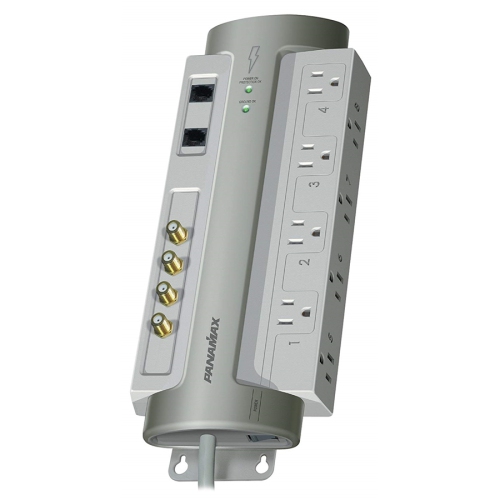 Your price for this item is $190
 -
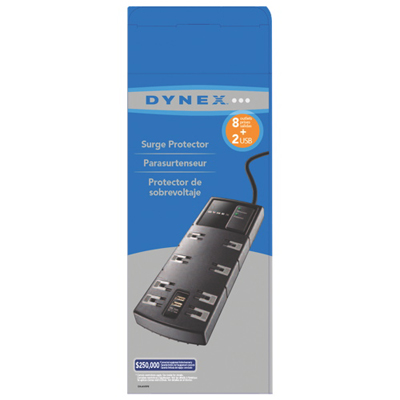 Your price for this item is $29.97
 -
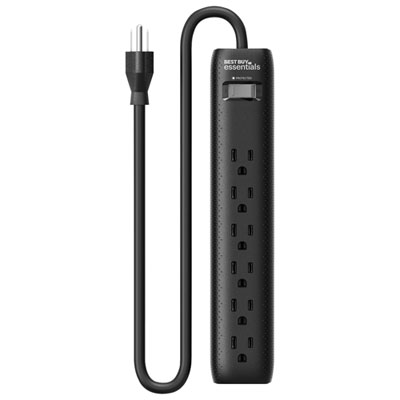 Your price for this item is $14.99
 -
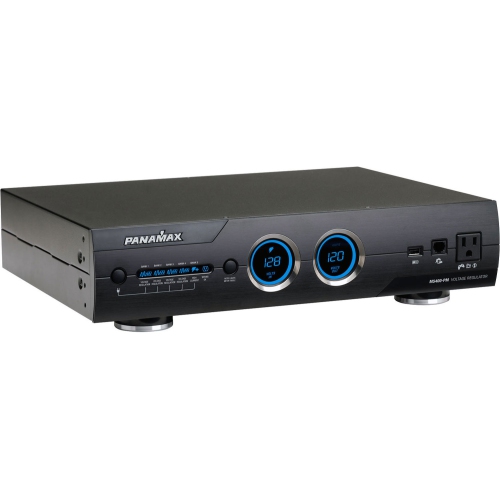 Your price for this item is $1329
 -
 Your price for this item is $39.99
 -
 Your price for this item is $89.37
Discover more categories related to Electrical Outlet Protectors
Top Collections:
Pokemon Centers, Kindle Devices, Apple iPhones 16, Canon G7X Cameras, iPhone 15 Apple, Alarm Clock, Flip Phones, Refurbished Apple Laptops, iPhone 14 256GB, Lightweight On-Ear USB-C Headphones
Some products may be subject to Environmental Handling Fees
(EHF) depending on your province.
Learn more about EHFs.