Explore Air 2
Discover endless creative possibilities with Explore Air 2. Whether you're a seasoned DIY enthusiast or just starting your crafting journey, Explore Air 2 offers the versatility and precision to bring your ideas to life. Browse a wide selection designed to help you personalize projects, add unique touches to home décor, and take on new challenges with confidence. Find the perfect Explore Air 2 model and accessories that fit your needs and start transforming inspiration into reality.
Sort
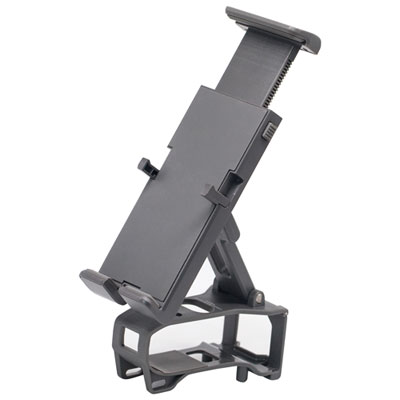
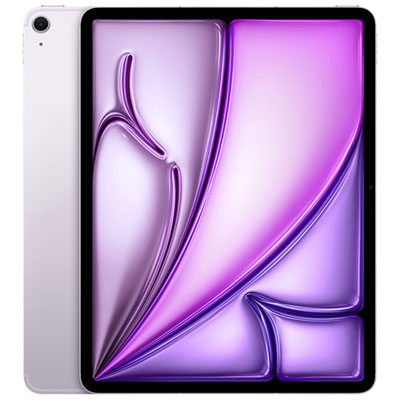
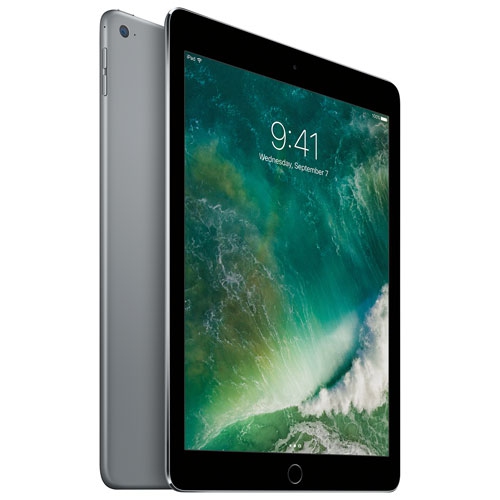
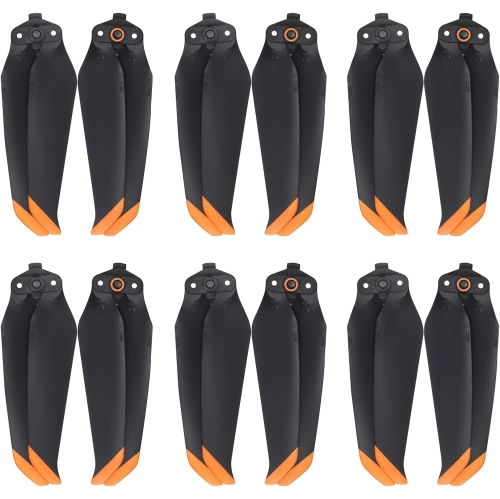
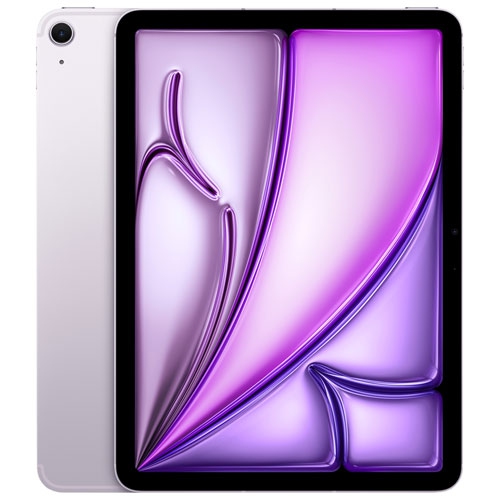
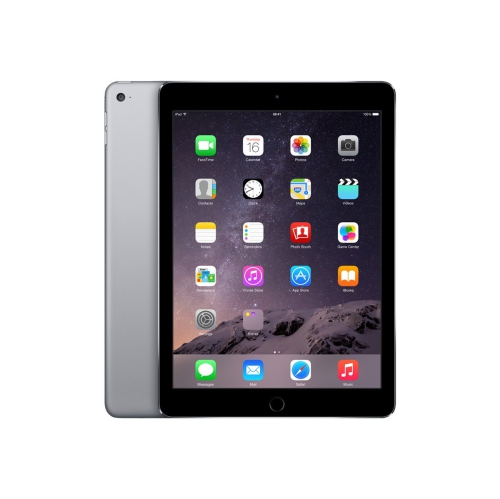
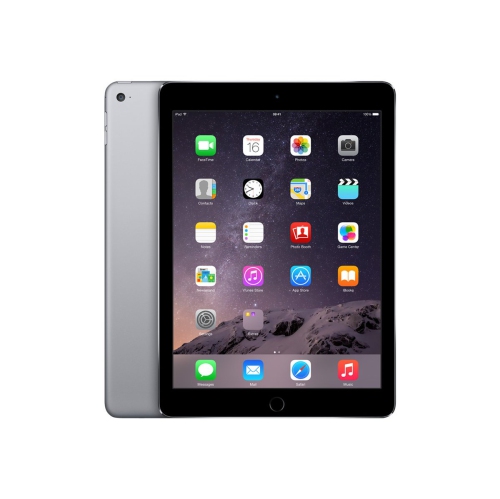

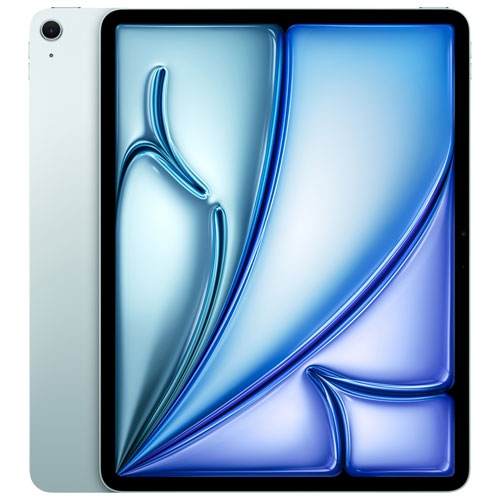

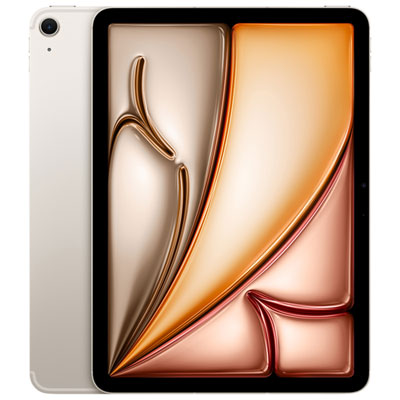
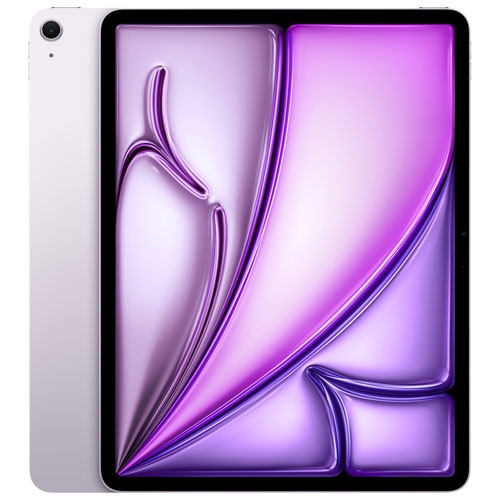
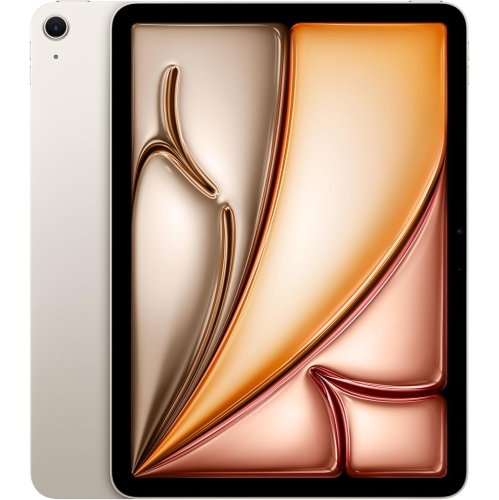
Digital designs become precisely cut crafts and personalized gifts
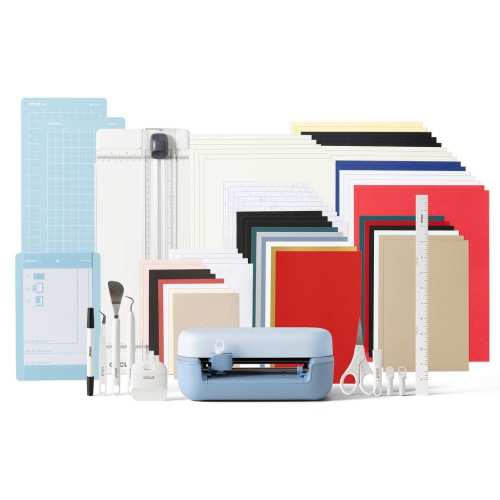
Electronic cutting machines bring precision to everyday crafting, turning digital artwork into neatly cut shapes, lettering, and layered designs. These desktop craft cutters are used for projects such as personalized labels, greeting cards, iron-on shirt graphics, scrapbook pages, and party decorations. Rather than cutting every letter or curve by hand, a compatible machine follows a design file and moves a blade across material held on a cutting mat. Depending on the machine and installed tools, the same workspace may also support drawing with a pen or scoring fold lines for cards and paper boxes. That combination suits projects with several elements, such as an invitation with a drawn message, a cut border, and a crisp centre fold. Common materials include adhesive vinyl, heat-transfer vinyl, cardstock, and selected specialty papers, while some machines also handle bonded fabric when paired with the appropriate blade and settings. Material compatibility depends on more than the name on a package: thickness, backing, surface texture, and the detail of the design can all affect the result. A broad silhouette is generally more forgiving than a tiny script with fine connecting strokes, especially on textured paper. For someone moving beyond scissors and punches, digital cutting offers a practical way to repeat the same design across several pieces while keeping the proportions consistent. Teachers may use it for classroom labels and display lettering, families for celebration decorations, and hobbyists for detailed paper crafts or personalized gifts. A small creative business may value the repeatability for packaging accents and custom embellishments, although finished quality still depends on material choice and preparation. A cutting machine does not print full-colour images on its own; projects combining printed artwork with contour cutting require a compatible feature and a separate printer. Understanding those distinctions helps match the equipment to the intended work, whether the goal is tidy pantry lettering, layered greeting cards, or matching graphics for a group of shirts.
The materials and accessories around a craft cutter have a strong influence on how finished projects look, feel, and hold up. Adhesive vinyl is commonly used on smooth, clean surfaces such as storage containers, glass, and suitable hard-sided cases. Removable and permanent adhesives serve different purposes, and neither description guarantees a particular result on every surface. Painted finishes, textured plastics, and unfinished wood can need extra consideration because adhesion and clean removal vary. Heat-transfer materials are intended for compatible textiles and rely on the specified combination of heat, pressure, and application time. Cotton, polyester, and blended fabrics may respond differently, so the garment composition and transfer instructions matter as much as the design itself. A graphic across the chest of a shirt should leave room for comfortable movement, while a small motif on a pouch needs enough open space to remain legible. For paper projects, cardstock weight affects both structure and flexibility: a standing place card benefits from firmness, while a folded detail may need a lighter sheet that bends cleanly. Glitter coatings and other textured finishes can call for different settings and more frequent attention to the cutting area. Cutting mats also vary in grip. Delicate paper can curl or tear on an overly sticky surface, while heavier materials may shift if the hold is too light. Compatible blades, pen adapters, scoring tools, and replacement mats should be matched to the exact machine rather than chosen by appearance alone. Useful supporting tools include a scraper for smoothing material onto a mat, a spatula for lifting delicate cuts, and a fine-point tool for removing unwanted vinyl from between letters. Transfer tape helps keep separate adhesive-vinyl elements aligned as they move onto the final surface. For gift-making, these details can make the difference between a design that looks good immediately and one that stays readable and well attached through ordinary use. Washability, food-contact suitability, and outdoor use should always follow the material manufacturer’s stated limits rather than assumptions based on appearance.
A comfortable crafting setup balances the machine’s capabilities with the space and devices used to create designs. A desktop cutter needs a stable surface and enough clearance for its mat to travel through the machine without meeting a wall, shelf, or loose supplies. The usable cutting area, rather than the machine’s outer dimensions, determines how large a single design can be. Oversized lettering may need separate sections, and repeated small shapes need enough spacing to lift cleanly from the mat. Compatible design software provides the workspace for arranging artwork, sizing text, and assigning supported operations such as cutting, drawing, or scoring. Device and operating-system requirements deserve attention, as do connection options; Bluetooth can reduce cable clutter when supported, but it does not replace the need for compatible software. Imported artwork also needs to suit the task. A clean outline is easier to cut than a low-resolution image with ragged edges, and narrow lettering can be difficult to handle after cutting even when it appears clear on screen. For shared projects or gifts, simple shapes and generous lettering often deliver a more polished result than crowded designs. Personalized labels can help organize craft drawers, photography bags, and storage cases; makers with aerial photography equipment may also find DJI Air 2S Accessories relevant to that separate part of their creative setup. Long-term care is largely about keeping the cutting area clean, protecting adhesive mats with their covers, and storing sheets flat so edges do not curl. Blades should be handled carefully and replaced when they no longer cut cleanly after appropriate troubleshooting. Finished textile projects need the washing and drying routine specified for their transfer material, while decorated hard surfaces may require gentle hand cleaning. For a recipient who enjoys making things, a craft-cutting setup is most useful when it supports familiar interests, such as card-making, fabric personalization, or home organization. Compatible supplies, room to work, and a manageable first project help turn that creative interest into finished pieces with a personal touch.
The materials and accessories around a craft cutter have a strong influence on how finished projects look, feel, and hold up. Adhesive vinyl is commonly used on smooth, clean surfaces such as storage containers, glass, and suitable hard-sided cases. Removable and permanent adhesives serve different purposes, and neither description guarantees a particular result on every surface. Painted finishes, textured plastics, and unfinished wood can need extra consideration because adhesion and clean removal vary. Heat-transfer materials are intended for compatible textiles and rely on the specified combination of heat, pressure, and application time. Cotton, polyester, and blended fabrics may respond differently, so the garment composition and transfer instructions matter as much as the design itself. A graphic across the chest of a shirt should leave room for comfortable movement, while a small motif on a pouch needs enough open space to remain legible. For paper projects, cardstock weight affects both structure and flexibility: a standing place card benefits from firmness, while a folded detail may need a lighter sheet that bends cleanly. Glitter coatings and other textured finishes can call for different settings and more frequent attention to the cutting area. Cutting mats also vary in grip. Delicate paper can curl or tear on an overly sticky surface, while heavier materials may shift if the hold is too light. Compatible blades, pen adapters, scoring tools, and replacement mats should be matched to the exact machine rather than chosen by appearance alone. Useful supporting tools include a scraper for smoothing material onto a mat, a spatula for lifting delicate cuts, and a fine-point tool for removing unwanted vinyl from between letters. Transfer tape helps keep separate adhesive-vinyl elements aligned as they move onto the final surface. For gift-making, these details can make the difference between a design that looks good immediately and one that stays readable and well attached through ordinary use. Washability, food-contact suitability, and outdoor use should always follow the material manufacturer’s stated limits rather than assumptions based on appearance.
A comfortable crafting setup balances the machine’s capabilities with the space and devices used to create designs. A desktop cutter needs a stable surface and enough clearance for its mat to travel through the machine without meeting a wall, shelf, or loose supplies. The usable cutting area, rather than the machine’s outer dimensions, determines how large a single design can be. Oversized lettering may need separate sections, and repeated small shapes need enough spacing to lift cleanly from the mat. Compatible design software provides the workspace for arranging artwork, sizing text, and assigning supported operations such as cutting, drawing, or scoring. Device and operating-system requirements deserve attention, as do connection options; Bluetooth can reduce cable clutter when supported, but it does not replace the need for compatible software. Imported artwork also needs to suit the task. A clean outline is easier to cut than a low-resolution image with ragged edges, and narrow lettering can be difficult to handle after cutting even when it appears clear on screen. For shared projects or gifts, simple shapes and generous lettering often deliver a more polished result than crowded designs. Personalized labels can help organize craft drawers, photography bags, and storage cases; makers with aerial photography equipment may also find DJI Air 2S Accessories relevant to that separate part of their creative setup. Long-term care is largely about keeping the cutting area clean, protecting adhesive mats with their covers, and storing sheets flat so edges do not curl. Blades should be handled carefully and replaced when they no longer cut cleanly after appropriate troubleshooting. Finished textile projects need the washing and drying routine specified for their transfer material, while decorated hard surfaces may require gentle hand cleaning. For a recipient who enjoys making things, a craft-cutting setup is most useful when it supports familiar interests, such as card-making, fabric personalization, or home organization. Compatible supplies, room to work, and a manageable first project help turn that creative interest into finished pieces with a personal touch.
Top selling and popular products
-
 Your price for this item is $889.99
 -
 Your price for this item is $869.99
 -
 Your price for this item is $1549.99
 -
 Your price for this item is $999.99
 -
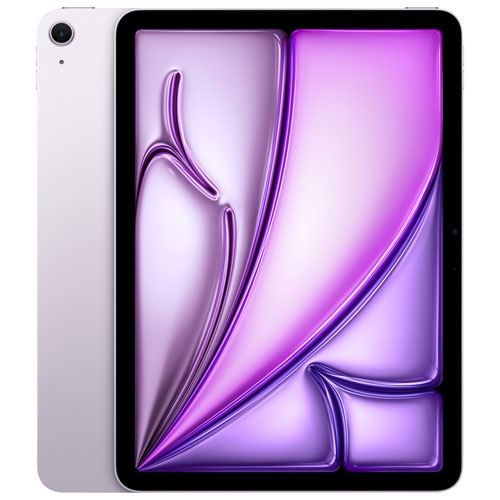 Your price for this item is $999.99
 -
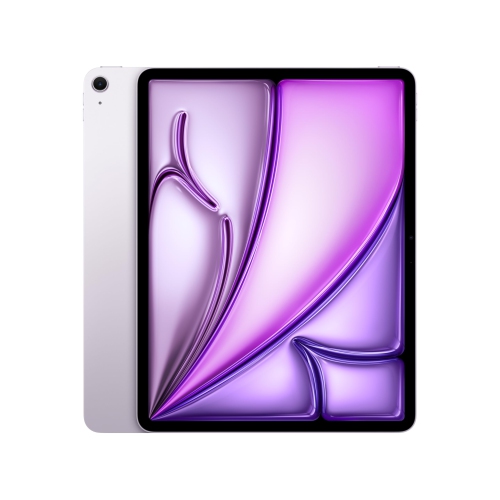 Your price for this item is $1459.95
 -
 Your price for this item is $1199.99
 -
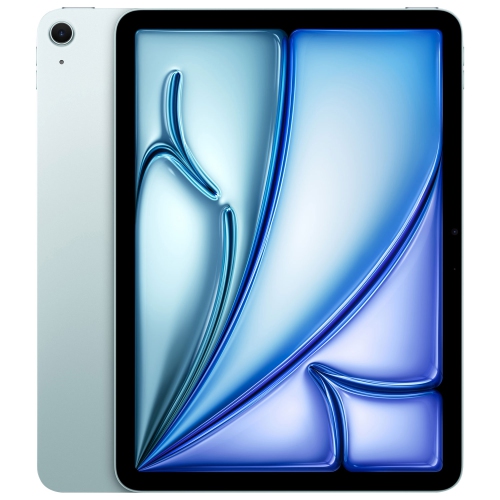 Your price for this item is $929.99
Discover more categories related to Explore Air 2
Top Collections:
Pokemon Centers, Kindle Devices, Best Budget Office Chairs, Apple iPhones 16, Best Laptops for Writers, iPhone 15 Apple, Canon G7X Cameras, Refurbished Apple Laptops, Alarm Clock, Motorola Razr Phones
Some products may be subject to Environmental Handling Fees
(EHF) depending on your province.
Learn more about EHFs.