Flat Extension Cords
If you're looking to maximize your outlet space without the hassle of bulky cords snaking across your floor, these flat extension cords might just be the solution you need. These sleek and versatile cords are designed to hug the wall, allowing you to plug in multiple devices without the tangle of traditional cords. Perfect for home offices, entertainment centers, and almost any space where you want a clean and organized look, flat extension cords offer both functionality and aesthetic appeal.
Sort


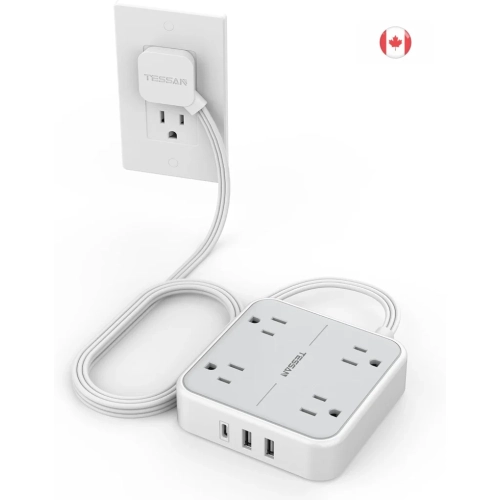
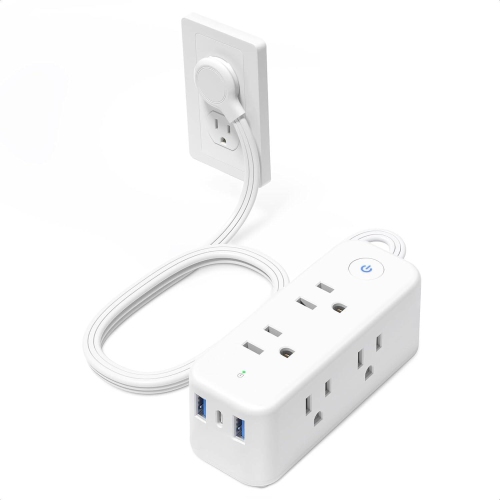
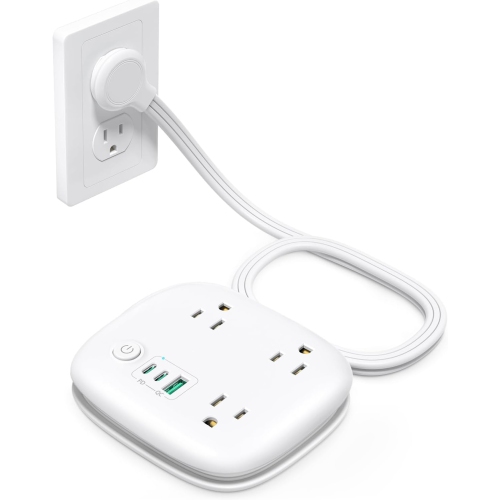
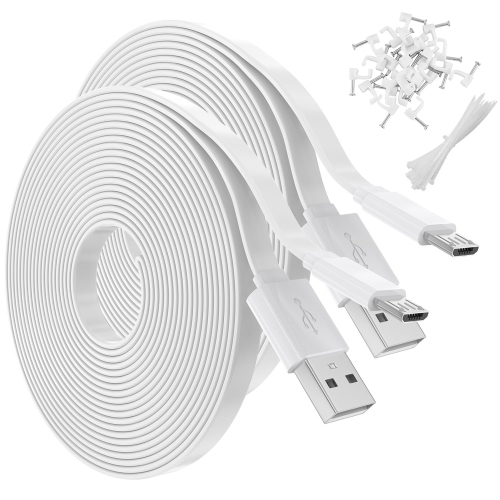
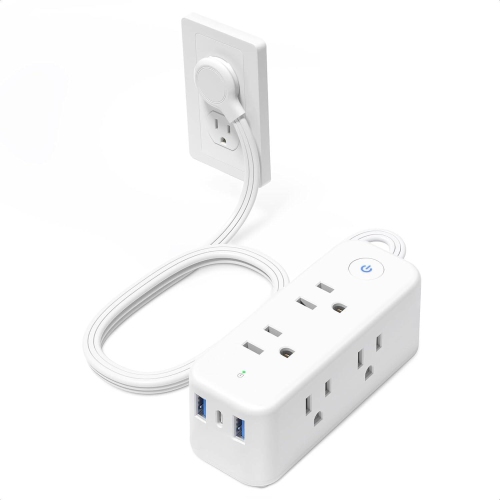
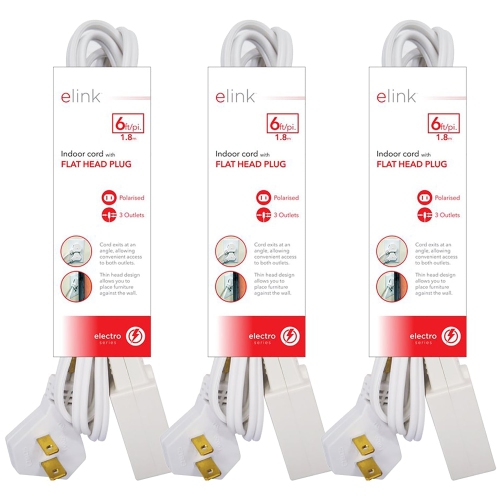
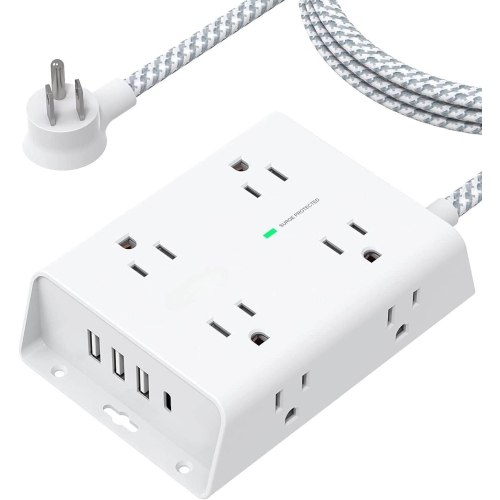
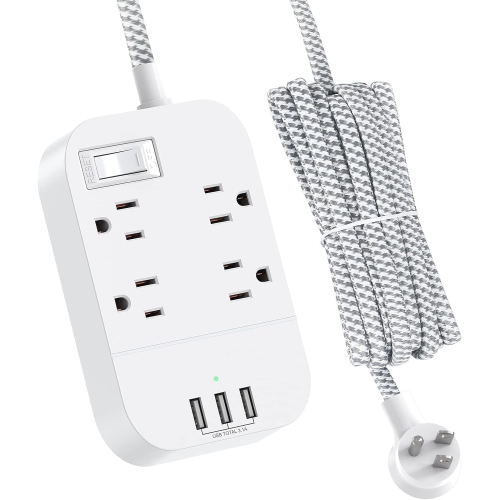
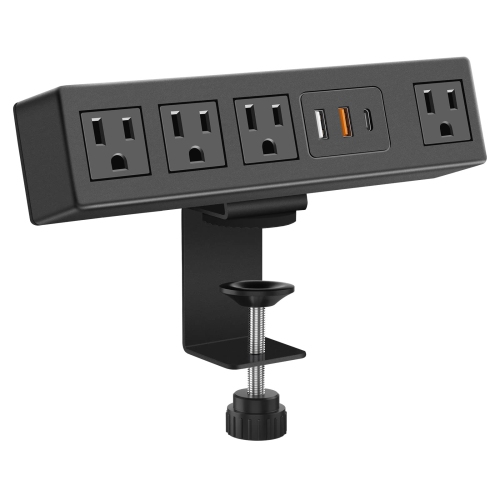
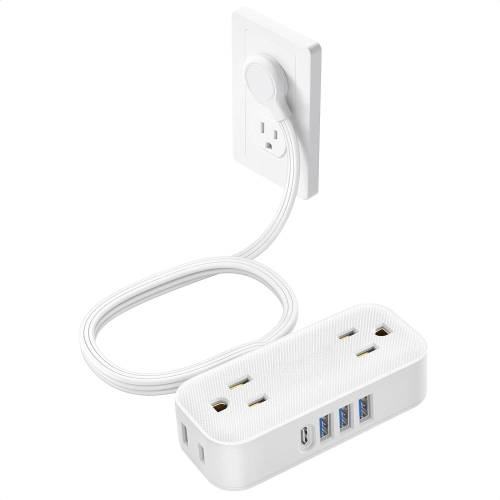
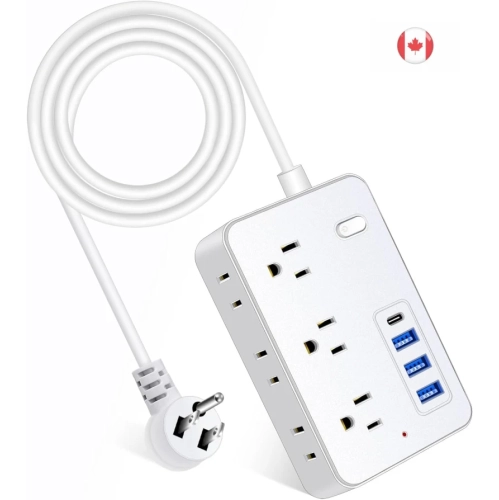
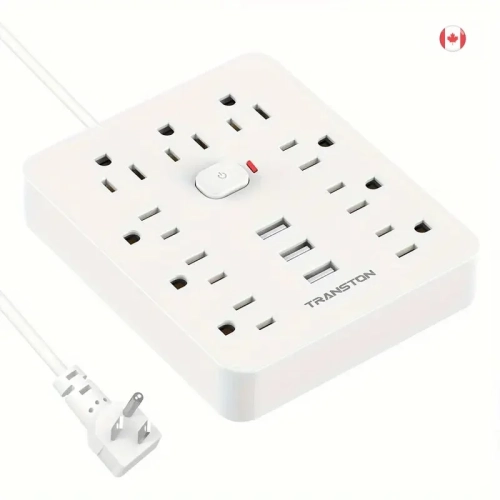
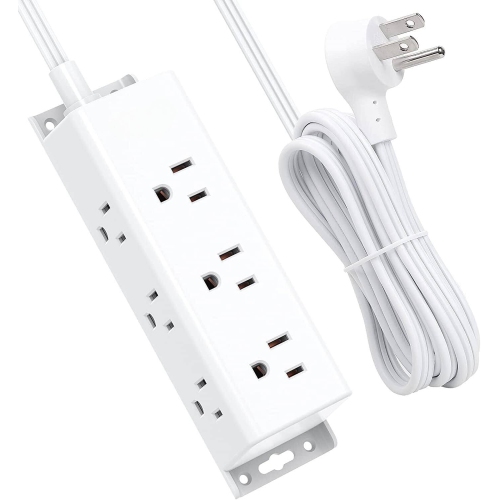
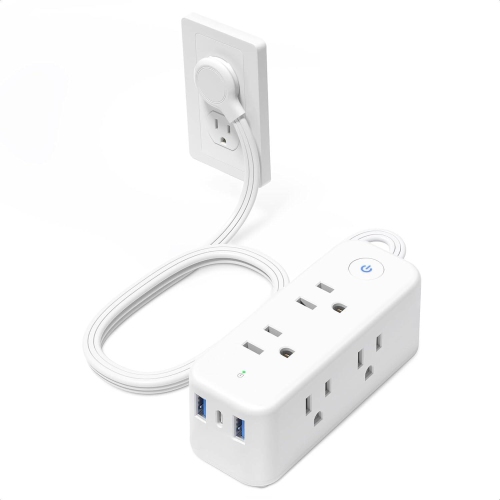
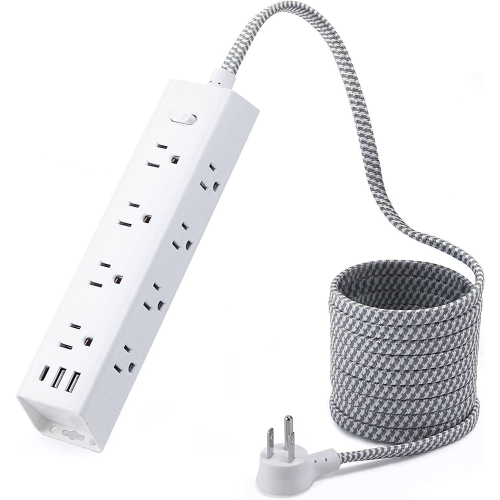
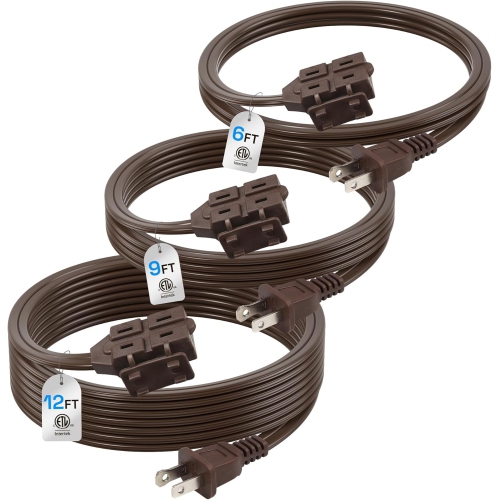




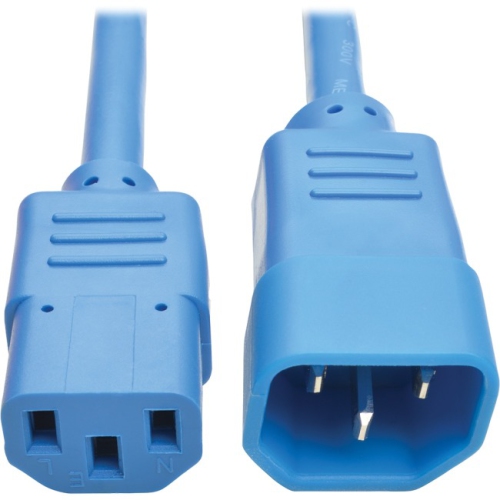
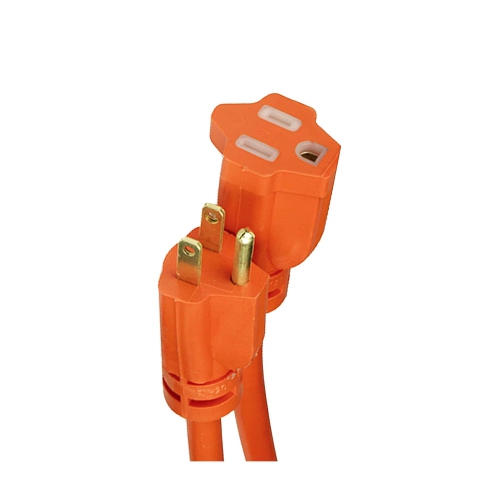
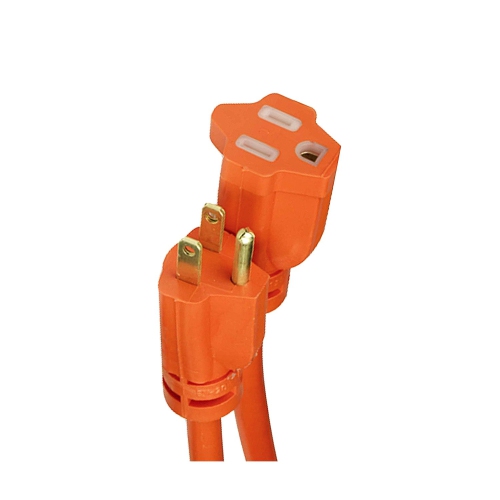
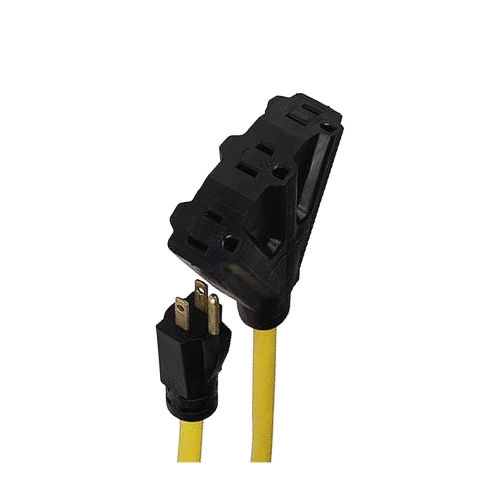
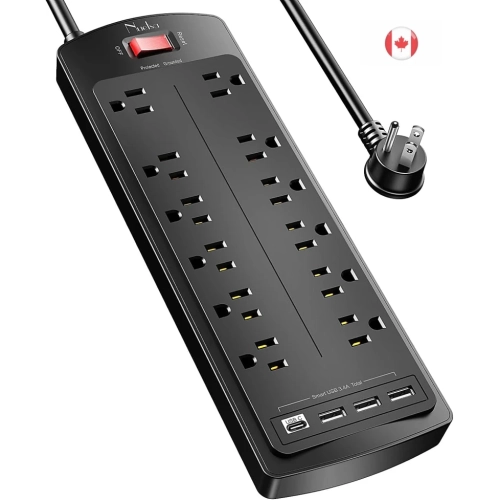
A slimmer way to power devices around furniture
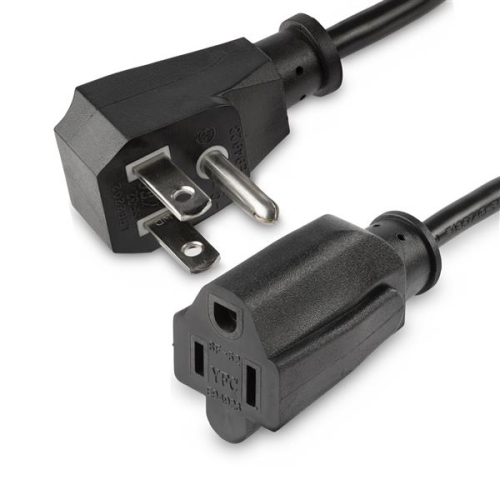
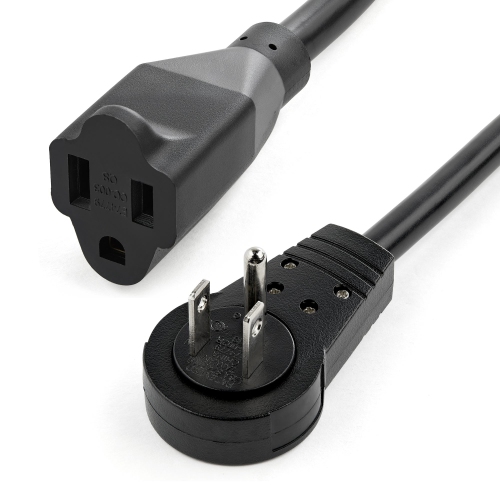
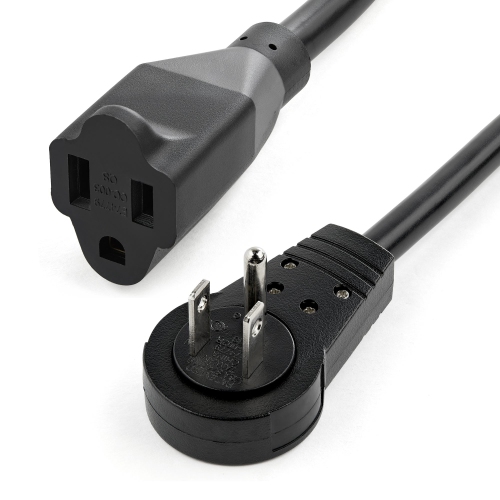
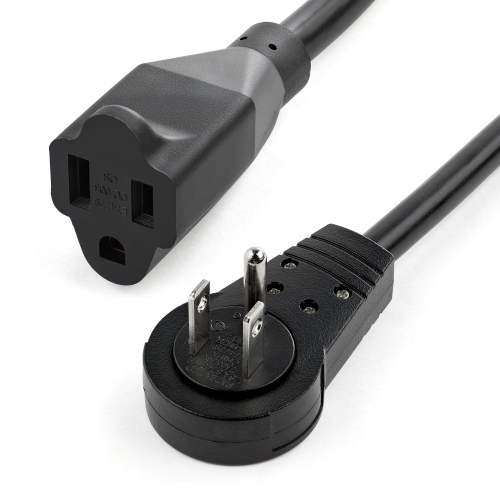
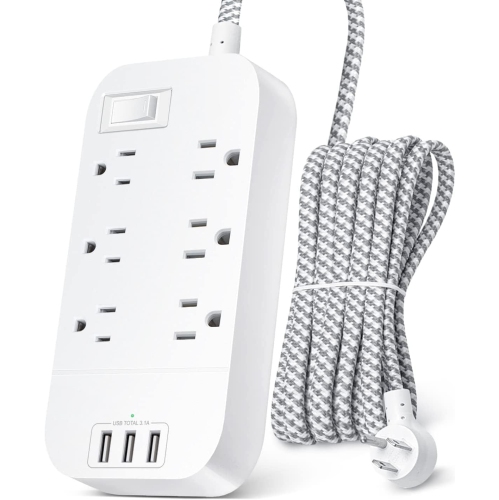
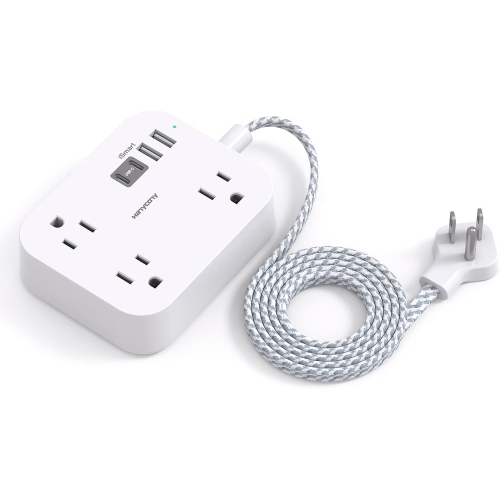
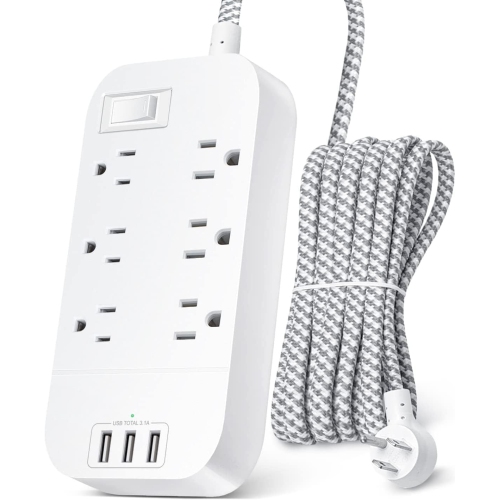
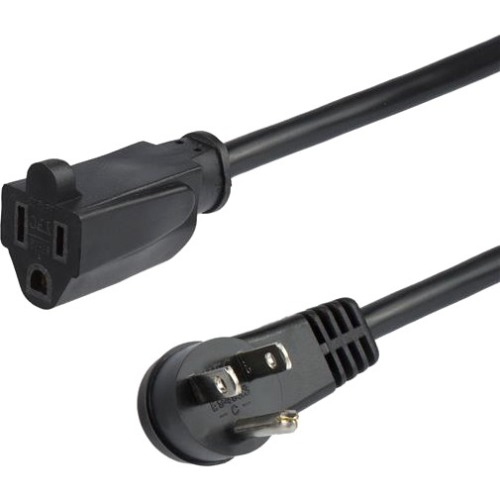
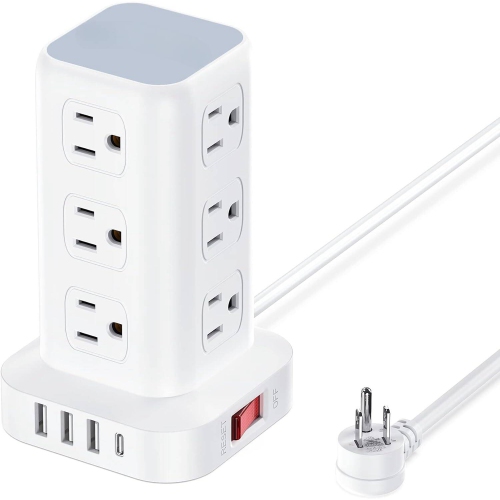
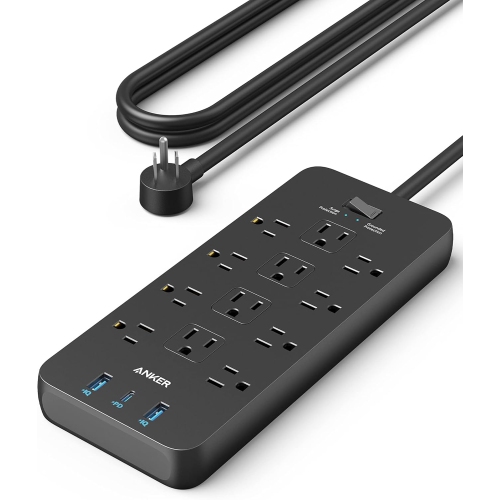
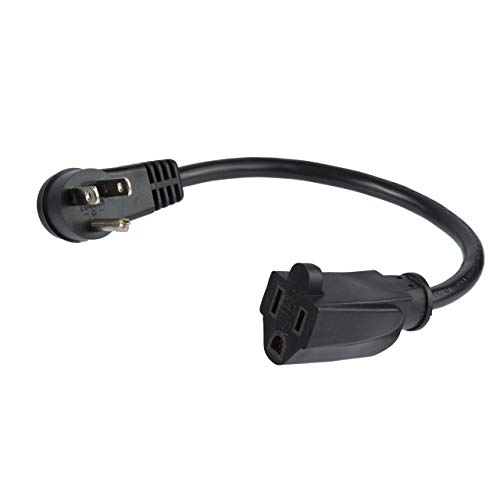
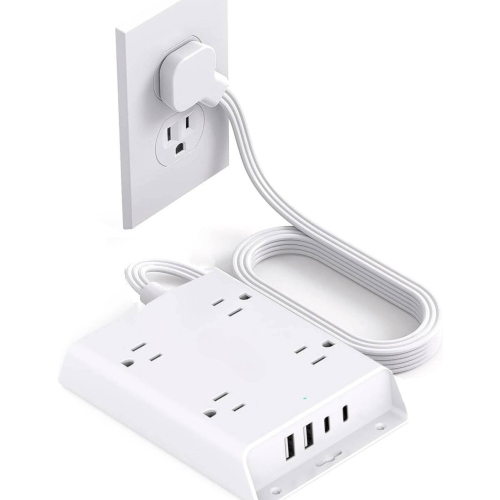
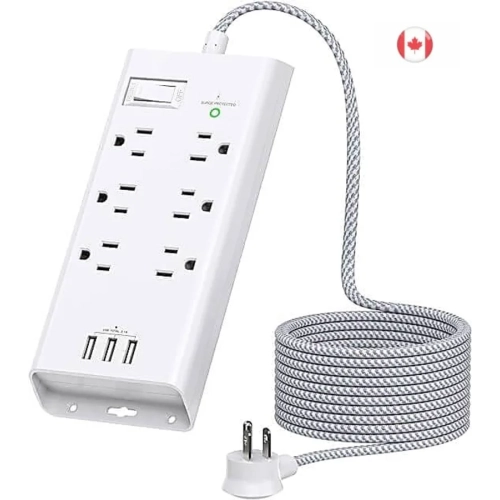
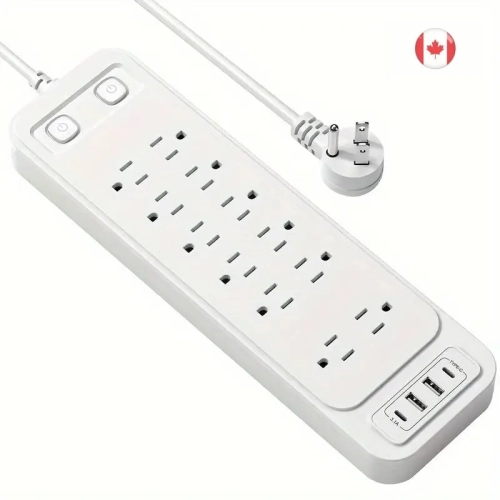
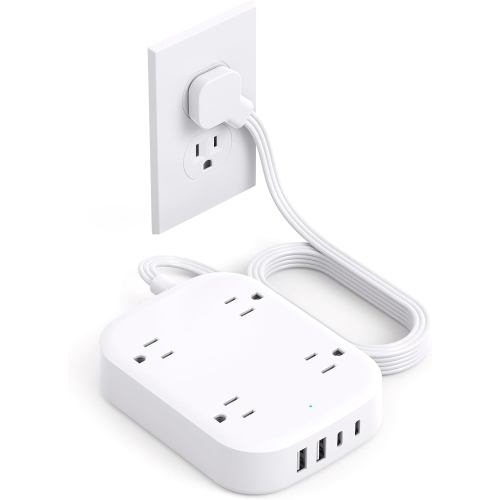
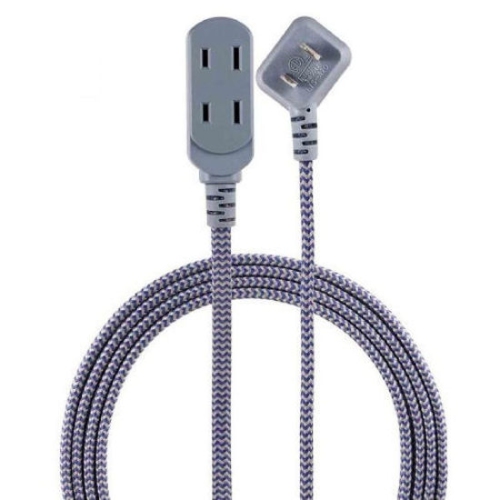
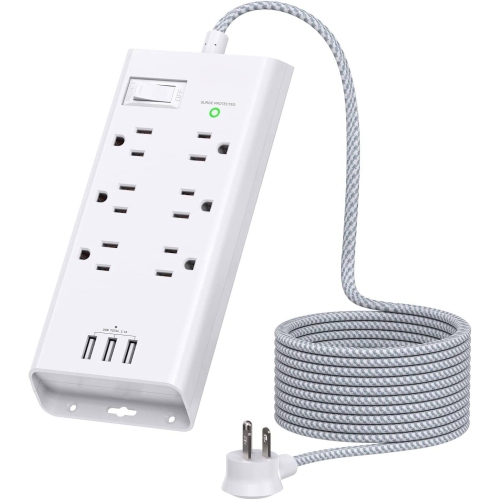
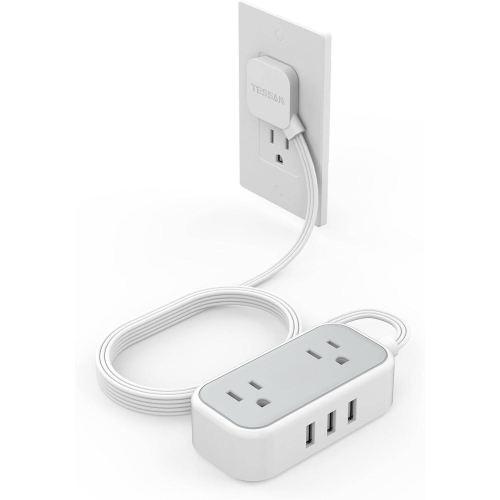
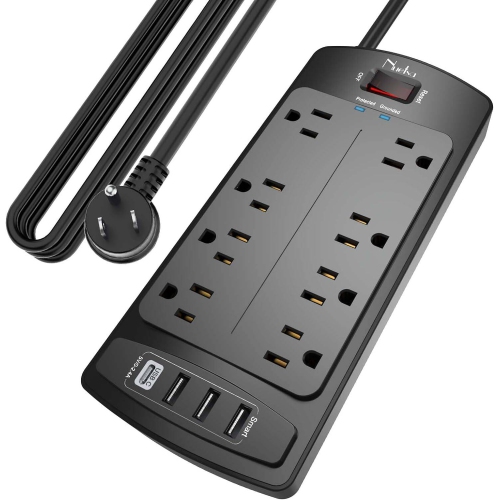
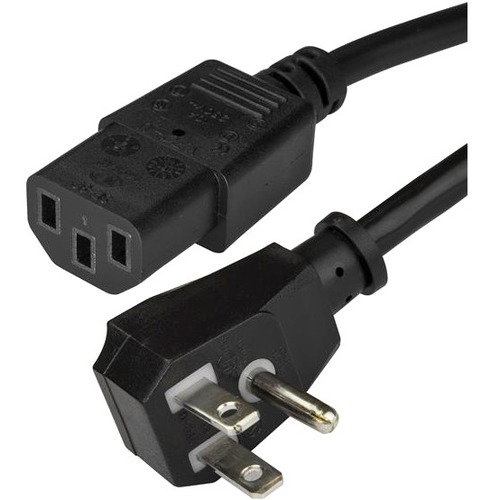
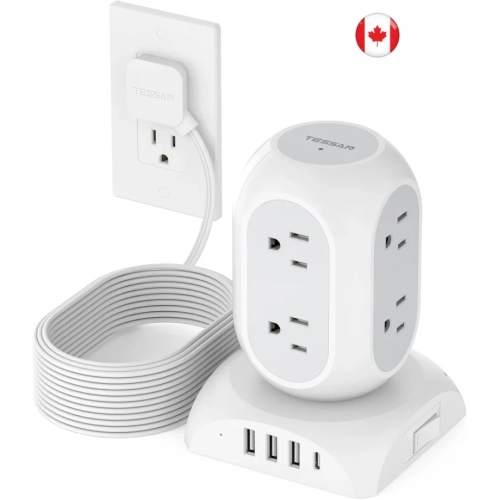
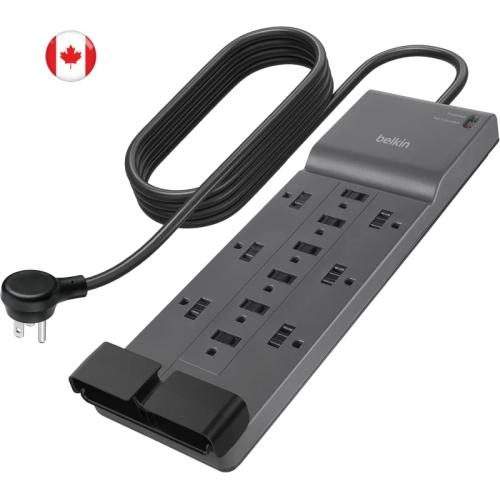
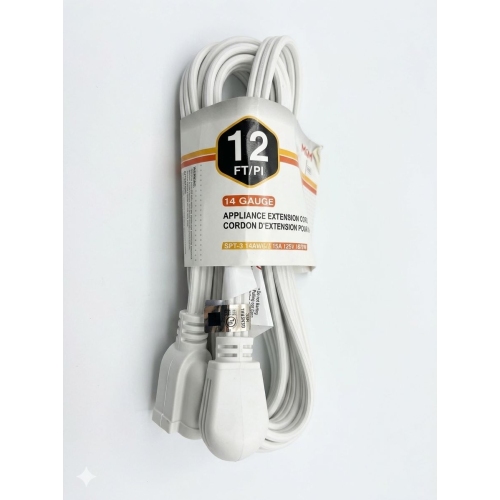
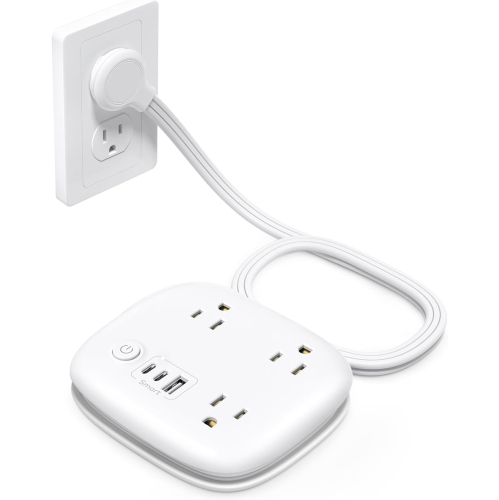
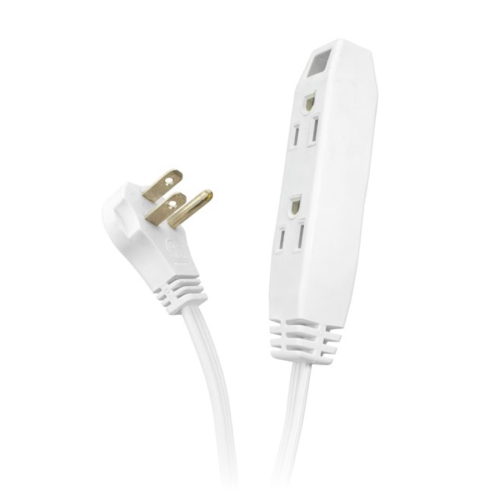
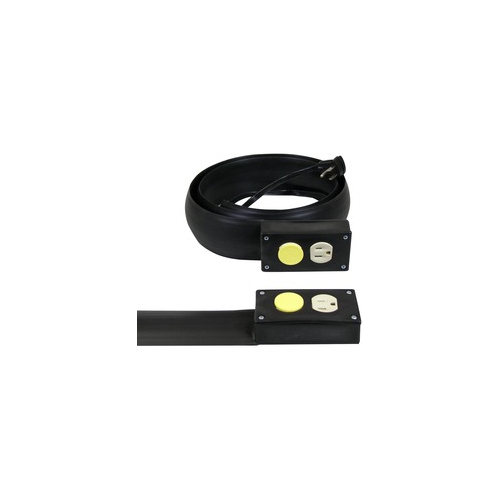
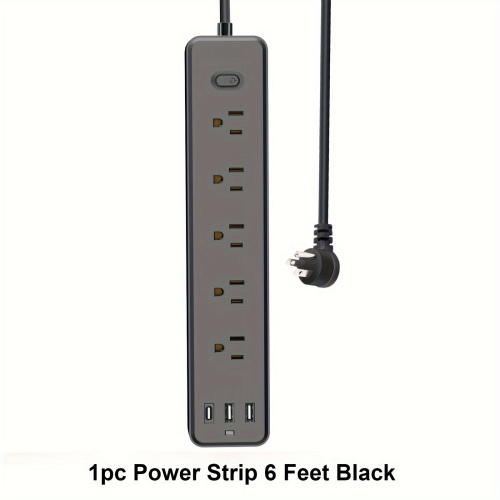
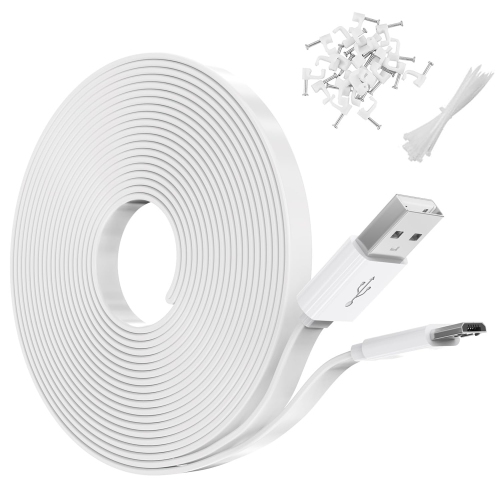
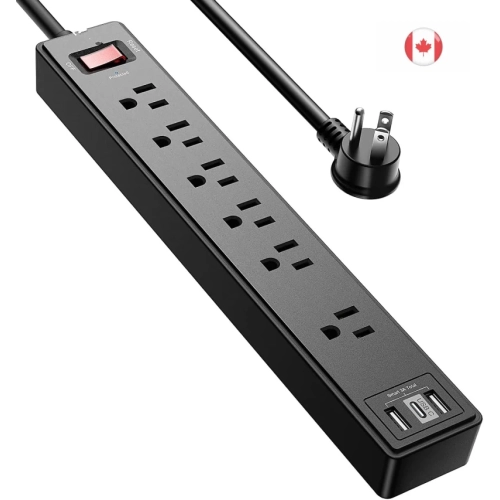
Flat extension cords are a practical choice when a standard round cord creates an awkward bump behind furniture, along a wall, or beneath a rug-free walkway. Their slim wire design and low-profile, angled plug can help furniture sit closer to the wall, making them especially useful behind beds, bookcases, desks, media consoles, and kitchen islands. Instead of leaving a bulky plug projecting from the outlet, a flat extension cord is designed to fit neatly in tight spaces and keep the surrounding area looking more orderly. The discreet profile can also make it easier to route power along a baseboard or behind a cabinet without creating an obvious loop of cable. Many flat extension cords include a multi-outlet block or power strip end, allowing several lower-power devices to share one convenient connection. This can be helpful at a home office where a laptop, monitor, desk lamp, and phone charger need to reach an outlet, or in a living room where a lamp, streaming device, and other small electronics are positioned away from the wall. Students setting up a study area, renters working with limited outlet locations, and anyone reorganizing a room can appreciate the extra flexibility. They can also be useful for a guest room, craft table, reading nook, or seasonal decorating setup where a discreet route to power makes the space more comfortable and functional. For a compact setup or a device placed only a short distance from the wall, you may also want to browse Short Extension Cords. When choosing among flat extension cords, start by considering the distance between the outlet and the device, then select a length that reaches comfortably without leaving a large coil on the floor. A cord that is too short can place strain on the plug and connection, while extra length can become a tripping hazard if it is not arranged carefully. Measure the route around furniture rather than assuming a straight line, and look for a design that suits the available space, including the direction of the angled plug and the position of the outlets on the receiving end.
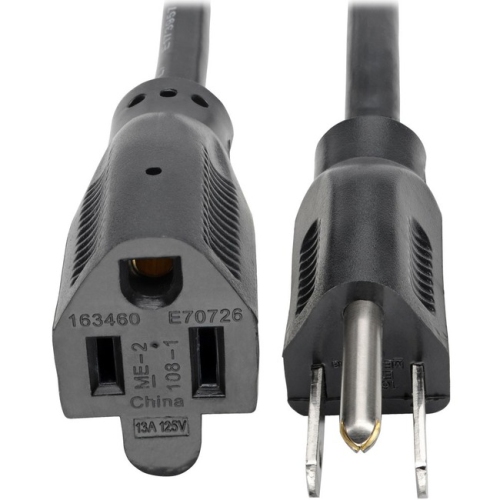
The electrical rating is just as important as the shape of the cord. Check the cord’s gauge, amperage, wattage, and voltage specifications, and compare them with the requirements of the devices you intend to connect. Flat extension cords are commonly selected for lamps, chargers, televisions, computers, speakers, fans, and other everyday electronics, but not every cord is suitable for high-draw appliances such as heaters, air conditioners, refrigerators, power tools, or cooking appliances. A multi-outlet end does not increase the total power available from the wall outlet, so avoid connecting more devices than the cord and circuit are designed to handle. Grounded three-prong cords can provide an appropriate connection for compatible equipment that requires grounding, while polarized plugs are shaped to help align the live and neutral sides of compatible outlets. Always use a cord with the correct plug and outlet configuration, and do not remove or alter the grounding pin. Indoor flat cords should remain indoors unless they are specifically rated for outdoor use; exposure to moisture, extreme temperatures, or unsuitable surfaces can damage the insulation and create a safety risk. Keep the cord away from sinks, damp floors, hot surfaces, sharp edges, door hinges, and areas where it could be pinched by heavy furniture. Avoid placing extension cords beneath carpets or rugs, taping them across walkways as a permanent installation, or connecting one extension cord to another. During the cooler months, a flat extension cord can help position a lamp or small electronic device where it is most useful without pushing furniture away from the wall, but it should not be used to power a heating appliance unless the manufacturer specifically confirms that the cord is rated for that load. Flat extension cords can make thoughtful gifts for someone moving into a new home, setting up a dorm room, furnishing a first apartment, or creating a more organised workspace. They are also handy for anyone who enjoys rearranging furniture, hosting guests, or adding lighting where a wall outlet is not conveniently located. Before using one, inspect the plug, jacket, and outlet block for cuts, exposed wires, loose connections, or heat damage, and replace the cord if any of these signs appear. With the right length, rating, outlet arrangement, and placement, a flat extension cord can provide a tidy way to bring power closer to everyday devices while helping a room remain comfortable, accessible, and uncluttered.
The electrical rating is just as important as the shape of the cord. Check the cord’s gauge, amperage, wattage, and voltage specifications, and compare them with the requirements of the devices you intend to connect. Flat extension cords are commonly selected for lamps, chargers, televisions, computers, speakers, fans, and other everyday electronics, but not every cord is suitable for high-draw appliances such as heaters, air conditioners, refrigerators, power tools, or cooking appliances. A multi-outlet end does not increase the total power available from the wall outlet, so avoid connecting more devices than the cord and circuit are designed to handle. Grounded three-prong cords can provide an appropriate connection for compatible equipment that requires grounding, while polarized plugs are shaped to help align the live and neutral sides of compatible outlets. Always use a cord with the correct plug and outlet configuration, and do not remove or alter the grounding pin. Indoor flat cords should remain indoors unless they are specifically rated for outdoor use; exposure to moisture, extreme temperatures, or unsuitable surfaces can damage the insulation and create a safety risk. Keep the cord away from sinks, damp floors, hot surfaces, sharp edges, door hinges, and areas where it could be pinched by heavy furniture. Avoid placing extension cords beneath carpets or rugs, taping them across walkways as a permanent installation, or connecting one extension cord to another. During the cooler months, a flat extension cord can help position a lamp or small electronic device where it is most useful without pushing furniture away from the wall, but it should not be used to power a heating appliance unless the manufacturer specifically confirms that the cord is rated for that load. Flat extension cords can make thoughtful gifts for someone moving into a new home, setting up a dorm room, furnishing a first apartment, or creating a more organised workspace. They are also handy for anyone who enjoys rearranging furniture, hosting guests, or adding lighting where a wall outlet is not conveniently located. Before using one, inspect the plug, jacket, and outlet block for cuts, exposed wires, loose connections, or heat damage, and replace the cord if any of these signs appear. With the right length, rating, outlet arrangement, and placement, a flat extension cord can provide a tidy way to bring power closer to everyday devices while helping a room remain comfortable, accessible, and uncluttered.
Top selling and popular products
-
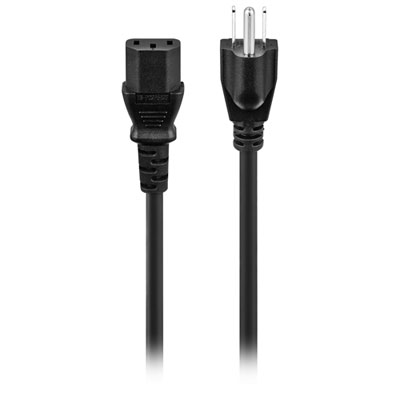 Your price for this item is $9.99
 -
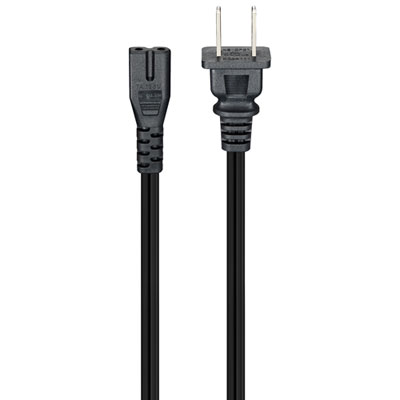 Your price for this item is $12.99
 -
 Your price for this item is $276.68
 -
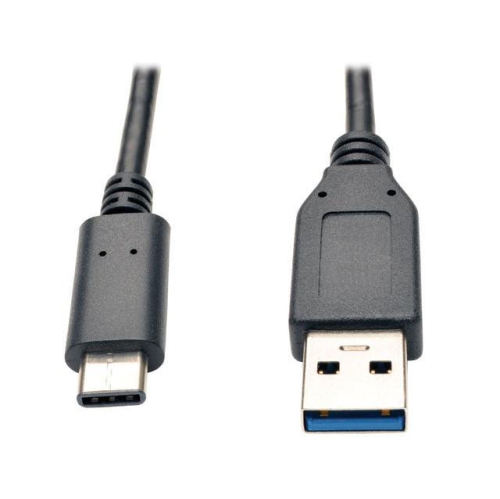 Your price for this item is $29.99
 -
 Your price for this item is $10
 -
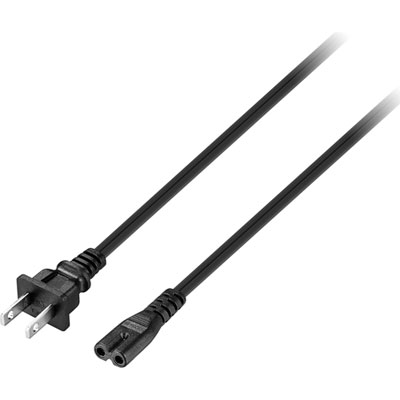 Your price for this item is $12.99
 -
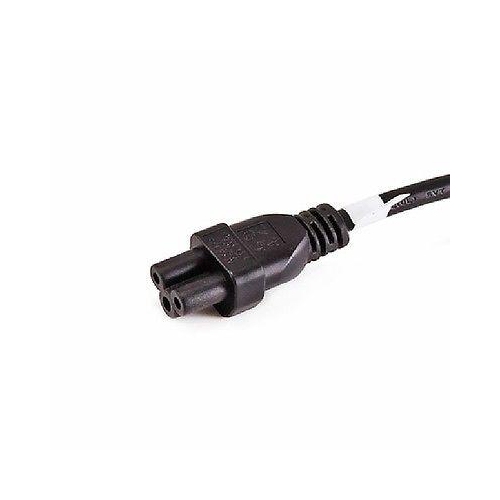 Your price for this item is $10
 -
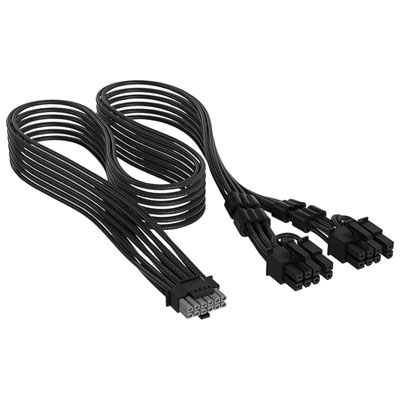 Your price for this item is $24.99
Discover more categories related to Flat Extension Cords
Top Collections:
Pokemon Centers, Kindle Devices, Best Budget Office Chairs, Apple iPhones 16, Best Laptops for Writers, iPhone 15 Apple, Canon G7X Cameras, Refurbished Apple Laptops, Alarm Clock, Motorola Razr Phones
Some products may be subject to Environmental Handling Fees
(EHF) depending on your province.
Learn more about EHFs.