Micro Electronics
Looking to upgrade your tech game? Look no further than our extensive collection of micro electronics. From cutting-edge gadgets to compact devices, we have everything you need to stay connected, entertained, and productive in the digital age. Whether you're a tech enthusiast, a professional on the go, or simply looking for convenience, our range of micro electronics has got you covered. Explore our wide selection and discover the perfect combination of power and portability for your needs. Get ready to experience the future of technology in the palm of your hand with our top-of-the-line micro electronics.
Sort


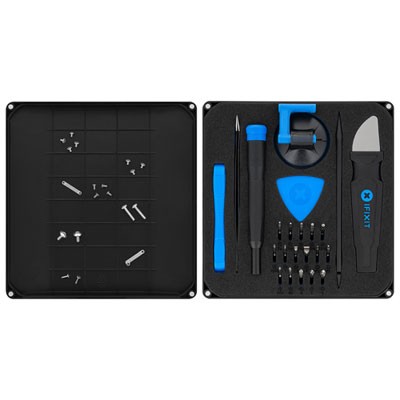
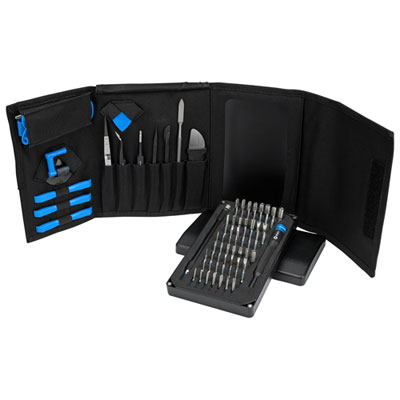

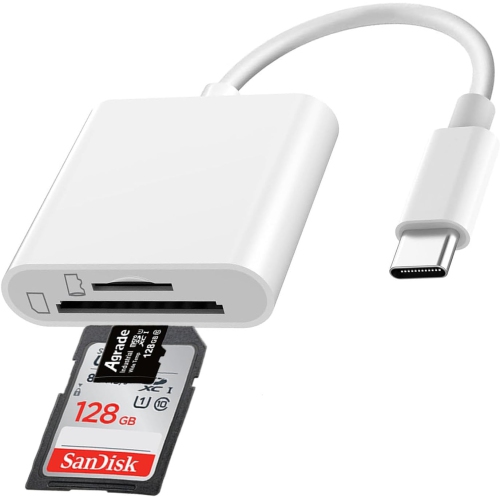
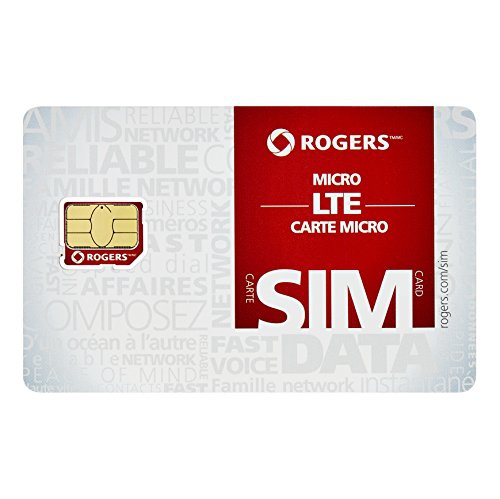
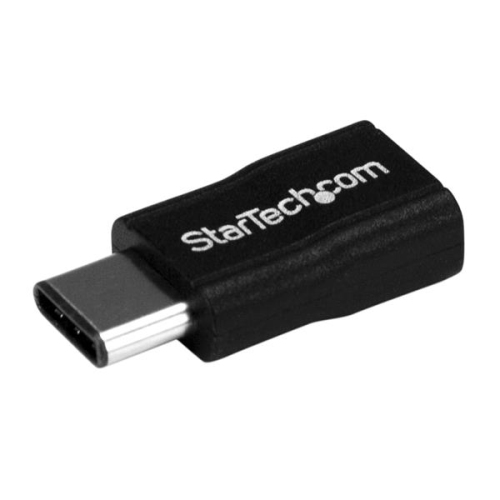
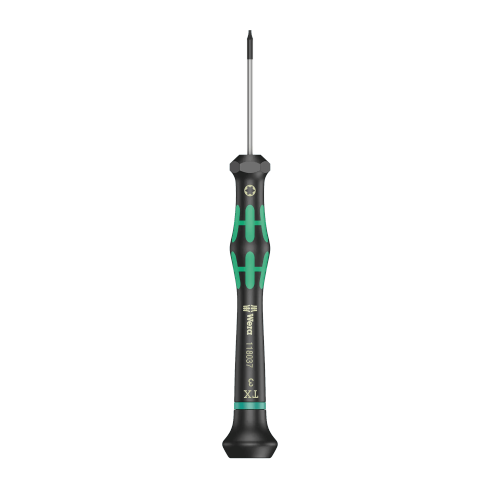
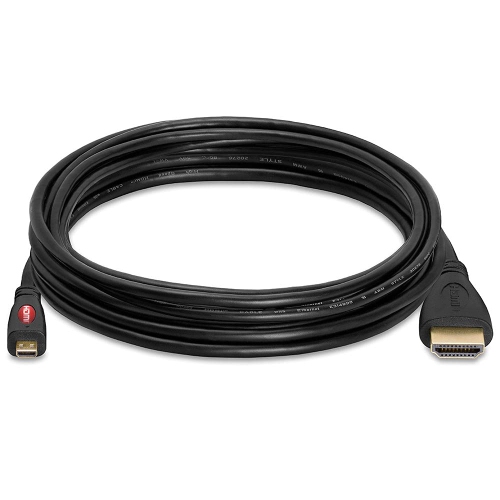
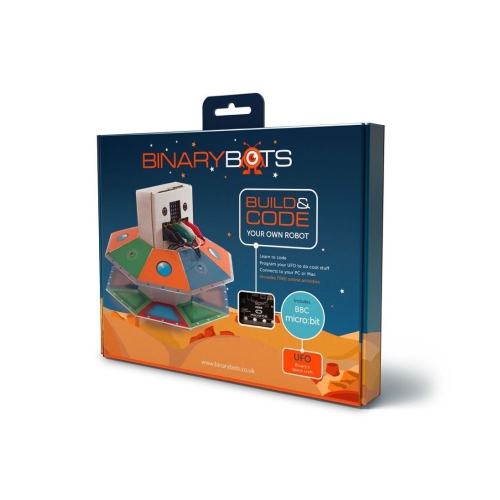
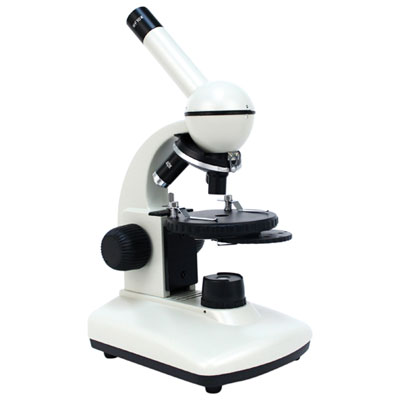

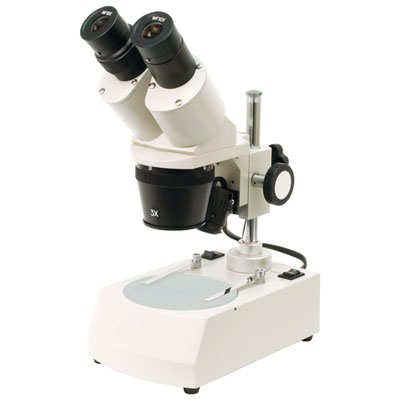
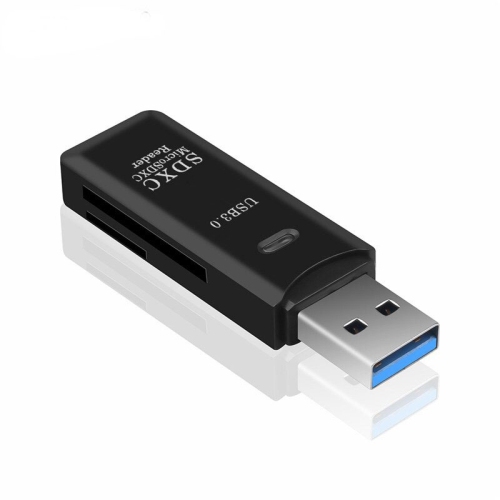

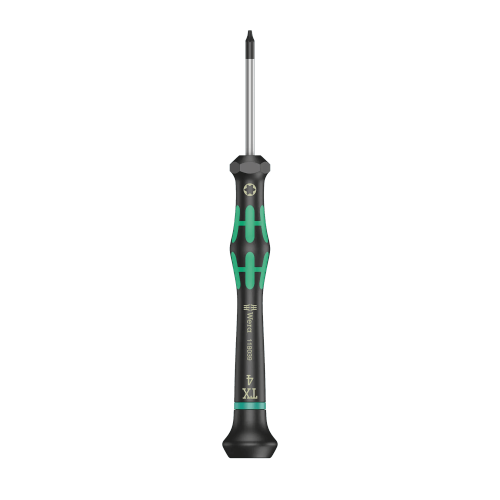


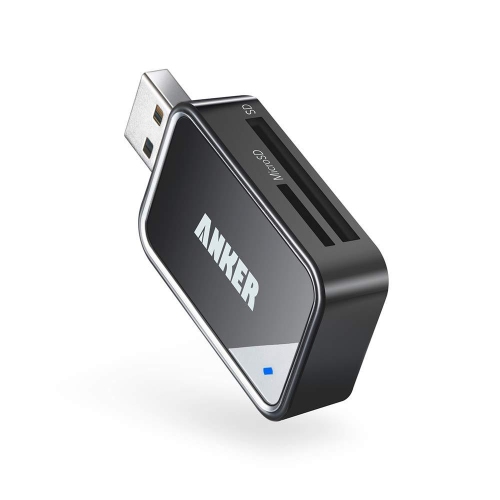



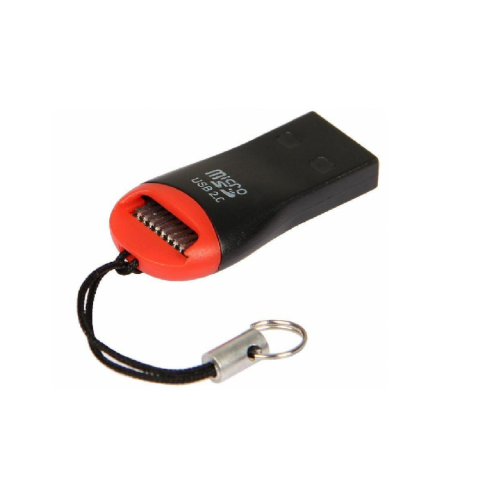
![NIERBO Sd Card Reader [USB2.0 / Type C/micro USB / 3-In-1] Card Reader Otg USB Sd USB Type C Memory Card Reader - Compatible w Micro Sd, Micro Sdhc](https://multimedia.bbycastatic.ca/multimedia/products/500x500/178/17853/17853328.jpeg)
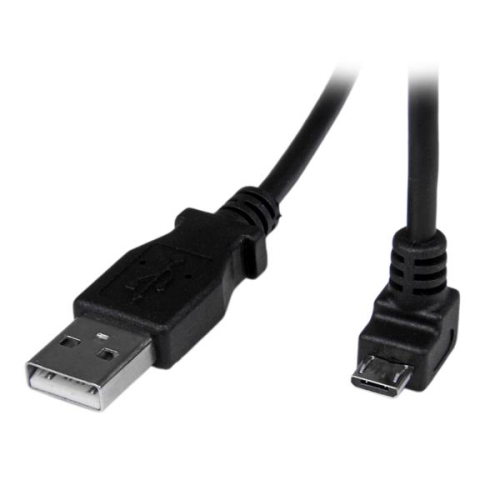
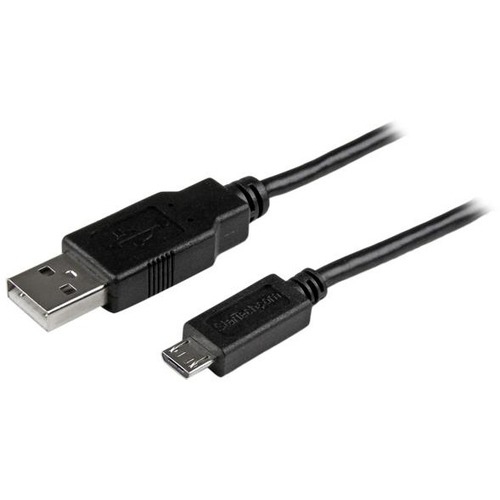
![SABRENT [6-Pack] 22Awg Premium 3Ft Micro USB Cables High Speed USB 2.0 A Male to Micro B Sync And Charge Cables [Black]](https://multimedia.bbycastatic.ca/multimedia/products/500x500/139/13987/13987493.jpg)


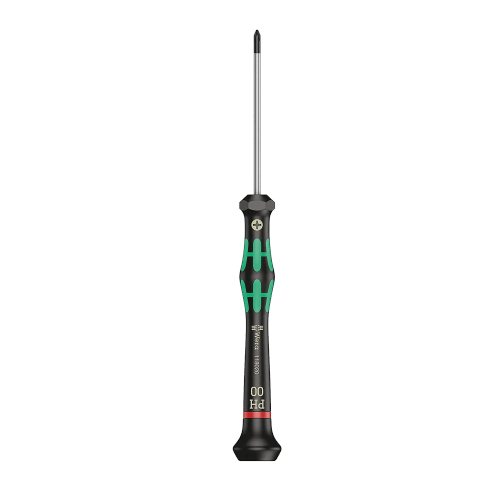
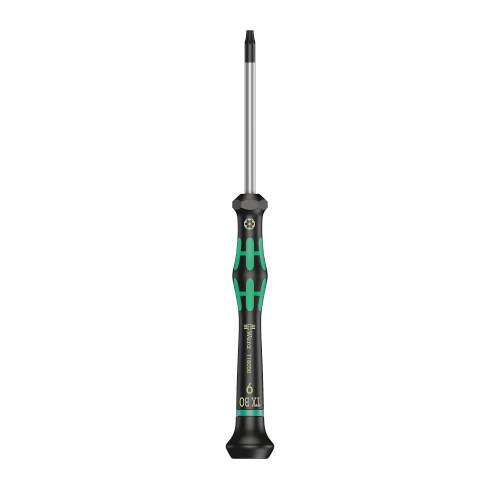
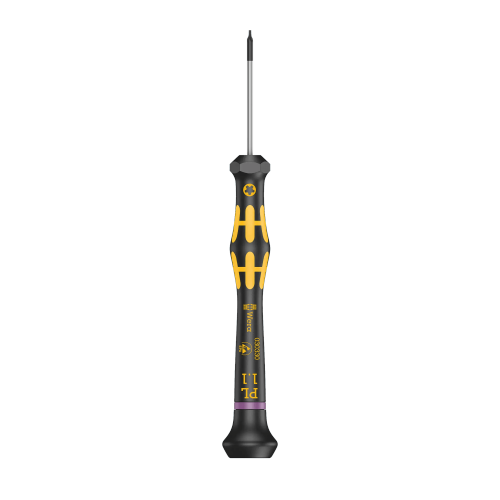

![GOPRO : Quik Key Mobile Micro Sd Card Reader [Electronics]](https://multimedia.bbycastatic.ca/multimedia/products/500x500/193/19383/19383307.jpeg)
How tiny circuits power complex everyday technology
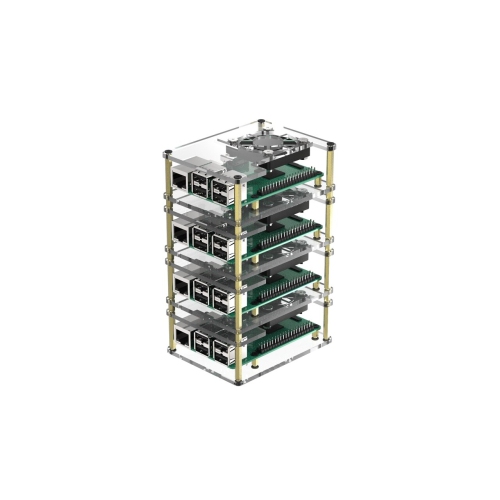
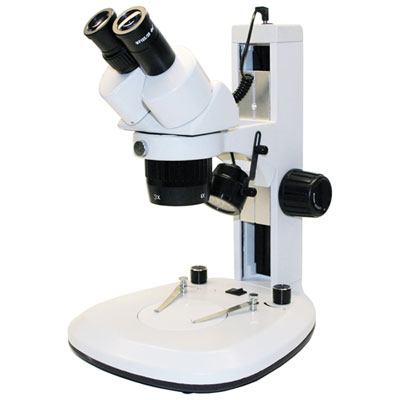
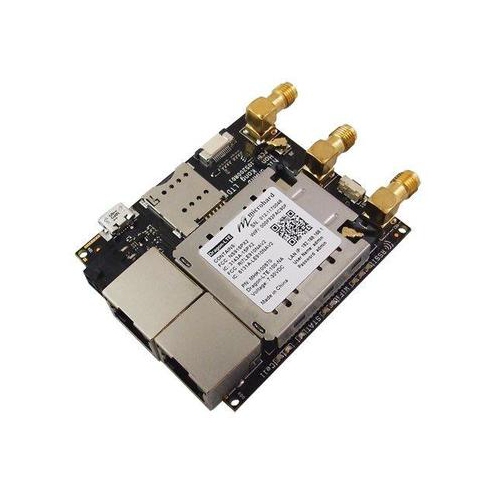
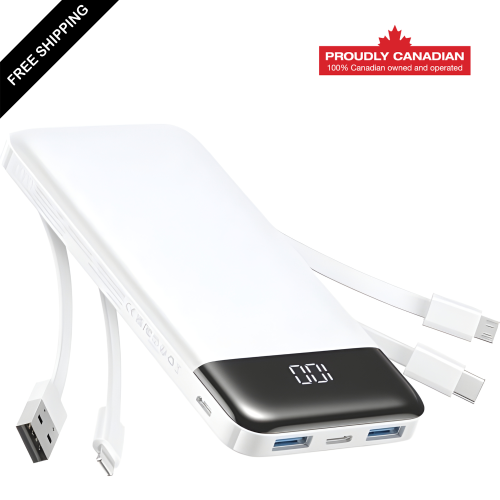
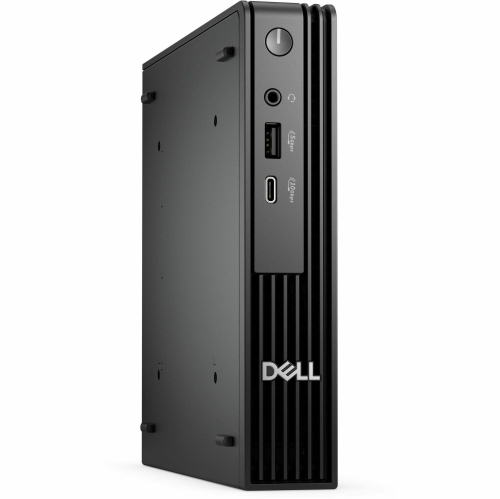
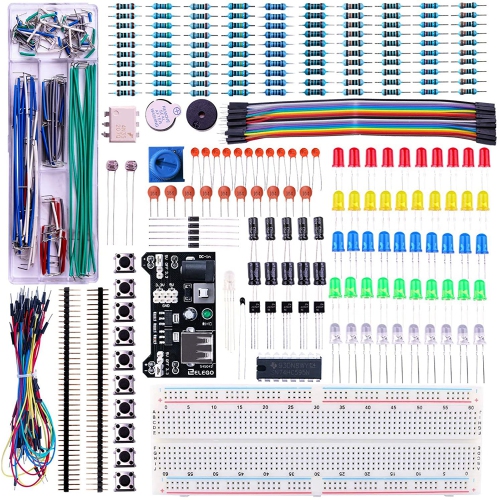
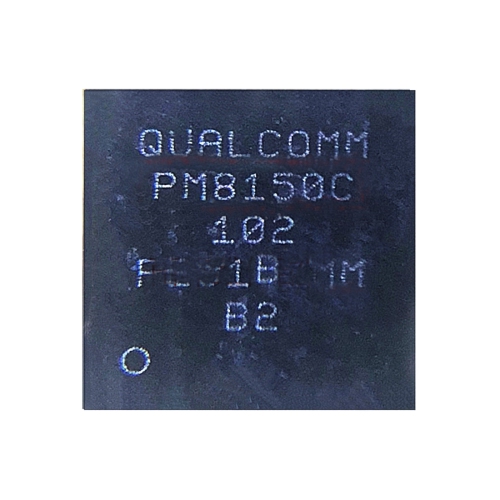
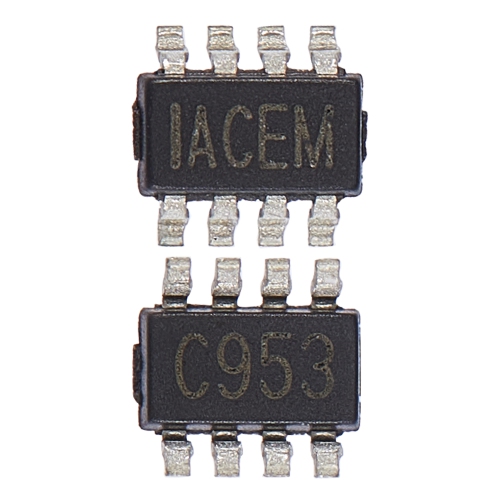
Microelectronics is the field of electronics concerned with extremely small electronic components and the integrated circuits that bring them together. In a shopping context, micro electronics includes compact electronic hardware, circuit-based components, and accessories used to build, connect, control, or support electronic systems. The defining feature is not simply a small outer case: it is the miniaturized circuitry inside. A pocket-sized device may contain several integrated circuits, each handling a different task, while a single advanced chip can contain billions of transistors. These tiny electronic switches control electrical signals, making it possible to process information, store data, measure changes, and manage power within a limited space. Resistors limit current, capacitors store electrical charge, and other components help circuits perform their intended functions. Many chips are built on silicon, a semiconductor material whose electrical properties can be carefully controlled during manufacturing. Conductive connections link parts of the circuit, while protective packaging helps shield the chip and provides a way to connect it to a larger assembly. This combination of materials and precise construction supports much of the technology used at home, at work, and on the move. Microelectronics underpins computing, communications, digital sensing, and automated controls, as well as specialized applications in vehicles and medical equipment. It also differs from the broader category of Small Electronics, which generally describes compact finished devices rather than the scale of their internal circuitry. That distinction matters when comparing products: a ready-to-use electronic device serves a different purpose from a component that needs a compatible circuit, power supply, or enclosure. For shoppers, the useful connection between these categories is how much functionality can fit into a modest footprint. Miniaturized circuits allow electronic products to handle complex tasks without requiring a large amount of desk space, bag space, or room inside a project housing. Their value comes from the relationship between size, capability, and the system they are designed to serve.
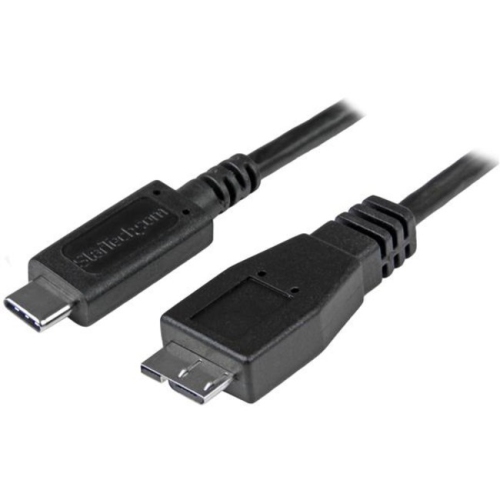
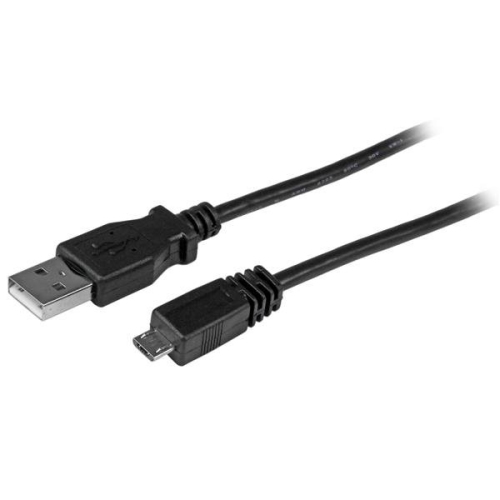
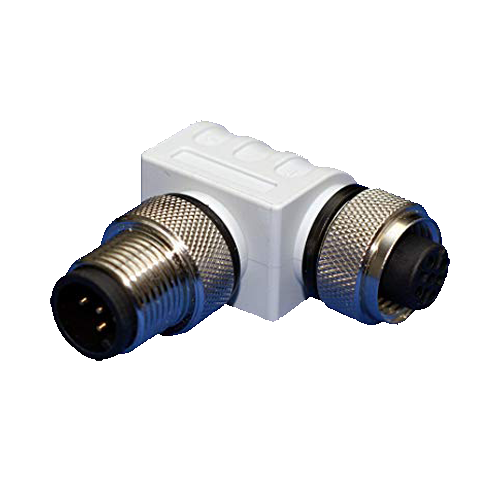
The right fit for micro electronics depends on intended use as much as physical dimensions. A compact assembly for a learning project has different requirements from hardware that will run repeatedly as part of a permanent setup. Students and hobbyists may value clearly labelled connections, accessible documentation, and a layout that is easy to handle on a work surface. More experienced builders may need precise electrical specifications, predictable timing, or support for a particular communication interface. In either case, compatibility goes beyond whether two connectors look alike. Supply voltage, current requirements, polarity, pin arrangement, and signal levels all affect whether components can work together safely and correctly. A connection that fits physically does not necessarily carry the right power or data signals. Software support can matter just as much: programmable hardware may depend on a supported operating system, suitable drivers, or a particular development platform. Wireless functions introduce further considerations, including supported Wi-Fi or Bluetooth versions, operating range, and the effect of surrounding materials on signal quality. A circuit placed inside a metal housing, for example, may behave differently from the same circuit tested openly on a table. Physical fit also includes mounting points, connector clearance, cable routing, and enough room for heat to dissipate. A tidy enclosure can protect an assembly, but an overly tight layout may strain connections or trap heat. For a desktop experiment, easy access to ports and controls may be the priority; for a setup that travels between home and a classroom, secure mounting and a protective case can be more useful. Processing speed, memory, sensing accuracy, and power consumption are meaningful only in relation to the task. A simple control function does not necessarily benefit from the capabilities needed for complex data processing. Clear specifications help distinguish useful features from unnecessary complexity, especially when several compact options appear similar at a glance. The strongest match is hardware that fits the space, communicates with the rest of the setup, and performs the intended job without avoidable adapters or workarounds.
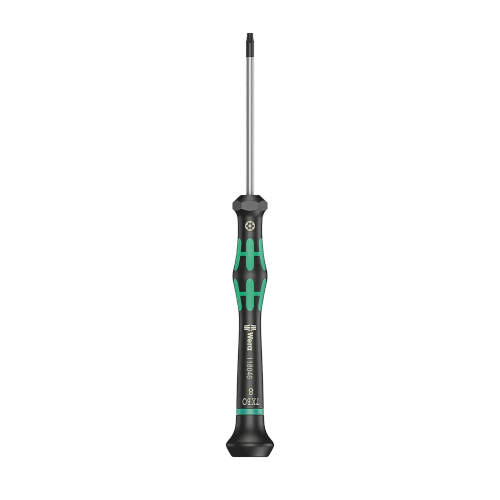
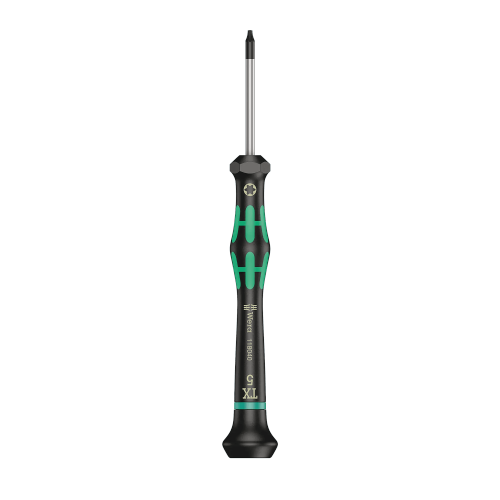
Materials, assembly quality, and everyday handling influence how well micro electronics holds up over time. Many circuit boards use a rigid glass-fibre-reinforced laminate with copper pathways, while flexible circuits use thin materials designed for applications where bending or unusual shapes are necessary. Soldered joints provide electrical and mechanical connections, and housings may use plastic, metal, or a combination of both. Each construction has trade-offs. A metal enclosure can add strength and help spread heat, while a well-designed plastic enclosure can provide electrical insulation and a lighter overall package. Neither material alone guarantees durability; secure connectors, appropriate ventilation, supported cables, and sound assembly are also important. Exposed circuitry needs more careful handling than a finished, enclosed device. Static electricity can damage sensitive components, so suitable antistatic precautions matter when working with bare boards or chips. Handling boards by their edges, keeping contacts clean, and disconnecting power before changing connections can help prevent accidental damage. Loose conductive parts should stay clear of powered circuits, and liquids should remain away from the work area. Cleaning methods depend on the product and its construction, making the supplied care instructions more reliable than a general-purpose spray or household cleaner. Storage deserves similar attention: protective packaging can keep small parts from being bent, mixed together, or exposed to static during transport. For projects used during the cooler months, allowing cold hardware to reach room temperature and any condensation to dry before powering it helps protect delicate circuitry. Micro electronics can also make a thoughtful gift for someone who enjoys understanding how technology works, provided the hardware suits their experience and existing equipment. Beginners often benefit from approachable connections and clear supporting information, while experienced enthusiasts may appreciate hardware suited to a particular project. For younger learners, age suitability, adult supervision, small parts, and any tools required should all be considered. Whether the goal is hands-on learning, a carefully planned build, or a compact electronic setup for everyday use, attention to compatibility and construction helps turn miniature circuitry into something practical, dependable, and satisfying to use.
The right fit for micro electronics depends on intended use as much as physical dimensions. A compact assembly for a learning project has different requirements from hardware that will run repeatedly as part of a permanent setup. Students and hobbyists may value clearly labelled connections, accessible documentation, and a layout that is easy to handle on a work surface. More experienced builders may need precise electrical specifications, predictable timing, or support for a particular communication interface. In either case, compatibility goes beyond whether two connectors look alike. Supply voltage, current requirements, polarity, pin arrangement, and signal levels all affect whether components can work together safely and correctly. A connection that fits physically does not necessarily carry the right power or data signals. Software support can matter just as much: programmable hardware may depend on a supported operating system, suitable drivers, or a particular development platform. Wireless functions introduce further considerations, including supported Wi-Fi or Bluetooth versions, operating range, and the effect of surrounding materials on signal quality. A circuit placed inside a metal housing, for example, may behave differently from the same circuit tested openly on a table. Physical fit also includes mounting points, connector clearance, cable routing, and enough room for heat to dissipate. A tidy enclosure can protect an assembly, but an overly tight layout may strain connections or trap heat. For a desktop experiment, easy access to ports and controls may be the priority; for a setup that travels between home and a classroom, secure mounting and a protective case can be more useful. Processing speed, memory, sensing accuracy, and power consumption are meaningful only in relation to the task. A simple control function does not necessarily benefit from the capabilities needed for complex data processing. Clear specifications help distinguish useful features from unnecessary complexity, especially when several compact options appear similar at a glance. The strongest match is hardware that fits the space, communicates with the rest of the setup, and performs the intended job without avoidable adapters or workarounds.
Materials, assembly quality, and everyday handling influence how well micro electronics holds up over time. Many circuit boards use a rigid glass-fibre-reinforced laminate with copper pathways, while flexible circuits use thin materials designed for applications where bending or unusual shapes are necessary. Soldered joints provide electrical and mechanical connections, and housings may use plastic, metal, or a combination of both. Each construction has trade-offs. A metal enclosure can add strength and help spread heat, while a well-designed plastic enclosure can provide electrical insulation and a lighter overall package. Neither material alone guarantees durability; secure connectors, appropriate ventilation, supported cables, and sound assembly are also important. Exposed circuitry needs more careful handling than a finished, enclosed device. Static electricity can damage sensitive components, so suitable antistatic precautions matter when working with bare boards or chips. Handling boards by their edges, keeping contacts clean, and disconnecting power before changing connections can help prevent accidental damage. Loose conductive parts should stay clear of powered circuits, and liquids should remain away from the work area. Cleaning methods depend on the product and its construction, making the supplied care instructions more reliable than a general-purpose spray or household cleaner. Storage deserves similar attention: protective packaging can keep small parts from being bent, mixed together, or exposed to static during transport. For projects used during the cooler months, allowing cold hardware to reach room temperature and any condensation to dry before powering it helps protect delicate circuitry. Micro electronics can also make a thoughtful gift for someone who enjoys understanding how technology works, provided the hardware suits their experience and existing equipment. Beginners often benefit from approachable connections and clear supporting information, while experienced enthusiasts may appreciate hardware suited to a particular project. For younger learners, age suitability, adult supervision, small parts, and any tools required should all be considered. Whether the goal is hands-on learning, a carefully planned build, or a compact electronic setup for everyday use, attention to compatibility and construction helps turn miniature circuitry into something practical, dependable, and satisfying to use.
Top selling and popular products
-
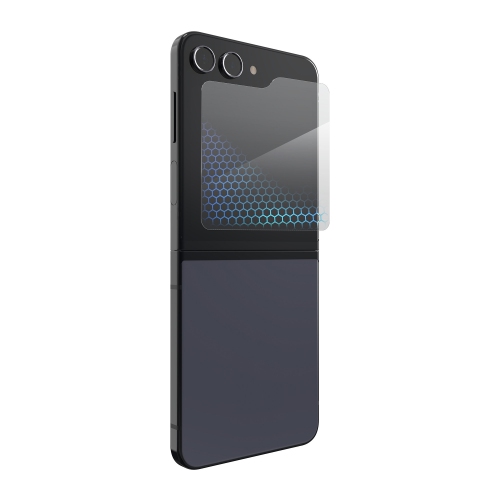 Your price for this item is $59.99
 -
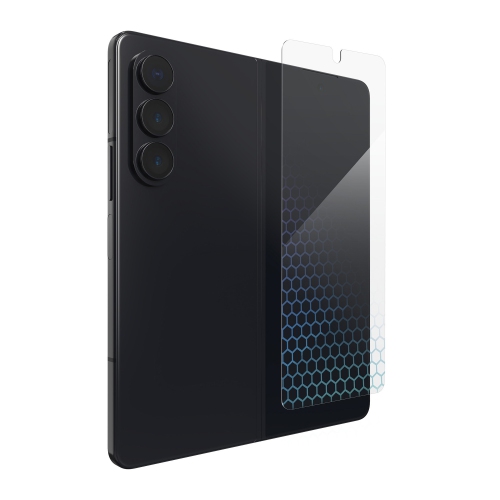 Your price for this item is $59.99
 -
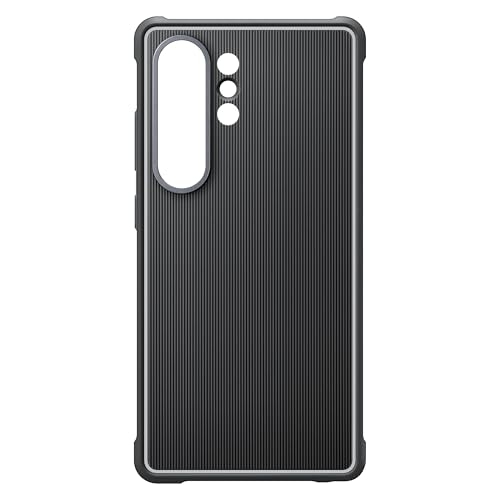 Your price for this item is $89.99
 -
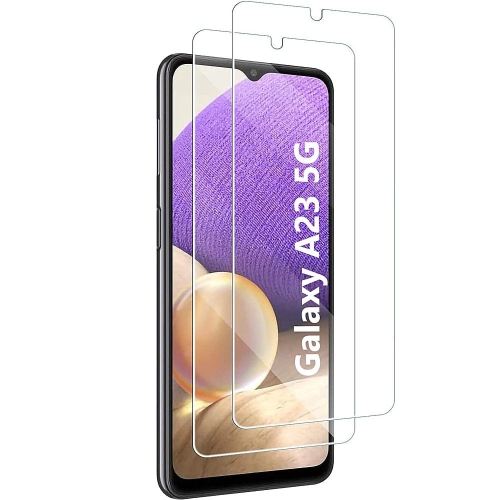 Your price for this item is $52
 -
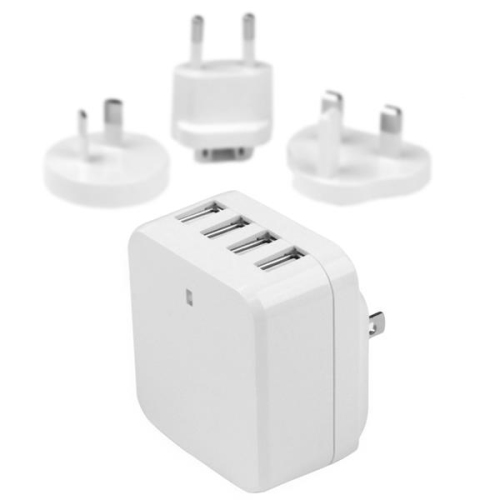 Your price for this item is $49.99
 -
 Your price for this item is $34.37
 -
 Your price for this item is $52.49
 -
 Your price for this item is $14.79
Discover more categories related to Micro Electronics
Top Collections:
Pokemon Centers, Kindle Devices, Best Budget Office Chairs, Apple iPhones 16, Canon G7X Cameras, iPhone 15 Apple, Alarm Clock, Refurbished Apple Laptops, Flip Phones, Best Laptops for Writers
Some products may be subject to Environmental Handling Fees
(EHF) depending on your province.
Learn more about EHFs.