Paper Trays
Organize your workspace with efficiency and style using a paper tray. Keep your documents, mail, or important papers neatly arranged and easily accessible on your desk or in your home office. A paper tray not only helps declutter your space but also adds a touch of organization to your daily routine. Choose from a variety of designs, materials, and sizes to suit your personal preferences and workspace decor. Find the perfect paper tray that complements your style and enhances productivity in any setting.
Sort
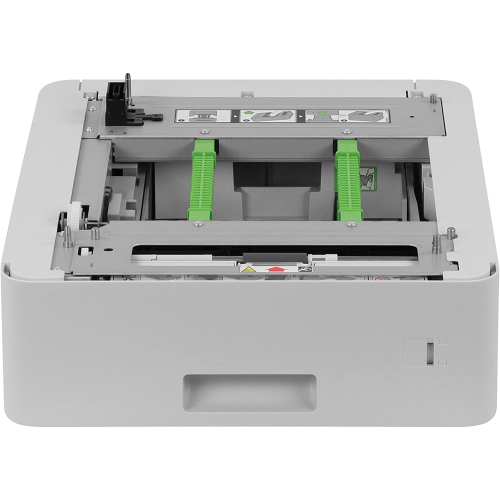
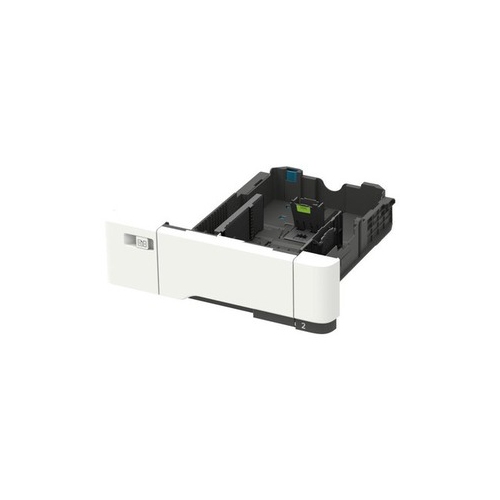
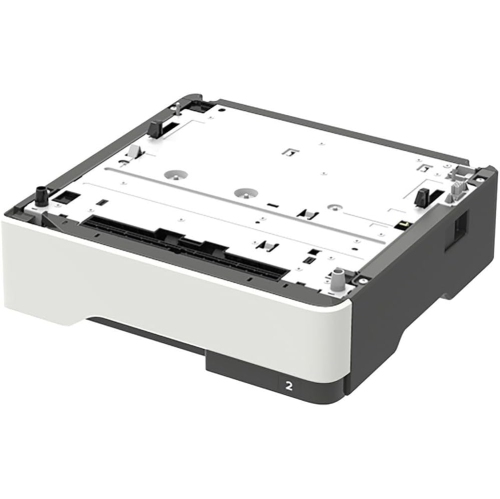
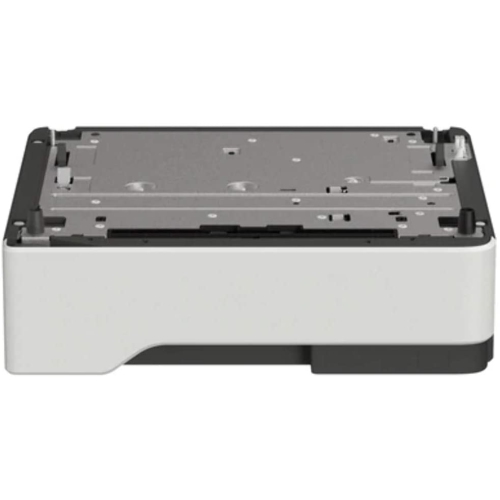
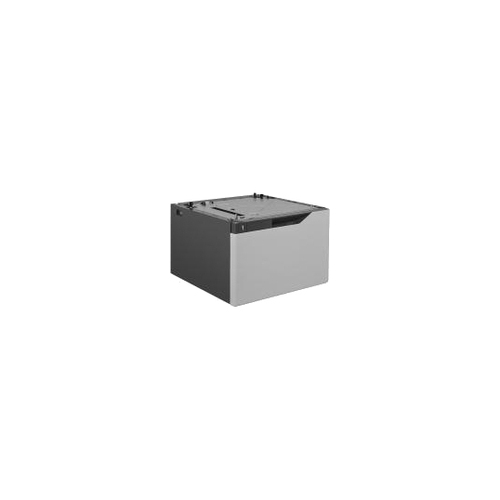
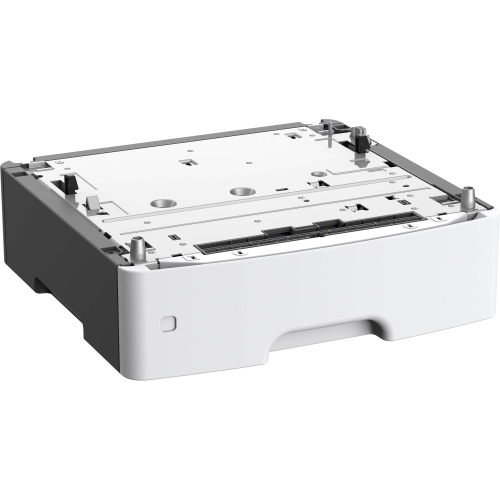
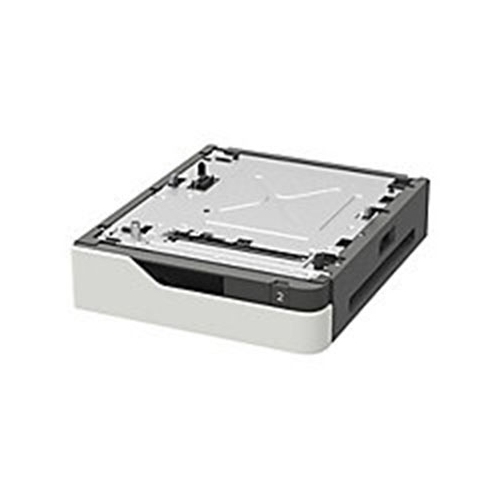
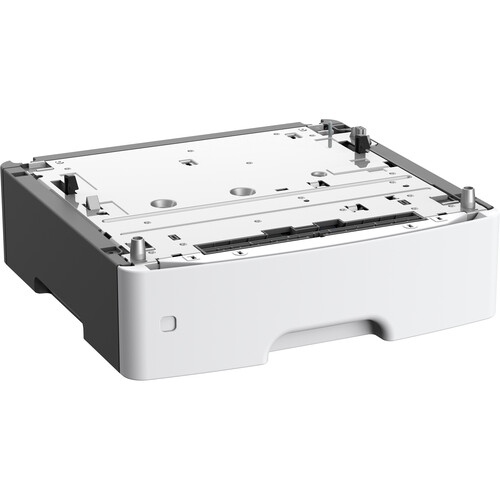
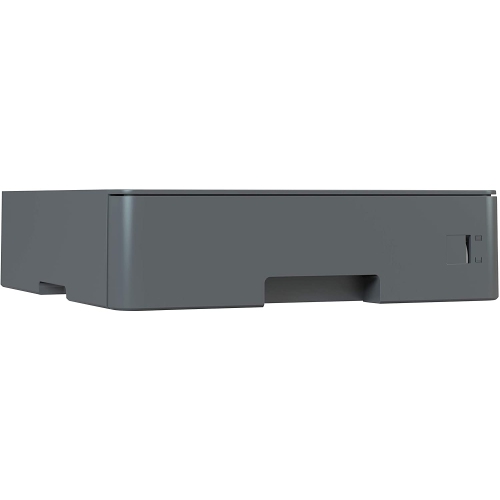
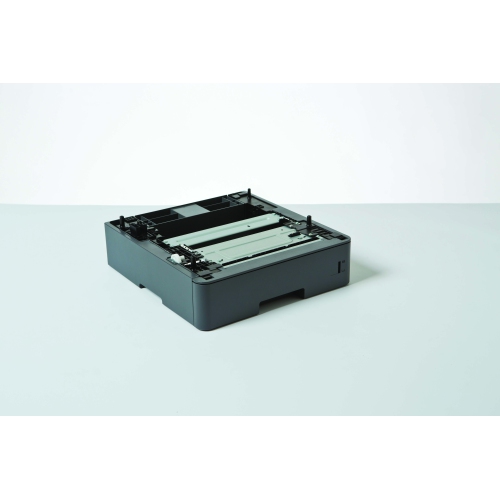
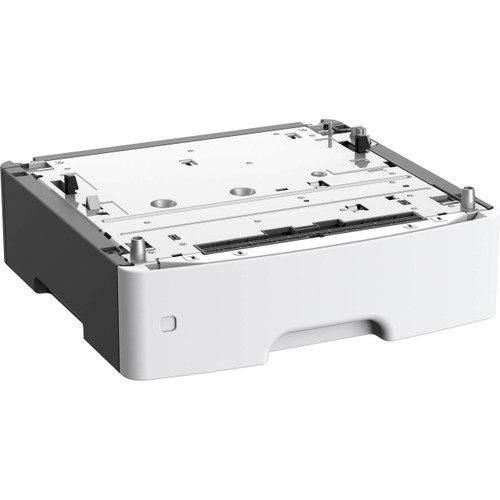
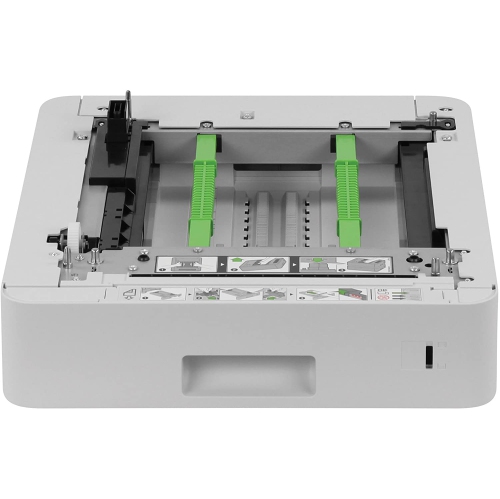


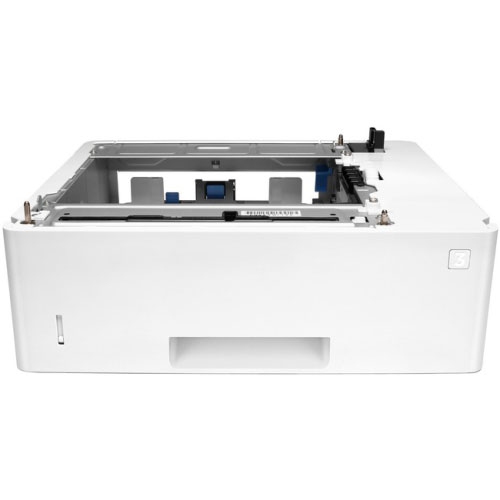
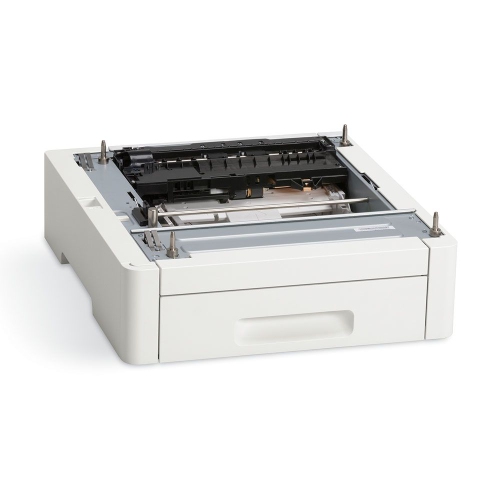
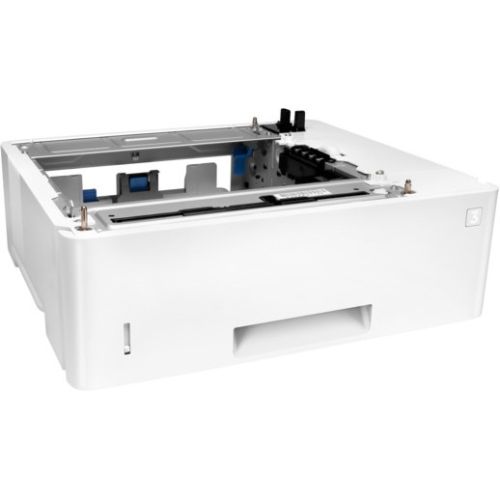
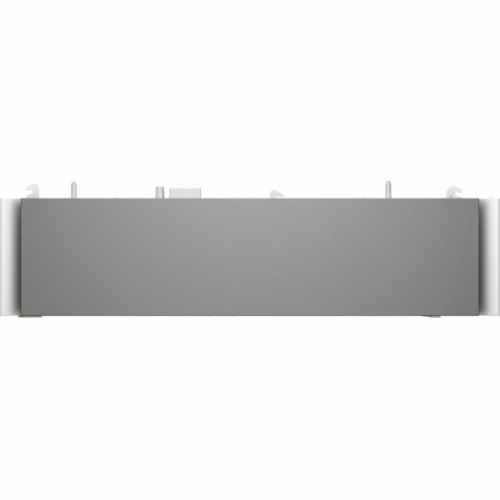
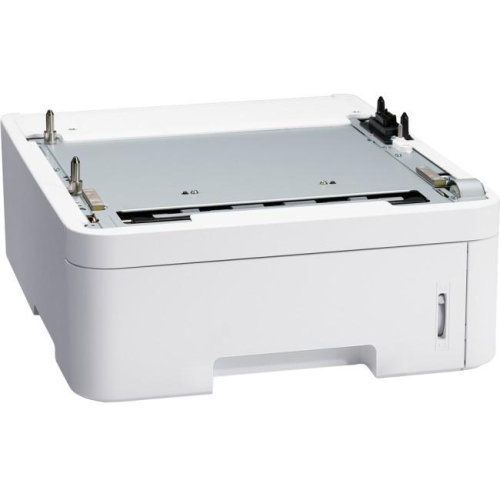
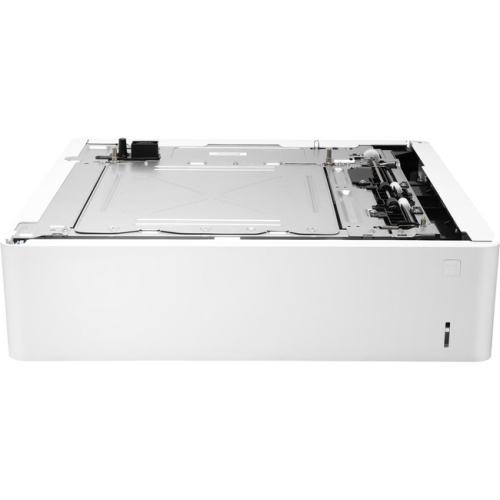
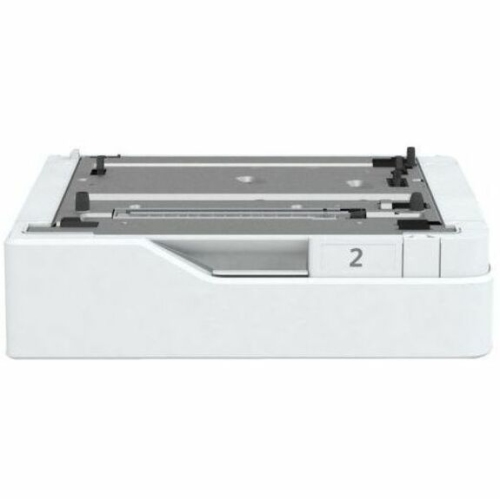
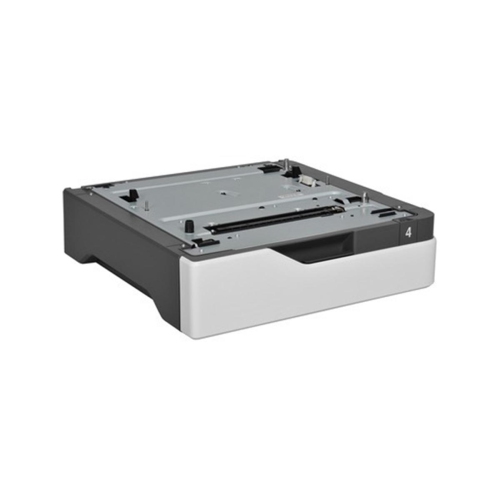

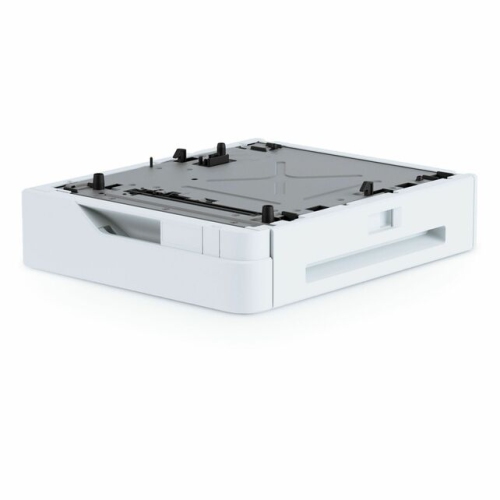
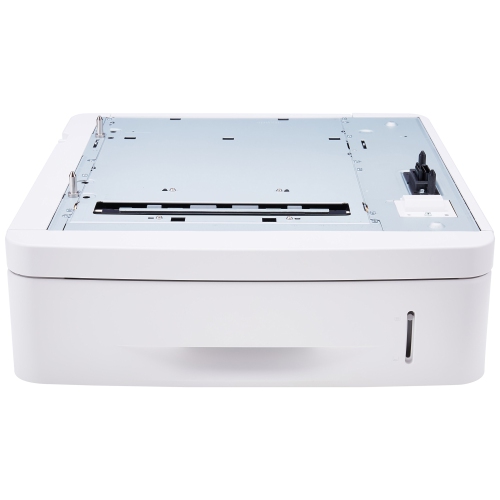
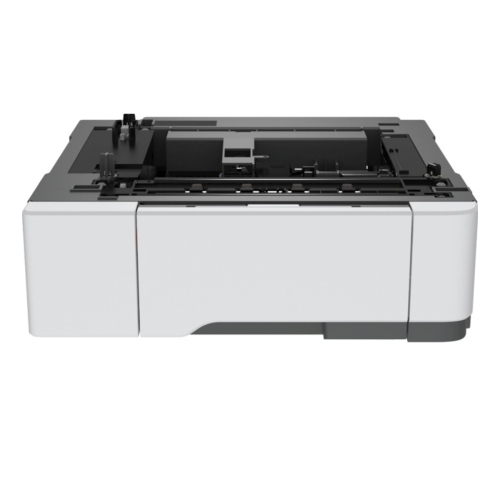
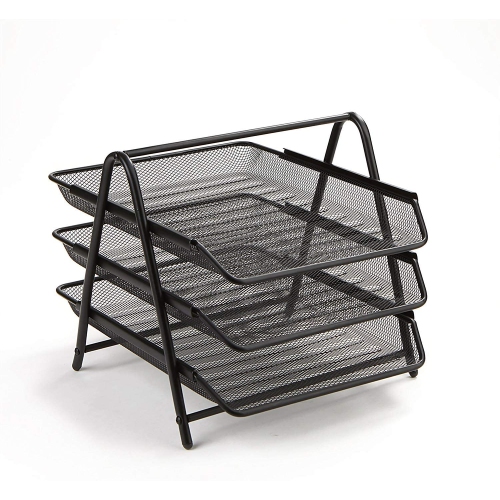
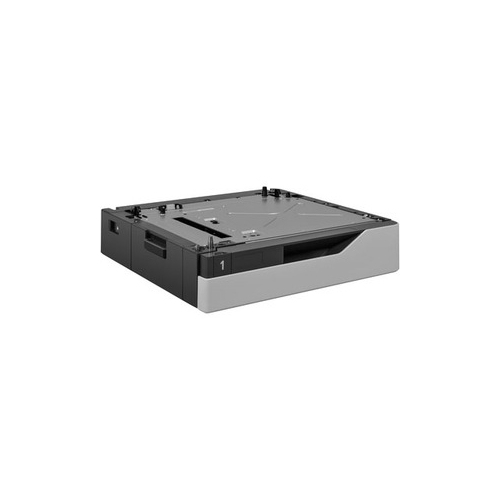
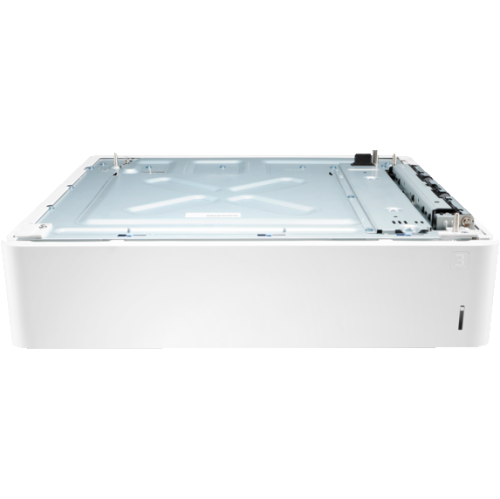
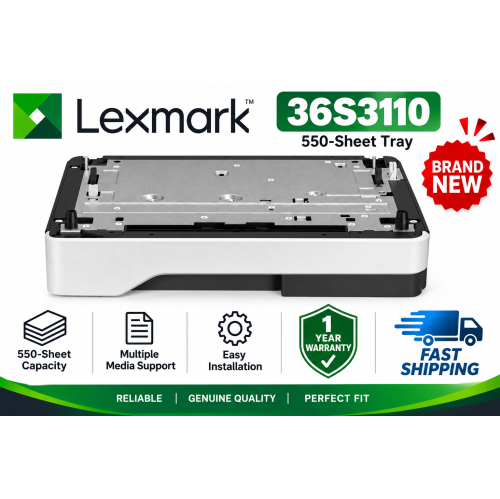
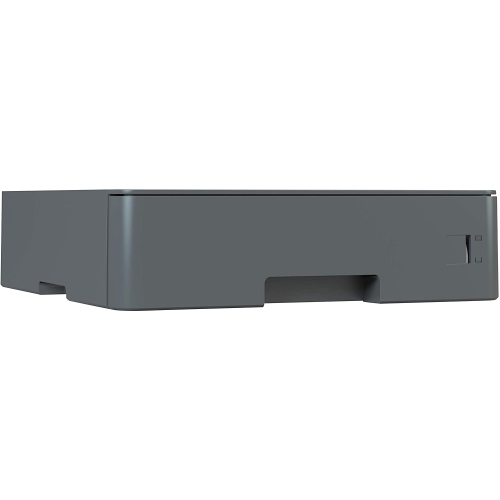
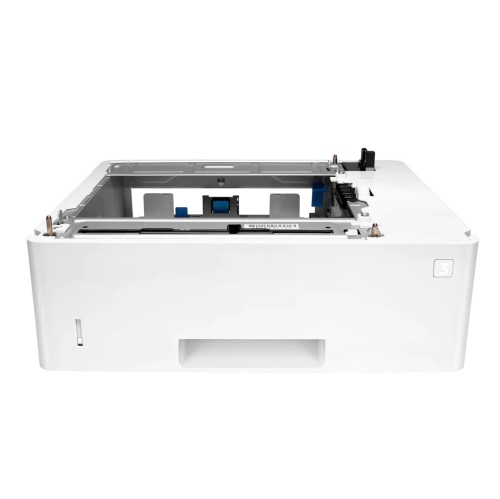
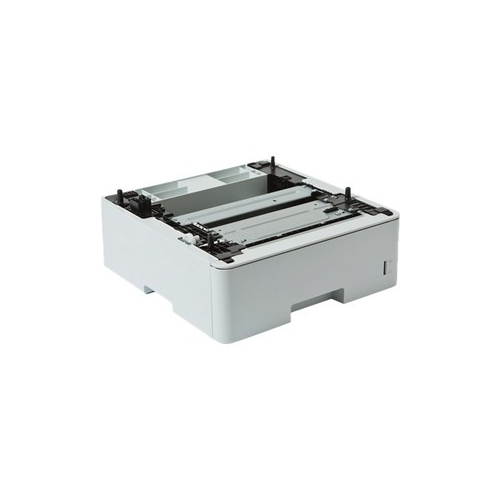
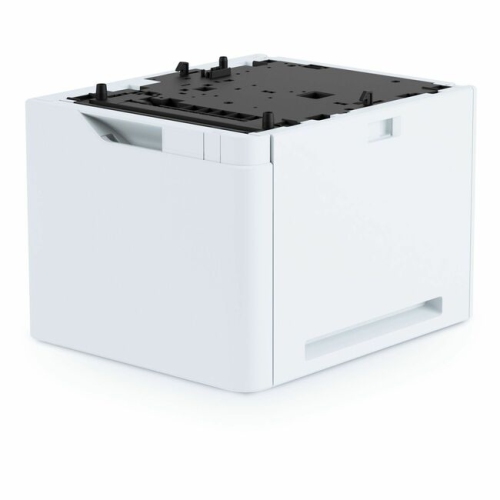
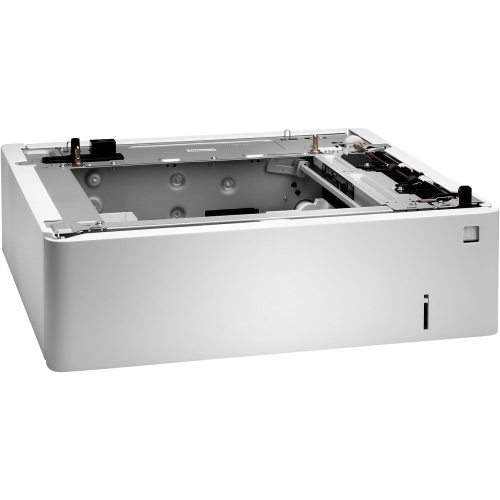
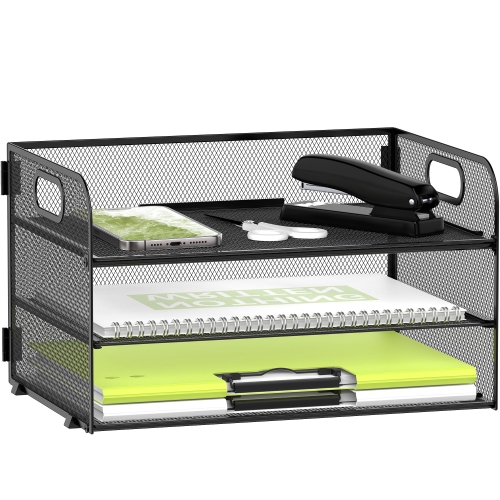

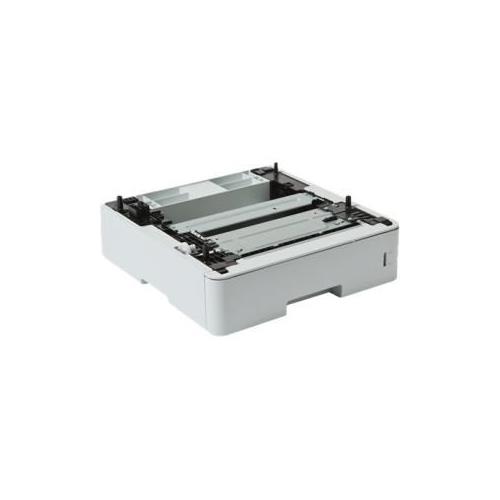
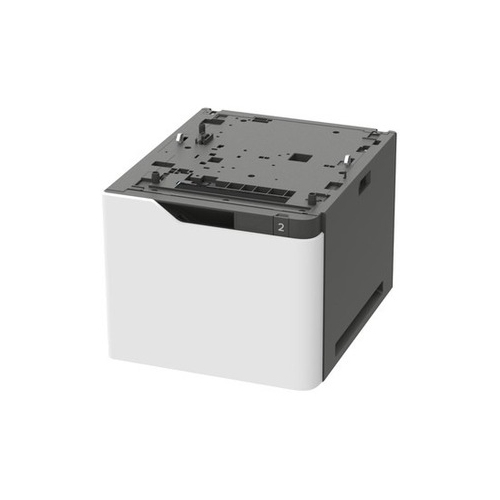
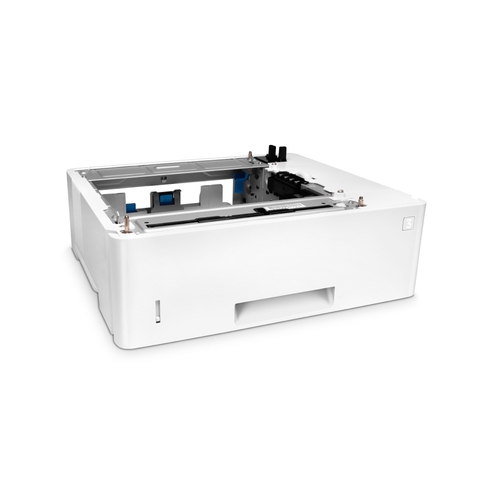
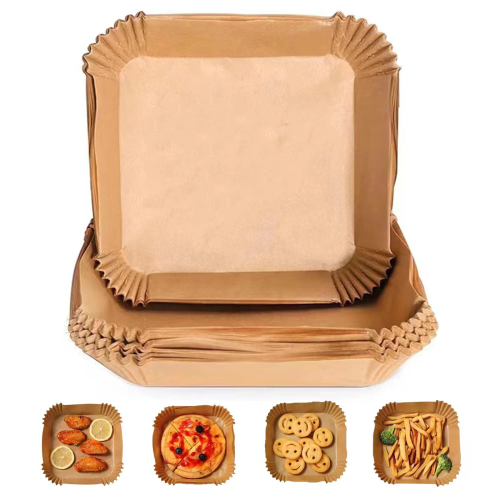
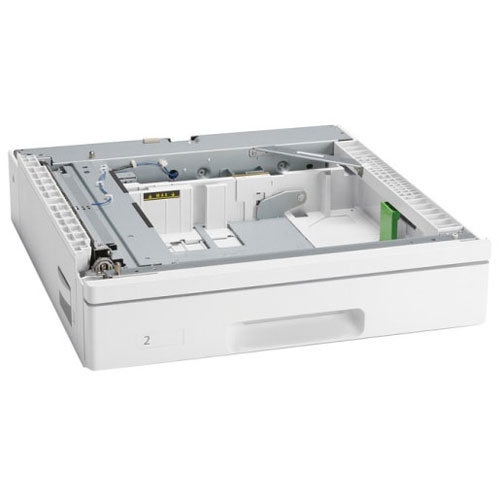
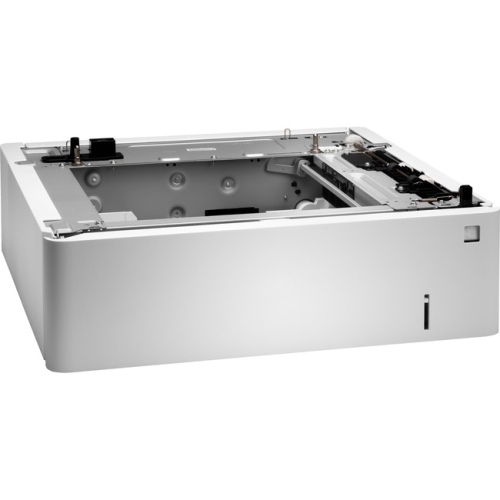

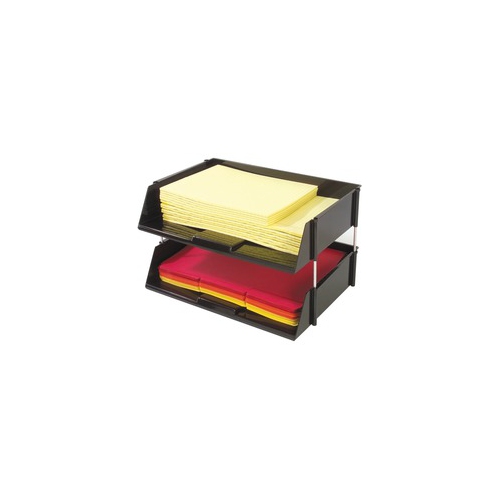
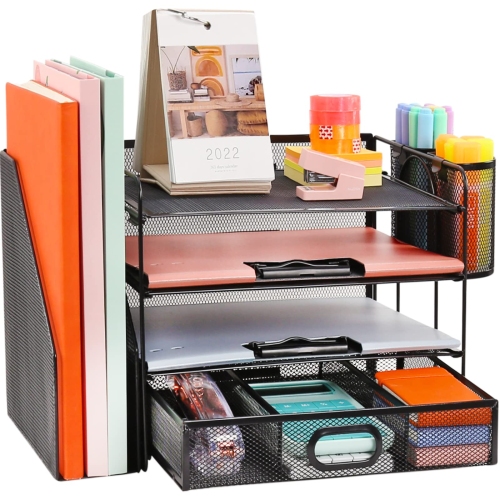
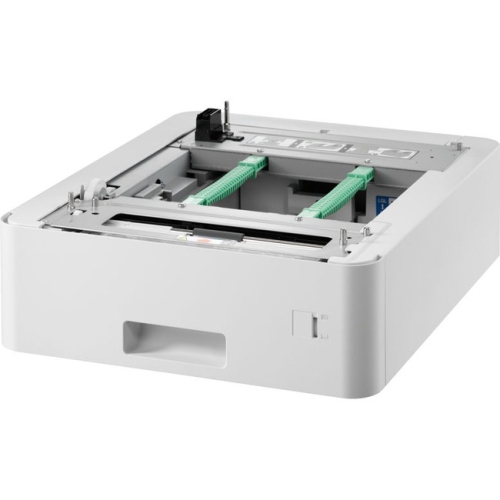
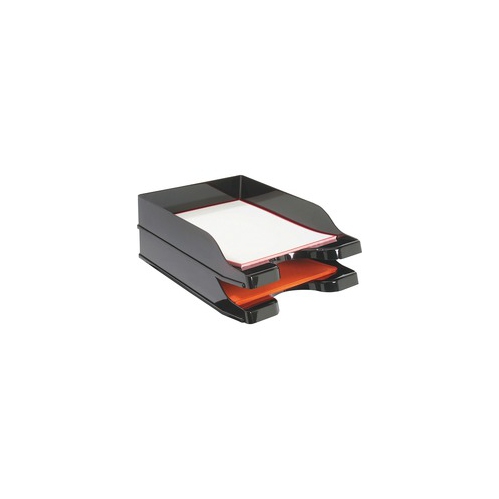
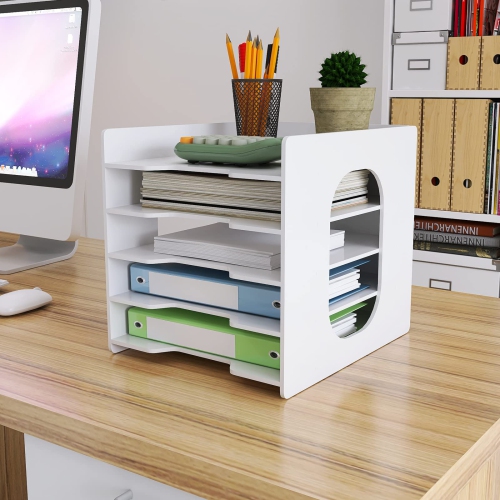
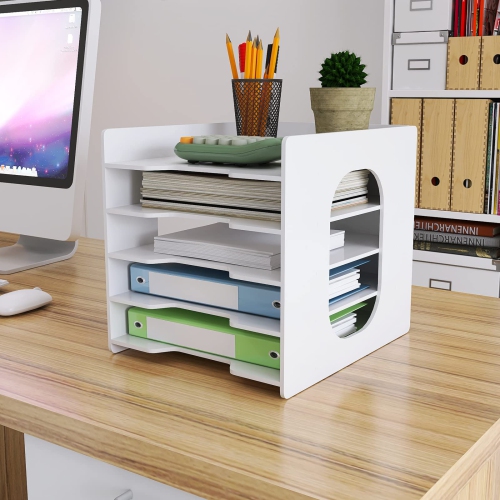

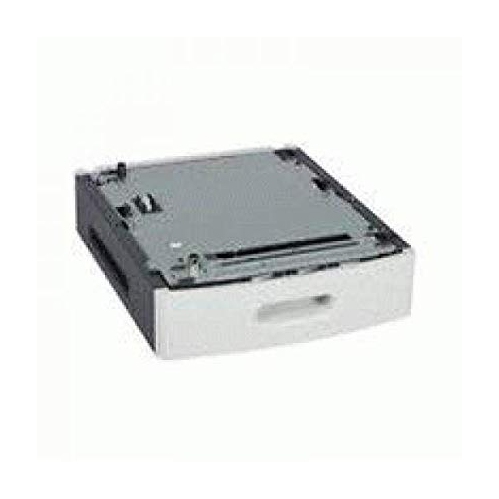
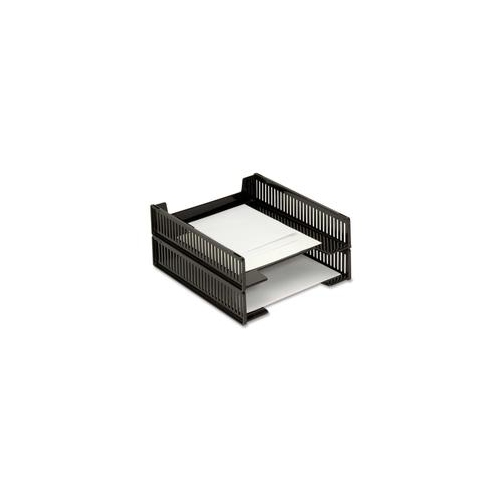
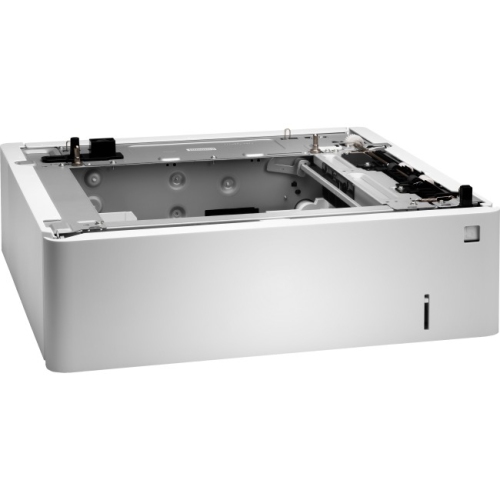
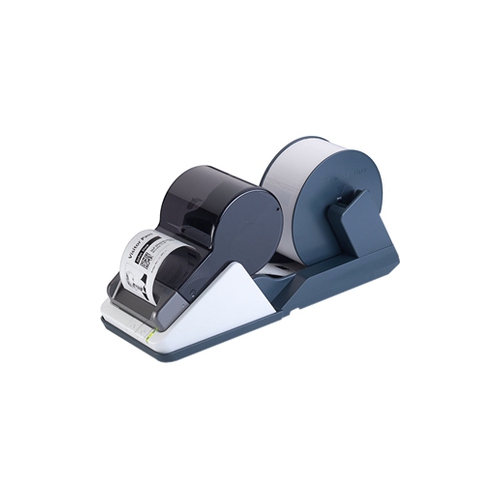
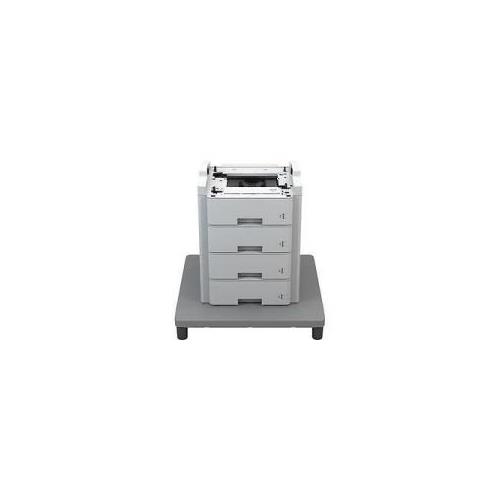

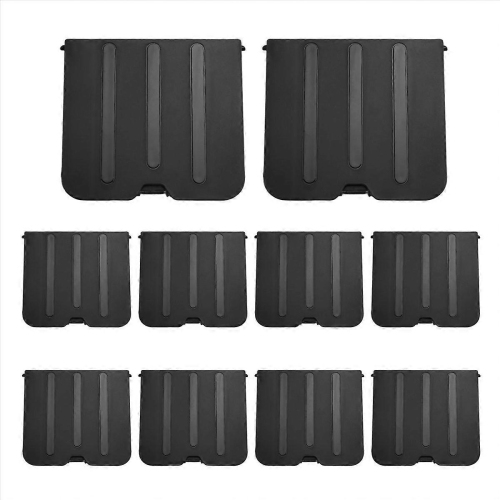
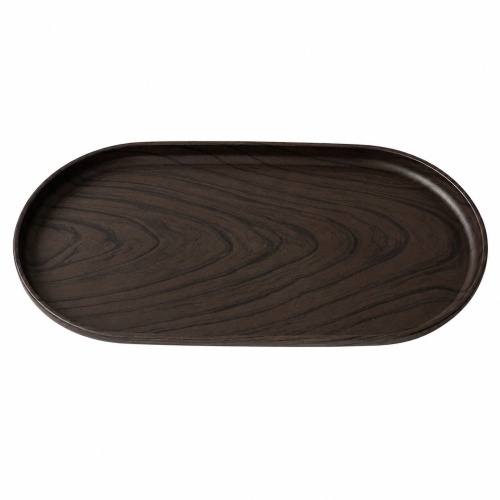
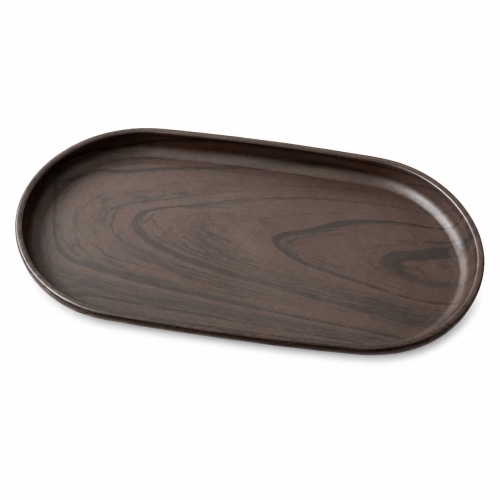
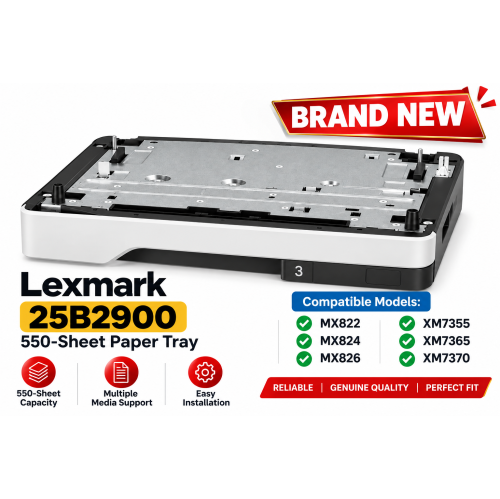
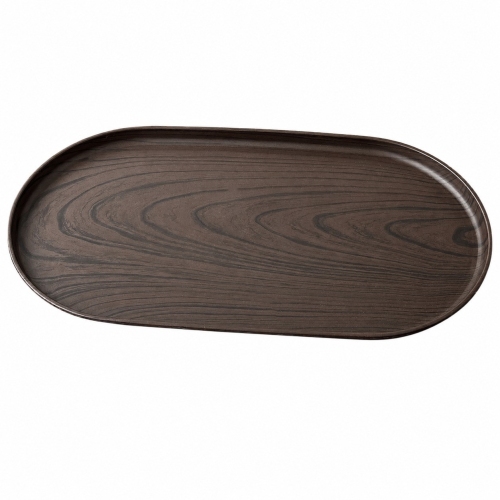


A simpler way to manage paperwork from arrival to filing
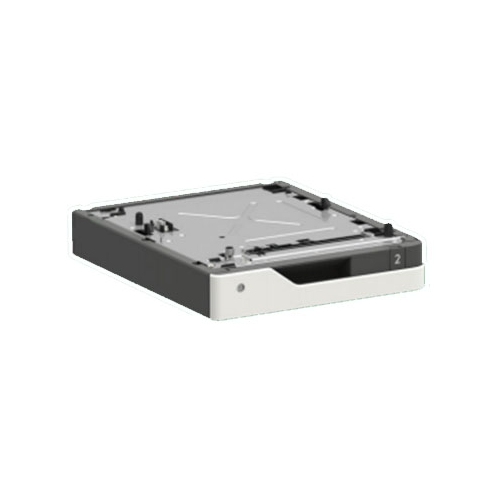
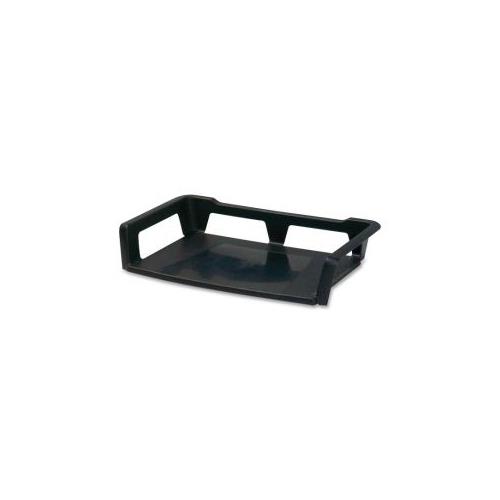
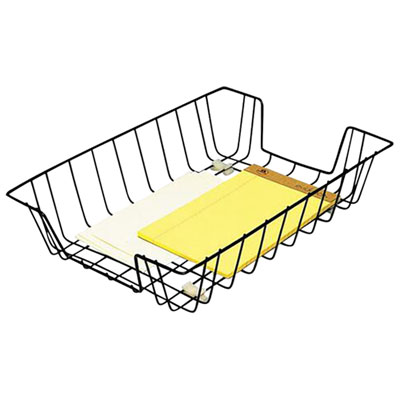
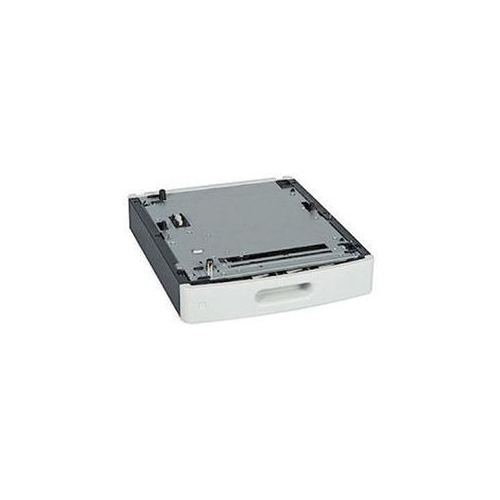
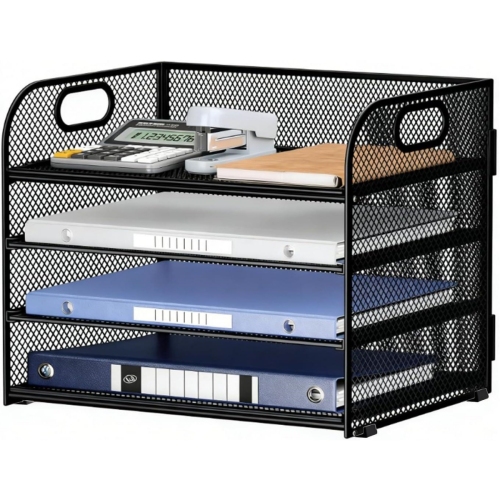
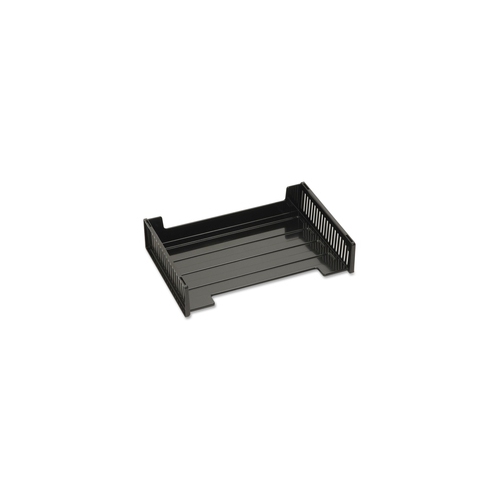
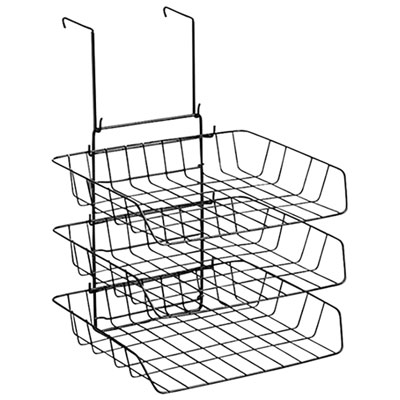
Paper trays are practical desktop organizers designed to keep loose documents, letters, forms, notebooks, and file folders in order. They can make a noticeable difference in a home office, school study area, reception desk, shared workspace, or household command centre where papers tend to collect in untidy piles. Instead of letting incoming mail, active assignments, invoices, receipts, and completed paperwork spread across a work surface, a paper tray gives each group a clear place to wait. Many people use one tray for documents that need attention and another for papers that are ready to file, send, or pass along. This simple in-and-out workflow can help make daily tasks easier to see and manage without taking up much room. Paper trays are available in several layouts, including single-level designs, stackable tiers, side-loading organizers, front-loading trays, and units with sliding drawers that pull out like compact shelves. A vertical stack can be especially useful on a narrow desk because it uses height rather than valuable working space, while a wider tray may be easier to access when papers are handled frequently throughout the day. When choosing an organizer, consider where it will sit, how often it will be used, and what types of documents it needs to hold. Letter-size paper is suitable for most everyday correspondence, schoolwork, bills, and office forms, while legal-size documents require a longer tray with enough room to prevent edges from curling or hanging over. Measuring the available desk, shelf, or cabinet space before buying can help ensure the tray fits comfortably and leaves enough clearance to remove papers. It is also worth considering the number of tiers needed: a two-level model may be enough for an in-and-out system, while a three-tier or larger arrangement can separate new documents, active projects, reference material, and completed work.
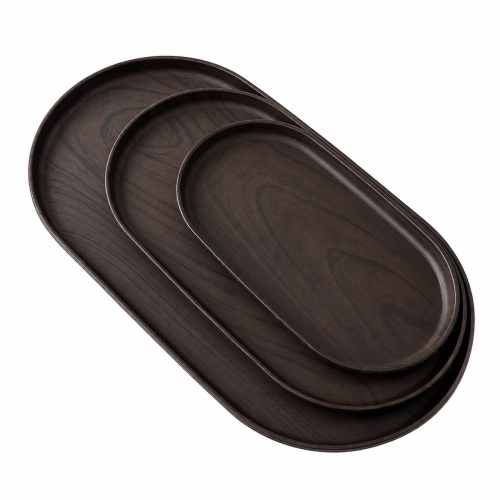
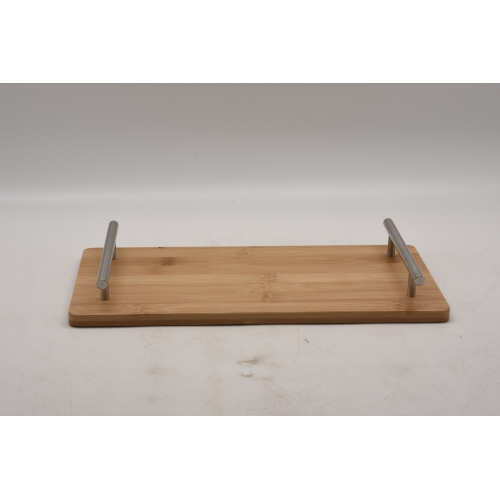
The material and construction of a paper tray can affect both its appearance and everyday performance. Metal mesh designs have an open structure that allows papers to remain visible and often suit modern office settings, while sturdy plastic trays are light, easy to move, and available in a variety of shapes and colours. Wood organizers can add a warmer, more furniture-like look to a study or work area, especially when the desk is part of a bedroom or living space. A dark finish can blend neatly with other accessories; options such as Black Trays can create a coordinated look alongside a black monitor stand, lamp, filing box, or desk mat. Pay attention to the base and side supports as well as the tray surface. A stable base helps prevent tipping when several tiers are filled, and raised edges keep papers from sliding out when the organizer is moved. Smooth surfaces are helpful when documents need to be taken out quickly, while open mesh sides make it easier to identify what is inside without lifting every sheet. Stackable models may connect by clips, grooves, or simple supports, and many are ready to use with little or no assembly. If the tray will hold heavier folders or a large volume of paperwork, look for a solid construction and a generous weight capacity rather than choosing based on appearance alone. The loading direction also matters. A front-loading tray offers quick access from the edge closest to you, which can be convenient on a deep desk, whereas a side-loading design may work better when the organizer is placed beside a monitor or against a wall. Sliding drawer units provide a more concealed arrangement for papers that need to stay tidy, although open trays can make active tasks easier to spot at a glance.
Paper trays are useful for a wide range of routines and users. Students can separate notes, assignment sheets, reference pages, and papers that need to be submitted, keeping a small study area from becoming overwhelmed during busy school periods. At home, a tray near an entryway can gather household mail, appointment reminders, receipts, and forms before they are sorted, while a second level can hold documents that need to be filed or discussed. In a professional setting, paper trays can help organize client paperwork, purchase orders, printouts, meeting notes, and internal correspondence without mixing everything into one stack. They are also helpful for teachers, reception staff, creative workers, and anyone who regularly handles printed material as part of a hands-on workflow. A compact tray can be a thoughtful gift for someone setting up a first home office, moving into a new workspace, returning to school, or trying to bring more structure to a busy desk. For a shared office or family work area, several matching trays can provide an easy way to assign separate spaces to different people or projects. To keep the system useful, label each level according to the task it supports and avoid filling every tray beyond its capacity. Sorting papers when they arrive is usually faster than dealing with a large pile later, and placing the organizer within arm’s reach encourages regular use. During the warmer and cooler parts of the year alike, paper trays can support changing routines, from school forms and household paperwork to work projects and seasonal planning. With the right size, tier arrangement, loading style, and material, a paper tray can turn scattered documents into an orderly, accessible part of the workspace.
The material and construction of a paper tray can affect both its appearance and everyday performance. Metal mesh designs have an open structure that allows papers to remain visible and often suit modern office settings, while sturdy plastic trays are light, easy to move, and available in a variety of shapes and colours. Wood organizers can add a warmer, more furniture-like look to a study or work area, especially when the desk is part of a bedroom or living space. A dark finish can blend neatly with other accessories; options such as Black Trays can create a coordinated look alongside a black monitor stand, lamp, filing box, or desk mat. Pay attention to the base and side supports as well as the tray surface. A stable base helps prevent tipping when several tiers are filled, and raised edges keep papers from sliding out when the organizer is moved. Smooth surfaces are helpful when documents need to be taken out quickly, while open mesh sides make it easier to identify what is inside without lifting every sheet. Stackable models may connect by clips, grooves, or simple supports, and many are ready to use with little or no assembly. If the tray will hold heavier folders or a large volume of paperwork, look for a solid construction and a generous weight capacity rather than choosing based on appearance alone. The loading direction also matters. A front-loading tray offers quick access from the edge closest to you, which can be convenient on a deep desk, whereas a side-loading design may work better when the organizer is placed beside a monitor or against a wall. Sliding drawer units provide a more concealed arrangement for papers that need to stay tidy, although open trays can make active tasks easier to spot at a glance.
Paper trays are useful for a wide range of routines and users. Students can separate notes, assignment sheets, reference pages, and papers that need to be submitted, keeping a small study area from becoming overwhelmed during busy school periods. At home, a tray near an entryway can gather household mail, appointment reminders, receipts, and forms before they are sorted, while a second level can hold documents that need to be filed or discussed. In a professional setting, paper trays can help organize client paperwork, purchase orders, printouts, meeting notes, and internal correspondence without mixing everything into one stack. They are also helpful for teachers, reception staff, creative workers, and anyone who regularly handles printed material as part of a hands-on workflow. A compact tray can be a thoughtful gift for someone setting up a first home office, moving into a new workspace, returning to school, or trying to bring more structure to a busy desk. For a shared office or family work area, several matching trays can provide an easy way to assign separate spaces to different people or projects. To keep the system useful, label each level according to the task it supports and avoid filling every tray beyond its capacity. Sorting papers when they arrive is usually faster than dealing with a large pile later, and placing the organizer within arm’s reach encourages regular use. During the warmer and cooler parts of the year alike, paper trays can support changing routines, from school forms and household paperwork to work projects and seasonal planning. With the right size, tier arrangement, loading style, and material, a paper tray can turn scattered documents into an orderly, accessible part of the workspace.
Top selling and popular products
-
 Your price for this item is $180.75
 -
 Your price for this item is $34.49
 -
 Your price for this item is $14.98
 -
 Your price for this item is $103.68
 -
 Your price for this item is $379.97
 -
 Your price for this item is $110.37
 -
 Your price for this item is $75.58
 -
 Your price for this item is $37.68
Discover more categories related to Paper Trays
Top Collections:
Pokemon Centers, Kindle Devices, Best Budget Office Chairs, Canon G7X Cameras, Apple iPhones 16, Samsung Galaxy Phones, Refurbished Apple Laptops, Laptops for Students, iPhone 15 Apple, Budget Smartphones
Some products may be subject to Environmental Handling Fees
(EHF) depending on your province.
Learn more about EHFs.