Plug Extenders
Looking to expand the number of outlets available for your electronic devices? Our selection of plug extenders is here to help you maximize the use of your existing power sources. With various options to choose from, you can easily add more plugs where you need them most, whether it's in your home office, living room, or entertainment center. Say goodbye to constantly swapping out cords and hello to a more organized and efficient space with these convenient plug extenders.
Sort
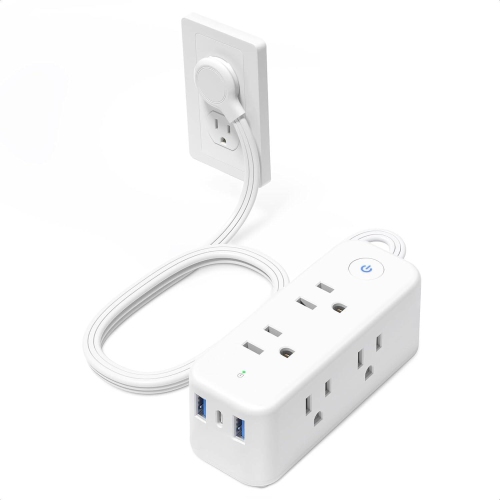
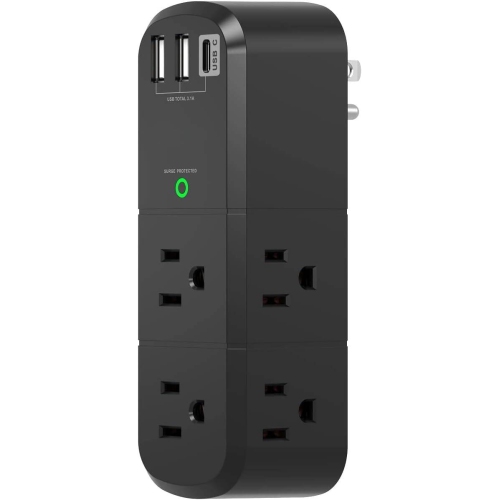
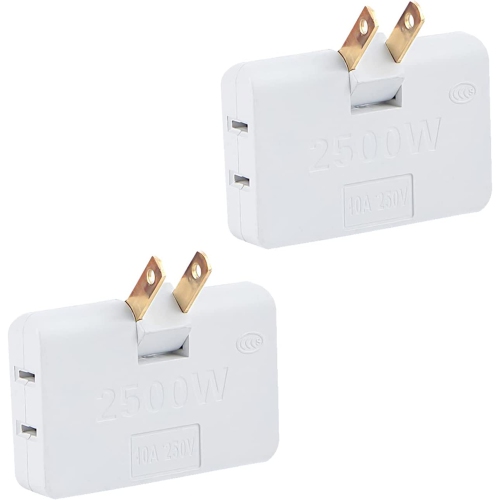
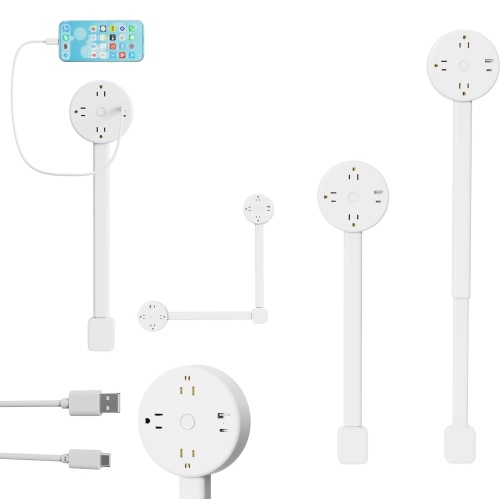
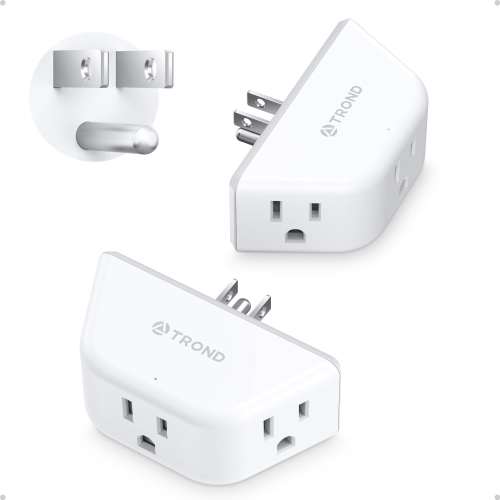
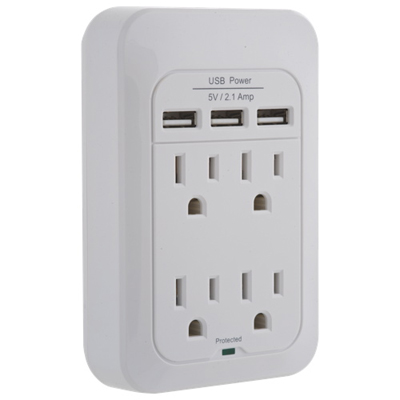
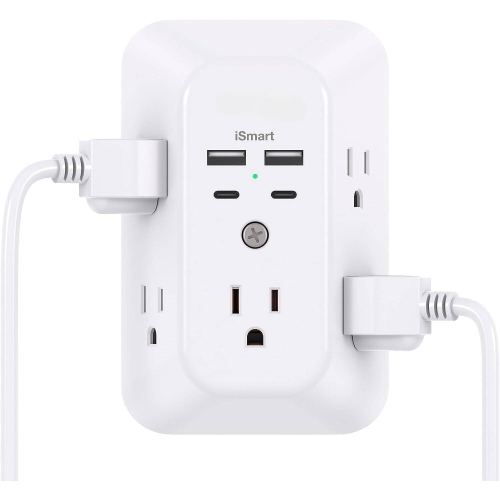
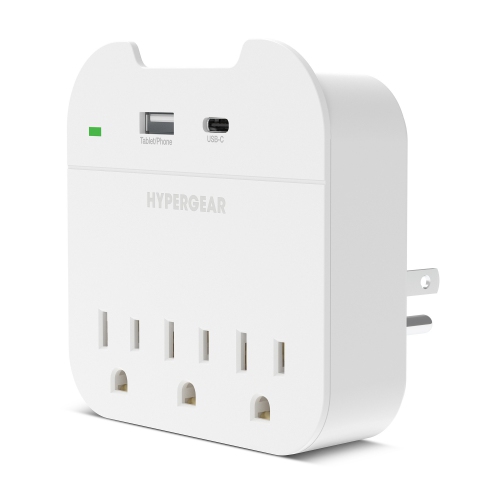
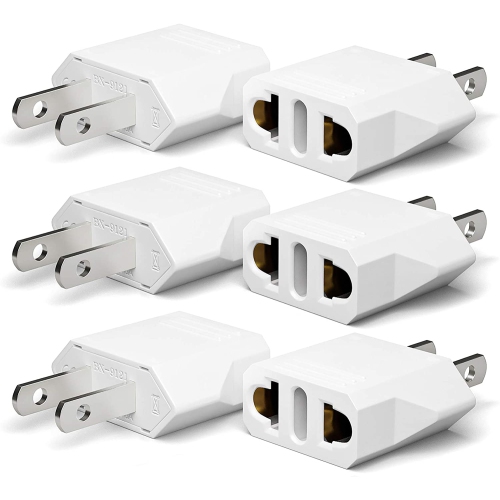

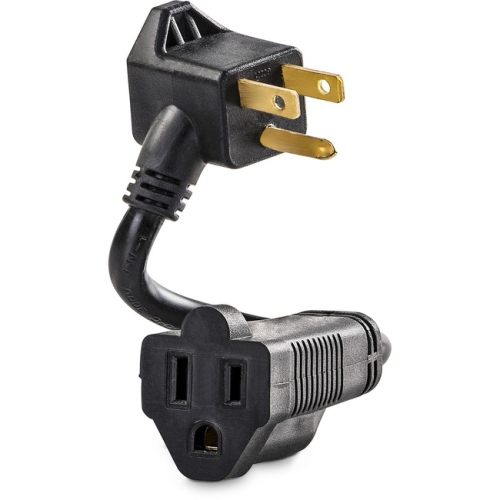
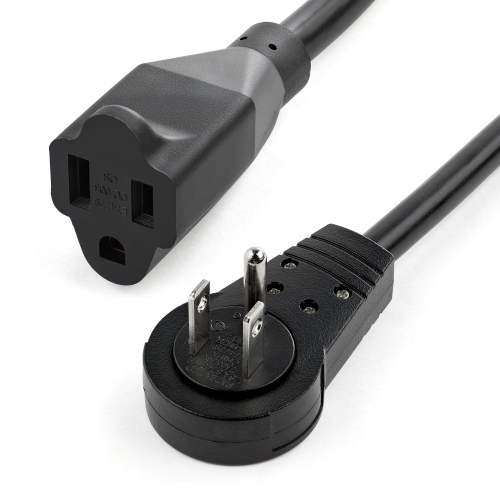
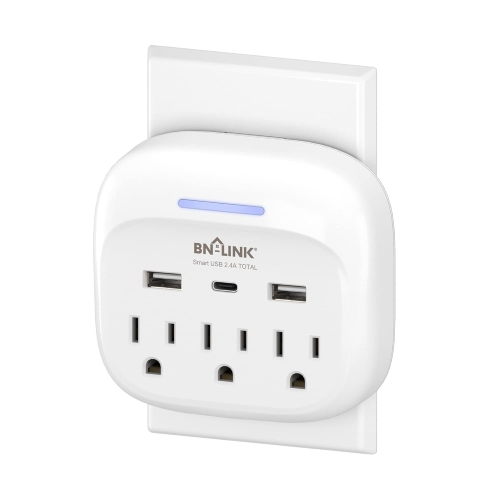

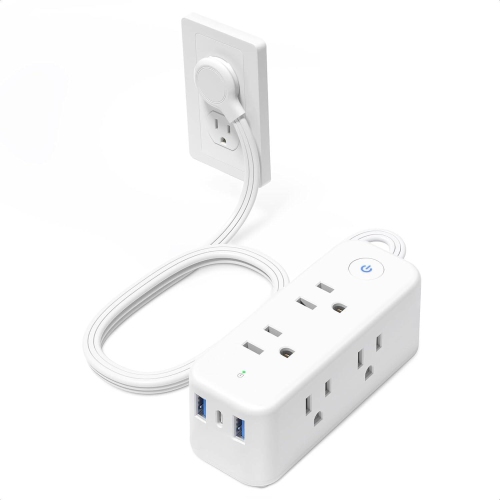
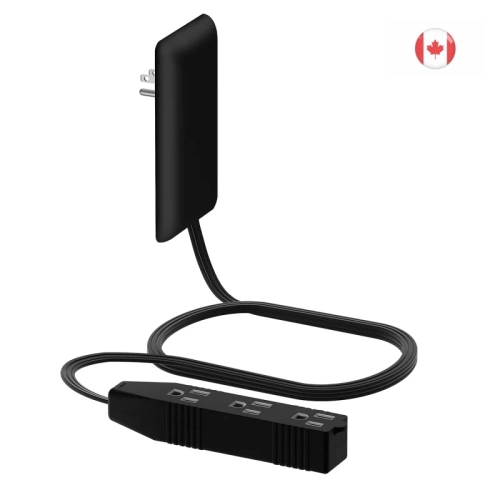

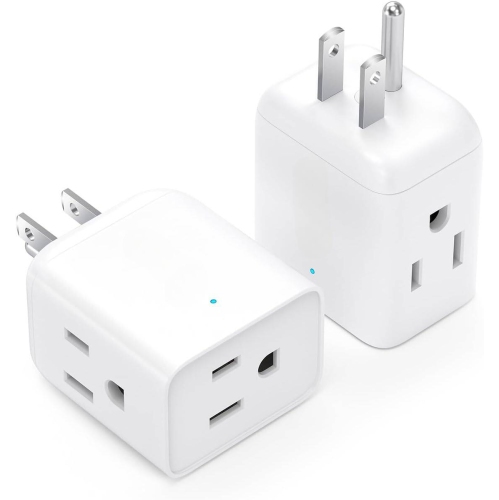

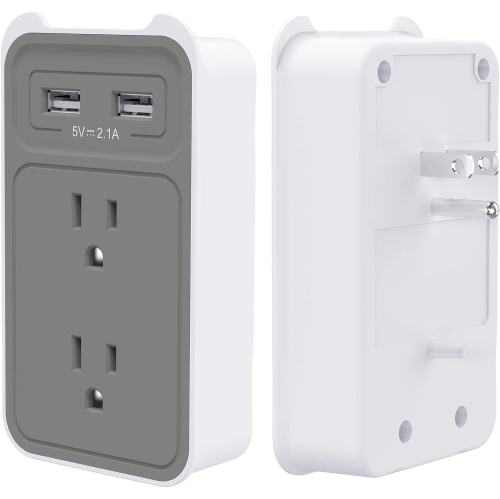
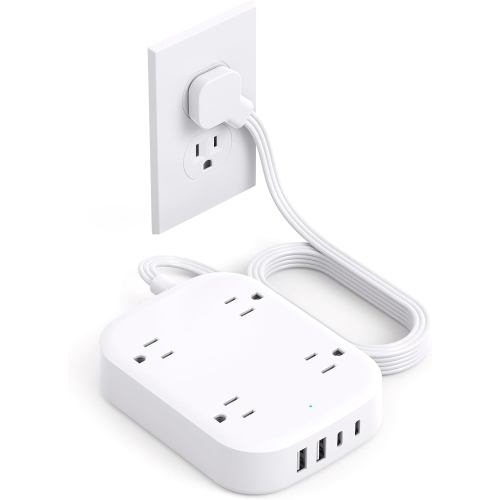
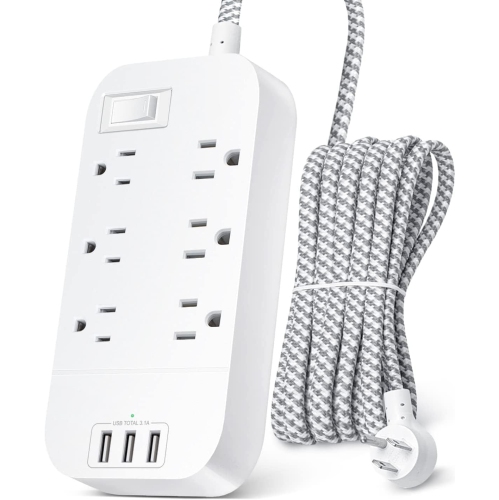
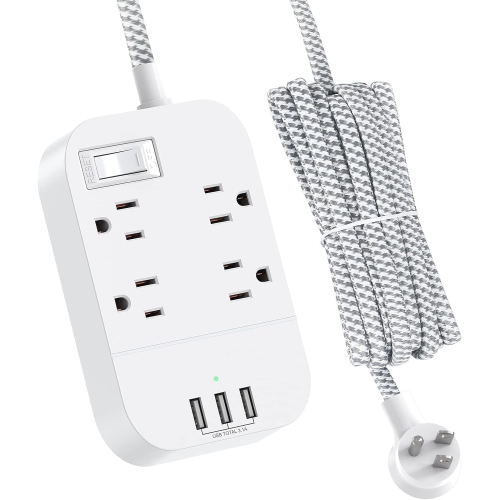
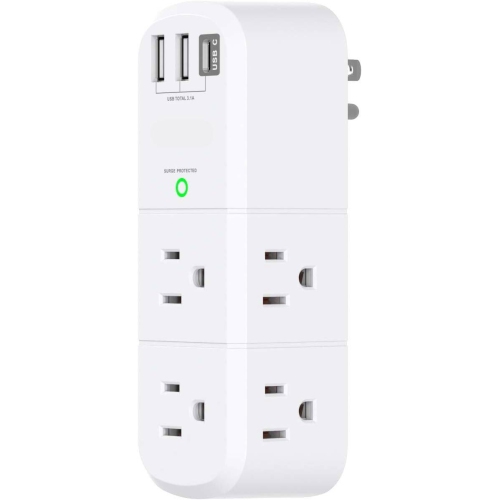
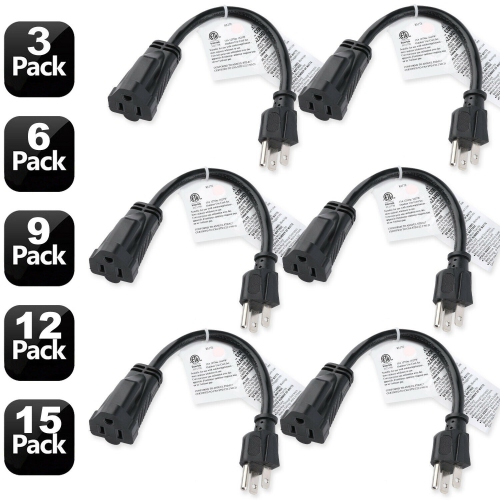
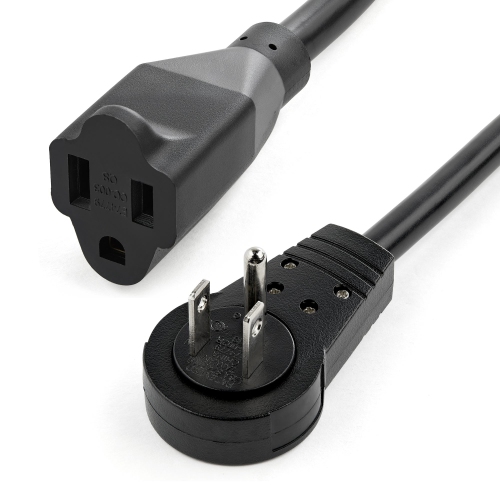
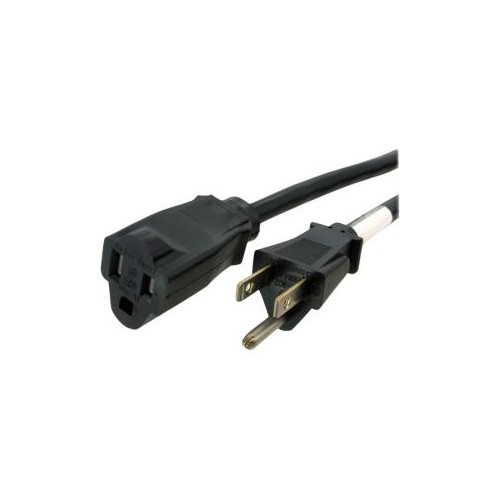
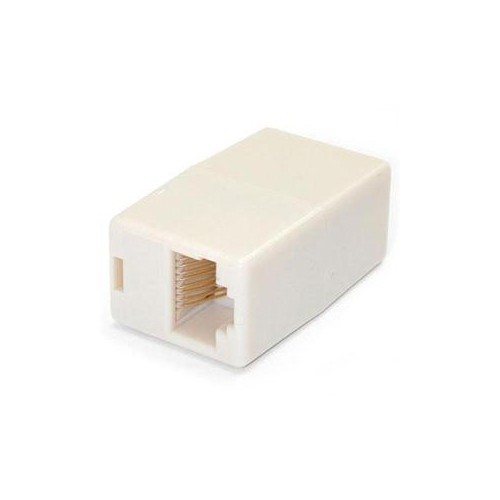
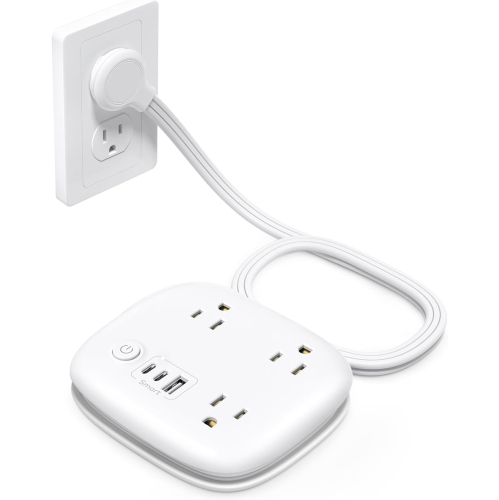
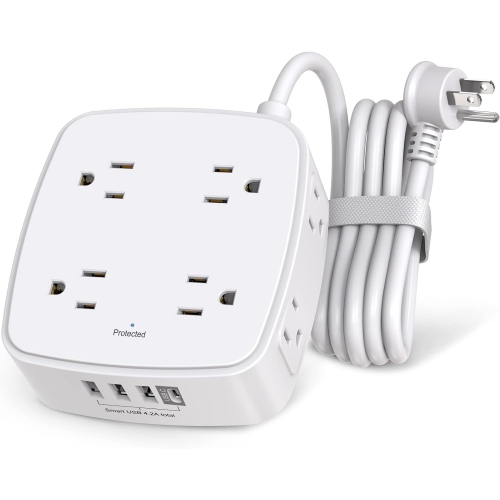
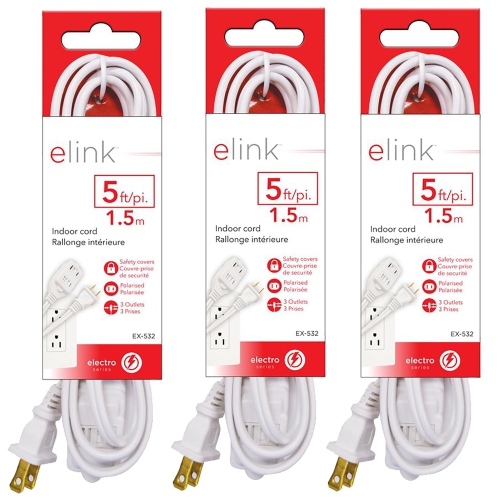
Practical power access for crowded rooms and workspaces
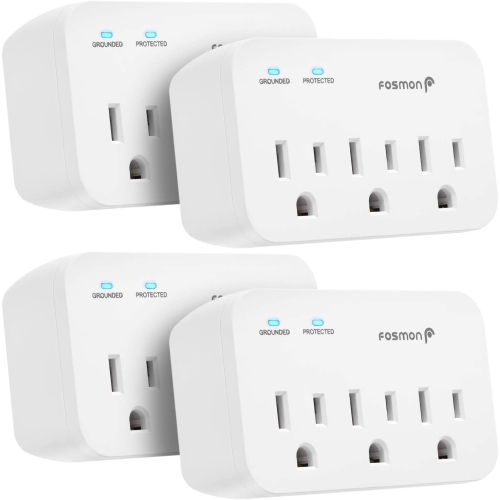
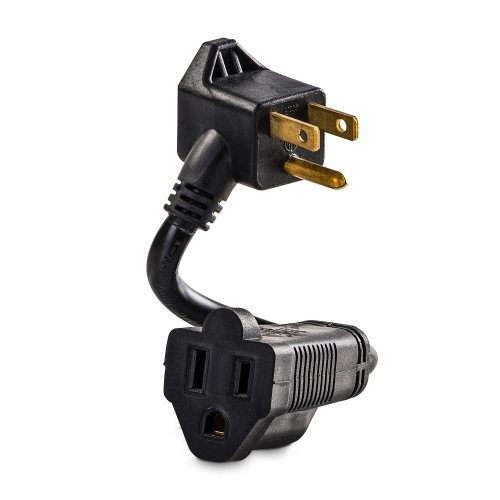
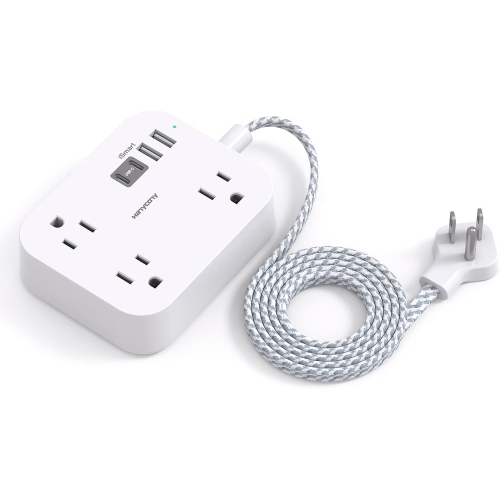
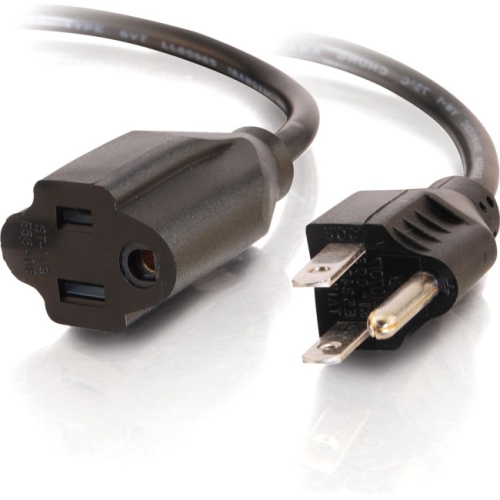
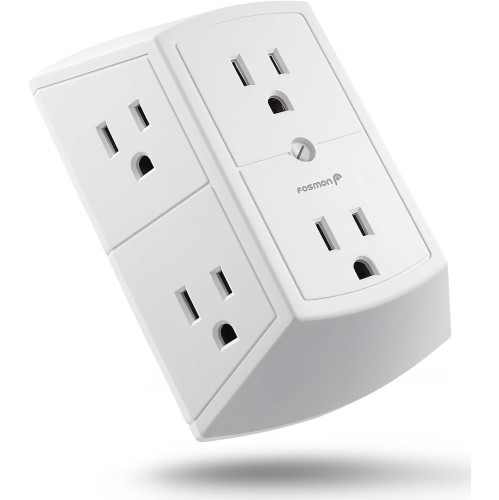
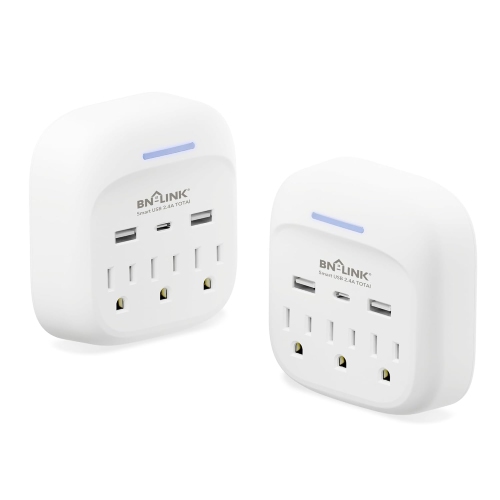
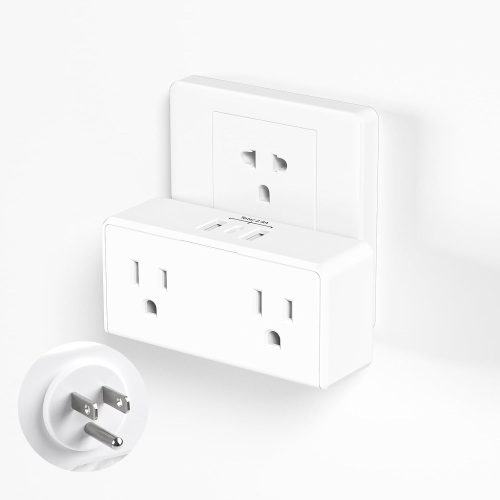
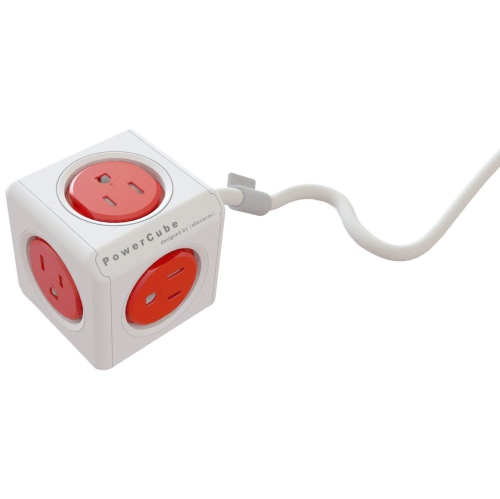
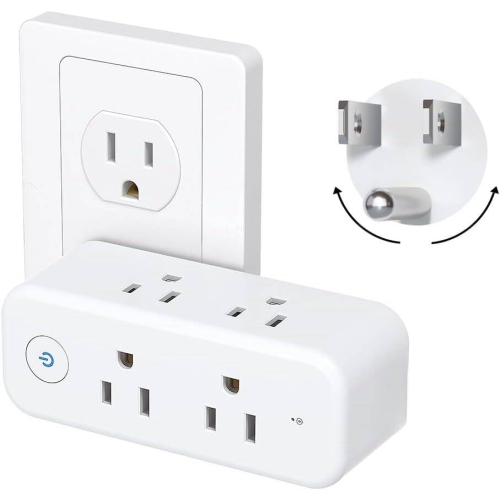
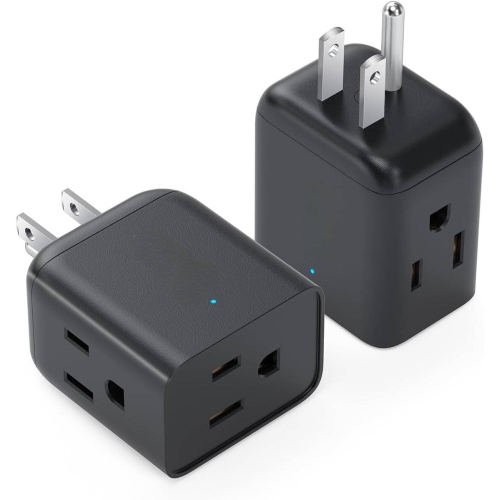
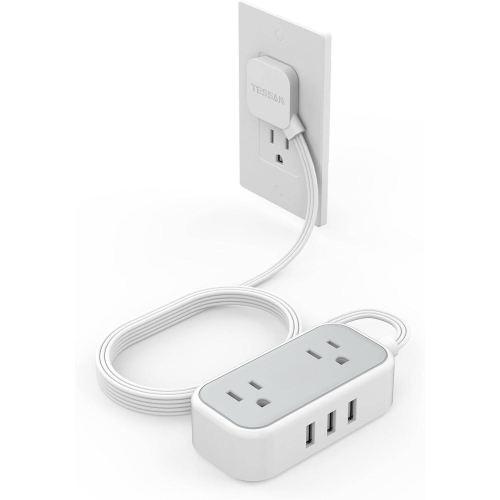
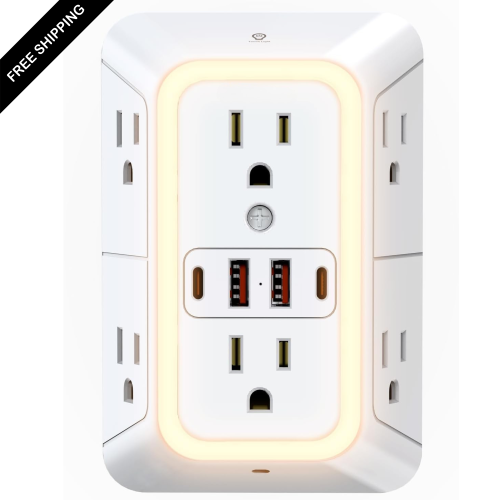
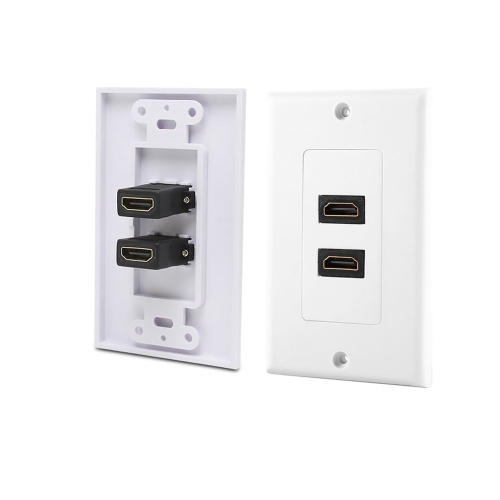
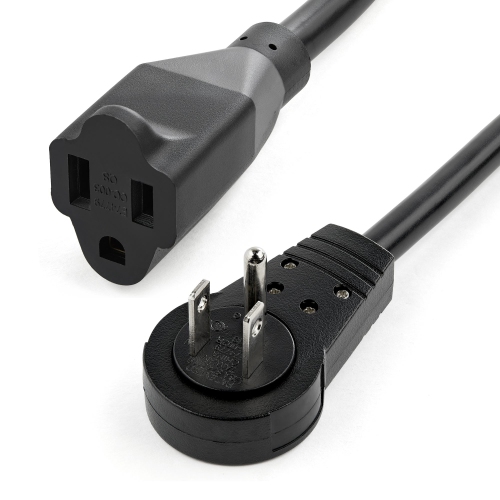
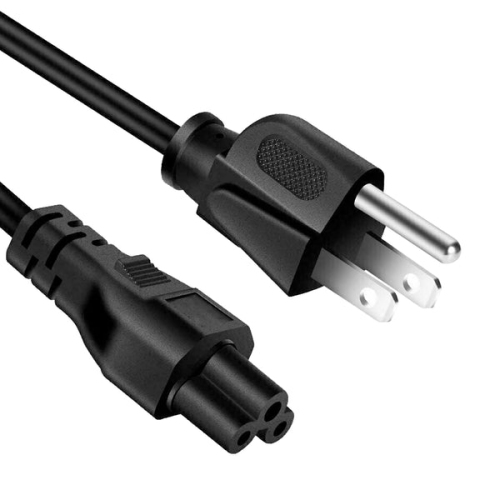
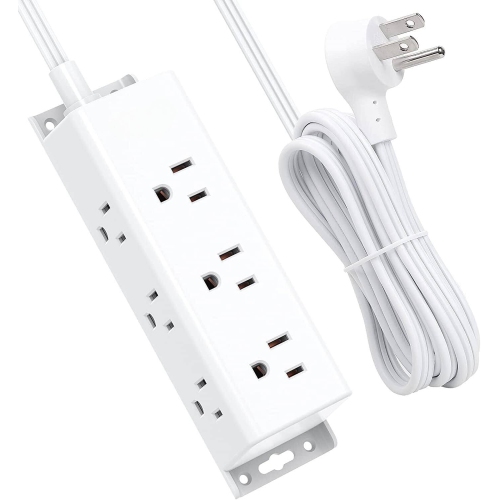
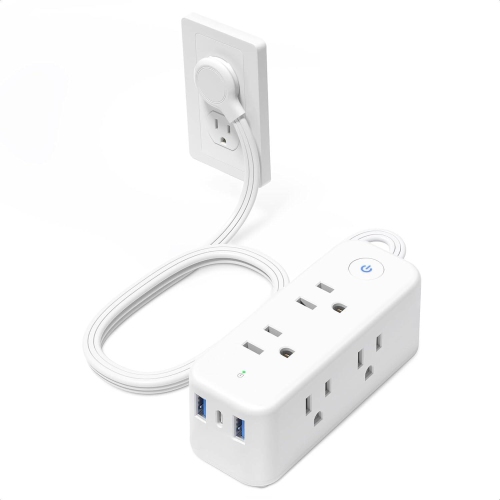
Plug extenders provide a practical way to make a standard wall outlet more useful when power access is limited, awkwardly positioned or blocked by furniture. A direct wall tap plugs into an existing duplex outlet and can turn one or two receptacles into several grounded outlets, making it easier to connect a lamp, clock, phone charger, speaker, computer accessory or other everyday electronics in one location. Other designs combine multiple outlets with a cord and a low-profile plug, allowing the receptacles to sit on a desk, beside a sofa or behind a cabinet instead of directly against the wall. This can be especially helpful in older rooms with fewer outlets, home offices where several accessories share a workstation, bedrooms where charging devices are kept close at hand, and entertainment areas where a television, streaming device, game console and audio equipment may be arranged together. A flat plug can also help furniture sit closer to the wall, while a compact housing may be easier to position in a crowded outlet box. Before choosing an extender, consider where it will be used, how many devices need power and whether the available outlets are already occupied by bulky plugs. A model with a stabilizing screw or another secure mounting feature may help keep a direct wall extender firmly in place, particularly when several cables are connected. Adhesive mounting options can be useful for keeping a corded block from sliding off a desk or nightstand, although the mounting surface and weight limit should always be checked before installation.
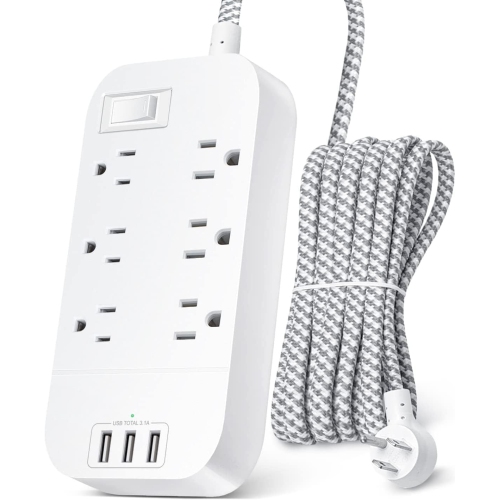
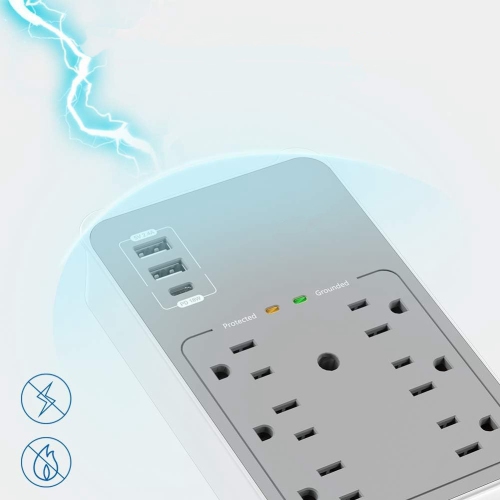
The number and type of connections are important purchase considerations. Standard AC receptacles are suited to many household electronics, but the total load must remain within the extender’s rating and the capacity of the circuit. Many household models are rated at 125 volts and 15 amps, with a maximum load of up to 1,875 watts; the rating printed on the product should always take priority. Add the wattage of the connected devices rather than judging capacity by the number of open sockets alone, and avoid using a plug extender for equipment that requires more power than the unit or circuit can provide. High-draw appliances such as space heaters, kettles, hair dryers and toaster ovens generally require special attention and should not be connected unless the manufacturer specifically indicates that the setup is appropriate. Plug extenders are typically best for lower-power electronics and accessories, and they should not be daisy-chained with another power bar or extender. Built-in USB-A and USB-C ports can be convenient for charging phones, tablets, headphones, e-readers and other compatible devices without occupying an AC receptacle. Check the USB output specifications when charging multiple devices, since available power may be shared between ports. For computers, televisions, game systems and other sensitive electronics, surge protection can add another layer of defence against brief voltage spikes. Surge protection is commonly expressed in joules, so a higher joule rating generally indicates greater energy absorption capacity, but it does not replace safe wiring, a properly grounded outlet or appropriate device protection. Indicator lights, resettable breakers and clearly marked ratings can make everyday use easier, while a low-profile design helps reduce strain on the plug when cables run behind furniture.
Plug extenders can be useful in homes, apartments, dorm rooms, offices, workshops and guest spaces where a flexible power arrangement makes daily routines more comfortable. A family might use one in a shared charging area near the entryway, keeping phones, tablets and small accessories together instead of scattering chargers throughout the house. In a home office, it can help organize power for a monitor, desk lamp, speakers and charging cables, while a bedroom setup may benefit from accessible USB ports for a phone and wireless earbuds. During the cooler months, indoor gatherings and longer evenings often mean more lamps, entertainment devices and charging accessories in use, making thoughtful outlet placement particularly helpful. Plug extenders can also be a useful housewarming, back-to-school or holiday gift for someone moving into a new room, setting up a first apartment or refreshing a work area. For a more complete technology setup, shoppers may also want to explore Port Extenders, which address connectivity needs on compatible computers and tablets rather than expanding household AC power. Always inspect the cord, housing and plug before use, and stop using an extender if it becomes hot, damaged, loose or discoloured. Keep openings clear, do not cover the unit with rugs or fabric, and follow the manufacturer’s instructions for placement and connected equipment. Choosing the right layout, rating and connection types can make a plug extender a simple, dependable addition to a busy living space without taking up unnecessary room.
The number and type of connections are important purchase considerations. Standard AC receptacles are suited to many household electronics, but the total load must remain within the extender’s rating and the capacity of the circuit. Many household models are rated at 125 volts and 15 amps, with a maximum load of up to 1,875 watts; the rating printed on the product should always take priority. Add the wattage of the connected devices rather than judging capacity by the number of open sockets alone, and avoid using a plug extender for equipment that requires more power than the unit or circuit can provide. High-draw appliances such as space heaters, kettles, hair dryers and toaster ovens generally require special attention and should not be connected unless the manufacturer specifically indicates that the setup is appropriate. Plug extenders are typically best for lower-power electronics and accessories, and they should not be daisy-chained with another power bar or extender. Built-in USB-A and USB-C ports can be convenient for charging phones, tablets, headphones, e-readers and other compatible devices without occupying an AC receptacle. Check the USB output specifications when charging multiple devices, since available power may be shared between ports. For computers, televisions, game systems and other sensitive electronics, surge protection can add another layer of defence against brief voltage spikes. Surge protection is commonly expressed in joules, so a higher joule rating generally indicates greater energy absorption capacity, but it does not replace safe wiring, a properly grounded outlet or appropriate device protection. Indicator lights, resettable breakers and clearly marked ratings can make everyday use easier, while a low-profile design helps reduce strain on the plug when cables run behind furniture.
Plug extenders can be useful in homes, apartments, dorm rooms, offices, workshops and guest spaces where a flexible power arrangement makes daily routines more comfortable. A family might use one in a shared charging area near the entryway, keeping phones, tablets and small accessories together instead of scattering chargers throughout the house. In a home office, it can help organize power for a monitor, desk lamp, speakers and charging cables, while a bedroom setup may benefit from accessible USB ports for a phone and wireless earbuds. During the cooler months, indoor gatherings and longer evenings often mean more lamps, entertainment devices and charging accessories in use, making thoughtful outlet placement particularly helpful. Plug extenders can also be a useful housewarming, back-to-school or holiday gift for someone moving into a new room, setting up a first apartment or refreshing a work area. For a more complete technology setup, shoppers may also want to explore Port Extenders, which address connectivity needs on compatible computers and tablets rather than expanding household AC power. Always inspect the cord, housing and plug before use, and stop using an extender if it becomes hot, damaged, loose or discoloured. Keep openings clear, do not cover the unit with rugs or fabric, and follow the manufacturer’s instructions for placement and connected equipment. Choosing the right layout, rating and connection types can make a plug extender a simple, dependable addition to a busy living space without taking up unnecessary room.
Top selling and popular products
-
 Your price for this item is $9.99
 -
 Your price for this item is $12.99
 -
 Your price for this item is $276.68
 -
 Your price for this item is $29.99
 -
 Your price for this item is $10
 -
 Your price for this item is $10
 -
 Your price for this item is $508.68
 -
 Your price for this item is $35.99
Discover more categories related to Plug Extenders
Top Collections:
Pokemon Centers, Budget 4K TVs, Best Budget Office Chairs, Kindle Devices, Canon G7X Cameras, Apple iPhones 16, iPhone 15 Apple, Laptops for Business Work, Xiaomi Phones, Flip Phones
Some products may be subject to Environmental Handling Fees
(EHF) depending on your province.
Learn more about EHFs.