Portable Mechanical Keyboards
Looking to upgrade your typing experience on the go? Look no further than our collection of portable mechanical keyboards. These compact and lightweight keyboards are designed to deliver the same satisfying tactile feedback and precision as their full-sized counterparts, allowing you to type comfortably and efficiently wherever you are. Whether you're a frequent traveler, a digital nomad, or simply someone who values the convenience of a portable setup, our selection of portable mechanical keyboards has something for everyone. Say goodbye to cramped laptop keyboards and hello to a typing experience that's both comfortable and portable.
Sort





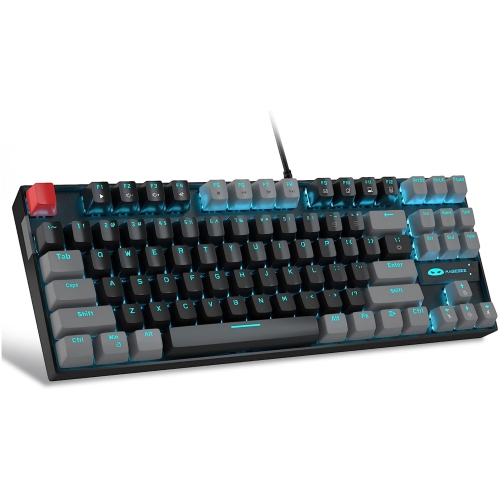
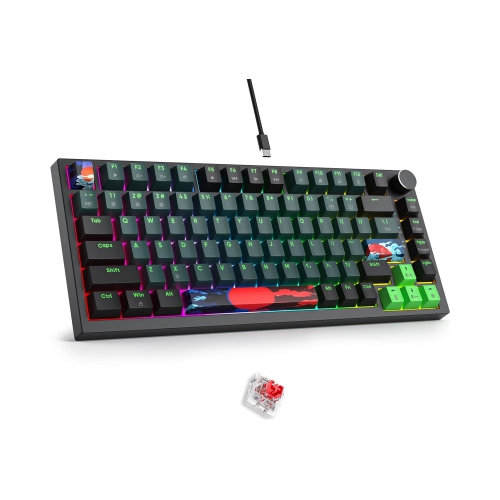
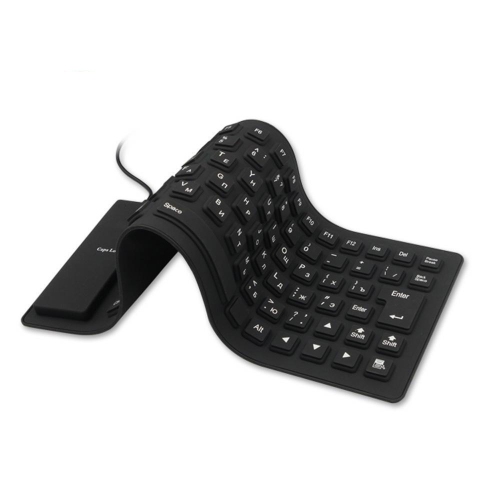
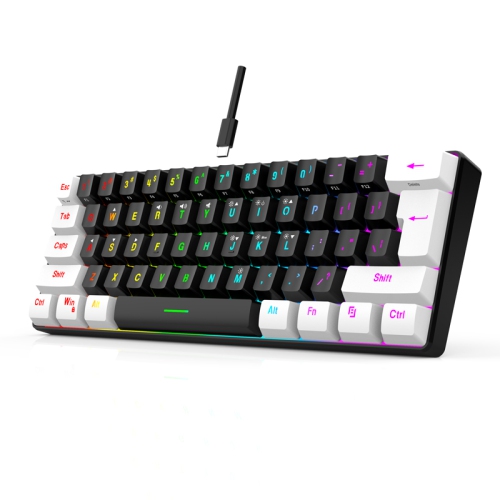



![HLD Mechanical Feeling One-Handed Left Handed Keyboard [Led Backlit] Portable Mini Gaming Keypad](https://multimedia.bbycastatic.ca/multimedia/products/500x500/134/13484/13484538.jpg)

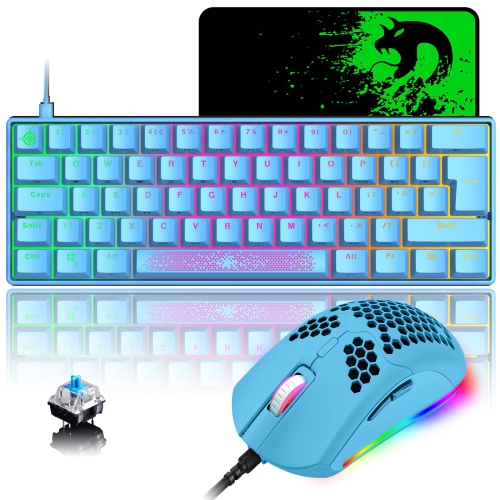

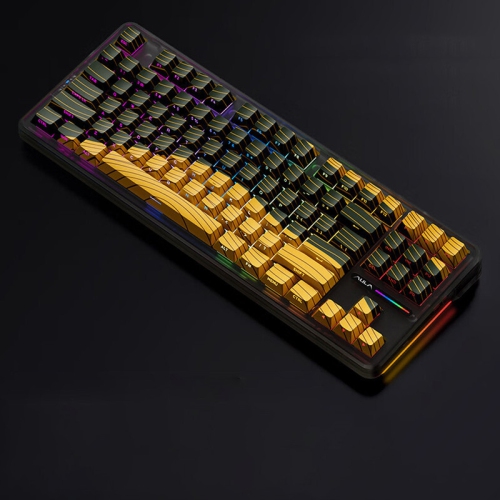
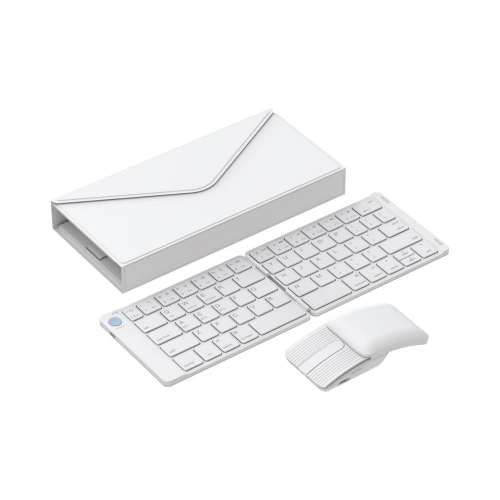
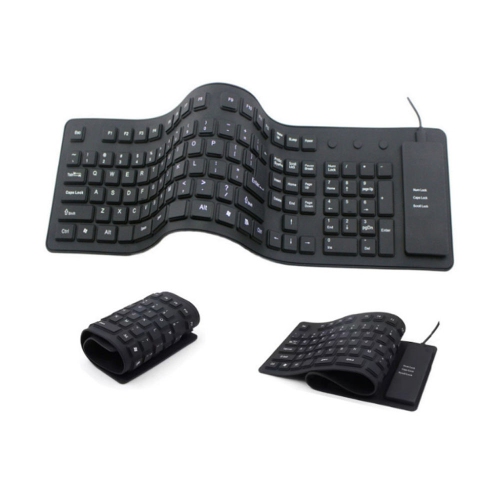
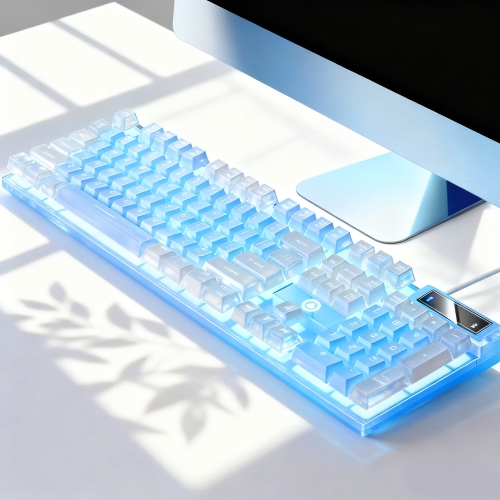
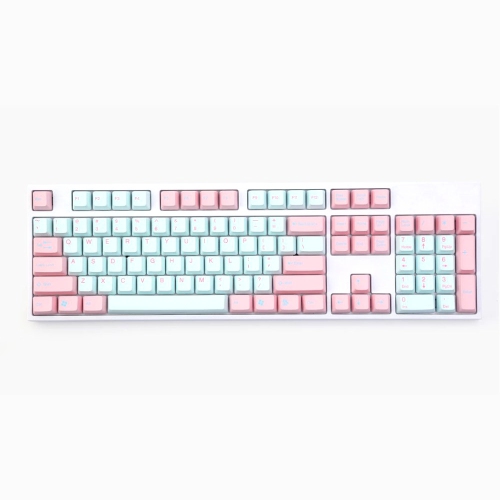
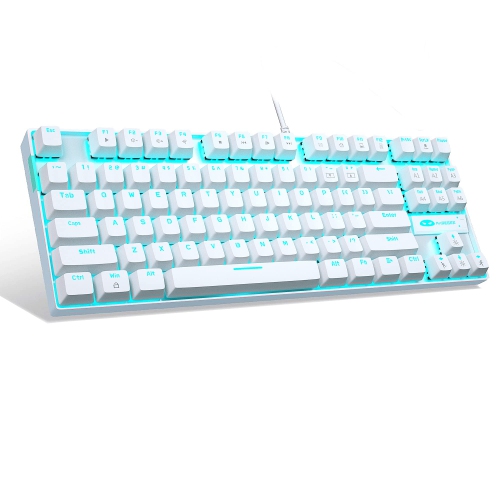
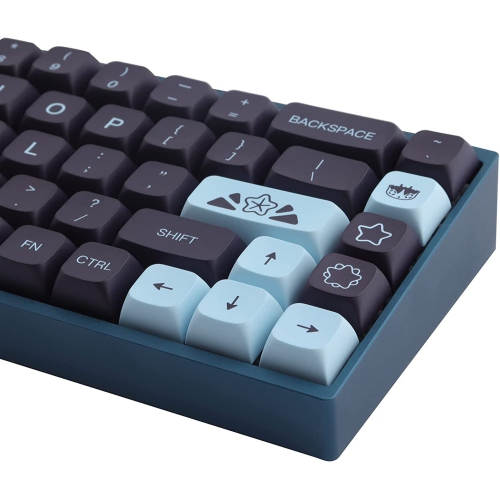
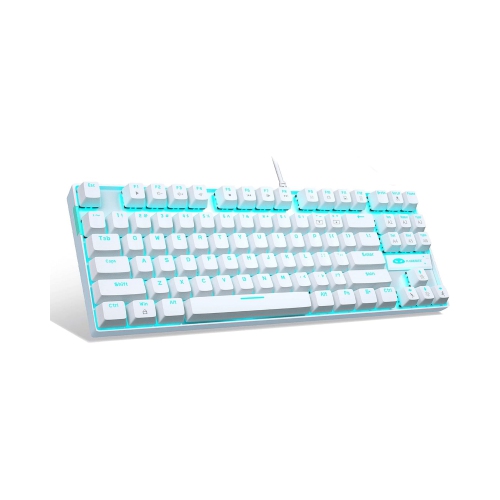
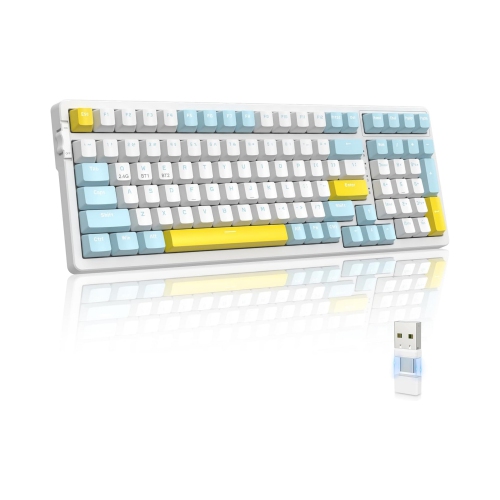
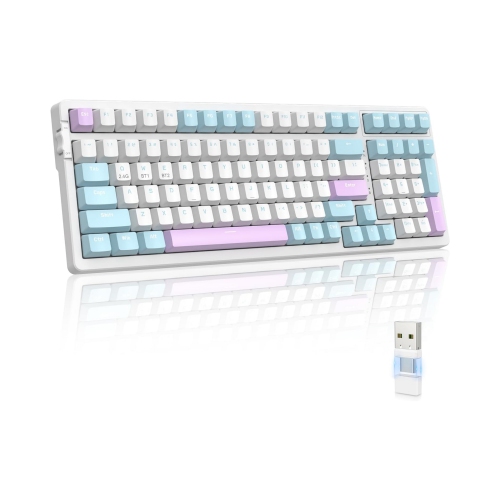
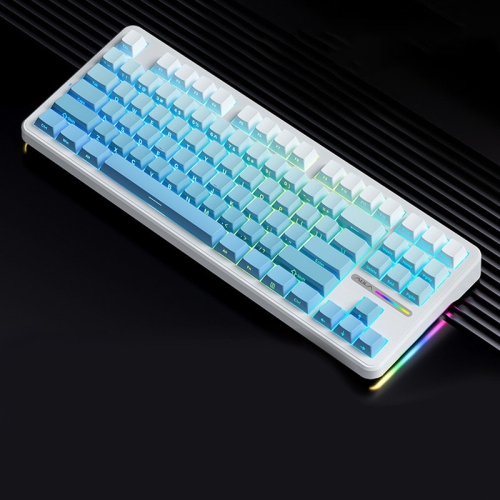

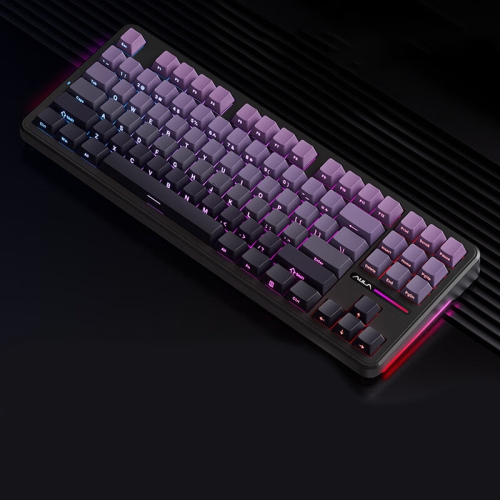
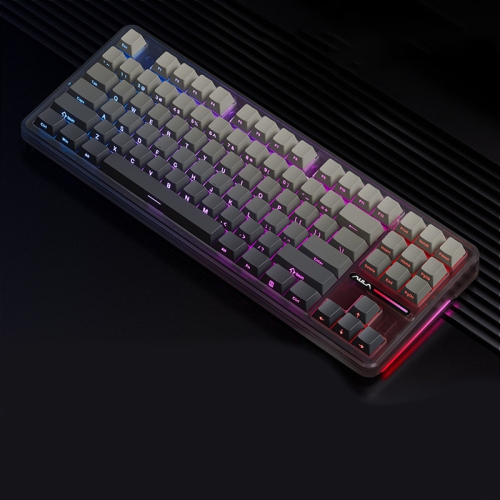
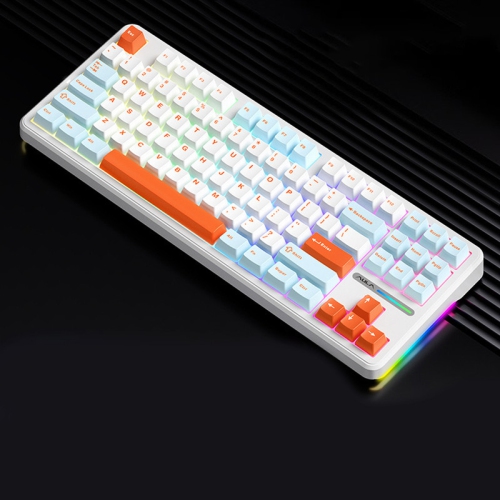
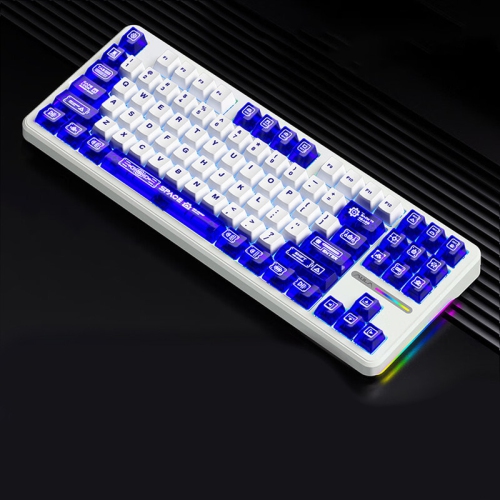
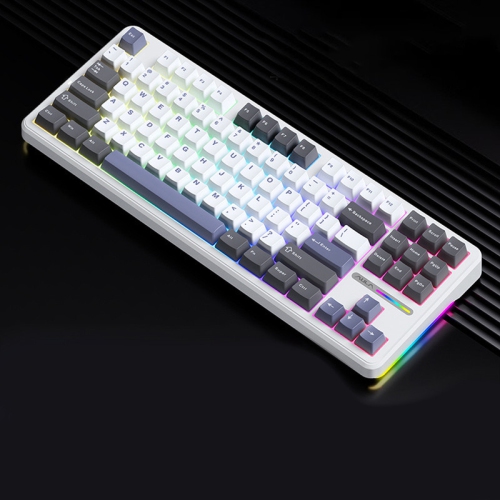
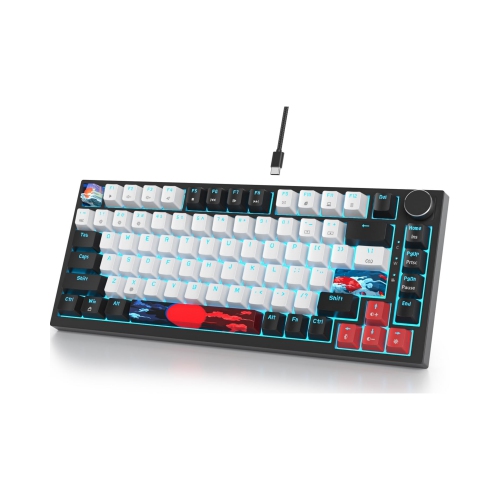
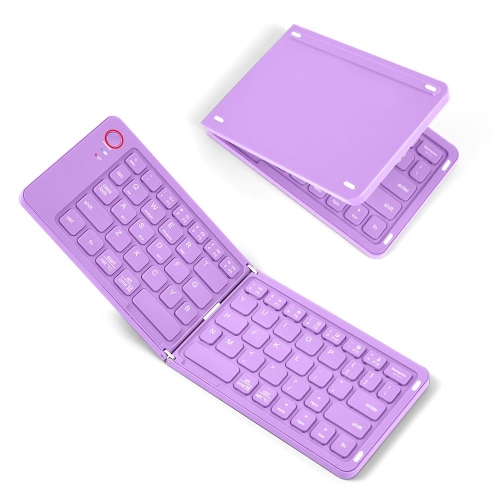
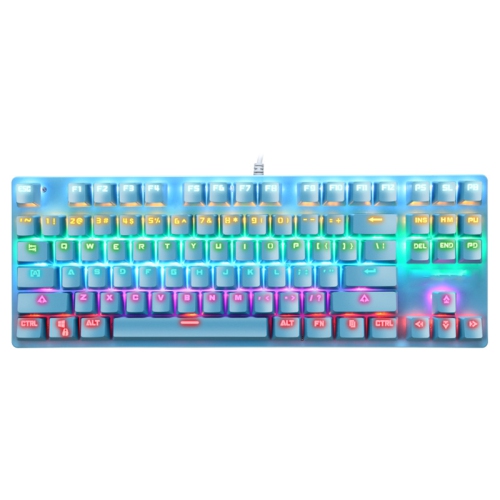
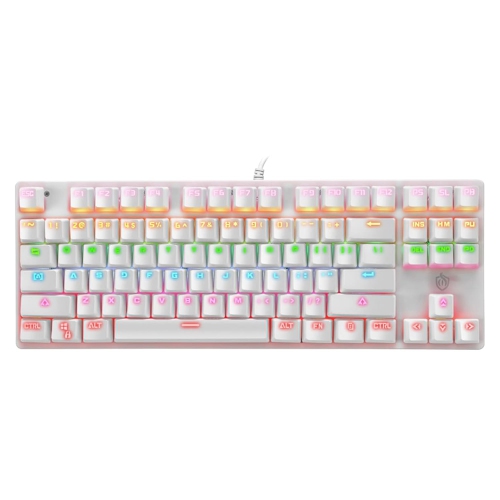
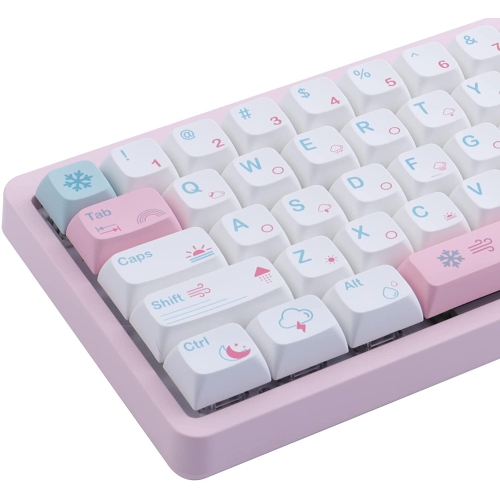
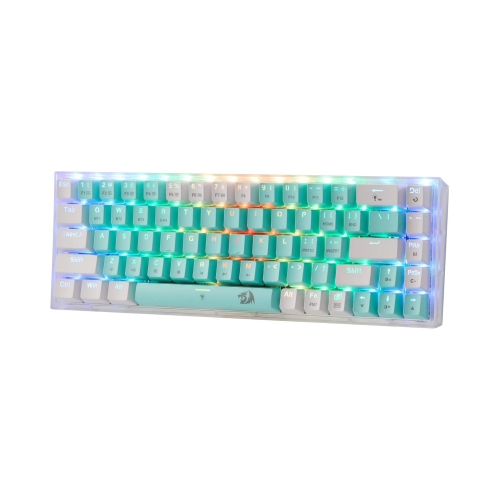
Tactile typing that travels between desks and devices
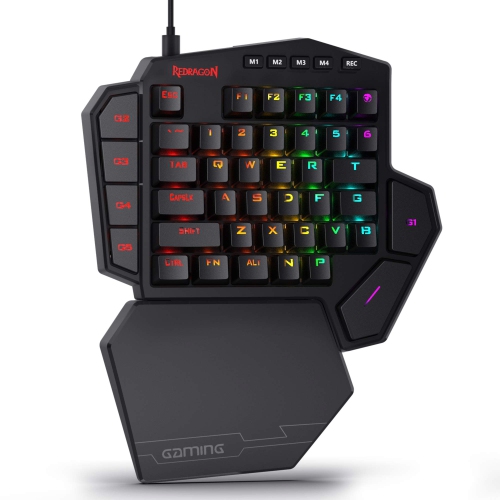
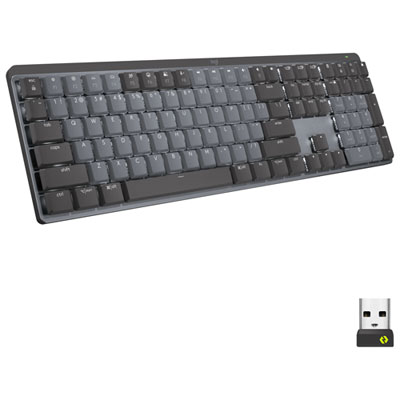
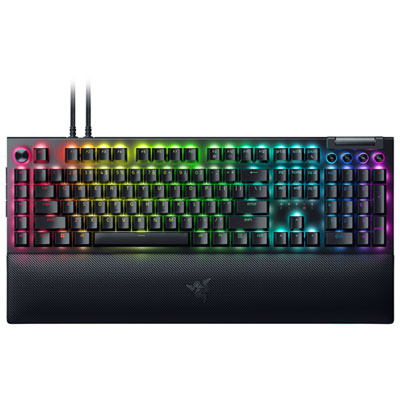
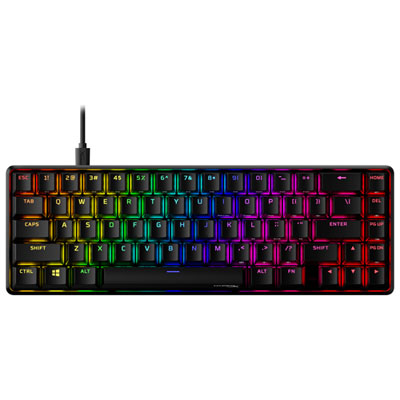
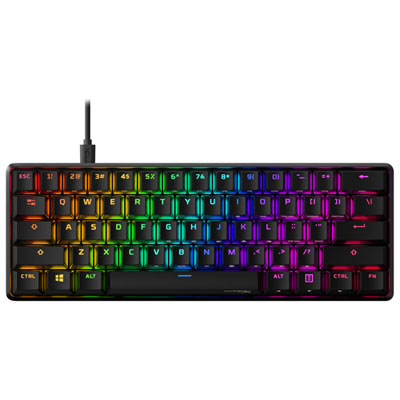
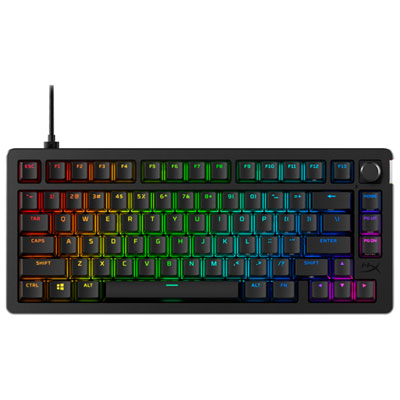
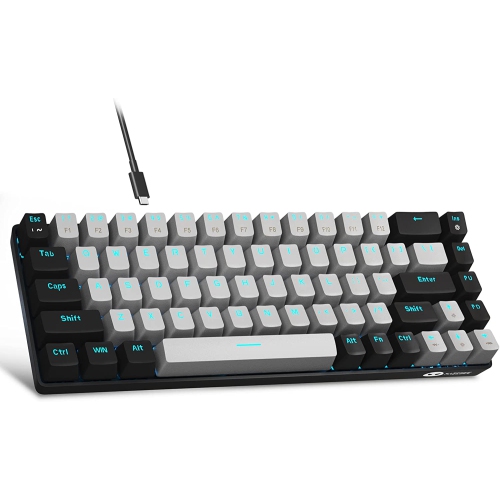
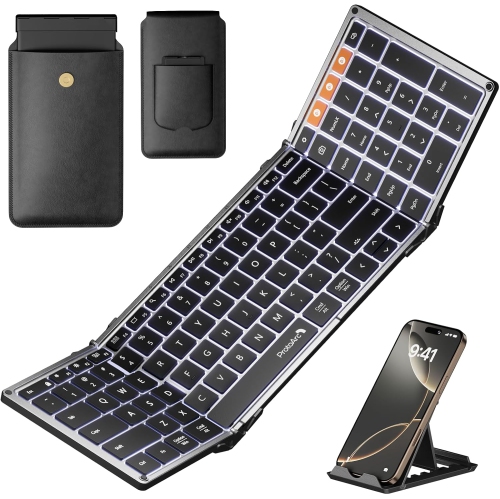
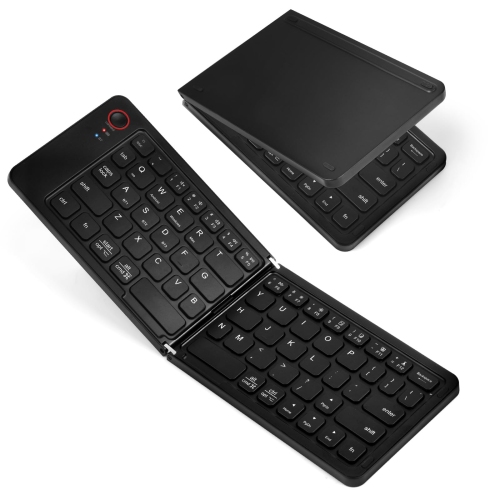
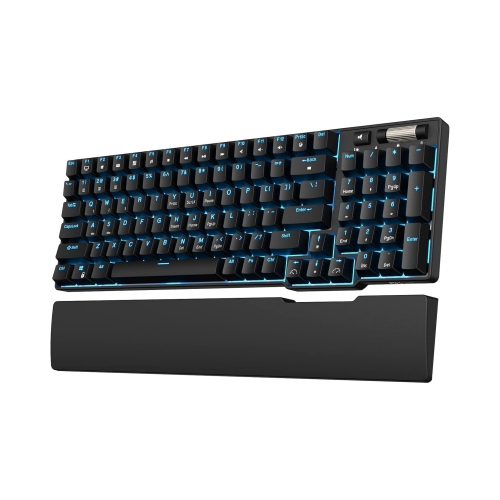
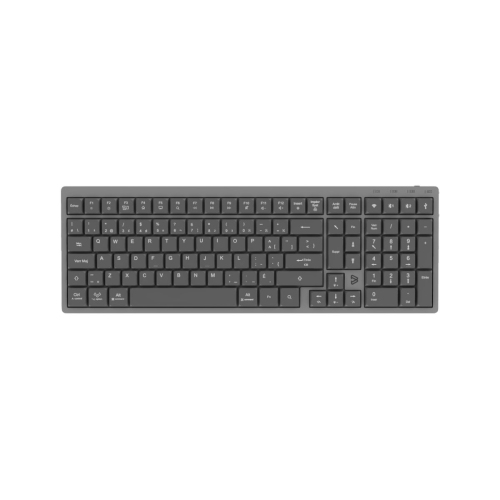
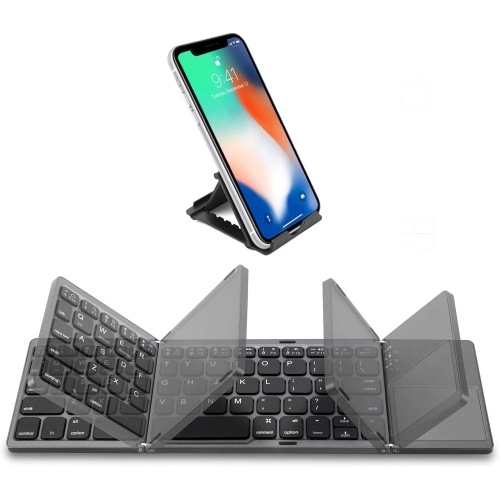
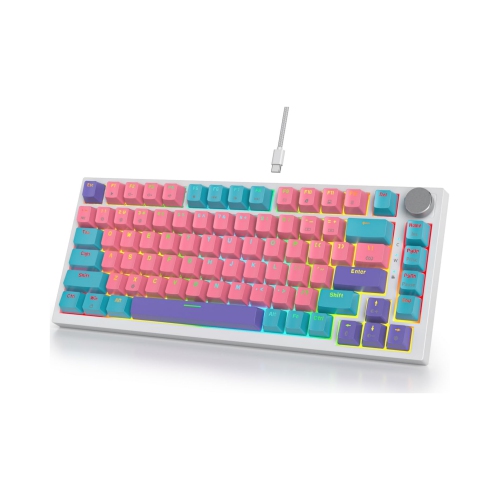
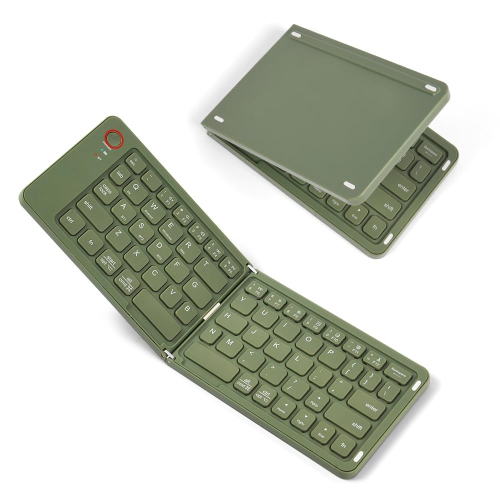
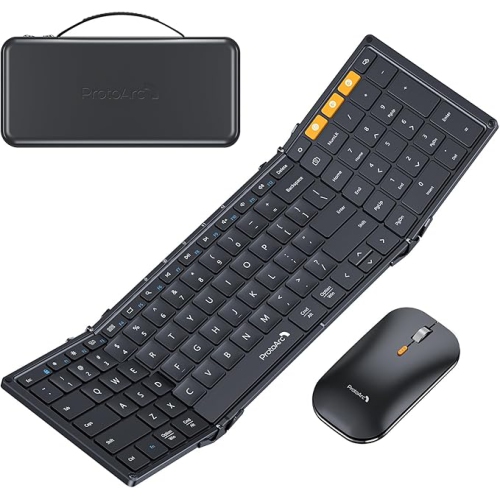
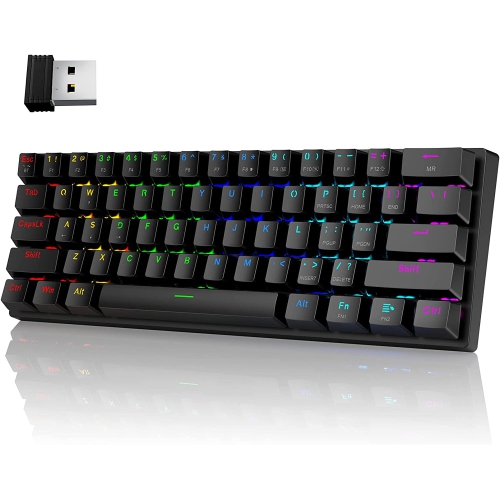
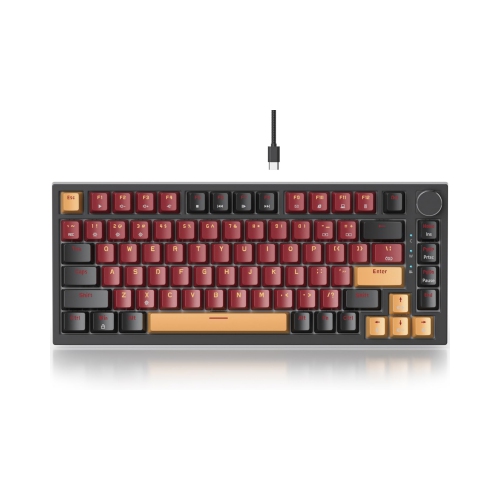
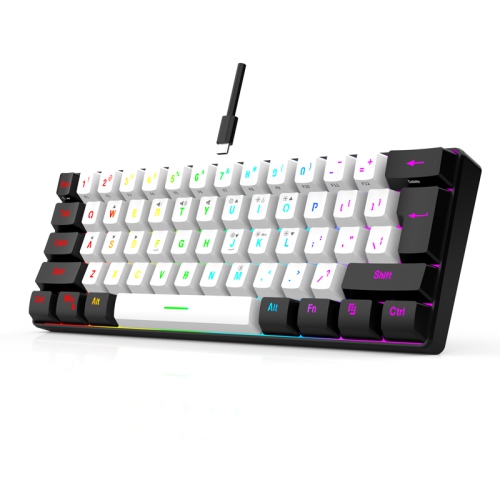
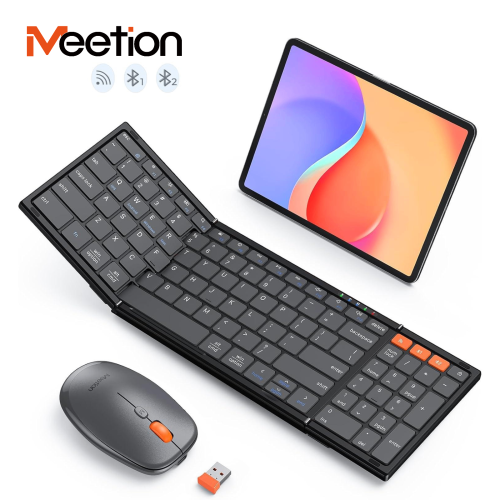
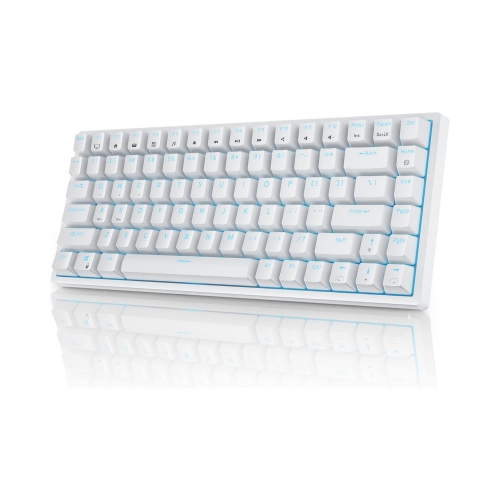
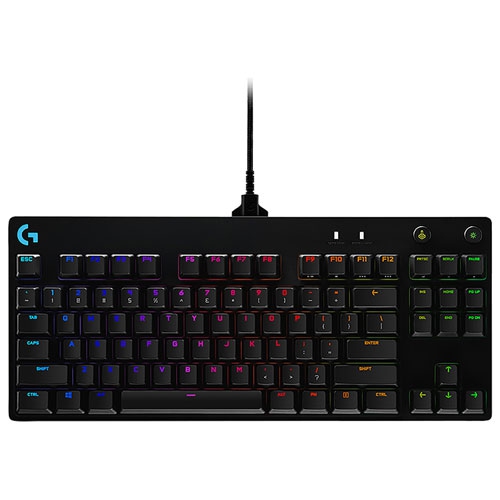
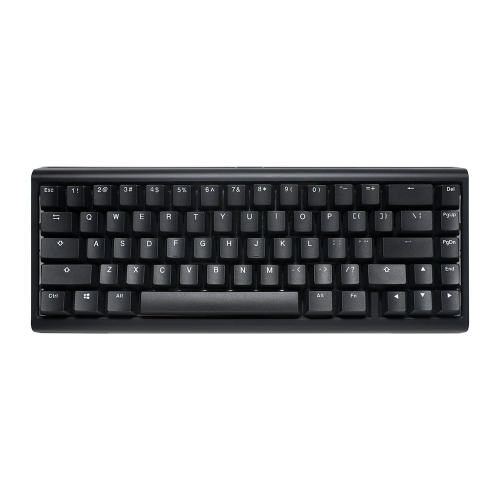
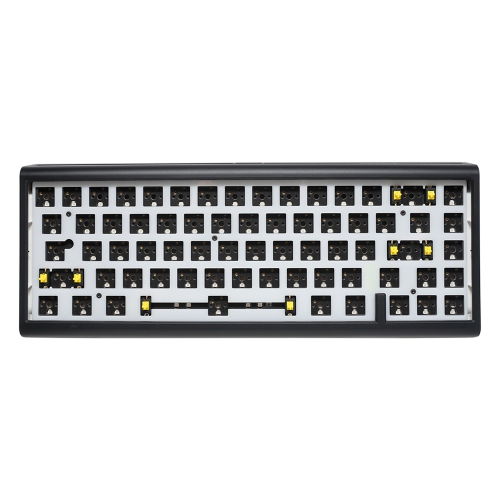
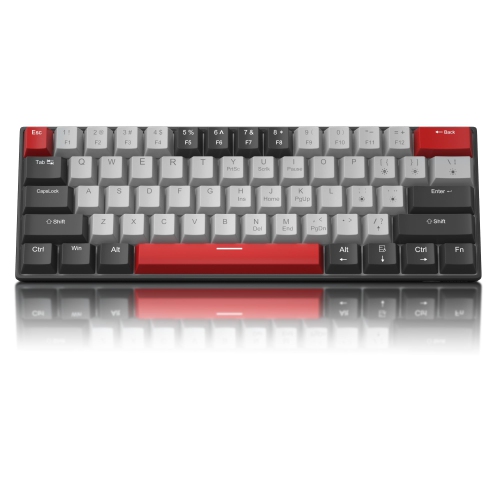
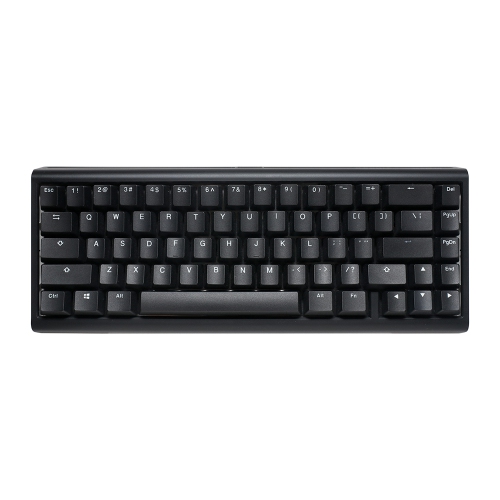
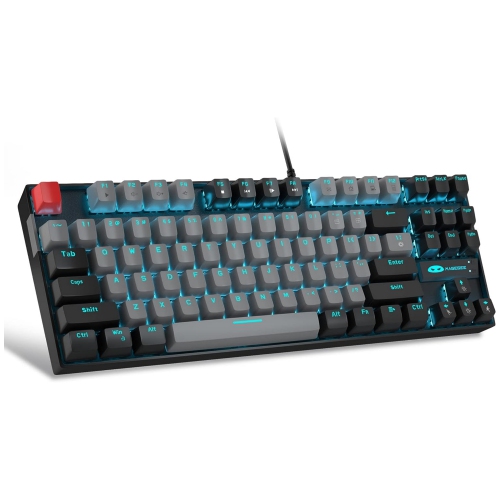
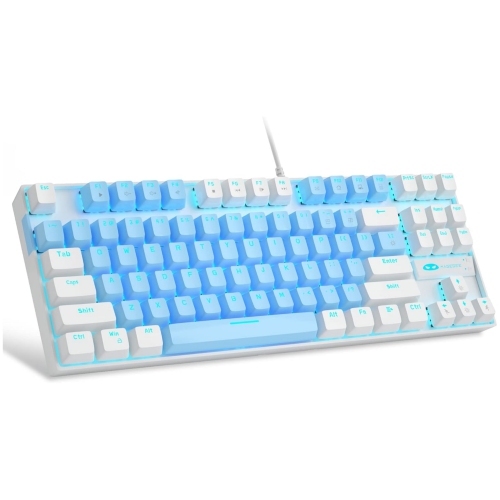
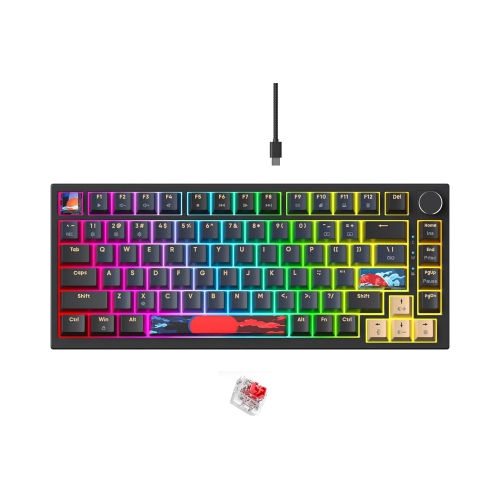
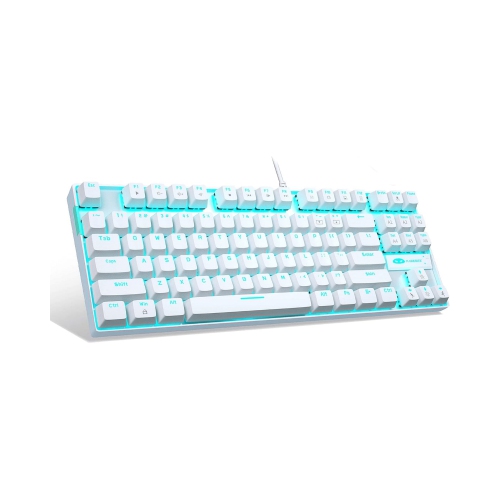
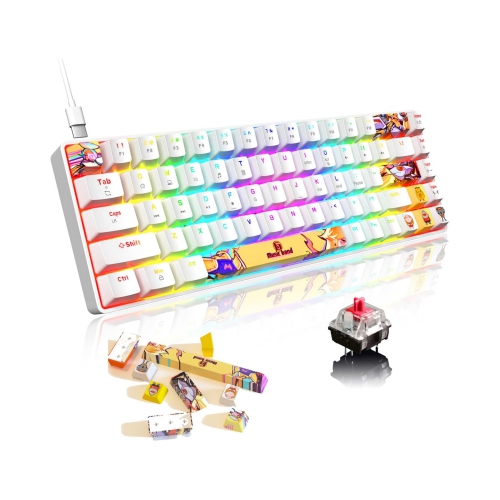
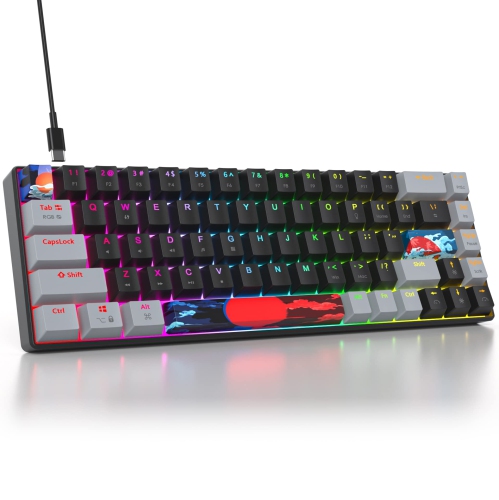
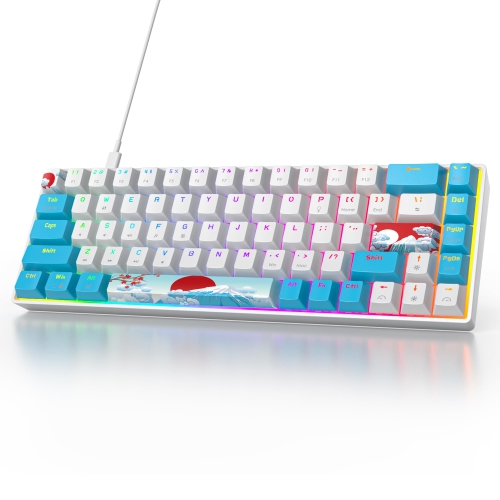
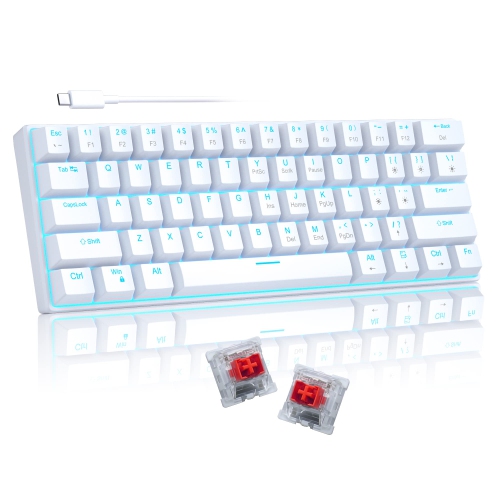
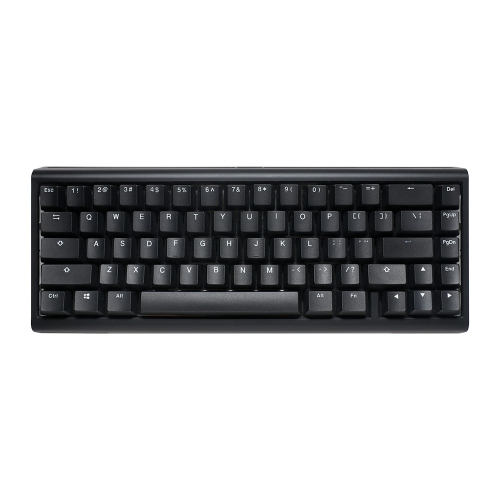
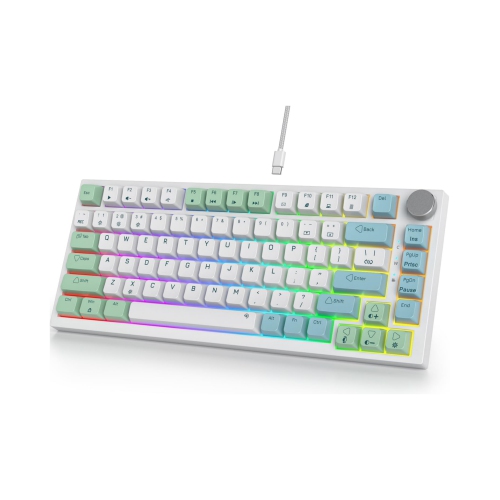
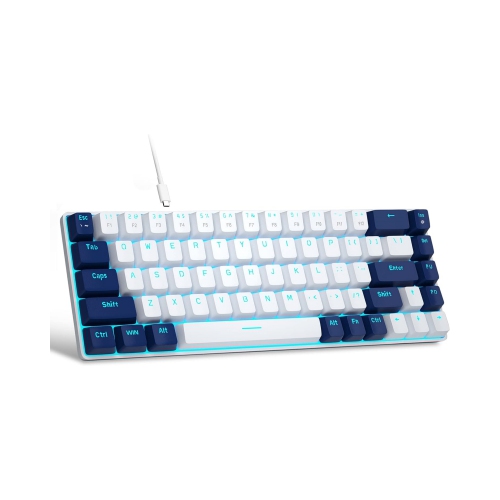
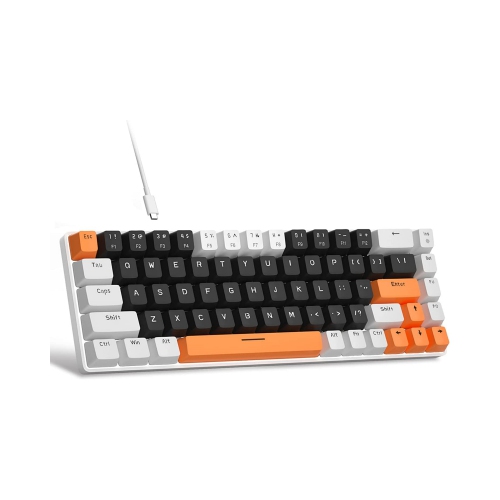
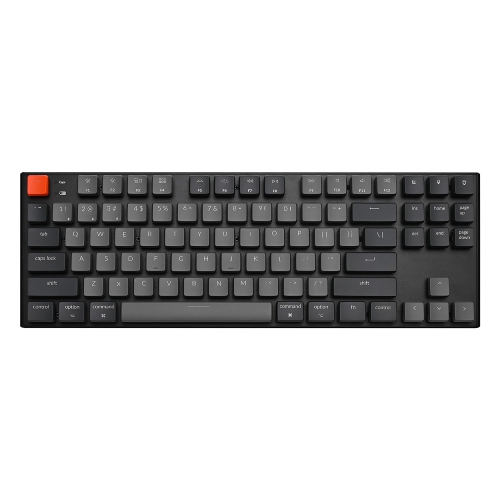
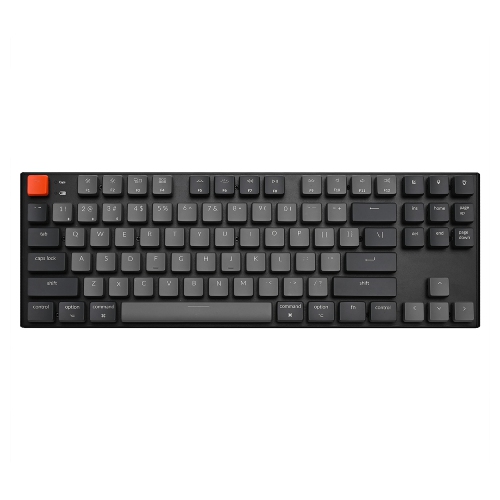
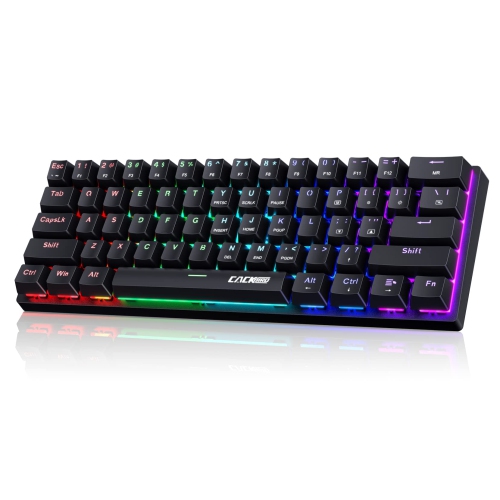
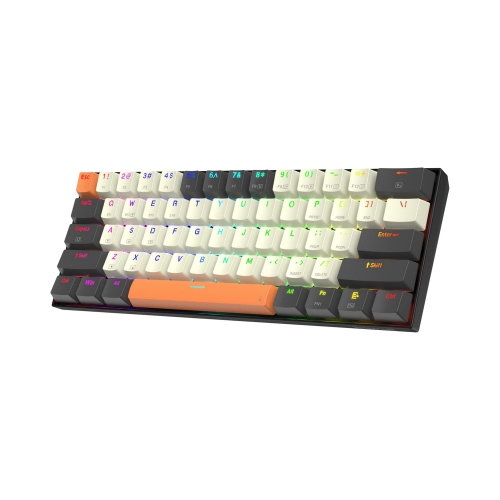
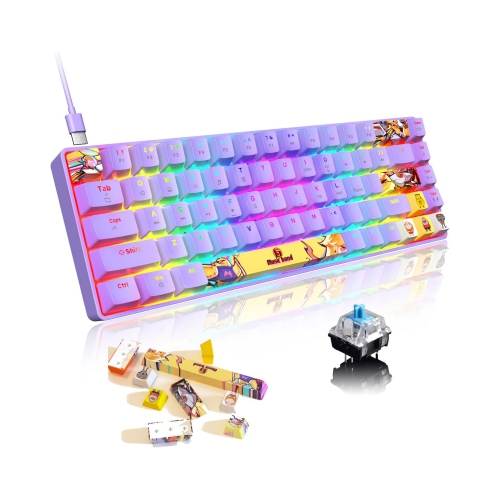
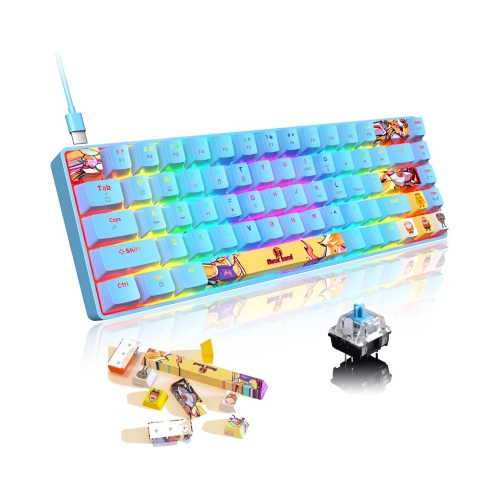
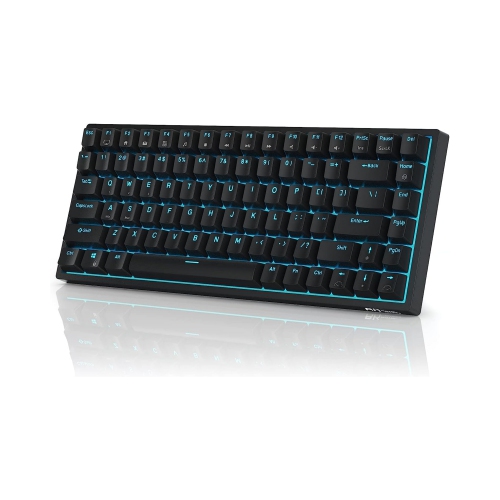
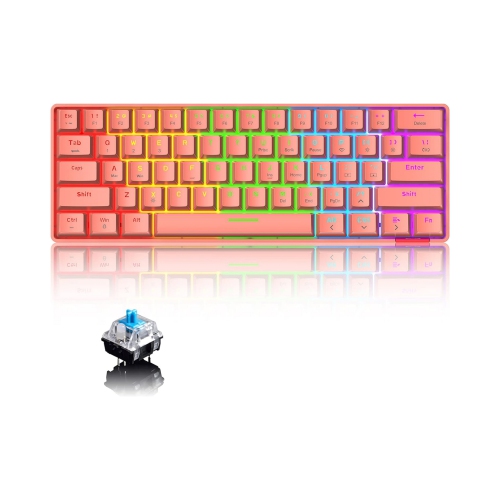
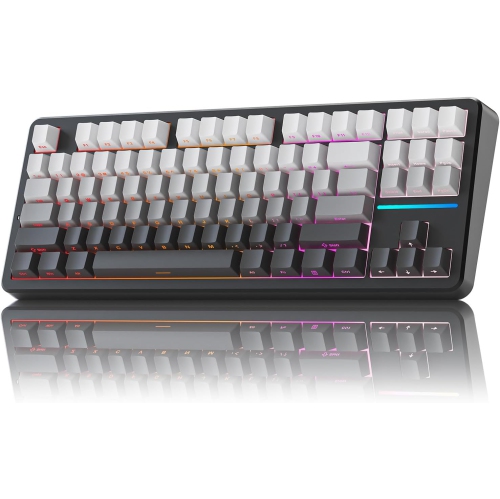
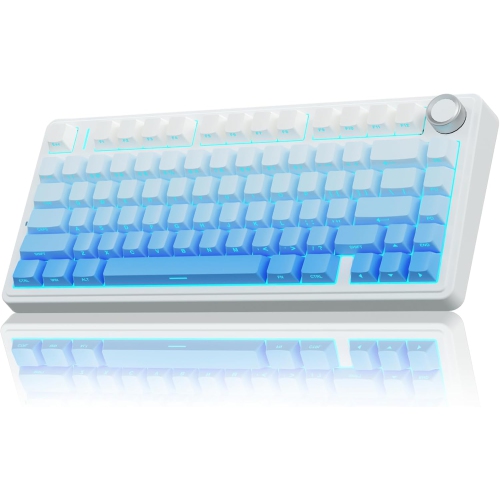
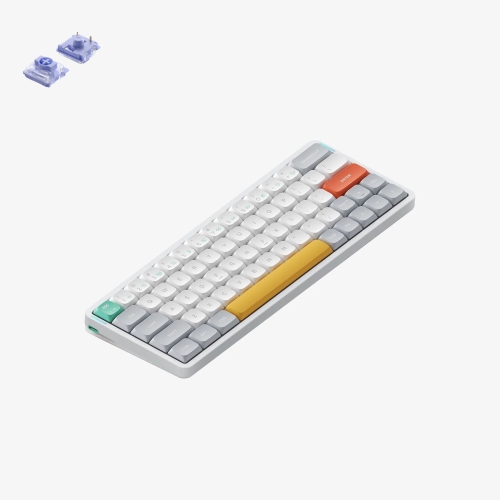
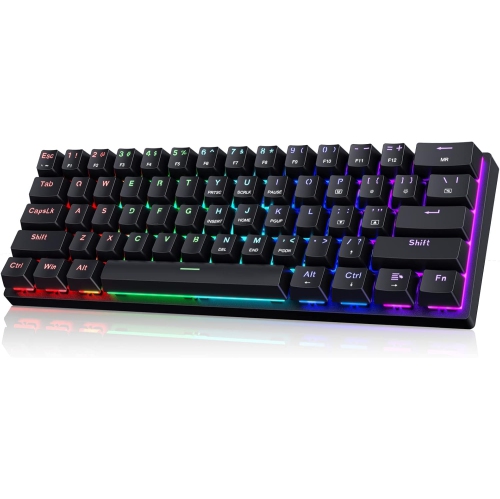
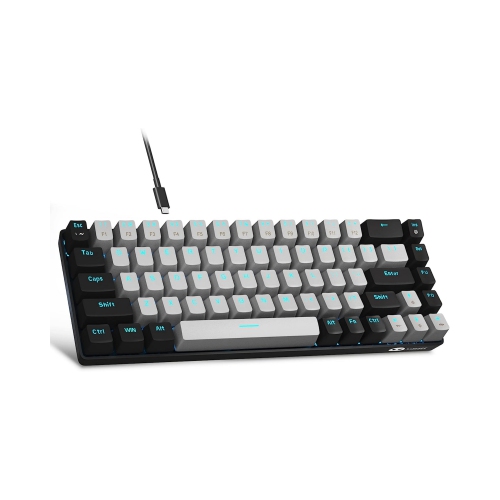
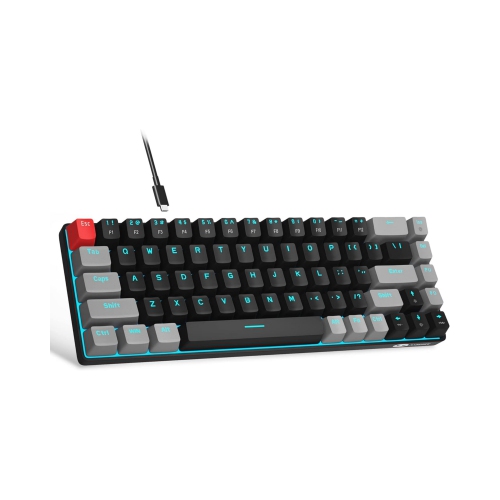
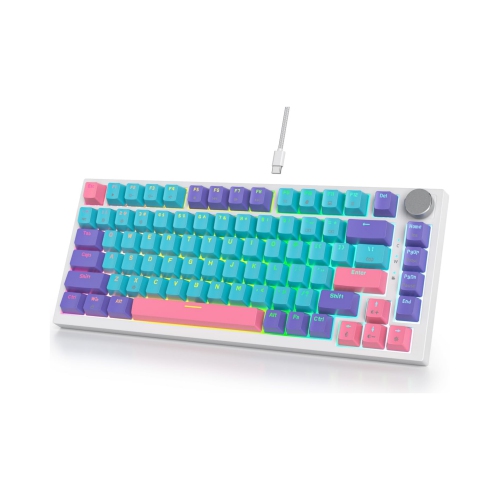
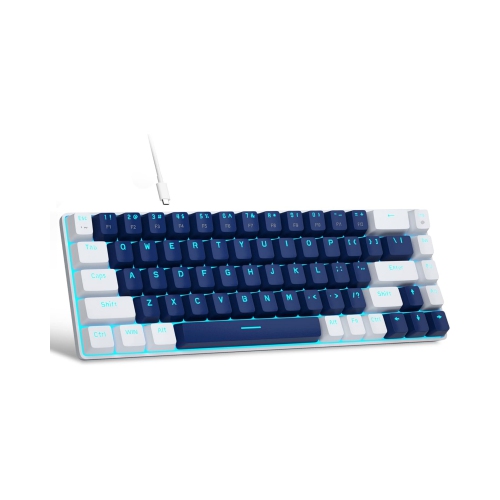
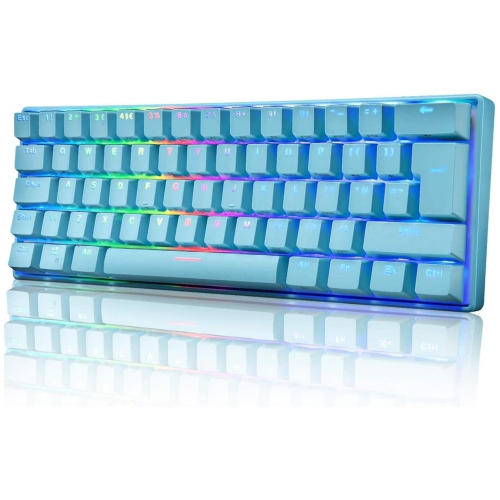
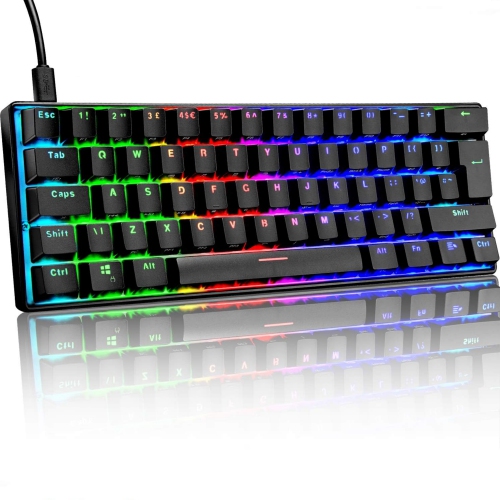
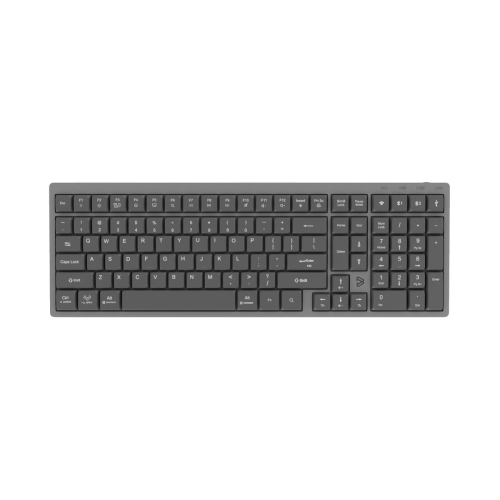
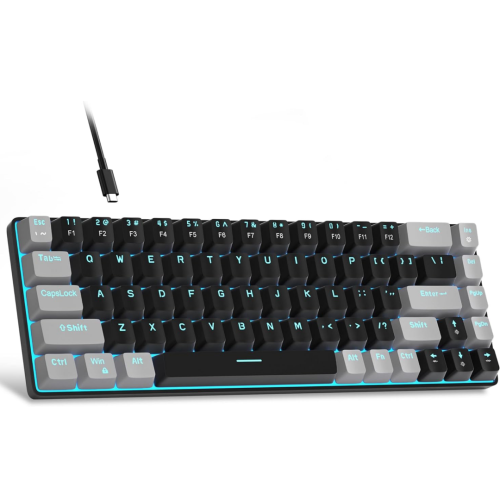
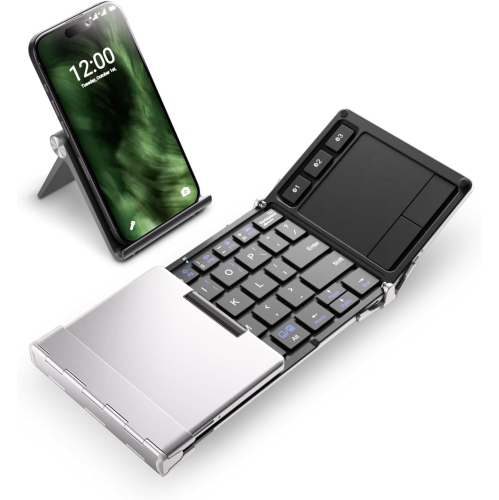
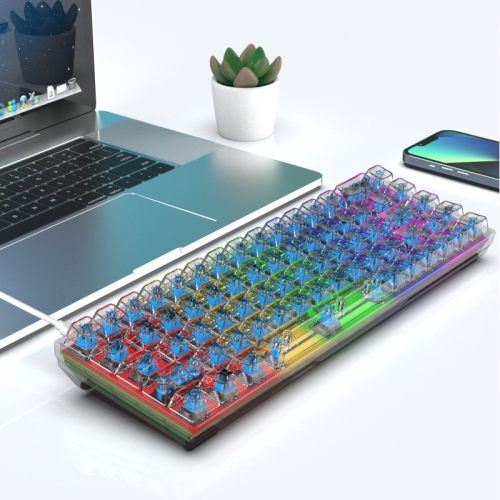
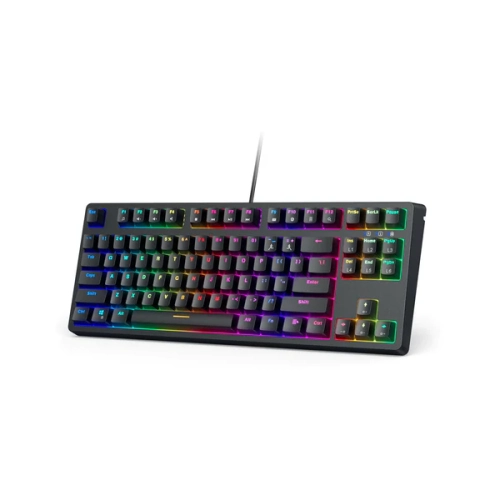
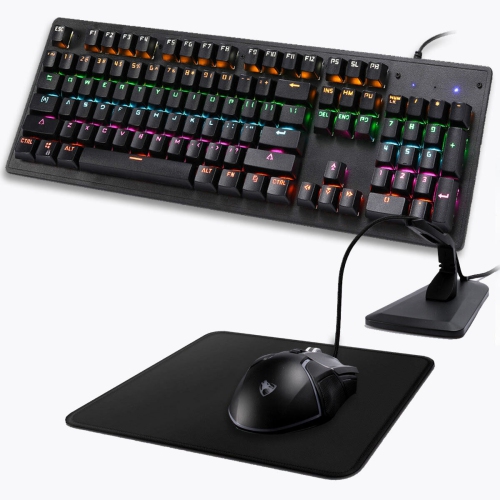
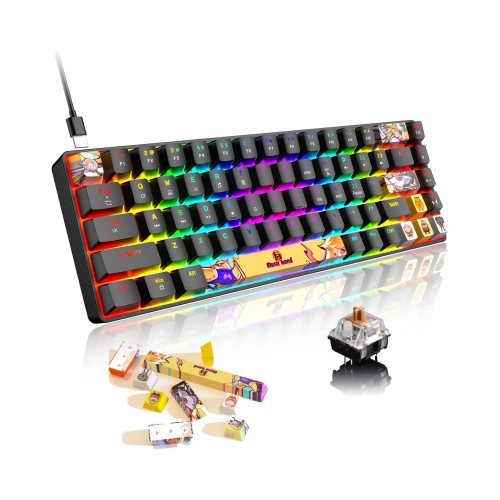
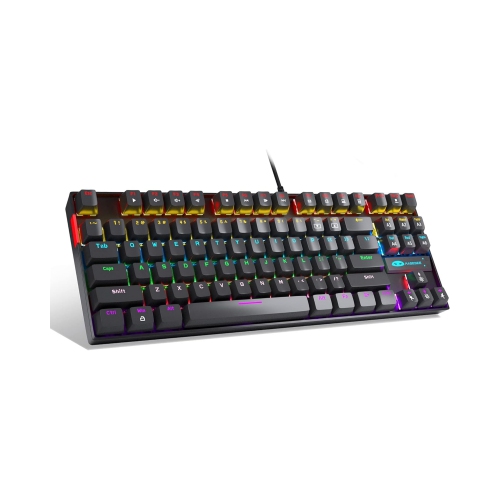
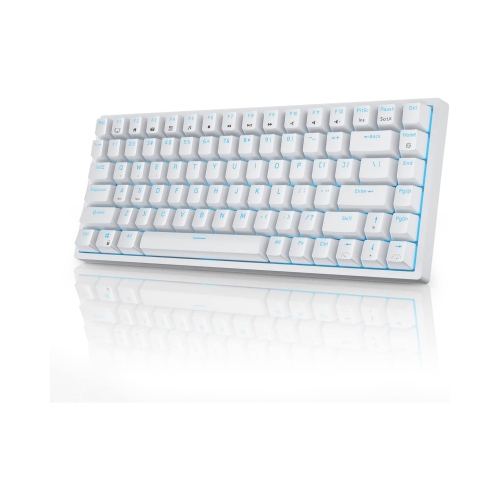
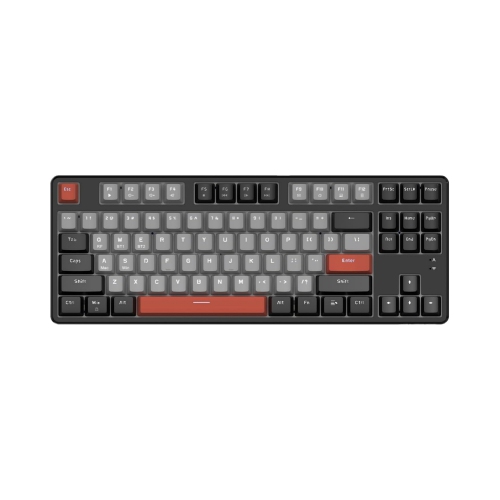
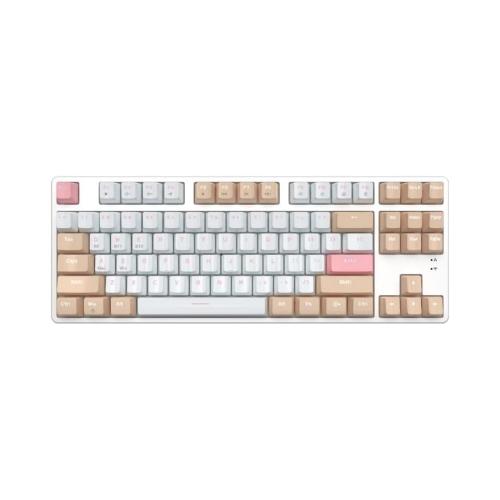
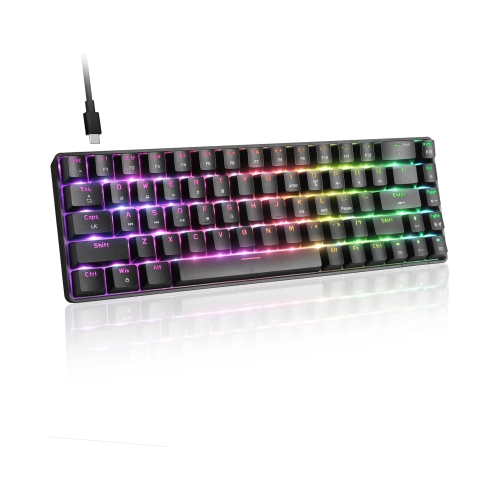
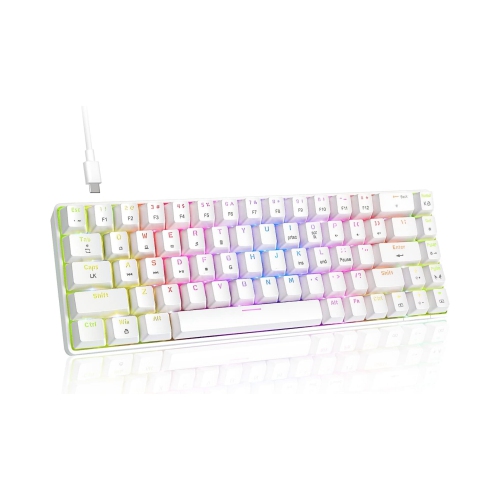
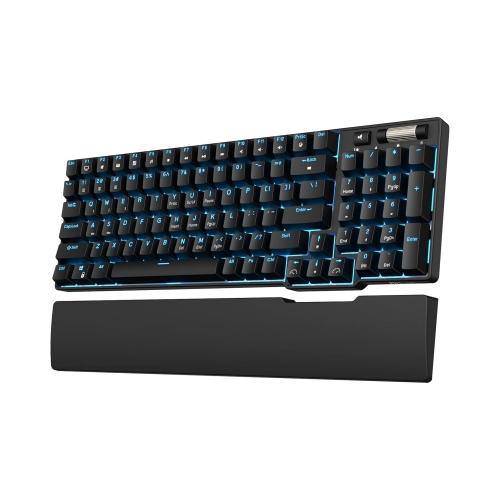
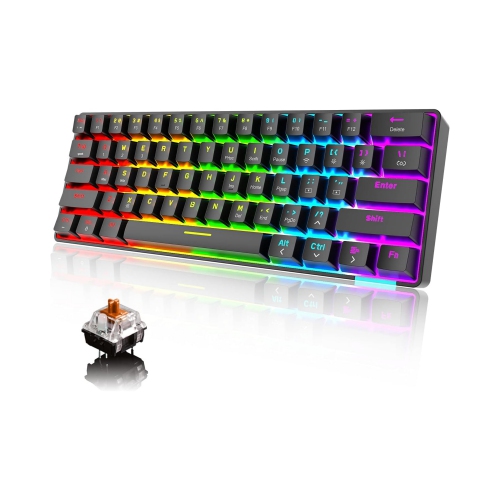
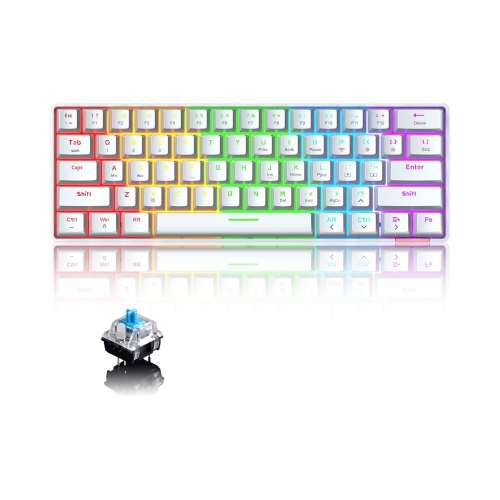
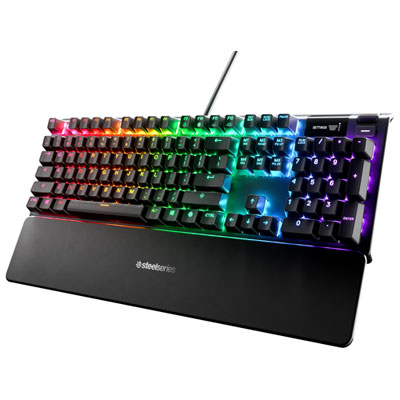
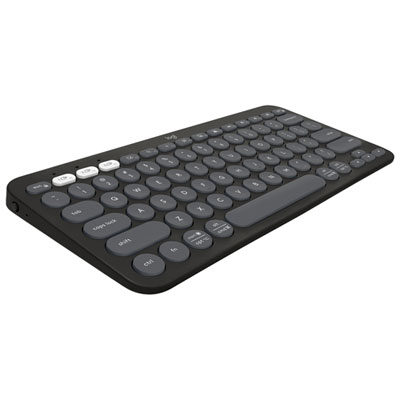
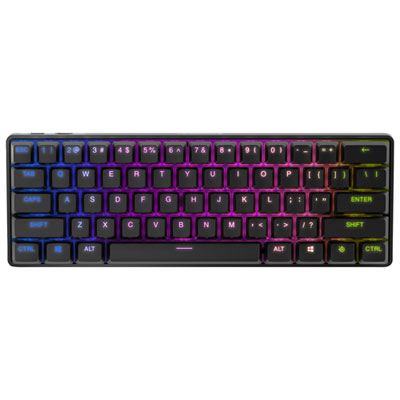
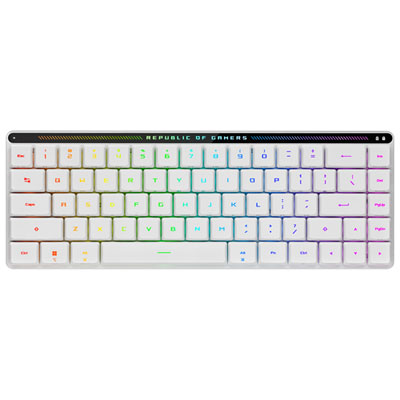
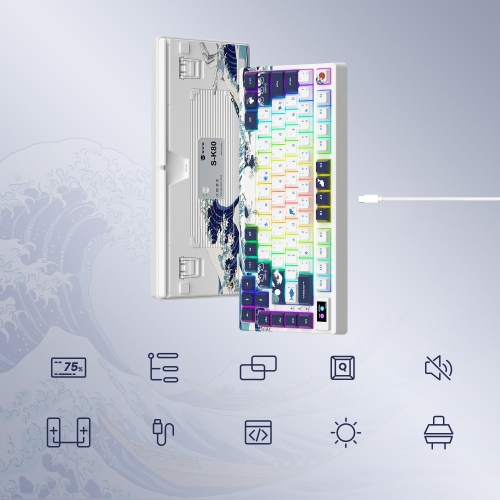
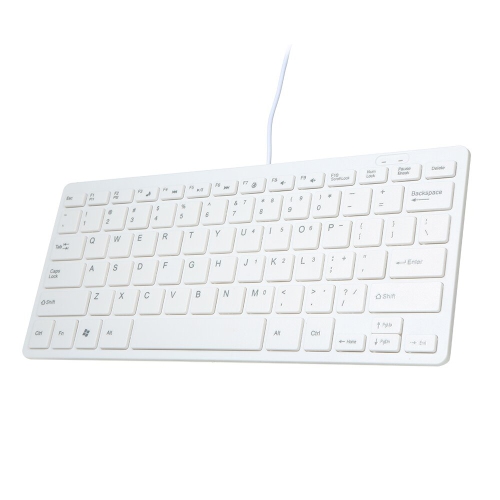
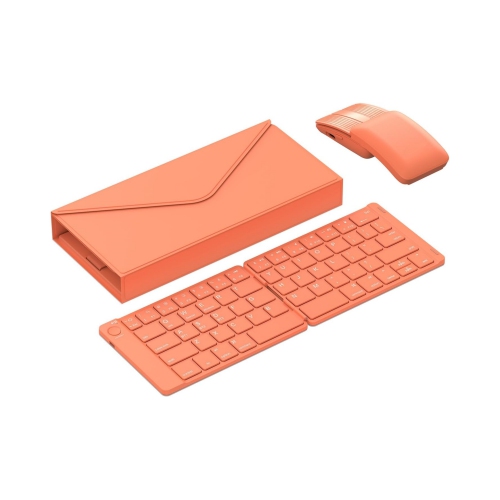
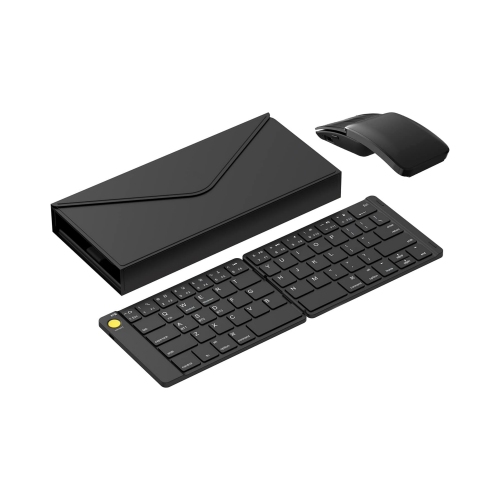
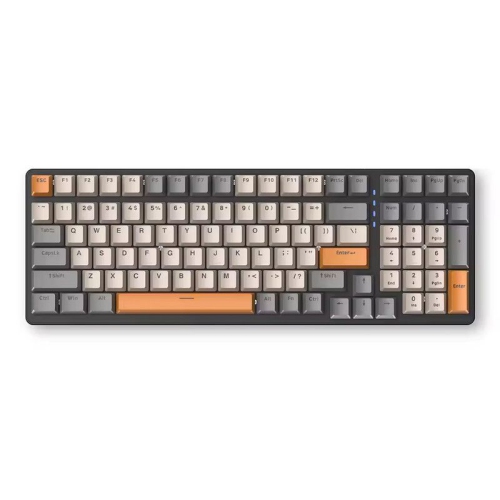
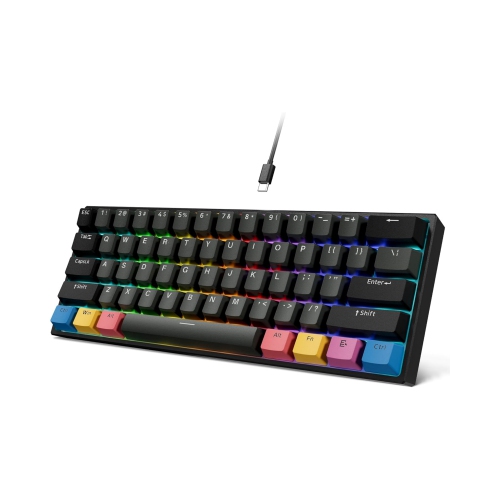
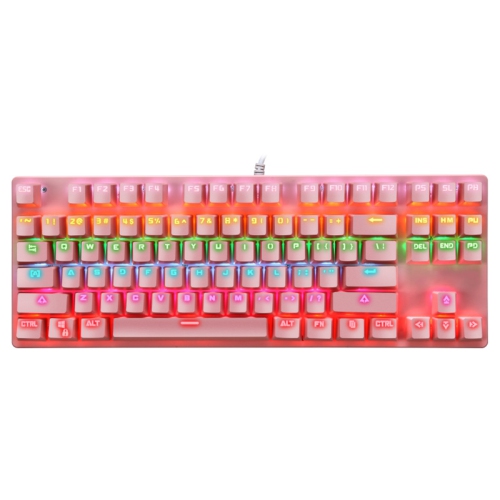
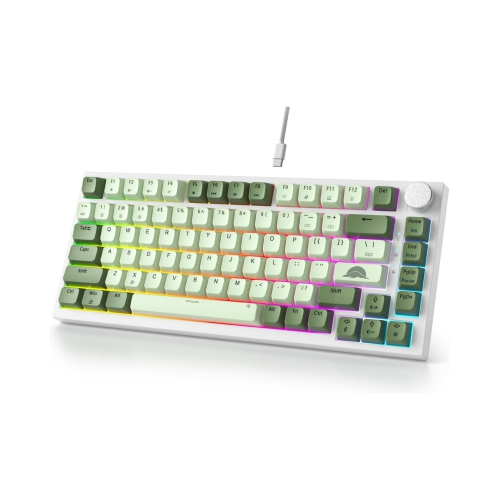
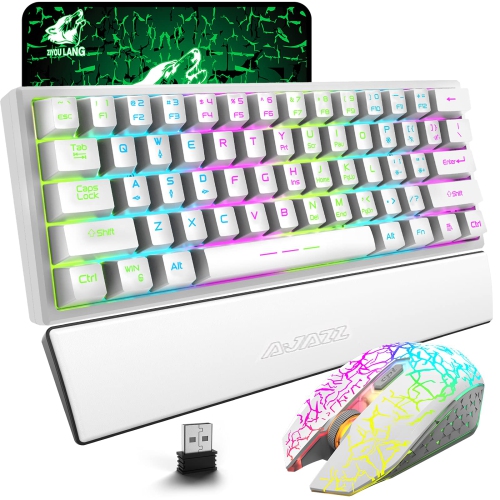
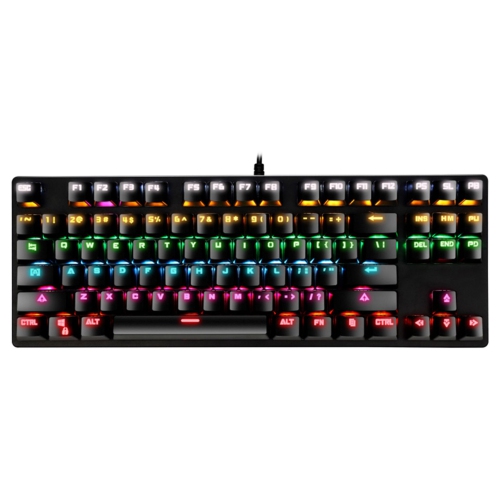
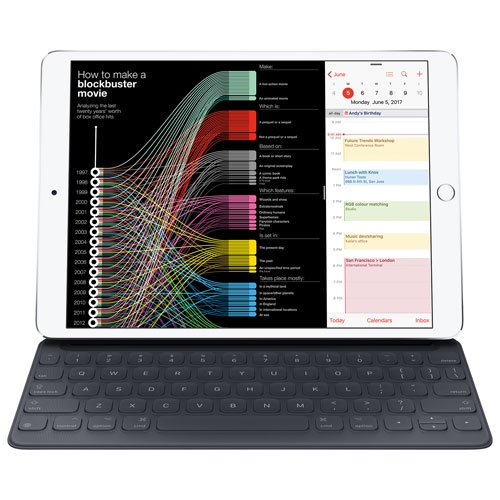
Portable mechanical keyboards bring the character of a full-size typing experience into smaller workspaces, travel bags, and flexible mobile setups. Instead of relying on a flat membrane surface, they use individual mechanical switches beneath each key, giving every press a more distinct feel and response. Depending on the switch design, keystrokes may feel smooth and quiet, lightly tactile, or more pronounced with an audible click. That difference can make long writing sessions, coding projects, gaming, and everyday messaging feel more deliberate and comfortable. A compact layout also leaves more room on a desk for a mouse, notebook, tablet, or coffee mug, while making the keyboard easier to carry between a home office, classroom, shared workspace, or cottage. Many portable models use a 60% or 65% layout, removing the number pad and dedicated function row to reduce the overall footprint. Some retain arrow keys or additional navigation buttons, which can be useful for spreadsheets, editing, and gaming. Shoppers who want the smallest possible setup may prefer a 60% keyboard, while those who frequently move through documents or use arrow keys may find a 65% layout more convenient. For an even slimmer profile, low-profile switches and a thinner chassis can slide into a laptop sleeve and sit comfortably beside a notebook computer. Those features are especially useful for commuters, students, digital nomads, and anyone who prefers a familiar physical keyboard when working from a tablet or phone.
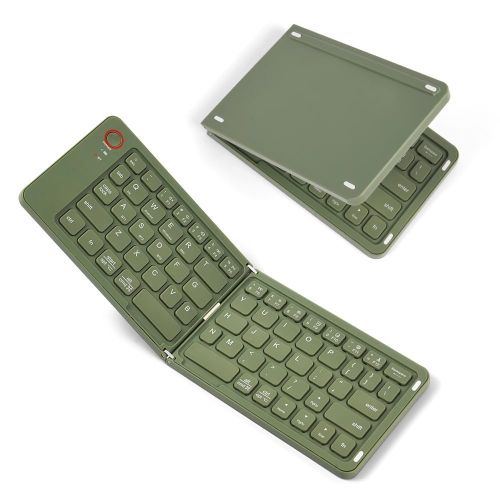
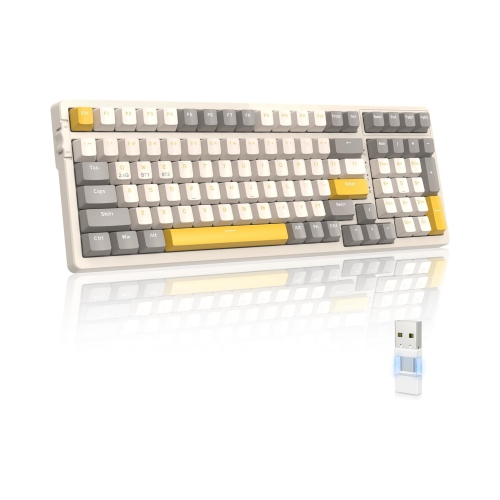
Connectivity is another important consideration when choosing a portable mechanical keyboard. Wired USB-C models offer a straightforward connection and can be a dependable choice for gaming, desk work, or situations where charging is not convenient. Wireless models may connect through Bluetooth, a 2.4 GHz wireless receiver, or both, with some offering tri-mode connectivity that combines Bluetooth, wireless, and wired use. Bluetooth is well suited to tablets, phones, and laptops, while a 2.4 GHz receiver can provide a more immediate connection for gaming or other tasks where responsiveness matters. Multi-device support can make it easier to move between a work laptop, personal computer, and mobile device without reaching behind a desk to reconnect cables. Battery life, charging time, receiver storage, and the placement of the USB-C port all matter when a keyboard is intended for travel. Backlighting can help when working in a dim room, on a late train, or during a gaming session, and adjustable lighting lets users balance visibility with battery use. Some keyboards also include programmable layers, remappable keys, or compatibility with customization software, allowing users to assign shortcuts and create a layout that matches the way they work. Hot-swappable switch sockets are useful for people who want to experiment with different switch types without replacing the entire keyboard. Build materials, keycap texture, stabilizer quality, and the keyboard’s weight affect the experience as well: a very light model is easy to pack, while a more substantial frame may stay firmly in place during rapid typing. A detachable cable, protective case, folding design, or built-in device stand can add convenience for travel and mobile work.
Portable mechanical keyboards can suit a wide range of users and make thoughtful gifts for students, writers, programmers, streamers, gamers, and home-office workers. They can also be a practical choice for someone who enjoys improving a desk setup one piece at a time. A student might keep one in a backpack to create a comfortable typing station in a library or lecture hall, while a writer may use one with a tablet to turn a quiet corner into a focused workspace. A gamer may value compact dimensions that leave more room for broad mouse movements, along with fast-feeling switches and customizable keys. For someone who works across several devices, wireless connectivity and a compact layout can reduce clutter and make it easier to change locations during the day. When comparing options, consider the recipient’s preferred typing feel, tolerance for sound, device compatibility, hand size, desk space, and need for dedicated navigation keys. A quiet linear or tactile switch may be better for shared rooms, offices, or late-night writing, while a more pronounced switch can provide satisfying feedback for someone who enjoys the sound and rhythm of typing. Users who travel often may prioritize low weight, a slim profile, wireless operation, and a case; those building a semi-permanent workstation may favour a sturdier frame and broader customization options. For shoppers exploring similarly compact layouts, Mini Mechanical Keyboards offer another way to compare small-form keyboards for work, study, gaming, and everyday use. During the warmer months and into the cooler months, a portable mechanical keyboard can move easily from a home desk to a shared workspace, guest room, or travel destination while preserving the tactile experience many people enjoy.
Connectivity is another important consideration when choosing a portable mechanical keyboard. Wired USB-C models offer a straightforward connection and can be a dependable choice for gaming, desk work, or situations where charging is not convenient. Wireless models may connect through Bluetooth, a 2.4 GHz wireless receiver, or both, with some offering tri-mode connectivity that combines Bluetooth, wireless, and wired use. Bluetooth is well suited to tablets, phones, and laptops, while a 2.4 GHz receiver can provide a more immediate connection for gaming or other tasks where responsiveness matters. Multi-device support can make it easier to move between a work laptop, personal computer, and mobile device without reaching behind a desk to reconnect cables. Battery life, charging time, receiver storage, and the placement of the USB-C port all matter when a keyboard is intended for travel. Backlighting can help when working in a dim room, on a late train, or during a gaming session, and adjustable lighting lets users balance visibility with battery use. Some keyboards also include programmable layers, remappable keys, or compatibility with customization software, allowing users to assign shortcuts and create a layout that matches the way they work. Hot-swappable switch sockets are useful for people who want to experiment with different switch types without replacing the entire keyboard. Build materials, keycap texture, stabilizer quality, and the keyboard’s weight affect the experience as well: a very light model is easy to pack, while a more substantial frame may stay firmly in place during rapid typing. A detachable cable, protective case, folding design, or built-in device stand can add convenience for travel and mobile work.
Portable mechanical keyboards can suit a wide range of users and make thoughtful gifts for students, writers, programmers, streamers, gamers, and home-office workers. They can also be a practical choice for someone who enjoys improving a desk setup one piece at a time. A student might keep one in a backpack to create a comfortable typing station in a library or lecture hall, while a writer may use one with a tablet to turn a quiet corner into a focused workspace. A gamer may value compact dimensions that leave more room for broad mouse movements, along with fast-feeling switches and customizable keys. For someone who works across several devices, wireless connectivity and a compact layout can reduce clutter and make it easier to change locations during the day. When comparing options, consider the recipient’s preferred typing feel, tolerance for sound, device compatibility, hand size, desk space, and need for dedicated navigation keys. A quiet linear or tactile switch may be better for shared rooms, offices, or late-night writing, while a more pronounced switch can provide satisfying feedback for someone who enjoys the sound and rhythm of typing. Users who travel often may prioritize low weight, a slim profile, wireless operation, and a case; those building a semi-permanent workstation may favour a sturdier frame and broader customization options. For shoppers exploring similarly compact layouts, Mini Mechanical Keyboards offer another way to compare small-form keyboards for work, study, gaming, and everyday use. During the warmer months and into the cooler months, a portable mechanical keyboard can move easily from a home desk to a shared workspace, guest room, or travel destination while preserving the tactile experience many people enjoy.
Top selling and popular products
-
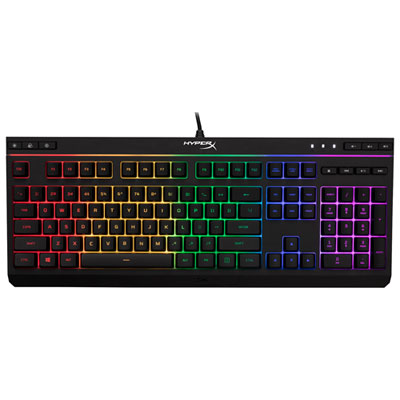 Your price for this item is $39.99
 -
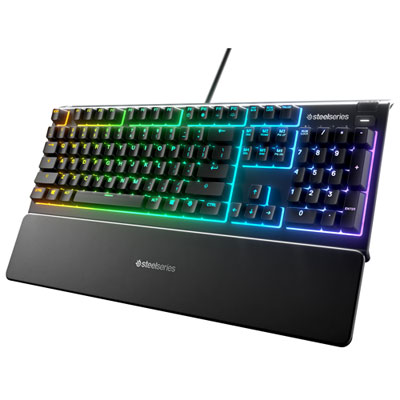 Your price for this item is $76.98
 -
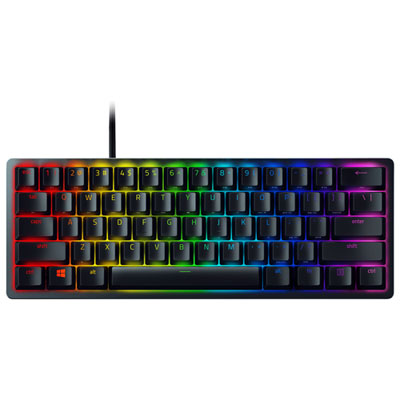 Your price for this item is $94.99
 -
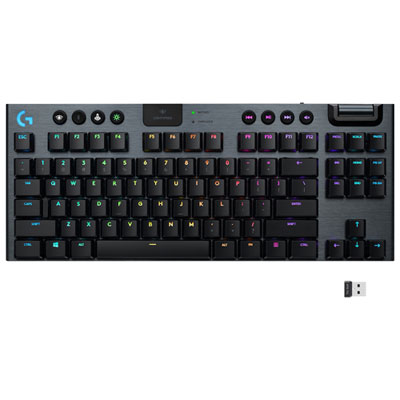 Your price for this item is $319.99
 -
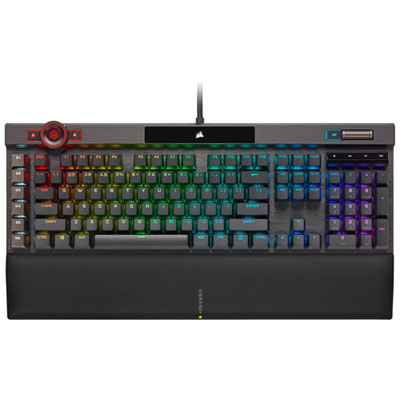 Your price for this item is $364.99
 -
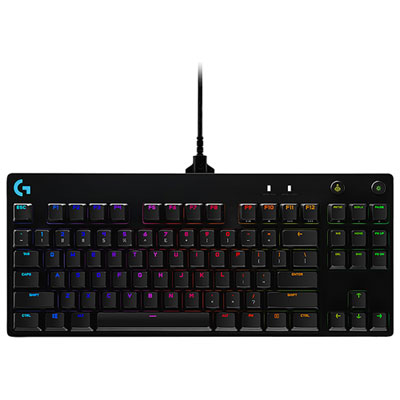 Your price for this item is $149.99
 -
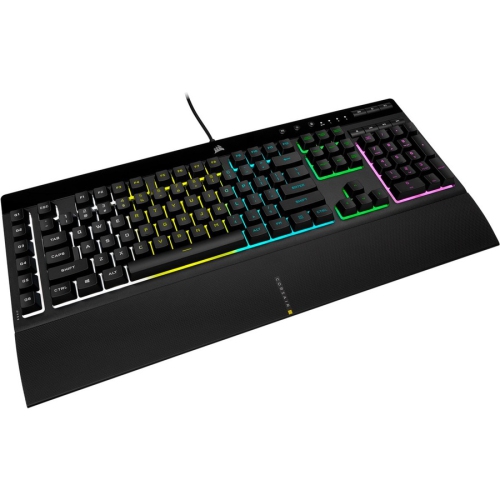 Your price for this item is $124
 -
 Your price for this item is $94.99
Discover more categories related to Portable Mechanical Keyboards
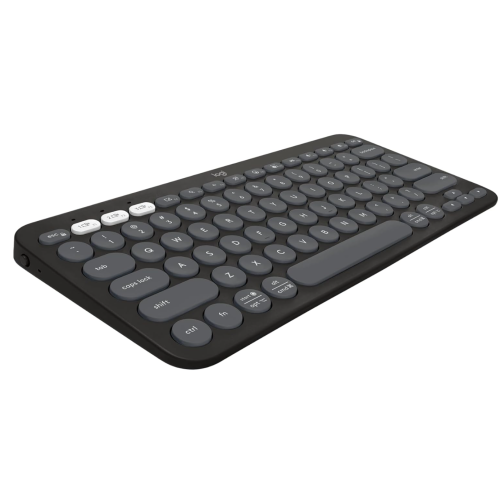
Top Collections:
Pokemon Centers, Kindle Devices, Best Budget Office Chairs, Apple iPhones 16, Best Laptops for Writers, iPhone 15 Apple, Canon G7X Cameras, Refurbished Apple Laptops, Alarm Clock, Motorola Razr Phones
Some products may be subject to Environmental Handling Fees
(EHF) depending on your province.
Learn more about EHFs.