Protective Films
Shield your devices with the ultimate safeguard by exploring our range of protective films. Whether you're looking to preserve the pristine condition of your smartphone, tablet, or laptop screen, these films offer an extra layer of defense against scratches, smudges, and everyday wear and tear. Designed to maintain clarity and touch sensitivity, protective films ensure that your screens remain as vibrant and responsive as the day you bought them. Discover options tailored for a variety of devices, providing peace of mind and extending the life of your valuable electronics.
Sort
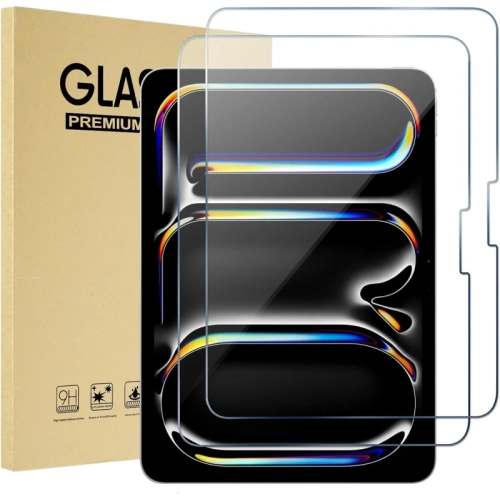
![SUPERSHIELD [] Apple Ipad Air 2 Tempered Glass Lcd Screen Protector Anti Scratch Film, Bubble Free Film Guard Ipad Air2 [2 Pack]](https://multimedia.bbycastatic.ca/multimedia/products/500x500/162/16283/16283078.jpeg)
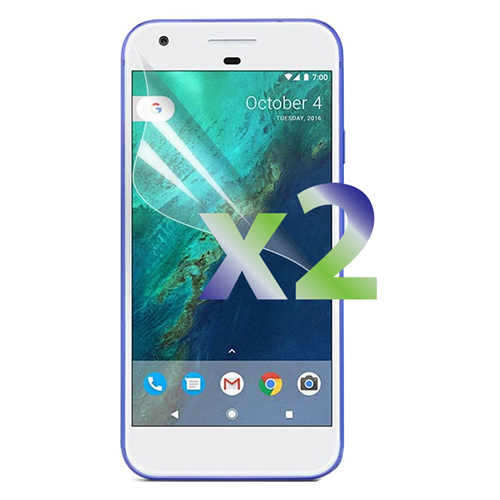
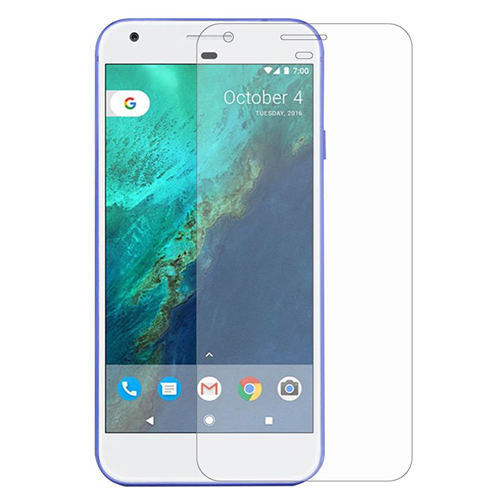
![SUPERSHIELD [2 Pack] Hydrogel Screen Protector for Samsung Galaxy S23 Ultra 5G Full Coverage Soft Tpu Protective Film, Anti-Glare HD Ultra Clear](https://multimedia.bbycastatic.ca/multimedia/products/500x500/166/16677/16677325.jpeg)

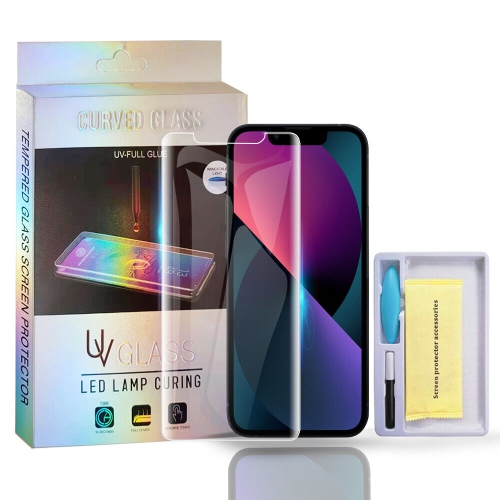
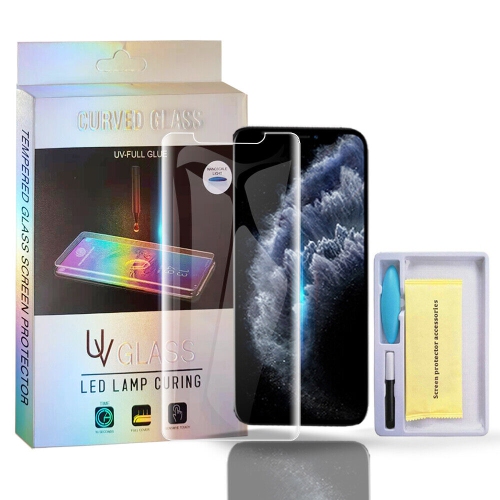
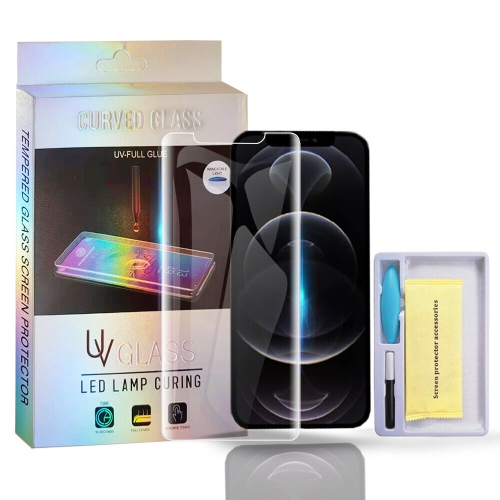
![SUPERSHIELD 2PCs Hydrogel Film Screen Protector for Google Pixel 8 Pro (6.7 Inch), Soft Tpu [Clear HD] Protective Screen Protector Film (Not Glass](https://multimedia.bbycastatic.ca/multimedia/products/500x500/176/17651/17651427.jpeg)
![GENERIC Screen Protector [3-Pack] for Iphone 15 Pro Max 6.7-Inch, Tempered Glass Film Screen Protector, 0.33Mm](https://multimedia.bbycastatic.ca/multimedia/products/500x500/174/17482/17482151.jpeg)
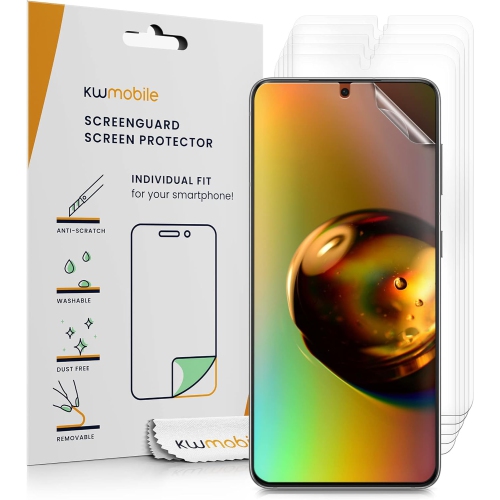

![SUPERSHIELD [2 Pack] Google Pixel 7 Hydrogel Plastic Screen Protector Film Guard - Case Friendly](https://multimedia.bbycastatic.ca/multimedia/products/500x500/171/17166/17166917.jpeg)
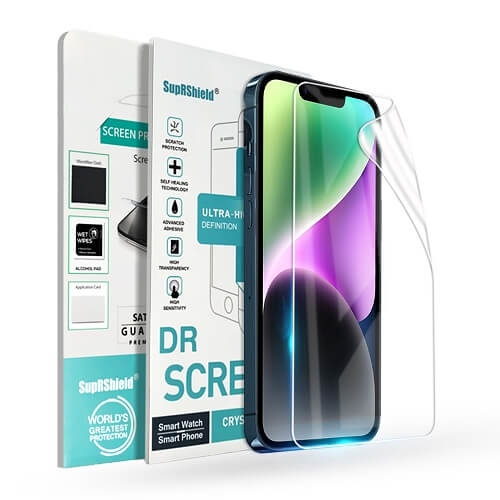
![SUPERSHIELD -2 Pack Screen Protector for Samsung Galaxy S22 5G Tempered Glass [HD Full Coverage] [Easy Installation] Scratch Resistant 9H Hardness](https://multimedia.bbycastatic.ca/multimedia/products/500x500/161/16179/16179632.jpeg)
![SUPERSHIELD [2 Pack] Apple Iphone Se 2020/2022 Hydrogel Plastic Screen Protector Film Guard - Case Friendly](https://multimedia.bbycastatic.ca/multimedia/products/500x500/165/16596/16596434.jpeg)
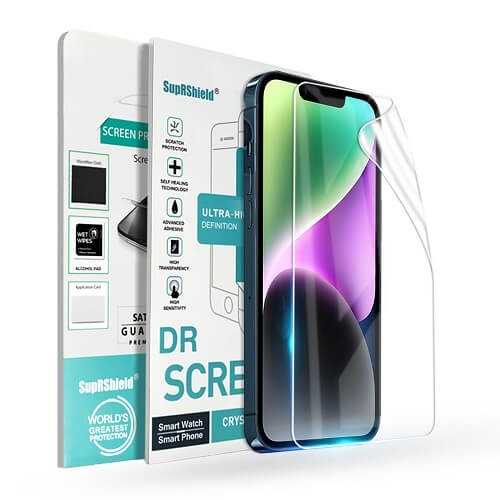
![SUPERSHIELD [2 Pack] Apple Iphone X / Xs Hydrogel Plastic Screen Protector Film Guard - Case Friendly](https://multimedia.bbycastatic.ca/multimedia/products/500x500/165/16592/16592339.jpeg)
![SUPERSHIELD [2 Pack] Apple Iphone 7 / 8 Hydrogel Plastic Screen Protector Film Guard - Case Friendly](https://multimedia.bbycastatic.ca/multimedia/products/500x500/165/16592/16592338.jpeg)
![SUPERSHIELD [2 Pack] Apple Iphone 7 Plus / Iphone 8 Plus Hydrogel Plastic Screen Protector Film Guard - Case Friendly](https://multimedia.bbycastatic.ca/multimedia/products/500x500/165/16592/16592337.jpeg)
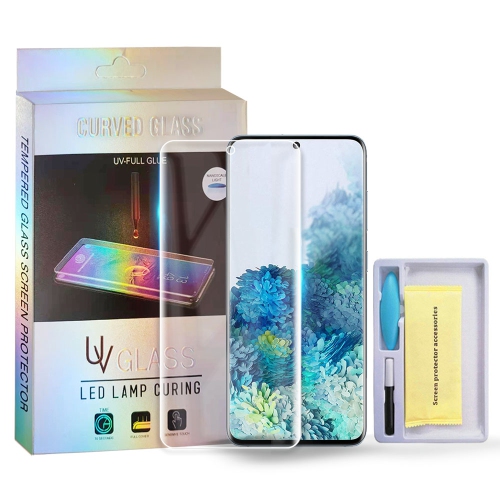
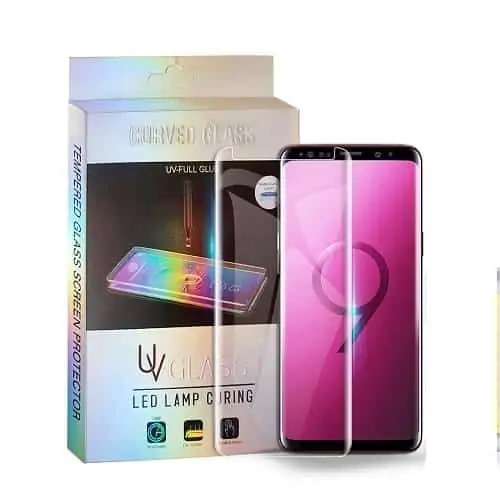

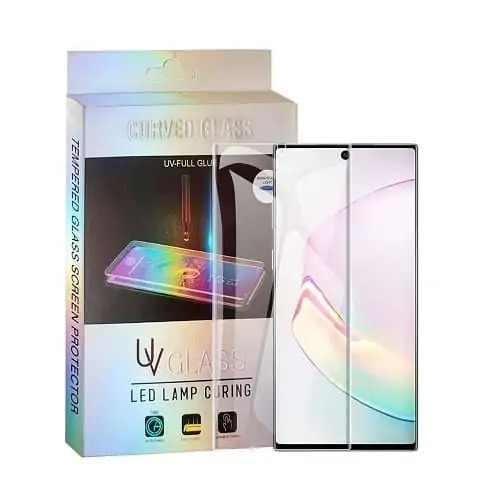
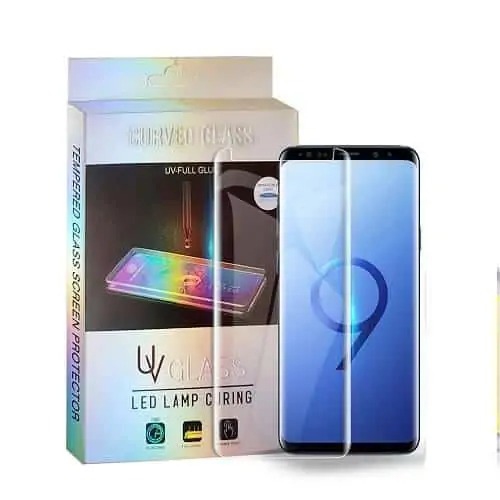
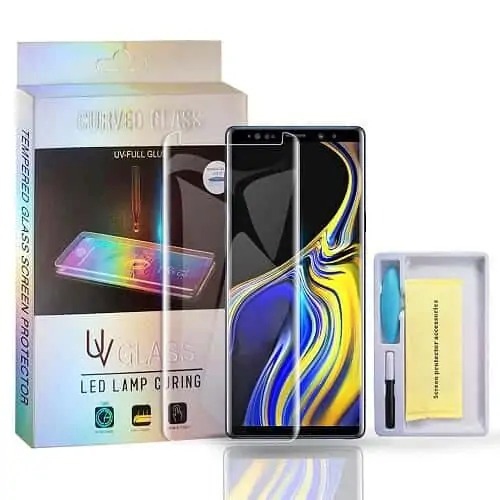
![SUPERSHIELD -2 Pack Screen Protector for Samsung Galaxy A21 Tempered Glass [HD Full Coverage] [Easy Installation] Scratch Resistant 9H Hardness](https://multimedia.bbycastatic.ca/multimedia/products/500x500/166/16616/16616045.jpeg)
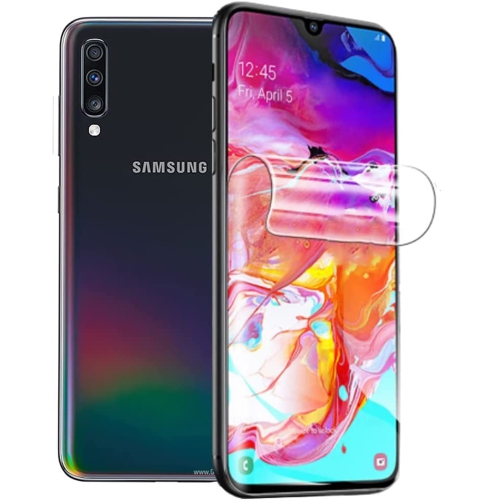
![SUPERSHIELD -2 Pack Screen Protector for Samsung Galaxy A20S Tempered Glass [HD Full Coverage] [Easy Installation] Scratch Resistant 9H Hardness](https://multimedia.bbycastatic.ca/multimedia/products/500x500/166/16616/16616043.jpeg)
![SUPERSHIELD -2 Pack Screen Protector for Samsung Galaxy A52S Tempered Glass [HD Full Coverage] [Easy Installation] Scratch Resistant 9H Hardness](https://multimedia.bbycastatic.ca/multimedia/products/500x500/166/16616/16616042.jpeg)
![SUPERSHIELD -2 Pack Screen Protector for Samsung Galaxy A21 Tempered Glass [HD Full Coverage] [Easy Installation] Scratch Resistant 9H Hardness](https://multimedia.bbycastatic.ca/multimedia/products/500x500/166/16616/16616048.jpeg)
![SUPERSHIELD -2 Pack Screen Protector for Samsung Galaxy A01 Tempered Glass [HD Full Coverage] [Easy Installation] Scratch Resistant 9H Hardness](https://multimedia.bbycastatic.ca/multimedia/products/500x500/166/16616/16616047.jpeg)
![SUPERSHIELD -2 Pack Screen Protector for Samsung Galaxy A02S Tempered Glass [HD Full Coverage] [Easy Installation] Scratch Resistant 9H Hardness](https://multimedia.bbycastatic.ca/multimedia/products/500x500/166/16616/16616046.jpeg)
![SUPERSHIELD -2 Pack Screen Protector for Samsung Galaxy A33 5G Tempered Glass [HD Full Coverage] [Easy Installation] Scratch Resistant 9H Hardness](https://multimedia.bbycastatic.ca/multimedia/products/500x500/166/16616/16616041.jpeg)
![SUPERSHIELD -2 Pack Screen Protector for Samsung Galaxy A42 Tempered Glass [HD Full Coverage] [Easy Installation] Scratch Resistant 9H Hardness](https://multimedia.bbycastatic.ca/multimedia/products/500x500/166/16616/16616040.jpeg)
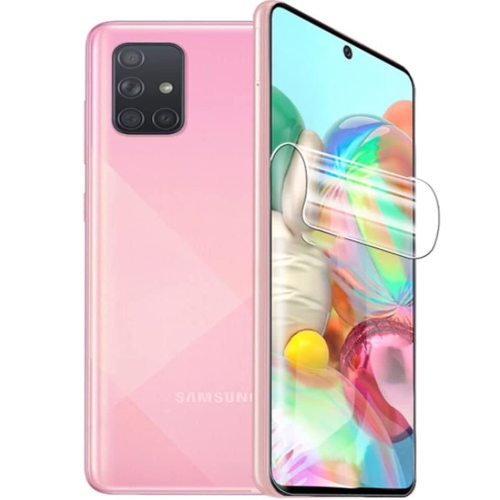
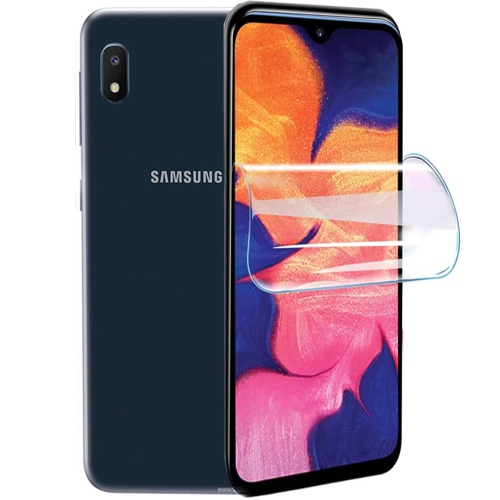

![SUPERSHIELD 2PCs Hydrogel Film Screen Protector for Google Pixel 7A (6.1 Inch), Soft Tpu [Clear HD] Protective Screen Protector Film (Not Glass Film)](https://multimedia.bbycastatic.ca/multimedia/products/500x500/176/17651/17651421.jpeg)
![GENERIC [2+3 Pack] Screen Protector for Iphone 14 Pro With 3 Pack Tempered Glass Screen Protective Film And 2 Pack](https://multimedia.bbycastatic.ca/multimedia/products/500x500/174/17485/17485284.jpeg)
![DOME GLASS Whitestone Premium Film Screen Protector for Galaxy Z Flip 4 [Anti-Shock, Self Healing Epu Film] - 1 Pack](https://multimedia.bbycastatic.ca/multimedia/products/500x500/177/17724/17724201.jpeg)
![DOME GLASS Whitestone Premium Film Screen Protector for Galaxy Z Fold 4 [Anti-Shock, Self Healing Epu Film] - 1 Pack](https://multimedia.bbycastatic.ca/multimedia/products/500x500/177/17724/17724209.jpeg)
![DOME GLASS Whitestone Premium Film Screen Protector for Galaxy Z Flip 3 [Anti-Shock, Self Healing Epu Film] - 1 Pack](https://multimedia.bbycastatic.ca/multimedia/products/500x500/177/17724/17724211.jpeg)
![SUPERSHIELD [2 Pack] Google Pixel 7 Pro Hydrogel Plastic Screen Protector Film Guard - Case Friendly](https://multimedia.bbycastatic.ca/multimedia/products/500x500/171/17166/17166916.jpeg)
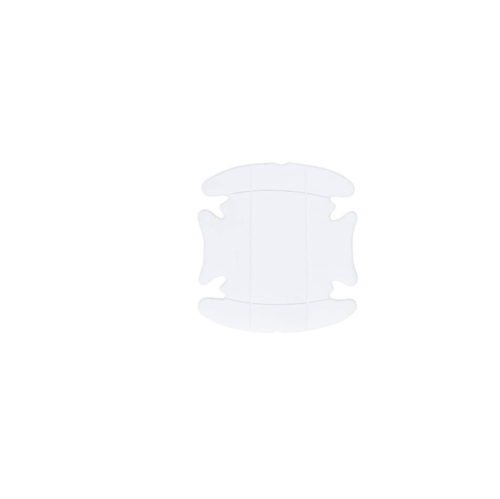
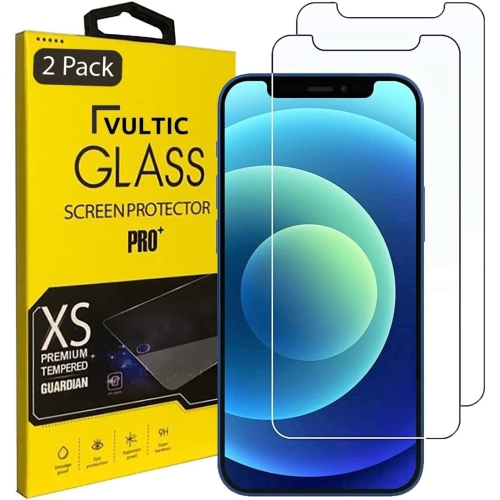
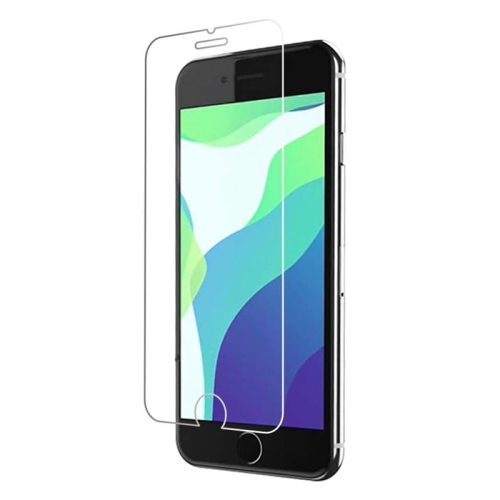
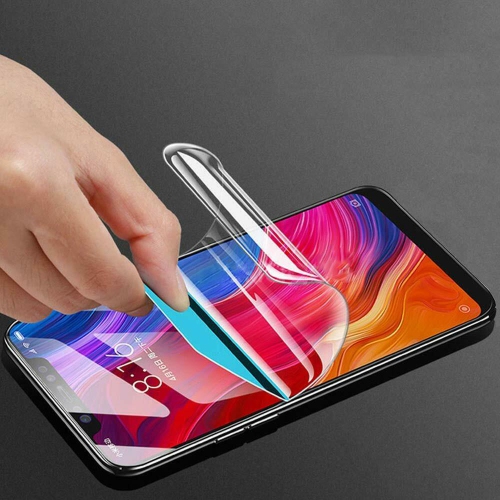
![SUPERSHIELD -2 Pack Screen Protector for Samsung Galaxy A20 Tempered Glass [HD Full Coverage] [Easy Installation] Scratch Resistant 9H Hardness](https://multimedia.bbycastatic.ca/multimedia/products/500x500/162/16283/16283181.jpeg)
![SUPERSHIELD -2 Pack Screen Protector for Samsung Galaxy A51 Tempered Glass [HD Full Coverage] [Easy Installation] Scratch Resistant 9H Hardness](https://multimedia.bbycastatic.ca/multimedia/products/500x500/162/16283/16283183.jpeg)
![SUPERSHIELD -2 Pack Screen Protector for Samsung Galaxy A70 Tempered Glass [HD Full Coverage] [Easy Installation] Scratch Resistant 9H Hardness](https://multimedia.bbycastatic.ca/multimedia/products/500x500/162/16283/16283103.png)
![SUPERSHIELD [] Apple Ipad Air 1 Tempered Glass Lcd Screen Protector Anti Scratch Film, Bubble Free Film Guard Ipad Air1 [2 Pack]](https://multimedia.bbycastatic.ca/multimedia/products/500x500/162/16283/16283700.jpeg)
![SUPERSHIELD -2 Pack Screen Protector for Samsung Galaxy A20 Tempered Glass [HD Full Coverage] [Easy Installation] Scratch Resistant 9H Hardness](https://multimedia.bbycastatic.ca/multimedia/products/500x500/162/16283/16283724.png)
![SUPERSHIELD -2 Pack Screen Protector for Samsung Galaxy A50 Tempered Glass [HD Full Coverage] [Easy Installation] Scratch Resistant 9H Hardness](https://multimedia.bbycastatic.ca/multimedia/products/500x500/162/16283/16283723.png)
![SUPERSHIELD [Suprshield] Apple Ipad Mini 4 4Th 5 5Th Generation Tempered Glass Lcd Screen Protector Anti Scratch Film, Bubble Free Film Guard Ipad](https://multimedia.bbycastatic.ca/multimedia/products/500x500/162/16282/16282823.jpeg)
![SUPERSHIELD [Suprshield] Apple Ipad Mini 4 4Th 5 5Th Generation Tempered Glass Lcd Screen Protector Anti Scratch Film, Bubble Free Film Guard Ipad](https://multimedia.bbycastatic.ca/multimedia/products/500x500/162/16282/16282827.jpeg)
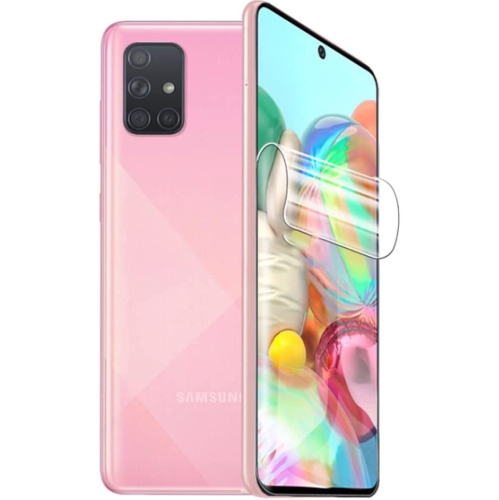
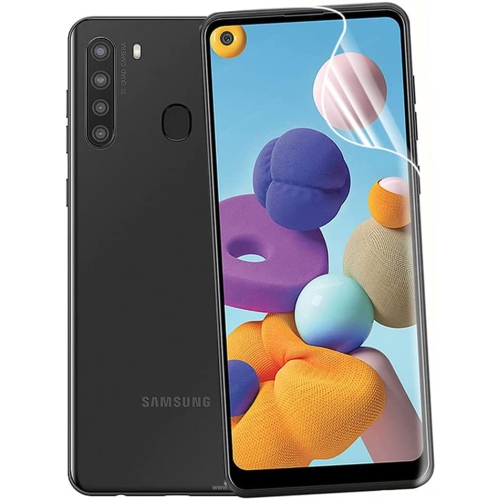
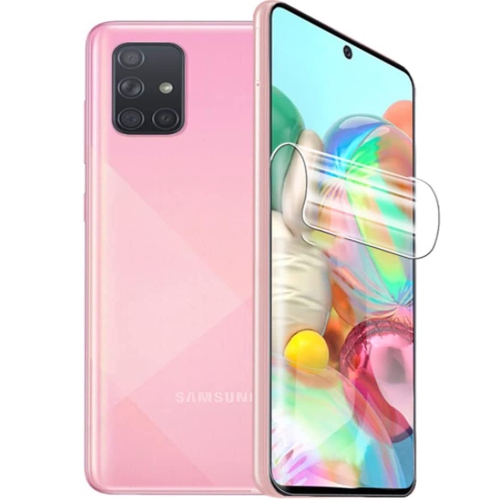
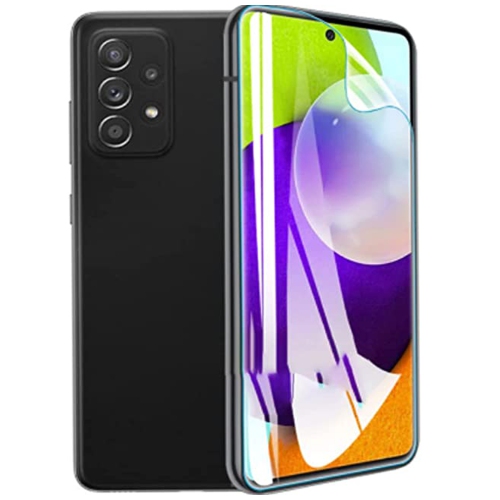
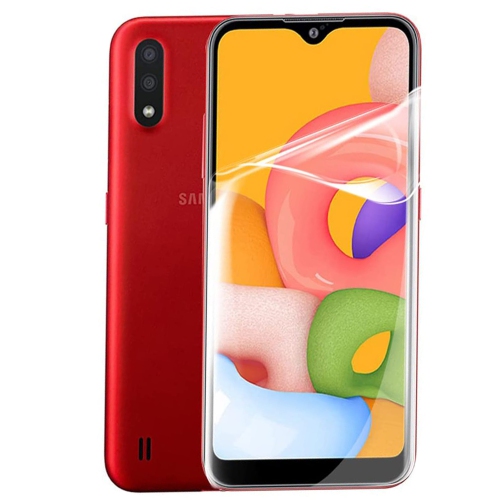
![SUPERSHIELD [2 Pack] Google Pixel 4 Hydrogel Plastic Screen Protector Film Guard - Case Friendly](https://multimedia.bbycastatic.ca/multimedia/products/500x500/165/16581/16581794.jpeg)
![SUPERSHIELD [2 Pack] Google Pixel 4 Xl Hydrogel Plastic Screen Protector Film Guard - Case Friendly](https://multimedia.bbycastatic.ca/multimedia/products/500x500/165/16592/16592055.jpeg)
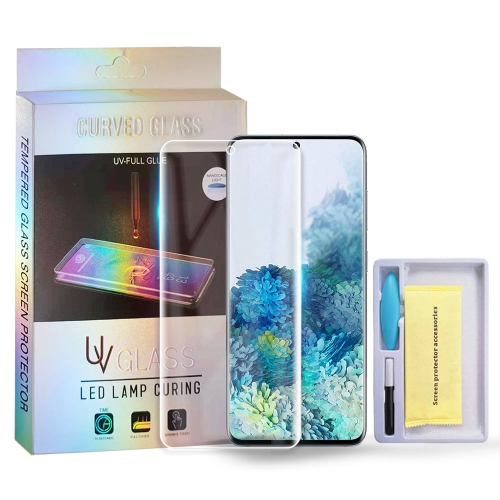

![SUPERSHIELD [Suprshield] Apple Ipad Air 1 Tempered Glass Lcd Screen Protector Anti Scratch Film, Bubble Free Film Guard Ipad Air1 [1 Pack]](https://multimedia.bbycastatic.ca/multimedia/products/500x500/162/16283/16283030.jpeg)
![SUPERSHIELD [1 Pack] Apple Ipad 2 / 3 / 4 Tempered Glass Lcd Screen Protector Film Guard](https://multimedia.bbycastatic.ca/multimedia/products/500x500/162/16283/16283072.jpeg)
![SUPERSHIELD [2 Pack] Apple Ipad 2 / 3 / 4 Tempered Glass Lcd Screen Protector Film Guard](https://multimedia.bbycastatic.ca/multimedia/products/500x500/162/16283/16283071.jpeg)
![SUPERSHIELD -2 Pack Screen Protector for Samsung Galaxy A21S Tempered Glass [HD Full Coverage] [Easy Installation] Scratch Resistant 9H Hardness](https://multimedia.bbycastatic.ca/multimedia/products/500x500/162/16283/16283096.png)
![SUPERSHIELD [Suprshield] Apple Ipad Air 2 Tempered Glass Lcd Screen Protector Anti Scratch Film, Bubble Free Film Guard Ipad Air2 [1 Pack]](https://multimedia.bbycastatic.ca/multimedia/products/500x500/162/16283/16283080.jpeg)
![SUPERSHIELD [3 Pack] Apple Iphone 12 Pro Suprshield Hydrogel Full Coverage Screen Protector Film Guard](https://multimedia.bbycastatic.ca/multimedia/products/500x500/161/16179/16179587.jpeg)

![SUPERSHIELD [2 Pack] Apple Iphone 12 Mini Hydrogel Plastic Screen Protector Film Guard - Case Friendly](https://multimedia.bbycastatic.ca/multimedia/products/500x500/165/16596/16596442.jpeg)
![SUPERSHIELD [2 Pack] Apple Iphone Xs Max Hydrogel Plastic Screen Protector Film Guard - Case Friendly](https://multimedia.bbycastatic.ca/multimedia/products/500x500/165/16596/16596431.jpeg)
![SUPERSHIELD [2 Pack] Screen Protector for Ipad Pro 11 M2 2022/ipad Air 5Th/ipad Air 4Th Gen 10.9 Inch, Ipad Air4/ipad Air5/ipad Pro 11 Tempered Glass](https://multimedia.bbycastatic.ca/multimedia/products/500x500/166/16620/16620823.jpeg)
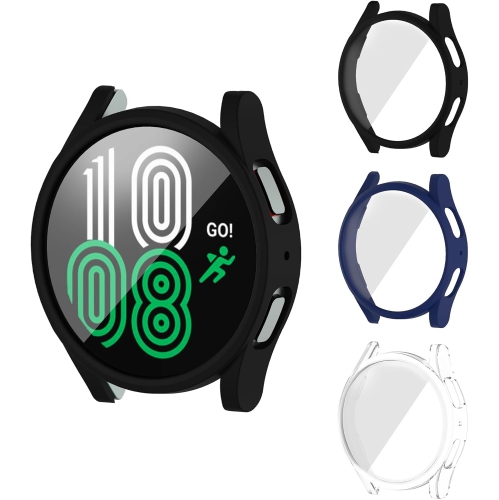
![XCRS [2 Pack] Tempered Glass Screen Protector for Ipad Pro 13 Inch (M4) / Ipad Air 13 Inch 2025 / 2024 - Protective Film Guard](https://multimedia.bbycastatic.ca/multimedia/products/500x500/193/19352/19352037.jpeg)
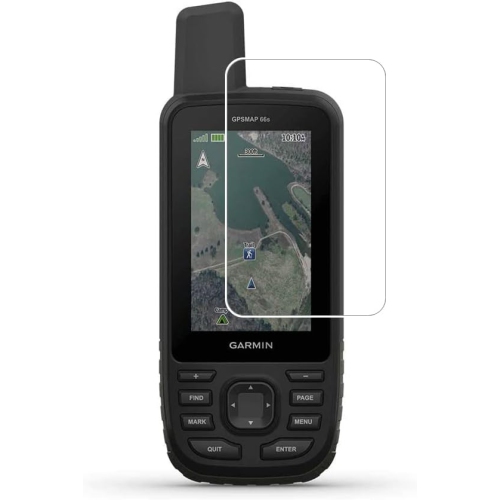
![CC Topsave [2 Individual] Camera Lens Protector Designed for Iphone 13/13 Mini, Tempe Glass Film, Aluminum Alloy Lens Protective Cover In Red](https://multimedia.bbycastatic.ca/multimedia/products/500x500/137/13796/13796875.jpeg)
![CC Topsave [3 Individual] Camera Lens Protector Designed for Iphone 13 Pro/13 Pro Max, Tempered Glass Film, Aluminum Alloy Lens Protective Cover](https://multimedia.bbycastatic.ca/multimedia/products/500x500/142/14208/14208448.jpeg)

![CC Topsave [3 Individual] Camera Lens Protector Designed for Iphone 13 Pro/13 Pro Max, Tempered Glass Film, Aluminum Alloy Lens Protective Cover](https://multimedia.bbycastatic.ca/multimedia/products/500x500/137/13796/13796876.jpeg)
![CC Topsave [3 Individual] Camera Lens Protector Designed for Iphone 13 Pro/13 Pro Max, Tempered Glass Film, Aluminum Alloy Lens Protective Cover](https://multimedia.bbycastatic.ca/multimedia/products/500x500/137/13796/13796872.jpeg)
![CC Topsave [3 Individual] Camera Lens Protector Designed for Iphone 13 Pro/13 Pro Max, Tempered Glass Film, Aluminum Alloy Lens Protective Cover](https://multimedia.bbycastatic.ca/multimedia/products/500x500/137/13796/13796890.jpeg)
![CC Topsave [3 Individual] Camera Lens Protector Designed for Iphone 13 Pro/13 Pro Max, Tempered Glass Film, Aluminum Alloy Lens Protective Cover](https://multimedia.bbycastatic.ca/multimedia/products/500x500/142/14208/14208455.jpeg)
![CC Topsave [2 Individual] Camera Lens Protector Designed for Iphone 13/13 Mini, Tempered Glass Film, Aluminum Alloy Lens Protective Cover In Green](https://multimedia.bbycastatic.ca/multimedia/products/500x500/142/14208/14208440.jpeg)
![CC Topsave [2 Individual] Camera Lens Protector Designed for Iphone 13/13 Mini, Tempered Glass Film, Aluminum Alloy Lens Protective Cover In Black](https://multimedia.bbycastatic.ca/multimedia/products/500x500/142/14208/14208434.jpeg)

Why the right film depends on the surface
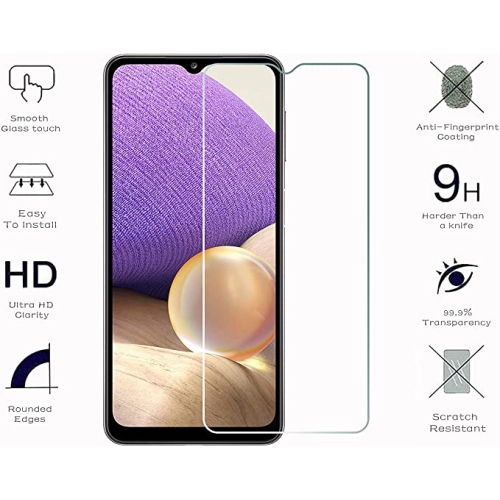
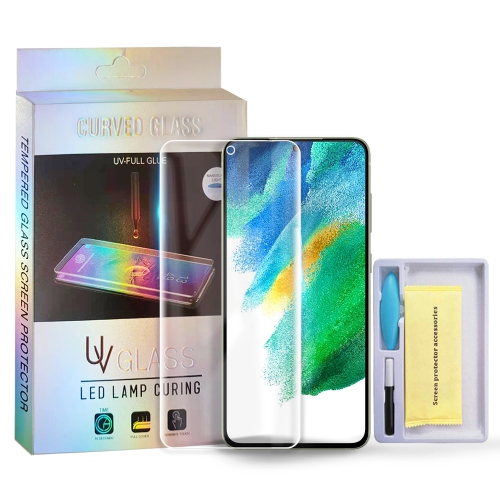
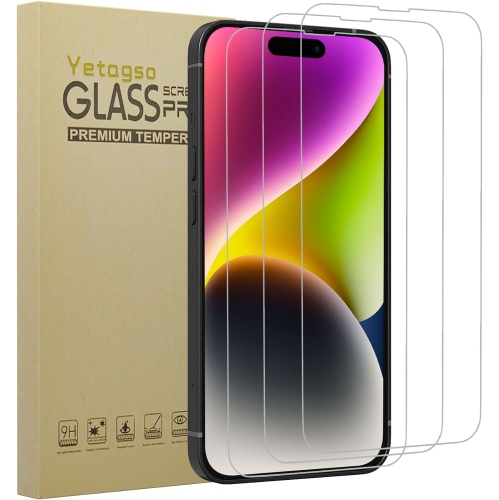
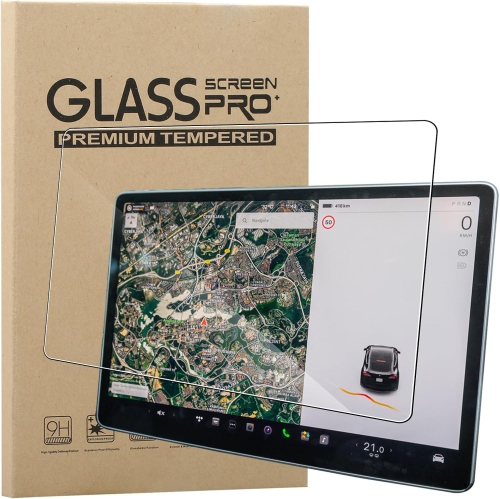
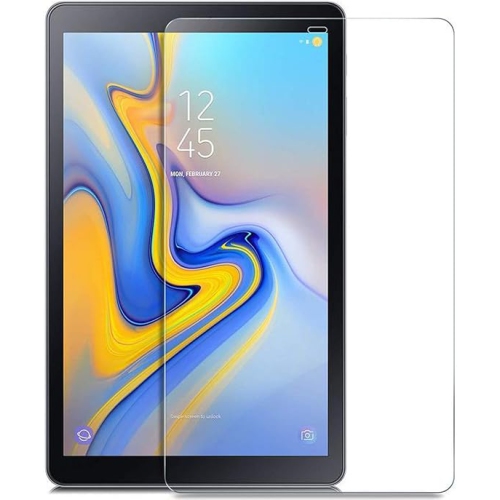
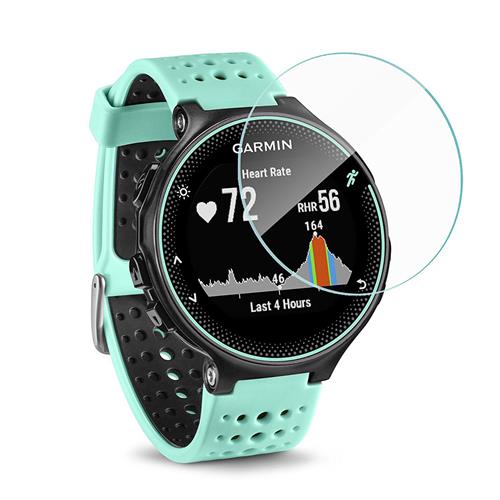
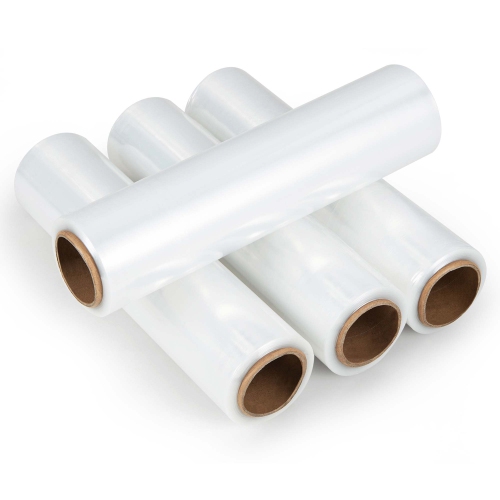
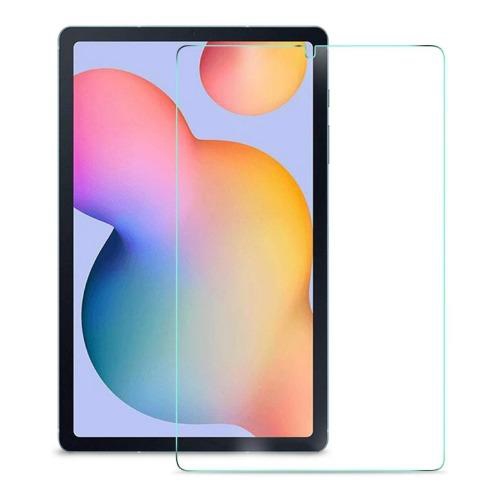
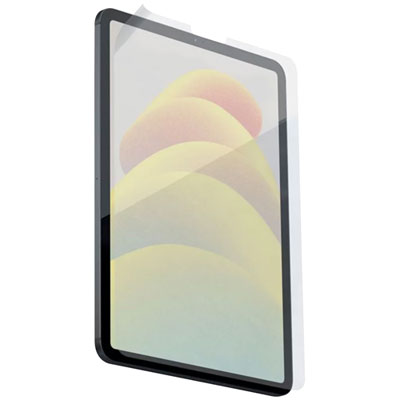
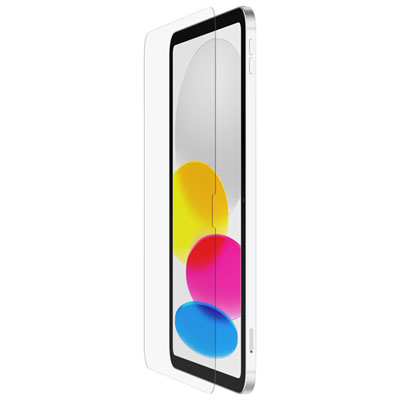
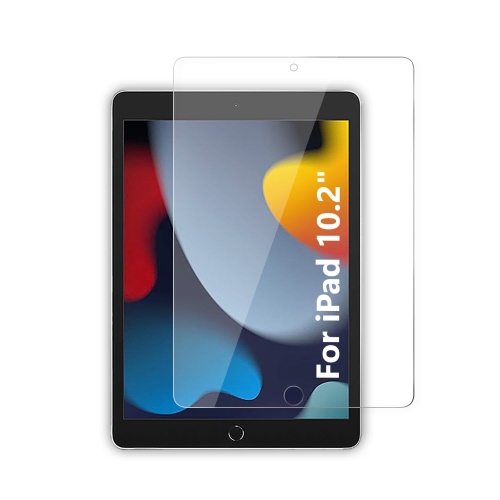
Protective films are thin layers of material placed over a surface to help shield it from scratches, scuffs, dirt, and everyday handling. Their purpose varies with the material and application: a film fitted to a phone display protects a frequently touched screen, while a sheet applied to a finished panel can help keep that surface clean during transport or assembly. Some films are designed to remain in place through daily use; others provide temporary coverage and must be removed within a specified period. Clear finishes leave the underlying colour, texture, or display visible, making them useful when protection should be unobtrusive. Matte finishes can soften reflections, although they may also change the appearance of fine details on a screen. Common materials include polyethylene terephthalate, often called PET, which provides a thin, relatively firm layer, and thermoplastic polyurethane, or TPU, which is more flexible and can suit certain curved surfaces. Polyethylene is also used for temporary surface protection and heavier barrier applications. These materials are not interchangeable, even when they look similar on a roll or backing sheet. A film intended for glass may not adhere properly to textured plastic, and an adhesive suitable for a durable factory finish may damage fresh paint or a delicate coating. Tempered glass screen protectors serve a related purpose but are rigid protectors rather than flexible plastic films. For electronic displays, protective films are generally most useful against light abrasion and contact marks; they do not make a device shatterproof or replace the cushioning of a well-fitted case. A phone carried beside keys, a tablet passed between family members, or a touchscreen used throughout a workday each faces a different pattern of wear. The most suitable protection matches that pattern without getting in the way of the controls, visibility, or feel that make the device comfortable to use.
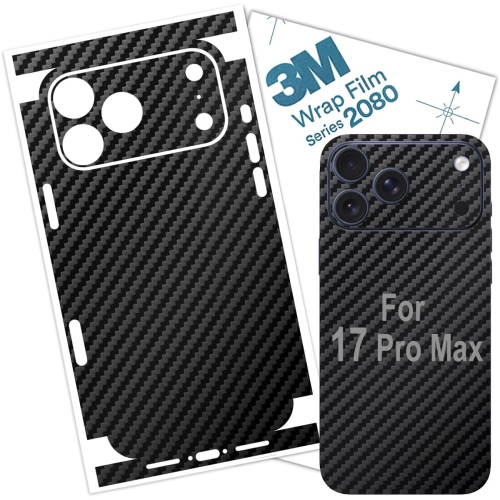
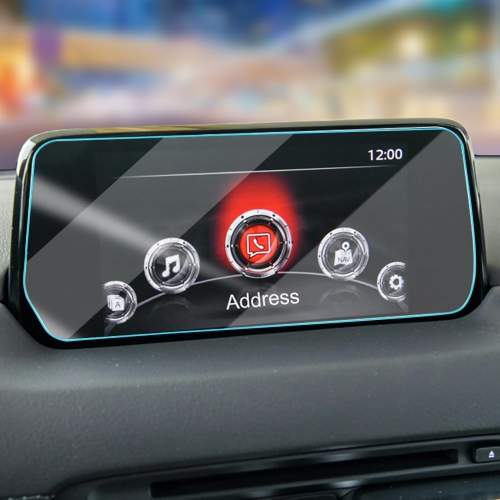
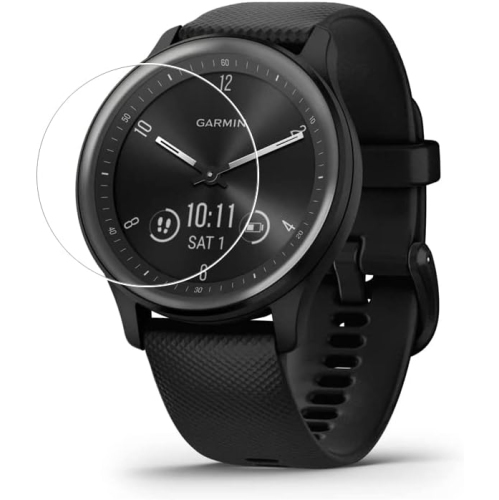
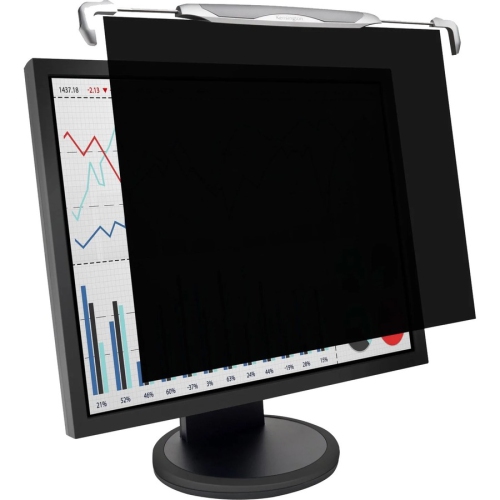
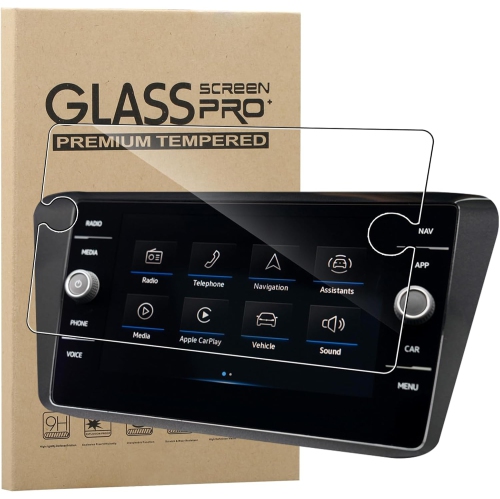
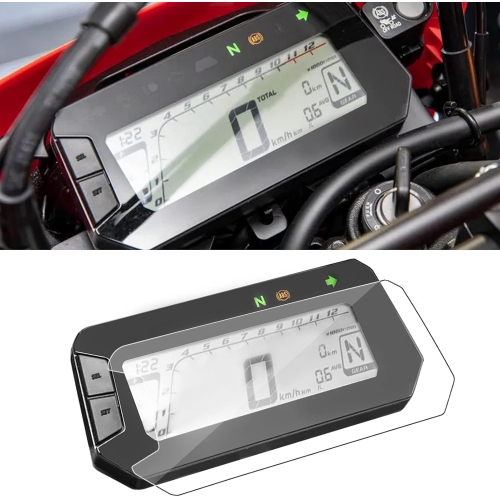
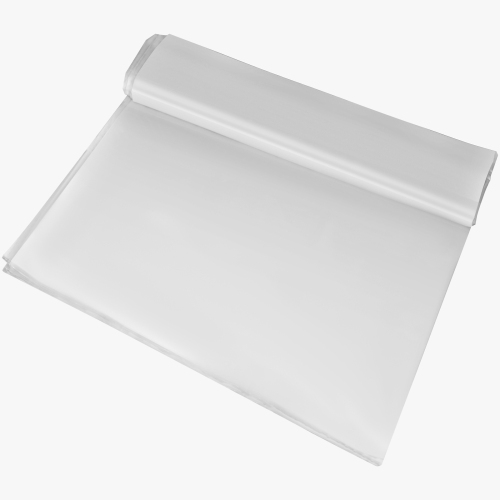
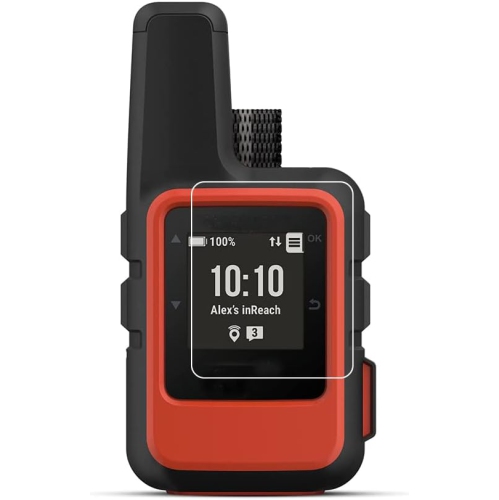
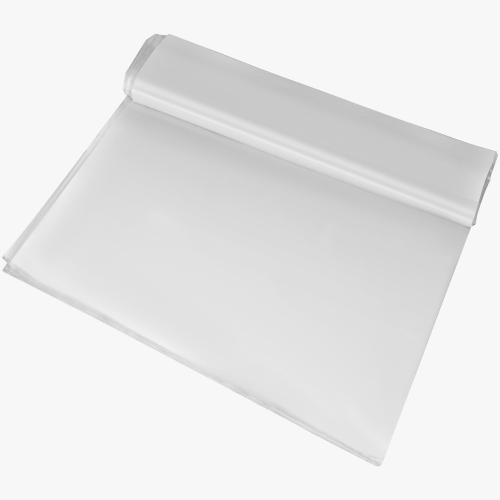
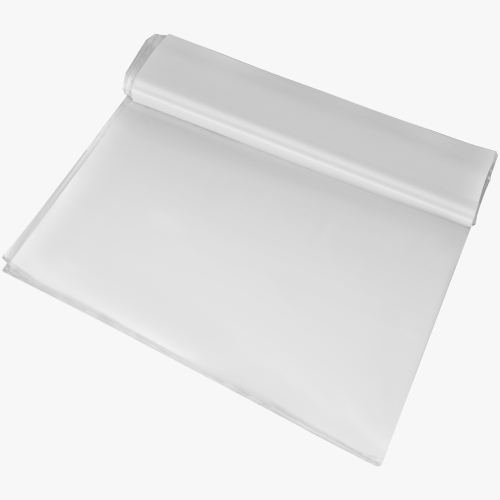
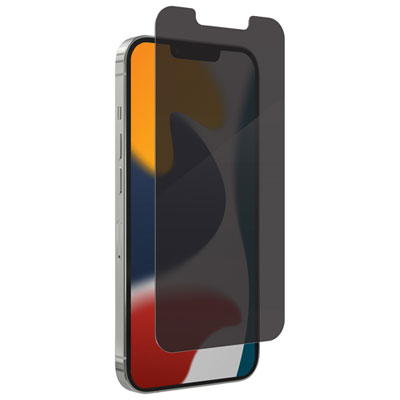
Fit has a direct effect on both appearance and durability. For a screen, the outline needs to match the device generation and display shape, with suitable clearance around cameras, speakers, sensors, and buttons. Two displays with the same diagonal measurement can still have different proportions, corner curves, and cut-outs. A case can also press against a film that extends too far towards the edge, causing lifting where dust and lint collect. Where supported, compatibility with fingerprint readers, touch input, and styluses matters as much as the physical dimensions. Smooth clear films tend to preserve the original feel of a display, while textured writing films introduce more resistance under a stylus and may slightly reduce perceived sharpness. Privacy films narrow the viewing angle to make a display harder to read from the side, but they can also reduce brightness and make shared viewing less convenient. Beyond screens, larger sheets and rolls offer coverage for compatible flat surfaces, with width, length, thickness, and adhesive type determining their practical use. A broad tabletop needs different coverage from a narrow trim piece, and wrapping a curved edge requires more flexibility than covering a flat panel. Adhesive-backed films bond to the surface, while static-cling versions rely on close contact with compatible smooth materials such as glass. Neither approach should be assumed suitable for every finish. Clean application helps prevent the small flaws that become noticeable later: a grain of dust can leave a raised speck, and skin oils can interfere with adhesion near an edge. Manufacturer-approved cleaning methods, a lint-free cloth, and careful alignment are especially important on glossy surfaces where trapped debris is easy to see. Some films use dry installation, while others require a specified application solution; liquid should never be introduced around an electronic device unless the installation method expressly permits it. Temporary surface films also have removal limits, since prolonged contact, heat, or sunlight can make an adhesive harder to release.
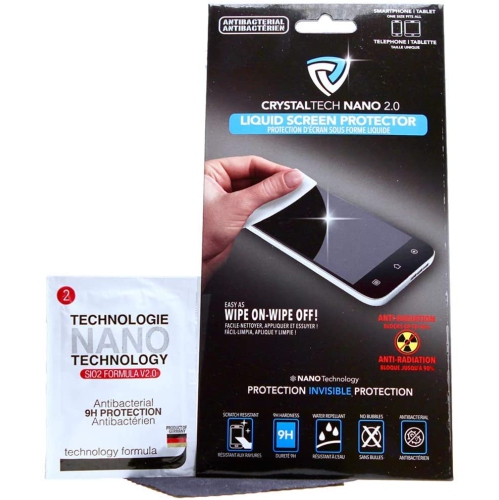
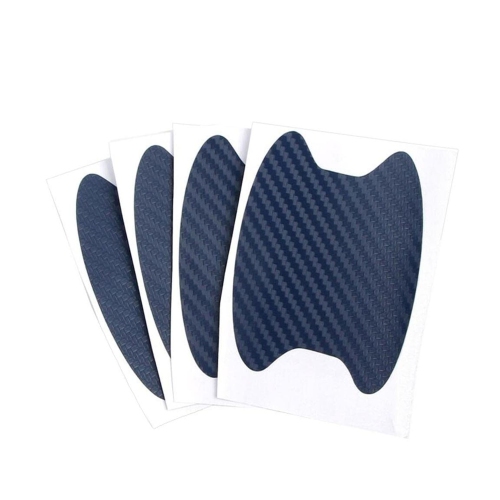
Durability depends on more than thickness alone. The film’s composition, top coating, adhesive, and exposure conditions all influence how it wears, stays clear, and releases from the protected surface. Fingerprint-resistant coatings can make smudges easier to wipe away, but they do not eliminate cleaning. A soft cloth and a compatible cleaner generally help maintain clarity without adding abrasion; rough paper, gritty cloths, and harsh solvents can mark the film or affect its coating. Edges deserve attention because a lifted corner can catch on a pocket lining or cleaning cloth and gradually peel farther back. Replacement becomes sensible when scratches interfere with visibility, adhesion weakens, or damage leaves part of the intended surface exposed. For automotive use, paint protection film is typically a transparent urethane layer designed to help resist road debris, light scratches, and staining on suitable painted areas. Some versions have a top layer that can reduce the appearance of fine surface marks with warmth, but this does not repair deep cuts, dents, or damage beneath the film. Outdoor applications need stated suitability for sunlight, temperature changes, and moisture rather than an assumption that any clear sheet will hold up outside. Heavy-duty polyethylene moisture barriers used beneath flooring belong to a different category again: their performance depends on the flooring system, material specifications, seams, and installation requirements, not on the scratch resistance associated with screen or surface films. Protective films therefore need to be matched to their actual task rather than treated as universal covers. When the main goal is to change the appearance of compatible glass or another surface, Decorative Films offer a related option, though a patterned or frosted finish should not be assumed to provide the same protection as a purpose-made protective layer. For students carrying devices between classes, commuters using touchscreens on the go, and households sharing frequently handled electronics, a correctly fitted film can help preserve a clean, comfortable surface through ordinary use. As an accessory gift, it is most practical when the recipient’s exact device and preferred screen finish are known, so the protection suits both the hardware and the way it is used.
Fit has a direct effect on both appearance and durability. For a screen, the outline needs to match the device generation and display shape, with suitable clearance around cameras, speakers, sensors, and buttons. Two displays with the same diagonal measurement can still have different proportions, corner curves, and cut-outs. A case can also press against a film that extends too far towards the edge, causing lifting where dust and lint collect. Where supported, compatibility with fingerprint readers, touch input, and styluses matters as much as the physical dimensions. Smooth clear films tend to preserve the original feel of a display, while textured writing films introduce more resistance under a stylus and may slightly reduce perceived sharpness. Privacy films narrow the viewing angle to make a display harder to read from the side, but they can also reduce brightness and make shared viewing less convenient. Beyond screens, larger sheets and rolls offer coverage for compatible flat surfaces, with width, length, thickness, and adhesive type determining their practical use. A broad tabletop needs different coverage from a narrow trim piece, and wrapping a curved edge requires more flexibility than covering a flat panel. Adhesive-backed films bond to the surface, while static-cling versions rely on close contact with compatible smooth materials such as glass. Neither approach should be assumed suitable for every finish. Clean application helps prevent the small flaws that become noticeable later: a grain of dust can leave a raised speck, and skin oils can interfere with adhesion near an edge. Manufacturer-approved cleaning methods, a lint-free cloth, and careful alignment are especially important on glossy surfaces where trapped debris is easy to see. Some films use dry installation, while others require a specified application solution; liquid should never be introduced around an electronic device unless the installation method expressly permits it. Temporary surface films also have removal limits, since prolonged contact, heat, or sunlight can make an adhesive harder to release.
Durability depends on more than thickness alone. The film’s composition, top coating, adhesive, and exposure conditions all influence how it wears, stays clear, and releases from the protected surface. Fingerprint-resistant coatings can make smudges easier to wipe away, but they do not eliminate cleaning. A soft cloth and a compatible cleaner generally help maintain clarity without adding abrasion; rough paper, gritty cloths, and harsh solvents can mark the film or affect its coating. Edges deserve attention because a lifted corner can catch on a pocket lining or cleaning cloth and gradually peel farther back. Replacement becomes sensible when scratches interfere with visibility, adhesion weakens, or damage leaves part of the intended surface exposed. For automotive use, paint protection film is typically a transparent urethane layer designed to help resist road debris, light scratches, and staining on suitable painted areas. Some versions have a top layer that can reduce the appearance of fine surface marks with warmth, but this does not repair deep cuts, dents, or damage beneath the film. Outdoor applications need stated suitability for sunlight, temperature changes, and moisture rather than an assumption that any clear sheet will hold up outside. Heavy-duty polyethylene moisture barriers used beneath flooring belong to a different category again: their performance depends on the flooring system, material specifications, seams, and installation requirements, not on the scratch resistance associated with screen or surface films. Protective films therefore need to be matched to their actual task rather than treated as universal covers. When the main goal is to change the appearance of compatible glass or another surface, Decorative Films offer a related option, though a patterned or frosted finish should not be assumed to provide the same protection as a purpose-made protective layer. For students carrying devices between classes, commuters using touchscreens on the go, and households sharing frequently handled electronics, a correctly fitted film can help preserve a clean, comfortable surface through ordinary use. As an accessory gift, it is most practical when the recipient’s exact device and preferred screen finish are known, so the protection suits both the hardware and the way it is used.
Top selling and popular products
-
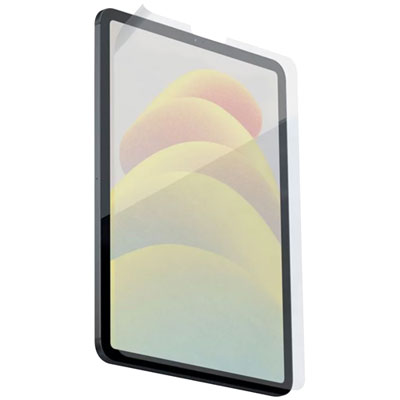 Your price for this item is $58.97
 -
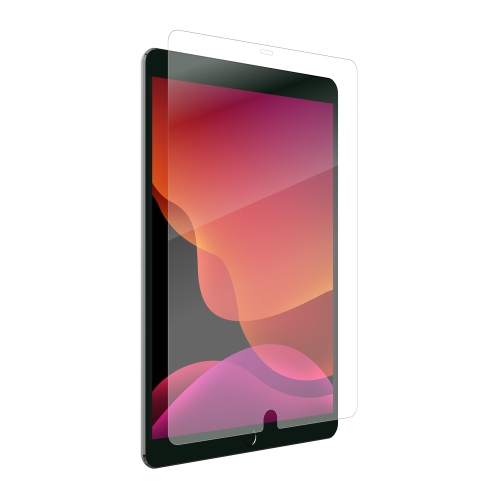 Your price for this item is $68.49
 -
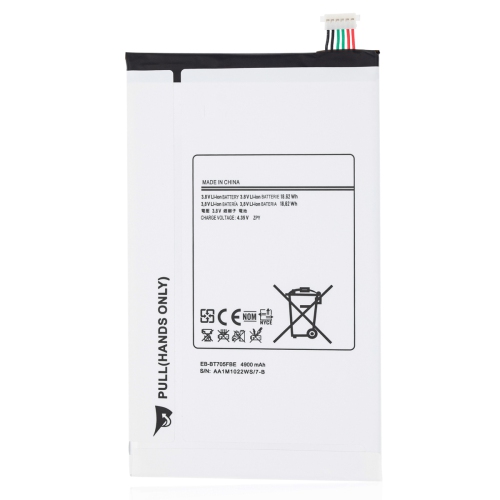 Your price for this item is $20.79
 -
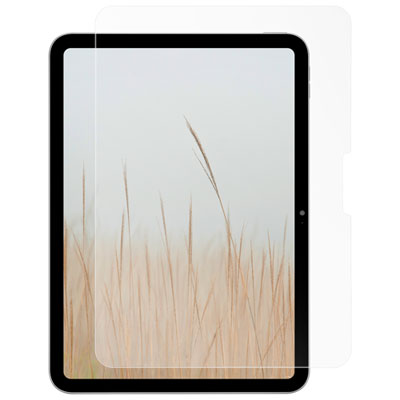 Your price for this item is $38.97
 -
 Your price for this item is $66
 -
 Your price for this item is $58.97
 -
 Your price for this item is $59.99
 -
 Your price for this item is $73
Discover more categories related to Protective Films
Top Collections:
Pokemon Centers, Kindle Devices, Best Budget Office Chairs, Apple iPhones 16, Canon G7X Cameras, iPhone 15 Apple, Alarm Clock, Refurbished Apple Laptops, Flip Phones, Best Laptops for Writers
Some products may be subject to Environmental Handling Fees
(EHF) depending on your province.
Learn more about EHFs.