Rack Systems
Looking to optimize your storage space and keep your belongings organized? Look no further than our wide selection of rack systems. Whether you need a sturdy shelving unit for your garage, a sleek display rack for your retail store, or a versatile storage solution for your warehouse, we have the perfect rack system to suit your needs. With various sizes, materials, and configurations available, you can find the ideal rack system to maximize efficiency and declutter any space. Say goodbye to messy surroundings and hello to a well-organized environment with our top-notch rack systems.
Sort
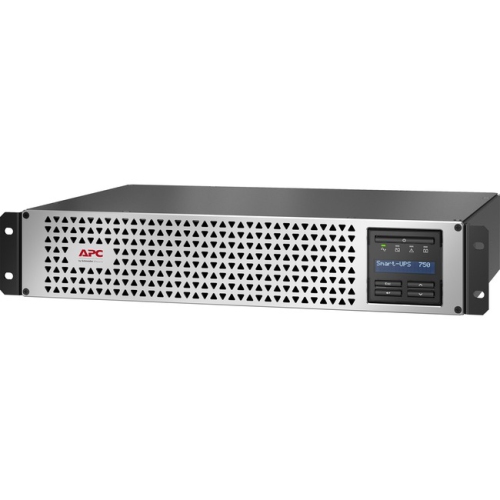
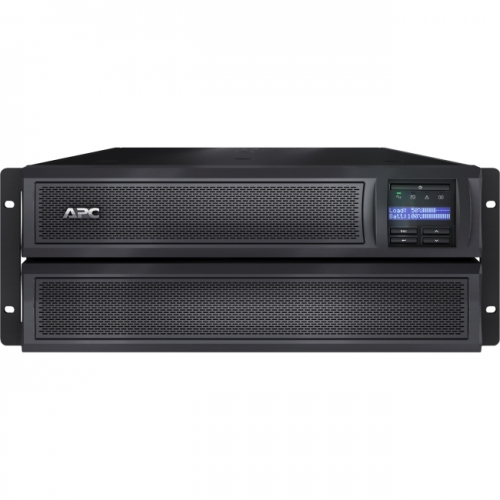
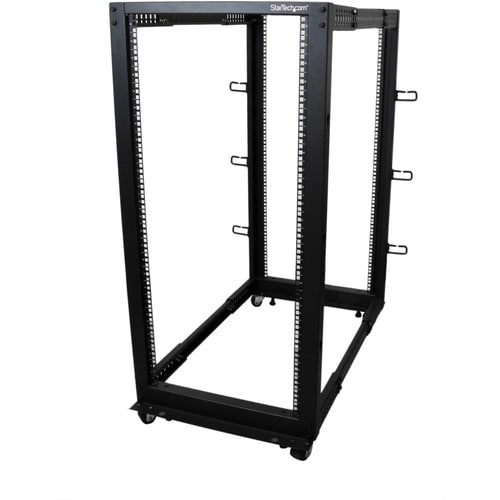

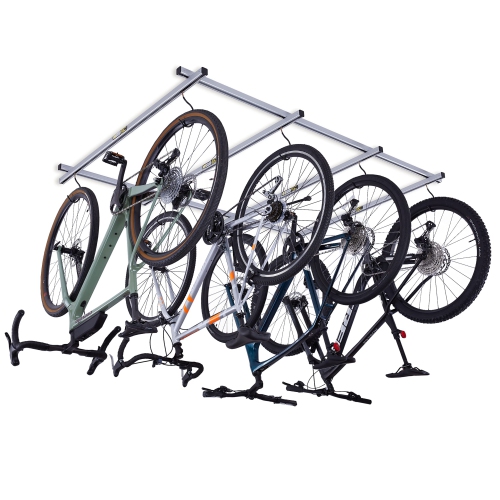
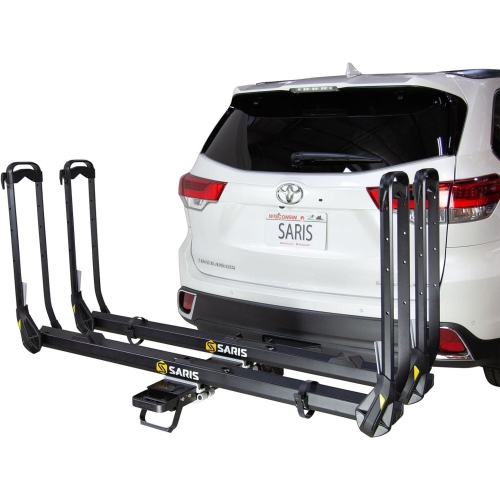
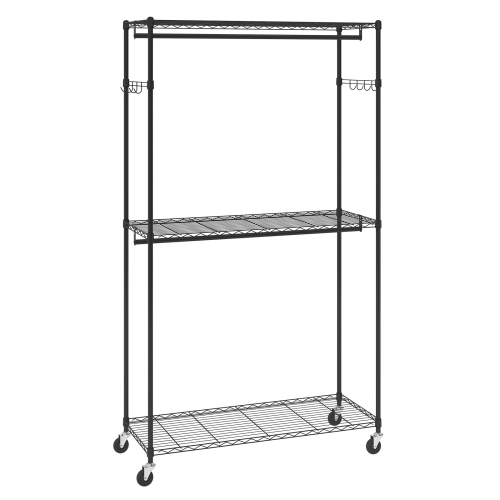
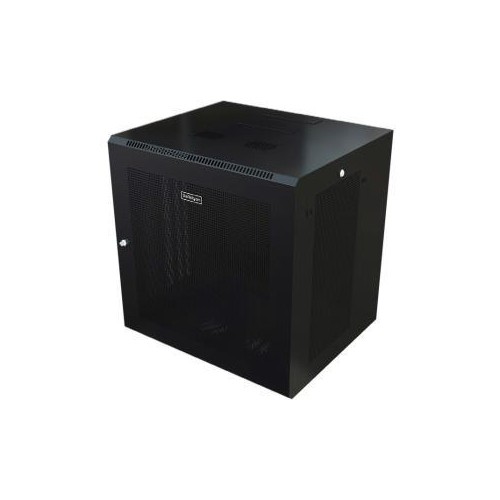



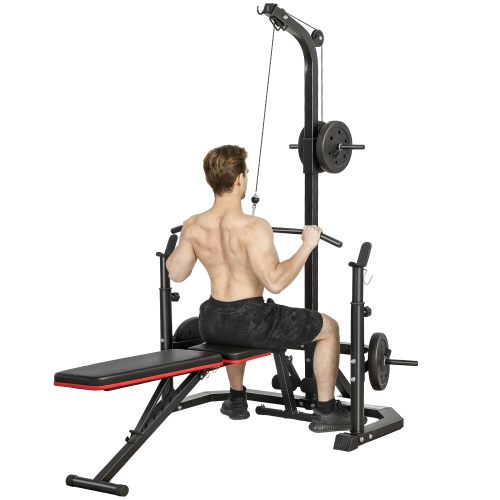
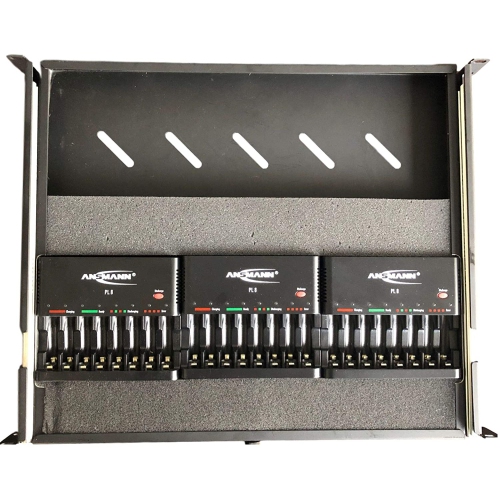

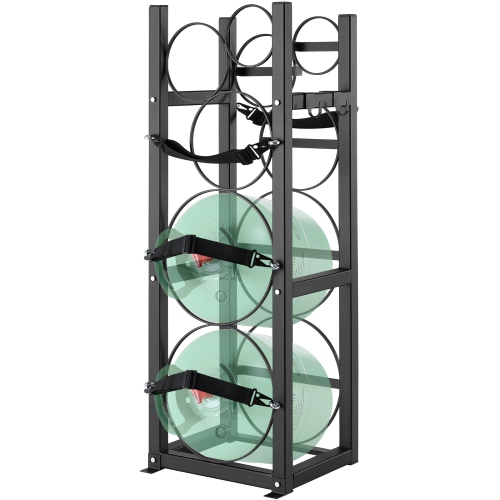
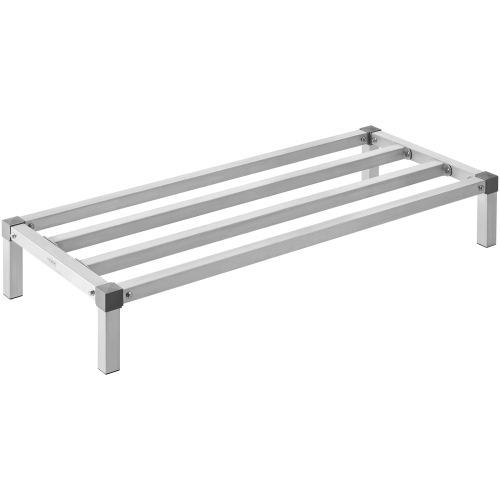
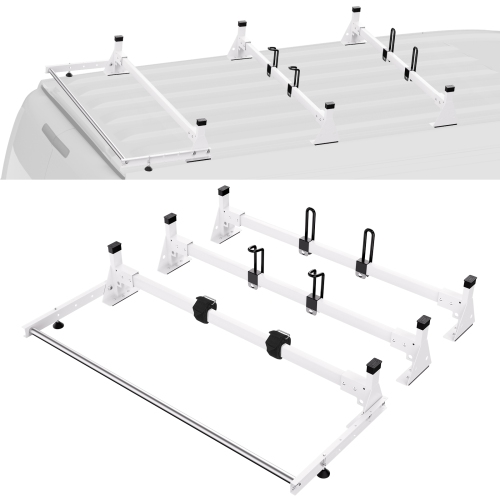
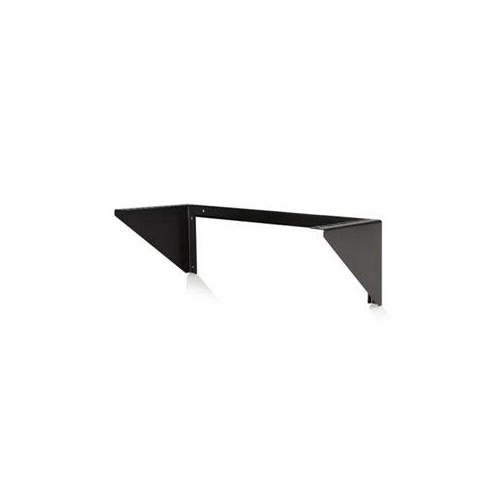
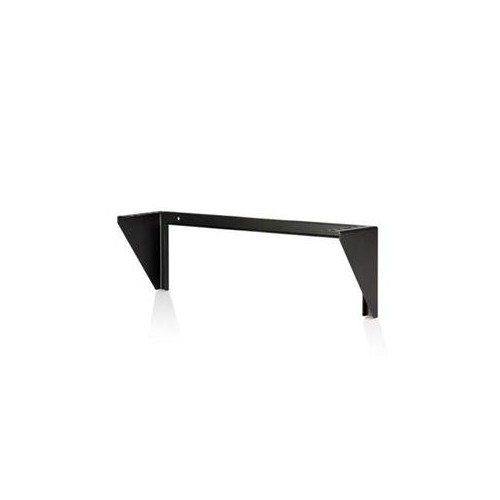
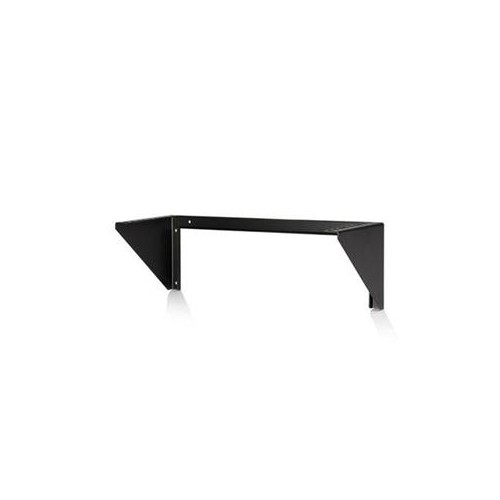
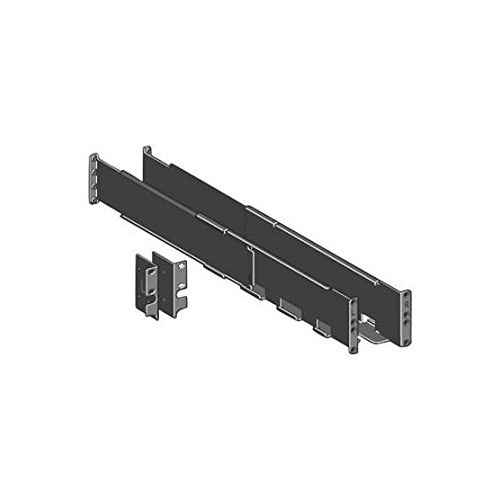
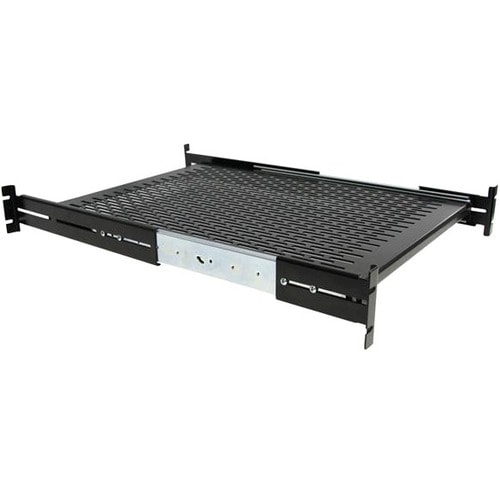
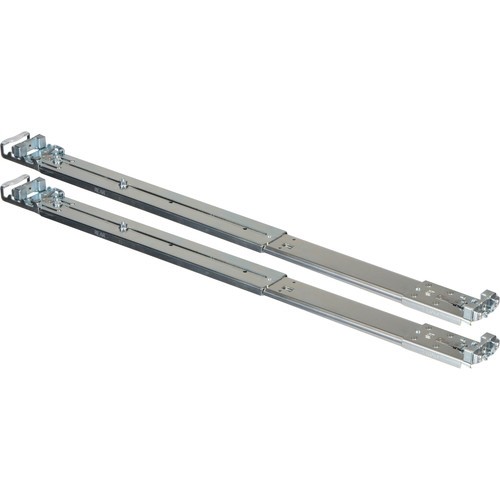
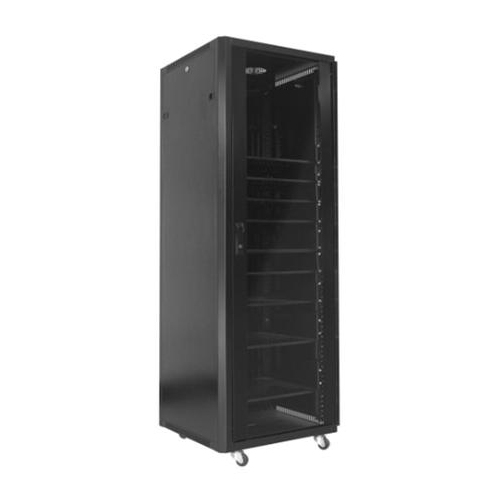
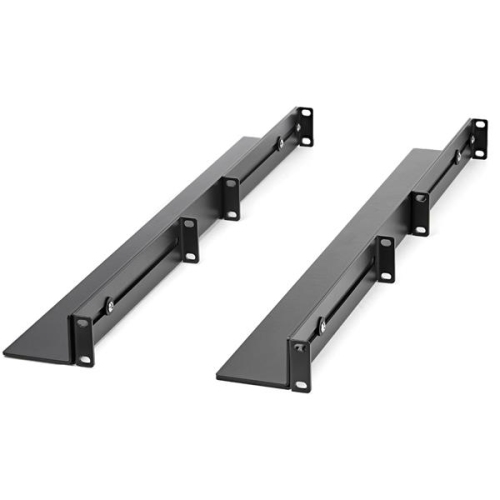
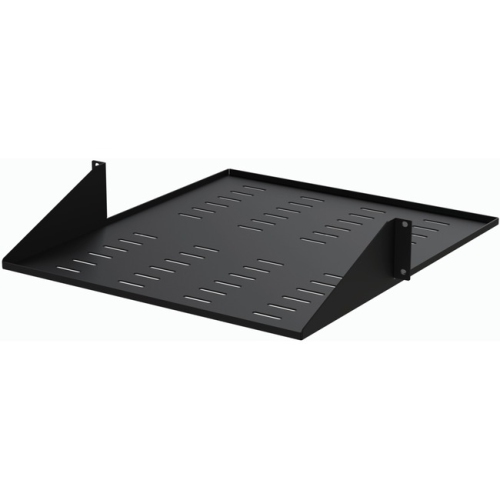
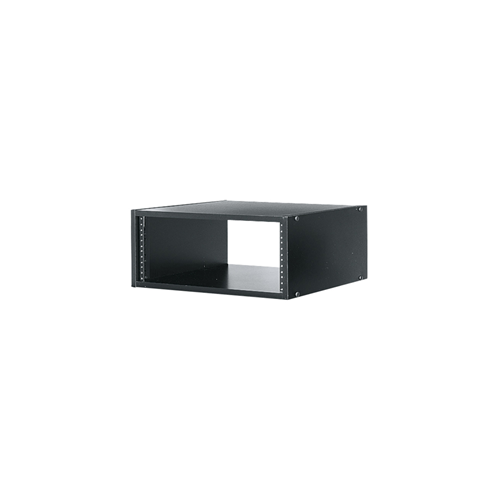

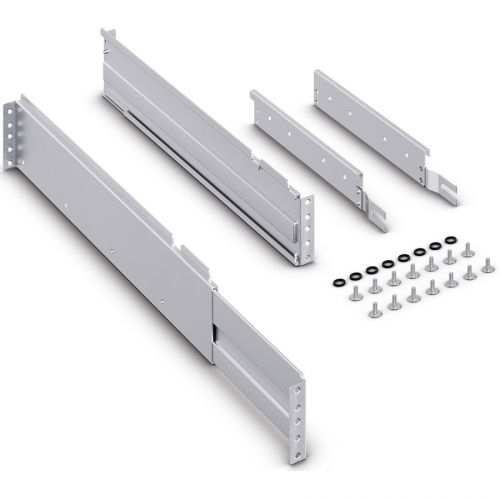

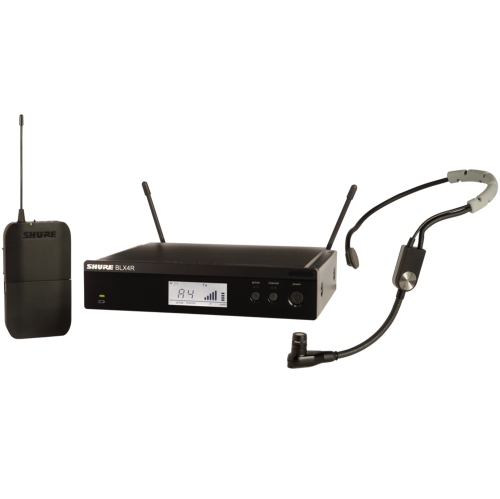
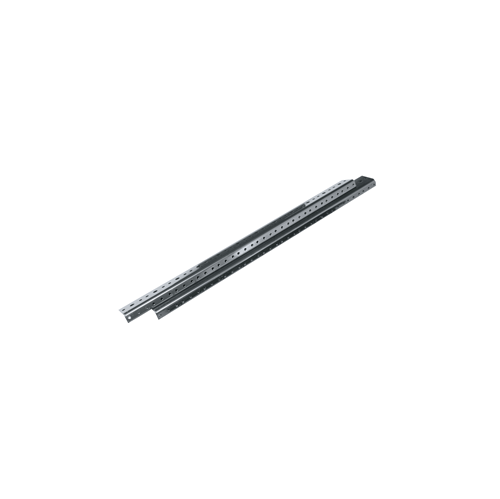
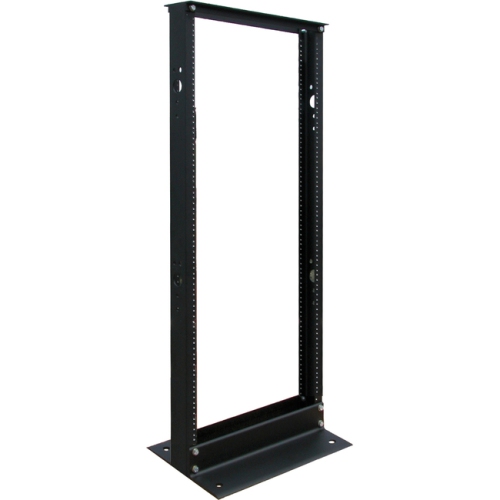
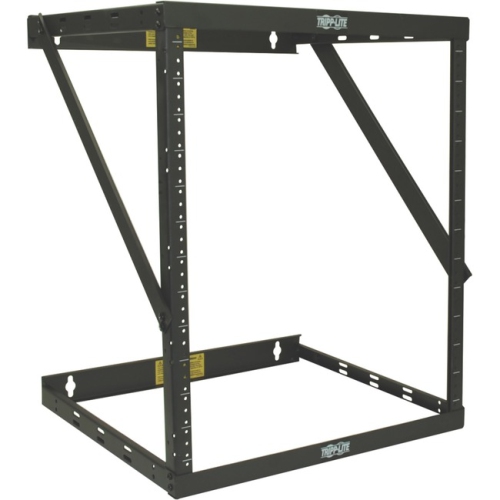
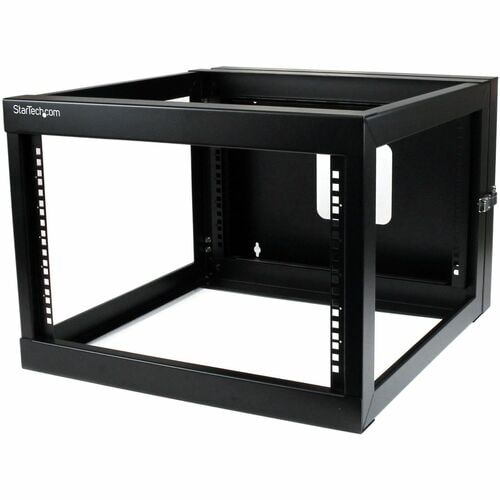
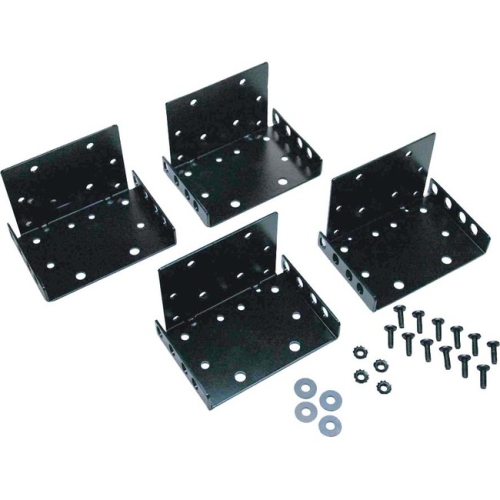
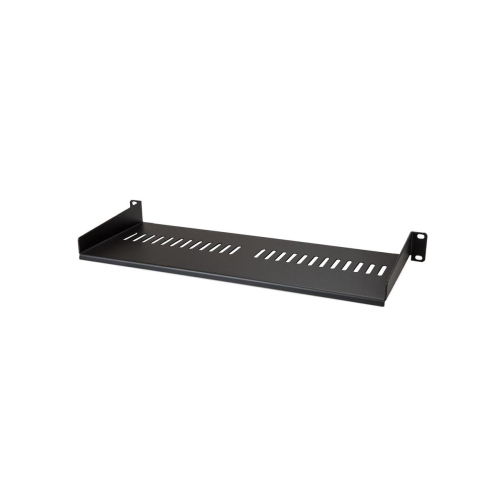
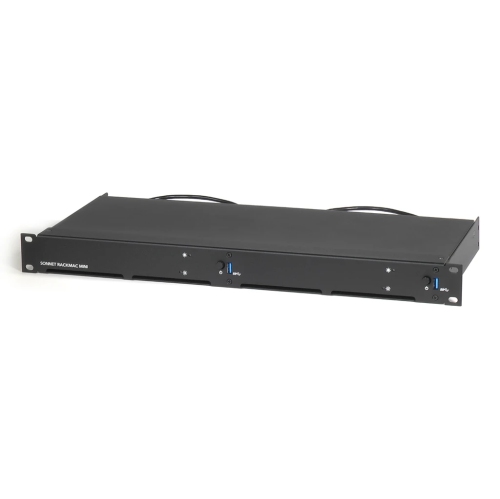





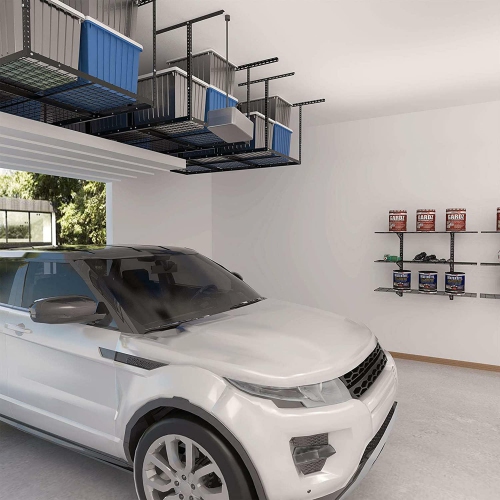

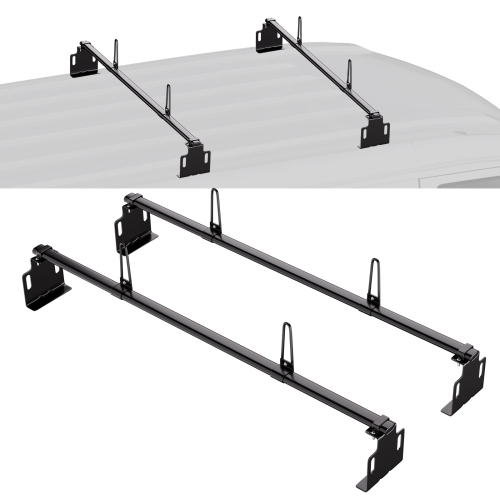
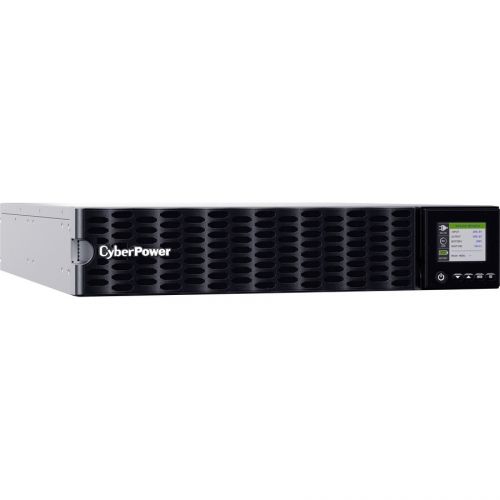
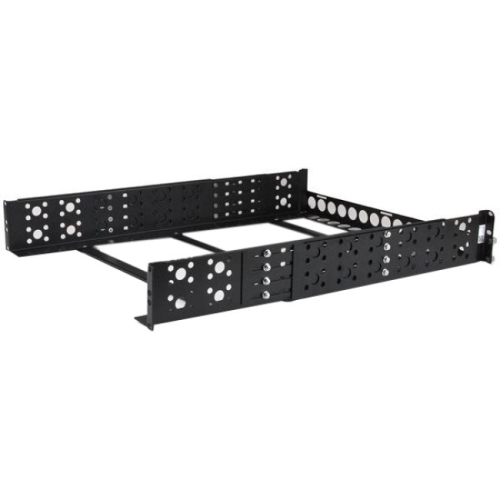


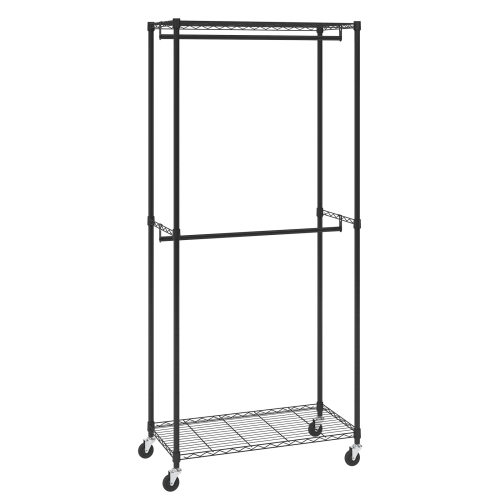
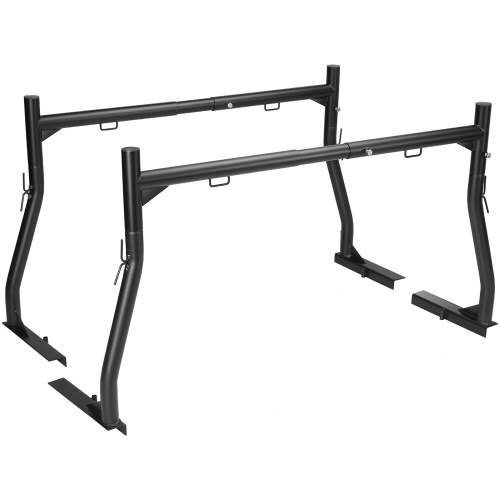
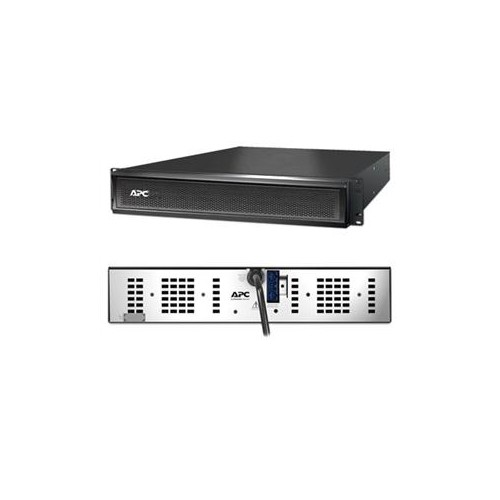
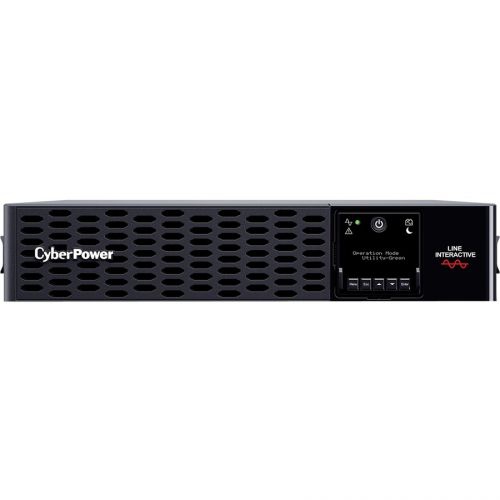

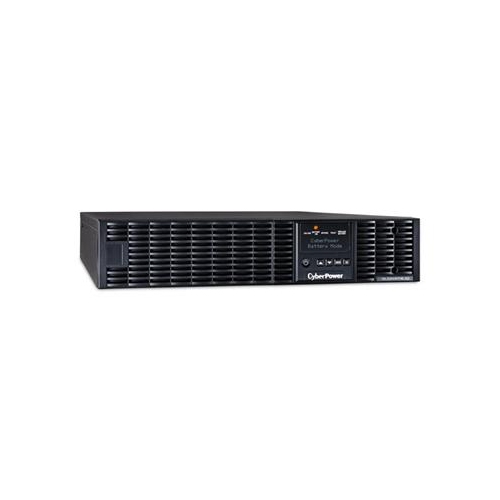
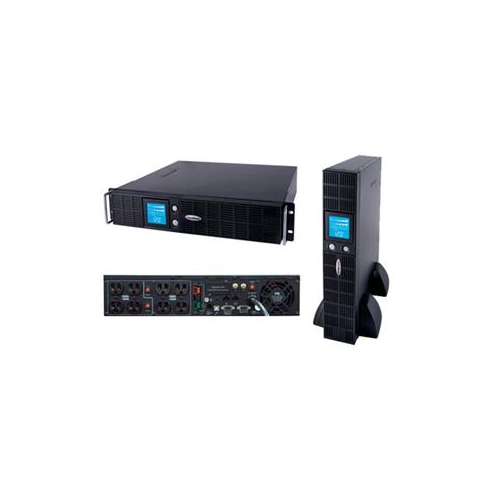
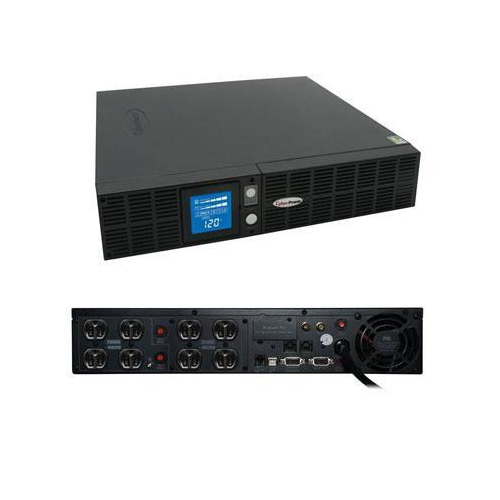
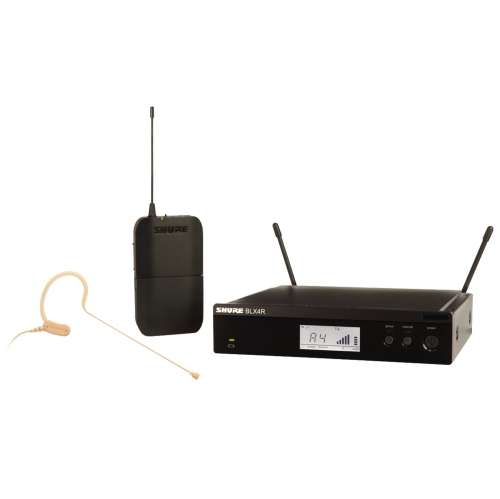
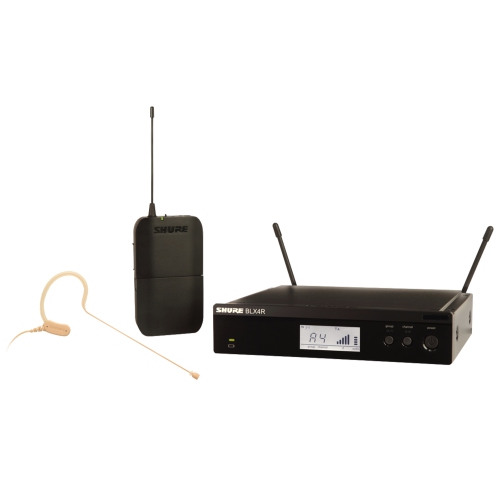
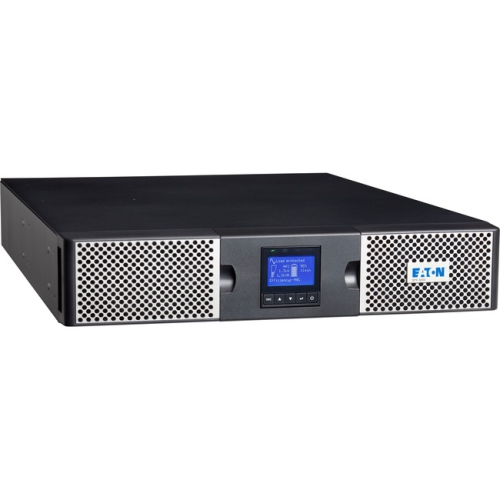



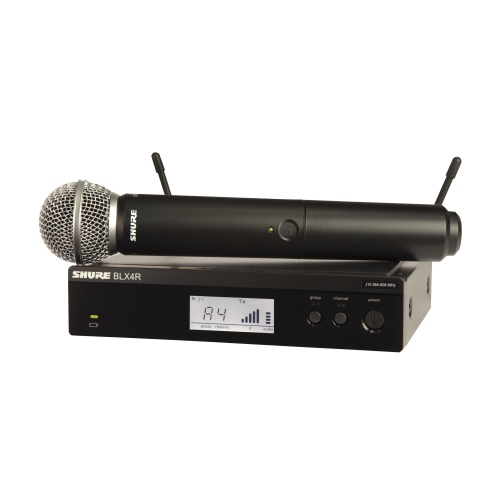
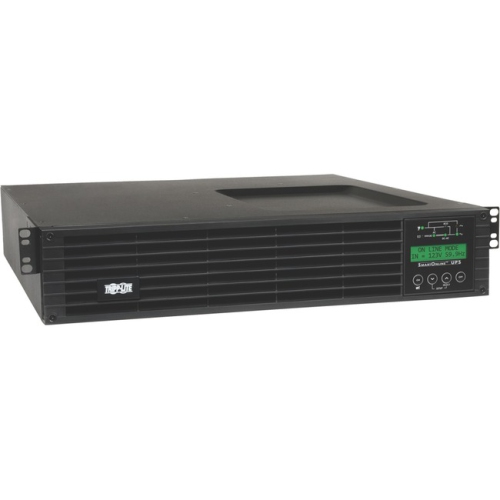
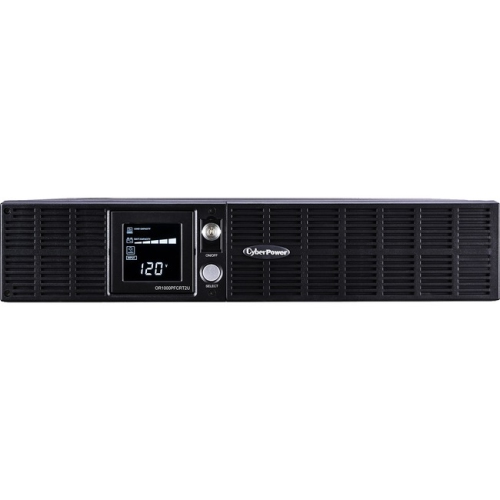
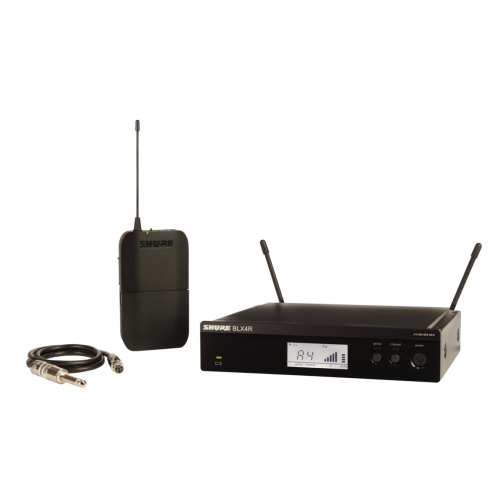
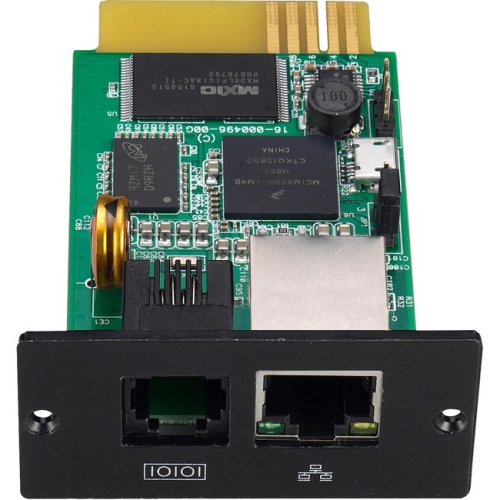
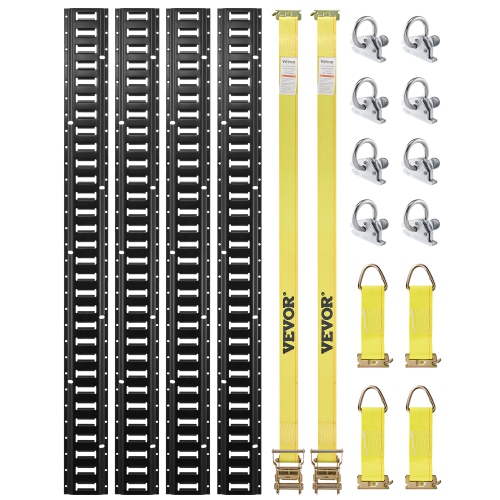
A flexible foundation for organized storage and equipment access
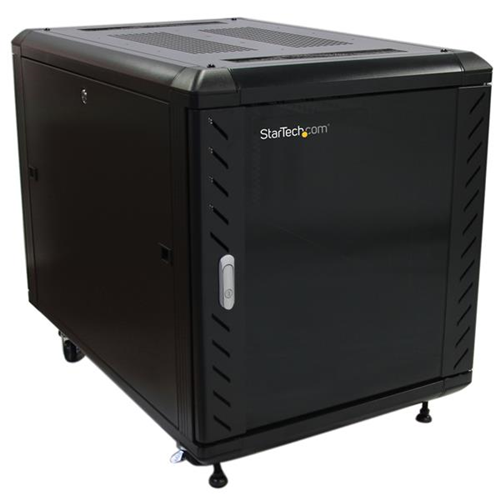
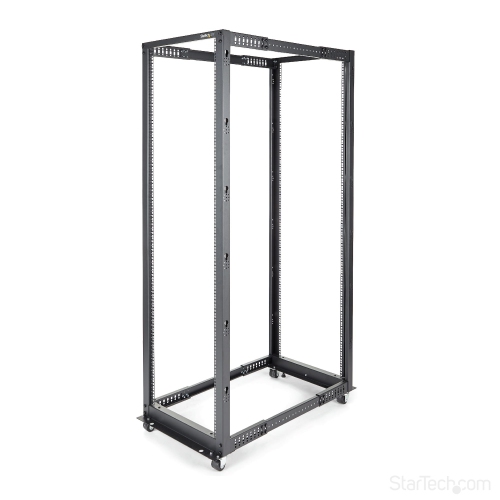
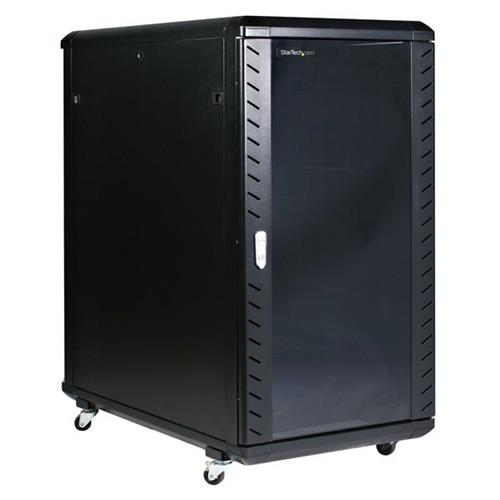
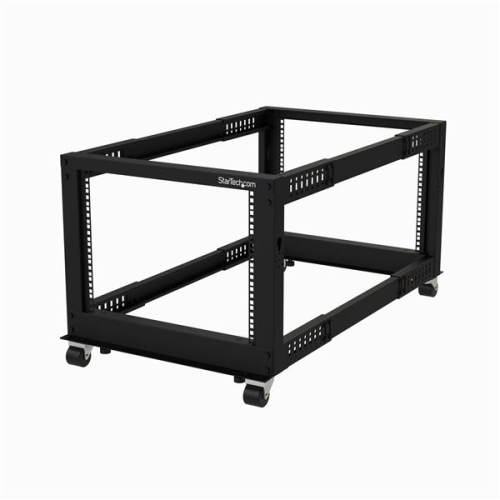
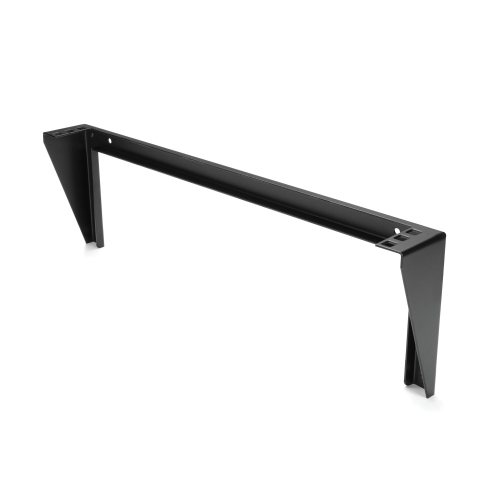
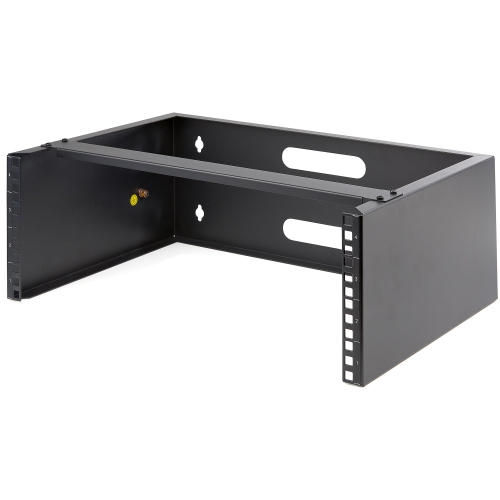
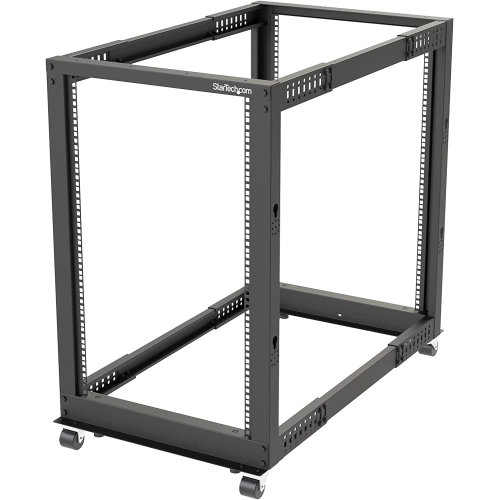
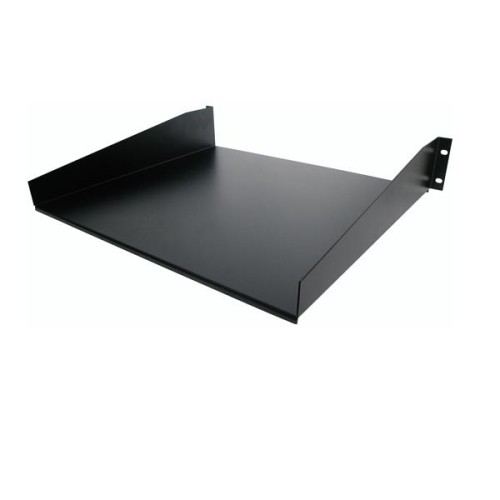
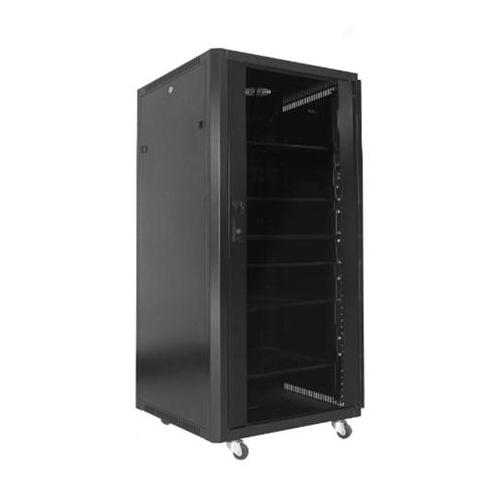
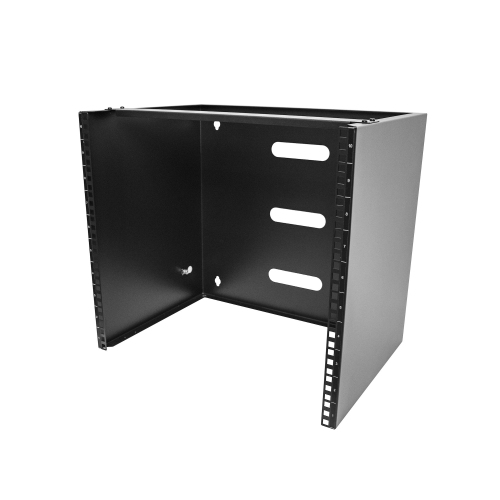
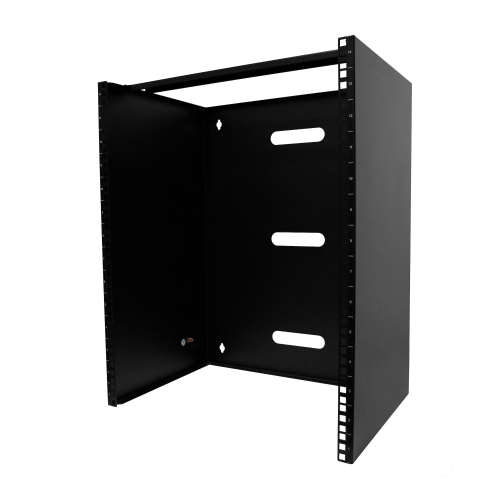
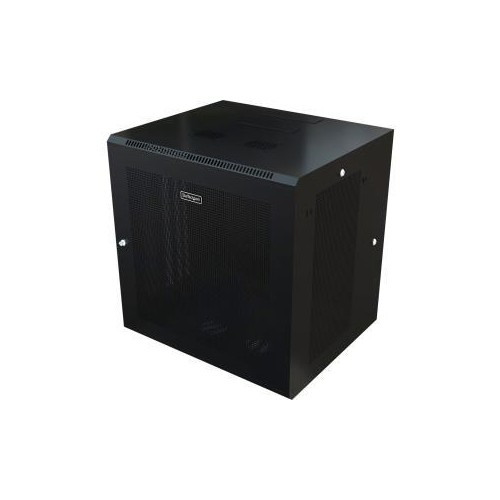
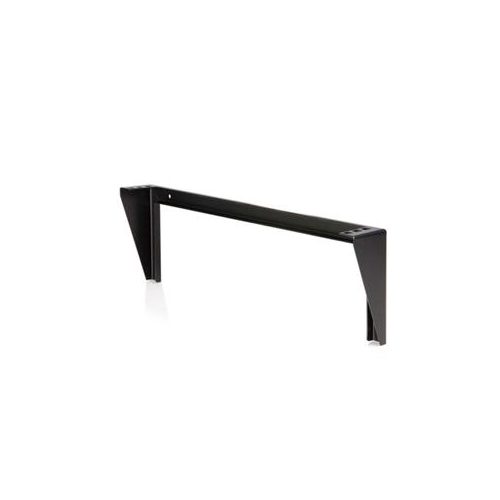
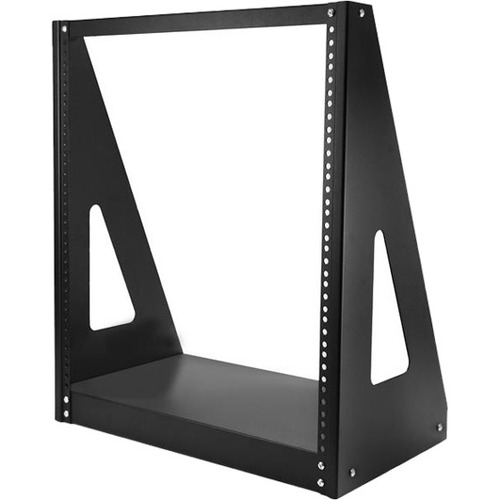
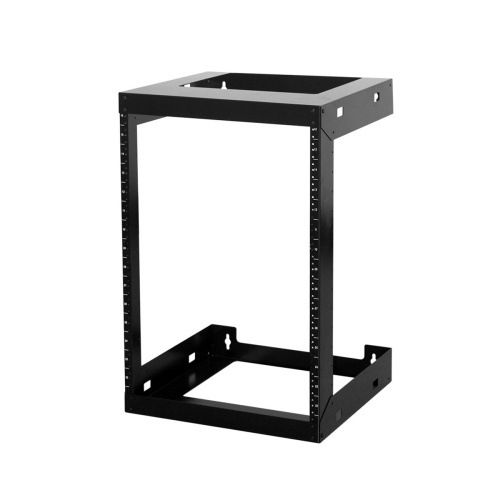
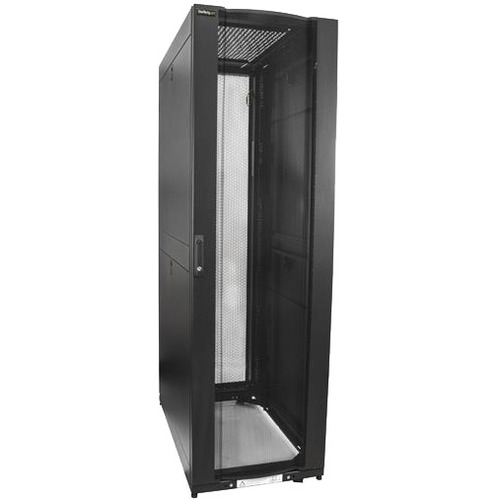
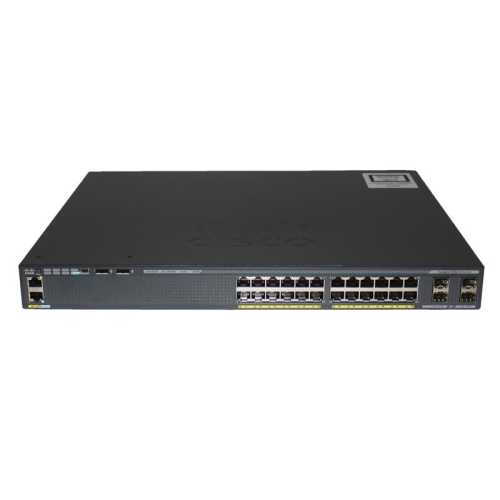
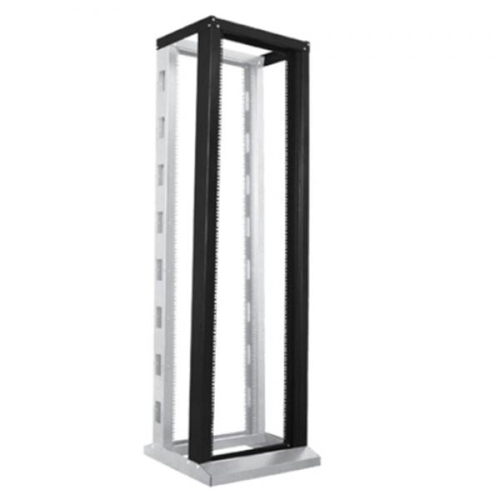
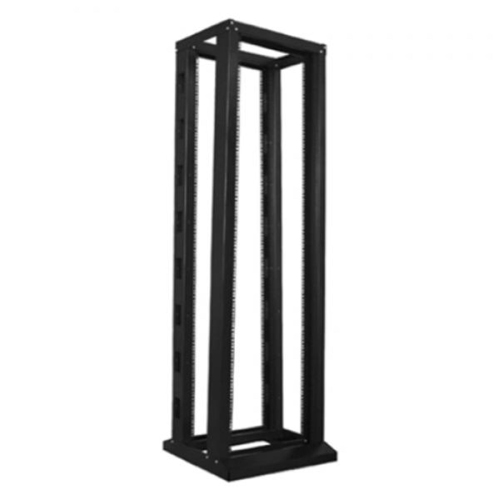
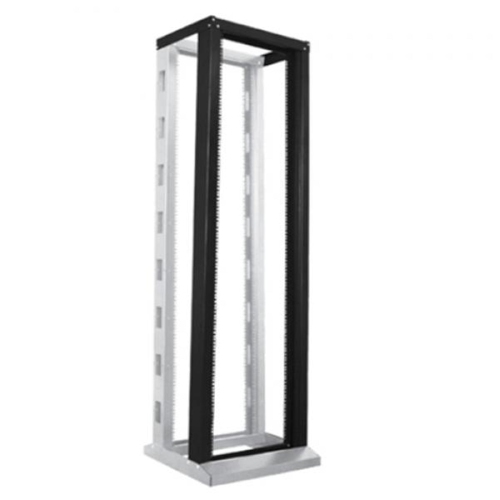
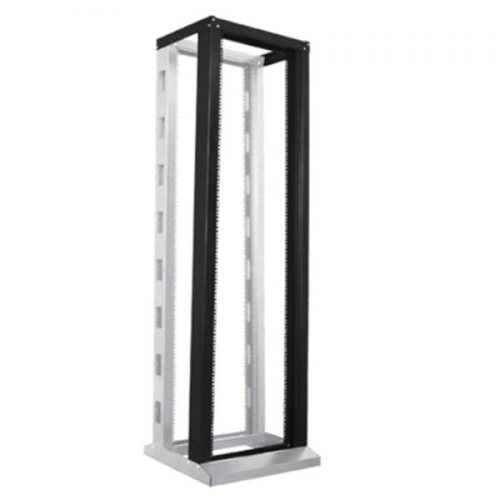
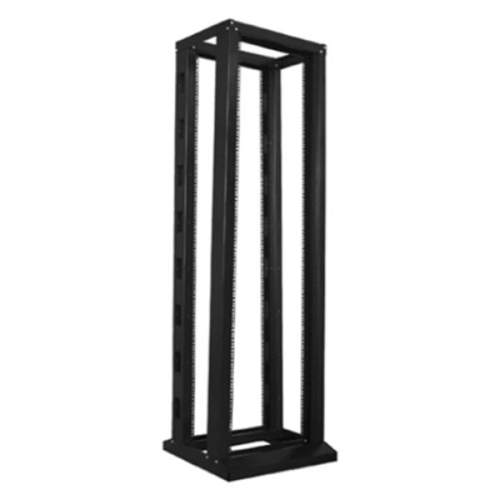
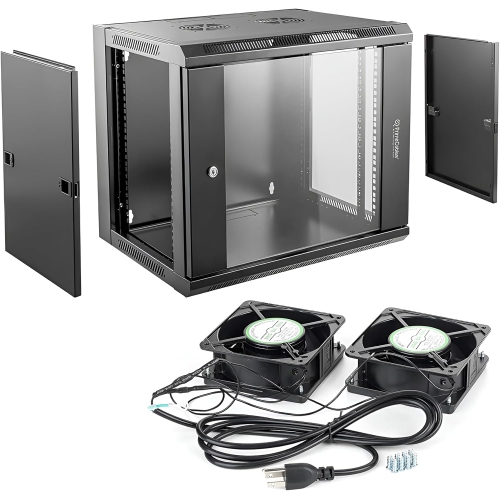
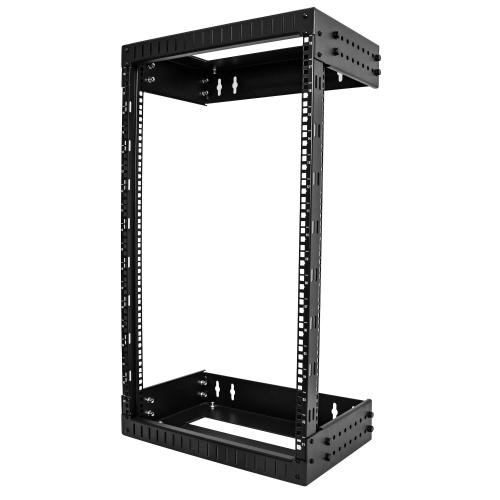
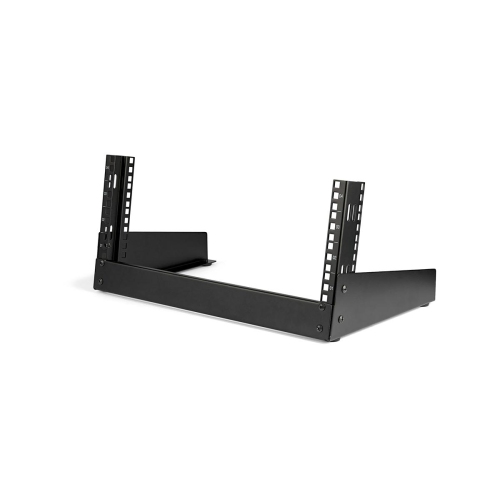
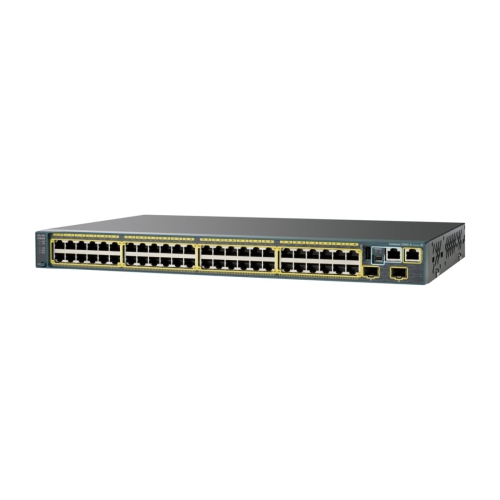
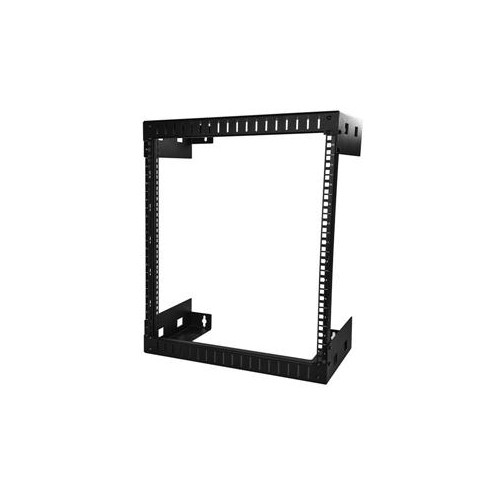
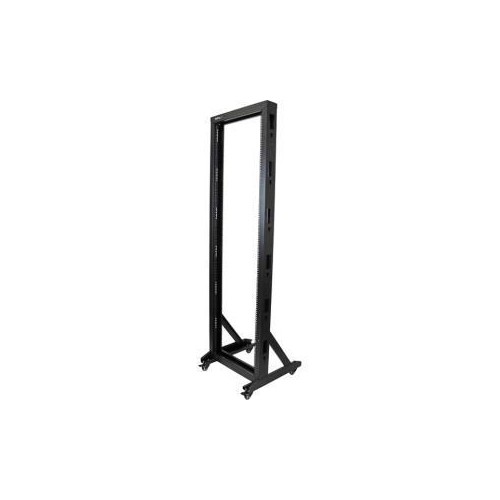
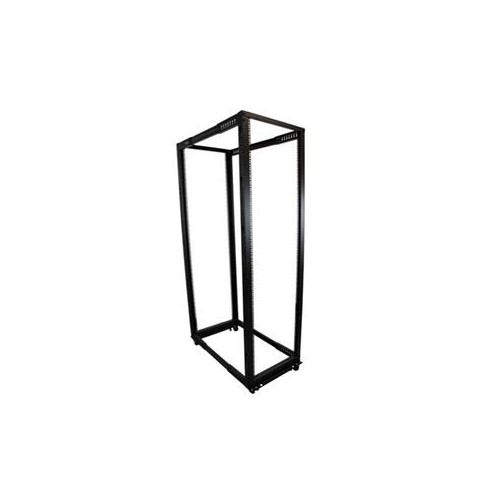
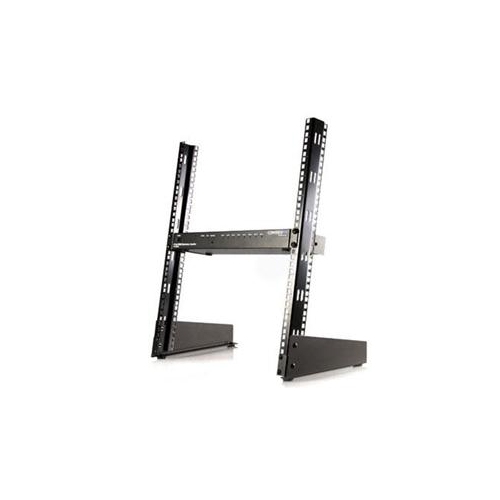
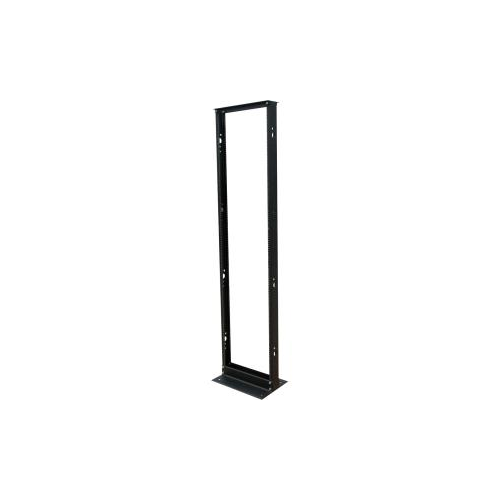
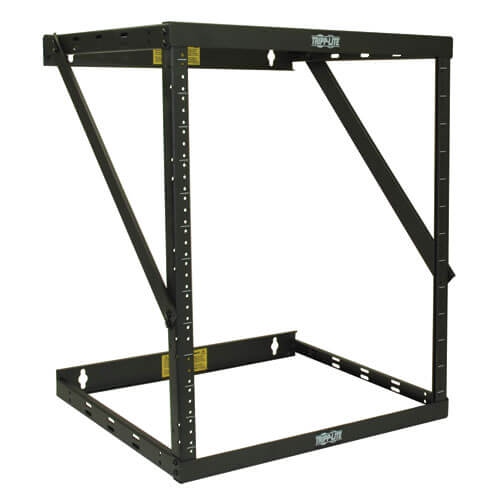
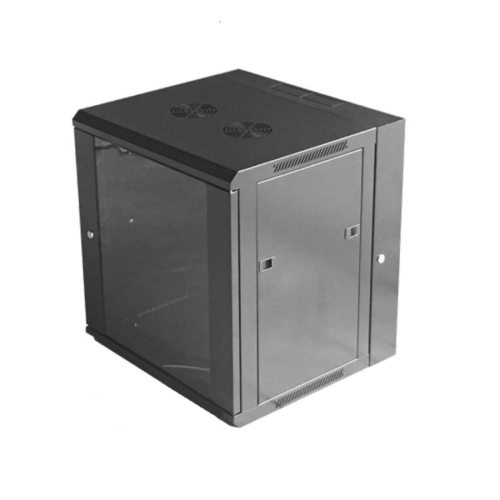
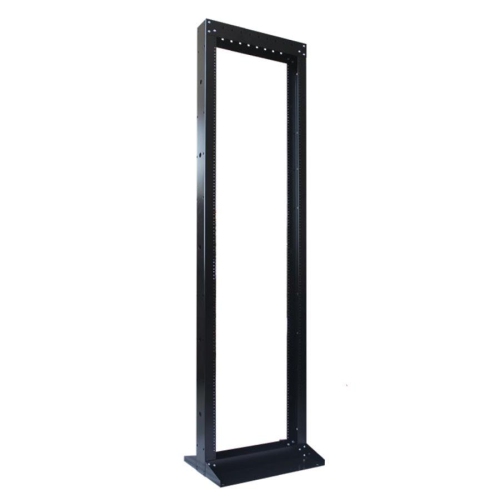
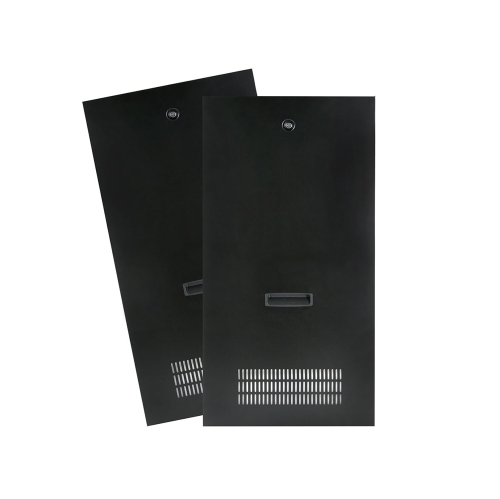
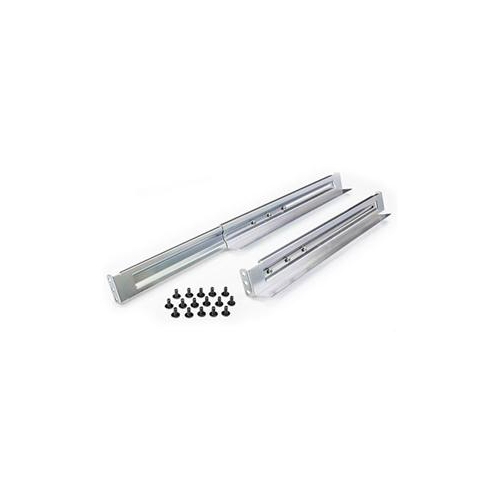
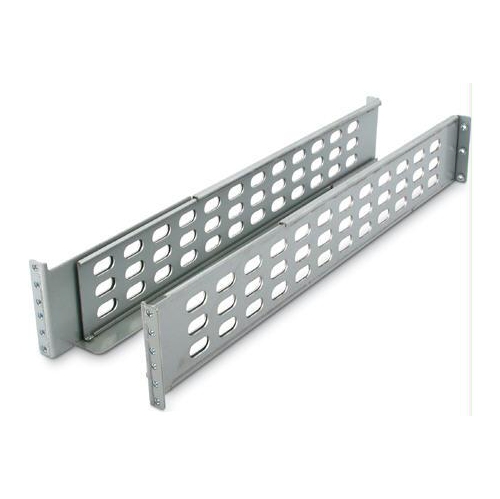
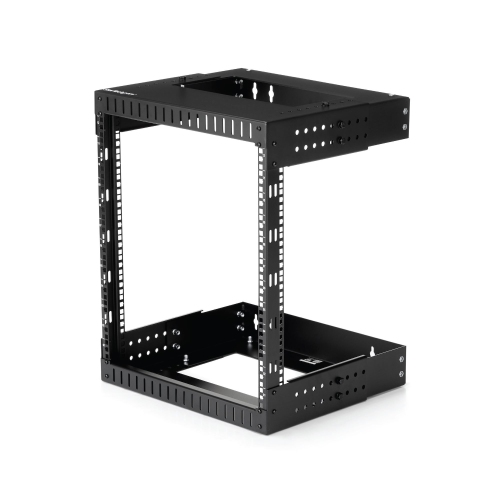
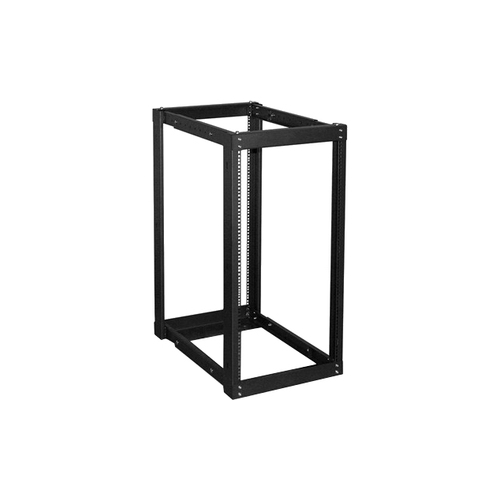
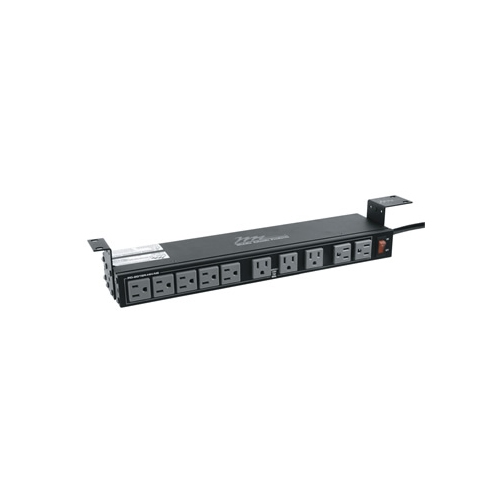
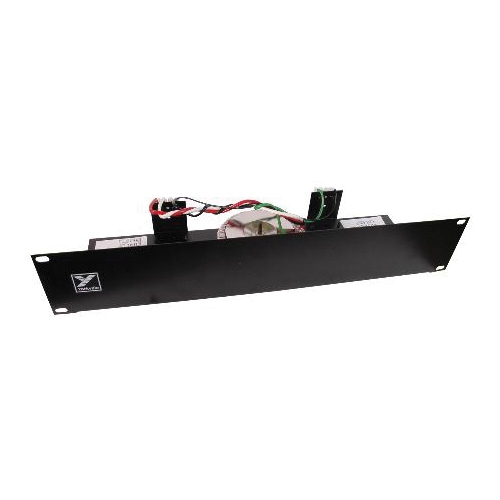
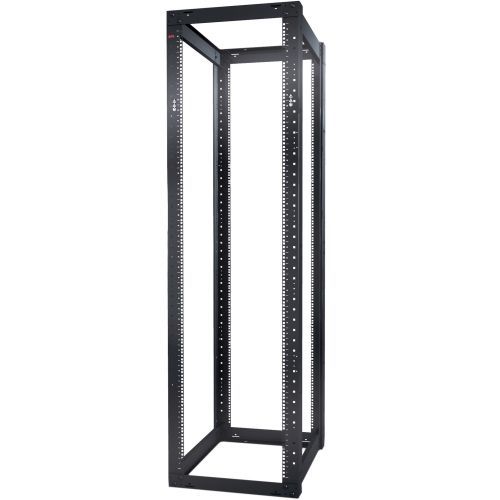
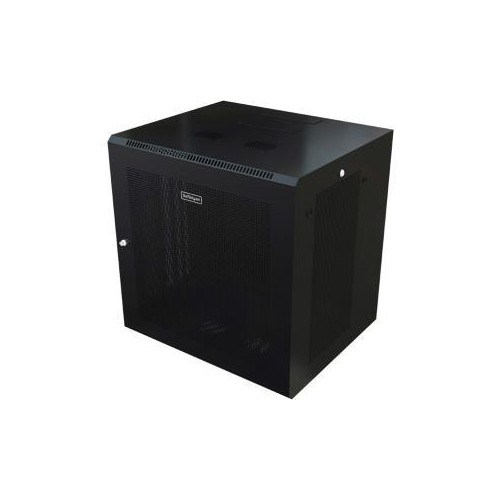
Rack systems provide a practical framework for organizing, protecting, and accessing equipment or stored materials in a home, office, workshop, studio, warehouse, or dedicated equipment room. In general, a rack system uses a strong metal structure to make better use of vertical space while keeping compatible items arranged in a predictable way. The right choice depends on what the rack needs to hold, how often those items need to be reached, and the amount of room available around the installation. For IT and AV equipment, open-frame racks and enclosed server cabinets are common options. Open-frame designs, including two-post and four-post configurations, leave equipment more exposed for easy cable access and airflow, which can be helpful for network switches, patch panels, audio equipment, and other rackmount hardware that needs regular attention. Enclosed cabinets add doors and side panels to help organize a more controlled equipment area, while lockable construction can be useful when hardware is installed in a shared office, classroom, retail space, or small business. Ventilation is an important consideration for any enclosed setup, especially when several powered devices operate together for long periods. Look for suitable fan compatibility, vented panels, and enough internal room to prevent cables from pressing against equipment. A properly sized rack should also leave space for power distribution, cable management, and future additions rather than fitting every component tightly from the start. During the cooler months, when more time may be spent indoors, a well-arranged rack can make a home office, gaming area, media room, or workshop feel noticeably easier to use by keeping equipment off the floor and reducing a tangle of wires behind desks or consoles.
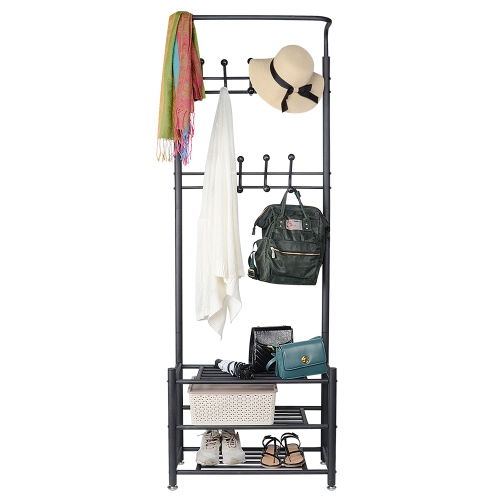
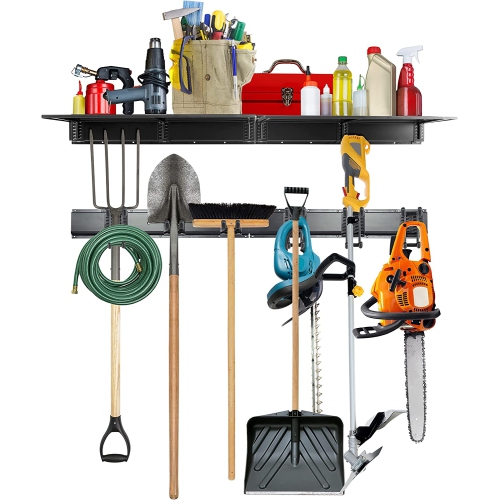
Rack systems also describe industrial storage structures designed to hold cartons, bins, lumber, pipes, equipment, or palletized goods. Selective pallet racking is one of the most accessible formats because each pallet position can be reached directly, making it suitable for operations that store a variety of items and need frequent picking. Cantilever racking uses horizontal arms rather than conventional shelves, creating an open-sided arrangement for long or irregularly shaped materials such as moulding, tubing, timber, and metal stock. Drive-in and drive-through racking are intended for high-density storage, with forklift access into rack lanes; these layouts can make efficient use of available floor space but require careful planning around loading patterns, aisle dimensions, and inventory rotation. Push-back racking uses rolling carts on inclined rails to place multiple pallets deep while keeping loading and retrieval organized from the front. These systems are generally selected according to the material being stored, the available ceiling height, the equipment used for handling loads, and the required weight capacity. Before choosing a configuration, measure the full installation area, including aisle clearance, doorways, sprinkler systems, lighting, and any overhead obstructions. Confirm the maximum load for each shelf, beam, arm, or rack level, and remember that capacity can vary depending on the spacing and distribution of the load. Heavy items should be positioned lower whenever possible to support stable access, while lighter bins and less frequently used materials can occupy higher levels. Anchoring requirements, floor condition, assembly method, and local workplace practices also deserve attention. Whether the goal is to improve stockroom flow or create a more orderly workshop, a rack system works best when every level has a clear purpose and the layout reflects the way people actually move through the space.
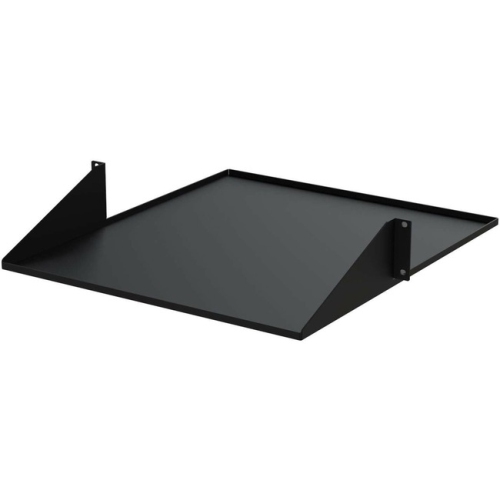
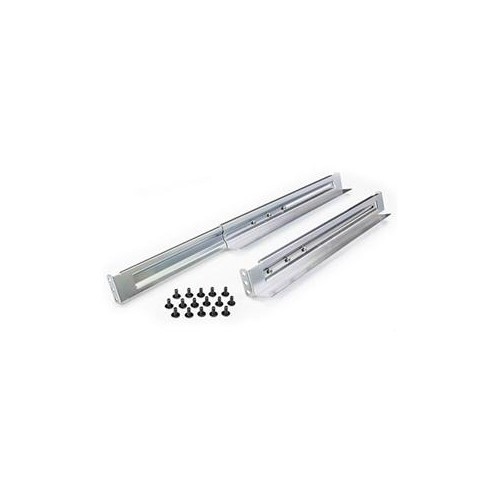
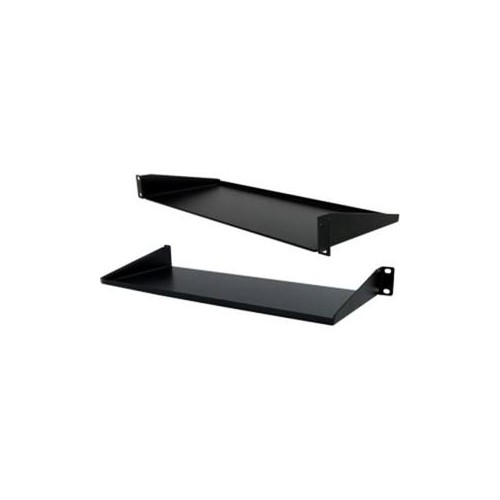
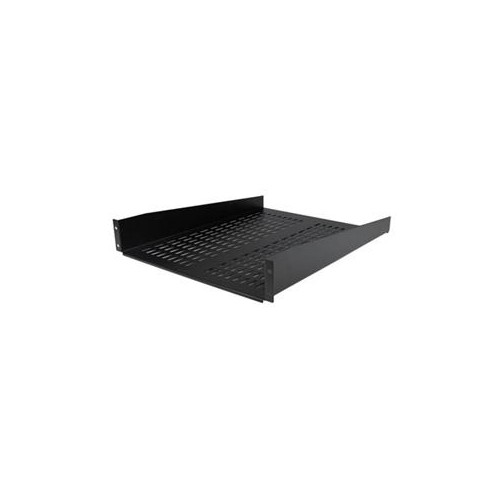
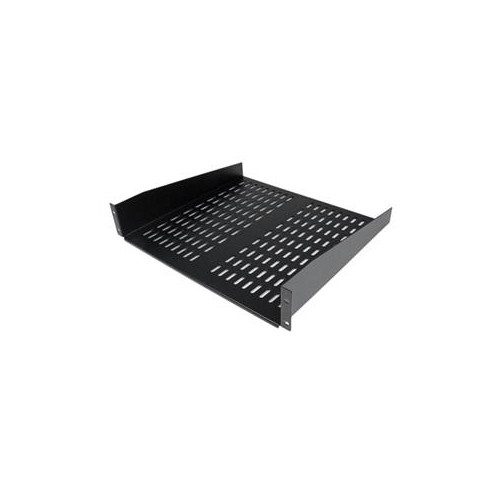
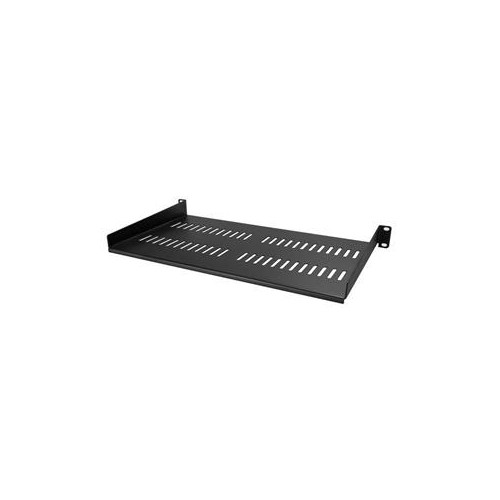
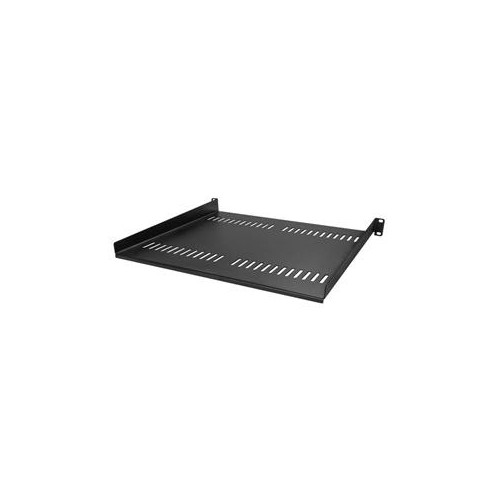
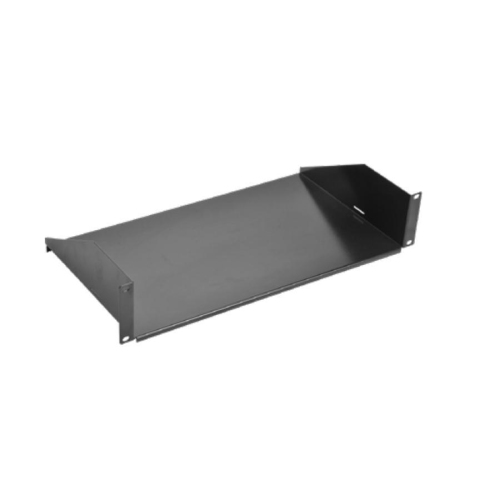
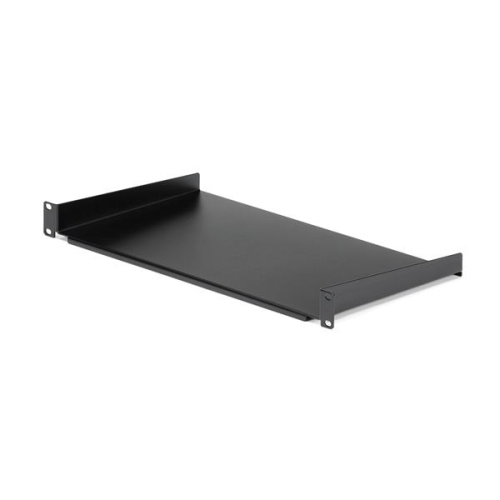
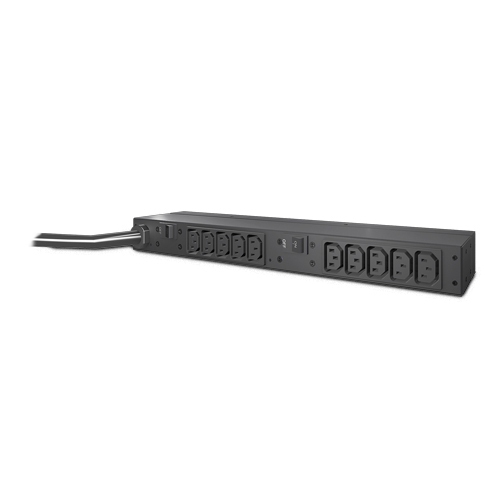
Planning the surrounding details can make a rack installation more useful over time. Cable trays, shelves, mounting hardware, drawers, power accessories, and other compatible additions can help turn a basic frame into a tailored storage or equipment station. Browse Rack Accessories to explore supporting options that may help with organization and day-to-day access. For a network or AV setup, check rack unit measurements and equipment depth before purchasing, and allow room for rear connections, ventilation, and service work. A rack that looks suitable from the front may not provide enough clearance behind it for thick power cables or angled connectors, particularly when it is placed close to a wall. For a warehouse or workshop arrangement, consider how often products are moved, whether first-in, first-out rotation matters, and whether workers need access from one side or both. Clear labelling can save time, while matching bins or shelf surfaces can prevent small parts from disappearing among larger materials. Rack systems can be useful for small-business owners outfitting a compact stockroom, technicians setting up a network closet, creators arranging studio hardware, or homeowners bringing structure to a garage or hobby area. They can also make a thoughtful practical gift for someone starting a home office, building a media room, or organizing a workshop, provided the recipient’s available space and equipment dimensions are known. As the weather warms or cooler conditions return, flexible organization remains valuable: a tidy rack can make seasonal gear easier to reach, protect delicate electronics from accidental knocks, and leave more open floor space for everyday activities. By matching the rack style to its intended load, confirming dimensions and capacity, and planning for airflow, access, and future expansion, shoppers can create a dependable storage foundation that stays useful well beyond the initial installation.
Rack systems also describe industrial storage structures designed to hold cartons, bins, lumber, pipes, equipment, or palletized goods. Selective pallet racking is one of the most accessible formats because each pallet position can be reached directly, making it suitable for operations that store a variety of items and need frequent picking. Cantilever racking uses horizontal arms rather than conventional shelves, creating an open-sided arrangement for long or irregularly shaped materials such as moulding, tubing, timber, and metal stock. Drive-in and drive-through racking are intended for high-density storage, with forklift access into rack lanes; these layouts can make efficient use of available floor space but require careful planning around loading patterns, aisle dimensions, and inventory rotation. Push-back racking uses rolling carts on inclined rails to place multiple pallets deep while keeping loading and retrieval organized from the front. These systems are generally selected according to the material being stored, the available ceiling height, the equipment used for handling loads, and the required weight capacity. Before choosing a configuration, measure the full installation area, including aisle clearance, doorways, sprinkler systems, lighting, and any overhead obstructions. Confirm the maximum load for each shelf, beam, arm, or rack level, and remember that capacity can vary depending on the spacing and distribution of the load. Heavy items should be positioned lower whenever possible to support stable access, while lighter bins and less frequently used materials can occupy higher levels. Anchoring requirements, floor condition, assembly method, and local workplace practices also deserve attention. Whether the goal is to improve stockroom flow or create a more orderly workshop, a rack system works best when every level has a clear purpose and the layout reflects the way people actually move through the space.
Planning the surrounding details can make a rack installation more useful over time. Cable trays, shelves, mounting hardware, drawers, power accessories, and other compatible additions can help turn a basic frame into a tailored storage or equipment station. Browse Rack Accessories to explore supporting options that may help with organization and day-to-day access. For a network or AV setup, check rack unit measurements and equipment depth before purchasing, and allow room for rear connections, ventilation, and service work. A rack that looks suitable from the front may not provide enough clearance behind it for thick power cables or angled connectors, particularly when it is placed close to a wall. For a warehouse or workshop arrangement, consider how often products are moved, whether first-in, first-out rotation matters, and whether workers need access from one side or both. Clear labelling can save time, while matching bins or shelf surfaces can prevent small parts from disappearing among larger materials. Rack systems can be useful for small-business owners outfitting a compact stockroom, technicians setting up a network closet, creators arranging studio hardware, or homeowners bringing structure to a garage or hobby area. They can also make a thoughtful practical gift for someone starting a home office, building a media room, or organizing a workshop, provided the recipient’s available space and equipment dimensions are known. As the weather warms or cooler conditions return, flexible organization remains valuable: a tidy rack can make seasonal gear easier to reach, protect delicate electronics from accidental knocks, and leave more open floor space for everyday activities. By matching the rack style to its intended load, confirming dimensions and capacity, and planning for airflow, access, and future expansion, shoppers can create a dependable storage foundation that stays useful well beyond the initial installation.
Top selling and popular products
-
 Your price for this item is $1303.99
 -
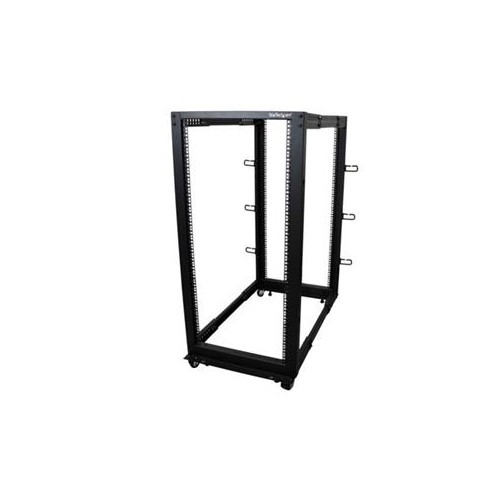 Your price for this item is $581.68
 -
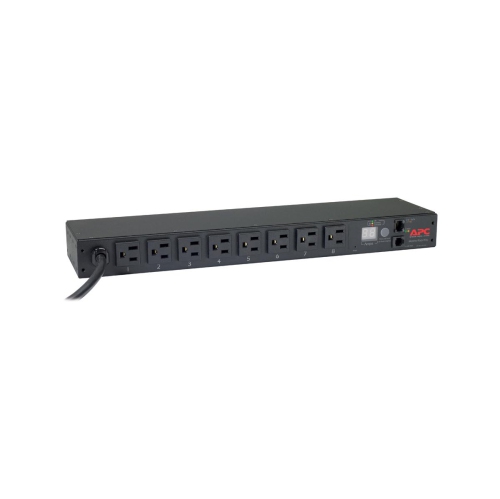 Your price for this item is $748.99
 -
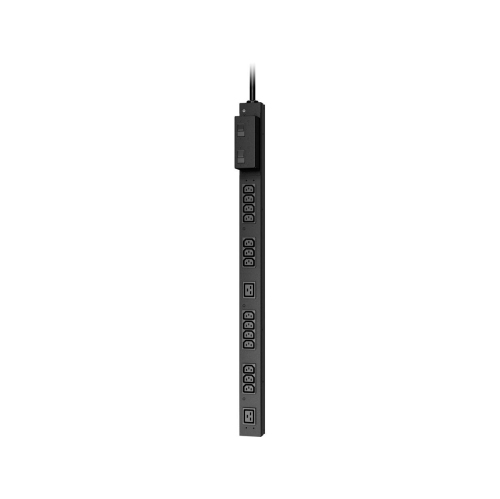 Your price for this item is $407.99
 -
 Your price for this item is $250.68
 -
 Your price for this item is $54.99
 -
 Your price for this item is $102.99
 -
 Your price for this item is $517.42
Discover more categories related to Rack Systems
Top Collections:
Pokemon Centers, Kindle Devices, Best Budget Office Chairs, Apple iPhones 16, Samsung Galaxy Phones, Canon G7X Cameras, iPhone 15 Apple, Flip Phones, Best Laptops for Writers, Alarm Clock
Some products may be subject to Environmental Handling Fees
(EHF) depending on your province.
Learn more about EHFs.