Construction Site Safety Toys
Discover a world where fun meets learning with construction site safety toys, designed to inspire young minds while promoting important safety concepts. These engaging toys offer children the opportunity to explore the exciting world of construction through imaginative play, all while understanding the significance of staying safe on the job site. Perfect for budding builders, these toys encourage creativity and problem-solving skills as kids simulate real-world construction scenarios. Whether they're operating toy cranes or managing miniature building projects, children can enjoy hours of entertainment while gaining valuable insights into teamwork and safety awareness.
Sort
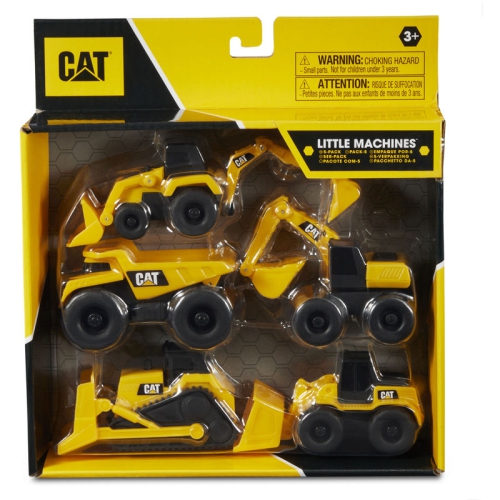
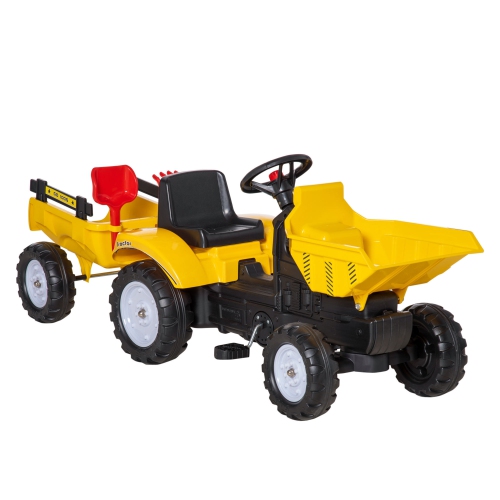
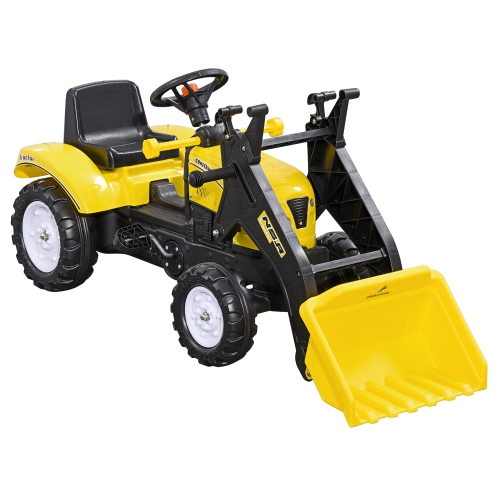
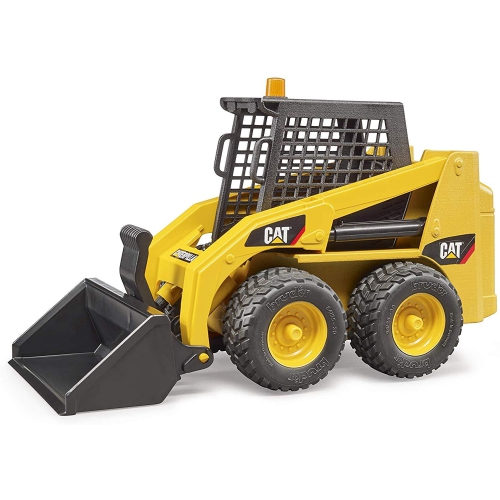
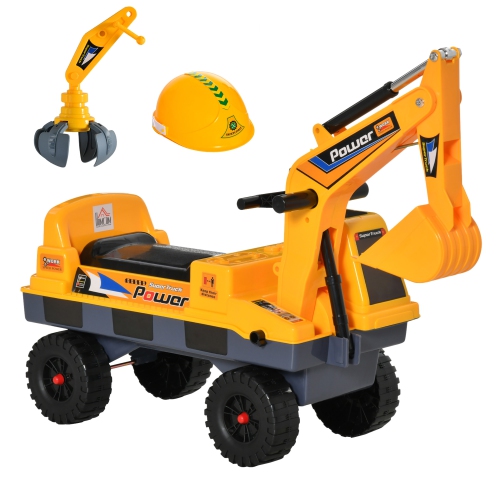

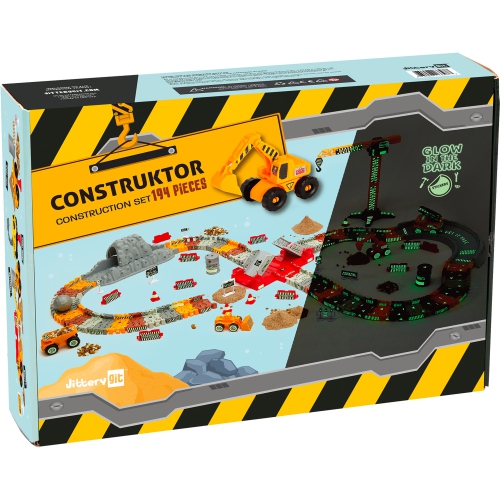
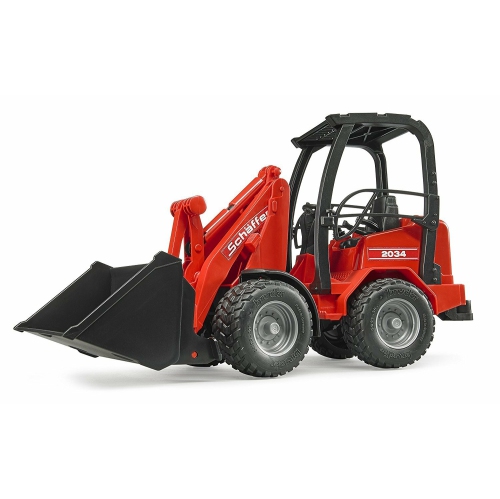
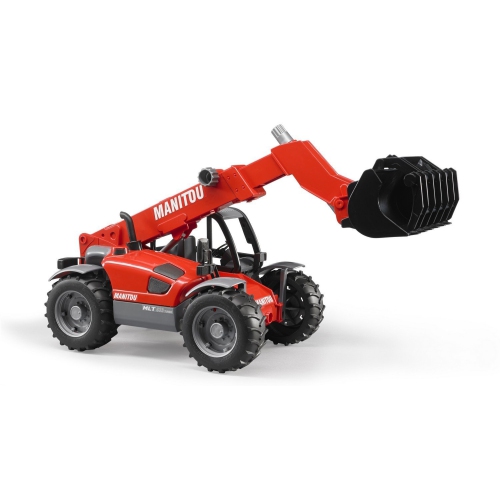

How safety-themed role play supports creative construction adventures
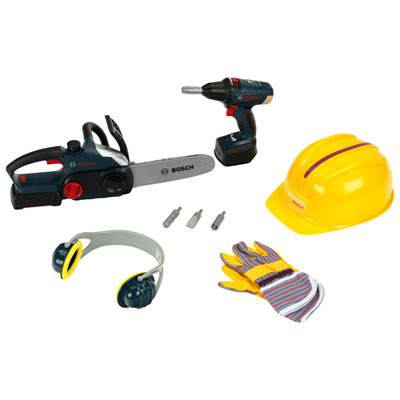
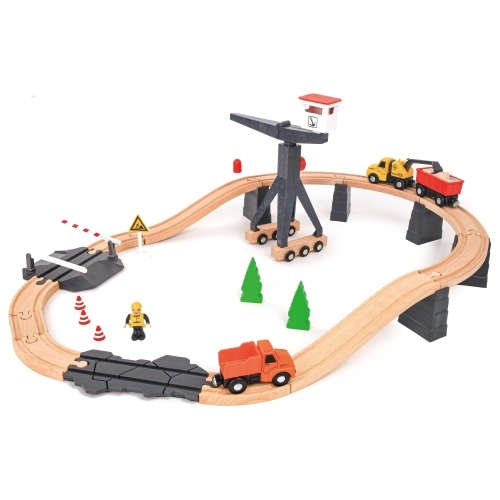
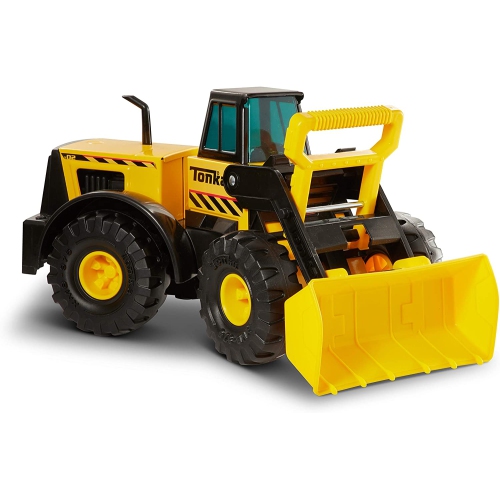
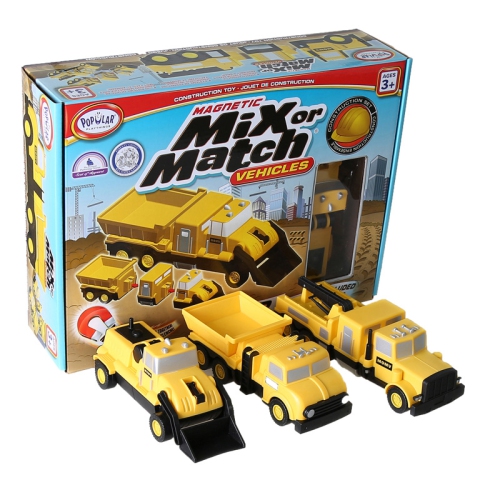
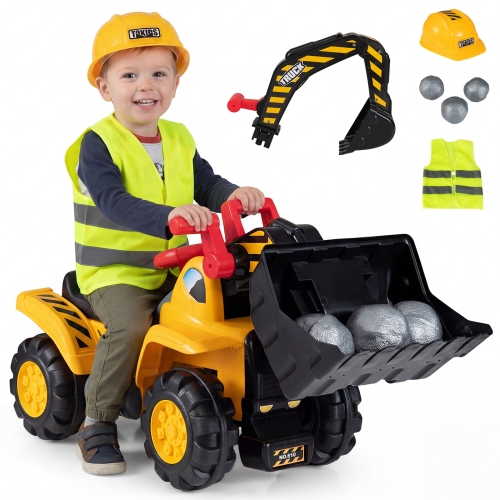
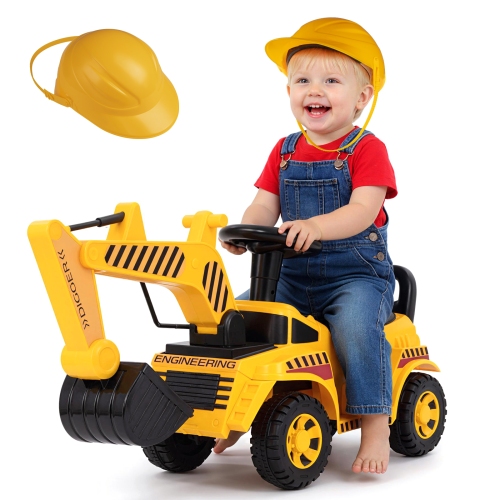
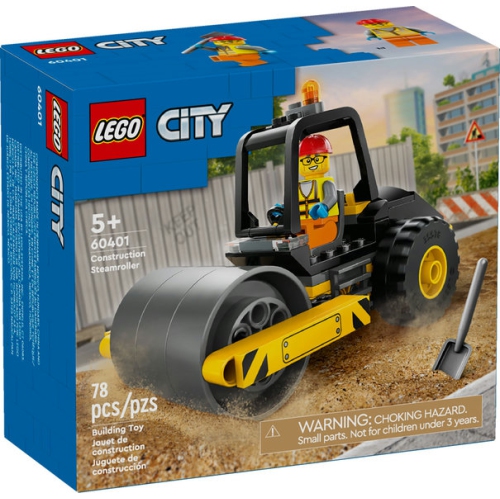
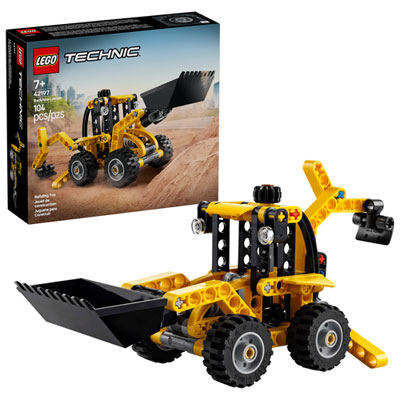
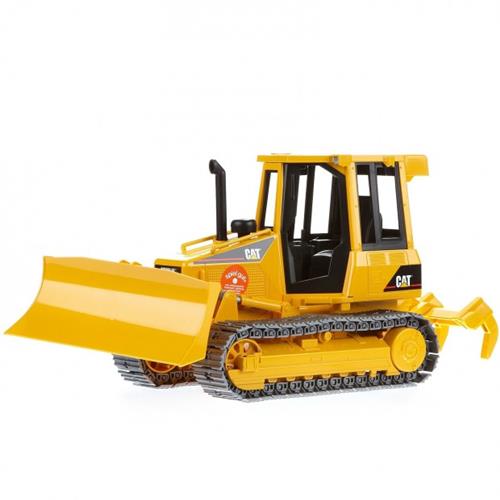
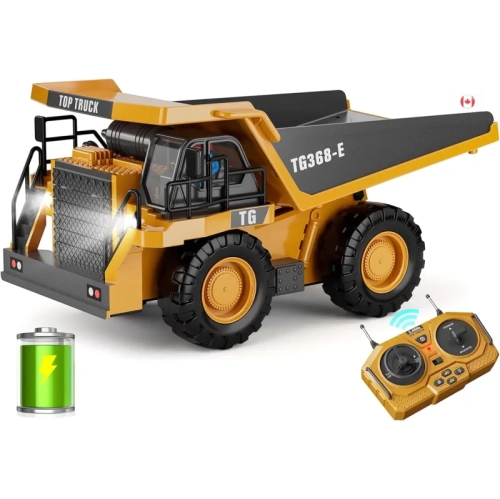
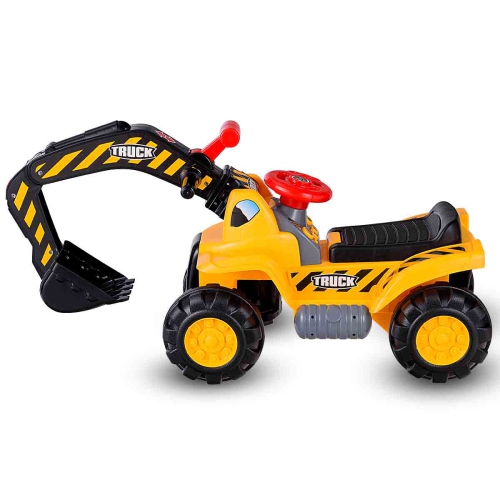
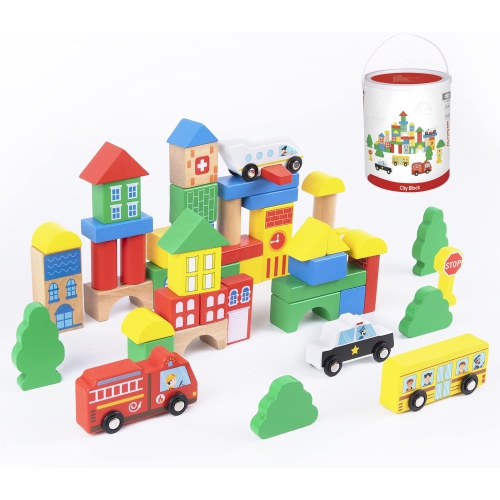
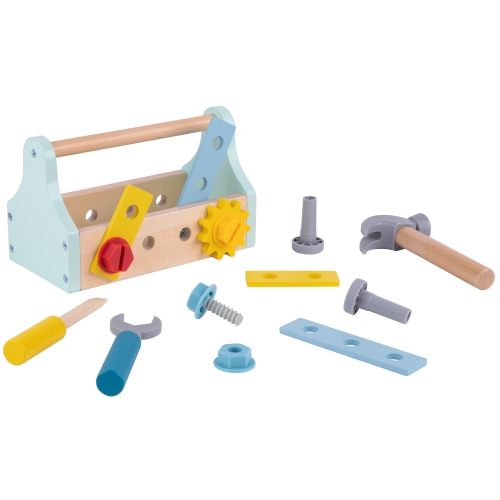
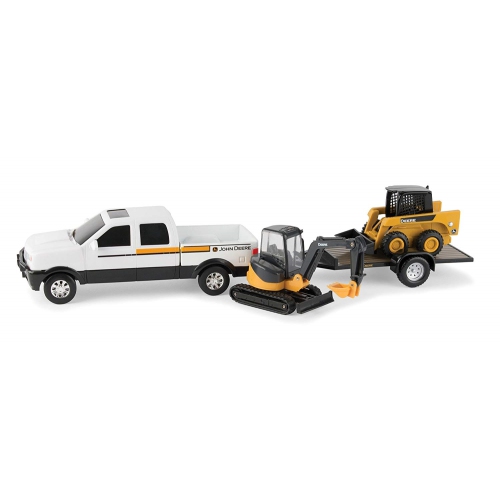
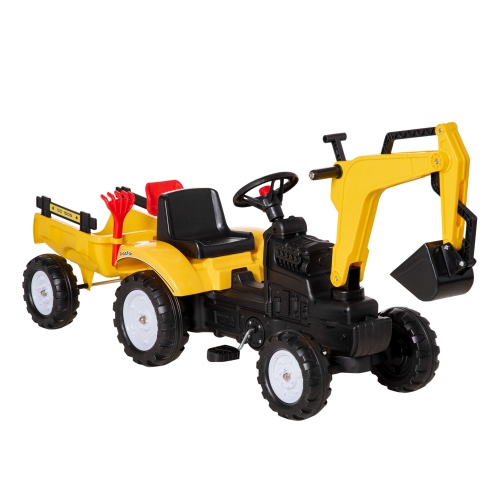
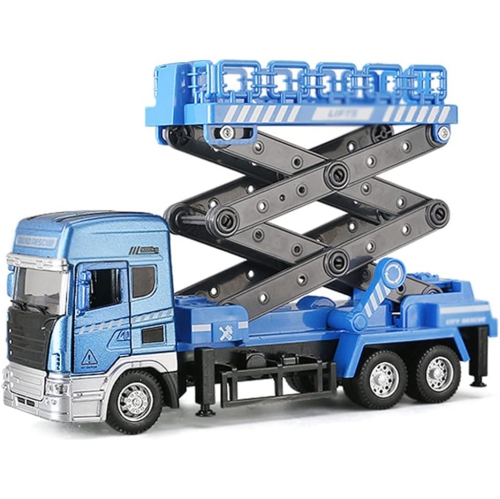
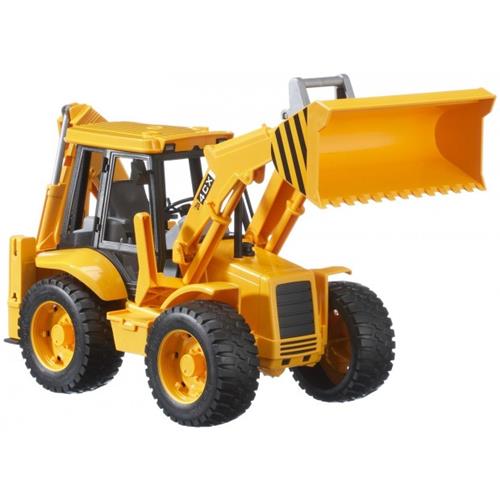
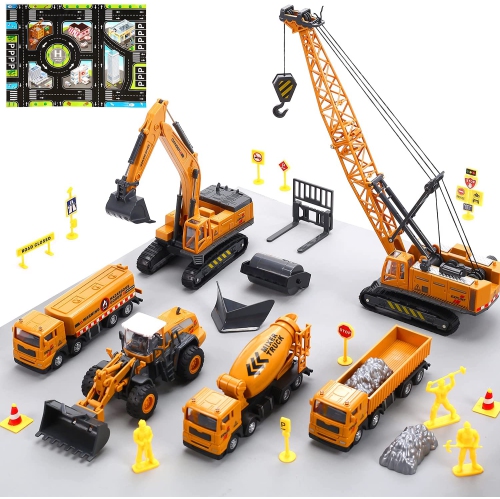
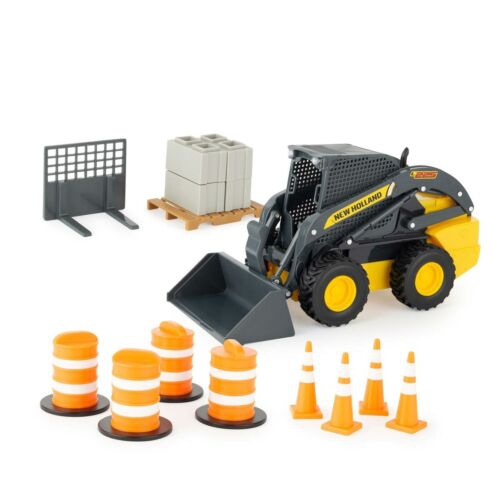
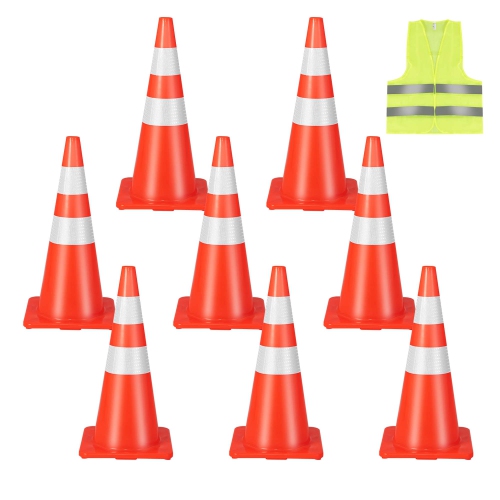
Construction site safety toys bring the sights, sounds, and routines of a busy work zone into imaginative play. Bright vests, toy hard hats, play goggles, traffic cones, barrier tape, road signs, tools, and miniature construction vehicles give children familiar objects to explore while they create their own job-site stories. A child may begin by putting on a vest and “inspecting” the living-room floor, then move on to directing toy vehicles around a makeshift road or building a pretend work zone from cushions, blocks, and cardboard boxes. These details make open-ended play feel more purposeful and encourage children to practise communication, planning, cooperation, and problem-solving. Construction-themed role play can be especially appealing to children who enjoy trucks, building projects, machines, and hands-on activities, while job-site accessories can add structure to play that might otherwise become a simple vehicle race. For children who like to take charge, a hard hat and high-visibility vest can turn them into the site supervisor; for those who prefer making and fixing, a toy tool set can inspire a day of repairs and building. Families may choose these toys for birthdays, special occasions, or a thoughtful gift for a child who is fascinated by the equipment seen on neighbourhood roadwork or at a local building site. They can also be useful additions to a playroom, classroom dramatic-play area, or indoor activity space during the cooler months, when children spend more time creating adventures inside. When selecting construction site safety toys, consider whether the set supports the type of play the child already enjoys and whether it includes wearable role-play pieces, small accessories, vehicles, or a combination of these elements. A larger assortment may suit siblings or playdates, while a simpler set can be easier for a younger child to manage and store.
Age guidance is one of the most important considerations when choosing construction site safety toys. Check the recommended age range on the packaging and pay close attention to whether a set contains small cones, signs, tools, vehicle parts, or other pieces that may present a choking hazard for younger children. Toys with larger, easy-to-grip components may be more suitable for toddlers, while older children may enjoy detailed accessories that support longer, more involved scenarios. Look for sturdy materials, smooth surfaces, rounded edges, and toy tools or helmets that are comfortable to handle during extended play. Non-toxic plastics and securely attached parts are useful features to consider, particularly when children are still exploring toys with their hands and mouths. Play hard hats, goggles, and vests are designed for pretend play and should not be treated as protective equipment for a real construction site; explain the difference clearly when children are old enough to understand. Before play begins, remove plastic wrap, tags, twist ties, and all packaging components, then inspect the set for loose or damaged parts. It is also worth checking wearable pieces for a comfortable fit, ensuring that straps do not pinch and that visibility is not restricted by goggles or other accessories. A quick inspection after each busy play session can help identify cracked plastic, loose wheels, or missing pieces before the next adventure. Store smaller accessories in a labelled bin or container so they are easy to find and less likely to become scattered under furniture. Keeping a clear play area away from stairs, doorways, and fragile objects also helps children focus on directing vehicles, arranging signs, and building their pretend work zone safely.
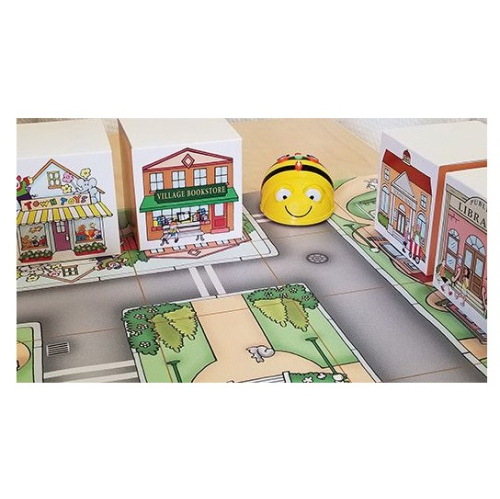
Construction site safety toys can be combined with blocks, toy roads, play mats, cardboard boxes, and other open-ended materials to create a changing environment that grows with a child’s imagination. A few cones can mark a detour around a block-built bridge, while a line of barrier tape can separate a “closed” section from the active work area. Children can assign roles such as driver, builder, inspector, dispatcher, or traffic controller, giving each participant a reason to communicate and take turns. An adult might begin by describing a simple scenario—a delivery has arrived, a road needs resurfacing, or a new playground is under construction—then allow the child to decide what happens next. These play sessions can introduce everyday ideas such as following signs, waiting for a clear route, wearing appropriate pretend gear, and keeping tools in their proper place without turning the activity into a formal lesson. For a broader selection of role-play options, explore Construction Worker Toys and compare sets based on the child’s age, interests, available space, and preferred style of play. As the weather warms, construction-themed toys can move to a patio or backyard with close adult supervision and a firm, level play surface; during cooler weather, a hallway, playroom, or open area can become a lively indoor work zone. Whether given as a gift or chosen for everyday play, the best set is one that feels inviting, is simple enough to use independently, and offers enough variety for new stories to develop long after the first hard hat goes on.
Age guidance is one of the most important considerations when choosing construction site safety toys. Check the recommended age range on the packaging and pay close attention to whether a set contains small cones, signs, tools, vehicle parts, or other pieces that may present a choking hazard for younger children. Toys with larger, easy-to-grip components may be more suitable for toddlers, while older children may enjoy detailed accessories that support longer, more involved scenarios. Look for sturdy materials, smooth surfaces, rounded edges, and toy tools or helmets that are comfortable to handle during extended play. Non-toxic plastics and securely attached parts are useful features to consider, particularly when children are still exploring toys with their hands and mouths. Play hard hats, goggles, and vests are designed for pretend play and should not be treated as protective equipment for a real construction site; explain the difference clearly when children are old enough to understand. Before play begins, remove plastic wrap, tags, twist ties, and all packaging components, then inspect the set for loose or damaged parts. It is also worth checking wearable pieces for a comfortable fit, ensuring that straps do not pinch and that visibility is not restricted by goggles or other accessories. A quick inspection after each busy play session can help identify cracked plastic, loose wheels, or missing pieces before the next adventure. Store smaller accessories in a labelled bin or container so they are easy to find and less likely to become scattered under furniture. Keeping a clear play area away from stairs, doorways, and fragile objects also helps children focus on directing vehicles, arranging signs, and building their pretend work zone safely.
Construction site safety toys can be combined with blocks, toy roads, play mats, cardboard boxes, and other open-ended materials to create a changing environment that grows with a child’s imagination. A few cones can mark a detour around a block-built bridge, while a line of barrier tape can separate a “closed” section from the active work area. Children can assign roles such as driver, builder, inspector, dispatcher, or traffic controller, giving each participant a reason to communicate and take turns. An adult might begin by describing a simple scenario—a delivery has arrived, a road needs resurfacing, or a new playground is under construction—then allow the child to decide what happens next. These play sessions can introduce everyday ideas such as following signs, waiting for a clear route, wearing appropriate pretend gear, and keeping tools in their proper place without turning the activity into a formal lesson. For a broader selection of role-play options, explore Construction Worker Toys and compare sets based on the child’s age, interests, available space, and preferred style of play. As the weather warms, construction-themed toys can move to a patio or backyard with close adult supervision and a firm, level play surface; during cooler weather, a hallway, playroom, or open area can become a lively indoor work zone. Whether given as a gift or chosen for everyday play, the best set is one that feels inviting, is simple enough to use independently, and offers enough variety for new stories to develop long after the first hard hat goes on.
Top selling and popular products
-
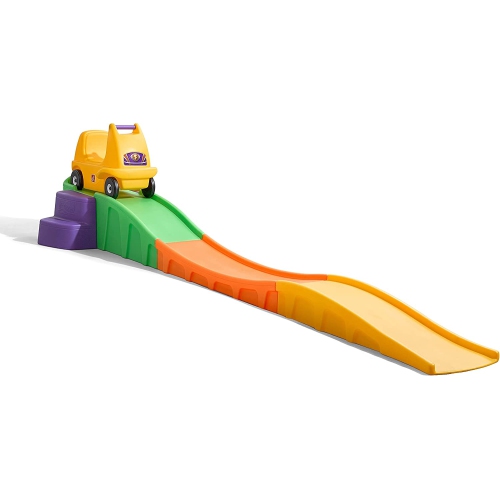 Your price for this item is $599.49
 -
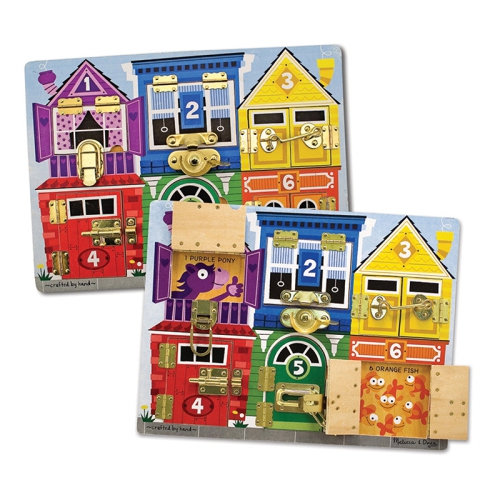 Your price for this item is $58.99
 -
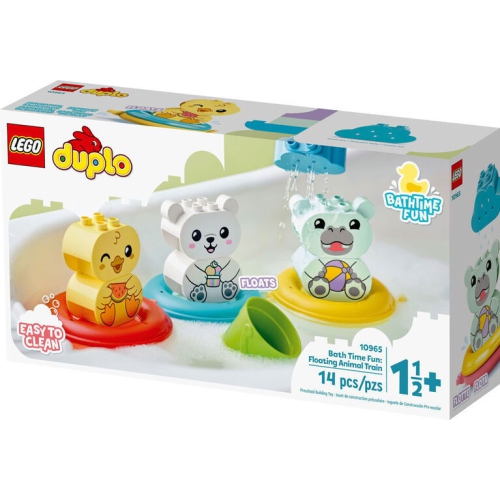 Your price for this item is $38.99
 -
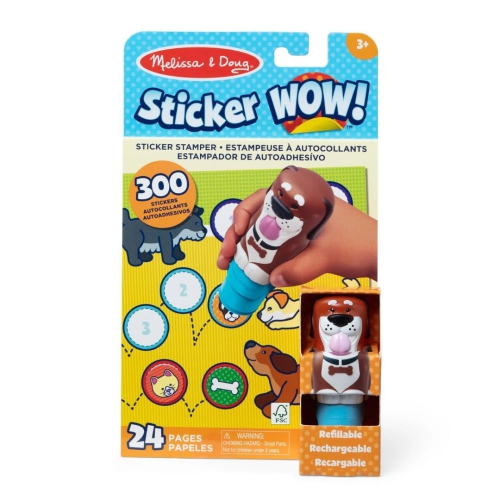 Your price for this item is $32.79
 -
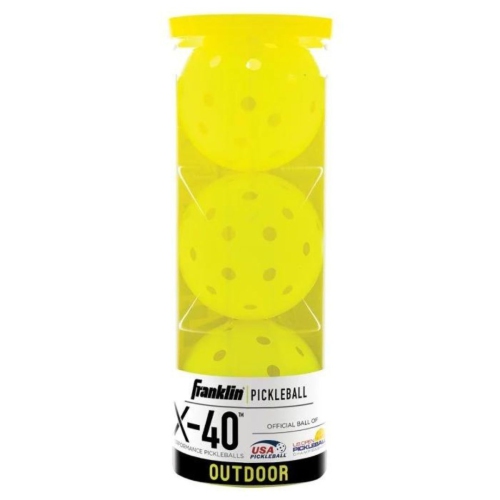 Your price for this item is $29.19
 -
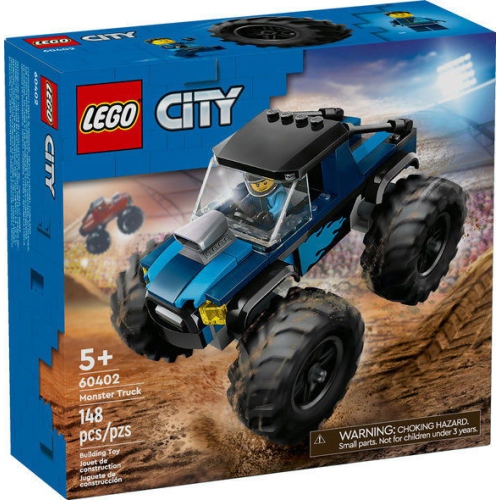 Your price for this item is $41.19
 -
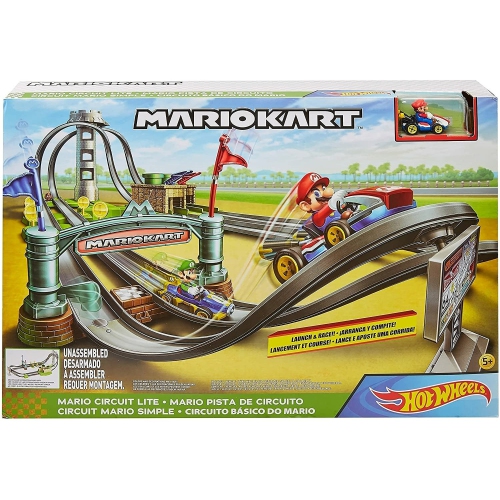 Your price for this item is $68.99
 -
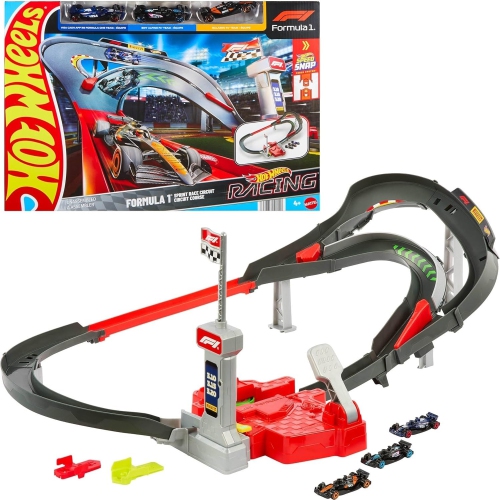 Your price for this item is $63.24
Discover more categories related to Construction Site Safety Toys
Top Collections:
Pokemon Centers, Kindle Devices, Best Budget Office Chairs, Apple iPhones 16, Canon G7X Cameras, iPhone 15 Apple, Alarm Clock, Refurbished Apple Laptops, Flip Phones, Best Laptops for Writers
Some products may be subject to Environmental Handling Fees
(EHF) depending on your province.
Learn more about EHFs.