Kids Toy Car
Ignite your child's imagination and fuel their sense of adventure with our diverse selection of kids' toy cars. Perfect for little drivers, these miniature vehicles offer endless hours of fun and creativity, whether they're racing around the living room or embarking on a pretend road trip. From sleek race cars to rugged off-roaders, our collection caters to every young enthusiast's taste, providing not just entertainment but also opportunities for developing motor skills and spatial awareness. Explore a world where the only limit is your child's imagination, and watch as they zoom into new adventures with their very own toy car.
Sort
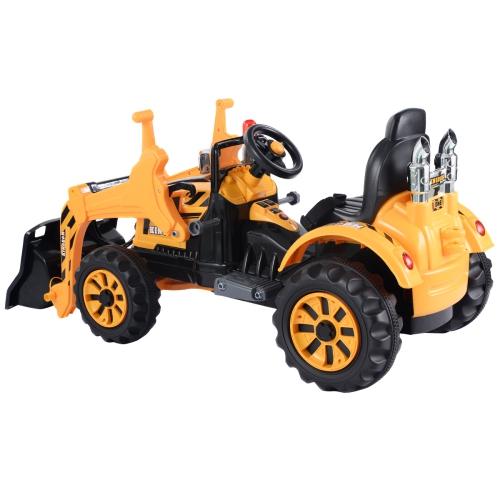

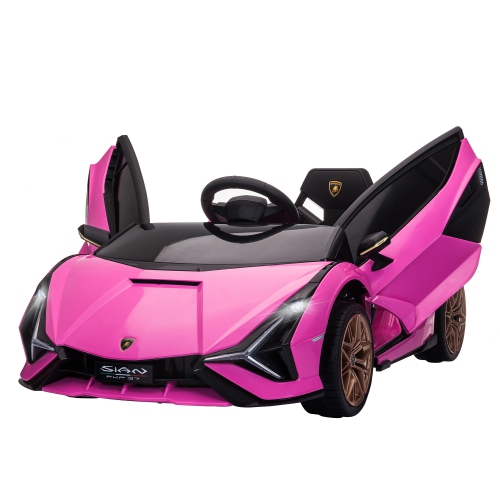
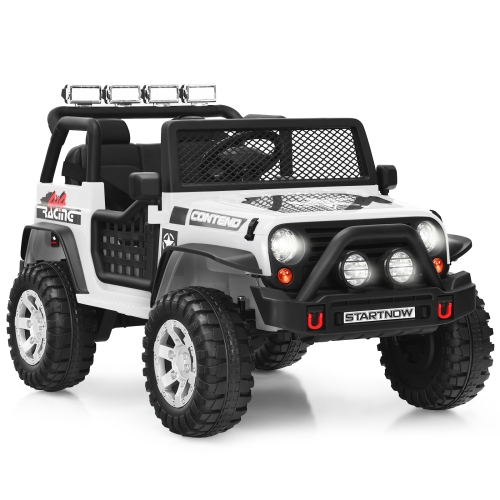
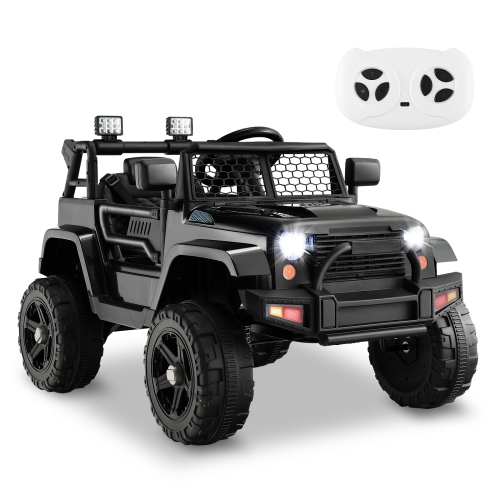
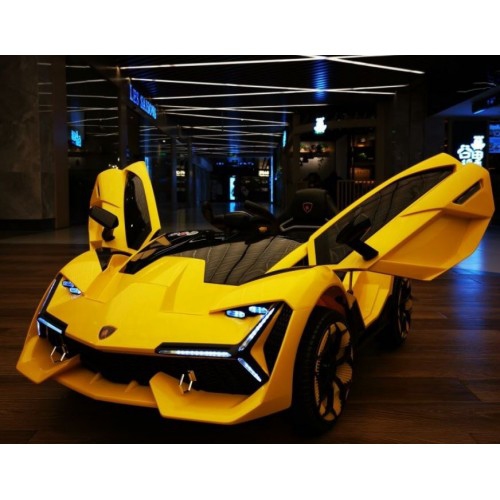
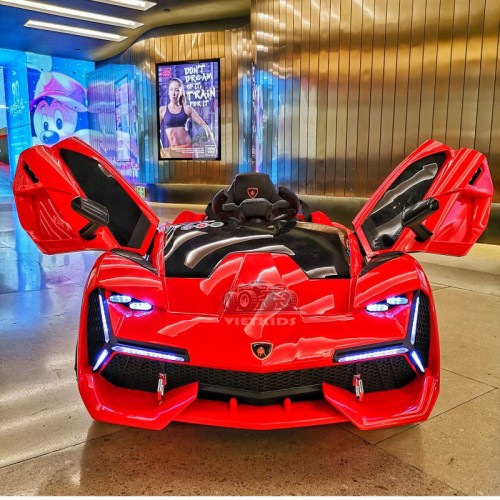
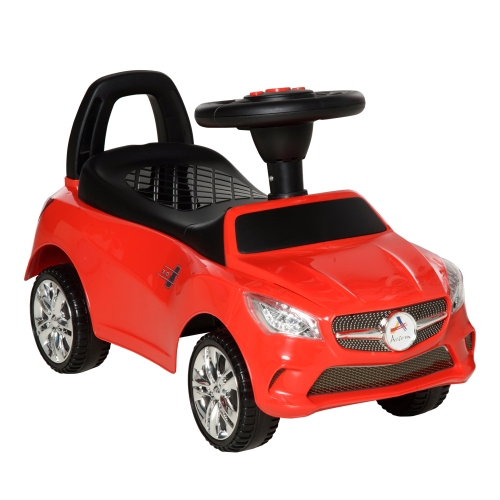
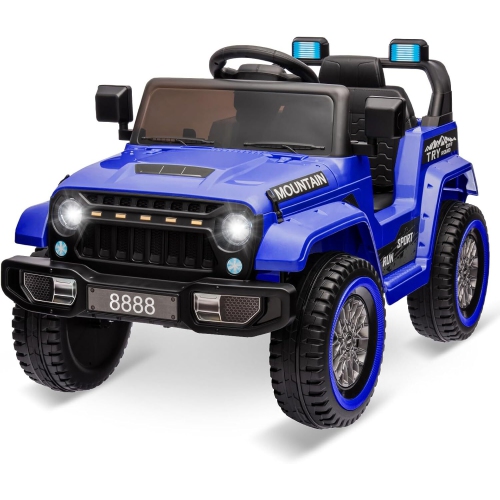
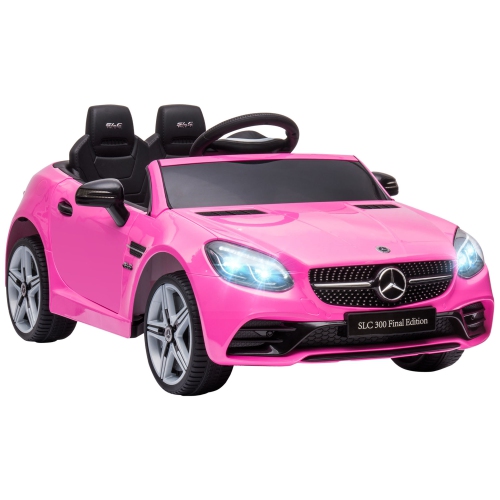

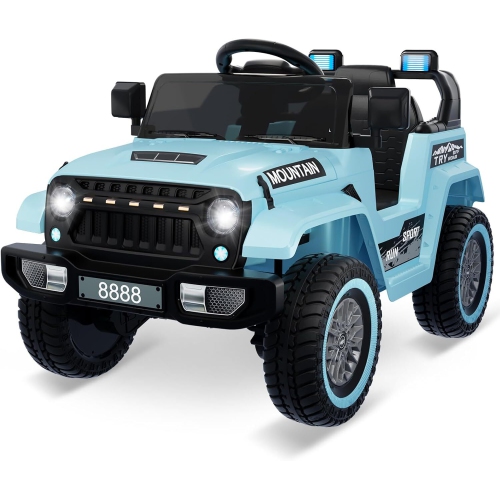

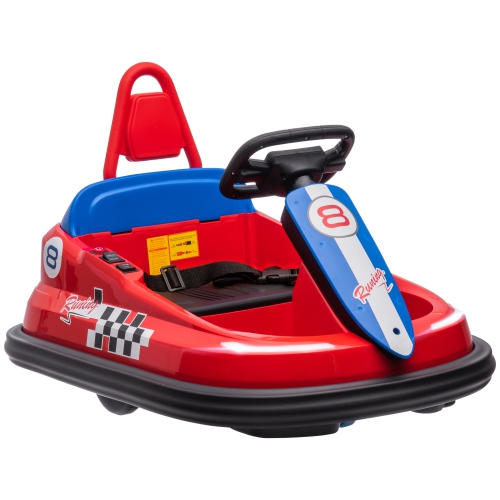
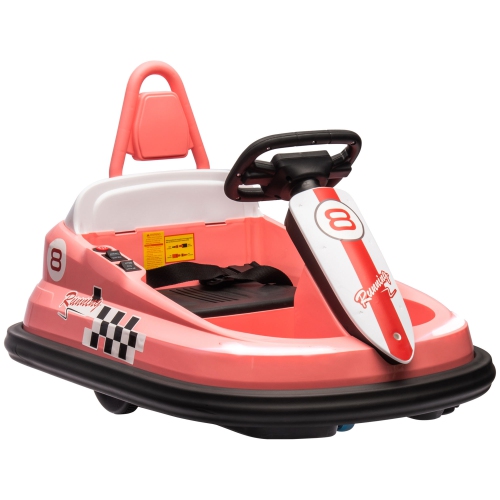


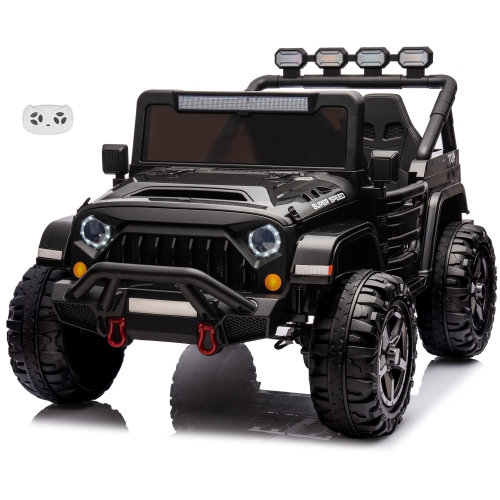


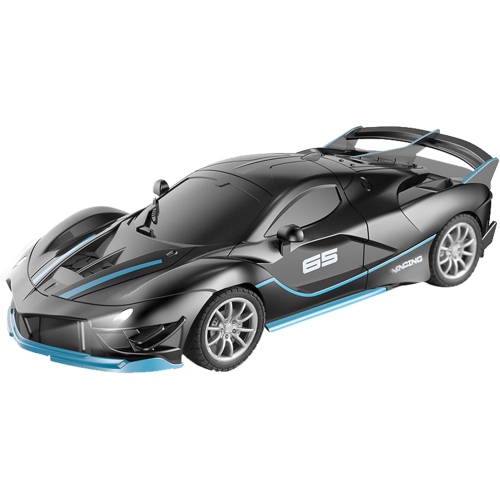


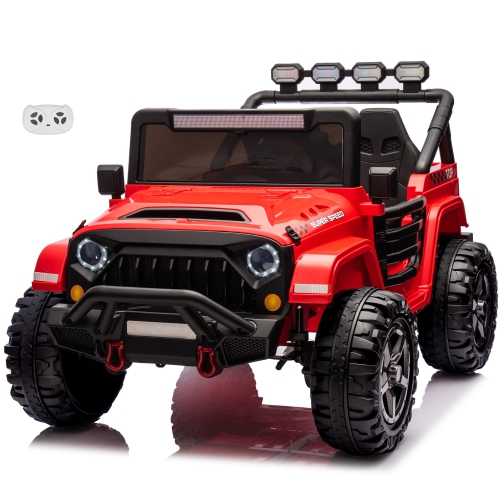
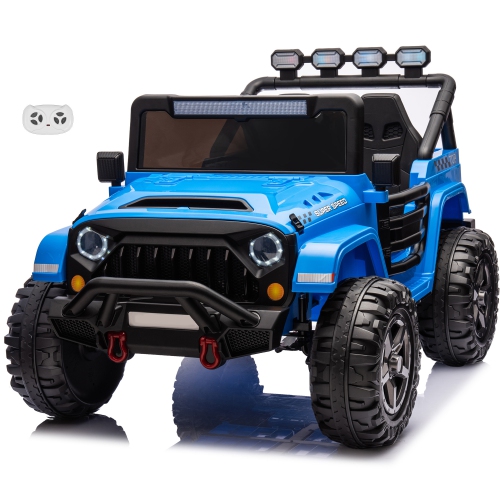
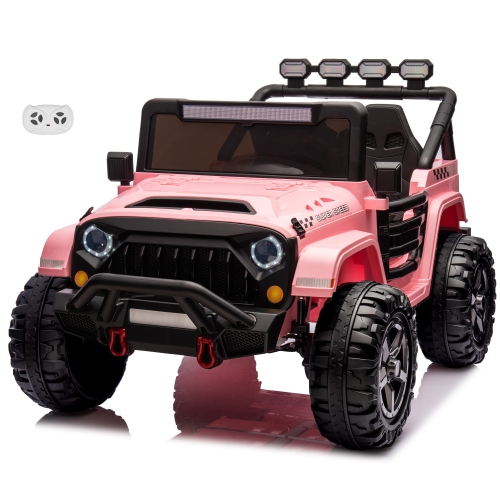
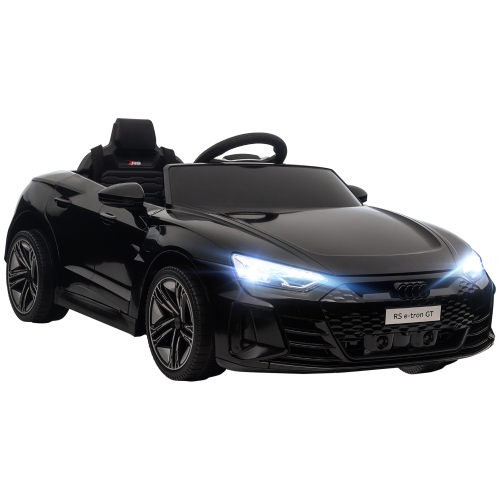
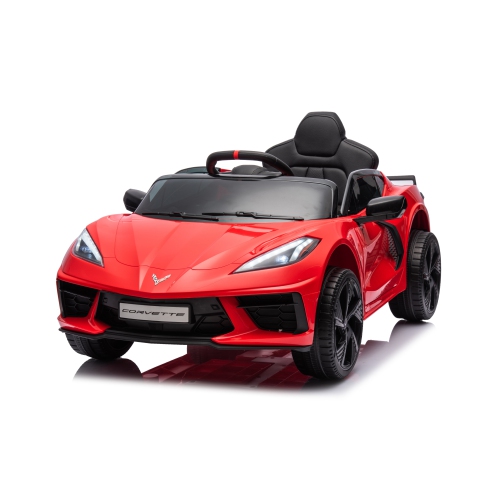
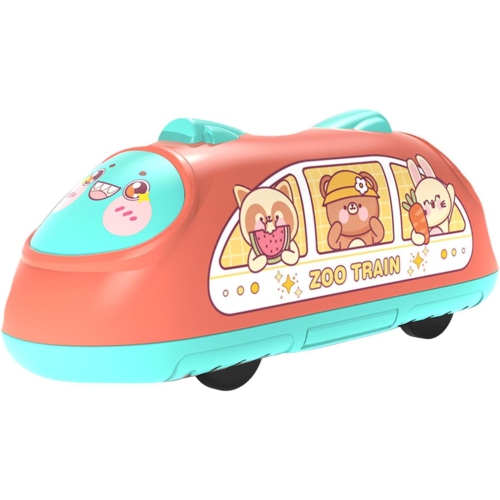
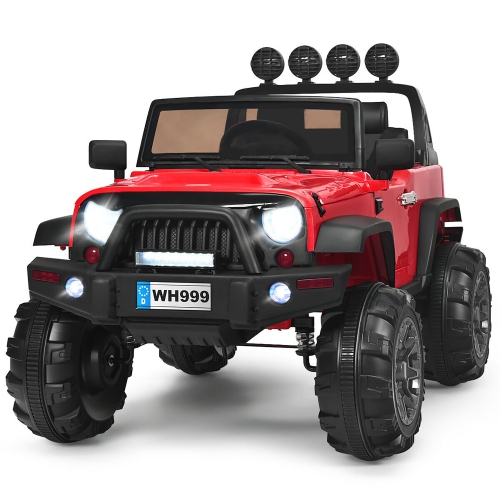
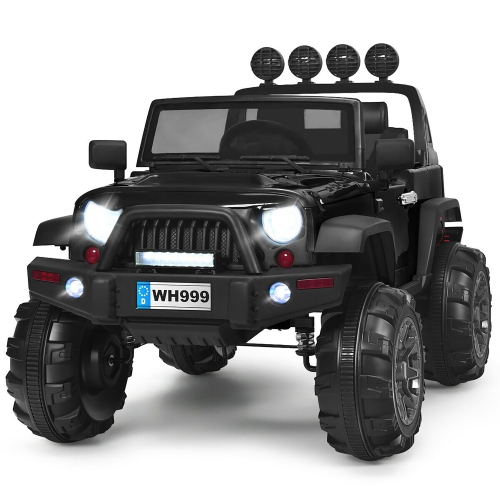

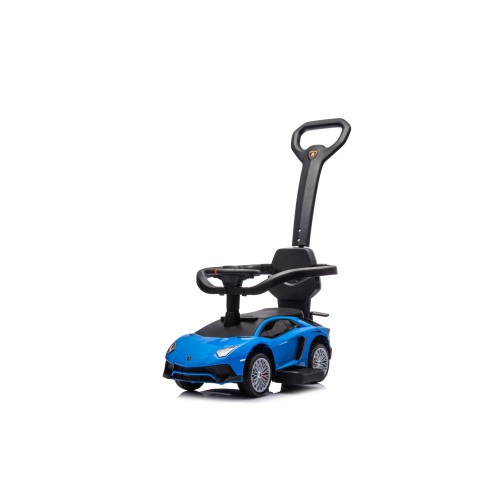
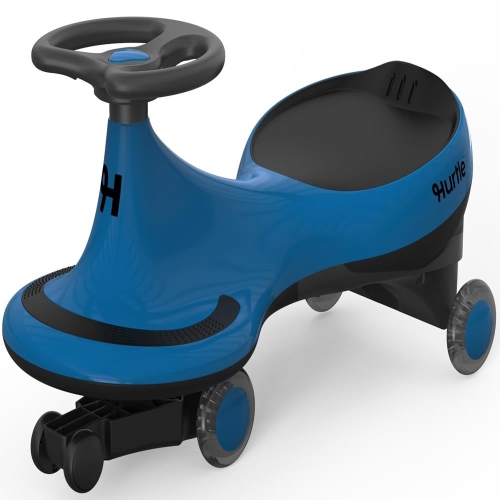
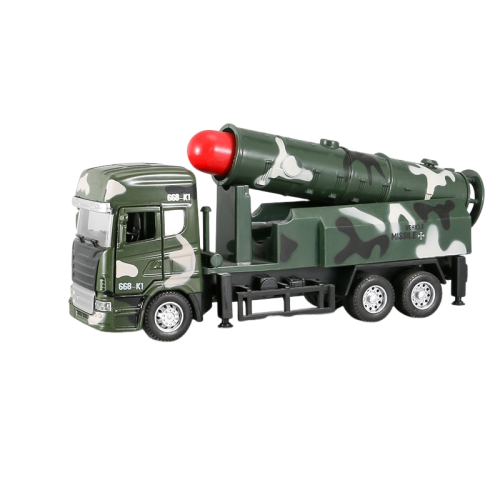
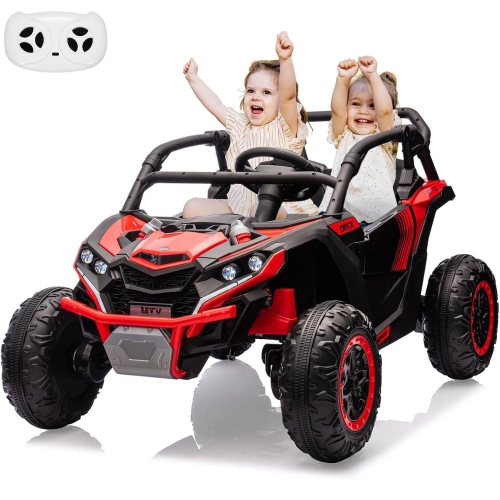
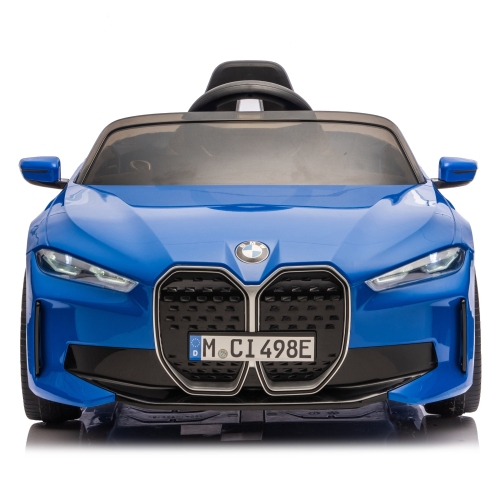
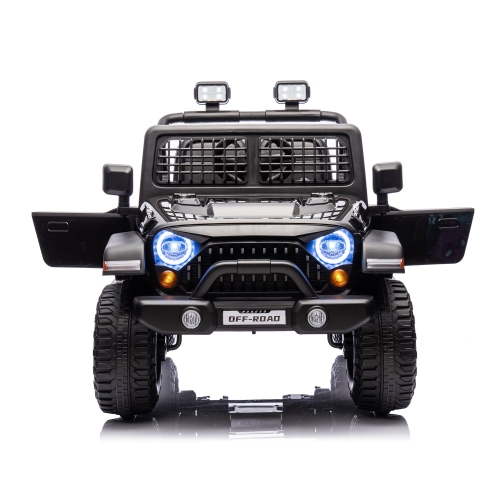
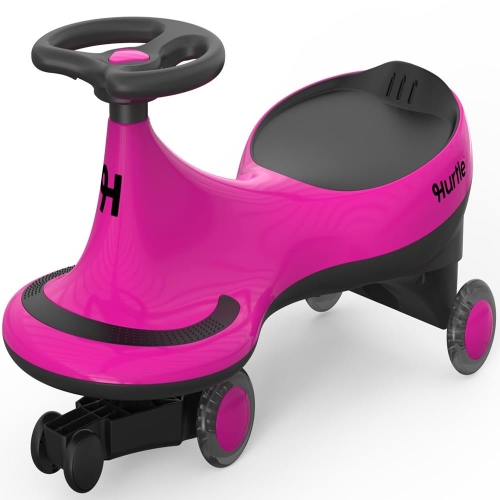

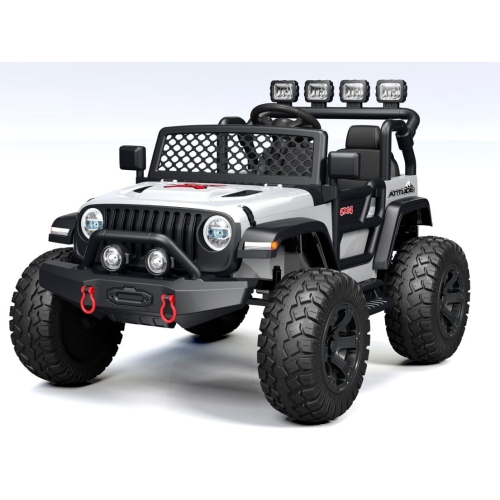
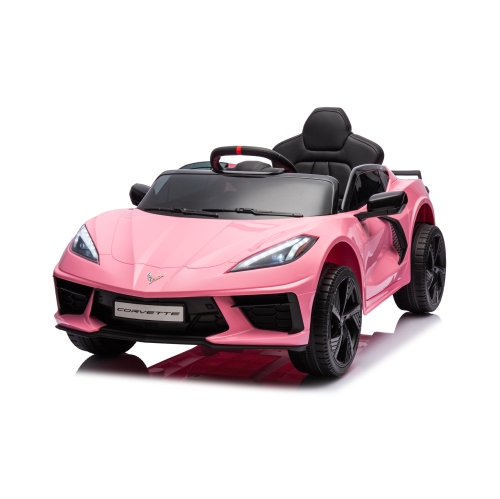

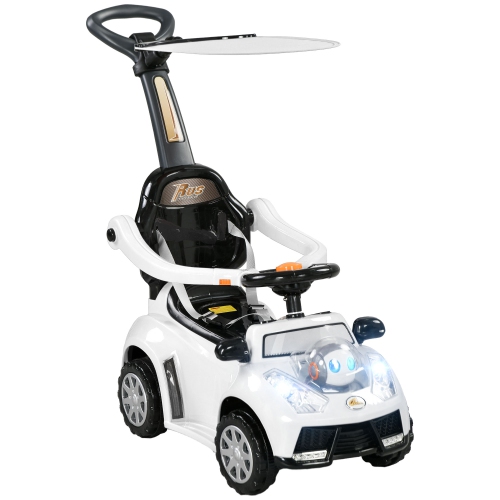


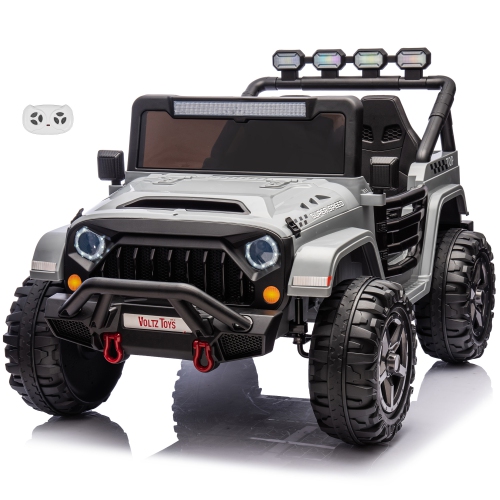
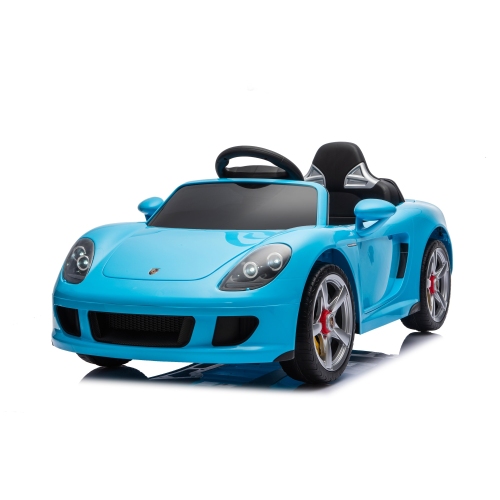
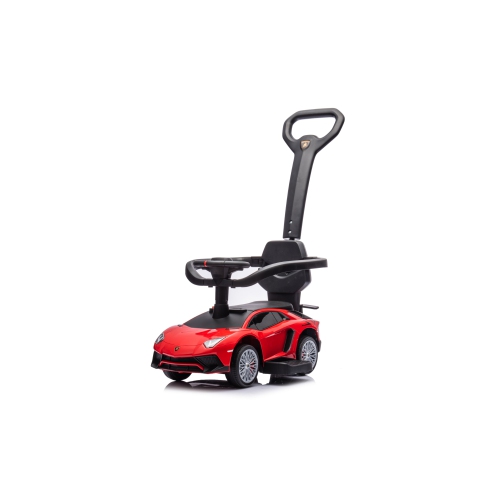

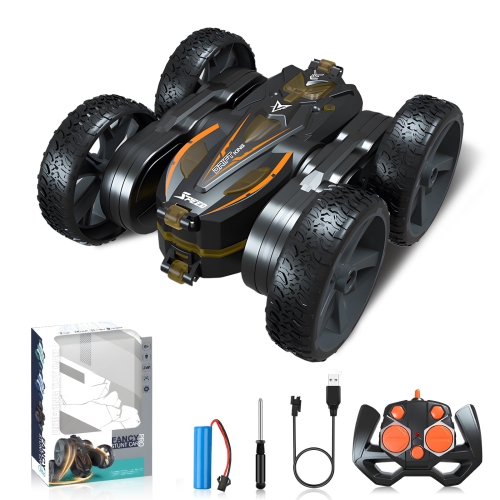


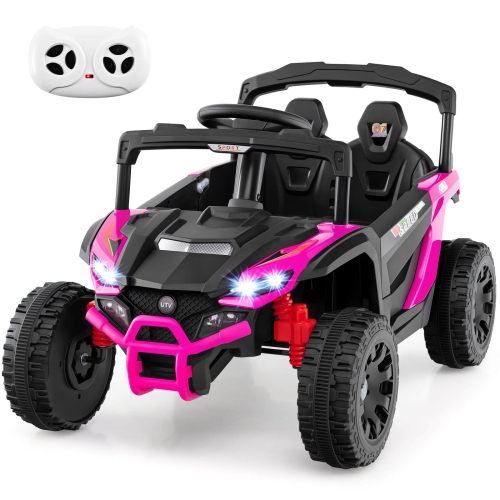
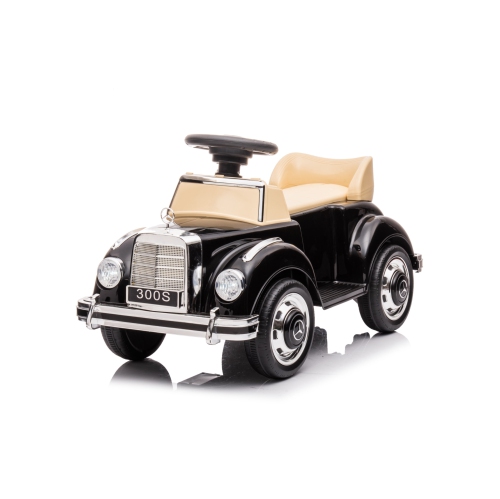
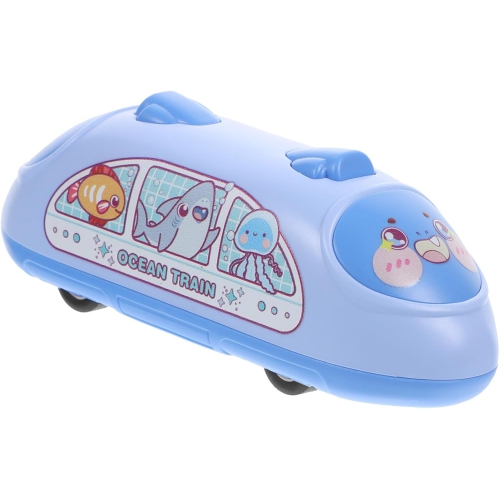

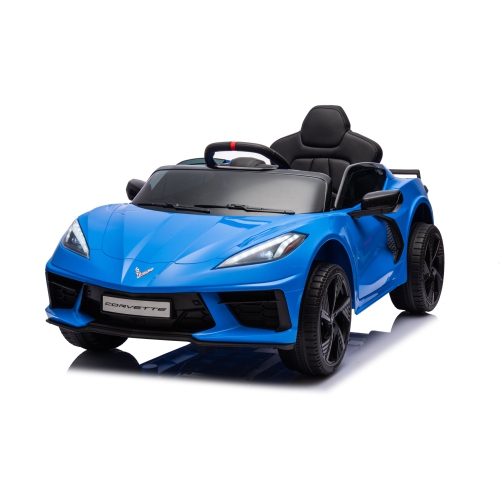
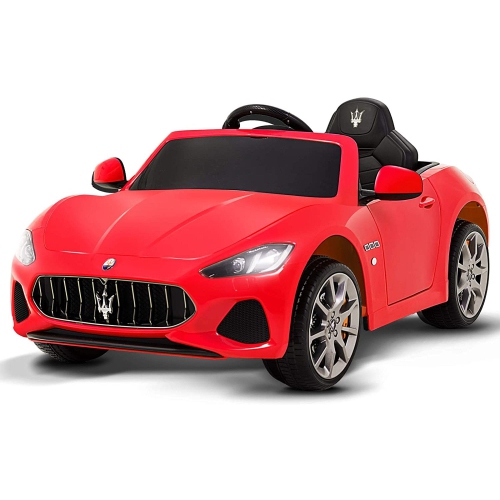
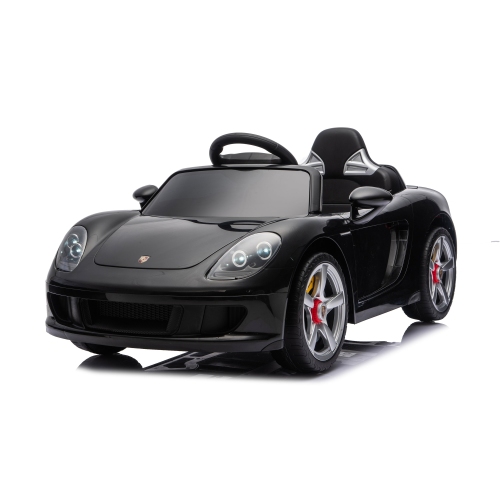
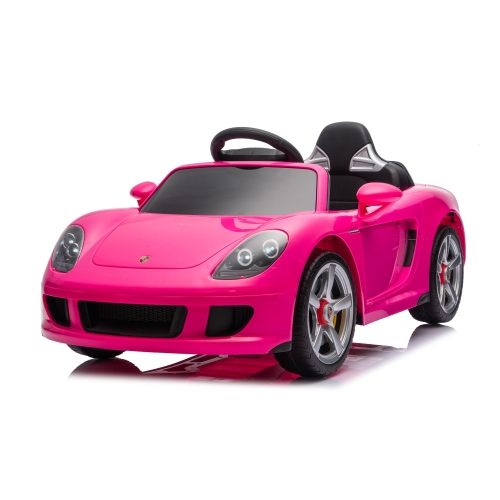
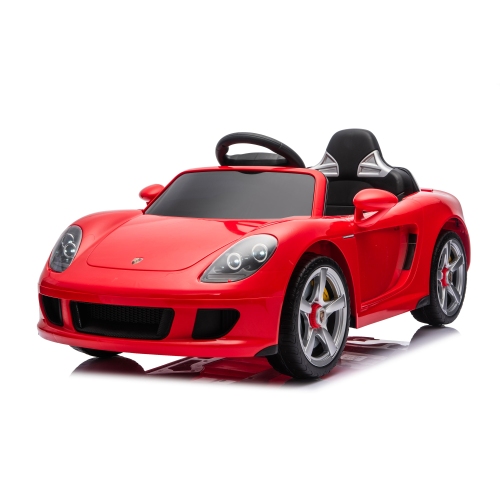
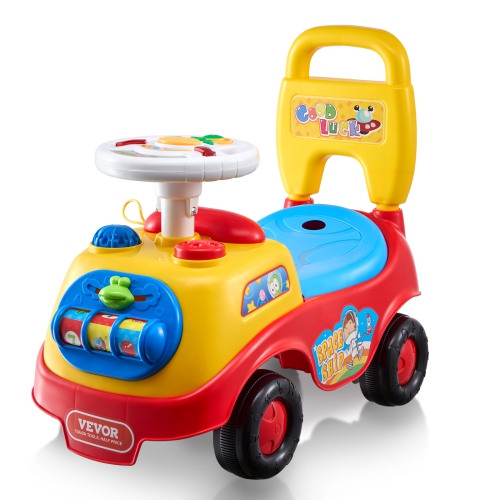

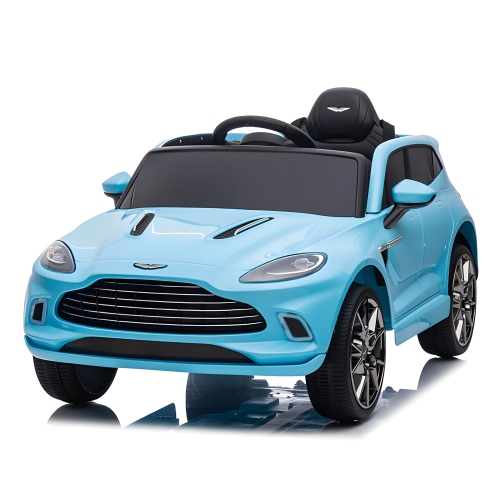
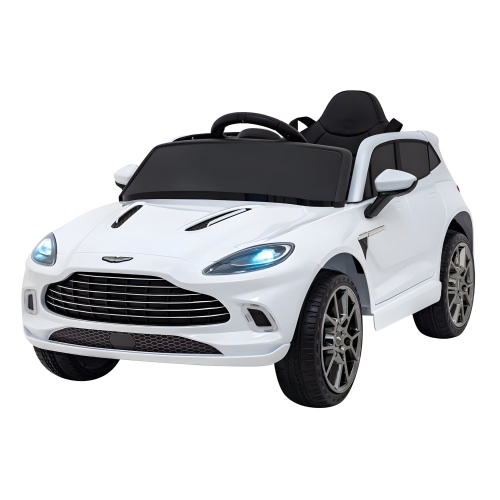
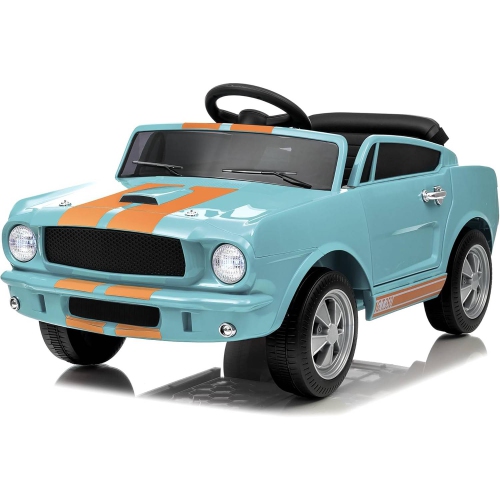
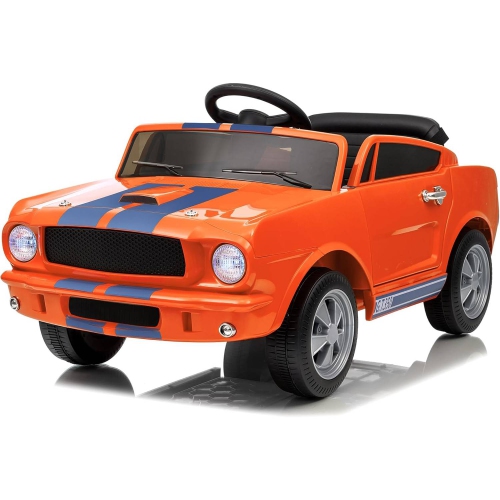

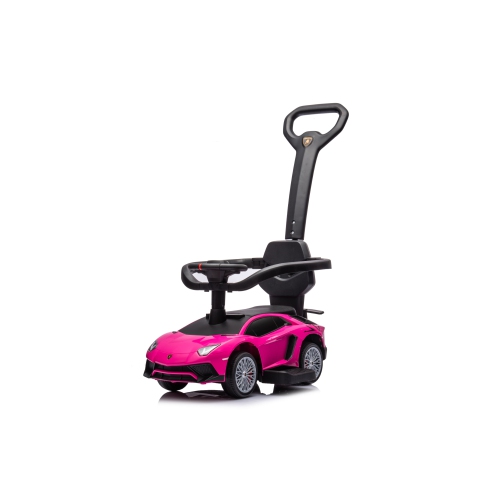
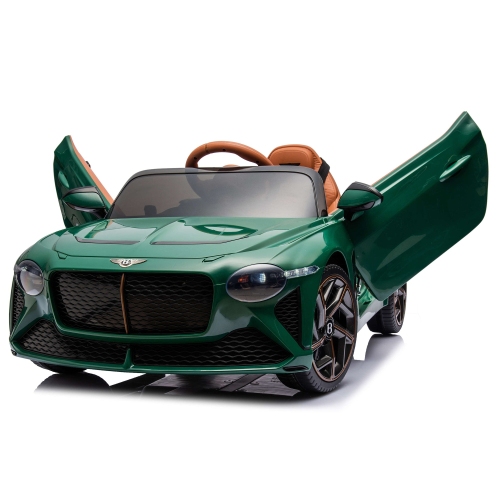
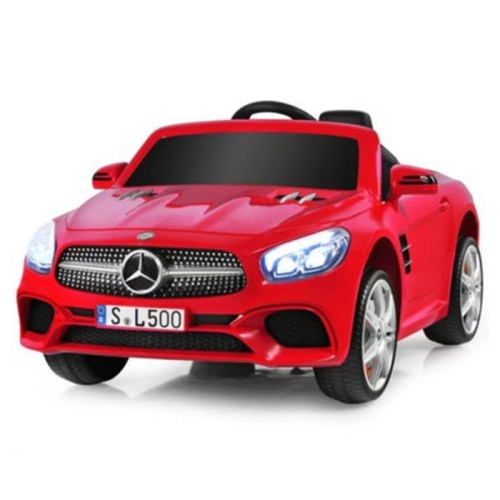
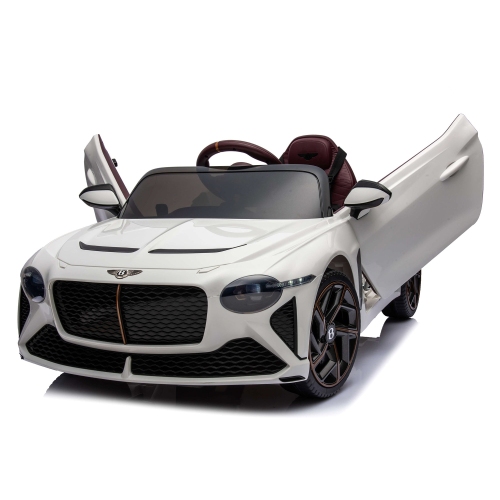
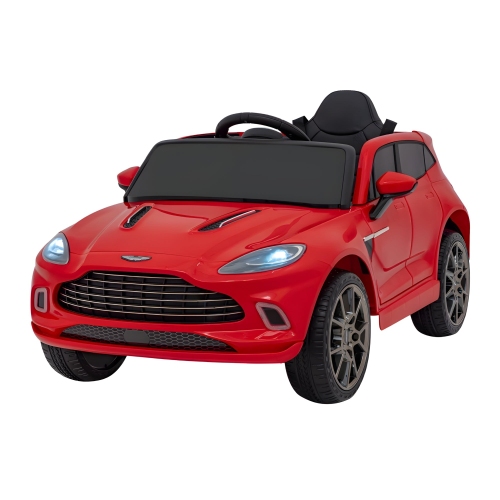
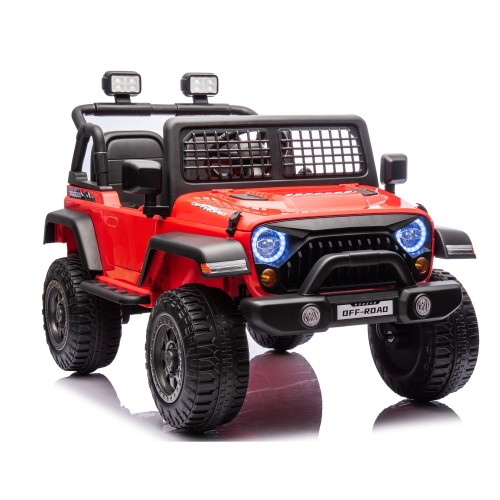


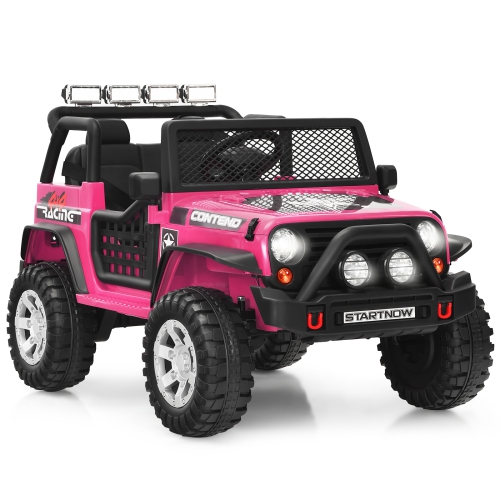
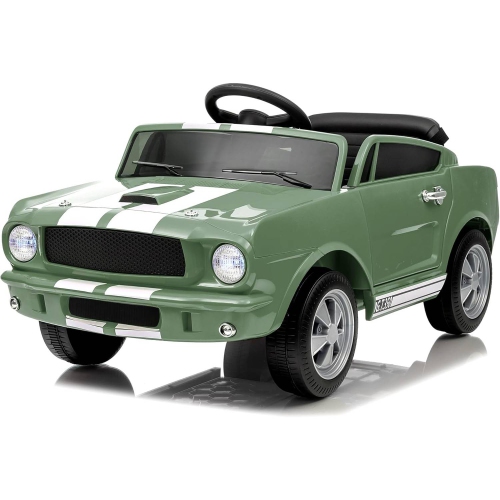
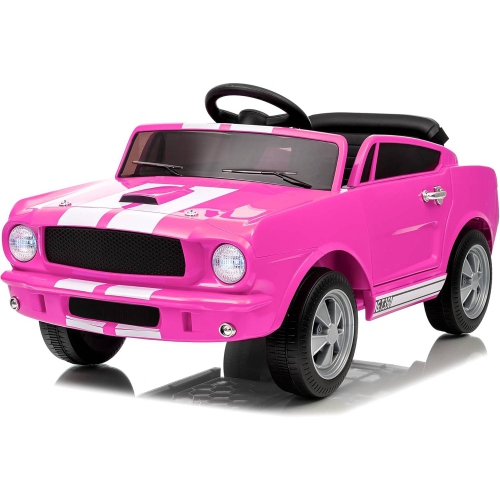
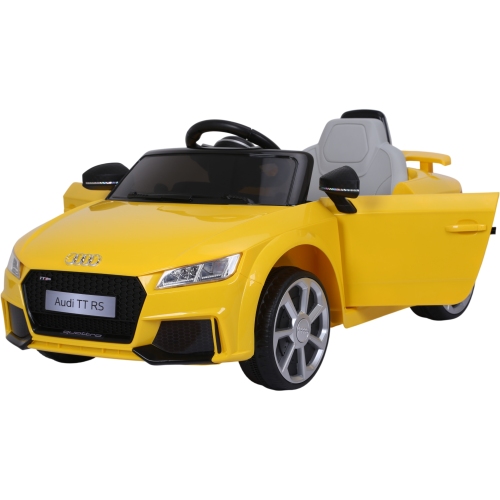
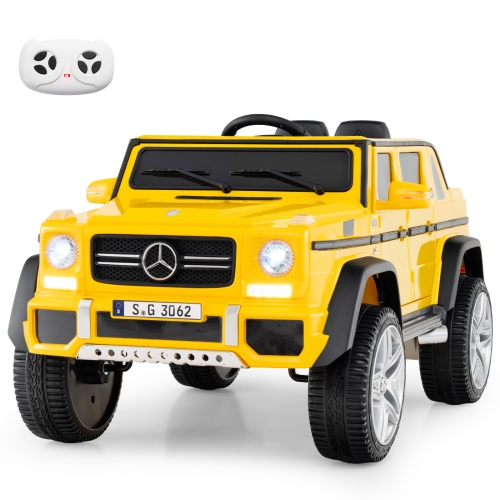
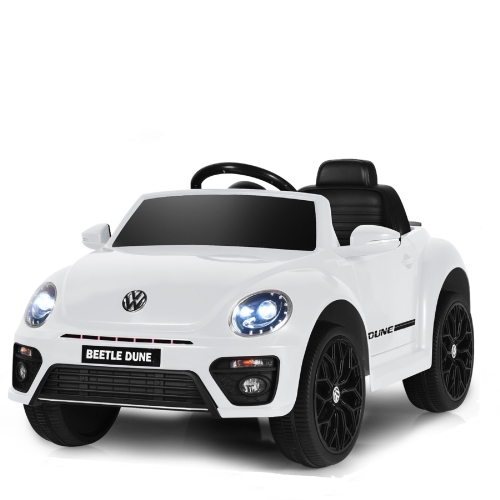

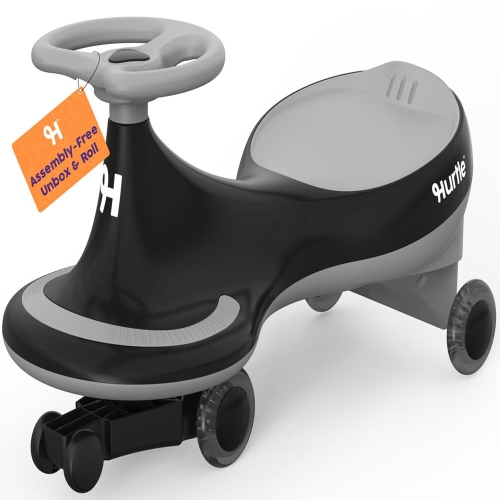
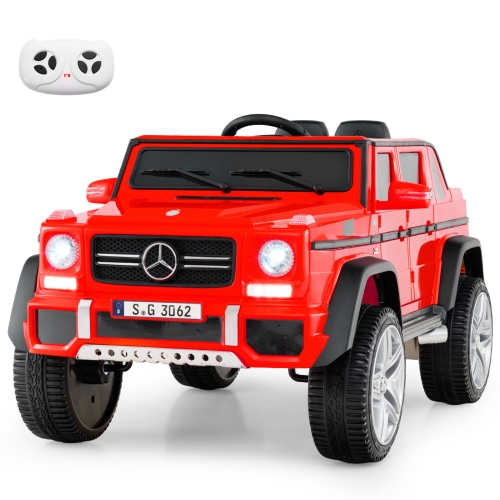
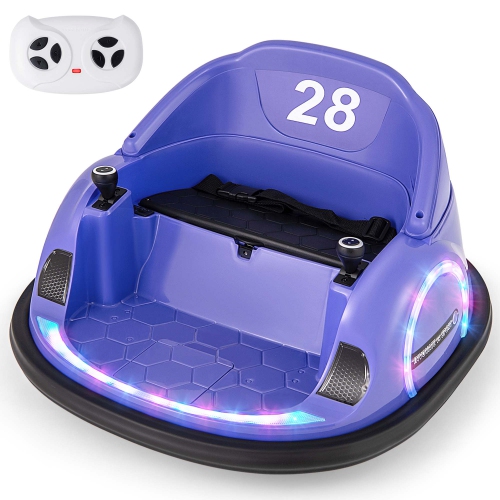

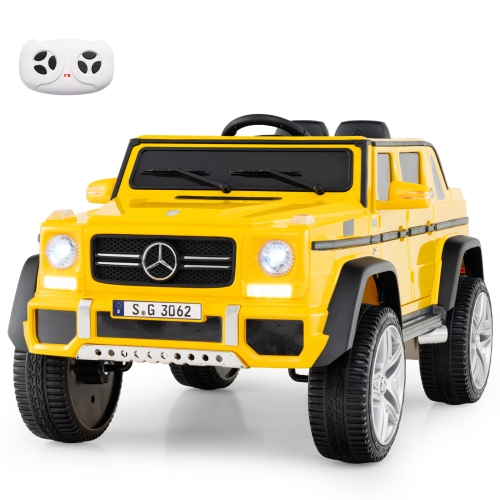

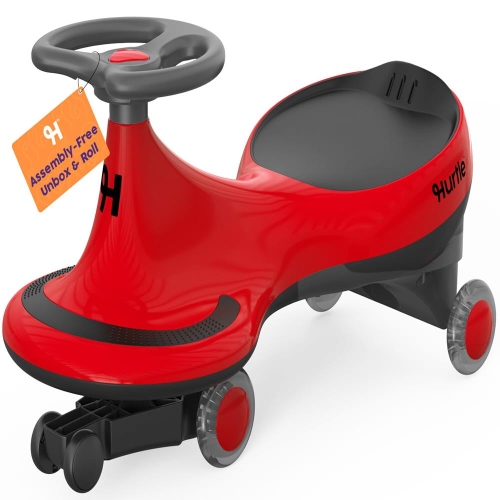
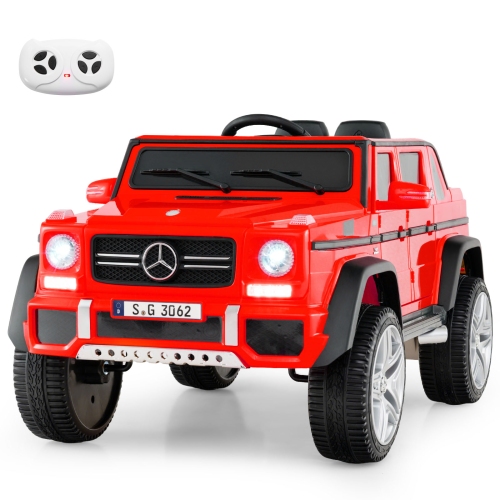
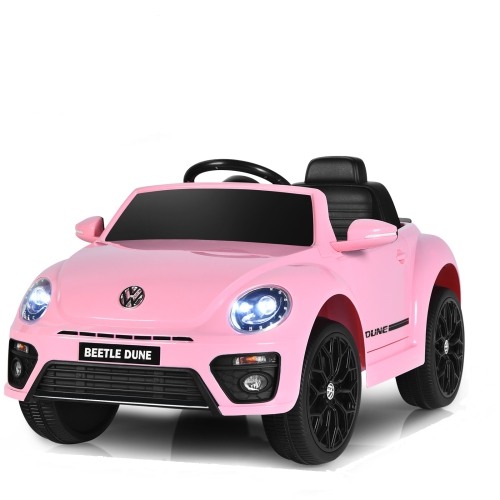
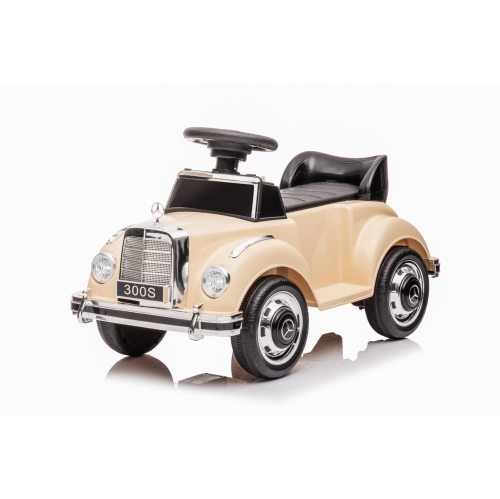
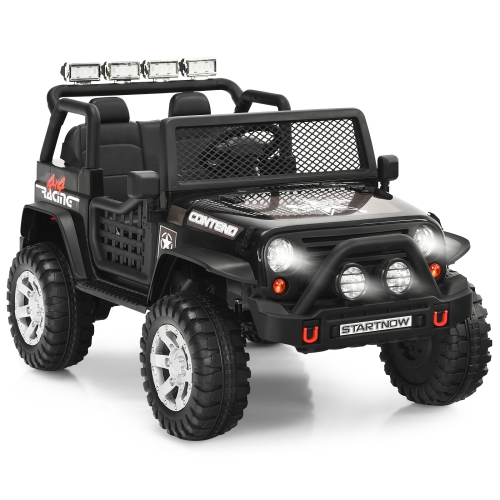
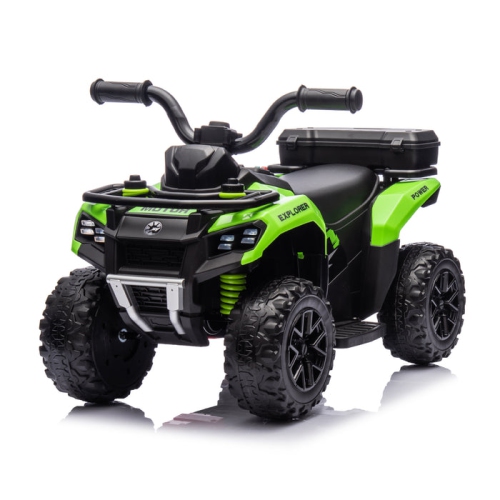
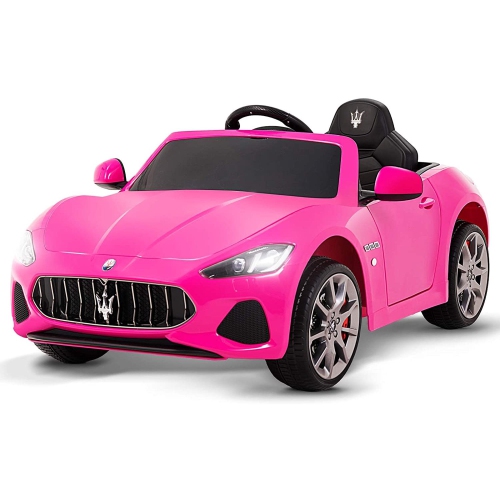
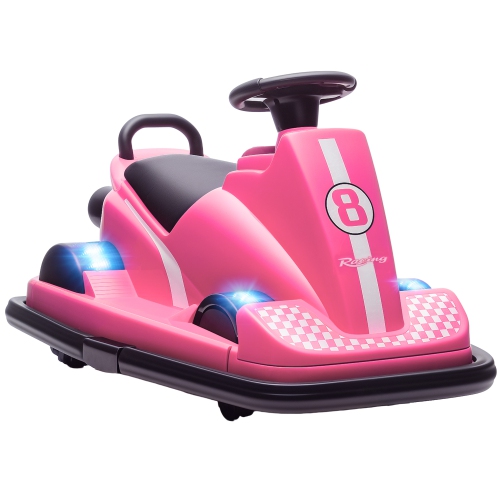
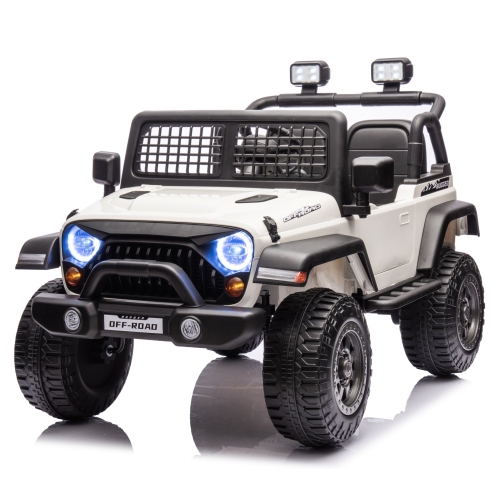
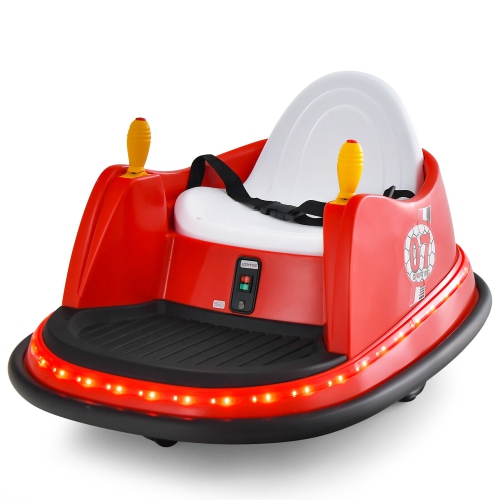
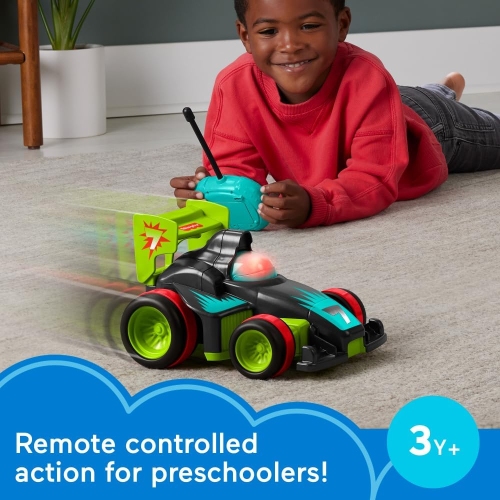
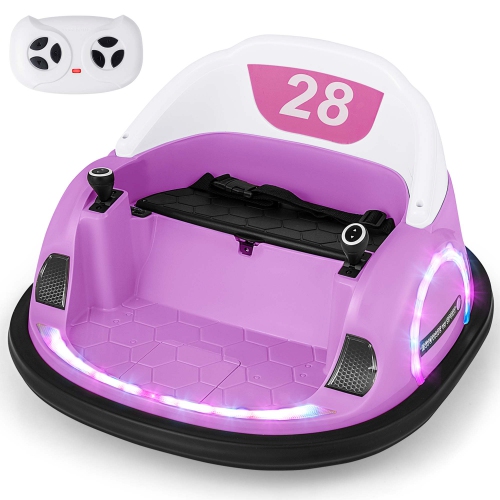
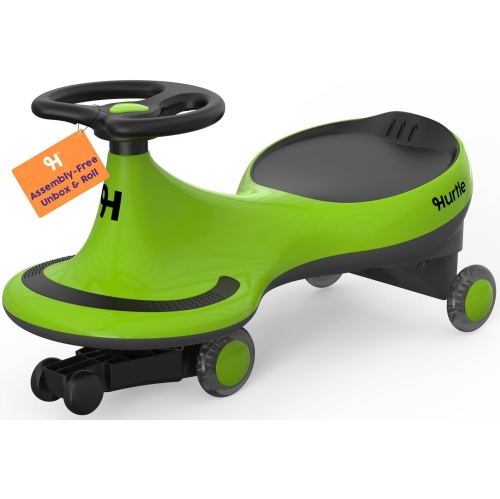
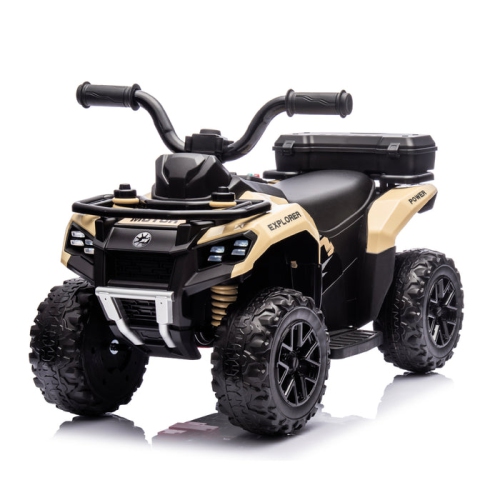
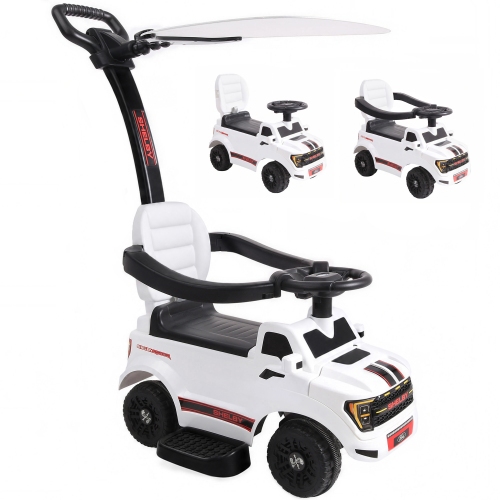
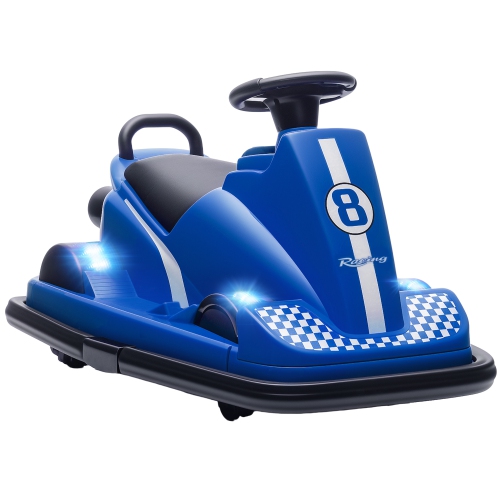
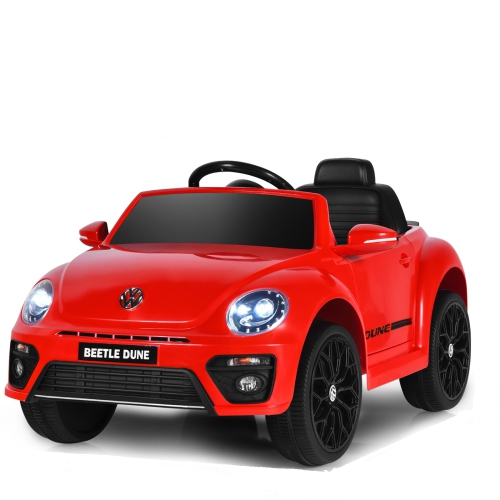
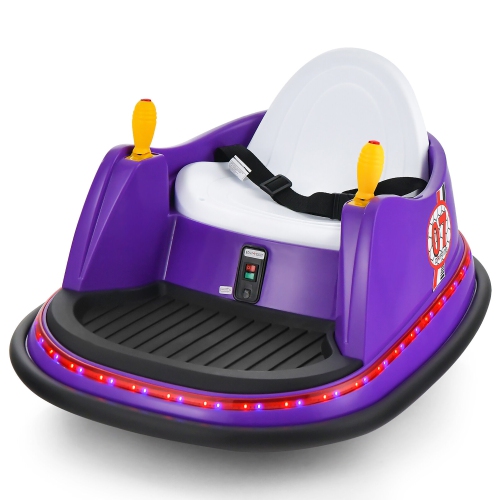
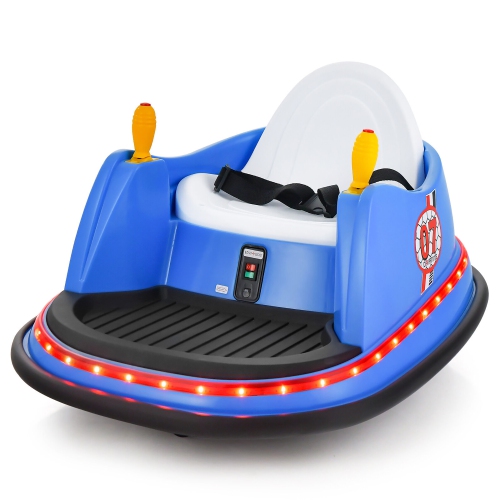
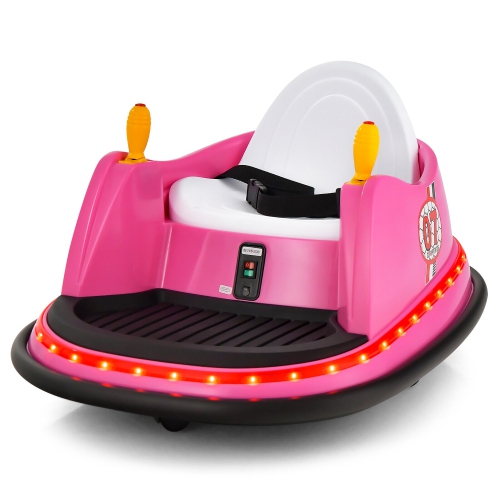
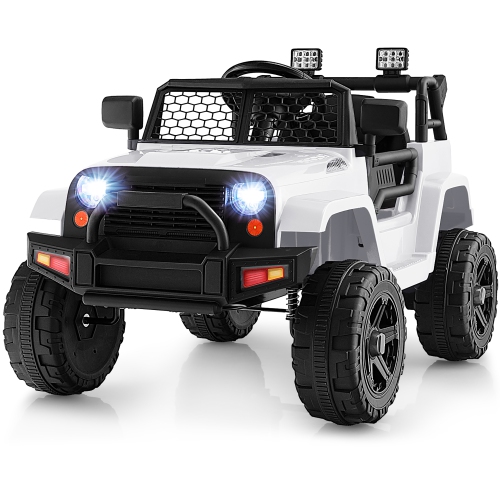
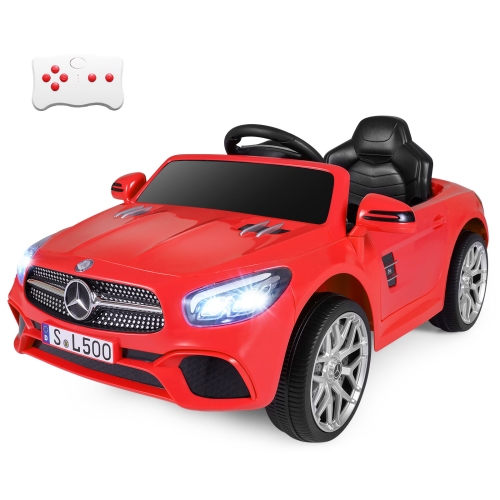
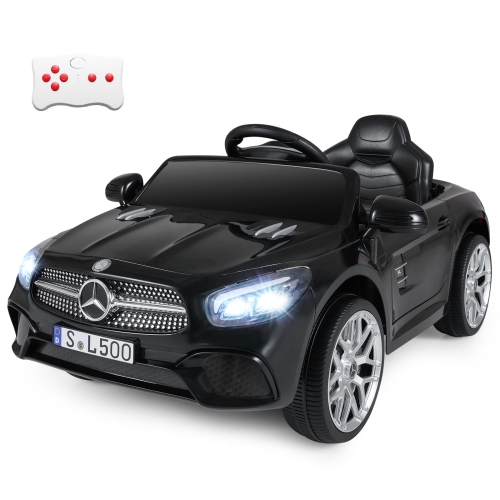
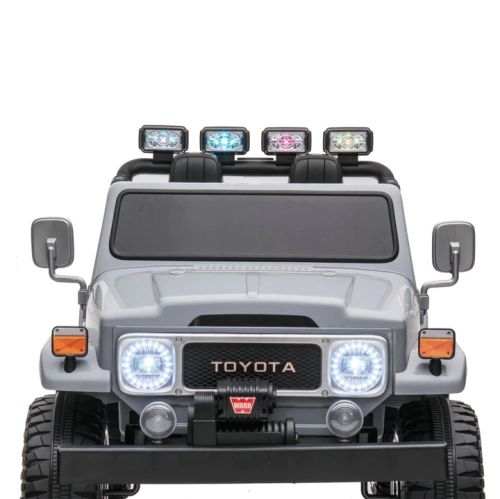
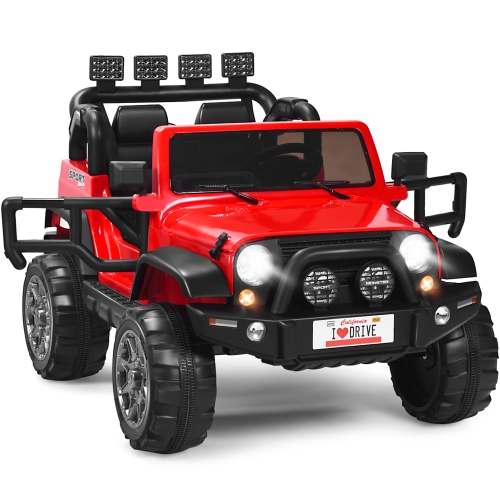
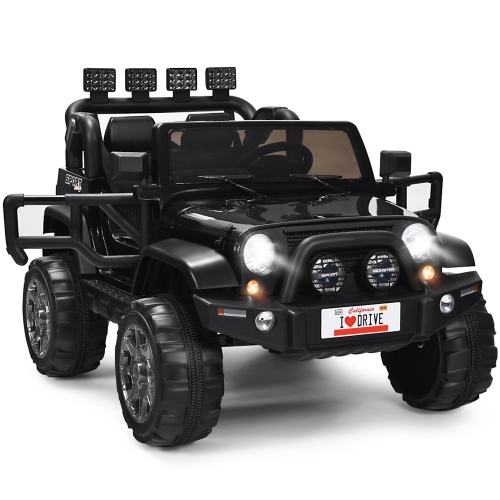
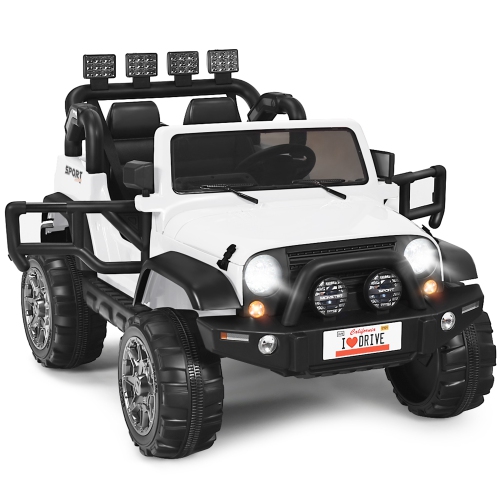
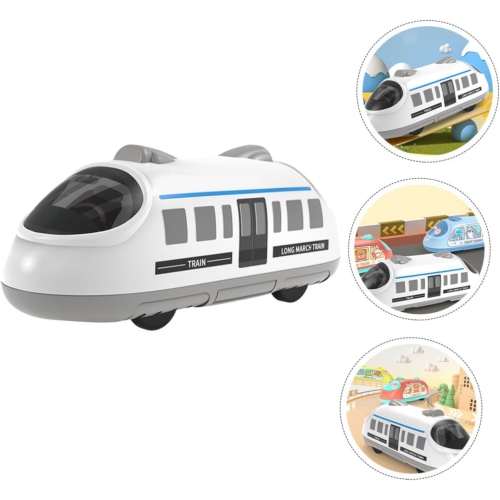
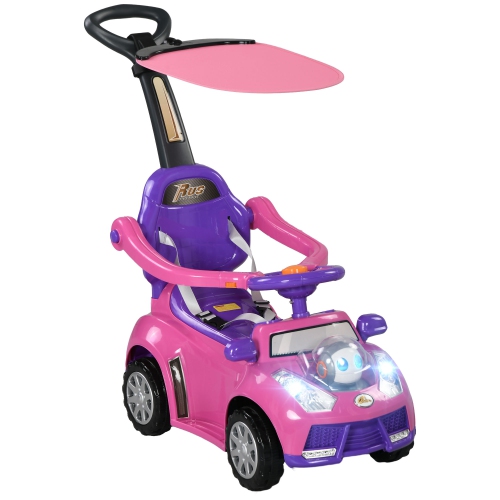

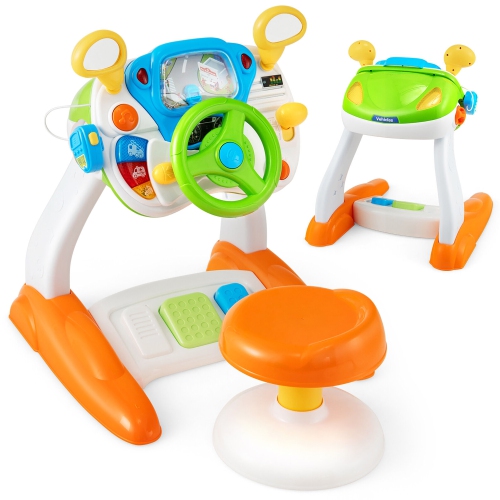
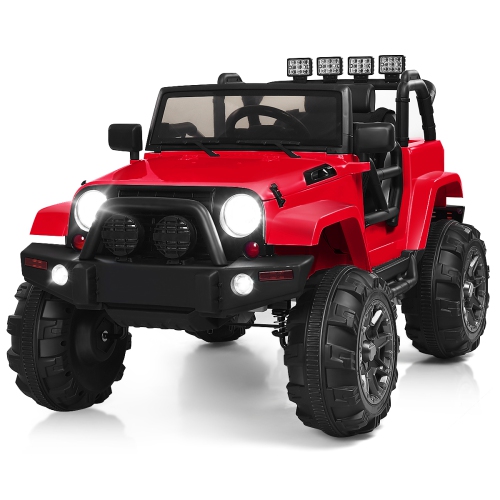

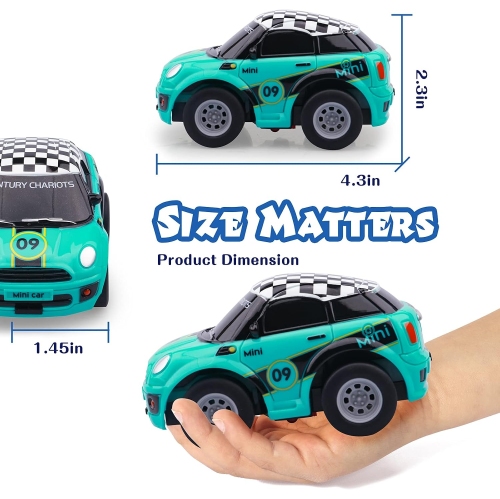
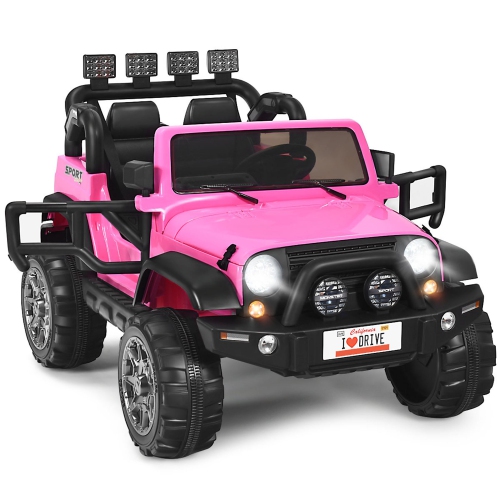
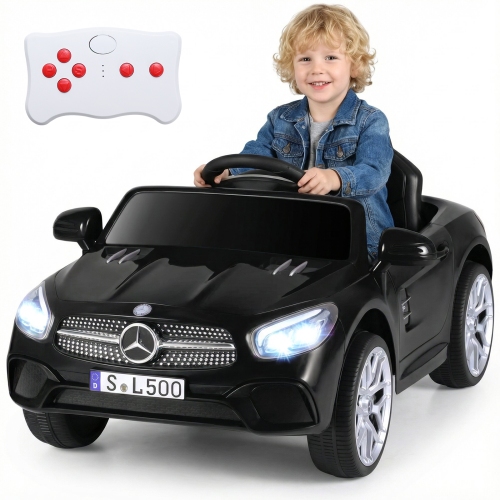
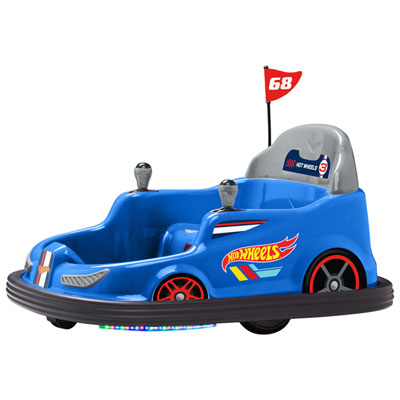
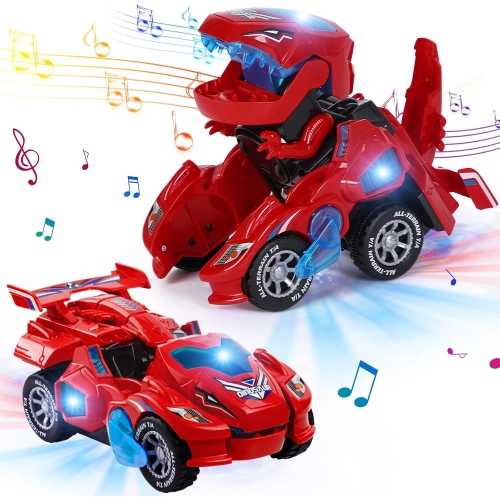
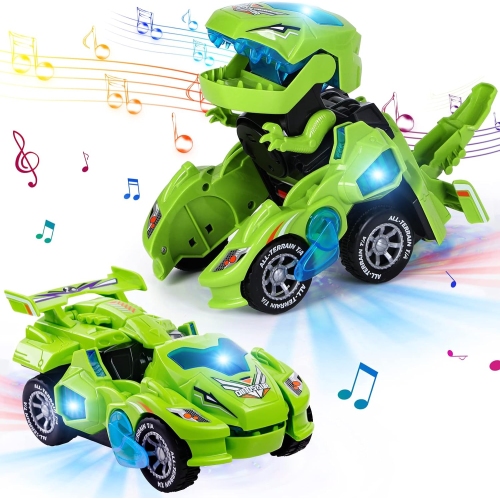

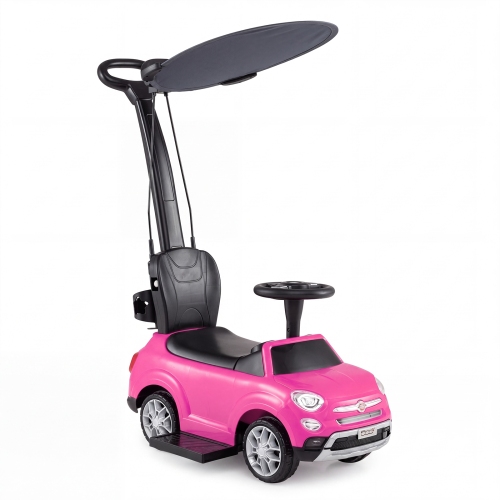


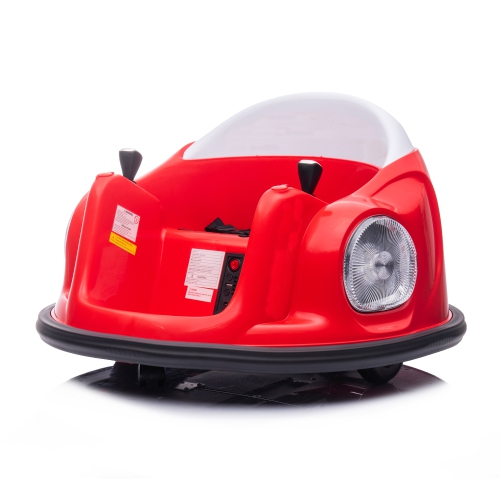

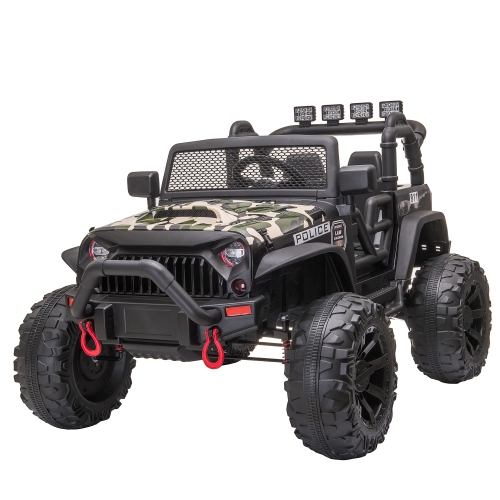


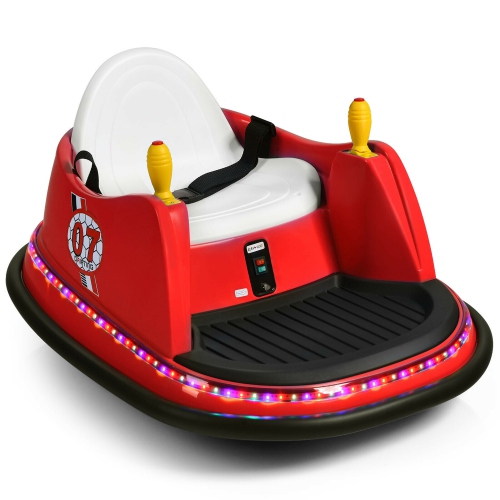

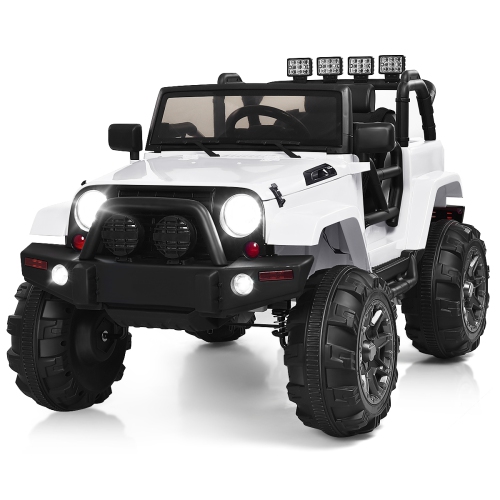
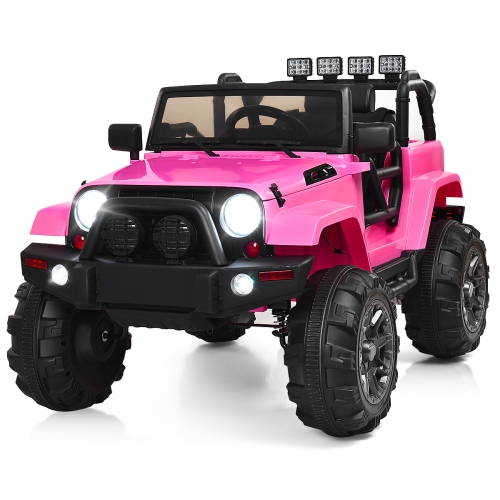
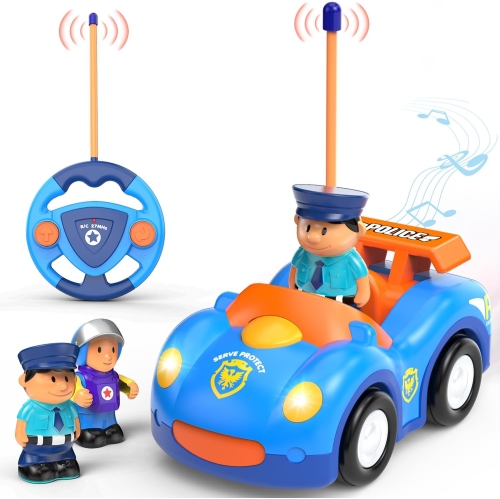
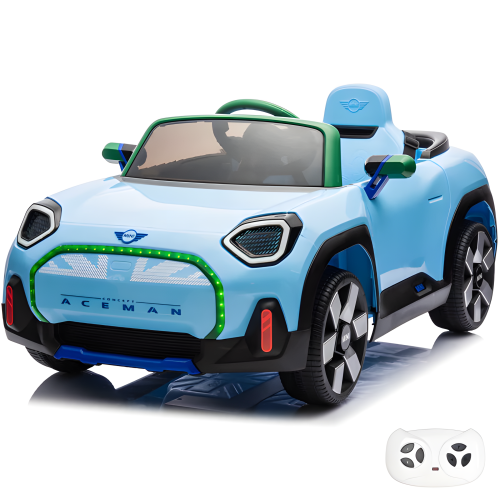
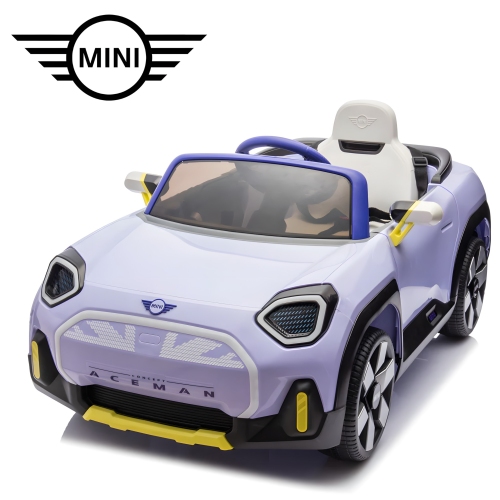


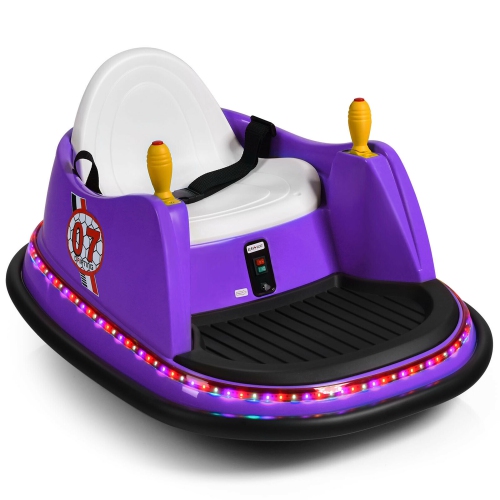
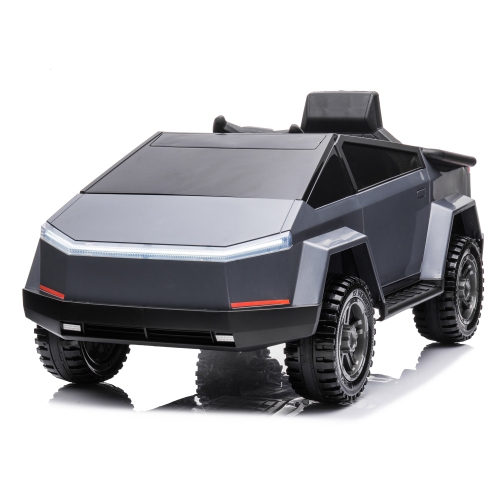


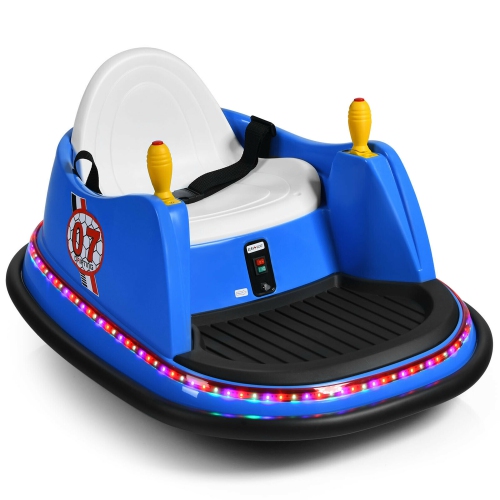
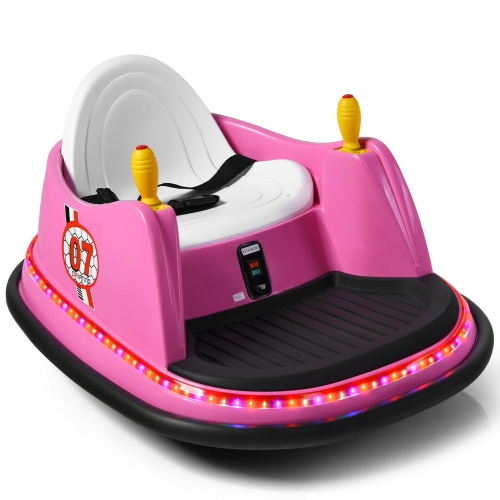
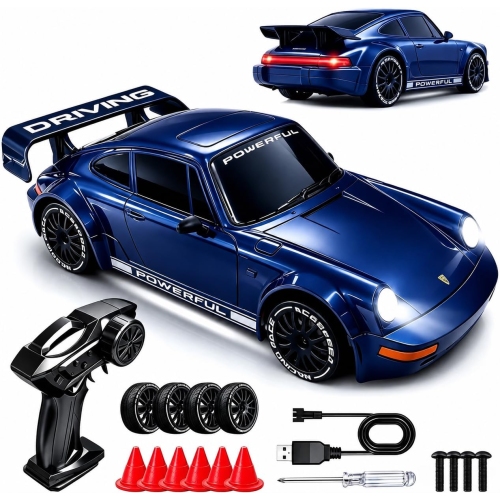


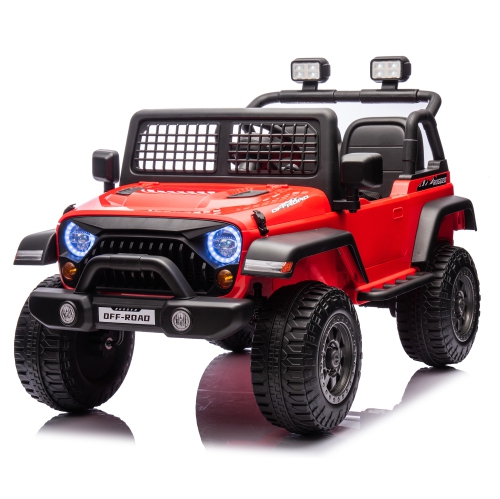
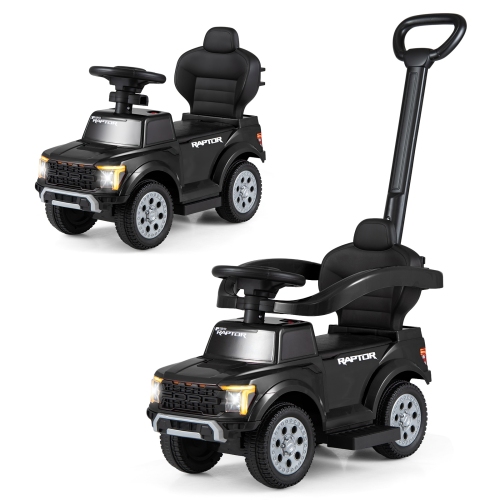
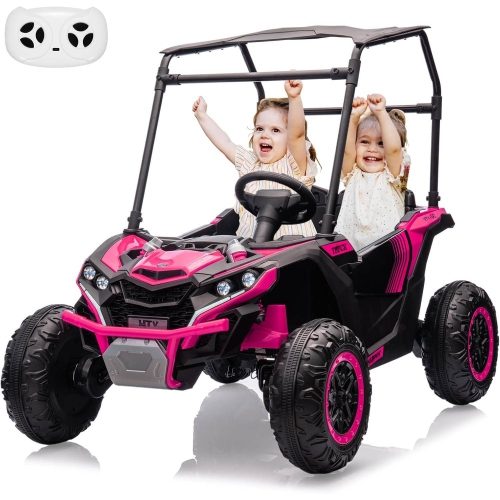
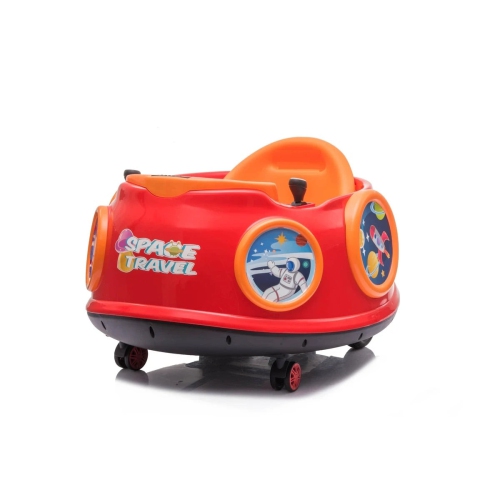

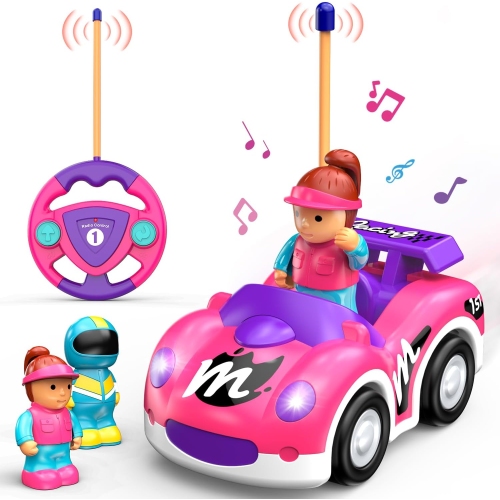
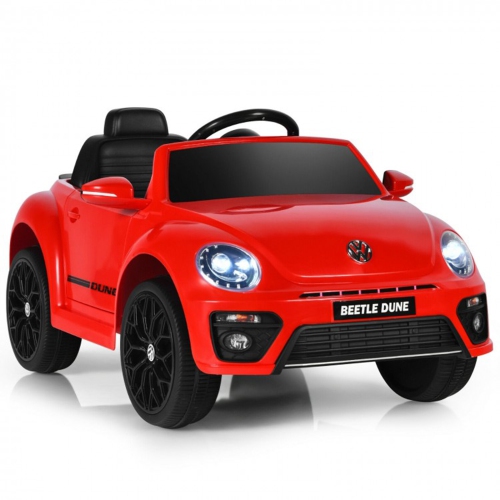
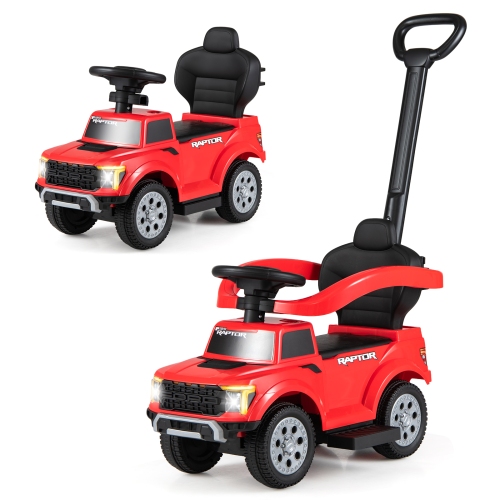


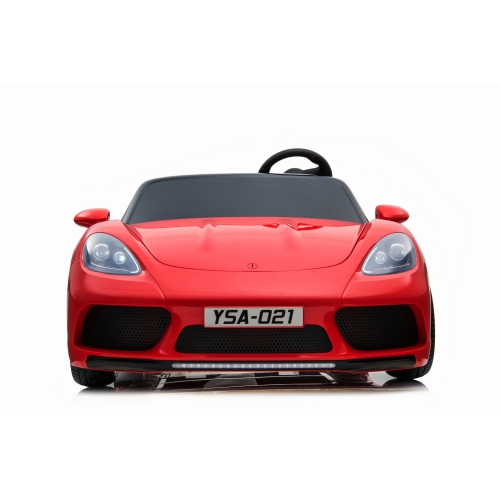
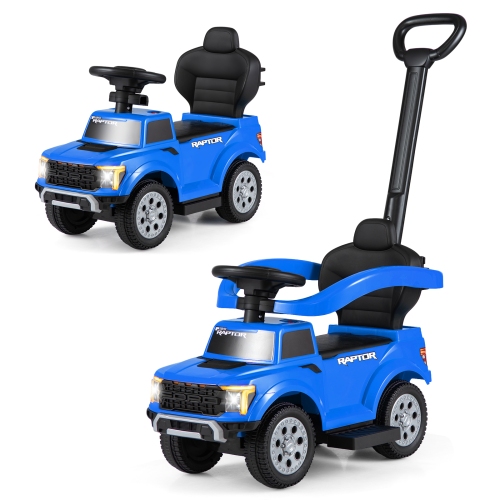

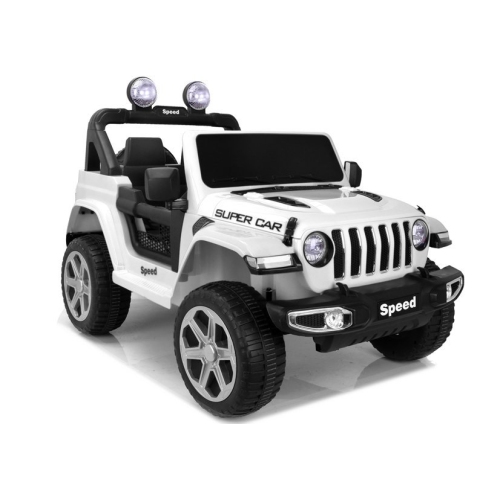

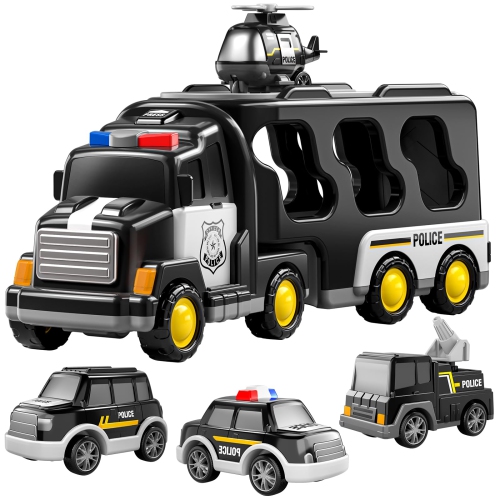
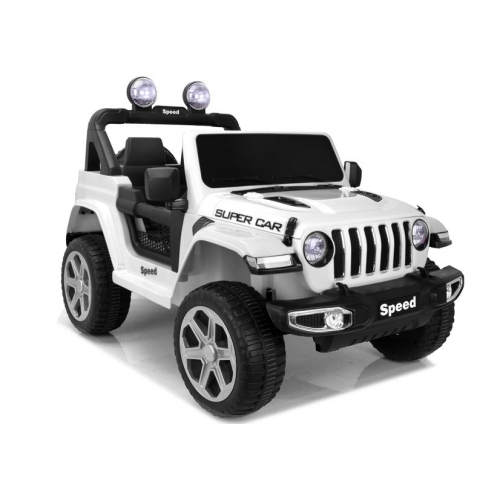


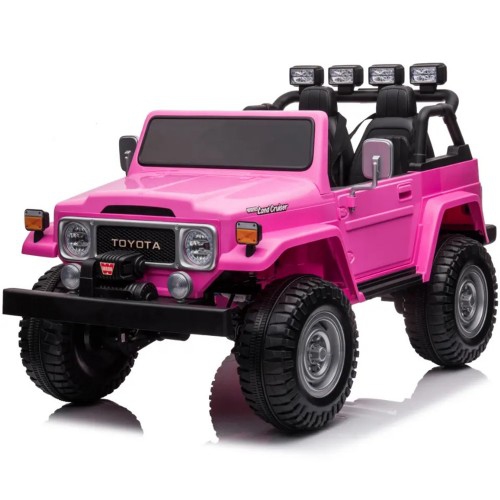

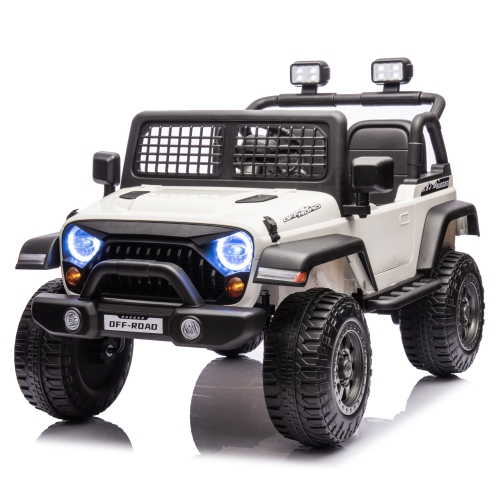


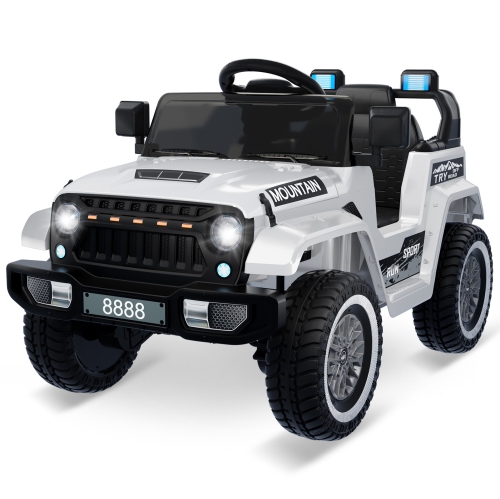
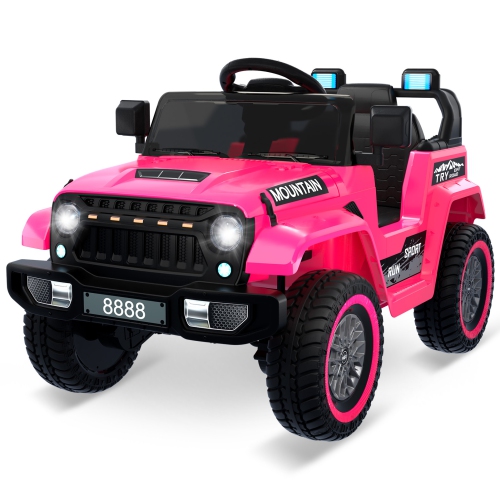

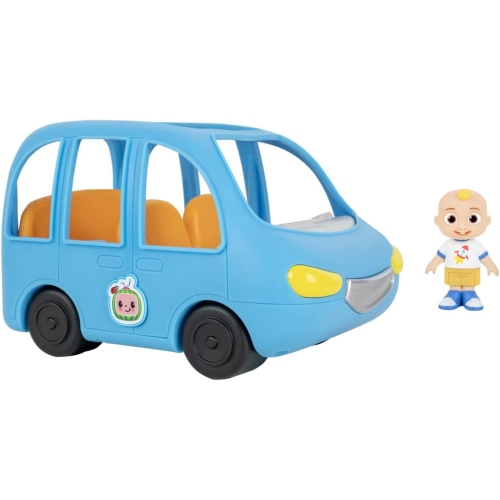
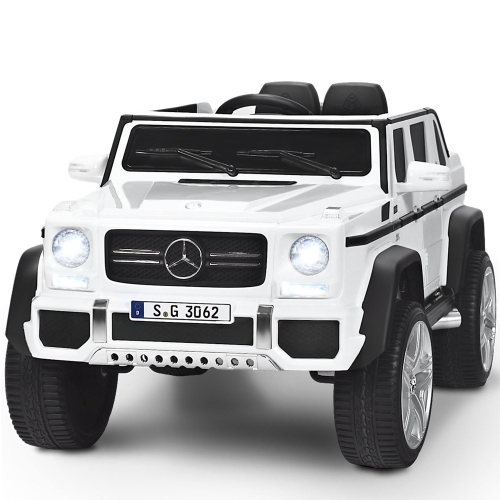
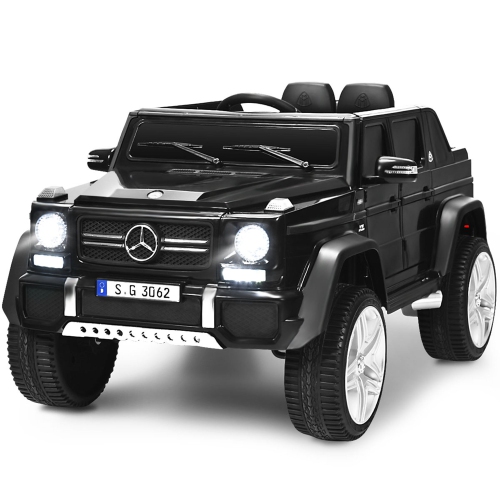

Little wheels turn open floors into imaginary journeys
Kids’ toy cars turn an open patch of floor into a busy road, a starting line, or a place where a new story takes shape. A child might park a row of cars beside a block-built house, send a racer down a ramp, or spend an afternoon moving passengers between imaginary destinations. That flexibility is part of their appeal: the same car can play a different role each time it comes out of the toy bin. Toy cars for kids range from chunky, easy-to-grip designs for younger children to detailed miniature vehicles and remote-controlled cars for children ready for more involved play. Free-wheeling cars move with a simple push, while pull-back designs store motion when drawn backwards and release it as they travel forward. Motorized versions add another layer of interaction, with controls that may include steering, speed changes, lights, or sounds. The right style depends on both the age label and the way a child likes to play. A child who enjoys building roads may get more use from cars that roll easily through homemade tunnels, while one who likes practising a skill may enjoy steering around a series of obstacles. Vehicle play can also give children opportunities to practise hand-eye coordination, describe movement, take turns, and make up stories together. These experiences come from the play itself rather than requiring complicated features. Colour, shape, and recognizable details can be just as engaging as moving parts, especially when children are sorting cars into groups or assigning each one a role. For siblings or friends, a few vehicles with distinct appearances can make it easier to keep track of whose car is whose. Cars can also fit naturally into a larger play scene with building blocks, figures, and road mats, provided the pieces are appropriate for the children using them. A short stretch of clear floor can be enough for a simple race, while a more elaborate layout offers room for garages, junctions, and pretend journeys.
Materials and construction influence how a toy car feels in a child’s hand and how well it stands up to repeated play. Plastic bodies can be lightweight and easy for smaller hands to lift, while die-cast metal bodies often have a heavier feel and finer exterior detail. Many toy cars combine materials, using a metal body with plastic windows, a moulded base, and separate wheels. Neither material alone determines durability; firmly attached wheels, secure axles, smooth edges, and well-fitted parts matter too. Opening doors, adjustable spoilers, and other moving details can make a vehicle more interesting, but they also introduce parts that need gentler handling. For children who tend to push cars into walls or drop them into a toy box, simpler construction may be a more practical match than delicate detailing. Size deserves equal attention. A larger body can offer an easier grip, but a car’s dimensions do not replace the manufacturer’s age recommendation or small-parts warnings. Cars with tiny accessories, detachable tyres, or small components are not suitable for children under three, and older children’s toys should be kept separate from younger siblings’ playthings when needed. Fit also matters when cars will be used with an existing track or garage. Vehicles described with the same scale are not necessarily identical in width or height, so actual dimensions and stated compatibility are more useful than appearance alone. A low car may pass easily beneath a bridge but catch on a steep ramp, while a wider vehicle may not sit properly in narrow track lanes. The play surface makes a difference as well: thick rugs can slow small wheels, whereas a smooth, level floor usually allows freer movement. Remote-controlled designs bring additional considerations, including controller size, charging arrangements, battery requirements, and enough clear space to steer safely. Straightforward controls may suit a beginner better than multiple driving modes, and a manageable speed can make practising turns more enjoyable than repeatedly chasing a car that has crossed the room.
Toy cars can make thoughtful gifts for birthdays, family celebrations, or a child who has developed a particular interest in vehicles. A useful gift reflects the recipient’s habits as much as their favourite colour or car shape. For a child who carries a few toys between home and a caregiver’s house, compact cars and a secure storage case may suit that routine. For someone who enjoys arranging and displaying vehicles, consistent scale and detailed styling may matter more than lights or sound effects. Themed Toy Car Collections can appeal to children who like grouping vehicles by appearance or building a varied pretend garage. When several children will share the toys, easy-to-distinguish designs and comparable play functions can help make group play smoother. Sound features are worth considering in shared spaces, particularly whether the toy has a volume adjustment or an off switch. Everyday care is usually straightforward, though the manufacturer’s directions should take priority. Many non-electronic cars can be wiped with a soft, lightly damp cloth and dried before storage; electronic cars generally need extra care to keep moisture away from controls, battery compartments, and charging ports. Hair and threads can wind around axles, so occasional checks help keep wheels rolling freely. A car that starts dragging or wobbling should be inspected for trapped debris or damaged parts rather than pushed harder. Battery compartments should remain securely closed, and charging should follow the instructions with adult oversight where required. Storage helps protect both the toys and the space where children play. Shallow bins make everyday cars easier to find, divided compartments keep small accessories organized, and a shelf can keep display-focused vehicles away from rougher play. Clearing cars from walkways also reduces the chance of someone stepping on a wheel or tripping over a larger vehicle. With an age-appropriate design, a suitable place to play, and a little routine care, toy cars can remain part of everything from a quick solo race to an elaborate shared story.
Top selling and popular products
-
 Your price for this item is $150.99
-
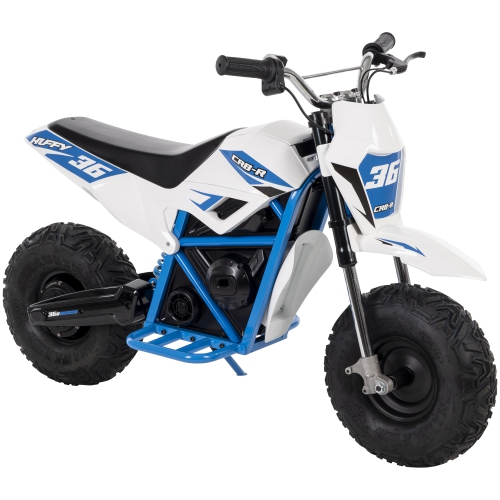 Your price for this item is $799.99
-
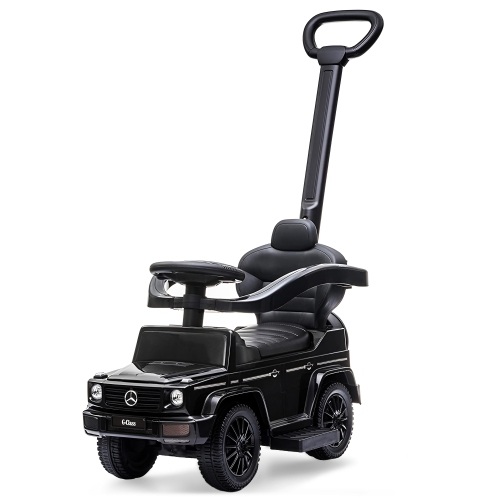 Your price for this item is $141.99
-
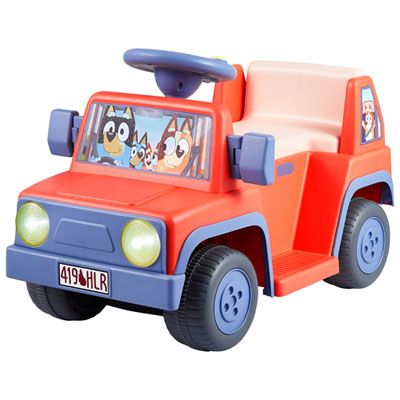 Your price for this item is $199.99
-
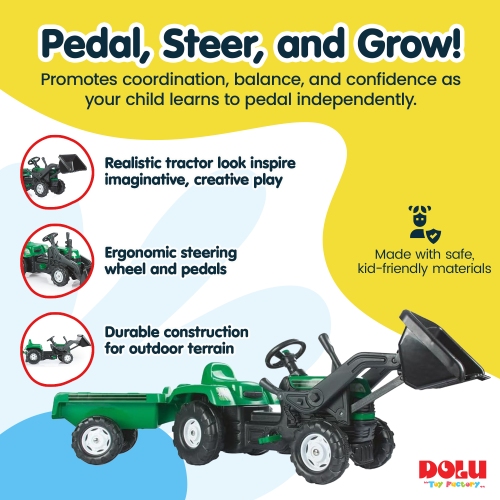 Your price for this item is $205.99
-
 Your price for this item is $199.99
-
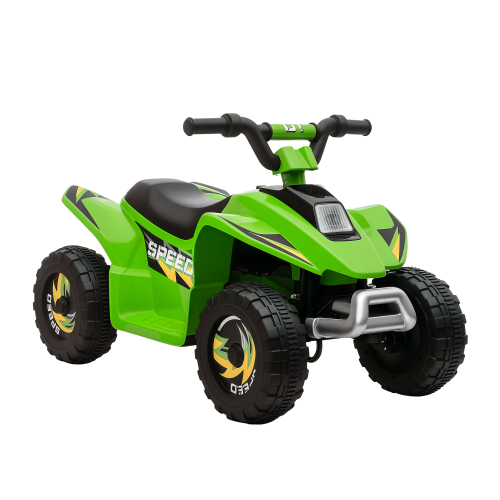 Your price for this item is $82.95
-
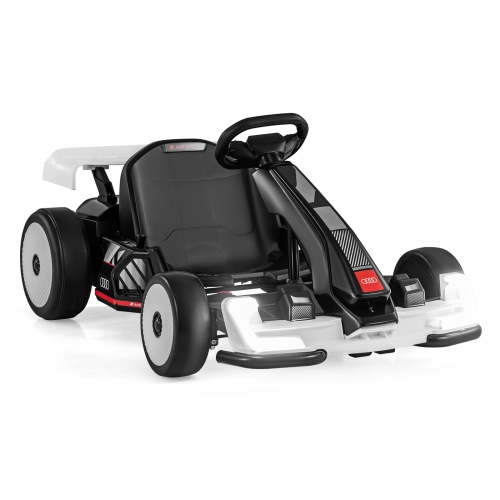 Your price for this item is $449.99
Discover more categories related to Kids Toy Car


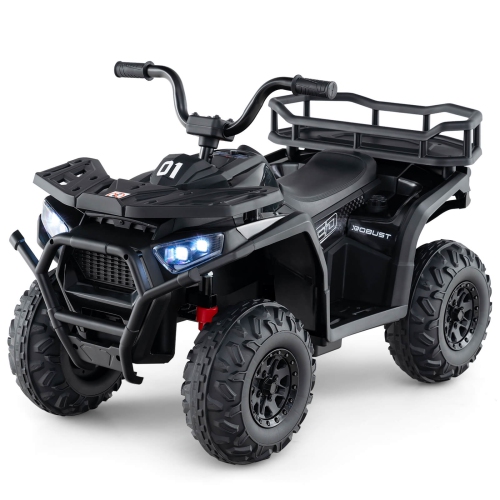
Top Collections:
Pokemon Centers, Kindle Devices, Best Budget Office Chairs, Canon G7X Cameras, Apple iPhones 16, Samsung Galaxy Phones, Refurbished Apple Laptops, Laptops for Students, iPhone 15 Apple, Budget Smartphones
Some products may be subject to Environmental Handling Fees
(EHF) depending on your province.
Learn more about EHFs.