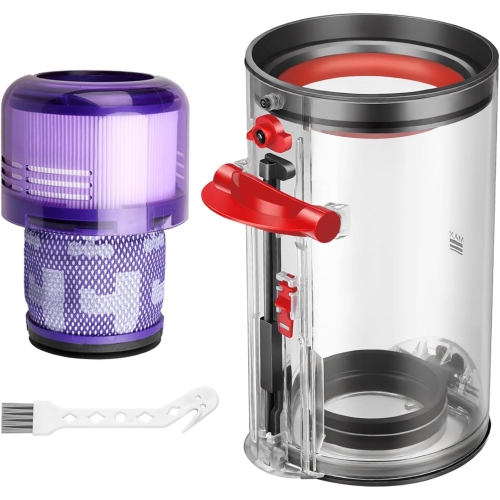
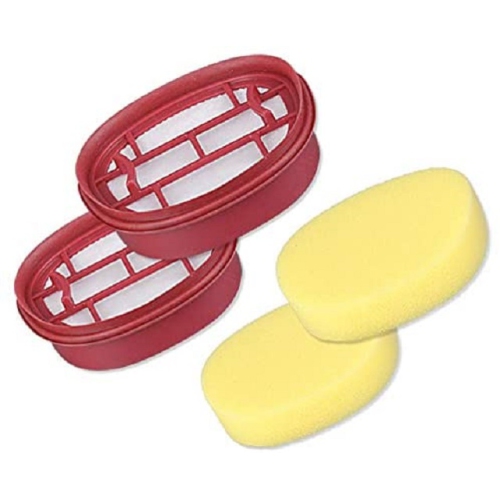
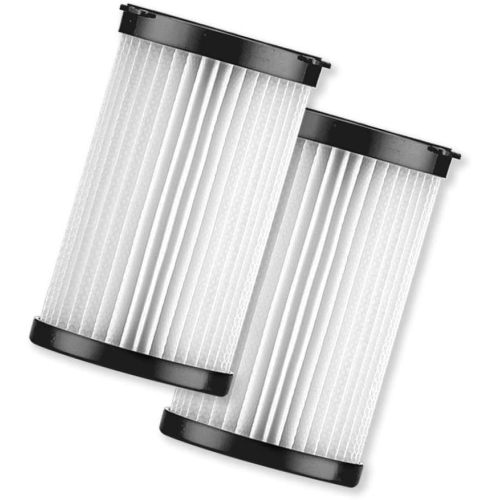
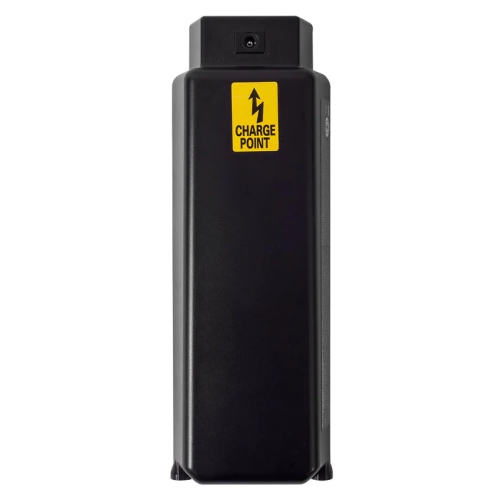
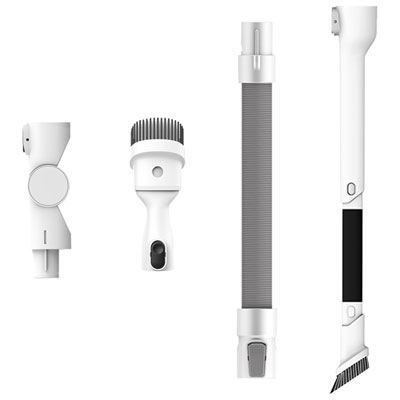
Cordless Vacuum Replacement Parts

Find cordless vacuum replacement parts to replace worn components and keep your vacuum ready for everyday cleaning. Whether you need a replacement filter, battery, or brush roll, check your vacuum’s brand and model number against the part’s compatibility details to help ensure the right fit.
Read More

Sort

Why vacuum parts need more than a visual match

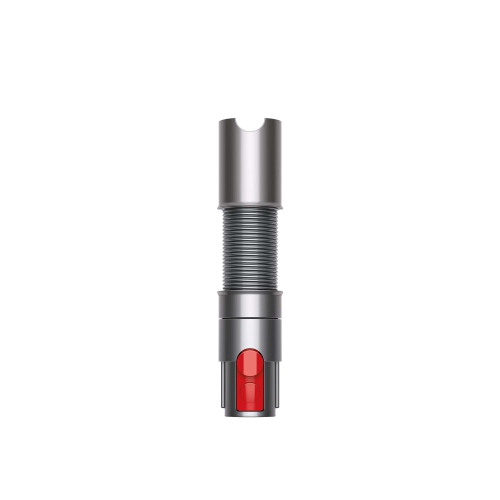
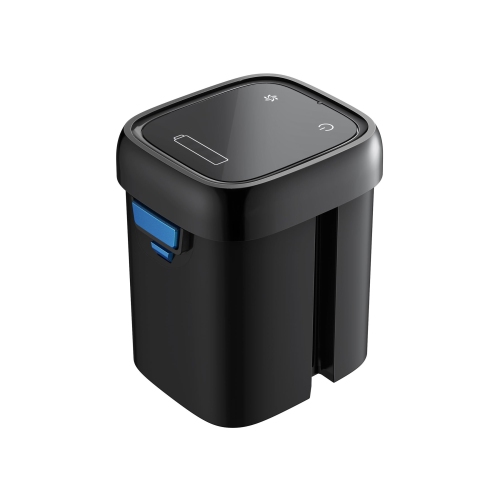
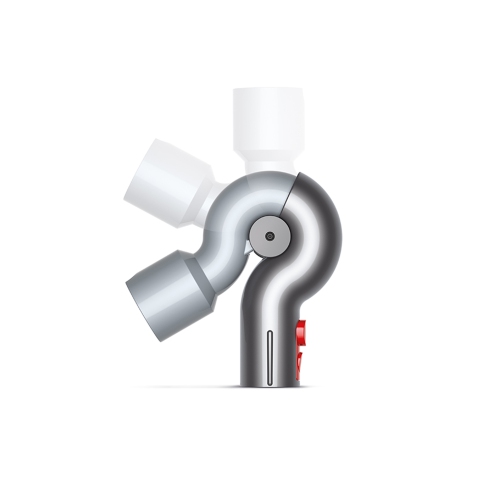
Cordless vacuum replacement parts are components used to replace worn, damaged, or missing pieces of a cordless vacuum, helping keep the machine suited to everyday cleaning. Common types include rechargeable batteries, chargers, filters, brush rolls, cleaner heads, extension wands, hoses, dust bins, and seals. Each serves a different purpose: a battery supplies power, a filter captures particles from the airflow, and a cleaner head brings suction and brush action to the floor. The right replacement depends on the vacuum’s exact model and the component being replaced, rather than appearance alone. Two machines with similar bodies can use different battery mounts, electrical contacts, filter shapes, or attachment connections. A model number on the rating label, battery compartment, or owner’s manual is a useful starting point for checking fit. Compatibility information should identify the supported model or series, including any relevant version differences. Physical dimensions matter, but so do locking tabs, connector shapes, and the position of seals. A wand that slides into place without locking securely, for example, is not a suitable fit simply because its diameter looks right. Some components are intended for routine removal, while others require tools or professional servicing; the manufacturer’s instructions help distinguish between them. Replacement parts are useful in households where a lightweight stick vacuum handles crumbs beneath the dining table, pet hair along the sofa, and dust around baseboards. They also suit people who rely on a handheld configuration for stairs or vehicle interiors and need each connection to remain secure as the machine moves between tasks. For attachments that add cleaning options rather than replace an existing component, Cordless Vacuum Accessories covers a related part of the category. The distinction is practical: replacing a cracked dust bin restores an existing function, while adding a compatible crevice attachment can make narrow spaces easier to reach. In either case, a well-matched component should preserve the vacuum’s intended operation without forced connections or makeshift alterations.

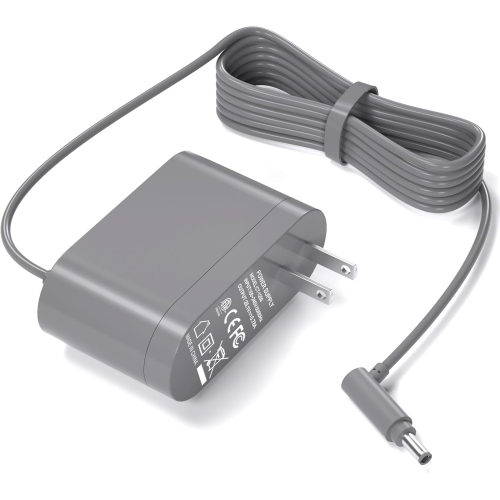
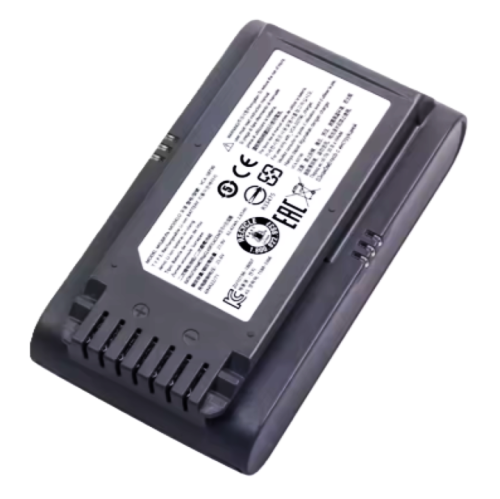
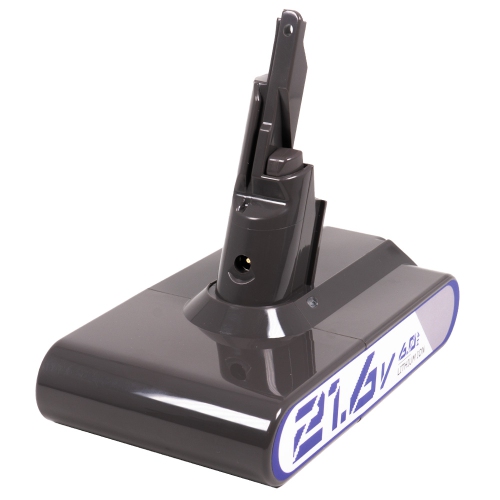
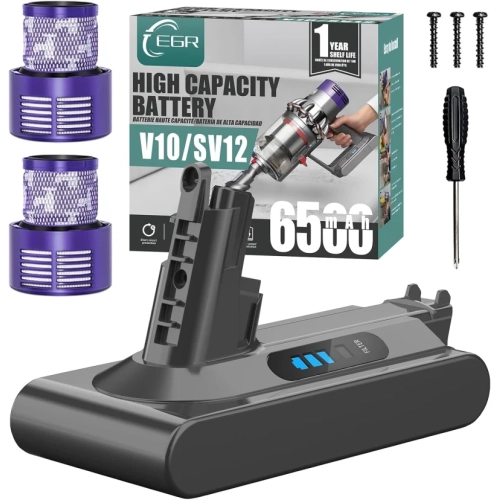
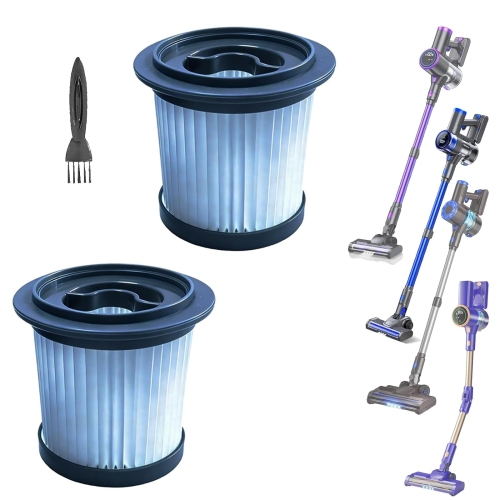
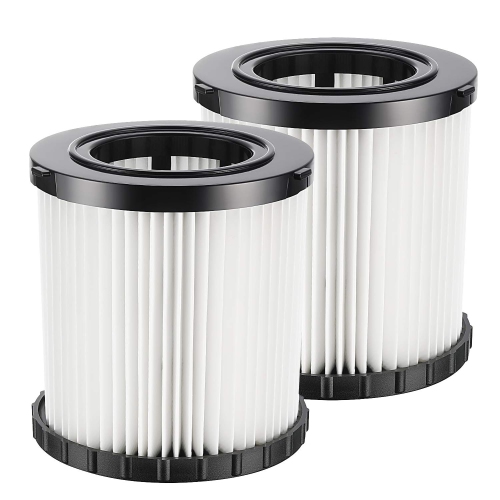
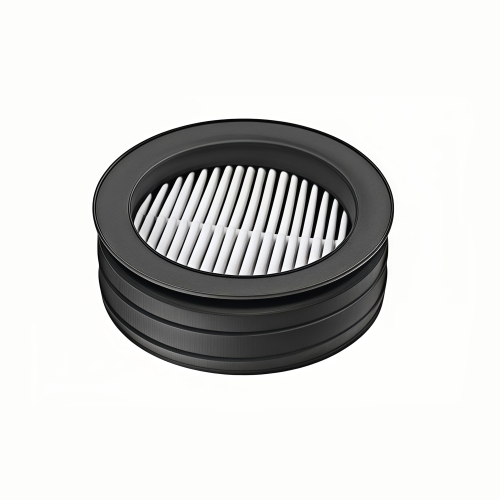
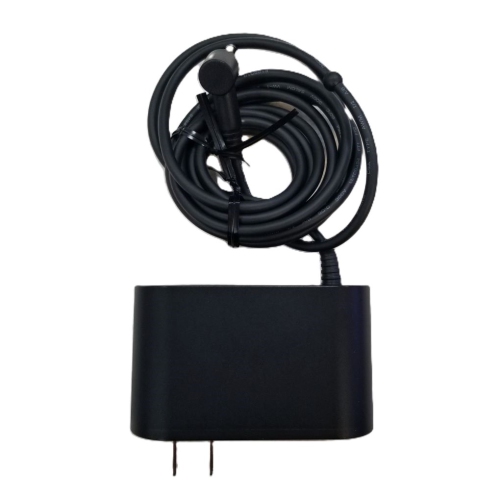
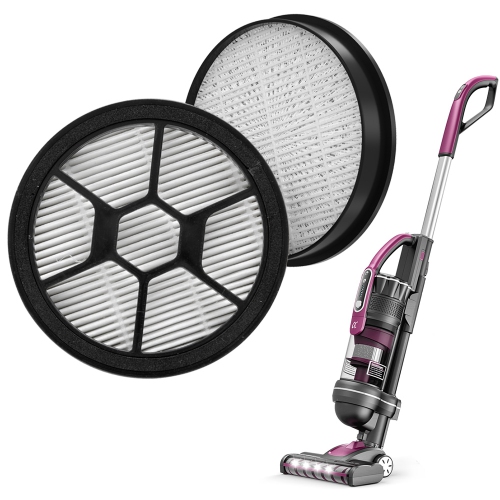
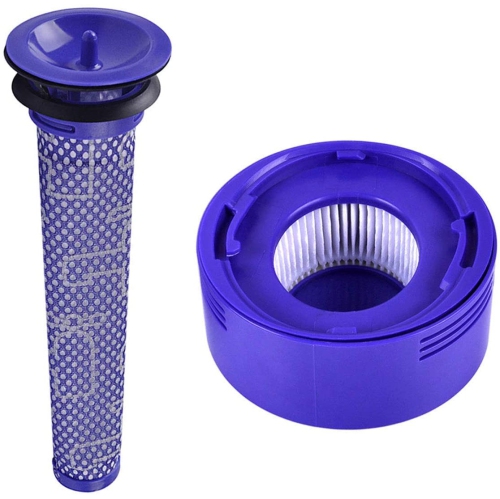
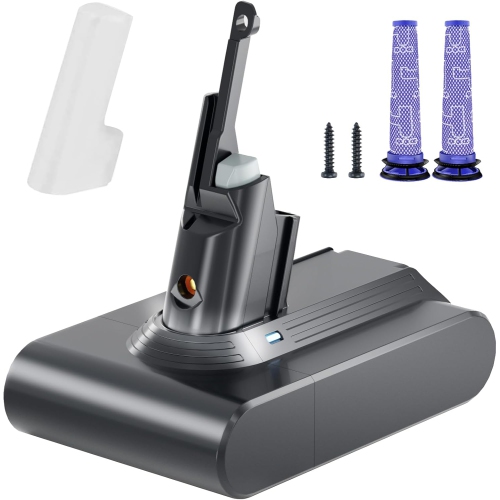
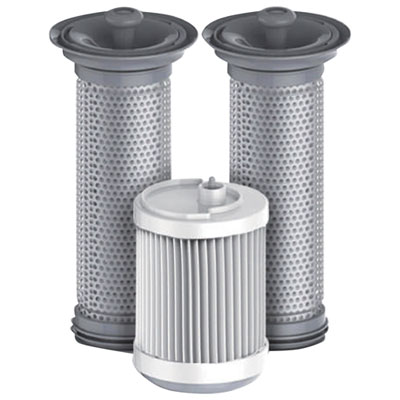
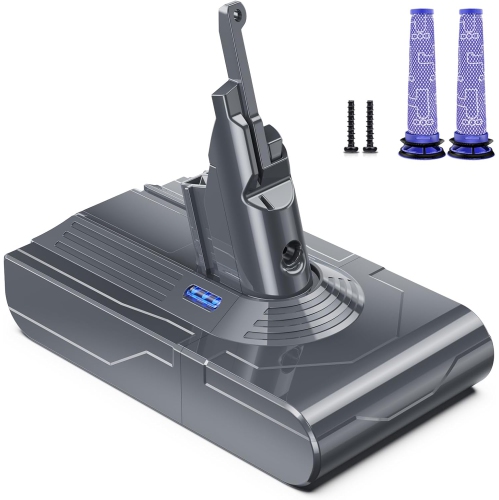
Batteries and chargers deserve particular attention because electrical compatibility is just as important as physical fit. Rechargeable batteries can lose capacity with use, but shorter run time does not always mean the battery needs replacing. Power settings, a jammed brush roll, restricted airflow, and maintenance needs can also affect performance. A replacement battery should meet the vacuum manufacturer’s requirements for voltage, battery type, connection, and charging system. Capacity alone does not establish suitability, and a higher capacity rating does not guarantee a particular run time. Some cordless vacuums have removable packs designed for straightforward replacement; others use batteries that should only be handled through an approved service process. Chargers likewise need the correct output specifications and connector, even when another plug appears to fit. A damaged, swollen, or unusually hot battery should not remain in use and needs handling according to the manufacturer’s safety directions. Filters involve a different set of considerations, including shape, seal quality, filtration type, and whether the material is washable. Pre-motor filters help keep dust away from the motor, while post-motor filters capture particles farther along the airflow path. A HEPA replacement filter is appropriate only where the vacuum is designed to use it; fitting one does not automatically give the entire machine sealed HEPA filtration. Fine powder caught in filter folds can restrict airflow, while torn material or a distorted frame can compromise the fit. Washable filters should be cleaned only as directed and allowed to dry completely before installation. Non-washable filters should not be rinsed, and neither type benefits from unapproved detergents or cleaning methods. For a household picking up pet hair and everyday dust, keeping the correct filter seated firmly matters more than choosing one by visual similarity. Filter replacement intervals vary with the machine and its workload, so the manual and the condition of the component are more useful than a single timetable applied to every vacuum. Batteries, chargers, and filters each support performance in different ways, and replacing one will not necessarily resolve a fault elsewhere.

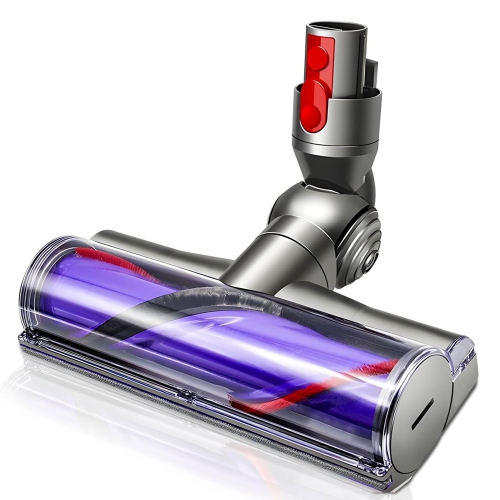
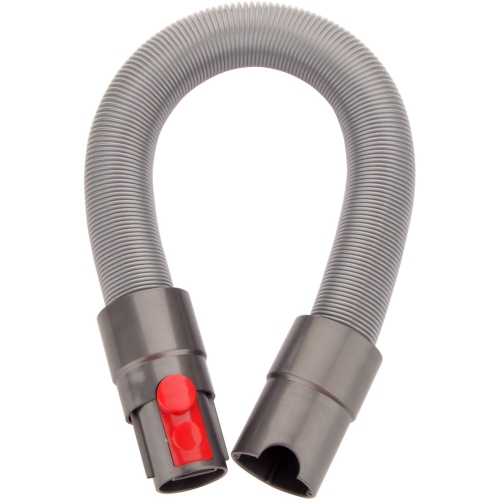
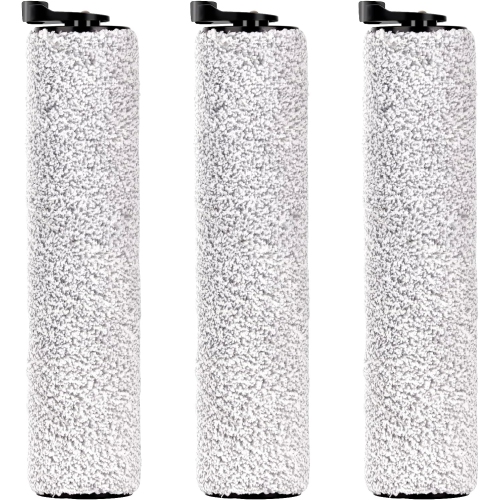
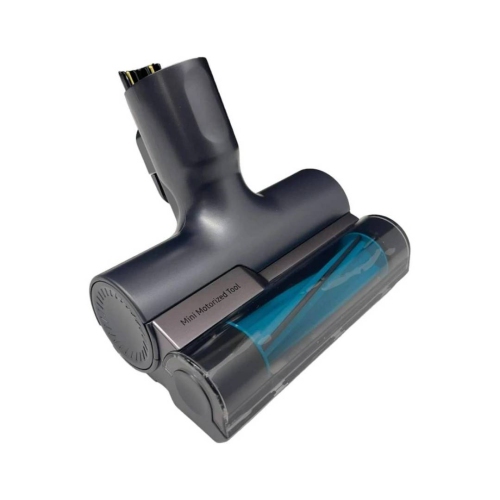
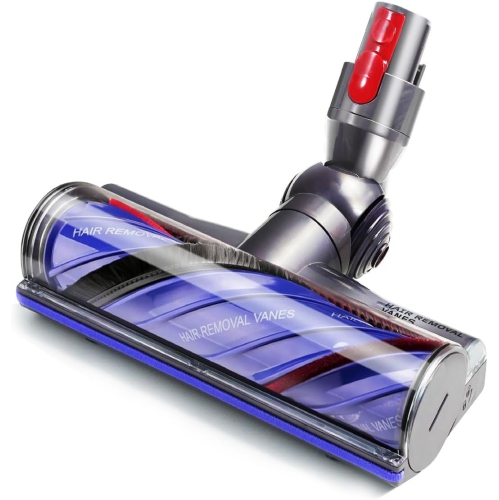
Brush rolls and cleaner heads are the contact points between a cordless vacuum and the surfaces it cleans, making floor suitability an important part of replacement selection. Bristled rollers can help lift debris from carpet, while soft rollers are often designed to collect fine dust and larger crumbs from suitable hard floors. Neither design is automatically appropriate for every surface: delicate finishes, loosely woven rugs, and long carpet fibres may have specific care requirements. A replacement cleaner head must match both the vacuum connection and any electrical contacts needed to drive its motor. Roller width, end-cap shape, bearings, and drive connections also matter when replacing only the brush roll inside an existing head. Wrapped hair and thread can prevent smooth rotation, so maintenance may resolve an issue without replacing the entire assembly. With power disconnected as directed by the manufacturer, removable rollers can be checked and cleaned using the approved method; powered heads should not be immersed unless explicitly designed for it. Materials and construction affect how other components stand up to daily handling. Wands may combine metal tubing with moulded plastic connectors, flexible hoses bend around awkward angles, and dust bins rely on rigid walls, working latches, and closely fitted seals. A split hose can reduce suction, a broken release catch can make emptying messy, and a damaged gasket can allow air to leak at a connection. Replacements should restore those functions without adhesive patches or modifications that interfere with airflow or moving parts. For someone carrying a vacuum up stairs, a secure wand latch is especially useful; for frequent cleaning beneath furniture, freely moving joints and intact small wheels help the head travel smoothly. Durability also depends on care after installation. Emptying the bin before debris becomes tightly packed, clearing obstructions promptly, and avoiding impacts against door frames can reduce strain on components. Dust bins and removable hoses should be washed only when the manufacturer permits it, with seals refitted correctly and all parts fully dry before use. Matching the replacement to the vacuum, the floor surface, and the way the machine is handled helps keep routine cleaning straightforward.
Read More

FAQ

Some products may be subject to Environmental Handling Fees (EHF) depending on your province. Learn more about EHFs.