E-Bike Sales

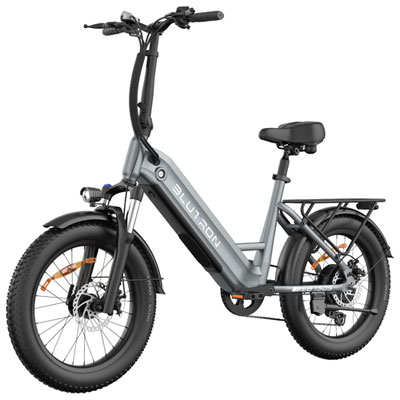
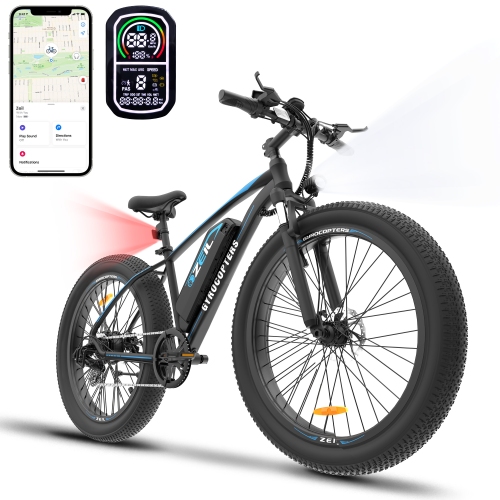
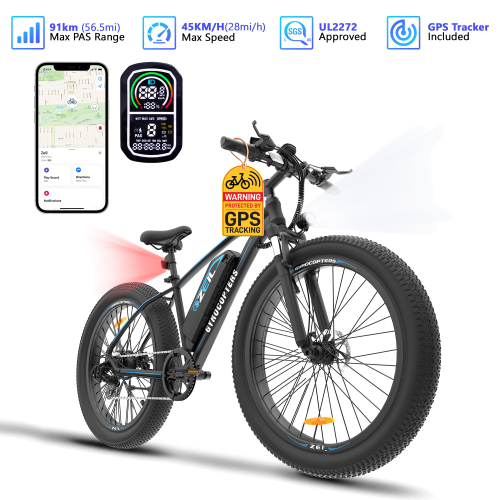
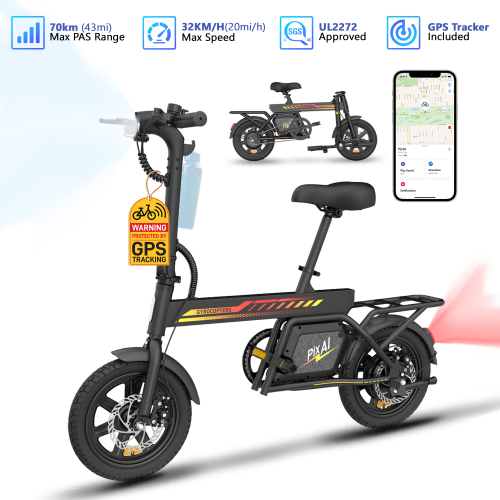
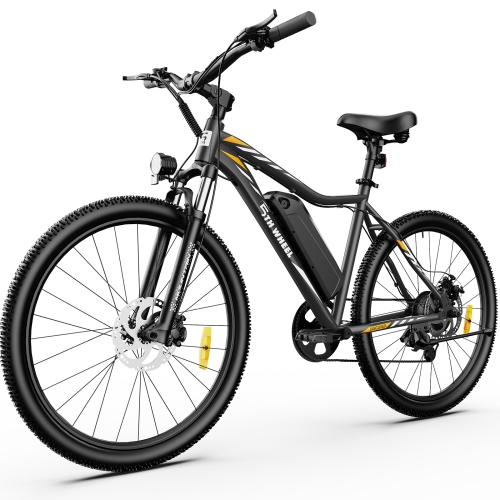
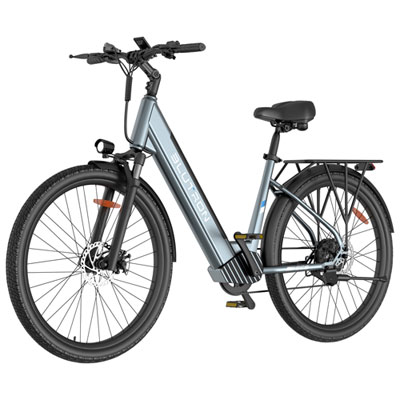
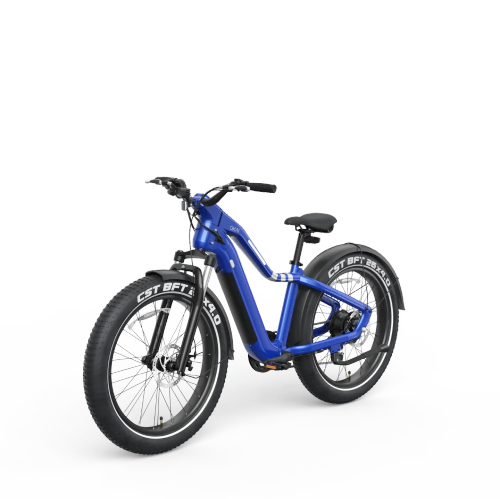
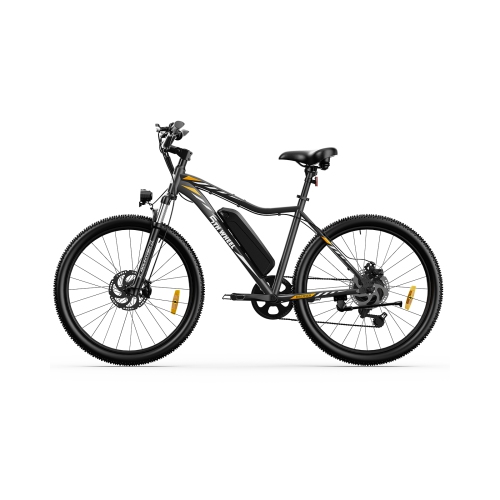
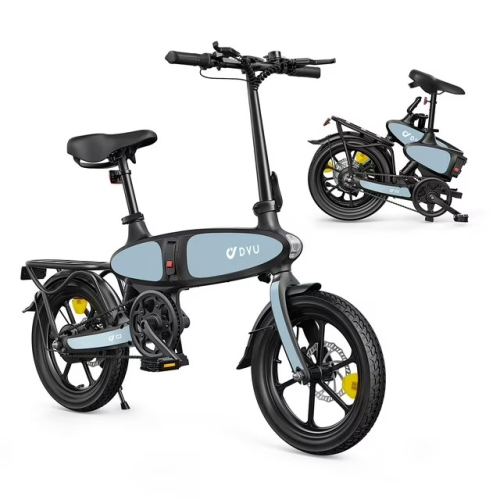
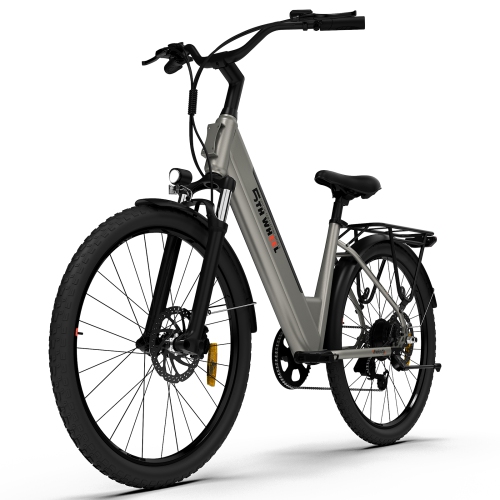
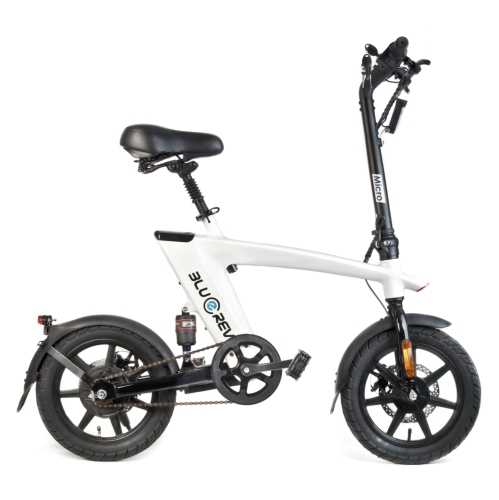
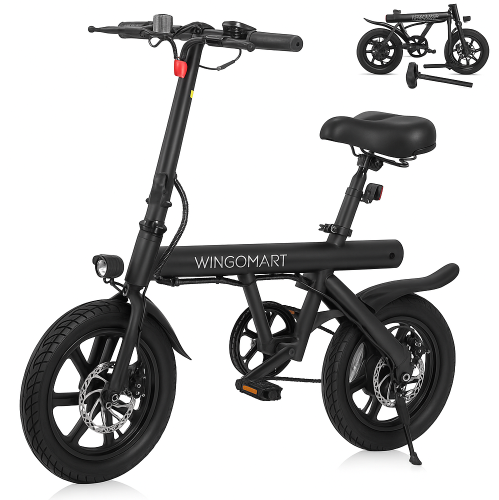
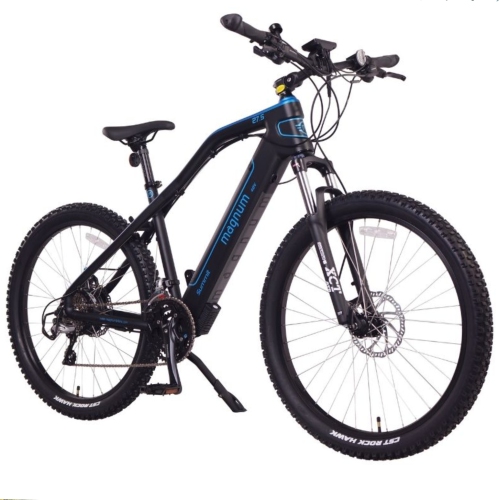
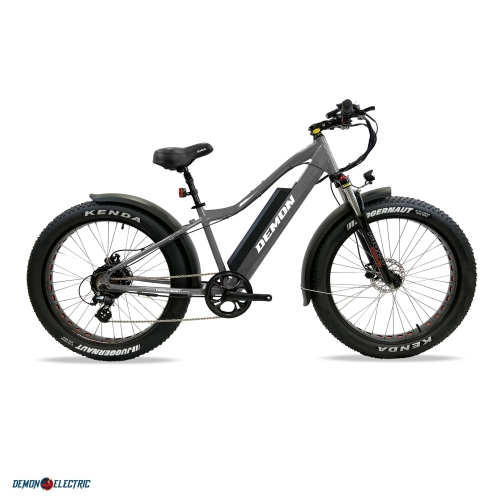
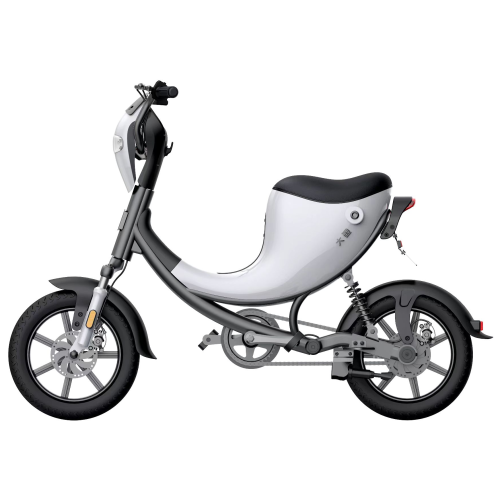
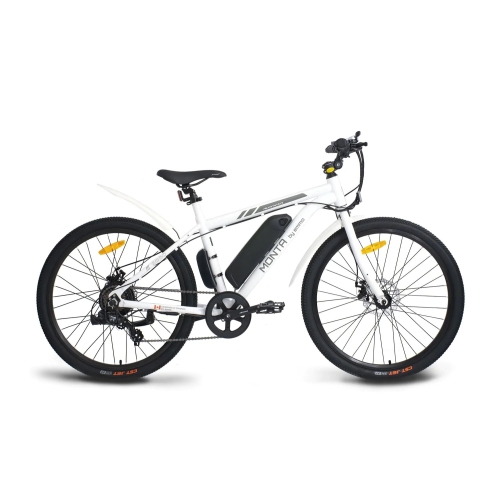
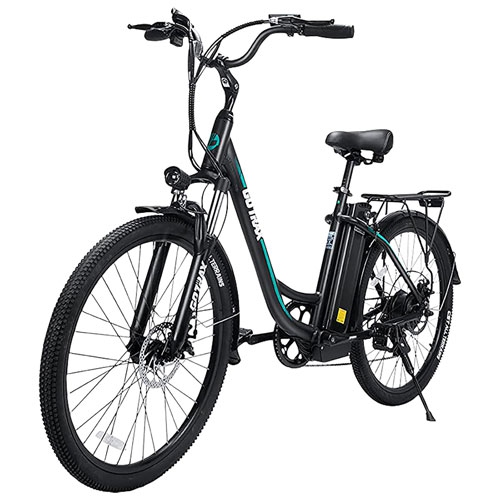
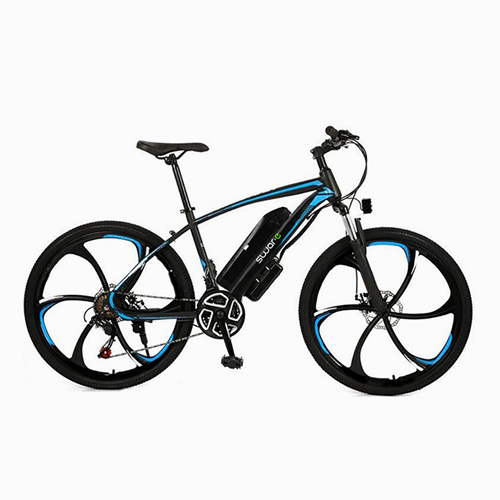
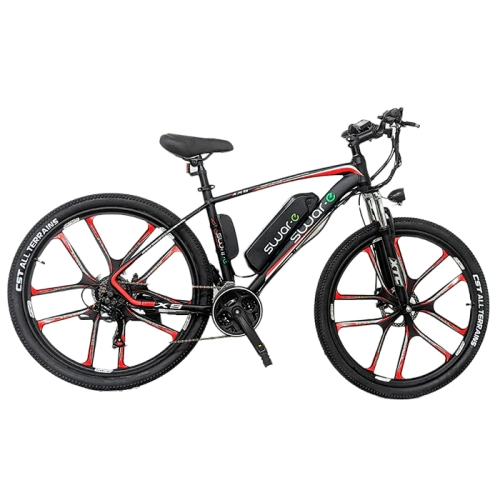
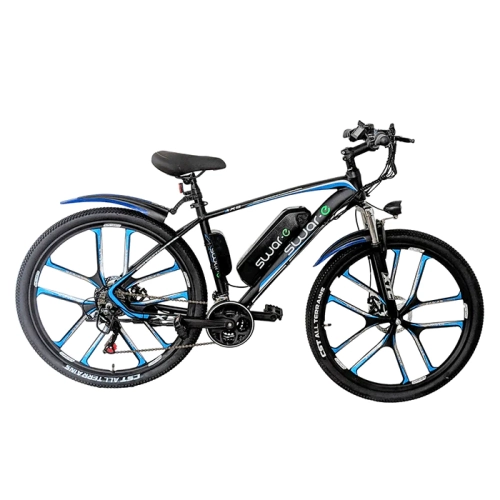
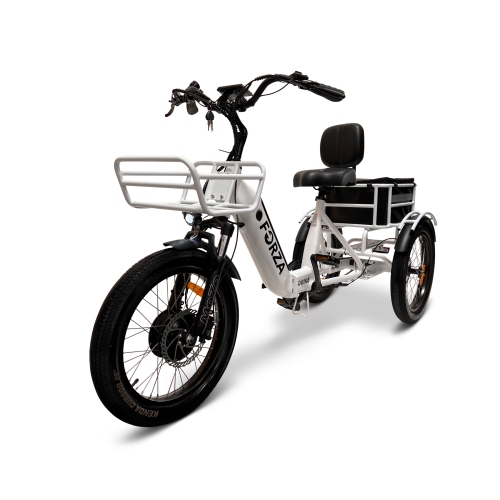
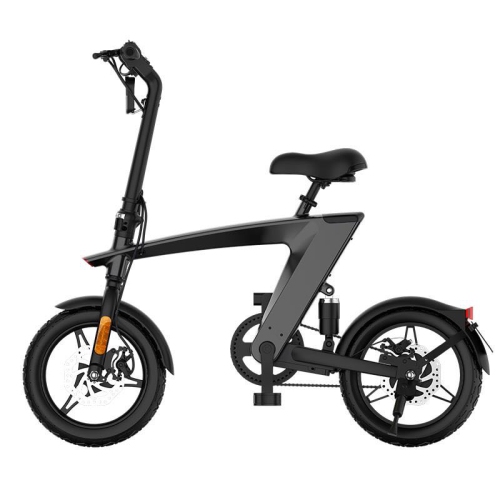
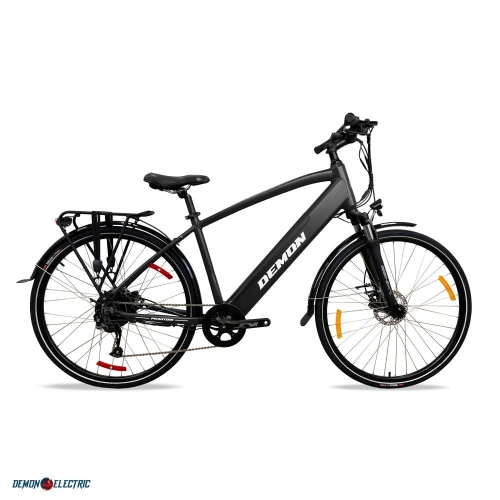
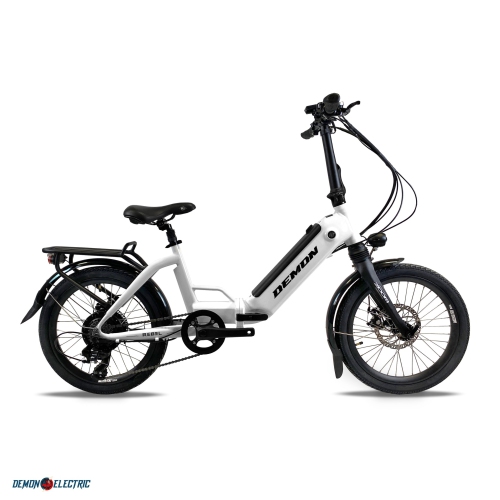
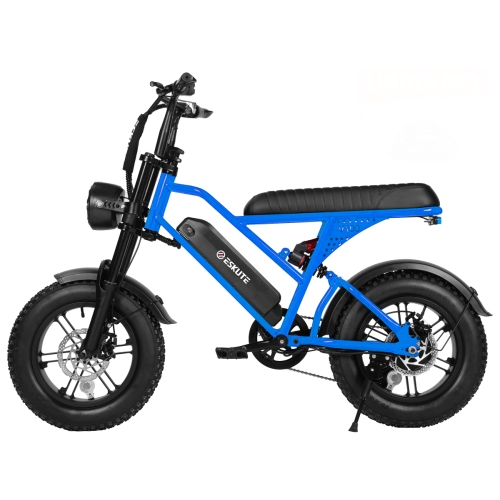
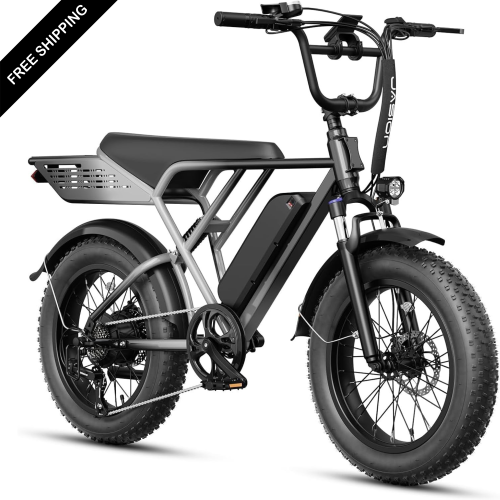
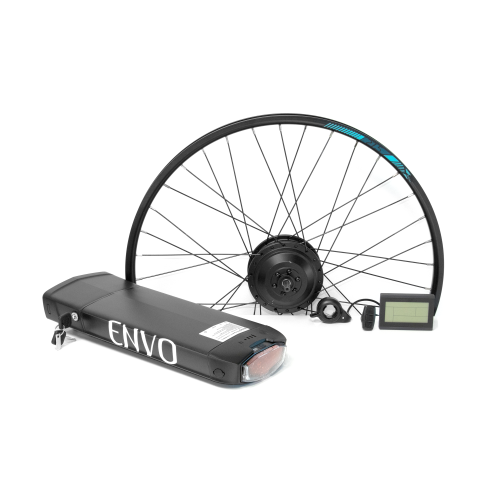
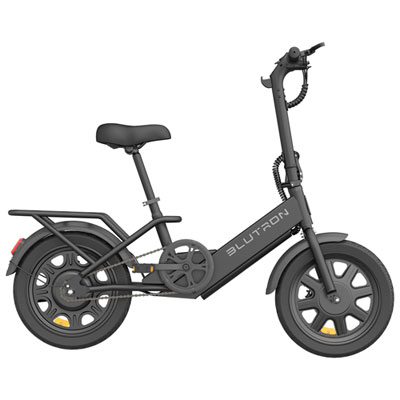
Browse e-bike sales to find an electric bike that fits your riding needs and budget. Compare available models by motor assistance, listed battery range, frame size, and price to help narrow your options for commuting or recreational rides.
Read More

Sort

How motor assistance changes your everyday bike rides

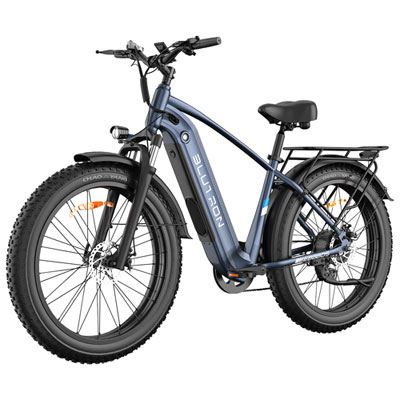
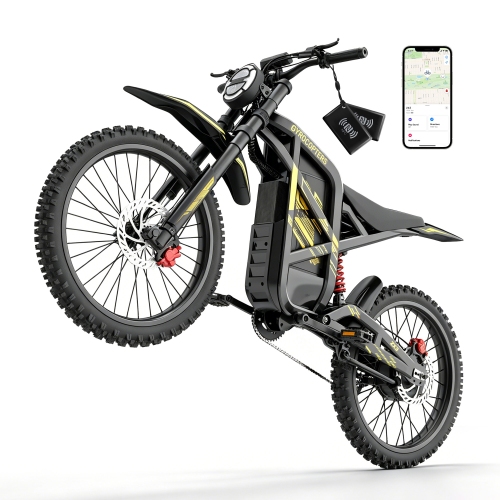
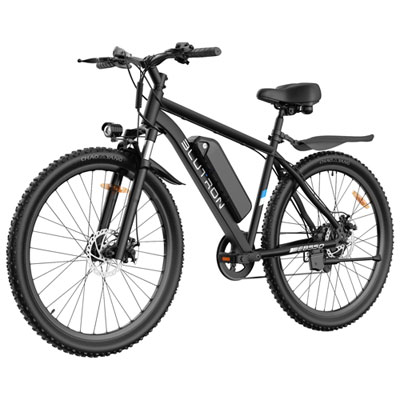
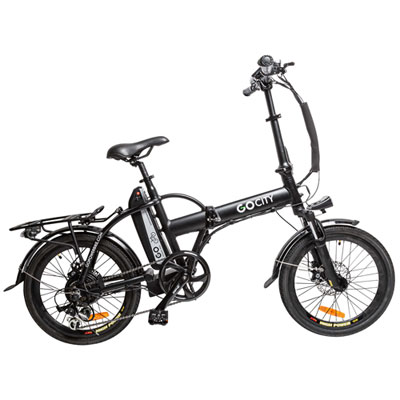
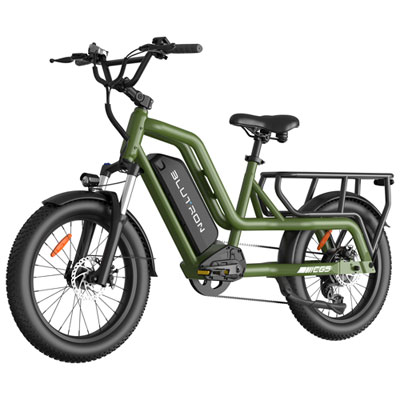
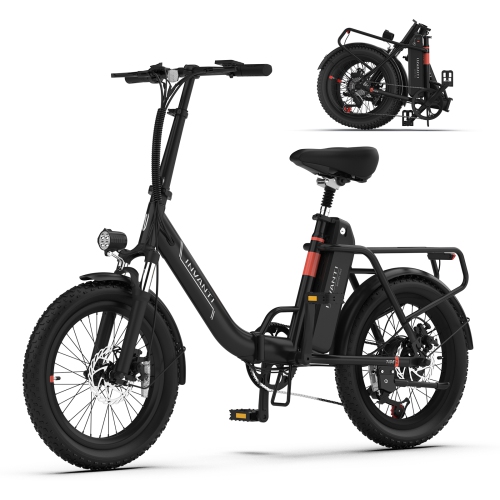
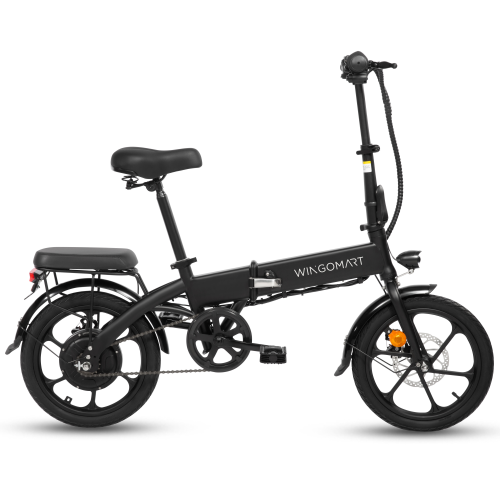
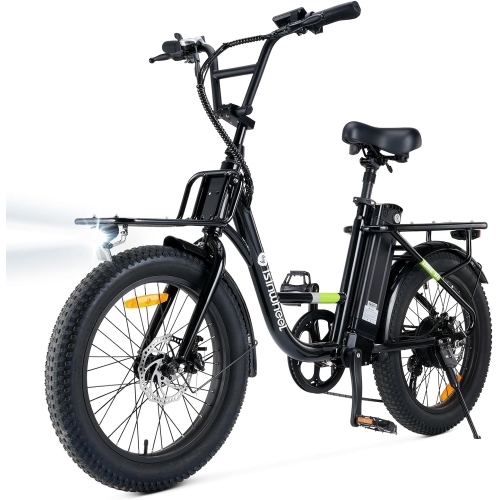
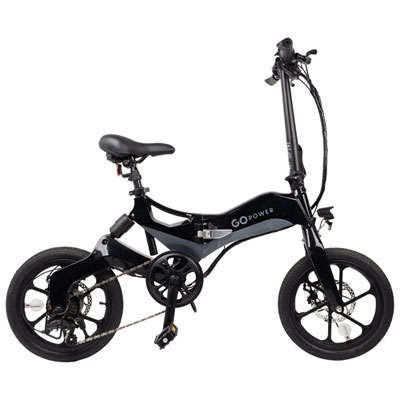
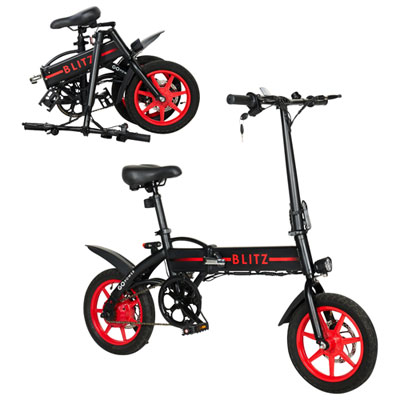
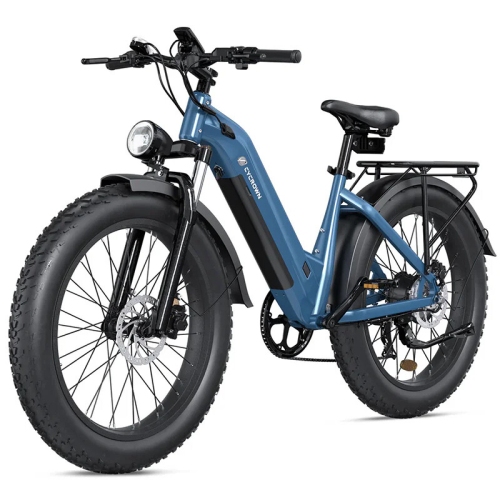
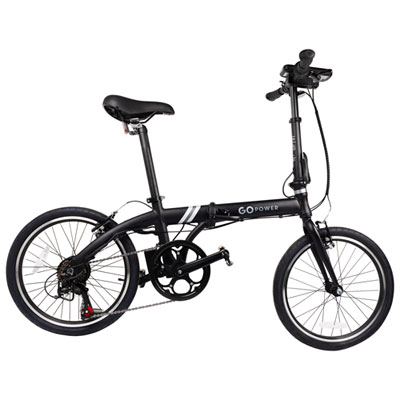
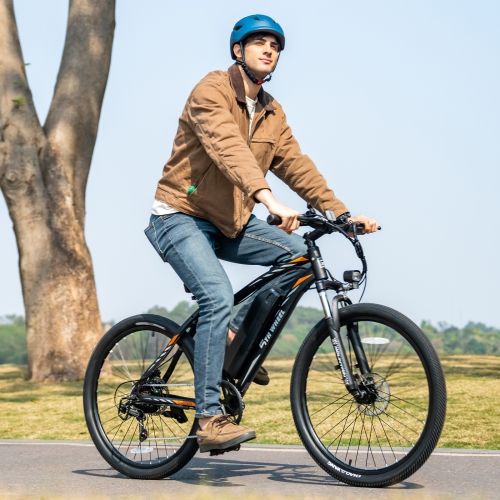
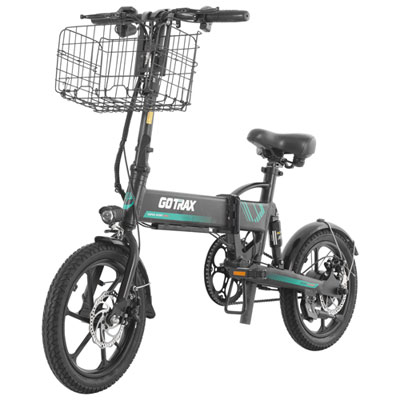
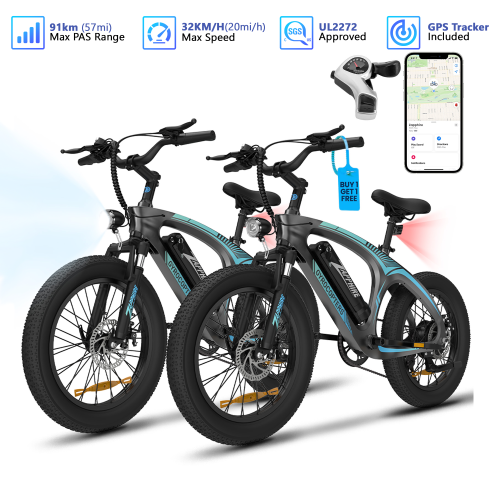
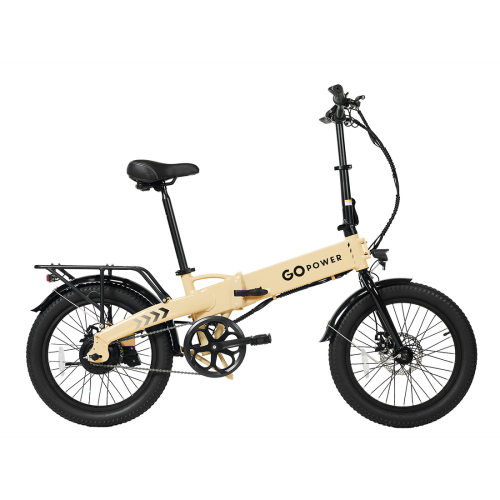
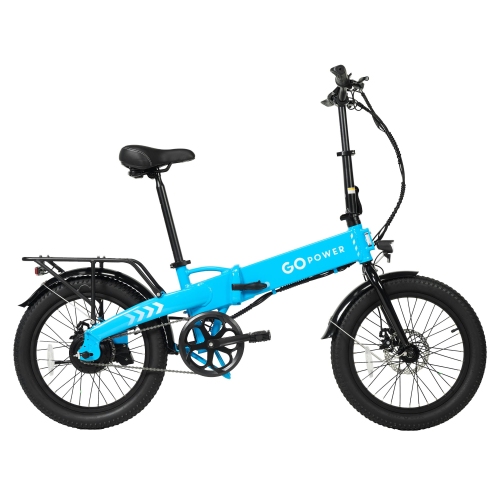
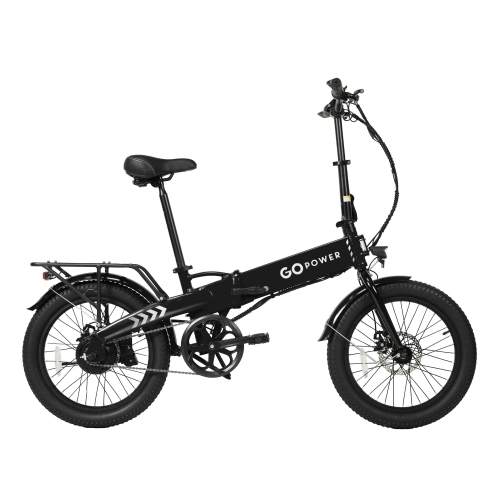
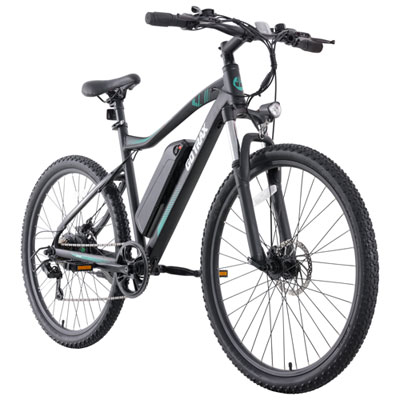
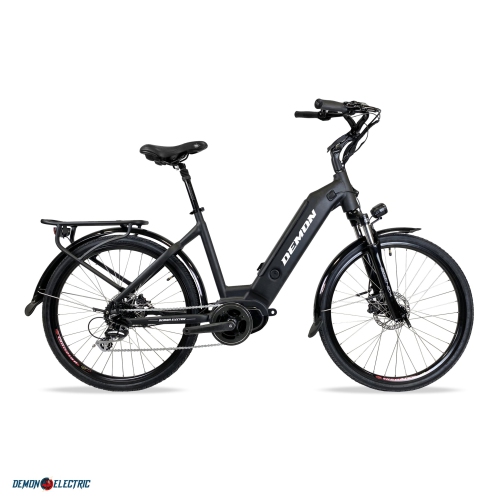
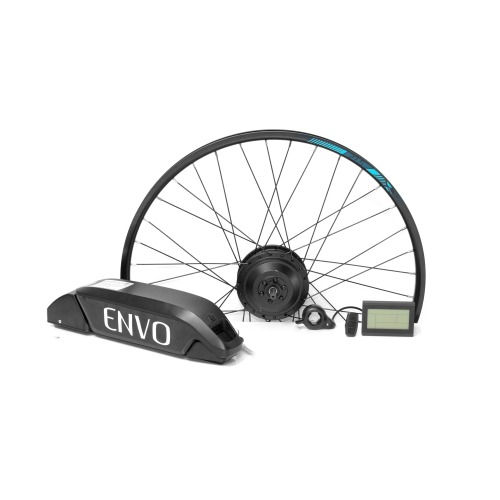
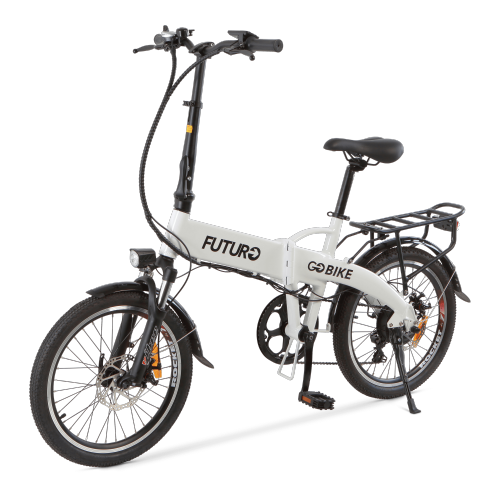
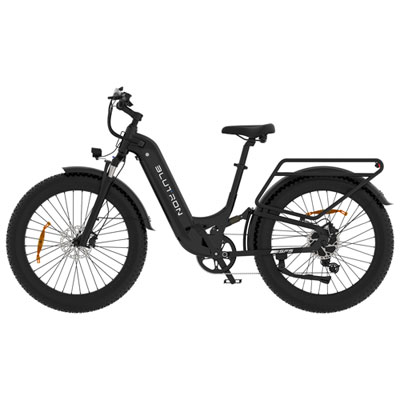
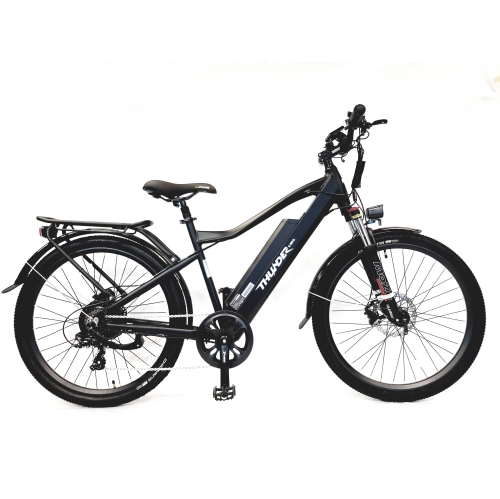
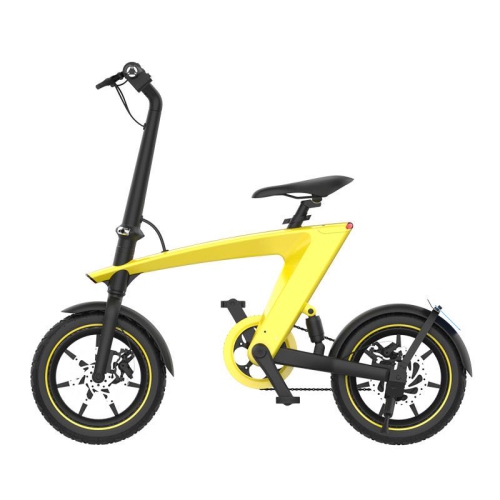
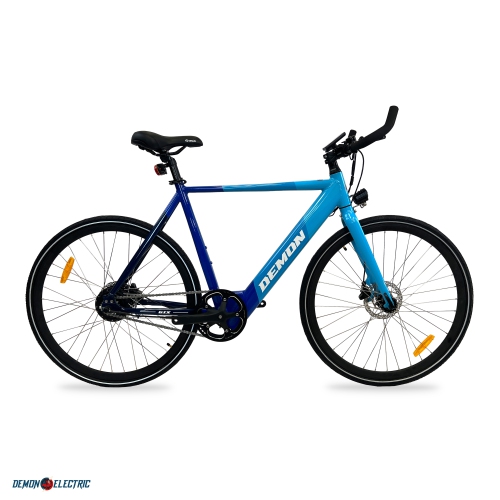
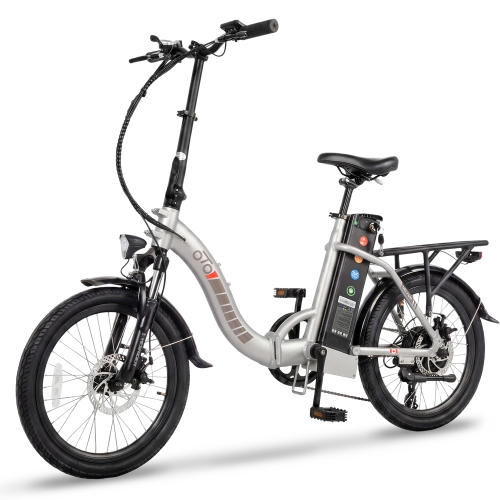
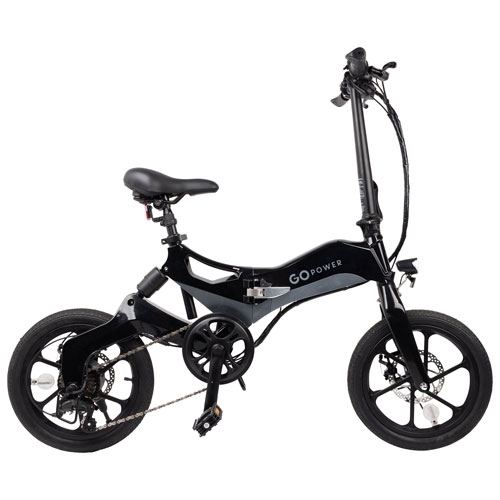
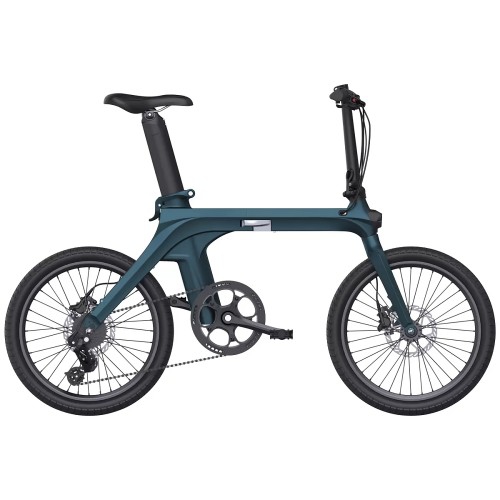
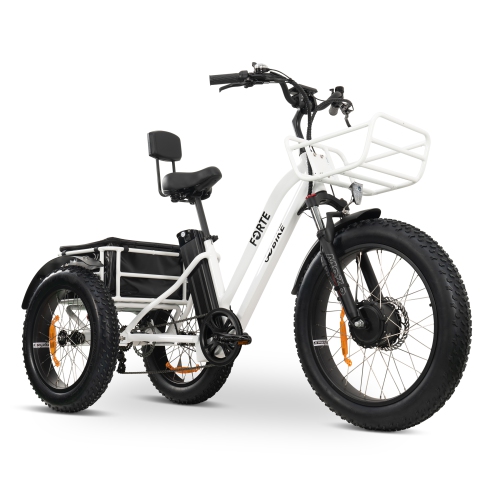
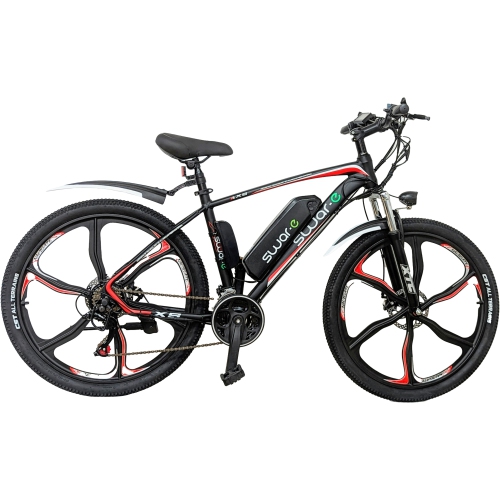
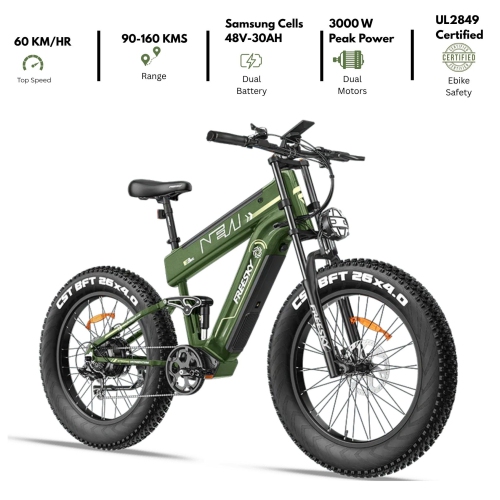
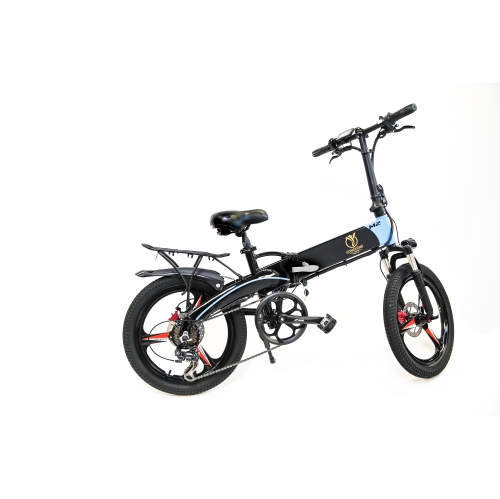
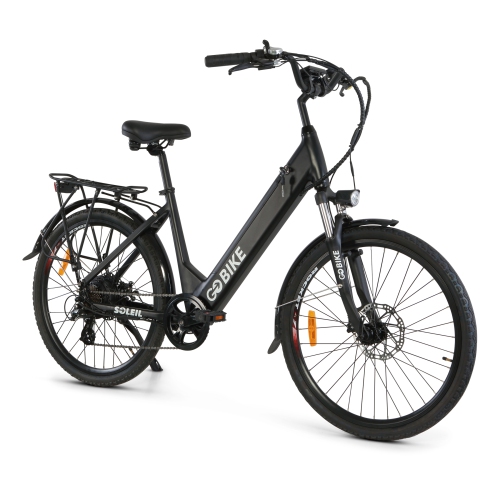
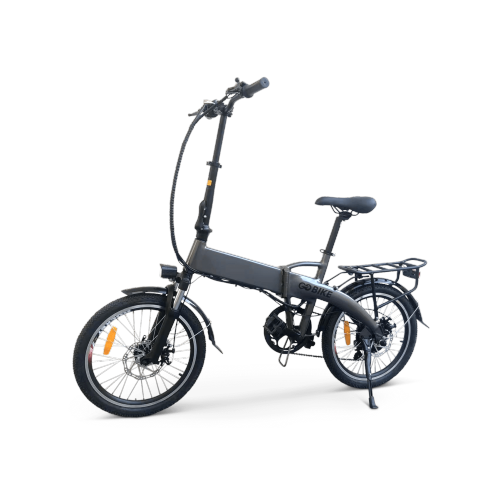
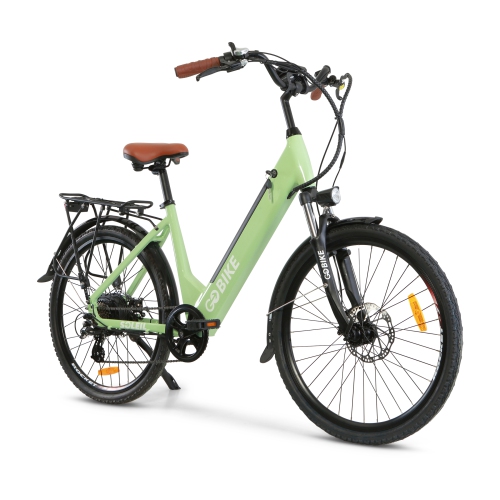
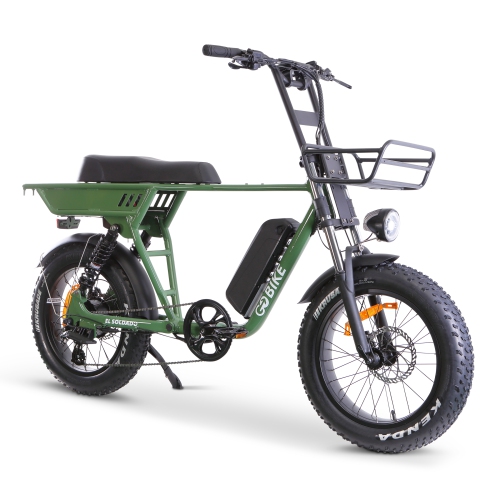
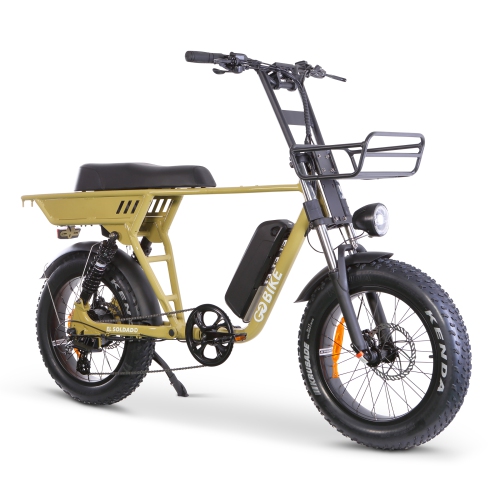
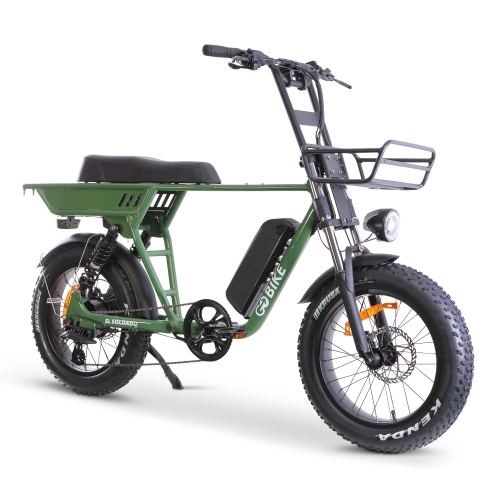
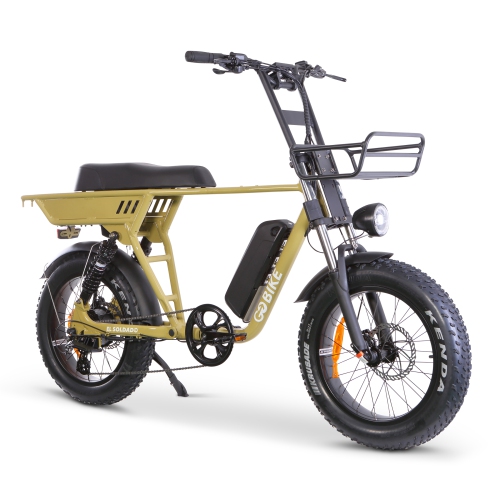
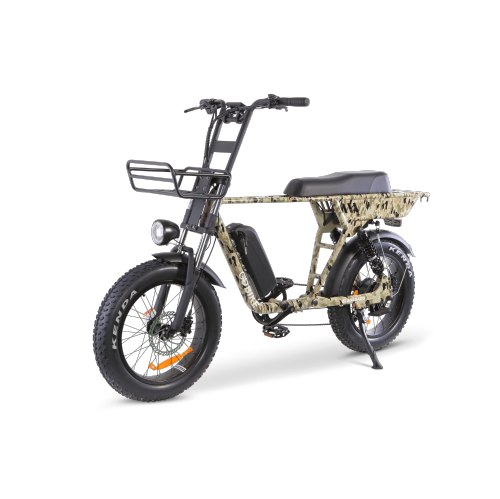
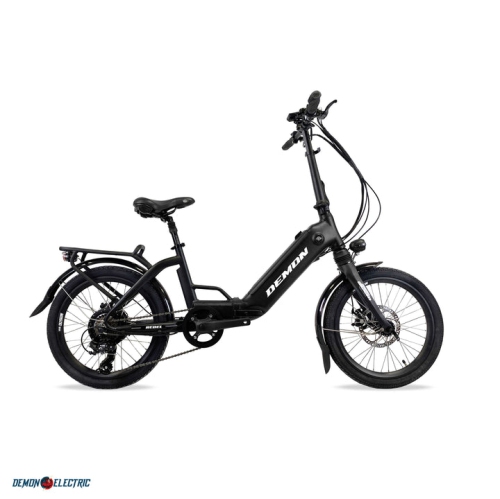
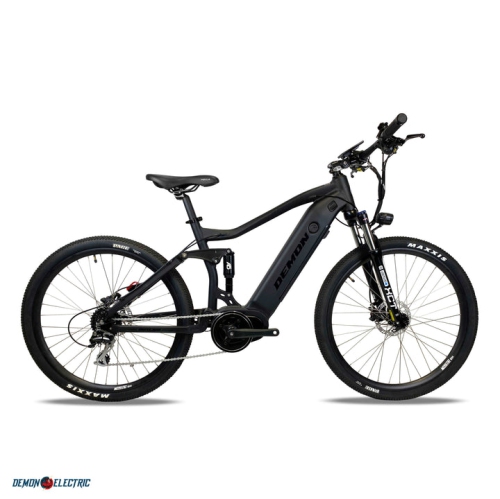
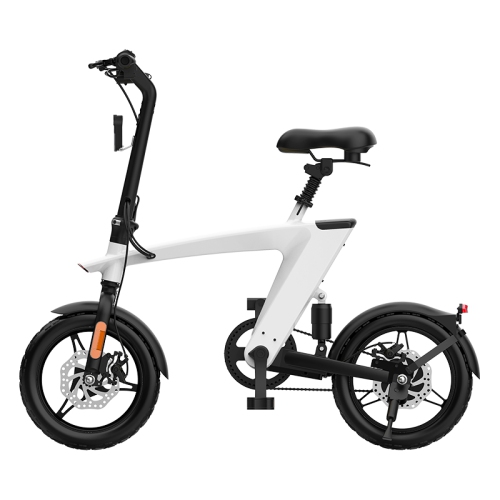
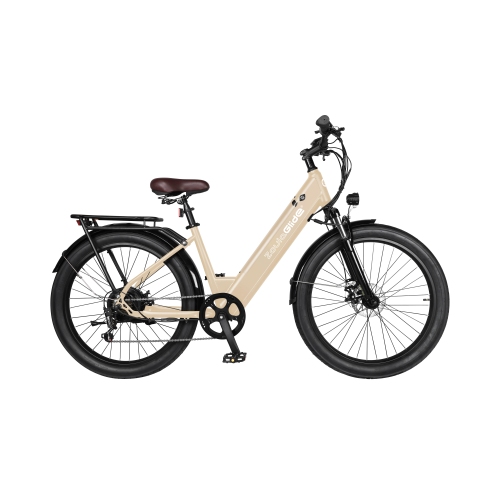
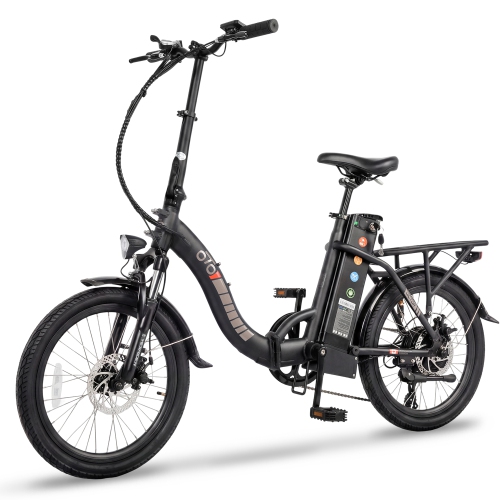
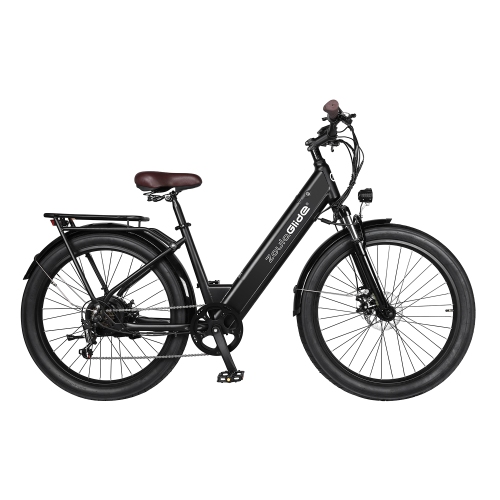
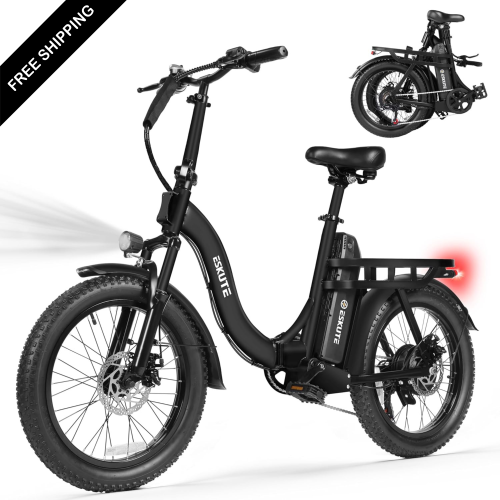
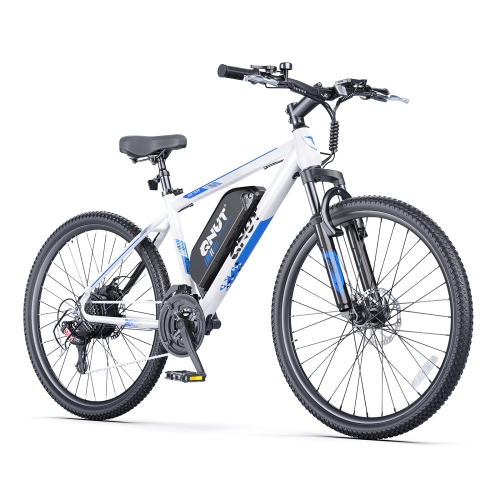
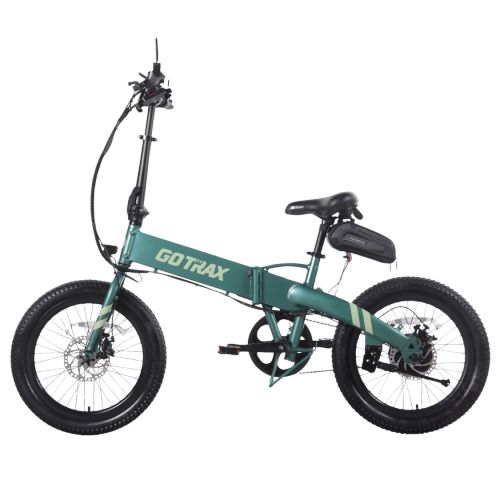
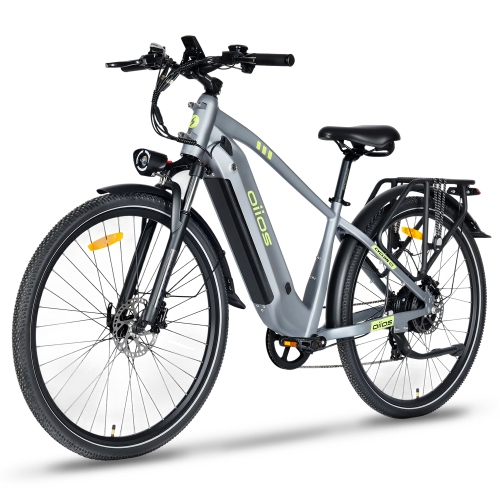
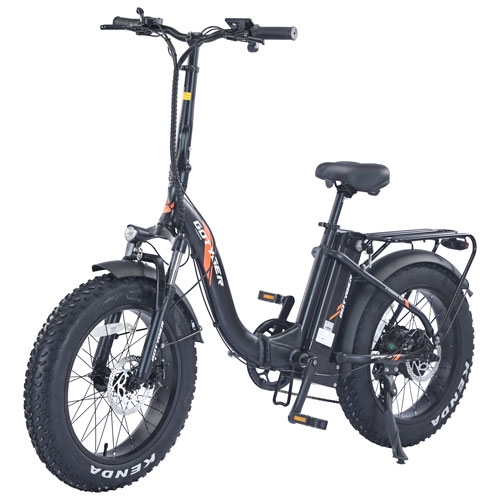
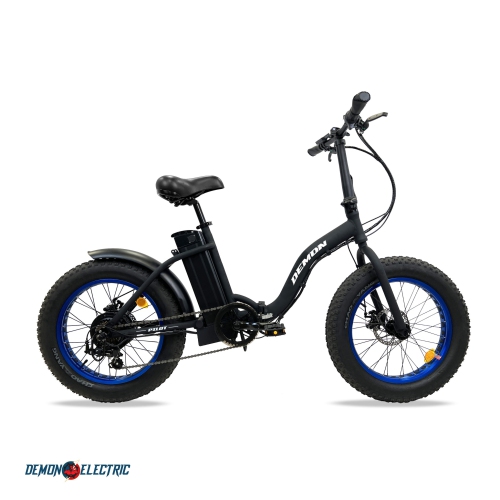
Electric bikes bring motor-assisted riding to familiar bicycle journeys, from the trip to work to a leisurely loop through the neighbourhood. The appeal is often practical: a rider can tackle a climb with less effort, carry a few essentials, or cover a longer route while still enjoying the rhythm of pedalling. Pedal-assist systems add support as the cranks turn, with selectable levels that let the rider balance effort and assistance. Some electric bicycles also include throttle operation, though its use depends on the bicycle’s design and applicable local rules. Different frame styles suit different routines. Commuter e-bikes often favour an upright riding position, with designs that can accommodate racks, fenders, and lights for everyday travel. Hybrid styles balance pavement riding with suitable, maintained paths, while electric mountain bikes place greater emphasis on traction, suspension, and control on permitted off-road routes. Folding designs can make storage easier in an apartment or office, but their folded dimensions and overall weight matter just as much as the folding mechanism. A compact bicycle still needs to fit through a doorway, sit securely in a storage area, and be manageable when lifted. For someone travelling between home, a transit connection, and a workplace, those details may be more useful than a longer list of features. Motor placement also influences the riding feel: a hub motor delivers assistance through a wheel, while a mid-drive motor works through the bicycle’s drivetrain. Neither layout suits every rider or route; the way assistance starts, responds to pedalling, and works with the gears can make a meaningful difference. Published range figures are best understood as estimates rather than promises. Distance between charges varies with assistance level, hills, rider and cargo weight, tire pressure, and the amount of stopping and starting. A comfortable buffer beyond the usual round trip helps make an e-bike a dependable companion for commuting, errands, and recreational riding.
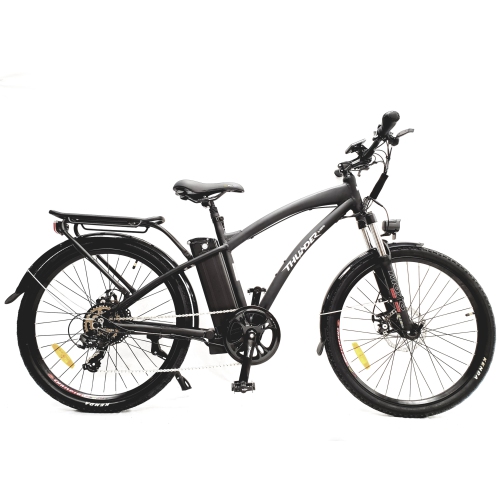
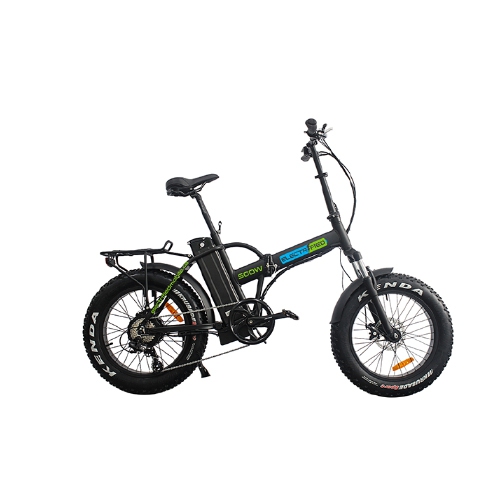
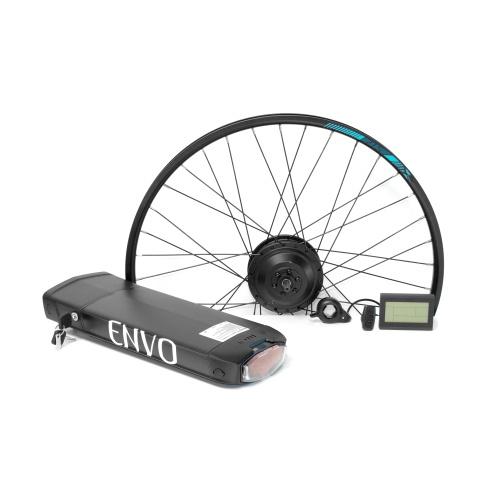
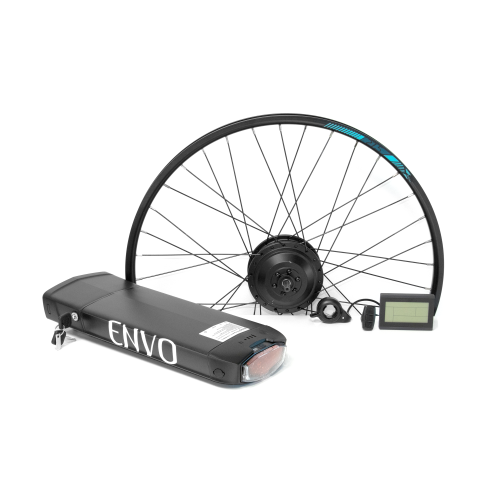
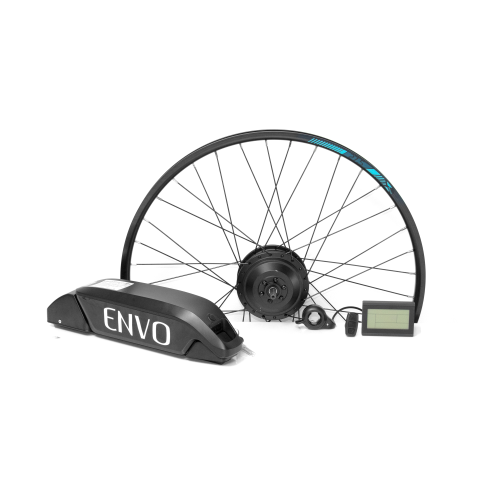
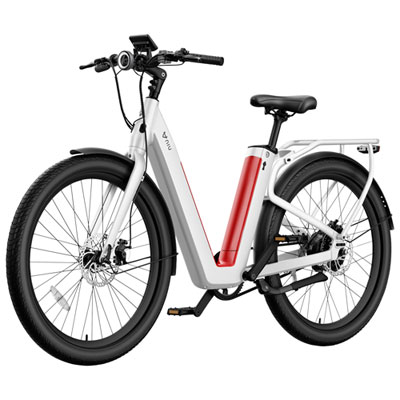
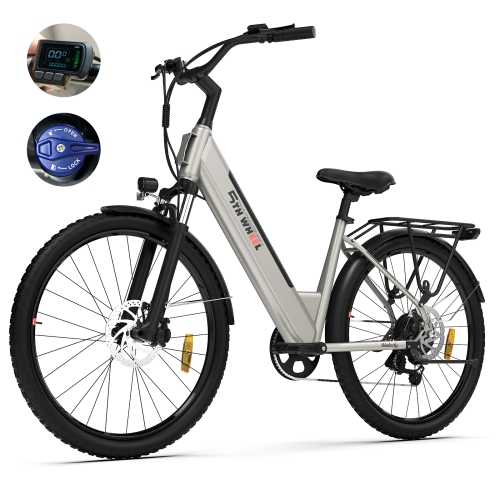
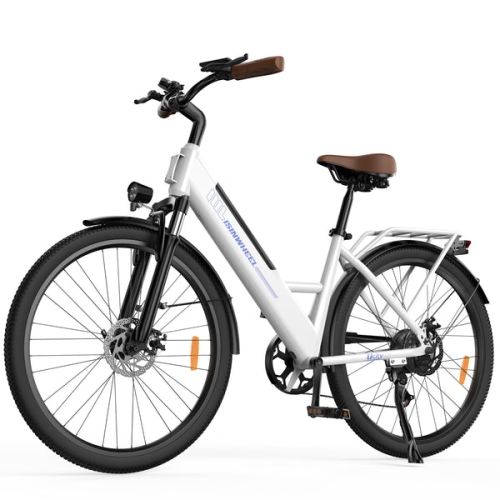
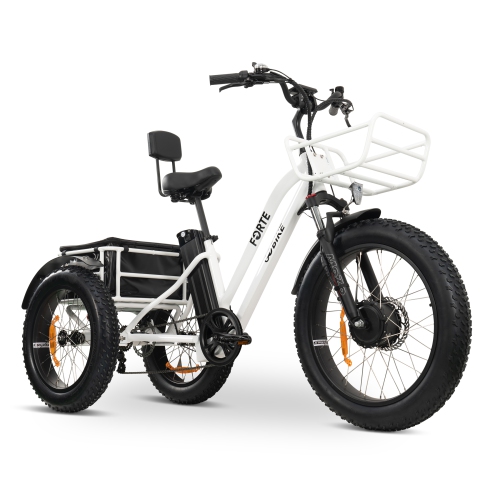
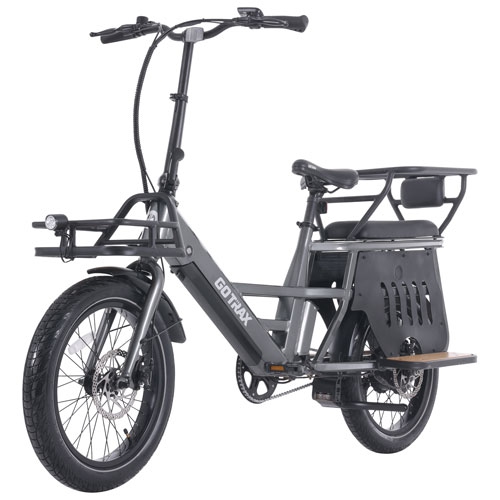
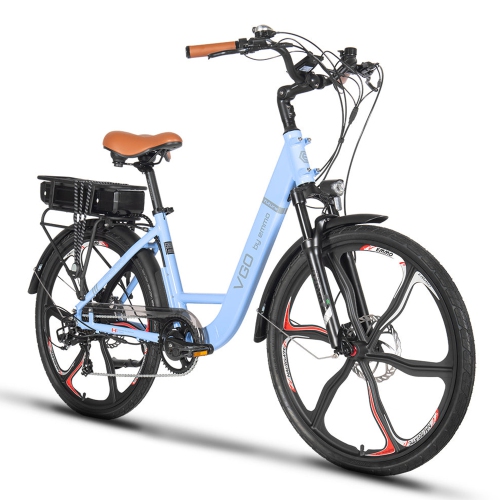
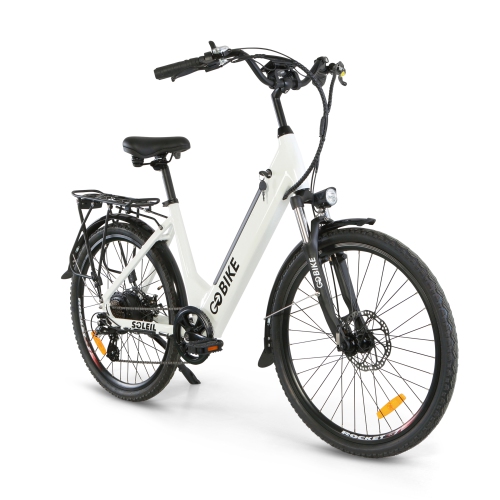
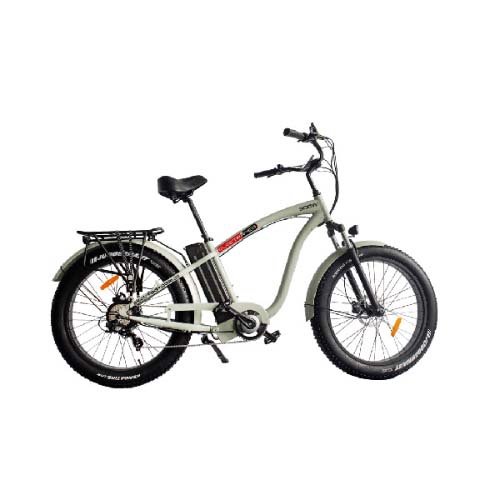
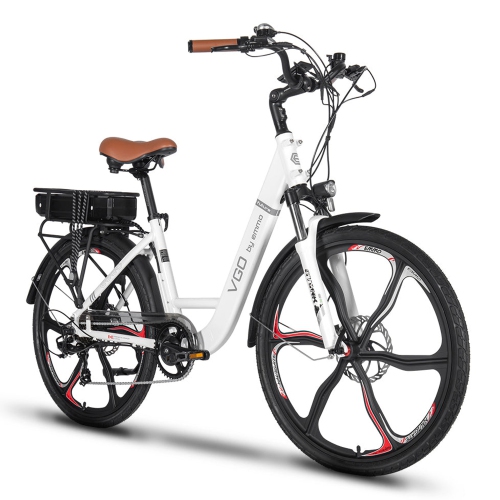
Comfort begins with a frame that fits the person riding it, not simply with a soft saddle or a tall handlebar. Frame size, reach, saddle height, and the position of the controls all affect how naturally a rider can pedal, steer, and stop. A step-through frame can make mounting and dismounting easier, particularly during frequent stops or when carrying belongings on a rear rack. A step-over frame offers a different layout that some riders prefer for their riding style and handling needs. In either case, being able to reach the brake levers comfortably and put a foot down confidently is more important than appearance alone. Aluminum frames are common because they balance weight and strength, while steel frames can offer a sturdy structure with a different ride feel. Carbon fibre appears in some designs where lower weight is a priority, though frame material is only one part of the bicycle’s total weight and durability. The motor, battery, wheels, and accessories also contribute, which becomes especially noticeable when carrying a bike up stairs or loading it onto a vehicle rack. Tires help define the experience: narrower tread patterns can suit paved journeys, while wider tires may add cushioning and traction on appropriate uneven surfaces. Suspension can soften impacts, but it also adds weight and components that need care. Reliable brakes are particularly important when the bicycle carries extra weight or travels along routes with frequent descents. Disc brakes are common on e-bikes, with performance influenced by their design, adjustment, and condition. For errands, rack compatibility and the bicycle’s rated carrying capacity deserve attention; a bag of groceries changes the load and can affect balance. Any basket, rack, or passenger accessory needs to be approved for its intended use. An e-bike can also be a thoughtful gift for an adult who enjoys riding, provided the recipient’s fit, preferred routes, storage arrangements, and confidence handling a heavier bicycle are part of the choice.

Battery design and everyday care have a large influence on how conveniently an electric bicycle fits into a routine. A removable battery may be useful when the bike stays in a secure storage room and charging happens elsewhere, while an integrated design can give the frame a streamlined appearance. Battery capacity is commonly expressed in watt-hours, but that figure alone does not establish how far a bicycle will travel. The complete system, riding conditions, and assistance settings all matter. Charging should follow the manufacturer’s directions, using the supplied or specifically approved charger and a suitable location away from exits and combustible materials. Recognized electrical safety certification for the battery and electrical system is another useful consideration. A battery with visible damage, swelling, or unusual behaviour needs professional attention rather than continued use. Beyond the electrical components, e-bikes need the same thoughtful upkeep as other bicycles: properly inflated tires, effective brakes, a lubricated drivetrain, and secure fasteners help support a consistent ride. Motor assistance can place additional demands on drivetrain parts, making routine inspection worthwhile, especially for bicycles used frequently. Cleaning methods should protect electrical connections and bearings; high-pressure washing can force water into places it does not belong. Long-term storage and battery care are best matched to the manufacturer’s recommendations. Practical ownership also includes a secure lock, an appropriate helmet, and lights where required, along with a storage plan that accounts for the bicycle’s size and weight. Vehicle carriers need to be rated for the load and compatible with the frame and tires. Canadian e-bike requirements vary by province and municipality, and individual pathways or trails may have their own access rules, so permitted motor operation, rider requirements, and route access all deserve attention. For riders considering everyday travel in Calgary, E-Bikes Calgary provides a local starting point for exploring electric bicycles. Whether the routine involves a short commute, regular errands, or longer recreational rides, a well-matched e-bike brings together comfortable fit, manageable handling, suitable carrying capacity, and a charging arrangement that works at home.
Read More

FAQ

Some products may be subject to Environmental Handling Fees (EHF) depending on your province. Learn more about EHFs.