Electric Bikes and Scooters

Explore electric bikes and scooters for commuting, running errands, or enjoying rides around town. Compare e-bikes and electric scooters by riding range, maximum speed, weight, and storage needs to find an option that suits your route and routine. Check local riding rules and where each type is permitted before choosing.
Read More

Sort

How your route and storage shape your ride

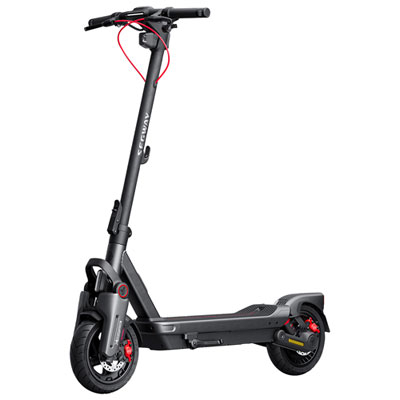
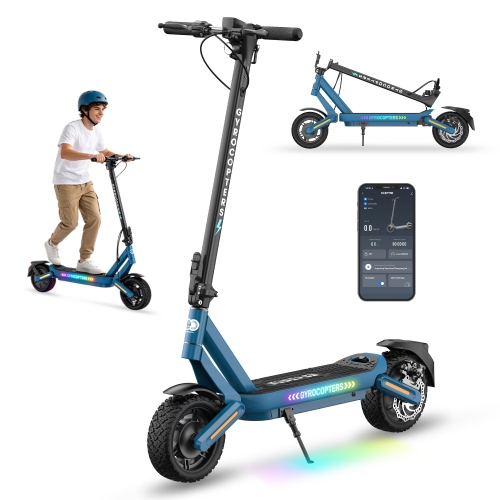
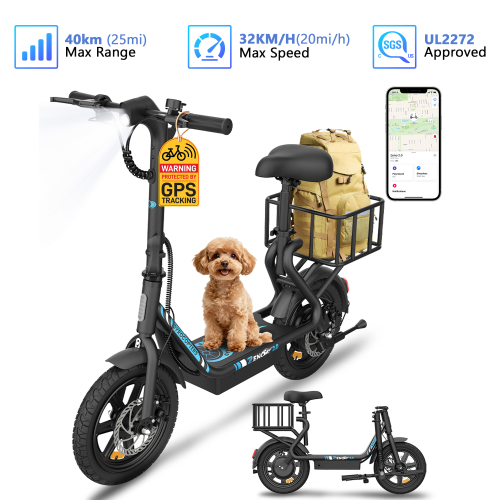
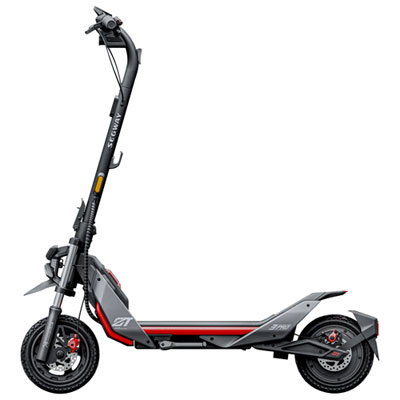
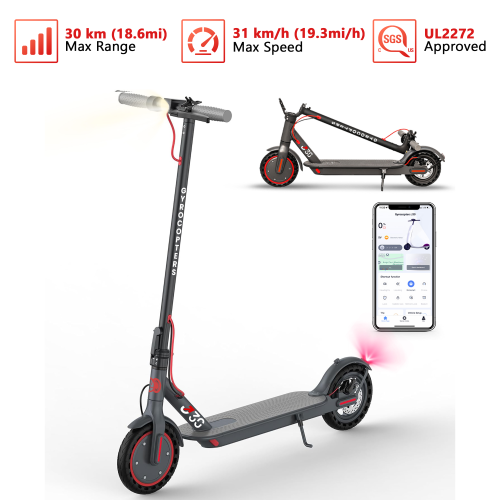
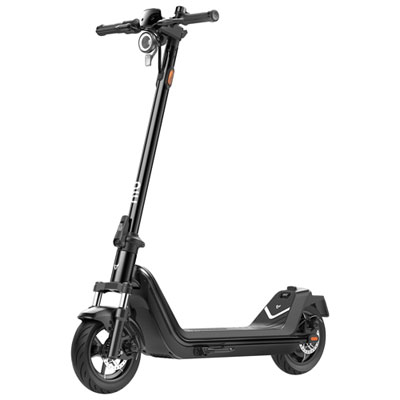
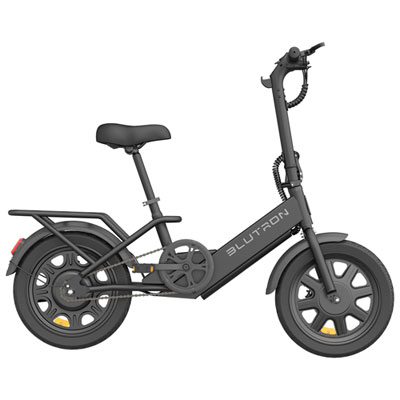
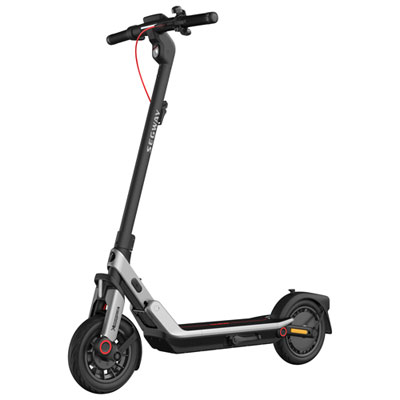
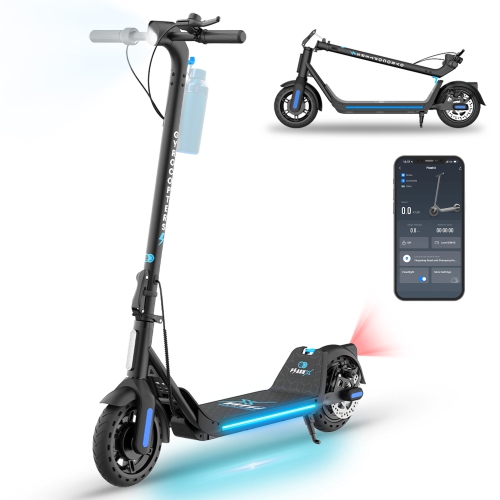
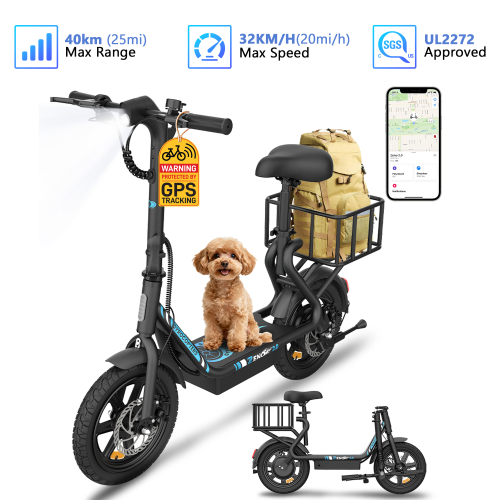
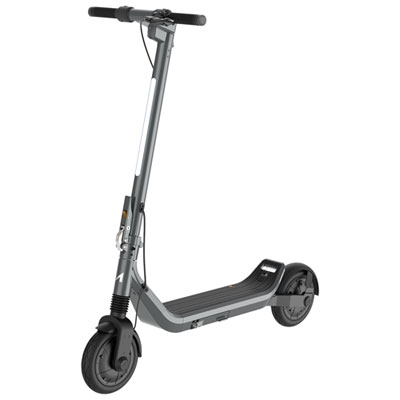
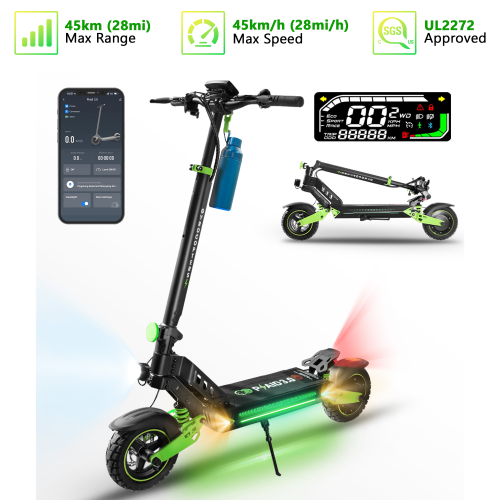
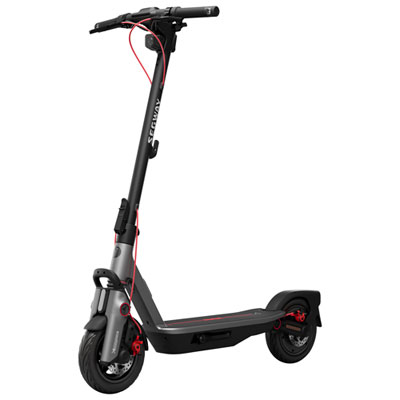
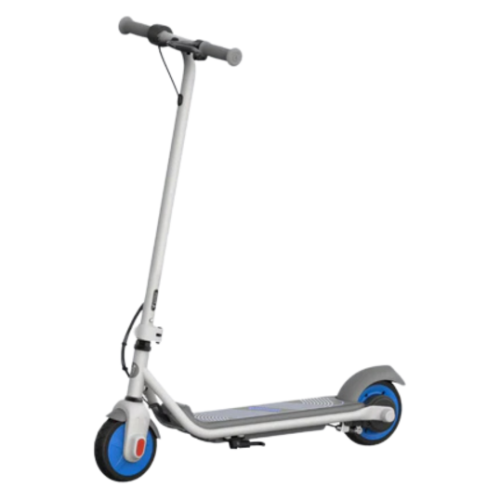
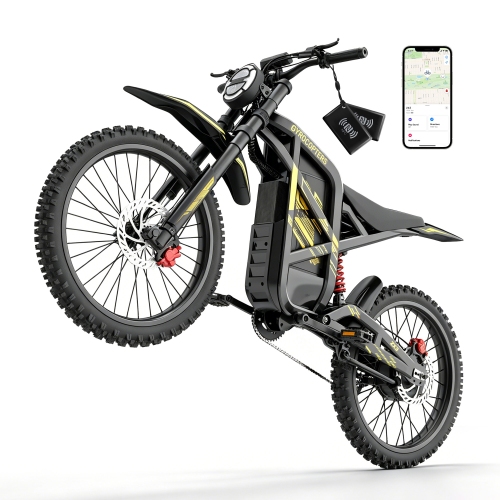
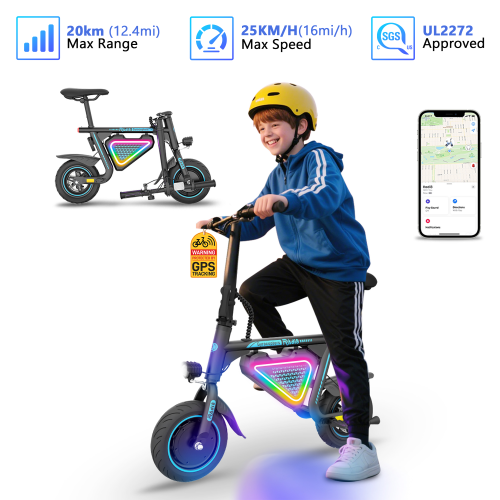
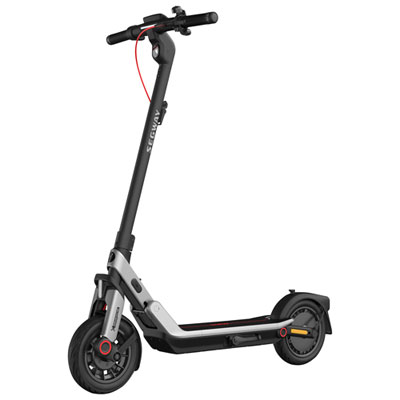
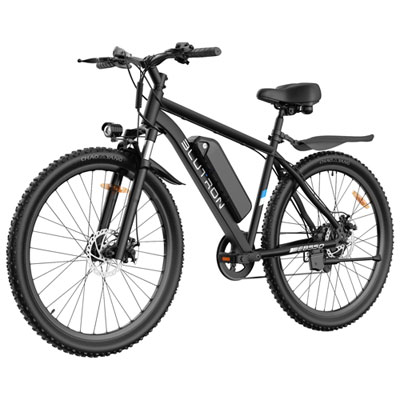
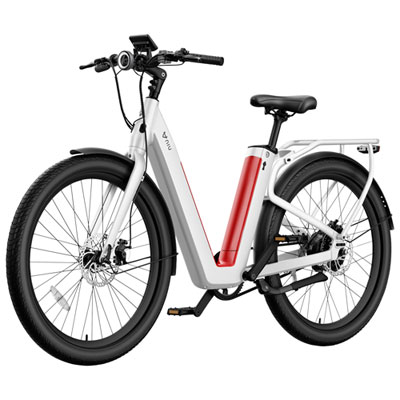
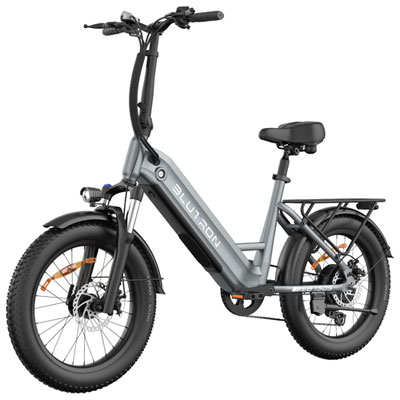
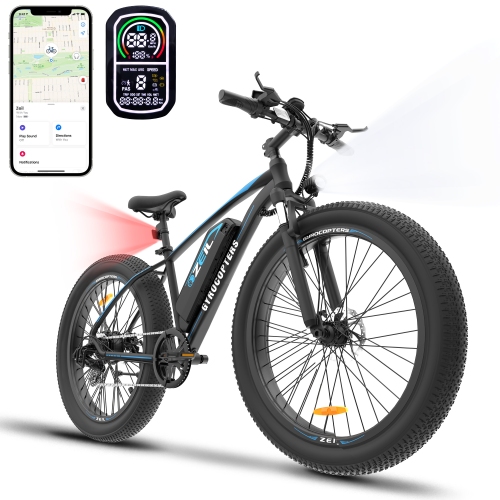
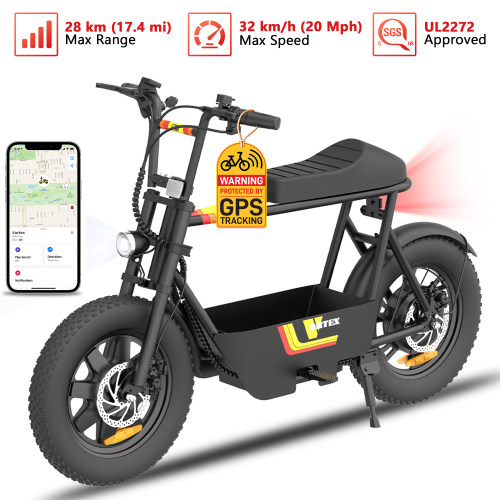
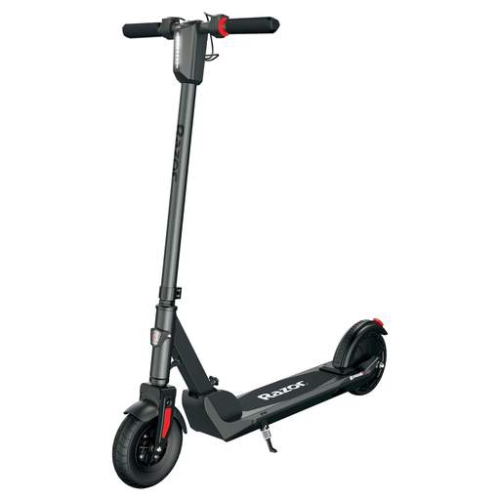
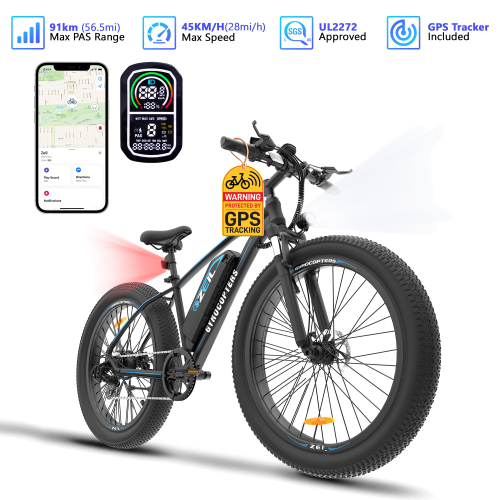
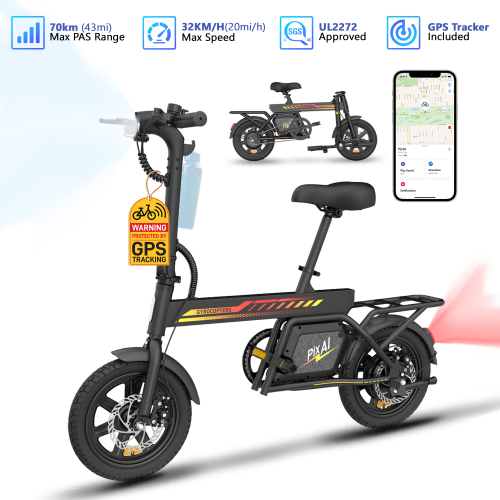
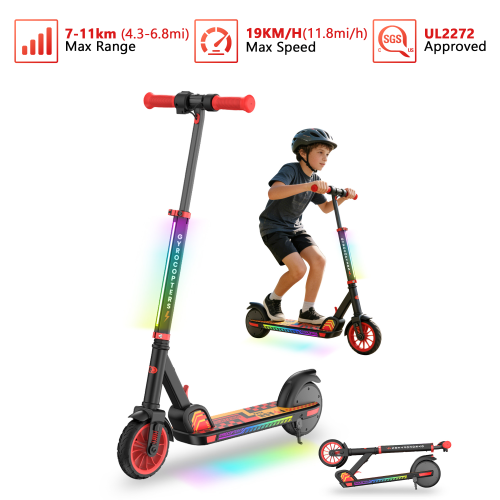
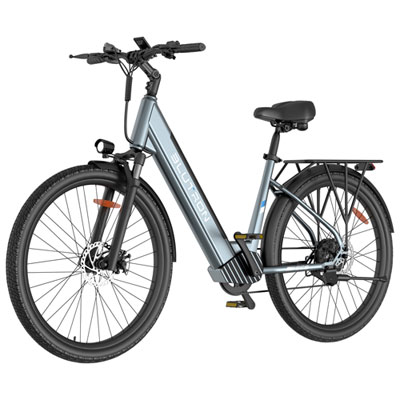
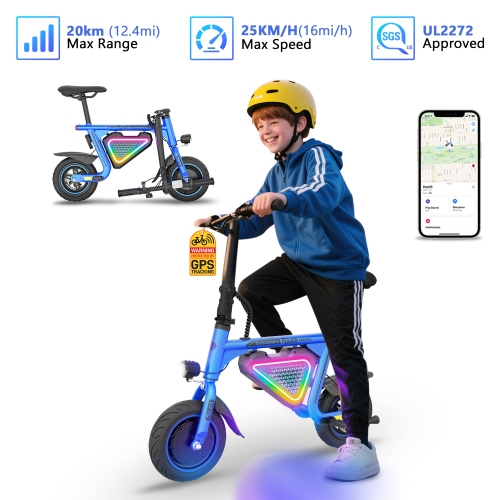
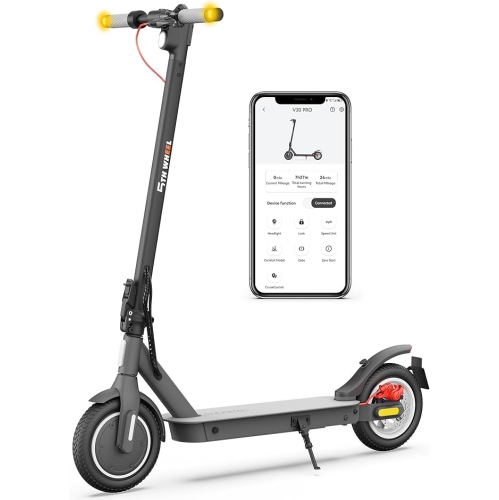
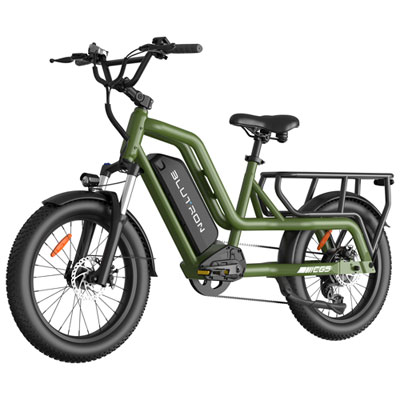
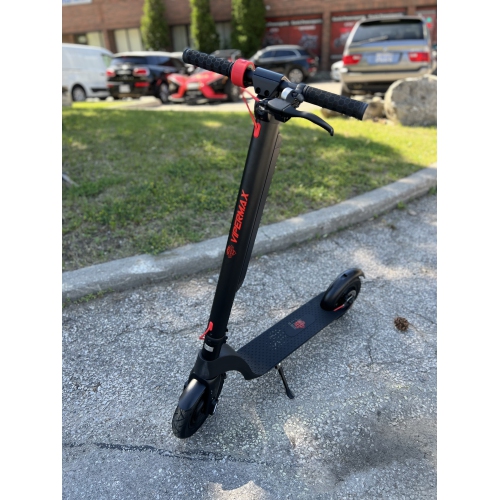
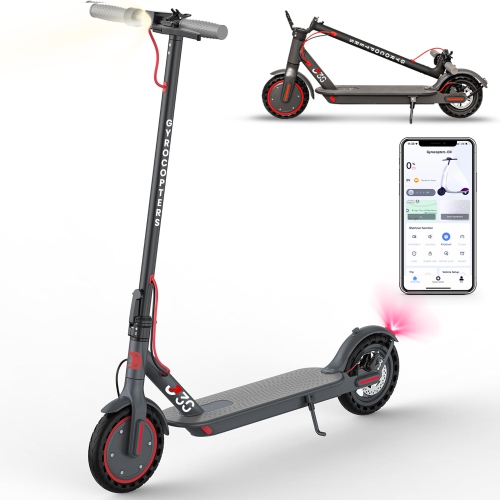
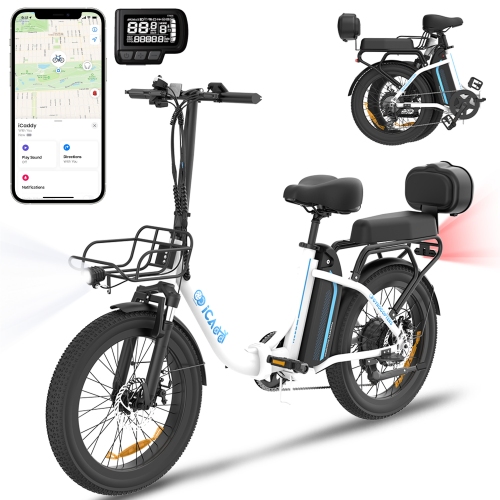
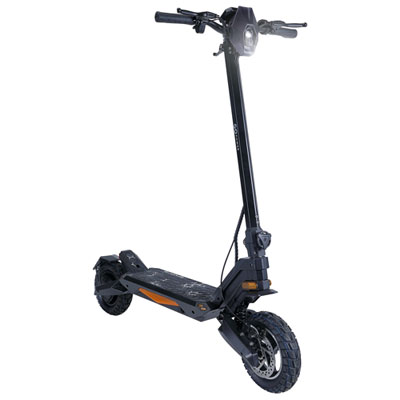
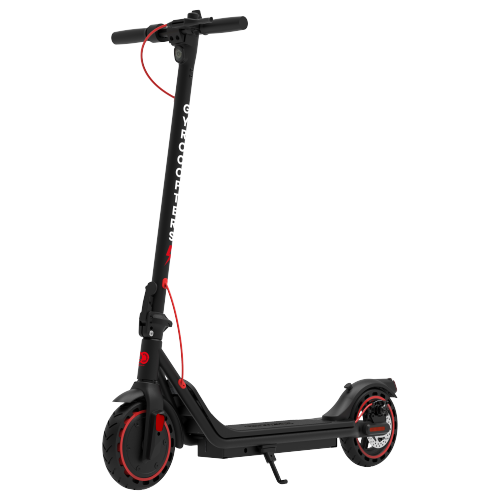
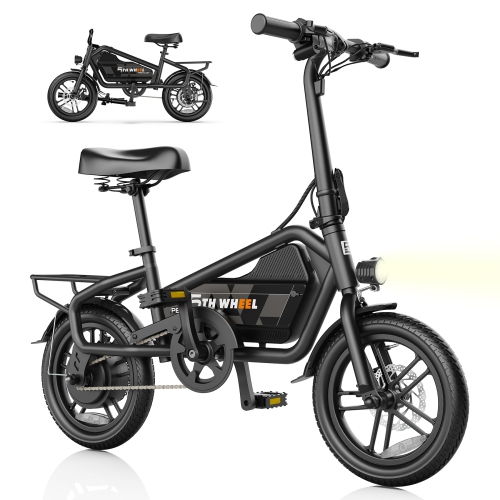
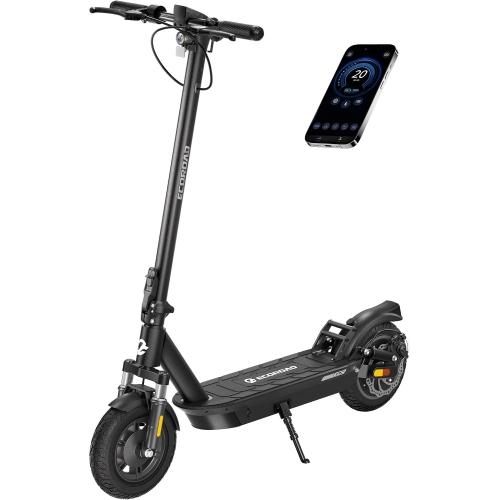
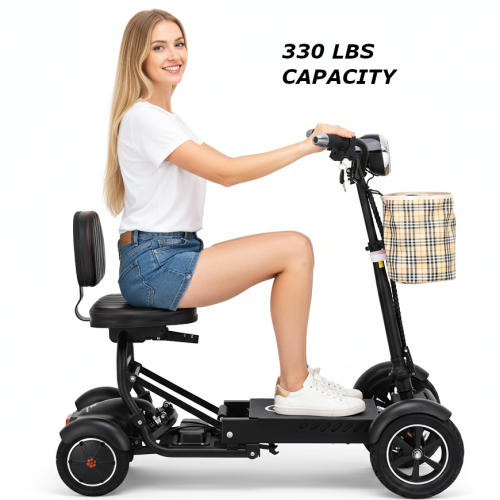
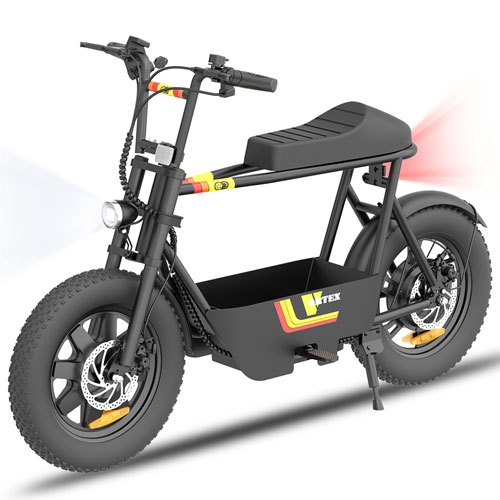
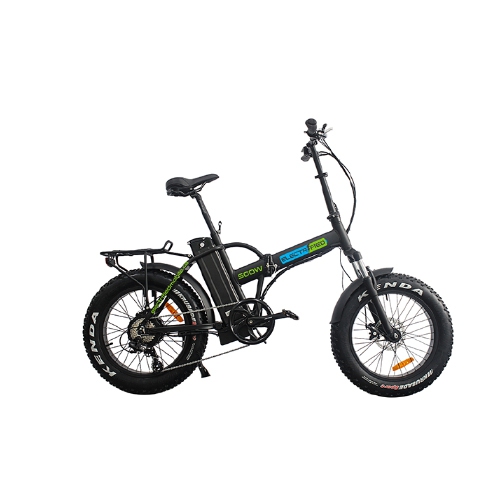
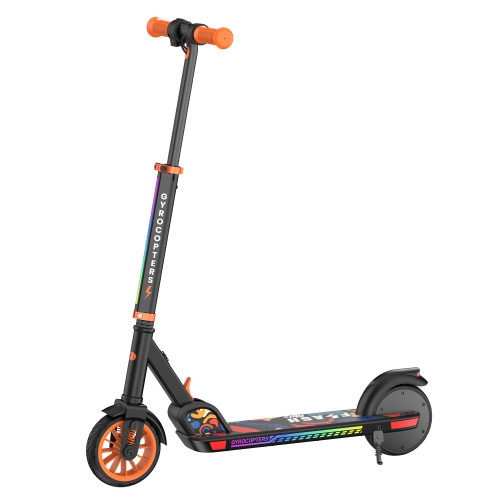
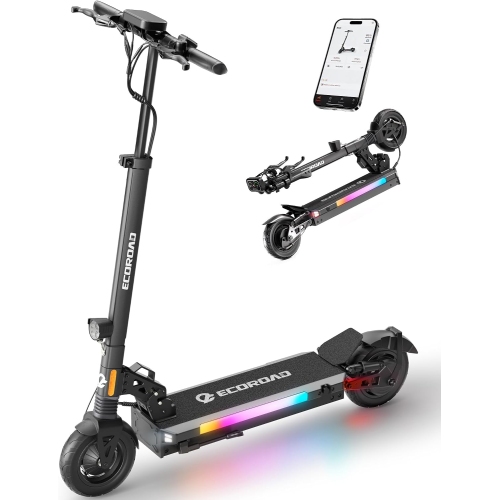
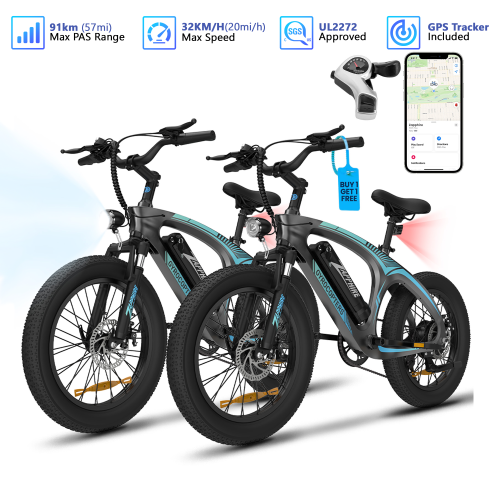
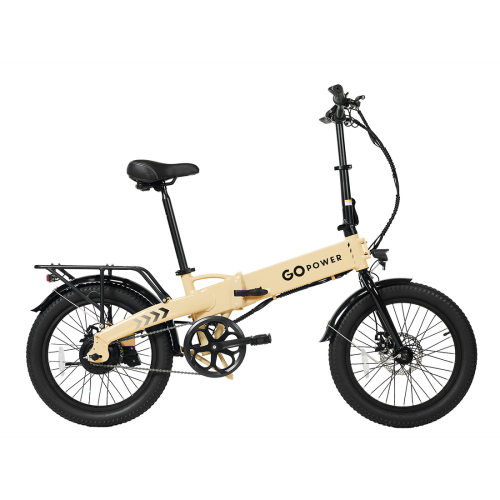
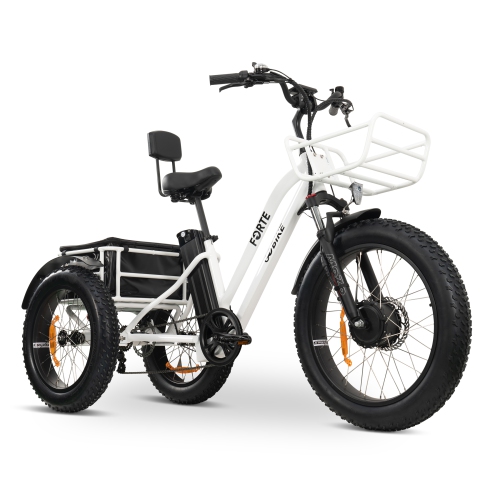
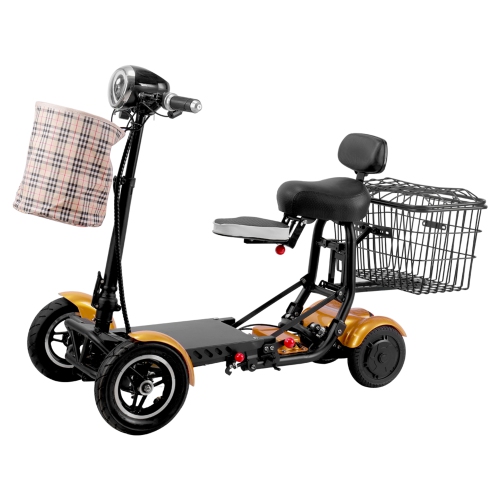
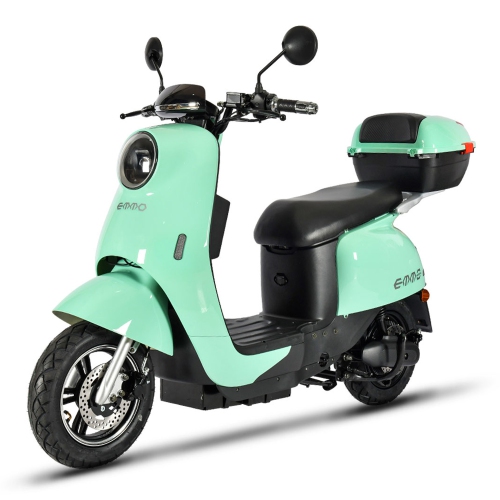
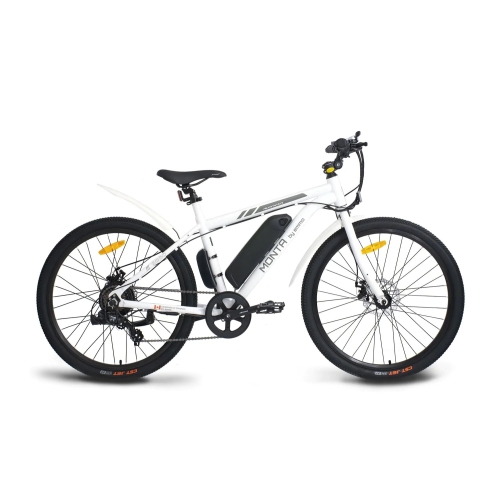
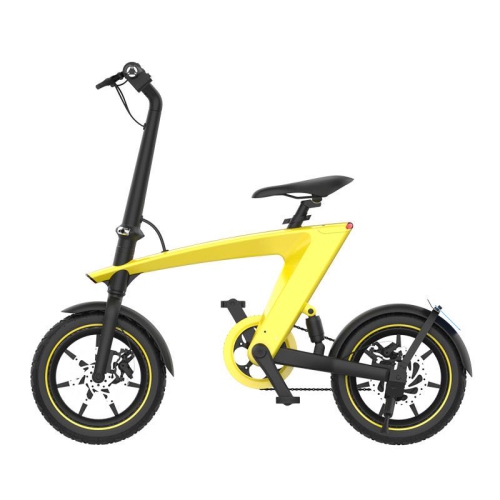
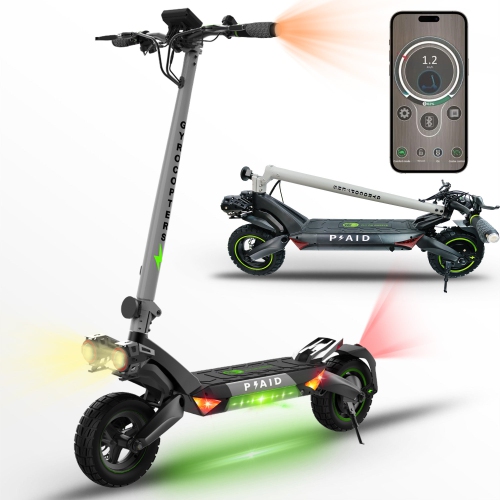
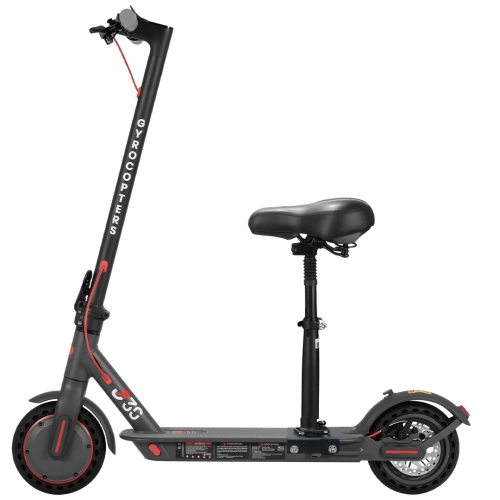
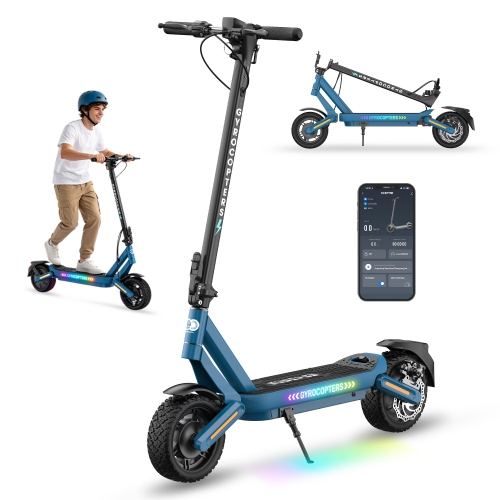
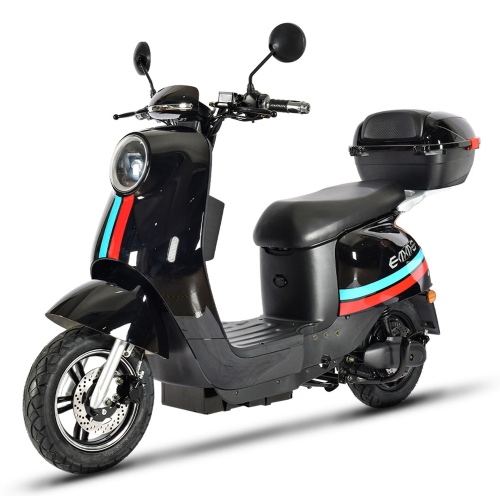
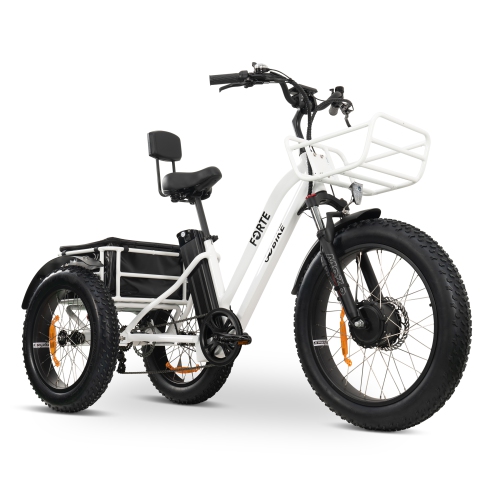
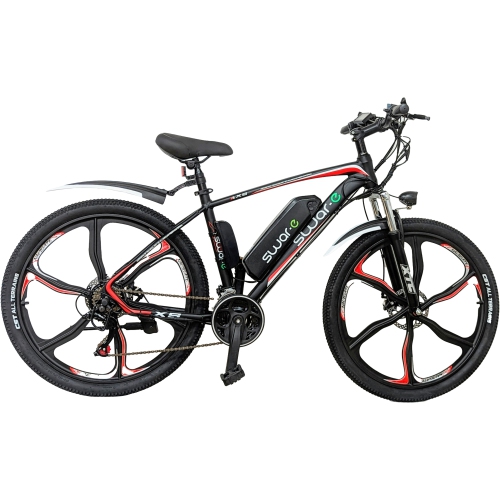
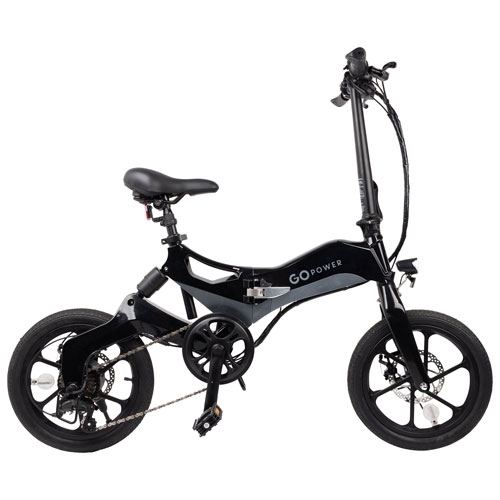
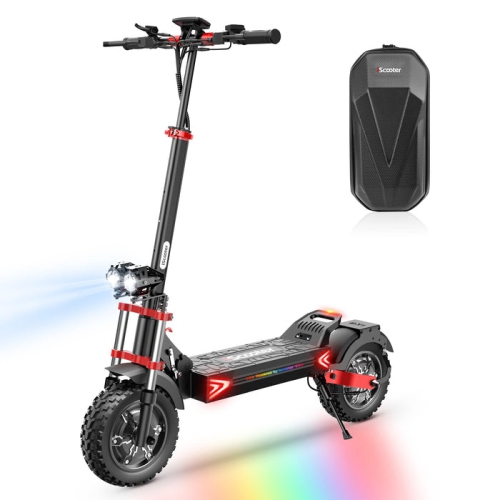
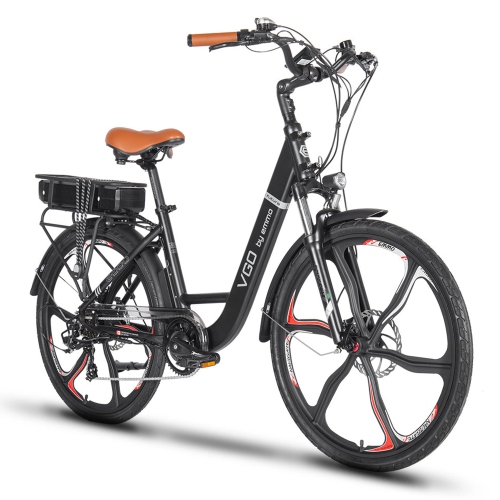
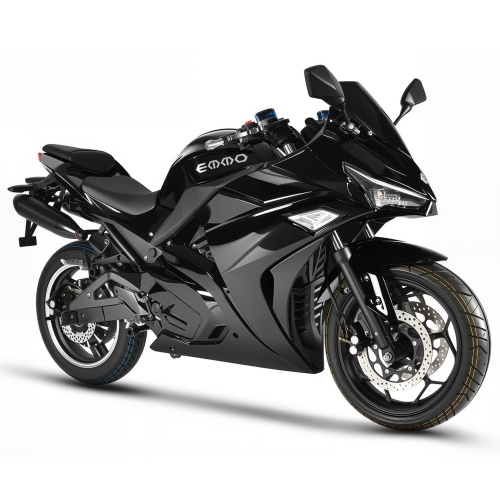
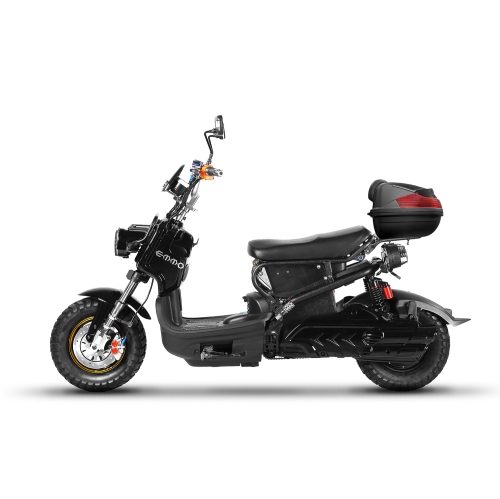
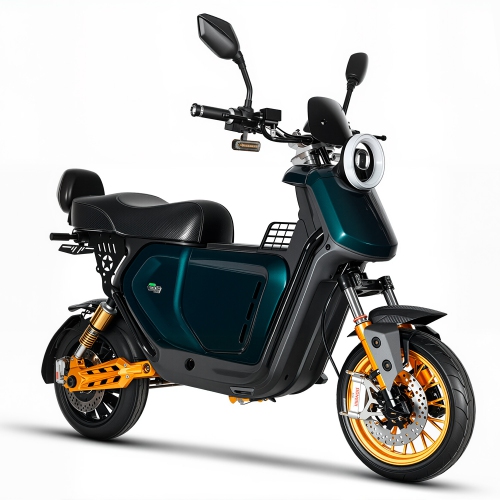
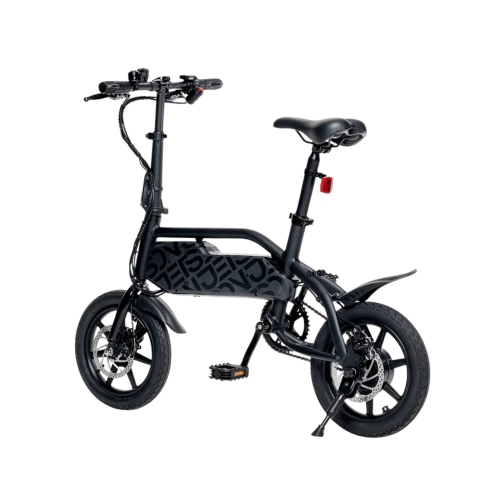
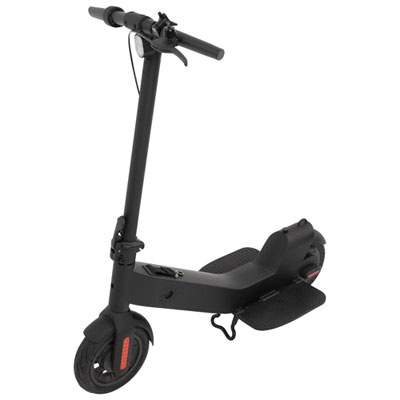
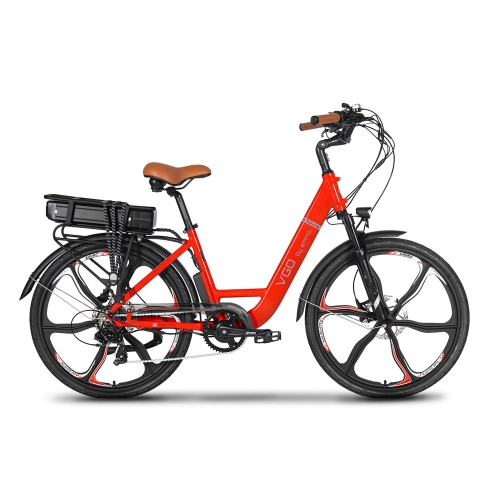
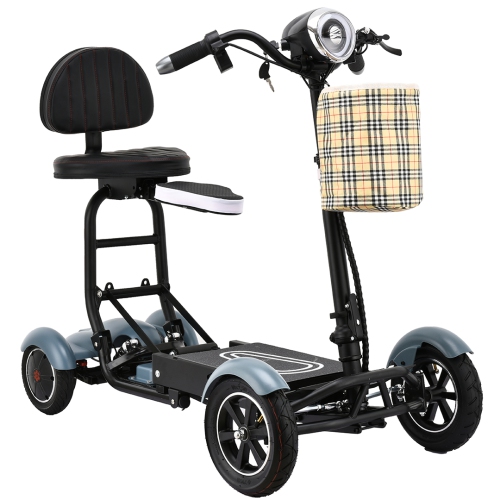
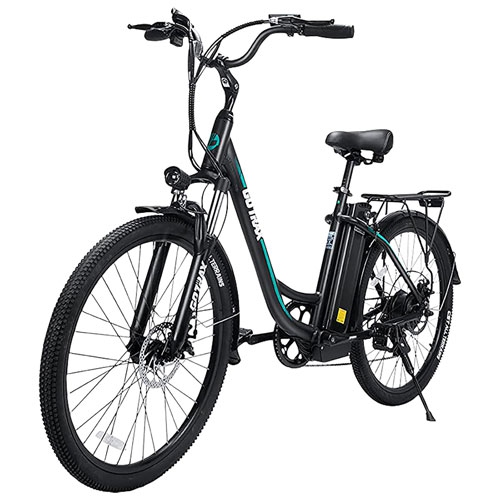
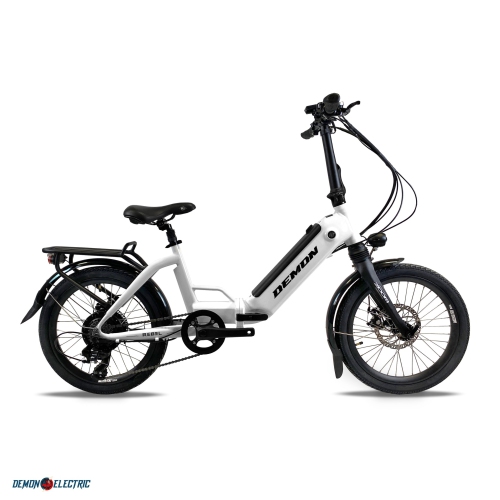
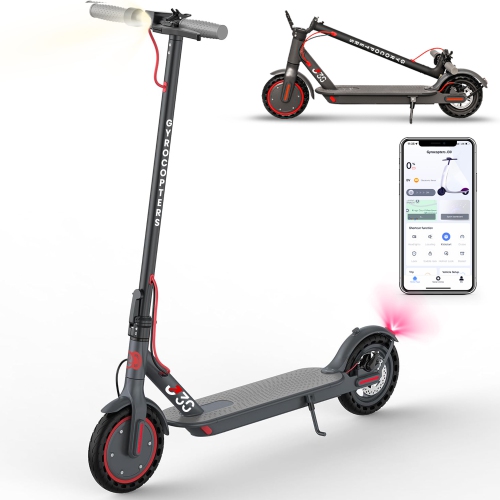
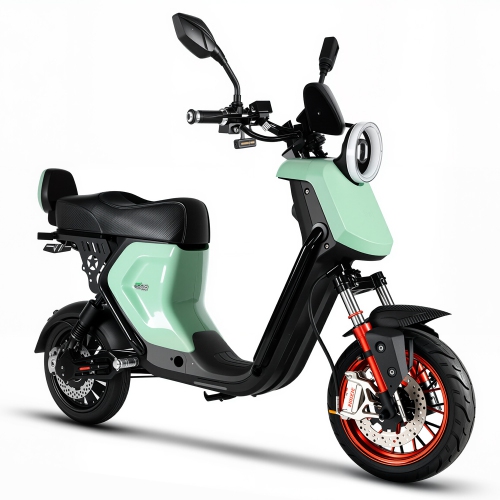
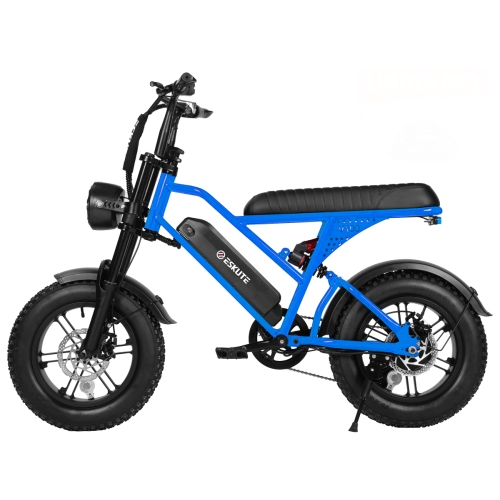
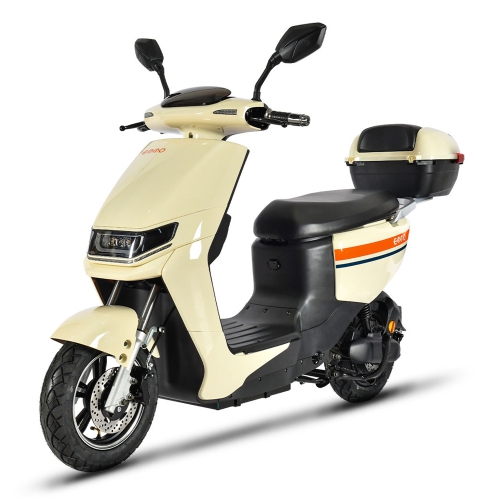
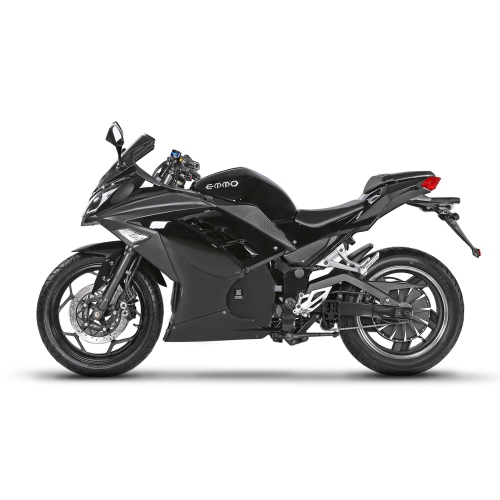
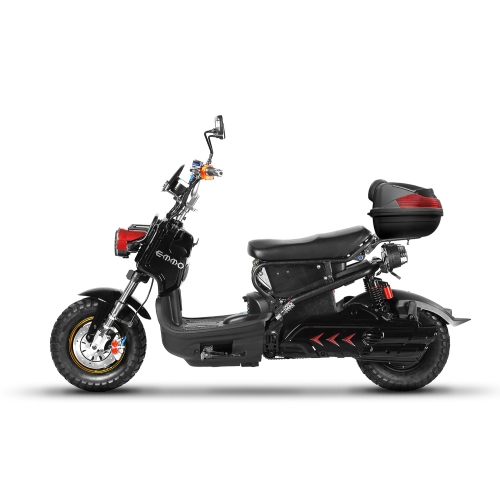
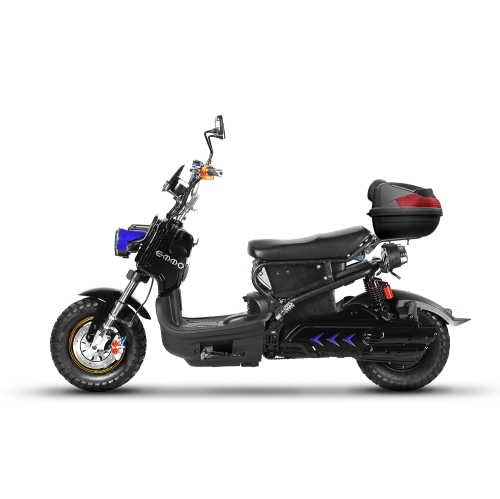
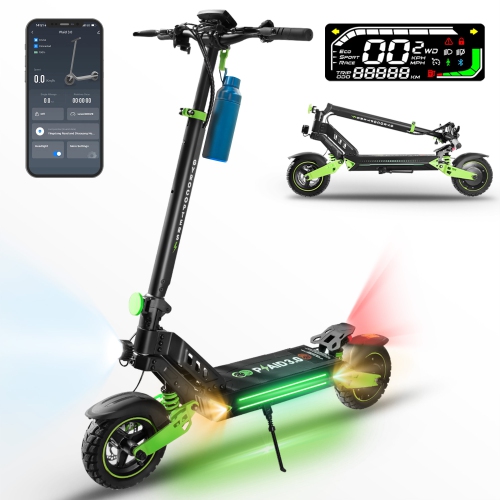
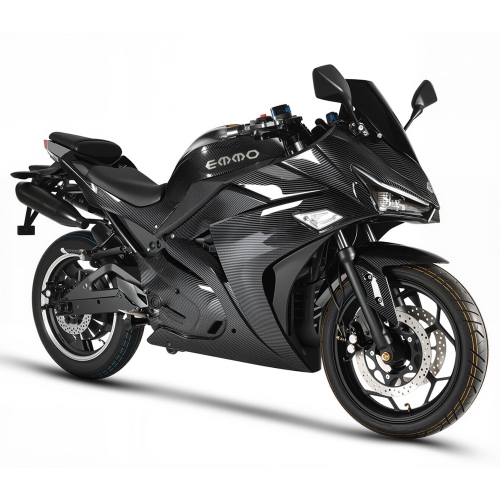
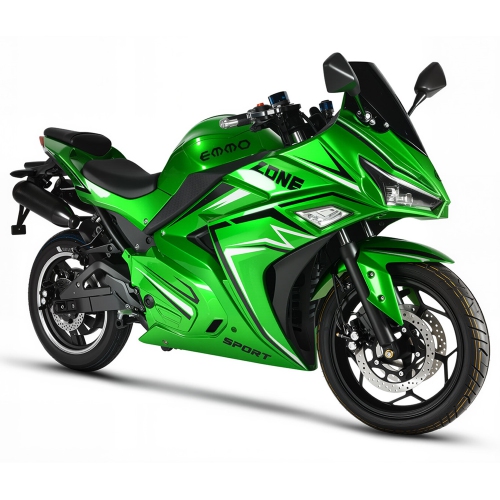
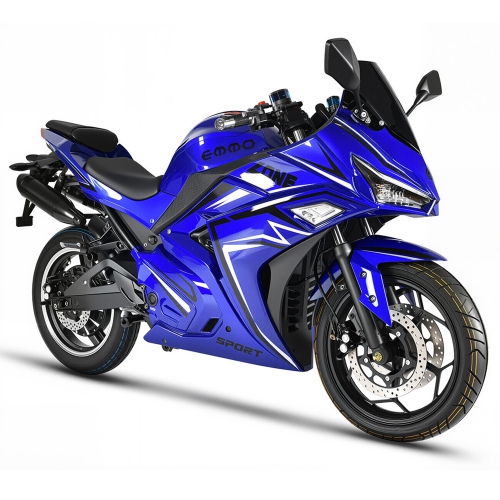
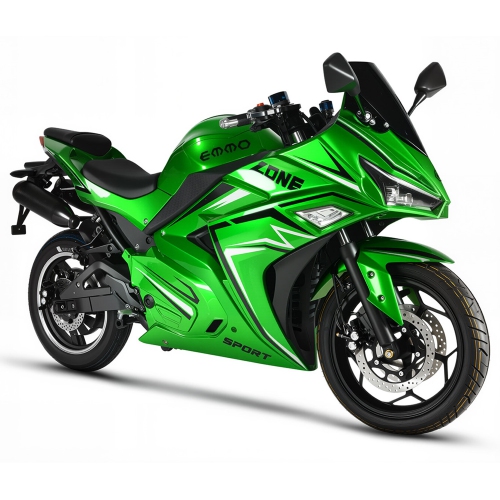
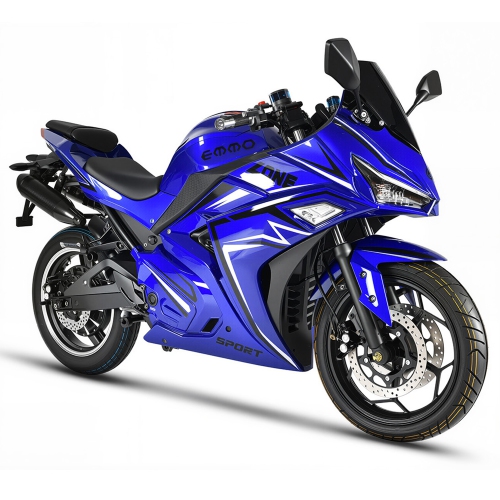
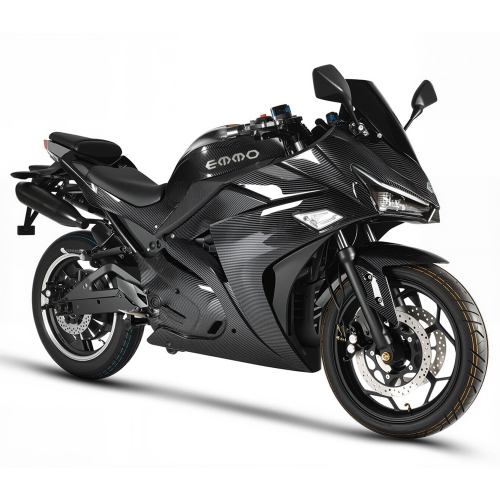
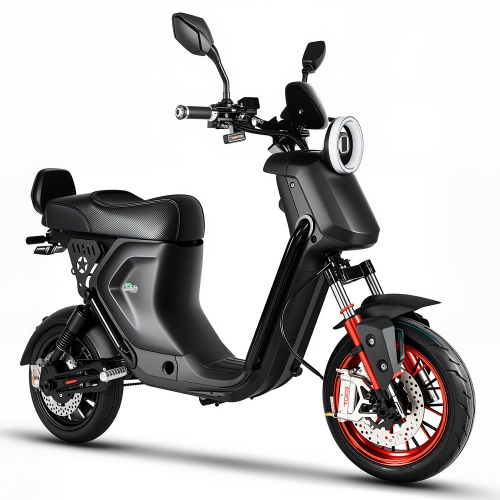
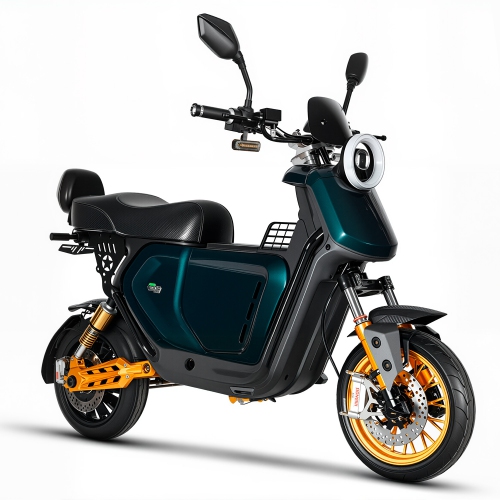
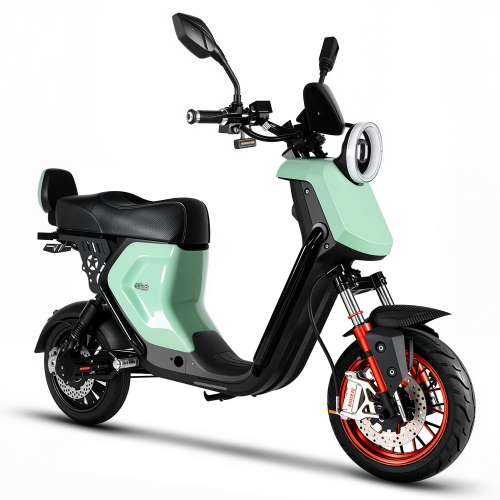
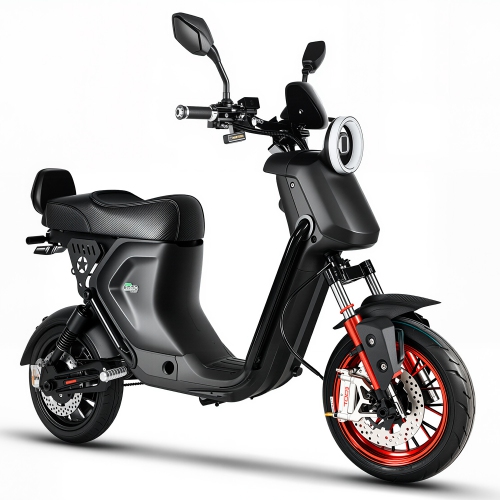
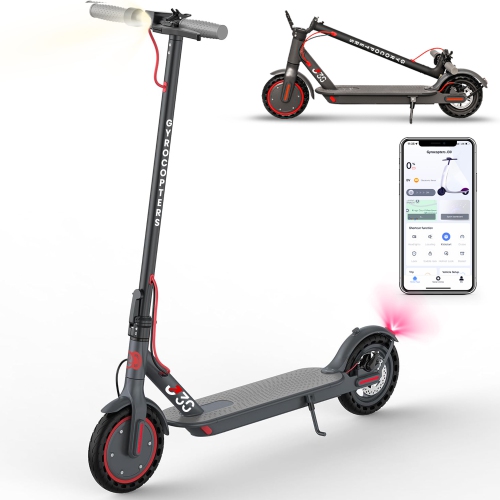
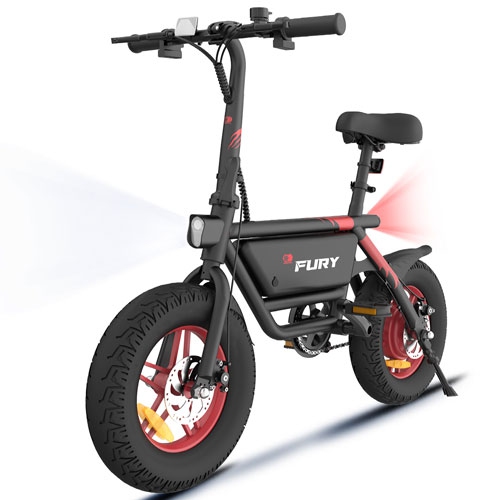
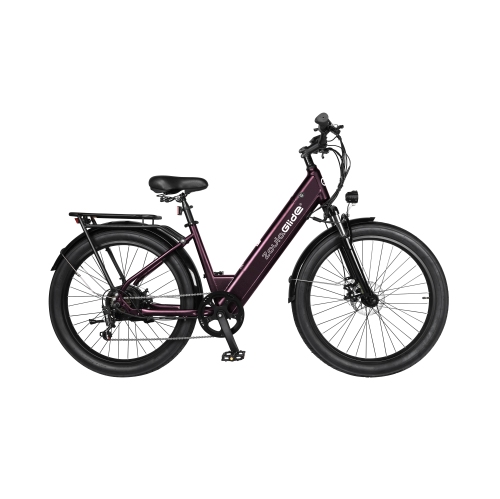
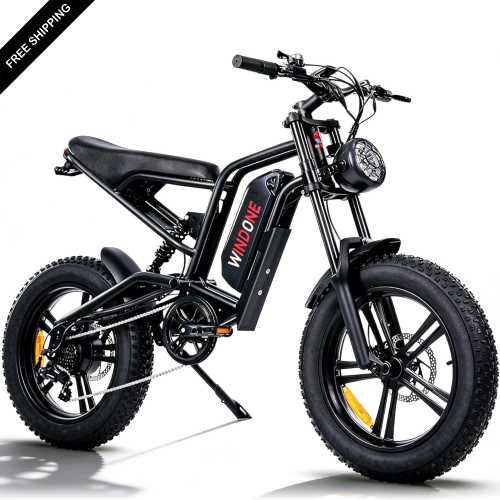
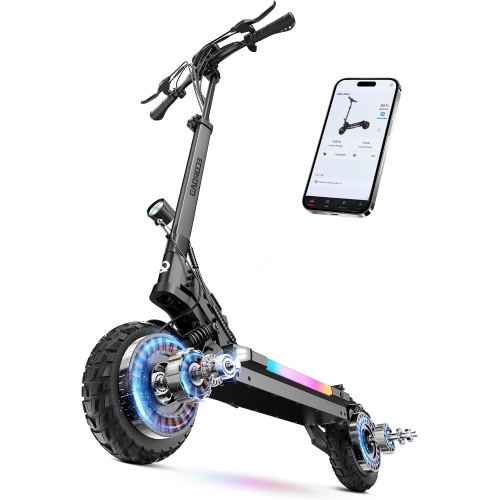
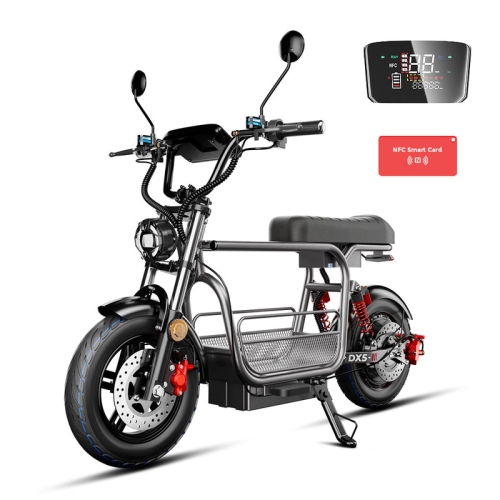
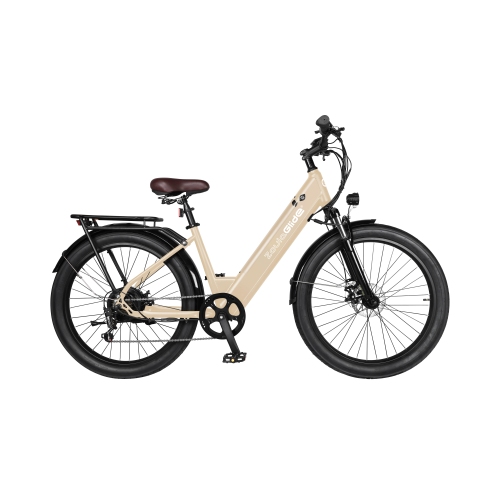
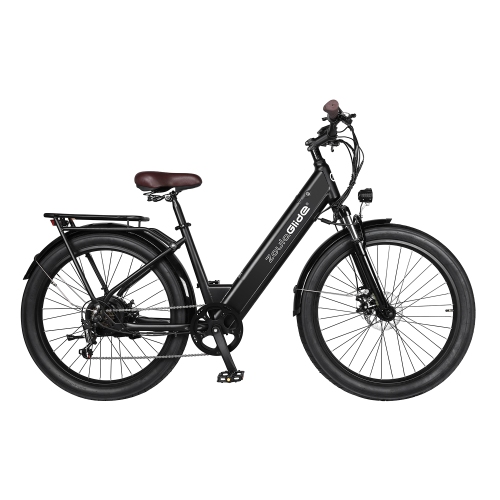
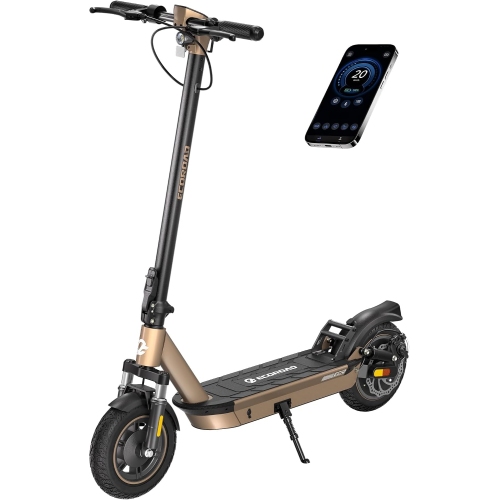
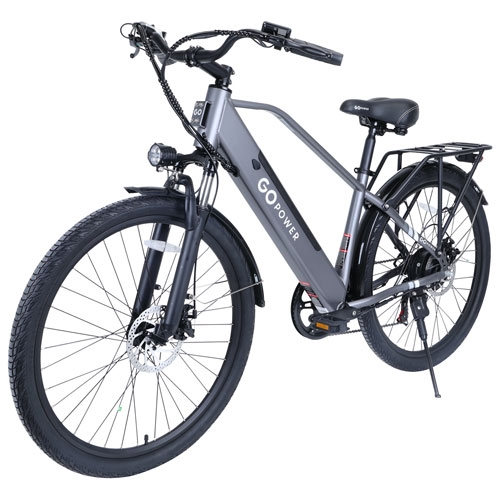
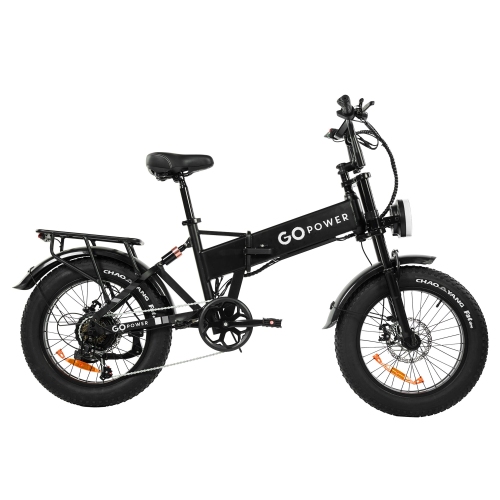
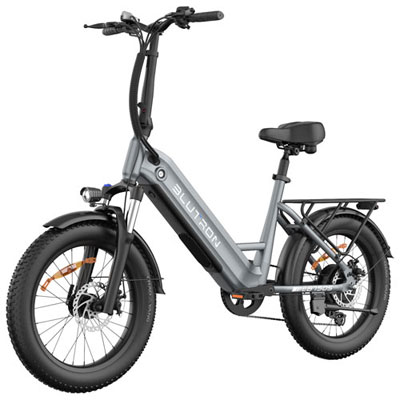
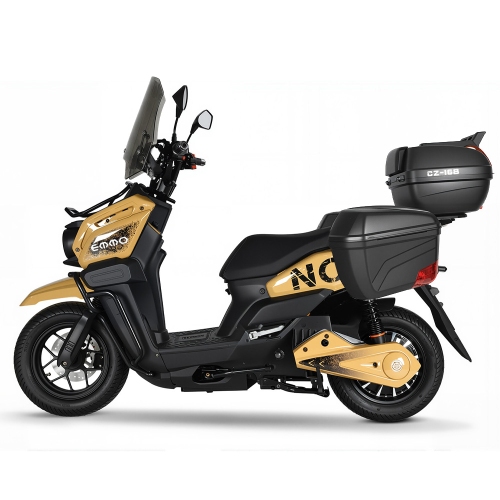
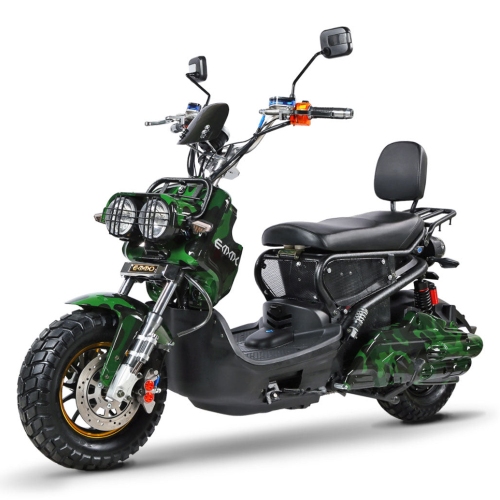
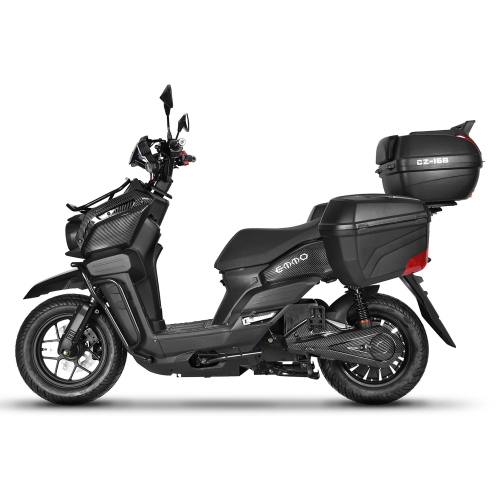
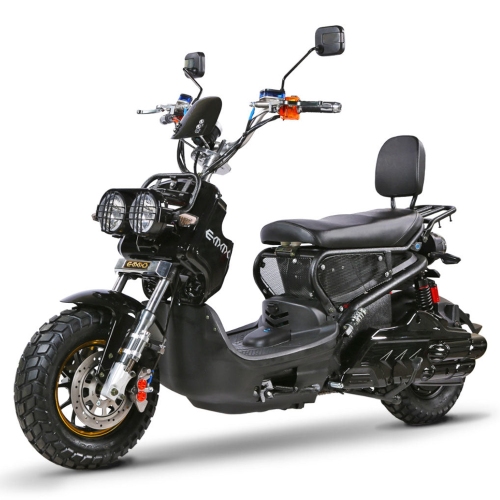
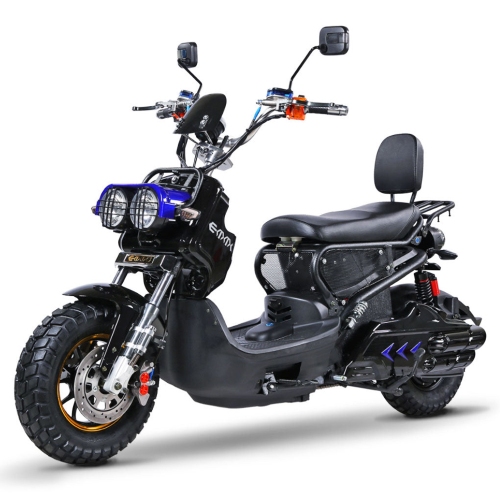
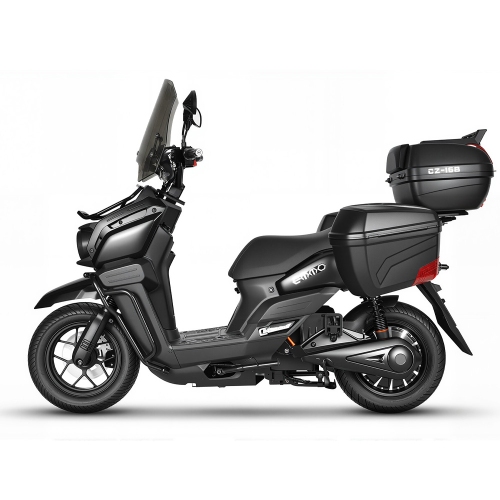
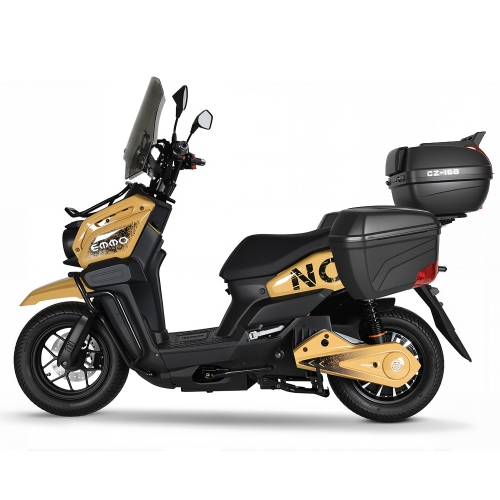
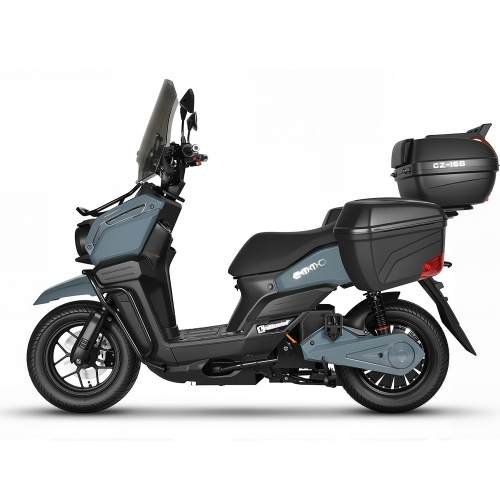
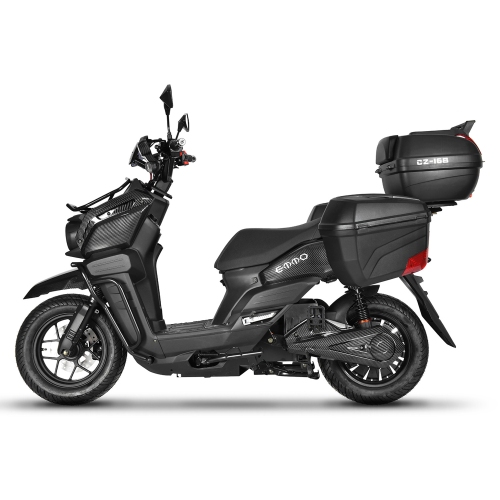
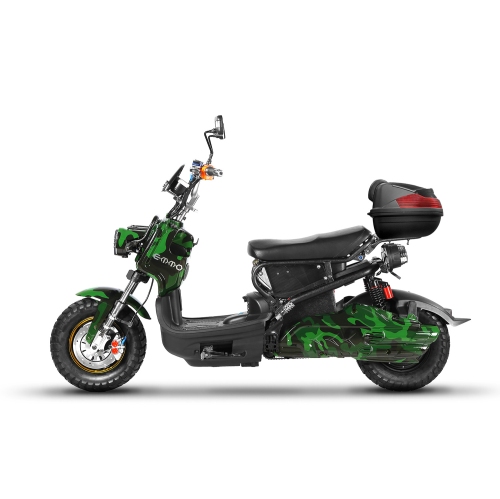
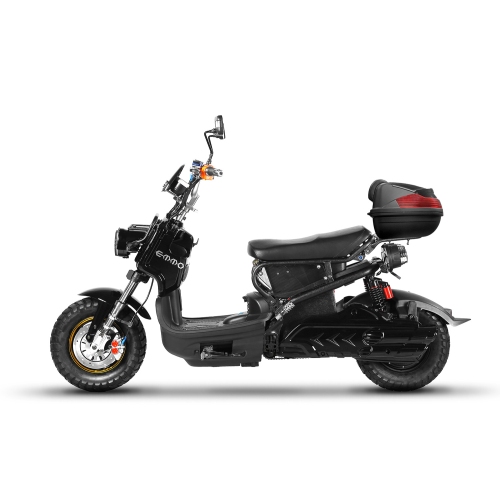
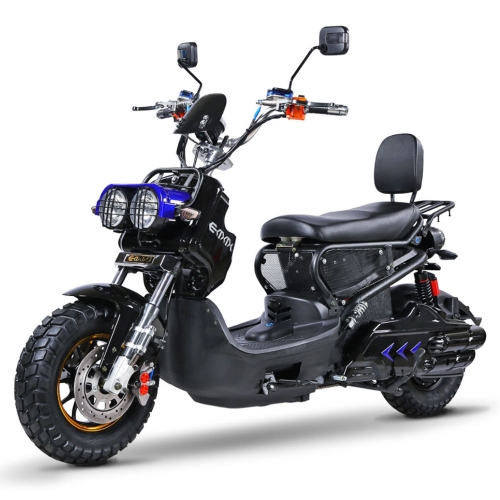
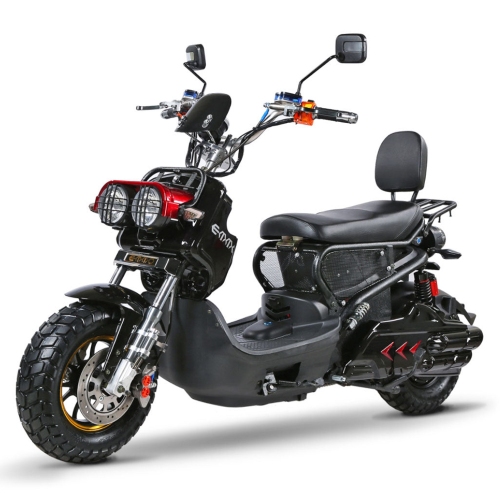
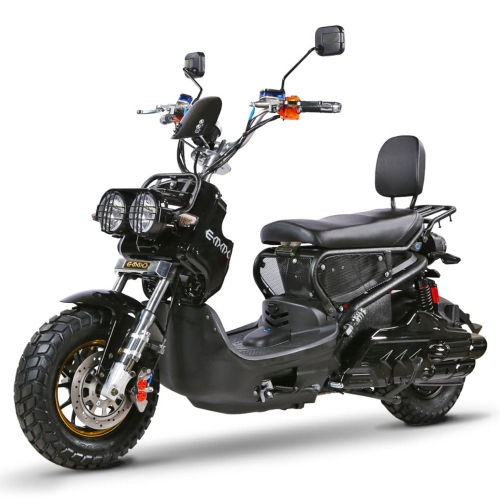
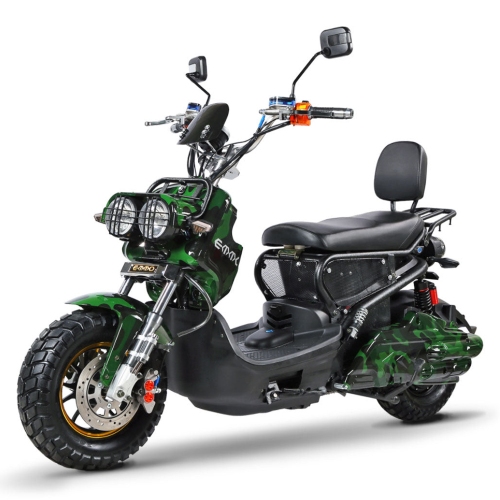
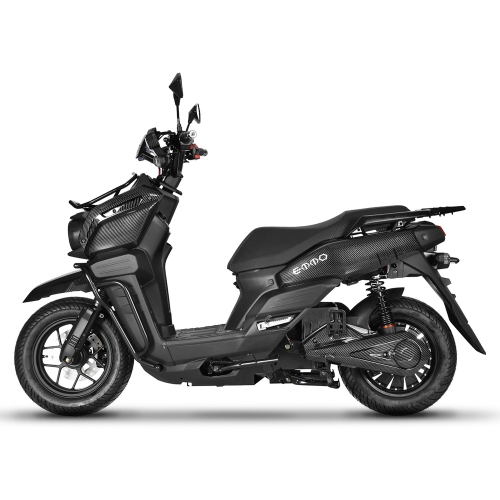
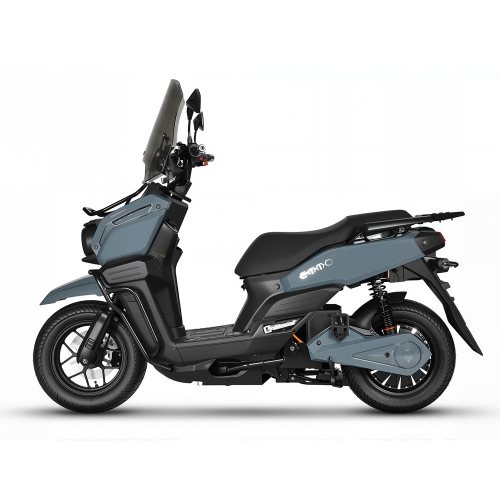
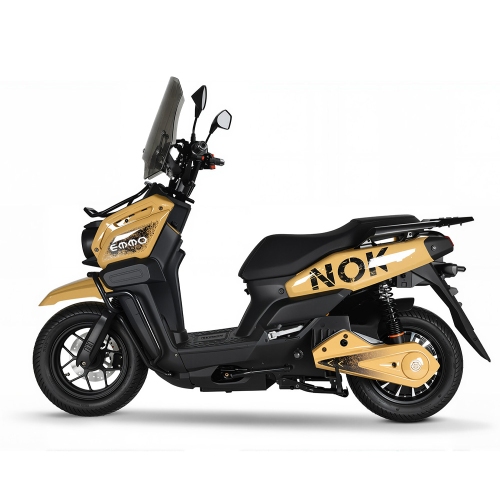
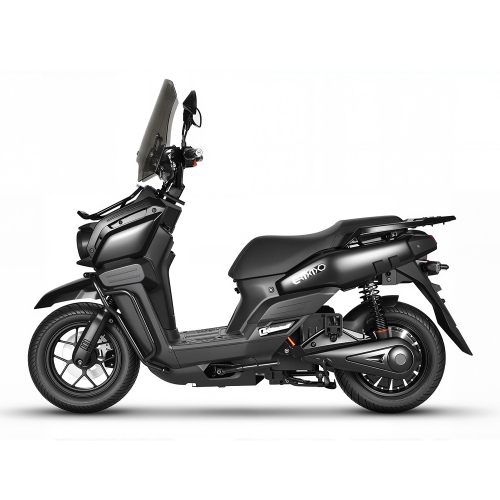
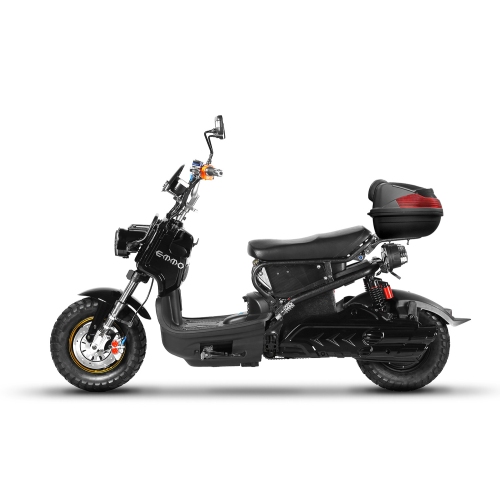
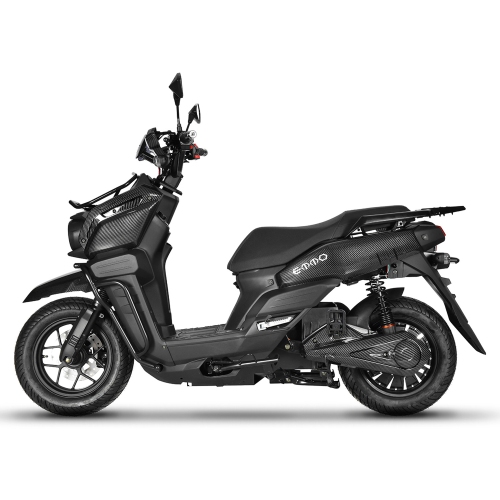
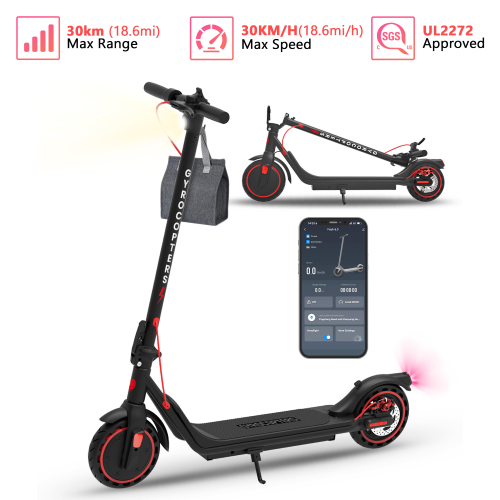
Electric bikes and scooters offer different ways to make everyday journeys, whether that means travelling to work, connecting with public transit, or heading across the neighbourhood for a few errands. The right format depends as much on the route and storage space as it does on the distance. Electric bikes retain the familiar riding position and pedalling action of a bicycle, with motor assistance that can make climbs and longer stretches feel more manageable. Some designs also include throttle operation, although controls and permitted use vary. Upright frames suit riders who prefer a relaxed posture and a clear view ahead, while sportier layouts may appeal to those who enjoy a more active riding position. Step-through frames can make mounting and dismounting easier, particularly when carrying a bag or stopping frequently. Folding designs serve a different need: a bike that can fit into a smaller storage area or accompany a rider on part of a longer journey, subject to transit rules. Standing electric scooters put the emphasis on a compact footprint, with a deck, handlebar, and riding stance that feel quite different from cycling. Their folded dimensions and carrying weight matter when a journey includes stairs, a building entrance, or a transfer between vehicles. For riders interested in a seated, scooter-style layout, Moped Electric Scooters represent another category to explore. Appearance alone does not establish how a vehicle is classified, and moped-style designs may have different licensing, registration, insurance, and equipment requirements from electric bicycles or standing scooters. Across Canada, provincial and municipal rules can also affect minimum rider age, helmet use, permitted routes, and operating limits. Intended use is therefore an important distinction: a compact option for short paved trips, a bicycle suited to longer rides, and a vehicle built around seated travel are not interchangeable simply because each uses an electric motor.
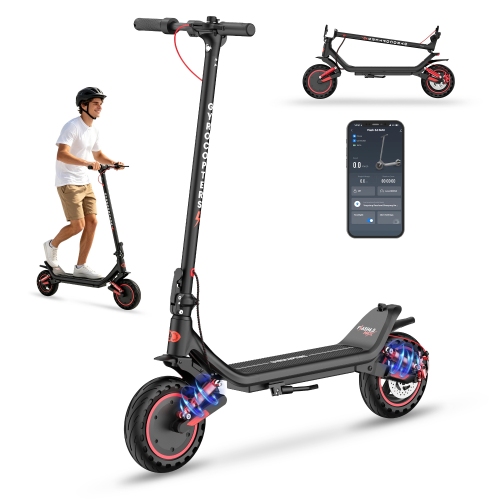
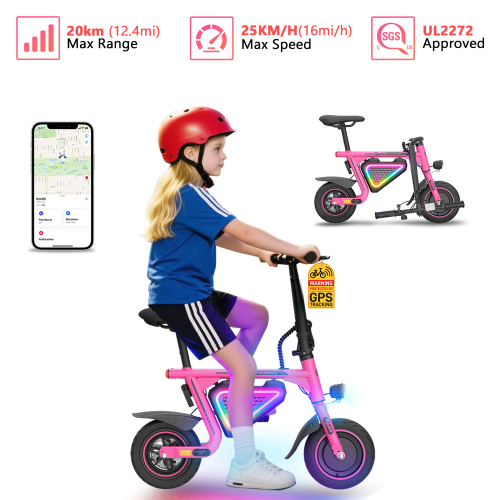
Comfort and durability come from the relationship between the frame, contact points, wheels, and the person riding. Aluminum frames are common where manageable weight is a priority, while steel can provide a sturdy structure with a different balance of weight and ride feel. Overall weight also includes the battery, motor, wheels, and accessories, so frame material alone does not reveal how easy a bike or scooter will be to carry. On an electric bike, frame size, saddle adjustment, handlebar reach, and clearance when standing over the frame all influence fit. A rider should be able to reach the brake levers comfortably without stretching or losing a secure grip. On a standing scooter, handlebar height and deck dimensions affect posture and foot placement; adequate room to position both feet matters more than a compact appearance in a photo. Wheel diameter, tyre construction, and suspension also shape the ride. Larger wheels generally roll across small surface irregularities more smoothly, while air-filled tyres can soften vibration but require pressure checks and can develop punctures. Solid tyres remove that particular maintenance task, though they may transmit more vibration through the deck and handlebars. Suspension can add comfort on uneven surfaces, but it also adds weight and components to maintain. Braking performance deserves equal attention, with responsive controls and a system appropriate to the vehicle and its intended use. Battery capacity and motor output describe different parts of performance: capacity relates to stored energy, while output helps describe the motor’s capability. Neither figure, on its own, establishes how far a rider will travel or how a vehicle will handle a climb. Rider and cargo weight, gradients, tyre pressure, riding speed, and assistance settings all influence the distance between charges. Published range figures are best treated as estimates rather than promises, with enough margin for the return journey. Maximum load ratings also matter, including any bags or other cargo carried, and passenger use requires a design expressly intended for that purpose.
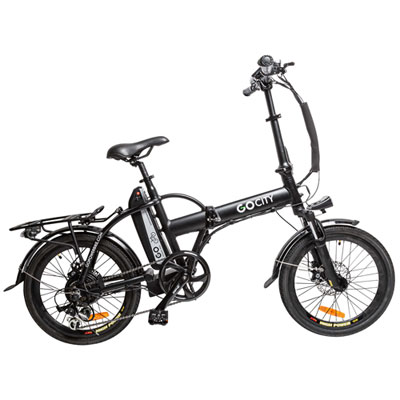
Day-to-day ownership is often shaped by details that become noticeable after the ride: where the vehicle rests, how it is secured, and whether charging fits naturally into the household routine. A folding mechanism is useful only if its operation and folded size suit the space, and a compact scooter can still be awkward to lift onto a high shelf or carry up several flights of stairs. Removable batteries can offer charging flexibility, while integrated designs require access to a suitable charging location for the whole vehicle. In either case, charging should follow the manufacturer’s directions, using the supplied or expressly approved charger and keeping the charging area clear of exits and combustible materials. Recognized electrical safety certification for the vehicle’s electrical system and charger is another meaningful consideration. Batteries with visible damage, swelling, or unusual heat need professional assessment rather than continued use. Routine care extends beyond charging: tyres, brakes, fasteners, cables, and folding latches benefit from regular inspection, while bicycle chains and drivetrains need appropriate cleaning and lubrication. Gentle cleaning helps protect finishes and electrical connections; high-pressure washing can force water into areas not designed to withstand it. Secure storage and a suitable lock are practical parts of ownership, especially for riders leaving a vehicle outside a workplace or near a transit stop. A properly fitted helmet, working lights, and reflective details support safer, more visible travel without replacing attentive riding or compliance with local rules. For students, commuters, recreational riders, and adults looking for another way to handle short trips, the most useful choice is one that fits both the rider and the routine. As a gift, an electric bike or scooter is especially personal: height, balance, carrying ability, storage arrangements, and legal eligibility all matter. Matching those details to the recipient makes the gift more likely to become part of everyday life rather than something too large, heavy, or unfamiliar to use comfortably.
Read More

FAQ

Some products may be subject to Environmental Handling Fees (EHF) depending on your province. Learn more about EHFs.