Kids Electric Scooters With Seats
Discover the perfect blend of fun and convenience with kids electric scooters with seats, designed to provide young riders with a comfortable and thrilling experience. These innovative scooters offer an exciting way for children to explore their surroundings while enjoying the added comfort of a seat. Whether it's a leisurely ride around the neighborhood or a quick trip to the park, these scooters are crafted to enhance every adventure. With various styles and vibrant colors available, there's a scooter to match every child's personality and preference. Explore our selection and find the ideal ride that combines style, fun, and practicality for your little one.
Sort
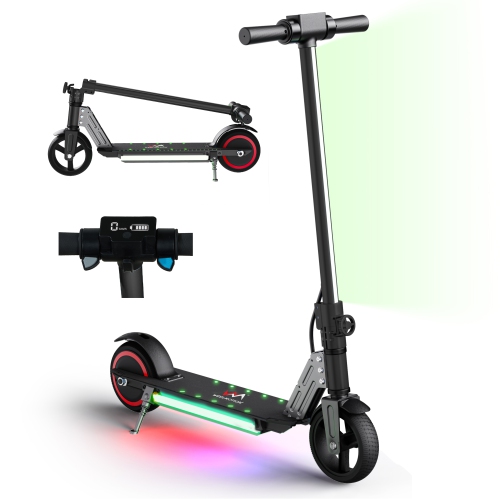
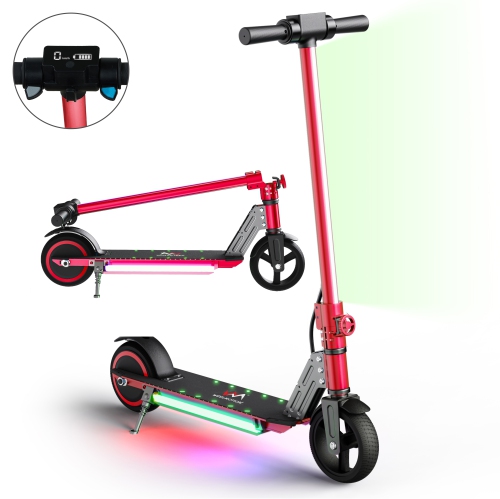
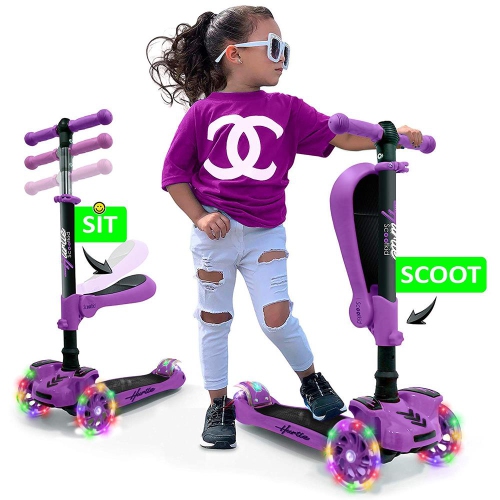
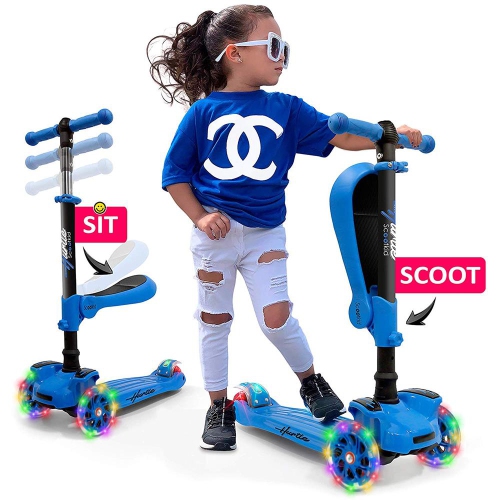
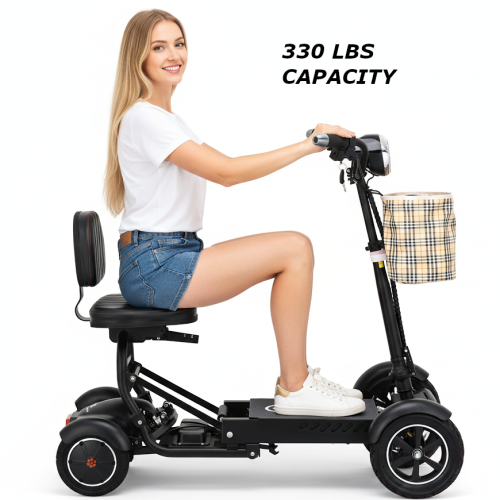
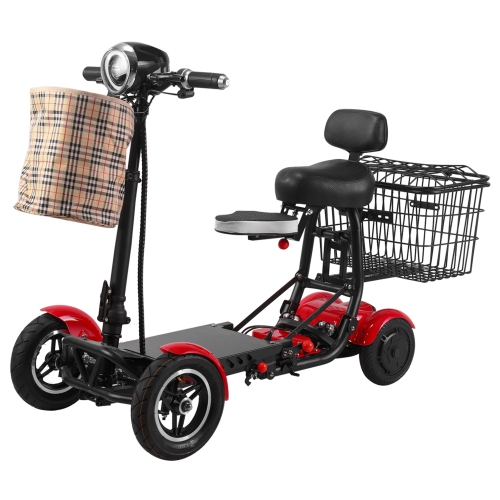
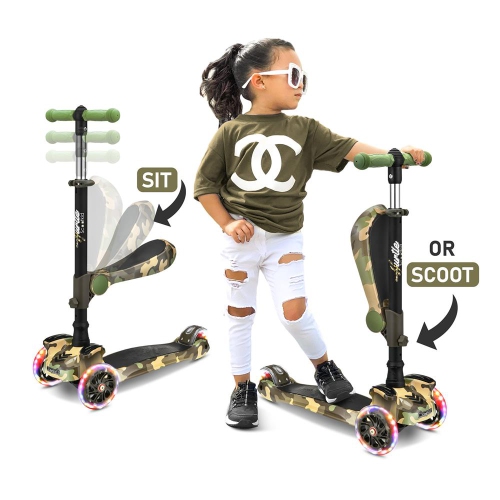
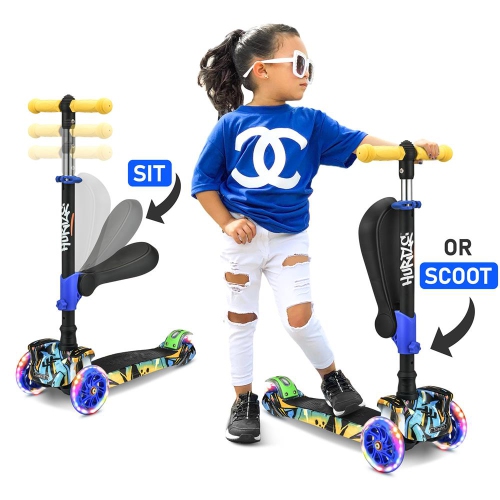
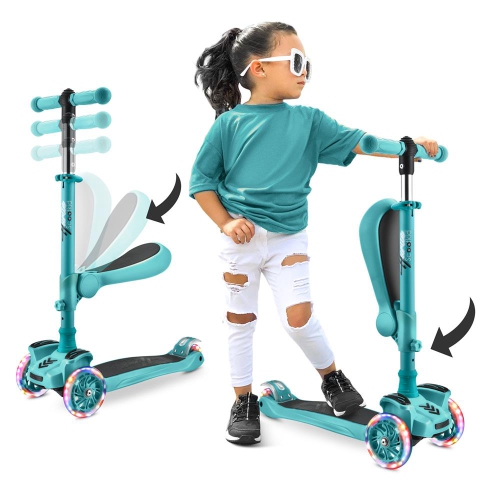
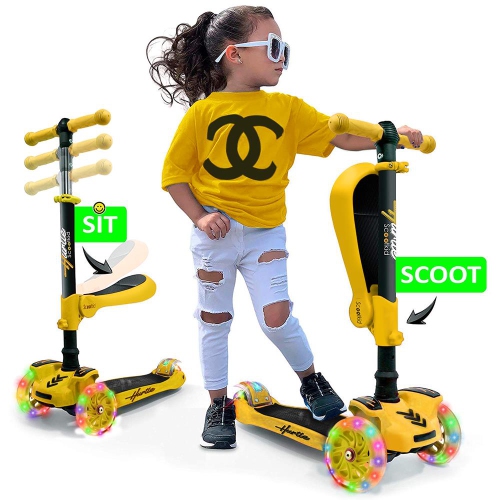
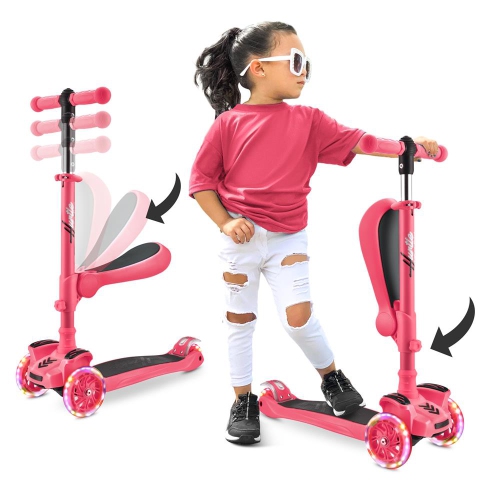
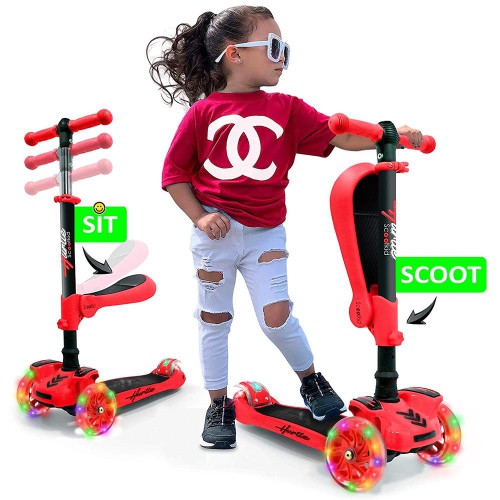


Comfort, safety and gradual learning for young riders
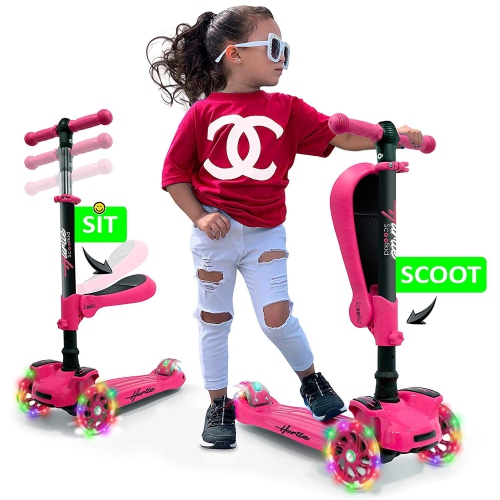
Kids electric scooters with seats offer a comfortable way for younger riders to enjoy outdoor movement while learning the basics of steering, braking and speed control. Sitting lower to the ground gives a child a lower centre of gravity than a standing scooter, which can make the ride feel more stable for beginners, cautious riders or children who are still developing their balance. A seated design may also be a practical choice for children who tire easily during longer rides, since a padded seat can make time on the scooter more comfortable than standing continuously. These scooters can be used on suitable private driveways, paved paths and other permitted areas for relaxed neighbourhood play, short outings or supervised trips around the yard. They can also make an exciting birthday or holiday gift for a child who enjoys active play, vehicles and exploring outdoors. Before choosing a model, consider the child’s age, height, weight and experience, then compare those details with the manufacturer’s requirements. A scooter that feels manageable at the beginning should allow the rider to place their feet securely, reach the controls comfortably and maintain a clear view ahead. Younger children and first-time riders generally benefit from a low-speed setting, while more experienced children may be ready for additional speed only when they can steer, stop and respond to obstacles consistently. Speed settings can support gradual learning: a child might begin at approximately 3 to 5 mph, practise in an open area and move up only when they demonstrate reliable control. Higher-speed options are better suited to older, more confident riders who understand how quickly a scooter can approach pedestrians, pets, parked vehicles and uneven pavement.
Safety equipment and riding conditions deserve as much attention as the scooter itself. A properly fitted helmet should be worn on every ride, even when a child is travelling slowly or using a seat, and knee and elbow pads can provide added protection while riding skills are developing. Closed-toe footwear with a secure fit helps keep feet protected and less likely to slip from the footrests. Before each outing, an adult can check that the handlebars and seat are firmly secured, the brakes respond smoothly, the tyres are properly inflated when applicable and there are no loose fasteners, exposed wires or visible battery damage. Start with a flat, dry, open surface away from traffic, steep slopes, water, loose gravel and crowded walkways. Sidewalk cracks, driveway edges and small bumps can affect steering, so children should learn to slow down before crossing them rather than approaching obstacles at full speed. Adult supervision remains important, particularly for younger riders, and children should be taught to leave enough room between themselves and other people. They should dismount before crossing roads, avoid headphones and mobile devices, and follow local rules about where electric scooters may be used. A seated scooter is not a replacement for attentive supervision or protective gear; the seat may improve balance and comfort, but it does not prevent collisions or falls. Families may also want to compare the scooter’s maximum speed, braking system, ground clearance, turning radius and recommended riding surface. For households shopping for a larger rider, an adult passenger or a different seating position, the selection of Electric Scooters for Adults With Seat may provide a more suitable starting point.
Battery care is another important consideration when selecting and using kids electric scooters with seats. Look for clear charging instructions, a charger designed for the specific scooter and safety information that is easy for an adult to follow. Electrical and battery systems with recognised certifications such as UL 2272 or UL 2849 can provide useful information when comparing options, although families should still read the product documentation and follow all operating instructions. Charge the scooter in a dry, well-ventilated area away from heat, moisture and anything that could catch fire, and keep charging under adult supervision. Avoid using a damaged charger or battery, modifying the electrical system or leaving the scooter connected longer than the manufacturer recommends. Battery range can vary with rider weight, speed, terrain, temperature and how often the scooter starts and stops, so a short practice session is sensible before planning a longer outing. During the warmer part of the year, children may enjoy riding after school or on weekend afternoons, while cooler weather can make shorter, carefully planned outings more comfortable. Store the scooter indoors or in another dry, protected location when it is not in use, and wipe away dirt or moisture before putting it away. As children grow, reassess the fit and the speed setting rather than assuming the same arrangement will remain appropriate. The best choice combines a suitable size and weight limit with manageable controls, dependable stopping performance, a comfortable seat and a riding experience that matches the child’s confidence. With protective gear, active supervision, routine checks and gradual practice, a seated electric scooter can become an engaging way for children to spend time outdoors and build practical riding skills.
Safety equipment and riding conditions deserve as much attention as the scooter itself. A properly fitted helmet should be worn on every ride, even when a child is travelling slowly or using a seat, and knee and elbow pads can provide added protection while riding skills are developing. Closed-toe footwear with a secure fit helps keep feet protected and less likely to slip from the footrests. Before each outing, an adult can check that the handlebars and seat are firmly secured, the brakes respond smoothly, the tyres are properly inflated when applicable and there are no loose fasteners, exposed wires or visible battery damage. Start with a flat, dry, open surface away from traffic, steep slopes, water, loose gravel and crowded walkways. Sidewalk cracks, driveway edges and small bumps can affect steering, so children should learn to slow down before crossing them rather than approaching obstacles at full speed. Adult supervision remains important, particularly for younger riders, and children should be taught to leave enough room between themselves and other people. They should dismount before crossing roads, avoid headphones and mobile devices, and follow local rules about where electric scooters may be used. A seated scooter is not a replacement for attentive supervision or protective gear; the seat may improve balance and comfort, but it does not prevent collisions or falls. Families may also want to compare the scooter’s maximum speed, braking system, ground clearance, turning radius and recommended riding surface. For households shopping for a larger rider, an adult passenger or a different seating position, the selection of Electric Scooters for Adults With Seat may provide a more suitable starting point.
Battery care is another important consideration when selecting and using kids electric scooters with seats. Look for clear charging instructions, a charger designed for the specific scooter and safety information that is easy for an adult to follow. Electrical and battery systems with recognised certifications such as UL 2272 or UL 2849 can provide useful information when comparing options, although families should still read the product documentation and follow all operating instructions. Charge the scooter in a dry, well-ventilated area away from heat, moisture and anything that could catch fire, and keep charging under adult supervision. Avoid using a damaged charger or battery, modifying the electrical system or leaving the scooter connected longer than the manufacturer recommends. Battery range can vary with rider weight, speed, terrain, temperature and how often the scooter starts and stops, so a short practice session is sensible before planning a longer outing. During the warmer part of the year, children may enjoy riding after school or on weekend afternoons, while cooler weather can make shorter, carefully planned outings more comfortable. Store the scooter indoors or in another dry, protected location when it is not in use, and wipe away dirt or moisture before putting it away. As children grow, reassess the fit and the speed setting rather than assuming the same arrangement will remain appropriate. The best choice combines a suitable size and weight limit with manageable controls, dependable stopping performance, a comfortable seat and a riding experience that matches the child’s confidence. With protective gear, active supervision, routine checks and gradual practice, a seated electric scooter can become an engaging way for children to spend time outdoors and build practical riding skills.
Top selling and popular products
-
 Your price for this item is $49.99
 -
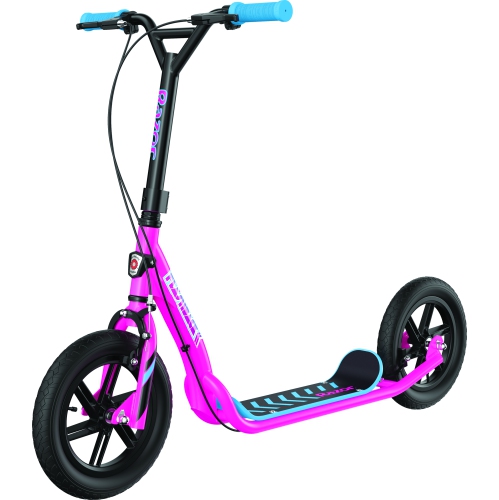 Your price for this item is $229.99
 -
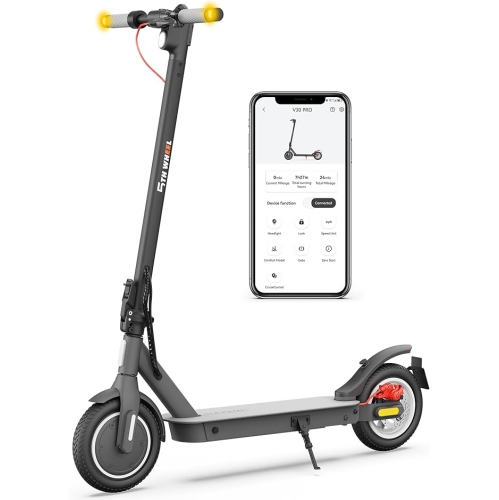 Your price for this item is $417.32
 -
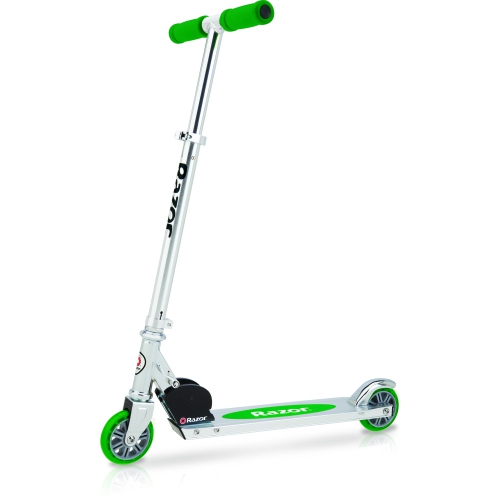 Your price for this item is $49.99
 -
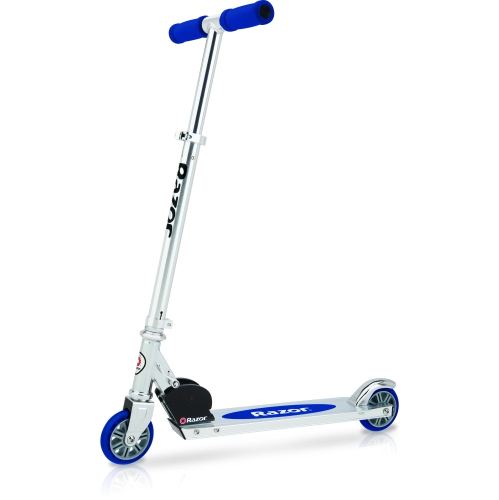 Your price for this item is $49.99
 -
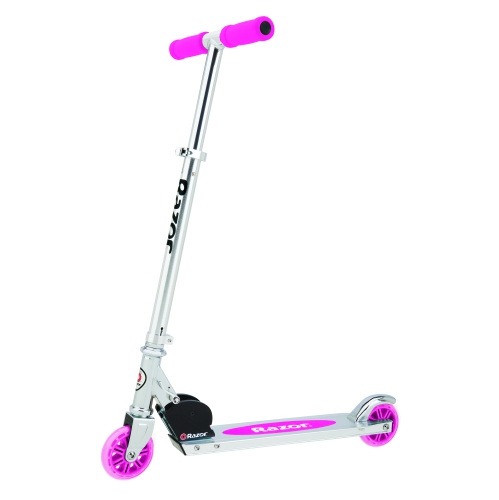 Your price for this item is $49.99
 -
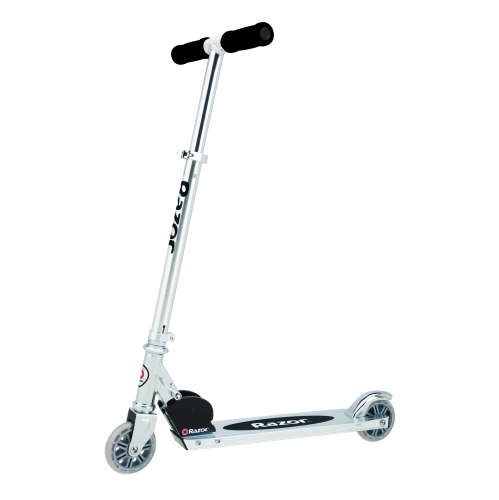 Your price for this item is $49.99
 -
 Your price for this item is $153.99
Discover more categories related to Kids Electric Scooters With Seats
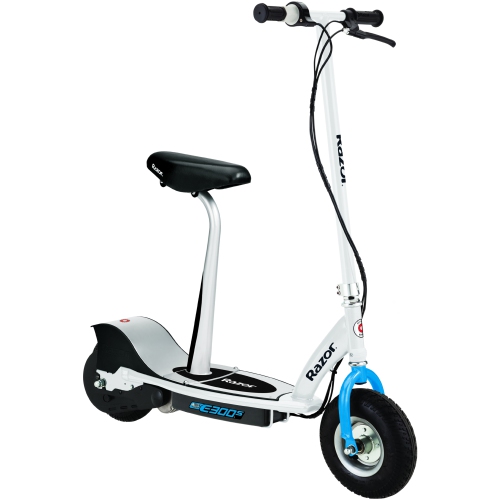
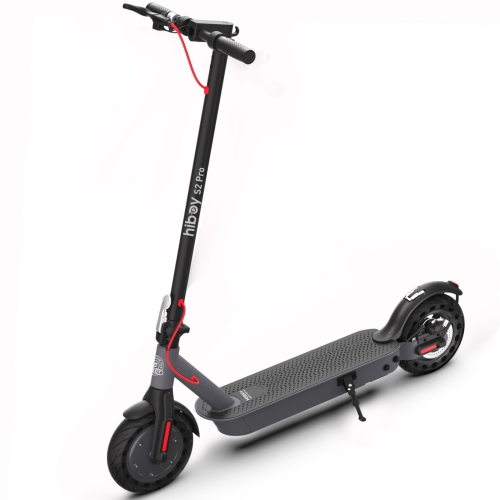

Top Collections:
Pokemon Centers, Kindle Devices, Best Budget Office Chairs, Apple iPhones 16, Canon G7X Cameras, iPhone 15 Apple, Alarm Clock, Refurbished Apple Laptops, Flip Phones, Best Laptops for Writers
Some products may be subject to Environmental Handling Fees
(EHF) depending on your province.
Learn more about EHFs.