Fastest Electric Bikes
Electric bikes are a great way to get around. They're faster than walking, and they're easier on the joints than riding a traditional bicycle. But there are so many options available that it can be hard to decide which is best for you.
Sort
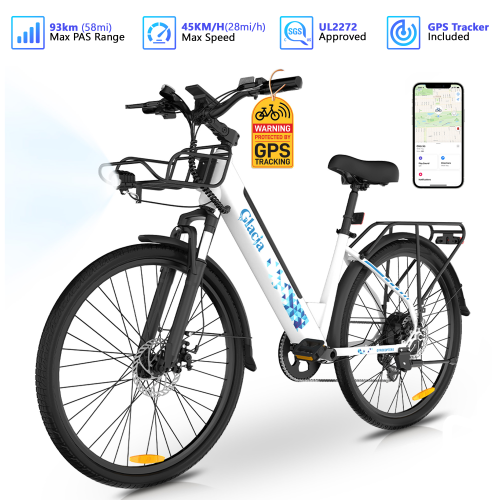
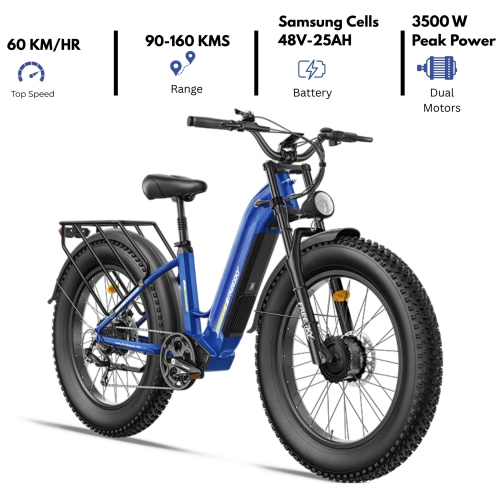
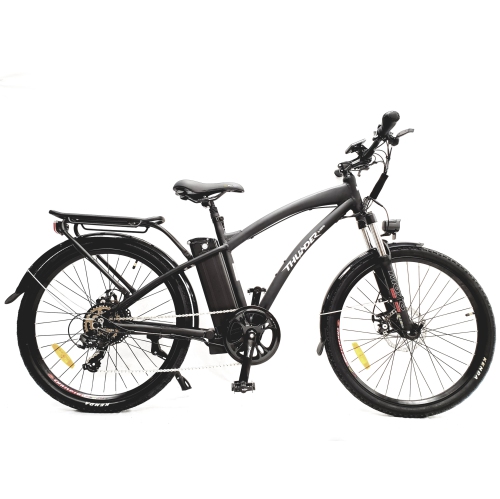
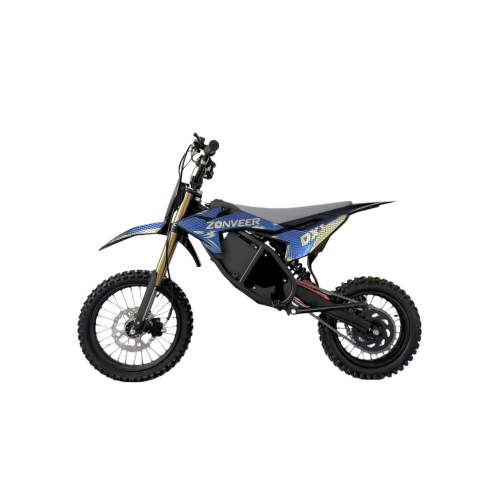
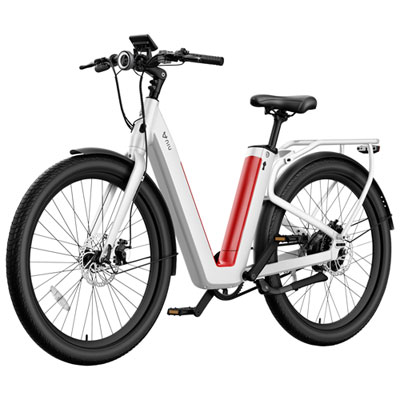
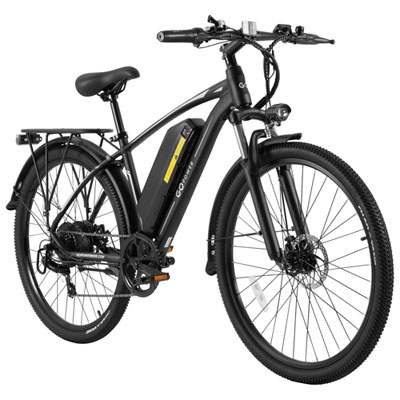
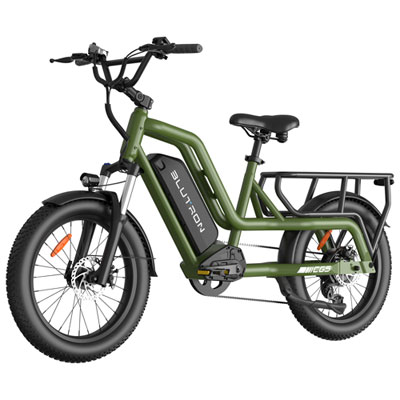
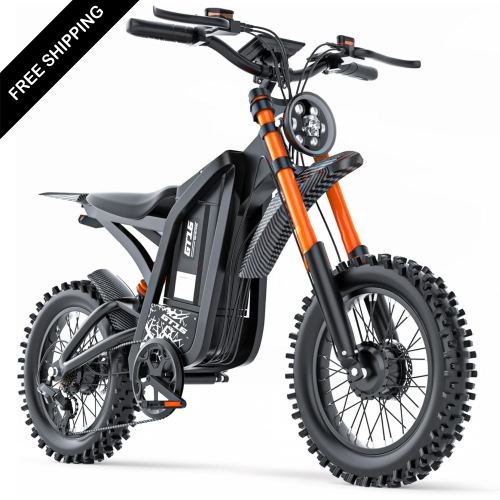
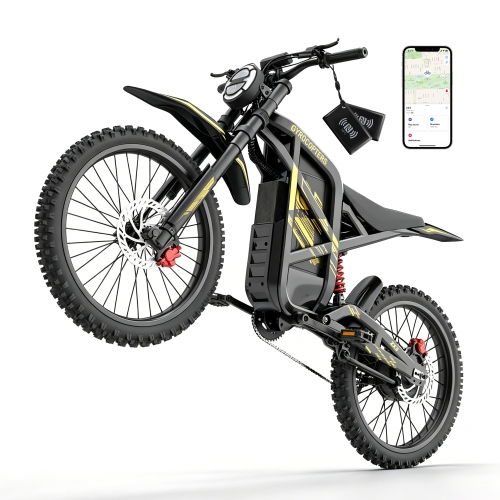
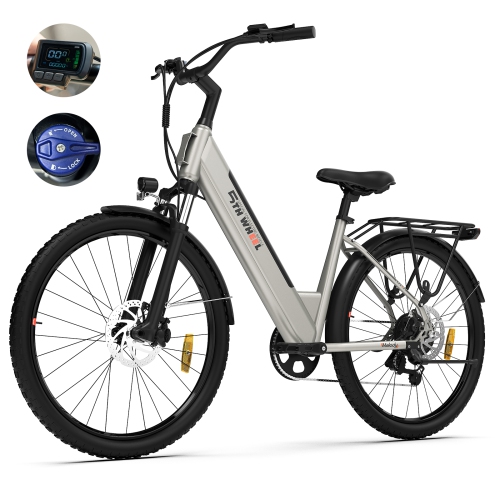
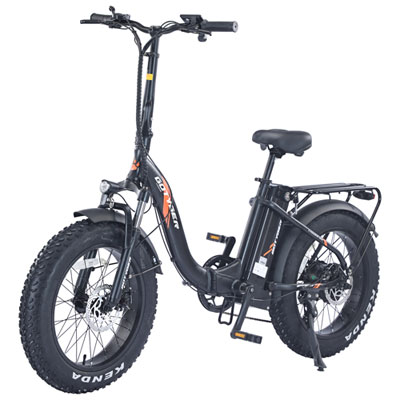
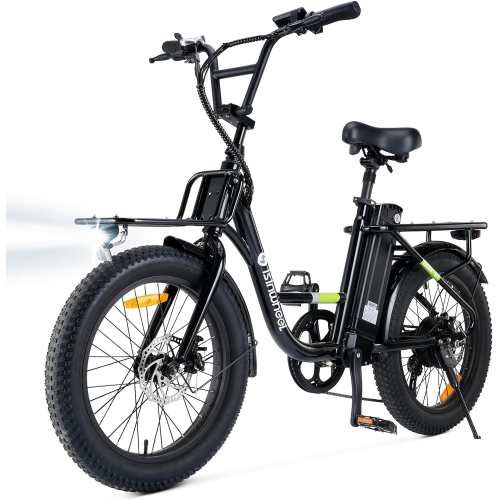
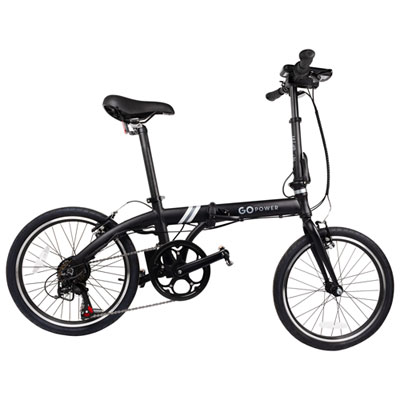
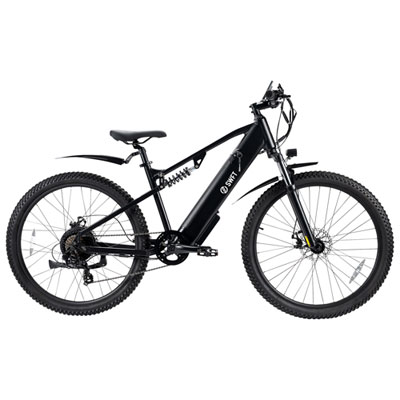
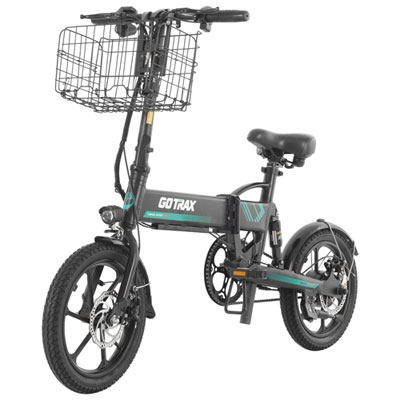
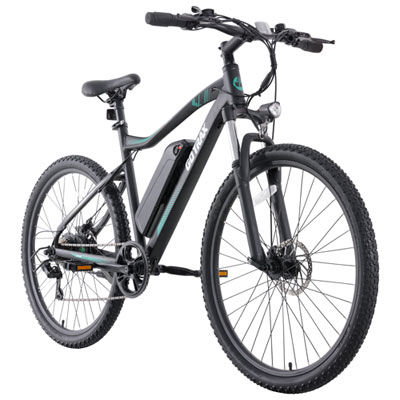
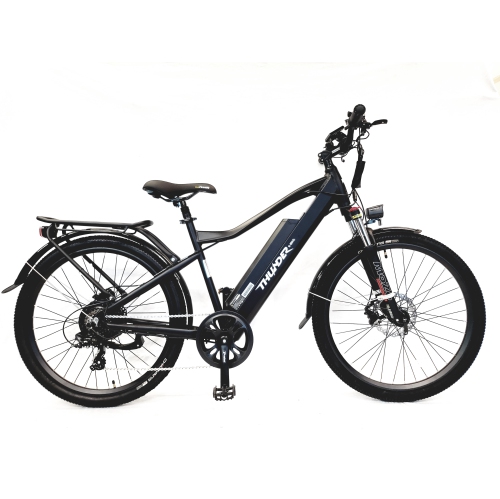
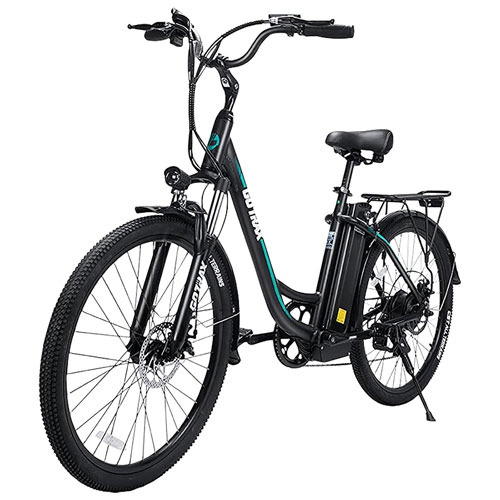
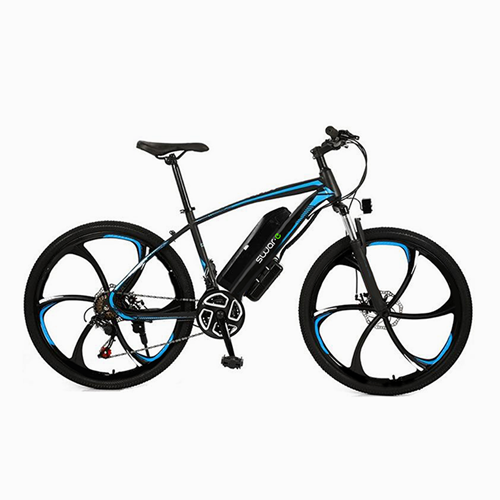
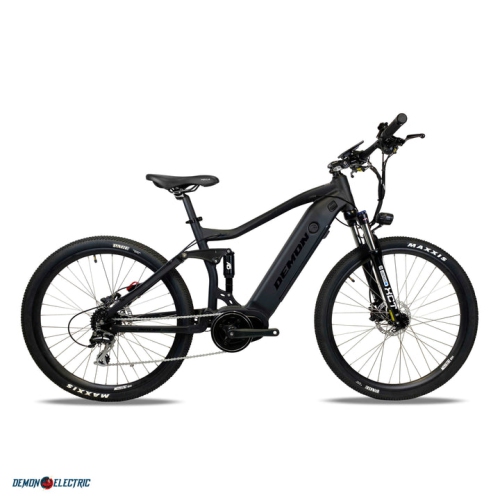
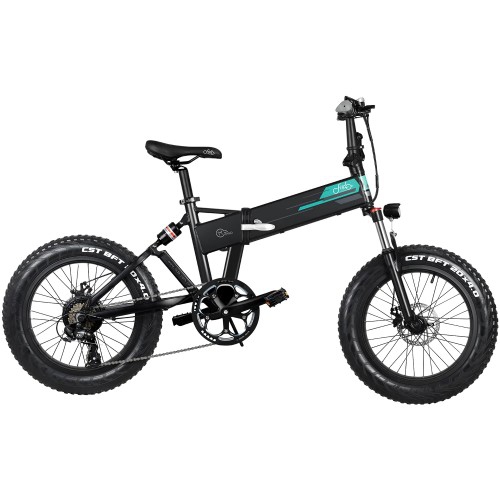
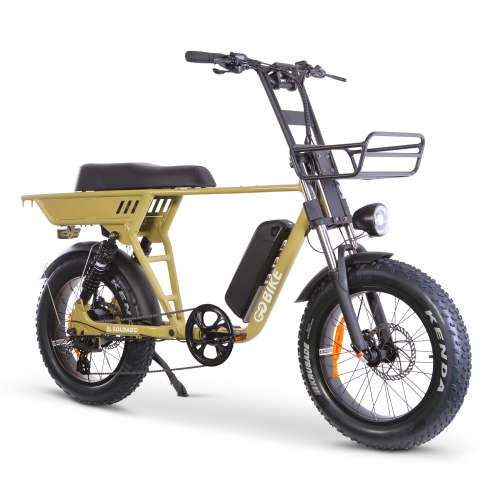
Why assisted speed tells only part of the story
The fastest electric bikes combine motor assistance, responsive acceleration, and stable handling, but a headline top speed tells only part of the story. For everyday riding, the more useful distinction is between a bike’s maximum assisted speed and how confidently it reaches and maintains an appropriate pace. Maximum assisted speed is the point at which the motor stops adding power; it is not necessarily the highest speed the bicycle can reach through pedalling or gravity. In many Canadian provinces, road-legal power-assisted bicycles are limited to a motor output of 500 W and motor assistance up to 32 km/h, although definitions, equipment requirements, rider age limits, and permitted routes vary by jurisdiction. Higher-powered machines and electric bikes advertised with much higher speeds may fall outside the local bicycle category. Depending on their classification and location, they may require registration, insurance, licensing, or use only in permitted areas; some cannot legally be used on public roads at all. Private property or a trail does not automatically make every high-speed electric bike permissible. This makes intended use central to comparing fast electric bikes, whether the ride involves a daily commute, longer paved routes, or riding on designated trails. Motor torque affects how strongly a bike pulls away from a stop or climbs an incline, while motor power, gearing, rider input, and total load all influence sustained performance. A high torque figure does not, by itself, mean a higher top speed. Mid-drive motors work through the bicycle’s gears, which can help on climbs, while hub motors drive a wheel directly and can provide straightforward assistance for everyday travel. Smooth power delivery matters as much as force: assistance that builds predictably can make a junction departure feel controlled rather than abrupt. Torque sensors generally adjust assistance in response to pedal pressure, while cadence sensors respond to pedal rotation, though tuning varies. For riders drawn to speed, a well-matched motor, sensible gearing, and predictable controls often contribute more to an enjoyable journey than an impressive specification viewed in isolation.
A fast electric bike also needs a frame, riding position, and braking system suited to its pace and purpose. Aluminium frames are common because they balance weight, stiffness, and practicality, while carbon fibre can reduce frame weight and allow carefully shaped structures. Steel can offer durability and a distinctive ride feel, though complete bike weight depends on far more than frame material. The battery, motor, wheels, and suspension can account for a substantial portion of the load when lifting a bike onto a rack or moving it through a doorway. Frame size and geometry affect both comfort and control: appropriate reach helps keep shoulders relaxed, sufficient standover clearance makes stops easier, and a correctly adjusted saddle supports efficient pedalling. A step-through frame can simplify mounting when carrying bags, while other frame layouts may suit riders who favour a more athletic position. Neither shape alone determines speed or quality. Tyre width, tread, and pressure should match the riding surface and the manufacturer’s recommendations. A smoother tread can roll efficiently on pavement, while more pronounced tread may provide useful grip on suitable unpaved routes. Wide tyres can add cushioning and support, but they do not automatically make a bike faster or more stable in every situation. Suspension can improve comfort and wheel contact over uneven ground, although it adds weight and moving parts that need attention. Braking deserves particular consideration because higher speed increases stopping distance and the energy the brakes must manage. Hydraulic disc brakes can provide strong, easily controlled braking with modest hand effort, but rotor size, component quality, adjustment, and tyre grip also matter. A commuter approaching frequent crossings needs predictable stopping more than a speed figure that rarely comes into play. Clear displays, reachable controls, secure grips, and a comfortable saddle round out the experience, especially when a short test ride becomes a regular journey. Fit and control should remain priorities for every rider, including experienced cyclists moving to a heavier powered bicycle.
Battery capacity and practical ownership details help distinguish fast electric bikes that suit regular use from those whose strengths lie elsewhere. Capacity is commonly expressed in watt-hours, a measure of stored energy rather than speed. A larger capacity can support longer rides under comparable conditions, but it usually adds weight, and advertised range depends on assumptions about assistance level, terrain, rider weight, and other factors. Sustained higher-speed assistance draws more energy, so a bike ridden assertively may travel considerably less distance per charge than its maximum range estimate suggests. For a commute with a long climb on the return journey, a comfortable energy margin is more useful than planning around the most optimistic figure. A removable battery can make charging more convenient when the bike stays in an appropriate storage area, while an integrated design may offer a tidy frame profile. Use the manufacturer-approved charger, follow charging and storage instructions, and avoid charging a battery that shows damage, swelling, or other signs of a fault. Recognized electrical safety certification for the complete drive system or battery, as applicable, is another worthwhile consideration. Day-to-day care includes checking tyre pressure, inspecting brake pads, keeping the chain clean and properly lubricated, and following service intervals for suspension and drivetrain components. Mid-drive systems can place additional demand on chains and sprockets, making smooth gear changes and timely maintenance particularly valuable. Mounting points for racks and fenders, compatible lights, and the stated maximum load can determine whether a bike works well for a backpack-free commute or a longer recreational outing. Rack limits and total carrying capacity should both account for the intended load. Riders who regularly face stairs or need to lift a bike for transport may also find Lightest Electric Bikes relevant when balancing performance with manageable weight. As a gift, an electric bike is best matched to the recipient’s measurements, riding experience, storage space, and preferred routes rather than chosen on speed alone. The strongest match brings together appropriate assistance, dependable stopping, comfortable fit, and ownership needs that fit naturally into the rider’s routine.
A fast electric bike also needs a frame, riding position, and braking system suited to its pace and purpose. Aluminium frames are common because they balance weight, stiffness, and practicality, while carbon fibre can reduce frame weight and allow carefully shaped structures. Steel can offer durability and a distinctive ride feel, though complete bike weight depends on far more than frame material. The battery, motor, wheels, and suspension can account for a substantial portion of the load when lifting a bike onto a rack or moving it through a doorway. Frame size and geometry affect both comfort and control: appropriate reach helps keep shoulders relaxed, sufficient standover clearance makes stops easier, and a correctly adjusted saddle supports efficient pedalling. A step-through frame can simplify mounting when carrying bags, while other frame layouts may suit riders who favour a more athletic position. Neither shape alone determines speed or quality. Tyre width, tread, and pressure should match the riding surface and the manufacturer’s recommendations. A smoother tread can roll efficiently on pavement, while more pronounced tread may provide useful grip on suitable unpaved routes. Wide tyres can add cushioning and support, but they do not automatically make a bike faster or more stable in every situation. Suspension can improve comfort and wheel contact over uneven ground, although it adds weight and moving parts that need attention. Braking deserves particular consideration because higher speed increases stopping distance and the energy the brakes must manage. Hydraulic disc brakes can provide strong, easily controlled braking with modest hand effort, but rotor size, component quality, adjustment, and tyre grip also matter. A commuter approaching frequent crossings needs predictable stopping more than a speed figure that rarely comes into play. Clear displays, reachable controls, secure grips, and a comfortable saddle round out the experience, especially when a short test ride becomes a regular journey. Fit and control should remain priorities for every rider, including experienced cyclists moving to a heavier powered bicycle.
Battery capacity and practical ownership details help distinguish fast electric bikes that suit regular use from those whose strengths lie elsewhere. Capacity is commonly expressed in watt-hours, a measure of stored energy rather than speed. A larger capacity can support longer rides under comparable conditions, but it usually adds weight, and advertised range depends on assumptions about assistance level, terrain, rider weight, and other factors. Sustained higher-speed assistance draws more energy, so a bike ridden assertively may travel considerably less distance per charge than its maximum range estimate suggests. For a commute with a long climb on the return journey, a comfortable energy margin is more useful than planning around the most optimistic figure. A removable battery can make charging more convenient when the bike stays in an appropriate storage area, while an integrated design may offer a tidy frame profile. Use the manufacturer-approved charger, follow charging and storage instructions, and avoid charging a battery that shows damage, swelling, or other signs of a fault. Recognized electrical safety certification for the complete drive system or battery, as applicable, is another worthwhile consideration. Day-to-day care includes checking tyre pressure, inspecting brake pads, keeping the chain clean and properly lubricated, and following service intervals for suspension and drivetrain components. Mid-drive systems can place additional demand on chains and sprockets, making smooth gear changes and timely maintenance particularly valuable. Mounting points for racks and fenders, compatible lights, and the stated maximum load can determine whether a bike works well for a backpack-free commute or a longer recreational outing. Rack limits and total carrying capacity should both account for the intended load. Riders who regularly face stairs or need to lift a bike for transport may also find Lightest Electric Bikes relevant when balancing performance with manageable weight. As a gift, an electric bike is best matched to the recipient’s measurements, riding experience, storage space, and preferred routes rather than chosen on speed alone. The strongest match brings together appropriate assistance, dependable stopping, comfortable fit, and ownership needs that fit naturally into the rider’s routine.
Top selling and popular products
-
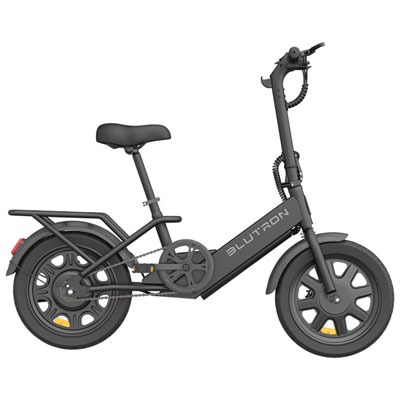 Your price for this item is $499.99
 -
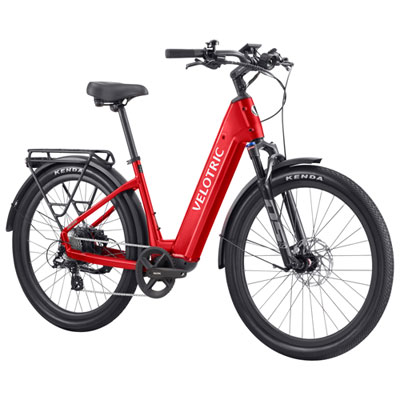 Your price for this item is $2499.99
 -
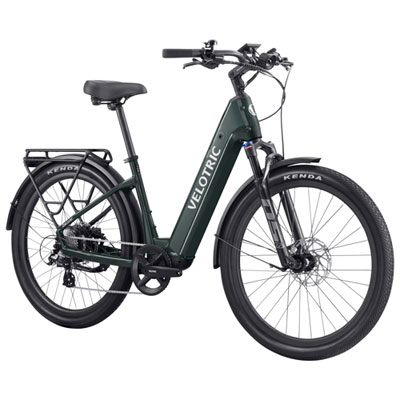 Your price for this item is $2499.99
 -
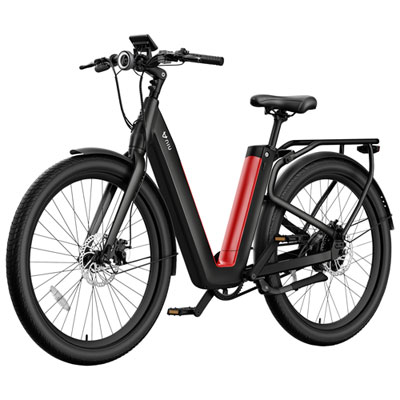 Your price for this item is $2699.99
 -
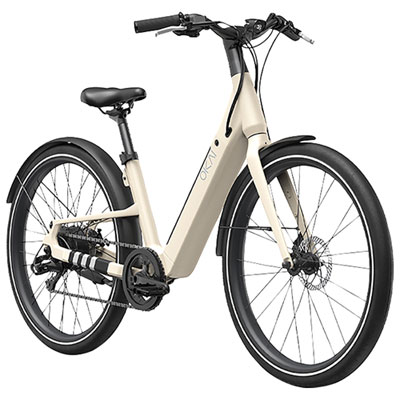 Your price for this item is $2199.99
 -
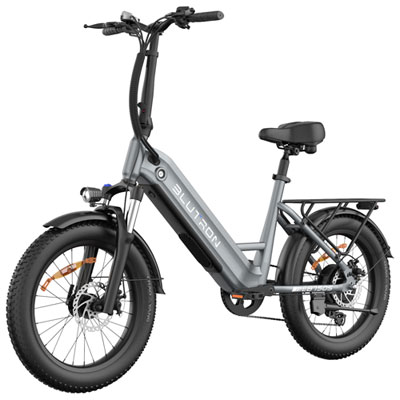 Your price for this item is $999.99
 -
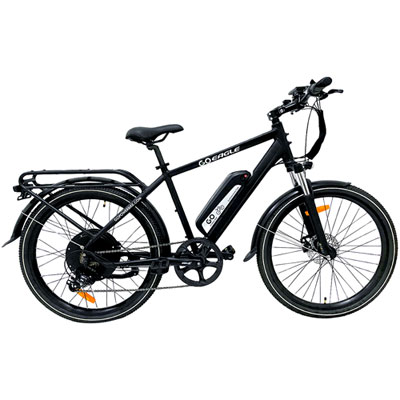 Your price for this item is $1399.97
 -
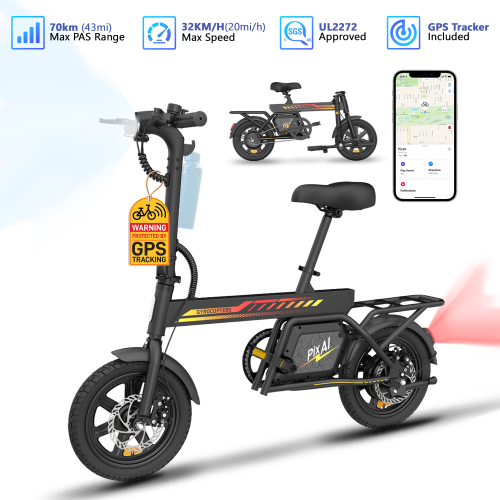 Your price for this item is $399.97
Discover more categories related to Fastest Electric Bikes

Top Collections:
Pokemon Centers, Kindle Devices, Best Budget Office Chairs, Apple iPhones 16, Best Laptops for Writers, iPhone 15 Apple, Canon G7X Cameras, Refurbished Apple Laptops, Alarm Clock, Motorola Razr Phones
Some products may be subject to Environmental Handling Fees
(EHF) depending on your province.
Learn more about EHFs.