Hoverboards for 9 Year Olds
Hoverboards are a hot toy this holiday season. But if you're buying for a 9-year-old, you'll want to know that these self-balancing scooters are more than just a toy. They're also a learning opportunity. Hoverboards are complex devices that use sensors and gyroscopes to detect when the rider is standing still or moving, and then it uses that information to balance itself. So if you're buying for a child who's just getting started with these machines, it's best to start slow and easy.
Sort
What families should know before a first ride
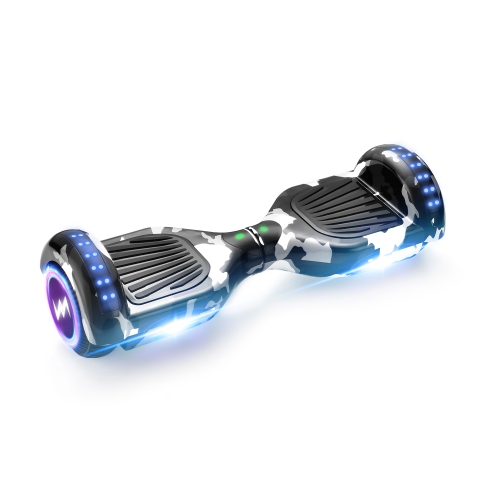
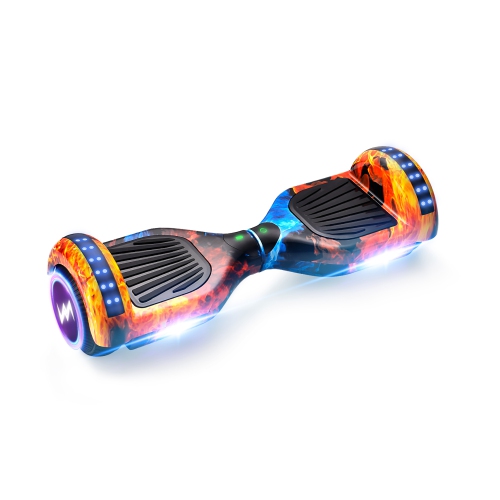
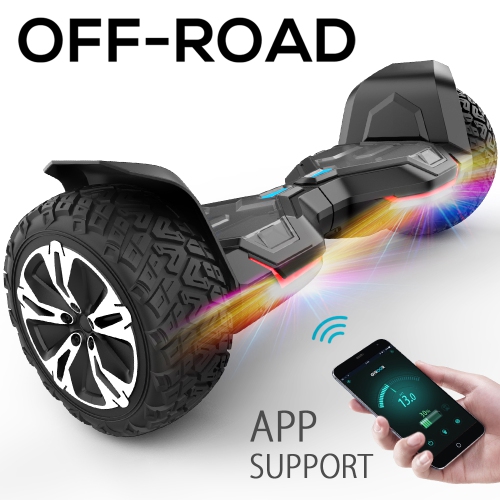
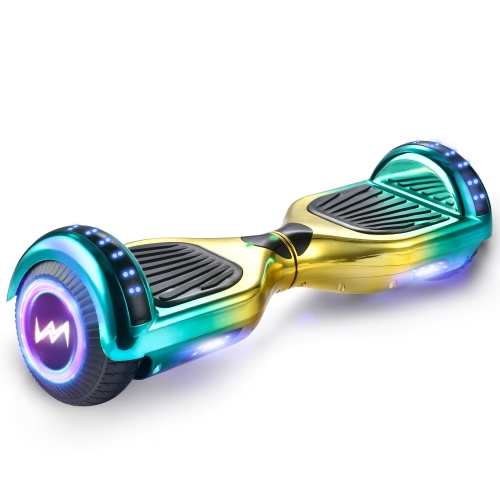
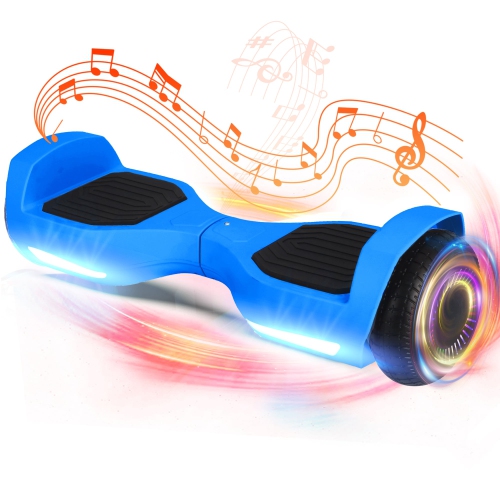
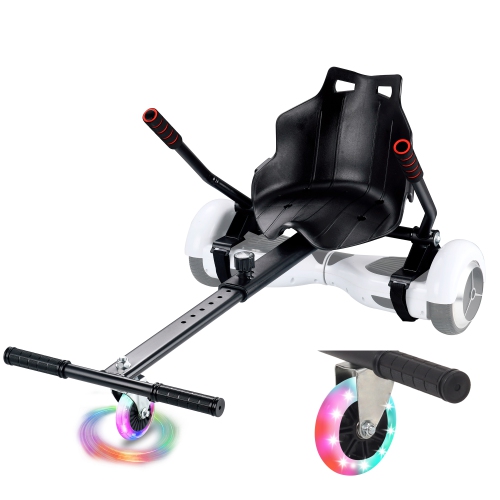
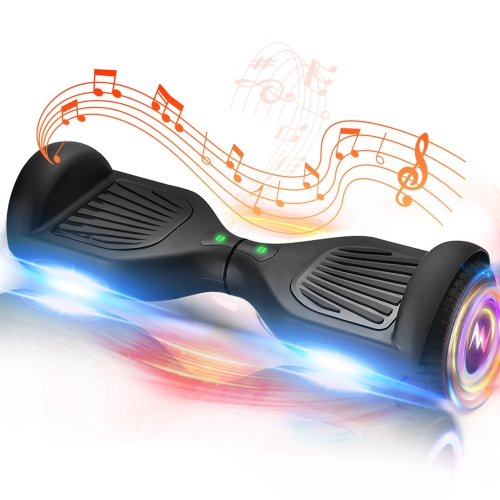
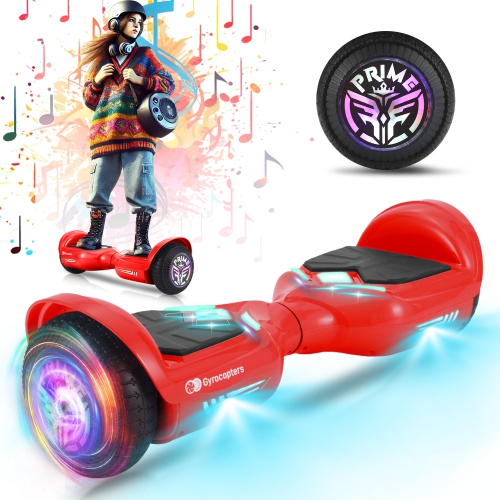
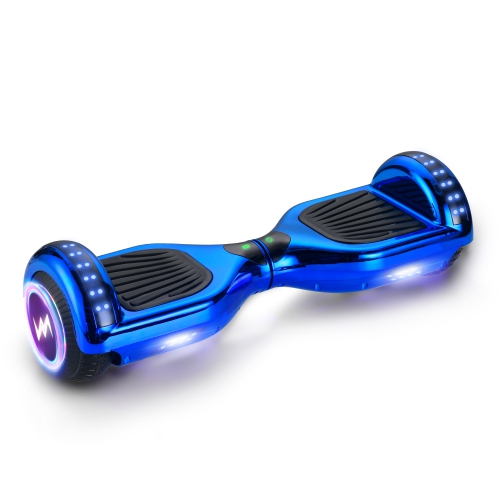
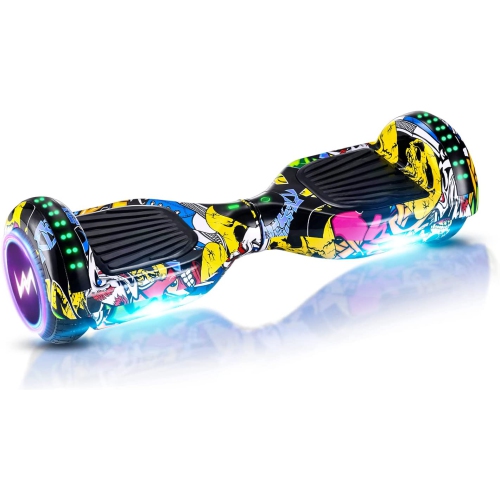
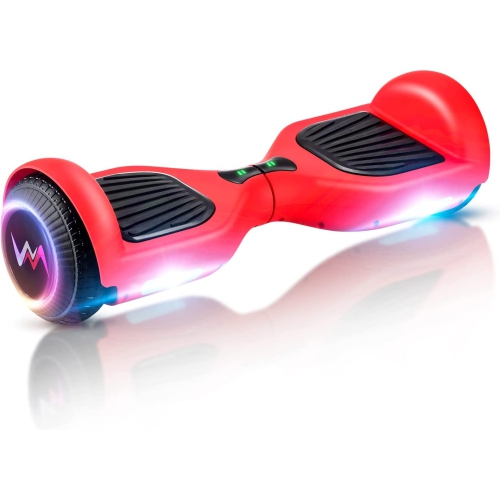
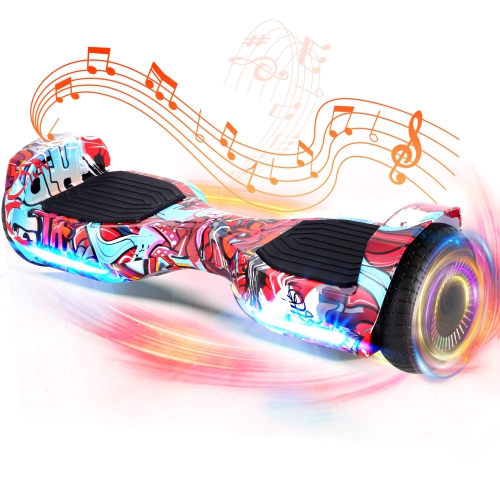
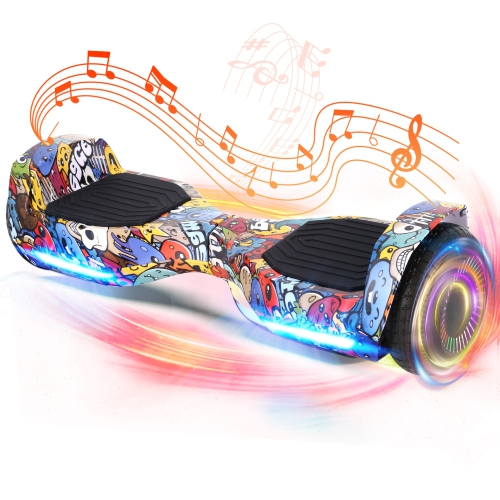
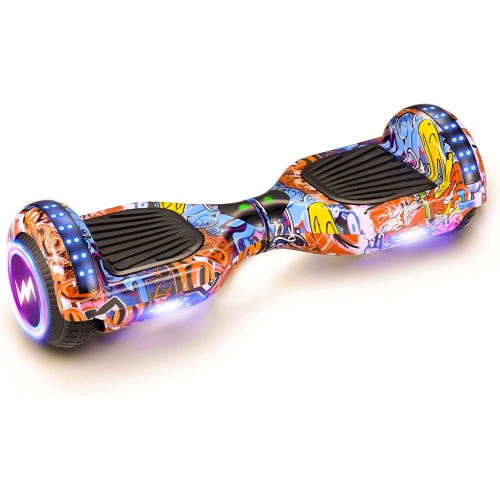
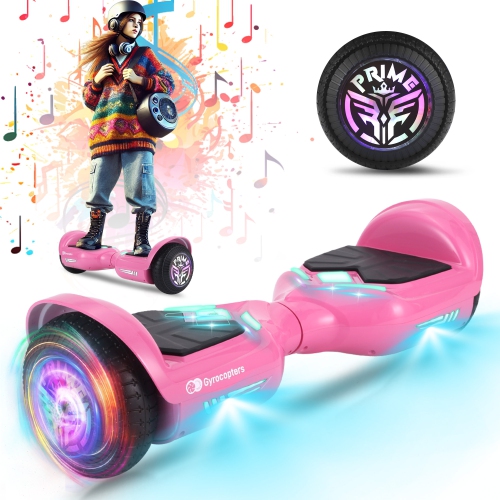
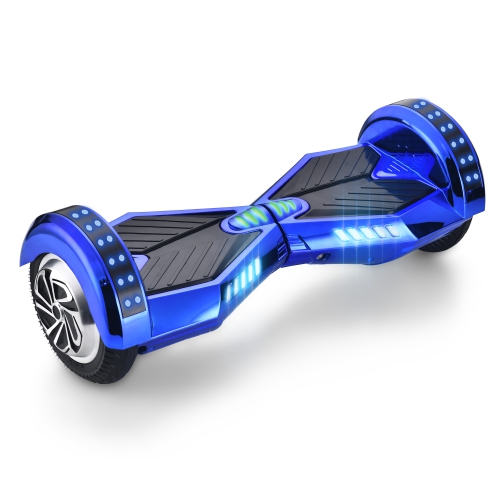
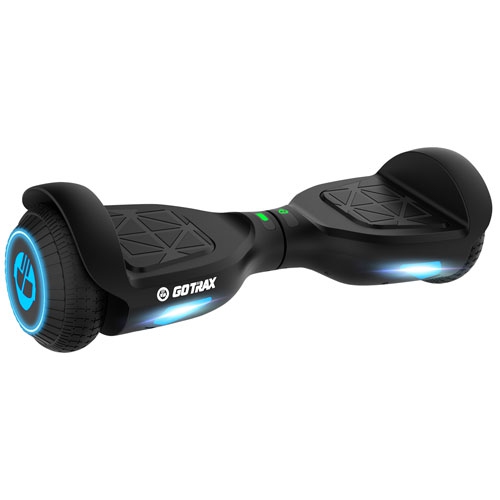
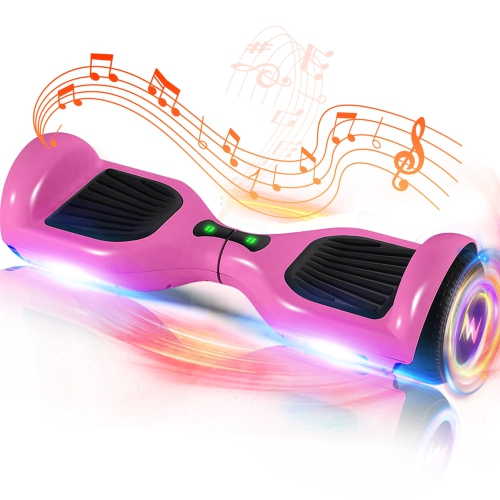
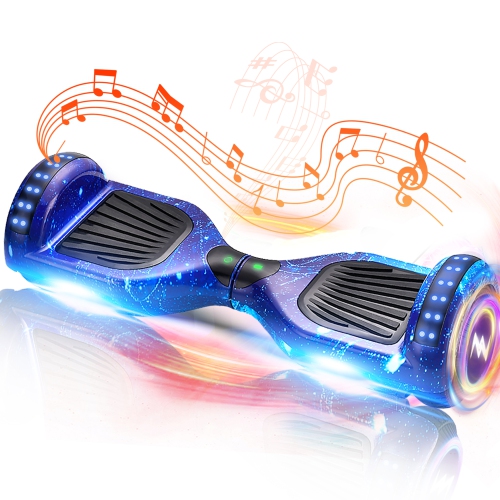
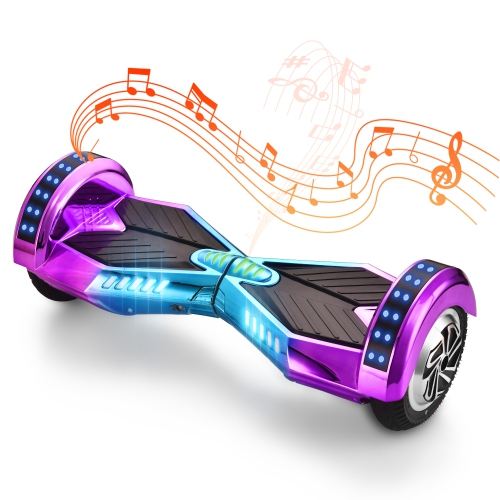
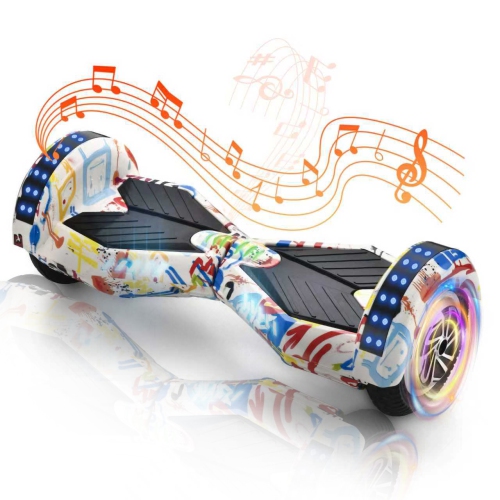
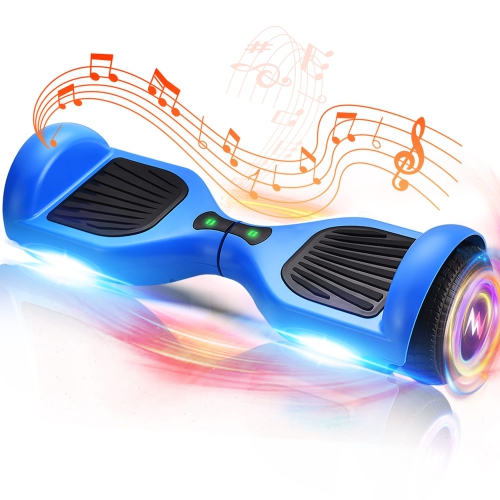
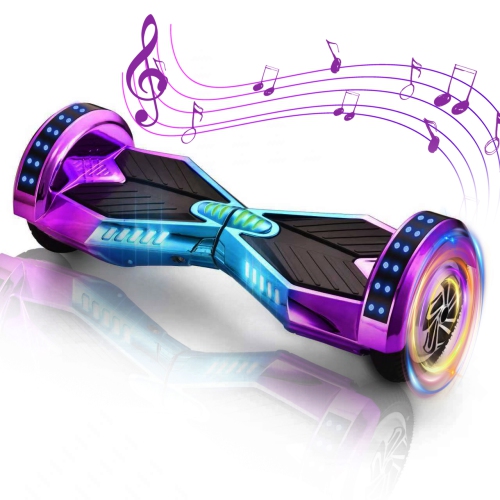
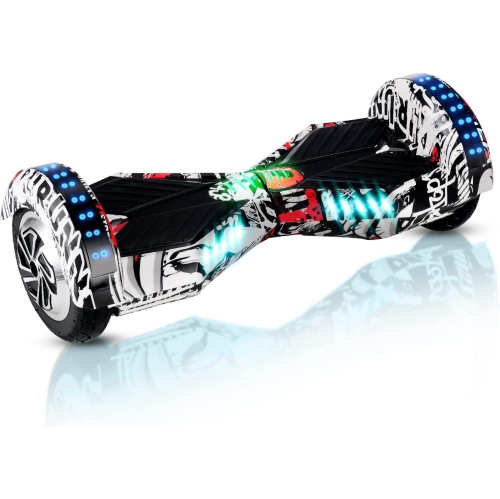
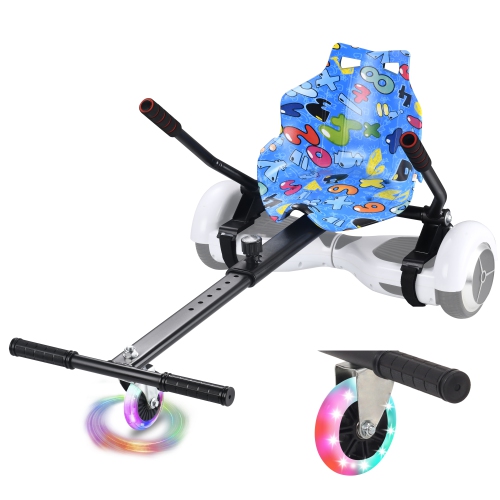
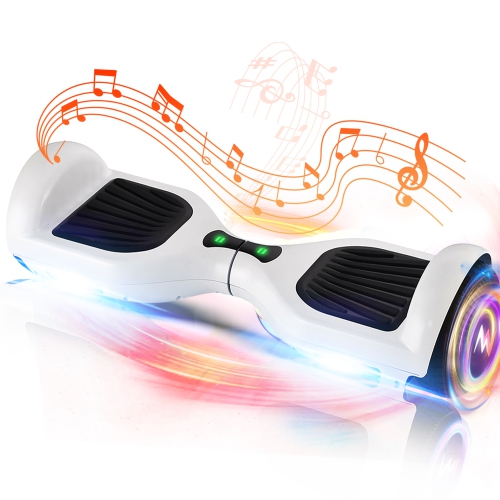
Hoverboards for 9-year-olds can offer an exciting way for children to practise balance, coordination, and independent movement in a supervised setting. At this age, many riders are ready to learn how a self-balancing board responds to shifts in body weight, although confidence and motor skills vary from child to child. When choosing a hoverboard, look for features that support beginner-friendly riding, such as self-balancing or training modes, a manageable top speed, responsive controls, and a stable platform. Models designed for younger riders commonly reach approximately 6 to 8 mph, or about 10 to 13 km/h, while some options may have a lower speed setting for learning. A speed limiter can help parents introduce the board gradually, giving a child time to become comfortable with mounting, gliding, turning, and stopping before moving at the fastest setting. Wheel size also affects the riding experience. A 6.5-inch wheel is a common choice for smooth, level surfaces and can feel easier for a smaller rider to control, while larger wheels may provide additional clearance over minor surface changes. Always check the manufacturer’s recommended age, minimum and maximum weight limits, and riding conditions before making a selection, since these details can vary between hoverboards. A nine-year-old may use a hoverboard as an outdoor recreational activity on a driveway, paved path, or other permitted private area, or receive one as a birthday or holiday gift that encourages time away from screens. It is best suited to open, dry, level ground with plenty of room to practise, rather than crowded walkways, steep slopes, roads, or uneven trails. Local rules may restrict where hoverboards can be ridden, so families should review applicable regulations before heading out.
Electrical safety is an important part of selecting a hoverboard for a child. Look for UL 2272 certification, which indicates that the hoverboard’s electrical system has been evaluated against applicable safety requirements for personal e-mobility devices. Certification is a useful purchasing consideration, but it does not replace careful charging, storage, and riding habits. Use only the charger supplied or recommended by the manufacturer, inspect the cable and charging port regularly, and charge the board on a hard, visible surface away from bedding, rugs, paper, and other materials that could trap heat. Children should not charge the hoverboard without an adult nearby, and the board should be unplugged once charging is complete according to the manufacturer’s instructions. Avoid using or charging a board that has been dropped, exposed to water, become unusually hot, or shows signs of battery or casing damage. Protective equipment is equally important. A properly fitted helmet should be worn on every ride, along with wrist guards, elbow pads, and knee pads that stay securely in place without restricting movement. Closed-toe shoes with good grip can make it easier to maintain a stable stance, while loose clothing, sandals, and riding near traffic can add unnecessary risk. An adult can make the first session more comfortable by demonstrating how to step on and off safely, keeping one foot close to a stable surface, bending the knees slightly, and shifting weight gently rather than making sudden movements. Beginning at walking speed in a clear area allows a young rider to focus on balance and steering. Short practice sessions are often more productive than a long outing, especially when the rider is still learning how to stop confidently.
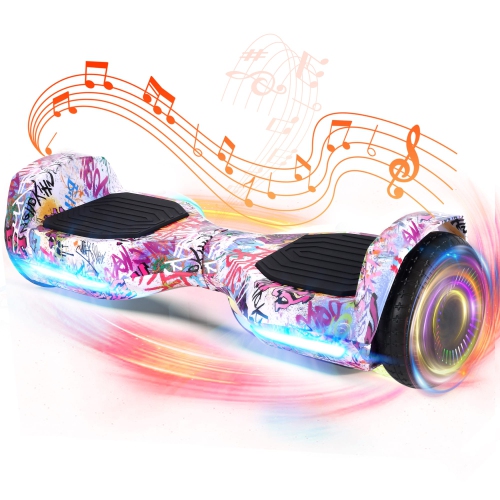
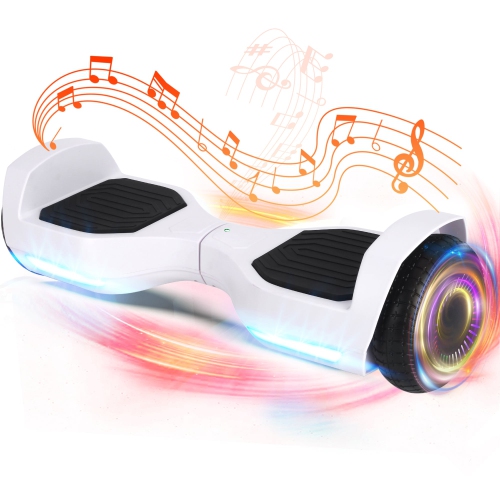
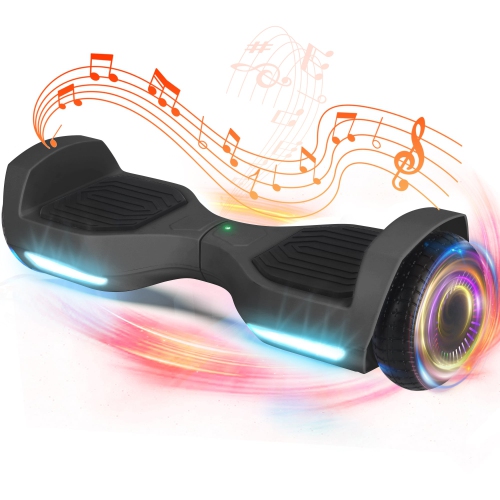
Families comparing hoverboards for 9-year-olds may also want to consider practical details that affect everyday use. Battery range depends on the model, rider weight, terrain, speed, temperature, and riding style, so the advertised range should be treated as a guide rather than a guarantee. A battery indicator can help a parent monitor remaining charge, while built-in lights may improve visibility in appropriate low-light conditions, but lighting does not make a hoverboard suitable for roads or poorly lit areas. Some hoverboards include Bluetooth speakers or illuminated wheels, which may appeal to children receiving one as a gift, although core riding controls, construction, certification, and comfort should remain the priority. A board with a non-slip foot platform and clear status indicators can make practice feel more reassuring, particularly for a child who is still developing balance. Consider where the hoverboard will be stored between rides and whether its size and weight are manageable for the child and supervising adult to carry. During cooler months, wet pavement, frost, puddles, and icy surfaces can make riding unsuitable, and batteries may perform differently in cold conditions. Keeping the board indoors at a moderate temperature and allowing it to return to room temperature before charging can help families follow the manufacturer’s care instructions. Riders looking for a similar style of product for a younger child can also browse Hoverboards for 5-Year-Old. With an age-appropriate speed, suitable weight capacity, UL 2272 certification, protective gear, and close adult supervision, a hoverboard can become an engaging recreational gift that lets a nine-year-old build skills at a comfortable pace.
Electrical safety is an important part of selecting a hoverboard for a child. Look for UL 2272 certification, which indicates that the hoverboard’s electrical system has been evaluated against applicable safety requirements for personal e-mobility devices. Certification is a useful purchasing consideration, but it does not replace careful charging, storage, and riding habits. Use only the charger supplied or recommended by the manufacturer, inspect the cable and charging port regularly, and charge the board on a hard, visible surface away from bedding, rugs, paper, and other materials that could trap heat. Children should not charge the hoverboard without an adult nearby, and the board should be unplugged once charging is complete according to the manufacturer’s instructions. Avoid using or charging a board that has been dropped, exposed to water, become unusually hot, or shows signs of battery or casing damage. Protective equipment is equally important. A properly fitted helmet should be worn on every ride, along with wrist guards, elbow pads, and knee pads that stay securely in place without restricting movement. Closed-toe shoes with good grip can make it easier to maintain a stable stance, while loose clothing, sandals, and riding near traffic can add unnecessary risk. An adult can make the first session more comfortable by demonstrating how to step on and off safely, keeping one foot close to a stable surface, bending the knees slightly, and shifting weight gently rather than making sudden movements. Beginning at walking speed in a clear area allows a young rider to focus on balance and steering. Short practice sessions are often more productive than a long outing, especially when the rider is still learning how to stop confidently.
Families comparing hoverboards for 9-year-olds may also want to consider practical details that affect everyday use. Battery range depends on the model, rider weight, terrain, speed, temperature, and riding style, so the advertised range should be treated as a guide rather than a guarantee. A battery indicator can help a parent monitor remaining charge, while built-in lights may improve visibility in appropriate low-light conditions, but lighting does not make a hoverboard suitable for roads or poorly lit areas. Some hoverboards include Bluetooth speakers or illuminated wheels, which may appeal to children receiving one as a gift, although core riding controls, construction, certification, and comfort should remain the priority. A board with a non-slip foot platform and clear status indicators can make practice feel more reassuring, particularly for a child who is still developing balance. Consider where the hoverboard will be stored between rides and whether its size and weight are manageable for the child and supervising adult to carry. During cooler months, wet pavement, frost, puddles, and icy surfaces can make riding unsuitable, and batteries may perform differently in cold conditions. Keeping the board indoors at a moderate temperature and allowing it to return to room temperature before charging can help families follow the manufacturer’s care instructions. Riders looking for a similar style of product for a younger child can also browse Hoverboards for 5-Year-Old. With an age-appropriate speed, suitable weight capacity, UL 2272 certification, protective gear, and close adult supervision, a hoverboard can become an engaging recreational gift that lets a nine-year-old build skills at a comfortable pace.
Top selling and popular products
-
 Your price for this item is $159.97
 -
 Your price for this item is $159.87
 -
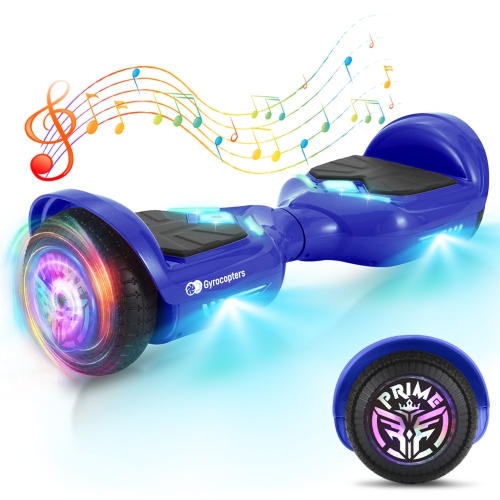 Your price for this item is $219.97
 -
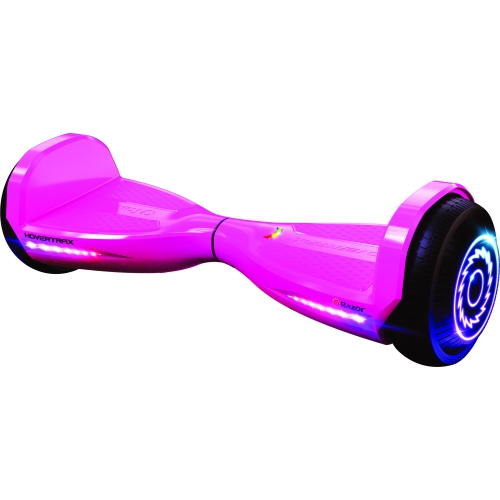 Your price for this item is $239.99
 -
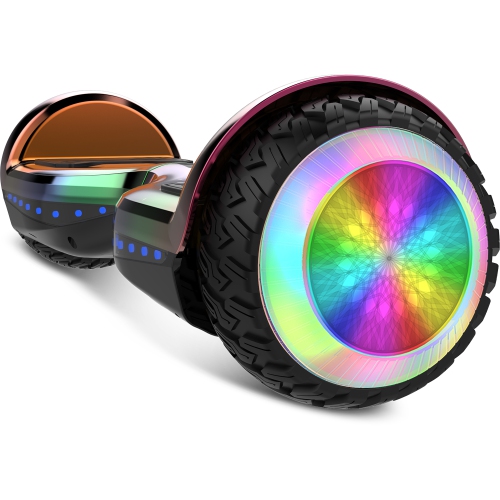 Your price for this item is $229.97
 -
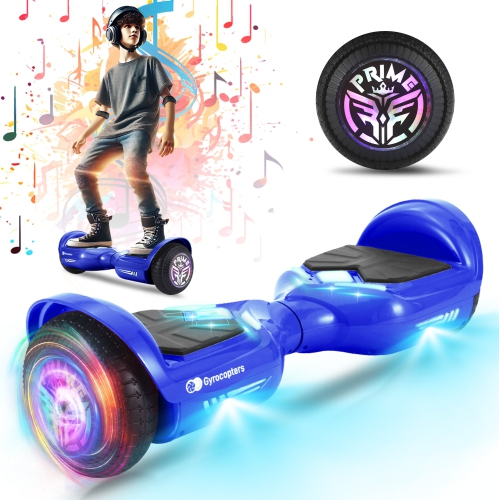 Your price for this item is $159.97
 -
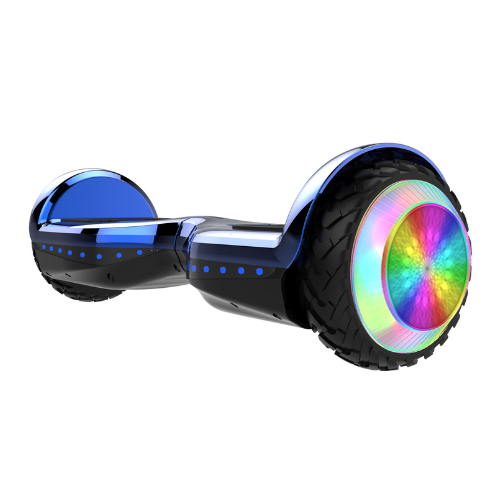 Your price for this item is $99.99
 -
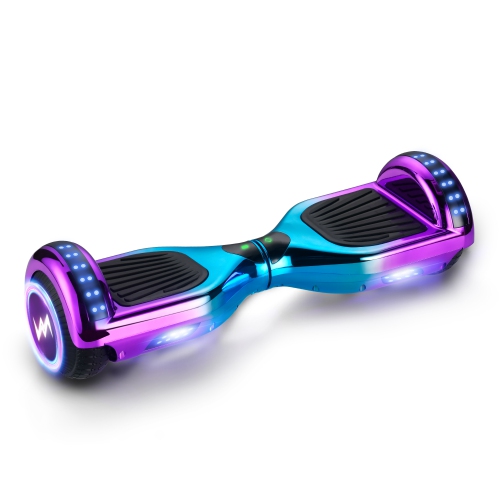 Your price for this item is $159.99
Discover more categories related to Hoverboards for 9 Year Olds
Top Collections:
Pokemon Centers, Kindle Devices, Best Budget Office Chairs, Apple iPhones 16, Canon G7X Cameras, iPhone 15 Apple, Alarm Clock, Refurbished Apple Laptops, Flip Phones, Best Laptops for Writers
Some products may be subject to Environmental Handling Fees
(EHF) depending on your province.
Learn more about EHFs.