Small Rechargeable Radios
A small radio is a great way to keep up with the news, listen to your favorite music, or discover new podcasts. And if you're looking for a way to get more out of your morning commute, or just want to listen to the same things in the car that you do at home, a small radio can be a great addition. Here are some great options for small rechargeable radios.
Sort
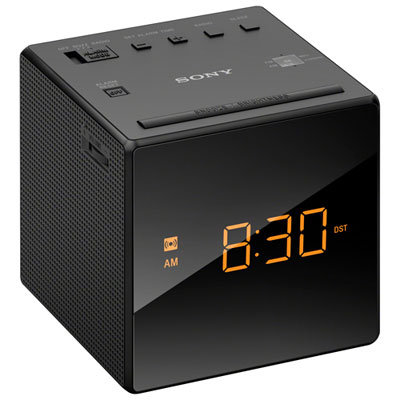
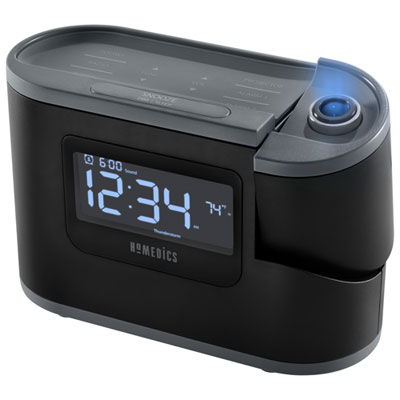
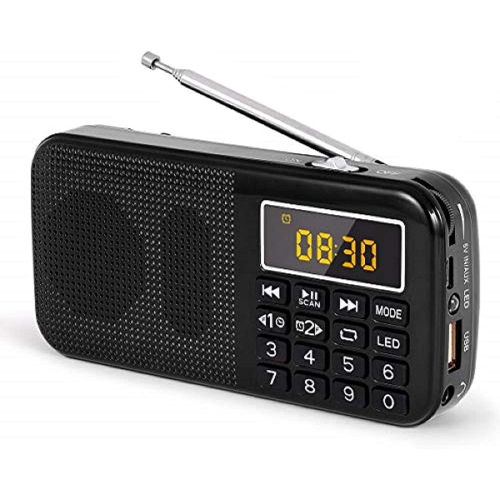
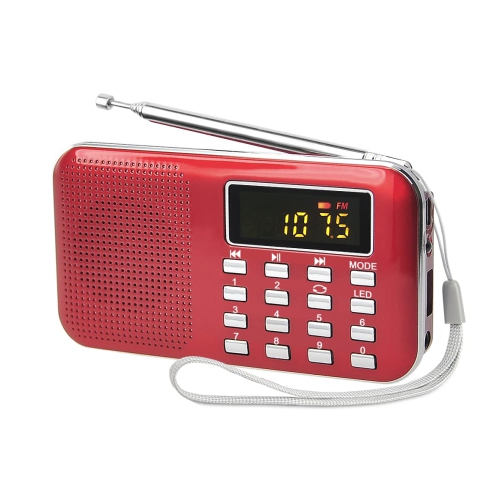
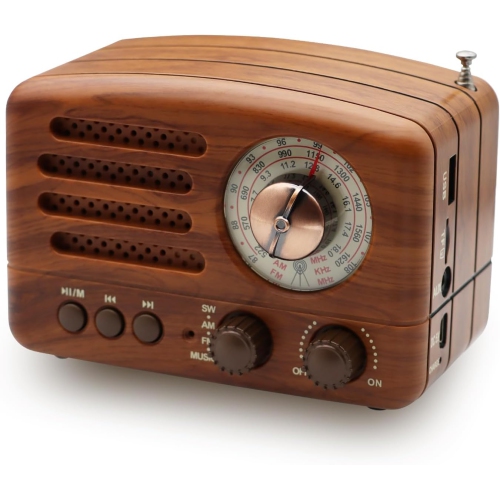
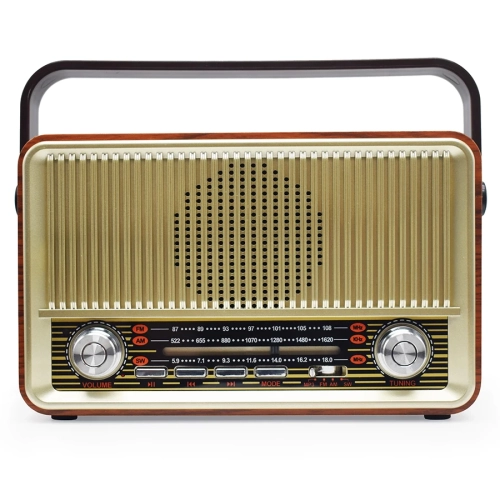
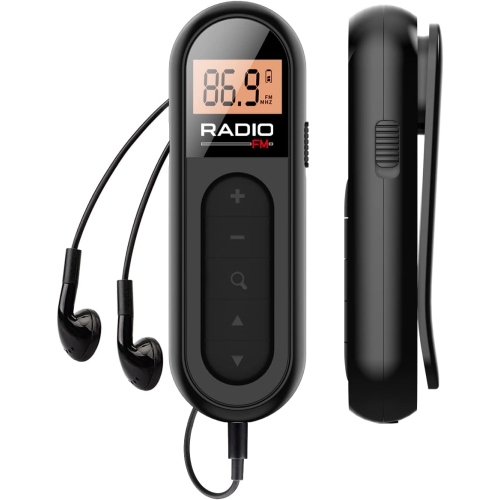
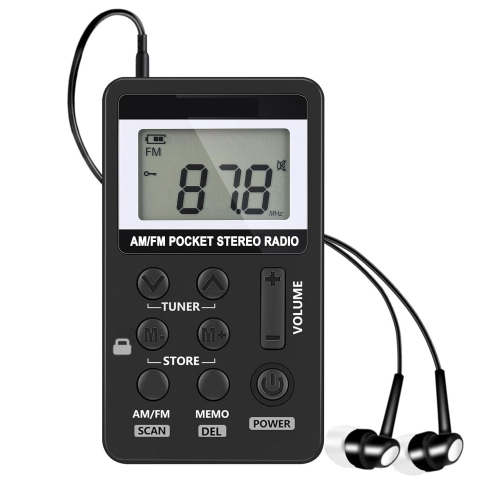
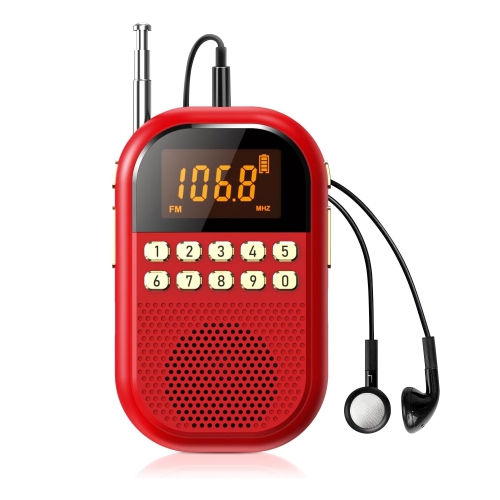
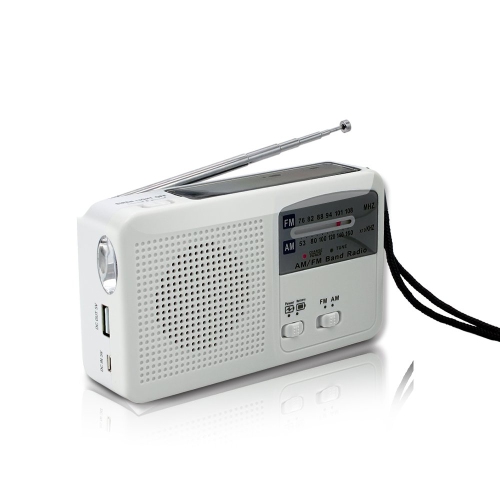
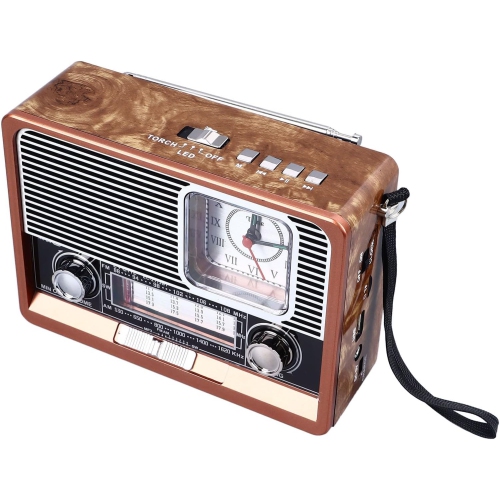
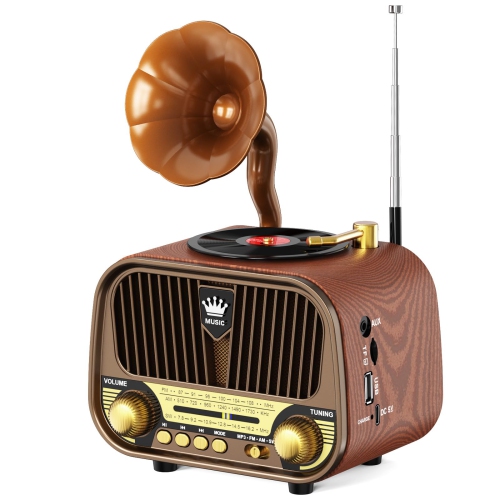
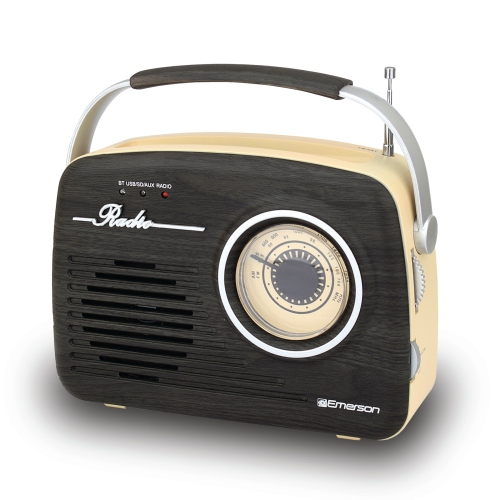
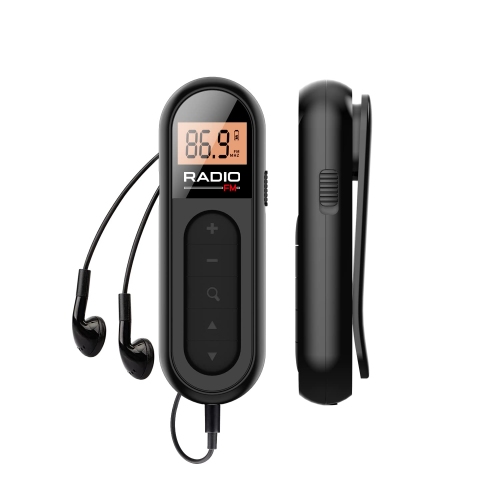
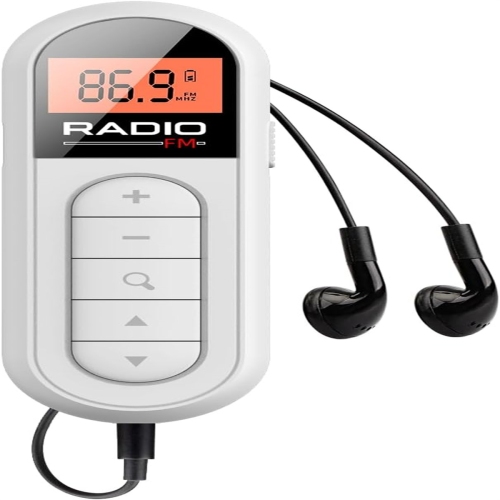
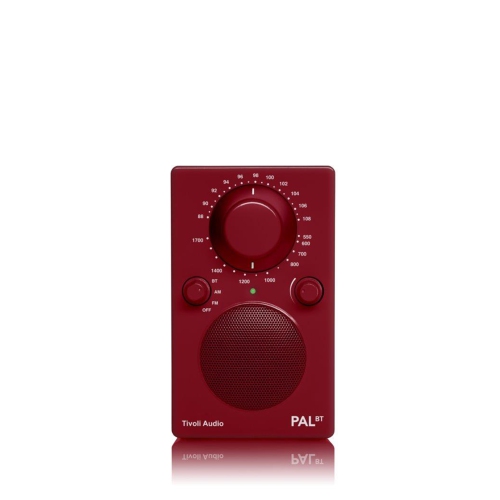
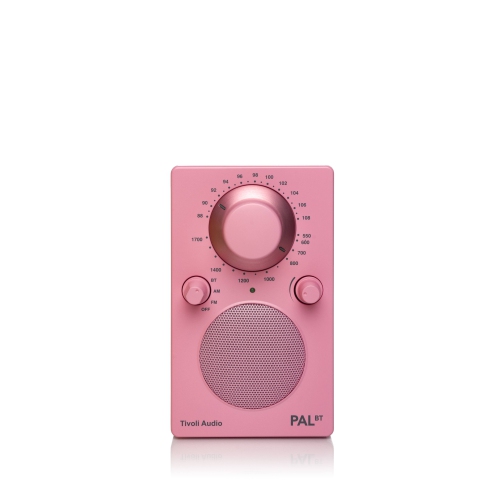
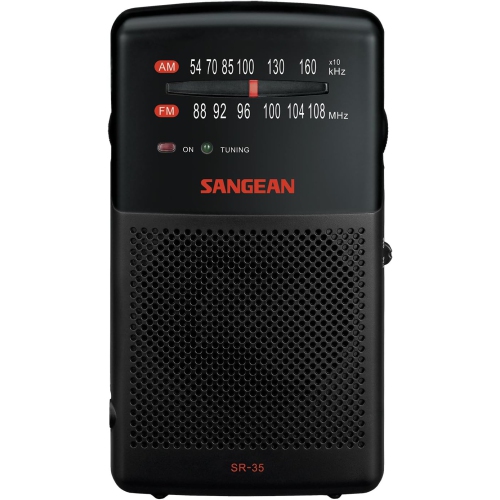
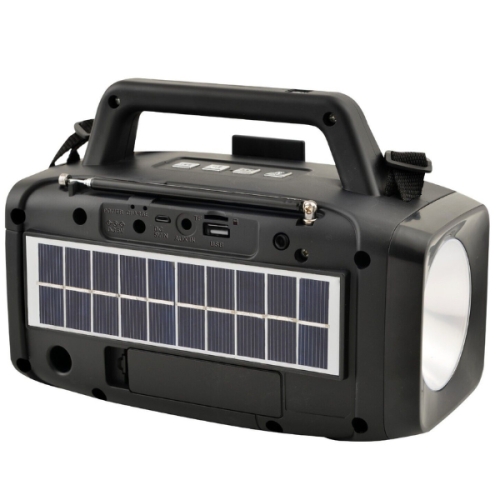
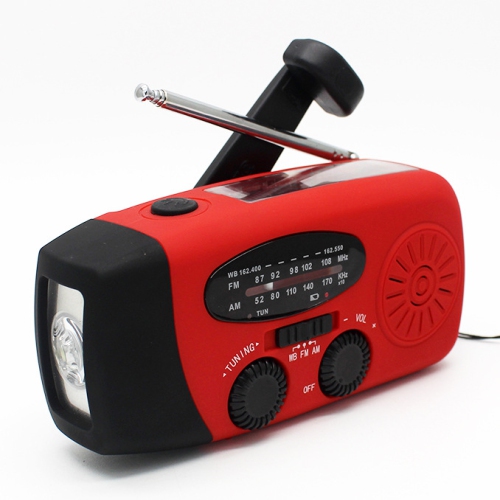
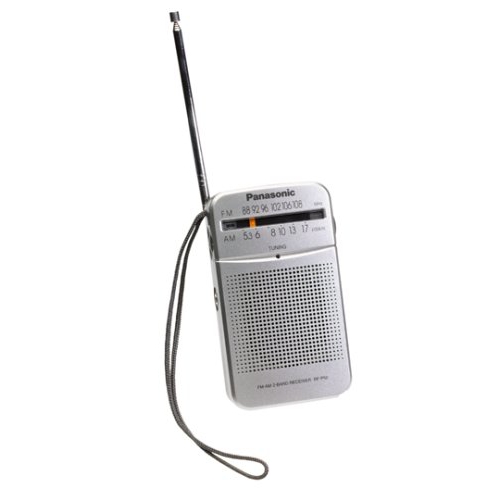

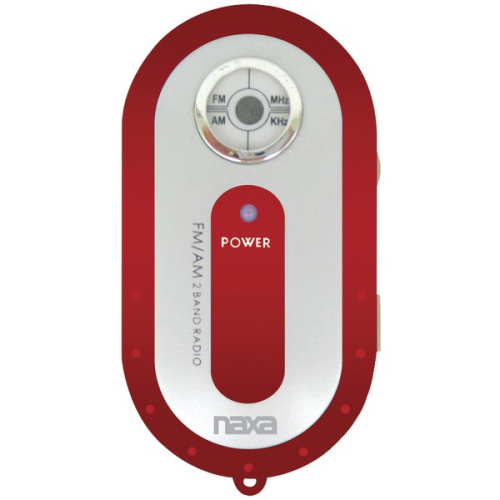
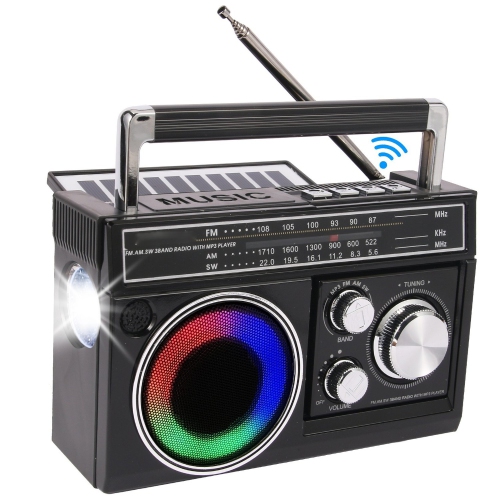
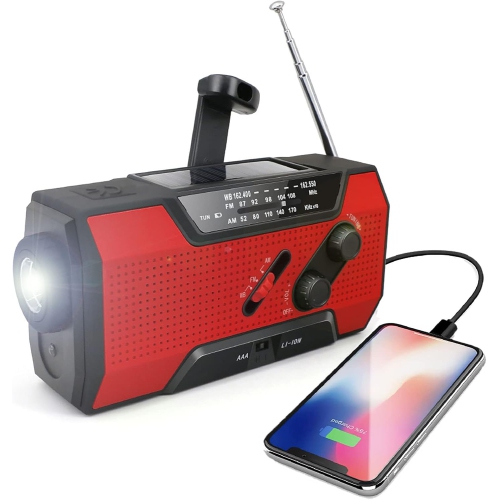
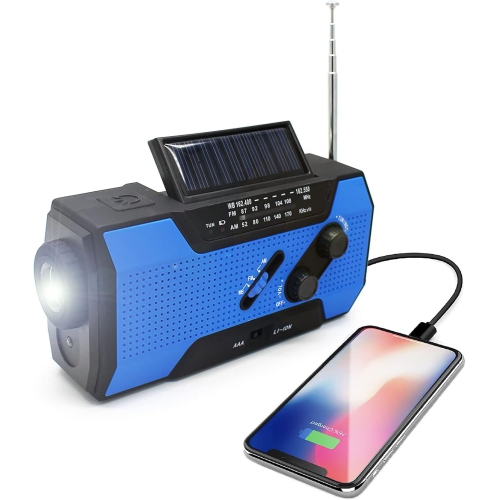
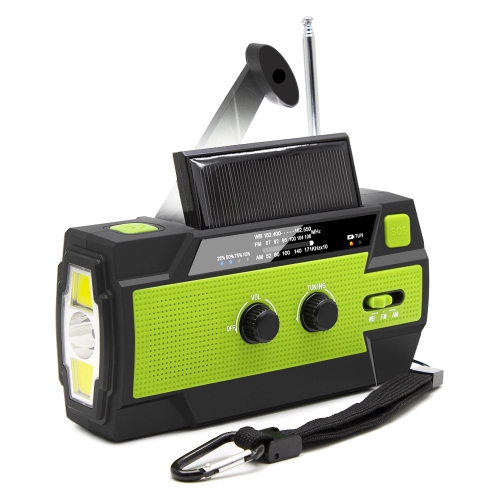
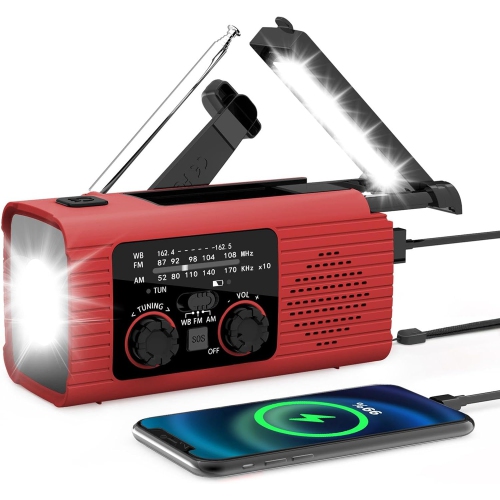

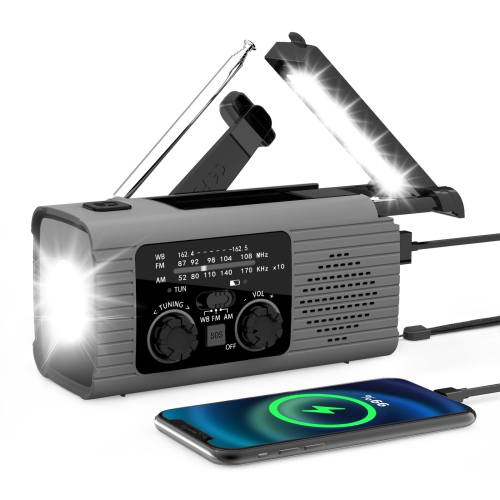
Local broadcasts without a phone or internet connection
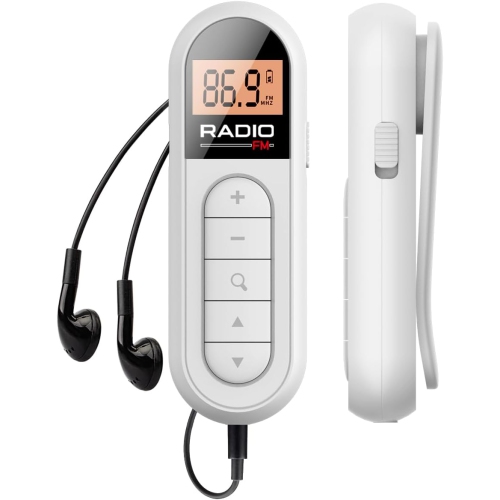
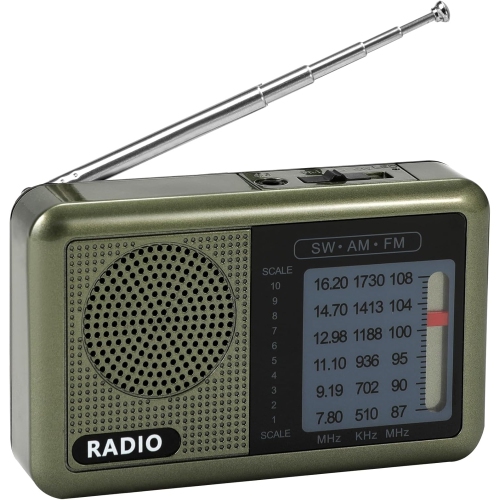
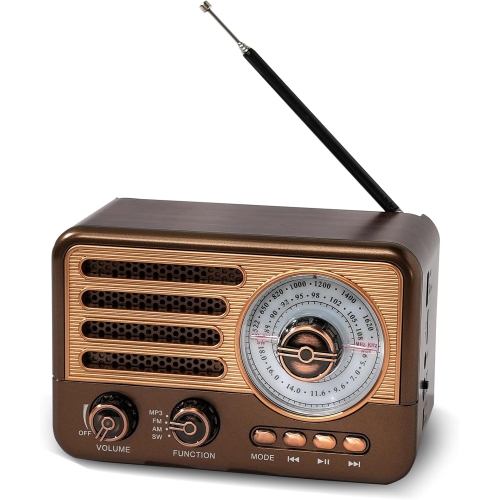
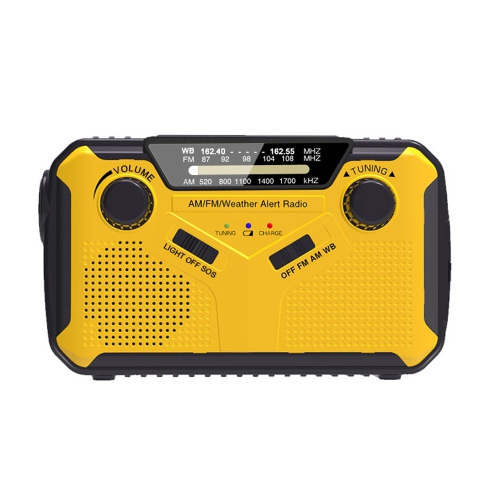
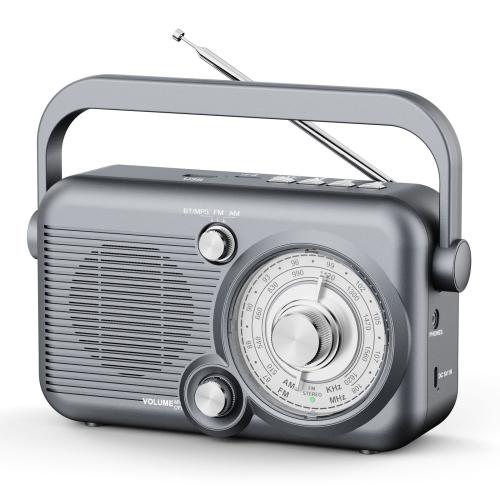
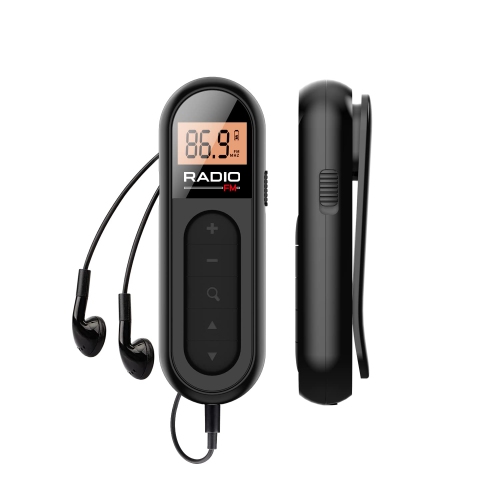
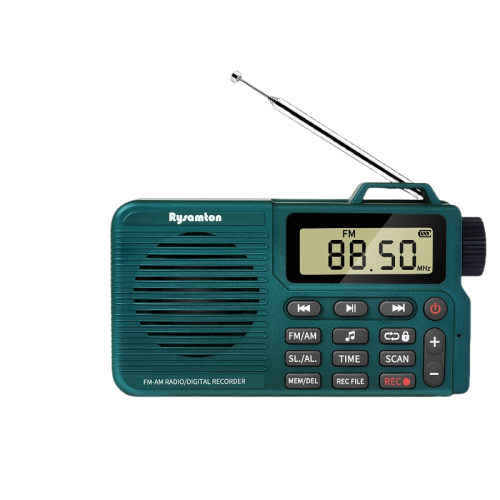
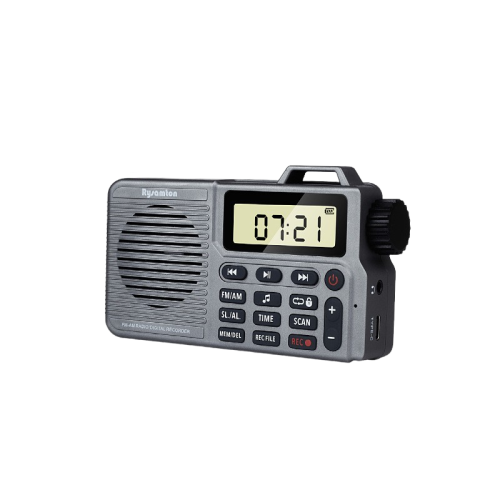
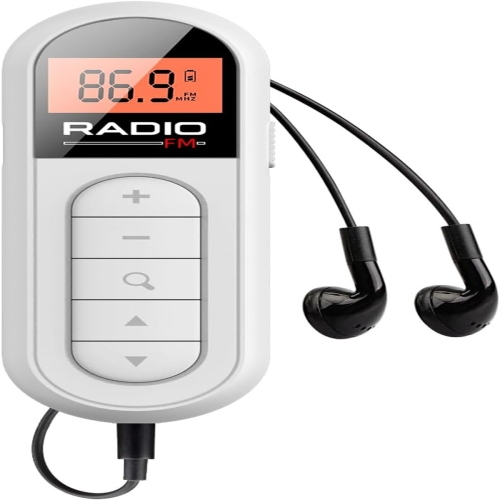
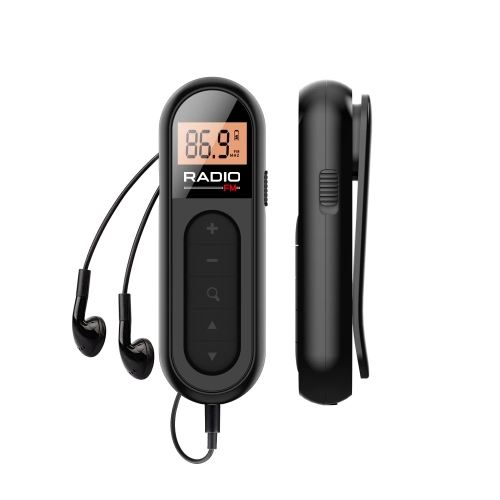
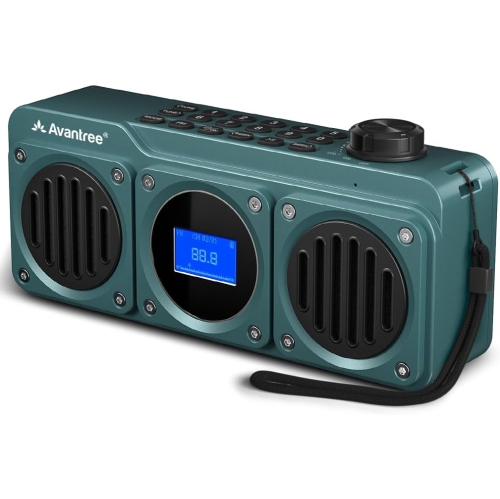
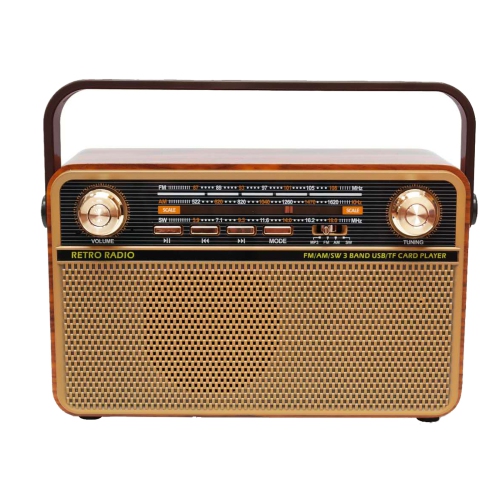
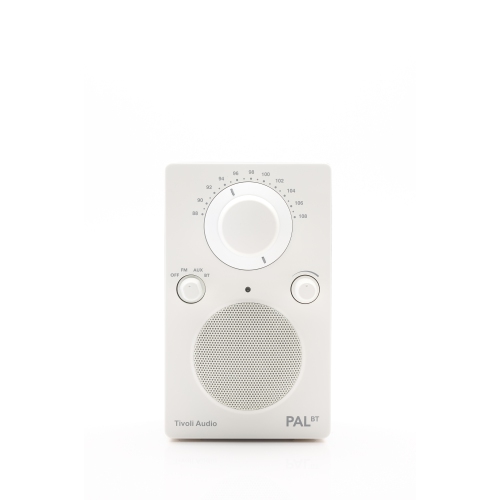
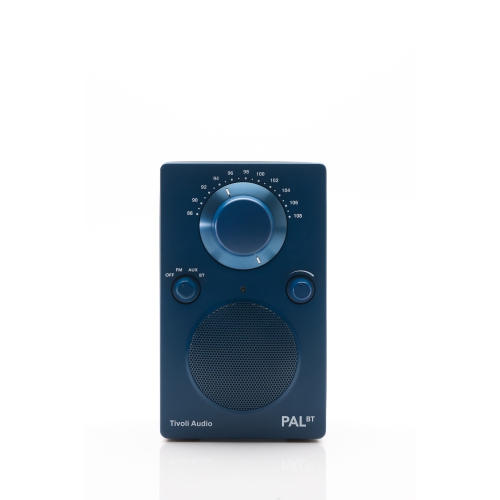
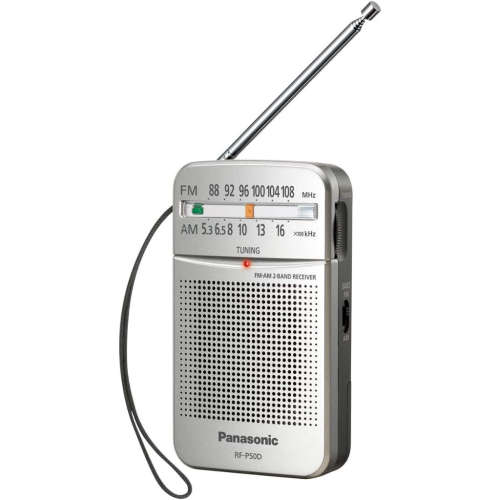
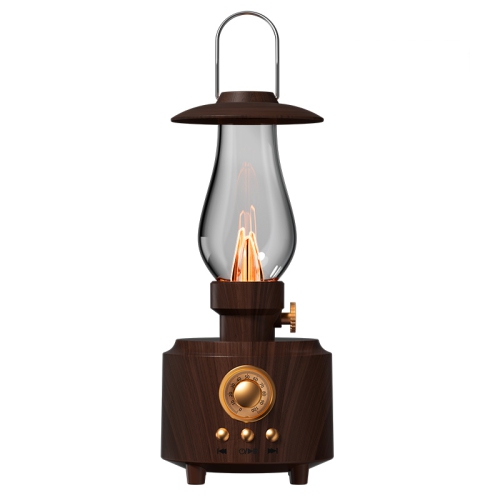
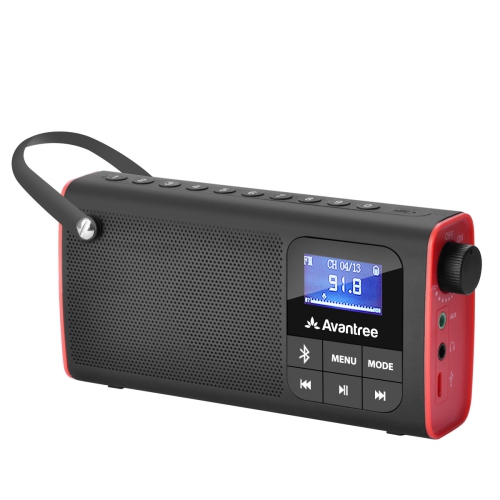
Small rechargeable radios bring local news, music, sports, and talk programming into a compact form that is easy to carry from a kitchen counter to a workshop bench or a cabin porch. Their appeal is straightforward: broadcast listening does not require a home internet connection, a mobile data plan, or a phone screen. A rechargeable battery lets a compatible radio run away from a wall outlet and charge again between listening sessions, while a small built-in speaker makes it possible to listen without headphones. Within this category, pocket radios favour light weight and easy transport, while slightly larger portable designs can provide more room for controls, a readable display, and a fuller-sounding speaker. AM/FM reception is a useful starting point for everyday listening, although supported bands vary. FM carries many music and local programming stations, while AM can be useful for news, talk, and sports where those broadcasts are accessible. For listening centred on FM stations, rechargeable FM radios offer a closely related category. Shortwave reception adds access to a different range of broadcasts on compatible radios, but results depend on the station, time of day, antenna, and listening location. Digital tuning and station presets can make it easier to return to favourite broadcasts without searching through the dial each time. A traditional tuning knob has its own appeal, especially for someone who prefers a familiar, hands-on way to browse stations. Clear speech matters more than strong bass for following an interview while preparing dinner, and a larger speaker does not automatically mean better clarity. Headphone listening can be useful in shared spaces, provided the radio has a compatible output. Bluetooth, when included, is a separate feature from broadcast reception; it may allow audio playback from a phone, but it does not necessarily allow connection to wireless headphones. These distinctions help separate a simple everyday radio from a more versatile portable audio device.
Battery design, charging connections, and physical fit make a noticeable difference in how a small rechargeable radio works day to day. USB charging is common within the category, with the connector type varying by design. A USB-C connection may fit neatly into an existing charging routine, but the required cable, power input, and inclusion of a wall adapter still deserve attention. Battery capacity alone does not tell the whole story about listening time: speaker volume, display lighting, wireless playback, and added functions can all affect how long a charge lasts. Published runtime is most useful when its test conditions resemble the way the radio will be used. For someone listening quietly through headphones, power needs may differ from those of a household playing the speaker throughout an afternoon. Some designs include a removable rechargeable battery or a separate compartment for standard disposable batteries, while others use a sealed internal battery. Those arrangements are not interchangeable, and only the battery types specified for the radio should be fitted or charged. A pocket-friendly shape should also account for the antenna, protruding knobs, and any carry strap, rather than just the main body dimensions. Smooth edges sit more comfortably in a jacket pocket, while a broad, stable base suits a bedside table or desk. Lightweight plastic housings keep carrying weight down; reinforced corners and rubberized grips can be helpful where bumps or damp hands are likely. Neither a rugged appearance nor a rubberized finish proves water resistance, so outdoor use calls for a stated protection rating appropriate to the conditions. Large buttons, well-spaced controls, and a display with readable contrast can be particularly helpful for listeners with limited dexterity or vision. A lock function prevents accidental changes in a bag, and a sleep timer suits evening listening. For older relatives, students, campers, or anyone who enjoys familiar broadcasts, a small radio can be a thoughtful gift when its controls and features match the recipient’s habits.
Small rechargeable radios can also serve as one part of a household emergency kit, particularly when a power outage interrupts normal routines. A charged radio provides a way to hear accessible local broadcasts without relying on a phone’s remaining battery, though useful reception still depends on working stations and local signal conditions. Emergency-oriented designs may add a hand crank, flashlight, reading light, alarm, or USB power output. These extras vary considerably, and each has practical limits. Hand-crank charging is generally a backup for short periods of use rather than a convenient substitute for fully charging the radio beforehand. A USB output may provide a limited top-up for a compatible phone, but it draws from the same stored energy needed for listening and lighting. Weather-band reception and automatic weather alerts are separate capabilities; neither should be assumed from an emergency-style appearance. Their usefulness also depends on compatible broadcasts in the area, so coverage and alert support need to match the intended destination, especially when travelling. For a cabin stay or a cooler-weather outing, easy-to-find controls and a secure carrying point can matter as much as extra functions. Reception often improves near a window or away from electronics that create interference. Extending and adjusting a telescopic antenna can help FM reception, while rotating the radio itself may improve AM reception on designs with an internal antenna. Care is usually simple: wipe the housing with a soft, dry cloth, keep charging ports free of debris, and avoid forcing a stiff antenna or dial. Let a cold radio reach a suitable indoor temperature before charging, following the manufacturer’s operating limits. Store it away from excessive heat and moisture, check its charge periodically, and test reception before packing it for a trip or setting it aside for backup use. With a size, power arrangement, and control layout suited to its purpose, a compact rechargeable radio can be a familiar companion for everyday listening and a useful source of information when usual routines are disrupted.
Battery design, charging connections, and physical fit make a noticeable difference in how a small rechargeable radio works day to day. USB charging is common within the category, with the connector type varying by design. A USB-C connection may fit neatly into an existing charging routine, but the required cable, power input, and inclusion of a wall adapter still deserve attention. Battery capacity alone does not tell the whole story about listening time: speaker volume, display lighting, wireless playback, and added functions can all affect how long a charge lasts. Published runtime is most useful when its test conditions resemble the way the radio will be used. For someone listening quietly through headphones, power needs may differ from those of a household playing the speaker throughout an afternoon. Some designs include a removable rechargeable battery or a separate compartment for standard disposable batteries, while others use a sealed internal battery. Those arrangements are not interchangeable, and only the battery types specified for the radio should be fitted or charged. A pocket-friendly shape should also account for the antenna, protruding knobs, and any carry strap, rather than just the main body dimensions. Smooth edges sit more comfortably in a jacket pocket, while a broad, stable base suits a bedside table or desk. Lightweight plastic housings keep carrying weight down; reinforced corners and rubberized grips can be helpful where bumps or damp hands are likely. Neither a rugged appearance nor a rubberized finish proves water resistance, so outdoor use calls for a stated protection rating appropriate to the conditions. Large buttons, well-spaced controls, and a display with readable contrast can be particularly helpful for listeners with limited dexterity or vision. A lock function prevents accidental changes in a bag, and a sleep timer suits evening listening. For older relatives, students, campers, or anyone who enjoys familiar broadcasts, a small radio can be a thoughtful gift when its controls and features match the recipient’s habits.
Small rechargeable radios can also serve as one part of a household emergency kit, particularly when a power outage interrupts normal routines. A charged radio provides a way to hear accessible local broadcasts without relying on a phone’s remaining battery, though useful reception still depends on working stations and local signal conditions. Emergency-oriented designs may add a hand crank, flashlight, reading light, alarm, or USB power output. These extras vary considerably, and each has practical limits. Hand-crank charging is generally a backup for short periods of use rather than a convenient substitute for fully charging the radio beforehand. A USB output may provide a limited top-up for a compatible phone, but it draws from the same stored energy needed for listening and lighting. Weather-band reception and automatic weather alerts are separate capabilities; neither should be assumed from an emergency-style appearance. Their usefulness also depends on compatible broadcasts in the area, so coverage and alert support need to match the intended destination, especially when travelling. For a cabin stay or a cooler-weather outing, easy-to-find controls and a secure carrying point can matter as much as extra functions. Reception often improves near a window or away from electronics that create interference. Extending and adjusting a telescopic antenna can help FM reception, while rotating the radio itself may improve AM reception on designs with an internal antenna. Care is usually simple: wipe the housing with a soft, dry cloth, keep charging ports free of debris, and avoid forcing a stiff antenna or dial. Let a cold radio reach a suitable indoor temperature before charging, following the manufacturer’s operating limits. Store it away from excessive heat and moisture, check its charge periodically, and test reception before packing it for a trip or setting it aside for backup use. With a size, power arrangement, and control layout suited to its purpose, a compact rechargeable radio can be a familiar companion for everyday listening and a useful source of information when usual routines are disrupted.
Top selling and popular products
-
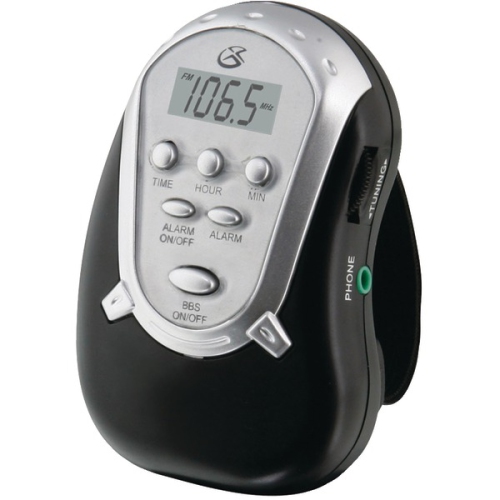 Your price for this item is $87.68
 -
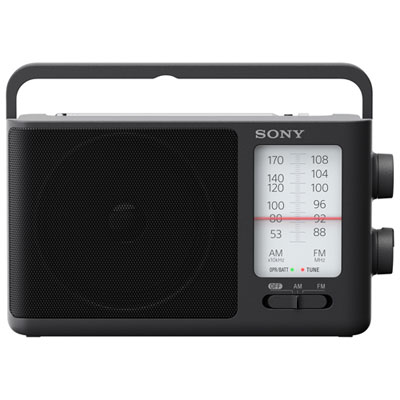 Your price for this item is $69.99
 -
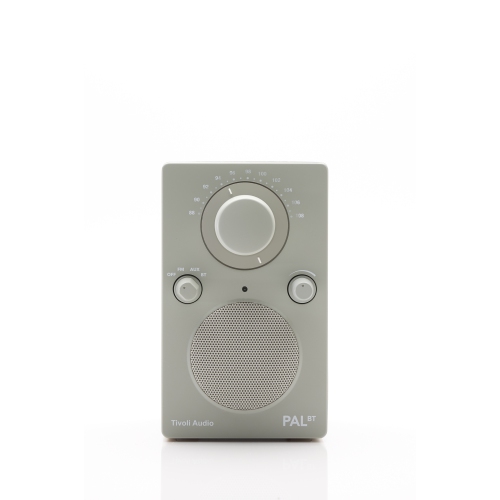 Your price for this item is $279
 -
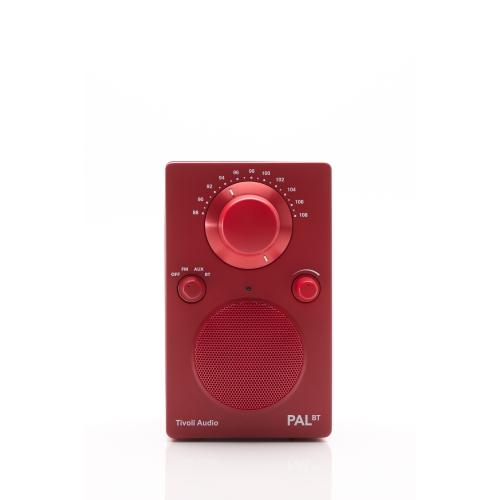 Your price for this item is $279
 -
 Your price for this item is $279
 -
 Your price for this item is $279
 -
 Your price for this item is $39.95
 -
 Your price for this item is $46.99
Discover more categories related to Small Rechargeable Radios

Top Collections:
Pokemon Centers, Kindle Devices, Best Budget Office Chairs, Apple iPhones 16, Best Laptops for Writers, iPhone 15 Apple, Canon G7X Cameras, Refurbished Apple Laptops, Alarm Clock, Motorola Razr Phones
Some products may be subject to Environmental Handling Fees
(EHF) depending on your province.
Learn more about EHFs.