Dark Brown Cabinets
If you're looking to add a touch of style and sophistication to your home, dark brown cabinets are a great way to do it. These can provide the perfect storage for your things and stuff. These are also durable and sturdy. Here are some of the best options available on the market today.
Sort
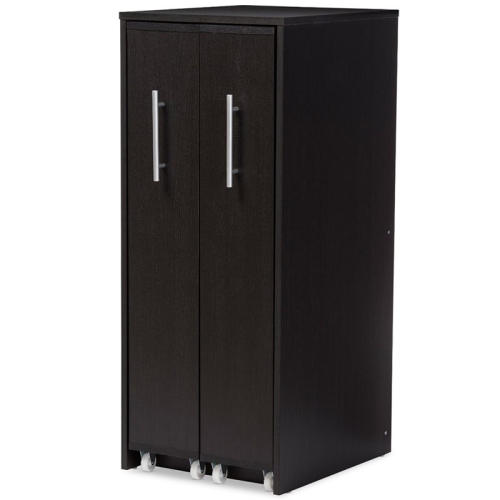
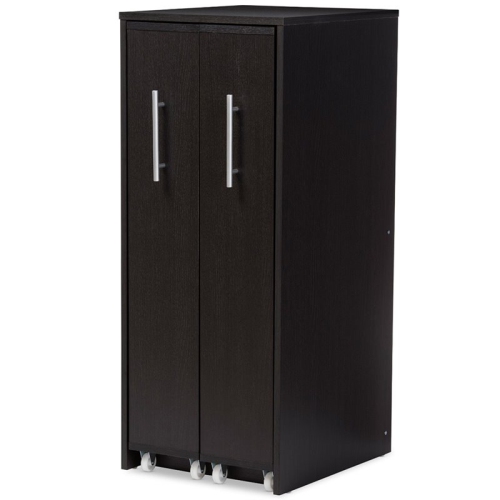
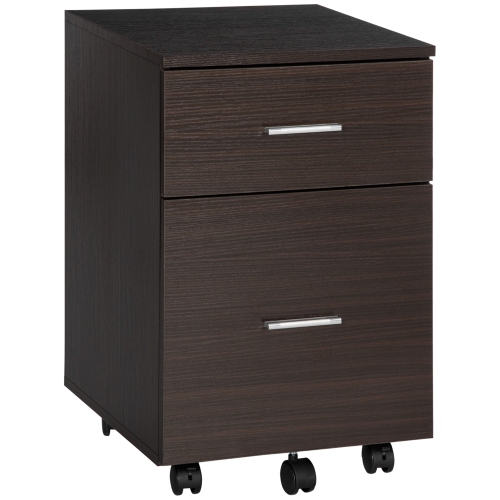
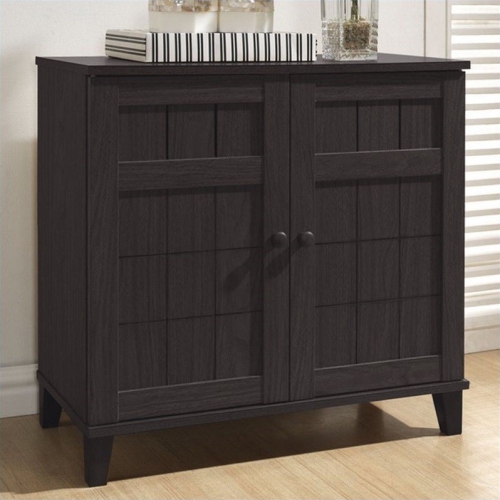
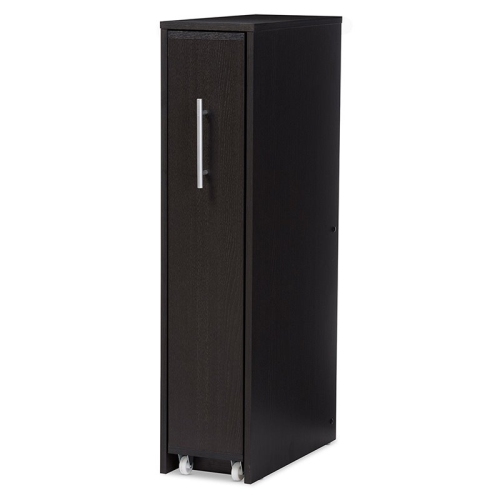
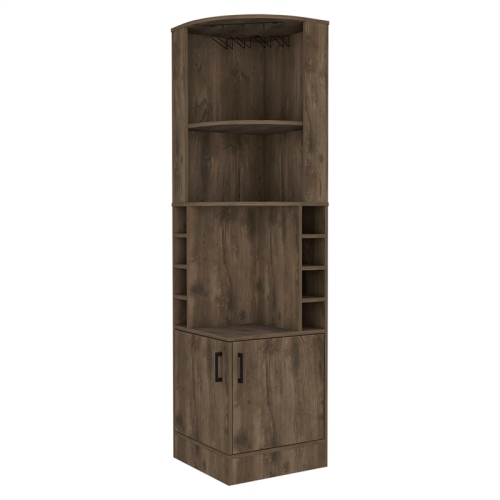
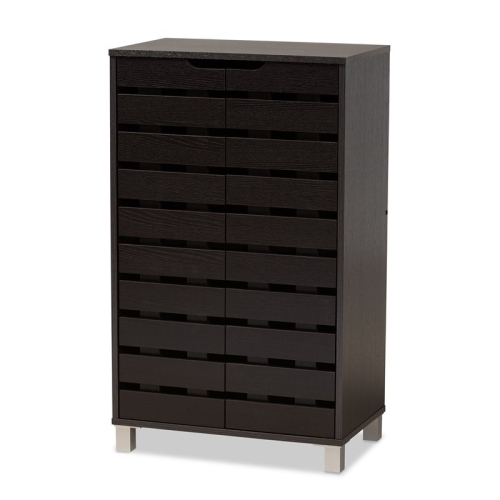
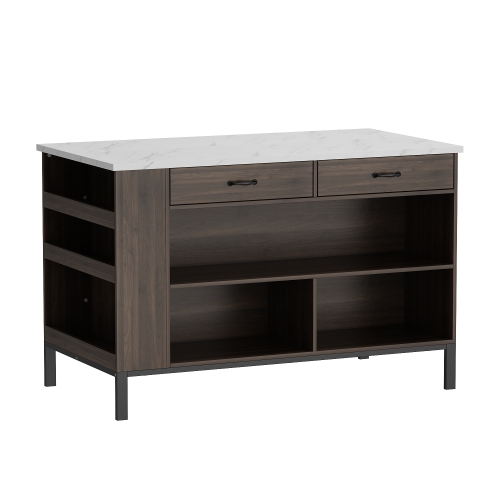
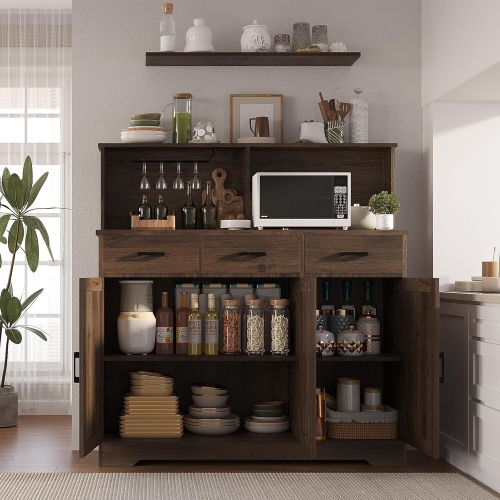
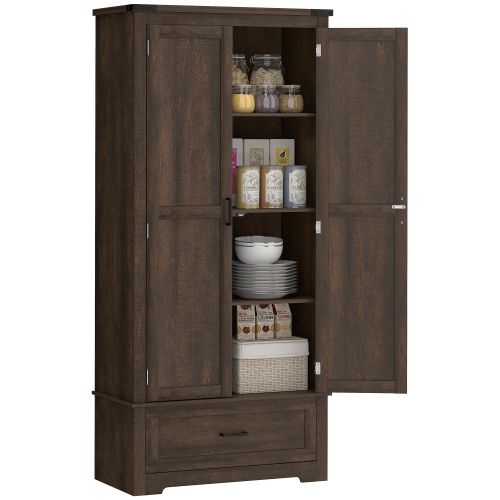
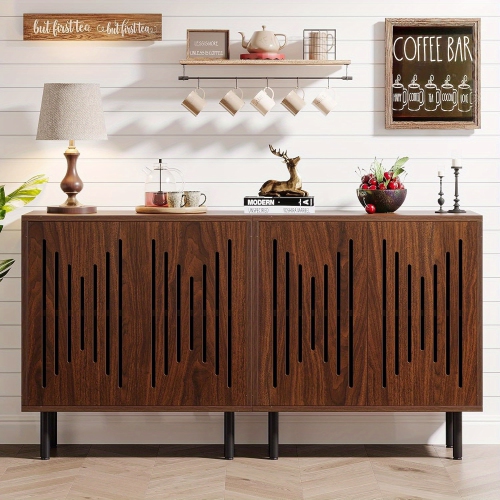
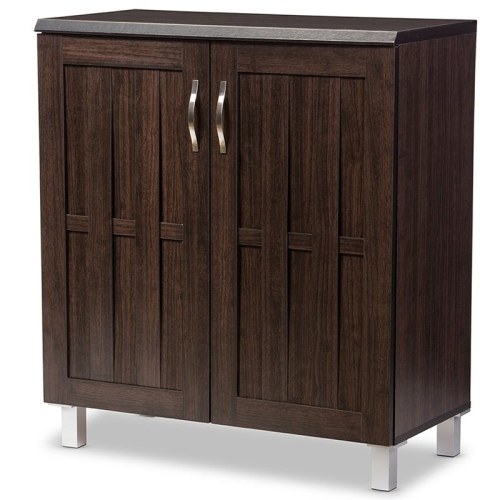
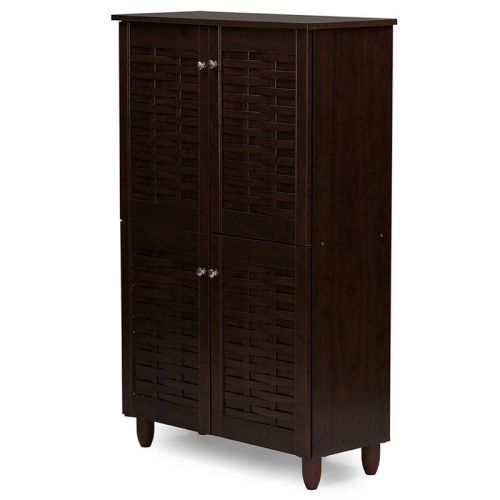
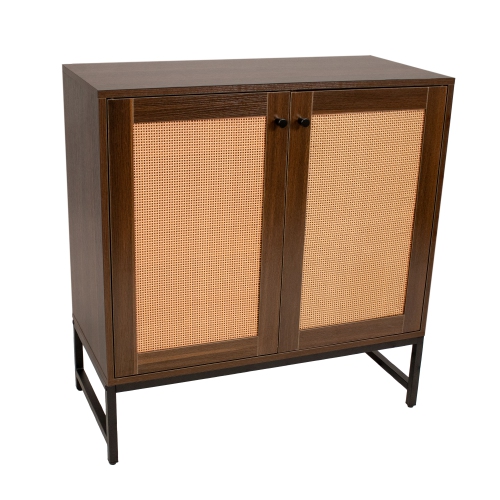
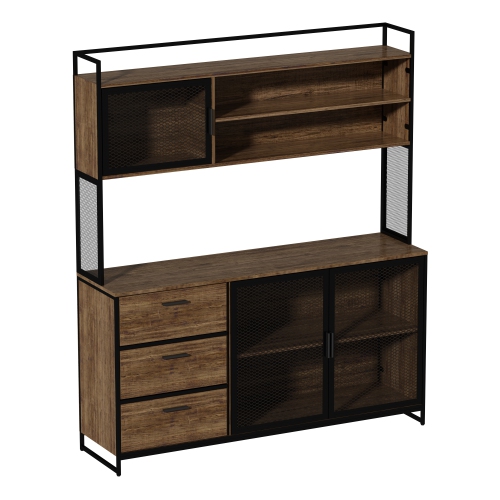
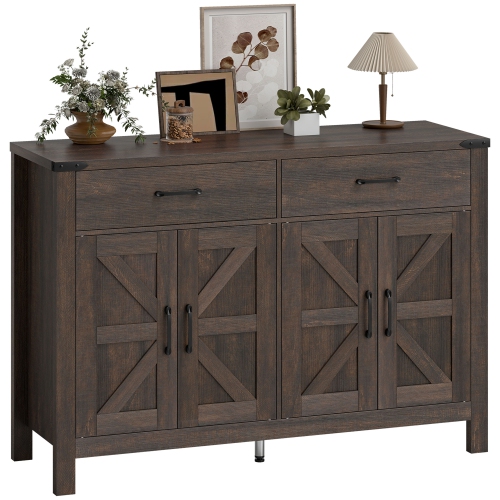
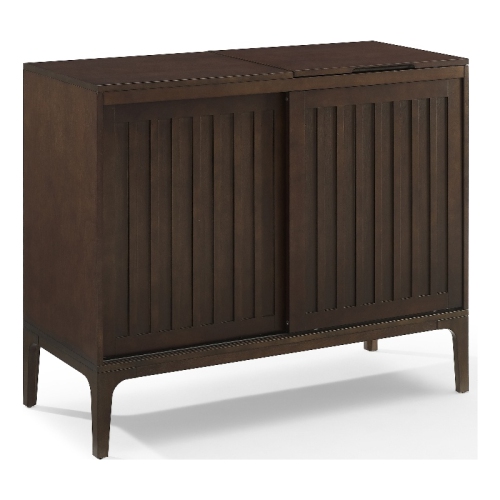

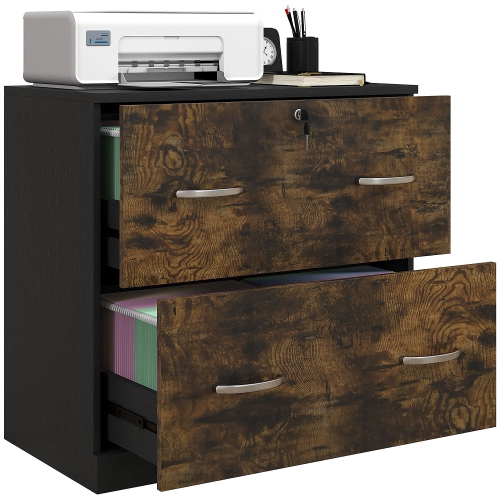
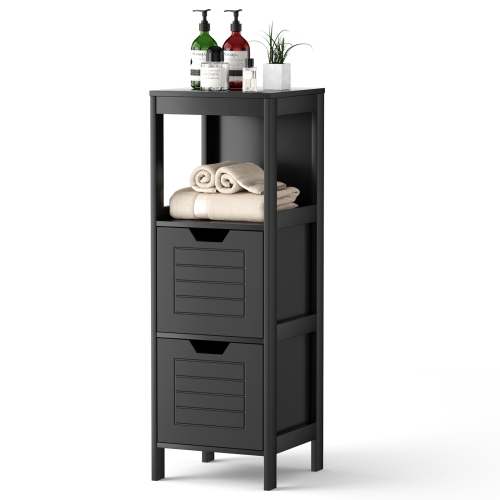
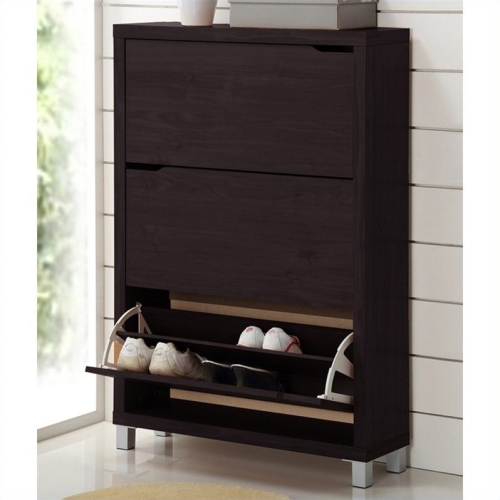
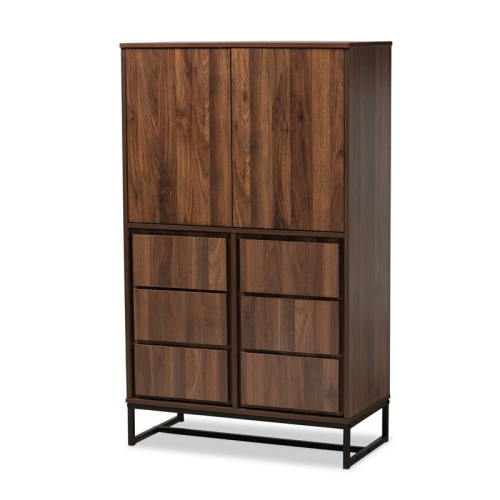
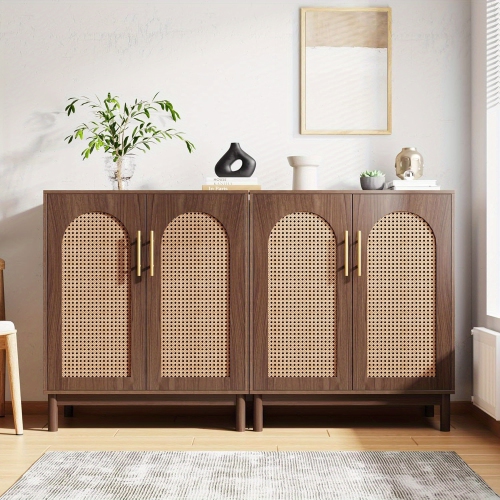
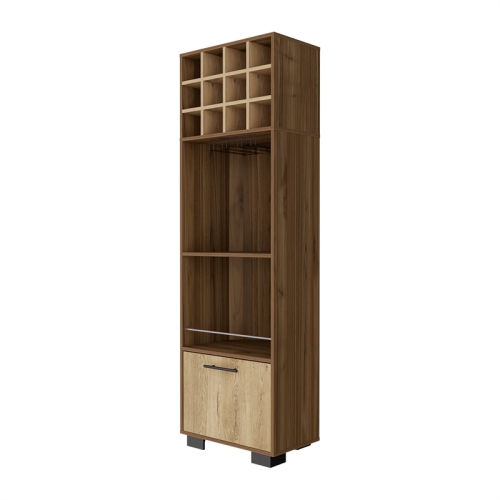
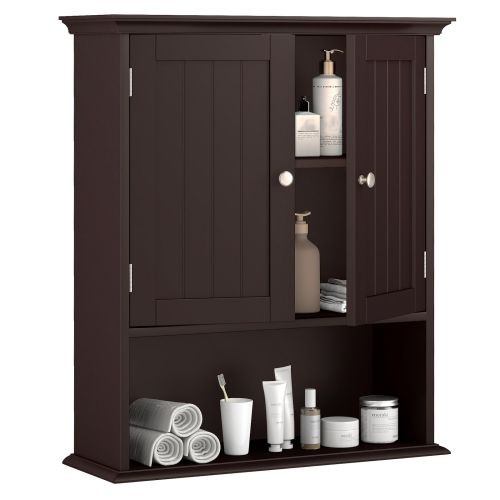
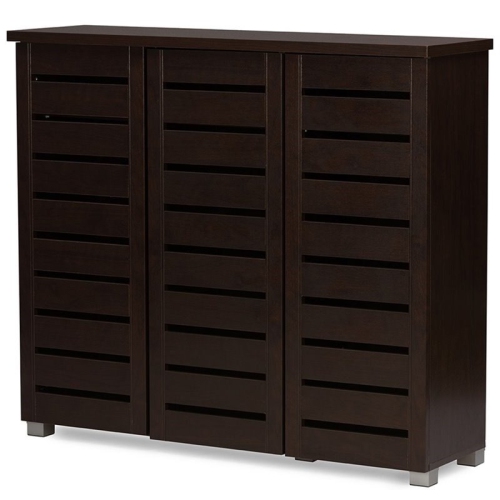

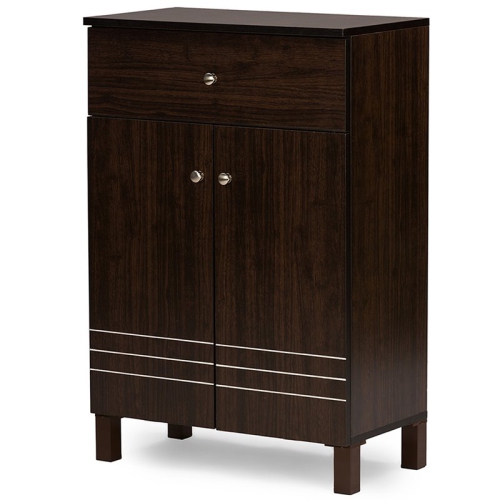
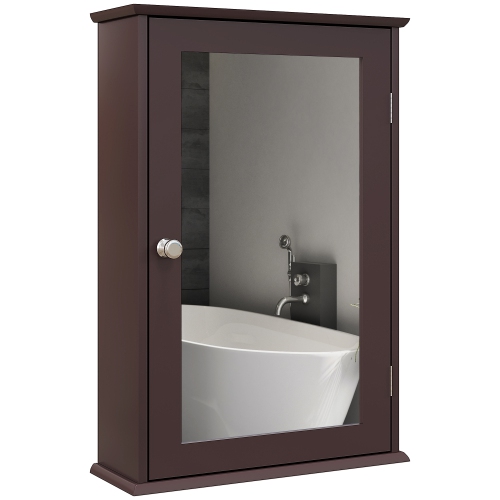
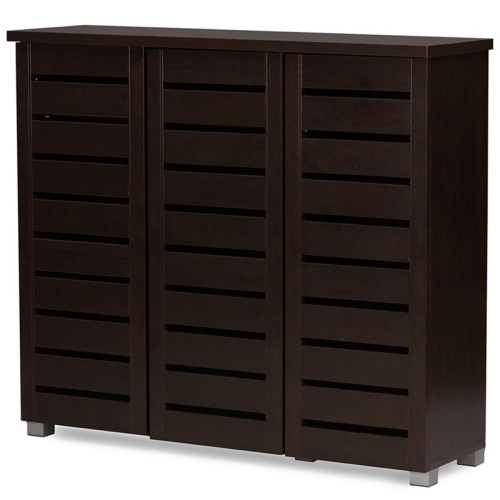
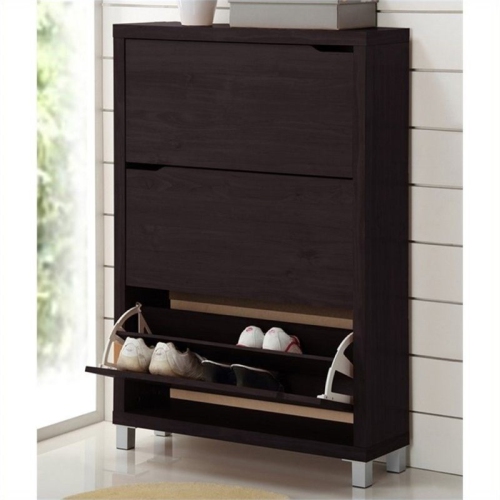
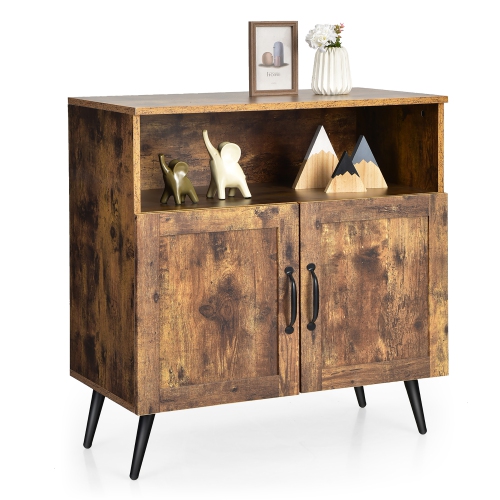
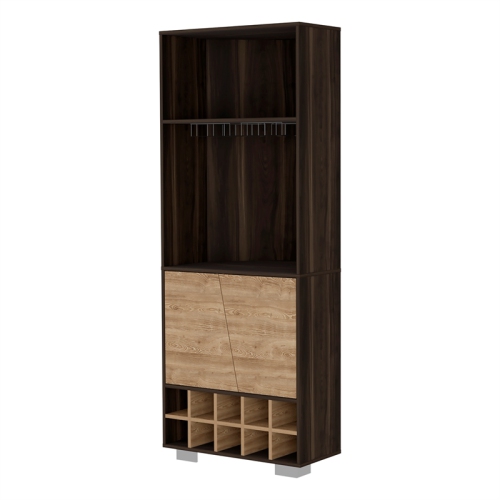

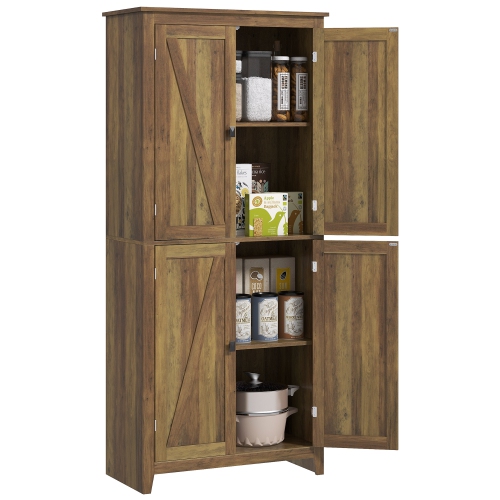
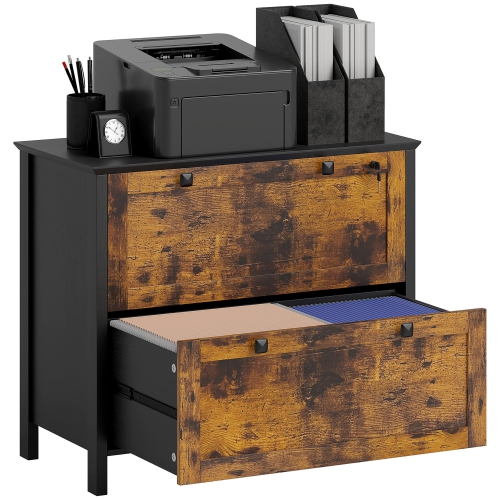
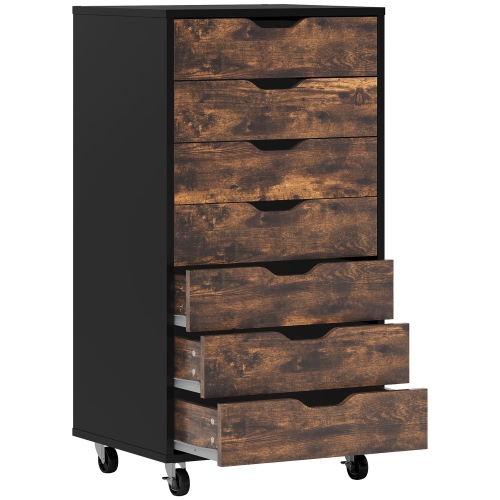
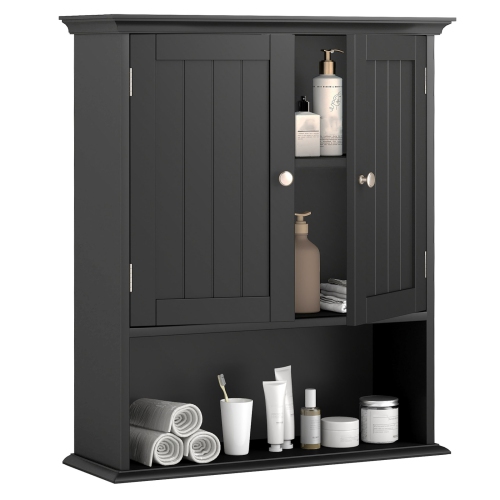
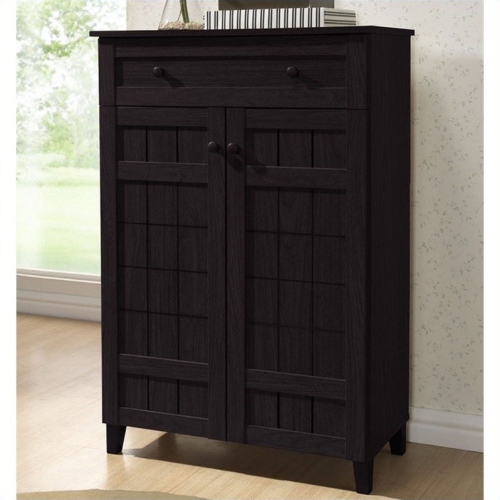
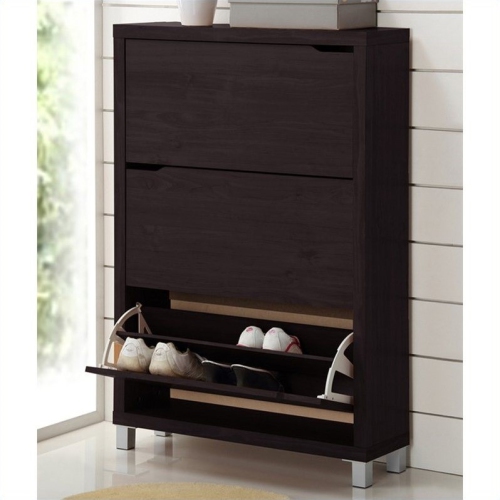
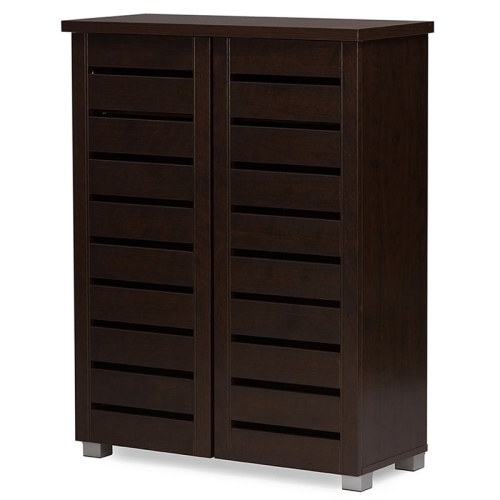
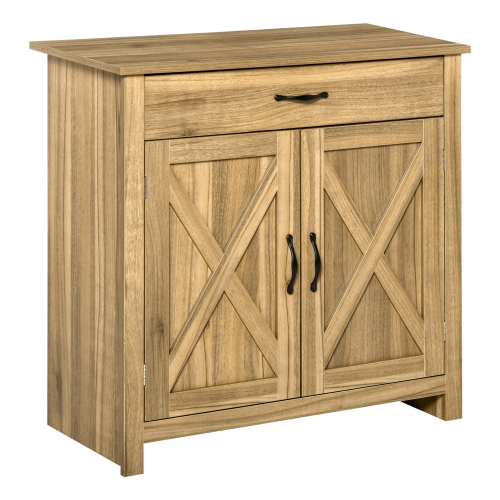
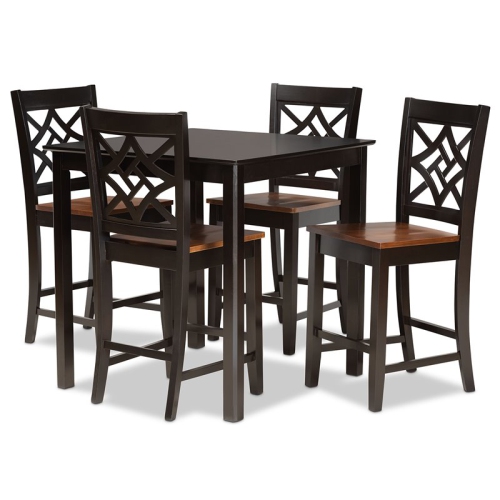
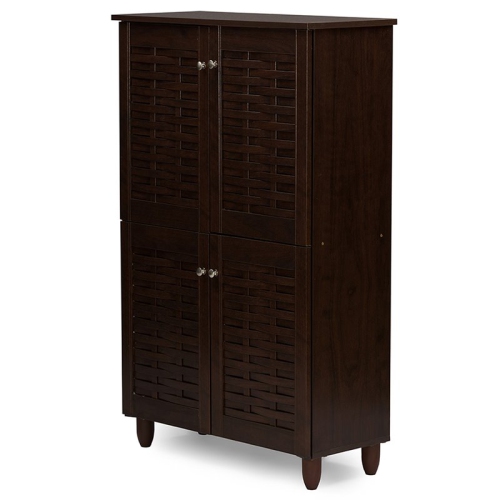
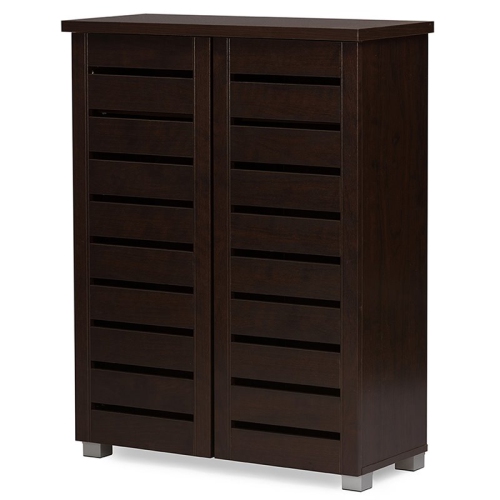
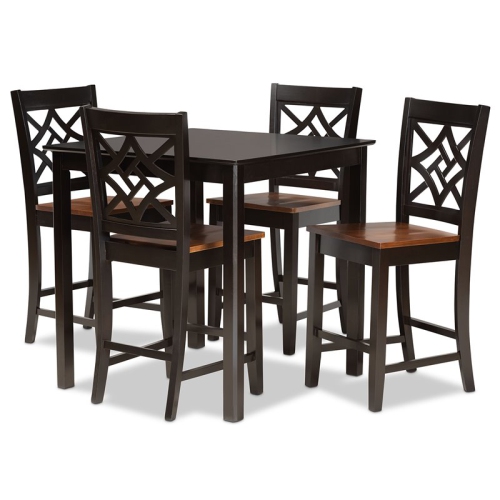
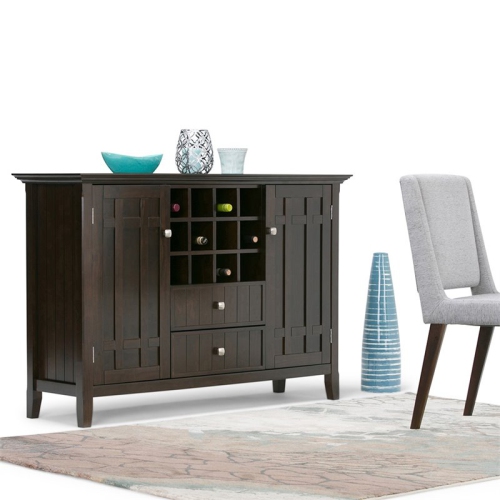

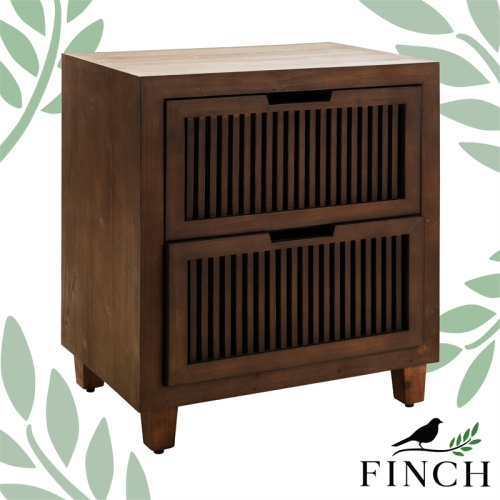
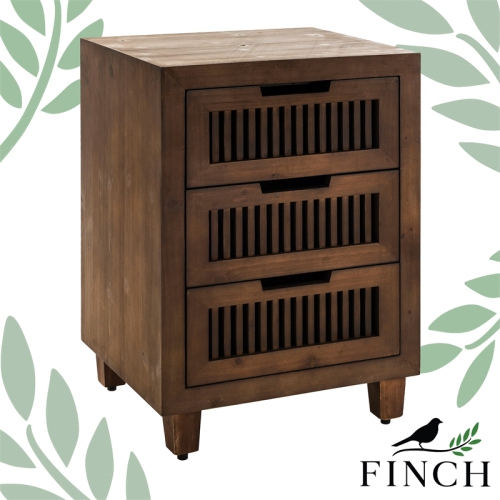
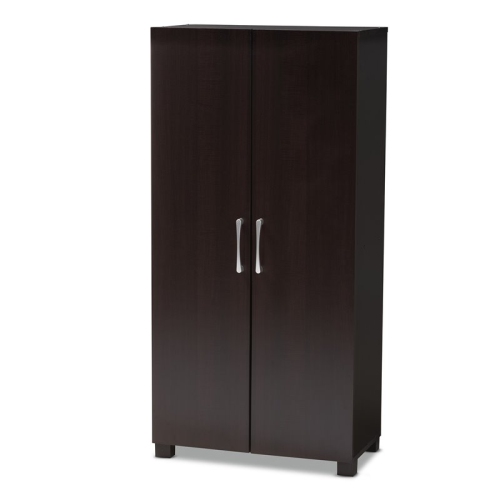
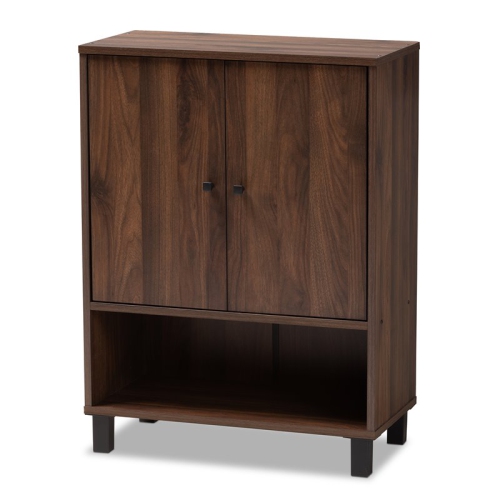
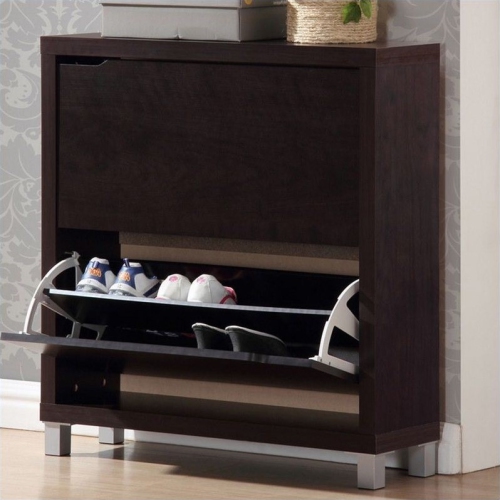
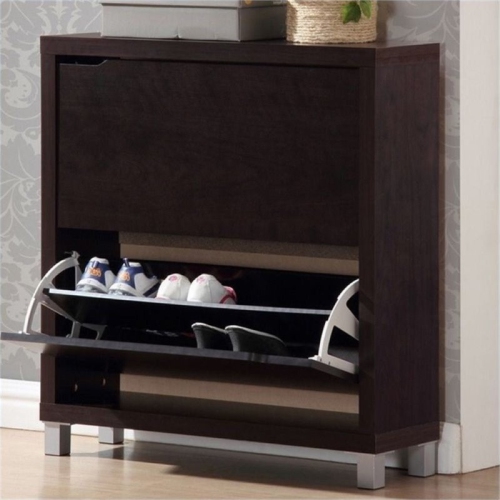
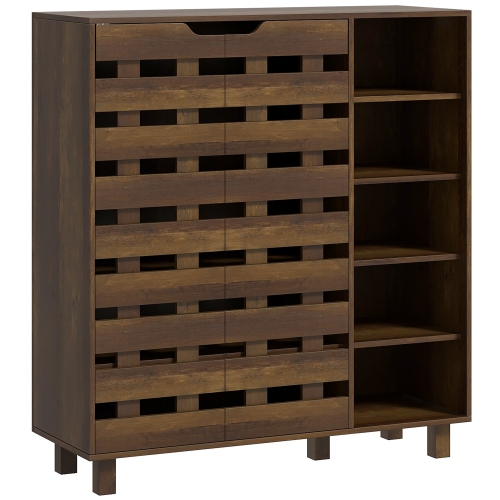
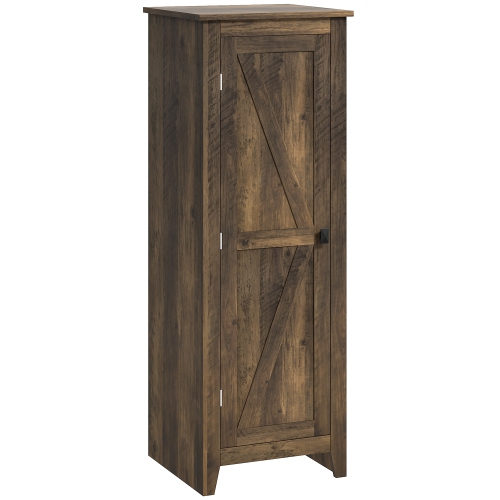
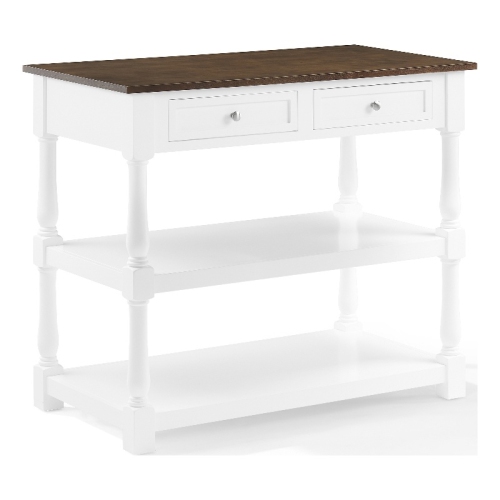
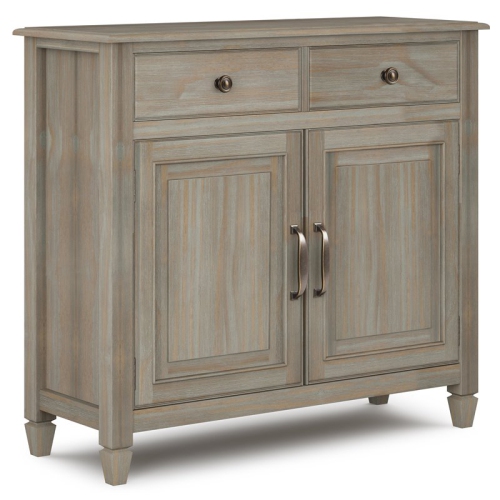
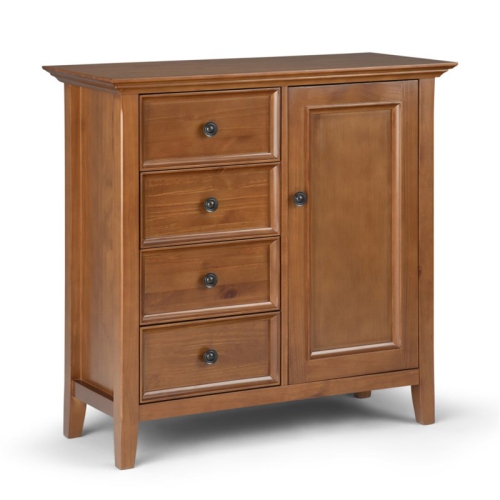
Rich brown tones meet storage behind closed doors
Dark brown cabinets bring a rich, grounded look to a room while giving everyday belongings a place behind closed doors. Their deeper colour can highlight the shape of a cabinet, frame the grain of a wood finish, or create a strong contrast against pale walls and lighter flooring. The effect depends on the details: flat doors and slim metal handles tend to look clean and understated, while panelled fronts, turned feet, and more pronounced trim suit traditional interiors. Dark brown also covers a broad range of tones, from warm chocolate shades with reddish undertones to deep espresso finishes that appear almost black in low light. These differences matter when a cabinet sits beside a dining table, desk, or existing shelving. A close colour match can create continuity, but an intentional contrast often looks more natural than two finishes that almost match. Repeating one element, such as a similar grain pattern or handle finish, helps different pieces feel connected. In a living room, a dark cabinet can balance a light-coloured sofa and keep board games, chargers, and paperwork out of sight. In a dining area, it can provide enclosed space for serving dishes and table linens without making every shelf part of the room’s display. An entryway cabinet offers a landing place for daily essentials, provided its depth leaves enough room to pass comfortably. For a home office, doors help conceal supplies and reduce visual clutter behind a desk. Households with shared living spaces may appreciate separate compartments that make belongings easier to find and put away. Dark brown finishes work particularly well when there is some contrast around them, whether that comes from a pale rug, textured upholstery, or a lighter wall. For a more muted alternative, grey brown cabinets combine brown tones with a softer grey cast. Either colour direction is easiest to assess alongside the room’s largest surfaces and furniture, rather than as an isolated finish.
Materials and construction influence how a dark brown cabinet feels, how much it can hold, and how it wears with regular use. Solid wood can offer distinctive grain and natural variation, although it may respond to changes in indoor humidity and requires care suited to its finish. Wood veneer provides a real wood surface over a supporting core, so its appearance and maintenance needs differ from those of a printed wood-look laminate. Engineered wood with a laminate or other applied surface can give a consistent colour and texture; the quality of the edges, joints, backing, and hardware remains important to everyday performance. A dark finish alone does not indicate the underlying material, and a wood-inspired appearance does not necessarily mean solid wood construction. Material descriptions are therefore useful when comparing cabinets intended for different rooms and routines. Shelves deserve particular attention when the contents will be heavy. Stacks of dishes, books, or small appliances can place substantial weight on a relatively small area, making the stated load limits for each shelf and the cabinet top more meaningful than appearance alone. Adjustable shelves help accommodate tall pitchers or upright folders, while fixed shelves can provide a straightforward layout for consistently sized belongings. Drawers are useful for smaller objects that would otherwise get lost at the back of a deep cupboard. Door hinges, drawer runners, and handles should suit how often the cabinet will be opened and how easily users can reach them. Soft-close hardware, where included, can reduce abrupt closing, but it does not replace careful assembly and correct door alignment. For cabinets used around electronics, purpose-built cable openings and adequate ventilation matter more than simply having enough interior space. A closed cupboard should not be treated as a suitable home for heat-producing equipment unless its design supports that use. Likewise, a general storage cabinet is not automatically appropriate for a bathroom or another area exposed to frequent moisture. Matching the construction to the intended contents and location helps a cabinet remain useful beyond its initial appearance.
Fit involves more than finding a cabinet with the right width. The depth determines how far it projects into a walkway, and the height affects both reach and the visual balance of the room. In a narrow dining space, a shallower cabinet may leave more room to pull out chairs; beside a desk, a lower design may keep supplies within comfortable reach. Interior measurements are just as valuable as exterior dimensions, especially for larger serving pieces, storage bins, or equipment. Door openings, centre dividers, and hinge placement can reduce the usable space even when the overall cabinet seems generous. Allow room for doors to swing fully and drawers to extend without striking nearby furniture. Baseboards, wall outlets, and projecting handles can also affect placement, while delivery access requires checking doorways, stair turns, and lifts where relevant. Assembly requirements are worth considering before choosing a location, since a large cabinet may need floor space to be put together safely. Follow the manufacturer’s directions for levelling and anchoring, using hardware appropriate for the wall type and seeking qualified help when needed. Secure installation is especially important in homes with children or pets, and heavier belongings are generally best placed on lower shelves within the stated weight limits. Once the cabinet is in use, simple care helps protect its appearance. A soft cloth removes dust without unnecessary abrasion, and spills should be wiped promptly rather than allowed to sit along seams or edges. Use cleaning products approved for the surface, avoid soaking panels, and protect the top from wet planters or rough-bottomed objects. Dark finishes can make pale dust, fingerprints, and scratches more noticeable, though the effect varies with the sheen and texture. Occasional checks of hinges and fasteners can help keep doors aligned and movement smooth. With suitable dimensions, practical internal storage, and a finish that complements the room, a dark brown cabinet can serve as both a substantial piece of furniture and a dependable place for the things used every day.
Materials and construction influence how a dark brown cabinet feels, how much it can hold, and how it wears with regular use. Solid wood can offer distinctive grain and natural variation, although it may respond to changes in indoor humidity and requires care suited to its finish. Wood veneer provides a real wood surface over a supporting core, so its appearance and maintenance needs differ from those of a printed wood-look laminate. Engineered wood with a laminate or other applied surface can give a consistent colour and texture; the quality of the edges, joints, backing, and hardware remains important to everyday performance. A dark finish alone does not indicate the underlying material, and a wood-inspired appearance does not necessarily mean solid wood construction. Material descriptions are therefore useful when comparing cabinets intended for different rooms and routines. Shelves deserve particular attention when the contents will be heavy. Stacks of dishes, books, or small appliances can place substantial weight on a relatively small area, making the stated load limits for each shelf and the cabinet top more meaningful than appearance alone. Adjustable shelves help accommodate tall pitchers or upright folders, while fixed shelves can provide a straightforward layout for consistently sized belongings. Drawers are useful for smaller objects that would otherwise get lost at the back of a deep cupboard. Door hinges, drawer runners, and handles should suit how often the cabinet will be opened and how easily users can reach them. Soft-close hardware, where included, can reduce abrupt closing, but it does not replace careful assembly and correct door alignment. For cabinets used around electronics, purpose-built cable openings and adequate ventilation matter more than simply having enough interior space. A closed cupboard should not be treated as a suitable home for heat-producing equipment unless its design supports that use. Likewise, a general storage cabinet is not automatically appropriate for a bathroom or another area exposed to frequent moisture. Matching the construction to the intended contents and location helps a cabinet remain useful beyond its initial appearance.
Fit involves more than finding a cabinet with the right width. The depth determines how far it projects into a walkway, and the height affects both reach and the visual balance of the room. In a narrow dining space, a shallower cabinet may leave more room to pull out chairs; beside a desk, a lower design may keep supplies within comfortable reach. Interior measurements are just as valuable as exterior dimensions, especially for larger serving pieces, storage bins, or equipment. Door openings, centre dividers, and hinge placement can reduce the usable space even when the overall cabinet seems generous. Allow room for doors to swing fully and drawers to extend without striking nearby furniture. Baseboards, wall outlets, and projecting handles can also affect placement, while delivery access requires checking doorways, stair turns, and lifts where relevant. Assembly requirements are worth considering before choosing a location, since a large cabinet may need floor space to be put together safely. Follow the manufacturer’s directions for levelling and anchoring, using hardware appropriate for the wall type and seeking qualified help when needed. Secure installation is especially important in homes with children or pets, and heavier belongings are generally best placed on lower shelves within the stated weight limits. Once the cabinet is in use, simple care helps protect its appearance. A soft cloth removes dust without unnecessary abrasion, and spills should be wiped promptly rather than allowed to sit along seams or edges. Use cleaning products approved for the surface, avoid soaking panels, and protect the top from wet planters or rough-bottomed objects. Dark finishes can make pale dust, fingerprints, and scratches more noticeable, though the effect varies with the sheen and texture. Occasional checks of hinges and fasteners can help keep doors aligned and movement smooth. With suitable dimensions, practical internal storage, and a finish that complements the room, a dark brown cabinet can serve as both a substantial piece of furniture and a dependable place for the things used every day.
Top selling and popular products
-
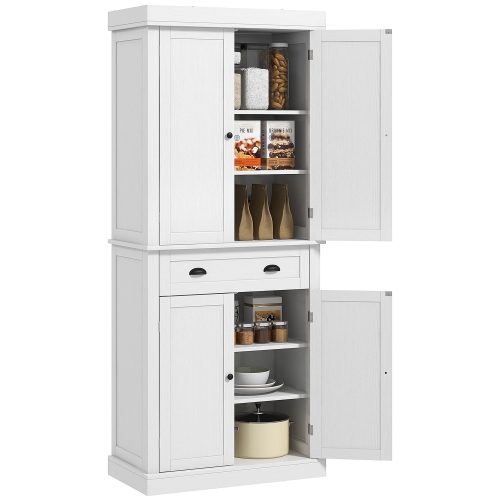 Your price for this item is $267.79
 -
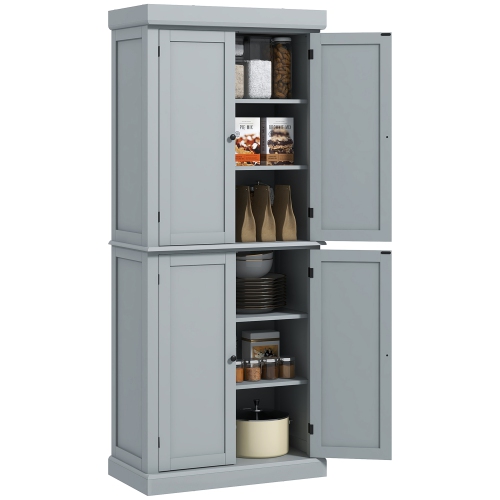 Your price for this item is $299.99
 -
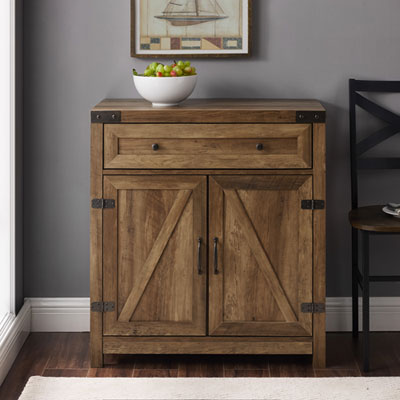 Your price for this item is $401.99
 -
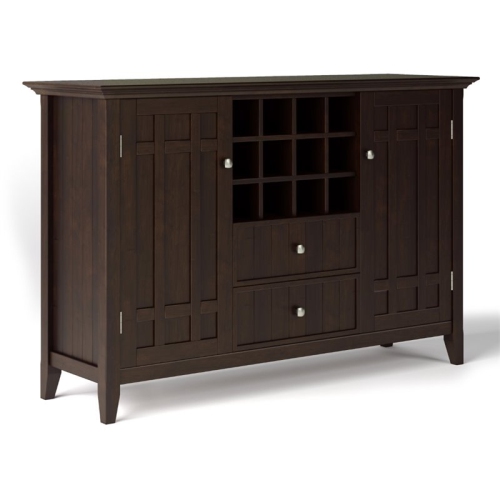 Your price for this item is $1449.04
 -
 Your price for this item is $1463.19
 -
 Your price for this item is $1454.75
 -
 Your price for this item is $593.99
 -
 Your price for this item is $382.68
Discover more categories related to Dark Brown Cabinets

Top Collections:
Pokemon Centers, Kindle Devices, Best Budget Office Chairs, Apple iPhones 16, Best Laptops for Writers, iPhone 15 Apple, Canon G7X Cameras, Refurbished Apple Laptops, Alarm Clock, Motorola Razr Phones
Some products may be subject to Environmental Handling Fees
(EHF) depending on your province.
Learn more about EHFs.