Epiphone Les Paul Modern
Explore the dynamic world of the Epiphone Les Paul Modern, where classic style meets contemporary innovation. Perfect for musicians seeking versatility and outstanding performance, this collection offers an impressive selection designed to suit a wide range of playing preferences. Whether you're practicing at home, recording in the studio, or performing on stage, the Epiphone Les Paul Modern stands out as a top choice for players aiming to elevate their sound and express their creativity. Discover options that cater to both seasoned professionals and aspiring guitarists alike.
Sort
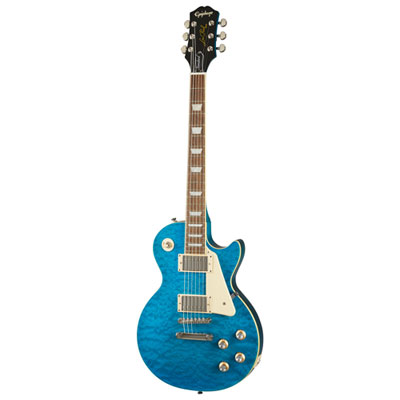
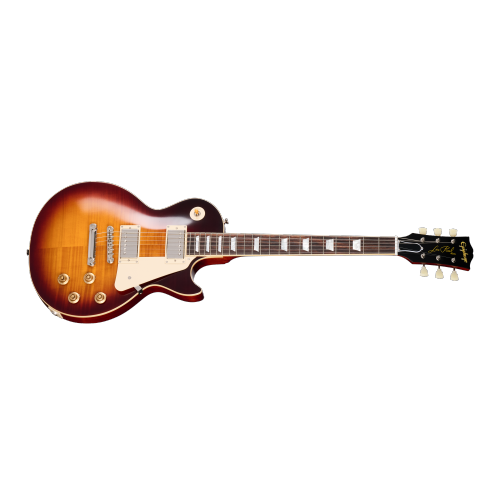
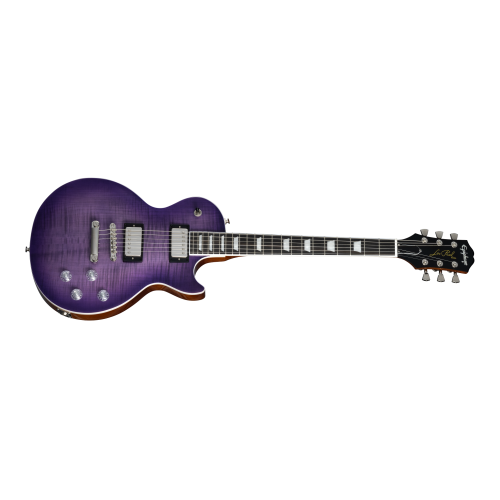
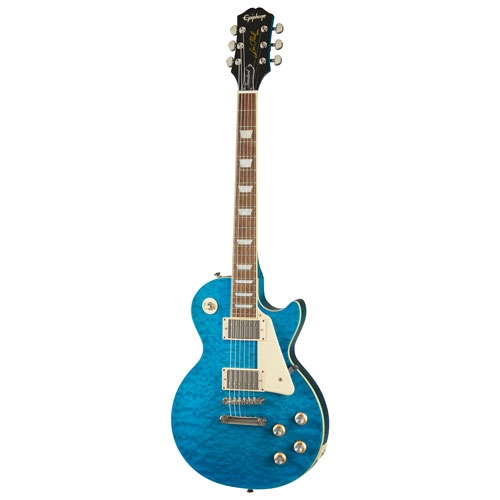
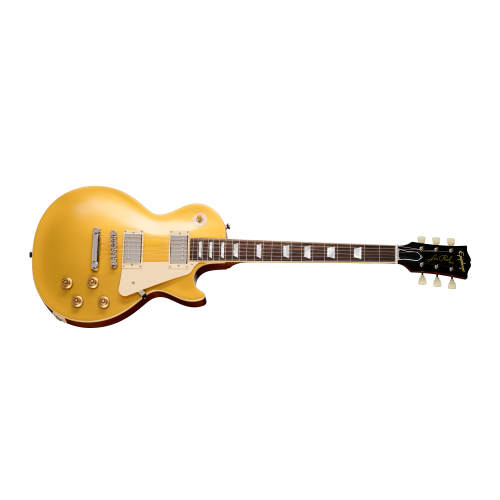
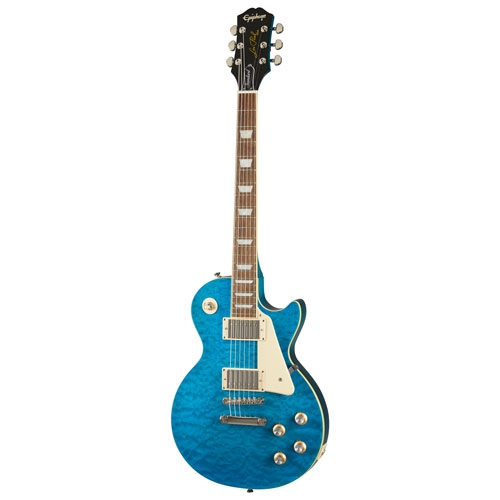
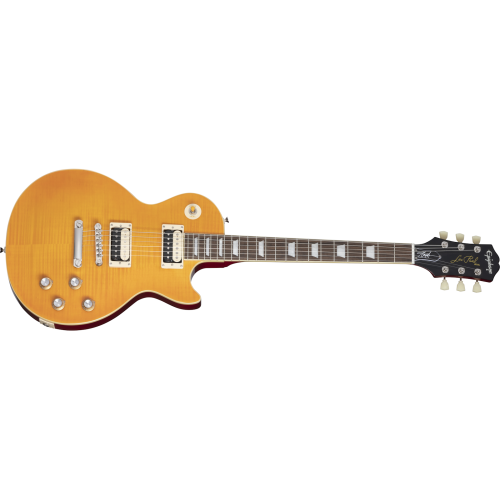
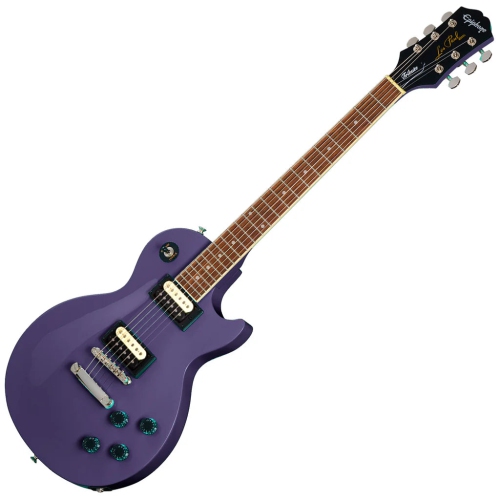
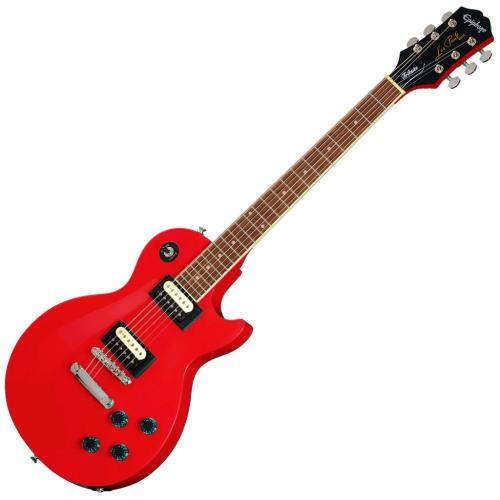
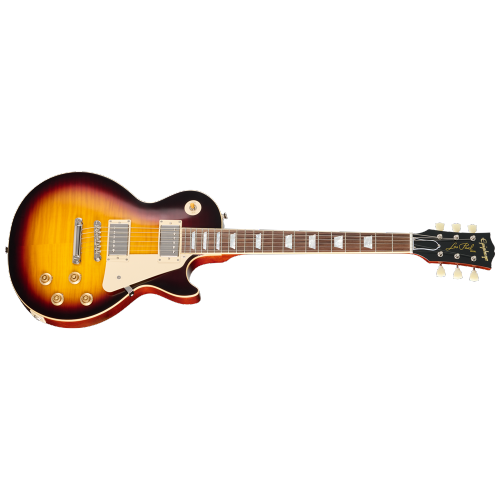
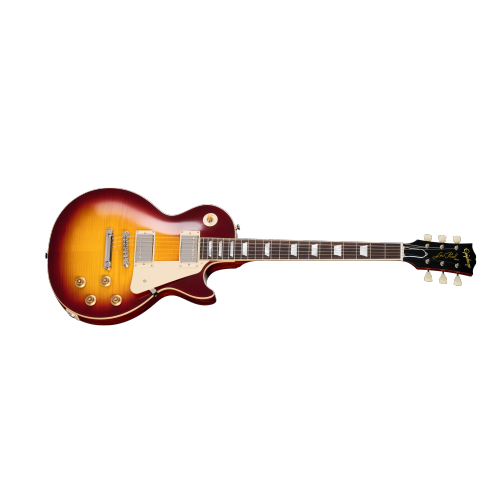
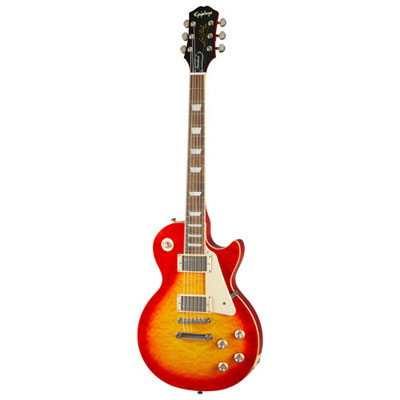

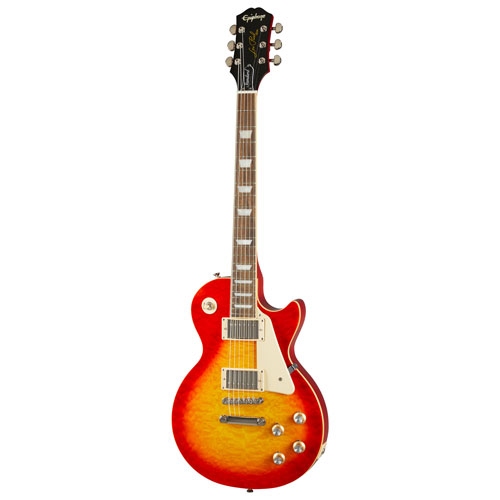
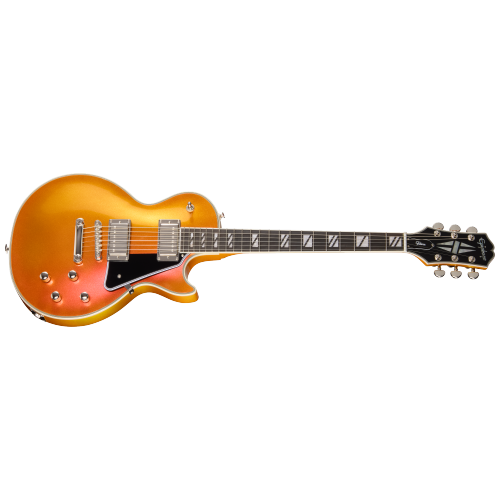
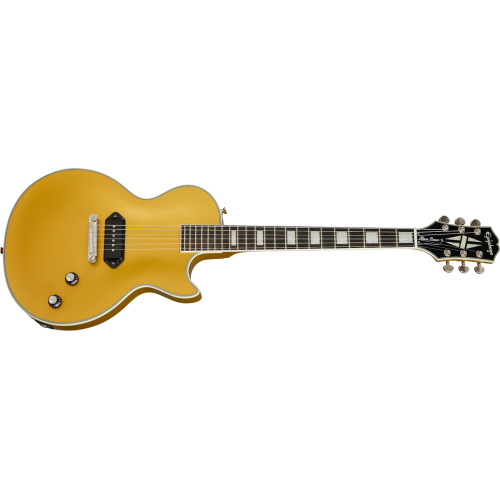

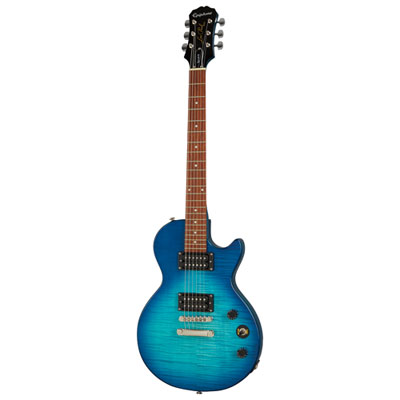
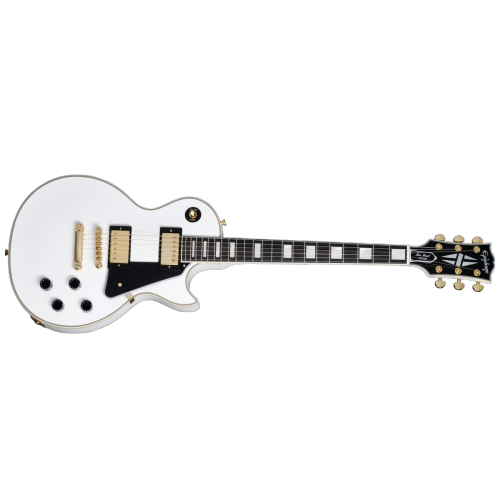
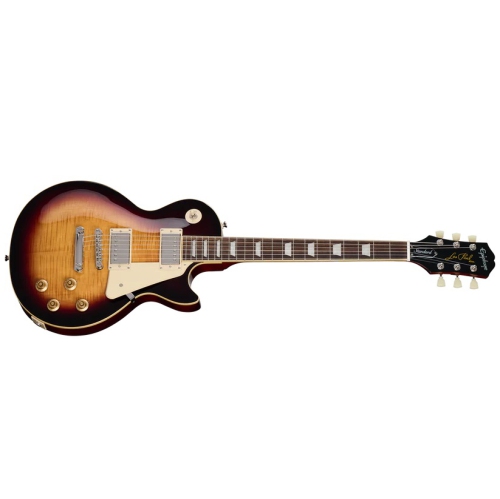
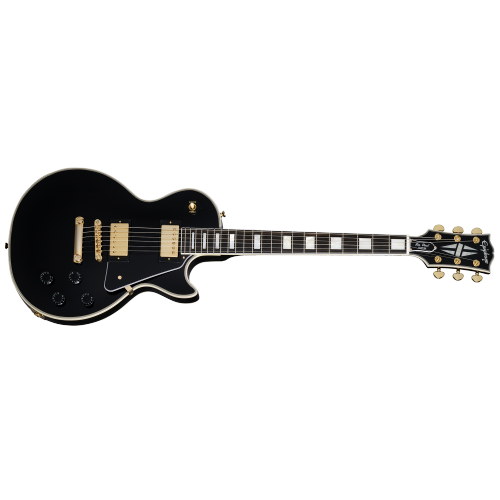
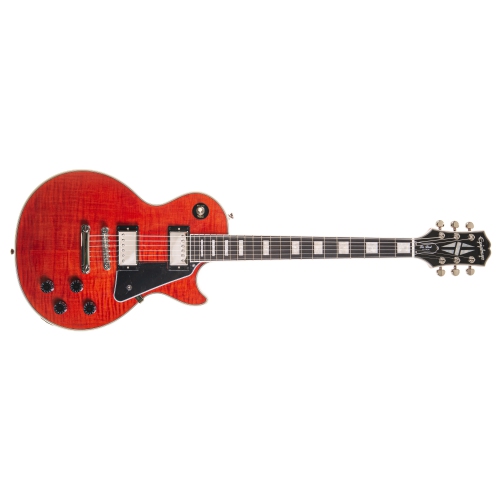
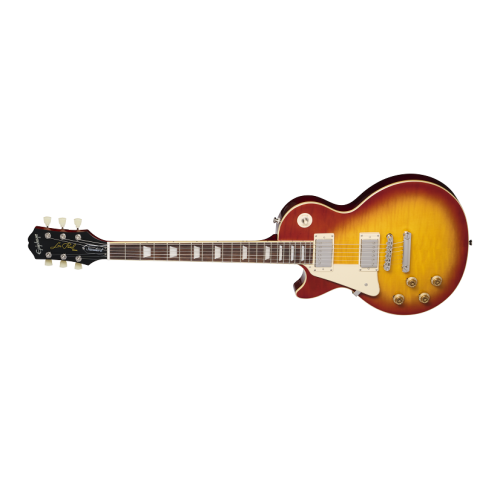
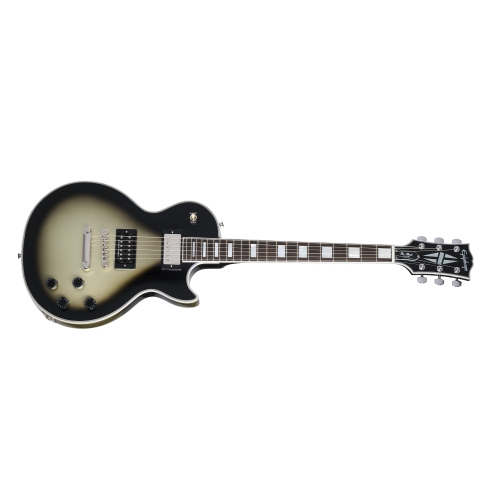
Classic single-cut feel with more sounds within reach
Modern single-cut electric guitars pair the familiar shape and substantial feel of a classic solid-body instrument with features designed for flexible sound and comfortable playing. Their appeal lies in that balance: a carved top, two humbucking pickups, and a set neck retain a traditional foundation, while refinements to body weight, neck shape, and electronics support a wider range of playing styles. Mahogany bodies with maple tops are common in this category, combining a strong structural foundation with a shaped playing surface and room for distinctive finishes. Weight relief removes material from selected areas inside the body, helping reduce the load on the shoulder without changing the instrument’s familiar outline. Overall weight still varies, so balance against the body matters as much as a specification on a page. A guitar that sits comfortably on the thigh during a quiet practice session should also feel manageable on a strap during a lengthy rehearsal. Slim, asymmetrical neck profiles offer another practical refinement, shaping the back of the neck differently on the bass and treble sides to accommodate the fretting hand. A contoured neck heel reduces the obstruction where the neck meets the body, making higher positions easier to reach for melodic solos and chord voicings above the twelfth fret. Ebony fingerboards provide a smooth, firm playing surface, while medium-jumbo frets offer enough height for controlled bends and vibrato without requiring the fingers to press hard against the wood. A 22-fret layout covers a broad musical range, although the feel of the fret edges, string height, and neck relief has a more immediate effect on everyday comfort. These details suit players moving beyond a first electric guitar, experienced musicians who prefer a familiar body shape with updated functionality, and songwriters looking for an instrument that can move between rhythm parts and expressive lead lines. For someone accustomed to an acoustic guitar, the lighter fretting pressure of a well-adjusted electric can feel inviting, though the shorter body and different balance may take some adjustment.
The electronics are central to the versatility of this style of guitar. A pair of humbuckers typically delivers a full, focused sound with reduced electrical hum compared with traditional single-coil pickups. The bridge position brings definition to palm-muted riffs and cutting lead passages, while the neck position offers a rounder voice for sustained melodies, clean chord work, and warmer overdriven textures. Selecting both pickups creates another useful starting point, particularly when separate volume controls allow their contributions to be blended. Push-pull controls expand those sounds without adding a crowded bank of switches to the guitar’s top. Where fitted, coil splitting turns off one coil of a humbucker for a leaner, brighter response; it does not exactly duplicate a dedicated single-coil guitar, and some additional hum is normal. A phase switch changes the relationship between the pickups when both are selected, producing a thinner, more hollow sound that can help a rhythmic part find space in a busy arrangement. A treble-bleed circuit helps retain high-frequency detail as the volume is lowered, making the volume knob useful for more than simply turning down. A player can ease back for a clearer verse, then raise the level for a more forceful chorus without reaching for the amplifier. The result still depends on the amp, effects, string choice, and picking technique, so these controls are best understood as additional colours rather than fixed genre settings. They can serve blues phrasing, layered rock arrangements, articulate pop rhythms, and heavier passages with suitable amplification. Locking tuners add convenience during string changes by securing the string at the tuning post, reducing the number of wraps needed. They are not a substitute for a correctly cut nut, properly stretched strings, or a sound setup, all of which contribute to tuning stability. A well-fitted nut helps strings move smoothly as they are tuned or bent, and an adjustable bridge allows string height and intonation to be set accurately. For a related take on the single-cut format, Epiphone Les Paul Prophecy offers another point of comparison, with pickup design, neck feel, and control layout among the useful distinctions to consider.
Living with a modern single-cut guitar involves a few practical choices that make its features more useful over time. String gauge is a good example: lighter strings generally make bends easier, while heavier strings offer a firmer feel and may better support lower tunings when the instrument is set up accordingly. Changing gauge or tuning can affect neck relief, string height, and intonation, so a professional setup can be worthwhile rather than treating each adjustment in isolation. Comfortable action should allow notes to ring clearly under the player’s usual touch; a very low setting that suits gentle picking may buzz under an assertive rhythm hand. Strap width and length also matter, especially with a substantial solid-body guitar. A supportive strap can distribute weight more comfortably, while a sensible playing height keeps the fretting wrist from bending excessively. For home practice, an amplifier or headphone-capable guitar interface provides a more useful listening experience than judging the instrument only by its unplugged sound. Recording players may value quiet humbucking settings for layered parts and use split-coil sounds when a brighter texture is needed. Rehearsal and stage use place more emphasis on dependable cable connections, secure strap attachments, and controls that are easy to reach between phrases. Routine care is straightforward: wipe strings and contact surfaces with a clean, soft cloth after playing, use cleaning materials intended for the particular finish, and avoid household sprays that can leave residue or damage surfaces. Fingerboard care should suit the wood and finish rather than follow a universal treatment schedule. A correctly fitted case supports the instrument during transport, with particular attention to the neck and angled headstock; loose accessories should stay in their compartments rather than move against the finish. As a gift, this type of guitar is most successful when the recipient’s preferred handedness, neck feel, body weight, and musical interests are known. Finish and colour can make a strong personal impression, but comfortable playability and suitable electronics are the qualities that keep the instrument in regular use.
The electronics are central to the versatility of this style of guitar. A pair of humbuckers typically delivers a full, focused sound with reduced electrical hum compared with traditional single-coil pickups. The bridge position brings definition to palm-muted riffs and cutting lead passages, while the neck position offers a rounder voice for sustained melodies, clean chord work, and warmer overdriven textures. Selecting both pickups creates another useful starting point, particularly when separate volume controls allow their contributions to be blended. Push-pull controls expand those sounds without adding a crowded bank of switches to the guitar’s top. Where fitted, coil splitting turns off one coil of a humbucker for a leaner, brighter response; it does not exactly duplicate a dedicated single-coil guitar, and some additional hum is normal. A phase switch changes the relationship between the pickups when both are selected, producing a thinner, more hollow sound that can help a rhythmic part find space in a busy arrangement. A treble-bleed circuit helps retain high-frequency detail as the volume is lowered, making the volume knob useful for more than simply turning down. A player can ease back for a clearer verse, then raise the level for a more forceful chorus without reaching for the amplifier. The result still depends on the amp, effects, string choice, and picking technique, so these controls are best understood as additional colours rather than fixed genre settings. They can serve blues phrasing, layered rock arrangements, articulate pop rhythms, and heavier passages with suitable amplification. Locking tuners add convenience during string changes by securing the string at the tuning post, reducing the number of wraps needed. They are not a substitute for a correctly cut nut, properly stretched strings, or a sound setup, all of which contribute to tuning stability. A well-fitted nut helps strings move smoothly as they are tuned or bent, and an adjustable bridge allows string height and intonation to be set accurately. For a related take on the single-cut format, Epiphone Les Paul Prophecy offers another point of comparison, with pickup design, neck feel, and control layout among the useful distinctions to consider.
Living with a modern single-cut guitar involves a few practical choices that make its features more useful over time. String gauge is a good example: lighter strings generally make bends easier, while heavier strings offer a firmer feel and may better support lower tunings when the instrument is set up accordingly. Changing gauge or tuning can affect neck relief, string height, and intonation, so a professional setup can be worthwhile rather than treating each adjustment in isolation. Comfortable action should allow notes to ring clearly under the player’s usual touch; a very low setting that suits gentle picking may buzz under an assertive rhythm hand. Strap width and length also matter, especially with a substantial solid-body guitar. A supportive strap can distribute weight more comfortably, while a sensible playing height keeps the fretting wrist from bending excessively. For home practice, an amplifier or headphone-capable guitar interface provides a more useful listening experience than judging the instrument only by its unplugged sound. Recording players may value quiet humbucking settings for layered parts and use split-coil sounds when a brighter texture is needed. Rehearsal and stage use place more emphasis on dependable cable connections, secure strap attachments, and controls that are easy to reach between phrases. Routine care is straightforward: wipe strings and contact surfaces with a clean, soft cloth after playing, use cleaning materials intended for the particular finish, and avoid household sprays that can leave residue or damage surfaces. Fingerboard care should suit the wood and finish rather than follow a universal treatment schedule. A correctly fitted case supports the instrument during transport, with particular attention to the neck and angled headstock; loose accessories should stay in their compartments rather than move against the finish. As a gift, this type of guitar is most successful when the recipient’s preferred handedness, neck feel, body weight, and musical interests are known. Finish and colour can make a strong personal impression, but comfortable playability and suitable electronics are the qualities that keep the instrument in regular use.
Top selling and popular products
-
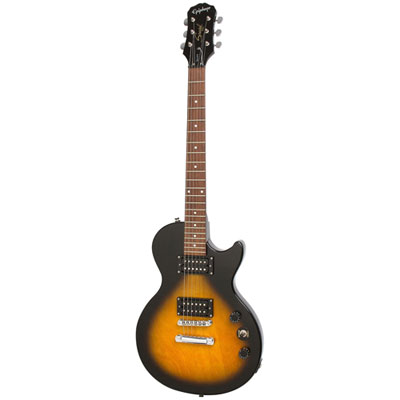 Your price for this item is $299.99
 -
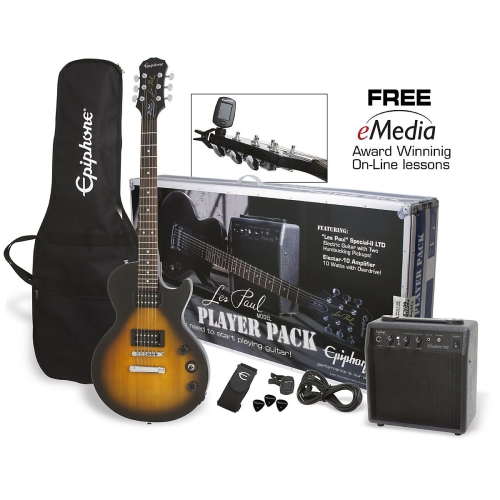 Your price for this item is $429
 -
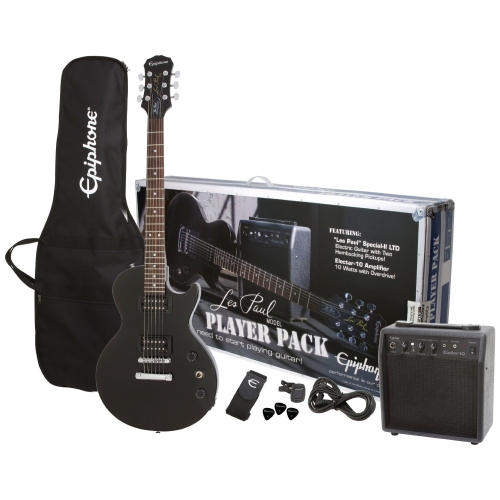 Your price for this item is $494.49
 -
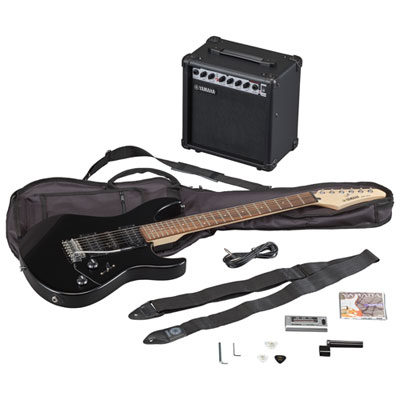 Your price for this item is $349.99
 -
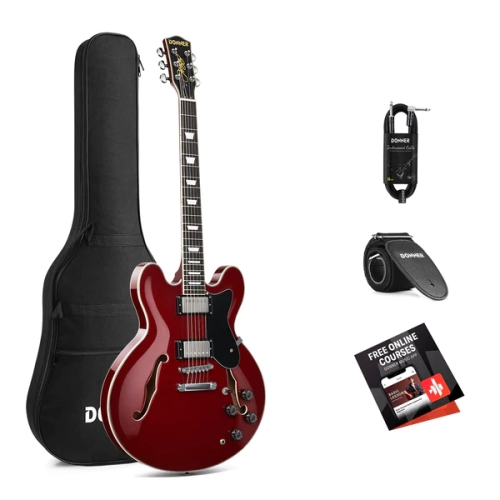 Your price for this item is $395.99
 -
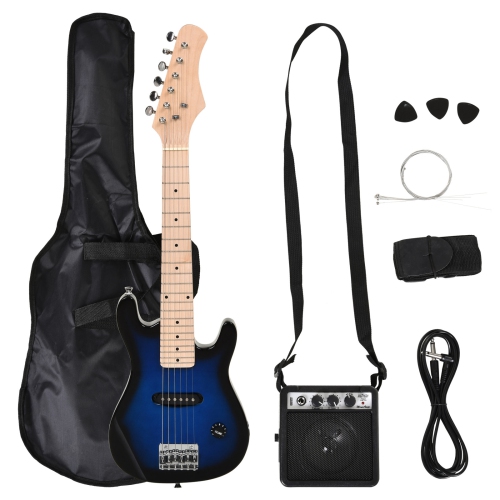 Your price for this item is $116.99
 -
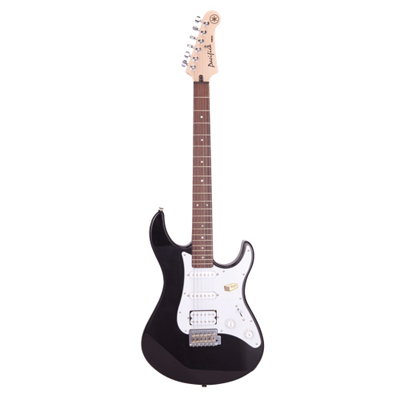 Your price for this item is $279.99
 -
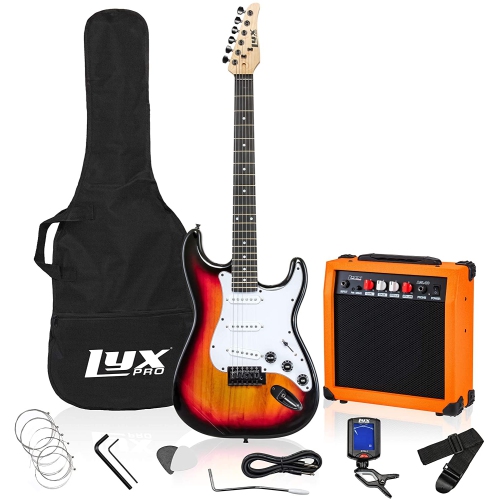 Your price for this item is $239.99
Discover more categories related to Epiphone Les Paul Modern
Top Collections:
Pokemon Centers, Kindle Devices, Best Budget Office Chairs, Apple iPhones 16, Best Laptops for Writers, iPhone 15 Apple, Canon G7X Cameras, Refurbished Apple Laptops, Alarm Clock, Motorola Razr Phones
Some products may be subject to Environmental Handling Fees
(EHF) depending on your province.
Learn more about EHFs.