14 K White Gold Diamond Wedding Bands
Elevate your special day with the timeless beauty of 14k white gold diamond wedding bands. These elegant rings offer a brilliant way to symbolize your love and commitment, combining classic style with a touch of sophistication. Whether you prefer a subtle sparkle or a bold statement, discover a variety of designs crafted to suit every taste. Find the perfect 14k white gold diamond wedding band to celebrate your unique love story.
Sort
What to know about durability, settings, fit, and care
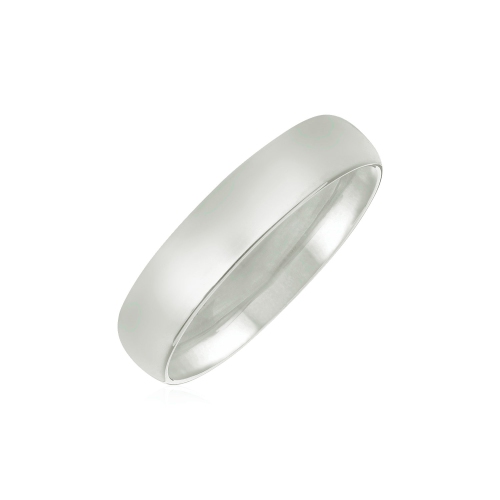
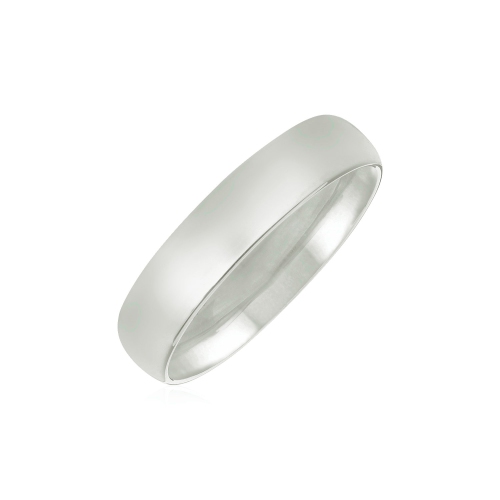
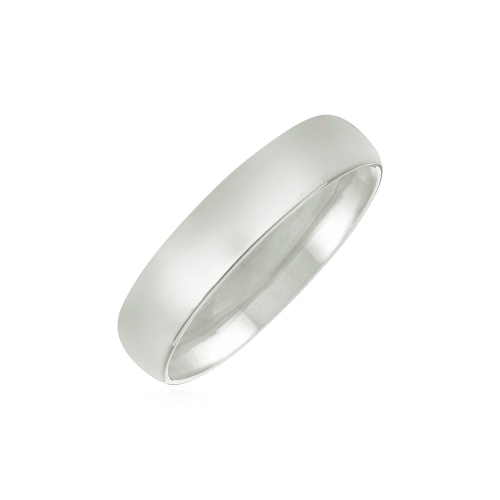
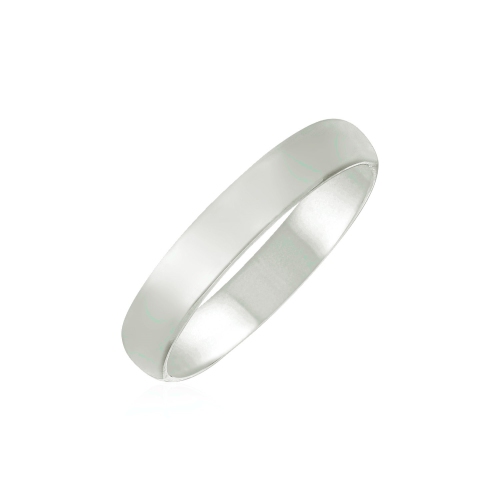
14K white gold diamond wedding bands combine a bright, polished appearance with the practical strength needed for regular wear. The “14K” designation means the gold is 58.3% pure gold, with the balance made up of other metals that help improve durability, structure, and resistance to everyday wear. This makes 14K gold a popular choice for a wedding band that may be worn through work, travel, celebrations, and ordinary routines. White gold has a naturally soft grey-white tone and is commonly finished with rhodium plating to create a highly reflective surface that complements the sparkle of diamonds. Over time, the plating can gradually wear away, particularly on the underside of the band and along the edges that come into frequent contact with other surfaces. A jeweller can typically refresh the finish through professional cleaning and re-plating, helping restore its bright appearance. Pricing for 14K white gold diamond wedding bands commonly falls between $1,000 and $4,500 CAD, although the final cost depends on the total diamond weight, diamond quality, setting design, band width, and craftsmanship. A narrower accent band with approximately 1/5 carat total weight may sit toward the lower end of that range, while a 0.50 carat total weight band or a fuller eternity style may cost more. Bands featuring larger total diamond weights, premium diamond grades, or more elaborate construction can reach the higher end. When comparing options, look beyond carat weight alone. The cut of each diamond affects how much light it reflects, while colour and clarity influence its appearance and price. In a band made with many small diamonds, consistency across the stones can create a smooth, unified look. A jewellery specification may use “ct. tw.”, meaning carat total weight, to describe the combined weight of all the diamonds in the ring rather than the weight of one centre stone.
The setting plays an important role in both appearance and everyday practicality. Channel settings place diamonds in a secure row between metal edges, creating a neat, streamlined surface that pairs well with a classic engagement ring or looks polished on its own. Pavé settings use small beads of metal to hold closely spaced diamonds, producing a continuous shimmer across the top of the band while retaining a delicate profile. Prong settings expose more of each diamond to light, which can make the stones appear especially bright, although the raised points should be checked periodically to ensure they remain secure. Bezel-style details may provide additional protection around individual stones and can suit someone who prefers a smoother feel against neighbouring fingers. The shape and profile of the band also matter. A softly rounded interior, sometimes called a comfort fit, can make a ring easier to wear throughout a long day, while a flatter profile may sit neatly beside a particular engagement ring. Band width is worth considering as well: a slim design can provide a subtle line of sparkle and leave room for stacking, whereas a wider band creates a stronger visual presence and may feel more substantial. Couples choosing rings together often compare the band’s metal colour, diamond arrangement, and finish with existing jewellery. Matching does not have to mean identical; two rings can feel coordinated through a shared metal tone, similar profiles, or complementary details. A 14K white gold diamond band can also be a thoughtful anniversary, vow renewal, engagement, or wedding gift, especially when its style reflects the recipient’s usual jewellery preferences. For additional styles in a similar category, browse White Gold Diamond Wedding Rings.
Before choosing a band, consider how it will be worn and what maintenance will fit comfortably into the recipient’s routine. A ring intended for daily wear should feel secure without being restrictive, with enough room for natural finger movement and minimal snagging on clothing. Accurate sizing is important, particularly for bands with diamonds that extend around much of the ring, since resizing may be more limited than with a simple gold band. Finger size can also change with temperature, activity, and time of day, so a professional measurement is a sensible step before ordering. Check the listed diamond total weight, metal purity, dimensions, setting type, and care instructions, and confirm whether the ring comes with documentation describing the stones and materials. For a coordinated set, compare the height of the wedding band with the engagement ring to see whether the two sit flush or create a deliberate contour. Some people prefer a clean, uninterrupted line of diamonds, while others choose a partial band that leaves more metal at the back for comfort and easier future sizing. Regular care is straightforward: wipe the ring with a soft, lint-free cloth after wearing it, clean it with mild soapy water when needed, and dry it thoroughly. Avoid exposing the band to chlorine, harsh cleaning products, and abrasive materials, and remove it before activities that could cause impact or catch the setting. During the cooler months, gloves, coat pockets, and layered clothing can place extra pressure on raised stones, making a quick visual check especially useful. Have the diamonds and prongs inspected by a qualified jeweller from time to time, particularly if the ring is worn every day. With a suitable setting, careful fit, and consistent care, a 14K white gold diamond wedding band can provide a refined, meaningful finish to a wedding set while remaining comfortable for the everyday moments that give the ring its lasting significance.
The setting plays an important role in both appearance and everyday practicality. Channel settings place diamonds in a secure row between metal edges, creating a neat, streamlined surface that pairs well with a classic engagement ring or looks polished on its own. Pavé settings use small beads of metal to hold closely spaced diamonds, producing a continuous shimmer across the top of the band while retaining a delicate profile. Prong settings expose more of each diamond to light, which can make the stones appear especially bright, although the raised points should be checked periodically to ensure they remain secure. Bezel-style details may provide additional protection around individual stones and can suit someone who prefers a smoother feel against neighbouring fingers. The shape and profile of the band also matter. A softly rounded interior, sometimes called a comfort fit, can make a ring easier to wear throughout a long day, while a flatter profile may sit neatly beside a particular engagement ring. Band width is worth considering as well: a slim design can provide a subtle line of sparkle and leave room for stacking, whereas a wider band creates a stronger visual presence and may feel more substantial. Couples choosing rings together often compare the band’s metal colour, diamond arrangement, and finish with existing jewellery. Matching does not have to mean identical; two rings can feel coordinated through a shared metal tone, similar profiles, or complementary details. A 14K white gold diamond band can also be a thoughtful anniversary, vow renewal, engagement, or wedding gift, especially when its style reflects the recipient’s usual jewellery preferences. For additional styles in a similar category, browse White Gold Diamond Wedding Rings.
Before choosing a band, consider how it will be worn and what maintenance will fit comfortably into the recipient’s routine. A ring intended for daily wear should feel secure without being restrictive, with enough room for natural finger movement and minimal snagging on clothing. Accurate sizing is important, particularly for bands with diamonds that extend around much of the ring, since resizing may be more limited than with a simple gold band. Finger size can also change with temperature, activity, and time of day, so a professional measurement is a sensible step before ordering. Check the listed diamond total weight, metal purity, dimensions, setting type, and care instructions, and confirm whether the ring comes with documentation describing the stones and materials. For a coordinated set, compare the height of the wedding band with the engagement ring to see whether the two sit flush or create a deliberate contour. Some people prefer a clean, uninterrupted line of diamonds, while others choose a partial band that leaves more metal at the back for comfort and easier future sizing. Regular care is straightforward: wipe the ring with a soft, lint-free cloth after wearing it, clean it with mild soapy water when needed, and dry it thoroughly. Avoid exposing the band to chlorine, harsh cleaning products, and abrasive materials, and remove it before activities that could cause impact or catch the setting. During the cooler months, gloves, coat pockets, and layered clothing can place extra pressure on raised stones, making a quick visual check especially useful. Have the diamonds and prongs inspected by a qualified jeweller from time to time, particularly if the ring is worn every day. With a suitable setting, careful fit, and consistent care, a 14K white gold diamond wedding band can provide a refined, meaningful finish to a wedding set while remaining comfortable for the everyday moments that give the ring its lasting significance.
Top selling and popular products
-
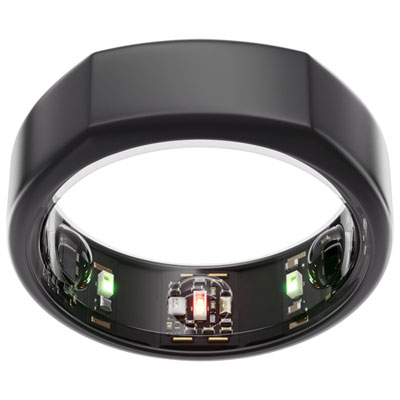 Your price for this item is $369.99
 -
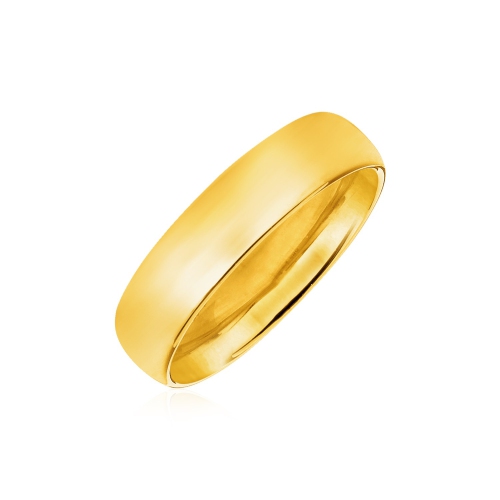 Your price for this item is $486.49
 -
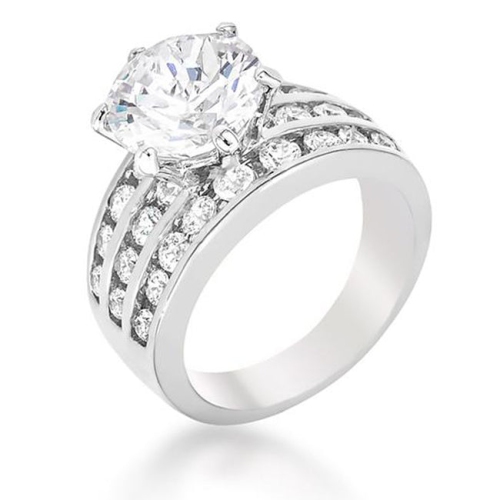 Your price for this item is $151.05
 -
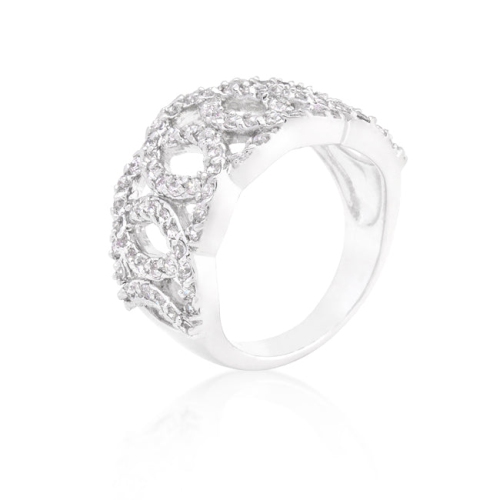 Your price for this item is $145.95
 -
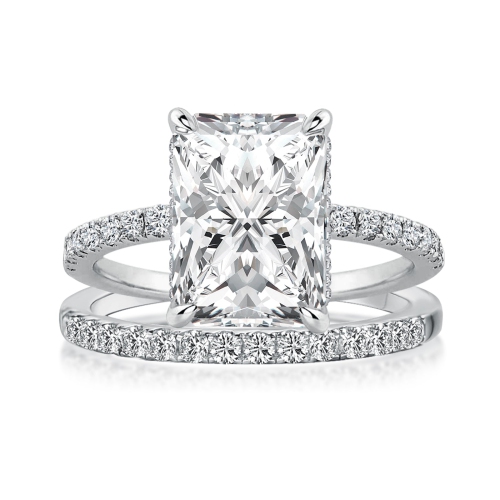 Your price for this item is $801.45
 -
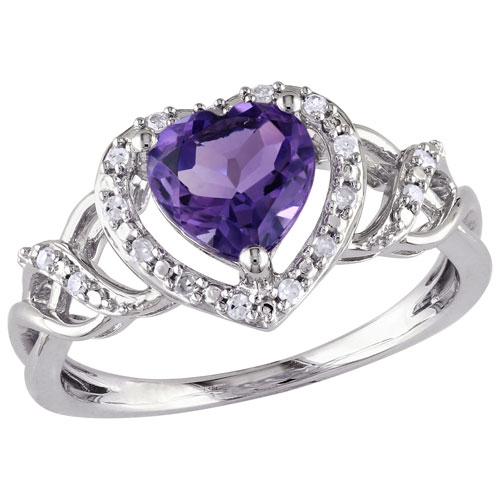 Your price for this item is $95
 -
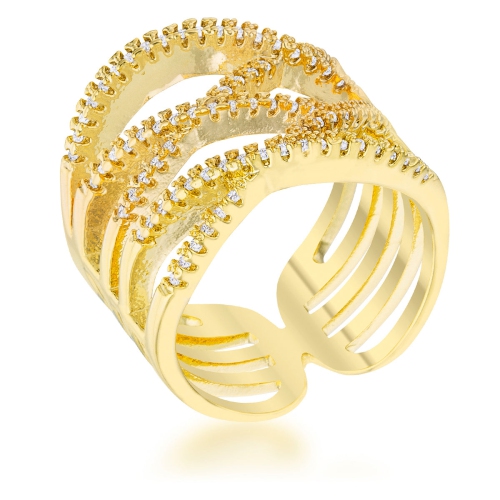 Your price for this item is $158.7
 -
 Your price for this item is $139.99
Discover more categories related to 14 K White Gold Diamond Wedding Bands
Top Collections:
Pokemon Centers, Budget 4K TVs, Best Budget Office Chairs, Kindle Devices, Canon G7X Cameras, Apple iPhones 16, iPhone 15 Apple, Laptops for Business Work, Xiaomi Phones, Flip Phones
Some products may be subject to Environmental Handling Fees
(EHF) depending on your province.
Learn more about EHFs.