Automatic Movement Watches
Upgrade your style with the precision and sophistication of automatic-movement watches. These timepieces are more than just accessories; they are a testament to craftsmanship and innovation. With their intricate inner workings and self-winding mechanisms, automatic movement watches offer a seamless blend of artistry and functionality. Whether you're a seasoned watch enthusiast or looking to make a statement with your everyday attire, our collection of automatic movement watches is sure to elevate your wrist game.
Sort








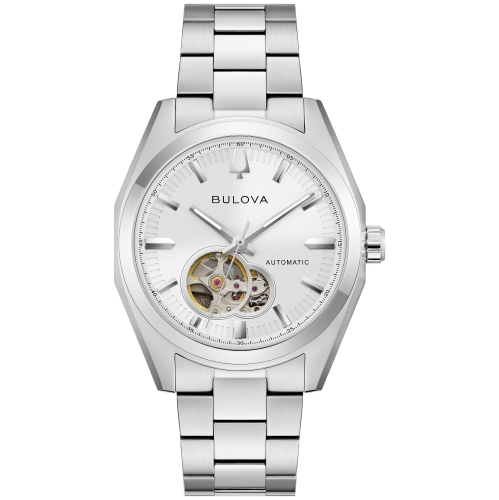
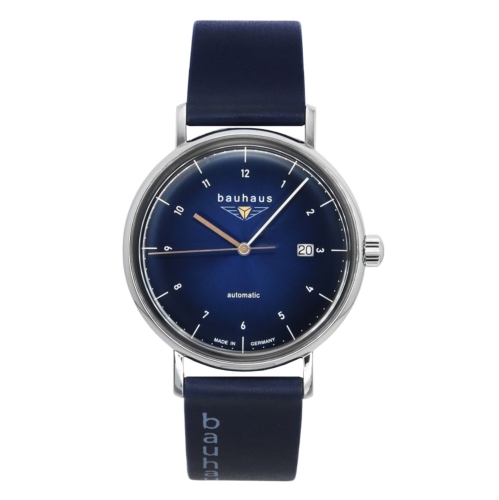
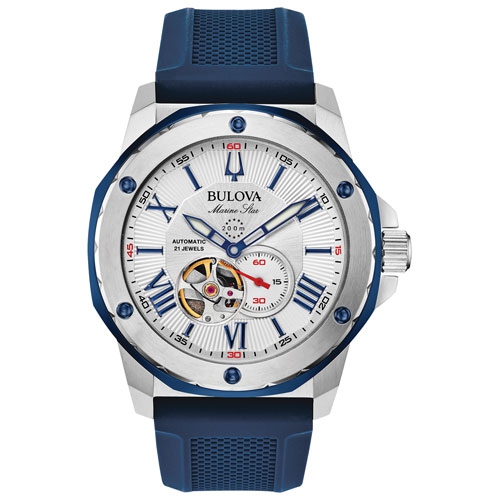


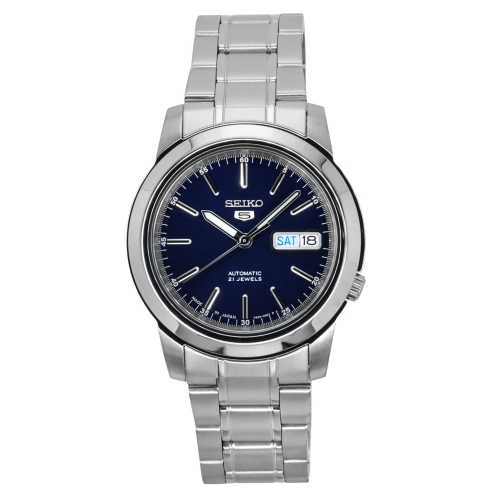






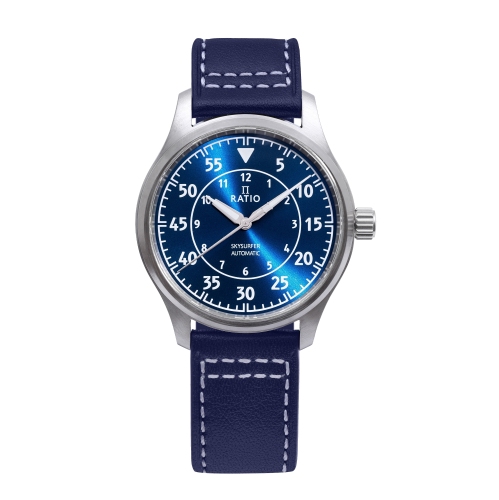

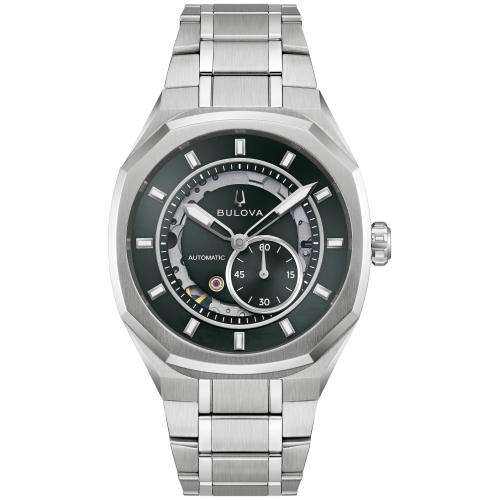
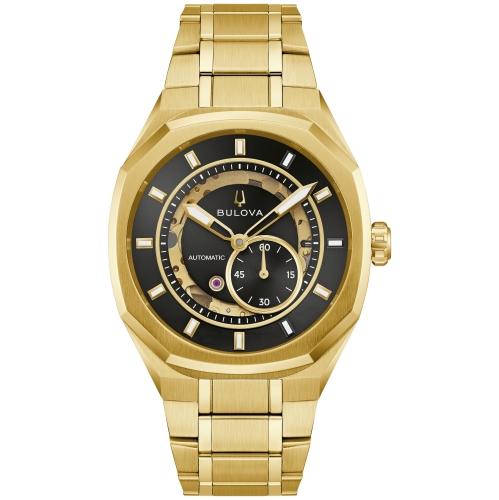
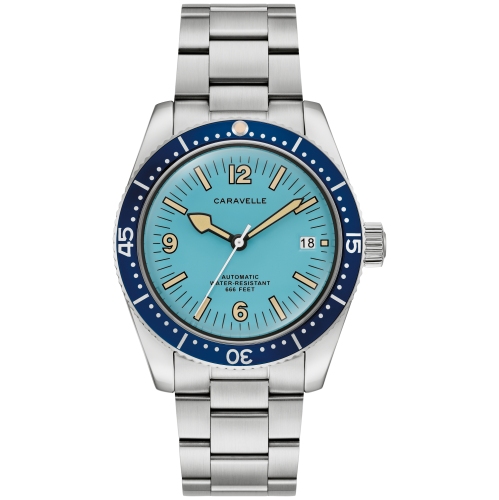







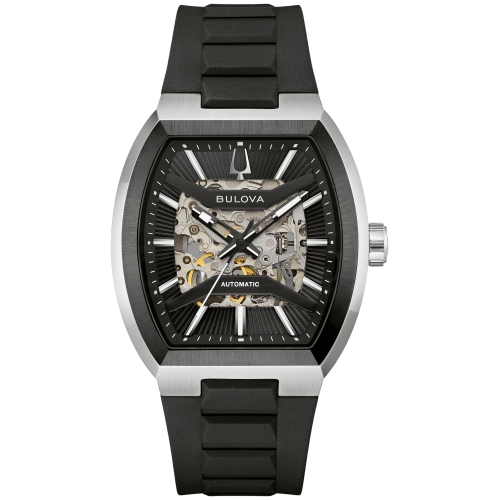


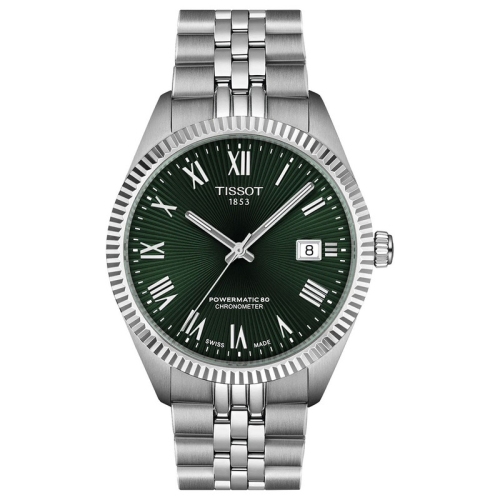


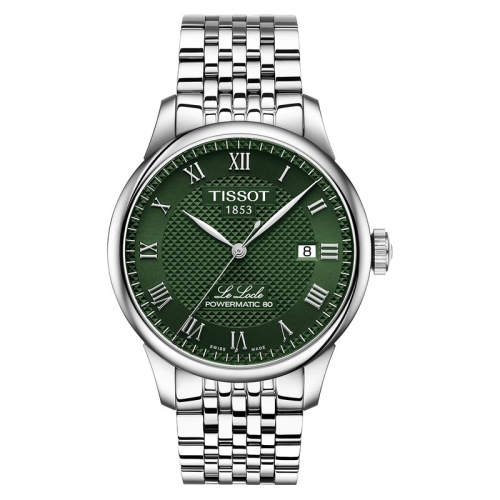

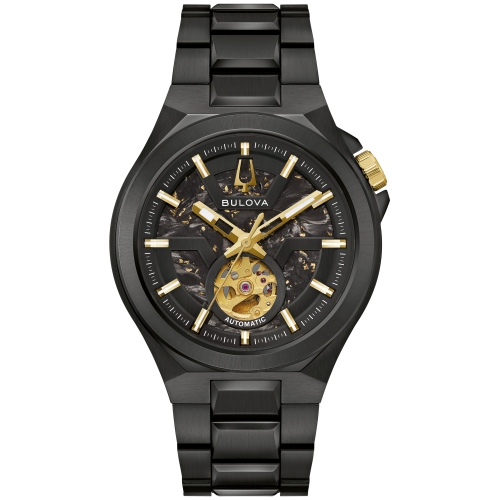

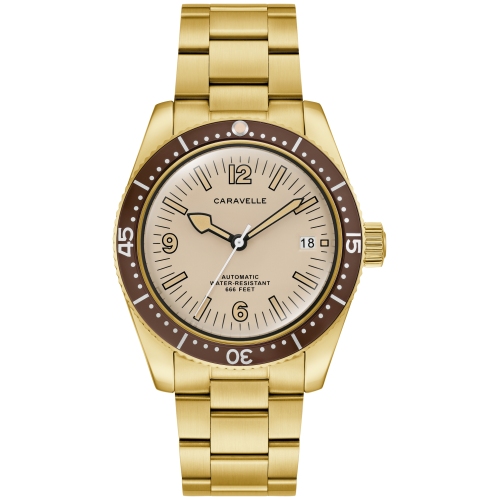
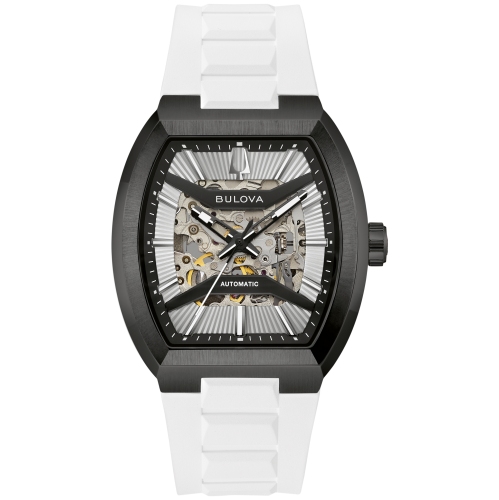

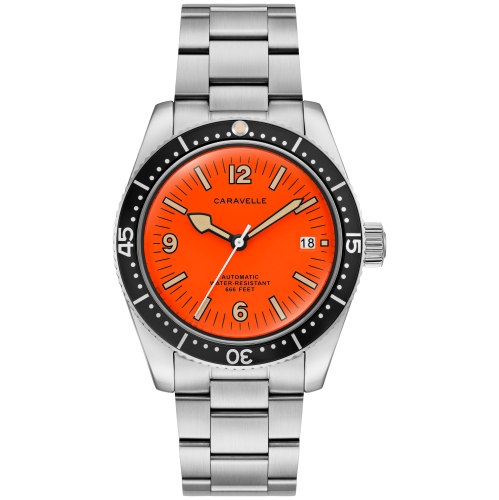
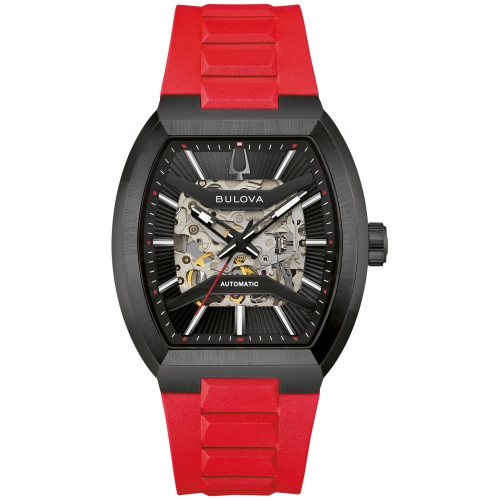


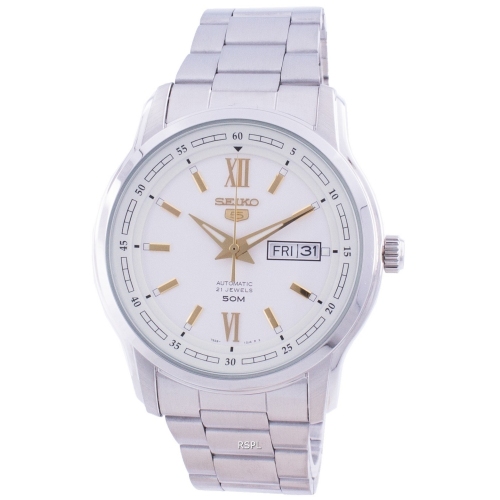
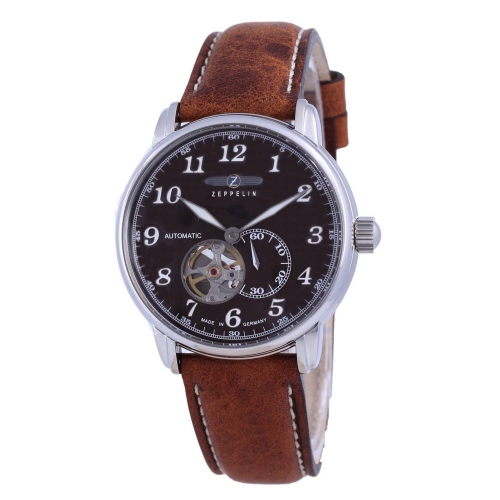


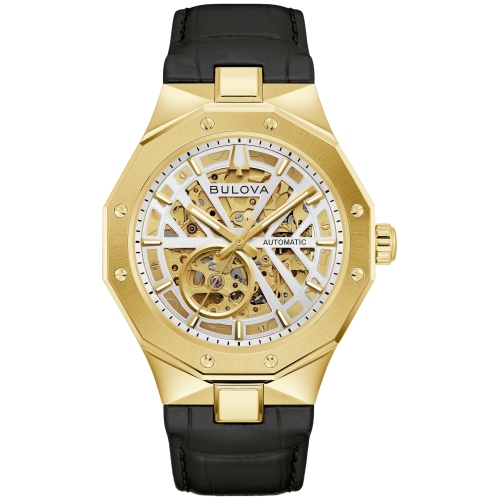
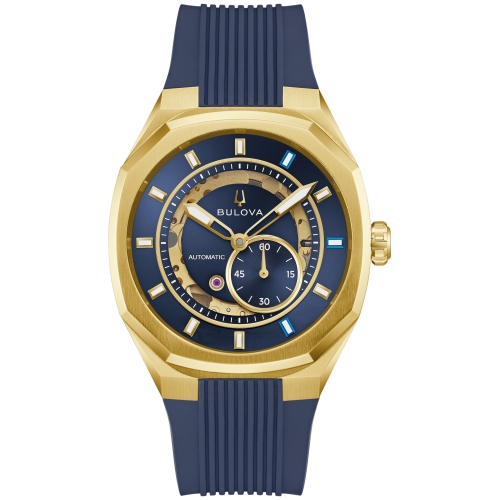


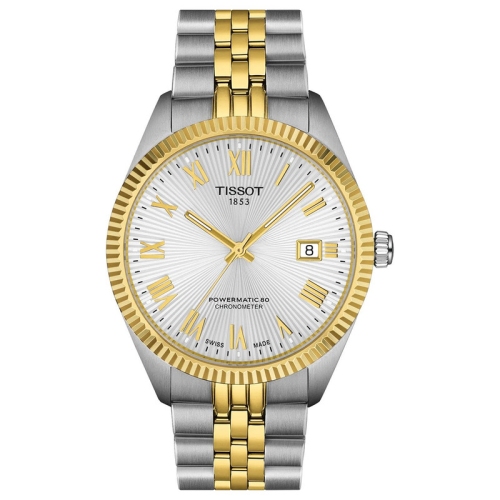
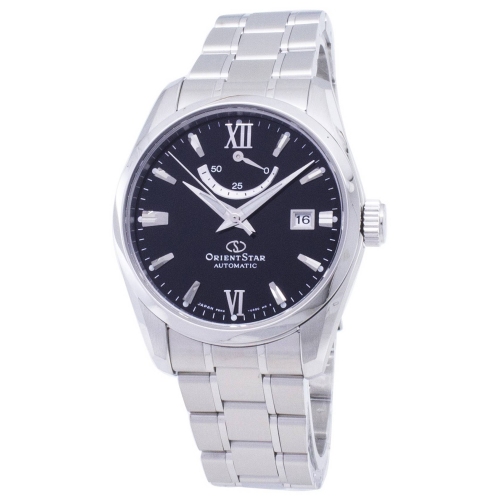


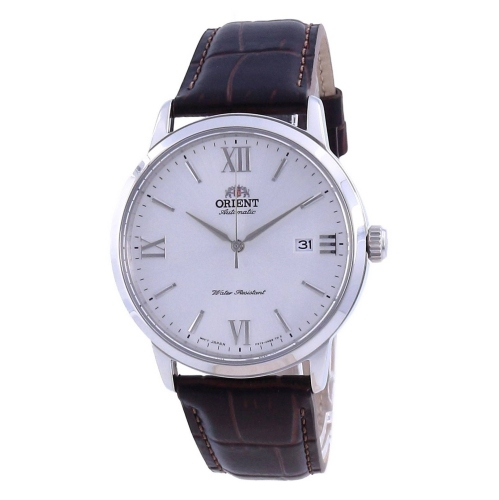


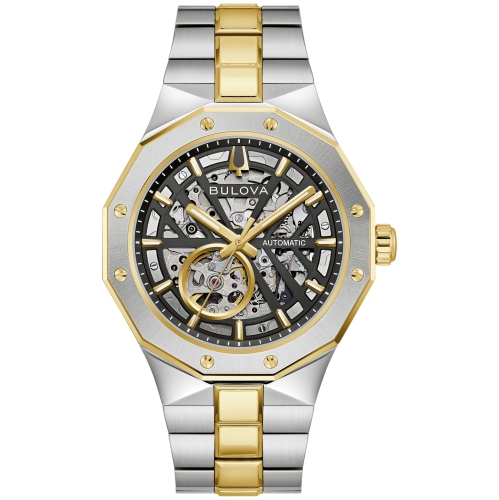


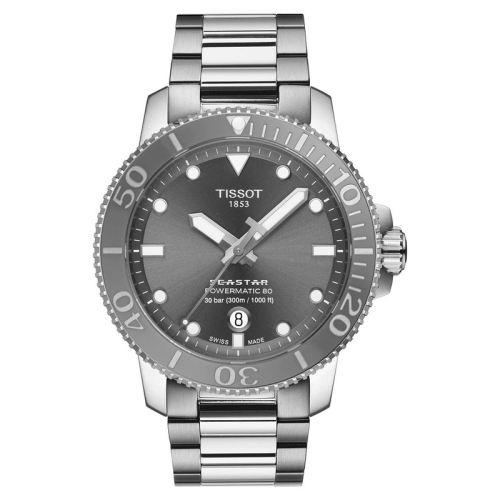


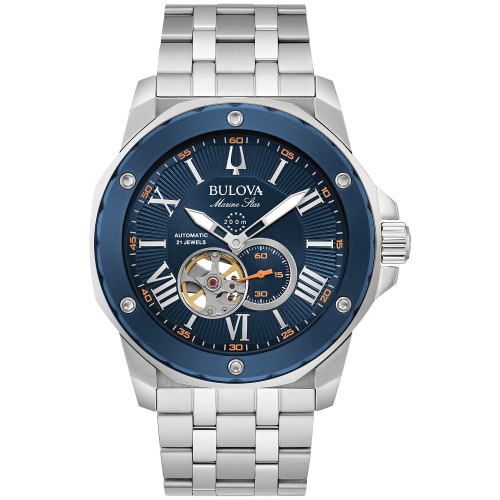
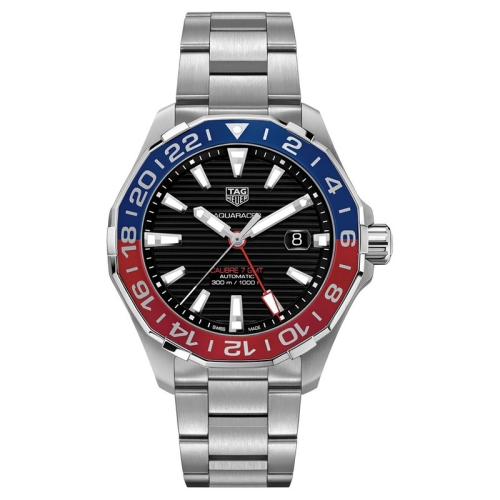

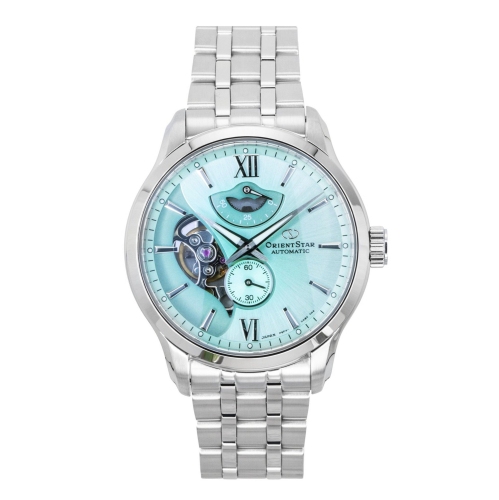


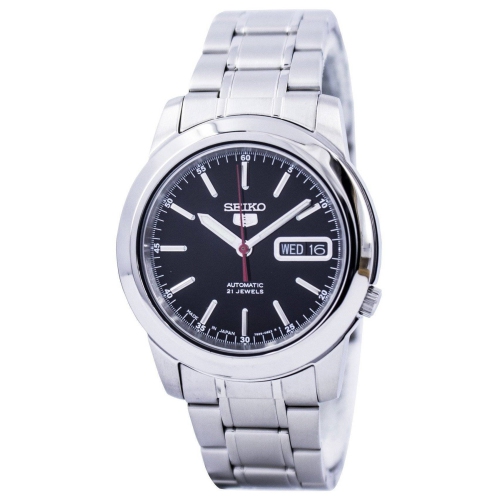
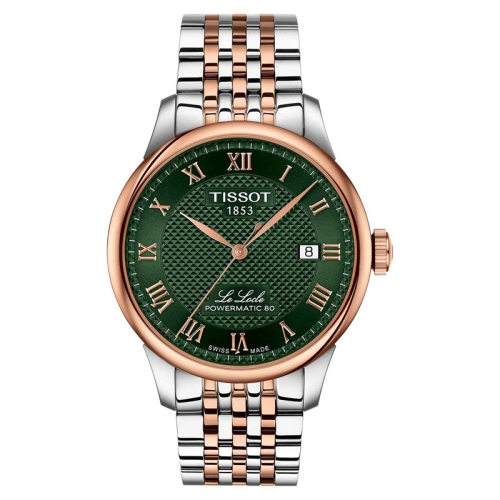


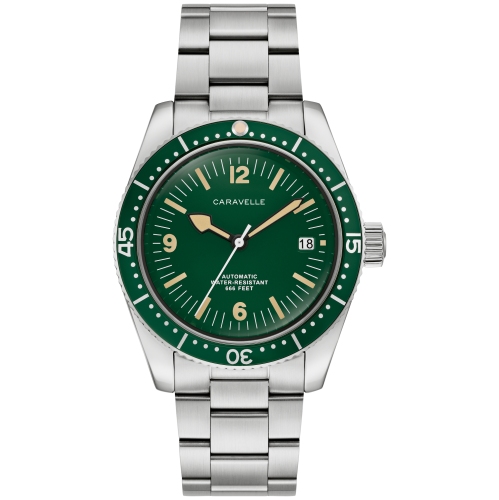

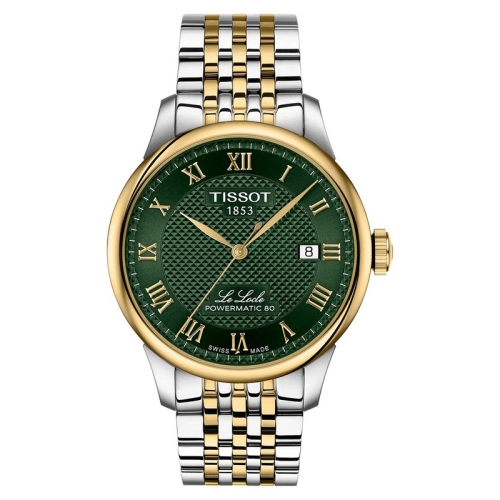


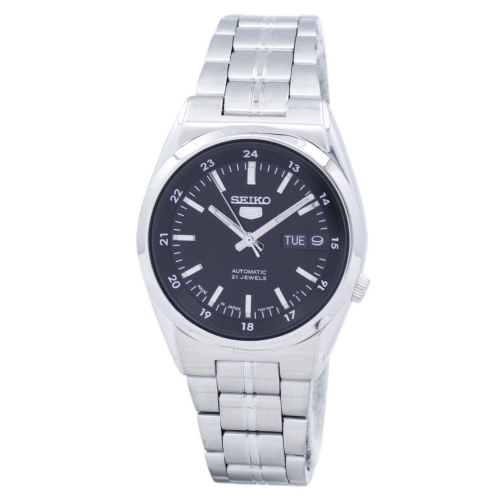


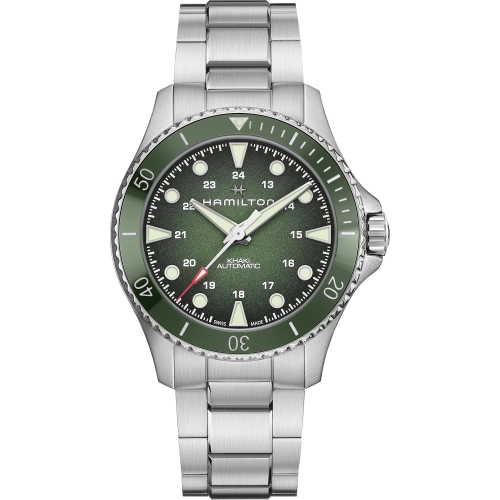


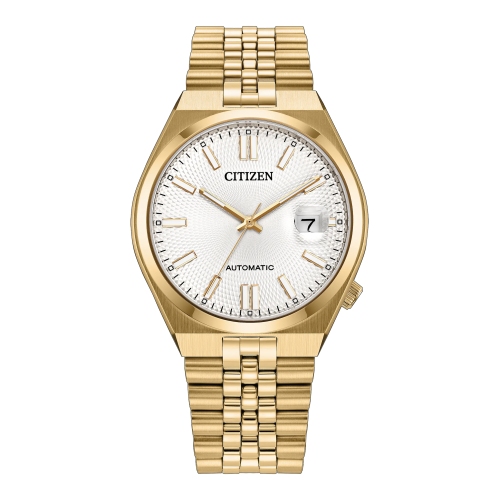

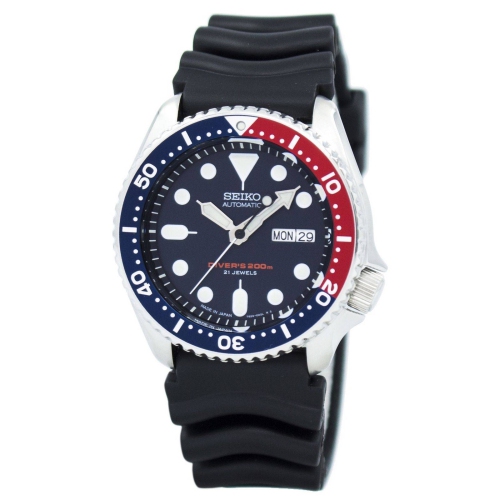
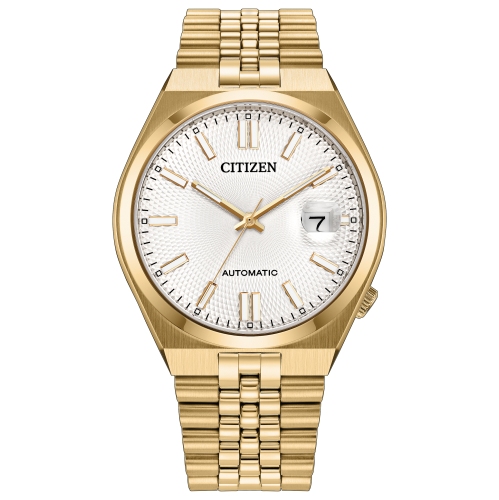


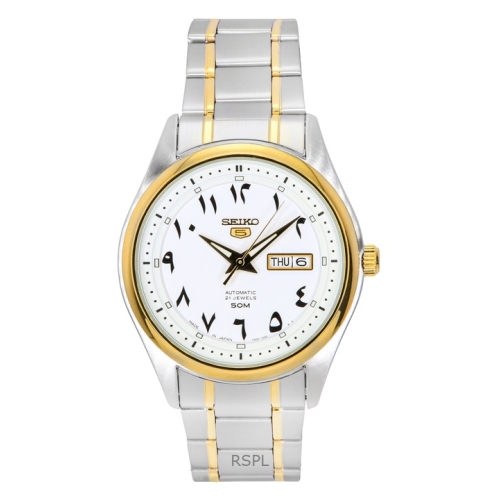
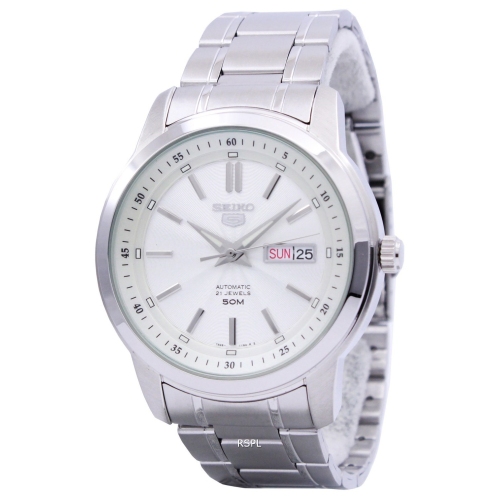

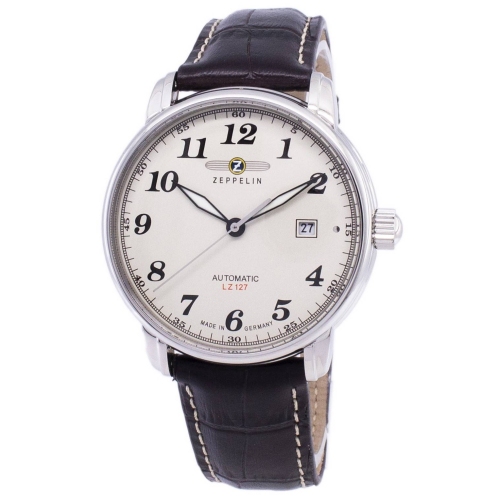
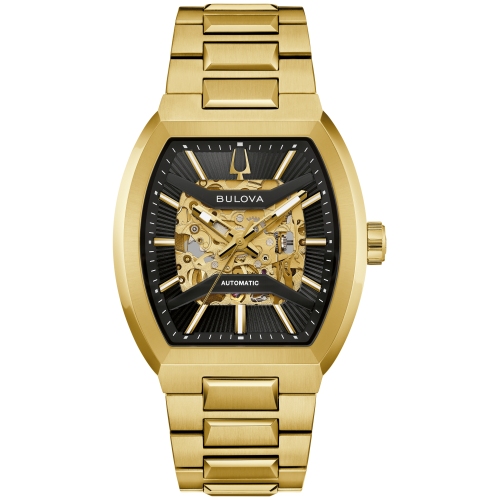


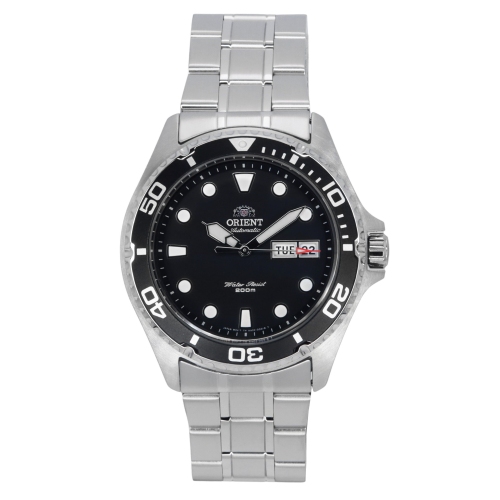


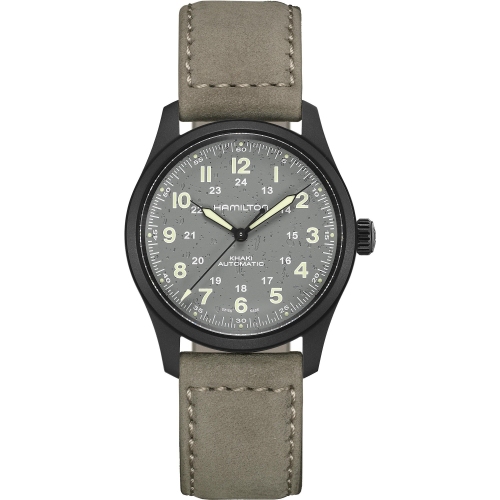

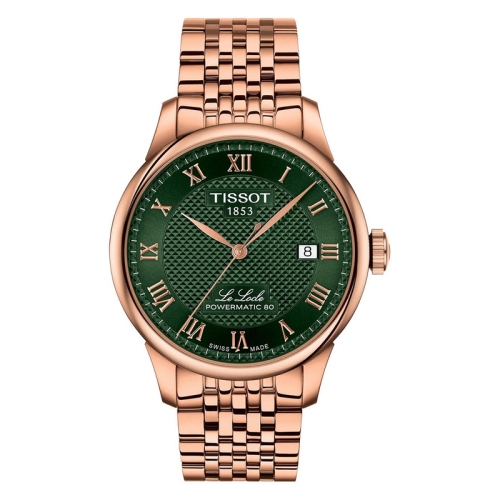
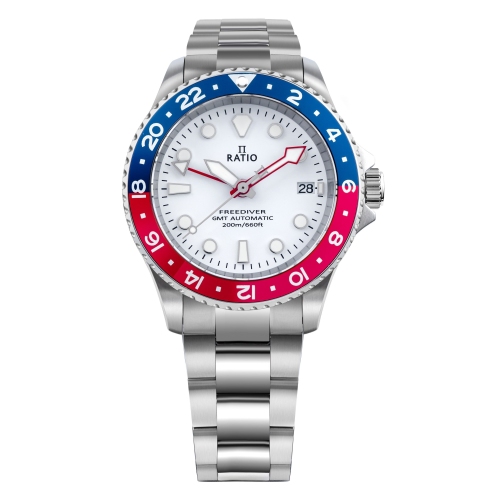
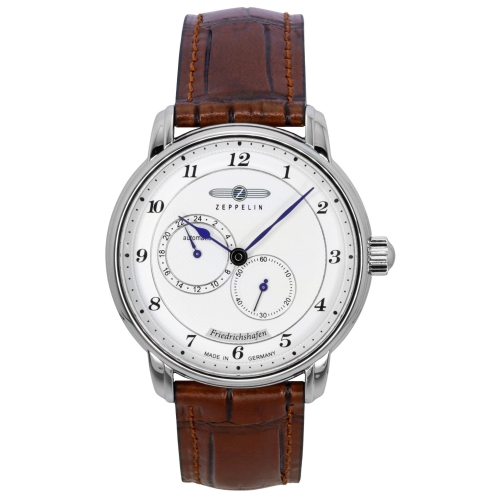
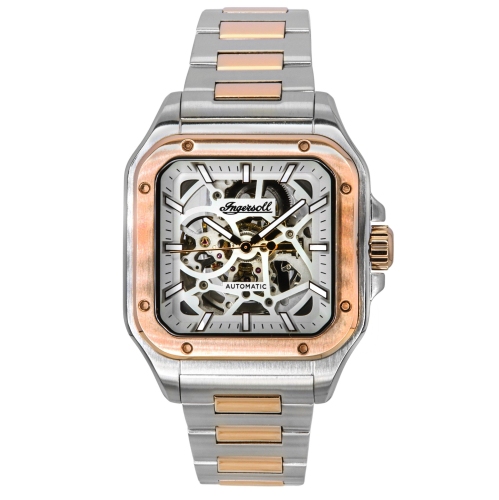

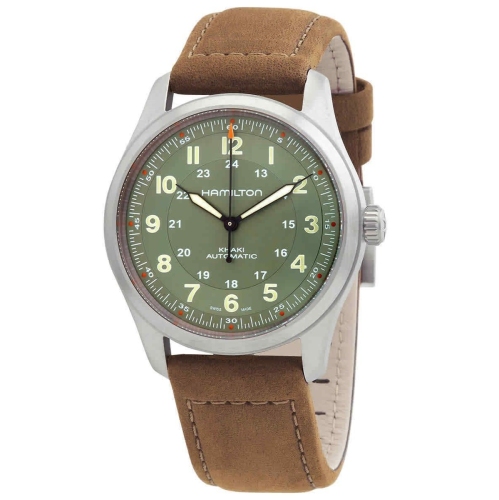
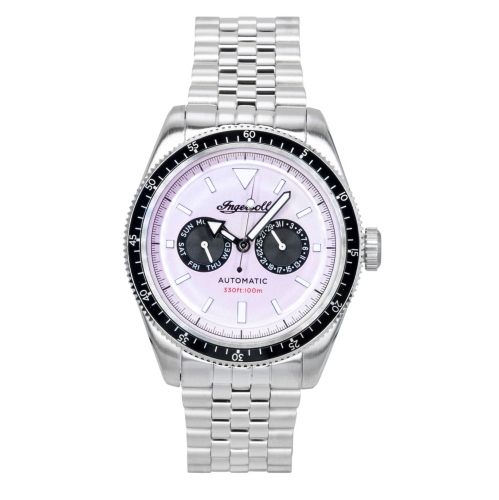

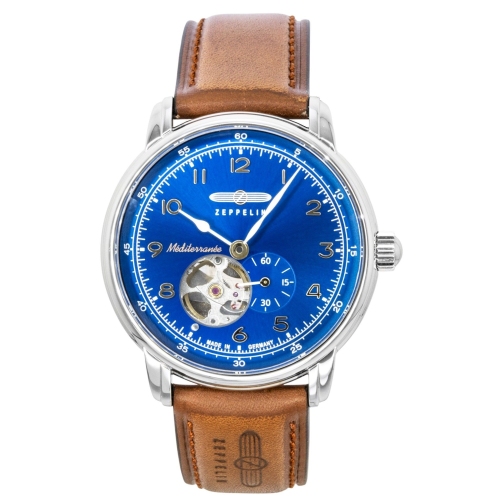


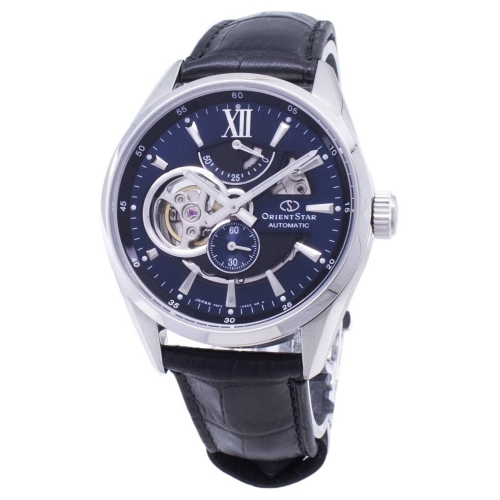


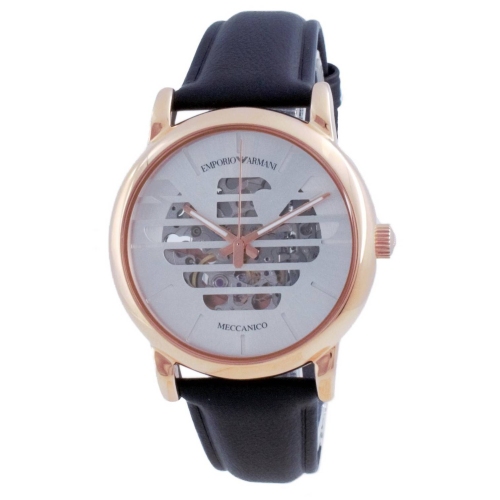


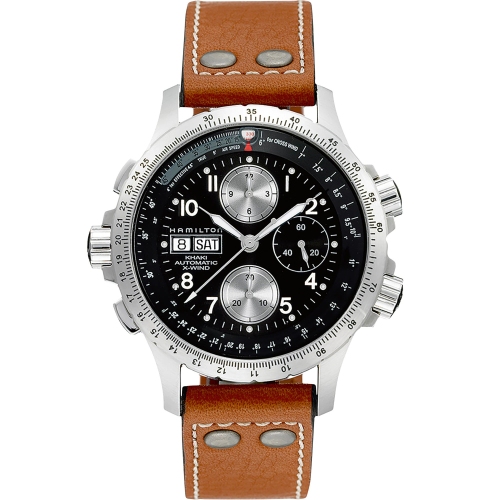
How your wrist powers the watch you wear
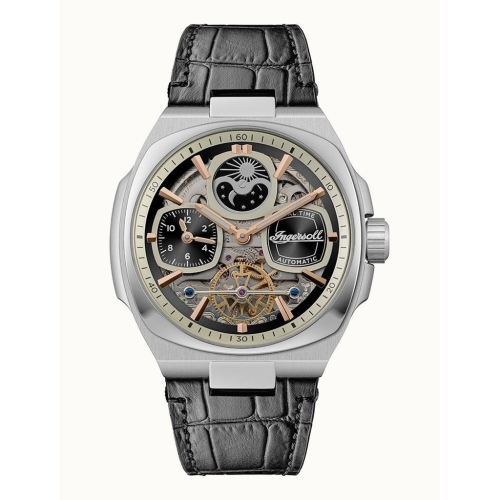
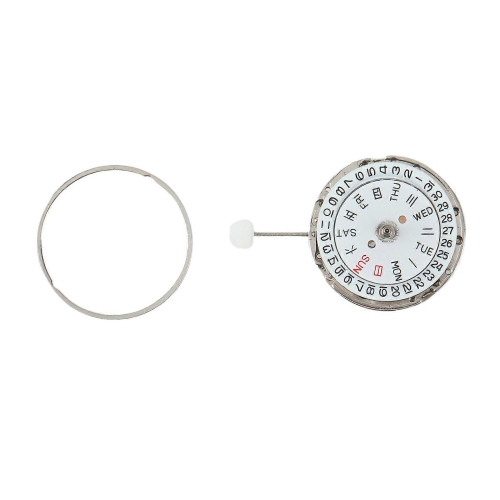
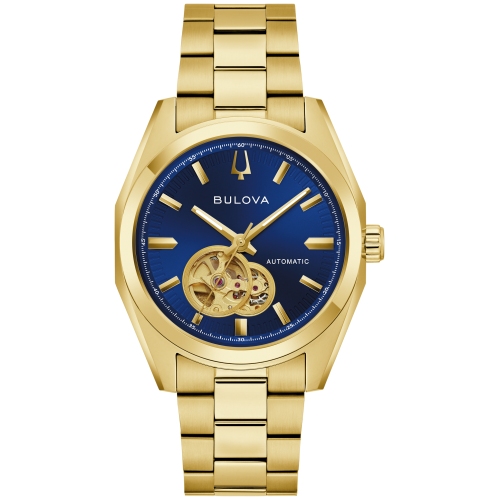
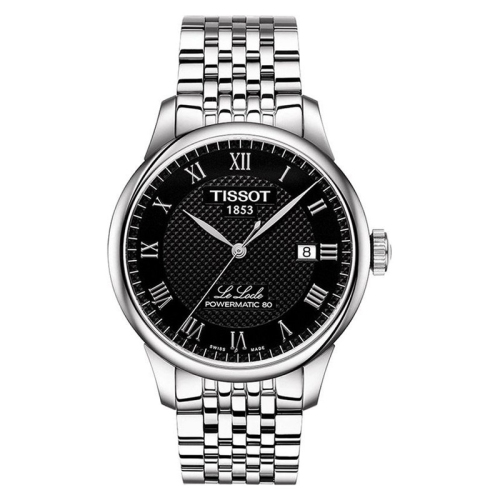
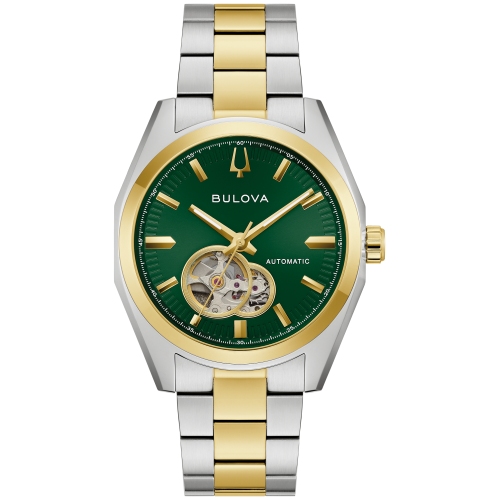
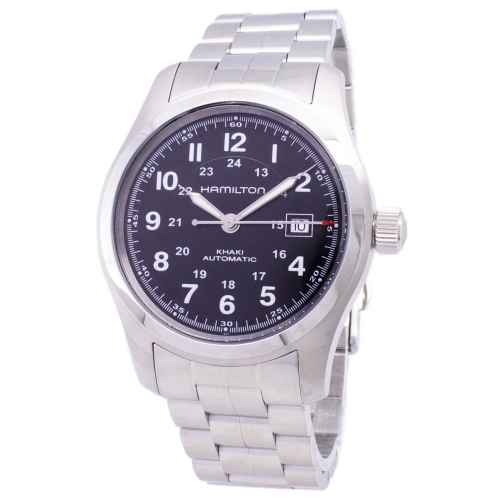
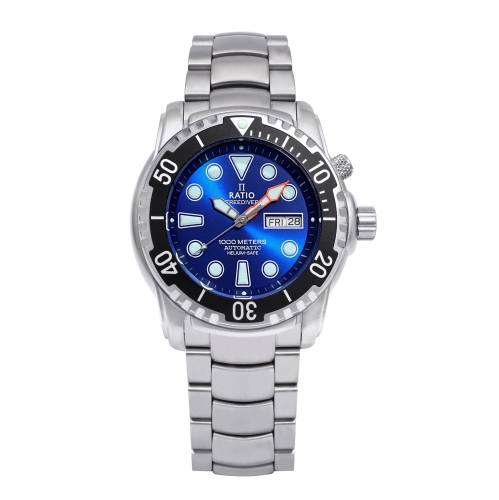
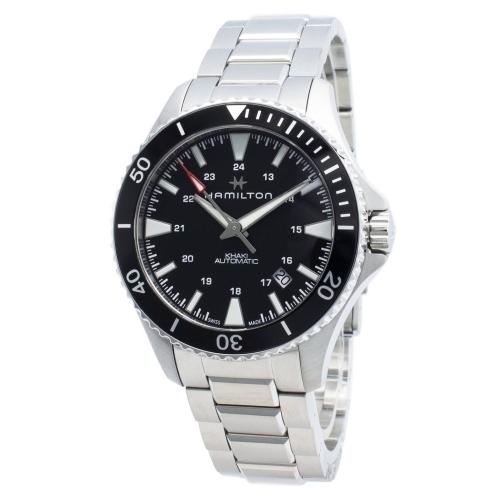
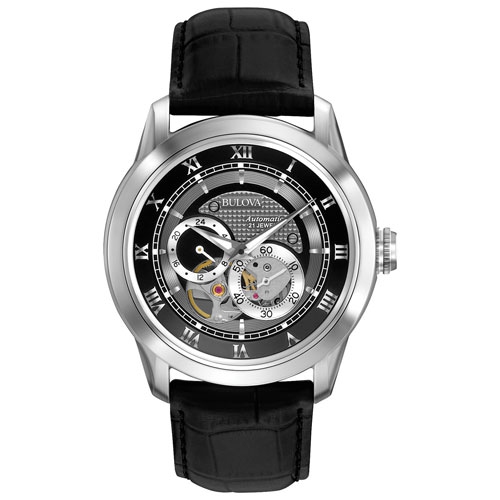
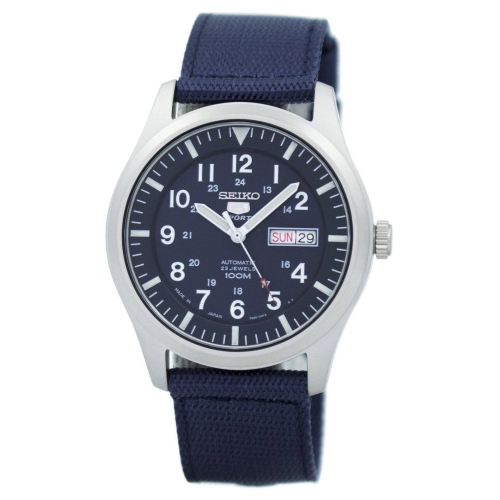
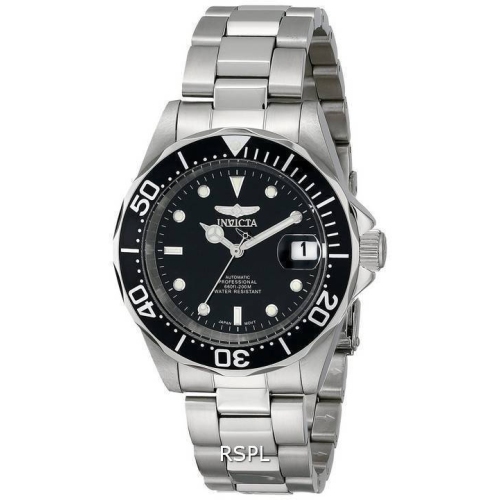
Automatic movement watches are mechanical timepieces that use the natural motion of your wrist to wind a mainspring, which stores the energy needed to keep time. Inside the case, a weighted component called a rotor turns as your arm moves, transferring energy through a winding mechanism. That stored energy is released through a series of gears, while an escapement and balance wheel regulate its delivery to the hands. Unlike battery-powered quartz movements, a conventional automatic movement needs no battery to run. Its appeal is as much about the experience as the engineering: the gentle sweep of the seconds hand, the subtle weight of the case, and, on watches with a transparent caseback, the sight of tiny components working together. The seconds hand generally advances in several small steps each second rather than one perfectly continuous motion, creating the smooth-looking sweep associated with mechanical watches. Regular wear can keep the mainspring wound, although how much winding occurs depends on your activity, how long you wear the watch, and the movement itself. When an automatic watch is taken off, it continues running until its stored energy is used. This operating time is called the power reserve. Many automatic movements offer approximately 40 to 80 hours when fully wound, though shorter and longer reserves are available. A longer reserve can be useful if you alternate watches or leave one on the dresser for a couple of days. Once the reserve runs out, the watch stops; it usually needs winding and resetting rather than a repair. Many automatic watches also support manual winding through the crown, but that feature should be confirmed in the specifications. For someone who enjoys a small daily ritual, fastening a mechanical watch before leaving home adds a satisfying, tangible detail to getting dressed. It is a practical accessory with a working mechanism you can appreciate every time you check the hour.
Choosing an automatic movement watch involves finding the right balance between appearance, comfort, and the way it will be worn. A restrained dial with clear hour markers can feel equally at home beside a shirt cuff or a knitted sleeve, while a larger case, prominent bezel, or luminous hands may suit a more casual style. Dress-oriented watches tend to favour slimmer proportions, and sport-inspired designs often have a sturdier presence, though appearance alone does not establish suitability for swimming or demanding activity. Case diameter is only one part of fit. Thickness, the distance between the strap attachment points, and the shape of the lugs all affect how a watch sits on the wrist. A slightly smaller watch with long, straight lugs can wear larger than its diameter suggests, while curved lugs can help a substantial case sit more comfortably. Weight matters during a full day at a desk, too; the watch that looks striking in a photograph should also feel comfortable while typing, driving, or pulling on a coat. Stainless steel bracelets offer a substantial feel and can be sized by adjusting or removing links, while leather straps bring a softer, dressier finish but generally need protection from prolonged moisture. Rubber and textile straps can suit casual wear, with comfort and care requirements varying by material and construction. The crystal is another useful comparison point: sapphire is highly scratch-resistant, although it is not immune to damage, while mineral glass and acrylic have different trade-offs in price, scratch resistance, and impact behaviour. Dial contrast, hand shape, and the size of a date display influence readability more than decorative detail alone. Luminous markings can help in dim light, but their brightness and duration vary. Water resistance should be checked against the manufacturer’s stated uses, not inferred from a rugged case or a depth figure alone. A screw-down crown can contribute to a water-resistant design when properly secured, but seals, condition, and maintenance remain important.
An automatic watch can make sense as an everyday companion, a piece reserved for special occasions, or a thoughtful gift for someone interested in design and mechanical craftsmanship. For a graduation, anniversary, retirement, or personal milestone, its appeal often lies in being both useful and lasting, with a style the recipient can make their own. The best match is not necessarily the most complicated dial: someone who values easy reading may prefer straightforward hands and markers, while an enthusiast might appreciate a visible movement, a power-reserve display, or another mechanical function. A familiar scene captures the difference in priorities—a watch worn through meetings and errands needs dependable comfort, while one brought out for dinner may be chosen for the way its polished case catches the light. During the cooler months, case thickness and smooth edges can make a noticeable difference beneath fitted cuffs and layered sleeves. Ownership expectations matter alongside those details. Mechanical accuracy varies with the movement, adjustment, position, temperature, and wearing habits; an automatic watch will generally require more timekeeping adjustment than a quartz watch. Shoppers who place the highest value on precision and minimal day-to-day attention may also want to compare Quartz Movement Watches. For automatic models, the stated accuracy range, power reserve, warranty, and access to servicing are meaningful parts of the purchase. Mechanical movements need periodic professional maintenance, with intervals based on the manufacturer’s advice and the watch’s condition rather than a universal schedule. Strong magnetic fields and hard impacts can affect performance, so activity suitability deserves attention if the watch will accompany sports or hands-on work. Setting procedures also vary, particularly for calendar functions that may have restrictions on when they can be adjusted. A watch winder is optional for most automatic watches, not a requirement; it can offer convenience when rotating between pieces, provided its settings suit the movement. Whether the watch is a first mechanical purchase or an addition to an established collection, a comfortable fit, readable dial, and manageable care routine help turn attractive craftsmanship into something genuinely enjoyable to wear.
Top selling and popular products
-
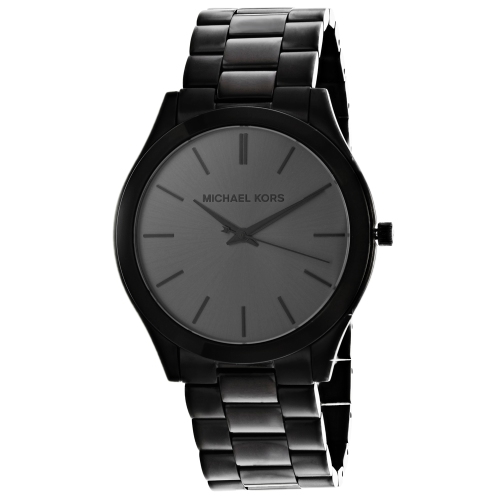 Your price for this item is $325
-
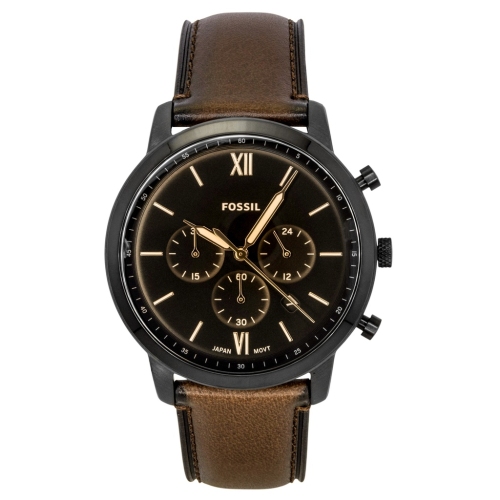 Your price for this item is $218.83
-
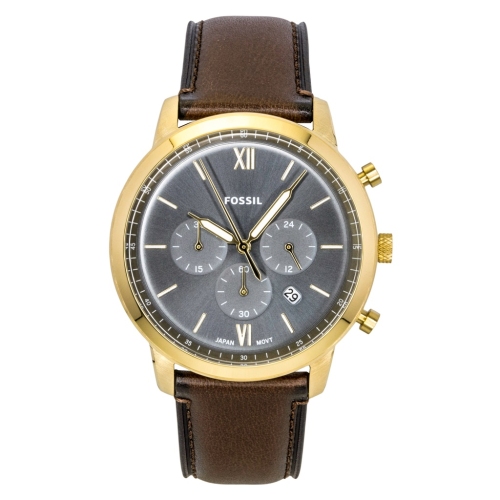 Your price for this item is $218.83
-
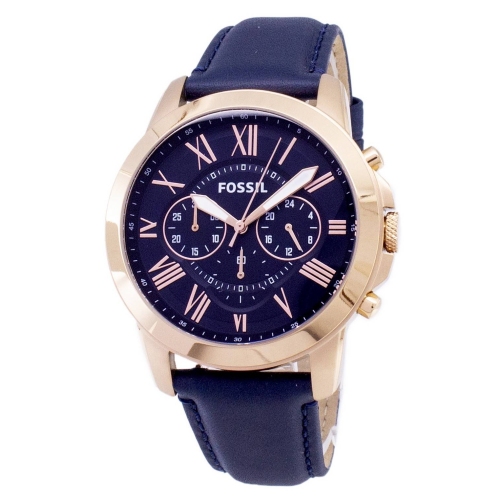 Your price for this item is $223.38
-
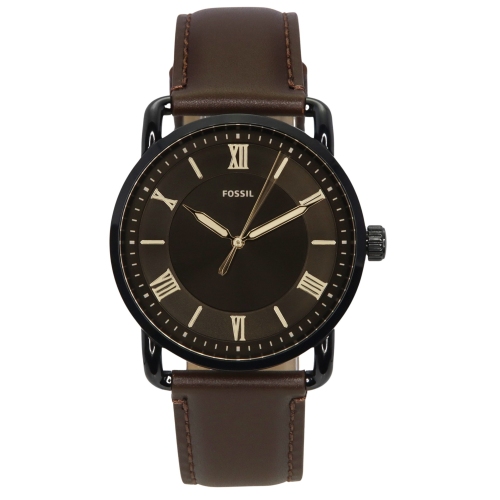 Your price for this item is $185.16
-
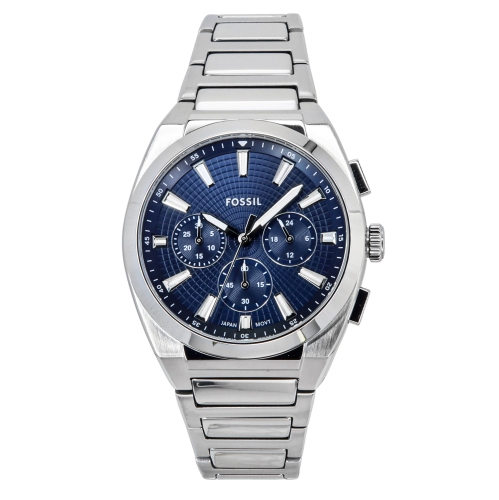 Your price for this item is $266.65
-
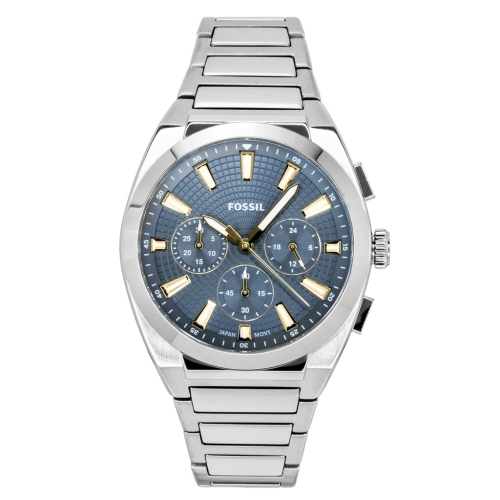 Your price for this item is $260.93
-
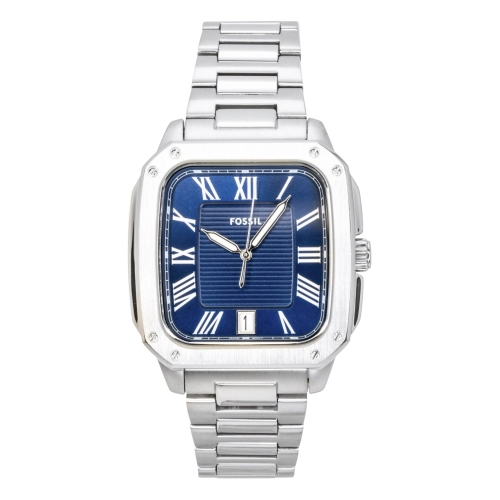 Your price for this item is $227.25
Discover more categories related to Automatic Movement Watches


Top Collections:
Pokemon Centers, Kindle Devices, Best Budget Office Chairs, Canon G7X Cameras, Apple iPhones 16, Samsung Galaxy Phones, Refurbished Apple Laptops, Laptops for Students, iPhone 15 Apple, Budget Smartphones
Some products may be subject to Environmental Handling Fees
(EHF) depending on your province.
Learn more about EHFs.