Children's Hair Accessories
Discover the perfect finishing touches for your little one's hairstyle with our delightful collection of children's hair accessories. From playful bows and vibrant headbands to charming clips and elegant barrettes, you'll find everything you need to add a touch of fun and flair to any outfit. Our carefully curated selection ensures that there's something special for every occasion, whether it's a casual day at school or a festive celebration. Let your child's personality shine through with these adorable and stylish hair accessories designed to make them feel extra special.
Sort

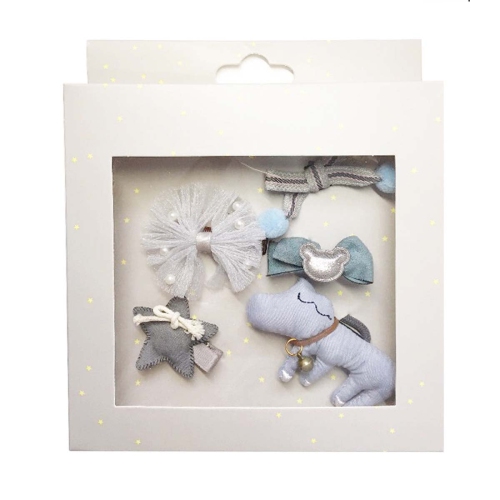
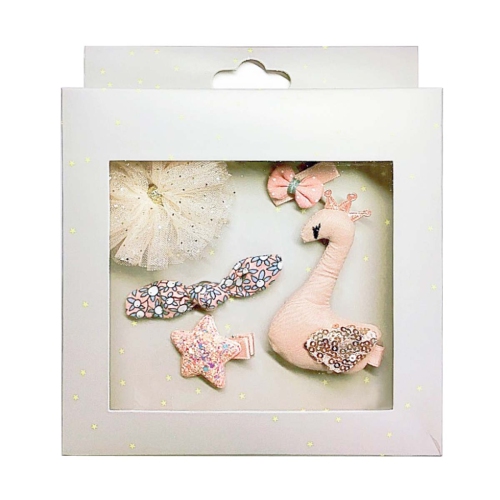


Comfortable hair styling from homework to family celebrations
Children’s hair accessories bring together practical hold, comfortable styling, and a little personality, whether the task is keeping a fringe clear during homework or finishing a hairstyle for a family celebration. Hair clips, snap clips, barrettes, headbands, hair ties, scrunchies, and bows serve different purposes, with the most suitable choice depending on hair texture, length, density, and the child’s comfort. Fine hair often needs a lightweight clip that can grip a small section without sliding, while thicker hair generally needs a wider opening or a tie with enough stretch to hold a ponytail without excessive tension. Short styles can benefit from a small side clip or a flexible headband; longer styles leave room for ponytails, braids, and gathered sections. For curls and coils, smooth surfaces and covered elastics can help limit snagging, particularly when accessories are removed slowly rather than pulled through the hair. A snap clip can hold a loose section away from the eyes during drawing or reading, while a soft scrunchie can gather longer hair for a relaxed afternoon at home. Bows add colour and shape, though their comfort and staying power depend on the clip, band, or tie underneath. Headbands offer another way to move hair away from the face without gathering it into a ponytail, provided the band does not pinch behind the ears. Children who enjoy choosing their own colours or patterns may see these small finishing touches as part of getting dressed, just like choosing socks or a favourite jumper. Simple shapes can blend into a school outfit, while brighter details can make an everyday hairstyle feel more personal. The broader hair accessories category includes styles for different ages and routines, but children’s options deserve particular attention to size, weight, ease of fastening, and age suitability. An accessory should suit the amount of hair it is holding rather than simply match an outfit.
Materials and construction make a noticeable difference when an accessory is worn through a school day, a car journey, or an afternoon of play. Fabric-covered bands and ties provide a softer contact surface than exposed hardware, although comfort still depends on their tension and how tightly the hairstyle is arranged. Cotton fabrics tend to have a matte finish and a familiar feel, while satin-covered accessories have a smooth surface that can glide more easily against strands. Satin describes a fabric weave rather than a single fibre, so its composition and washing requirements can vary. Plastic components are often light, but their edges, seams, and teeth should feel smooth. Metal clips can provide a firm closure, though rough hinges or exposed edges may catch hair during fastening or removal. Rounded ends, securely attached fabric, and even stitching are useful signs of careful construction. For a child with fine hair, a heavy bow may gradually pull a clip out of position; for dense curls, a small clasp may struggle to close comfortably around the intended section. A suitable fit holds the hair without scalp pulling, persistent pressure, or the need to tighten repeatedly. Stretch headbands should sit securely without leaving deep marks, and rigid bands should not press painfully at the temples. During the cooler months, low-profile clips and soft ties may sit more comfortably beneath a toque than raised shapes or bulky attachments. Accessories should not interfere with the fit of protective headgear, including bicycle, skating, or sports helmets. Age suitability also matters: small clips, beads, and detachable details can pose a choking hazard, particularly for children under three or those who put objects in their mouths. Manufacturer age guidance and warnings take priority over appearance, and accessories should be removed before sleep. For everyday use, lightweight construction and a straightforward closure often matter more than an elaborate finish, especially when a child is still learning to fasten and remove accessories independently.
Daily routines help determine which features will be useful over time. A child who wears a ponytail most days may benefit from soft, covered ties that stretch easily and return to shape, while someone growing out a fringe may use a small clip to keep shorter strands clear of their face. For dance practice or active play, a secure hairstyle should remain comfortable through movement rather than rely on a tight grip that pulls at the roots. School picture days, birthday gatherings, and family occasions may call for a bow, a neat barrette, or a headband that coordinates with dressier clothing, but the child should still be able to sit, move, and play comfortably. Hair accessories can also make a thoughtful gift for a child who enjoys experimenting with hairstyles, particularly when the colours reflect their preferences and the fastenings suit their age and hair type. Ease of use matters for parents, caregivers, and older children managing a busy morning: a closure that opens smoothly is less frustrating than one that needs repeated attempts with a wriggling child. Durability becomes clearer with repeated wear. Elastic that stays stretched, a clasp that no longer closes evenly, or fabric coming loose around a band can affect both hold and comfort. Loose attachments, cracked plastic, and damaged metal are reasons to stop using an accessory. Care depends on the materials, so washing and drying should follow the manufacturer’s directions rather than a single method for every style. Fabric accessories may tolerate gentle cleaning, while metal parts or glued details may need a different approach. Letting cleaned pieces dry fully before storage helps keep fabrics and hardware in better condition. A shallow tray, divided pouch, or small storage box can keep matching pieces together and prevent clips from being crushed beneath heavier belongings. Keeping hair accessories separate from tangled jewellery also makes fastenings easier to find and check. With suitable sizing, gentle handling, and care matched to the material, these small additions can fit naturally into children’s everyday dressing and grooming routines.
Materials and construction make a noticeable difference when an accessory is worn through a school day, a car journey, or an afternoon of play. Fabric-covered bands and ties provide a softer contact surface than exposed hardware, although comfort still depends on their tension and how tightly the hairstyle is arranged. Cotton fabrics tend to have a matte finish and a familiar feel, while satin-covered accessories have a smooth surface that can glide more easily against strands. Satin describes a fabric weave rather than a single fibre, so its composition and washing requirements can vary. Plastic components are often light, but their edges, seams, and teeth should feel smooth. Metal clips can provide a firm closure, though rough hinges or exposed edges may catch hair during fastening or removal. Rounded ends, securely attached fabric, and even stitching are useful signs of careful construction. For a child with fine hair, a heavy bow may gradually pull a clip out of position; for dense curls, a small clasp may struggle to close comfortably around the intended section. A suitable fit holds the hair without scalp pulling, persistent pressure, or the need to tighten repeatedly. Stretch headbands should sit securely without leaving deep marks, and rigid bands should not press painfully at the temples. During the cooler months, low-profile clips and soft ties may sit more comfortably beneath a toque than raised shapes or bulky attachments. Accessories should not interfere with the fit of protective headgear, including bicycle, skating, or sports helmets. Age suitability also matters: small clips, beads, and detachable details can pose a choking hazard, particularly for children under three or those who put objects in their mouths. Manufacturer age guidance and warnings take priority over appearance, and accessories should be removed before sleep. For everyday use, lightweight construction and a straightforward closure often matter more than an elaborate finish, especially when a child is still learning to fasten and remove accessories independently.
Daily routines help determine which features will be useful over time. A child who wears a ponytail most days may benefit from soft, covered ties that stretch easily and return to shape, while someone growing out a fringe may use a small clip to keep shorter strands clear of their face. For dance practice or active play, a secure hairstyle should remain comfortable through movement rather than rely on a tight grip that pulls at the roots. School picture days, birthday gatherings, and family occasions may call for a bow, a neat barrette, or a headband that coordinates with dressier clothing, but the child should still be able to sit, move, and play comfortably. Hair accessories can also make a thoughtful gift for a child who enjoys experimenting with hairstyles, particularly when the colours reflect their preferences and the fastenings suit their age and hair type. Ease of use matters for parents, caregivers, and older children managing a busy morning: a closure that opens smoothly is less frustrating than one that needs repeated attempts with a wriggling child. Durability becomes clearer with repeated wear. Elastic that stays stretched, a clasp that no longer closes evenly, or fabric coming loose around a band can affect both hold and comfort. Loose attachments, cracked plastic, and damaged metal are reasons to stop using an accessory. Care depends on the materials, so washing and drying should follow the manufacturer’s directions rather than a single method for every style. Fabric accessories may tolerate gentle cleaning, while metal parts or glued details may need a different approach. Letting cleaned pieces dry fully before storage helps keep fabrics and hardware in better condition. A shallow tray, divided pouch, or small storage box can keep matching pieces together and prevent clips from being crushed beneath heavier belongings. Keeping hair accessories separate from tangled jewellery also makes fastenings easier to find and check. With suitable sizing, gentle handling, and care matched to the material, these small additions can fit naturally into children’s everyday dressing and grooming routines.
Top selling and popular products
-
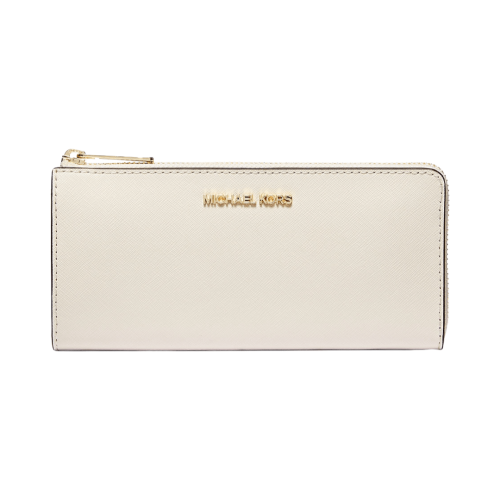 Your price for this item is $129.99
 -
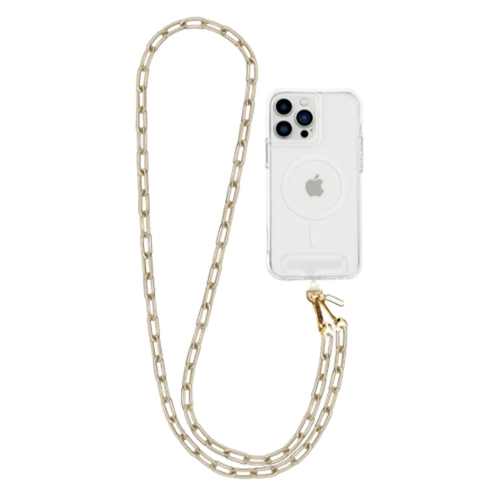 Your price for this item is $58.88
 -
 Your price for this item is $23.15
 -
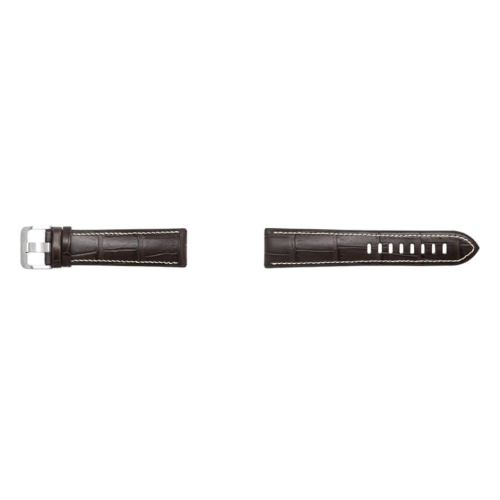 Your price for this item is $44.5
 -
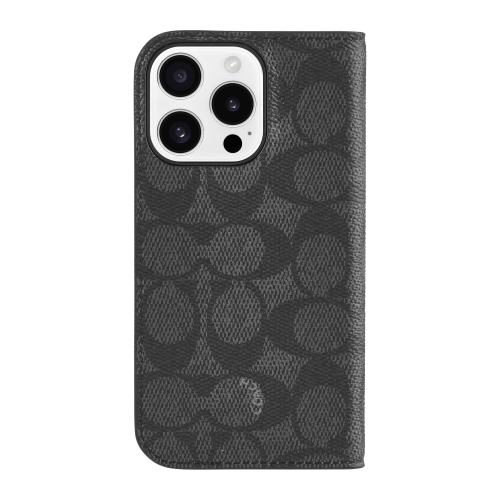 Your price for this item is $99.99
 -
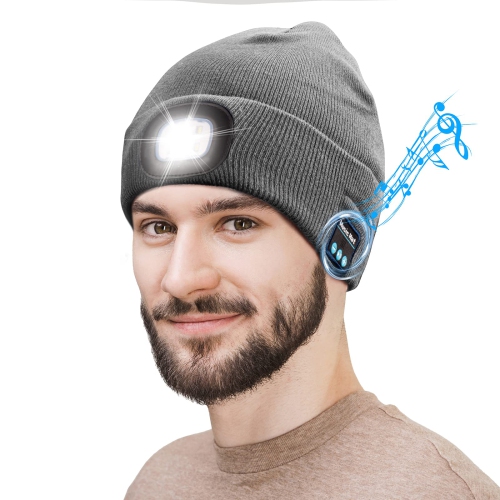 Your price for this item is $50.96
 -
 Your price for this item is $12.96
 -
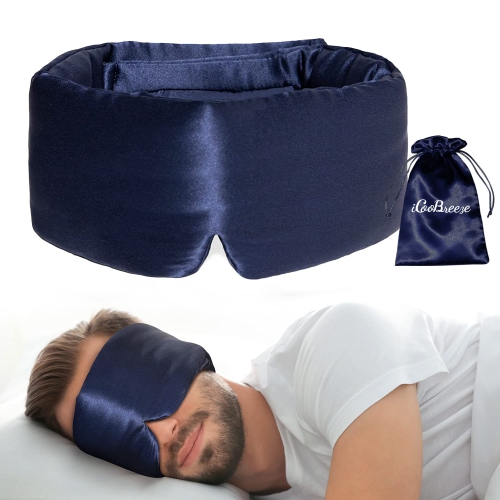 Your price for this item is $52.96
Discover more categories related to Children's Hair Accessories
Top Collections:
Pokemon Centers, Kindle Devices, Best Budget Office Chairs, Apple iPhones 16, Best Laptops for Writers, iPhone 15 Apple, Canon G7X Cameras, Refurbished Apple Laptops, Alarm Clock, Motorola Razr Phones
Some products may be subject to Environmental Handling Fees
(EHF) depending on your province.
Learn more about EHFs.