Dial Watches
Elevate your style with the timeless elegance of dial watches, where classic design meets modern functionality. Whether you're dressing up for a special occasion or adding a touch of sophistication to your everyday look, these watches offer the perfect blend of form and function. Discover a diverse range of options that cater to every taste, from minimalist designs to intricate dials that showcase exquisite craftsmanship. With their versatile appeal and reliable performance, dial watches are more than just timepieces—they're an essential accessory for anyone looking to make a statement. Explore our collection today and find the perfect watch to complement your unique style.
Sort
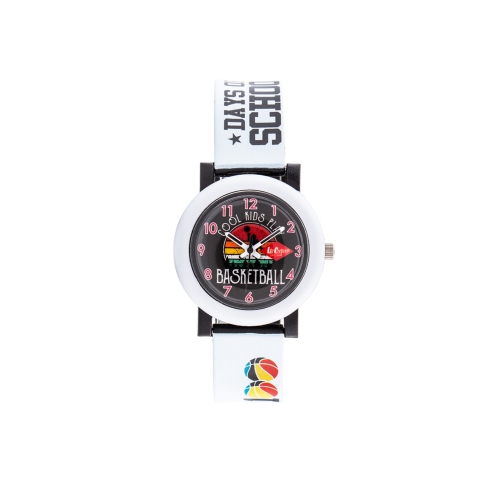
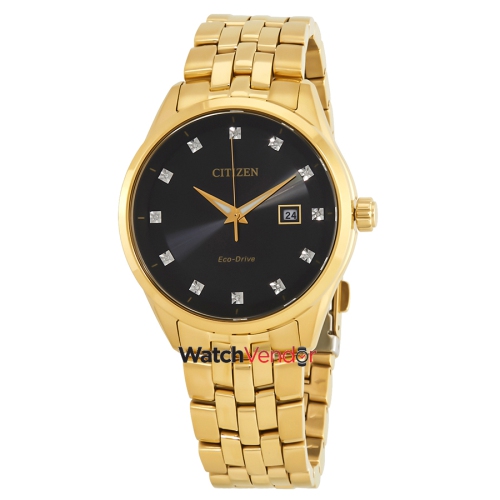

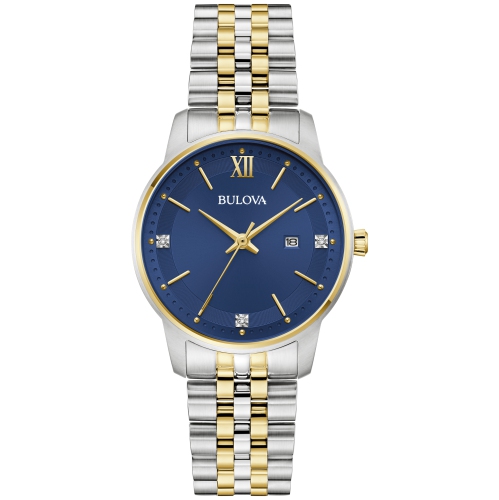
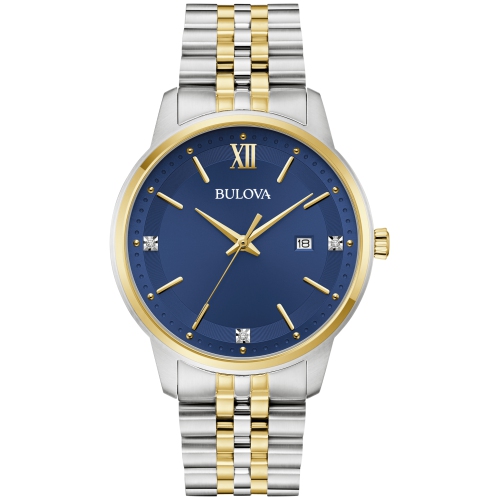
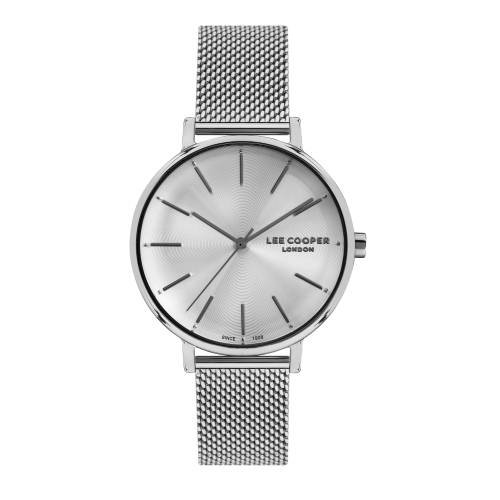
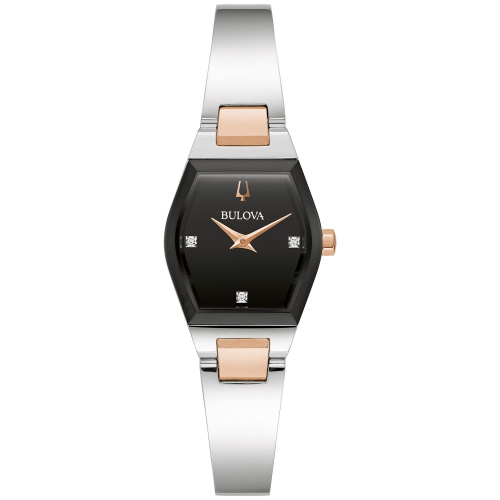
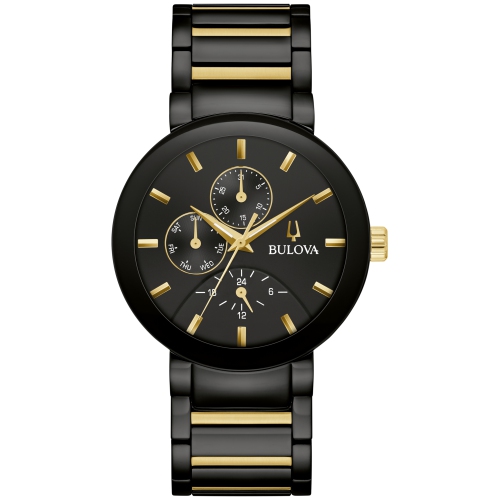
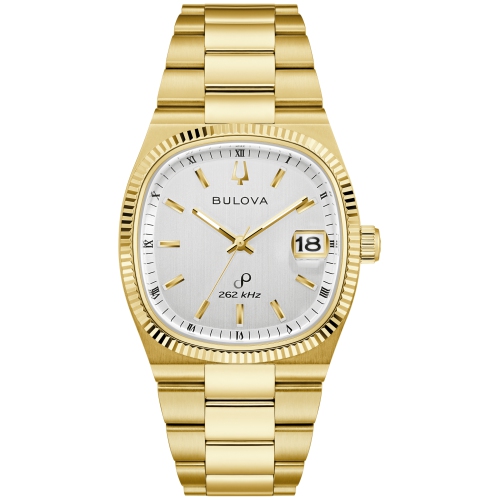
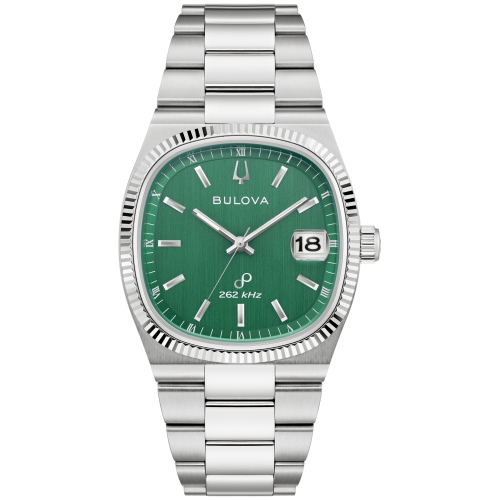
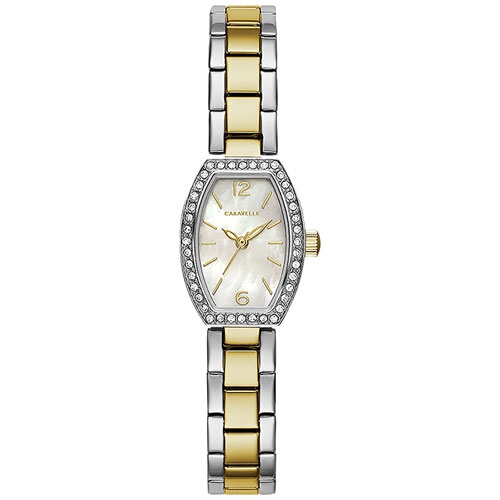
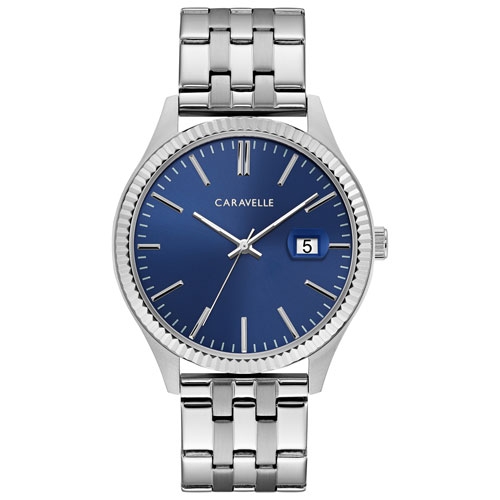
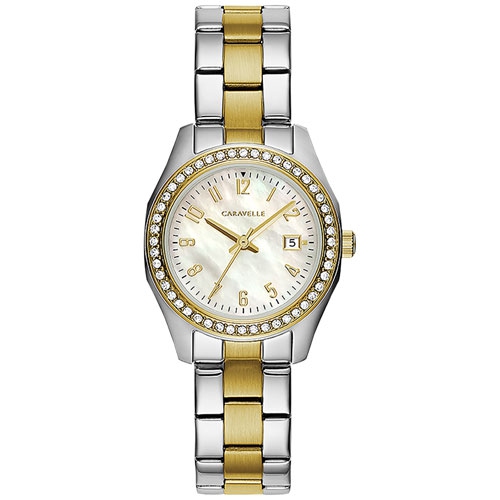



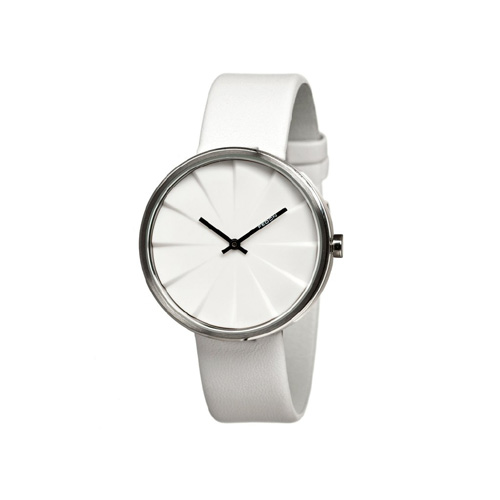
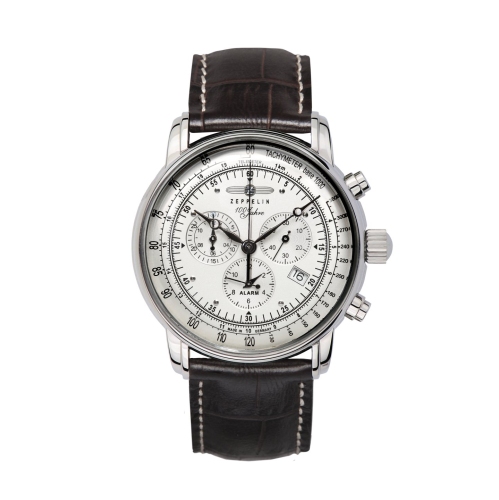
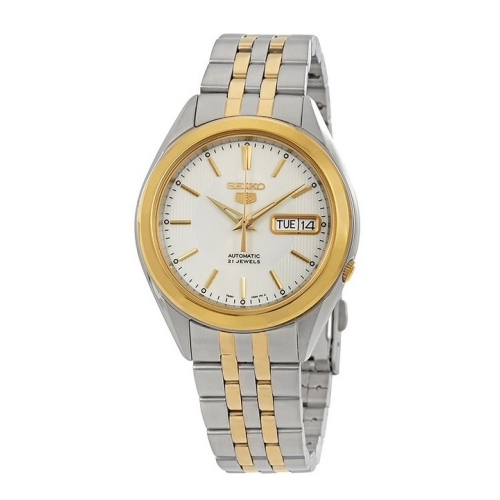
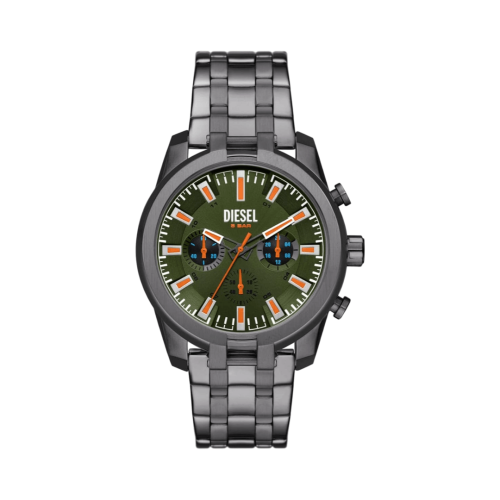

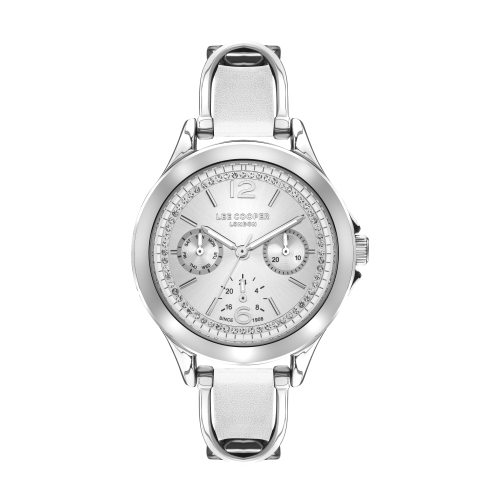
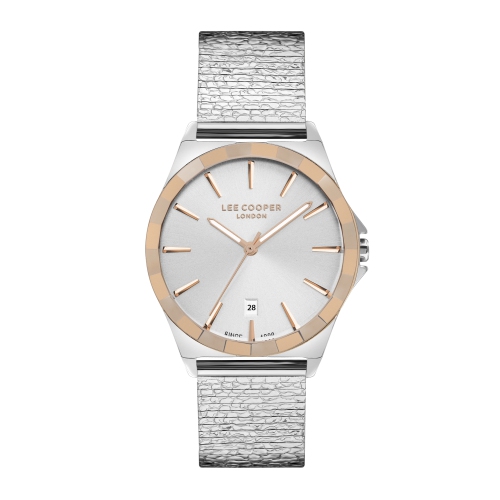
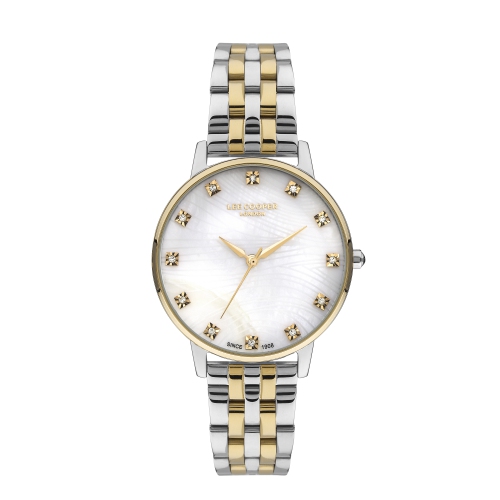
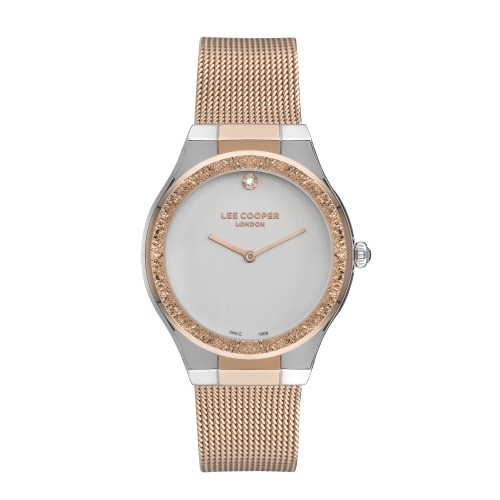
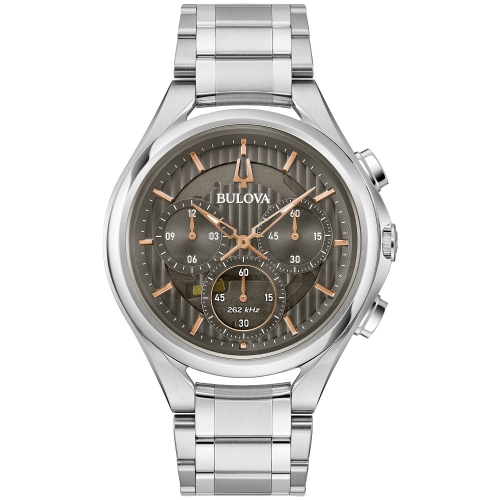
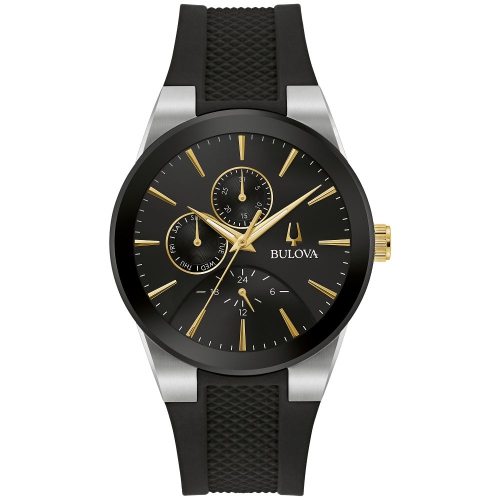
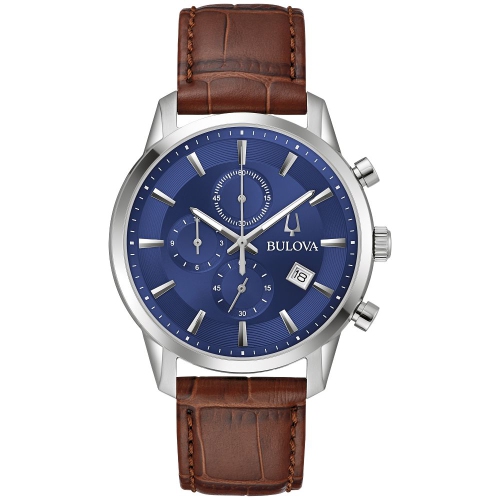
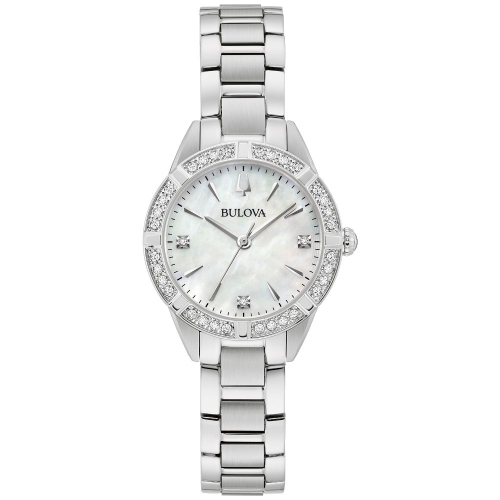

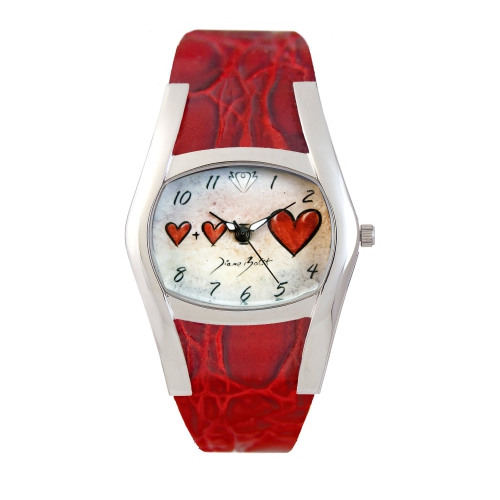
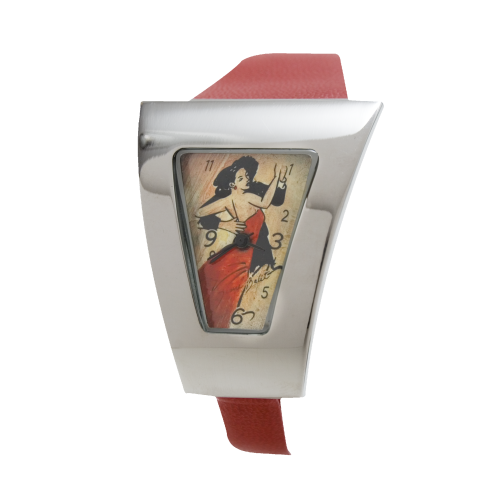
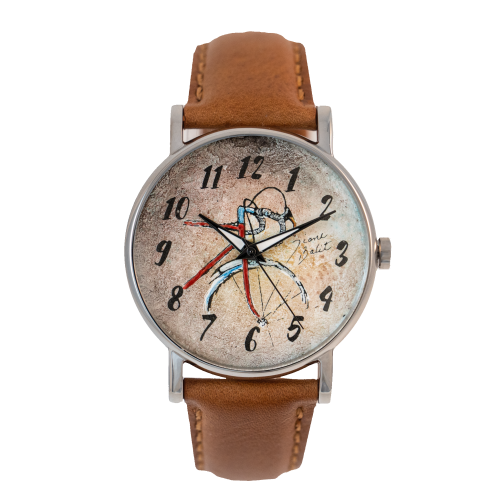
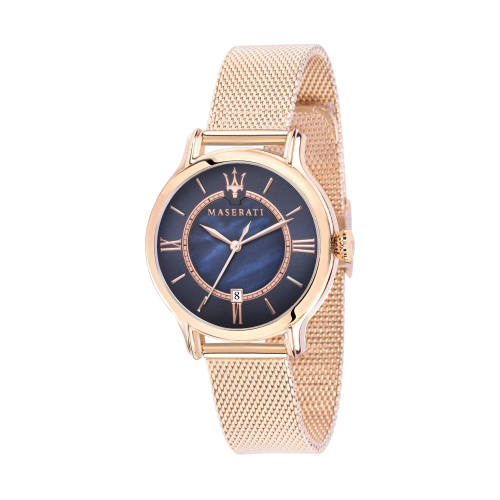

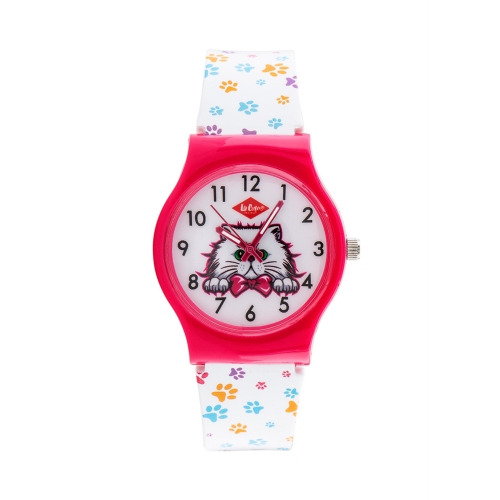
What a watch face reveals beyond the time
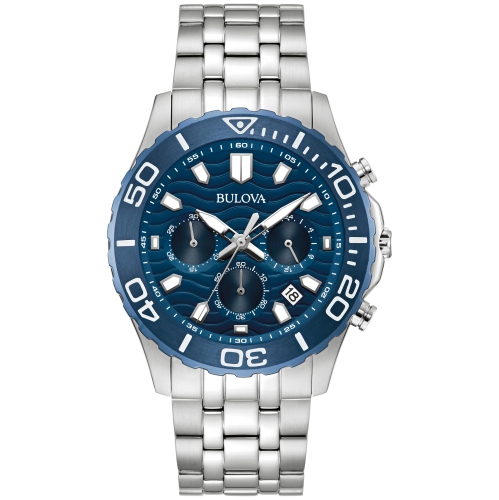
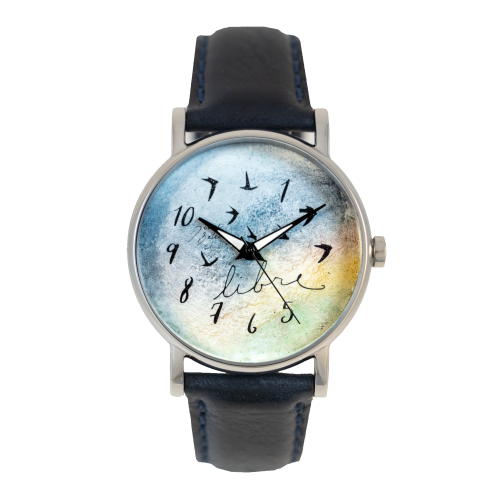
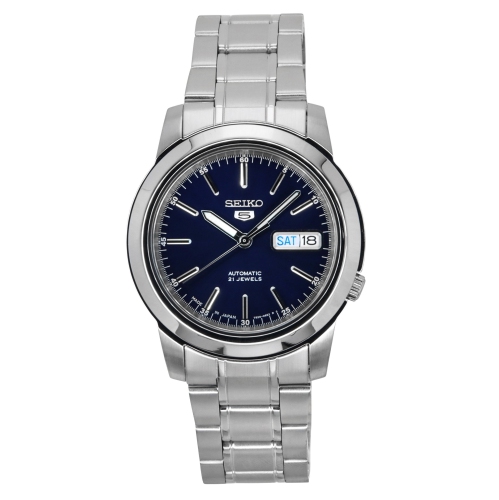
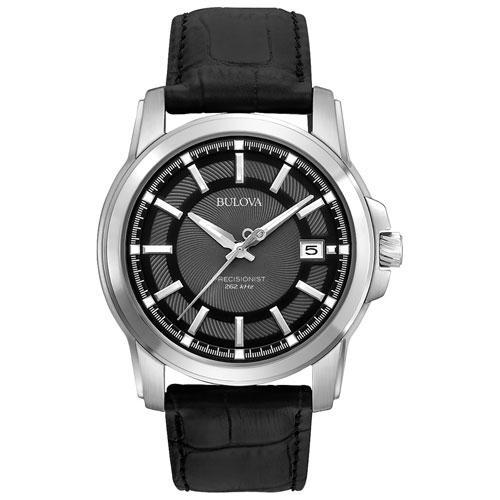
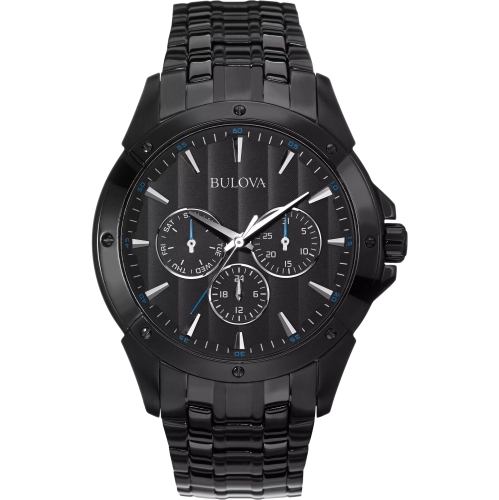
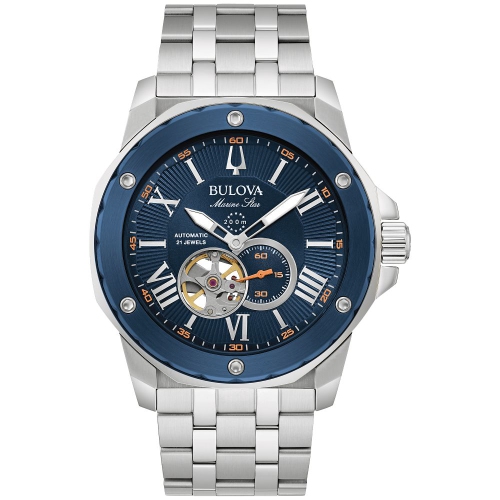
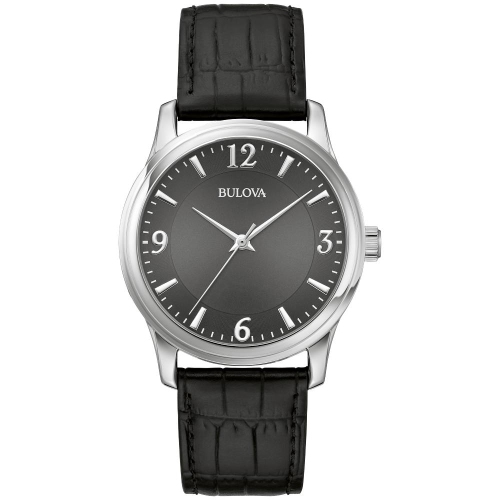
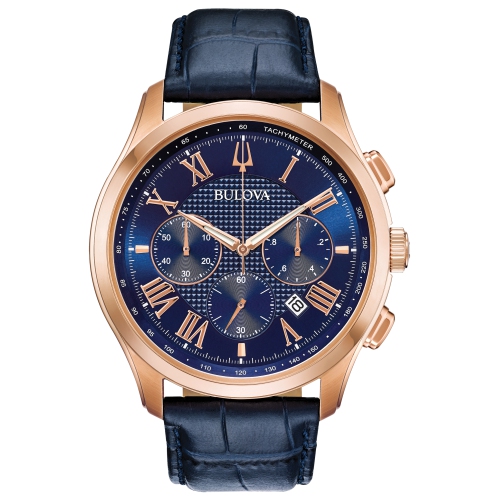
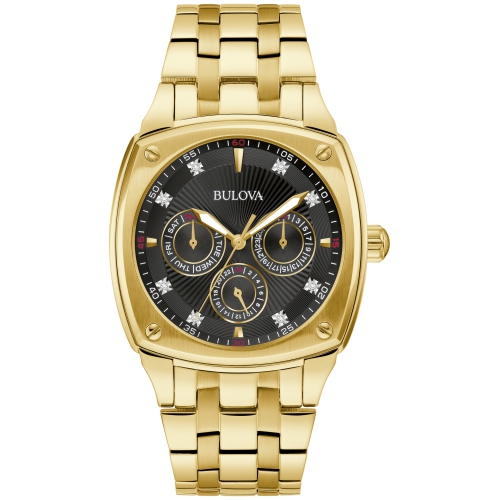
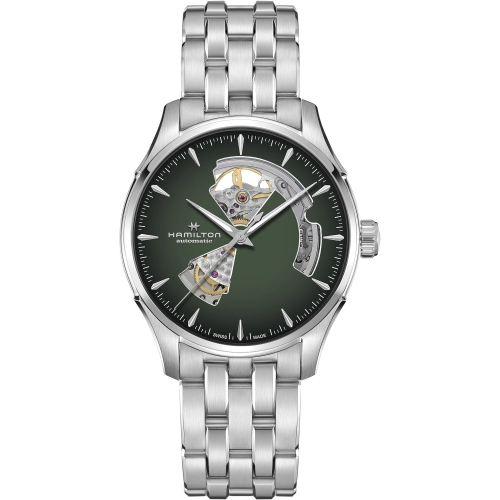
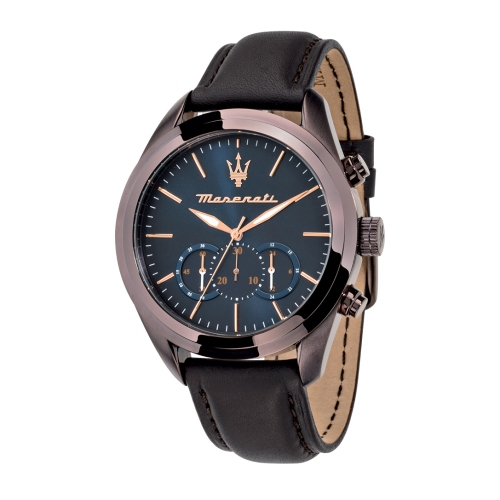
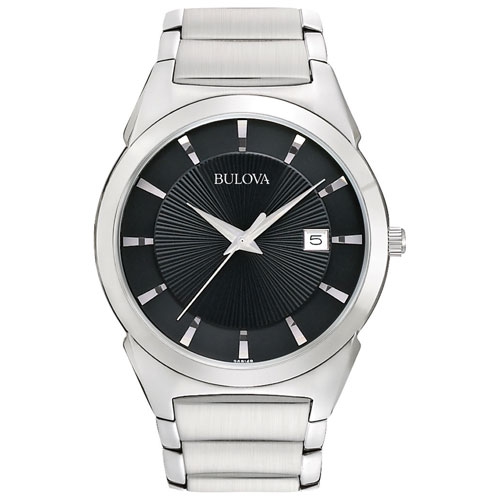
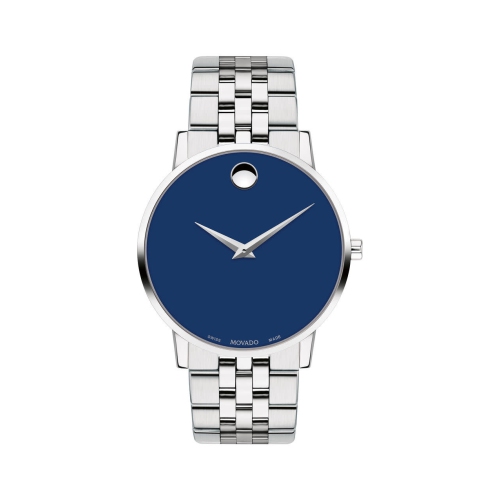
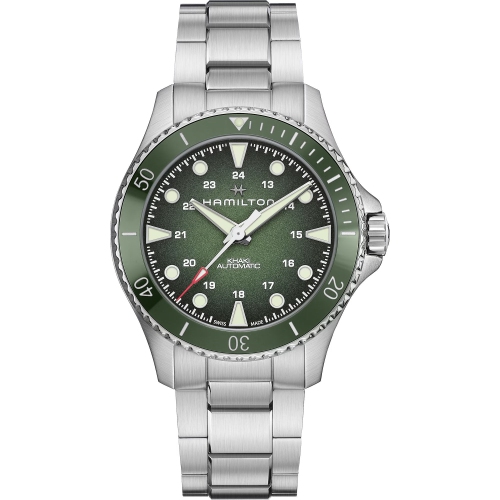
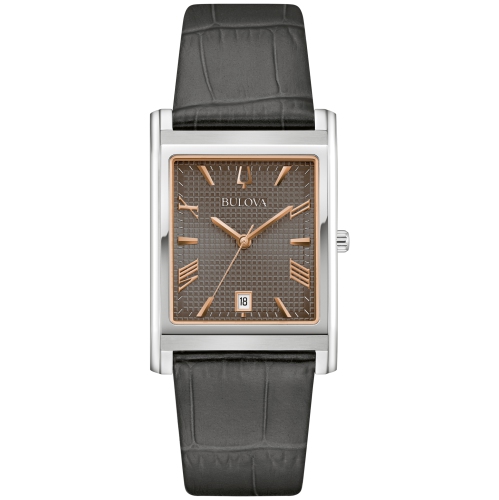
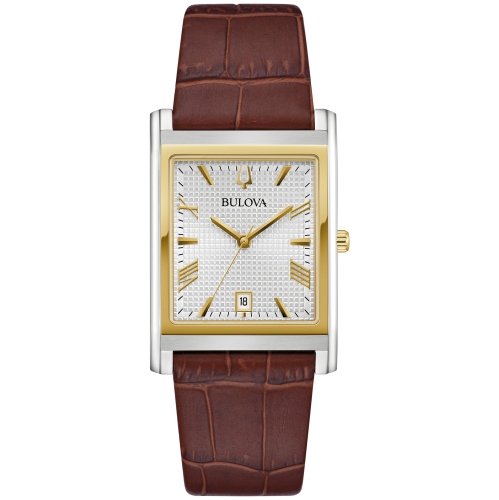
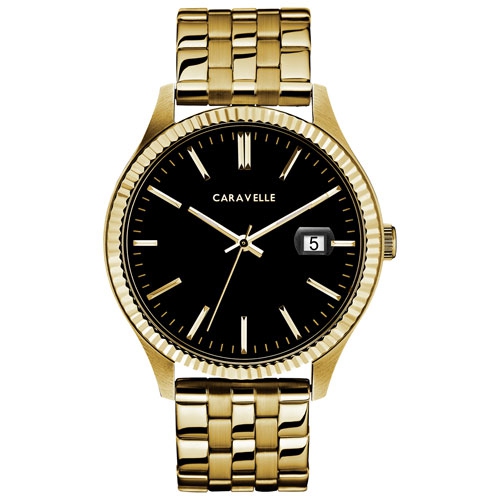
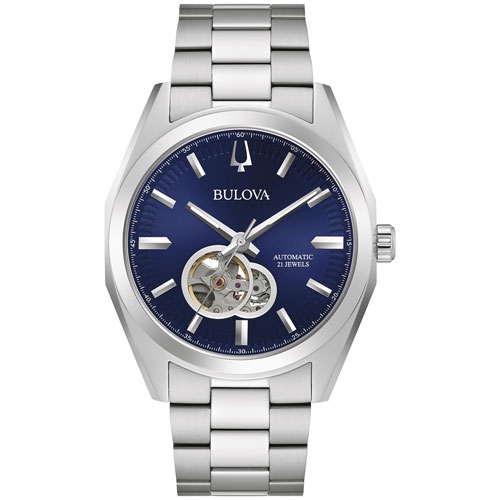
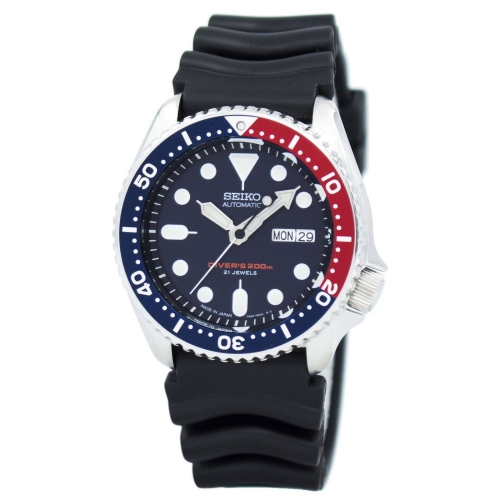
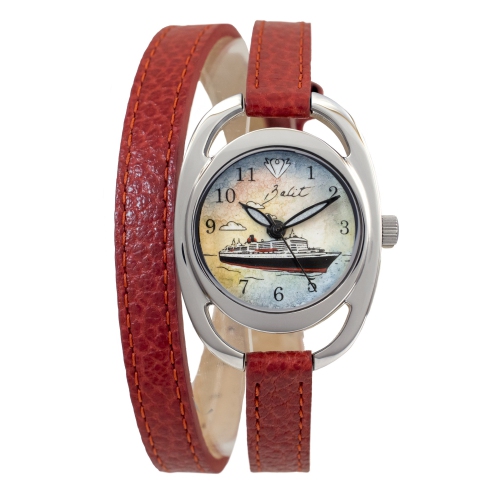
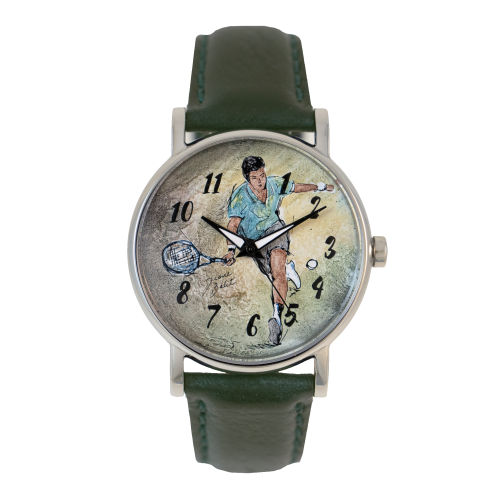
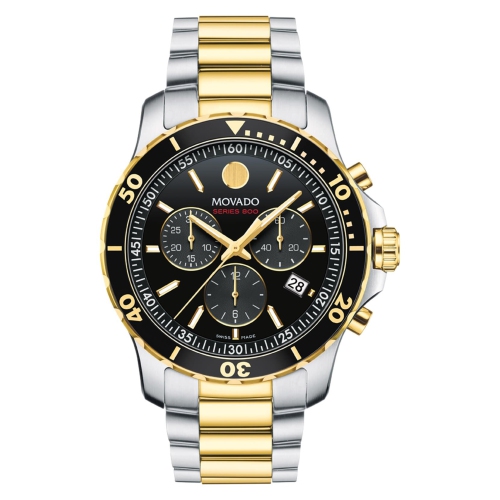
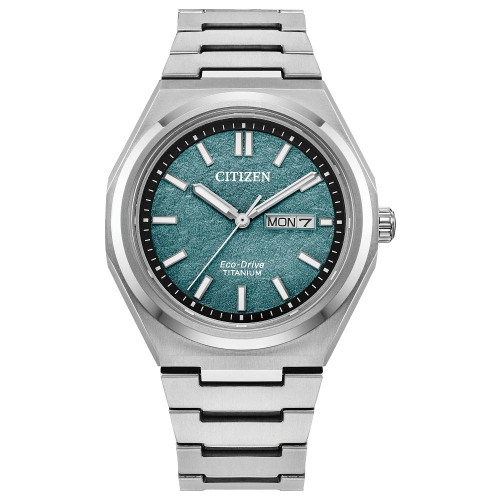
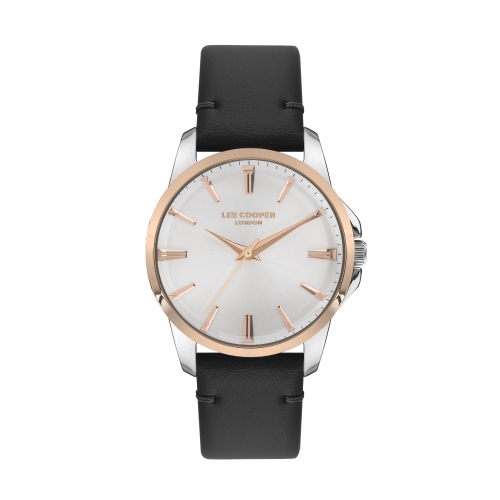
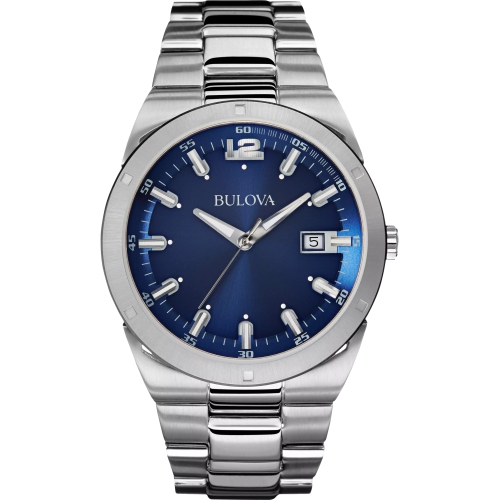
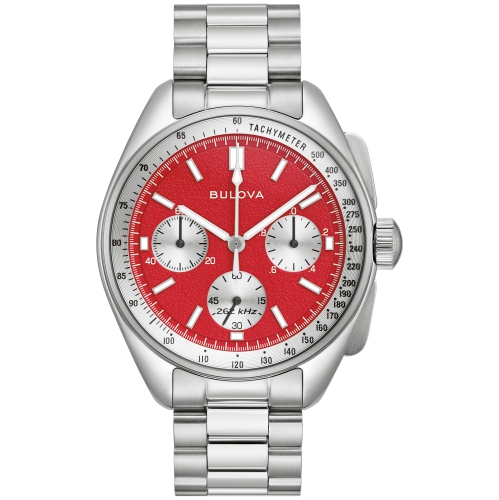
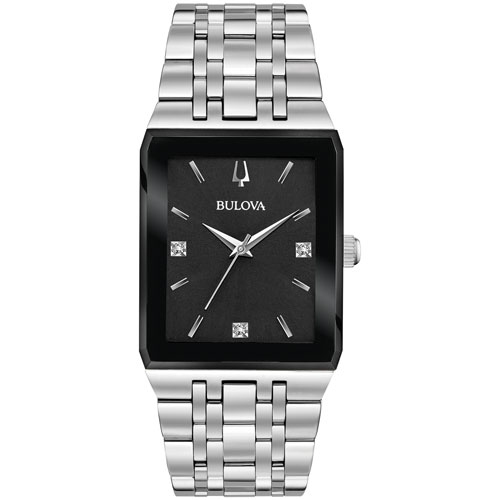
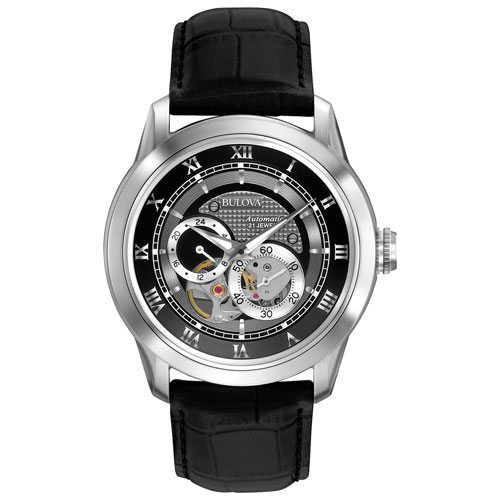
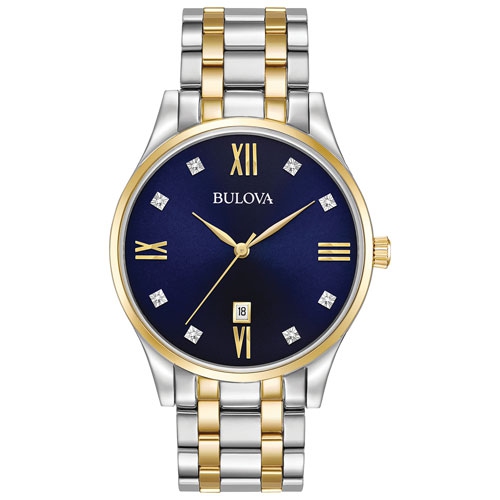
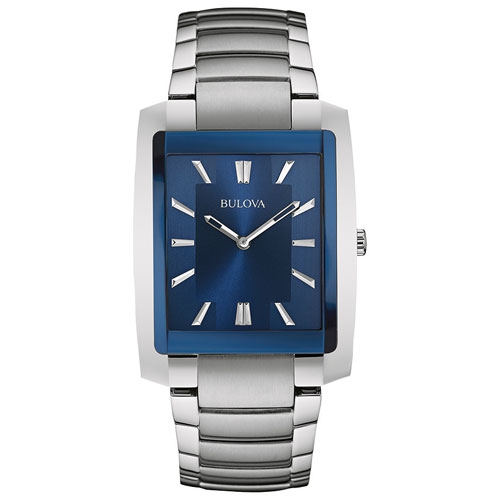
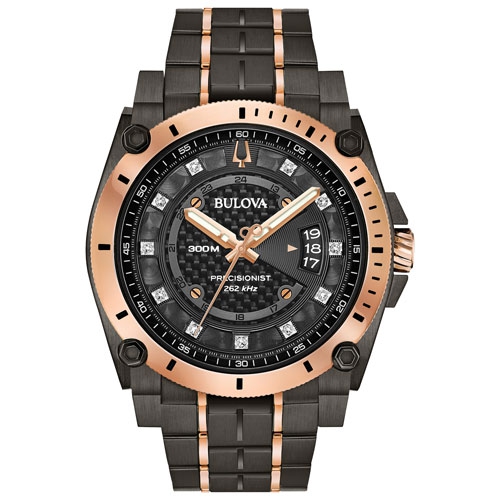
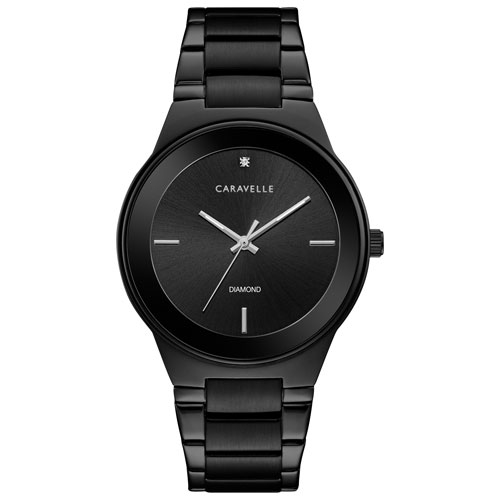
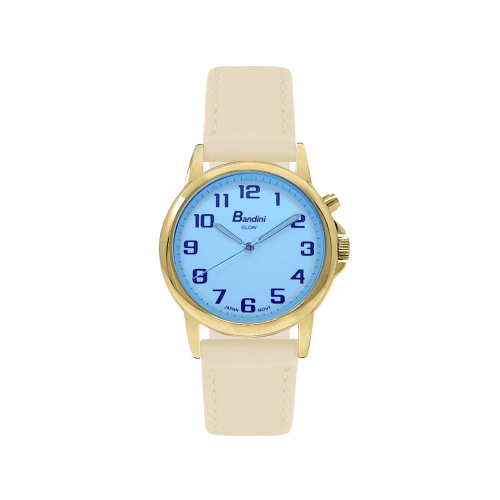
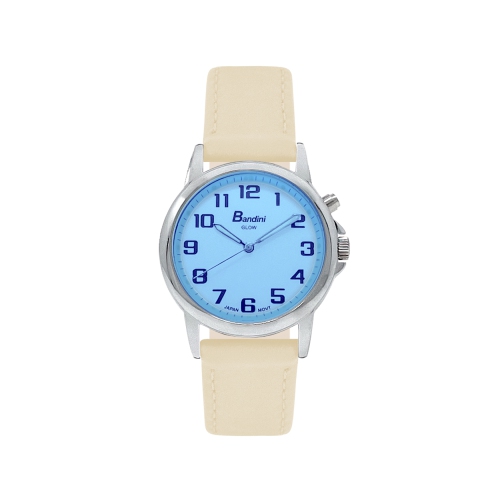
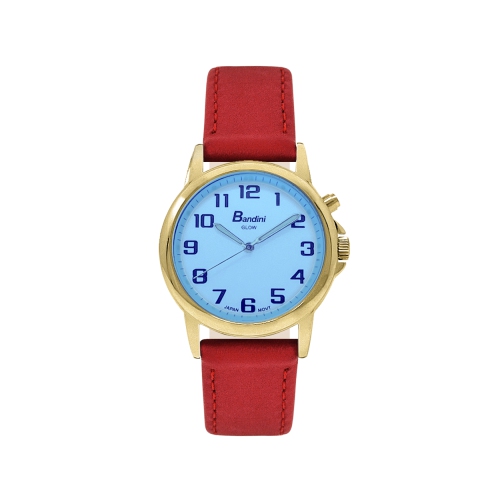
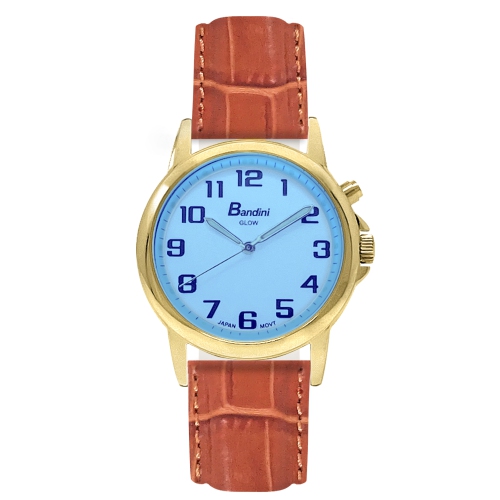
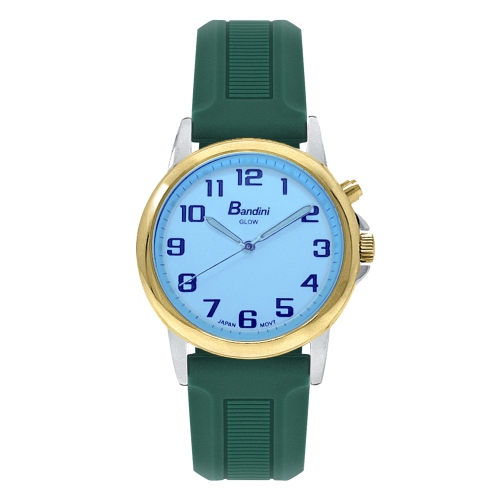
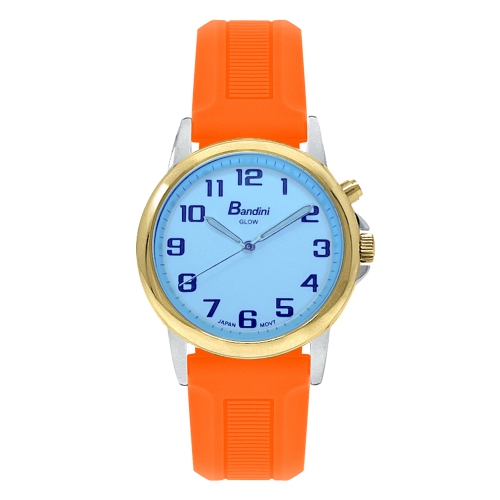
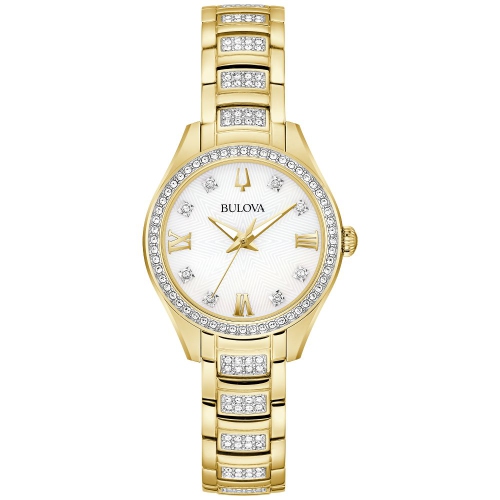
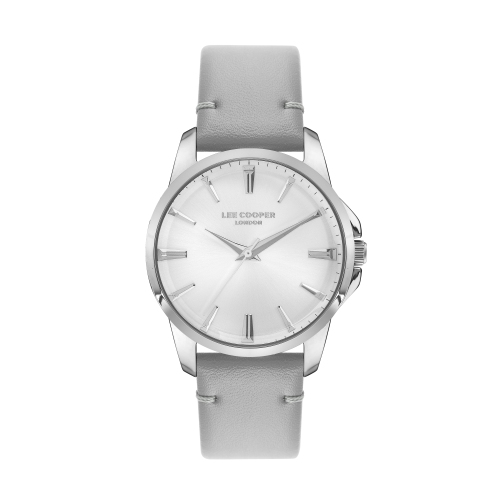
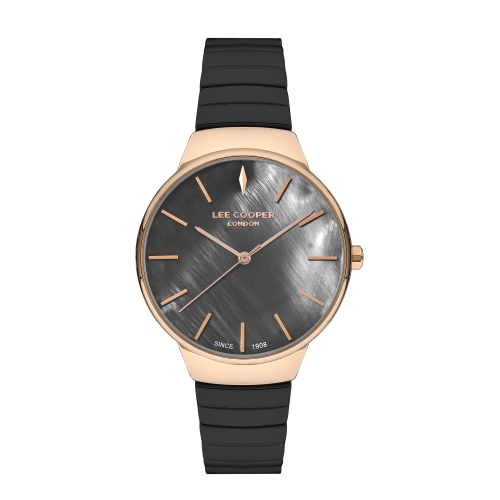
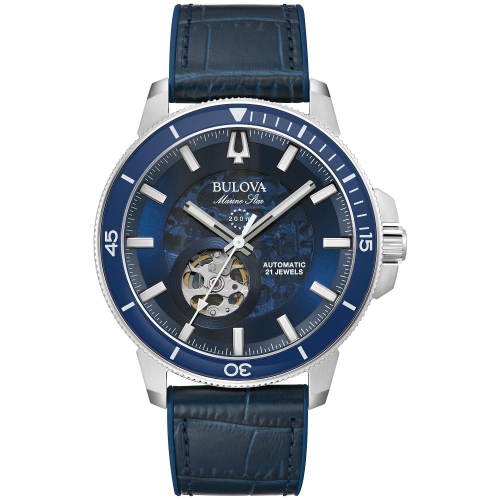
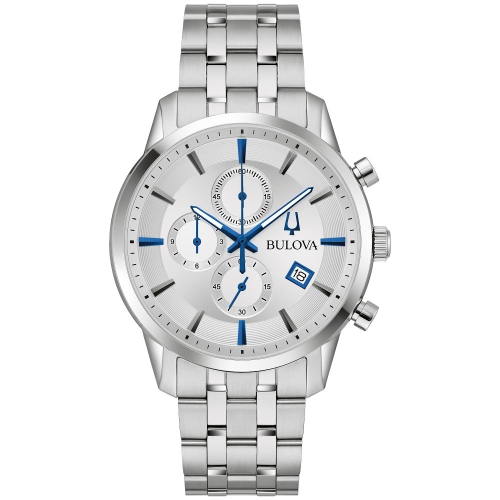
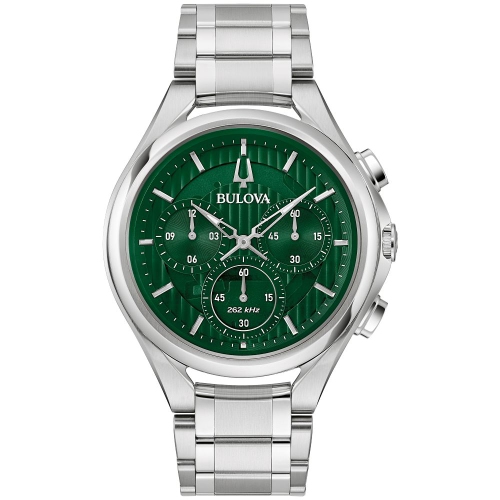
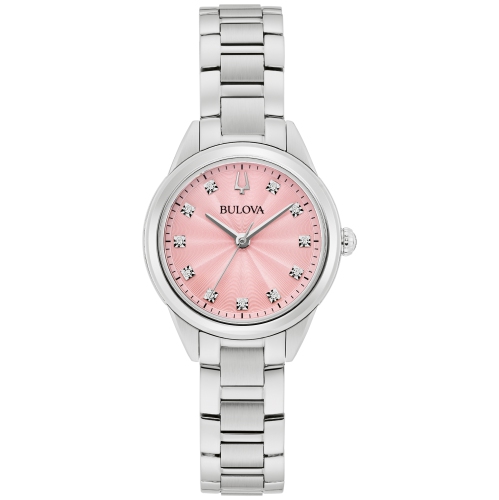
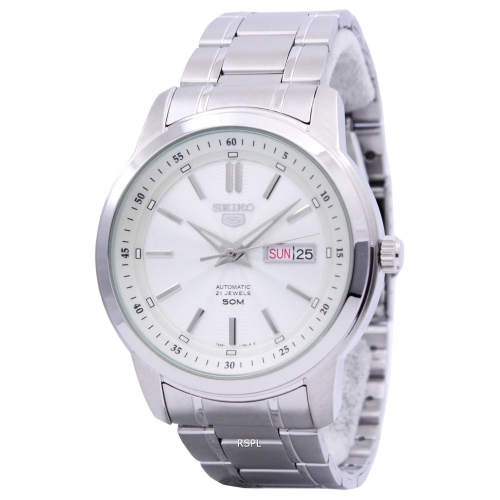
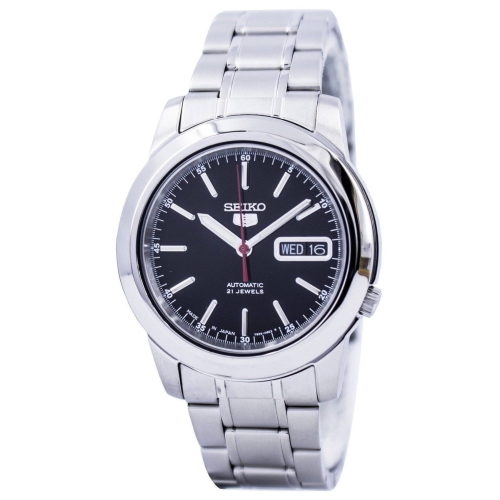
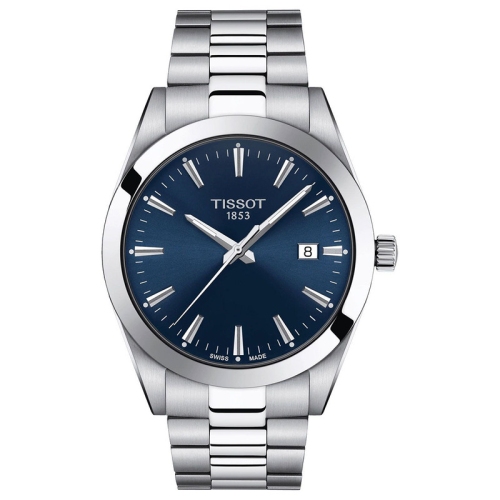
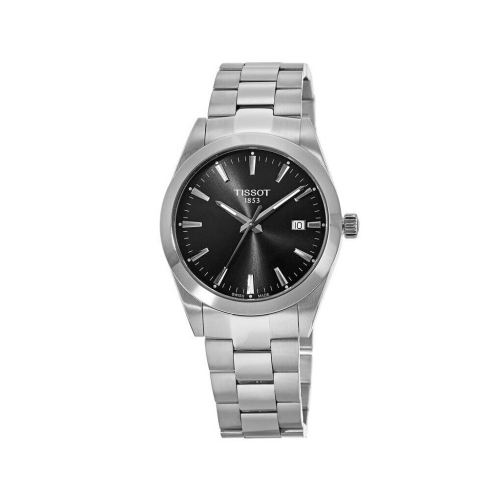
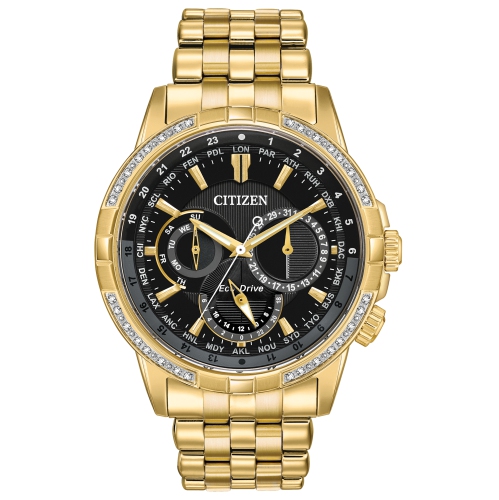
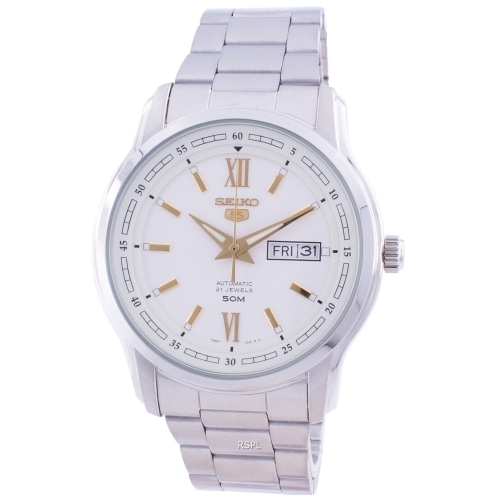
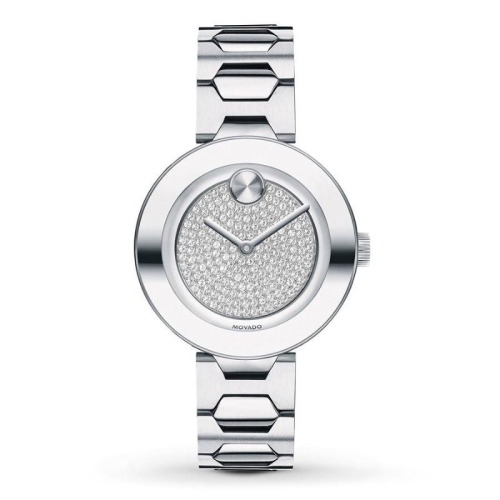
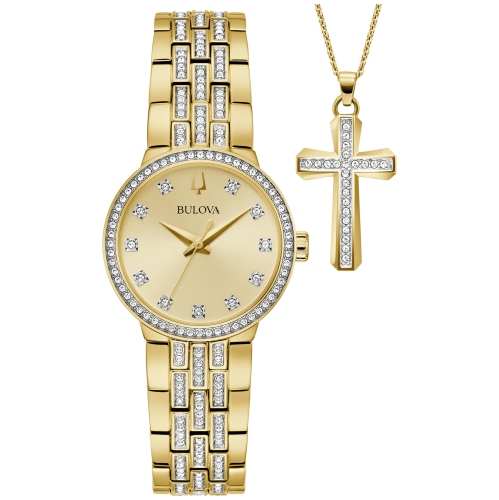
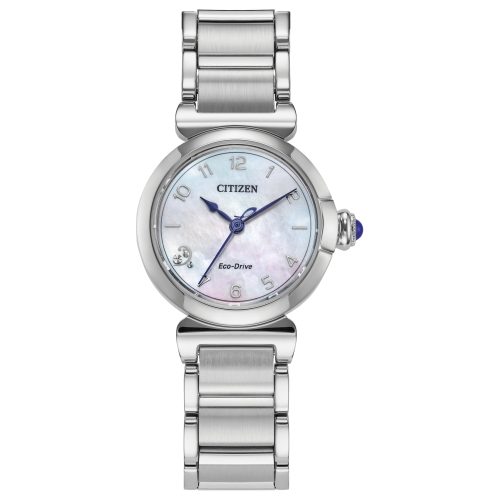
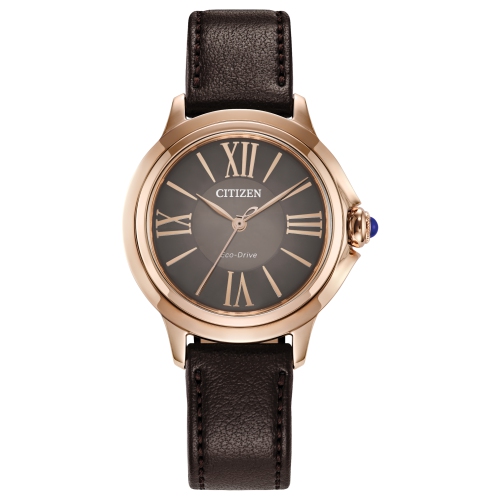
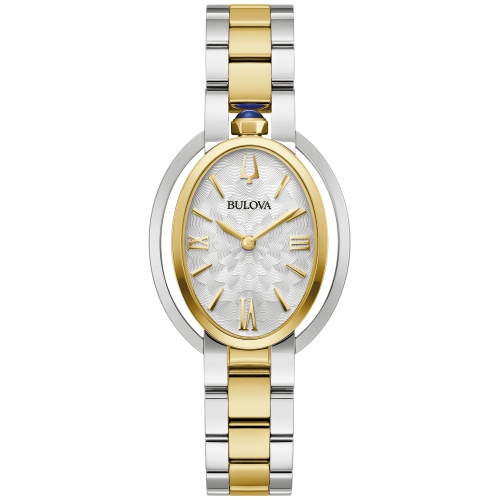
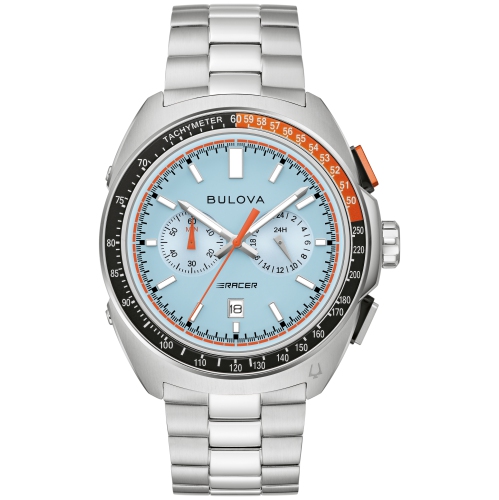
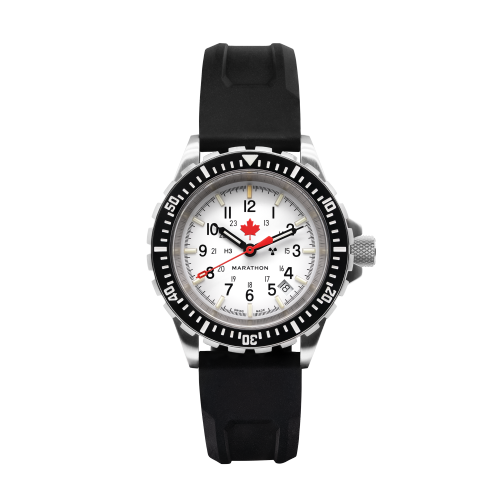
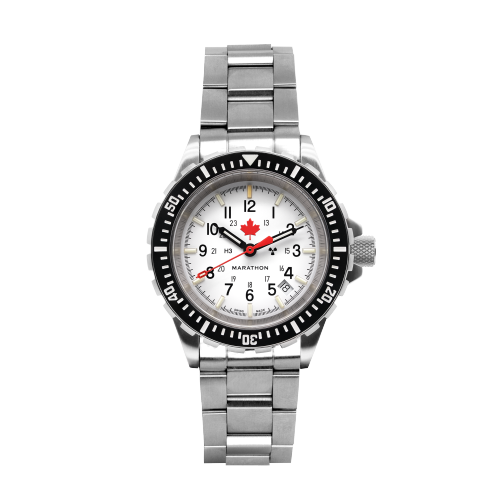
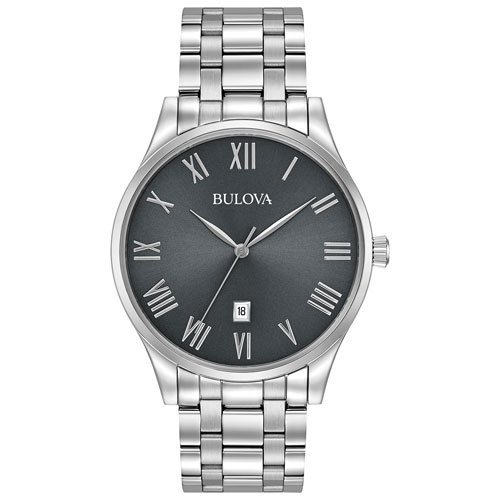
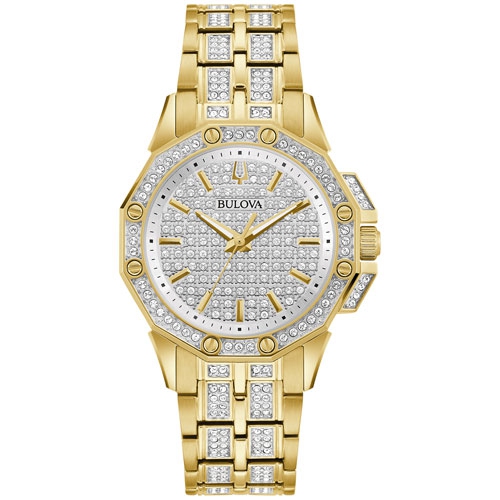
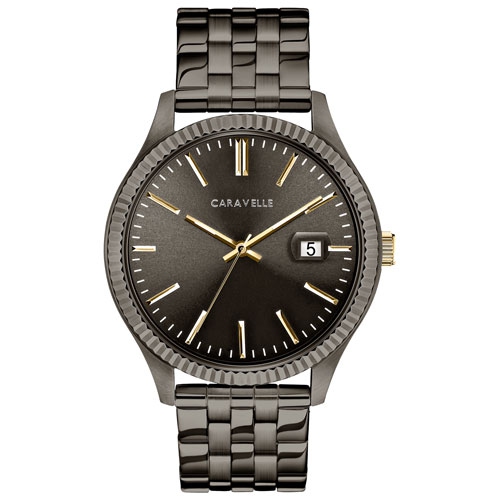
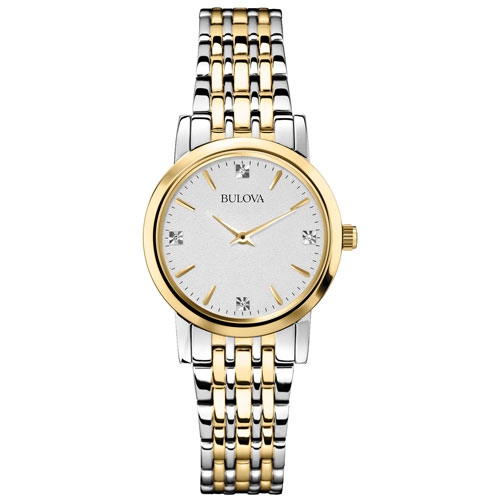
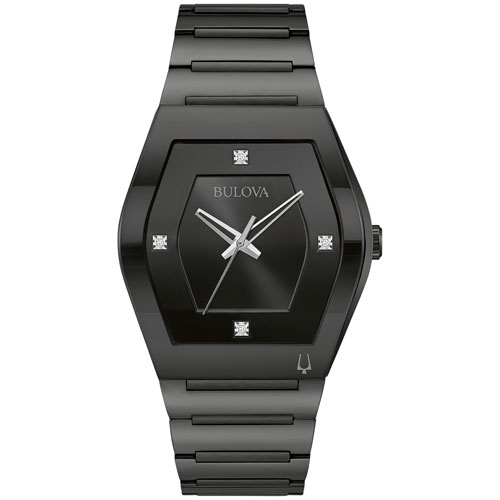
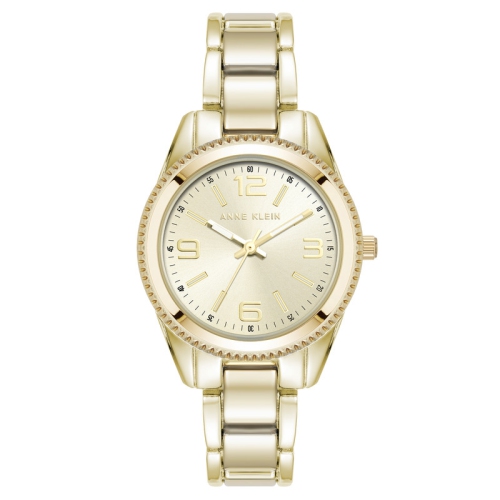
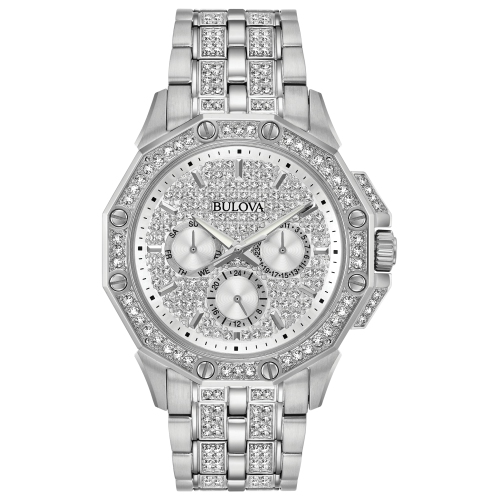
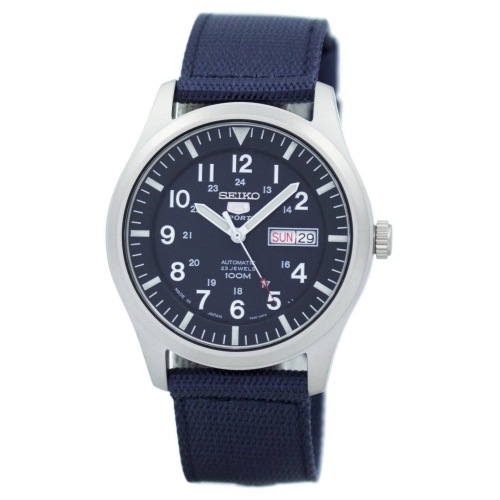
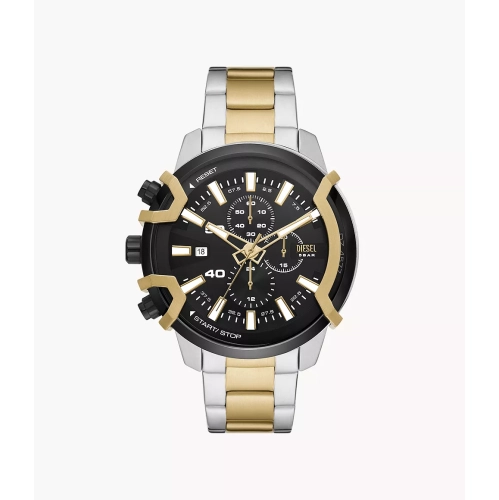
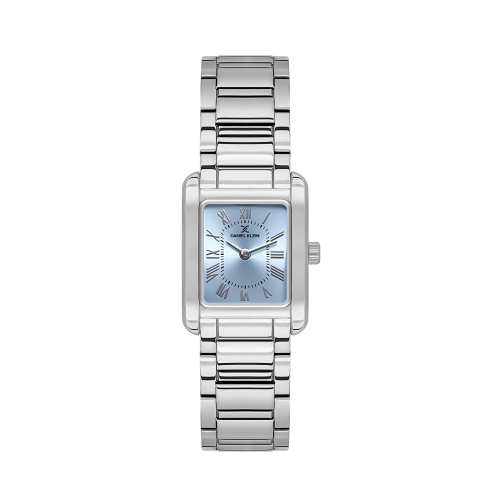
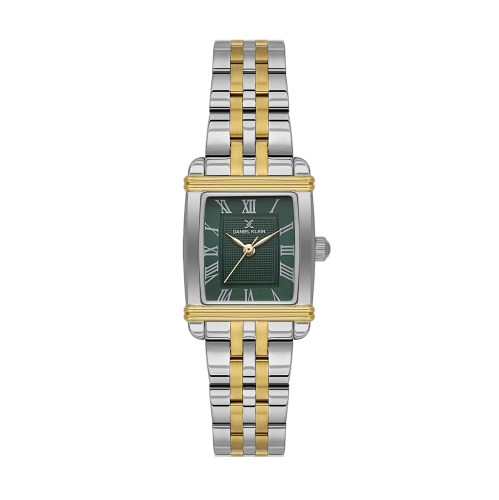
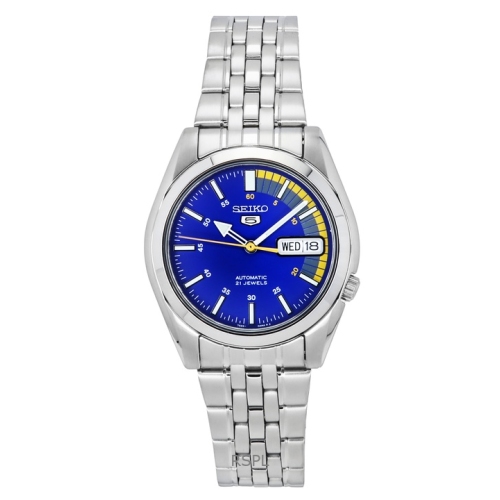
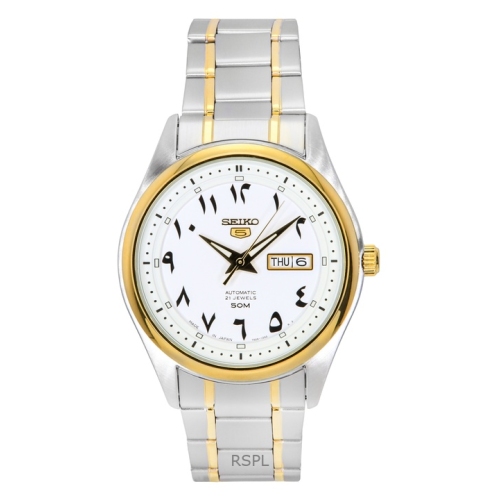
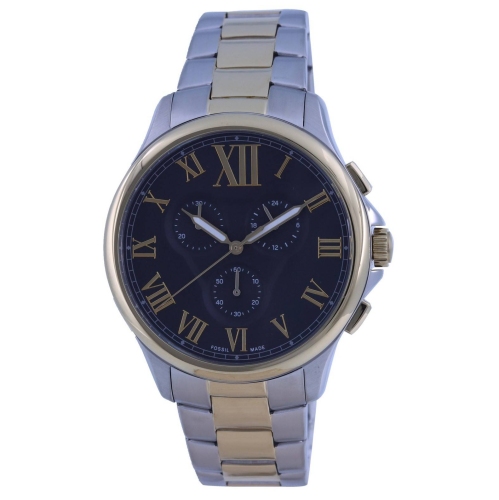
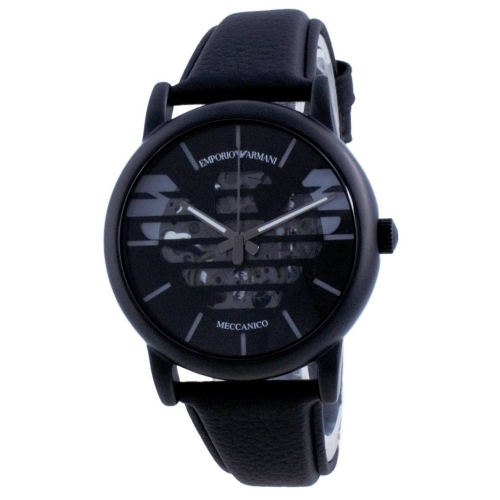
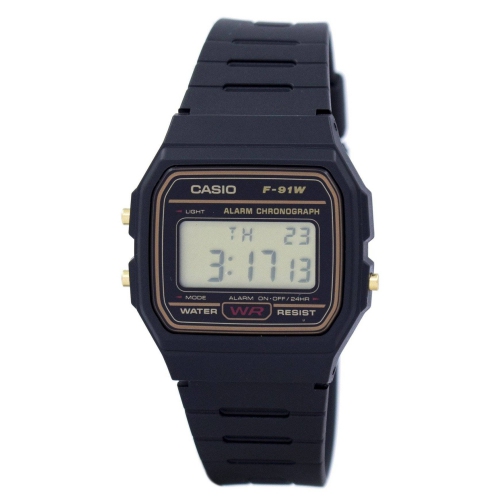
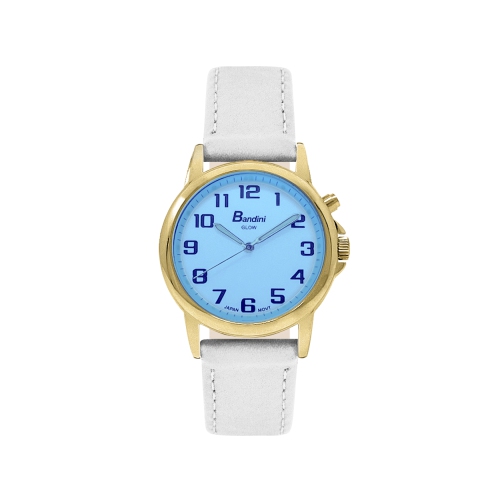
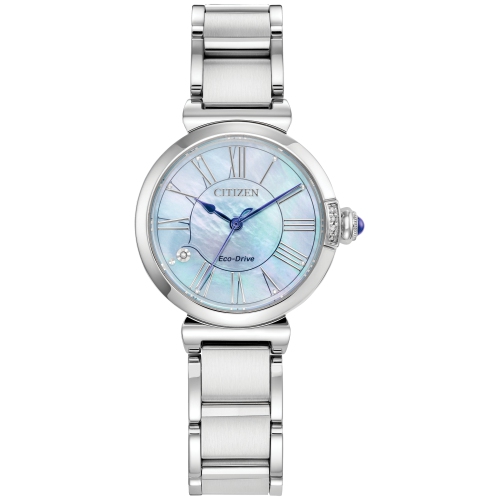
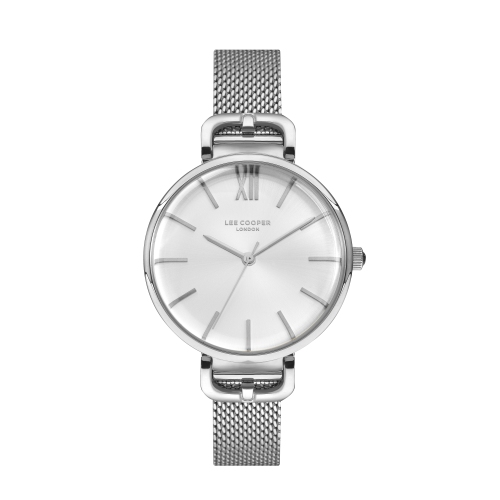
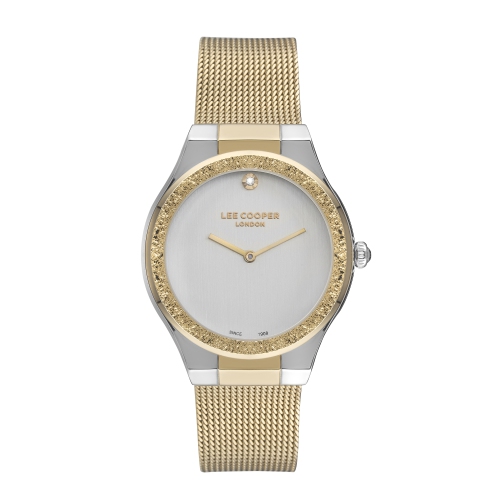
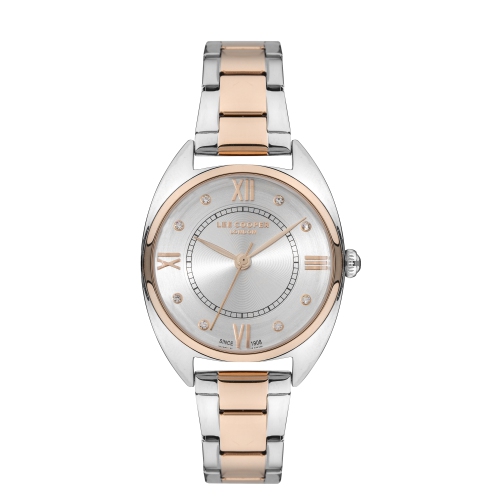
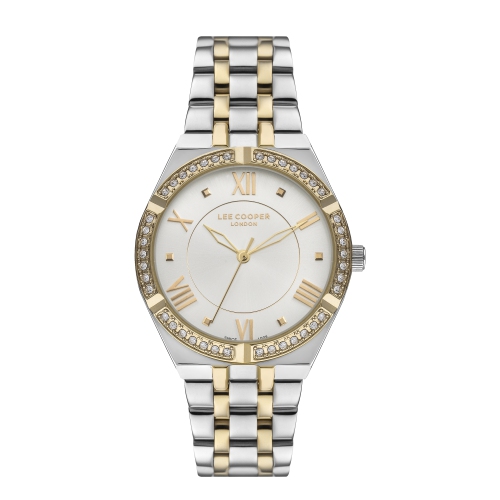
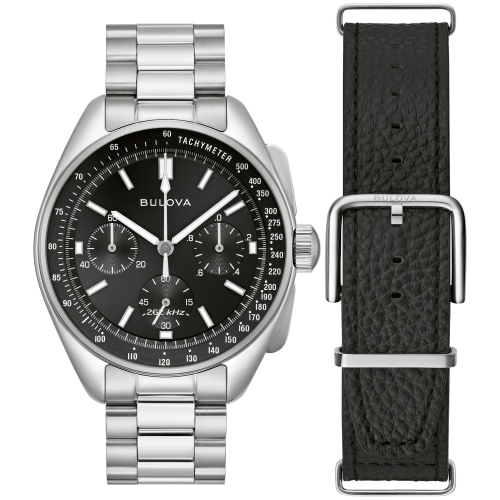
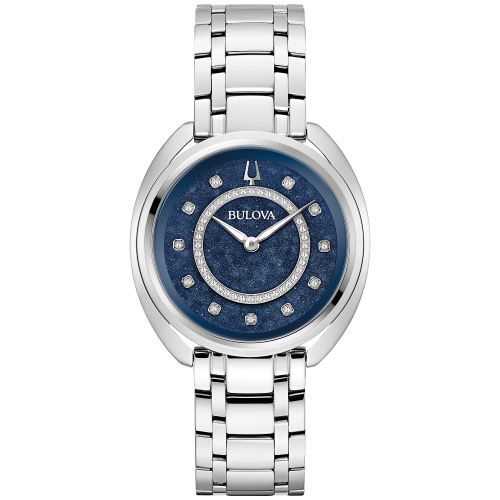
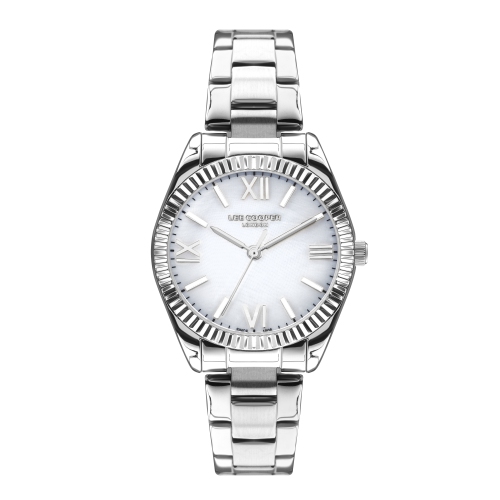
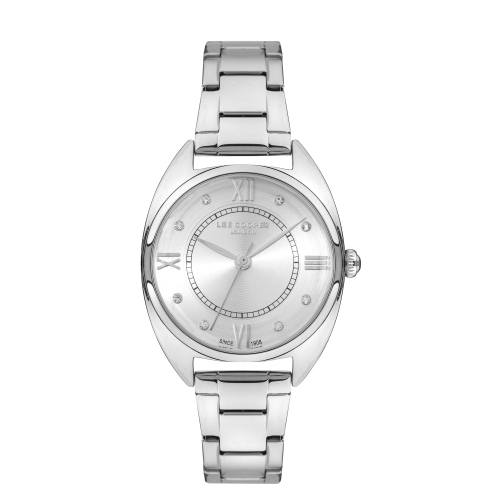
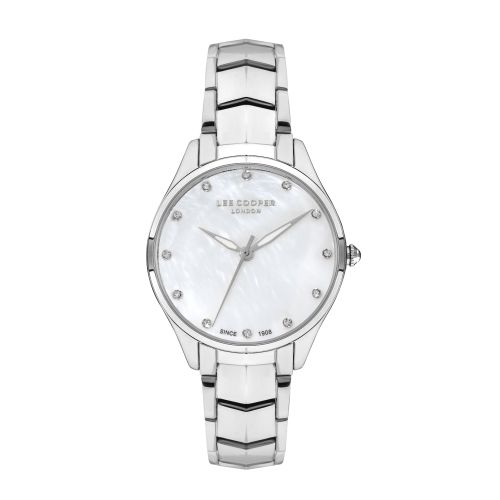
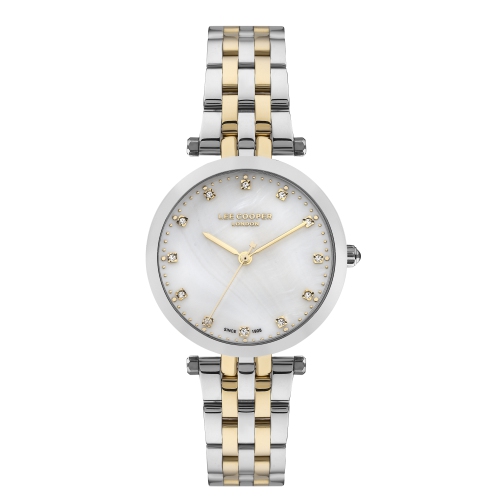
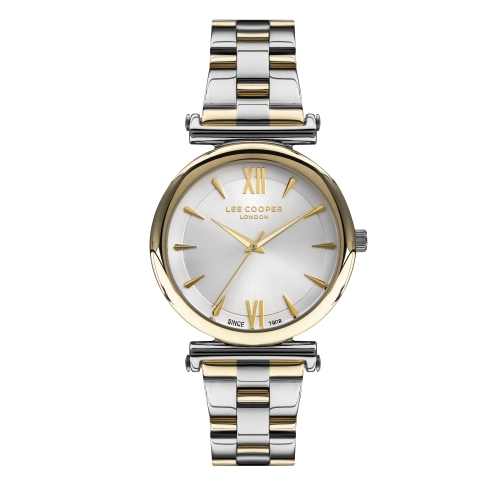
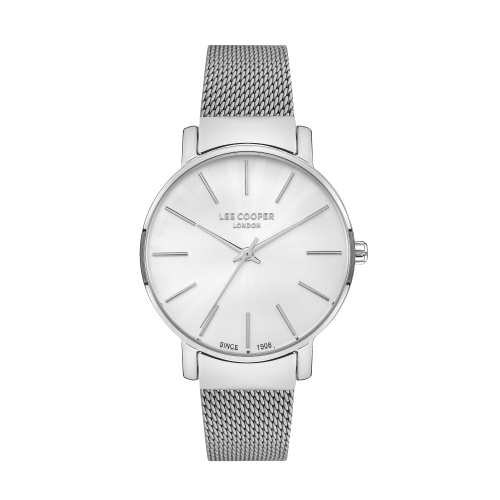
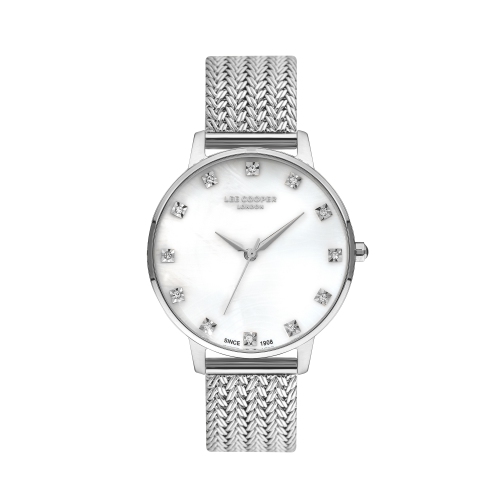
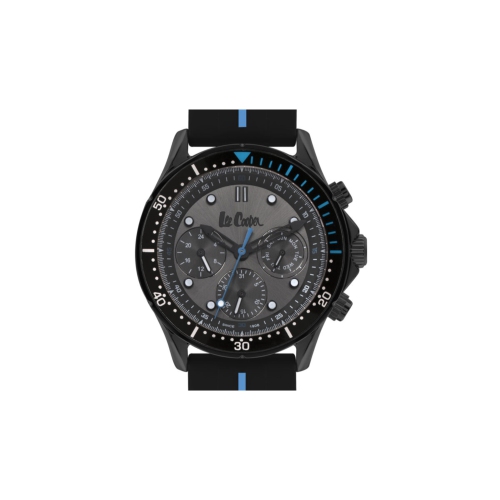
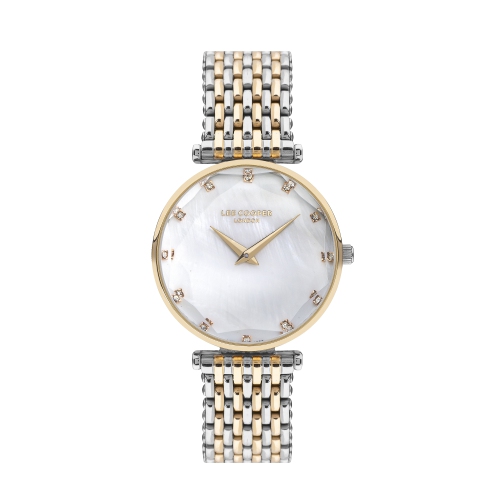
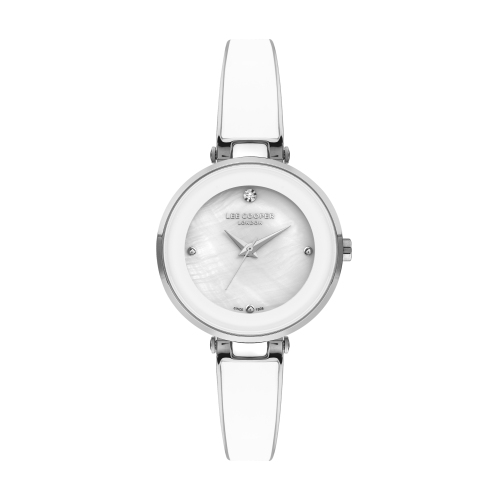
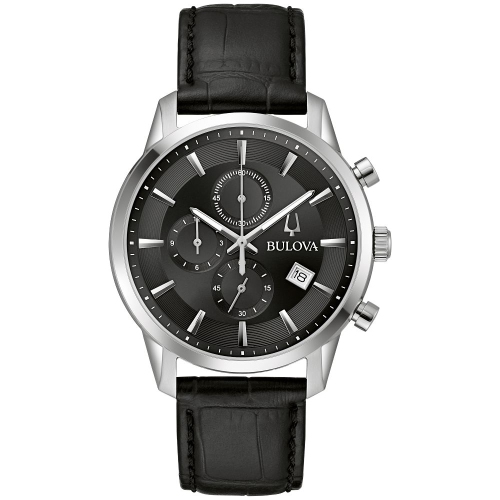
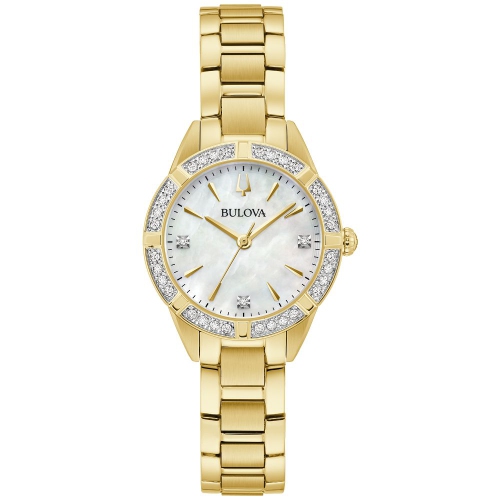
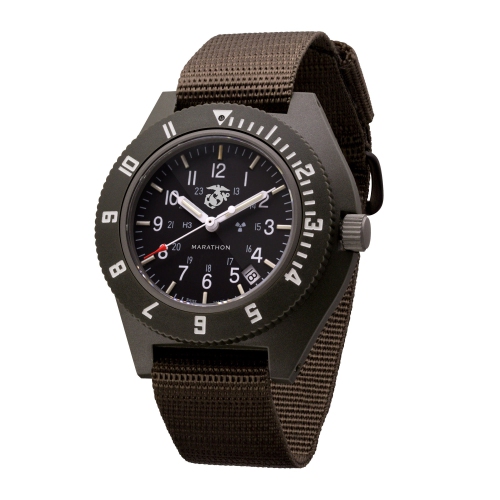
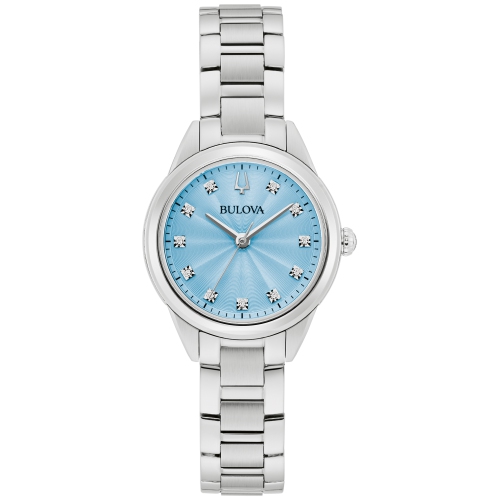
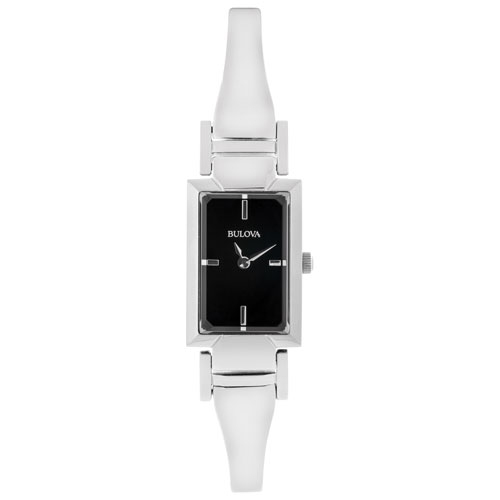
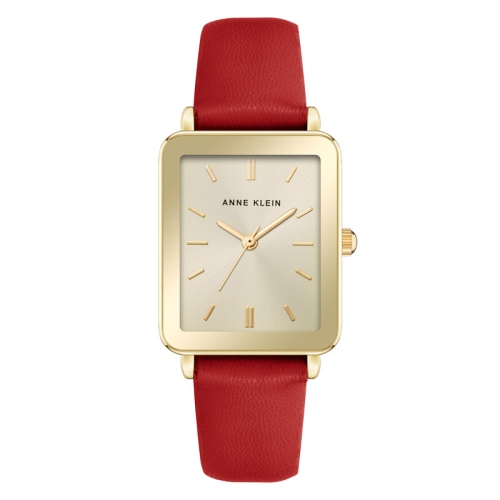
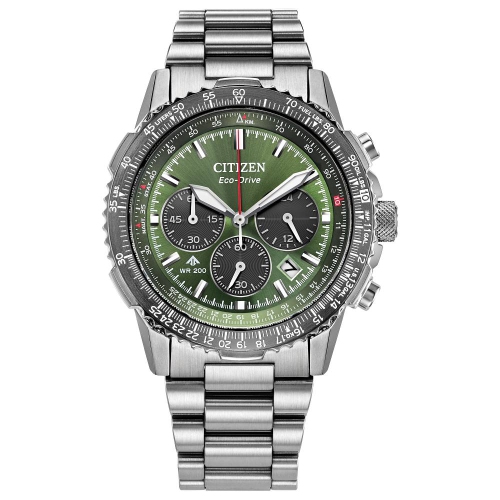
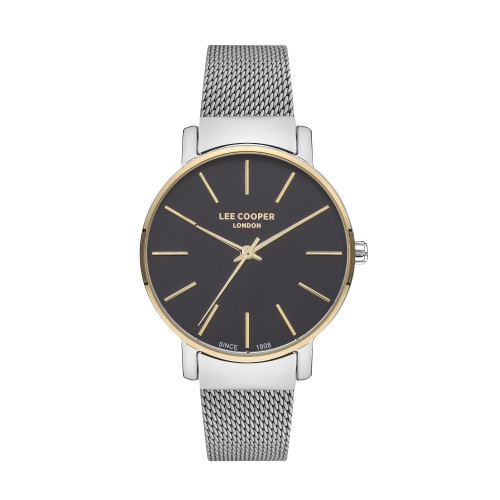
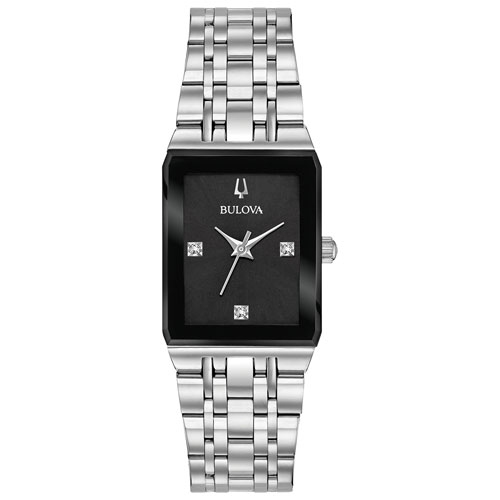
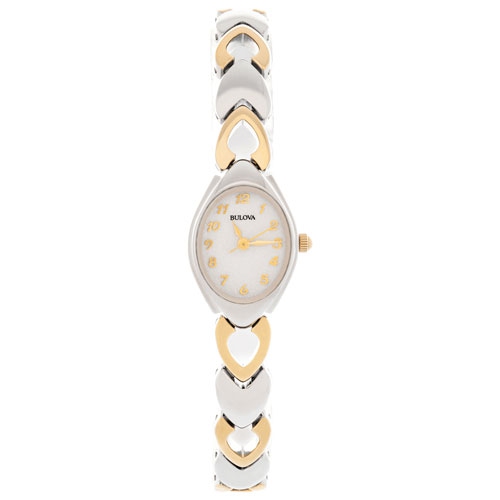
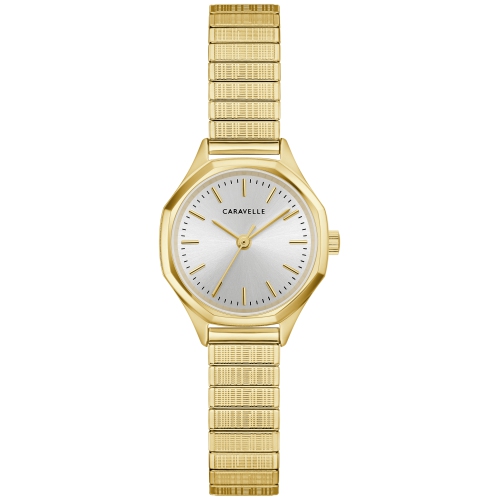
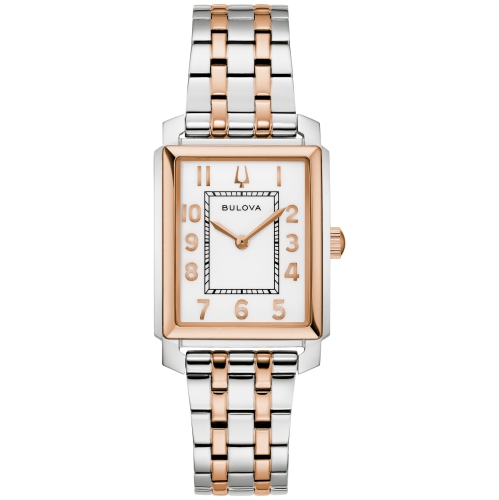
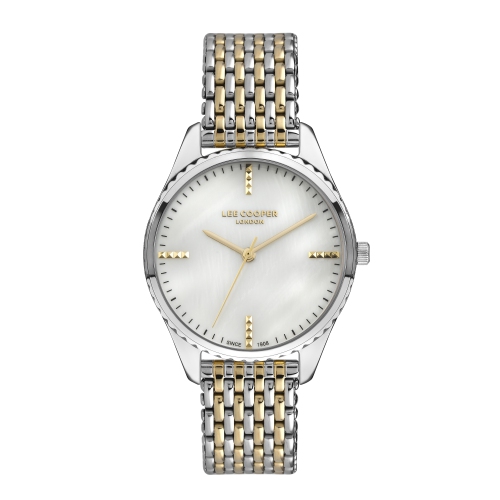
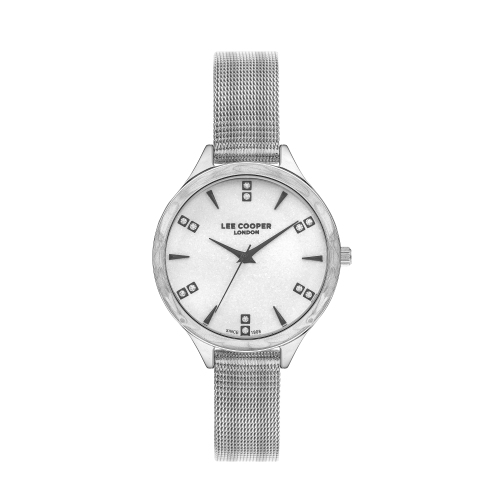
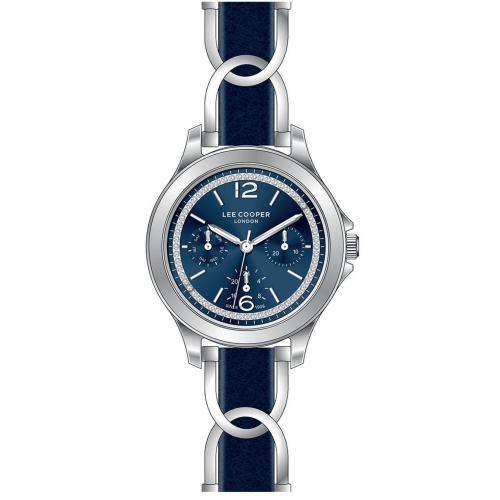
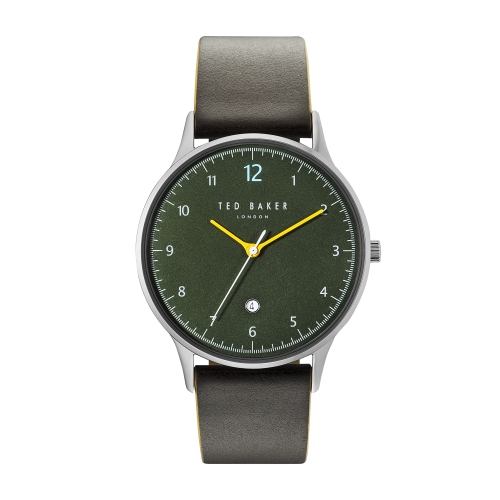
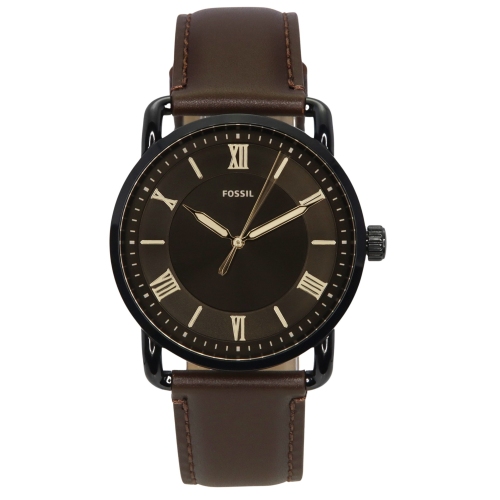
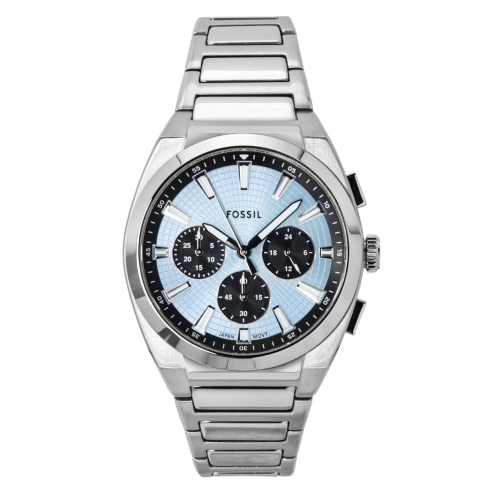
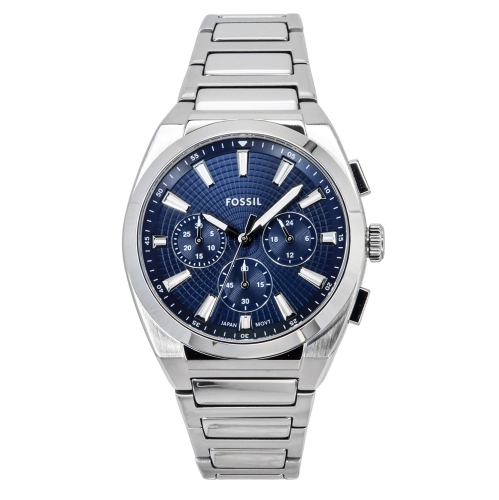
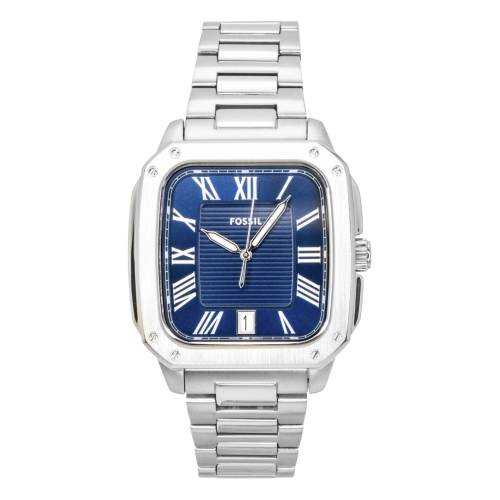
Dial watches put the face of the timepiece at the centre of its design, with hands, hour markers, colour, and surface details working together to display the time. The dial is the visible surface beneath the watch crystal; it is distinct from the bezel, which frames the face, and the case, which houses the movement. On an analogue watch, the arrangement of the hands and markers makes a familiar pattern that can be read at a glance, whether during a meeting or while heading out for an evening. A minimalist dial typically uses a plain background, slim hands, and simple stick indices or numerals, leaving plenty of space between each element. More detailed faces may include a date window, additional time zones, or small subdials for functions such as elapsed-time measurement. These features give the face depth and purpose, although a chronograph’s stopwatch function is different from an alarm. For a reminder that sounds from the wrist, Alarm Wrist Watches offer a related option, with the display and reminder controls varying by design. Dial finishes also change the character of a watch considerably. A matte face has a restrained appearance, while a sunray finish creates bands of reflected light that shift as the wrist moves. Guilloché refers to intricate, repeating patterns traditionally produced through engine turning, though similar-looking textures may be made using other techniques. Mother-of-pearl brings an iridescent quality, with natural variations that make each surface look slightly different. Black, white, silver-tone, and blue dials can sit comfortably alongside everyday clothing, while warmer tones or richer colours make the watch more noticeable. Readability depends on more than colour alone: contrasting hands, clearly spaced markers, and a date display large enough to read comfortably can matter more in daily use than an elaborate finish. Luminous hands or indices can help in low light, but their brightness and duration depend on the luminous material and how it is charged.
The materials surrounding the dial influence how a watch feels and how it handles everyday wear. Stainless steel cases have a substantial feel and suit both polished and brushed finishes, while titanium is typically lighter and can be appealing for longer days on the wrist. Resin cases are often lightweight and practical for casual or active use. Gold-tone and other coloured finishes describe an appearance rather than necessarily indicating solid precious metal, and surface coatings may show wear over time, particularly where a bracelet rubs against a desk. The crystal protects the face from contact and debris. Sapphire is highly scratch resistant, mineral glass offers useful everyday protection, and acrylic is comparatively easy to scratch but can sometimes be polished to remove light marks. None is immune to damage, so a watch worn while carrying luggage or working around hard surfaces faces different demands from one reserved for dinners and special occasions. Inside the case, the movement determines how the hands are powered. Quartz watches generally run on a battery and offer accurate timekeeping with little routine attention beyond battery replacement when needed. Mechanical watches use a wound mainspring, with manual-winding movements requiring regular winding and automatic movements drawing energy from wrist motion. An automatic watch can stop when left unworn beyond its power reserve, making occasional resetting part of ownership. Solar-powered movements use light to charge a stored power source, although charging needs and running time vary. Water resistance is another important distinction: a rating does not mean that every watch is suitable for swimming, showering, or diving. Suitability depends on the stated rating and the manufacturer’s directions, as well as the condition of the seals. A leather strap may also need to stay dry even when the case tolerates some water exposure. For a watch that moves between office days, weekend errands, and outdoor walks, comfort, legibility, and an appropriate water-resistance rating often prove more useful than extra dial functions that rarely get used.
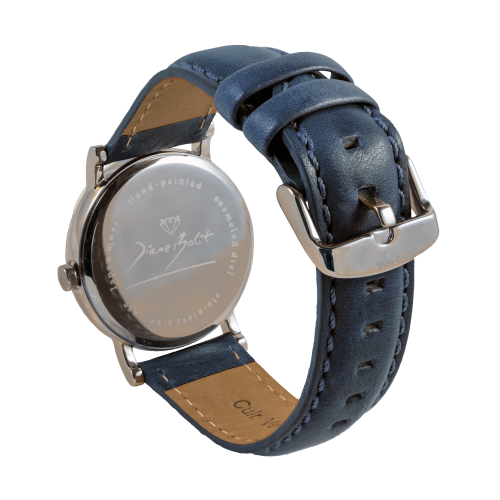
Fit brings these design and material choices together. Case diameter affects how much of the wrist the face covers, but the lug-to-lug length—the distance between the ends where the strap attaches—can be just as important. A wide watch with short lugs may sit more comfortably than a smaller one whose lugs extend beyond the wrist. Case thickness also makes a difference when a watch needs to slide beneath a shirt cuff or the sleeve of a winter coat. A well-fitted strap keeps the case stable without digging into the skin; a watch that spins around the wrist can be awkward to read and more likely to bump against nearby surfaces. Leather straps tend to soften with wear and pair naturally with tailored clothing, while metal bracelets provide a different balance of weight and flexibility. Silicone or resin straps often suit active routines, and woven fabric straps offer a softer, casual feel, though they may take time to dry after getting wet. Bracelet links, clasp adjustments, and strap-hole spacing all affect how precisely the fit can be tailored. Care is usually straightforward but should reflect the materials: a soft cloth can remove fingerprints from the case and crystal, while leather benefits from being kept away from prolonged moisture and allowed to dry naturally if damp. Cleaning methods suitable for a water-resistant metal bracelet may not suit a leather strap or a watch with limited water resistance. Avoiding harsh cleaners, strong magnetic fields, and unnecessary impacts helps protect both the finish and the movement. When giving a dial watch as a gift, the recipient’s routines offer useful clues. Someone who wears understated jewellery may appreciate a clean face and a slim case, while a person drawn to colour or texture may enjoy a dial that changes in the light. For a graduation, birthday, anniversary, or retirement, a comfortable fit and a face that reflects the wearer’s taste give the watch a lasting place in everyday life.
The materials surrounding the dial influence how a watch feels and how it handles everyday wear. Stainless steel cases have a substantial feel and suit both polished and brushed finishes, while titanium is typically lighter and can be appealing for longer days on the wrist. Resin cases are often lightweight and practical for casual or active use. Gold-tone and other coloured finishes describe an appearance rather than necessarily indicating solid precious metal, and surface coatings may show wear over time, particularly where a bracelet rubs against a desk. The crystal protects the face from contact and debris. Sapphire is highly scratch resistant, mineral glass offers useful everyday protection, and acrylic is comparatively easy to scratch but can sometimes be polished to remove light marks. None is immune to damage, so a watch worn while carrying luggage or working around hard surfaces faces different demands from one reserved for dinners and special occasions. Inside the case, the movement determines how the hands are powered. Quartz watches generally run on a battery and offer accurate timekeeping with little routine attention beyond battery replacement when needed. Mechanical watches use a wound mainspring, with manual-winding movements requiring regular winding and automatic movements drawing energy from wrist motion. An automatic watch can stop when left unworn beyond its power reserve, making occasional resetting part of ownership. Solar-powered movements use light to charge a stored power source, although charging needs and running time vary. Water resistance is another important distinction: a rating does not mean that every watch is suitable for swimming, showering, or diving. Suitability depends on the stated rating and the manufacturer’s directions, as well as the condition of the seals. A leather strap may also need to stay dry even when the case tolerates some water exposure. For a watch that moves between office days, weekend errands, and outdoor walks, comfort, legibility, and an appropriate water-resistance rating often prove more useful than extra dial functions that rarely get used.
Fit brings these design and material choices together. Case diameter affects how much of the wrist the face covers, but the lug-to-lug length—the distance between the ends where the strap attaches—can be just as important. A wide watch with short lugs may sit more comfortably than a smaller one whose lugs extend beyond the wrist. Case thickness also makes a difference when a watch needs to slide beneath a shirt cuff or the sleeve of a winter coat. A well-fitted strap keeps the case stable without digging into the skin; a watch that spins around the wrist can be awkward to read and more likely to bump against nearby surfaces. Leather straps tend to soften with wear and pair naturally with tailored clothing, while metal bracelets provide a different balance of weight and flexibility. Silicone or resin straps often suit active routines, and woven fabric straps offer a softer, casual feel, though they may take time to dry after getting wet. Bracelet links, clasp adjustments, and strap-hole spacing all affect how precisely the fit can be tailored. Care is usually straightforward but should reflect the materials: a soft cloth can remove fingerprints from the case and crystal, while leather benefits from being kept away from prolonged moisture and allowed to dry naturally if damp. Cleaning methods suitable for a water-resistant metal bracelet may not suit a leather strap or a watch with limited water resistance. Avoiding harsh cleaners, strong magnetic fields, and unnecessary impacts helps protect both the finish and the movement. When giving a dial watch as a gift, the recipient’s routines offer useful clues. Someone who wears understated jewellery may appreciate a clean face and a slim case, while a person drawn to colour or texture may enjoy a dial that changes in the light. For a graduation, birthday, anniversary, or retirement, a comfortable fit and a face that reflects the wearer’s taste give the watch a lasting place in everyday life.
Top selling and popular products
-
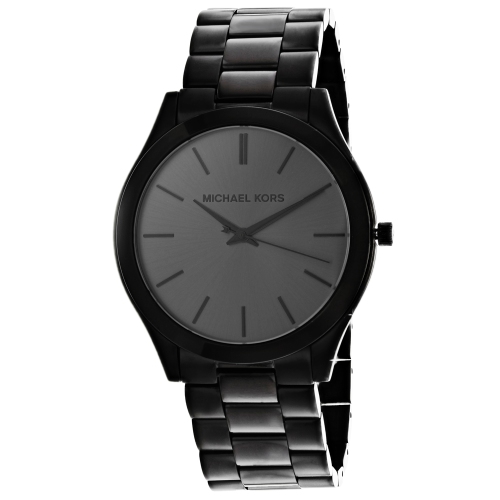 Your price for this item is $179.99
 -
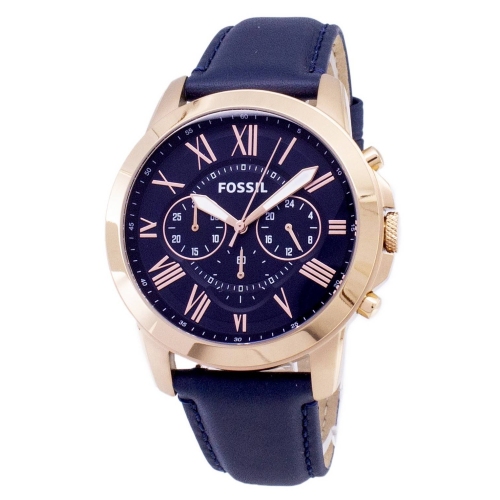 Your price for this item is $224.59
 -
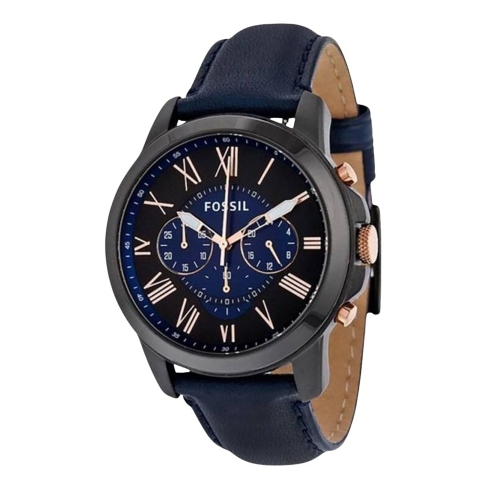 Your price for this item is $224.59
 -
 Your price for this item is $186.16
 -
 Your price for this item is $266.42
 -
 Your price for this item is $268.09
 -
 Your price for this item is $228.48
 -
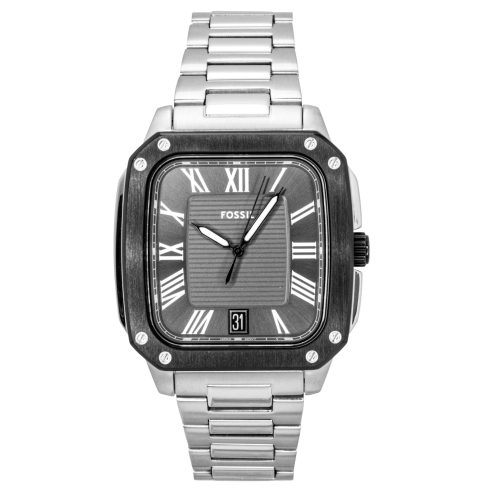 Your price for this item is $216.47
Discover more categories related to Dial Watches
Top Collections:
Pokemon Centers, Kindle Devices, Best Budget Office Chairs, Apple iPhones 16, Best Laptops for Writers, iPhone 15 Apple, Canon G7X Cameras, Refurbished Apple Laptops, Alarm Clock, Motorola Razr Phones
Some products may be subject to Environmental Handling Fees
(EHF) depending on your province.
Learn more about EHFs.