Equipment for Divers
Gear up for your next underwater adventure with our top-quality equipment for divers. Whether you're a seasoned diver or just starting out, we have everything you need to explore the depths comfortably and safely. From wetsuits and fins to dive computers and underwater cameras, our selection of diving gear is designed to enhance your experience and help you make the most of your time beneath the waves. Dive into our collection today and discover the perfect tools to take your diving adventures to new depths.
Sort


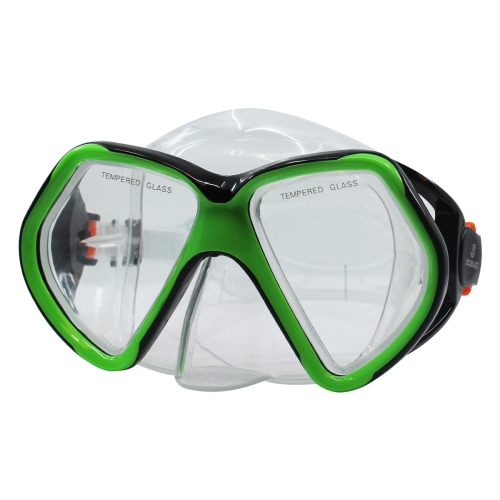
Why fit and compatibility matter in diving gear
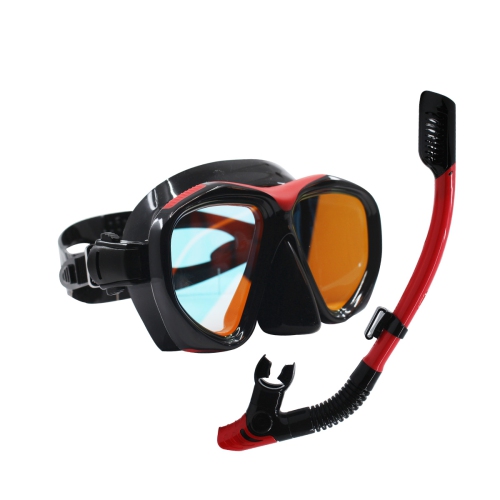
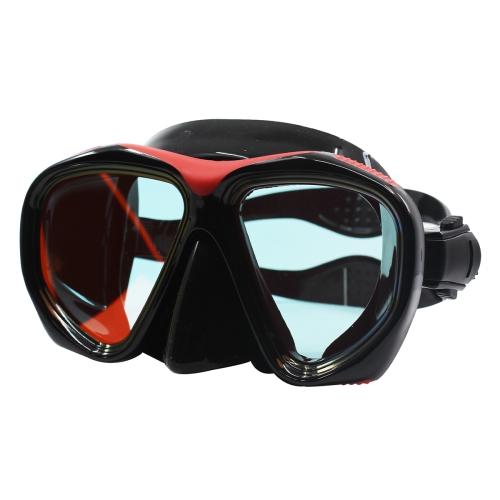
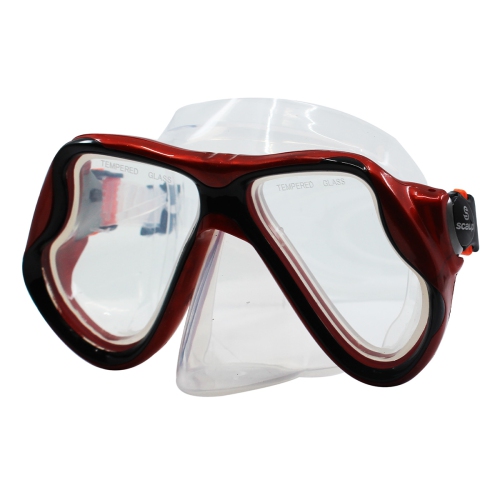
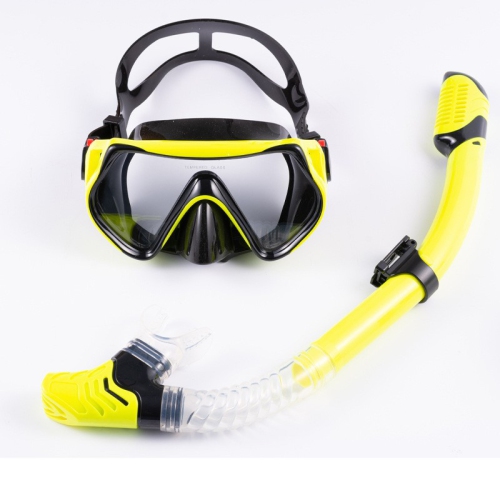
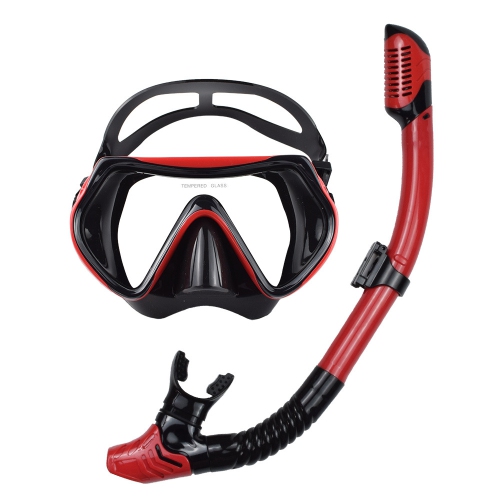
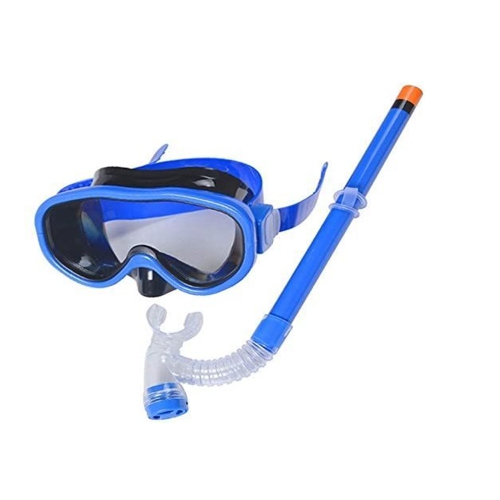
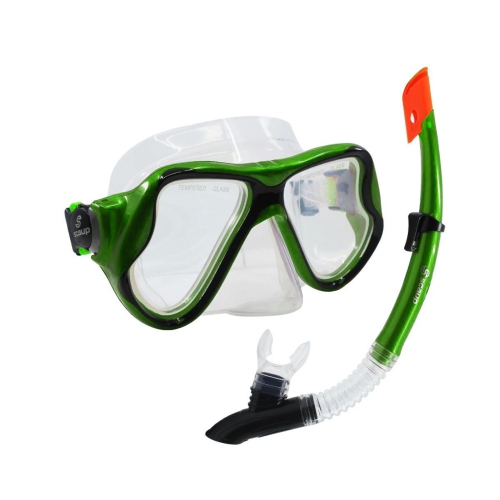
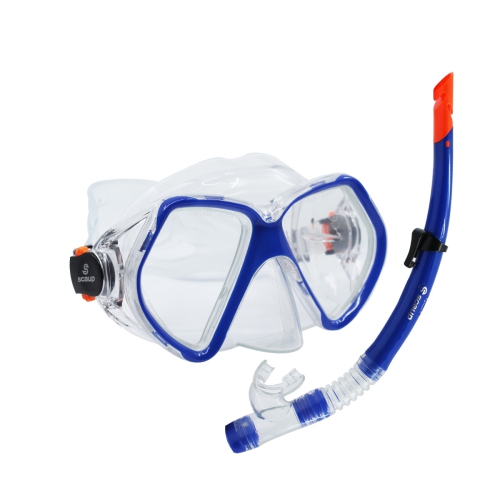
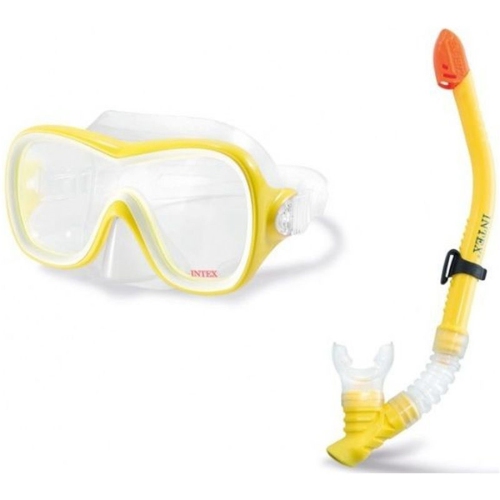
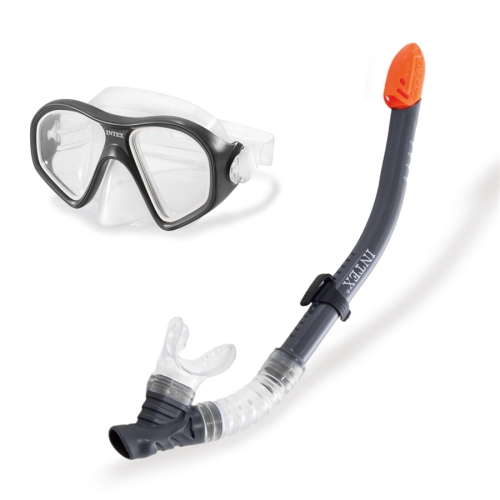
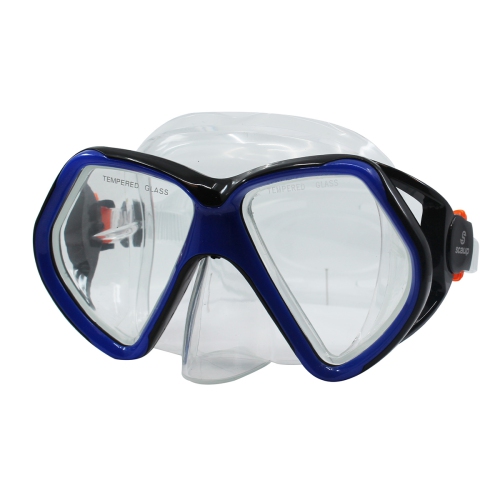
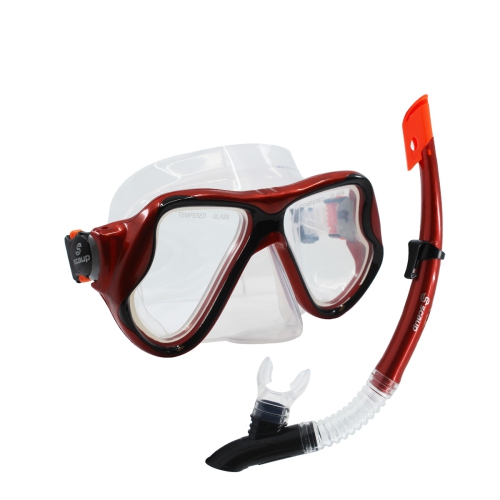
Equipment for divers brings together personal comfort, underwater mobility, breathing support, and information about depth and time. A scuba setup typically includes a mask, fins, a regulator with an alternate air source, a buoyancy control device, a cylinder, appropriate weighting, and a dive computer or other suitable instruments. Each component has a different role, and the right combination depends on the activity, water temperature, exposure protection, and diver’s training. Snorkelling equipment supports surface exploration, while scuba equipment is designed for trained divers breathing from a compressed-gas supply underwater. Freediving has its own equipment preferences and training requirements; similar-looking gear is not necessarily interchangeable across these activities. Personal-fit equipment makes a noticeable difference during everything from a short practice session in a pool to a longer swim along a rocky shoreline. Diving Masks create an air space in front of the eyes, allowing clearer underwater vision, with skirt shape, lens layout, and internal volume influencing comfort and the field of view. A soft silicone skirt should sit evenly against the face without requiring an excessively tight strap, and prescription-compatible designs can be useful for divers who need vision correction. Tempered-glass lenses are common in scuba masks, while buckles and straps need to remain manageable with wet hands or gloves. A snorkel provides a way to breathe at the surface with the face in the water; it does not provide an underwater breathing supply. Fins turn leg movement into propulsion, with blade stiffness, length, and foot-pocket shape affecting the feel of each kick. Full-foot fins are often associated with warmer water, while open-heel designs accommodate dive boots and offer adjustable fit. For someone entering from a pebbled beach rather than a boat platform, the relationship between boots, fin pockets, and heel straps matters as much as blade design. Comfortable equipment should feel secure without pinching, rubbing, or forcing the feet into an awkward position.
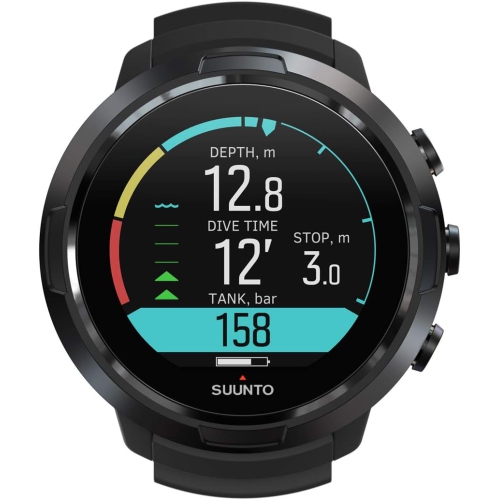
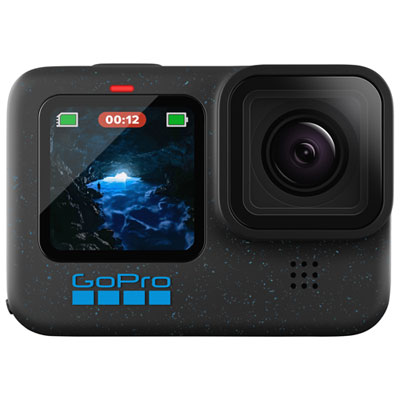
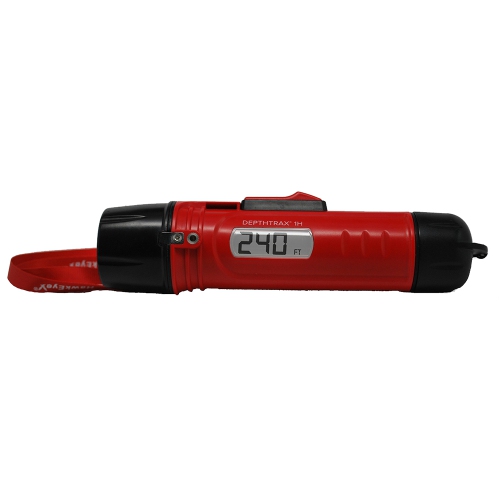
Breathing and buoyancy equipment forms the core of a scuba system, so compatibility and suitability for the intended conditions are essential. A regulator reduces cylinder pressure to deliver breathing gas on demand, while an alternate second stage provides a backup breathing option within the diver’s trained procedures. Cold-water use calls for equipment explicitly rated for those conditions, rather than assumptions based on appearance or weight. Cylinder valve connections, regulator fittings, hose routing, and instrument connections also need to work together as a system. A buoyancy control device, often called a BCD, supports the cylinder and allows the diver to adjust buoyancy by adding or releasing gas. Jacket-style and back-inflation designs distribute that support differently, and their fit can change depending on the thickness of the suit worn underneath. Adjustment points, accessible releases, and manageable pocket placement become especially noticeable when a diver is wearing gloves or carrying additional accessories. Weight systems offset buoyancy from the diver and exposure suit, but the amount and placement require proper assessment rather than a standard quantity for everyone. Steel and aluminum cylinders differ in weight and buoyancy characteristics, with inspection, testing, filling, and storage requirements that belong with qualified providers. Dive computers track depth and elapsed dive time and use an algorithm to estimate inert-gas loading; they do not directly measure nitrogen in the body or replace training, planning, or sound judgement. Readable displays, clear alerts, battery arrangements, and controls that work with gloves are practical distinctions, particularly in dimmer water. Thermal protection deserves equal attention. Neoprene wetsuits provide insulation, but suitability depends on water temperature, fit, dive duration, and the individual’s response to cold. Drysuits manage water entry differently and require specific training, appropriate undergarments, and compatible supporting equipment. For Canadian divers heading into cooler water, coverage at the hood, wrists, ankles, and boots can influence comfort considerably. A suit that restricts movement or leaves large gaps is a poor match even when its stated thickness seems appropriate.
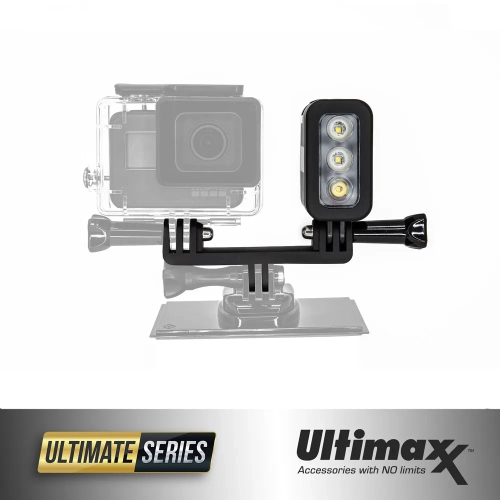
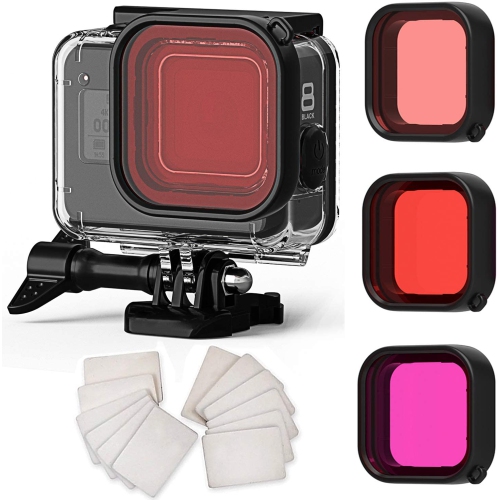
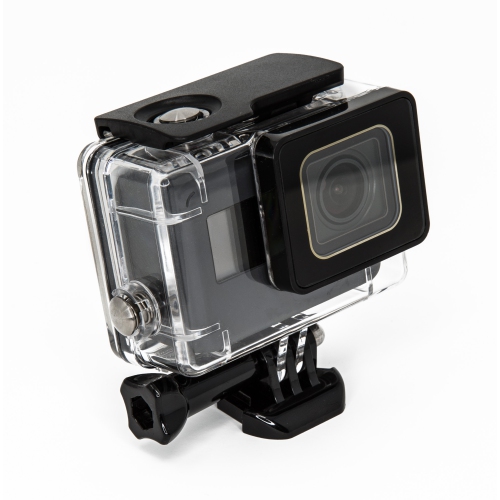
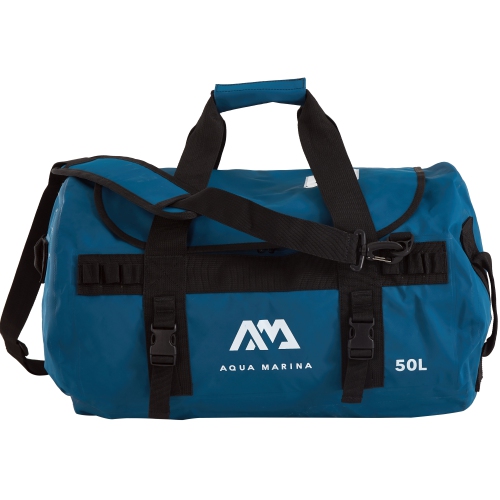
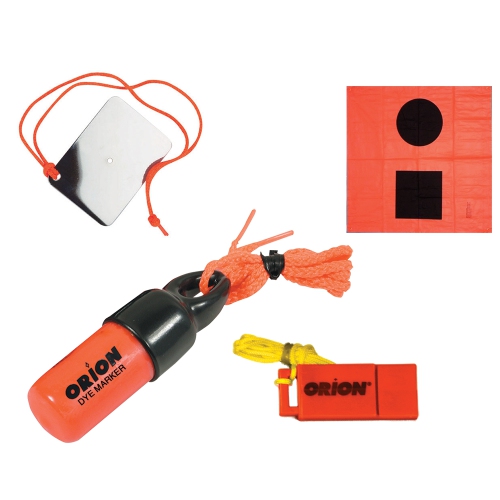
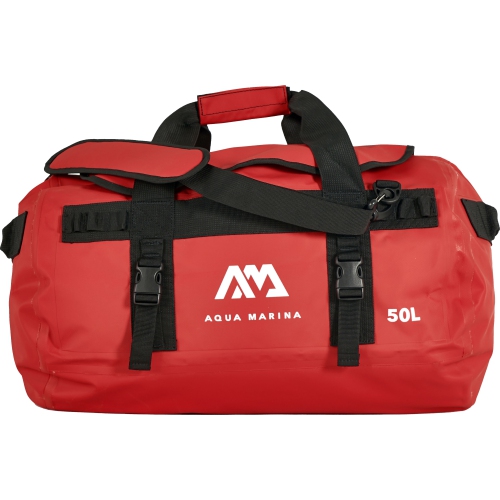
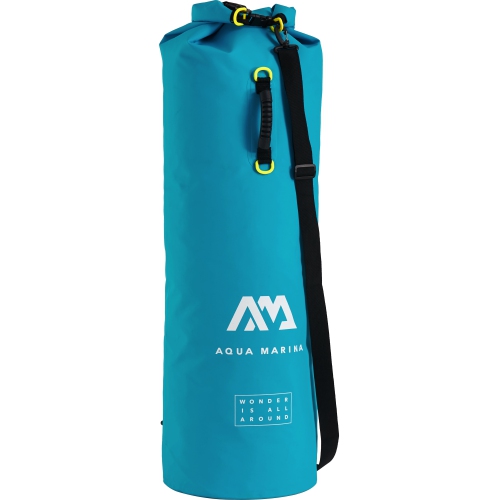
Durability in diving equipment is about more than a sturdy exterior. Salt, sand, repeated flexing, sunlight, and contact with boat decks or shore surfaces all place demands on materials and moving parts. Silicone seals, neoprene panels, reinforced fabrics, corrosion-resistant metals, and robust fasteners serve different purposes, and construction details often become apparent during repeated use. Reinforced knees can be useful on exposure suits, while smooth seams and well-positioned closures help reduce rubbing during a long outing. Bags with drainage and ventilation make wet equipment easier to transport, although damp gear still needs to be removed and dried rather than left packed between trips. Freshwater rinsing according to the manufacturer’s instructions helps remove salt and grit, with particular care around buckles, zips, valves, and instrument housings. Regulators require specific handling to prevent water from entering parts that should remain dry, and breathing equipment should be serviced at the intervals specified by its manufacturer. Suits and soft components generally benefit from drying away from direct heat and prolonged sunlight, then being stored without sharp folds or heavy objects pressing against them. Before a dive, damaged straps, cracked mouthpieces, sticking releases, or an unreadable display deserve attention rather than a temporary workaround. Supporting accessories can make a setup more practical without changing its fundamental purpose: suitable lights aid visibility, signalling equipment supports communication and surface visibility, and secure attachment points help keep equipment from dangling. Their usefulness depends on the dive plan and the diver’s ability to operate them confidently. Travelling divers may value compact packing and manageable weight, while those returning regularly to local shore sites may place greater emphasis on abrasion resistance and easy handling with cold hands. For gifts, fit-sensitive equipment and life-support components are best chosen with the recipient’s direct input, since certification level, existing equipment, and personal preferences all matter. Whether the recipient is building experience after certification or replacing well-used gear, equipment selected for their actual diving habits is more meaningful than a collection of accessories that adds bulk without a clear purpose.
Breathing and buoyancy equipment forms the core of a scuba system, so compatibility and suitability for the intended conditions are essential. A regulator reduces cylinder pressure to deliver breathing gas on demand, while an alternate second stage provides a backup breathing option within the diver’s trained procedures. Cold-water use calls for equipment explicitly rated for those conditions, rather than assumptions based on appearance or weight. Cylinder valve connections, regulator fittings, hose routing, and instrument connections also need to work together as a system. A buoyancy control device, often called a BCD, supports the cylinder and allows the diver to adjust buoyancy by adding or releasing gas. Jacket-style and back-inflation designs distribute that support differently, and their fit can change depending on the thickness of the suit worn underneath. Adjustment points, accessible releases, and manageable pocket placement become especially noticeable when a diver is wearing gloves or carrying additional accessories. Weight systems offset buoyancy from the diver and exposure suit, but the amount and placement require proper assessment rather than a standard quantity for everyone. Steel and aluminum cylinders differ in weight and buoyancy characteristics, with inspection, testing, filling, and storage requirements that belong with qualified providers. Dive computers track depth and elapsed dive time and use an algorithm to estimate inert-gas loading; they do not directly measure nitrogen in the body or replace training, planning, or sound judgement. Readable displays, clear alerts, battery arrangements, and controls that work with gloves are practical distinctions, particularly in dimmer water. Thermal protection deserves equal attention. Neoprene wetsuits provide insulation, but suitability depends on water temperature, fit, dive duration, and the individual’s response to cold. Drysuits manage water entry differently and require specific training, appropriate undergarments, and compatible supporting equipment. For Canadian divers heading into cooler water, coverage at the hood, wrists, ankles, and boots can influence comfort considerably. A suit that restricts movement or leaves large gaps is a poor match even when its stated thickness seems appropriate.
Durability in diving equipment is about more than a sturdy exterior. Salt, sand, repeated flexing, sunlight, and contact with boat decks or shore surfaces all place demands on materials and moving parts. Silicone seals, neoprene panels, reinforced fabrics, corrosion-resistant metals, and robust fasteners serve different purposes, and construction details often become apparent during repeated use. Reinforced knees can be useful on exposure suits, while smooth seams and well-positioned closures help reduce rubbing during a long outing. Bags with drainage and ventilation make wet equipment easier to transport, although damp gear still needs to be removed and dried rather than left packed between trips. Freshwater rinsing according to the manufacturer’s instructions helps remove salt and grit, with particular care around buckles, zips, valves, and instrument housings. Regulators require specific handling to prevent water from entering parts that should remain dry, and breathing equipment should be serviced at the intervals specified by its manufacturer. Suits and soft components generally benefit from drying away from direct heat and prolonged sunlight, then being stored without sharp folds or heavy objects pressing against them. Before a dive, damaged straps, cracked mouthpieces, sticking releases, or an unreadable display deserve attention rather than a temporary workaround. Supporting accessories can make a setup more practical without changing its fundamental purpose: suitable lights aid visibility, signalling equipment supports communication and surface visibility, and secure attachment points help keep equipment from dangling. Their usefulness depends on the dive plan and the diver’s ability to operate them confidently. Travelling divers may value compact packing and manageable weight, while those returning regularly to local shore sites may place greater emphasis on abrasion resistance and easy handling with cold hands. For gifts, fit-sensitive equipment and life-support components are best chosen with the recipient’s direct input, since certification level, existing equipment, and personal preferences all matter. Whether the recipient is building experience after certification or replacing well-used gear, equipment selected for their actual diving habits is more meaningful than a collection of accessories that adds bulk without a clear purpose.
Top selling and popular products
-
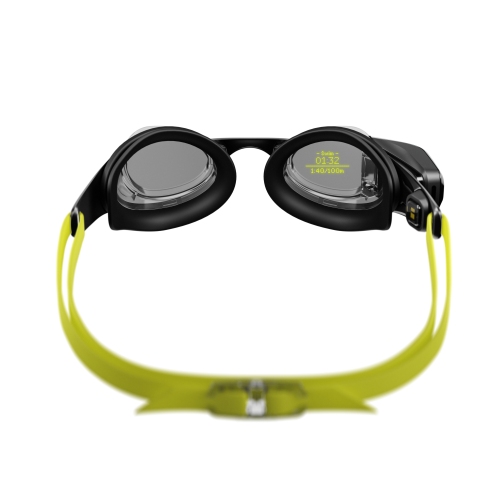 Your price for this item is $269
 -
 Your price for this item is $38.99
 -
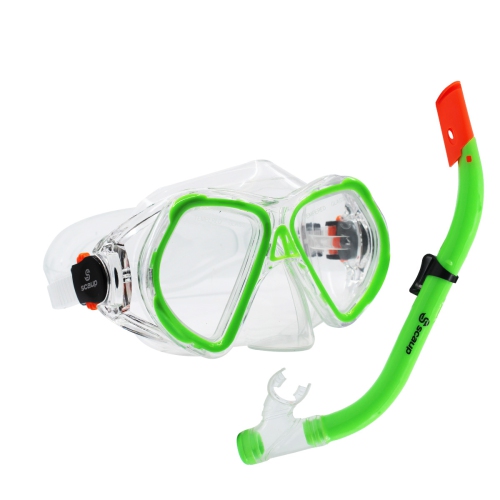 Your price for this item is $38.99
 -
 Your price for this item is $21.73
 -
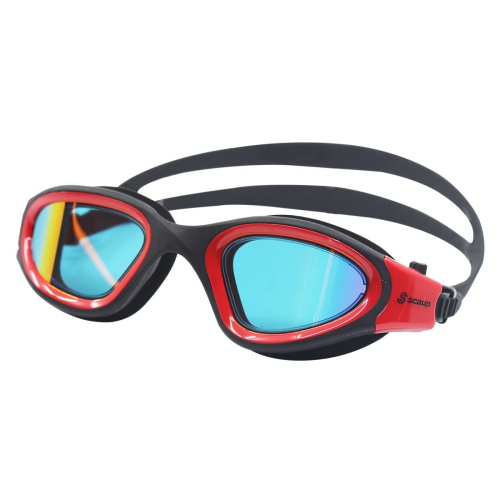 Your price for this item is $36.99
 -
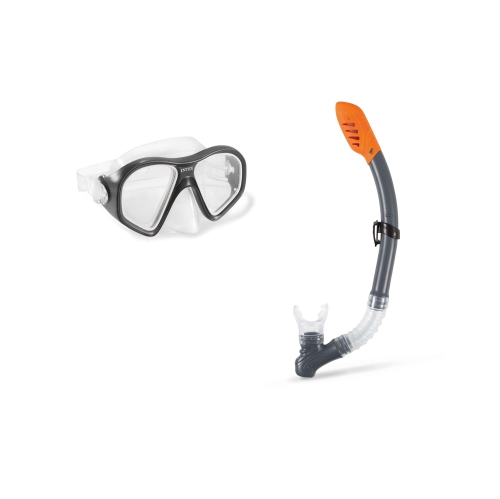 Your price for this item is $27.99
 -
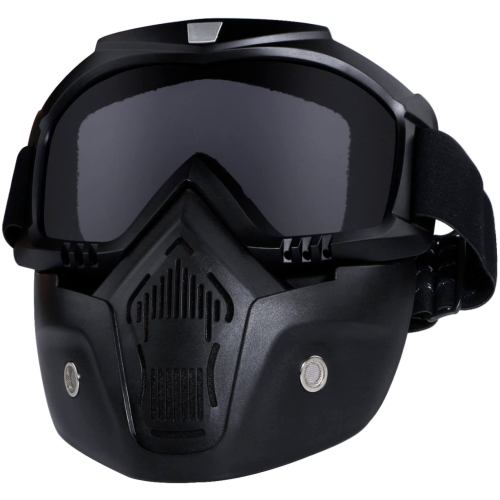 Your price for this item is $13.47
 -
 Your price for this item is $79.99
Discover more categories related to Equipment for Divers
Top Collections:
Pokemon Centers, Kindle Devices, Best Budget Office Chairs, Apple iPhones 16, Best Laptops for Writers, iPhone 15 Apple, Canon G7X Cameras, Refurbished Apple Laptops, Alarm Clock, Motorola Razr Phones
Some products may be subject to Environmental Handling Fees
(EHF) depending on your province.
Learn more about EHFs.