Gold-Plated Rings
Embrace a touch of elegance and sophistication with our exquisite collection of gold-plated rings. Perfect for any occasion, these stunning pieces offer the luxurious look of gold without the hefty price tag, making them an ideal choice for fashion-forward individuals seeking to elevate their style. Whether you're looking to make a bold statement or add a subtle shimmer to your ensemble, our selection of gold-plated rings provides versatile options that cater to every taste and preference. Discover the perfect ring to complement your unique style and express your individuality with flair.
Sort


What lies beneath a ring’s golden finish matters
Gold-plated rings bring the warm colour and lustre of gold to a wide range of jewellery designs, from slender stacking bands to sculptural statement pieces. Gold plating is a surface finish: a layer of gold is applied over another metal, commonly through electroplating, rather than forming the ring all the way through. The underlying metal may be brass, copper, stainless steel, or sterling silver, and that foundation influences the ring’s weight, feel, and response to daily wear. Two rings with a similar golden appearance may therefore have quite different material specifications. Descriptions such as 14k or 18k gold-plated refer to the purity of the gold used in the coating; they do not mean the entire ring is made from that gold alloy or indicate how thick the coating is. Plating thickness, surface preparation, and the quality of the underlying construction all contribute to how the finish performs. Gold vermeil is a related term generally used for gold plating over sterling silver with a more substantial gold layer than many standard plated finishes, although the stated specifications remain important when comparing pieces. Colour also deserves a closer look, since a pale yellow finish creates a different effect from a richer golden shade or rose-gold tone. Polished surfaces reflect light sharply, while brushed and textured finishes give the colour a softer appearance. For anyone with metal sensitivities, the full material description matters more than the colour alone. A gold coating does not establish that a ring is nickel-free or suitable for every wearer, and the underlying metal may become exposed as the surface wears. Clearly identified materials help distinguish a ring chosen mainly for its appearance from one that also meets particular comfort requirements. The appeal of gold-plated jewellery lies in this combination of visual variety and familiar gold colouring, with the understanding that a plated surface needs different expectations and care from solid gold.
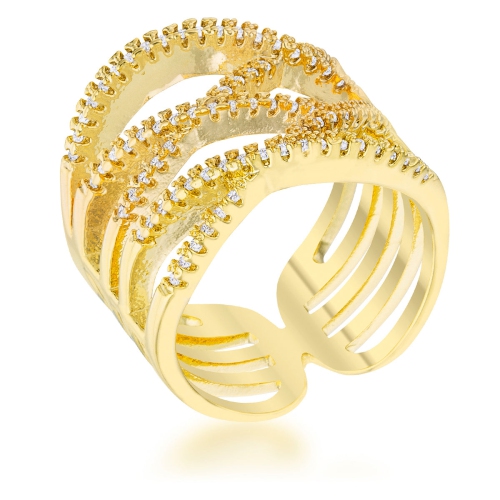
The shape of a gold-plated ring often determines how naturally it fits into a jewellery routine. A narrow, smooth band sits discreetly beside a watch or bracelet, while a broad dome or signet shape draws attention on its own. Openwork designs create visual detail without the same solid appearance as a wide band, and textured surfaces add interest even without a stone. Within the broader category of Gold Fashion Rings, plated styles offer many ways to explore these proportions and finishes. For stacking, band width and edge shape matter as much as colour: several fine rings create a more flexible arrangement than multiple broad bands, and raised settings may prevent neighbouring rings from sitting flush. Contact between stacked rings can also increase surface wear. A low-profile setting is often less likely to catch on a pocket lining or sleeve than a tall cluster, making it a practical detail for someone who types frequently or handles fabric throughout the day. Smooth inner edges and a balanced shape contribute to comfort, particularly with larger designs that might otherwise turn around the finger. Sizing deserves equal attention. The inner diameter or circumference should be checked against the seller’s size chart rather than assumed from a familiar size label, especially when different sizing systems are used. Wider bands often feel more snug than narrow ones in the same nominal size. A comfortable fit passes over the knuckle with slight resistance and rests securely without pinching; if an adjustable design is intended to be resized, repeated bending can still strain the metal and finish. For gifts, a simple band may suit someone who prefers understated jewellery, while a textured signet or stone-set design can reflect a more expressive style. Birthdays, graduations, anniversaries, and personal milestones are all fitting occasions. Knowing the recipient’s preferred ring size, usual metal colour, and taste in proportions makes the choice more personal, without relying on assumptions about who should wear a particular style.
Gold-plated rings retain their appearance best when their wear is matched to the nature of the finish. Hands encounter frequent friction, so plating on a ring may wear more quickly than a similar finish on a necklace or earrings. The underside of a band, raised edges, and areas touching neighbouring rings are common points of contact. Over time, the gold layer may become thinner and reveal the underlying metal; this is a characteristic of plated jewellery rather than something a polishing cloth can reverse. Removing rings before showering, swimming, washing dishes, cleaning, or exercising helps limit contact with water, chemicals, perspiration, and abrasive surfaces. A ring worn while gripping weights or carrying rough-handled bags also faces pressure and rubbing that can mark its finish. Lotions, perfume, and hand sanitiser are best applied with rings removed, allowing hands to dry fully before jewellery goes back on. After wear, a gentle wipe with a clean, dry microfibre cloth helps lift fingerprints and surface residue without aggressive rubbing. Abrasive polishing compounds, toothpaste, stiff brushes, and cleaners intended for other metals can damage a thin coating. Ultrasonic and steam cleaning are not suitable for every plated ring or stone setting, so the maker’s care directions should take priority. If more than a dry wipe is needed, the recommended method should account for both the finish and any stones, enamel, or adhesives in the design. Storage is straightforward but worthwhile: a dry, fabric-lined compartment or separate soft pouch keeps rings from scraping against other jewellery. Putting a ring in the same secure place before household tasks also reduces the chance of leaving it beside a sink or losing it in a pocket. Some designs may be suitable for professional replating, but this depends on their construction and should be assessed by a jeweller. With realistic expectations and gentle handling, gold-plated rings work well as occasional accents or regularly worn accessories that receive care between outings, rather than pieces expected to withstand every activity without a change in appearance.
Top selling and popular products
-
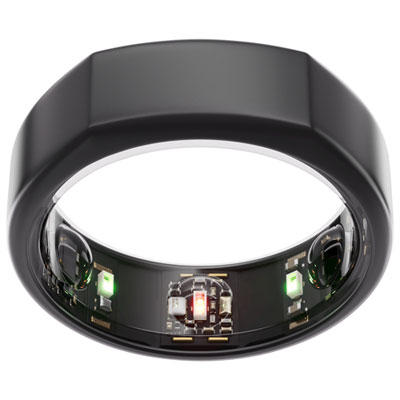 Your price for this item is $369.99
-
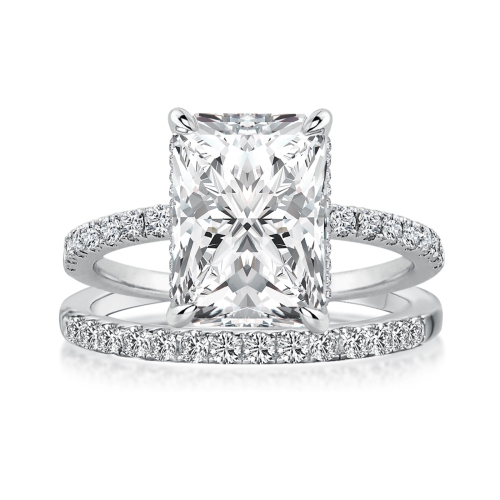 Your price for this item is $801.45
-
 Your price for this item is $362.03
-
 Your price for this item is $71
-
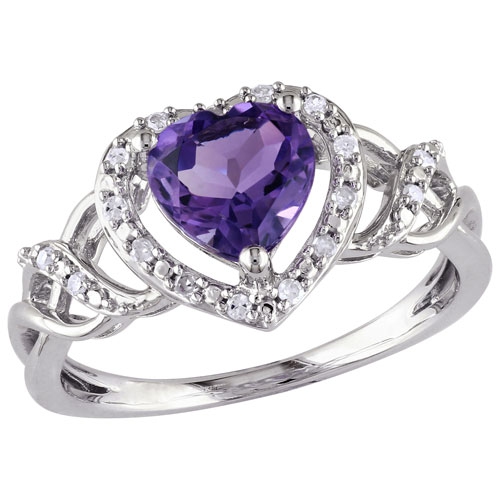 Your price for this item is $95
-
 Your price for this item is $139.99
-
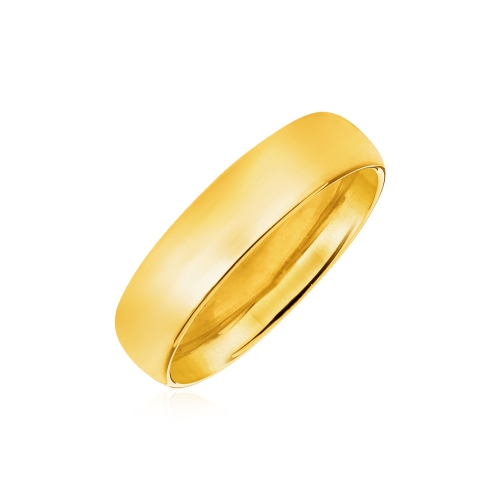 Your price for this item is $486.49
-
 Your price for this item is $969
Discover more categories related to Gold-Plated Rings


Top Collections:
Pokemon Centers, Kindle Devices, Best Budget Office Chairs, Canon G7X Cameras, Apple iPhones 16, Samsung Galaxy Phones, Refurbished Apple Laptops, Laptops for Students, iPhone 15 Apple, Budget Smartphones
Some products may be subject to Environmental Handling Fees
(EHF) depending on your province.
Learn more about EHFs.