Link Bracelets
If you're looking to add a touch of elegance and sophistication to your wardrobe, then a link bracelet is the perfect accessory. These link bracelets are designed with a variety of styles and materials, making them suitable for a range of occasions. Whether you're looking for a subtle, everyday piece or something more eye-catching for a special event, there's sure to be a link bracelet that suits your style. Here are some of the best options.
Sort
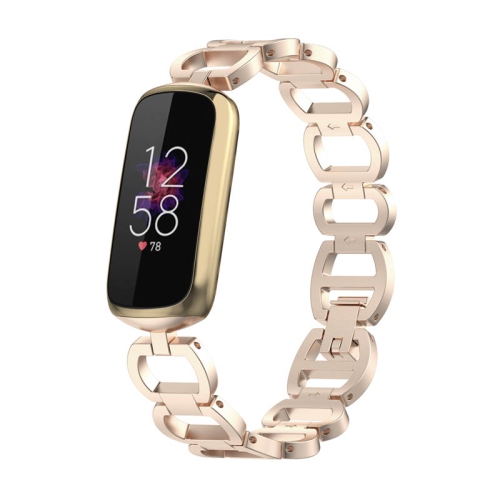
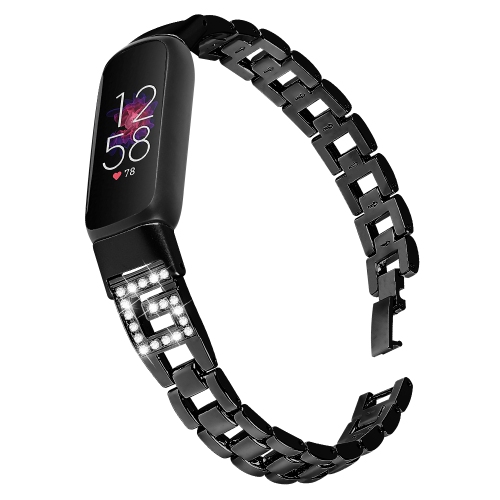
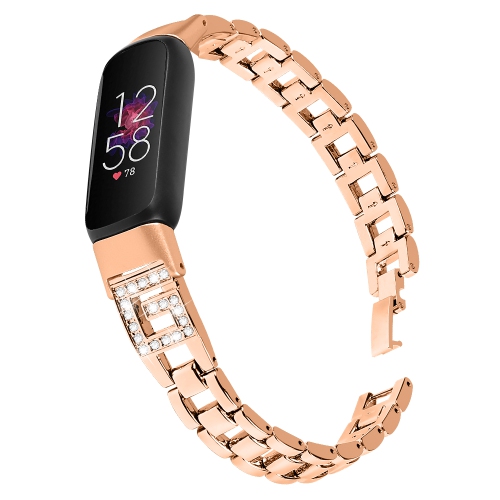
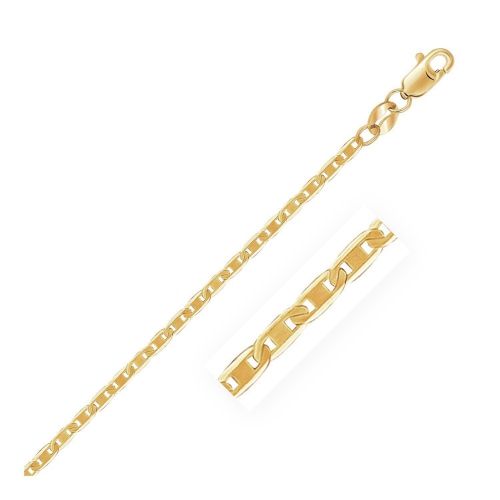
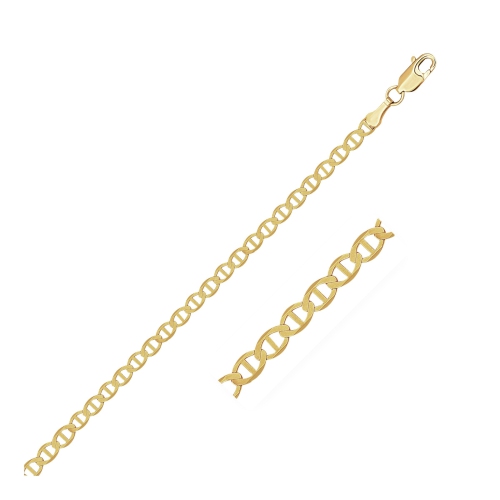
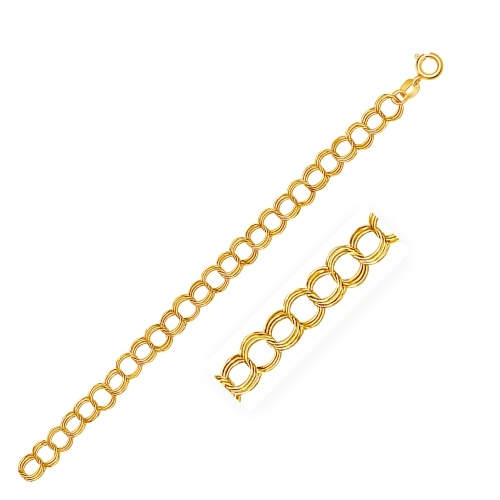
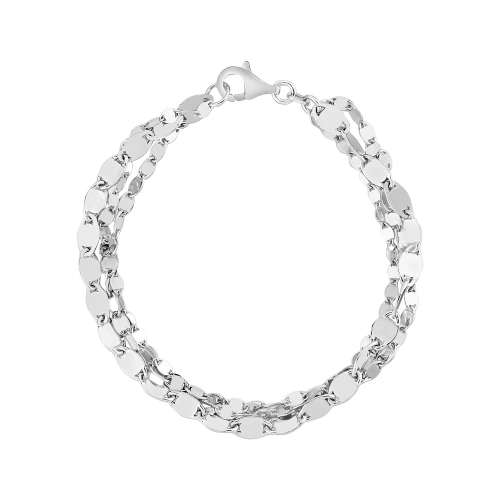
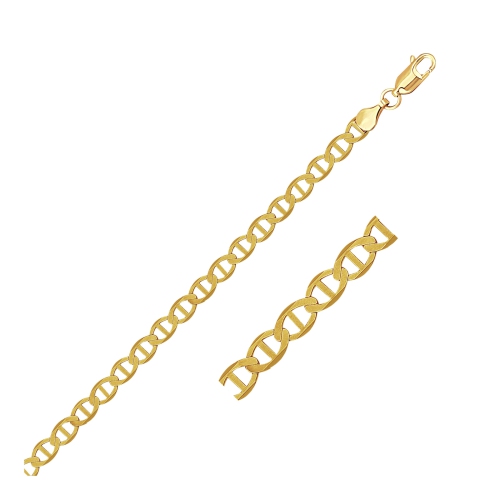
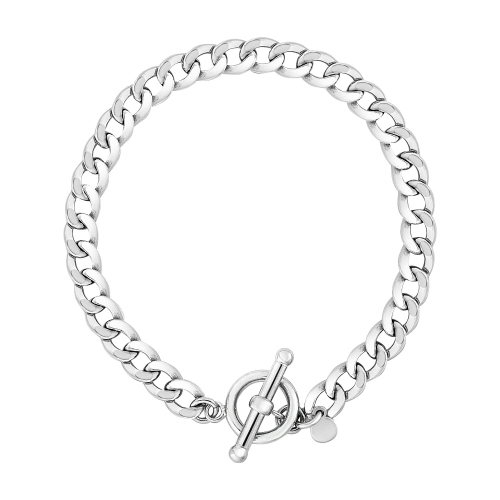
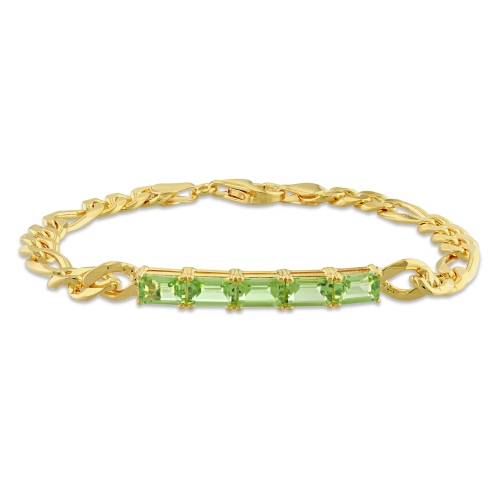
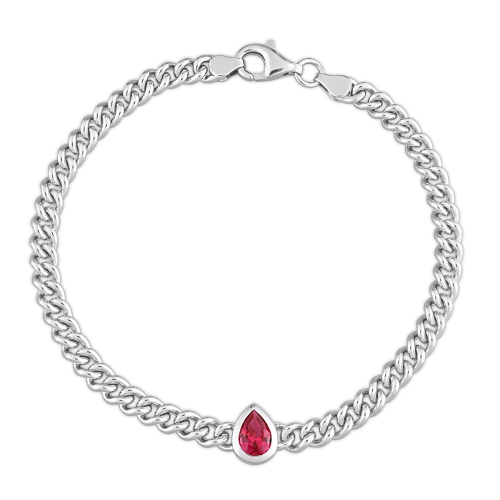

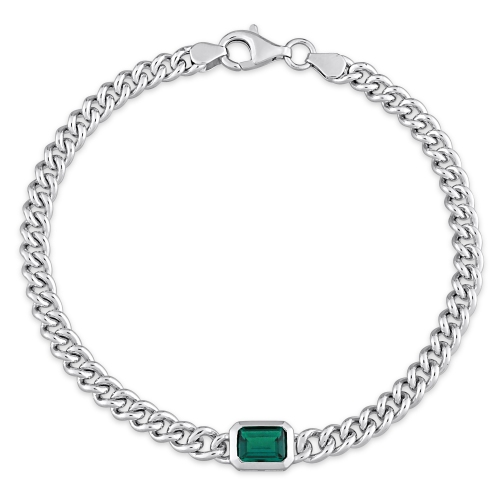
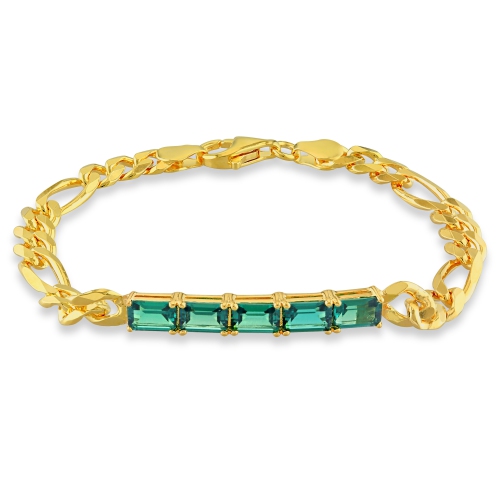

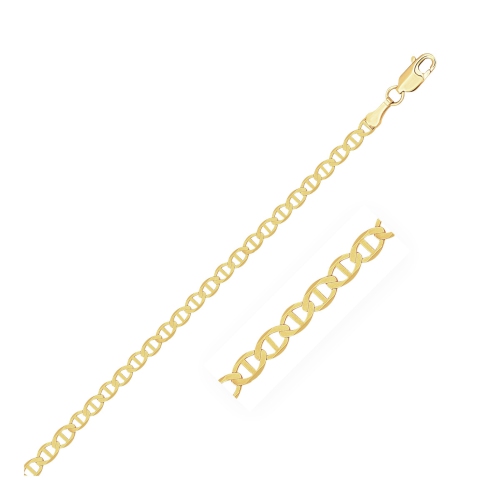
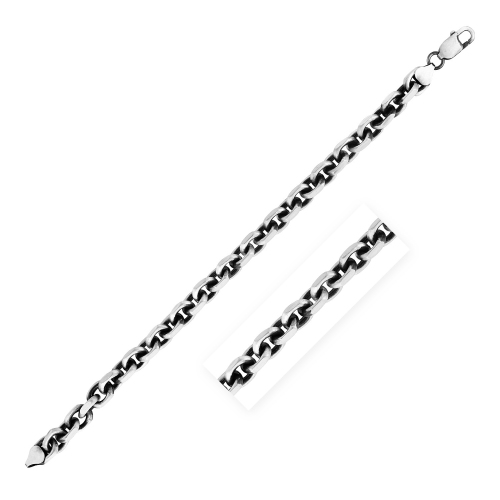
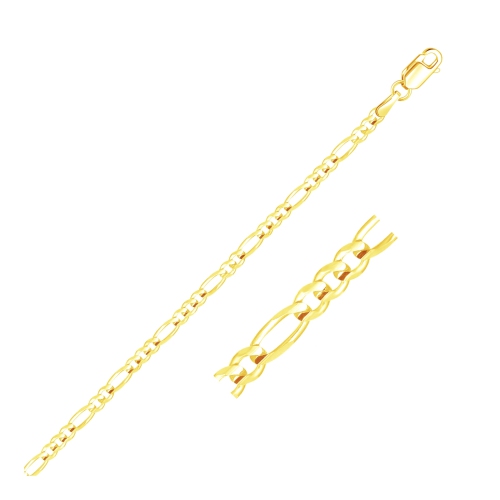
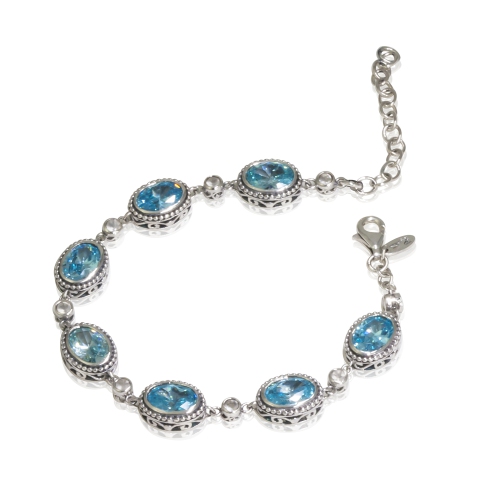
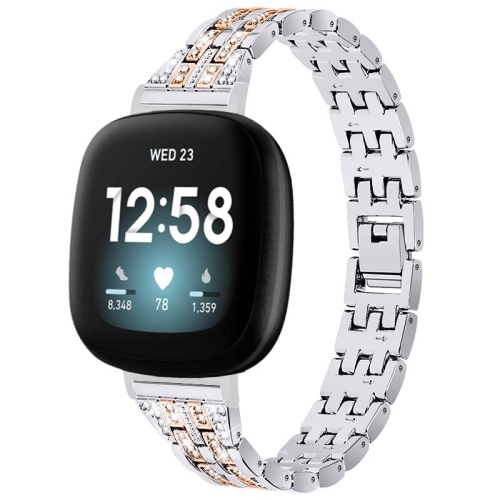
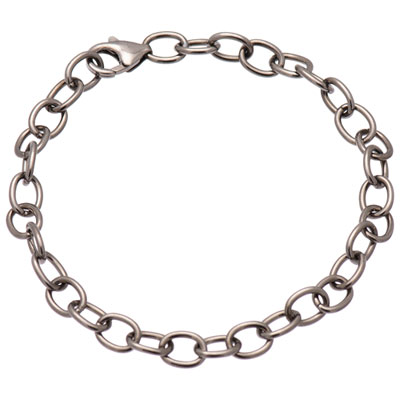
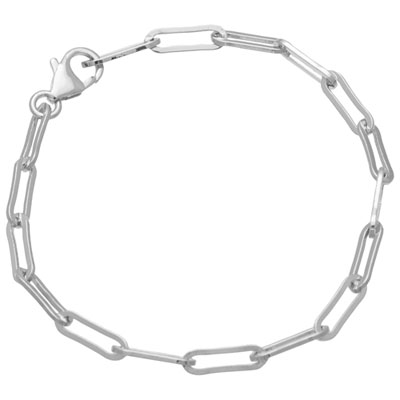
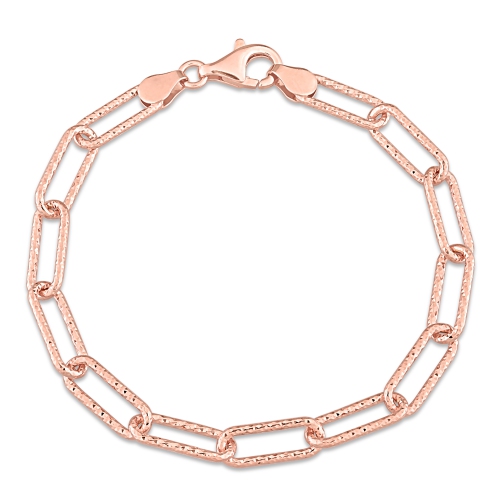
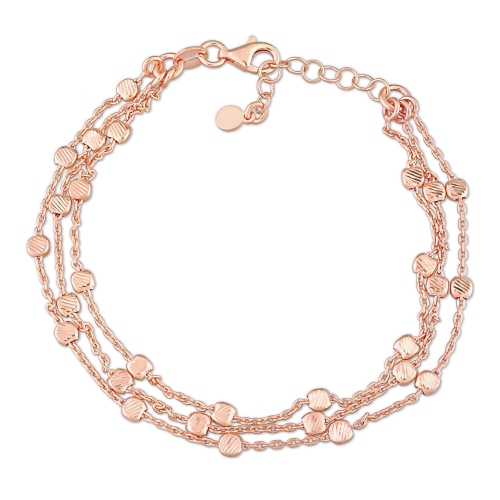
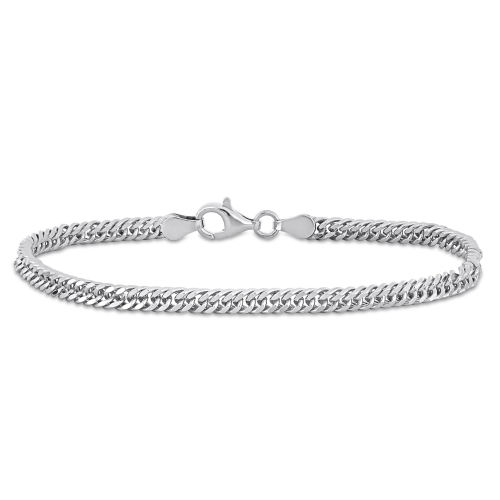
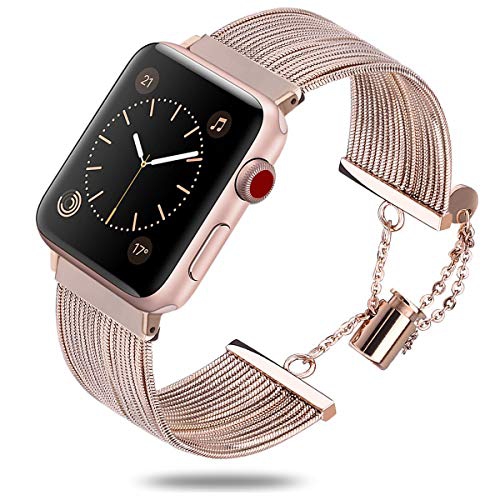
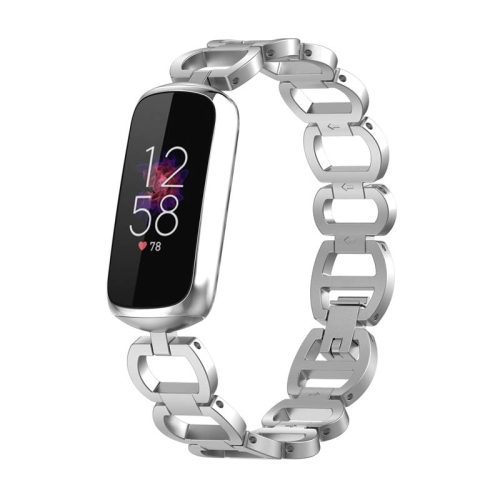
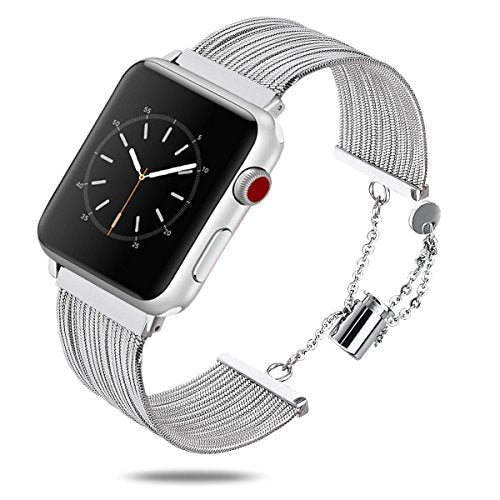
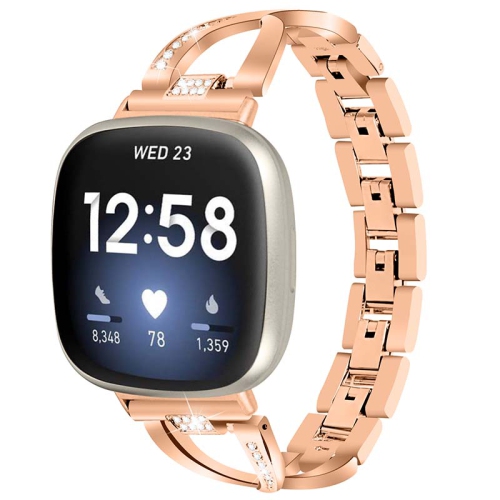
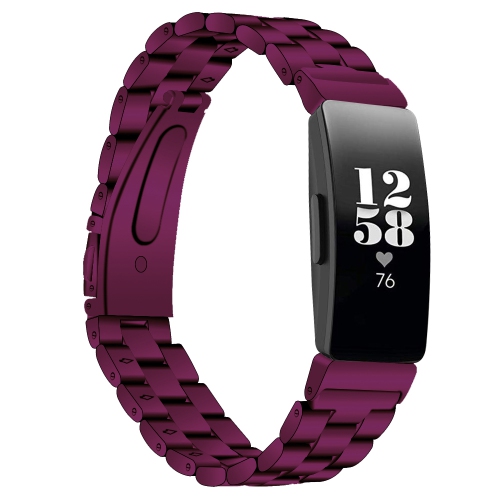
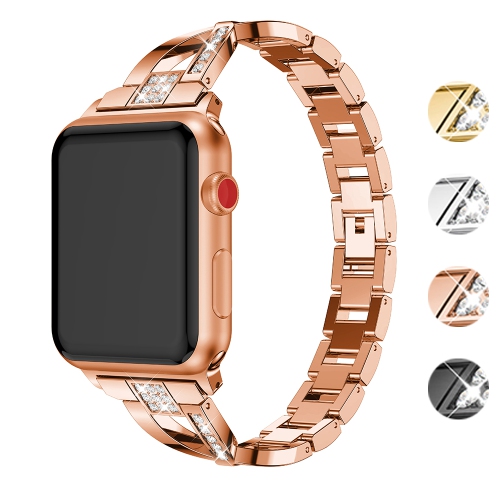
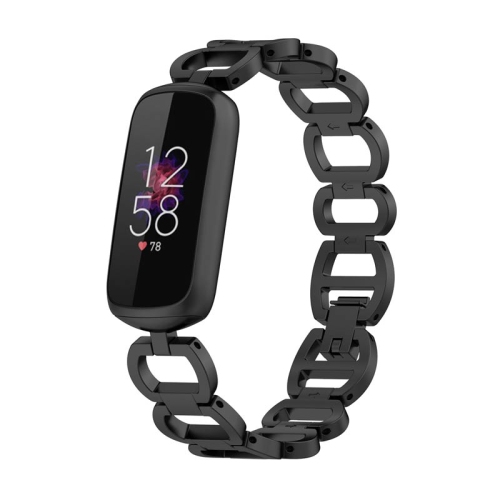
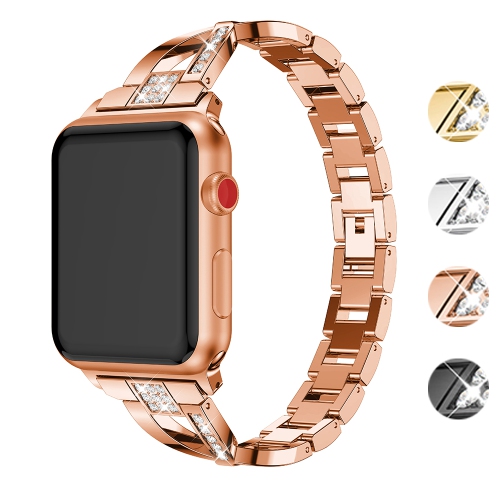
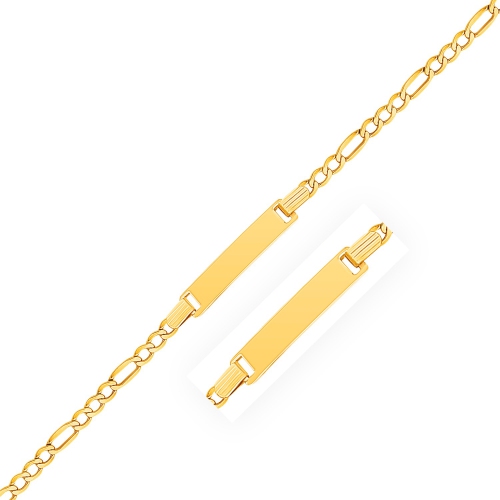
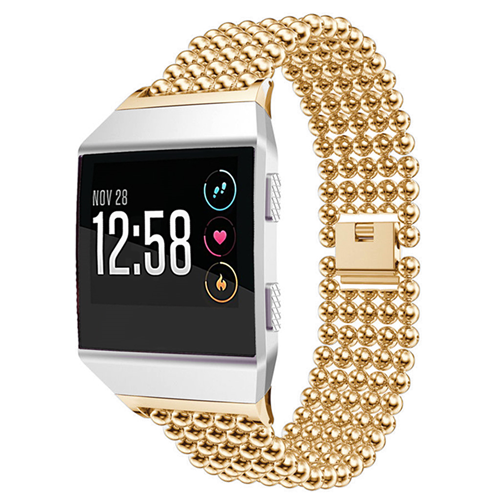
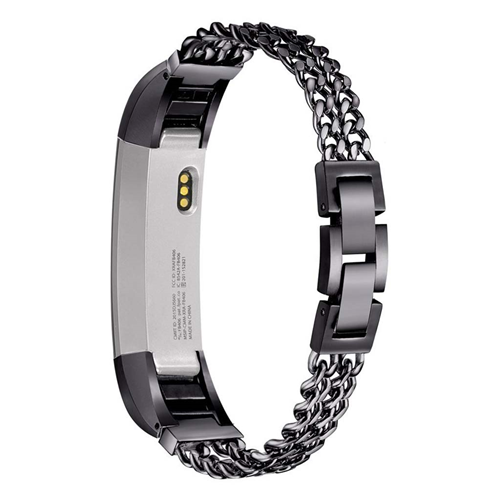
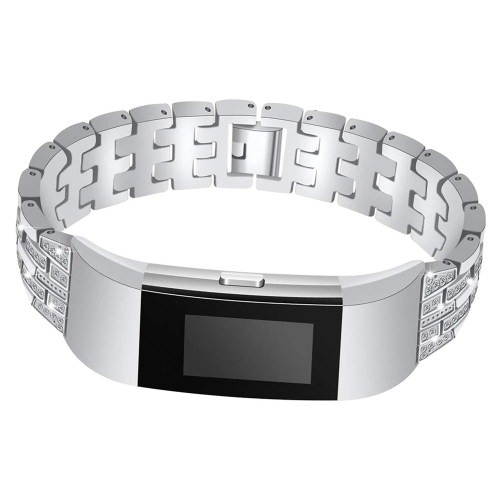
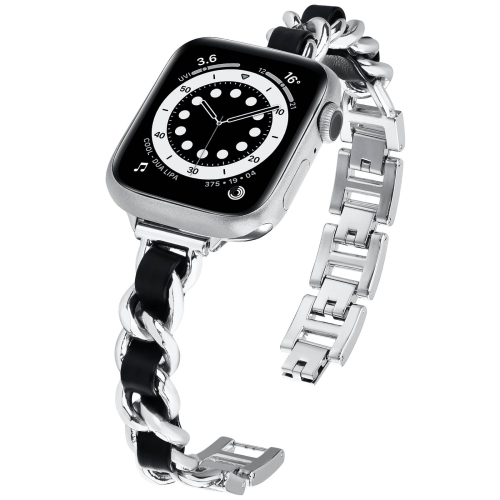
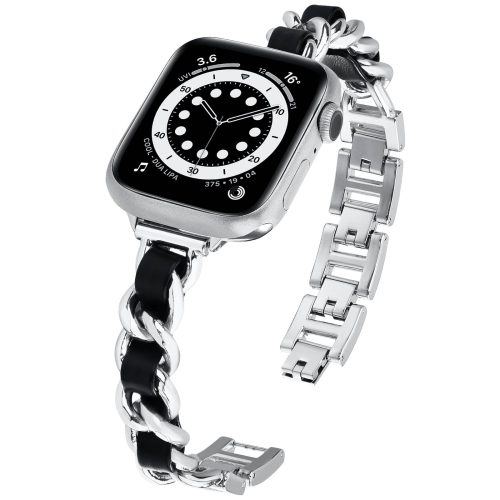
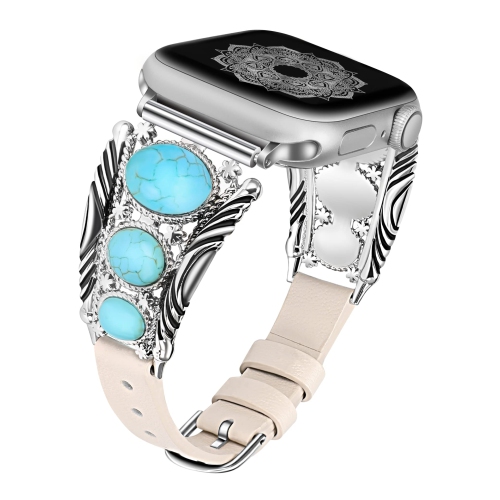
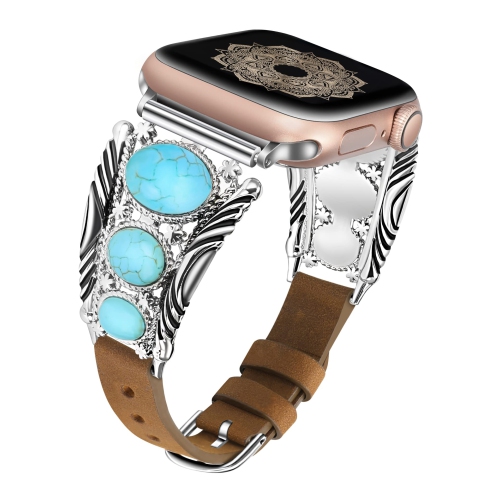
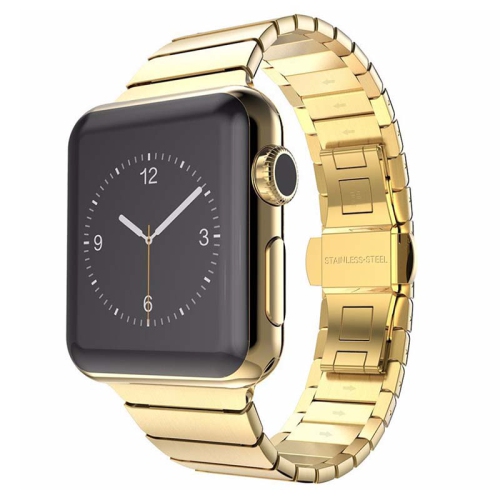
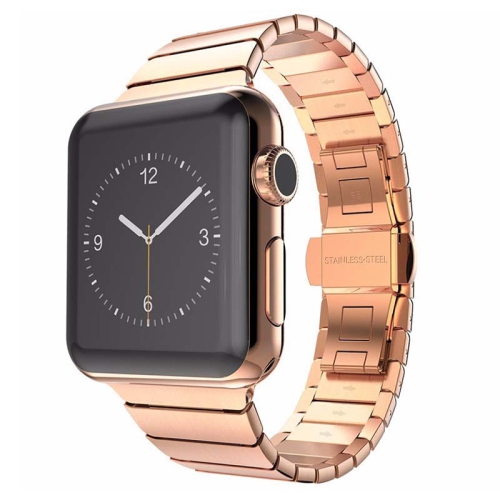
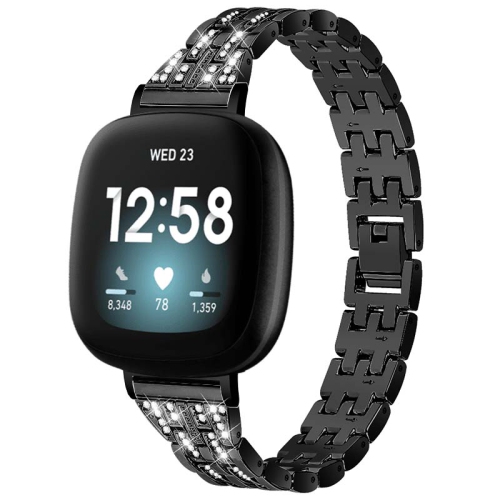
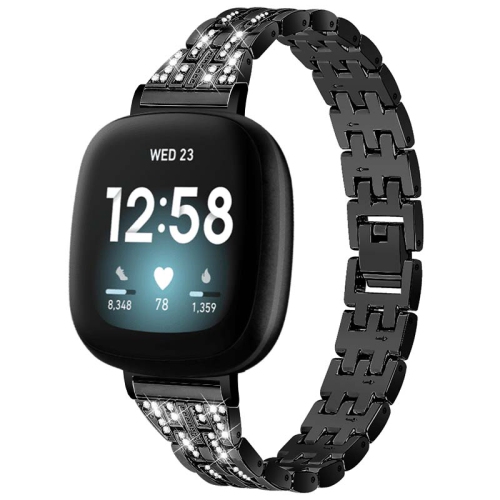
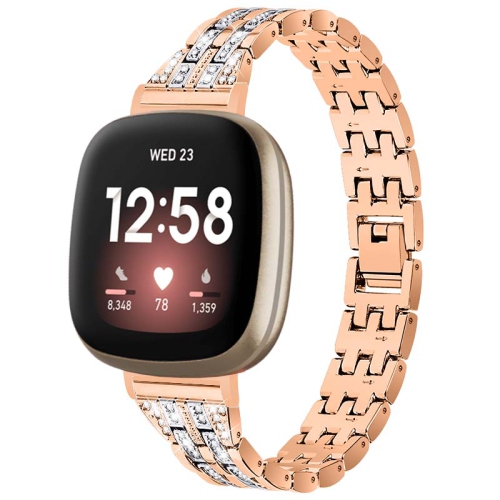
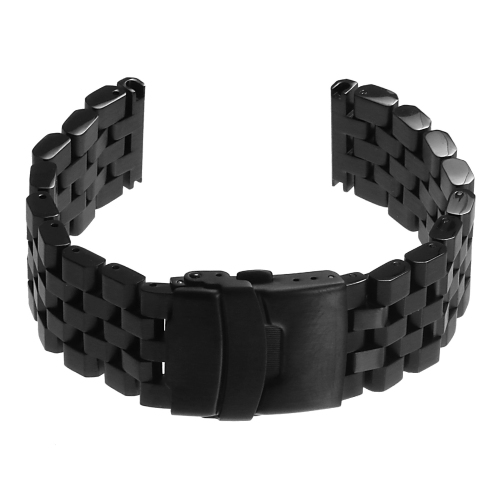
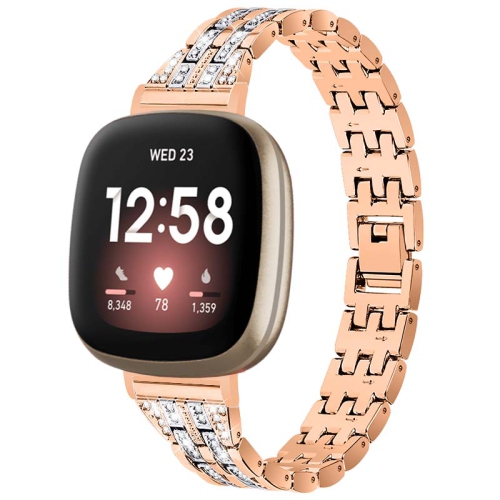
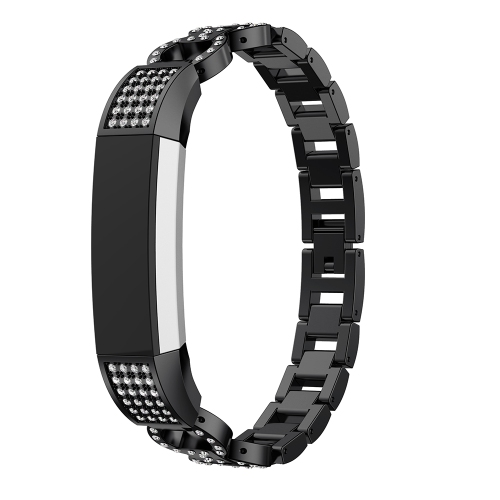
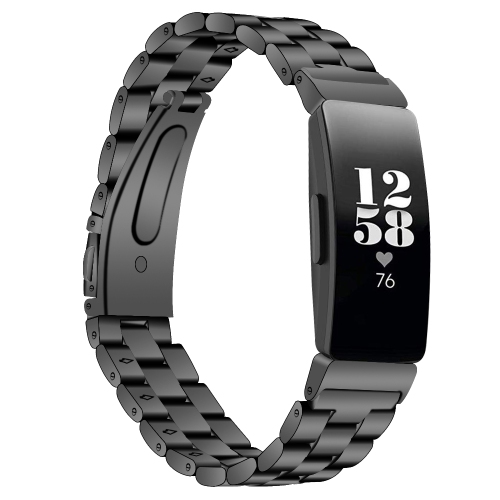
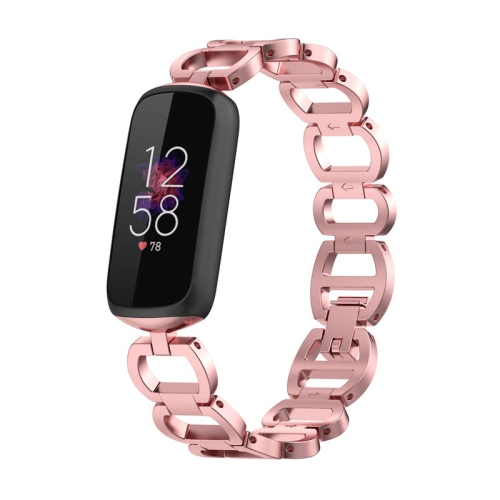
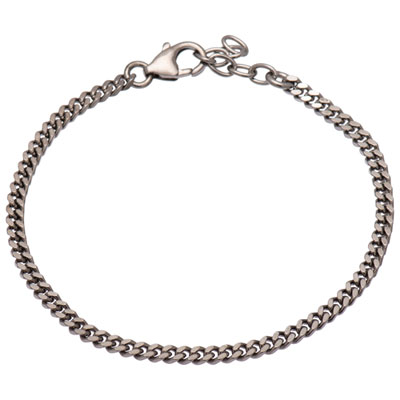
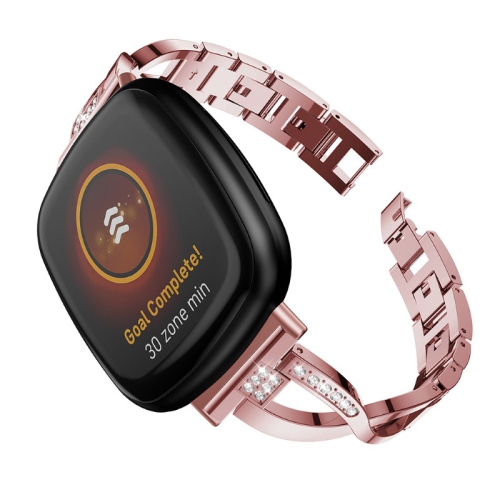
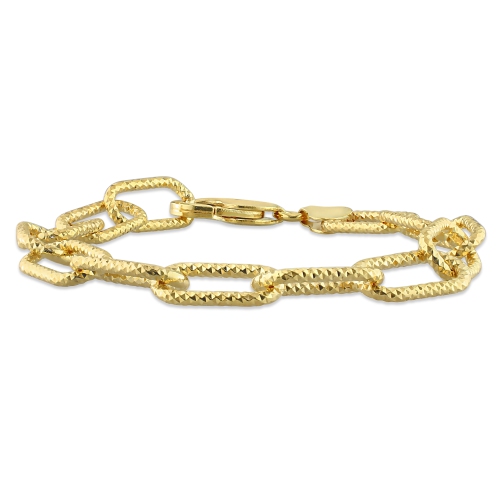

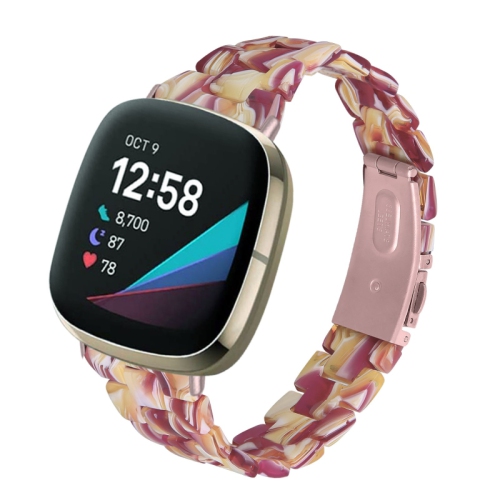
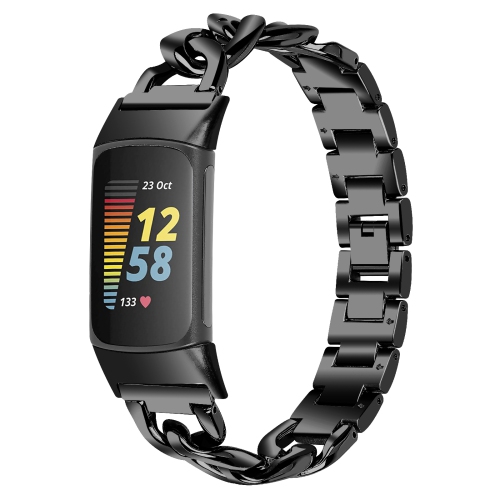
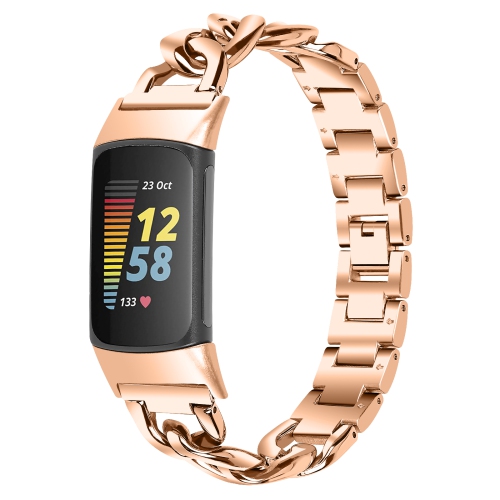
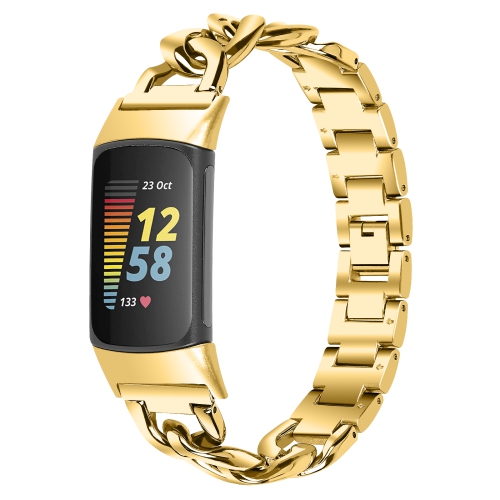
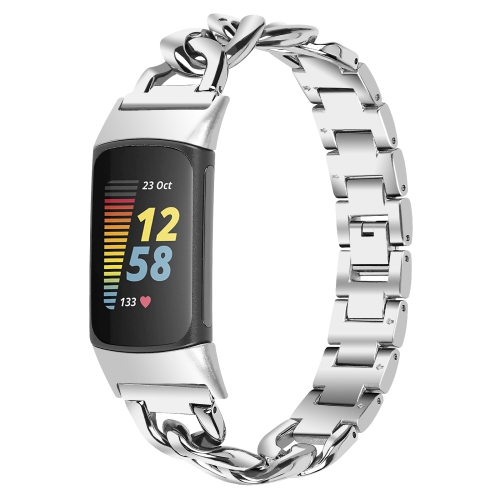
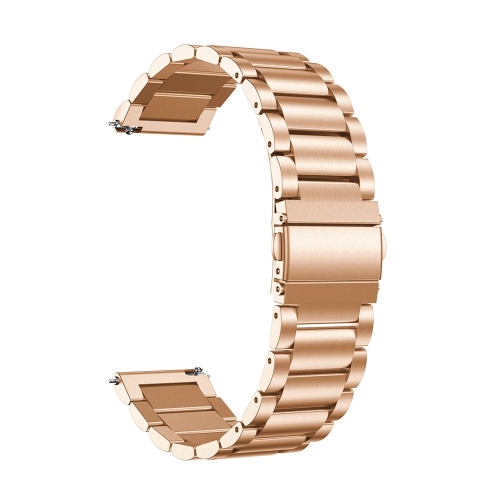
How each link shapes a bracelet’s character and comfort
Link bracelets are bracelets made from individual links joined together to form a flexible band around the wrist. The shape, size, spacing, and finish of those links give each chain style its character, from fine, understated jewellery to substantial pieces with a strong visual presence. Unlike a rigid bangle, a link bracelet moves with the wrist, and its articulated construction can create a fluid drape. Curb links are twisted and flattened so they sit close against the skin, while cable links have a familiar sequence of connected oval shapes. Rolo chains typically use rounded links for a balanced, repeating pattern, and box chains have a more geometric appearance. Paperclip links are elongated and open, giving even a relatively wide bracelet an airy look. Figaro chains alternate shorter links with a longer one, adding pattern without requiring a pendant or charm. These differences matter beyond appearance: a flat chain may slip neatly beneath a shirt cuff, while a bracelet with larger, open links can become the focal point of an otherwise simple outfit. Narrow link bracelets work well worn alone for a subtle accent or alongside other jewellery, provided the pieces do not rub excessively against one another. Wider chains offer a more pronounced silhouette and may feel noticeably heavier, depending on whether the links are solid or hollow. Polished surfaces catch the light sharply, whereas brushed or textured finishes give a softer effect. Two-tone designs can connect the colours of jewellery already worn together, such as a silver-coloured ring and a gold-coloured necklace. Link bracelets suit a wide range of personal styles and can be worn by anyone who enjoys chain jewellery; proportions, comfort, and preferred finish are generally more useful considerations than gender labels. Some designs also accommodate charms, although the links and clasp must be suitable for the added attachments and weight.
Materials influence a link bracelet’s colour, feel, durability, and care requirements. Sterling silver contains 92.5% silver combined with other metals for added strength and has a bright appearance that develops tarnish over time. That surface change is different from plating wearing away and can often be addressed with cleaning methods appropriate for the bracelet’s finish and any additional details. Gold jewellery varies by karat, with the karat number describing the proportion of gold in the alloy rather than the thickness or weight of the bracelet. Higher gold content does not automatically mean greater resistance to dents or scratches; alloy composition and link construction also matter. Yellow, white, and rose gold have distinct tones, and some white gold jewellery has a rhodium finish that may eventually need professional attention. Stainless steel is valued for its strength and resistance to corrosion, though it is not scratchproof or suitable for every skin sensitivity. Gold-plated and silver-plated bracelets have a surface layer over a base metal, so friction, moisture, and exposure to personal-care products can affect how that finish wears. For sensitive skin, the full metal composition is more informative than colour alone. Nickel can be present in some alloys, including certain stainless steels, and a general material description may not establish whether a bracelet will be comfortable for a particular wearer. Construction deserves equal attention. Solid links generally tolerate knocks better than comparable hollow links, while hollow construction can offer a larger appearance with less weight. Smooth edges, neatly finished joins, and a clasp that closes securely all contribute to comfortable everyday wear. A fine chain can be appropriate for a desk-based day or dinner out, but repeated pulling, heavy lifting, and contact with equipment place different demands on jewellery. Removing a bracelet before those activities helps protect both the chain and the wearer, particularly when open links could catch on handles, straps, or moving parts.
A comfortable fit allows a link bracelet to move without sliding excessively over the hand or pressing into the wrist. Measuring the wrist with a flexible tape provides a starting point, but the preferred amount of movement and the thickness of the links affect the length needed. A broad, chunky chain may feel snugger than a delicate chain of the same stated length because more of its structure occupies the space around the wrist. When dimensions are given in inches, distinguish the overall bracelet length from its width and, where provided, its inner circumference. An extender or multiple fastening points can provide flexibility, but not every link bracelet is adjustable, and adding or removing links may require a jeweller. Clasp choice also changes the daily experience. A lobster clasp closes with a spring-loaded mechanism, while a toggle uses a bar passed through a ring and relies on suitable proportions and fit to remain secure. Larger clasps may be easier to handle, though ease of fastening depends on the design and the wearer’s dexterity. For someone who puts on jewellery without assistance, that small detail can matter as much as the chain pattern. Link bracelets can make thoughtful birthday, anniversary, graduation, or milestone gifts, especially when the recipient’s usual metal colour, wrist size, and preference for delicate or substantial jewellery are known. For a gift with a more explicitly affectionate theme, Love Bracelets offer a related direction to explore. Day-to-day care helps preserve a bracelet’s appearance and movement. Follow the material-specific care directions, wipe away residue with a soft cloth, and keep perfume, lotions, and household cleaners away from the surface. Remove jewellery before swimming or bathing unless its care instructions expressly allow that exposure. Store bracelets separately to limit scratches and tangling, and avoid forcing a kinked link back into position. Periodic checks for thinning joins, distorted links, and a weakened clasp can reveal a need for repair before the bracelet is lost. With suitable proportions, a comfortable fastening, and care matched to its materials, a link bracelet can become an easy, familiar part of a jewellery collection.
Materials influence a link bracelet’s colour, feel, durability, and care requirements. Sterling silver contains 92.5% silver combined with other metals for added strength and has a bright appearance that develops tarnish over time. That surface change is different from plating wearing away and can often be addressed with cleaning methods appropriate for the bracelet’s finish and any additional details. Gold jewellery varies by karat, with the karat number describing the proportion of gold in the alloy rather than the thickness or weight of the bracelet. Higher gold content does not automatically mean greater resistance to dents or scratches; alloy composition and link construction also matter. Yellow, white, and rose gold have distinct tones, and some white gold jewellery has a rhodium finish that may eventually need professional attention. Stainless steel is valued for its strength and resistance to corrosion, though it is not scratchproof or suitable for every skin sensitivity. Gold-plated and silver-plated bracelets have a surface layer over a base metal, so friction, moisture, and exposure to personal-care products can affect how that finish wears. For sensitive skin, the full metal composition is more informative than colour alone. Nickel can be present in some alloys, including certain stainless steels, and a general material description may not establish whether a bracelet will be comfortable for a particular wearer. Construction deserves equal attention. Solid links generally tolerate knocks better than comparable hollow links, while hollow construction can offer a larger appearance with less weight. Smooth edges, neatly finished joins, and a clasp that closes securely all contribute to comfortable everyday wear. A fine chain can be appropriate for a desk-based day or dinner out, but repeated pulling, heavy lifting, and contact with equipment place different demands on jewellery. Removing a bracelet before those activities helps protect both the chain and the wearer, particularly when open links could catch on handles, straps, or moving parts.
A comfortable fit allows a link bracelet to move without sliding excessively over the hand or pressing into the wrist. Measuring the wrist with a flexible tape provides a starting point, but the preferred amount of movement and the thickness of the links affect the length needed. A broad, chunky chain may feel snugger than a delicate chain of the same stated length because more of its structure occupies the space around the wrist. When dimensions are given in inches, distinguish the overall bracelet length from its width and, where provided, its inner circumference. An extender or multiple fastening points can provide flexibility, but not every link bracelet is adjustable, and adding or removing links may require a jeweller. Clasp choice also changes the daily experience. A lobster clasp closes with a spring-loaded mechanism, while a toggle uses a bar passed through a ring and relies on suitable proportions and fit to remain secure. Larger clasps may be easier to handle, though ease of fastening depends on the design and the wearer’s dexterity. For someone who puts on jewellery without assistance, that small detail can matter as much as the chain pattern. Link bracelets can make thoughtful birthday, anniversary, graduation, or milestone gifts, especially when the recipient’s usual metal colour, wrist size, and preference for delicate or substantial jewellery are known. For a gift with a more explicitly affectionate theme, Love Bracelets offer a related direction to explore. Day-to-day care helps preserve a bracelet’s appearance and movement. Follow the material-specific care directions, wipe away residue with a soft cloth, and keep perfume, lotions, and household cleaners away from the surface. Remove jewellery before swimming or bathing unless its care instructions expressly allow that exposure. Store bracelets separately to limit scratches and tangling, and avoid forcing a kinked link back into position. Periodic checks for thinning joins, distorted links, and a weakened clasp can reveal a need for repair before the bracelet is lost. With suitable proportions, a comfortable fastening, and care matched to its materials, a link bracelet can become an easy, familiar part of a jewellery collection.
Top selling and popular products
-
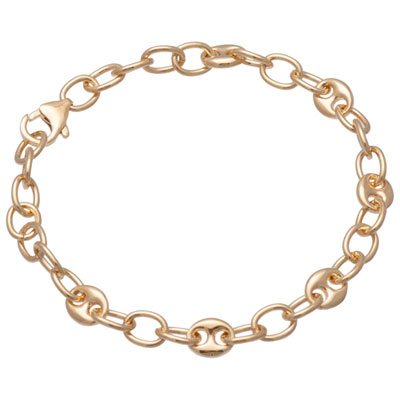 Your price for this item is $59.95
 -
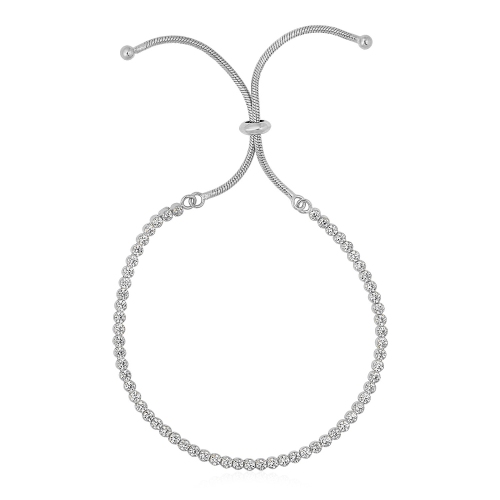 Your price for this item is $779.74
 -
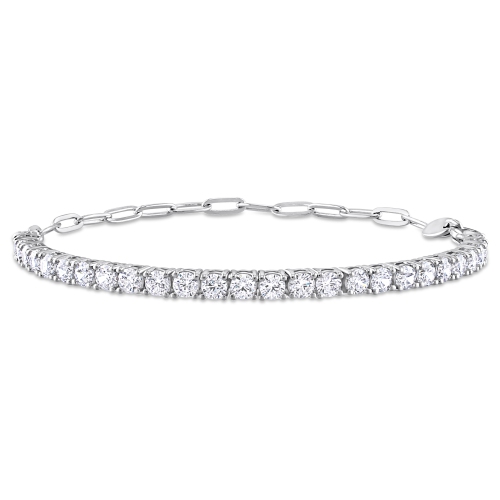 Your price for this item is $84.99
 -
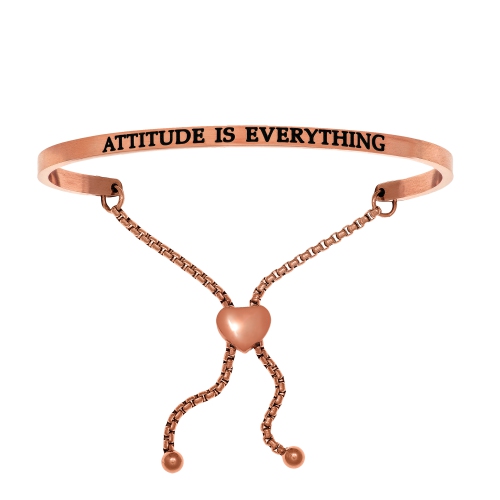 Your price for this item is $61.06
 -
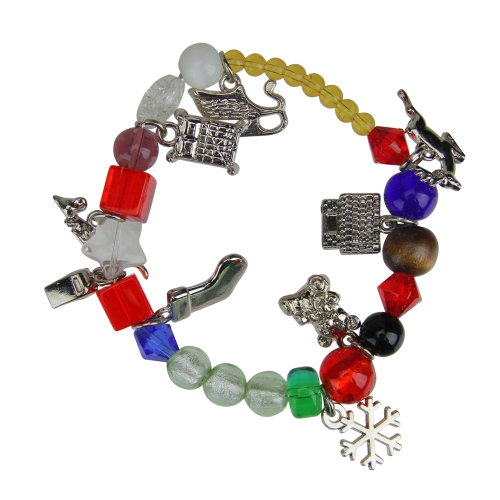 Your price for this item is $22.49
 -
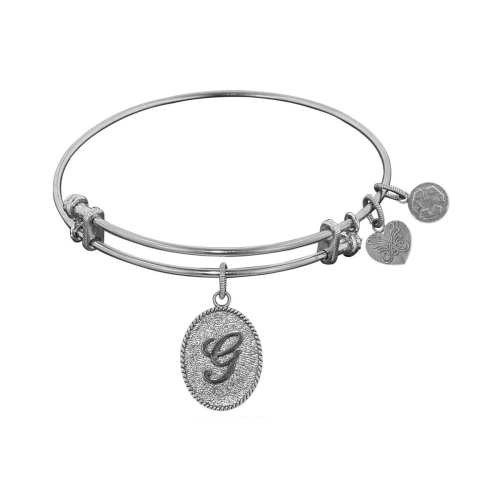 Your price for this item is $39.14
 -
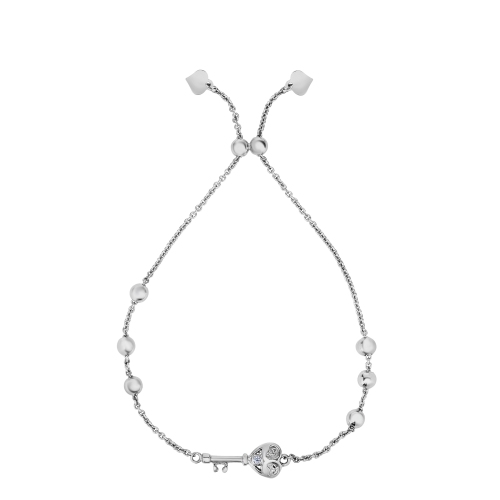 Your price for this item is $36.01
 -
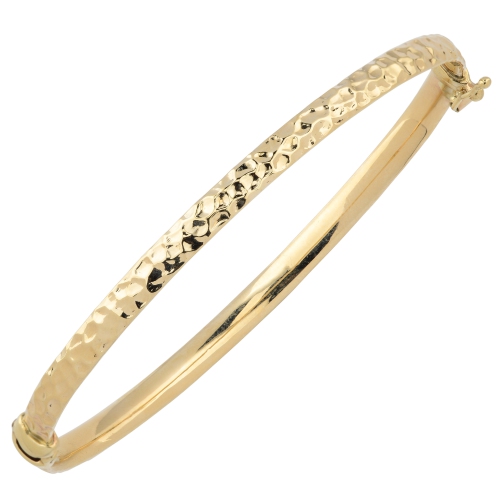 Your price for this item is $435.25
Discover more categories related to Link Bracelets
Top Collections:
Pokemon Centers, Kindle Devices, Best Budget Office Chairs, Apple iPhones 16, Canon G7X Cameras, iPhone 15 Apple, Alarm Clock, Refurbished Apple Laptops, Flip Phones, Best Laptops for Writers
Some products may be subject to Environmental Handling Fees
(EHF) depending on your province.
Learn more about EHFs.