Luxury Gold Watches
Indulge in the epitome of timeless elegance with our collection of luxury gold watches. Crafted with impeccable precision and unparalleled attention to detail, these exquisite timepieces effortlessly blend sophistication and style. Whether you're looking for a statement piece to elevate your ensemble or seeking a luxurious gift for someone special, our wide range of gold watches offers an array of designs to suit every taste and occasion. From sleek and minimalist designs to bold and intricate creations, discover the perfect embodiment of luxury with our selection of gold watches that exude opulence and refinement.
Sort






What lies beneath a gold watch’s finish
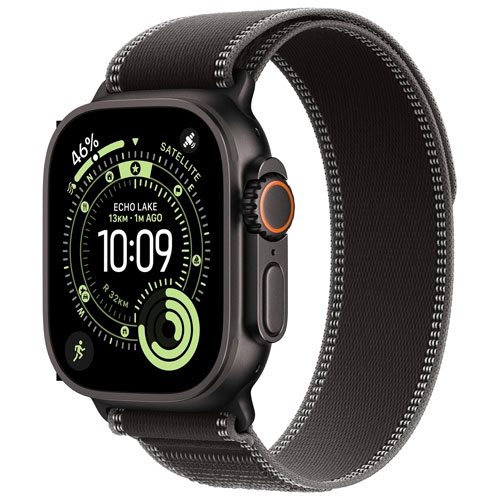
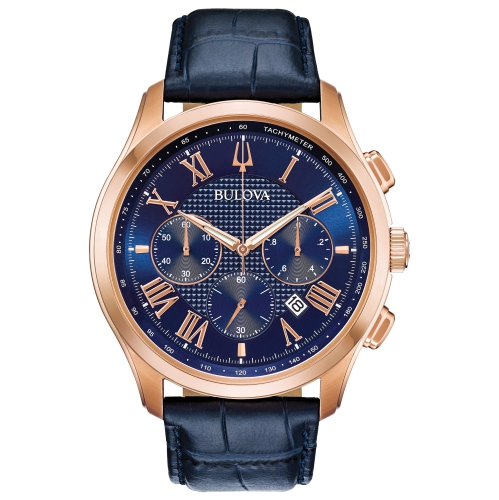
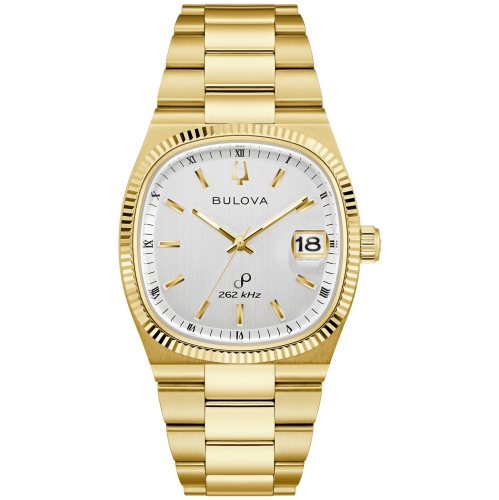
Luxury gold watches bring together timekeeping, metalwork, and a finish that can feel equally at home beside a tailored cuff or a simple knit sleeve. Their character comes from more than colour: the shape of the case, the proportions of the dial, the movement inside, and the way the bracelet or strap meets the wrist all contribute to the experience of wearing one. Gold content is an important distinction. Solid-gold watch components are made from a gold alloy throughout, while gold-plated components have a layer of gold over another material. A gold-tone description refers to appearance and does not, by itself, establish that a watch contains gold. In watchmaking, 18-karat gold contains 75% pure gold, with the remaining proportion made up of other metals that influence colour and hardness. The designation applies to the components identified in the specifications, so a gold case does not necessarily mean that the bracelet, clasp, or case back is also solid gold. Yellow gold has a warm, traditional appearance; white gold offers a paler finish; and rose gold gets its pinkish tone largely from copper in the alloy. For those drawn to that softer hue, luxury rose gold watches provide a related colour direction to explore. Each finish creates a different relationship with the dial. A champagne dial can give yellow gold a continuous, understated look, while black, deep blue, or white creates clearer contrast. Polished surfaces catch the light sharply, whereas brushed finishes soften reflections and make the shape of the metal more apparent. Slim hands, applied hour markers, and carefully finished edges can add refinement without making the face look crowded. A restrained round case suits a classic dress-watch aesthetic, while rectangular cases and angular bezels offer a more architectural presence. The most satisfying combination is often one that complements the jewellery, clothing, and accessories already worn regularly, rather than a design chosen solely for its visual impact in isolation.
Fit determines whether a luxury gold watch becomes a regular companion or an accessory reserved for occasional wear. Case diameter is only one part of that decision: thickness, the distance between the strap attachments, and the curvature of the case also affect how it sits. A broad watch with short, downward-curving lugs may fit more comfortably than a narrower watch with long, flat ones. Ideally, the case rests securely on top of the wrist without its lugs extending beyond the wrist’s edges, and the crown should not press into the hand during normal movement. A bracelet needs enough room for comfort without allowing the watch to swing excessively; removable links and fine clasp adjustments can help achieve that balance. Solid-gold components can add noticeable weight, which some wearers enjoy as a substantial feel, while others prefer a leather strap or a smaller case. Leather brings a quieter, dressier character, but it needs protection from prolonged moisture and should not be assumed suitable for swimming. A metal bracelet offers a more continuous gold appearance, although its suitability for water still depends on the complete watch and its stated water-resistance rating. Intended use also helps distinguish between movements. Quartz movements generally offer accurate timekeeping with little day-to-day attention, though battery replacement or another specified power system still requires appropriate care. Mechanical movements use a wound mainspring; automatic versions can replenish that energy through wrist movement, while manual-winding versions require winding by hand. An automatic watch may stop after it has been left unworn beyond its power reserve, making occasional resetting part of ownership. Mechanical watches also typically need periodic professional servicing, with timing guided by the manufacturer. Useful dial features might include a date display, clearly differentiated hands, or luminous markings for readability in dim settings. For someone moving between meetings and dinners, a thin case that slips beneath a shirt cuff may matter more than multiple complications. For someone who enjoys watchmaking itself, the movement’s construction, winding feel, and finishing may be central to the appeal.
Care and durability deserve the same attention as styling, particularly because gold alloys can pick up scratches and small dents through everyday contact. Even when alloyed for greater hardness, gold should not be treated as scratchproof. Gold plating can also wear over time, especially at bracelet edges, clasps, and other points of frequent contact, and aggressive polishing may remove part of the finish. Crystal material makes a separate difference: sapphire is highly resistant to scratches, but it can still chip or break under a sufficiently hard impact; mineral glass has its own balance of scratch and impact resistance. A watch’s water-resistance rating describes tested performance, not permission to expose every component to any water activity. Suitability for swimming, showering, or diving should follow the manufacturer’s instructions, and crowns or pushers should not be operated underwater unless the watch is expressly designed for it. Seals age, so water resistance may need checking after servicing or as advised by the manufacturer. For routine care, a soft, clean cloth can remove fingerprints and surface marks; any wet cleaning should be appropriate to the case, finish, strap, and stated care requirements. Household cleaners, abrasive compounds, and unapproved polishing products are best kept away from the watch. Storing it separately from bracelets and other jewellery helps prevent rubbing, while removing it before weight training, hands-on repairs, or tasks involving repeated knocks can reduce avoidable damage. Documentation also matters: material descriptions, movement details, warranty terms, and service information make the ownership requirements clearer, and a hallmark alone should not be treated as complete proof of authenticity. As a gift, a luxury gold watch can mark a graduation, wedding, significant anniversary, or professional milestone without needing a commemorative inscription to carry meaning. The recipient’s wrist size, preferred metal colour, daily routine, and willingness to maintain a mechanical movement are more useful clues than an assumption that a larger or more elaborate design is better. A well-considered choice combines an appearance they enjoy with a fit and level of upkeep that suit how they actually live.
Top selling and popular products
-
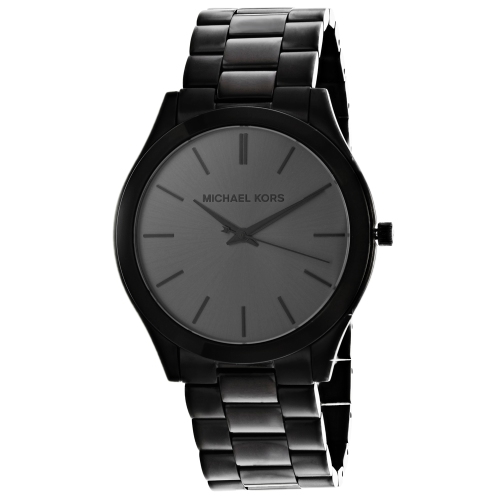 Your price for this item is $325
-
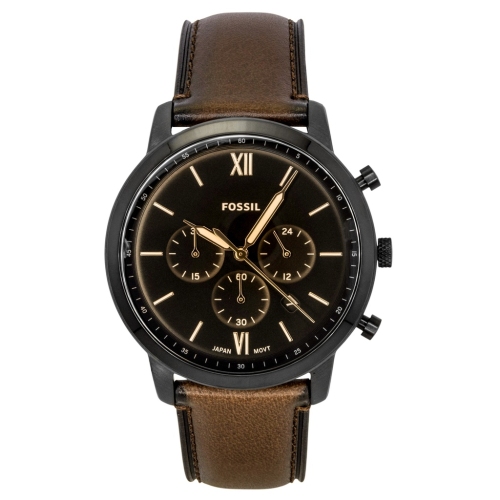 Your price for this item is $218.83
-
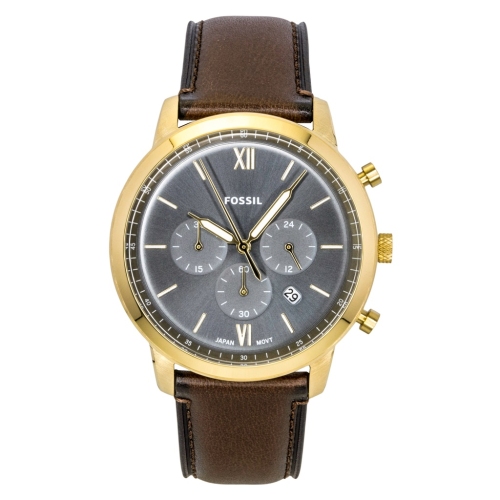 Your price for this item is $218.83
-
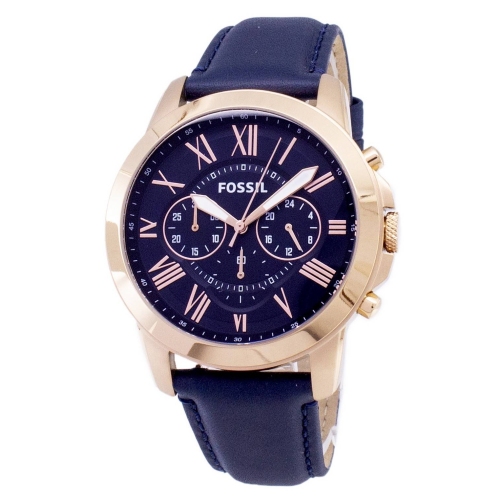 Your price for this item is $223.38
-
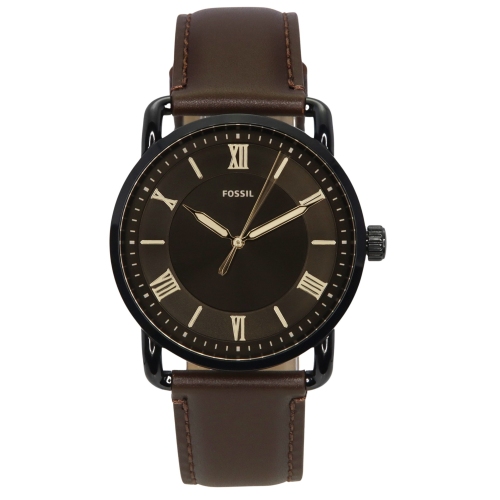 Your price for this item is $185.16
-
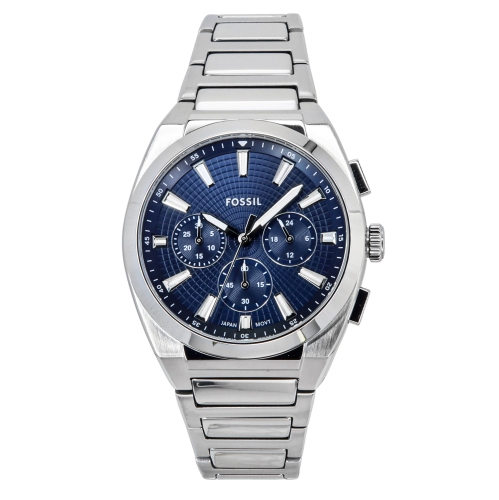 Your price for this item is $266.65
-
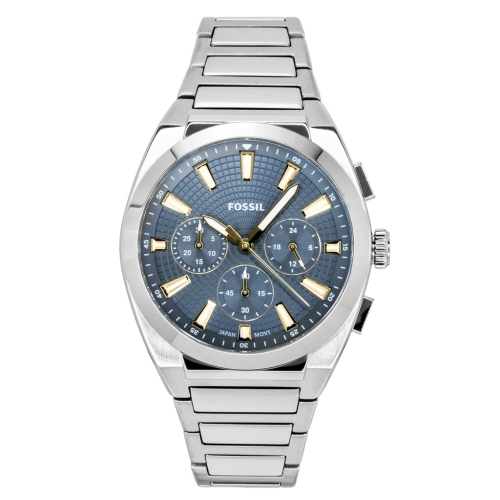 Your price for this item is $260.93
-
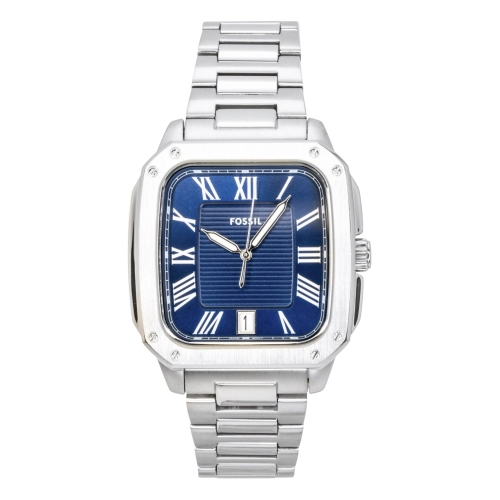 Your price for this item is $227.25
Discover more categories related to Luxury Gold Watches


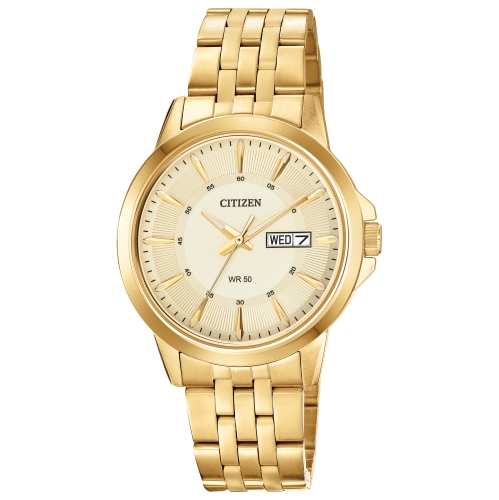
Top Collections:
Pokemon Centers, Kindle Devices, Best Budget Office Chairs, Canon G7X Cameras, Apple iPhones 16, Samsung Galaxy Phones, Refurbished Apple Laptops, Laptops for Students, iPhone 15 Apple, Budget Smartphones
Some products may be subject to Environmental Handling Fees
(EHF) depending on your province.
Learn more about EHFs.