Magnifying Glasses
Enhance your vision and tackle intricate tasks with this selection of magnifying glasses. Whether you're a hobbyist, crafter, or professional in need of precision tools, these magnifiers offer clarity and detail for a variety of activities. From reading fine print to examining small objects, this range of magnifying glasses provides the visual assistance you need to get the job done with ease and accuracy. Discover the perfect magnifier to suit your needs and bring clarity to your world.
Sort



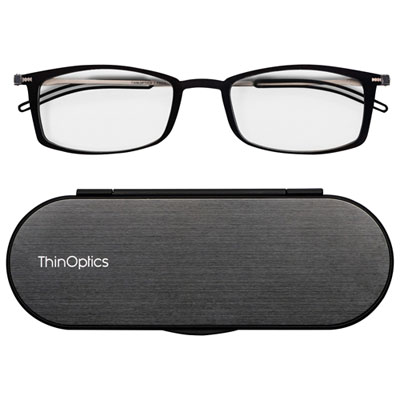
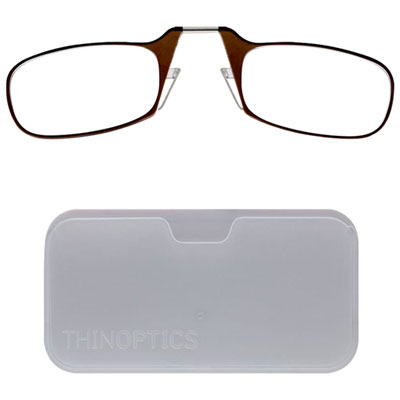
Why higher magnification isn’t always better for close-up tasks
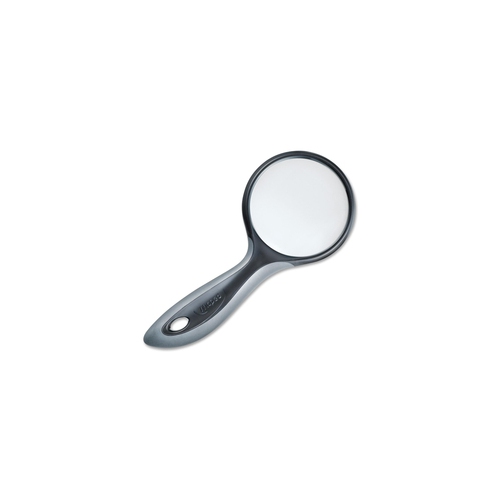
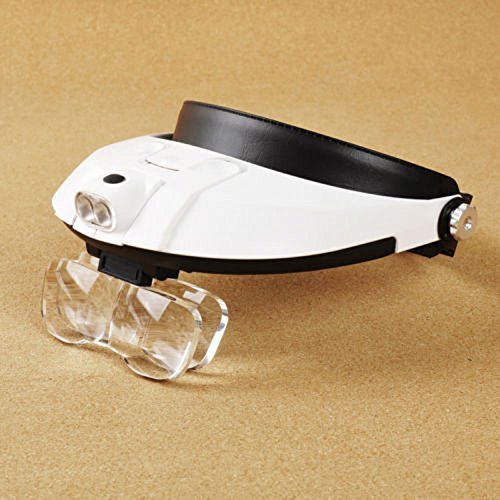
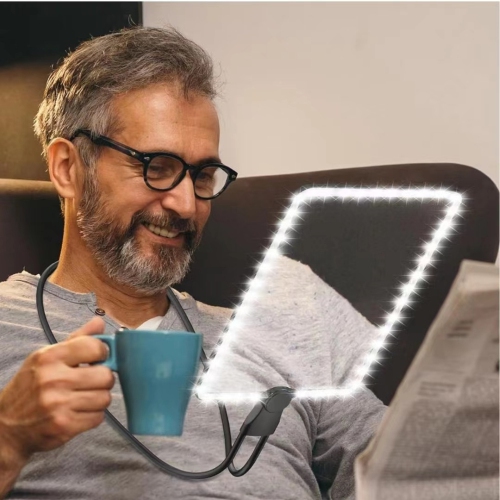
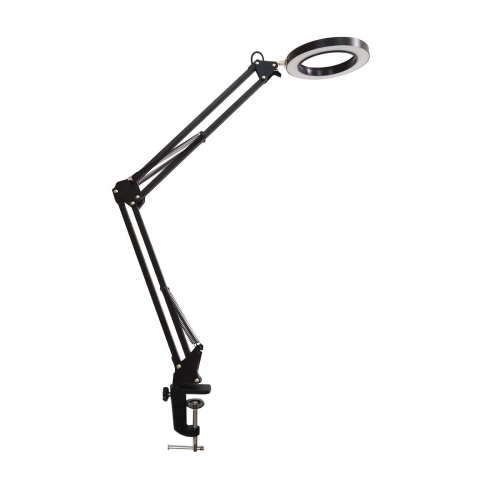
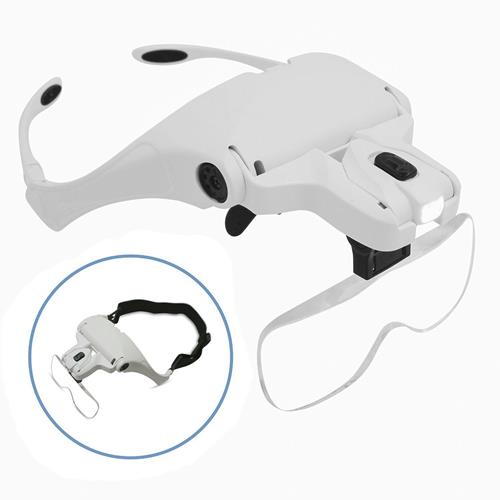
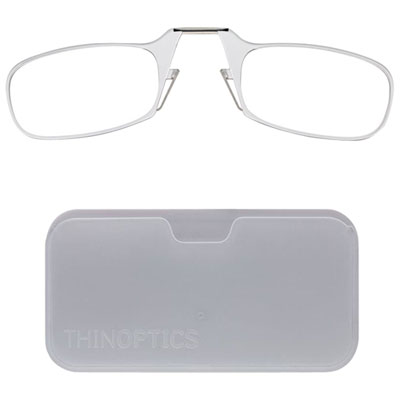
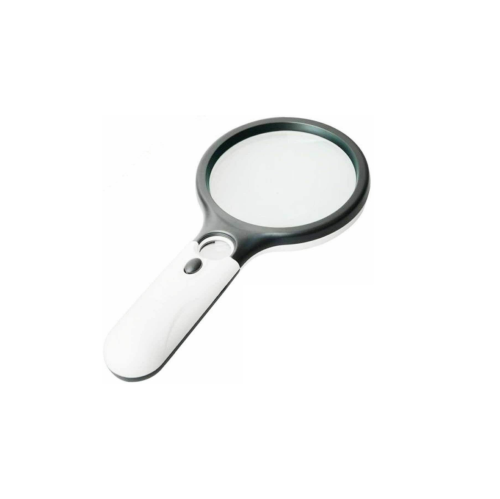
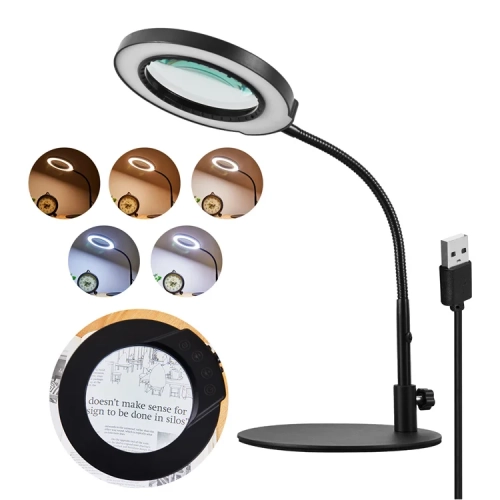
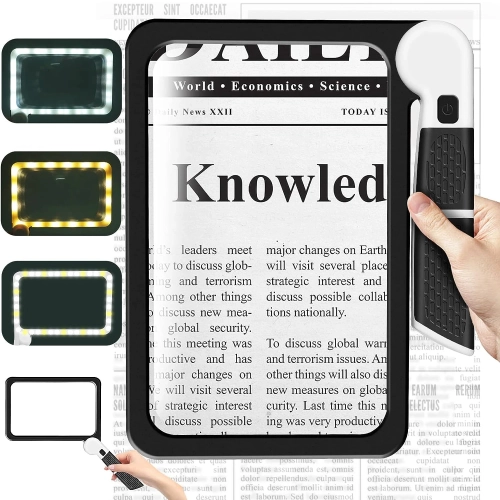
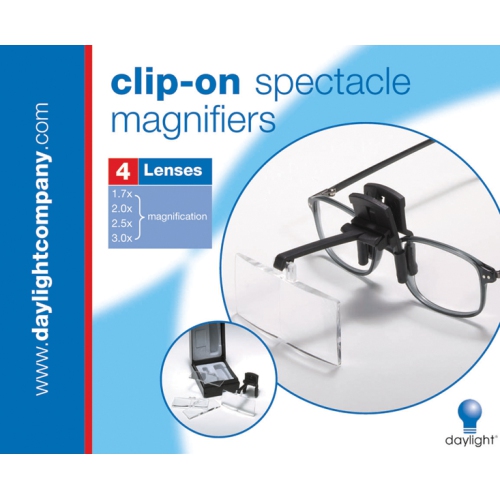
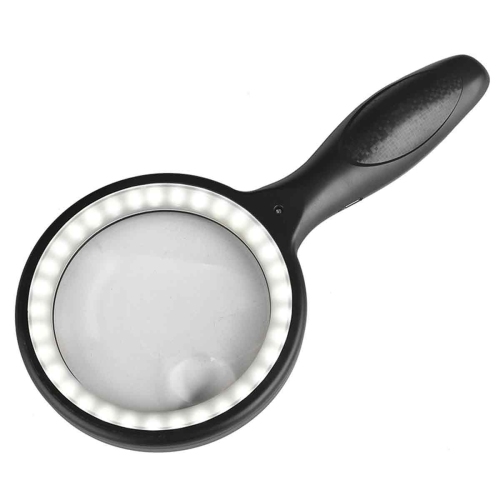
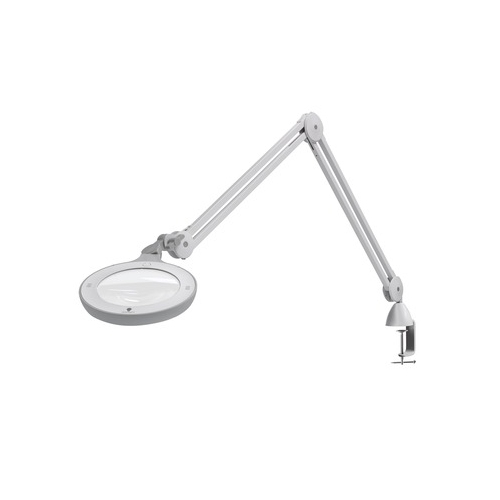
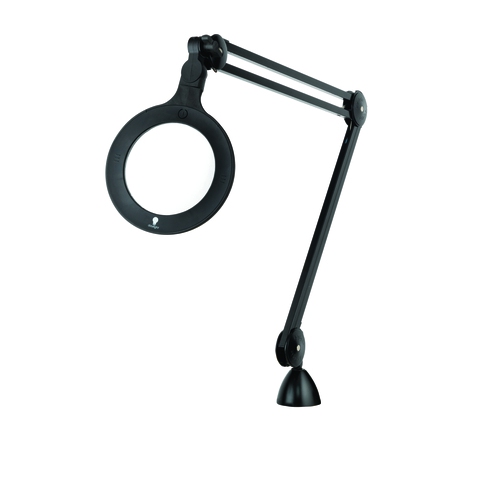
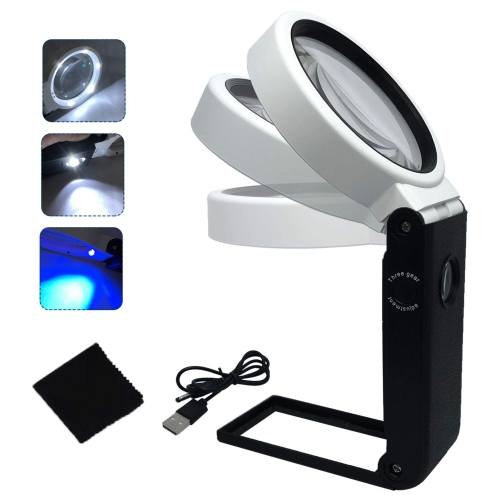
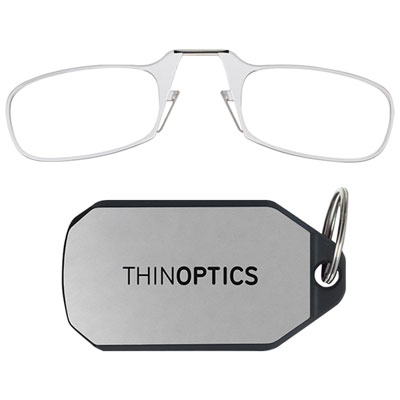
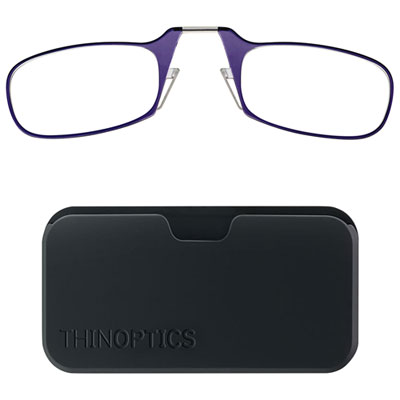
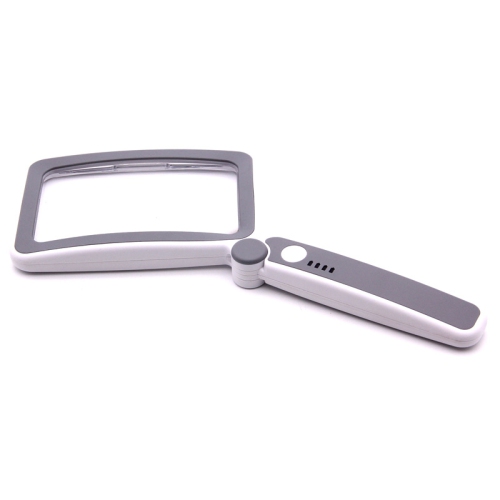
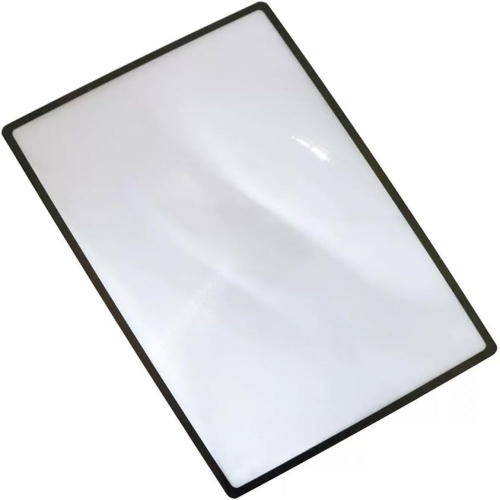
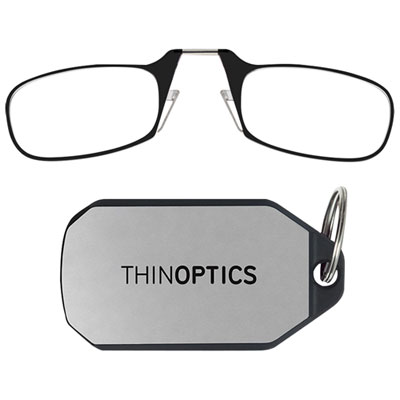
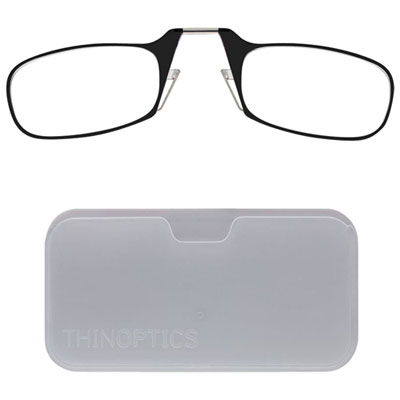
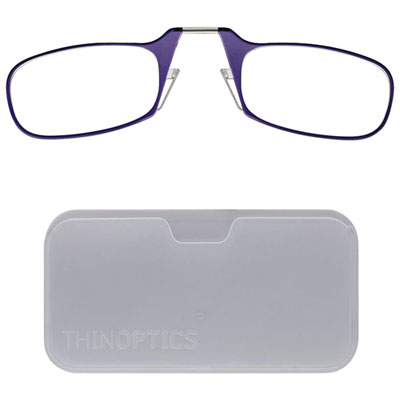
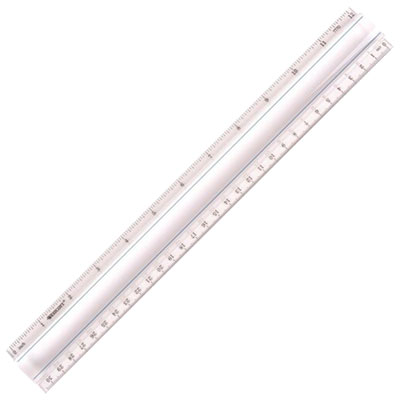
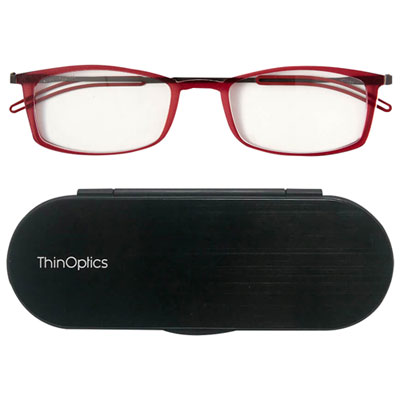
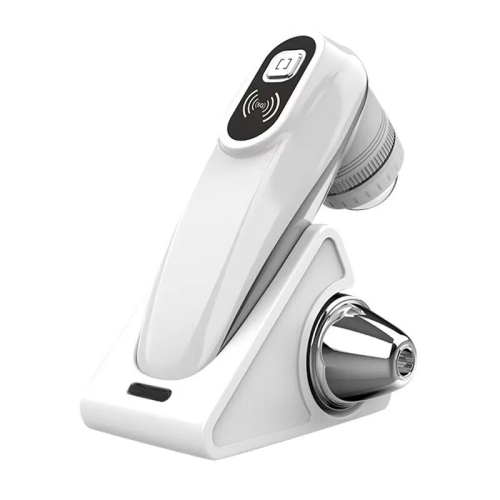
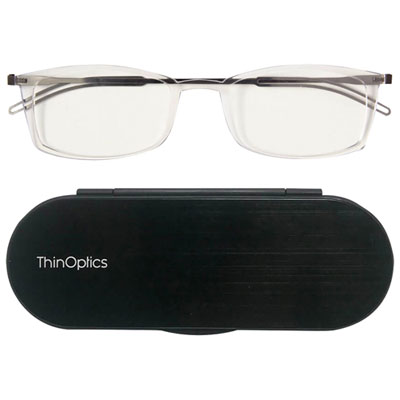
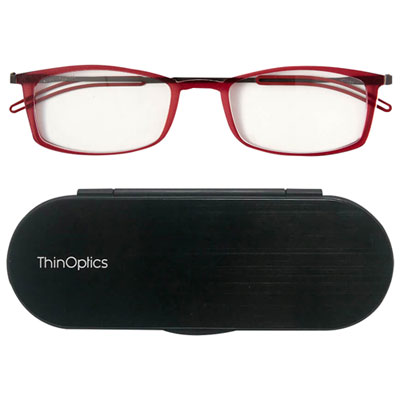
Magnifying glasses are optical tools that make nearby text, objects, and fine details appear larger. They use a curved lens, or a combination of lenses, to help bring small features into view when held at an appropriate distance. The term covers more than wearable eyewear: handheld magnifiers, tabletop models, folding pocket designs, and head-mounted styles all serve different close-up tasks. A handheld magnifying glass can make a medication label easier to read, reveal the markings on a coin, or help distinguish similar colours in a printed craft pattern. A stand-mounted lens leaves both hands free for threading a needle, arranging miniature parts, or examining a stamp without having to balance the magnifier. Wearable designs can be useful for detailed work, although their fit and viewing distance matter just as much as their stated power. Magnification is commonly expressed with an × symbol: a 2× lens provides a lower level of enlargement than a 5× lens under its intended viewing conditions. Higher power is not automatically more useful. It generally brings a smaller area into view and requires the lens to sit closer to the subject, which can make reading across a full line or working with tools less convenient. For everyday reading, a broad viewing area and clear image may be more practical than strong enlargement. For examining a tiny hallmark or a single stitch, a smaller, stronger lens may suit the task better. The distinction between a magnifier and ordinary reading glasses is also important. Reading glasses provide focusing assistance for near vision, while task magnifiers are designed to enlarge details at a particular working distance; neither should be assumed to replace an individual prescription. For people comparing optical formats, Magnification Lenses offers a related category to explore. The most useful format is one that makes the intended detail clear while allowing a comfortable posture and enough room for the activity.
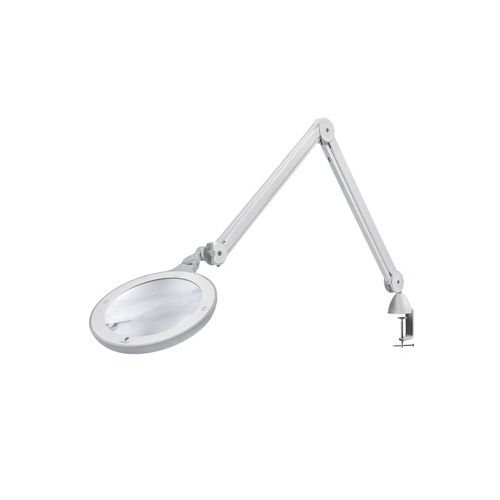
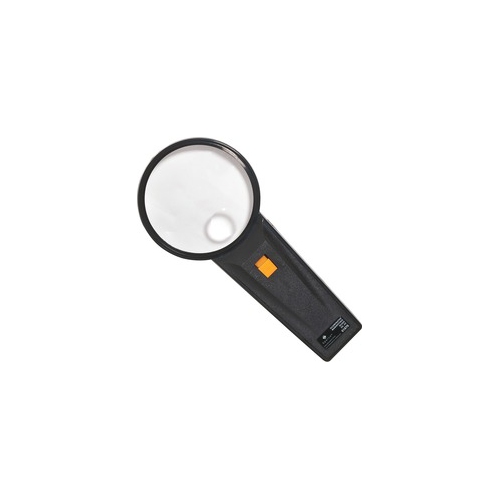
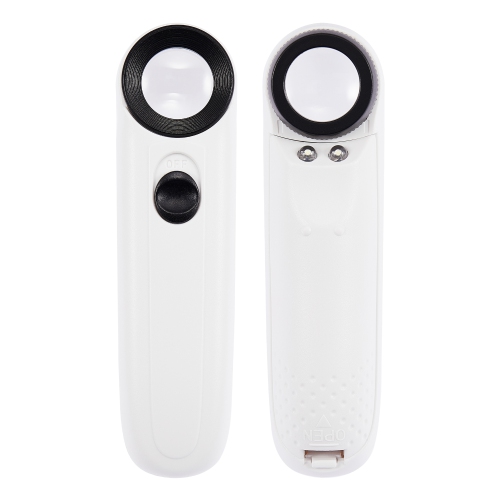
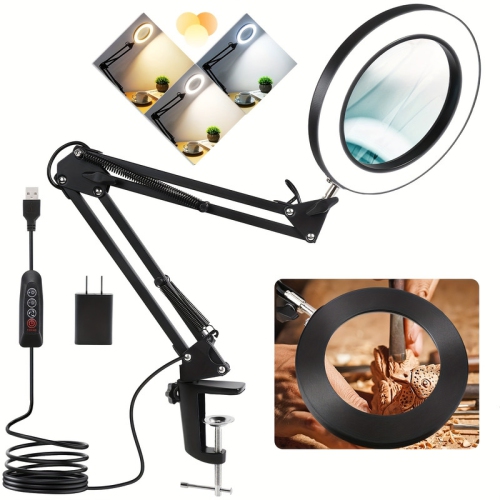
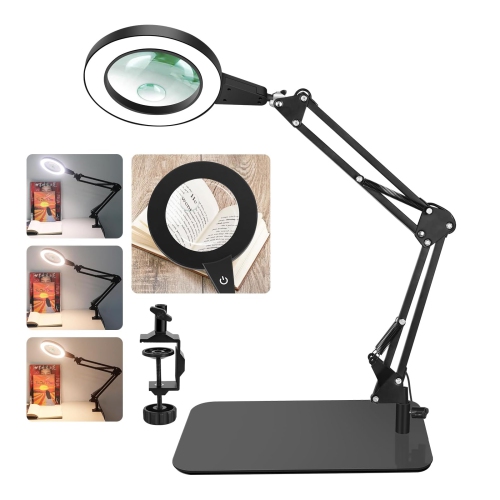
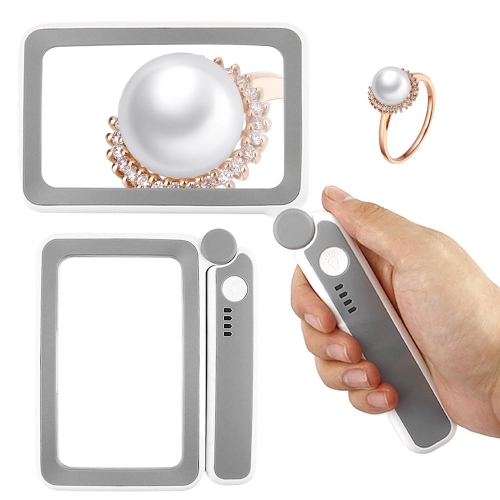
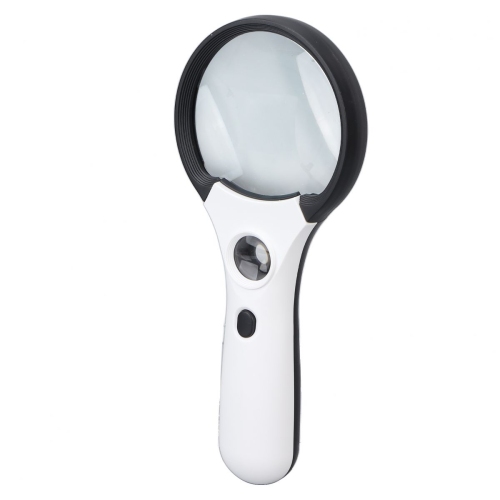
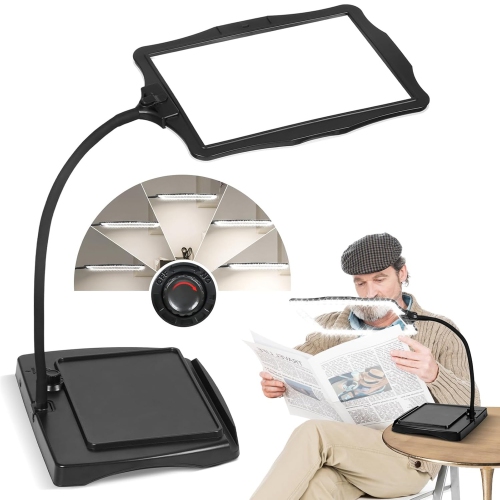
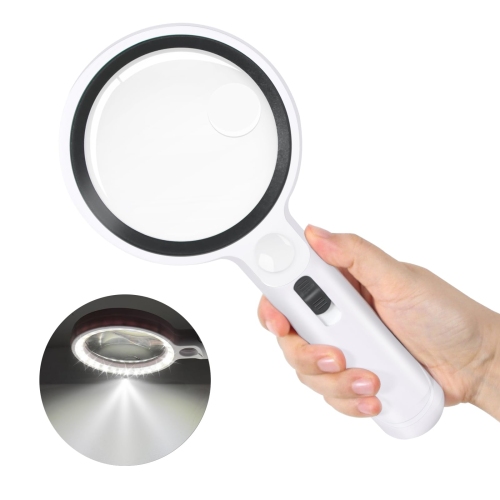
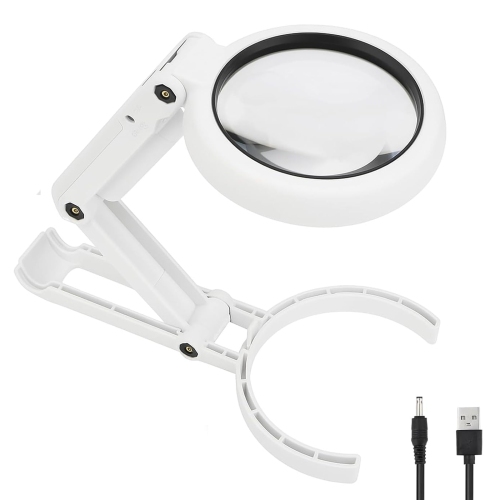
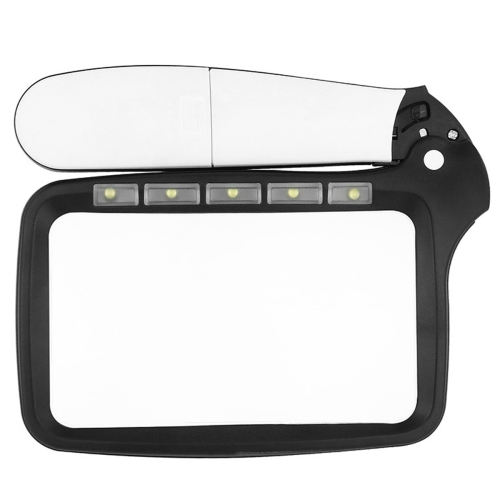
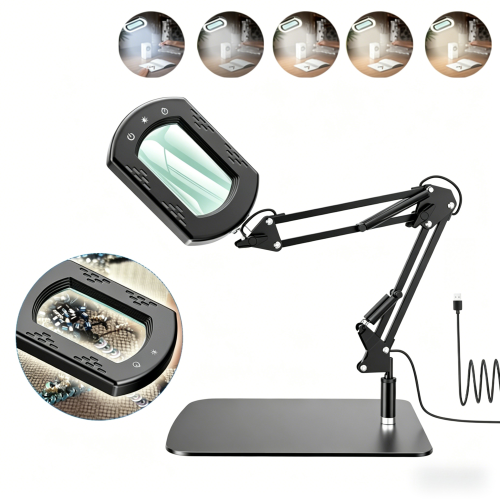
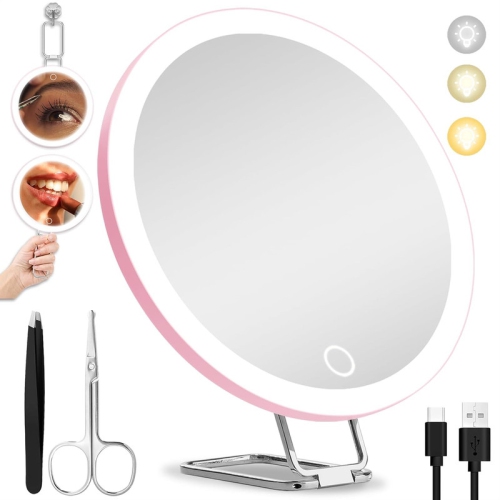
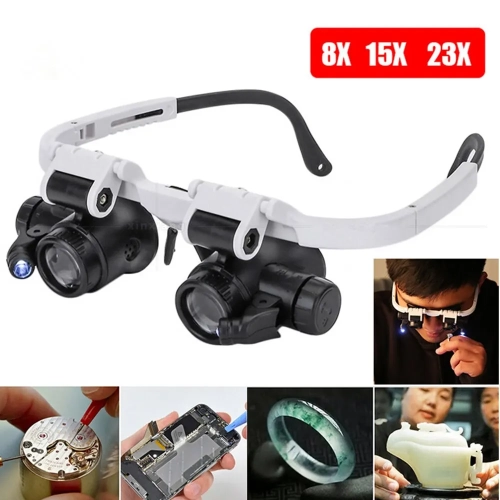
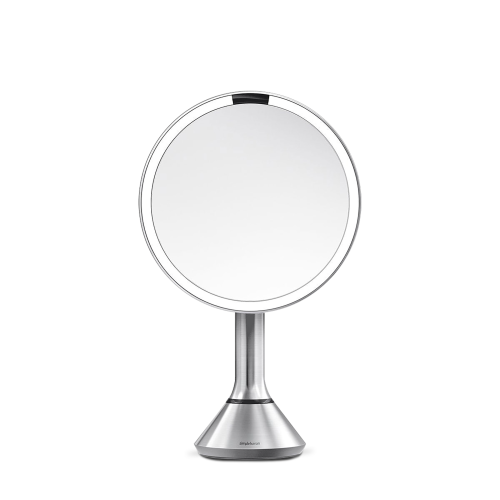
Lens size, material, and lighting influence how a magnifying glass feels in daily use. A larger lens can show more of a recipe, instruction sheet, or book page at once, reducing the need to reposition it as frequently. That wider surface may also add weight, especially with a glass lens, so the balance of the handle deserves attention for longer reading sessions. Glass generally resists surface scratches better than uncoated acrylic, but it can be heavier and may break if dropped. Acrylic and other optical plastics are often lighter, making them practical for portable designs and extended handheld use, although their surfaces need gentle cleaning. Optical quality depends on more than the material alone: lens shape, coatings, and construction affect clarity, reflections, and distortion towards the edges. A small inset lens may provide stronger enlargement within a larger viewing lens, which can be handy for checking an isolated detail without changing tools. Illuminated magnifiers add light close to the subject, helping make dark print or recessed markings easier to distinguish when room lighting is insufficient. Even illumination is useful when following closely spaced lettering; concentrated reflections can make glossy packaging or polished metal harder to inspect. Adjustable brightness or a change in the light’s angle can help manage that glare. Battery-operated designs offer flexibility away from a desk, while rechargeable or corded designs have different charging and placement needs. Controls should be easy to reach without losing the viewing position, particularly for anyone with limited finger dexterity. On a tabletop magnifier, a stable base and an adjustable arm help keep the lens where it is needed. Clamp-mounted designs need a secure attachment point and clearance around the edge of the work surface. For head-mounted styles, an adjustable band, comfortable padding, and compatibility with prescription glasses can make a noticeable difference. Enough space between the lens and the work is especially important when using tweezers, a paintbrush, or a sewing needle.
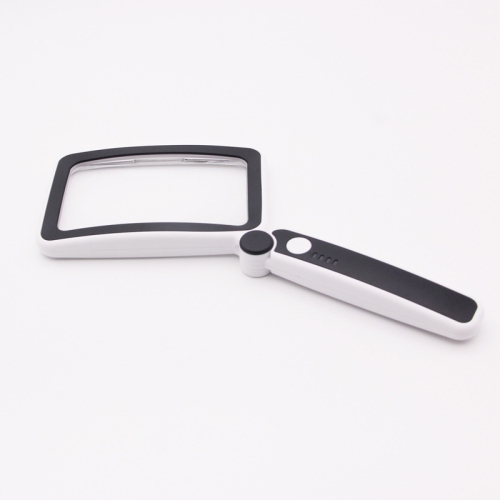
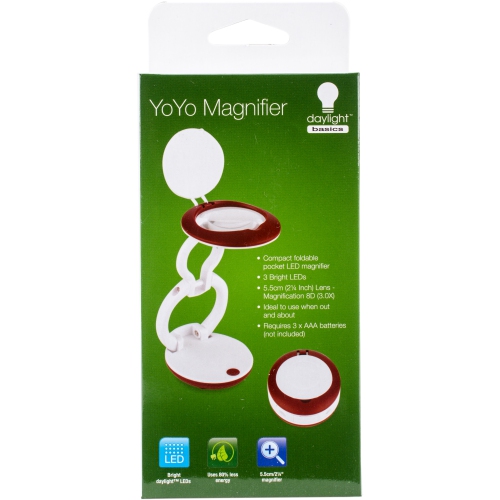
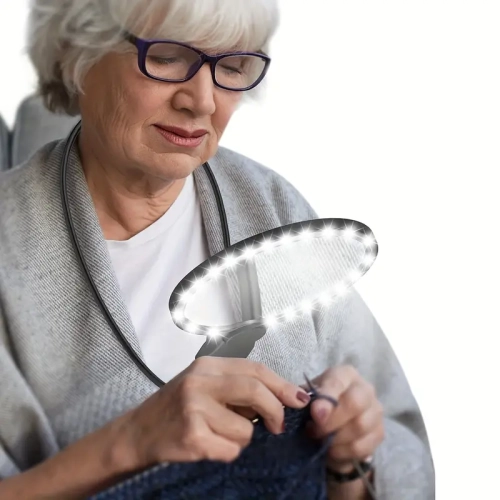
Intended use is a helpful starting point for matching these features to everyday routines. Someone who reads small print on food packaging may value a lightweight handheld design with a broad lens, while a model builder may prefer a hands-free setup that stays steady above the work. Collectors often need to move the lens and light around an object to distinguish surface texture from reflections. For embroidery, jewellery making, and miniature painting, keeping both hands free can matter more than portability. A folding magnifier can protect its lens inside a pocket or bag, making it convenient for examining labels or small details away from home. Children may enjoy looking closely at leaf veins, fabric fibres, and printed dots, provided the magnifier is age-appropriate and used with adult supervision. Magnifiers can also be thoughtful gifts for readers, crafters, and collectors when the format reflects a familiar hobby rather than an assumption about someone’s eyesight. A comfortable grip, simple controls, and a protective case are practical details that a recipient may appreciate every time the lens is used. Care is straightforward but important: remove loose dust before wiping, use a clean microfibre cloth, and follow the manufacturer’s directions for any cleaning solution. Rough paper, abrasive cleaners, and unsuitable solvents can scratch lenses or damage coatings and plastic components. Keep illuminated models dry unless their stated design permits otherwise, and inspect hinges, clamps, and adjustment points for looseness before detailed work. A case or lens cover helps prevent scratches during storage, while a secure resting place reduces the chance of a heavy lens falling from a table. Never look at the sun through a magnifying glass, and do not leave one where direct sunlight can pass through it onto paper, fabric, or another combustible surface; a lens can concentrate light enough to cause burns or start a fire. With an appropriate viewing distance, supportive lighting, and a design suited to the task, a magnifying glass can make small details more accessible without adding unnecessary complexity to reading, crafting, or close inspection.
Lens size, material, and lighting influence how a magnifying glass feels in daily use. A larger lens can show more of a recipe, instruction sheet, or book page at once, reducing the need to reposition it as frequently. That wider surface may also add weight, especially with a glass lens, so the balance of the handle deserves attention for longer reading sessions. Glass generally resists surface scratches better than uncoated acrylic, but it can be heavier and may break if dropped. Acrylic and other optical plastics are often lighter, making them practical for portable designs and extended handheld use, although their surfaces need gentle cleaning. Optical quality depends on more than the material alone: lens shape, coatings, and construction affect clarity, reflections, and distortion towards the edges. A small inset lens may provide stronger enlargement within a larger viewing lens, which can be handy for checking an isolated detail without changing tools. Illuminated magnifiers add light close to the subject, helping make dark print or recessed markings easier to distinguish when room lighting is insufficient. Even illumination is useful when following closely spaced lettering; concentrated reflections can make glossy packaging or polished metal harder to inspect. Adjustable brightness or a change in the light’s angle can help manage that glare. Battery-operated designs offer flexibility away from a desk, while rechargeable or corded designs have different charging and placement needs. Controls should be easy to reach without losing the viewing position, particularly for anyone with limited finger dexterity. On a tabletop magnifier, a stable base and an adjustable arm help keep the lens where it is needed. Clamp-mounted designs need a secure attachment point and clearance around the edge of the work surface. For head-mounted styles, an adjustable band, comfortable padding, and compatibility with prescription glasses can make a noticeable difference. Enough space between the lens and the work is especially important when using tweezers, a paintbrush, or a sewing needle.
Intended use is a helpful starting point for matching these features to everyday routines. Someone who reads small print on food packaging may value a lightweight handheld design with a broad lens, while a model builder may prefer a hands-free setup that stays steady above the work. Collectors often need to move the lens and light around an object to distinguish surface texture from reflections. For embroidery, jewellery making, and miniature painting, keeping both hands free can matter more than portability. A folding magnifier can protect its lens inside a pocket or bag, making it convenient for examining labels or small details away from home. Children may enjoy looking closely at leaf veins, fabric fibres, and printed dots, provided the magnifier is age-appropriate and used with adult supervision. Magnifiers can also be thoughtful gifts for readers, crafters, and collectors when the format reflects a familiar hobby rather than an assumption about someone’s eyesight. A comfortable grip, simple controls, and a protective case are practical details that a recipient may appreciate every time the lens is used. Care is straightforward but important: remove loose dust before wiping, use a clean microfibre cloth, and follow the manufacturer’s directions for any cleaning solution. Rough paper, abrasive cleaners, and unsuitable solvents can scratch lenses or damage coatings and plastic components. Keep illuminated models dry unless their stated design permits otherwise, and inspect hinges, clamps, and adjustment points for looseness before detailed work. A case or lens cover helps prevent scratches during storage, while a secure resting place reduces the chance of a heavy lens falling from a table. Never look at the sun through a magnifying glass, and do not leave one where direct sunlight can pass through it onto paper, fabric, or another combustible surface; a lens can concentrate light enough to cause burns or start a fire. With an appropriate viewing distance, supportive lighting, and a design suited to the task, a magnifying glass can make small details more accessible without adding unnecessary complexity to reading, crafting, or close inspection.
Top selling and popular products
-
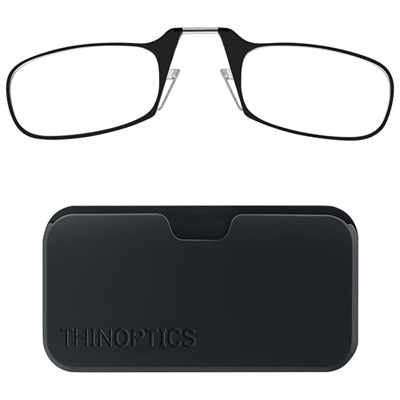 Your price for this item is $23.97
 -
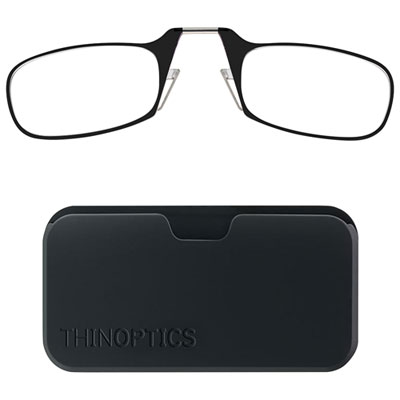 Your price for this item is $24.99
 -
 Your price for this item is $59.99
 -
 Your price for this item is $59.99
 -
 Your price for this item is $41.99
 -
 Your price for this item is $32.99
 -
 Your price for this item is $59.5
 -
 Your price for this item is $24.99
Discover more categories related to Magnifying Glasses
Top Collections:
Pokemon Centers, Kindle Devices, Best Budget Office Chairs, Apple iPhones 16, Best Laptops for Writers, iPhone 15 Apple, Canon G7X Cameras, Refurbished Apple Laptops, Alarm Clock, Motorola Razr Phones
Some products may be subject to Environmental Handling Fees
(EHF) depending on your province.
Learn more about EHFs.