Rose Gold Jewelry
Rose gold jewelry has captured the hearts of fashion enthusiasts with its romantic allure and timeless elegance. Its warm, pinkish hue offers a unique twist on traditional gold, making it a versatile choice for any occasion. Whether you're looking to add a subtle touch of sophistication to your everyday ensemble or seeking a statement piece for a special event, rose gold jewelry effortlessly complements various styles and skin tones. Explore our collection to discover pieces that blend contemporary design with classic charm, perfect for enhancing your personal style or gifting to someone special.
Sort
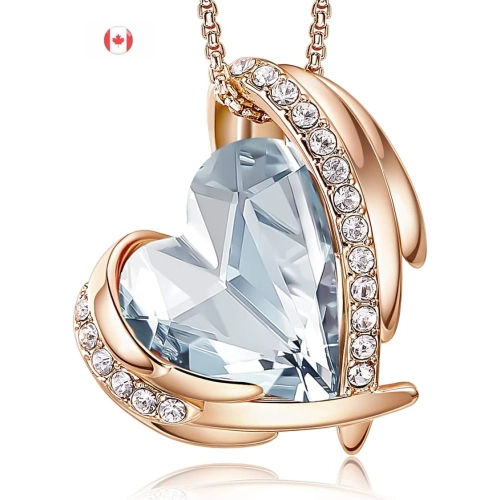


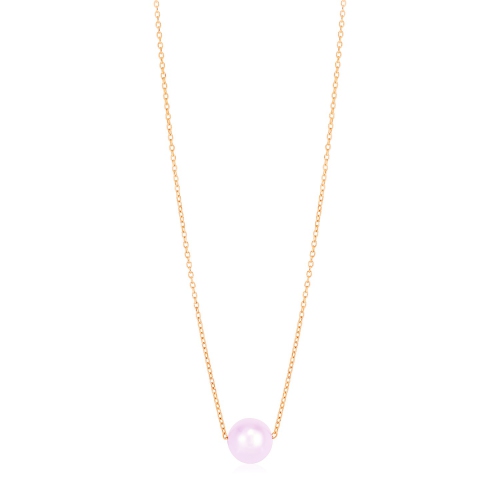


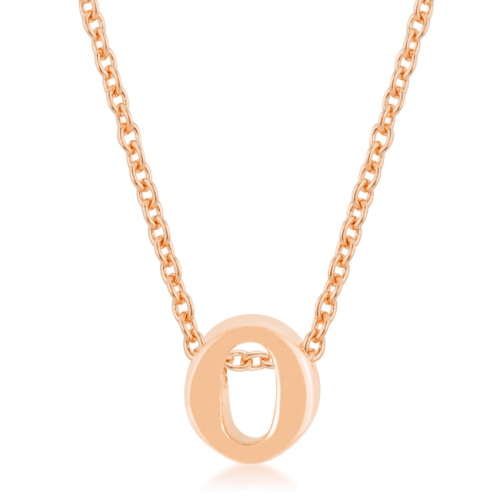


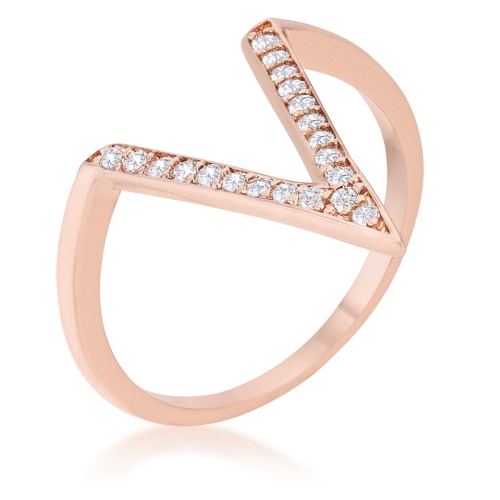


















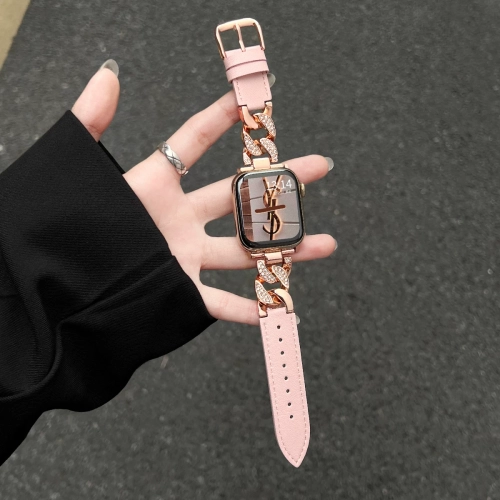
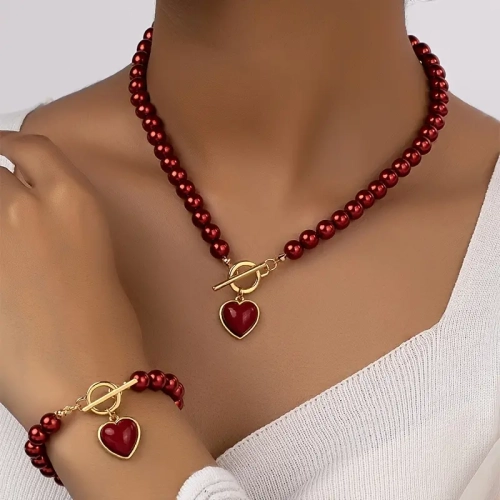


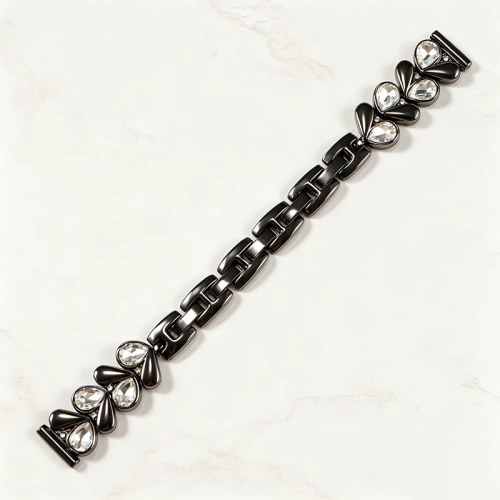




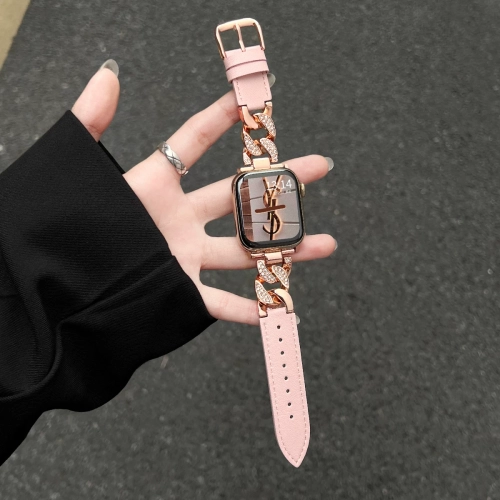


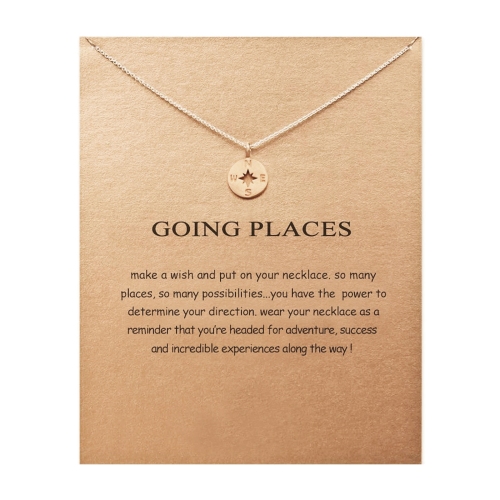


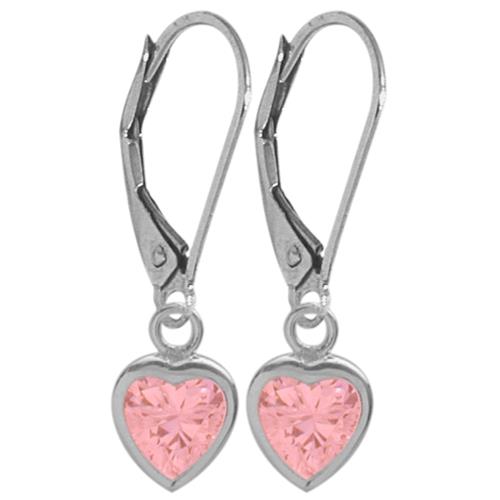


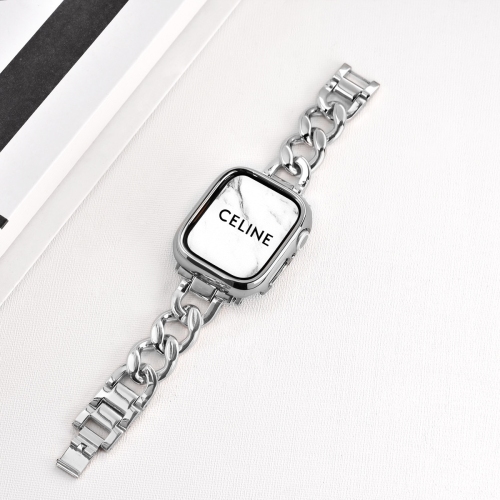
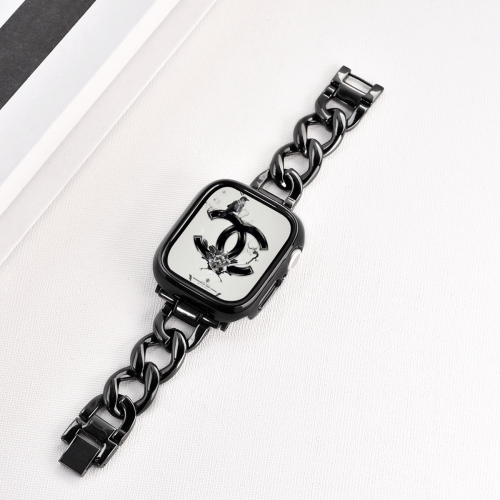
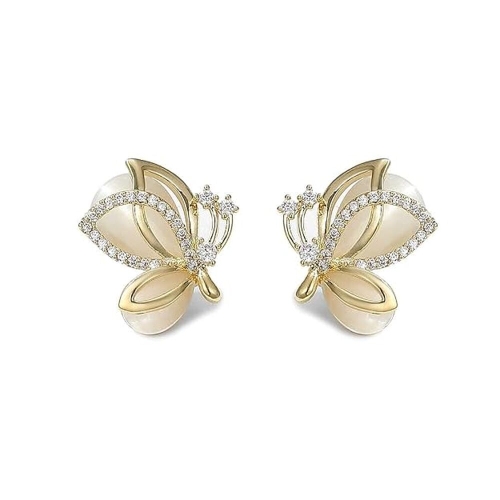


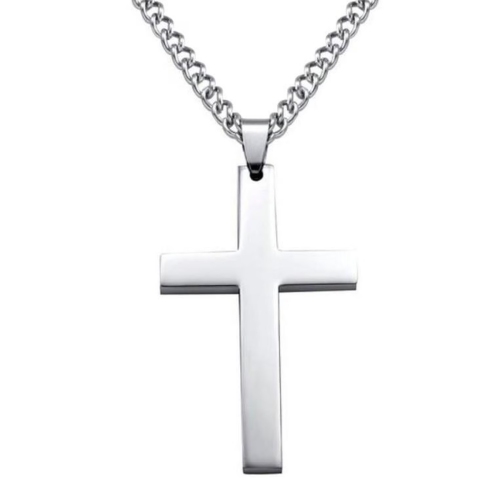
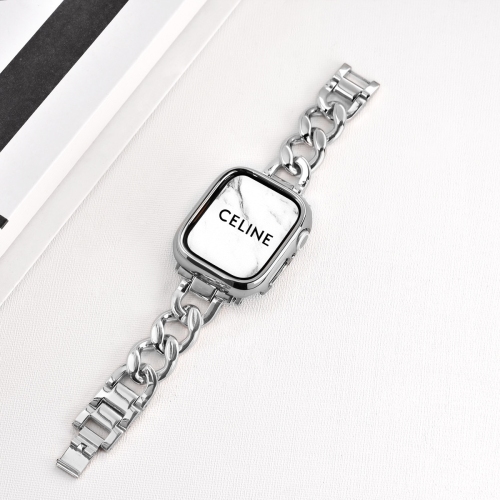


The metal mix behind that warm pink glow
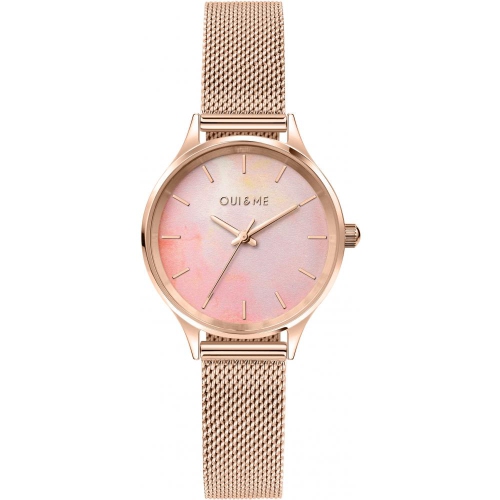
Rose gold jewellery is known for its warm, pinkish colour, created by mixing pure gold with copper and, in many alloys, a small amount of silver. The proportion of these metals affects the shade, which can range from a soft blush to a deeper rosy tone. Unlike a surface finish, the colour of solid rose gold runs throughout the alloy. Rose gold-plated jewellery has a layer of rose gold over another metal, while rose gold-tone jewellery describes a colour or finish and does not necessarily contain gold. These distinctions matter when choosing necklaces, rings, earrings, and bracelets for regular wear or special occasions. A karat marking describes the proportion of pure gold in a gold alloy: 18-karat gold contains 75% pure gold, while 14-karat gold contains approximately 58.3%. Neither marking alone tells the whole story about how a piece will wear, since construction, thickness, settings, and daily habits also play a part. Copper adds hardness to gold, but rose gold can still scratch, and fine chains or delicate details need gentle handling. Its appeal is as much about versatility as colour. A narrow band or small pair of studs can bring a subtle pink gleam to everyday clothing, while a more substantial chain or gemstone setting can stand out against a plain neckline. Rose gold also works well alongside yellow gold and silver-coloured metals, making it easy to build on jewellery someone already wears rather than match every detail exactly. Clear stones offer a crisp contrast, pink stones can echo the metal’s blush, and darker stones create a more pronounced outline. For someone who prefers understated accessories, a smooth surface and simple shape may feel natural; for someone drawn to expressive details, textured metal, sculptural links, or a decorative pendant can make the colour more noticeable without relying on size alone.
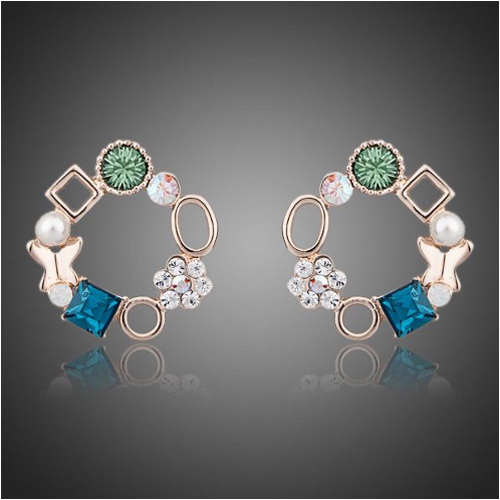
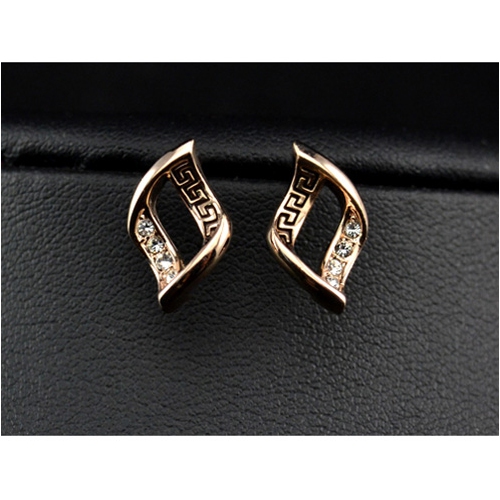
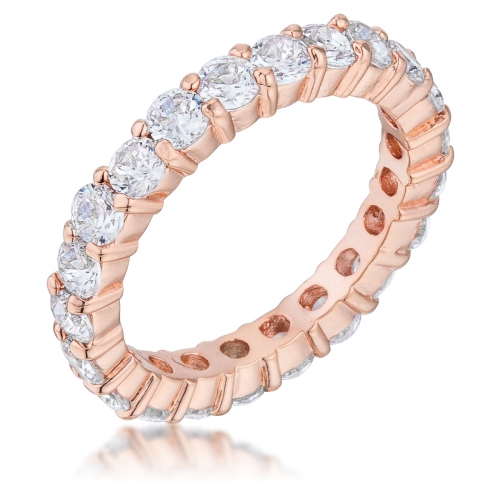
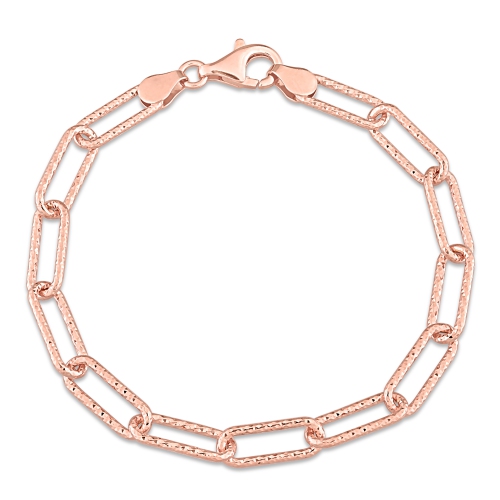
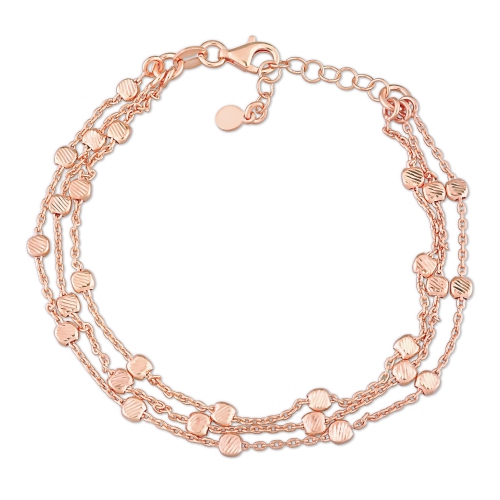
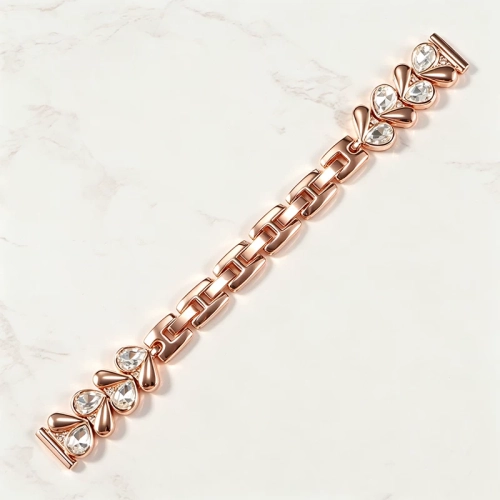
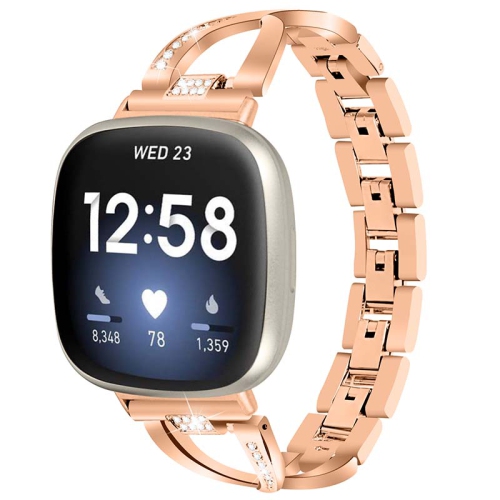
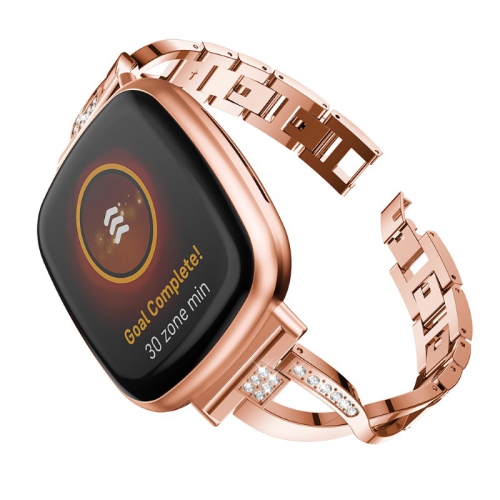
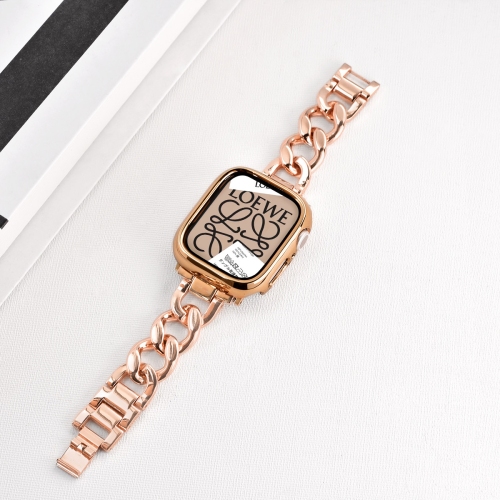
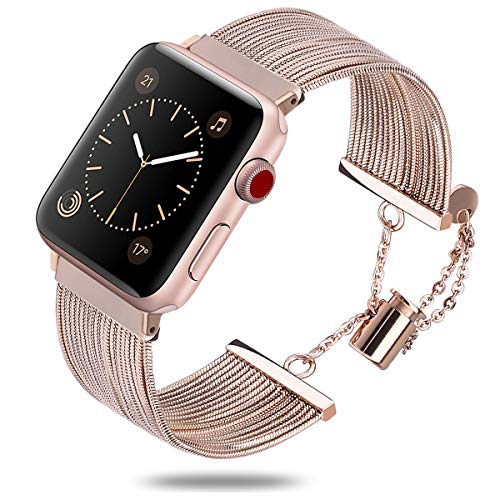
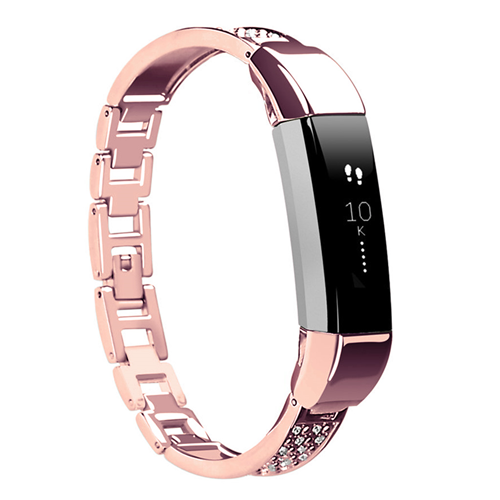
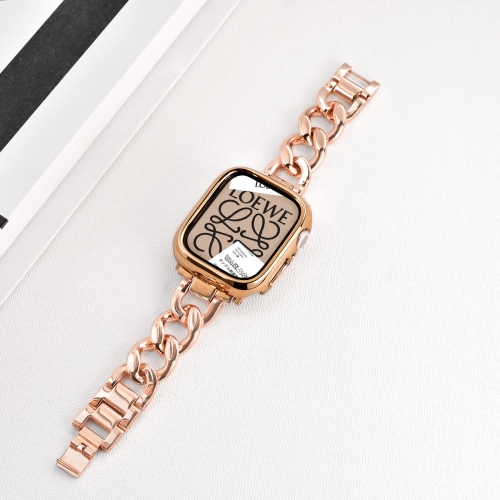
Comfort and proportion help determine whether rose gold jewellery becomes an everyday favourite or something reserved for occasional wear. With necklaces, length affects where a pendant rests and how it interacts with a collar, neckline, or another chain. A shorter necklace can sit neatly above an open collar, while a longer chain creates a different line over a simple top. Pendant weight and chain thickness should suit each other, and a clasp that is easy to operate can make a meaningful difference for anyone with limited hand dexterity. Bracelet fit involves similar practical details: a close-fitting style should not pinch, while a looser style should have enough room to move without slipping over the hand. Bangles that slide on without opening need to clear the widest part of the hand, so wrist circumference alone may not establish the right size. Rose Gold Bracelets bring the pink-toned finish to the wrist through forms such as fine chains, linked designs, and structured bangles, each with a different feel during movement. Someone who spends hours typing may prefer a low-profile design that does not press against the desk, while someone dressing for a celebration may enjoy a bracelet with more movement or detail. Rings need a secure but comfortable fit over the knuckle, and wider bands can feel tighter than narrow bands in the same stated size. Earrings deserve attention to weight, fastening style, and how far they hang; light studs and compact hoops may be more comfortable for extended wear than heavier drops. For sensitive skin, check the full metal composition rather than relying on colour or karat alone. Rose gold is not automatically hypoallergenic, and reactions can depend on copper, nickel, or other metals in the alloy, base, or components. Earring posts, backs, clasps, and soldered joins may also use different materials from the main decorative section. Clear material information is particularly useful for jewellery worn directly against the skin for long periods.
Care needs depend on the metal construction and any stones, pearls, enamel, or other decorative elements. For many plain gold pieces, gentle cleaning with lukewarm water, mild soap, and a soft cloth can lift everyday residue, but the maker’s care directions should take priority. Some stones and finishes should not be soaked, and ultrasonic cleaners are not suitable for every setting or material. A soft, dry cloth is a cautious starting point when the composition is uncertain. Abrasive cleaners and vigorous polishing can scratch surfaces or wear through plating, so plated jewellery generally benefits from especially light handling. Removing jewellery before swimming, household cleaning, exercise, or tasks involving repeated knocks helps limit contact with chemicals, moisture, and impact. Letting lotions and fragrance dry before putting jewellery on can also reduce residue on the surface. Store necklaces separately to limit tangles, keep earrings paired, and use individual compartments or soft pouches so harder stones and metal edges do not rub against neighbouring pieces. Plating can gradually wear at high-contact areas such as the underside of a ring or the edges of a clasp; how quickly that happens depends on the thickness of the layer and how the jewellery is worn. Solid rose gold does not lose its colour through plating wear, though its surface can develop scratches or subtle changes in appearance over time. Checking clasps, links, and stone settings periodically can help catch looseness before a piece is lost or damaged. As a gift, rose gold jewellery can mark a birthday, graduation, anniversary, or personal milestone without requiring an elaborate design. The recipient’s habits offer useful clues: a favourite necklace length, a preference for small earrings, or a tendency to wear mixed metals can be more helpful than choosing by appearance alone. Adjustable closures can offer some flexibility, but they do not replace checking measurements. Rings require more precise sizing, and earrings should suit the recipient’s piercing type and preferences. A well-chosen piece balances that distinctive rosy colour with comfortable proportions, suitable materials, and care requirements that fit the way its wearer lives.
Top selling and popular products
-
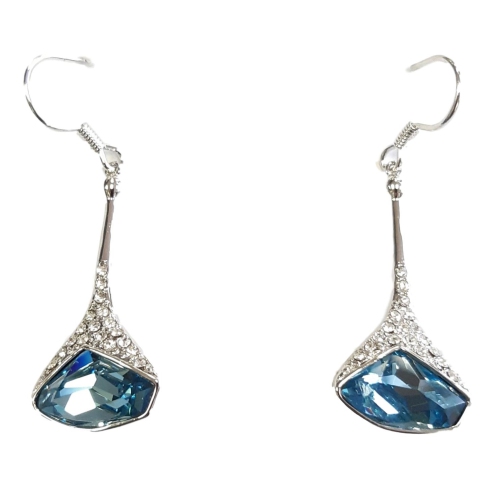 Your price for this item is $49.97
-
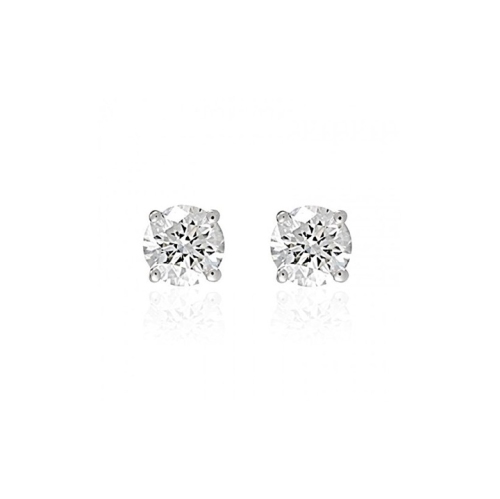 Your price for this item is $1750
-
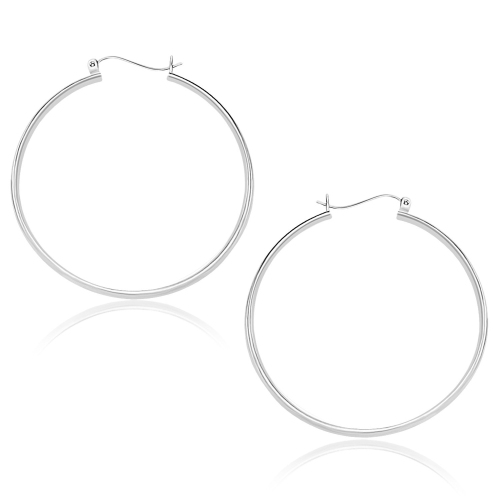 Your price for this item is $311.18
-
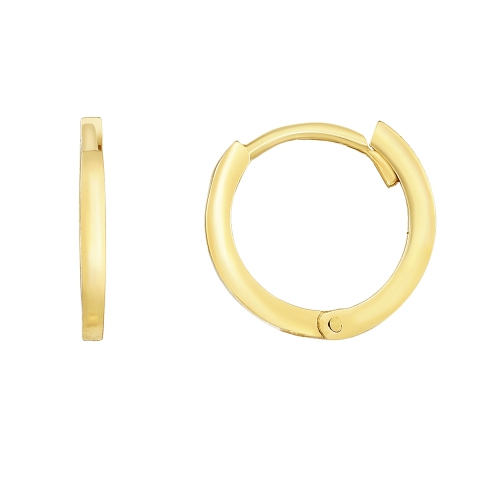 Your price for this item is $165.96
-
 Your price for this item is $849
-
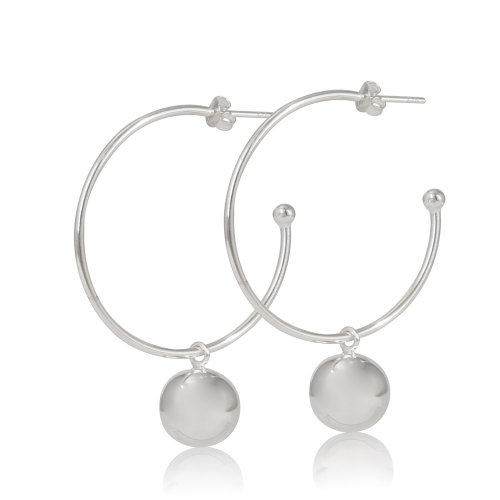 Your price for this item is $110
-
 Your price for this item is $1194.19
-
 Your price for this item is $1099
Discover more categories related to Rose Gold Jewelry

Top Collections:
Pokemon Centers, Kindle Devices, Best Budget Office Chairs, Canon G7X Cameras, Apple iPhones 16, Samsung Galaxy Phones, Refurbished Apple Laptops, Laptops for Students, iPhone 15 Apple, Budget Smartphones
Some products may be subject to Environmental Handling Fees
(EHF) depending on your province.
Learn more about EHFs.