Titanium Dive Watches
Dive into the world of precision and durability with our collection of titanium dive watches. Crafted from high-quality materials, these timepieces are designed to withstand the rigors of underwater exploration while exuding style and sophistication. Whether you're a seasoned diver or simply appreciate the rugged elegance of a dive watch, our selection offers a range of features to suit your needs. From water resistance to luminous dials, each watch is built to deliver reliable performance in the most demanding conditions. Explore our titanium dive watches and elevate your wrist game both above and below the surface.
Sort


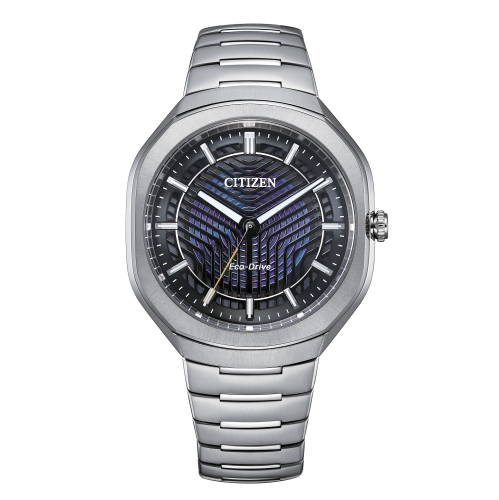
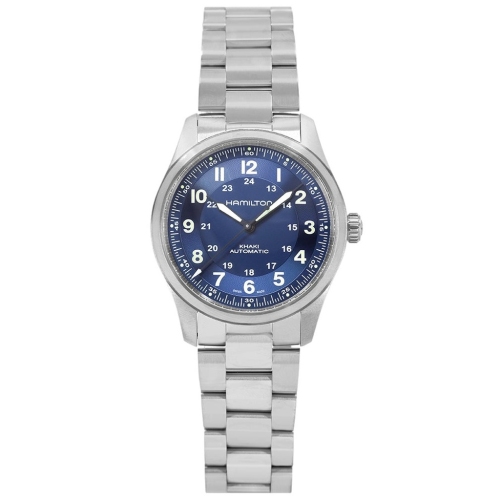
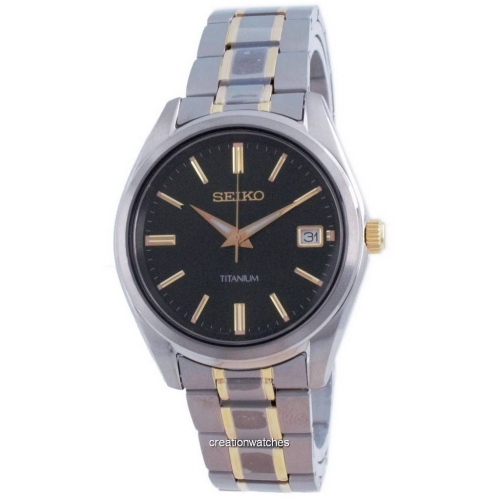


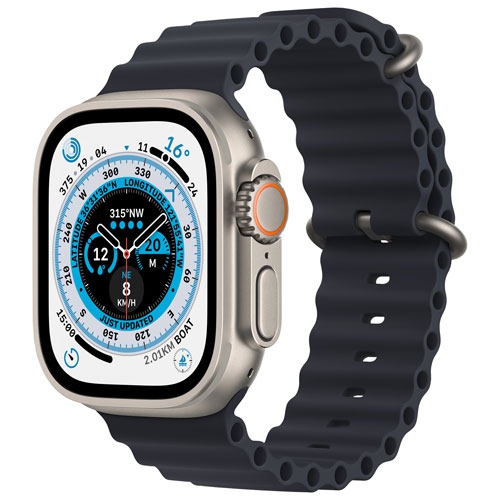
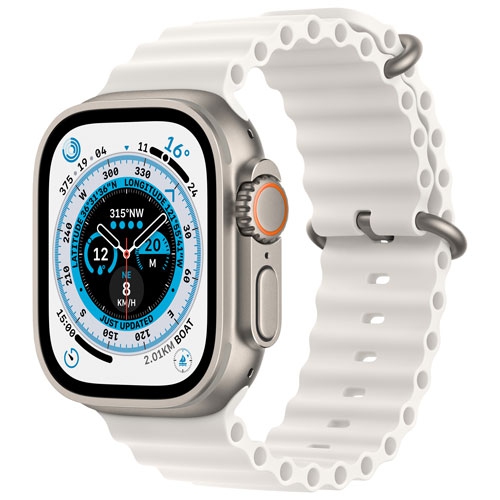
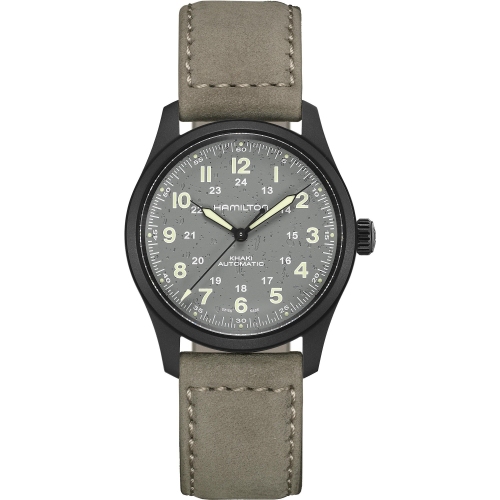

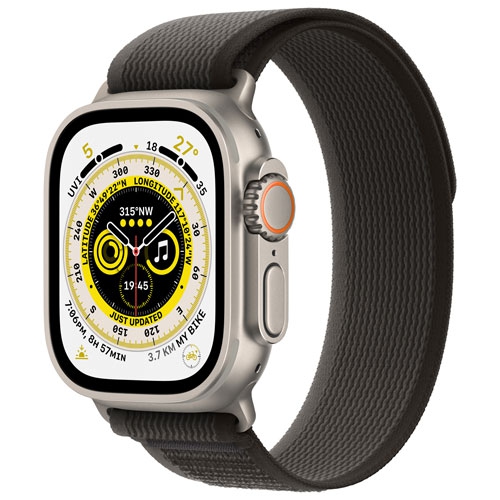
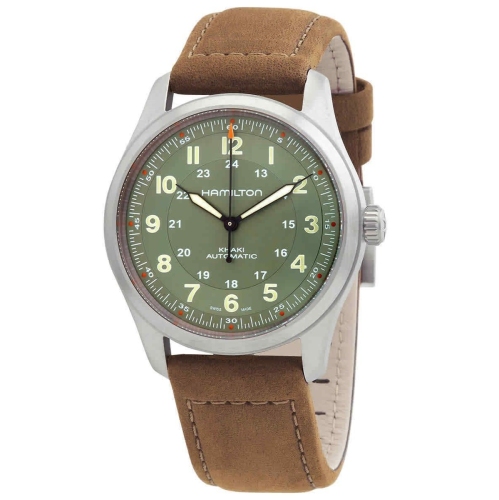
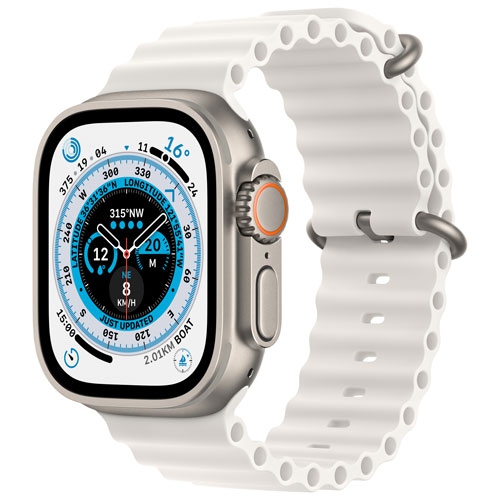
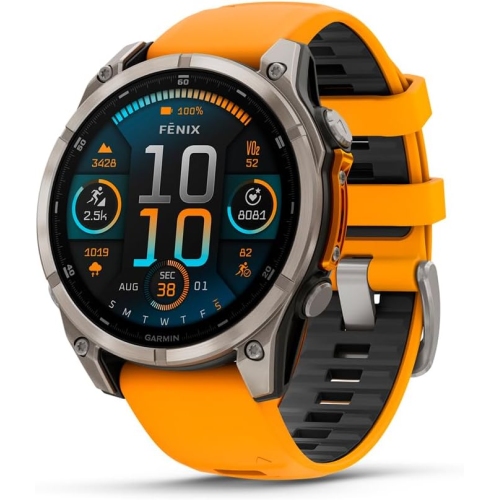

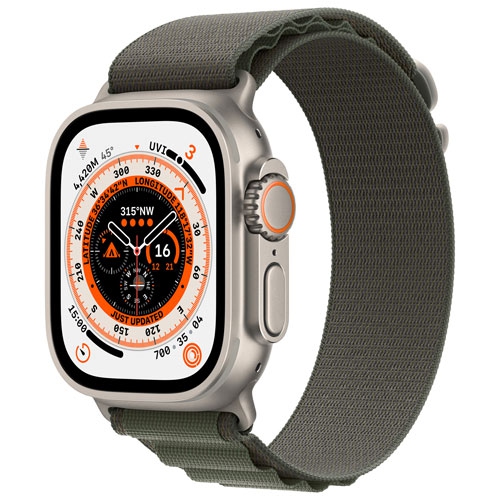
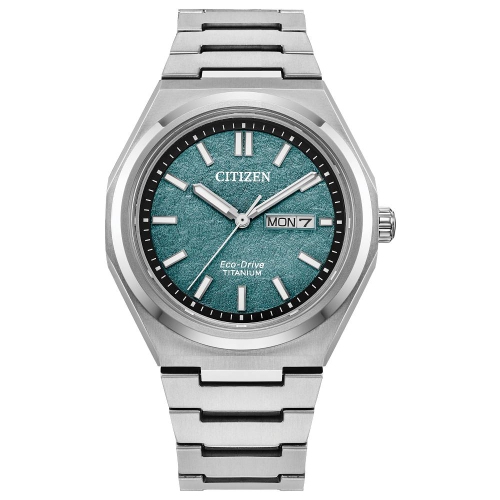
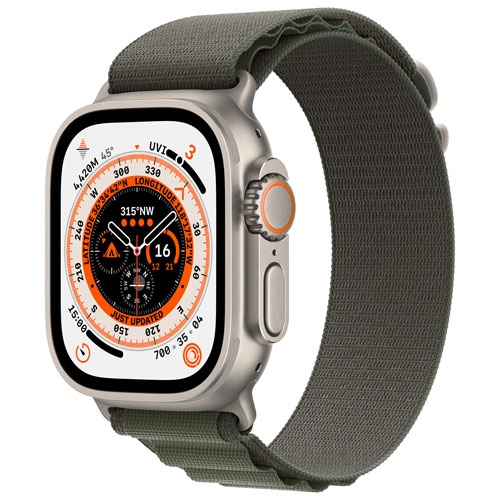

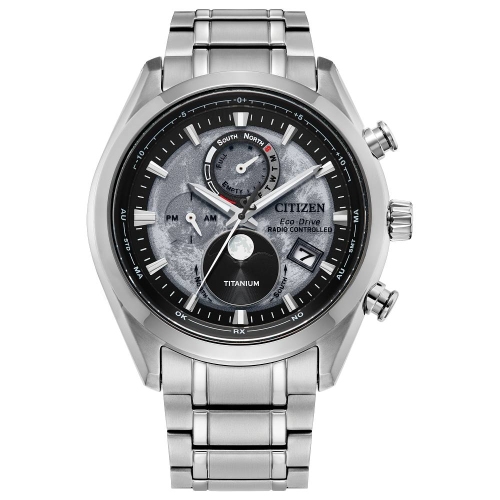


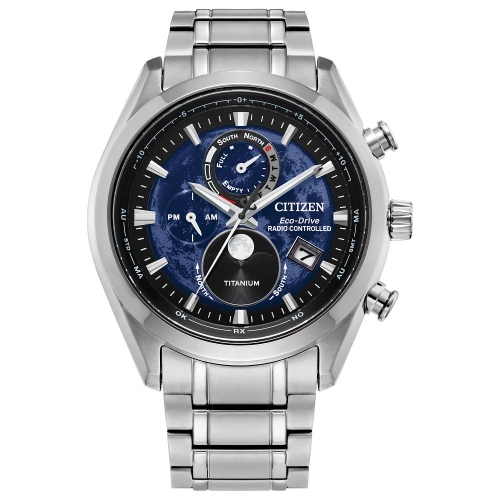

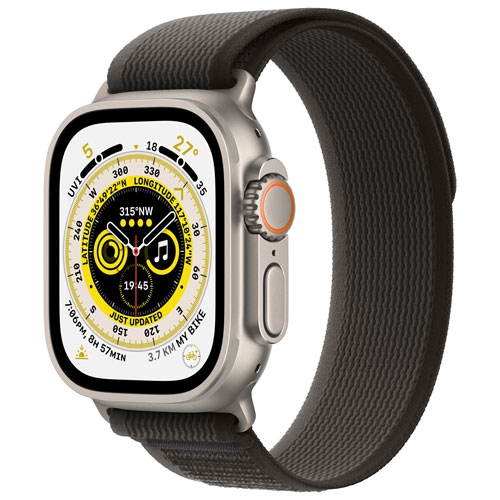
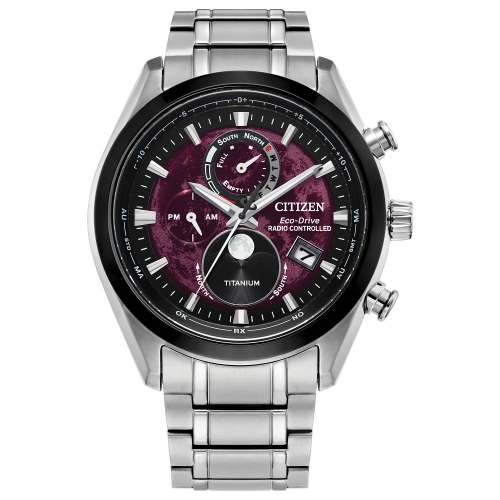

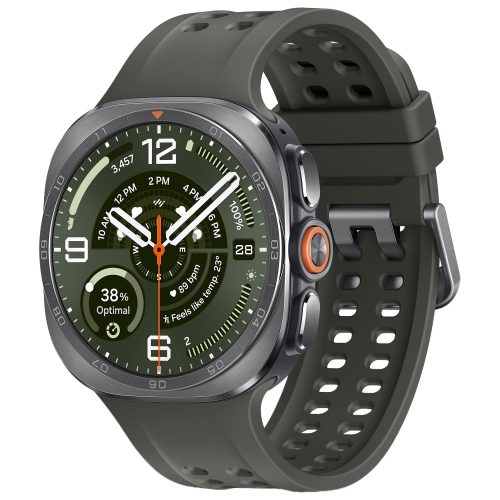

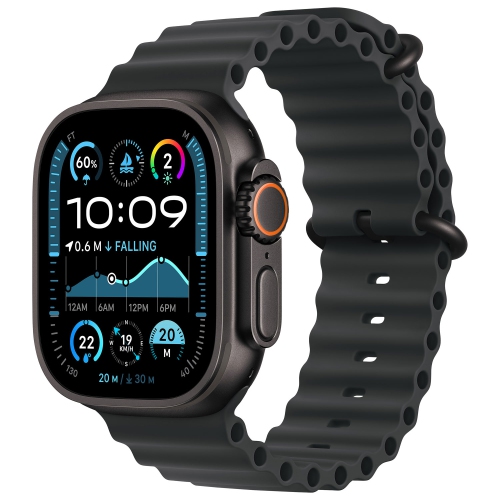


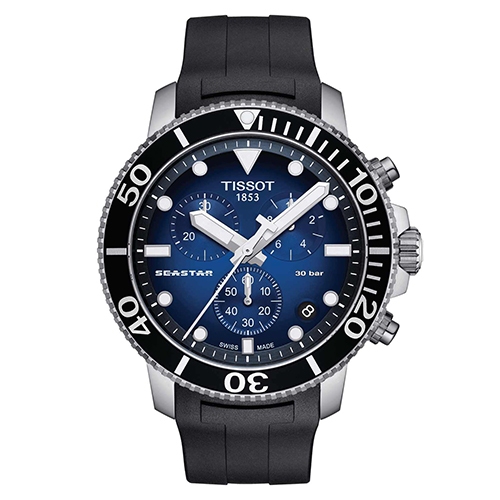


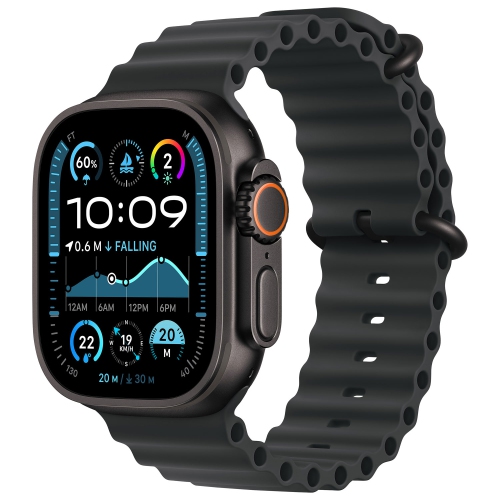


A lighter wrist feel without sacrificing dive-watch presence
Titanium dive watches combine a lightweight metal case with features designed for clear timekeeping and water resistance. Their appeal starts with how they feel on the wrist: titanium is substantially less dense than stainless steel, so a similarly sized case can feel noticeably lighter without losing the solid presence associated with a dive watch. The weight of the complete watch still depends on its dimensions, movement, crystal and bracelet, but the difference can be especially welcome during a long day of wear. Titanium also has excellent resistance to corrosion, including exposure to salt water, thanks to the protective oxide layer that forms naturally on its surface. That makes it a practical material for a watch that moves between everyday activities and properly rated underwater use. Its appearance is distinctive, too. Many titanium cases have a soft grey tone and brushed finish, while polished details can add contrast around the bezel or along the bracelet. Titanium is not scratch-proof, and resistance to surface marks depends on the alloy, finish and any hardening treatment. Commercially pure titanium and titanium alloys can have different strength and finishing characteristics, so the material description matters more than a broad claim about toughness. A titanium case does not necessarily mean the bracelet, caseback, clasp and every other component are also titanium. Those details affect both weight and skin contact, particularly for someone with a known metal sensitivity. Case proportions are equally important: diameter gives only part of the picture, while thickness and the distance between the strap attachments determine how comfortably the watch sits. A broad dial may be easy to read, but a case that extends beyond the edges of the wrist can feel awkward. For swimmers, divers, watch enthusiasts and anyone who enjoys the look of a substantial sports watch without as much weight, titanium offers a useful balance of durability, comfort and understated style.
The defining features of a dive watch go beyond its case material. A legible dial, a secure strap or bracelet, suitable water resistance and an elapsed-time display all contribute to its intended use. A unidirectional timing bezel typically lets the wearer align a marker with the minute hand and read elapsed time at a glance. Because it turns in only one direction, an accidental movement generally indicates more elapsed time rather than less, an important distinction when timing a dive. Large hands, contrasting hour markers and luminous details help with readability, although the brightness and duration of luminous material vary. A sapphire crystal generally offers strong scratch resistance, while mineral crystal has different wear characteristics; neither should be treated as immune to damage from a hard impact. Water-resistance markings also need careful interpretation. A rating such as 200 metres or 300 metres describes tested pressure resistance, not a promise that the watch is suitable for every activity at that depth. Suitability for scuba diving should be confirmed in the manufacturer’s documentation, and a dive-style appearance alone does not establish that suitability. Stated compliance with ISO 6425 provides a more specific reference to dive-watch requirements than the depth marking by itself. Screw-down crowns and secure casebacks are common features, but the seals must remain in good condition, and controls should not be operated underwater unless expressly permitted by the manufacturer. Movement choice shapes the ownership experience as well. Quartz movements typically offer accurate timekeeping with little daily attention, while light-powered quartz movements use a rechargeable cell and need sufficient light to maintain their charge. Automatic movements wind through wrist motion and can appeal to someone who enjoys mechanical watchmaking, but they may stop after a period unworn and generally need more frequent time adjustment. Power reserve, charging instructions and servicing needs vary by movement. A helium escape valve is a specialised feature associated with saturation diving, not a requirement for ordinary recreational scuba use. A dive watch can provide useful elapsed-time information, but it does not replace a dive computer, appropriate training or the equipment required for a particular dive.
Comfort and care make a meaningful difference to how often a titanium dive watch gets worn. A bracelet can give the watch a cohesive appearance, and removable links or clasp adjustments help achieve a fit that is secure without pinching. A rubber or silicone strap may suit frequent water use, while a textile strap can feel flexible but take longer to dry. Strap quality, fastening security and compatibility with the case deserve attention alongside the material itself. For use over a wetsuit, an extension or sufficiently adjustable strap can accommodate the extra thickness without forcing an overly tight fit. For everyday wear, a lower-profile case may slide beneath a shirt cuff more easily, while a larger crown or taller bezel can be more noticeable against the hand when the wrist bends. Someone comparing the feel and finish of different case materials may also appreciate Stainless Steel Diver Watches, which often have a heavier wrist presence and a brighter metallic appearance. Whichever material suits the wearer, routine care helps protect the watch’s finish and water-resistant construction. After salt-water exposure, a gentle fresh-water rinse is commonly recommended when the manufacturer permits it and the crown is properly secured; drying with a soft cloth helps remove moisture around the bracelet and clasp. Harsh cleaning agents and abrasive polishing can damage finishes, coatings or seals. Water resistance is not permanent, since gaskets age and can be affected by impacts or servicing. A qualified technician can check the seals and pressure-test the watch, especially after a battery change, case opening or suspected damage. Titanium dive watches can also make thoughtful gifts for someone who swims, practises recreational diving or collects timepieces with purposeful design. The most useful choice reflects that person’s wrist size, preferred movement and actual activities rather than simply the highest depth rating. A clearly readable dial, comfortable fastening and manageable maintenance routine can matter far more in daily use than a specification that serves a specialised diving application.
Top selling and popular products
-
 Your price for this item is $599.99
-
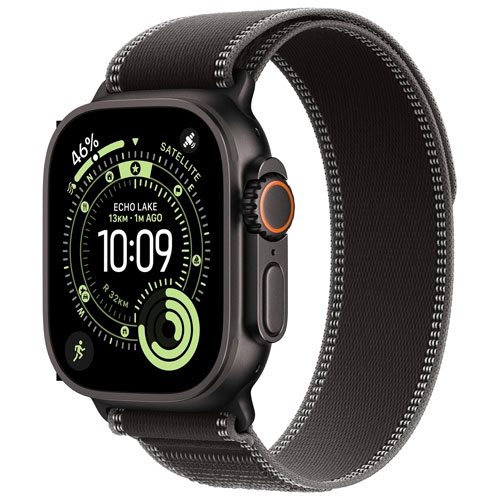 Your price for this item is $1069
-
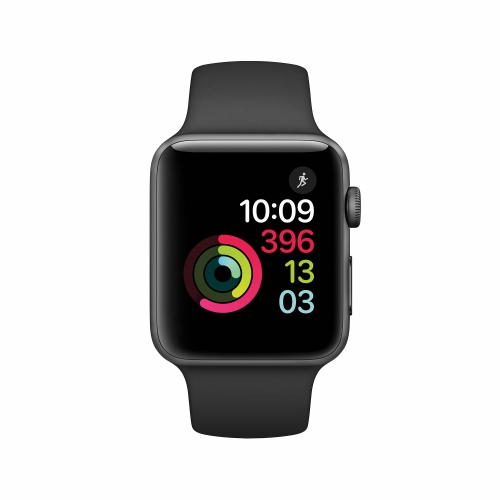 Your price for this item is $217.59
-
 Your price for this item is $594.95
-
 Your price for this item is $359.5
-
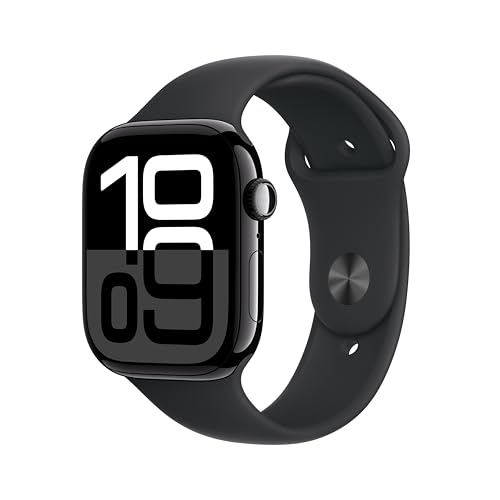 Your price for this item is $529.99
-
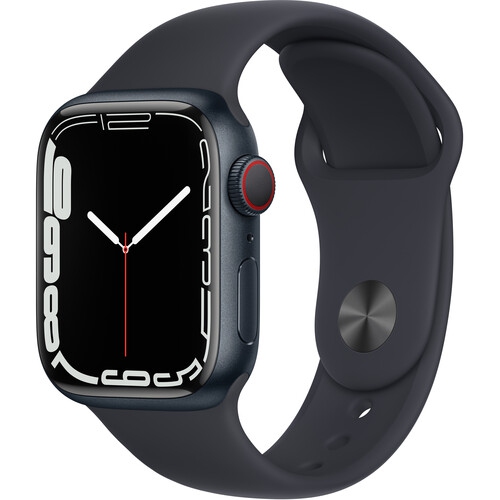 Your price for this item is $699
-
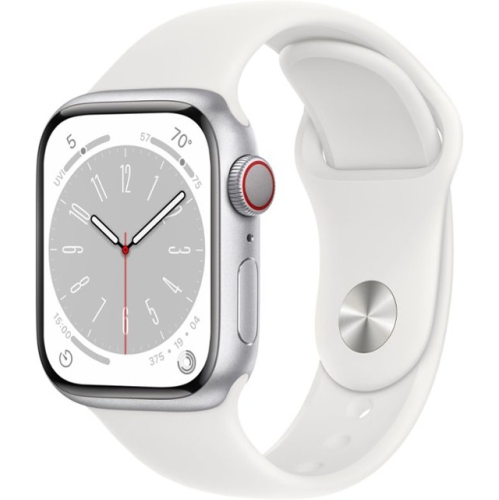 Your price for this item is $619
Discover more categories related to Titanium Dive Watches


Top Collections:
Pokemon Centers, Kindle Devices, Best Budget Office Chairs, Canon G7X Cameras, Apple iPhones 16, Samsung Galaxy Phones, Refurbished Apple Laptops, Laptops for Students, iPhone 15 Apple, Budget Smartphones
Some products may be subject to Environmental Handling Fees
(EHF) depending on your province.
Learn more about EHFs.