Tools for Watch Repair
Delve into the intricate world of watch repair with our comprehensive selection of tools designed to meet every horologist's needs. Whether you're a seasoned professional or an enthusiastic hobbyist, having the right tools is crucial for precision and efficiency. From essential items for basic adjustments to specialized instruments for complex repairs, our curated collection ensures you have everything required to keep your timepieces in perfect condition. Explore high-quality options that cater to various skill levels and repair tasks, making it easier than ever to maintain and restore watches with confidence.
Sort
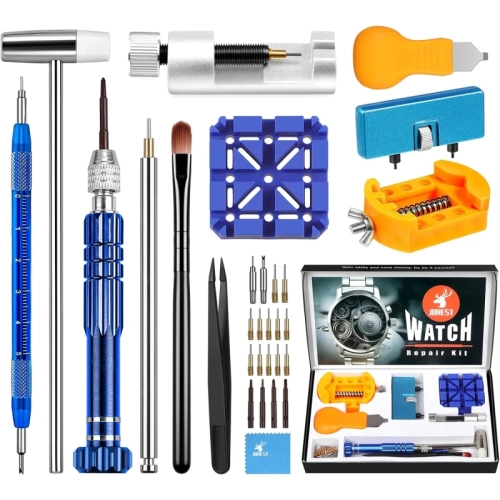
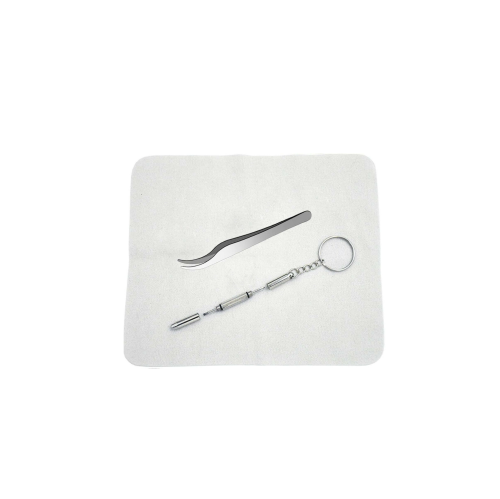
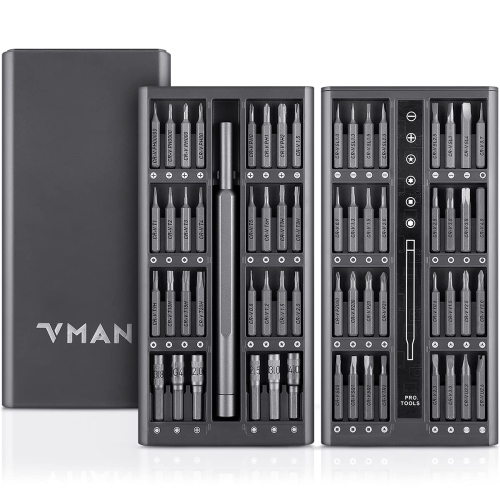
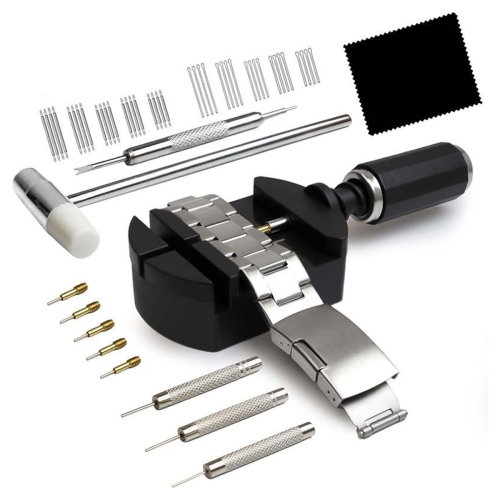
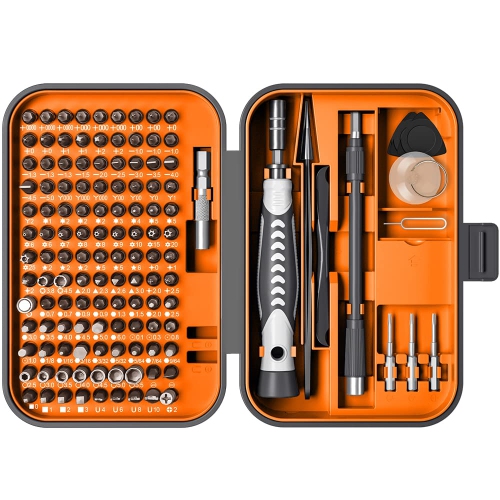
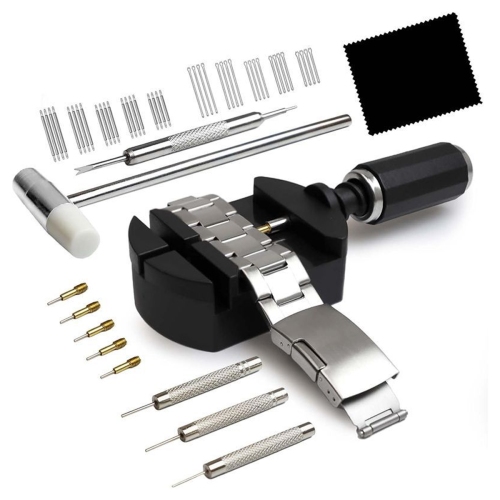
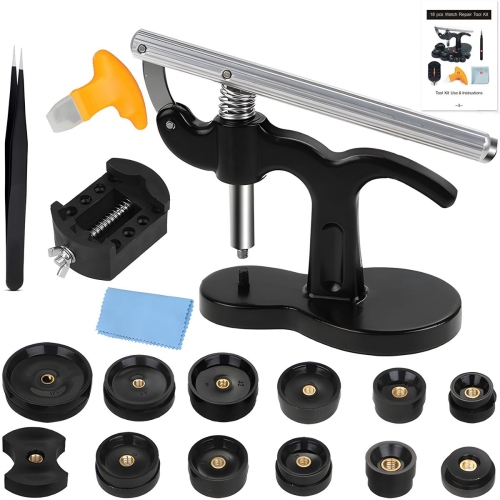
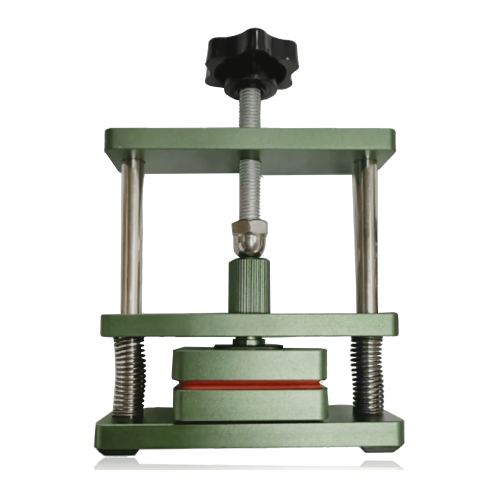
Precision equipment for every stage of watch servicing
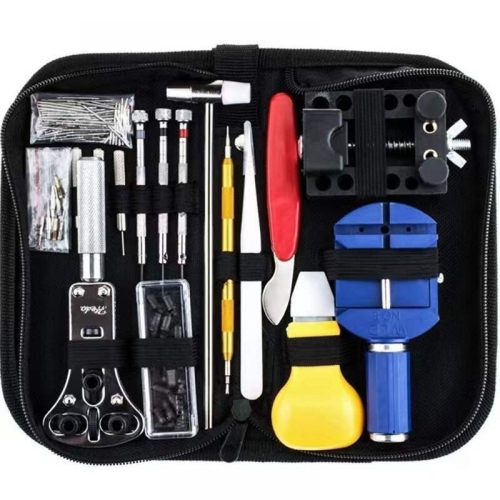
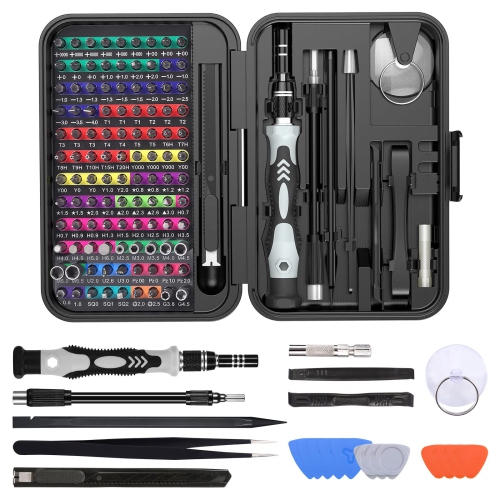
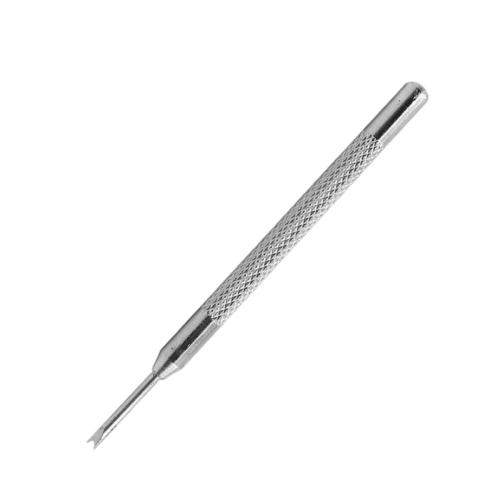
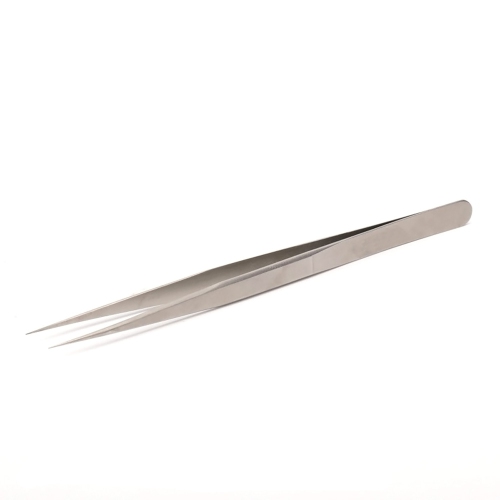
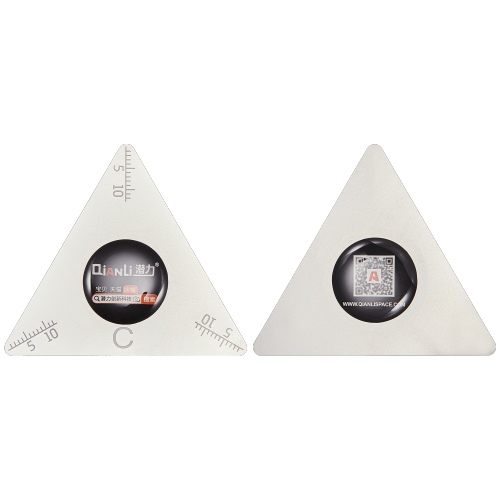
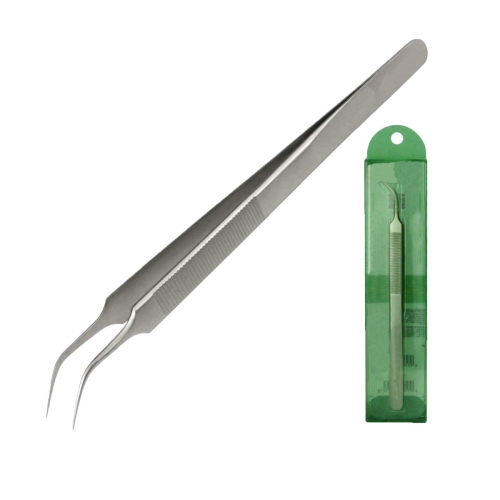
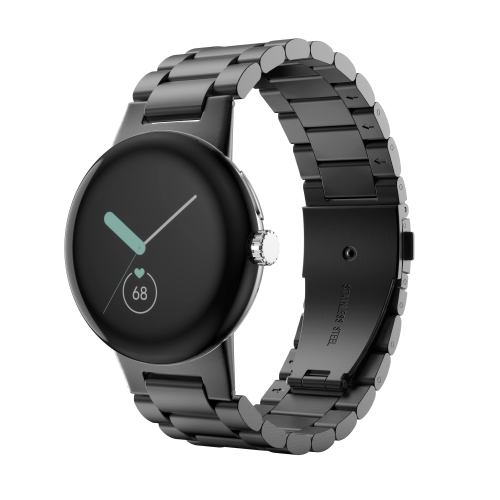
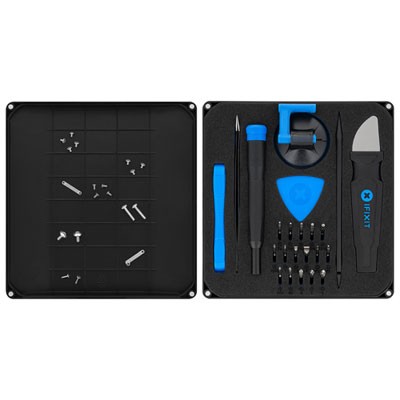
Tools for watch repair are designed for careful work on components that are often smaller than a grain of rice. Whether you are changing a strap, adjusting a metal bracelet, replacing a battery, examining a vintage timepiece or learning more about mechanical movements, the right equipment can make the work more controlled and precise. A starter set may include a spring bar tool, small screwdrivers, case-opening tools, tweezers, a link pin pusher and a compact holder for keeping a watch steady. More advanced collections can include hand removers, movement holders, case presses, magnification, dust blowers, pegwood, micro-oilers and other supplies intended for detailed servicing. Browse the selection of Watch Tools to find equipment suited to different levels of experience and types of timepieces. When comparing options, consider whether the tools are intended for watches with snap-on backs, screw-down backs or a mix of case designs. Adjustable case openers can offer flexibility across different sizes, while friction-based opening tools may be useful for particular backs. A forked spring bar tool is helpful when changing bands or removing a strap, and precision screwdrivers with properly sized tips can reduce the chance of slipping against tiny screws. For metal bracelets, look for a set that includes support blocks and pin-handling tools, since a stable work surface is especially useful when sizing links.
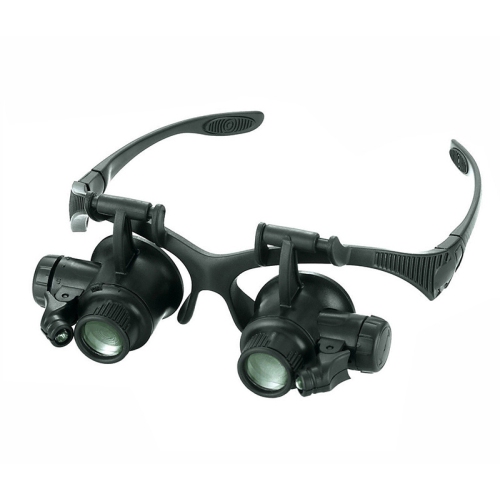
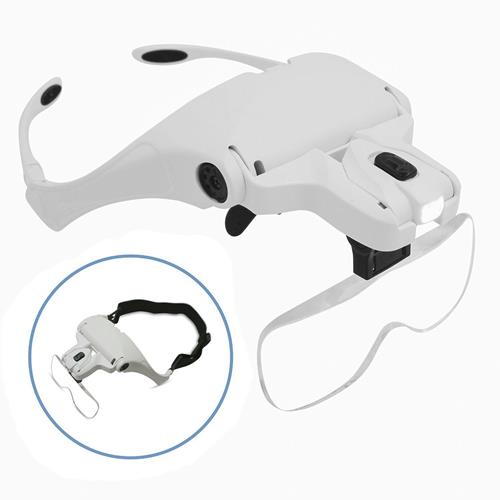
Magnification is another important consideration because watch repair involves small spaces, fine threads and delicate moving parts that can be difficult to inspect with the naked eye. An eye loupe can be convenient for short tasks and portable work, while a desktop magnifier or microscope-style setup may be more comfortable for extended sessions. Fine-point tweezers are useful for positioning small components, although the material and finish matter: anti-magnetic options can be beneficial around mechanical movements, and smooth, accurately aligned tips help with controlled handling. A movement holder keeps a removed calibre supported while work is performed around the dial or gear train, helping prevent the movement from shifting on the bench. Hand removers are shaped to lift watch hands from their pinions without pressing directly against the dial, while cannon pinion pullers are made for specific friction-fit parts that require a firm but delicate grip. Cleaning and lubrication supplies can also be part of a more advanced setup. Dust blowers help clear loose particles, pegwood can assist with careful cleaning around small openings, and micro-oilers are designed to place very small amounts of horological oil where they are needed. These accessories are best considered alongside the user’s experience, the construction of the watch and the level of servicing intended. Basic strap and bracelet adjustments call for a different selection than full movement disassembly, and a large multi-piece kit is not automatically the best choice if only a few reliable tools are needed. Check the included sizes, tip styles, handle comfort, storage case and compatibility with the watches being handled before making a purchase.
Tools for watch repair can be useful for collectors, hobbyists, jewellery enthusiasts, students of horology and anyone who enjoys restoring well-loved timepieces. They can also make a thoughtful gift for someone who keeps a watch collection, maintains family heirlooms or likes practical, hands-on projects during the cooler months. A compact kit can suit occasional strap changes and simple maintenance, while a more comprehensive assortment may appeal to an experienced hobbyist building a dedicated workbench. Look for features that support steady, repeatable work, such as non-slip handles, durable tips, clearly organized storage and holders that keep parts from rolling across the table. A clean, well-lit workspace is just as important as the tools themselves, particularly when handling polished cases, painted dials, fragile hands and exposed movements. Beginners may prefer equipment that covers common tasks without introducing highly specialized instruments they are unlikely to use, while experienced users may want individual tools in several sizes for different case diameters, screw heads and movement styles. It is also worth considering whether the set is intended for quartz watches, mechanical watches or both, as battery replacement and bracelet sizing involve different needs from regulating, cleaning or disassembling a mechanical movement. Working slowly, using the correct tool for each task and avoiding unnecessary force can help protect both the watch and the work surface. With a suitable collection of watch repair tools, routine adjustments can feel more organized, and a personal timepiece can be handled with the patience and care that its small, intricate construction deserves.
Magnification is another important consideration because watch repair involves small spaces, fine threads and delicate moving parts that can be difficult to inspect with the naked eye. An eye loupe can be convenient for short tasks and portable work, while a desktop magnifier or microscope-style setup may be more comfortable for extended sessions. Fine-point tweezers are useful for positioning small components, although the material and finish matter: anti-magnetic options can be beneficial around mechanical movements, and smooth, accurately aligned tips help with controlled handling. A movement holder keeps a removed calibre supported while work is performed around the dial or gear train, helping prevent the movement from shifting on the bench. Hand removers are shaped to lift watch hands from their pinions without pressing directly against the dial, while cannon pinion pullers are made for specific friction-fit parts that require a firm but delicate grip. Cleaning and lubrication supplies can also be part of a more advanced setup. Dust blowers help clear loose particles, pegwood can assist with careful cleaning around small openings, and micro-oilers are designed to place very small amounts of horological oil where they are needed. These accessories are best considered alongside the user’s experience, the construction of the watch and the level of servicing intended. Basic strap and bracelet adjustments call for a different selection than full movement disassembly, and a large multi-piece kit is not automatically the best choice if only a few reliable tools are needed. Check the included sizes, tip styles, handle comfort, storage case and compatibility with the watches being handled before making a purchase.
Tools for watch repair can be useful for collectors, hobbyists, jewellery enthusiasts, students of horology and anyone who enjoys restoring well-loved timepieces. They can also make a thoughtful gift for someone who keeps a watch collection, maintains family heirlooms or likes practical, hands-on projects during the cooler months. A compact kit can suit occasional strap changes and simple maintenance, while a more comprehensive assortment may appeal to an experienced hobbyist building a dedicated workbench. Look for features that support steady, repeatable work, such as non-slip handles, durable tips, clearly organized storage and holders that keep parts from rolling across the table. A clean, well-lit workspace is just as important as the tools themselves, particularly when handling polished cases, painted dials, fragile hands and exposed movements. Beginners may prefer equipment that covers common tasks without introducing highly specialized instruments they are unlikely to use, while experienced users may want individual tools in several sizes for different case diameters, screw heads and movement styles. It is also worth considering whether the set is intended for quartz watches, mechanical watches or both, as battery replacement and bracelet sizing involve different needs from regulating, cleaning or disassembling a mechanical movement. Working slowly, using the correct tool for each task and avoiding unnecessary force can help protect both the watch and the work surface. With a suitable collection of watch repair tools, routine adjustments can feel more organized, and a personal timepiece can be handled with the patience and care that its small, intricate construction deserves.
Top selling and popular products
-
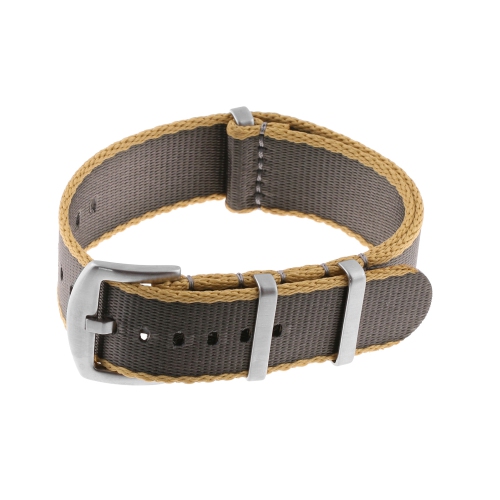 Your price for this item is $18.99
 -
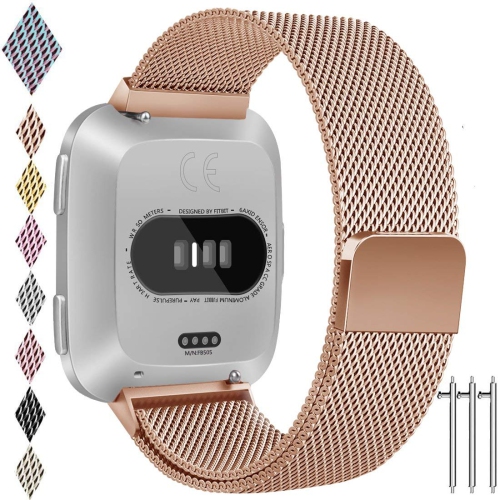 Your price for this item is $16.95
 -
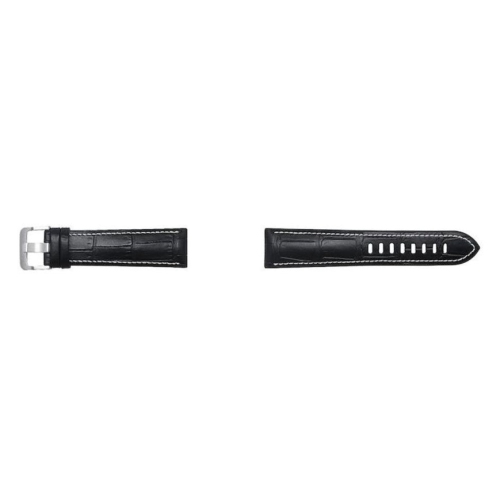 Your price for this item is $53.99
 -
 Your price for this item is $33.96
 -
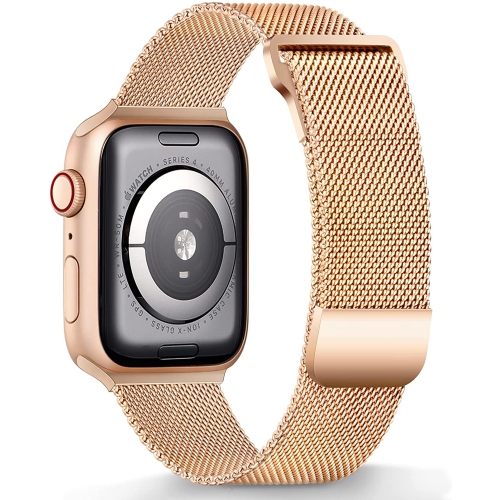 Your price for this item is $6.89
 -
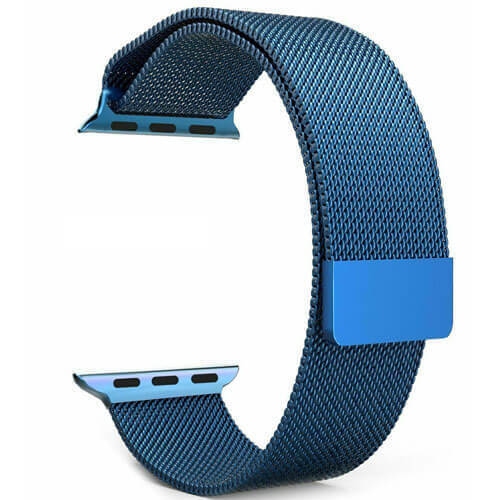 Your price for this item is $6.89
 -
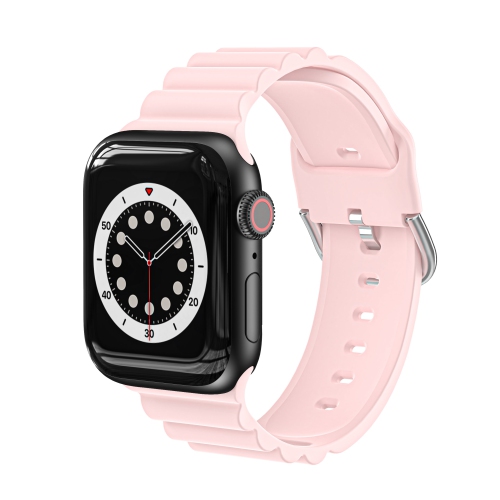 Your price for this item is $29
 -
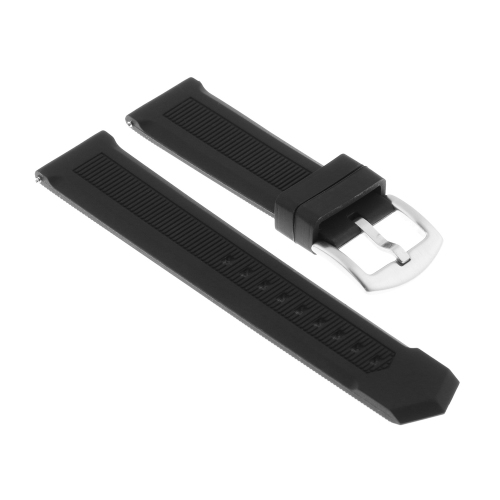 Your price for this item is $18.99
Discover more categories related to Tools for Watch Repair
Top Collections:
Pokemon Centers, Kindle Devices, Best Budget Office Chairs, Apple iPhones 16, Canon G7X Cameras, iPhone 15 Apple, Alarm Clock, Refurbished Apple Laptops, Flip Phones, Best Laptops for Writers
Some products may be subject to Environmental Handling Fees
(EHF) depending on your province.
Learn more about EHFs.