Women's Scarves
Elevate your style with our stunning collection of women's scarves. Perfect for any season, these versatile accessories add a touch of elegance and warmth to any outfit. From chic and sophisticated to cozy and casual, you'll find a variety of designs, colors, and patterns to suit your unique taste. Whether you're looking to make a fashion statement or simply stay snug on a chilly day, our selection of women's scarves offers something for every occasion. Explore the latest trends and timeless classics that will complement your wardrobe and enhance your personal style.
Sort
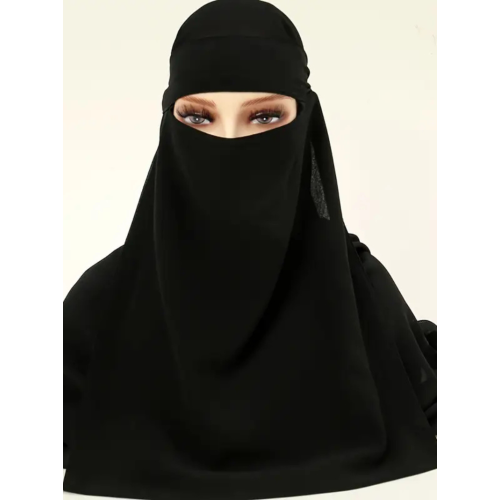
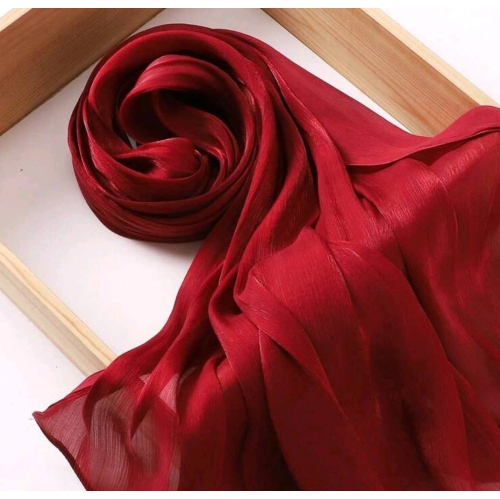
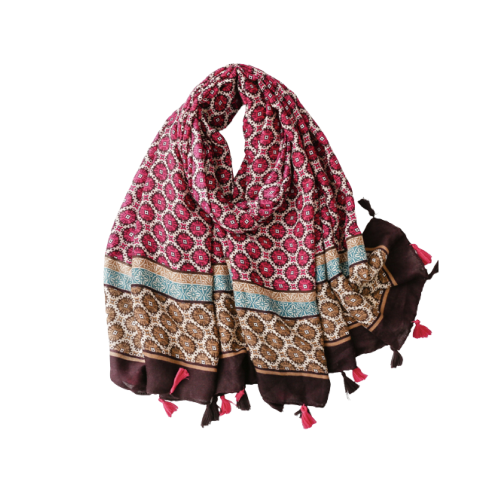
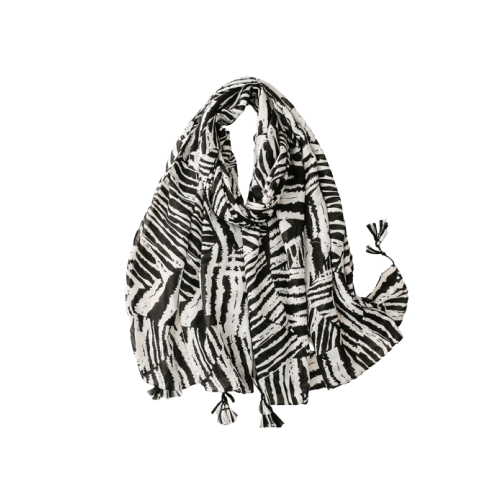
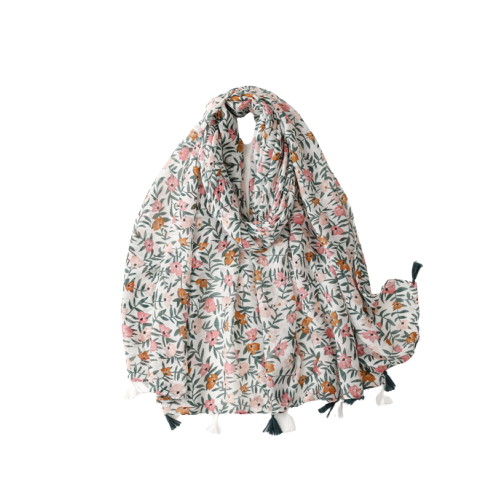
How scarf shape and fabric change an outfit
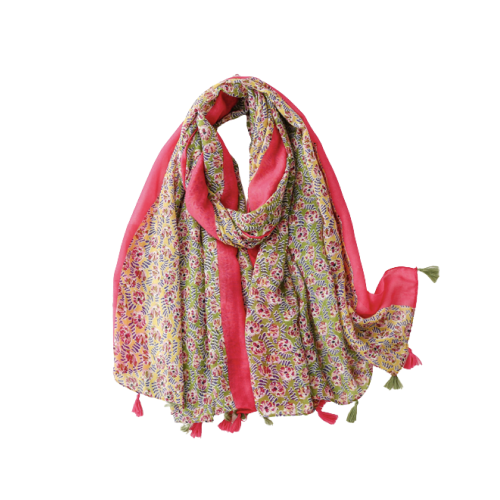
Women’s scarves add colour, texture, and a sense of finish to everyday outfits, whether worn with a simple shirt, a tailored jacket, or a dress for an evening out. Their appeal often lies in how easily they change the balance of a look: a narrow scarf introduces a small accent near the face, while a generous rectangular style creates a longer, flowing line. Square scarves offer a different set of proportions, folding neatly into a band or triangle without leaving as much fabric hanging at the front. Shape and dimensions matter more than a general size label, especially when a scarf needs enough length for a loose knot or enough width to sit comfortably across the shoulders. A petite square may suit a close neckline, whereas a longer design allows more freedom to adjust the ends. The way the fabric falls is just as important. Fluid cloth settles softly against a blouse, while a more structured weave holds a crisp fold and makes a pattern easier to see. Colour can connect separate pieces of an outfit without matching every detail. A printed scarf with a small touch of blue, for example, can tie a navy jacket to a cream top, while a solid burgundy or green adds depth to a neutral wardrobe. Large motifs create a bolder effect when the scarf is spread out; small patterns tend to remain visible when the fabric is folded or gathered. Reversible designs and neatly finished edges are useful when both sides show in a knot. For work, travel, social occasions, or everyday dressing, the most useful scarf is often one that fits naturally with familiar necklines and accessories. A smooth, compact style can sit comfortably beneath jacket lapels, while a broader drape may work better over a simple top with little detail around the collar.
Material influences a scarf’s softness, weight, movement, and care needs, so fibre content is worth considering alongside appearance. Silk is valued for its smooth surface and fluid drape, though its finish can range from softly matte to noticeably lustrous. Cotton often has a more casual feel and can provide enough grip to help a folded scarf stay in place. Linen tends to have a distinct texture and a relaxed appearance, with natural creasing that forms part of its character. Wool can feel springy and substantial, but the experience against the neck depends on the fibre, yarn, and construction; not every wool scarf has the same softness. Fine wool and cashmere may appeal to those who prefer a gentler feel, although delicate fibres still benefit from careful handling. Viscose often drapes easily, while polyester can offer a smooth finish and resistance to creasing, depending on the weave. Blended fabrics combine different qualities, and the percentage of each fibre helps explain how a scarf may behave in use. Anyone sensitive to rough textures may find the Soft Scarves collection a useful place to explore, while still checking the material and construction details. Softness alone does not determine comfort: raised seams, stiff labels, metallic threads, and bulky fringe can also affect how a scarf feels close to the skin. A fine woven scarf usually folds into a smaller knot than a chunky knit of similar dimensions, and loosely woven cloth may catch more easily on jewellery or bag hardware. Weight matters during extended wear, too. A scarf that feels comfortable draped over the shoulders may feel cumbersome when gathered several times at the neck. For someone who wears necklaces, earrings, or glasses, a smoother finish and less volume near the face can make the combination easier to manage. These small details help distinguish a scarf that looks appealing from one that feels comfortable through a full day.
Care and construction play a large part in how well a scarf keeps its appearance. Even when two scarves share the same main fibre, their dyes, trims, and weave may call for different cleaning methods, so the sewn-in care label should take priority over general advice. Some can be machine washed on a gentle setting, while others require handwashing or professional cleaning. When washing is permitted, fastening any attached closures and keeping the scarf away from zips, hooks, and rough fabrics can help reduce snagging. Avoid wringing delicate cloth, and follow the drying directions rather than assuming that hanging or tumble drying will suit every material. Knitted scarves may stretch if suspended while wet, and some smooth woven fabrics can show marks from clips or hangers. For storage, a loose fold in a drawer or a smooth, broad hanger can help prevent unnecessary strain; heavily embellished or stretchy designs are generally better supported flat. An even weave, secure hems, and firmly attached fringe are useful construction details to look for, although a delicate scarf still needs protection from sharp jewellery and abrasive straps. Pilling can develop through friction, particularly where a scarf rubs against a collar or bag, and does not by itself establish the quality of the fabric. Any pill removal should suit the material and avoid pulling at the yarn. Intended use also helps narrow the choice. Someone who travels frequently may value a scarf that folds compactly and can be rearranged without much fuss, while someone who dresses for presentations or celebrations may prefer a precise shape or distinctive finish. Scarves can make thoughtful gifts because they do not require the same fitted measurements as many garments, but personal preferences still matter. Familiar colours, comfortable textures, and a manageable care routine are more useful clues than an elaborate pattern alone. For a recipient who likes understated accessories, a simple weave and subtle border may be easier to wear regularly; someone drawn to expressive outfits may enjoy contrasting colours or a larger print. The lasting appeal comes from that combination of personal style, comfortable proportions, and practical everyday use.
Material influences a scarf’s softness, weight, movement, and care needs, so fibre content is worth considering alongside appearance. Silk is valued for its smooth surface and fluid drape, though its finish can range from softly matte to noticeably lustrous. Cotton often has a more casual feel and can provide enough grip to help a folded scarf stay in place. Linen tends to have a distinct texture and a relaxed appearance, with natural creasing that forms part of its character. Wool can feel springy and substantial, but the experience against the neck depends on the fibre, yarn, and construction; not every wool scarf has the same softness. Fine wool and cashmere may appeal to those who prefer a gentler feel, although delicate fibres still benefit from careful handling. Viscose often drapes easily, while polyester can offer a smooth finish and resistance to creasing, depending on the weave. Blended fabrics combine different qualities, and the percentage of each fibre helps explain how a scarf may behave in use. Anyone sensitive to rough textures may find the Soft Scarves collection a useful place to explore, while still checking the material and construction details. Softness alone does not determine comfort: raised seams, stiff labels, metallic threads, and bulky fringe can also affect how a scarf feels close to the skin. A fine woven scarf usually folds into a smaller knot than a chunky knit of similar dimensions, and loosely woven cloth may catch more easily on jewellery or bag hardware. Weight matters during extended wear, too. A scarf that feels comfortable draped over the shoulders may feel cumbersome when gathered several times at the neck. For someone who wears necklaces, earrings, or glasses, a smoother finish and less volume near the face can make the combination easier to manage. These small details help distinguish a scarf that looks appealing from one that feels comfortable through a full day.
Care and construction play a large part in how well a scarf keeps its appearance. Even when two scarves share the same main fibre, their dyes, trims, and weave may call for different cleaning methods, so the sewn-in care label should take priority over general advice. Some can be machine washed on a gentle setting, while others require handwashing or professional cleaning. When washing is permitted, fastening any attached closures and keeping the scarf away from zips, hooks, and rough fabrics can help reduce snagging. Avoid wringing delicate cloth, and follow the drying directions rather than assuming that hanging or tumble drying will suit every material. Knitted scarves may stretch if suspended while wet, and some smooth woven fabrics can show marks from clips or hangers. For storage, a loose fold in a drawer or a smooth, broad hanger can help prevent unnecessary strain; heavily embellished or stretchy designs are generally better supported flat. An even weave, secure hems, and firmly attached fringe are useful construction details to look for, although a delicate scarf still needs protection from sharp jewellery and abrasive straps. Pilling can develop through friction, particularly where a scarf rubs against a collar or bag, and does not by itself establish the quality of the fabric. Any pill removal should suit the material and avoid pulling at the yarn. Intended use also helps narrow the choice. Someone who travels frequently may value a scarf that folds compactly and can be rearranged without much fuss, while someone who dresses for presentations or celebrations may prefer a precise shape or distinctive finish. Scarves can make thoughtful gifts because they do not require the same fitted measurements as many garments, but personal preferences still matter. Familiar colours, comfortable textures, and a manageable care routine are more useful clues than an elaborate pattern alone. For a recipient who likes understated accessories, a simple weave and subtle border may be easier to wear regularly; someone drawn to expressive outfits may enjoy contrasting colours or a larger print. The lasting appeal comes from that combination of personal style, comfortable proportions, and practical everyday use.
Top selling and popular products
-
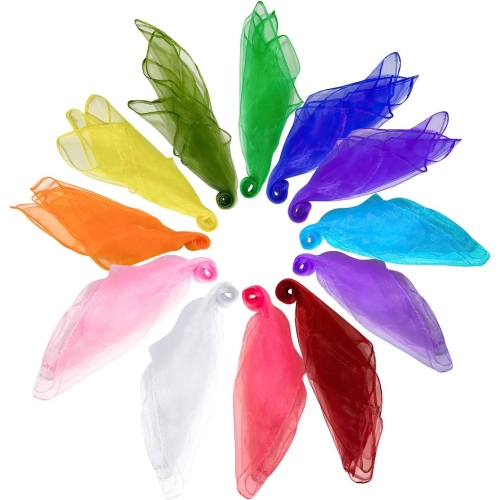 Your price for this item is $26.58
 -
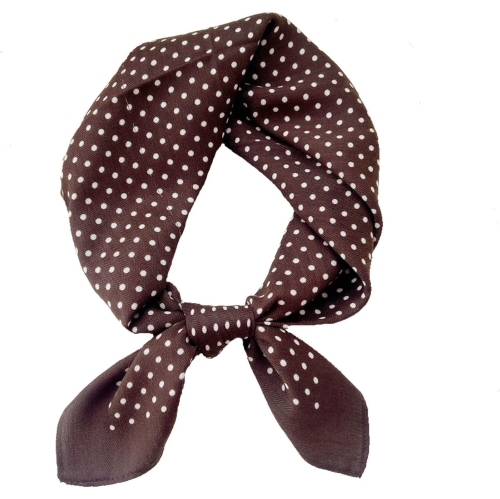 Your price for this item is $19.54
 -
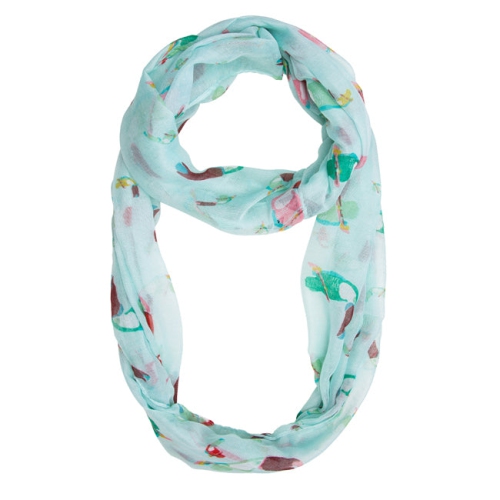 Your price for this item is $117.9
 -
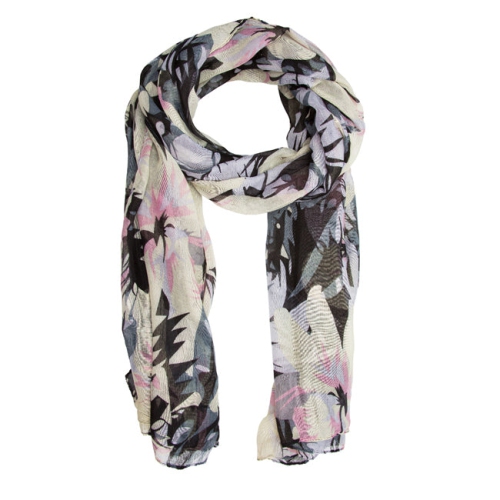 Your price for this item is $128.1
 -
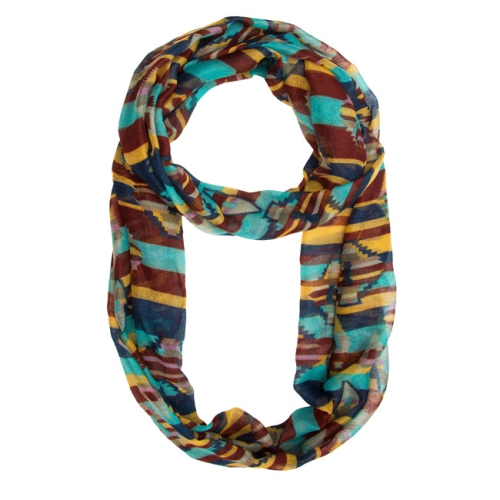 Your price for this item is $117.9
 -
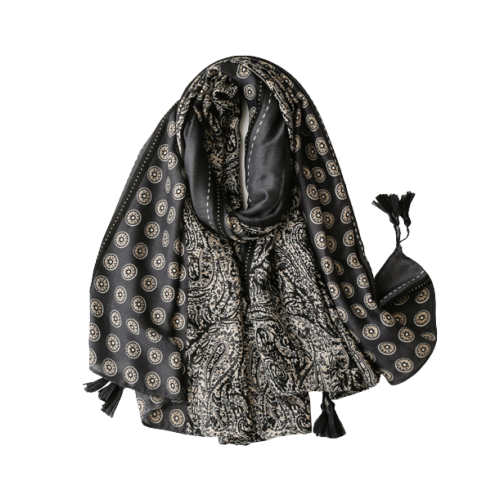 Your price for this item is $24.99
 -
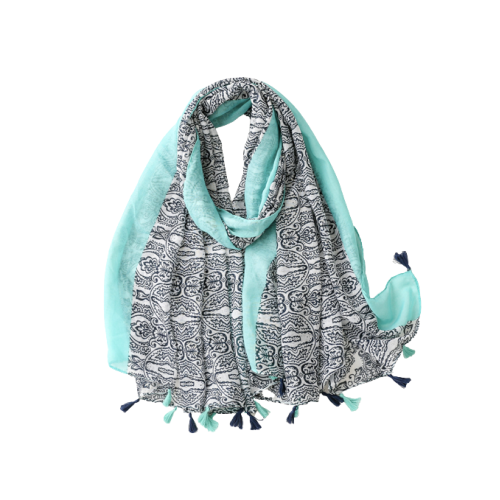 Your price for this item is $24.99
 -
 Your price for this item is $24.99
Discover more categories related to Women's Scarves
Top Collections:
Pokemon Centers, Kindle Devices, Best Budget Office Chairs, Apple iPhones 16, Canon G7X Cameras, iPhone 15 Apple, Alarm Clock, Refurbished Apple Laptops, Flip Phones, Best Laptops for Writers
Some products may be subject to Environmental Handling Fees
(EHF) depending on your province.
Learn more about EHFs.