Filtered Water Bottles for Camping
Find filtered water bottles for camping to carry drinking water and filter it on the go. Compare bottle capacity, filter replacement requirements, and the water sources each model is designed for. Check the manufacturer’s filtration claims before choosing a bottle for backcountry trips, as not every filter is suitable for untreated lake or stream water.


FAQ
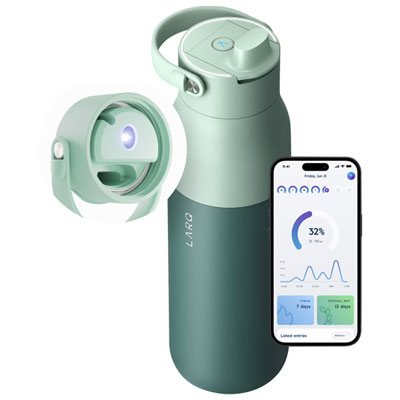
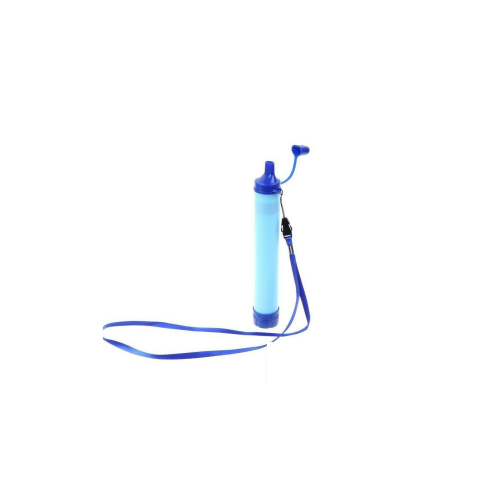
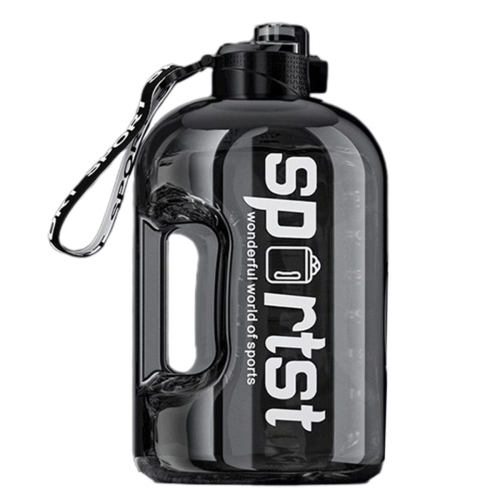
Consider a comfortable carry handle, a cap that is easy to open, and a design that comes apart for cleaning. A covered mouthpiece and an attachment loop can also be convenient when moving between your campsite and the trail.
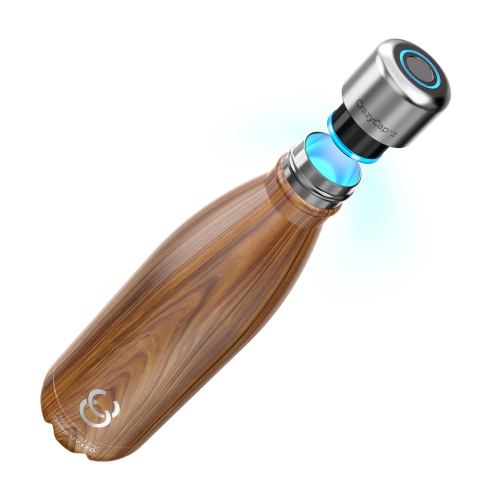
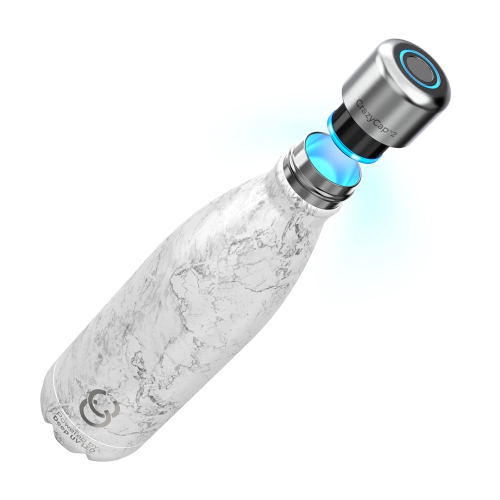
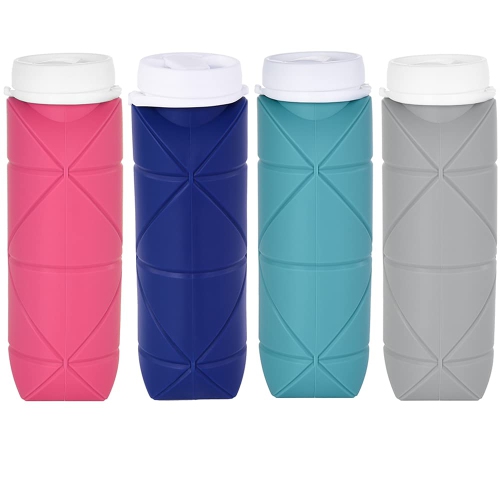
Common bottle materials include plastic, stainless steel, and flexible silicone. Plastic is lightweight, stainless steel offers a sturdy feel, and flexible designs can fold or roll down when empty. Material choice also affects the bottle’s weight and care requirements.
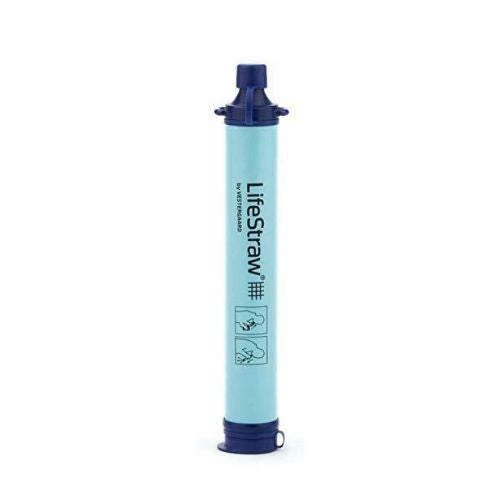
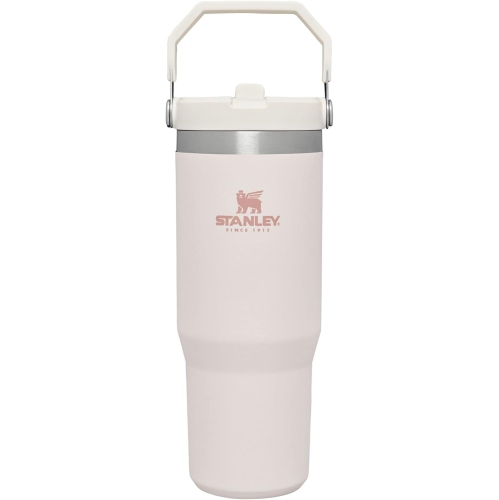
Filtered water bottles may use a straw-style mouthpiece, a squeeze-to-drink design, or a pour-through arrangement. Straw styles let you sip without tipping the bottle, while squeeze designs require you to press the bottle as you drink. Choose a style that suits how you prefer to drink during walks or campsite breaks.
Remove the filter and separate the lid, mouthpiece, and other detachable parts according to the manufacturer’s instructions. Wash bottle components as directed, and check which parts are dishwasher-compatible. The filter may have separate rinsing, drying, and storage requirements.
You can keep it in an accessible backpack pocket or use a bottle holder attached to your pack. Models with carry loops or handles offer another option for short walks. If you use a clip, attach it only to a point designed for carrying the bottle.
Top selling and popular products
Discover more categories related to Filtered Water Bottles for Camping
Some products may be subject to Environmental Handling Fees (EHF) depending on your province. Learn more about EHFs.