Casual Furniture
Casual furniture is a style of furniture that is designed to be used in everyday life. It is usually made from wood and has a natural finish. Casual furniture is usually very simple, but it can still be very elegant. Here are some of our best casual furniture pieces.
Sort


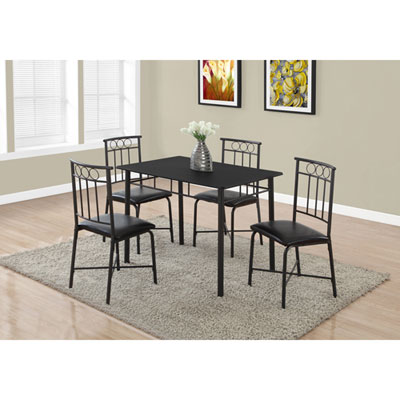


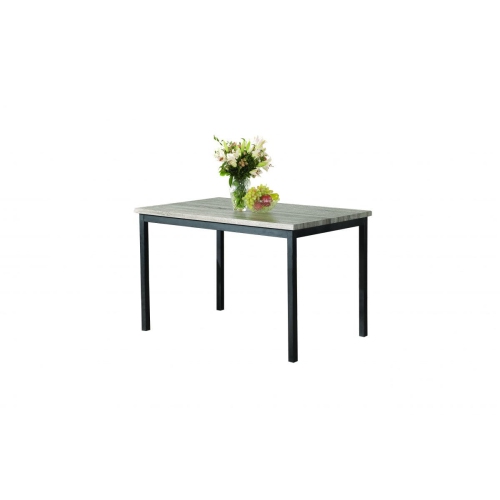
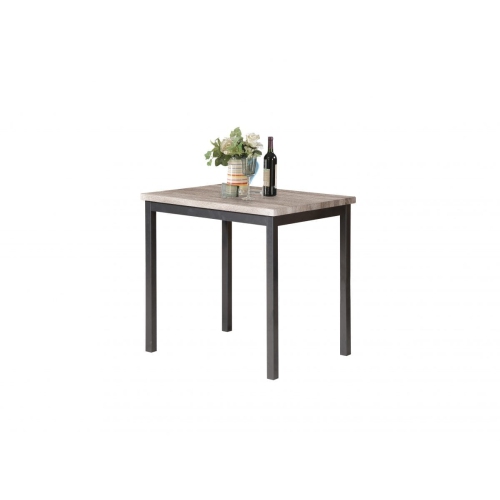
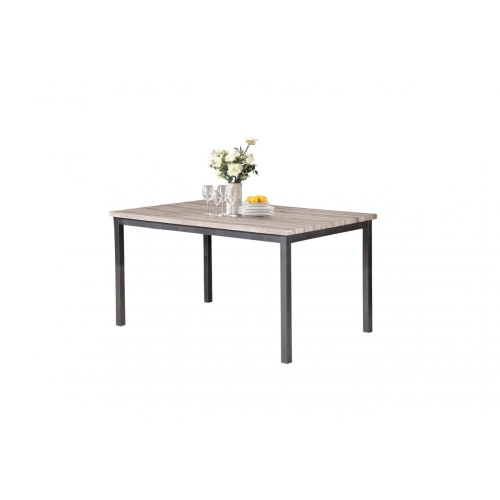
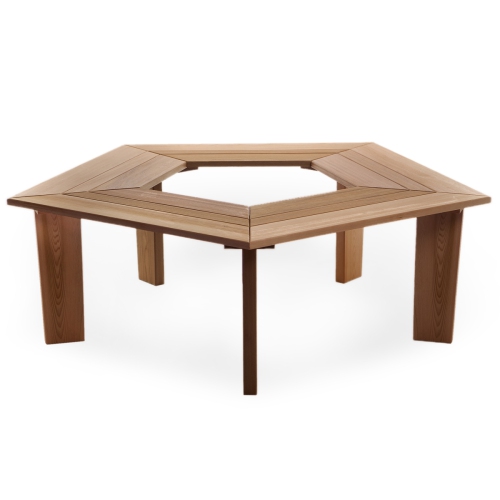

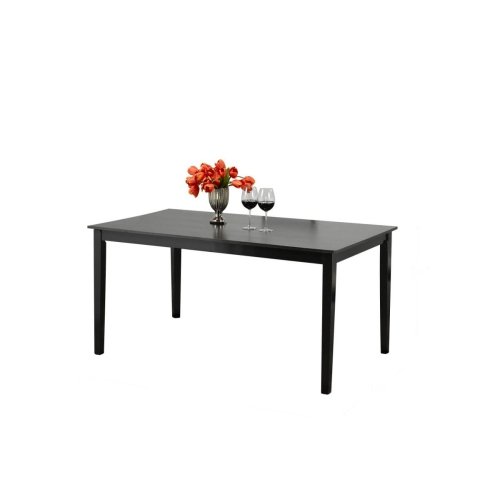



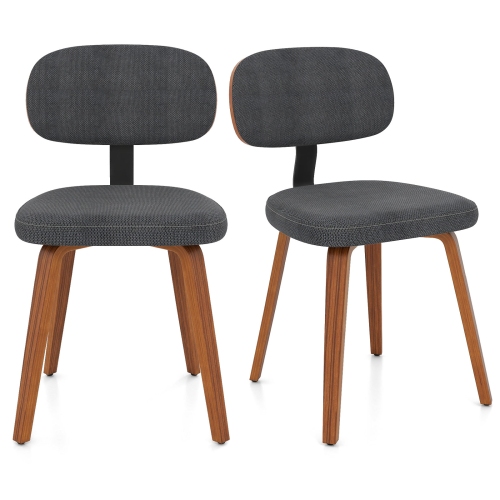


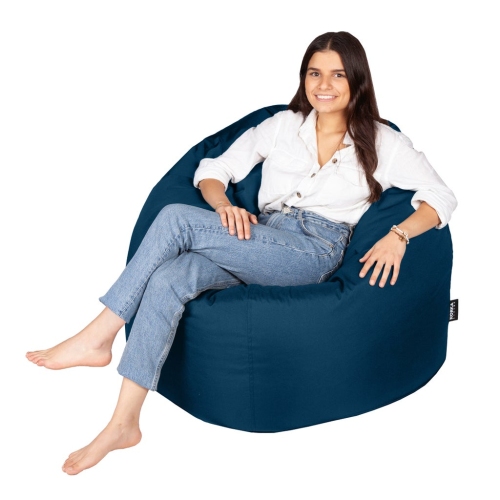


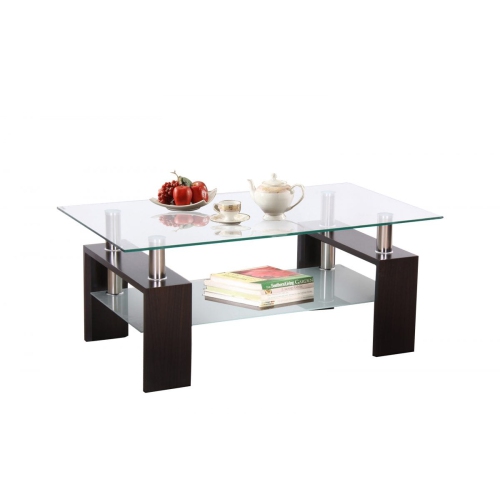
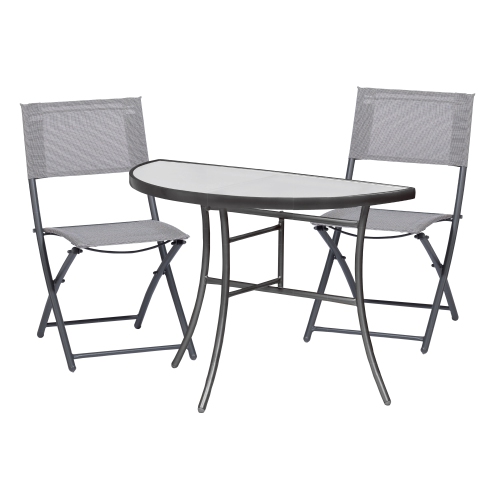


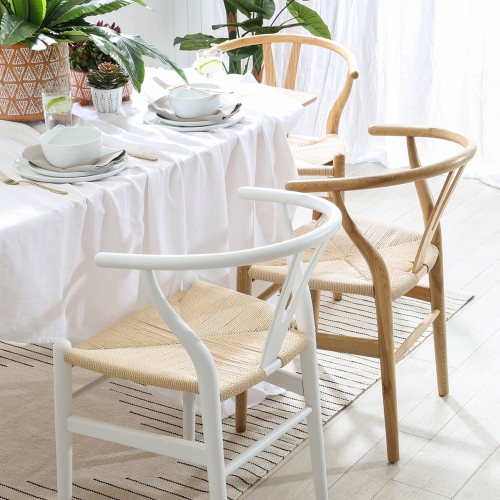


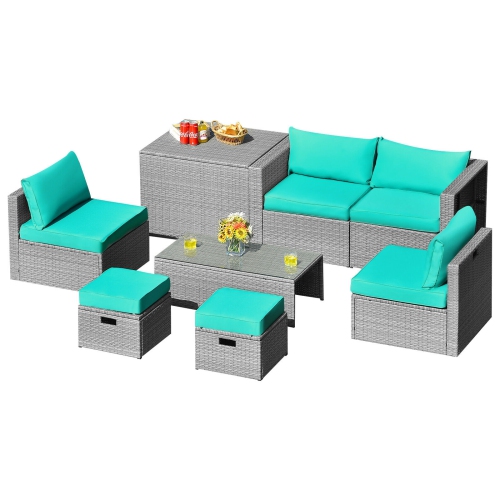


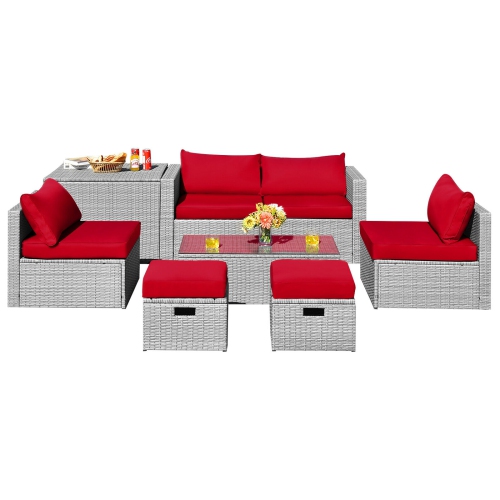


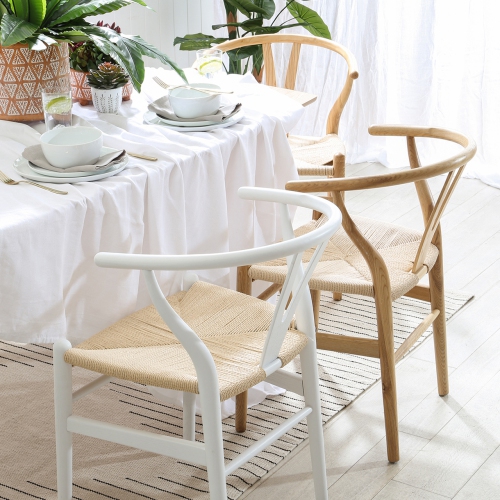


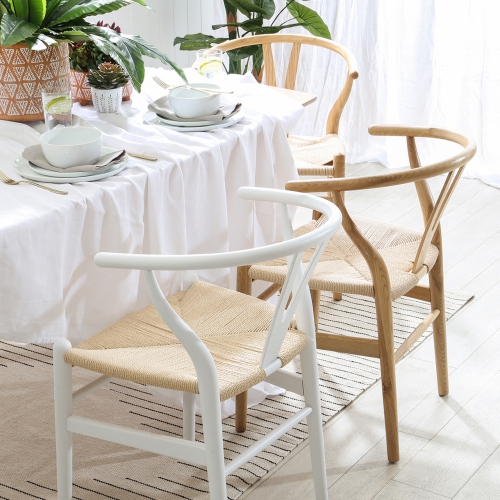


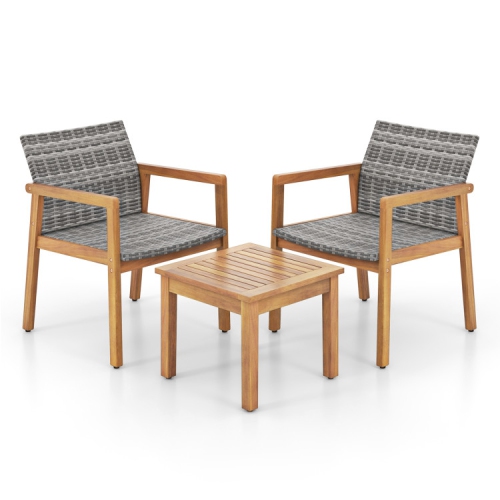

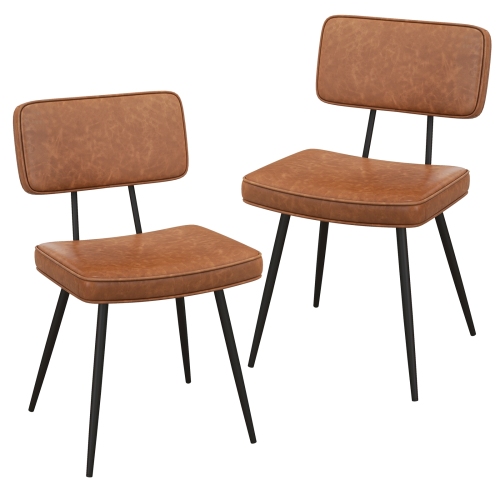


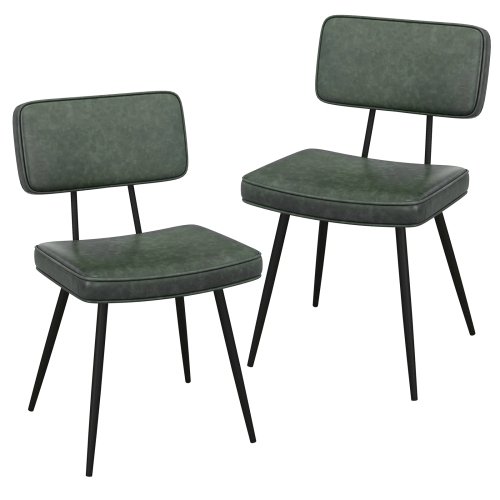


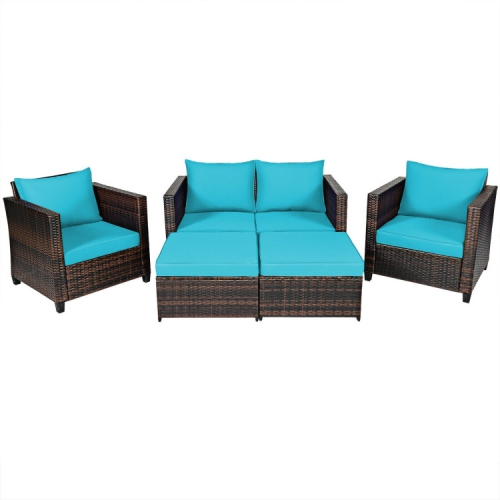


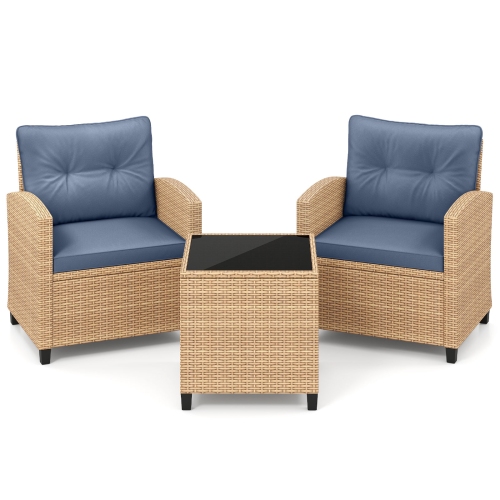

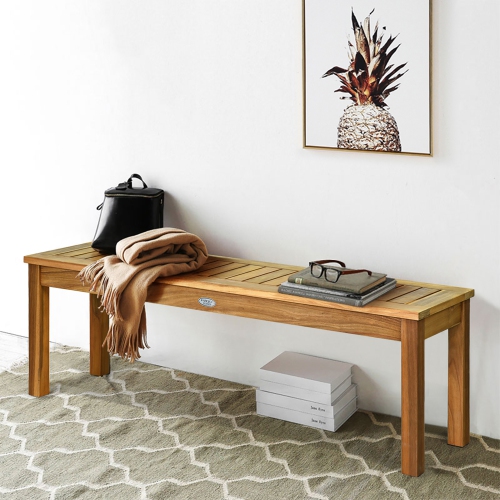

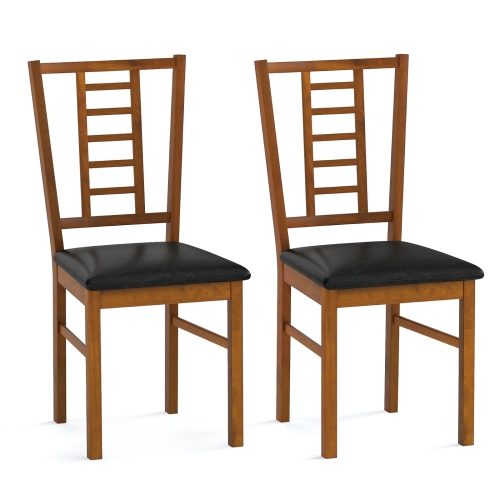


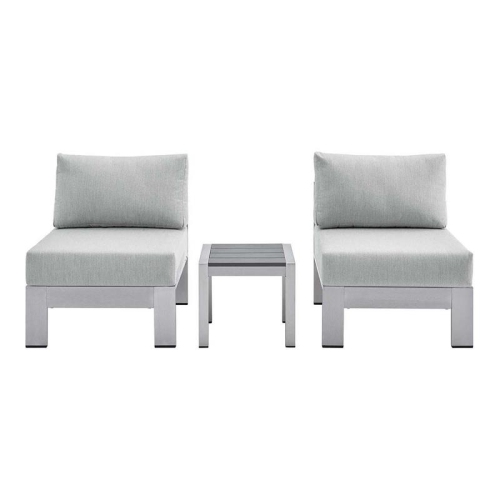


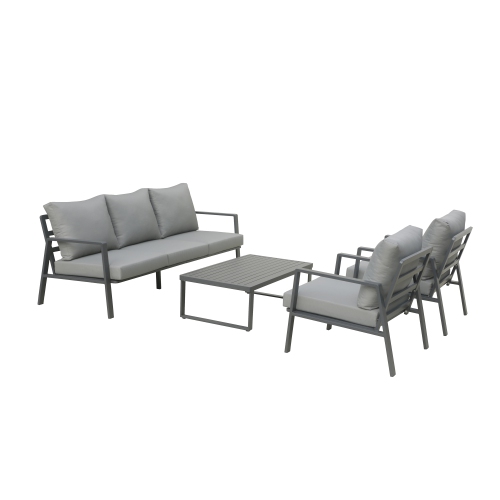


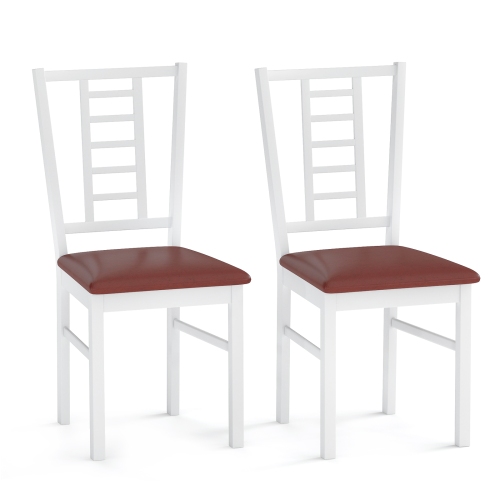

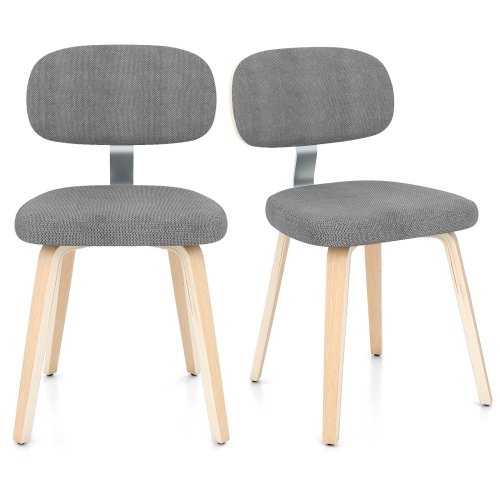


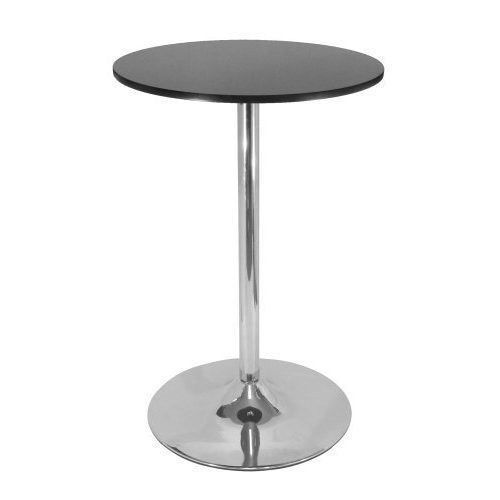


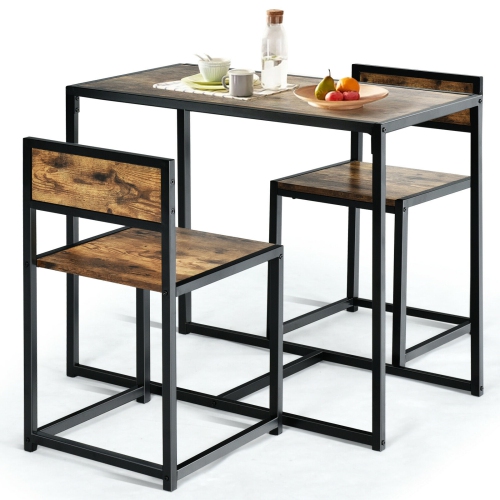


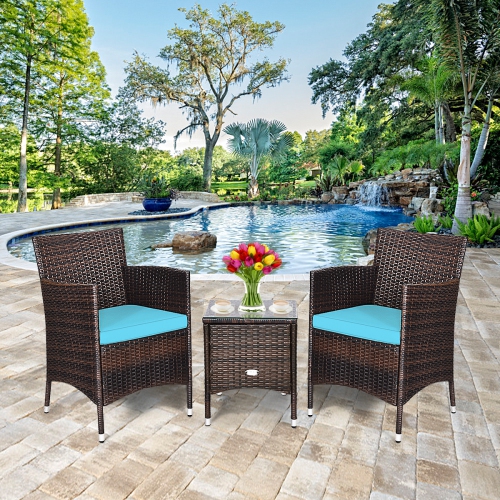

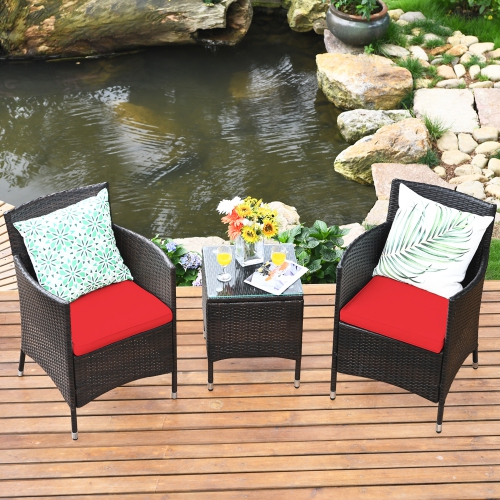








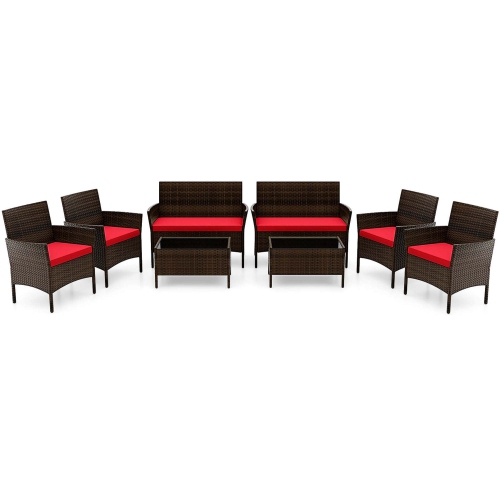

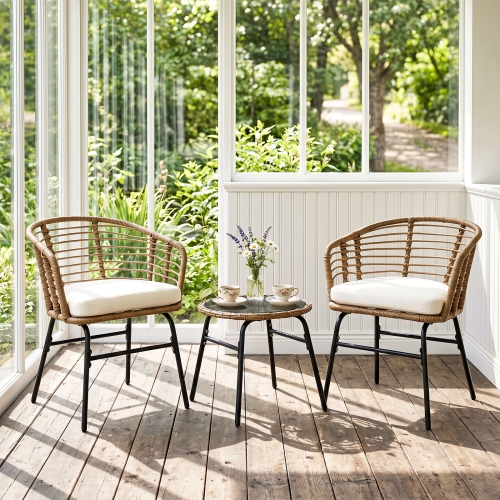


Outdoor comfort starts with the right fit and materials
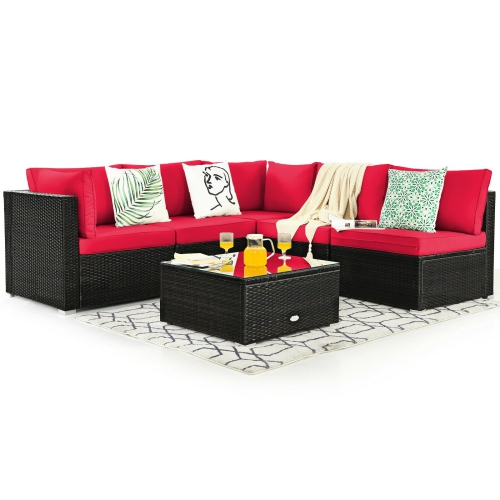
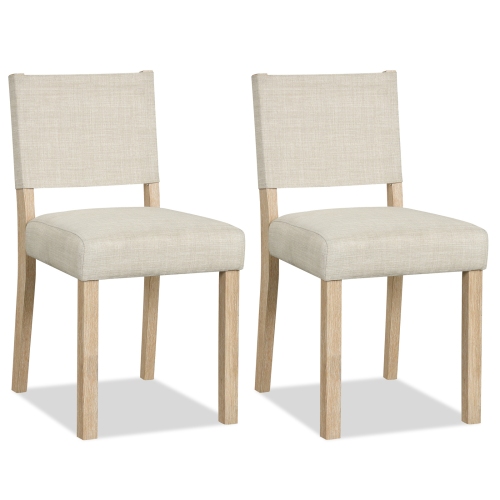
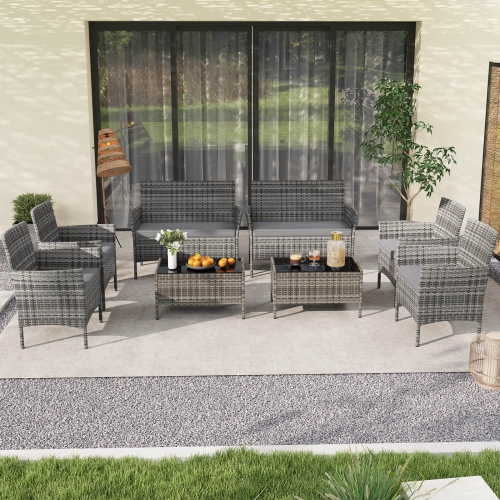
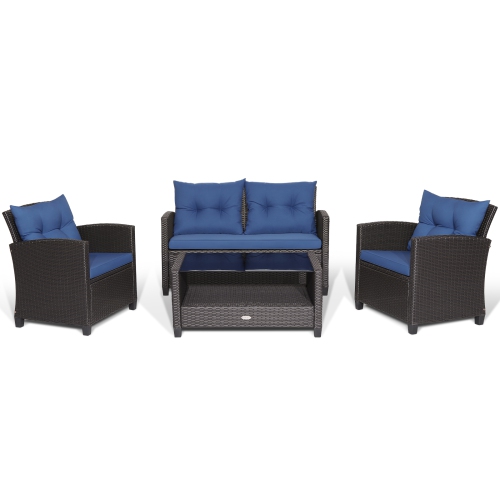
Casual furniture brings the comfort of a sitting room or dining area to spaces made for relaxed, everyday use. The term most often describes outdoor and patio furniture for decks, balconies, gardens, and poolside areas, though many of the same styles also suit covered porches and sunrooms. Its defining features are comfortable proportions, easygoing styling, and materials suited to the intended setting. A conversation arrangement gives family and friends somewhere to settle in for a long chat, while a dining arrangement supports everything from a quiet breakfast to a shared meal with guests. Lounge seating offers a different experience: deeper cushions, supportive backs, and room to stretch out with a book. Within the wider range of Outdoor Furniture, casual styles can feel clean and contemporary, warm and traditional, or somewhere in between. Woven textures soften angular spaces, wood introduces visible grain and natural variation, and metal frames create a lighter visual outline. Neutral upholstery provides a quiet base, while coloured cushions can bring definition to a seating area without changing its layout. The most useful arrangement reflects how the space is actually used. A couple sharing a compact balcony may need comfortable seating and a modest surface for drinks rather than a full dining setup. A household that regularly hosts meals needs enough table space, chairs that pull out easily, and clear routes between the doorway and the seating area. For people who prefer informal gatherings, separate seats around a low table can make conversation feel more natural than a single row facing outward. Casual furniture is not limited to large backyards or elaborate entertaining spaces; it can make a narrow porch or sheltered corner feel purposeful. Comfort, scale, and a good match between the furniture and its surroundings matter more than filling every available section of floor.
Materials shape both the appearance of casual patio furniture and the attention it needs over time. Aluminium is relatively lightweight and does not rust like iron or steel, making it practical for seating that may need to move between a table and a lounging area. Its finish, joints, and hardware still matter, particularly where surfaces are scratched or exposed to salt. Steel offers strength and a substantial feel, but protective coatings need to remain intact to help limit rust. Synthetic wicker provides the texture of a woven surface, usually supported by a metal frame; its suitability outdoors depends on the quality of the weave, its resistance to ultraviolet light, and the construction beneath it. Natural wicker is generally better suited to protected indoor spaces unless the manufacturer specifies otherwise. High-density polyethylene, often called HDPE, is used in solid plastic lumber that does not splinter and generally needs little routine upkeep. It can be quite heavy, and darker surfaces may feel hot in direct sun. Teak and acacia offer the character of natural hardwood, with differences in grain, density, finish, and care requirements. Teak can develop a silvery-grey patina when left untreated, while maintaining a particular wood colour may call for an appropriate maintenance routine. No material makes every part of a furniture arrangement weatherproof. Cushions, fasteners, feet, and adjustable mechanisms each have their own exposure limits. Outdoor upholstery may resist fading and light moisture, but water-resistant fabric is not necessarily waterproof, and even quick-drying cushions need airflow and time to dry. For a sunny balcony, documented fade resistance can matter as much as fabric colour. Beside a pool, washable surfaces and suitable hardware are especially useful. Under a covered porch, protection from direct rain helps, but wind-driven moisture can still reach seating. Material descriptions and care information provide a more reliable picture of intended use than appearance alone.
Fit is about more than whether a frame fits within the outline of a patio. Usable space includes room to pull out a dining chair, walk past someone who is seated, open a door fully, and reach a table without leaning awkwardly. Measuring doorways, stairways, and lifts also helps establish whether larger pieces can reach their destination. On a balcony, building rules and load limits are relevant, especially for heavy furniture or densely arranged seating. Deep lounge seats can feel generous for taller adults but may leave shorter users without comfortable back support; a more upright seat and supportive arms can make sitting down and standing up easier. Seat height should also work with the intended table, since a low lounge chair is not a comfortable substitute for dining-height seating. For households with children, stable frames, smooth edges, and secure moving parts deserve attention. Removable cushion covers can simplify everyday care, although the label determines whether they can be machine washed or require another method. Modular arrangements offer flexibility when gatherings vary in size, provided the sections connect securely and their layout leaves clear walking routes. On uneven paving, adjustable feet can help steady a table, while broad, well-supported bases are useful where softer surfaces might allow narrow legs to sink. Routine care is usually straightforward but should match the material: loose dirt can often be brushed away, spills are easier to address promptly, and mild soap is suitable for many surfaces when permitted by the manufacturer. Abrasive cleaners and high-pressure washing can damage finishes or fibres. Breathable, properly fitted covers help protect furniture between uses, but covering damp cushions can trap moisture rather than solve the problem. Thorough drying, periodic checks of fasteners, and storage appropriate to Canadian winter conditions all support longer service life. Furniture left outdoors needs to be expressly suited to that exposure; folding or stackable designs can make sheltered storage easier where space is limited. With comfortable proportions and a manageable care routine, casual furniture supports the simple pleasures of eating, reading, resting, and spending time together outdoors.
Top selling and popular products
-
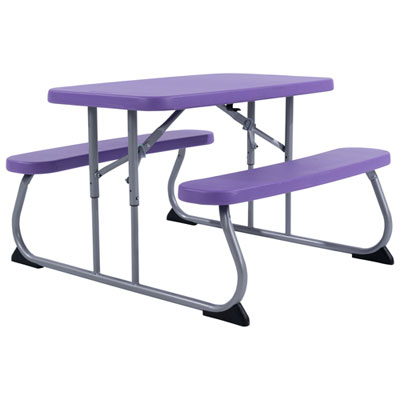 Your price for this item is $123.98
-
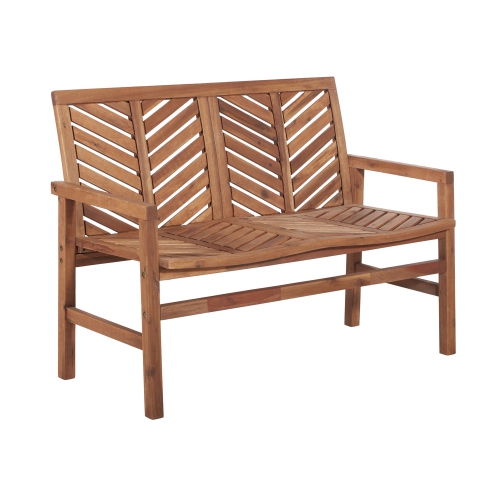 Your price for this item is $482.34
-
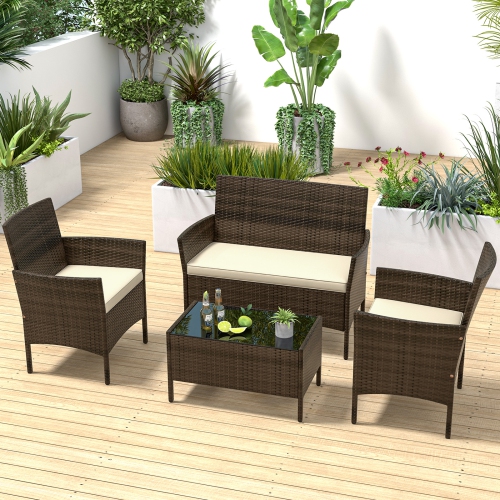 Your price for this item is $246.99
-
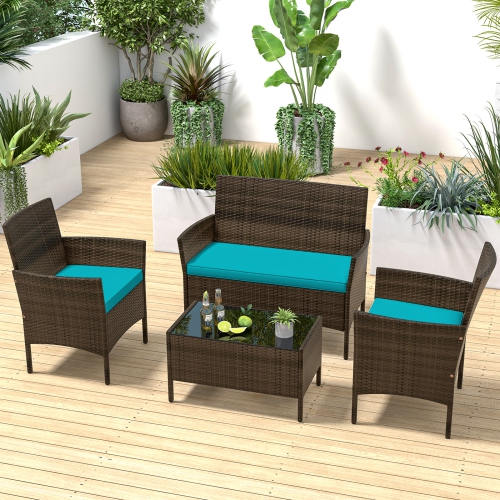 Your price for this item is $236.99
-
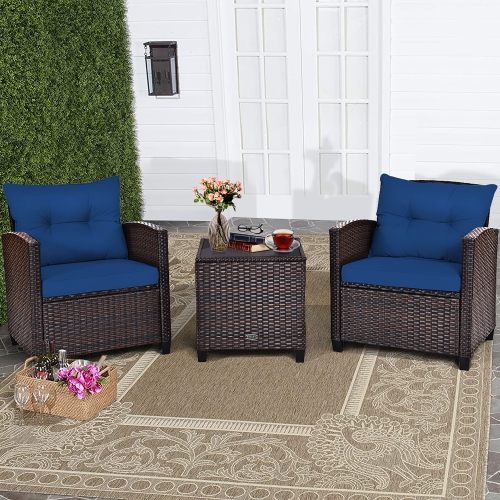 Your price for this item is $229.99
-
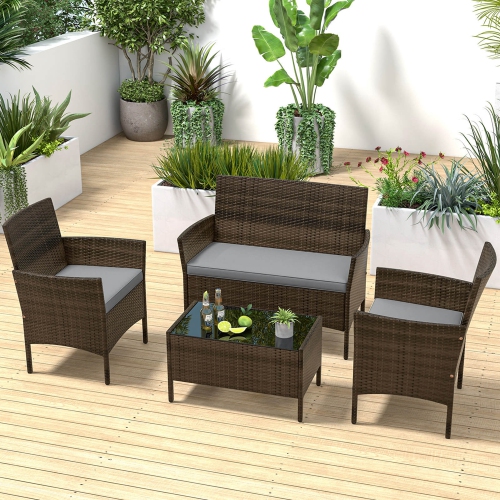 Your price for this item is $236.99
-
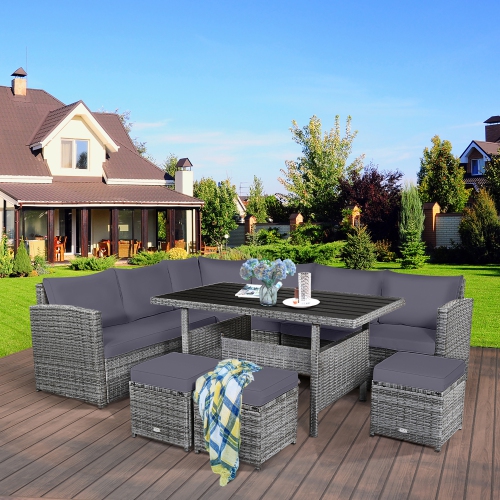 Your price for this item is $899.99
-
 Your price for this item is $229.99
Discover more categories related to Casual Furniture

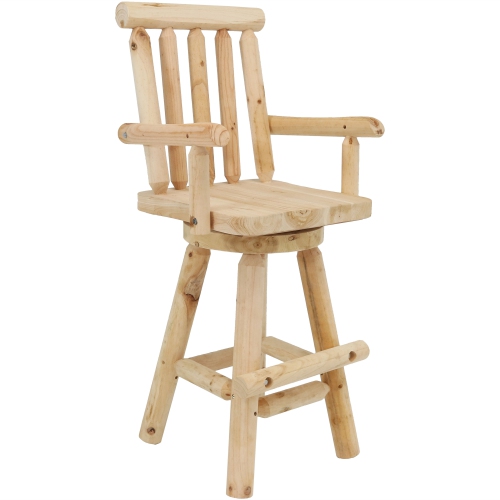

Top Collections:
Pokemon Centers, Kindle Devices, Best Budget Office Chairs, Canon G7X Cameras, Apple iPhones 16, Samsung Galaxy Phones, Refurbished Apple Laptops, Laptops for Students, iPhone 15 Apple, Budget Smartphones
Some products may be subject to Environmental Handling Fees
(EHF) depending on your province.
Learn more about EHFs.