Storage Desks
If you're looking for a desk that can hold almost everything from your laptop to your printer to your stapler, look no further than the storage desk. This piece of furniture is designed to keep your things in its place and it does so with style. Here are some great options available.
Sort
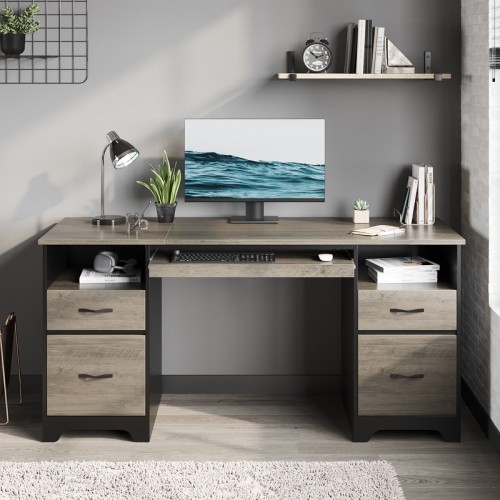
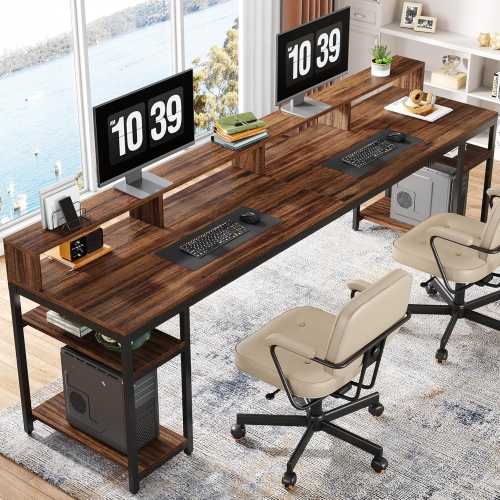
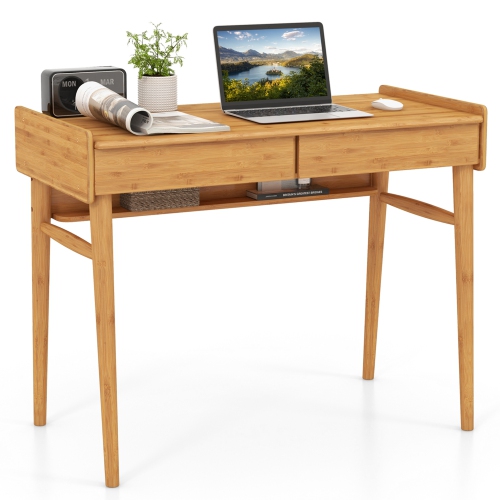

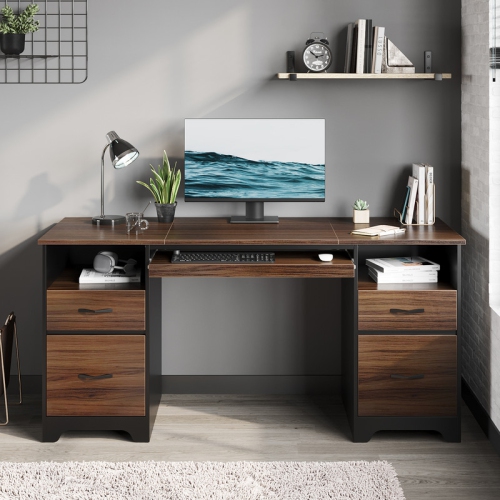

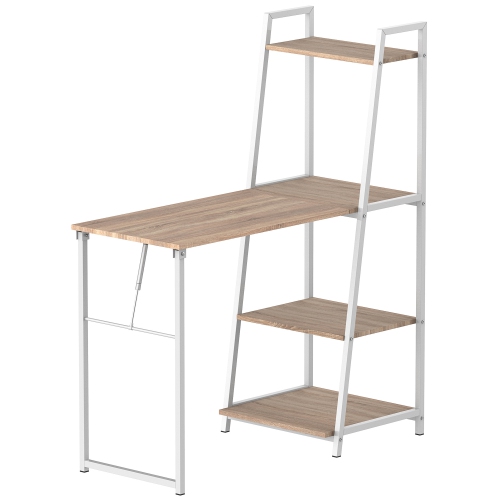
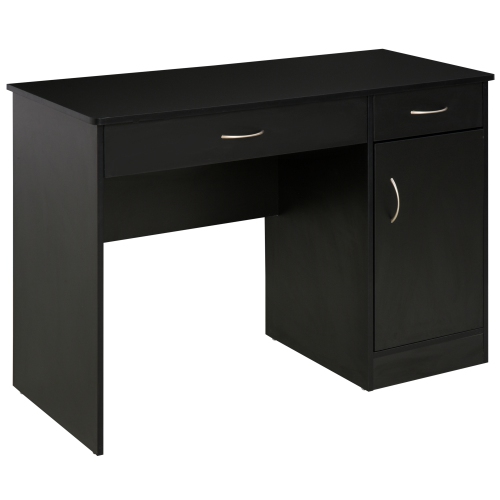
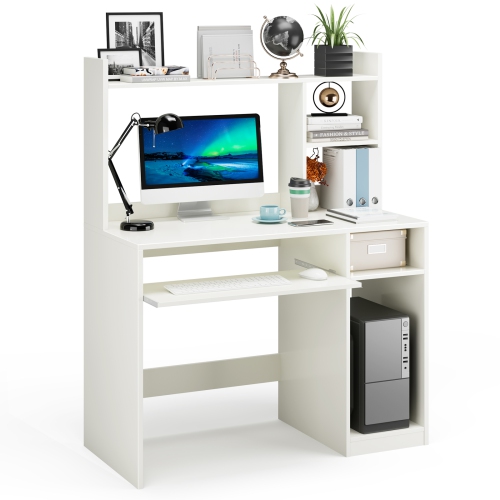

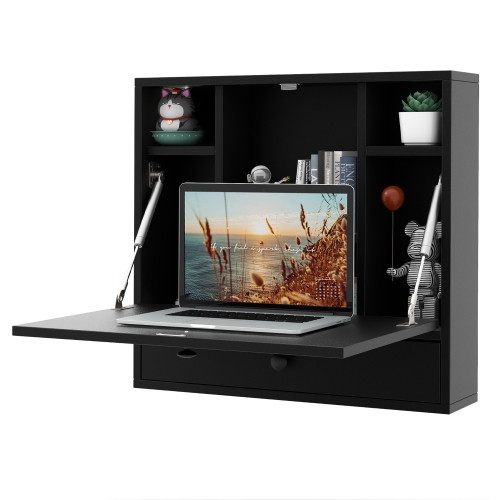


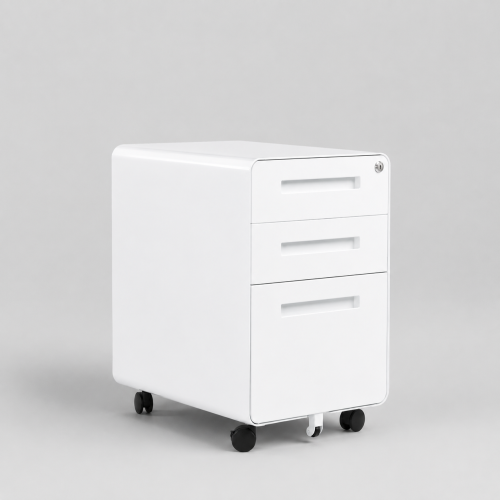
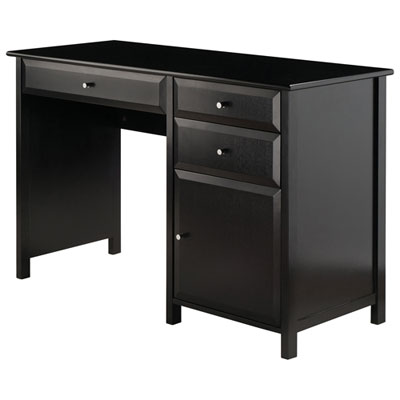
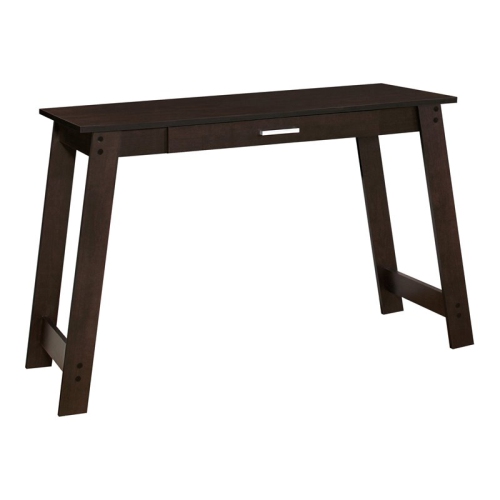
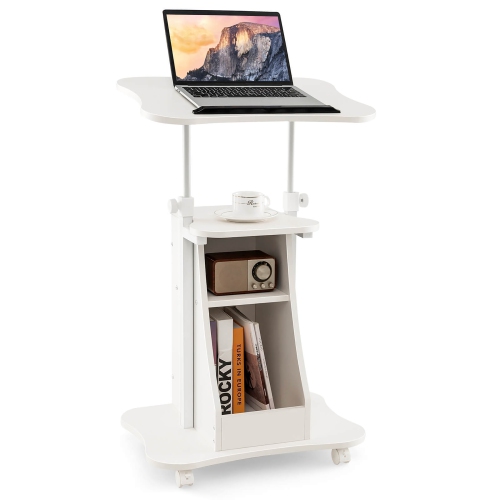
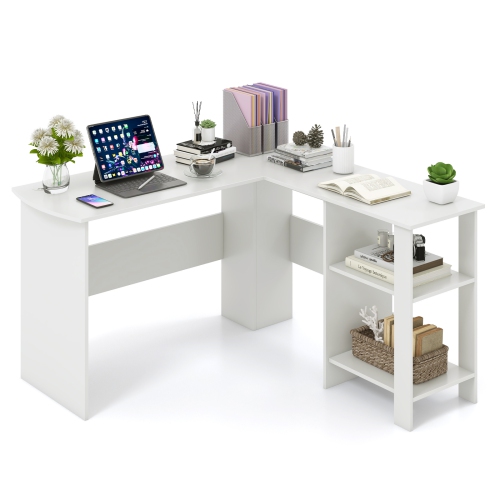
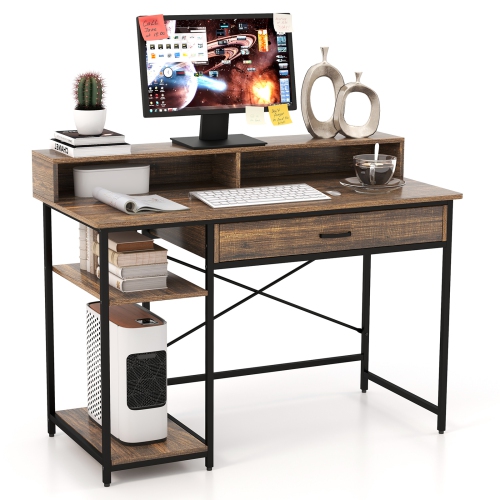

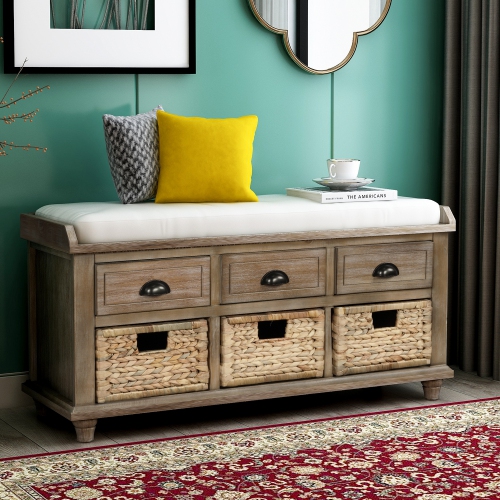
How thoughtful storage shapes a comfortable workspace
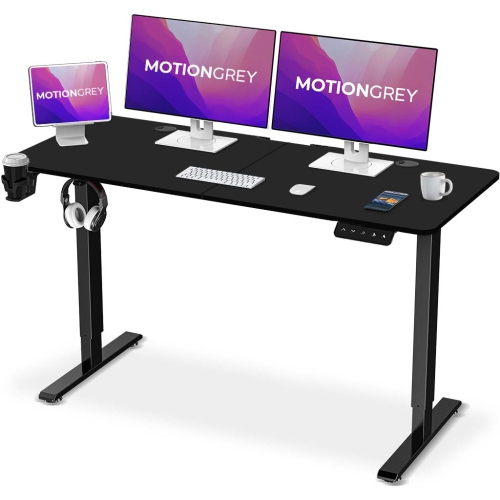
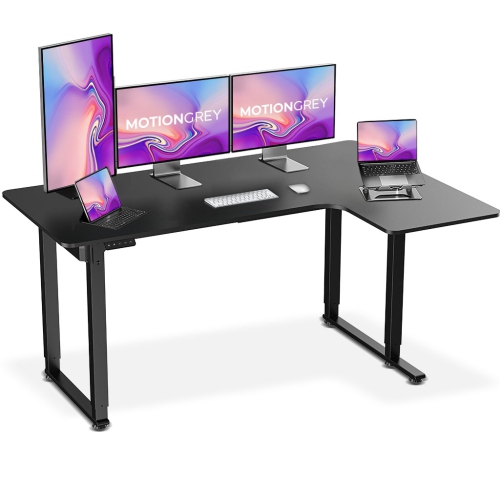
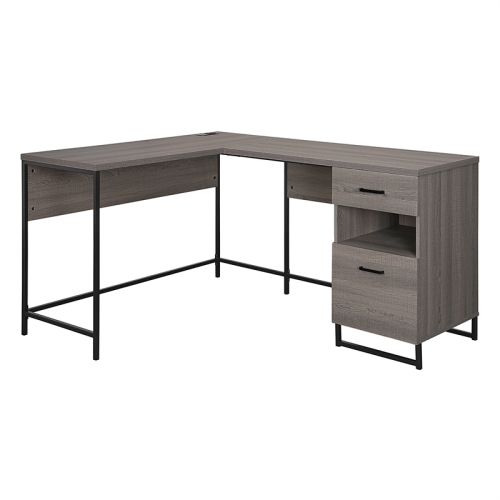
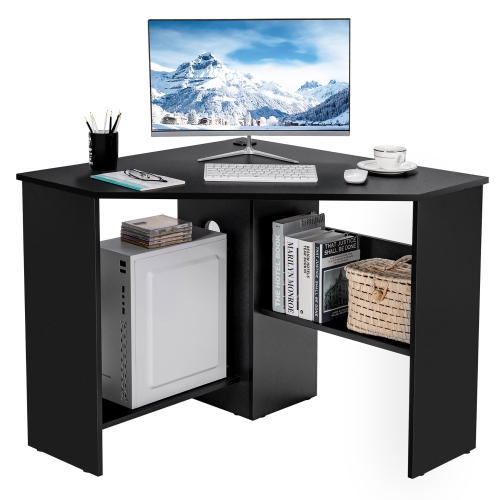
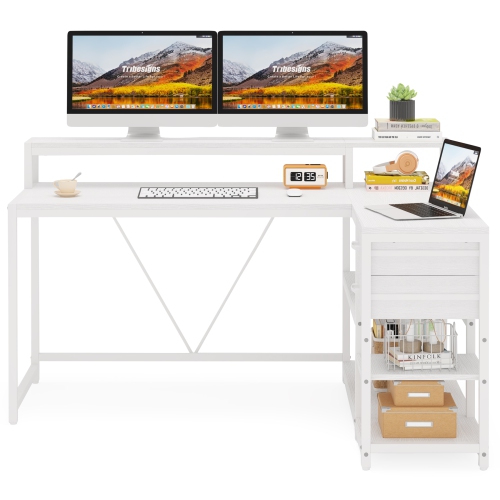
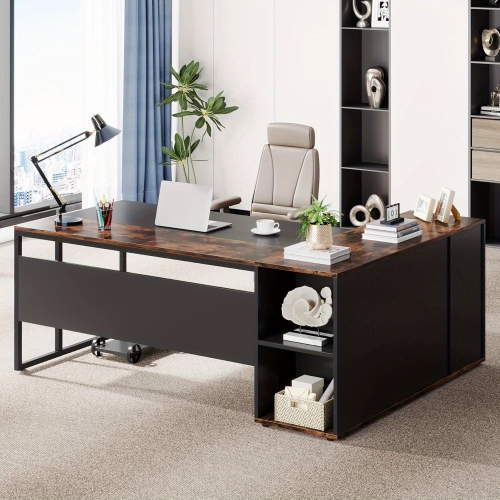
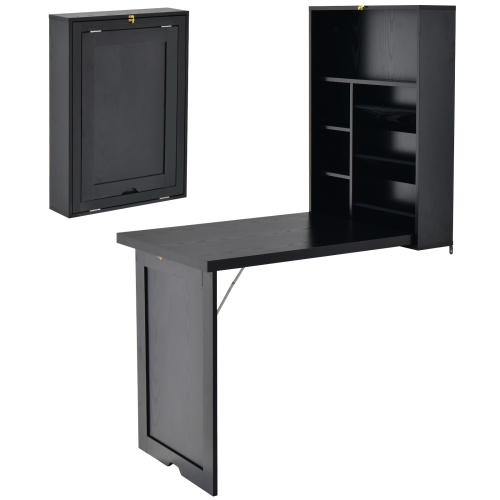
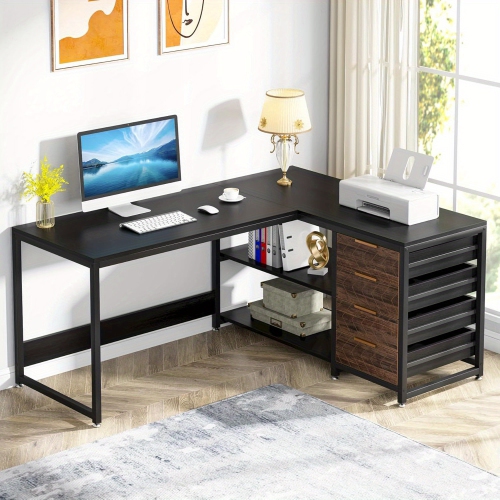
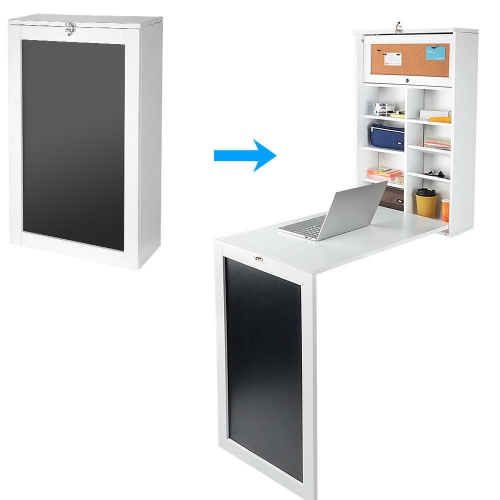
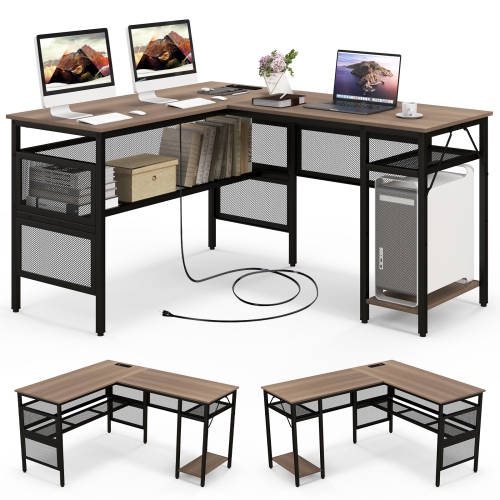
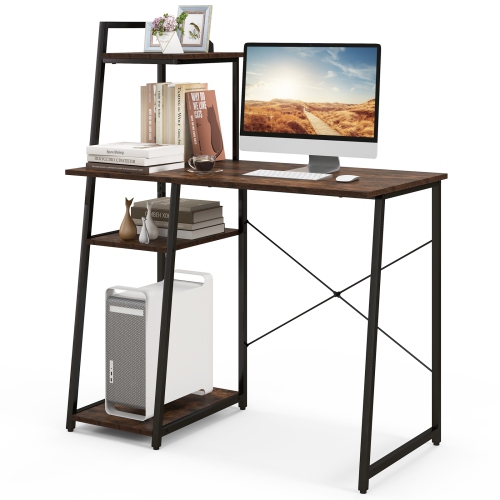
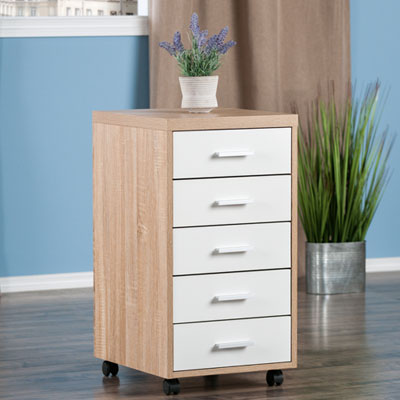
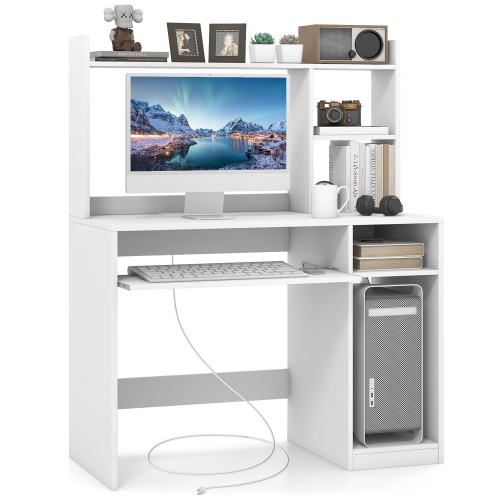
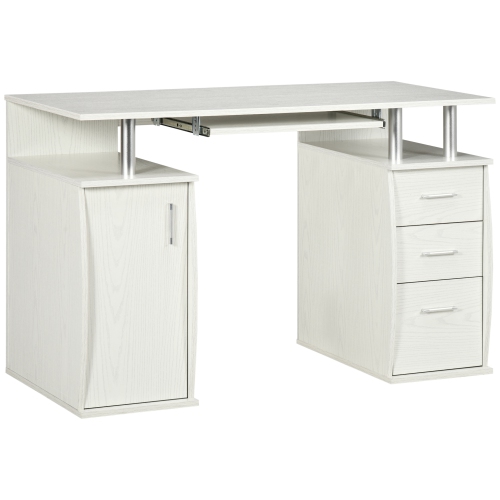
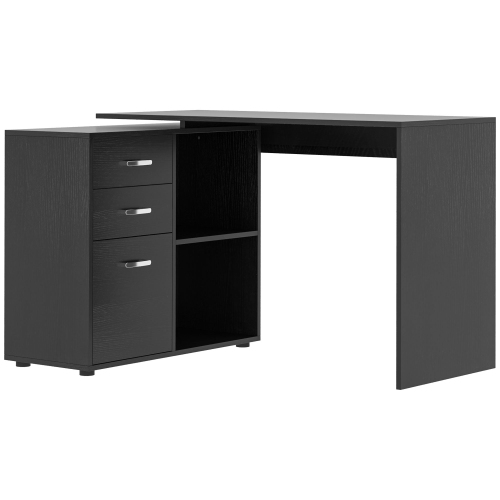
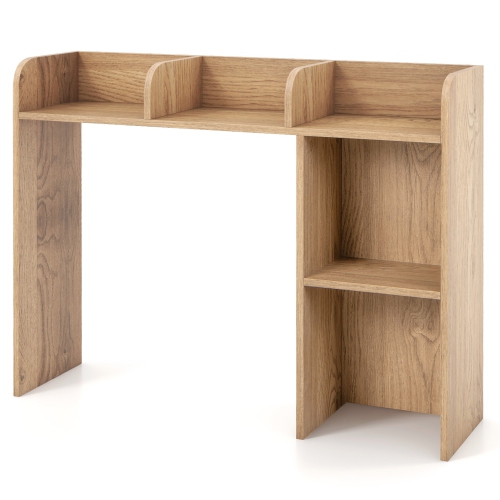
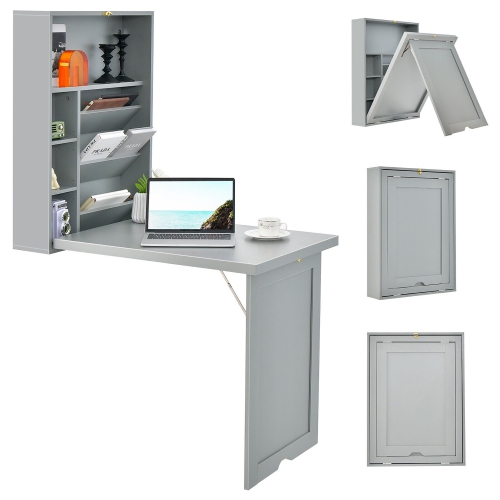
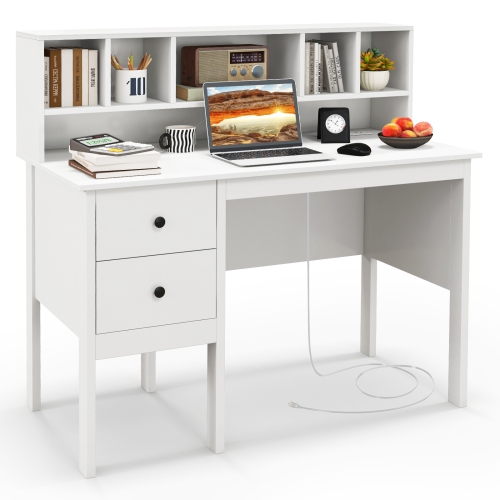
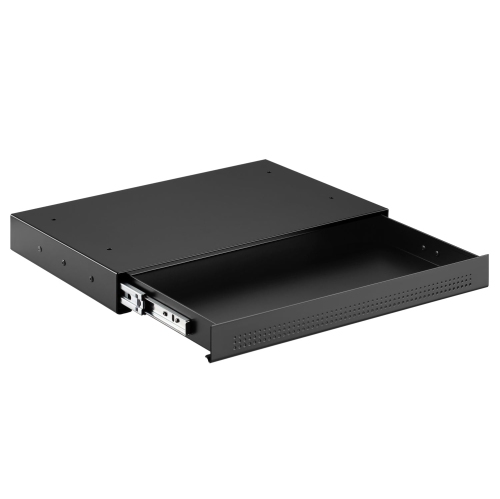
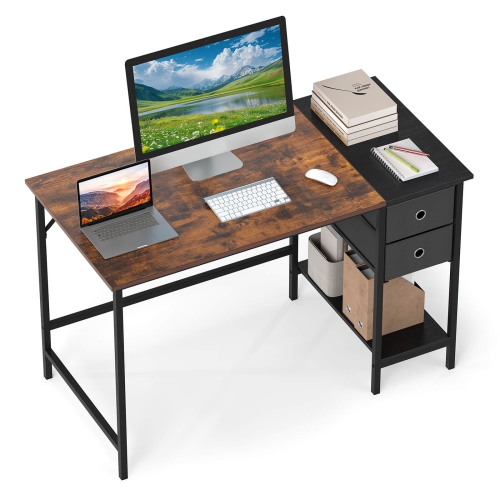
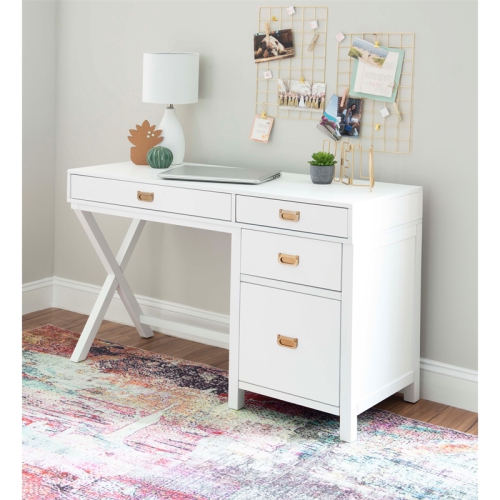
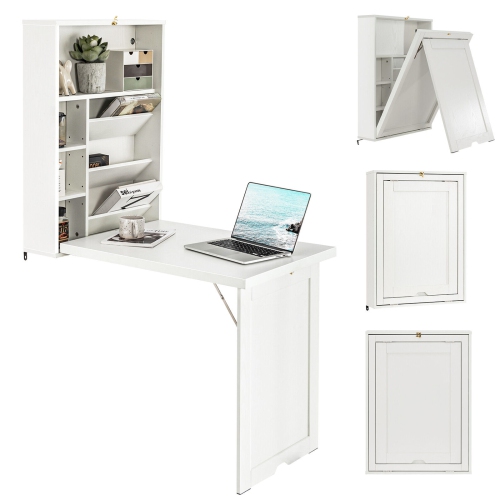
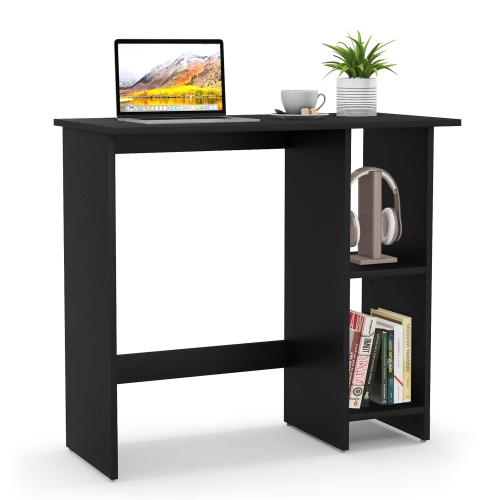
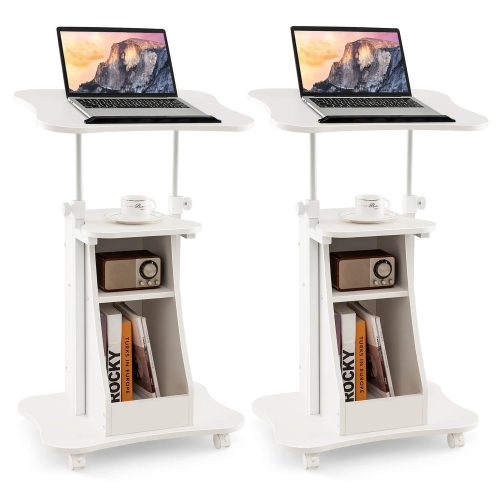
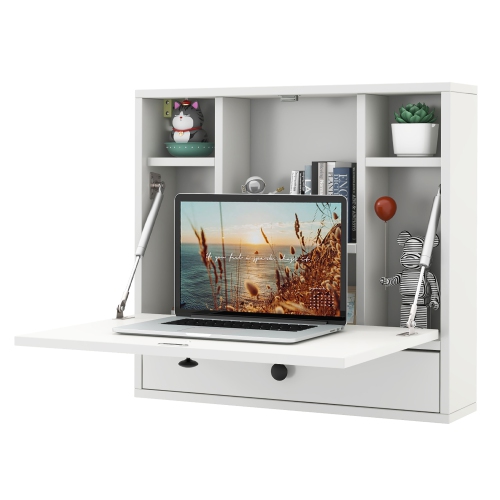
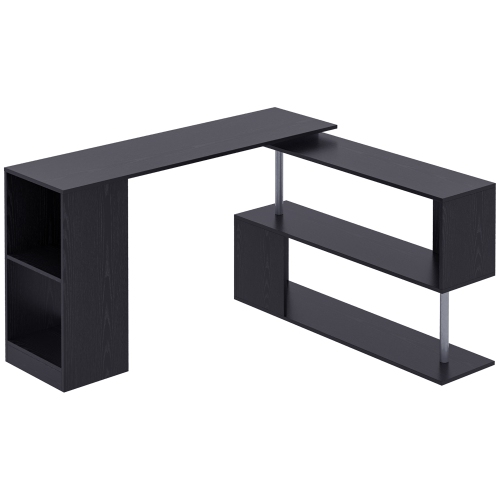
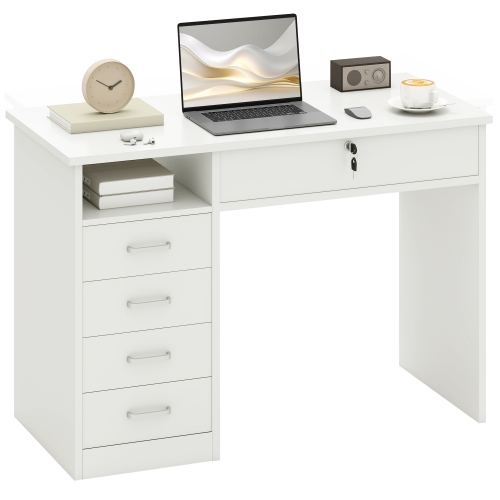
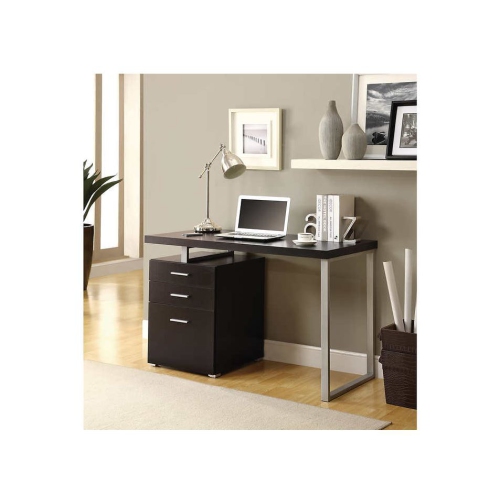
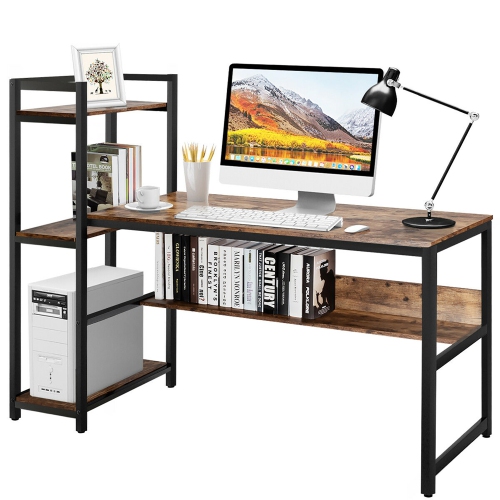
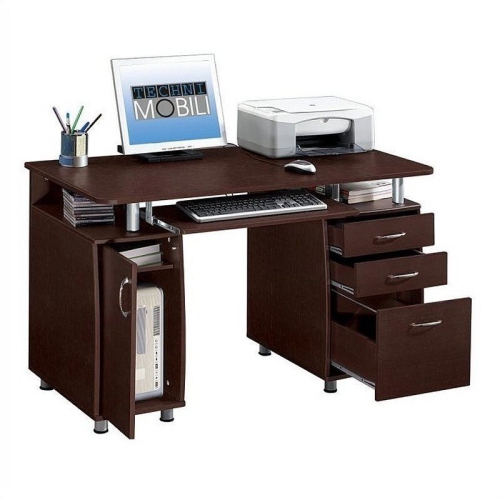
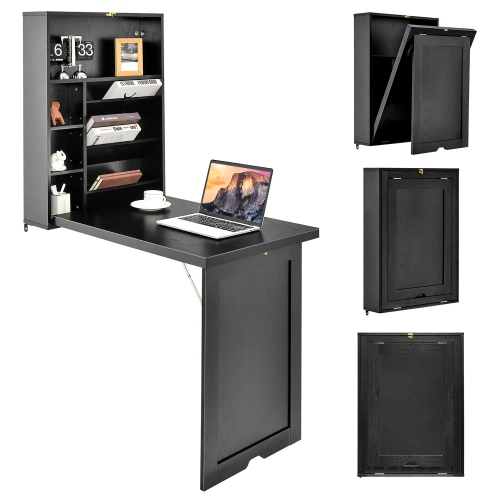
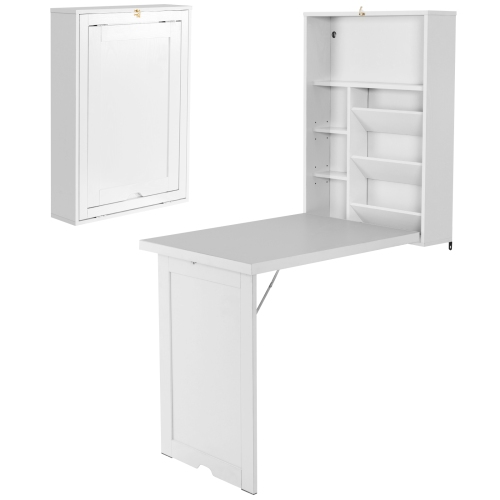
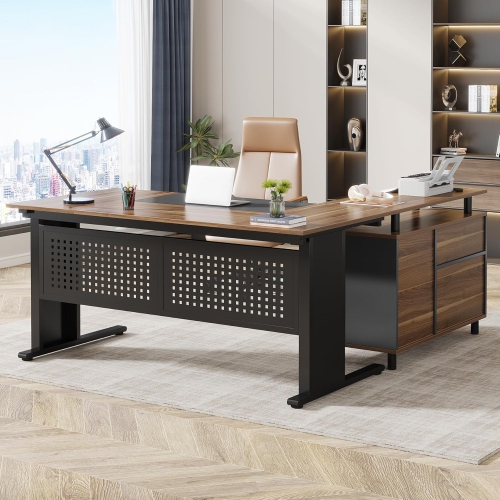
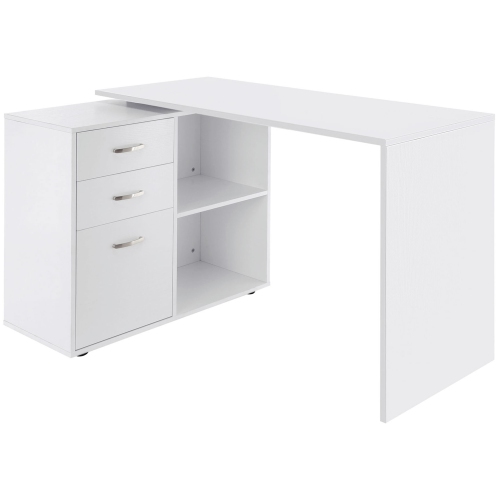
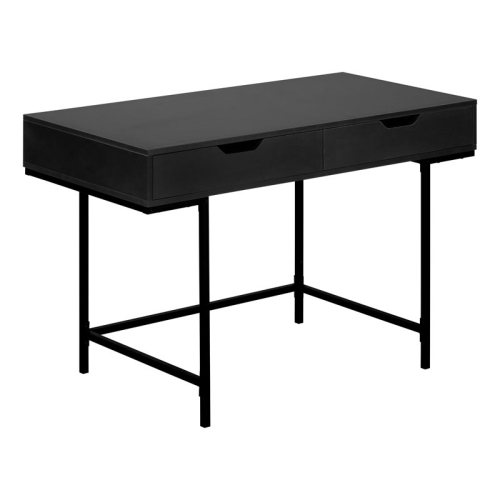
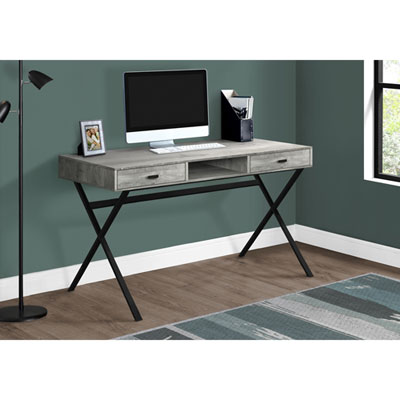
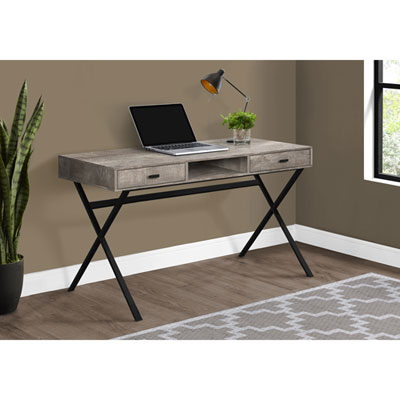
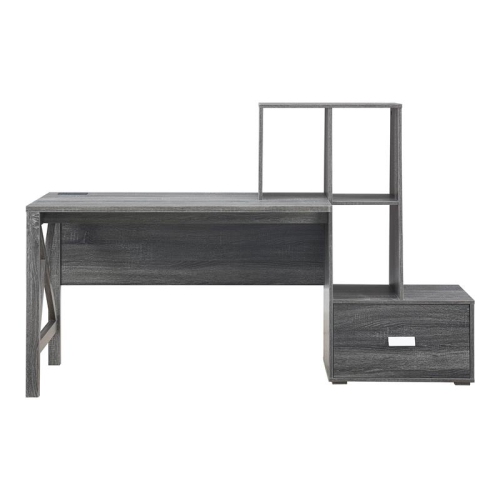
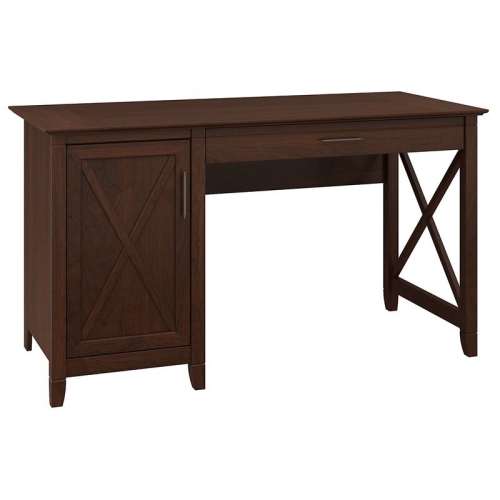
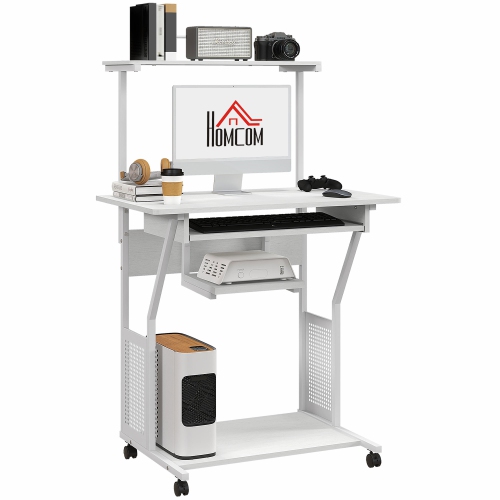
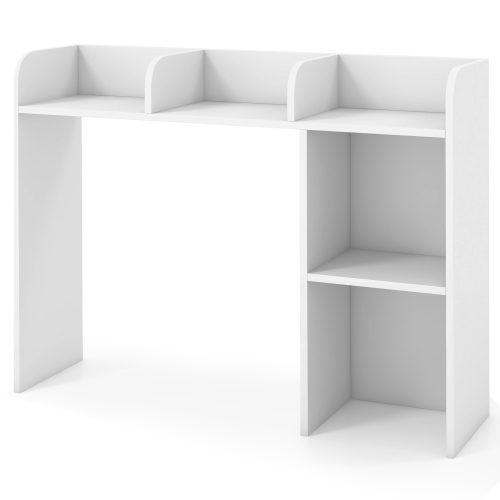
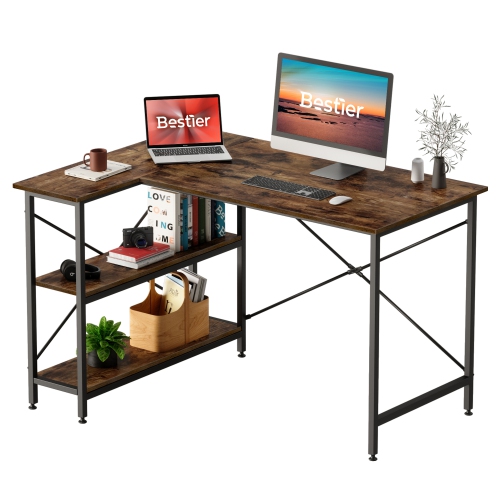
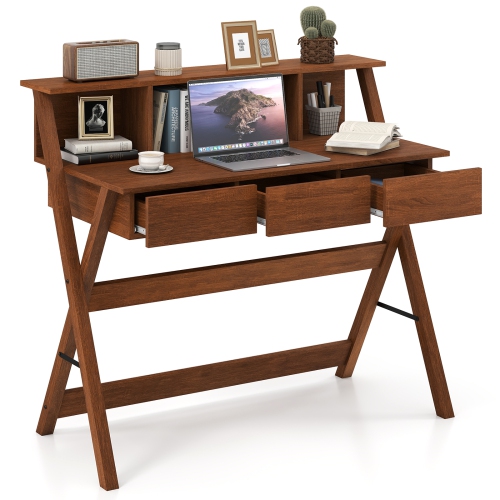
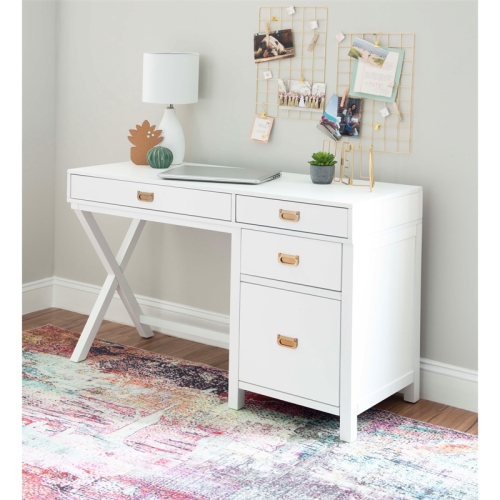
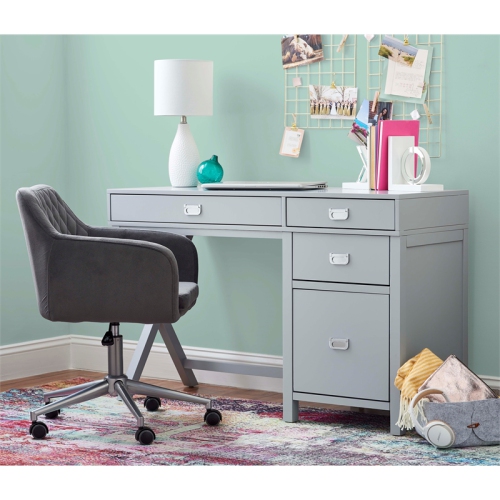
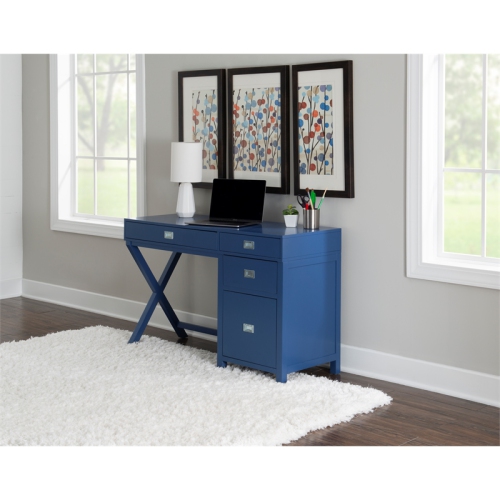
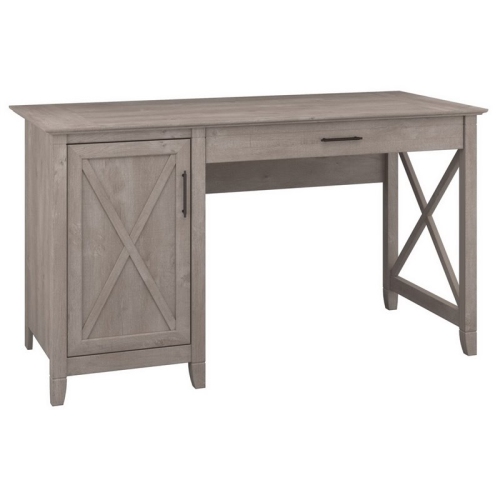
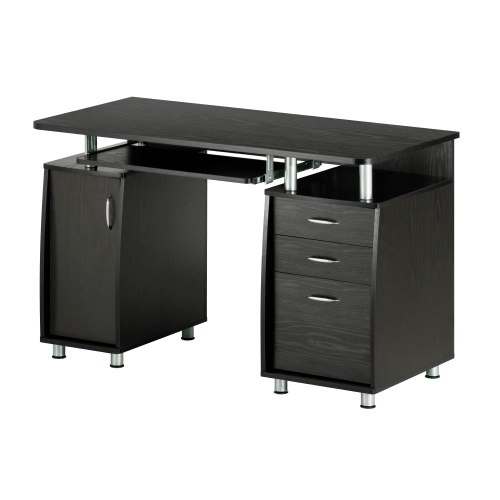
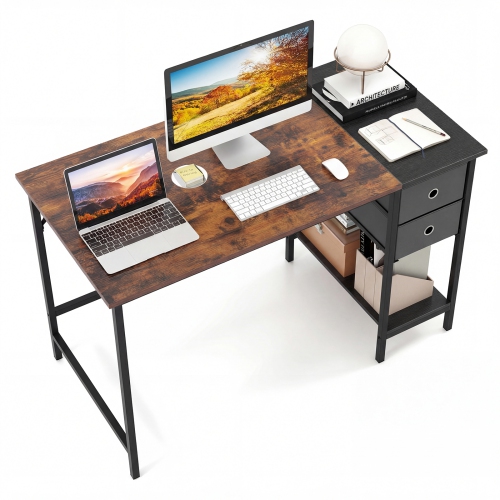
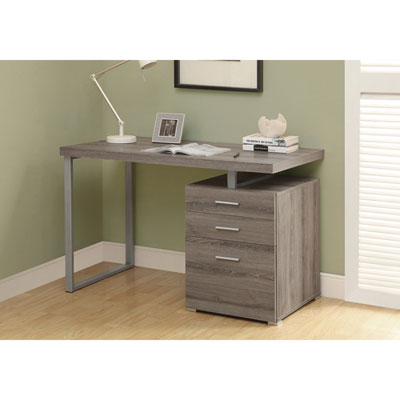
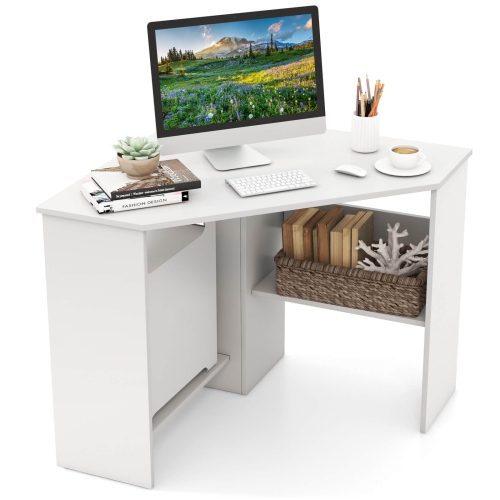
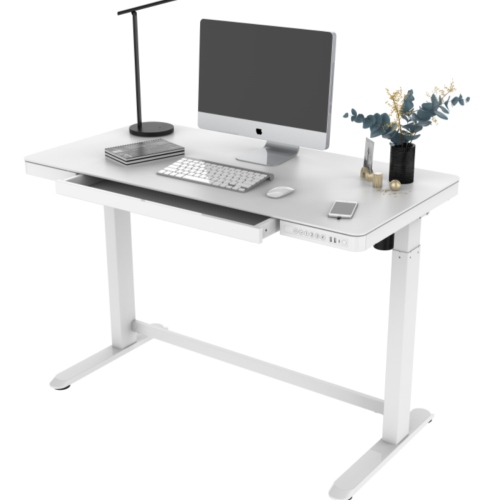
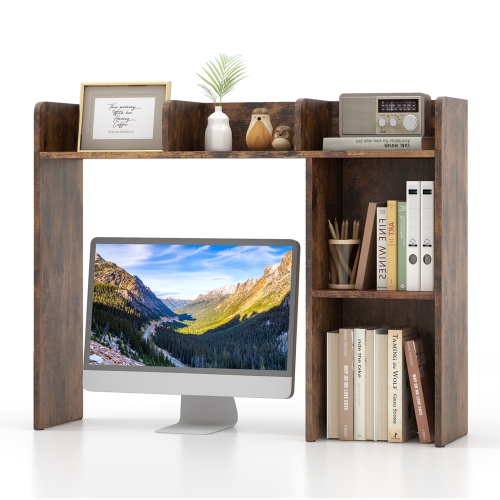
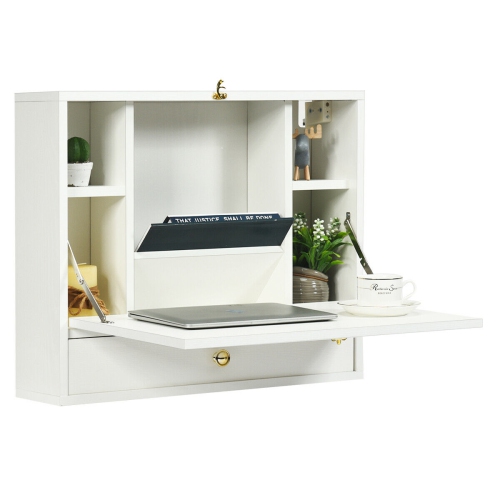
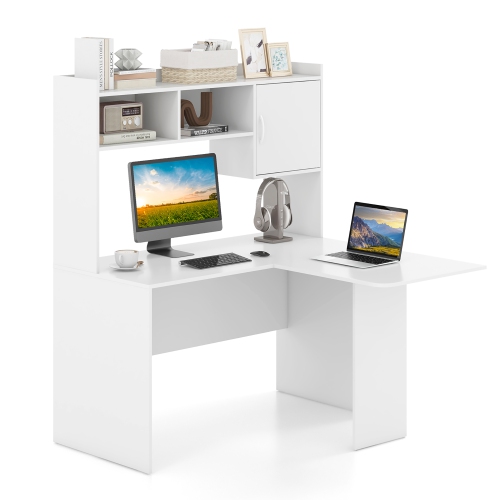
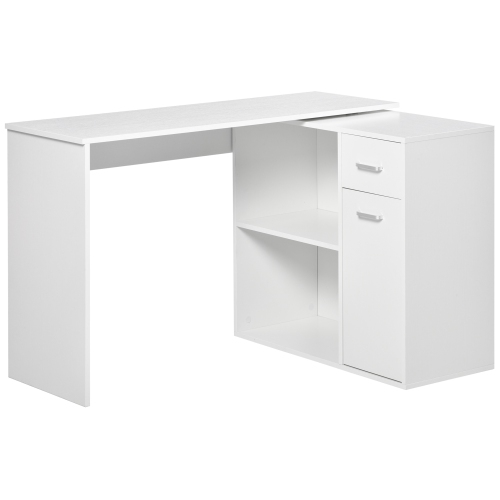
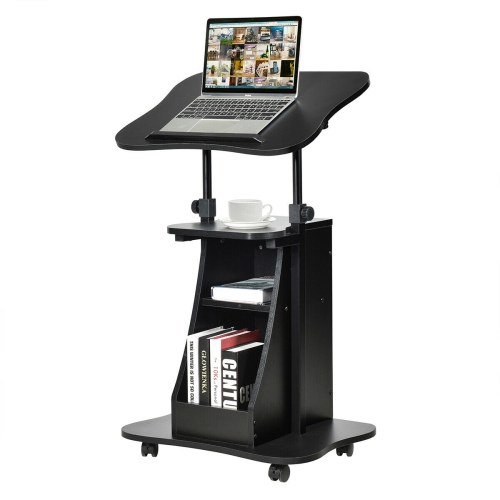
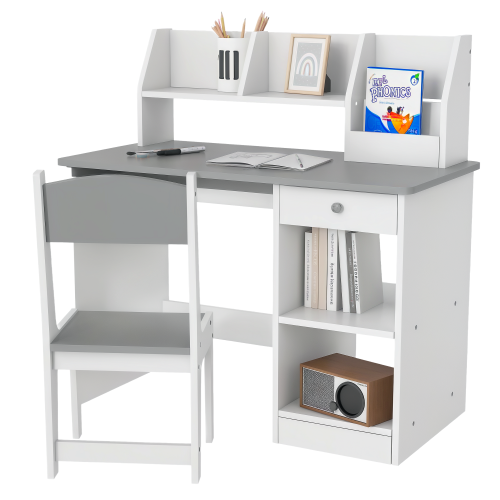
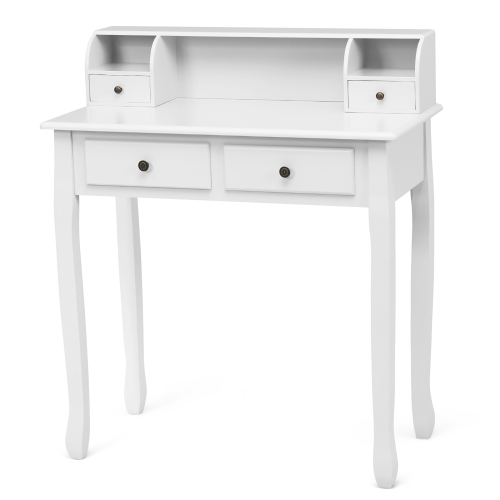
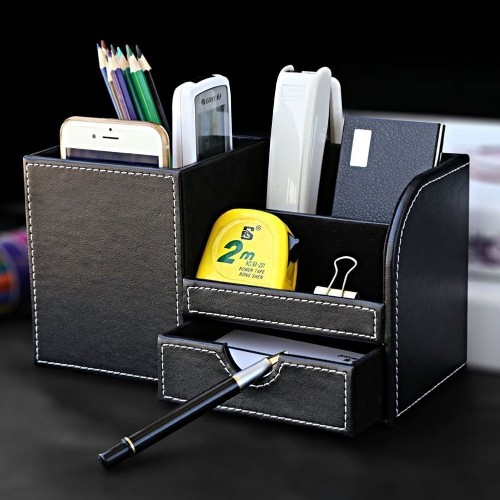
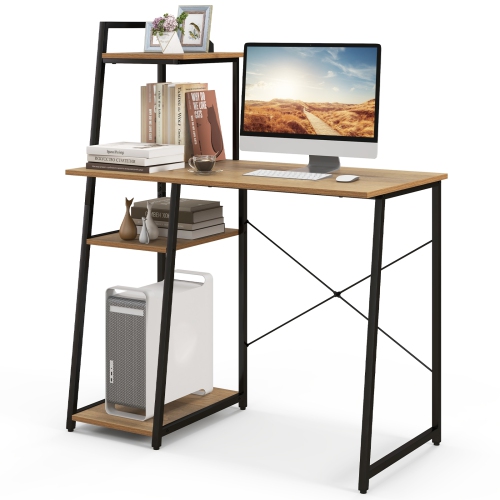
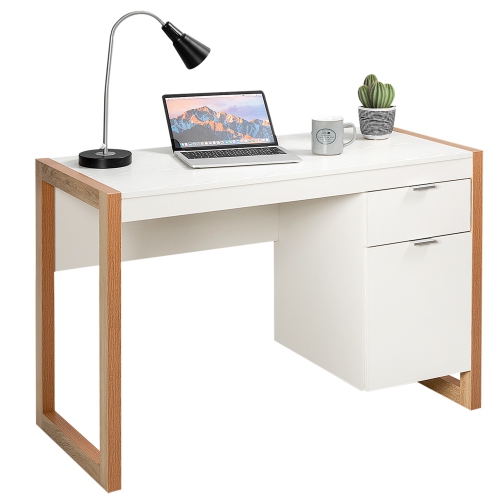
Storage desks bring together a practical work surface and dedicated places for the items that tend to gather around it. Depending on the design, storage may include drawers for stationery and chargers, open shelves for books and accessories, cabinets for larger equipment, or a combination of compartments that helps keep everyday supplies close without leaving the desktop crowded. This makes a storage desk a useful choice for a home office, bedroom, study area, apartment, dorm room, craft space, or shared family workstation. A well-planned setup can turn an unused corner into a comfortable place for answering emails, attending virtual appointments, studying, gaming, journalling, paying bills, or managing household paperwork. Before choosing a desk, measure the available area carefully, including the distance from nearby walls, windows, doors, radiators, and other furniture. Remember to account for the depth of the desk and the space needed to pull out drawers or move a chair comfortably. A compact desk with vertical shelving can make good use of limited floor space, while a larger L-shaped or generously proportioned design may be better suited to a room where two surfaces, multiple monitors, or separate work zones are useful. If the desk will sit in a bedroom or shared living area, consider how its finish, colour, and overall shape will work with the existing room. A simple silhouette can blend into a variety of interiors, while a more substantial design can help define an office area within an open-concept space.
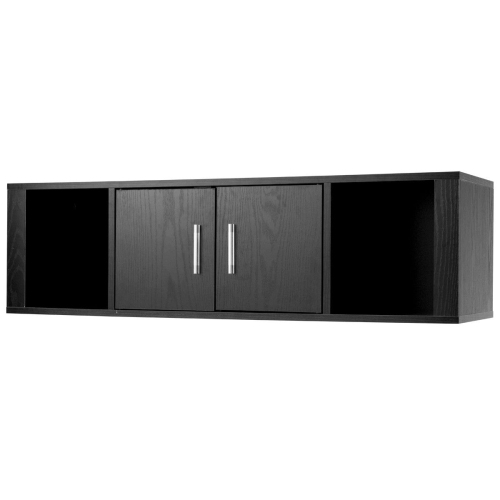
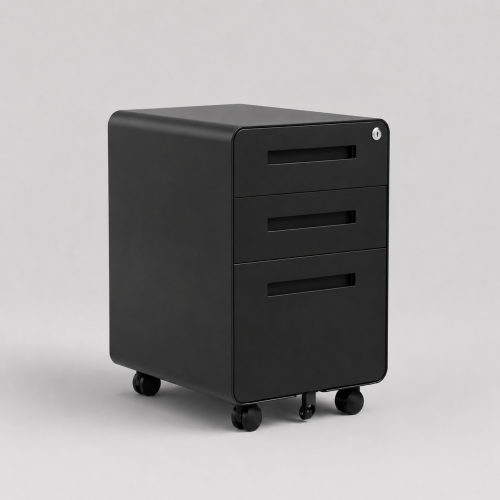
The storage arrangement is just as important as the size of the desktop. Open shelves keep books, notebooks, speakers, baskets, and frequently used accessories visible and easy to reach, which can be helpful for students, creators, and anyone who prefers to see their supplies at a glance. Drawers provide a tidier place for pens, cables, headphones, calculators, documents, and other small items that can make a workspace feel cluttered when left in the open. Cabinets can conceal larger belongings or less frequently used equipment, while filing drawers are useful for invoices, school records, warranties, and important household documents. For more ideas focused on desks that can accommodate paperwork, folders, and filing supplies, explore Desks With File Storage. Think about the items you use throughout the day and place them according to frequency: everyday essentials should be within easy reach, while seasonal materials, spare accessories, and archived documents can occupy higher shelves or deeper compartments. Check the interior dimensions of drawers and shelves rather than relying only on the outside measurements, particularly if you have a full-sized keyboard, large binders, a printer, game console, desktop computer tower, or storage boxes to accommodate. Cable management is another useful consideration. Pass-through openings, rear cutouts, raised shelves, and room beneath the desktop can make it easier to route power and connection cables neatly, reducing tangles around the chair and keeping frequently moved equipment convenient to unplug. A sturdy frame, level feet, and a desktop with enough room for your preferred monitor arrangement also contribute to a more comfortable experience. If you write by hand or use a laptop, a clear area for a notebook and a drink can make the desk feel much more inviting during longer sessions.
Storage desks can suit a wide range of routines and make thoughtful gifts for students moving into a new study space, remote workers refreshing a home office, teenagers building a gaming or homework station, or family members who need a dedicated place for hobbies and personal projects. For a student, shelves may hold textbooks, art materials, and a desk lamp, while drawers keep flash drives, calculator batteries, and small supplies from disappearing into a backpack. Someone working from home may appreciate a cabinet for office equipment or a drawer for notebooks and paperwork, allowing the work surface to be cleared at the end of the day. A gaming-focused setup may benefit from space for a monitor, headset, controllers, and accessories, with open shelving making frequently used gear easy to access. In a craft or creative room, storage can help separate paper, tools, fabric, and project materials so that an idea can be picked up again without sorting through piles. During the cooler months, when more time is often spent indoors, a well-organized desk can create a dependable place for reading, planning, learning, and connecting with others. Look for a design that matches the user’s habits rather than choosing storage based on appearance alone. Someone who likes a clear, minimalist surface may prefer closed drawers and cabinets, while a person who reaches for books and accessories often may find open shelving more practical. Assembly requirements, material construction, weight capacity, finish durability, and the direction of drawers or doors can also affect everyday convenience. With the right balance of workspace and storage, a storage desk helps keep essential items organized while giving work, study, and creative activities a comfortable place to happen.
The storage arrangement is just as important as the size of the desktop. Open shelves keep books, notebooks, speakers, baskets, and frequently used accessories visible and easy to reach, which can be helpful for students, creators, and anyone who prefers to see their supplies at a glance. Drawers provide a tidier place for pens, cables, headphones, calculators, documents, and other small items that can make a workspace feel cluttered when left in the open. Cabinets can conceal larger belongings or less frequently used equipment, while filing drawers are useful for invoices, school records, warranties, and important household documents. For more ideas focused on desks that can accommodate paperwork, folders, and filing supplies, explore Desks With File Storage. Think about the items you use throughout the day and place them according to frequency: everyday essentials should be within easy reach, while seasonal materials, spare accessories, and archived documents can occupy higher shelves or deeper compartments. Check the interior dimensions of drawers and shelves rather than relying only on the outside measurements, particularly if you have a full-sized keyboard, large binders, a printer, game console, desktop computer tower, or storage boxes to accommodate. Cable management is another useful consideration. Pass-through openings, rear cutouts, raised shelves, and room beneath the desktop can make it easier to route power and connection cables neatly, reducing tangles around the chair and keeping frequently moved equipment convenient to unplug. A sturdy frame, level feet, and a desktop with enough room for your preferred monitor arrangement also contribute to a more comfortable experience. If you write by hand or use a laptop, a clear area for a notebook and a drink can make the desk feel much more inviting during longer sessions.
Storage desks can suit a wide range of routines and make thoughtful gifts for students moving into a new study space, remote workers refreshing a home office, teenagers building a gaming or homework station, or family members who need a dedicated place for hobbies and personal projects. For a student, shelves may hold textbooks, art materials, and a desk lamp, while drawers keep flash drives, calculator batteries, and small supplies from disappearing into a backpack. Someone working from home may appreciate a cabinet for office equipment or a drawer for notebooks and paperwork, allowing the work surface to be cleared at the end of the day. A gaming-focused setup may benefit from space for a monitor, headset, controllers, and accessories, with open shelving making frequently used gear easy to access. In a craft or creative room, storage can help separate paper, tools, fabric, and project materials so that an idea can be picked up again without sorting through piles. During the cooler months, when more time is often spent indoors, a well-organized desk can create a dependable place for reading, planning, learning, and connecting with others. Look for a design that matches the user’s habits rather than choosing storage based on appearance alone. Someone who likes a clear, minimalist surface may prefer closed drawers and cabinets, while a person who reaches for books and accessories often may find open shelving more practical. Assembly requirements, material construction, weight capacity, finish durability, and the direction of drawers or doors can also affect everyday convenience. With the right balance of workspace and storage, a storage desk helps keep essential items organized while giving work, study, and creative activities a comfortable place to happen.
Top selling and popular products
-
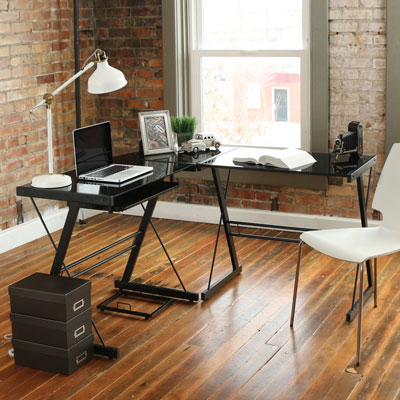 Your price for this item is $304.99
 -
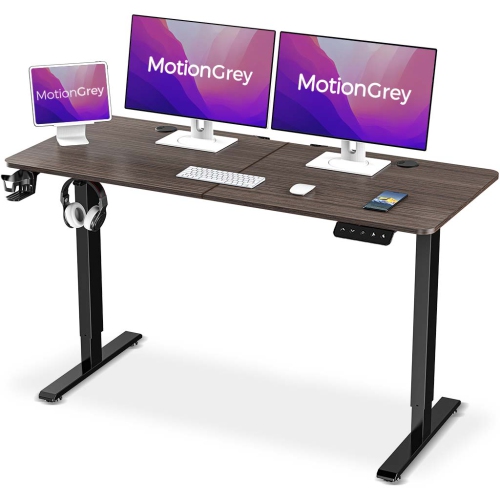 Your price for this item is $93.99
 -
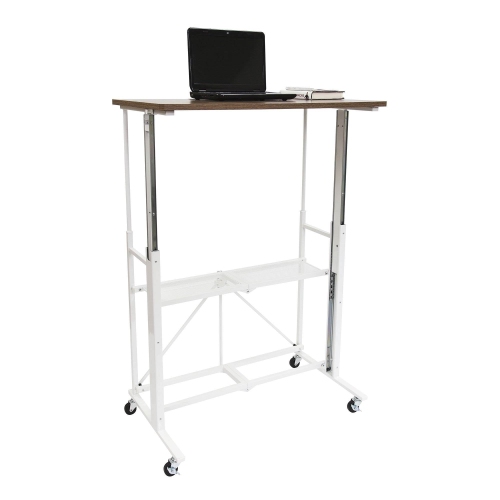 Your price for this item is $248.99
 -
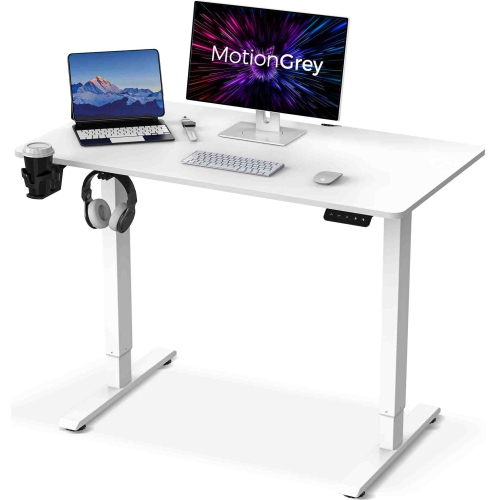 Your price for this item is $84.95
 -
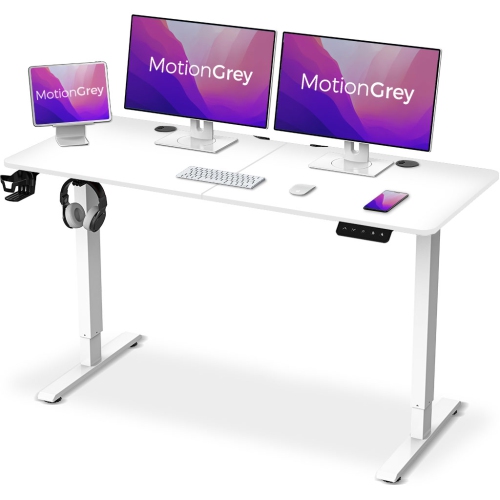 Your price for this item is $99.95
 -
 Your price for this item is $74.97
 -
 Your price for this item is $83.95
 -
 Your price for this item is $93.99
Discover more categories related to Storage Desks
Top Collections:
Pokemon Centers, Budget 4K TVs, Best Budget Office Chairs, Kindle Devices, Canon G7X Cameras, Apple iPhones 16, iPhone 15 Apple, Laptops for Business Work, Xiaomi Phones, Flip Phones
Some products may be subject to Environmental Handling Fees
(EHF) depending on your province.
Learn more about EHFs.